WWII Era Photographs: Life During Wartime
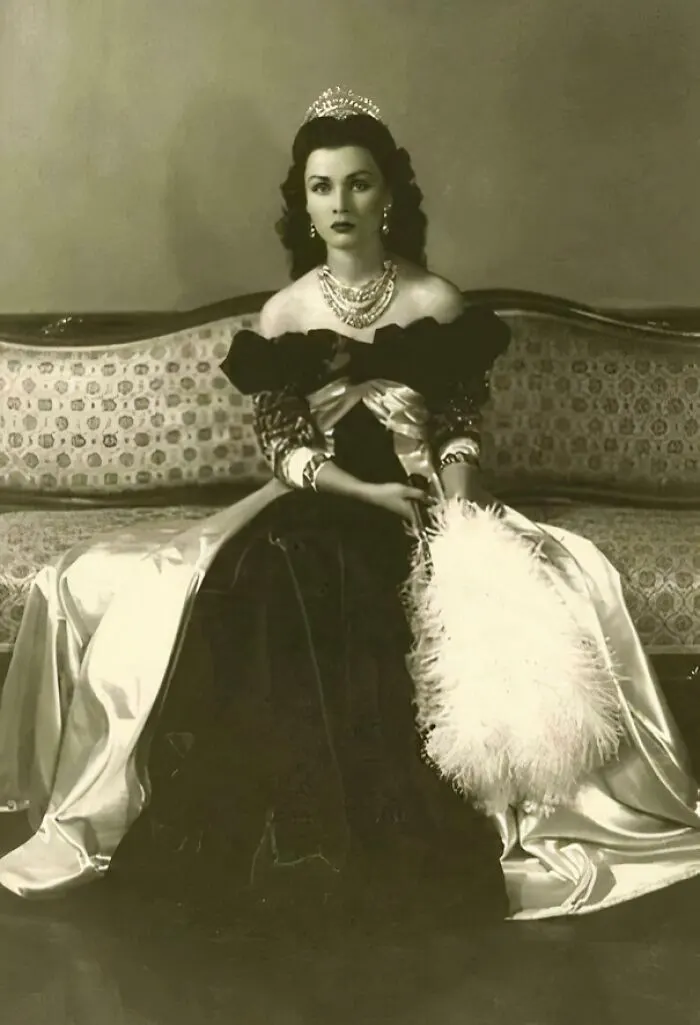
Princess of Egypt and Iranian Queen Fawzia Fuad, C. 1939
Captured here: Princess Of Egypt And Iranian Queen Fawzia Fuad, C. 1939. Made around 1939, it is the kind of image that turns a date in a history book into something you can actually see.
The 1930s were shadowed by the Great Depression, which put a quarter of American workers out of a job at its worst point. Yet the same decade produced streamlined trains, record-setting aircraft, grand public works, and a flood of documentary photography as magazines like LIFE sent cameras into everyday America.
Moments like this one were captured by photographers who often had a single chance to get the shot — no second takes, no digital preview. That is part of why these frames carry such weight: each one is a split second of real history, fixed for good.
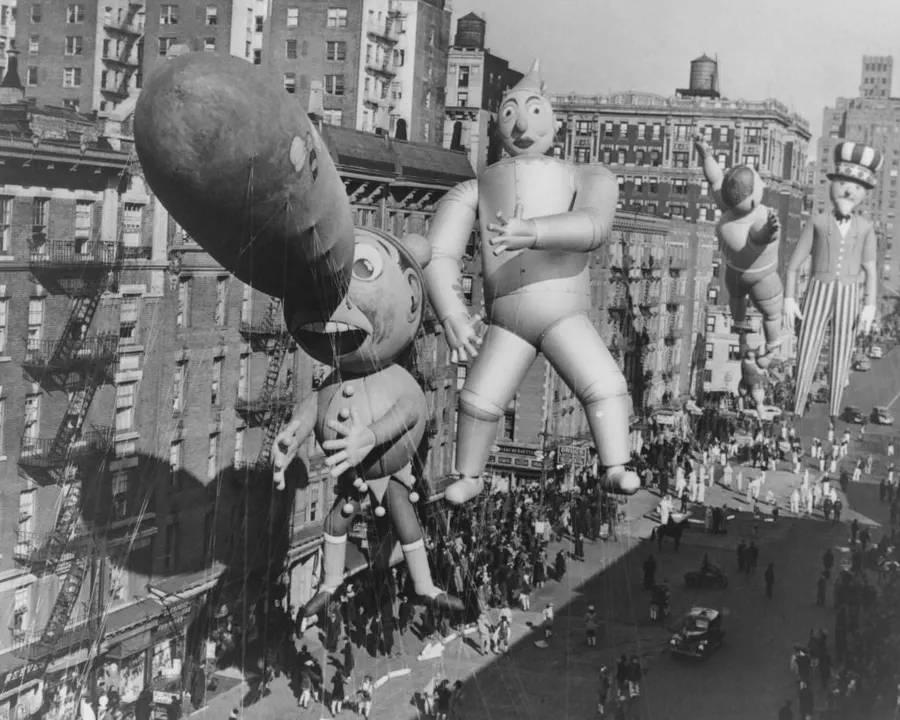
These Are Some of the Floats from the 1939 Edition of the Macy's Thanksgiving
The photograph shows these are some of the floats from the 1939 edition of the Macy's Thanksgiving Day parade. The scene dates to 1939, a detail that changes how you read every face and object in the frame.
The Macy's Thanksgiving Day Parade began in 1924, and its signature giant balloons arrived in 1927, replacing live zoo animals. In the parade's early decades the balloons were released into the sky at the end of the route, with a reward offered for their return — a practice that ended after a series of mishaps.
Pictures of ordinary life are some of the most valuable historical documents we have. Grand events were always going to be recorded, but a normal day — how people worked, dressed, shopped, and passed the time — survives only when someone happened to point a camera at it.
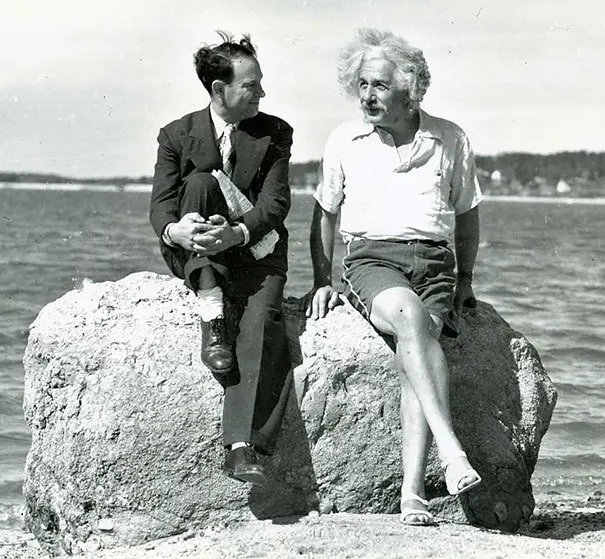
Albert Einstein, Summer 1939 Nassau Point, Long Island, Ny
This picture preserves a moment few cameras ever caught — Albert Einstein, Summer 1939 Nassau Point, Long Island, Ny. Made in 1939, it is the kind of image that turns a date in a history book into something you can actually see.
Albert Einstein became, almost against his will, the first scientific celebrity of the photographic age. After British astronomers confirmed his general theory of relativity in 1919, newspapers made his face world-famous, and photographers followed him for the rest of his life — which is why so many candid, humanizing pictures of him exist.
Pictures of ordinary life are some of the most valuable historical documents we have. Grand events were always going to be recorded, but a normal day — how people worked, dressed, shopped, and passed the time — survives only when someone happened to point a camera at it.
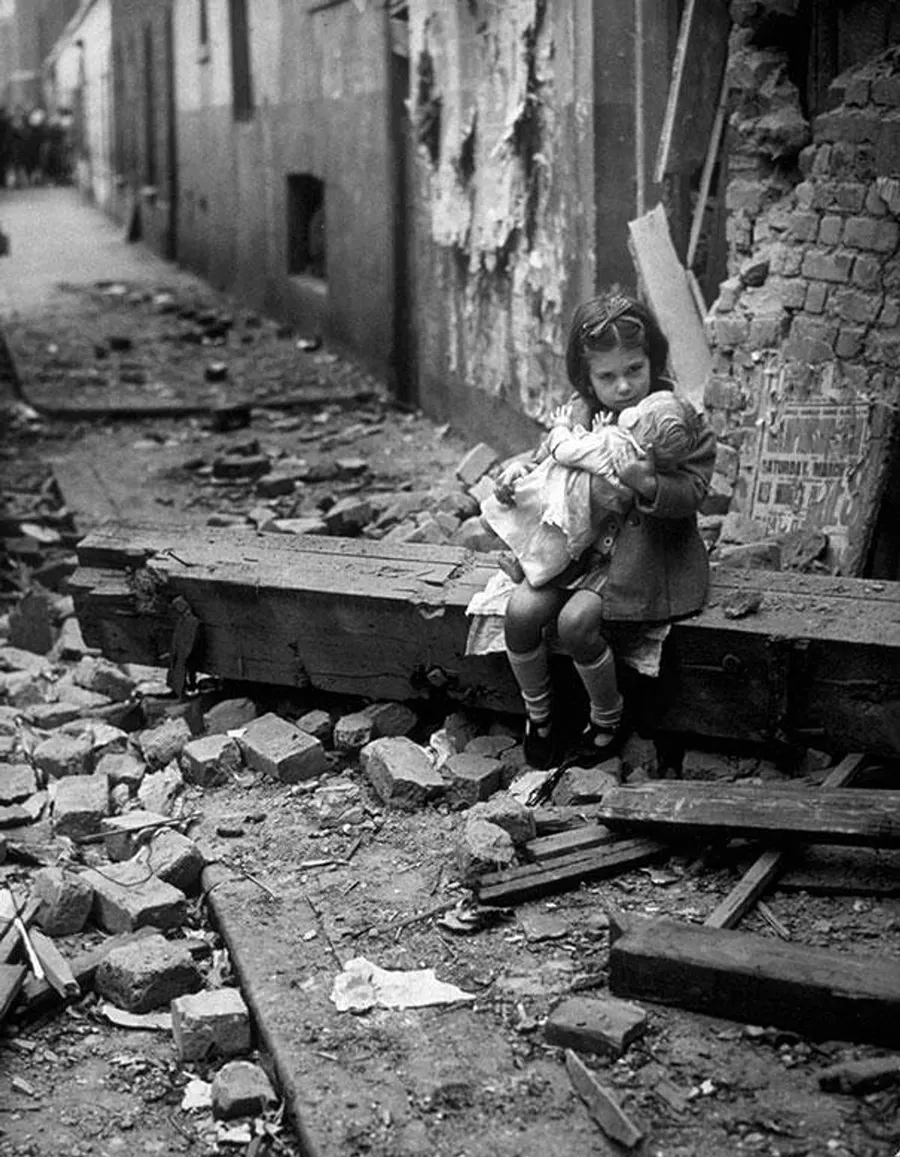
London, 1940, a Girl Sitting in the Wreckage of her Bombed-out Home
The photograph shows London, 1940, A Girl Sitting In The Wreckage Of Her Bombed-Out Home With Her Doll. Made in 1940, it is the kind of image that turns a date in a history book into something you can actually see.
The first half of the 1940s was consumed by the Second World War, the largest conflict in human history, and photography went to war with it — small 35mm cameras and wire services meant pictures from the front could reach newspaper readers within days.
Pictures of ordinary life are some of the most valuable historical documents we have. Grand events were always going to be recorded, but a normal day — how people worked, dressed, shopped, and passed the time — survives only when someone happened to point a camera at it.
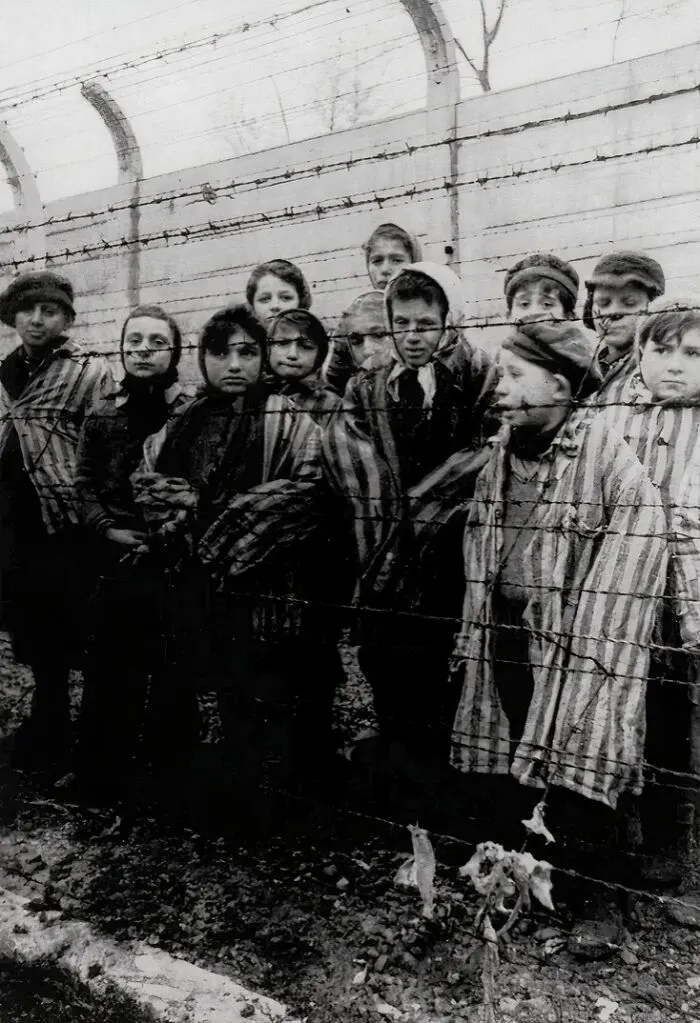
Faces of Auschwitz, 1940
Faces Of Auschwitz, 1940. It was taken in 1940, and like the best archival images it needs almost no explanation — the frame tells its own story.
The first half of the 1940s was consumed by the Second World War, the largest conflict in human history, and photography went to war with it — small 35mm cameras and wire services meant pictures from the front could reach newspaper readers within days.
What makes everyday photographs like this one compelling is the details at the edges: the clothes, the signs, the tools, the postures. They preserve texture that history books flatten out.
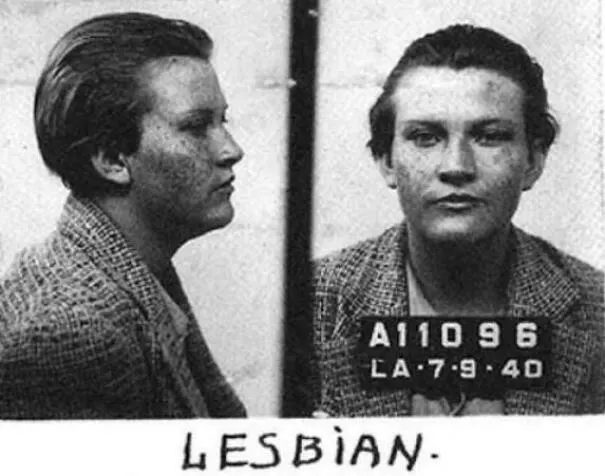
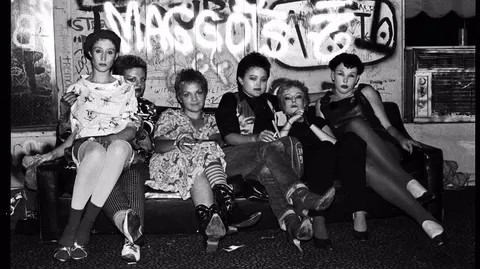
Police Image of a Girl Detained for Unconventional Dress/look, USA, 1940
The photograph shows Police Image Of A Girl Detained For Unconventional Dress/Look, USA, 1940. Made in 1940, it is the kind of image that turns a date in a history book into something you can actually see.
The first half of the 1940s was consumed by the Second World War, the largest conflict in human history, and photography went to war with it — small 35mm cameras and wire services meant pictures from the front could reach newspaper readers within days.
What makes everyday photographs like this one compelling is the details at the edges: the clothes, the signs, the tools, the postures. They preserve texture that history books flatten out.
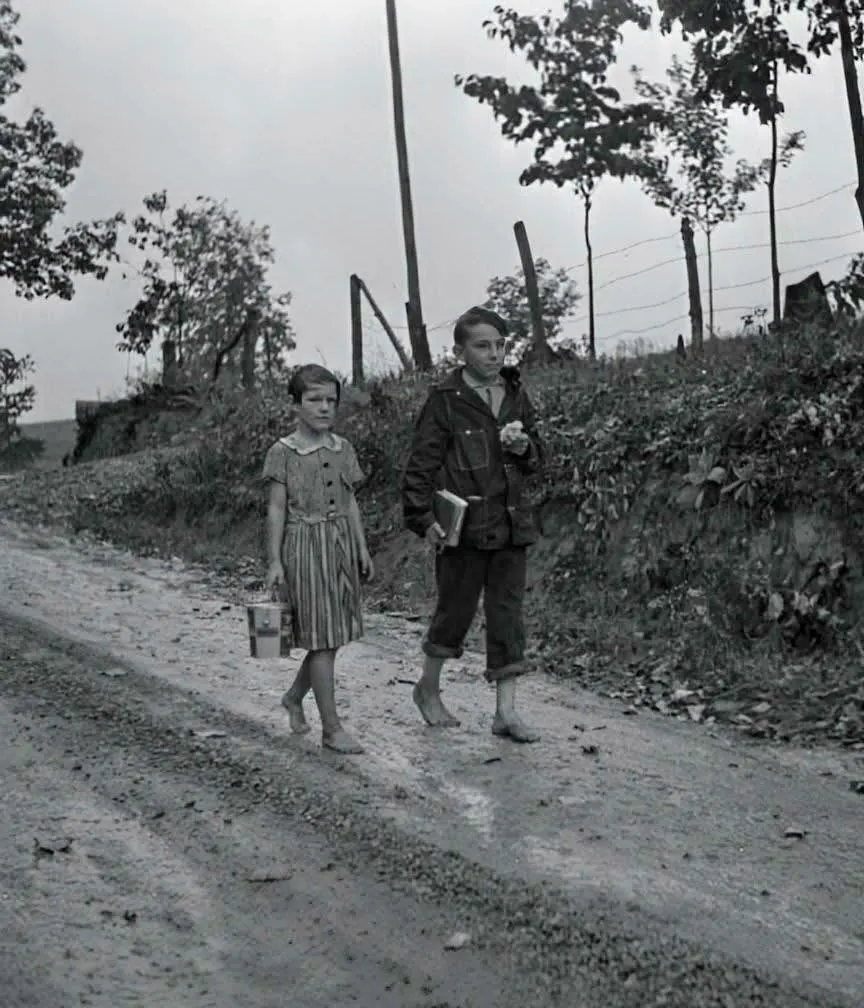
Two Kids Walking Barefoot to School, Claiborne County, Tennessee, 1940
The photograph shows two Kids Walking Barefoot To School, Claiborne County, Tennessee, 1940. Made in 1940, it is the kind of image that turns a date in a history book into something you can actually see.
The first half of the 1940s was consumed by the Second World War, the largest conflict in human history, and photography went to war with it — small 35mm cameras and wire services meant pictures from the front could reach newspaper readers within days.
What makes everyday photographs like this one compelling is the details at the edges: the clothes, the signs, the tools, the postures. They preserve texture that history books flatten out.
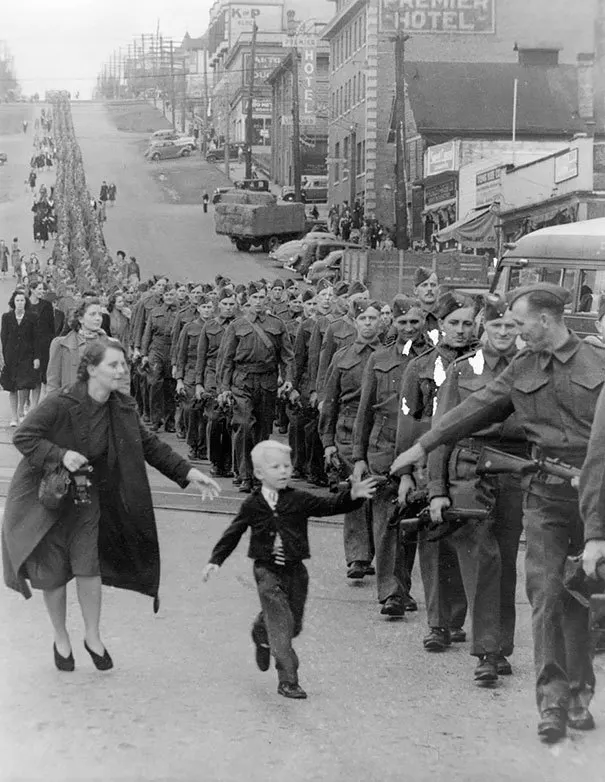
“wait for Me Daddy,” by Claude P, 1940
The photograph shows “wait For Me Daddy,” By Claude P. Dettloff In New Westminster, Canada, October 1, 1940. The scene dates to 1940, a detail that changes how you read every face and object in the frame.
The picture became one of the most famous Canadian photographs of the war. Claude P. Dettloff was photographing the British Columbia Regiment marching to a waiting train in New Westminster when five-year-old Warren "Whitey" Bernard broke from his mother's hand and ran to his father, Private Jack Bernard. The image ran across North America, was used to sell war bonds, and hung in every school in British Columbia during the war. Jack Bernard survived and returned home in 1945.
Pictures of ordinary life are some of the most valuable historical documents we have. Grand events were always going to be recorded, but a normal day — how people worked, dressed, shopped, and passed the time — survives only when someone happened to point a camera at it.
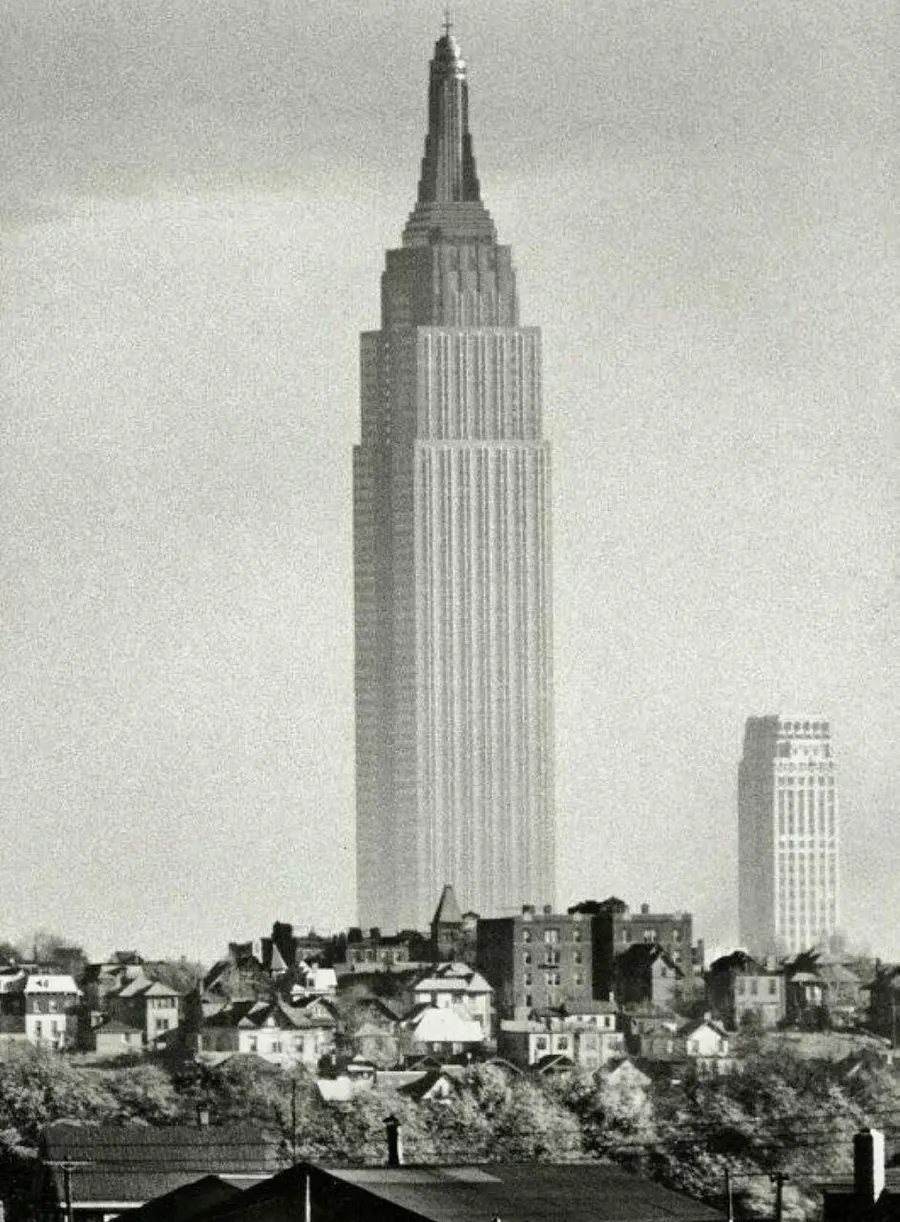
What the Empire State Building Looked Like Against the Background of Other, 1941
What The Empire State Building Looked Like Against The Background Of Other Buildings, 1941. Made in 1941, it is the kind of image that turns a date in a history book into something you can actually see.
The first half of the 1940s was consumed by the Second World War, the largest conflict in human history, and photography went to war with it — small 35mm cameras and wire services meant pictures from the front could reach newspaper readers within days.
Most photography of the period chased celebrities and headlines, which makes surviving images of daily routine all the more precious. This is what the world actually looked like when nobody thought it was worth remembering.
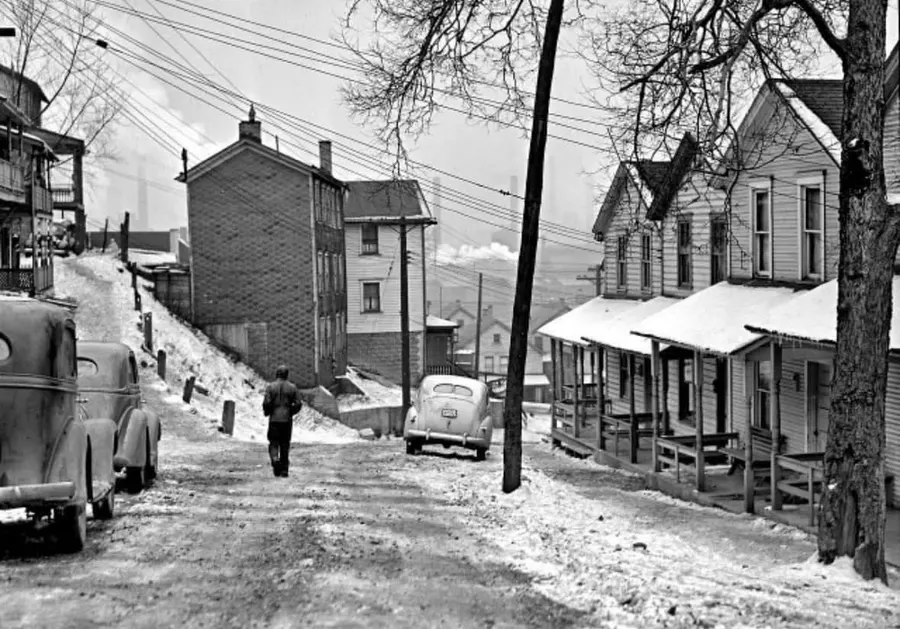
A Street Scene in Pennsylvania, 1941
Captured here: a Street Scene In Pennsylvania, 1941. Made in 1941, it is the kind of image that turns a date in a history book into something you can actually see.
The first half of the 1940s was consumed by the Second World War, the largest conflict in human history, and photography went to war with it — small 35mm cameras and wire services meant pictures from the front could reach newspaper readers within days.
Pictures of ordinary life are some of the most valuable historical documents we have. Grand events were always going to be recorded, but a normal day — how people worked, dressed, shopped, and passed the time — survives only when someone happened to point a camera at it.
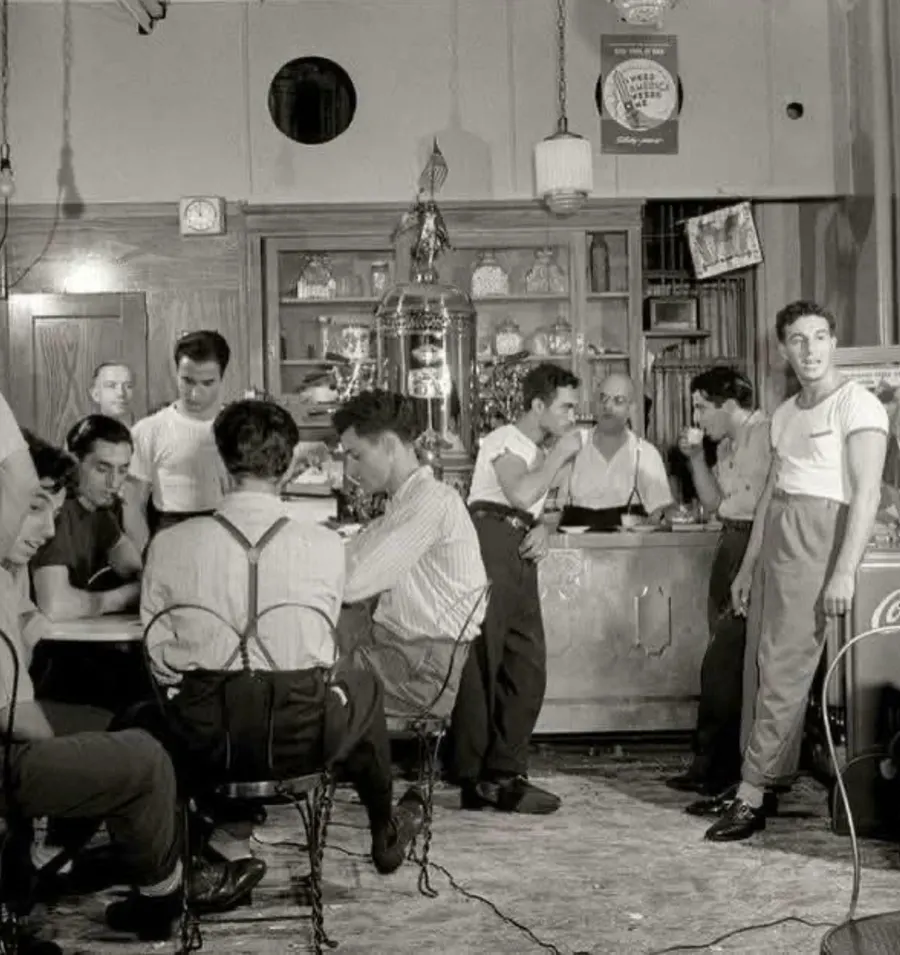
An Italian-american Cafe, Little Italy, New York City, 1942
Captured here: an Italian-American Cafe, Little Italy, New York City, 1942. The scene dates to 1942, a detail that changes how you read every face and object in the frame.
The first half of the 1940s was consumed by the Second World War, the largest conflict in human history, and photography went to war with it — small 35mm cameras and wire services meant pictures from the front could reach newspaper readers within days.
Most photography of the period chased celebrities and headlines, which makes surviving images of daily routine all the more precious. This is what the world actually looked like when nobody thought it was worth remembering.
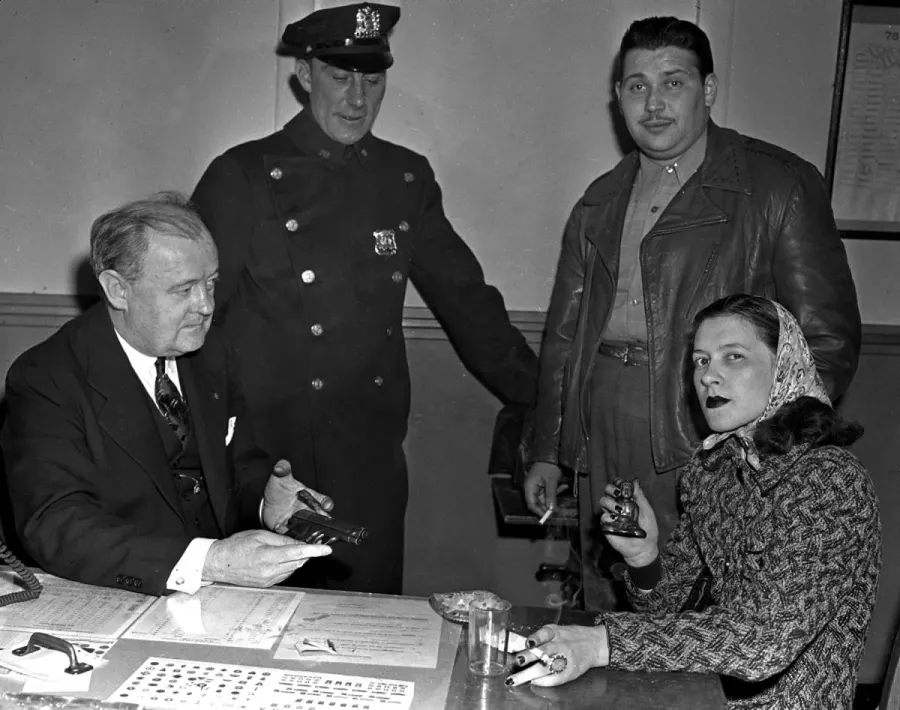
She Pleads the Fifth, 1942
Captured here: Mob Moll, 1942: She pleads the fifth! Mob moll Smitty White was arrested and held at police headquarters in 1942 after her boyfriend Ralph Prisco was shot and killed by police during a failed holdup. Mob molls are also known as gun molls, or even gangster molls. The term moll is derived from the world "Molly," a 17th century euphemism for either "whore" or "prostitute.". It was taken in 1942, and like the best archival images it needs almost no explanation — the frame tells its own story.
The first half of the 1940s was consumed by the Second World War, the largest conflict in human history, and photography went to war with it — small 35mm cameras and wire services meant pictures from the front could reach newspaper readers within days.
What makes everyday photographs like this one compelling is the details at the edges: the clothes, the signs, the tools, the postures. They preserve texture that history books flatten out.
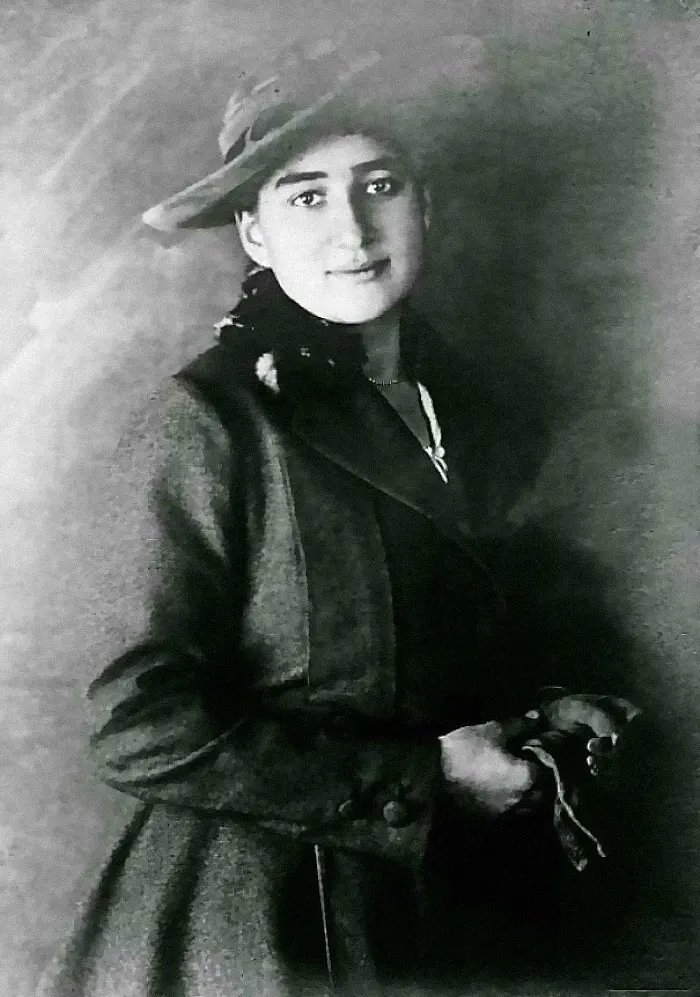
7 Oct 1943, Ottla Kafka, Beloved Sister of Author Franz Kafka
This picture preserves a moment few cameras ever caught — 7 Oct 1943, Ottla Kafka, Beloved Sister Of Author Franz Kafka, Was Gassed On Arrival At Auschwitz After Volunteering To Escort A Group Of Orphans From The Terezin Ghetto So They Wouldn’t Be Afraid. The scene dates to 1943, a detail that changes how you read every face and object in the frame.
The first half of the 1940s was consumed by the Second World War, the largest conflict in human history, and photography went to war with it — small 35mm cameras and wire services meant pictures from the front could reach newspaper readers within days.
Most photography of the period chased celebrities and headlines, which makes surviving images of daily routine all the more precious. This is what the world actually looked like when nobody thought it was worth remembering.
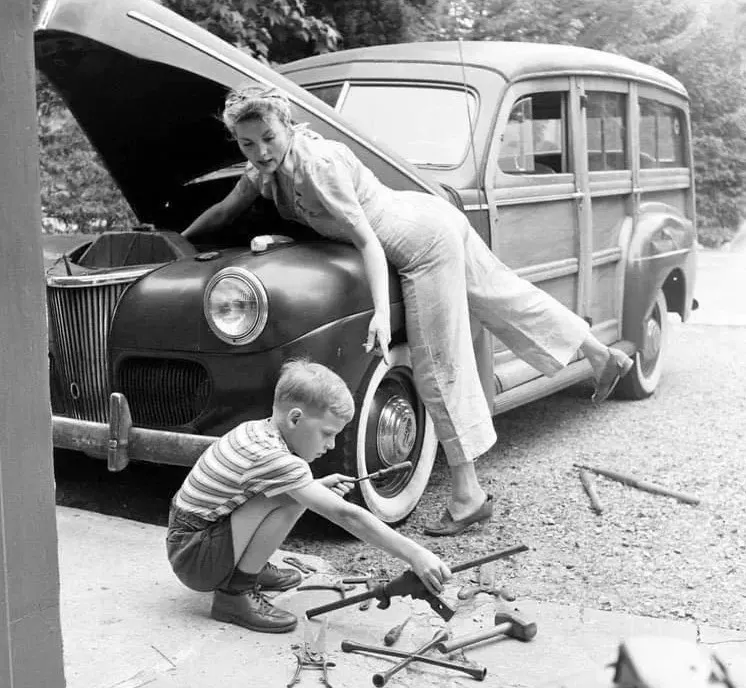
A Mother Repairs the Family Car While her Husband Is Away at War, 1944
This picture preserves a moment few cameras ever caught — a Mother Repairs The Family Car While Her Husband Is Away At War, 1944. The scene dates to 1944, a detail that changes how you read every face and object in the frame.
The first half of the 1940s was consumed by the Second World War, the largest conflict in human history, and photography went to war with it — small 35mm cameras and wire services meant pictures from the front could reach newspaper readers within days.
History is usually written down long after it happens, but a photograph is made in the moment itself. That immediacy is what keeps images like this one circulating decades after the event they show.
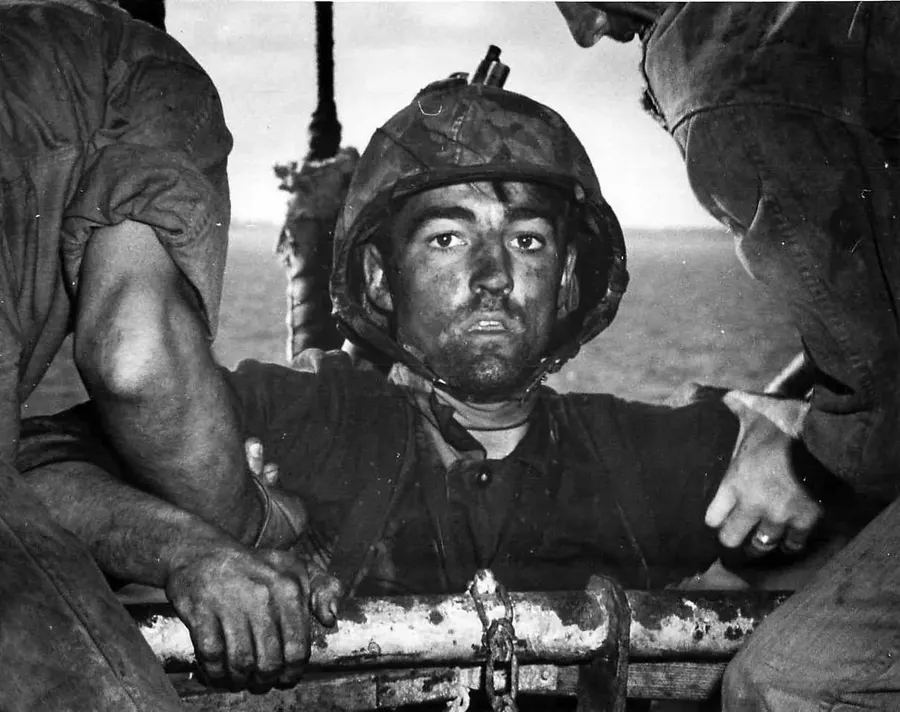
“the Thousand Yard Stare”—usmc Private Theodore J, 1944
“The Thousand Yard Stare”—USMC Private Theodore J. Miller Is Helped Aboard A Ship After Intense Combat On Eniwetok Atoll. Miller Was KIA A Month Later, 1944. It was taken in 1944, and like the best archival images it needs almost no explanation — the frame tells its own story.
The first half of the 1940s was consumed by the Second World War, the largest conflict in human history, and photography went to war with it — small 35mm cameras and wire services meant pictures from the front could reach newspaper readers within days.
Pictures of ordinary life are some of the most valuable historical documents we have. Grand events were always going to be recorded, but a normal day — how people worked, dressed, shopped, and passed the time — survives only when someone happened to point a camera at it.
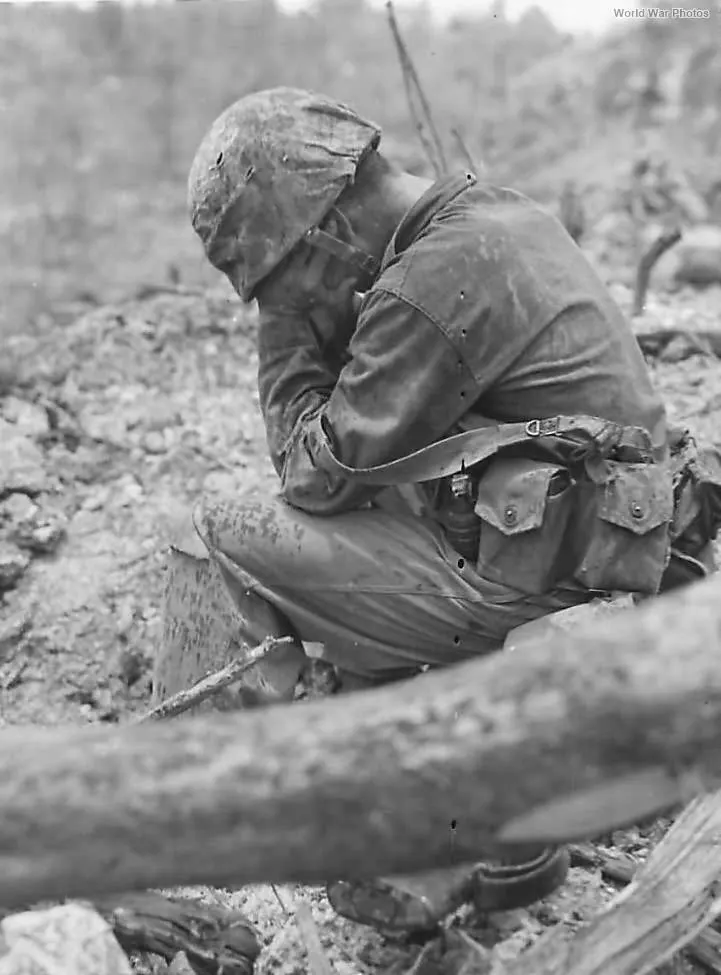
An Overwhelmed US Marine Is Pictured While Weeping Among Ruins During, 1944
The photograph shows an Overwhelmed US Marine Is Pictured While Weeping Among Ruins During The Battle Of Peleliu. September 26th, 1944. Made in 1944, it is the kind of image that turns a date in a history book into something you can actually see.
The first half of the 1940s was consumed by the Second World War, the largest conflict in human history, and photography went to war with it — small 35mm cameras and wire services meant pictures from the front could reach newspaper readers within days.
History is usually written down long after it happens, but a photograph is made in the moment itself. That immediacy is what keeps images like this one circulating decades after the event they show.
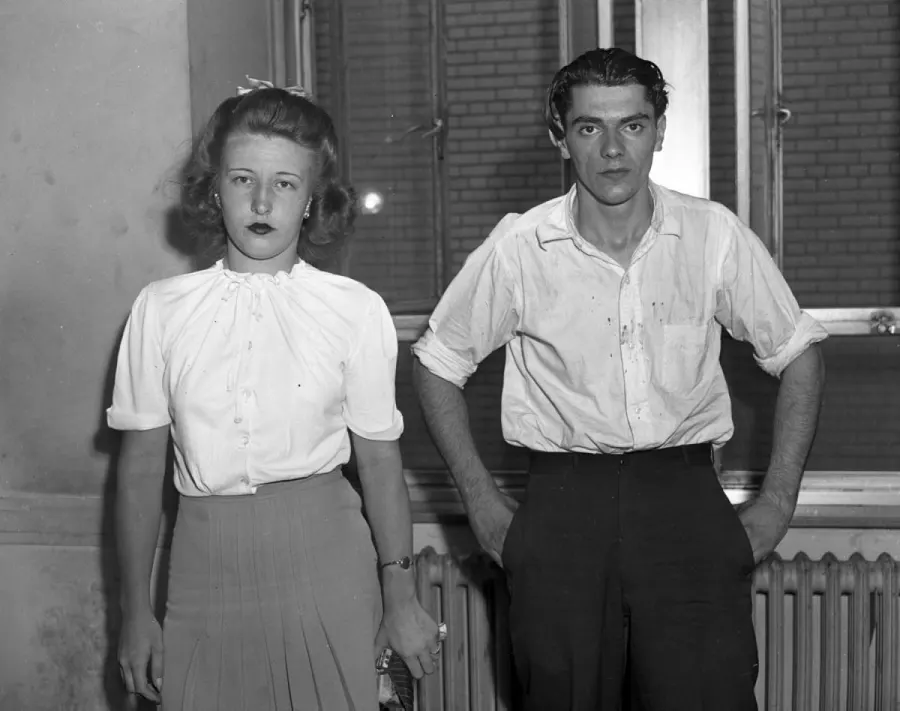
She Stands by her Man, 1944
This picture preserves a moment few cameras ever caught — Mob Moll, 1944: She stands by her man! 19-year-old Virgina Ornmark looks unfazed as she and beau Fred Schmidt, 24, stare blankly at the camera after being arraigned for the murder of a lingerie merchant in 1944. It was taken in 1944, and like the best archival images it needs almost no explanation — the frame tells its own story.
The first half of the 1940s was consumed by the Second World War, the largest conflict in human history, and photography went to war with it — small 35mm cameras and wire services meant pictures from the front could reach newspaper readers within days.
Most photography of the period chased celebrities and headlines, which makes surviving images of daily routine all the more precious. This is what the world actually looked like when nobody thought it was worth remembering.
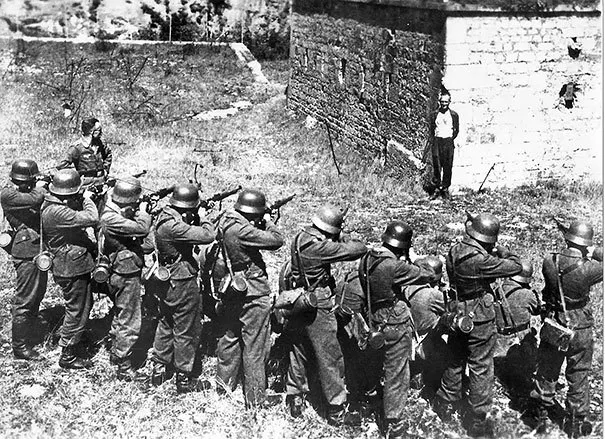
Georges Blind, a Member of the French Resistance, 1944
Georges Blind, A Member Of The French Resistance, Smiling At A German Firing Squad, 1944. Made in 1944, it is the kind of image that turns a date in a history book into something you can actually see.
Georges Blind was a fireman in Belfort, France, who passed information and helped smuggle people for the French Resistance. The firing squad in the photograph was staged by his German captors as an intimidation tactic to make him talk; Blind gave them nothing but the smile the camera recorded. He was later transferred to a concentration camp, where he died in late 1944. The photograph was found after the war.
Moments like this one were captured by photographers who often had a single chance to get the shot — no second takes, no digital preview. That is part of why these frames carry such weight: each one is a split second of real history, fixed for good.
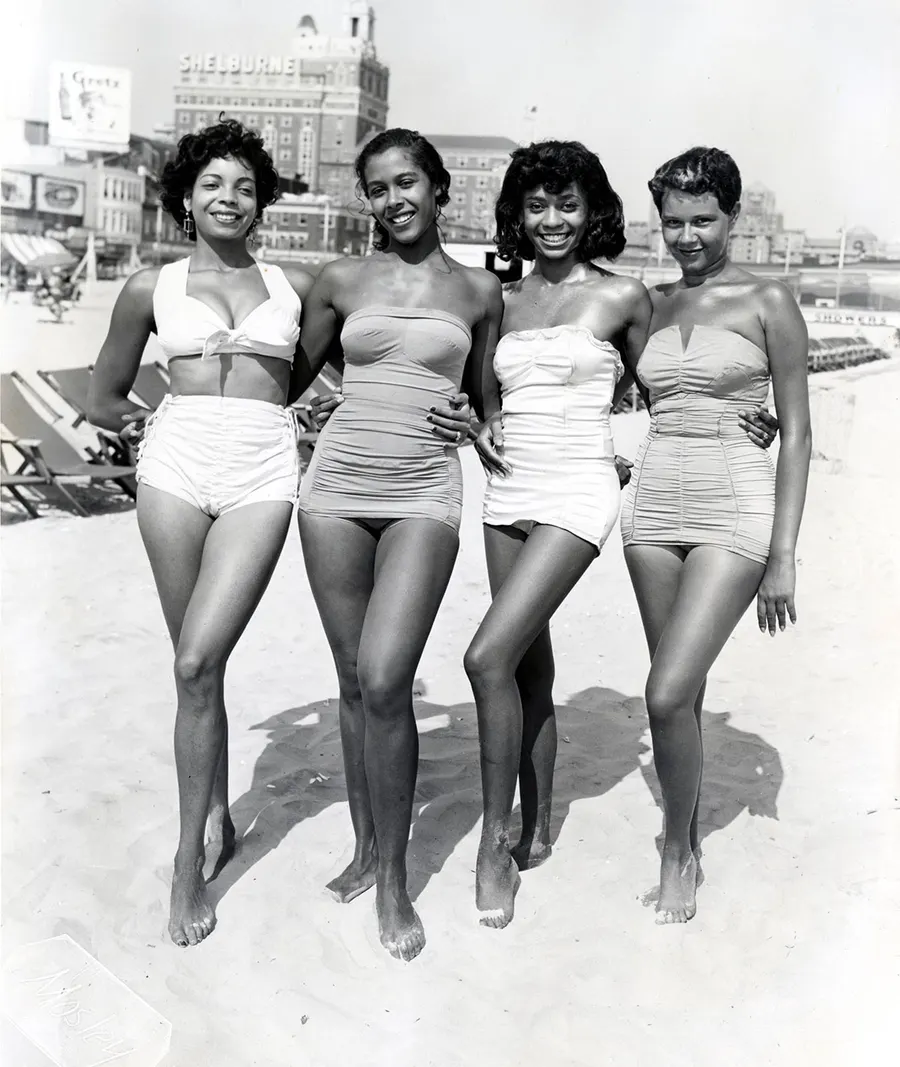
Group of Friends Enjoys the Beach and Sun in the 1940s
Group Of Friends Enjoys The Beach And Sun In The 1940s. Made in the 1940s, it is the kind of image that turns a date in a history book into something you can actually see.
The first half of the 1940s was consumed by the Second World War, the largest conflict in human history, and photography went to war with it — small 35mm cameras and wire services meant pictures from the front could reach newspaper readers within days.
Pictures of ordinary life are some of the most valuable historical documents we have. Grand events were always going to be recorded, but a normal day — how people worked, dressed, shopped, and passed the time — survives only when someone happened to point a camera at it.
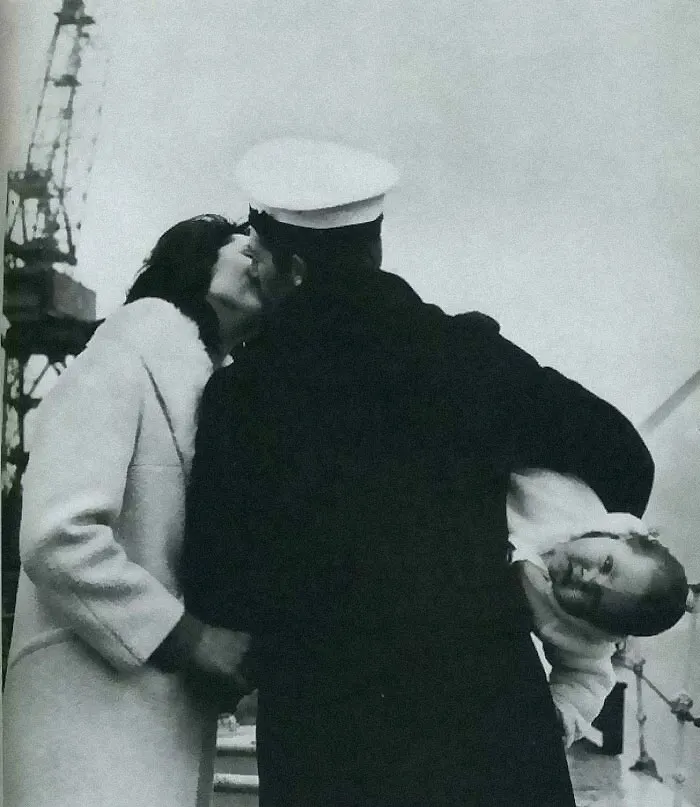
A Sailor "meets" his Baby for the First Time After Fourteen Months at Sea, 1940s
Captured here: a Sailor "Meets" His Baby For The First Time After Fourteen Months At Sea, 1940s. It was taken in the 1940s, and like the best archival images it needs almost no explanation — the frame tells its own story.
The first half of the 1940s was consumed by the Second World War, the largest conflict in human history, and photography went to war with it — small 35mm cameras and wire services meant pictures from the front could reach newspaper readers within days.
What makes everyday photographs like this one compelling is the details at the edges: the clothes, the signs, the tools, the postures. They preserve texture that history books flatten out.
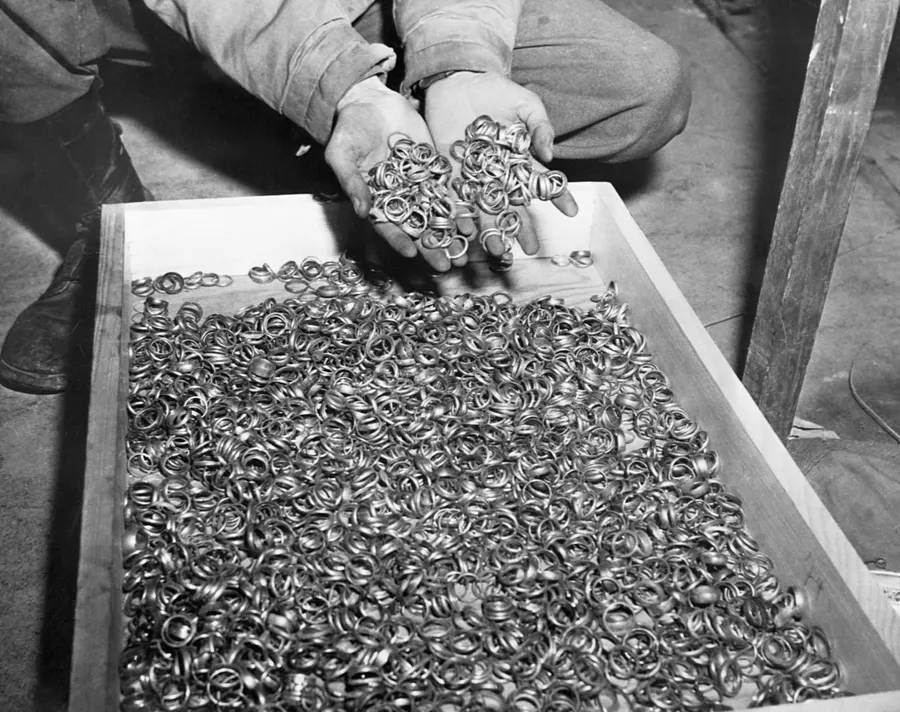
Wedding Rings Found by U.S, 1945
Wedding Rings Found By U.S. Army Soldiers Near The Buchenwald Concentration Camp, Germany, May 1945. Made in 1945, it is the kind of image that turns a date in a history book into something you can actually see.
The first half of the 1940s was consumed by the Second World War, the largest conflict in human history, and photography went to war with it — small 35mm cameras and wire services meant pictures from the front could reach newspaper readers within days.
What makes everyday photographs like this one compelling is the details at the edges: the clothes, the signs, the tools, the postures. They preserve texture that history books flatten out.
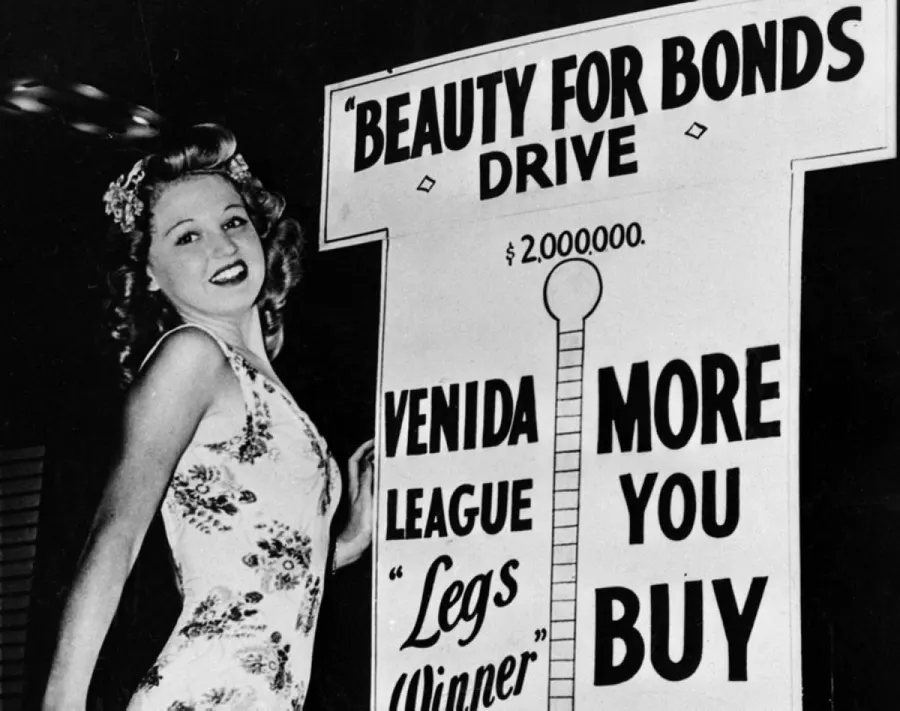
1940s: Janice Drake Holds a Special Place in the Roster of Women Associated
Captured here: Mob Moll: 1940s: Janice Drake holds a special place in the roster of women associated with the mob. A one-time beauty pageant contestant in her youth and former Miss New Jersey, she spent countless nights in clubs and restaurants with some of the most senior figures in organized crime, despite being a wife (to rising nightclub comedian Alan Drake) and mother. Made in the 1940s, it is the kind of image that turns a date in a history book into something you can actually see.
The first half of the 1940s was consumed by the Second World War, the largest conflict in human history, and photography went to war with it — small 35mm cameras and wire services meant pictures from the front could reach newspaper readers within days.
Pictures of ordinary life are some of the most valuable historical documents we have. Grand events were always going to be recorded, but a normal day — how people worked, dressed, shopped, and passed the time — survives only when someone happened to point a camera at it.
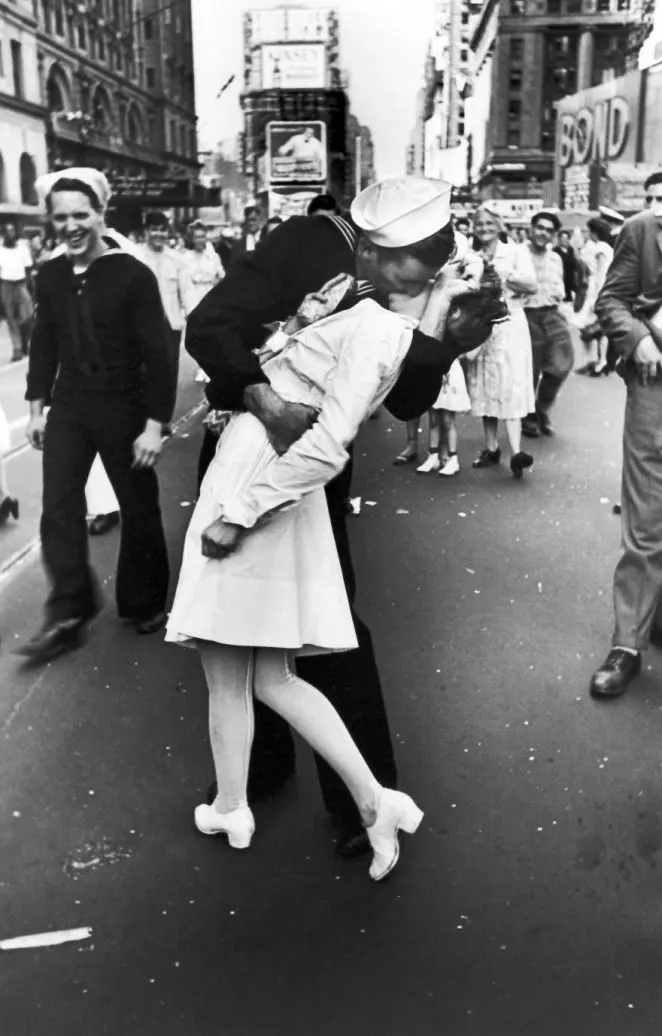
Sailor Kissing Nurse, Times Square, August 14, 1945
This picture preserves a moment few cameras ever caught — Sailor Kissing Nurse, Times Square, August 14, 1945. The scene dates to 1945, a detail that changes how you read every face and object in the frame.
The photograph was taken in Times Square on August 14, 1945 — V-J Day — as New York erupted in celebration at the news of Japan's surrender. Alfred Eisenstaedt captured the scene for LIFE magazine, and it became one of the most reproduced news photographs ever made. The two people were strangers, swept together in the crowd, and their identities were debated for decades afterward.
What makes everyday photographs like this one compelling is the details at the edges: the clothes, the signs, the tools, the postures. They preserve texture that history books flatten out.
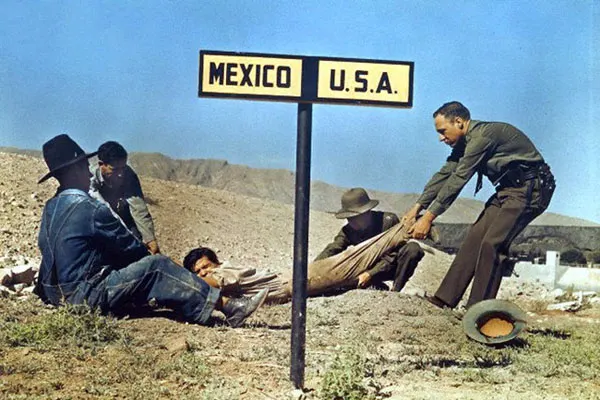
This Photo, Taken in 1939 by Luis Marden
The photograph shows Fugitive: This photo, taken in 1939 by Luis Marden, shows a fugitive being dragged back into the United States by border patrol so that he doesn’t escape El Paso, Texas and enter Mexico. It was taken in 1939, and like the best archival images it needs almost no explanation — the frame tells its own story.
The 1930s were shadowed by the Great Depression, which put a quarter of American workers out of a job at its worst point. Yet the same decade produced streamlined trains, record-setting aircraft, grand public works, and a flood of documentary photography as magazines like LIFE sent cameras into everyday America.
What makes everyday photographs like this one compelling is the details at the edges: the clothes, the signs, the tools, the postures. They preserve texture that history books flatten out.
Featured galleries