15 U.S. Colleges That Show Higher Education's Diversity
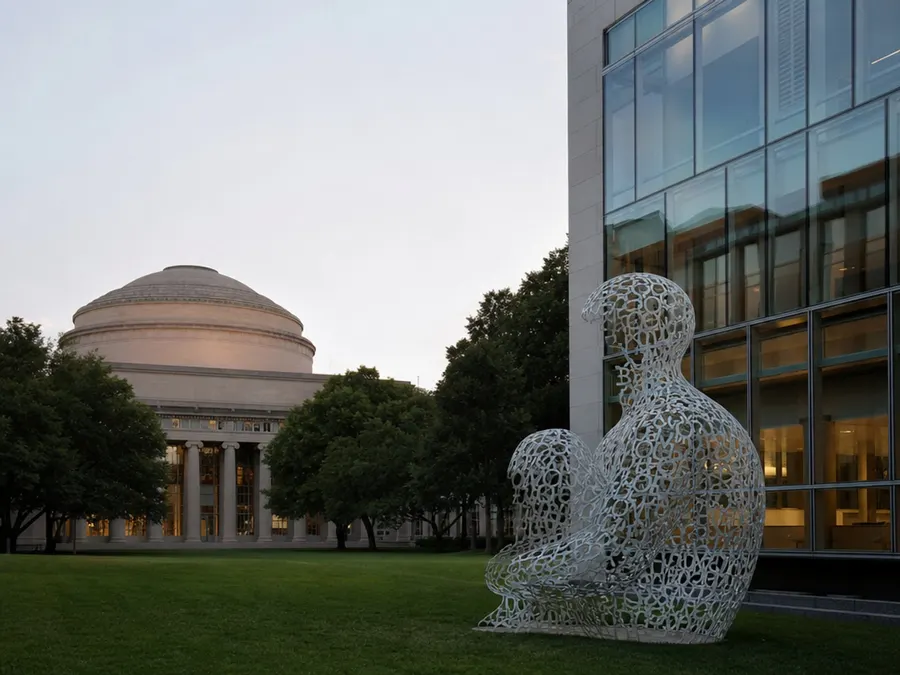
Massachusetts Institute of Technology: specialized research intensity
MIT represents a private institution centered on science, engineering, computing, architecture, management, and related fields, while still offering humanities and social sciences. Selectivity, aid, workload, campus culture, and program structure matter more than a famous abbreviation.
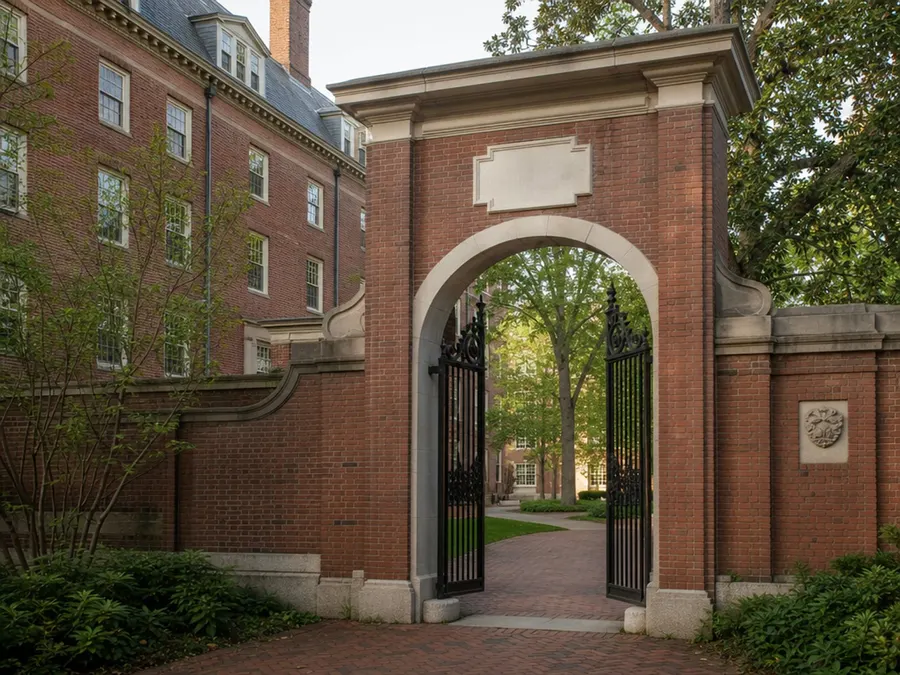
Harvard University: a complex private university
Harvard shows how a historic private university can include multiple schools, separate admissions processes, research institutes, and a large endowment. The undergraduate college is not interchangeable with every graduate school. Use the exact program's official cost and outcomes.
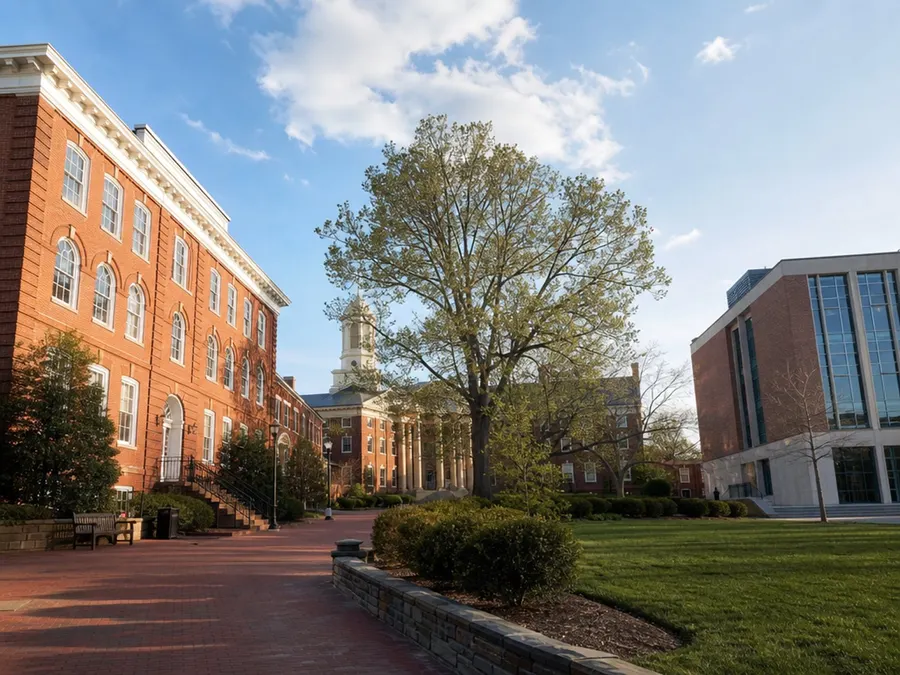
Howard University: a private HBCU
Howard is a federally chartered private historically Black university with undergraduate, graduate, and professional programs. HBCU status describes a historical mission and institutional community, not racial exclusion. Prospective students should examine the specific program, aid, accreditation, and support.
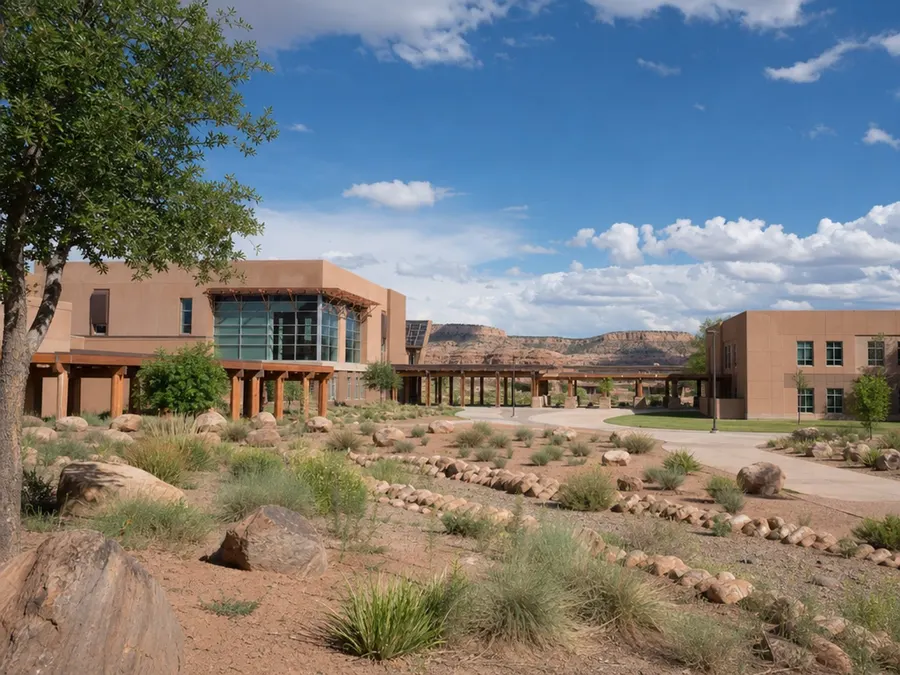
Diné College: a tribal college
Diné College is chartered by the Navajo Nation and grounds higher education in Diné language, culture, community, and workforce needs. Tribal colleges are sovereign-community institutions, not generic rural campuses. Program availability and student eligibility should be checked directly.
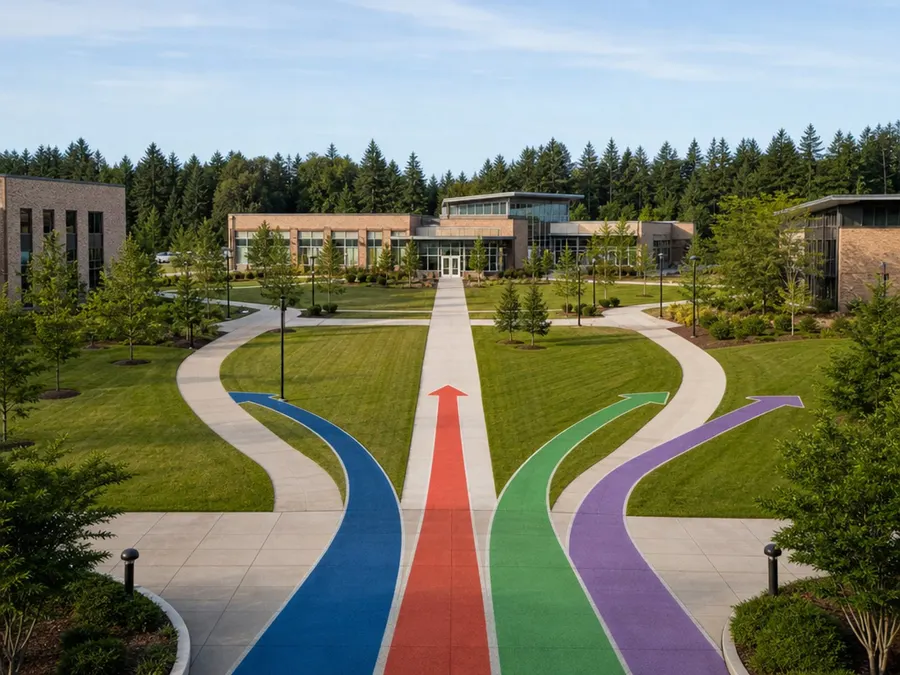
Santa Monica College: community-college pathways
Santa Monica College illustrates open-access community-college roles: associate degrees, career education, general education, and transfer preparation. Transfer is not automatic; course articulation, grades, capacity, residency, and target-school rules matter. Compare total time and living costs.

Iowa State University: land-grant model
Iowa State reflects the land-grant tradition of teaching, research, and extension connected with agriculture, engineering, science, and public service. Today's program mix is broader than its origins. Residents and nonresidents may face different tuition and aid assumptions.
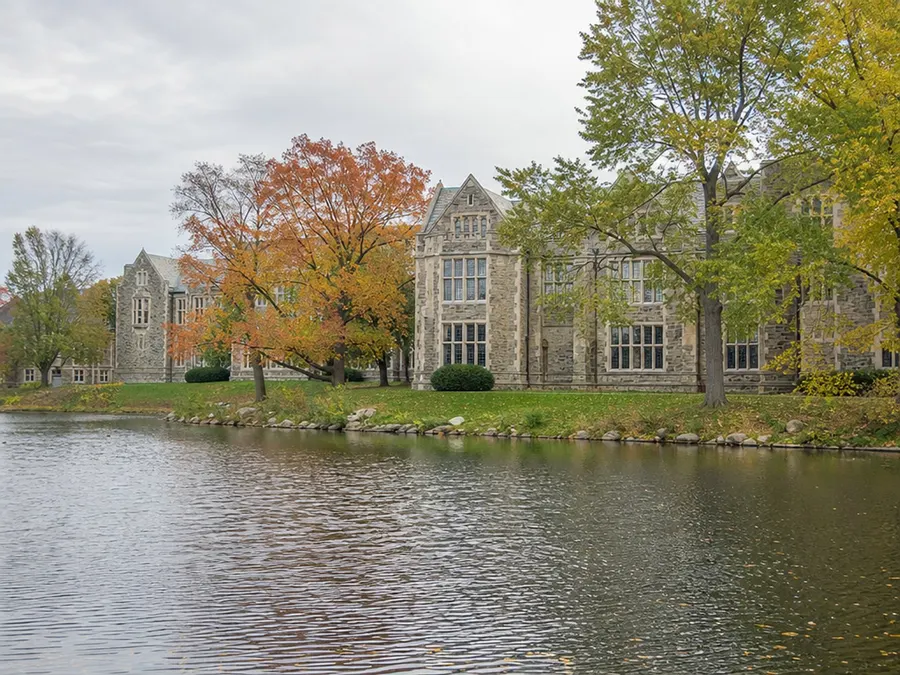
Wellesley College: women's liberal-arts education
Wellesley represents a private women's liberal-arts college emphasizing undergraduate education within a wider consortium and metropolitan region. Students should verify current admissions policy, cross-registration, majors, aid, and campus fit rather than assuming every liberal-arts college operates alike.
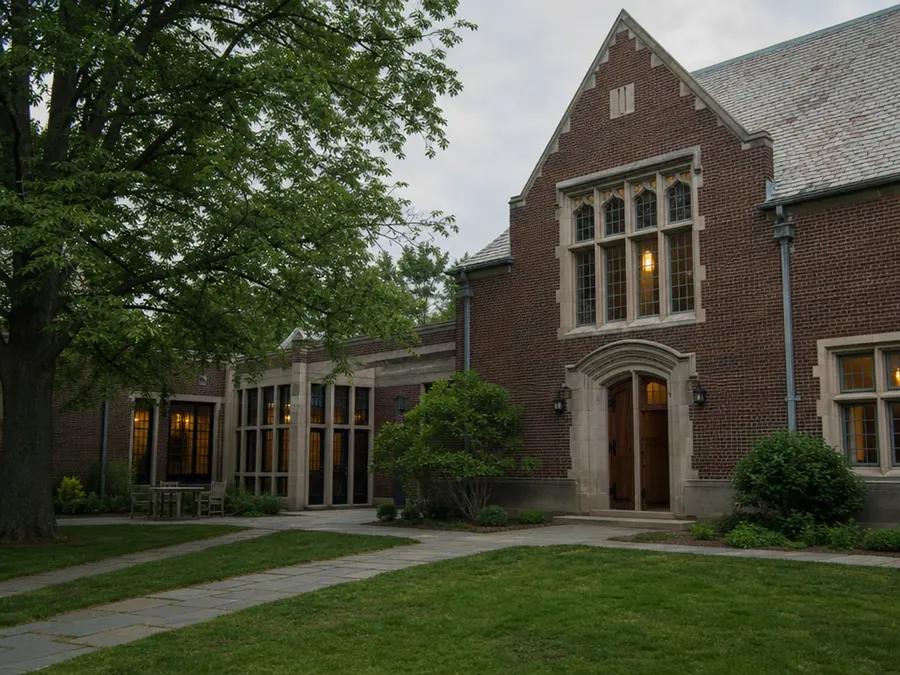
Amherst College: residential liberal arts
Amherst illustrates a small private college focused primarily on undergraduate liberal-arts study, with access to a regional consortium. Small classes are not guaranteed in every course, and residential cost matters. Compare teaching model, aid, housing, and desired field.
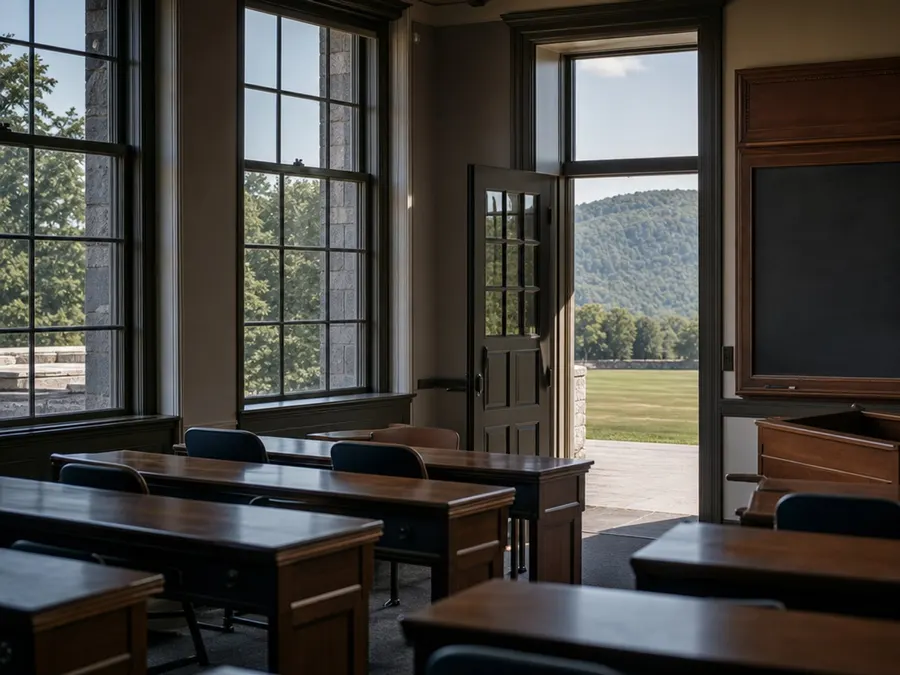
United States Military Academy: service-linked education
West Point combines an undergraduate education with military training and a post-graduation service obligation. Admissions includes nomination, fitness, medical, and academic elements. This is not a tuition-free shortcut; the commitment and institutional mission must be understood first.
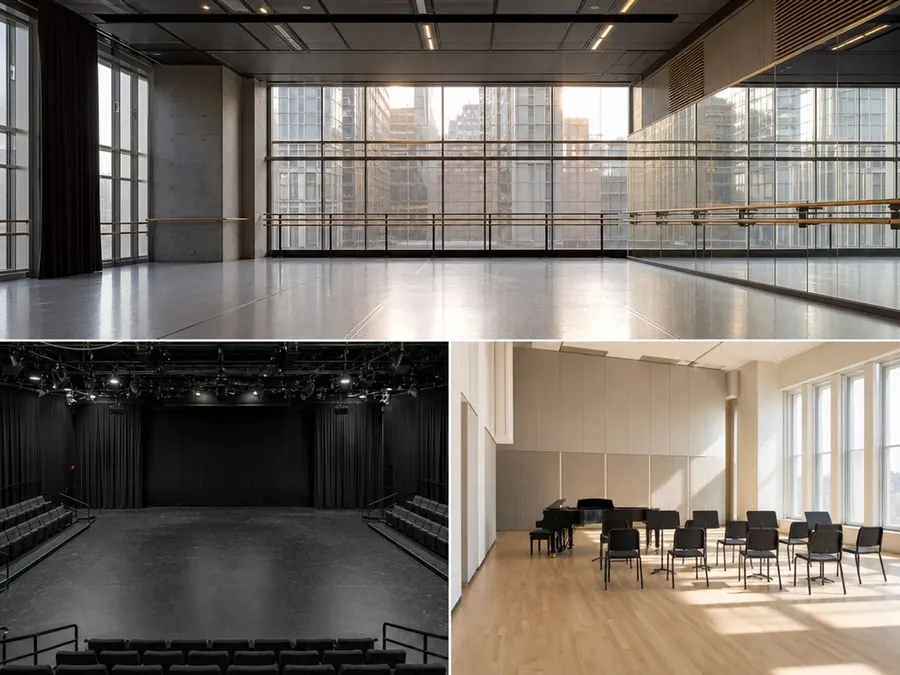
The Juilliard School: conservatory training
Juilliard represents intensive conservatory education in dance, drama, and music. Auditions, artistic development, performance demands, and specialized career markets distinguish it from a broad university. Talent, fit, health, aid, and alternative pathways all deserve honest evaluation.

Gallaudet University: bilingual access and Deaf culture
Gallaudet is a bilingual university where American Sign Language and English operate within a community centered on Deaf and hard-of-hearing students. Its mission demonstrates that accessibility is cultural and academic, not merely accommodation paperwork. Check program language expectations directly.

Arizona State University: scale and multiple delivery modes
ASU illustrates a large public university operating several campuses and extensive online programs. “Online” is not one format: course pacing, residency, services, exam rules, and program authorization differ. Verify the exact degree, delivery mode, and state eligibility.
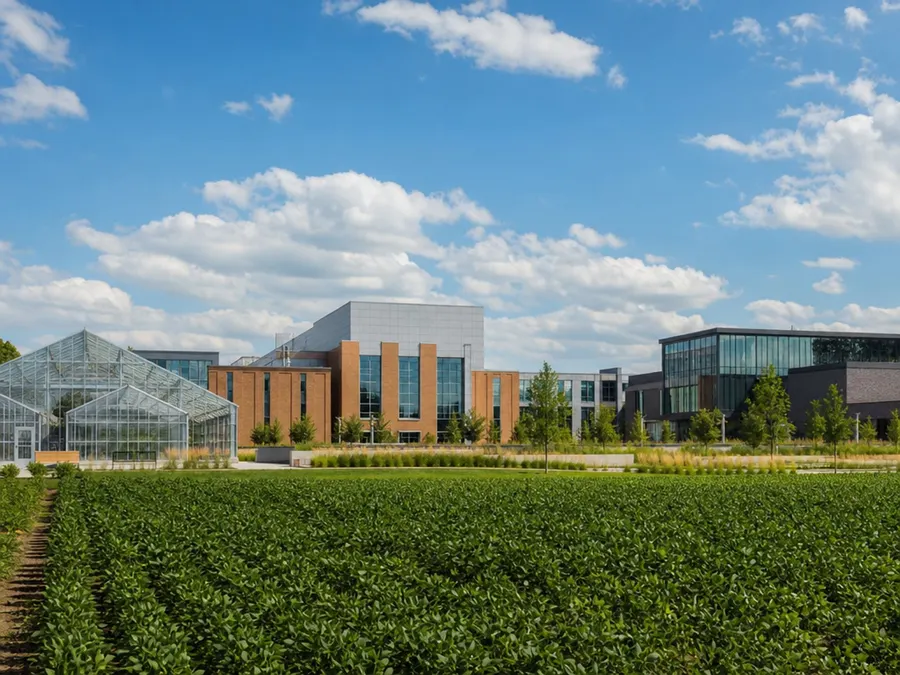
Purdue University: public STEM and professional breadth
Purdue combines a public land-grant history with major engineering, technology, science, agriculture, business, aviation, and liberal-arts programs. Program-specific capacity and fees can vary sharply. Compare the exact major's curriculum, accreditation, co-op options, and outcomes.
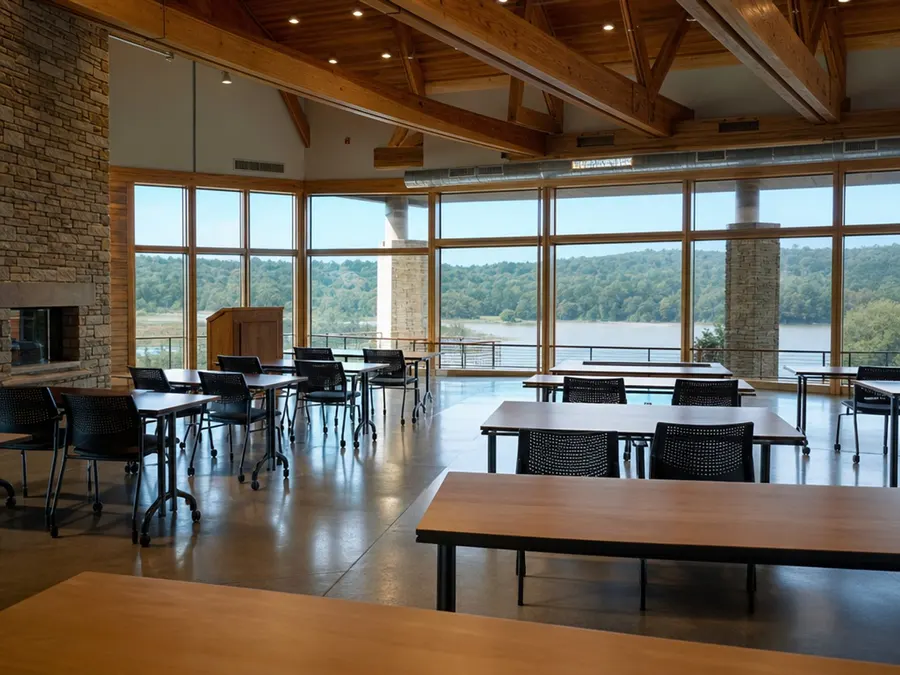
College of the Muscogee Nation: community and workforce mission
The College of the Muscogee Nation illustrates tribally chartered education tied to sovereignty, language, culture, and regional workforce needs. Institutional scale should not be confused with importance. Prospective students must verify current accreditation, programs, and eligibility through official sources.
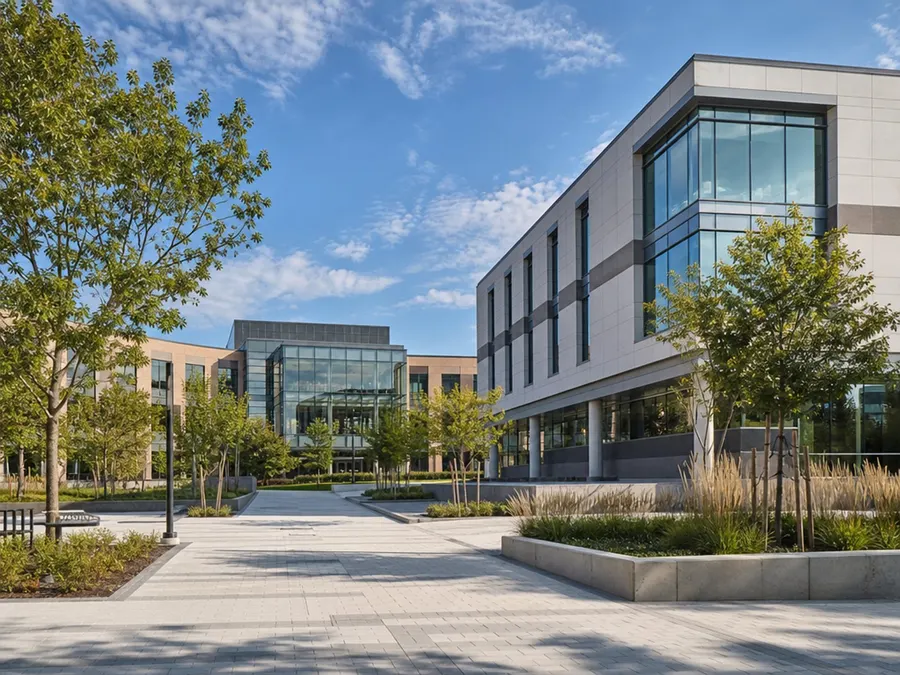
University of California, Berkeley: public research flagship
UC Berkeley illustrates a large public research university with undergraduate, graduate, professional, and extension activity. In-state status, capacity, housing, major access, and net price can shape the experience. Public does not automatically mean affordable for every student.
Featured galleries