12 U.S. City Crime Data Portals—and How to Read Them

Los Angeles: incident records and changing systems
Los Angeles publishes crime data through its open-data program, but system migrations and classification changes can affect continuity. Check metadata and update notes before joining years. City population estimates also differ from the daily population exposed through commuting and tourism.

Chicago: reported crimes with detailed fields
Chicago's open crime dataset supports date, type, location, and arrest analysis, with privacy protections and revision caveats. An arrest indicator is not a conviction, and reported incidents are not all victimization. Use community-area analysis carefully to avoid stigmatizing residents.

Houston: monthly police reports
Houston Police Department publishes monthly crime data files and reports. Before combining them with another source, confirm whether offenses use NIBRS definitions, how incidents are geocoded, and whether the month reflects occurrence or reporting. Missing coordinates do not mean missing events.

Phoenix: open-data incidents and offense categories
Phoenix provides public-safety datasets through its open-data platform. Analysts should read the field definitions, suppression rules, and refresh date before calculating rates. The City of Phoenix boundary is not the same as the metropolitan area, county, or every postal address using “Phoenix.”
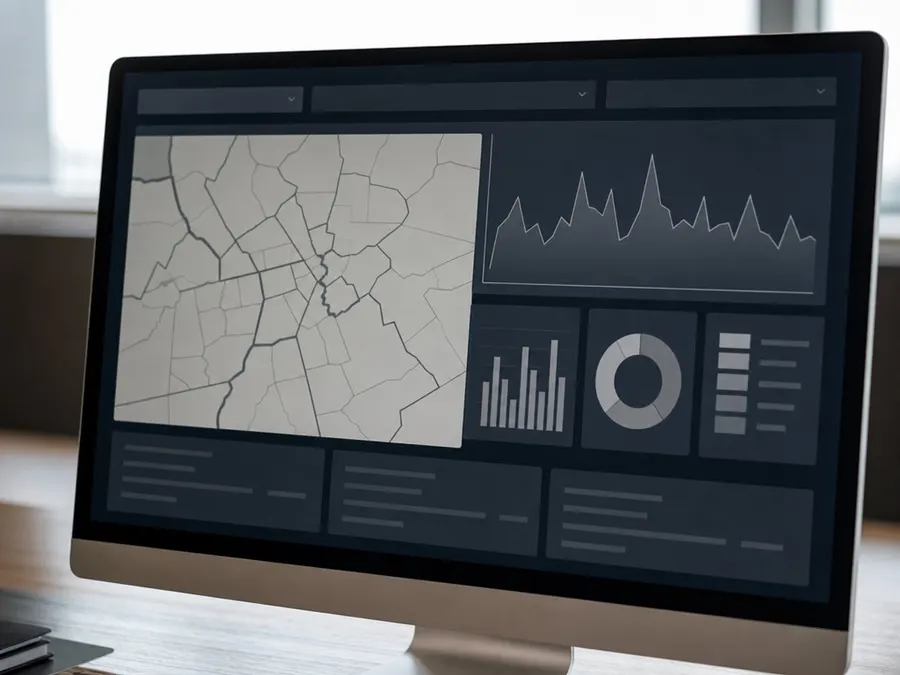
Philadelphia: incident data and dashboard choices
Philadelphia's open-data ecosystem includes police incident records and public dashboards. A dashboard's default filter can silently change the question. Record the selected date, offense grouping, geography, and extraction time, and preserve the source link so another reader can reproduce the result.
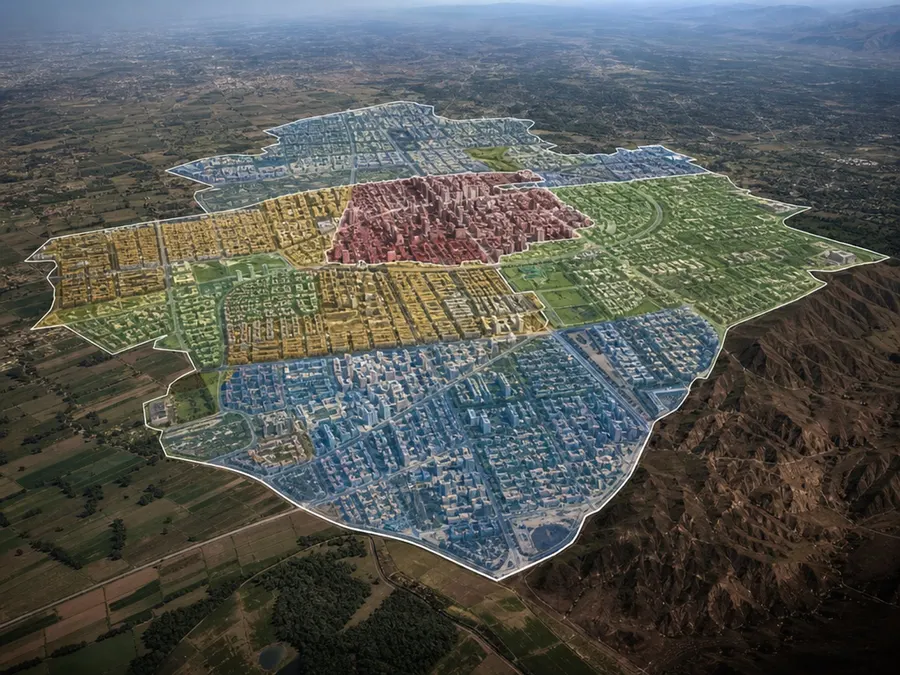
San Antonio: police data and city boundaries
San Antonio Police Department publishes crime statistics and data resources, but comparisons should use the same reporting program and offense definitions. The city's large land area affects density and per-capita interpretations. Tourism and military populations also complicate simple resident denominators.
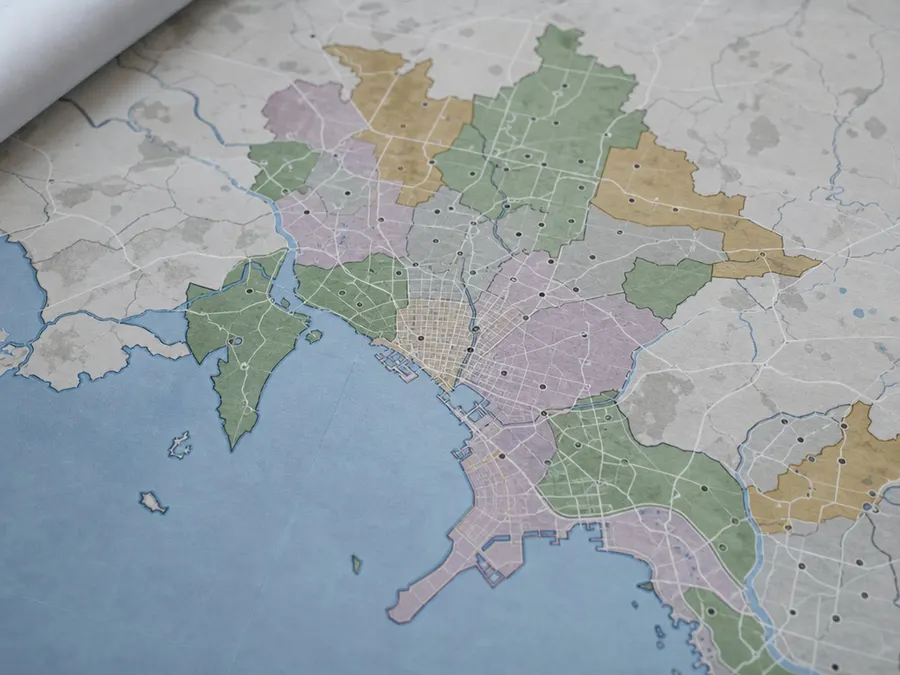
San Diego: police data and regional distinctions
San Diego's open-data resources can support incident and neighborhood analysis, while county and regional agencies remain separate. State clearly which agency and boundary are included. Beach crowds, military facilities, and cross-border travel make a resident-only denominator an imperfect exposure measure.

Dallas: police incidents and calls are different
Dallas publishes police-related datasets through its open-data portal. Calls for service, offenses, arrests, and case outcomes are not interchangeable. A call may be unfounded or reclassified, while one incident can contain multiple offenses. Choose the table that matches the question.
Austin: open data and rapid population change
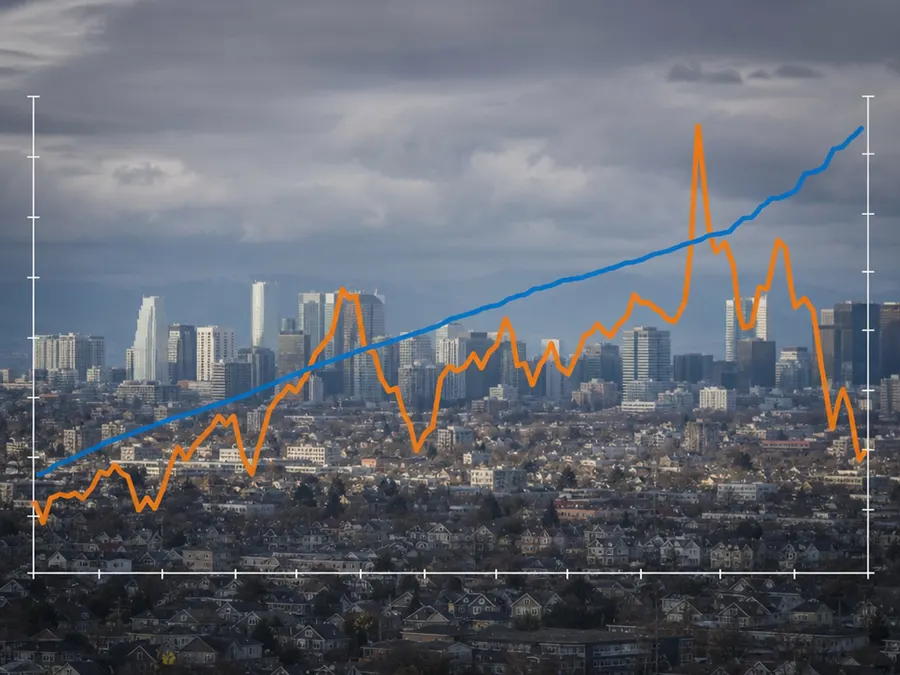
Austin publishes public-safety data through its open-data catalog. Fast population change makes denominator year especially important: dividing current incidents by an older population can distort rates. Event crowds and commuters add exposure that resident counts do not fully capture.
Jacksonville: consolidated city-county geography
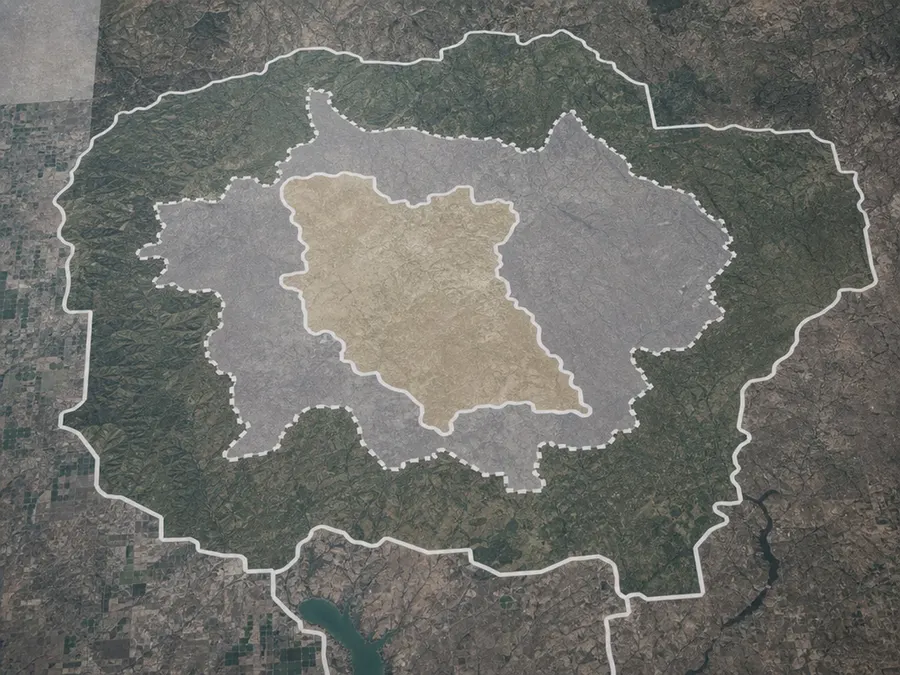
Jacksonville's consolidated government structure makes casual comparisons with compact central cities especially risky. Analysts should confirm whether data cover the Sheriff's Office jurisdiction, Beaches communities, or the entire county. Land area and population definitions must match the numerator.

Columbus: local records plus national comparison
Columbus public-data resources can answer local questions, while FBI Crime Data Explorer supports standardized national reporting when agencies participate. For any comparison, record agency coverage, offense system, population source, and completeness. A missing value is not safely interpreted as zero crime.

New York City: complaint data and CompStat context
NYPD publishes complaint-level open data and regular CompStat summaries. The datasets serve different purposes and revision schedules. Analysts should define offense, report date versus occurrence date, borough or precinct geography, and denominator before making a comparison with another city.
Featured galleries