Unraveling the Presley Family Medical Mystery
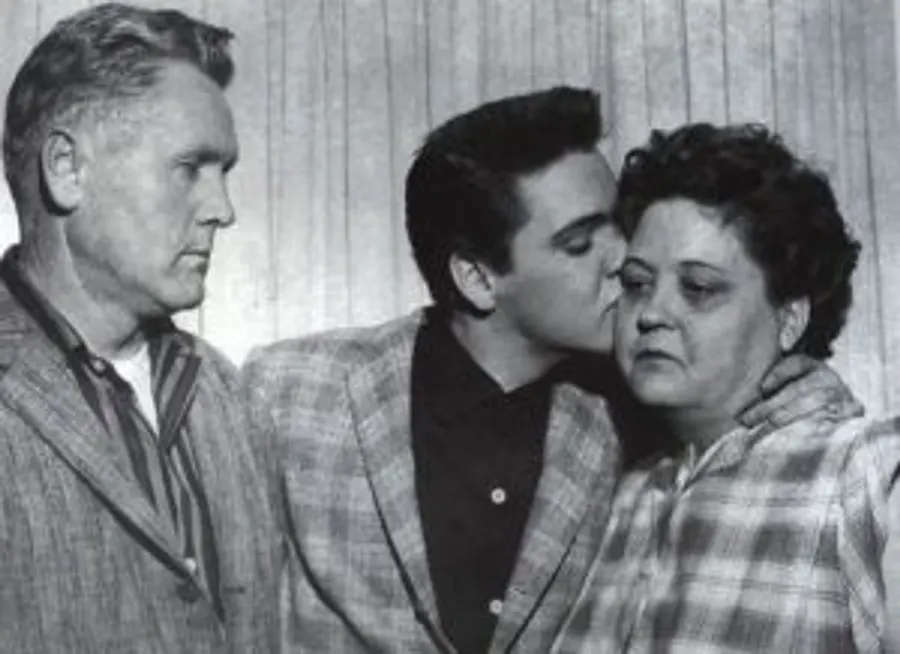
Gladys Presley's Struggles
Born in Mississippi, Gladys faced extreme poverty during her youth, which took a heavy toll on her physical well-being. As Elvis rose to international superstardom, the sudden stress and isolation of fame severely impacted her fragile health.

Elvis's Early Years
Elvis was famously protective of his mother, often communicating with her in a private baby-talk language. Her constant worry over his safety and the demands of his rising career contributed to her declining physical state in the late 1950s.

The Sudden Decline
By 1958, Gladys's health had deteriorated rapidly due to acute hepatitis and liver issues, exacerbated by heavy drinking and diet pills. Her hospitalization devastated Elvis, who was serving in the U.S. Army at the time and rushed to her side.

A Heartbreaking Loss
Gladys Presley passed away on August 14, 1958, at the age of 46, leaving Elvis completely inconsolable. Biographers note that Elvis never truly recovered from this loss, which permanently altered the trajectory of his life and career.

Elvis's Parallel Path
In the years following his mother's death, Elvis experienced a meteoric rise but also faced his own severe health battles. He suffered from chronic issues, including glaucoma, high blood pressure, and liver damage, mirroring some of his mother's ailments.

The Final Years
By the late 1970s, Elvis's physical decline became increasingly apparent to his inner circle and fans alike. When he passed away in 1977 at age 42, the similarities to his mother's early death at age 46 sparked decades of speculation.

Genetic Clues Emerge
Decades after their deaths, medical researchers began investigating whether a hereditary condition plagued the Presley family line. Modern DNA analysis and medical history reviews suggest that their health issues were not merely self-inflicted but genetically predetermined.

Alpha-1 Antitrypsin Deficiency
Some medical experts believe the family suffered from Alpha-1 antitrypsin deficiency, a genetic disorder that can cause severe lung and liver damage. This hereditary condition would explain why Gladys and several of her brothers died young from liver or lung complications.

The Maternal Lineage
Investigative work into Gladys Presley's family tree revealed a pattern of premature deaths among her siblings, many of whom suffered from similar pulmonary and hepatic issues. This pattern strongly points to a shared genetic vulnerability passed down through generations.

Modern DNA Fascinations
Today, the study of royal and celebrity lineages often captures global attention as DNA science advances. From historical monarchs to modern public figures, understanding genetic health risks continues to reshape how we view historical biographies.
A Close-Knit Family
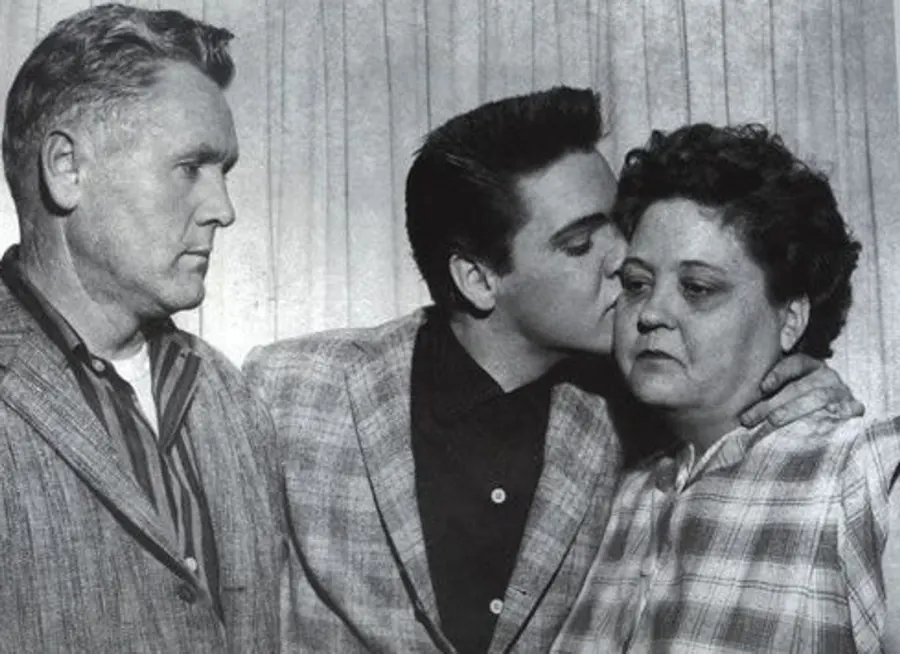
Recognizing the genetic challenges faced by Gladys and Elvis Presley offers a more compassionate perspective on their struggles. Rather than viewing their premature deaths solely through the lens of lifestyle choices, history now recognizes the silent genetic battles they fought.
Featured galleries