Understanding Maritime Interceptions
Establishing Jurisdiction at Sea
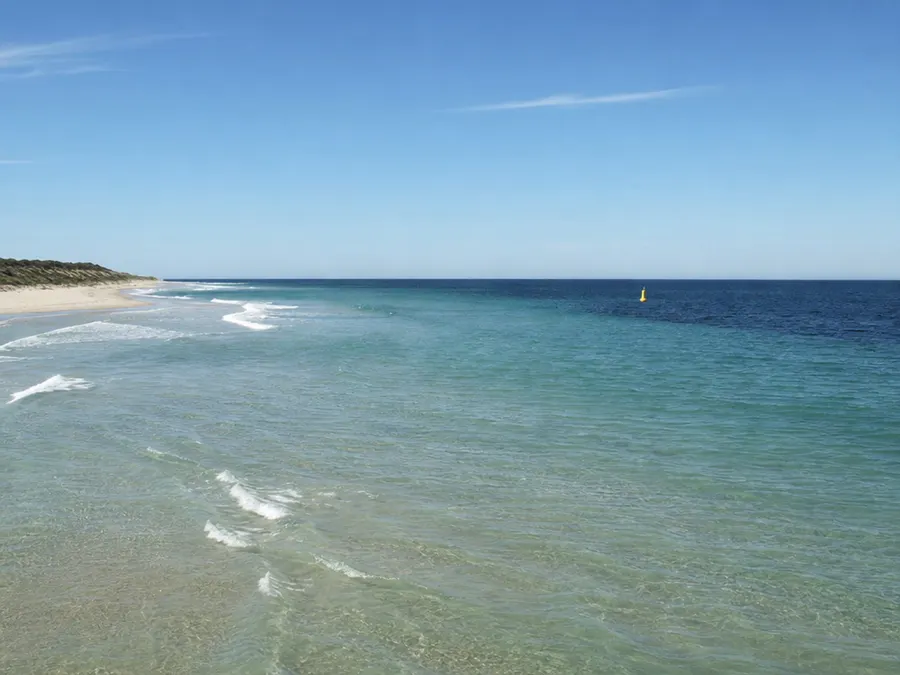
Navigation rules apply to all public and private vessels subject to the jurisdiction of the United States when they are on the high seas or connected navigable waters. Under these regulations, specific rules govern vessels within inland waters as well as those on the high seas. This legal framework ensures that all vessels operating in these jurisdictions comply with standardized steering and sailing procedures. Establishing which rules apply depends on the vessel's location and the nature of the waters.
Identifying the Unknown Vessel
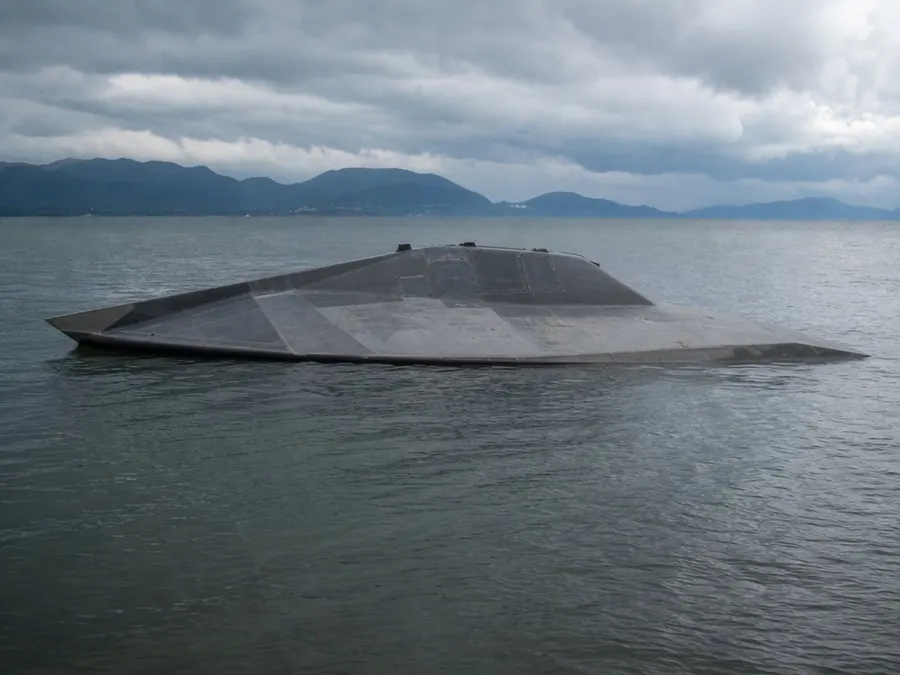
When identifying vessels at sea, navigation rules classify them into specific operational categories to determine their responsibilities. These categories include power-driven vessels, sailing vessels, and vessels restricted in their ability to maneuver. Properly identifying a vessel's status is crucial because it dictates which steering and sailing rules apply during an encounter. These classifications help mariners anticipate a vessel's handling capabilities and maintain safe distances.
Navigating a Safe Approach
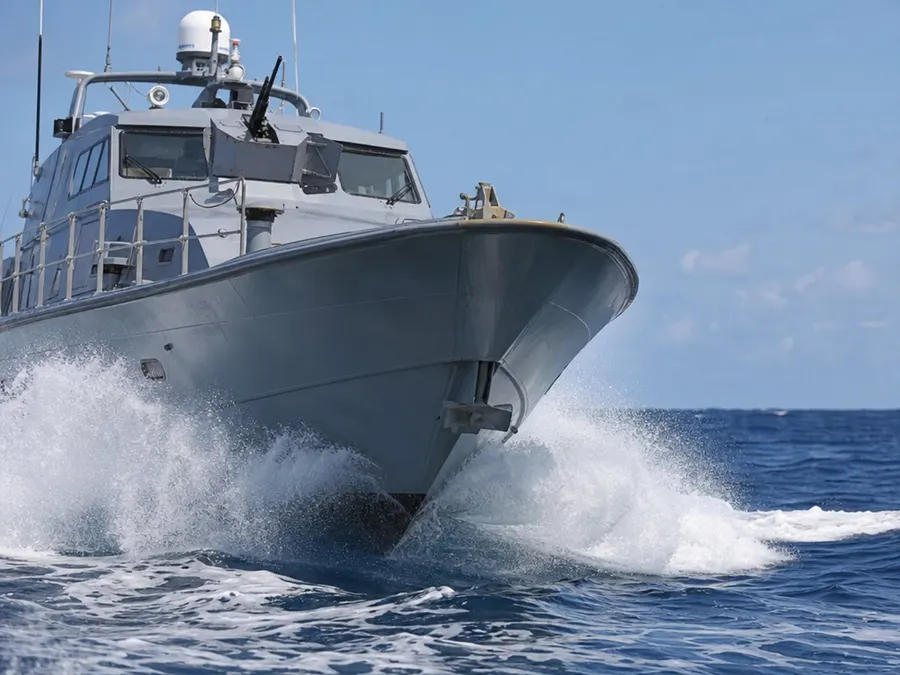
Under international and inland navigation rules, every vessel must proceed at a safe speed at all times to avoid collisions. A safe speed is determined by prevailing circumstances, such as visibility, traffic density, and maneuverability. Operating at an appropriate speed allows operators to take effective action and stop within a safe distance if necessary. Maintaining this caution is vital during any close-quarters maritime interaction.
The Duty of Constant Observation
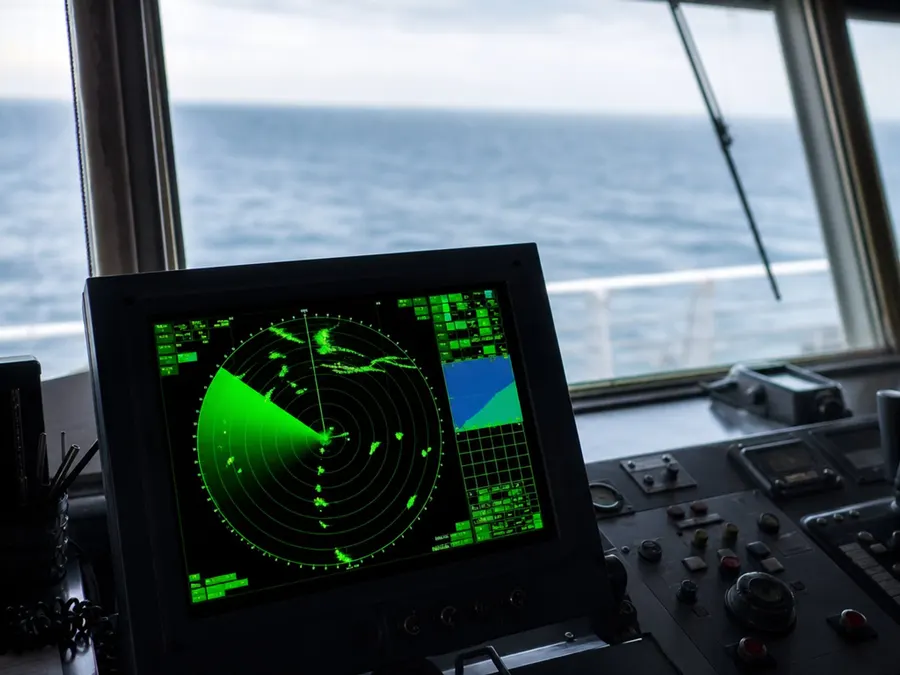
Navigation rules require every vessel to maintain a proper look-out at all times using sight, hearing, and all other available means appropriate to the conditions. This continuous observation is mandatory to ensure a full appraisal of the situation and to assess the risk of collision. Whether navigating in clear weather or restricted visibility, crews must remain vigilant of their surroundings. This constant monitoring helps prevent accidents during close-range maritime encounters.
Navigating Crossing and Overtaking
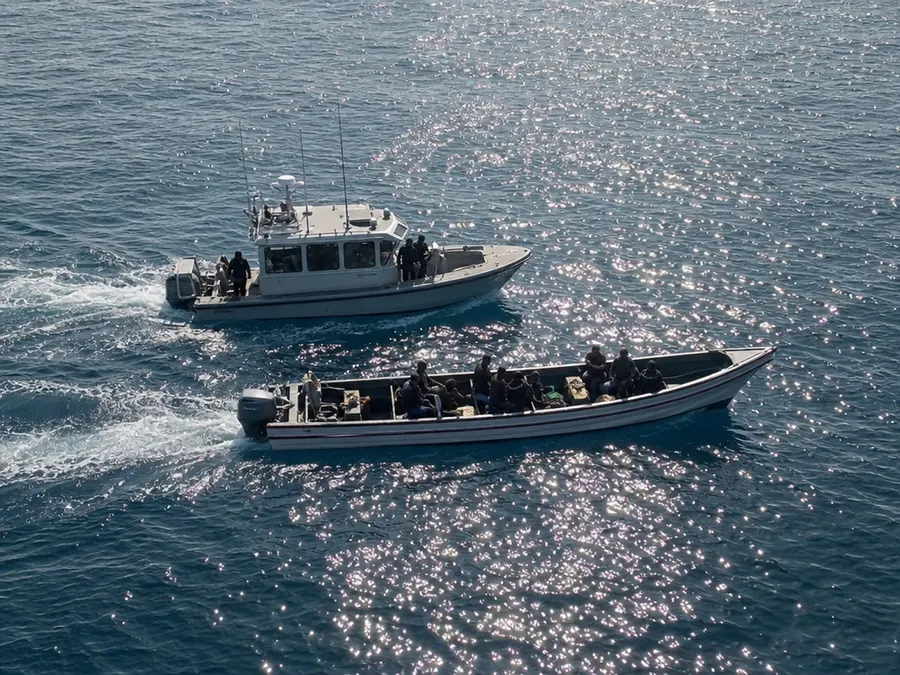
Standard steering and sailing rules govern how vessels must interact when crossing, overtaking, or meeting head-on. Depending on their relative positions, one vessel is designated to give way while the other acts as the stand-on vessel. These responsibilities can shift based on specific vessel classifications, such as when a craft is restricted in its ability to maneuver. Following these predictable, established protocols is essential to prevent close-quarters collisions.
Prioritizing Human Safety First
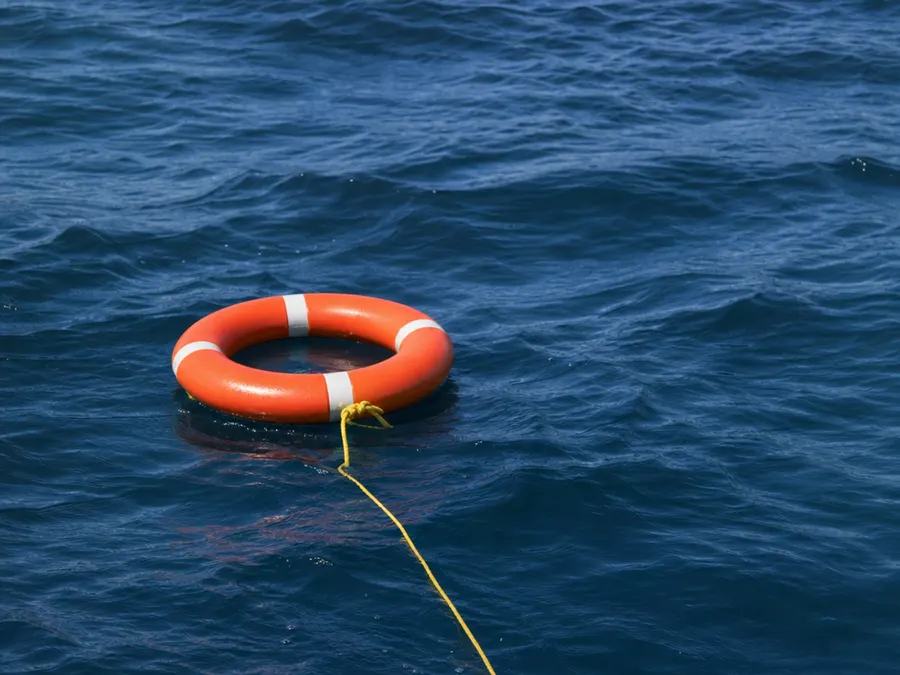
In any maritime scenario, the safety of human life and the avoidance of immediate danger are paramount. Under navigation rules, mariners must take any necessary action to avoid immediate danger, which can include signaling for assistance. Standardized distress signals are established under Rule 37 and Annex IV to alert other vessels and authorities when assistance is required. These protocols help coordinate rescue efforts and ensure that safety remains the primary focus at sea.
Verifying Vessel Documentation
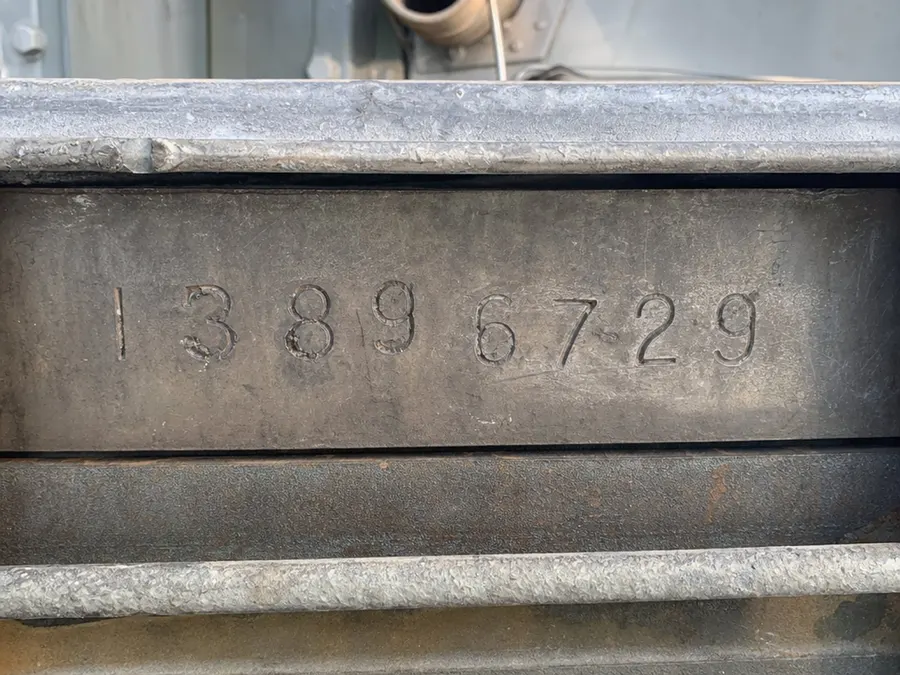
Under maritime regulations, certain vessels are required to carry specific documentation and compliance materials on board. For example, operators of self-propelled vessels of 12 meters or more in length must carry and maintain specific references for ready access. These requirements help ensure that vessel operators are fully aware of and compliant with navigation laws. Verifying compliance with these carriage rules is a standard part of maritime oversight.
Communicating with Sound and Light
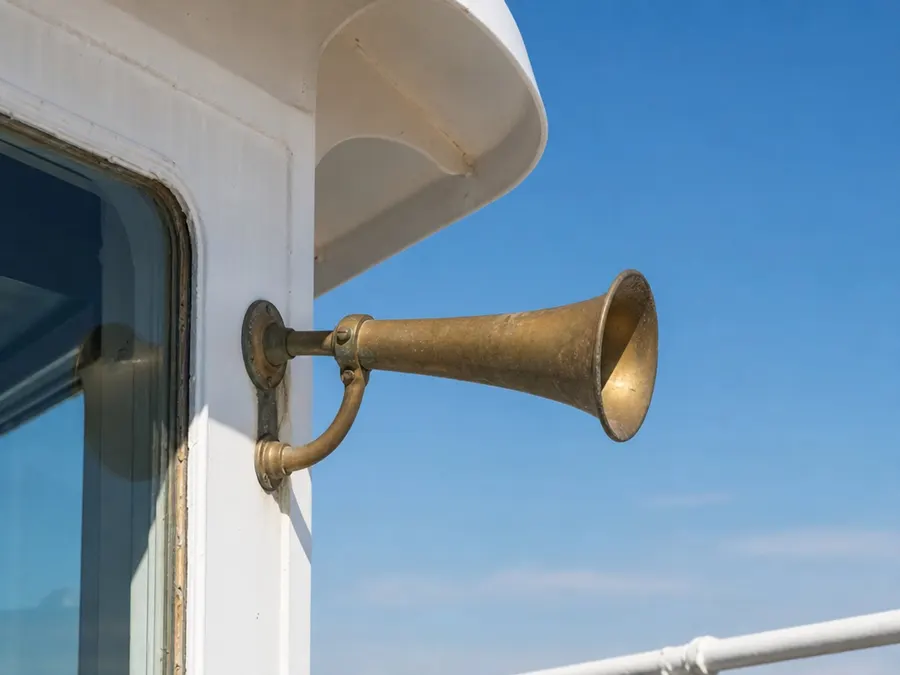
Clear communication is vital for vessels operating in close proximity, particularly at night or in restricted visibility. Navigation rules mandate the use of standardized sound and light signals to communicate a vessel's status, maneuvers, or warnings. These signals, which include specific whistle blasts and flashing lights, help prevent dangerous misunderstandings between crews. Utilizing these standardized methods alerts nearby mariners to potential hazards or changes in course.
Visual Indicators of Vessel Status
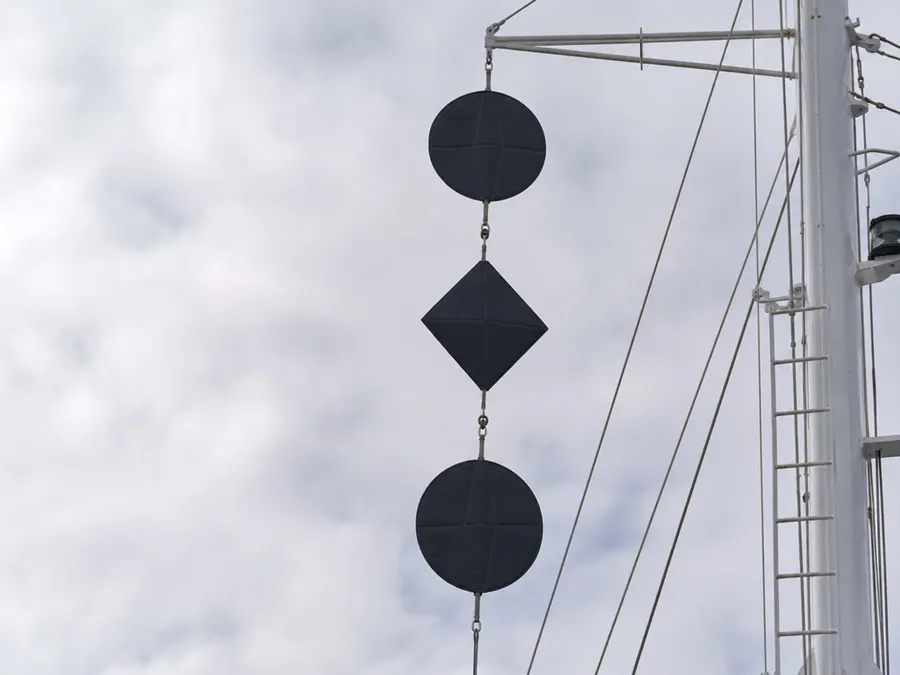
To communicate operational status and limitations, vessels are required to display specific lights at night and dayshapes during the day. For instance, vessels that are anchored, aground, or restricted in their ability to maneuver must display distinct visual markers. These requirements vary depending on the vessel's size, draft, and current activity. Recognizing these visual indicators allows other mariners to identify a vessel's constraints and navigate safely around it.
Boarding and Safety Inspections
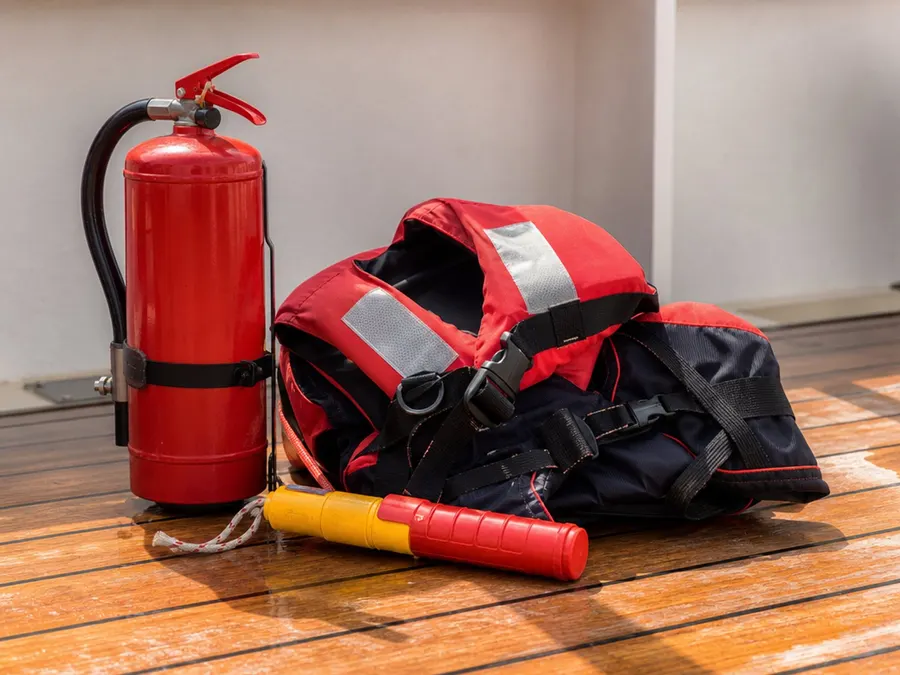
Vessels are subject to construction, equipment, and operational rules to ensure safety and regulatory compliance on the water. Under established frameworks, authorities verify that vessels comply with international and inland standards, including carrying required safety and signaling equipment. Non-compliance or negligent operations can lead to civil penalties under applicable maritime laws. Ensuring your vessel meets these equipment standards is essential for legal operation and the safety of all on board.
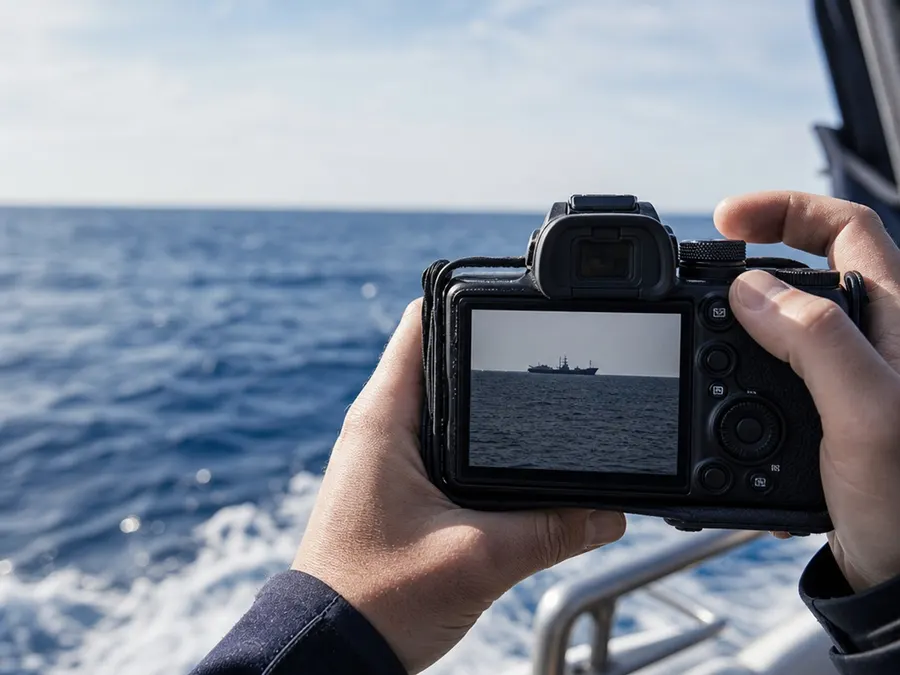
The Limits of Photographic Evidence
A single photograph of a vessel at sea cannot capture the complex legal and operational context of a maritime encounter. A snapshot does not reveal whether a vessel is complying with proper look-out, safe speed, or specific steering and sailing rules. To truly understand a maritime event, one must consider the detailed regulations and official reports rather than visual speculation. Consulting established navigation rules and official maritime authorities provides the necessary context to evaluate these situations accurately.
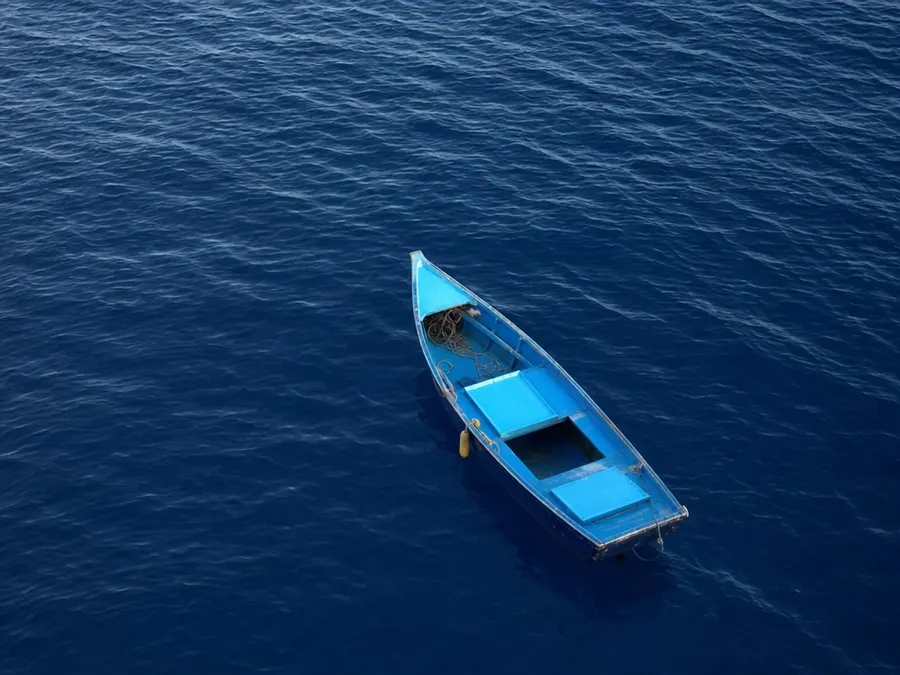
The Reality of Maritime Interceptions
A single image of a vessel at sea often sparks online speculation, but a photograph alone cannot establish the legal or operational facts of a maritime encounter. Real-world maritime interactions are governed by established legal frameworks, such as international and inland navigation rules. These rules apply systematically to vessels navigating high seas and connected navigable waters. Understanding these standard regulations helps clarify how vessels are expected to operate and interact.
Featured galleries