Strange Inventions and Early Machines Caught on Camera
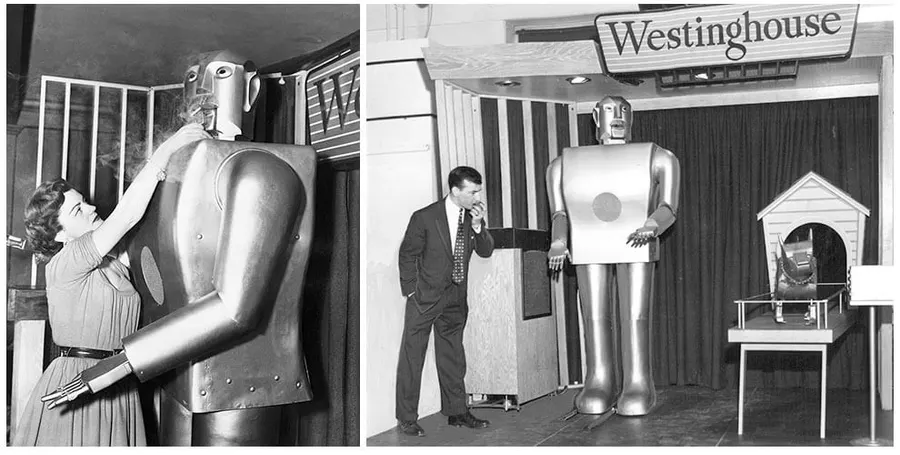
Retro Technology at its Finest, 1930s
Captured here: Smokebot: Retro technology at its finest! The Westinghouse Electric Corporation actually made a smoking robot in the 1930s. It was taken in the 1930s, and like the best archival images it needs almost no explanation — the frame tells its own story.
The 1930s were shadowed by the Great Depression, which put a quarter of American workers out of a job at its worst point. Yet the same decade produced streamlined trains, record-setting aircraft, grand public works, and a flood of documentary photography as magazines like LIFE sent cameras into everyday America.
Looking at experimental machines from the past, it is easy to laugh at what failed and forget how strange the successful inventions looked at first. To the people in the frame, this was the cutting edge, and the photograph preserves that optimism intact.
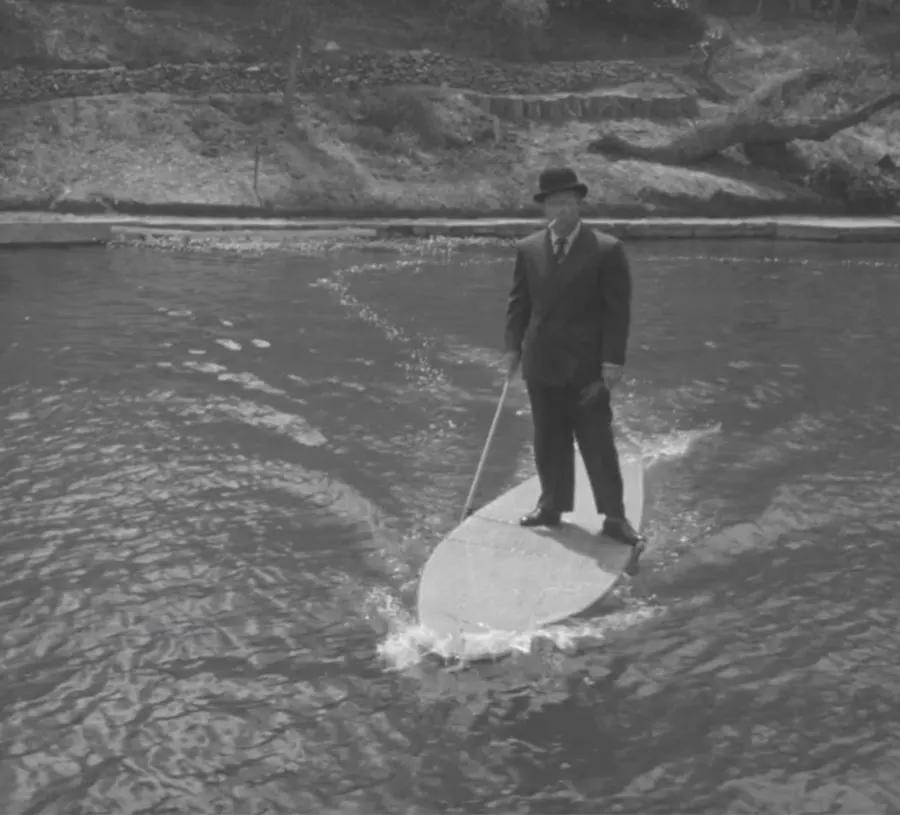
Inventor Joe Gilpin Looking Dapper as Ever While Riding his Motorized, c. 1948
inventor Joe Gilpin looking dapper as ever while riding his motorized surfboard circa 1948. The scene dates to around 1948, a detail that changes how you read every face and object in the frame.
The first half of the 1940s was consumed by the Second World War, the largest conflict in human history, and photography went to war with it — small 35mm cameras and wire services meant pictures from the front could reach newspaper readers within days.
Photographs like this one are a reminder that progress rarely moves in a straight line. For every invention that became part of daily life, dozens of confident prototypes ended up as curiosities — and the camera is often the only witness they left behind.
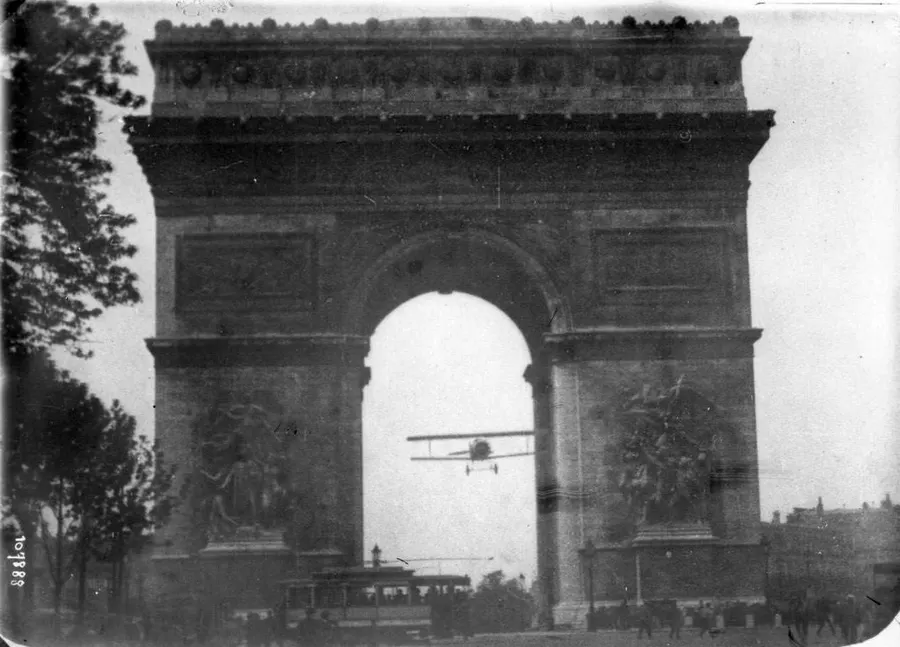
Pilot Charles Godefroy Flying his Plane Through the Arc De Triomphe in Paris
pilot Charles Godefroy flying his plane through the Arc de Triomphe in Paris. It is the kind of image that turns a line in a history book into something you can actually see.
Photography has only existed since 1839, which means the camera-recorded past is a narrow window — and every surviving frame from it is a small act of preservation, whether the photographer knew it or not.
Inventors of this era worked in public, testing their ideas in streets and fields rather than laboratories, and press photographers loved them for it. Images like this one document how much trial and error sits underneath the technology we now take for granted.
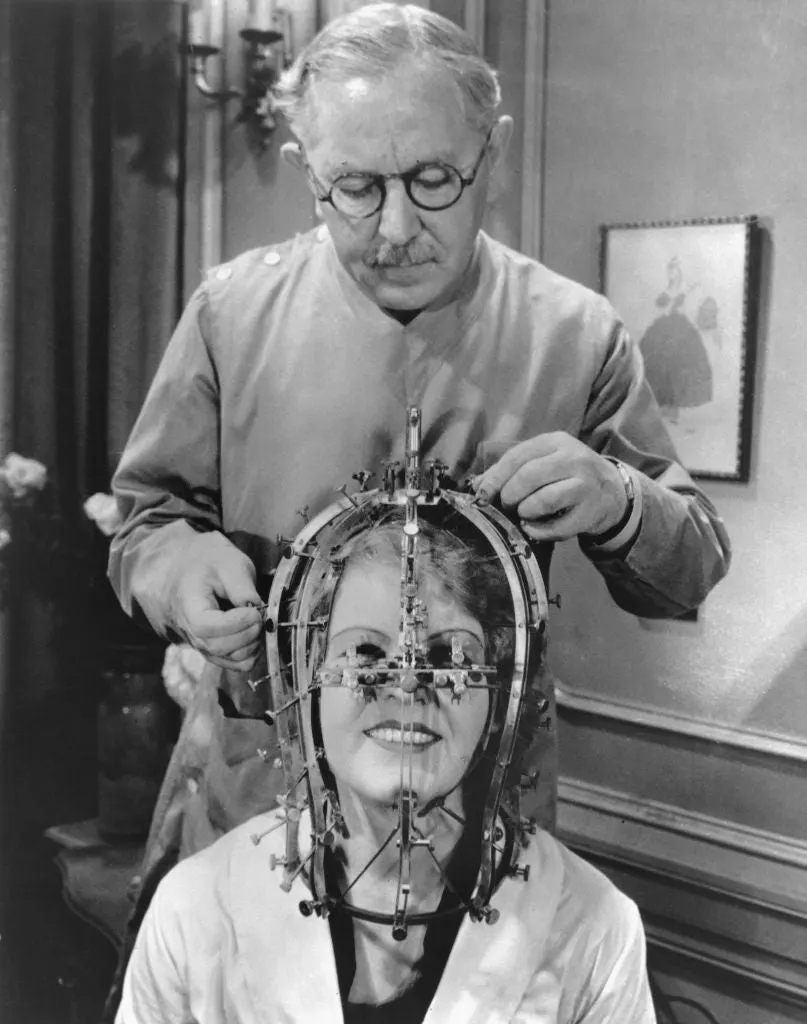
Beautician Max Factor with his Invention, the Beauty Calibrator
beautician Max Factor with his invention, the beauty calibrator, a device designed to show which parts of a woman's face needed more or less make-up. It is the kind of image that turns a line in a history book into something you can actually see.
Photography has only existed since 1839, which means the camera-recorded past is a narrow window — and every surviving frame from it is a small act of preservation, whether the photographer knew it or not.
Inventors of this era worked in public, testing their ideas in streets and fields rather than laboratories, and press photographers loved them for it. Images like this one document how much trial and error sits underneath the technology we now take for granted.
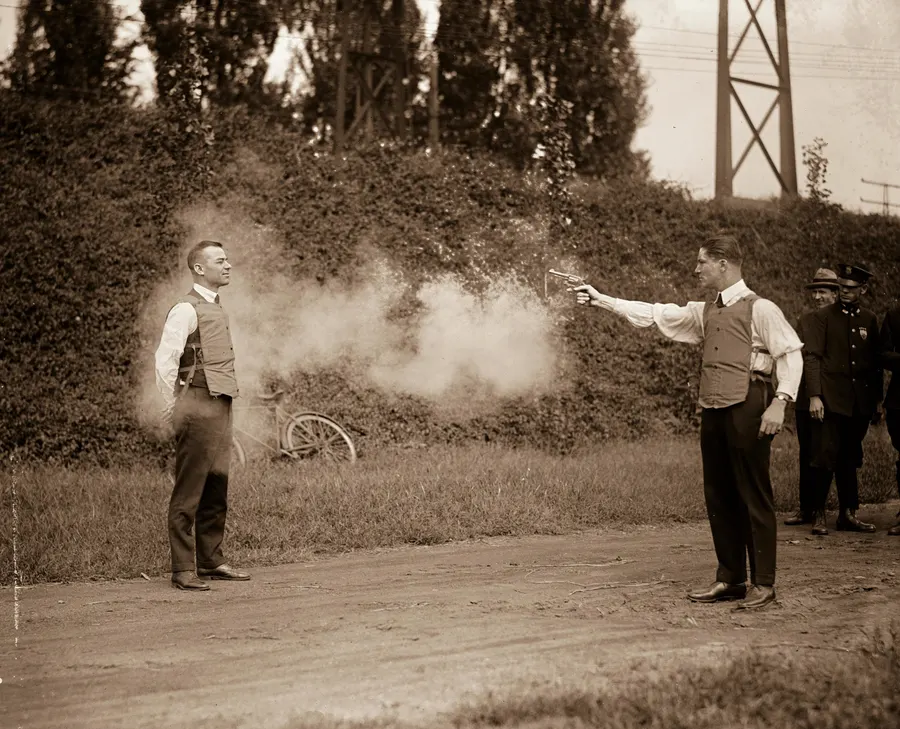
Two Men Testing a Bulletproof Vest in the Absolute Safest Way Possible
This picture preserves a moment few cameras ever caught — two men testing a bulletproof vest in the absolute safest way possible. It is the kind of image that turns a line in a history book into something you can actually see.
Early body-armor inventors really did prove their products by being shot at point-blank range, often in front of reporters and police buyers. The most famous demonstrations were staged in the 1920s by W.H. Murphy of the Protective Garment Corporation, whose associate fired a revolver into his chest from a few feet away. The stunt made for astonishing photographs — and, remarkably, effective marketing.
Looking at experimental machines from the past, it is easy to laugh at what failed and forget how strange the successful inventions looked at first. To the people in the frame, this was the cutting edge, and the photograph preserves that optimism intact.
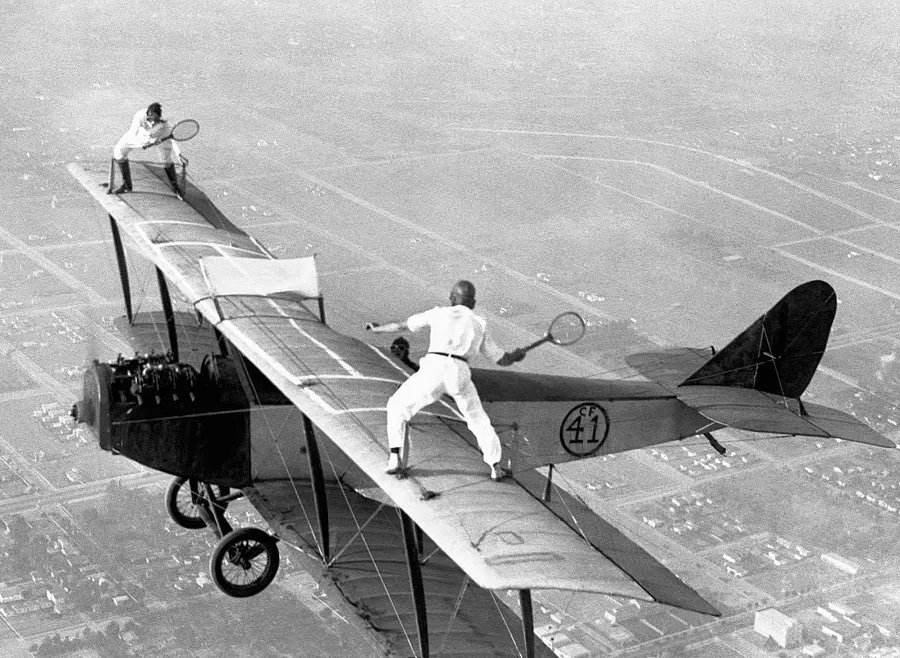
A Real Photo of Two People, Gladys Roy and Ivan Unger
The photograph shows a real photo of two people, Gladys Roy and Ivan Unger, playing tennis on top of a plane flying at 3000 feet. It is the kind of image that turns a line in a history book into something you can actually see.
Wing walking was a genuine profession in the barnstorming era of the 1920s, when surplus wartime biplanes were cheap and air shows drew huge crowds. Performers like Gladys Roy staged stunts — dancing the Charleston, playing tennis, walking blindfolded — on the wings of planes in flight, usually without parachutes. Many of the era's star wing walkers, Roy included, died young in aviation accidents.
Photographs like this one are a reminder that progress rarely moves in a straight line. For every invention that became part of daily life, dozens of confident prototypes ended up as curiosities — and the camera is often the only witness they left behind.
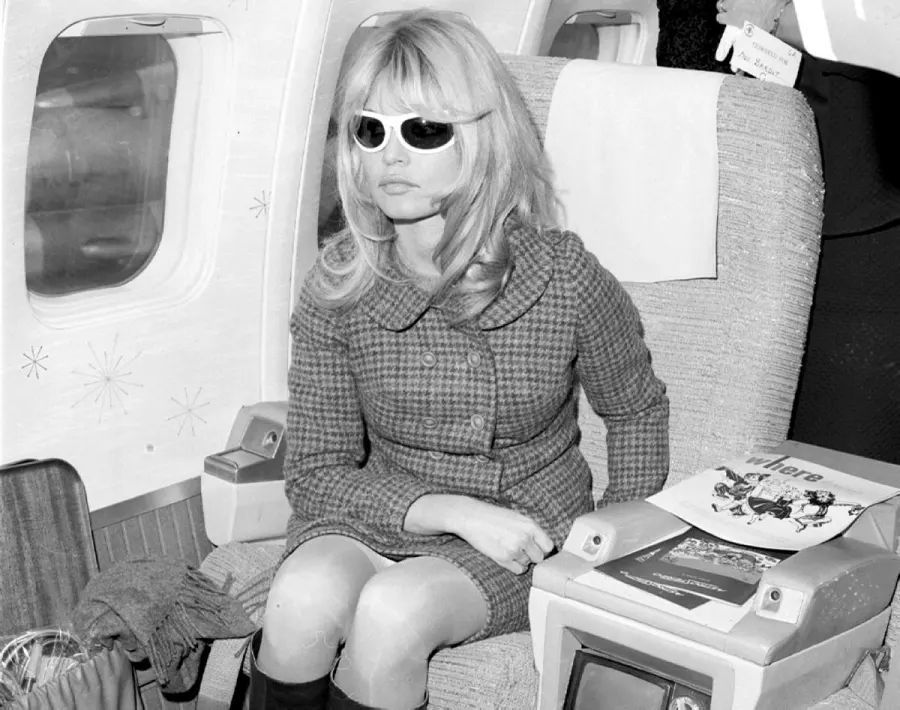
French Sex Kitten Brigitte Bardot Wears Dark Glasses and Knee-high Boots
French sex kitten Brigitte Bardot wears dark glasses and knee-high boots while she sits in a plane at Newark Airport before flying out to Hollywood. Hal Mathewson/New York Daily News. It is the kind of image that turns a line in a history book into something you can actually see.
Photography has only existed since 1839, which means the camera-recorded past is a narrow window — and every surviving frame from it is a small act of preservation, whether the photographer knew it or not.
Photographs like this one are a reminder that progress rarely moves in a straight line. For every invention that became part of daily life, dozens of confident prototypes ended up as curiosities — and the camera is often the only witness they left behind.
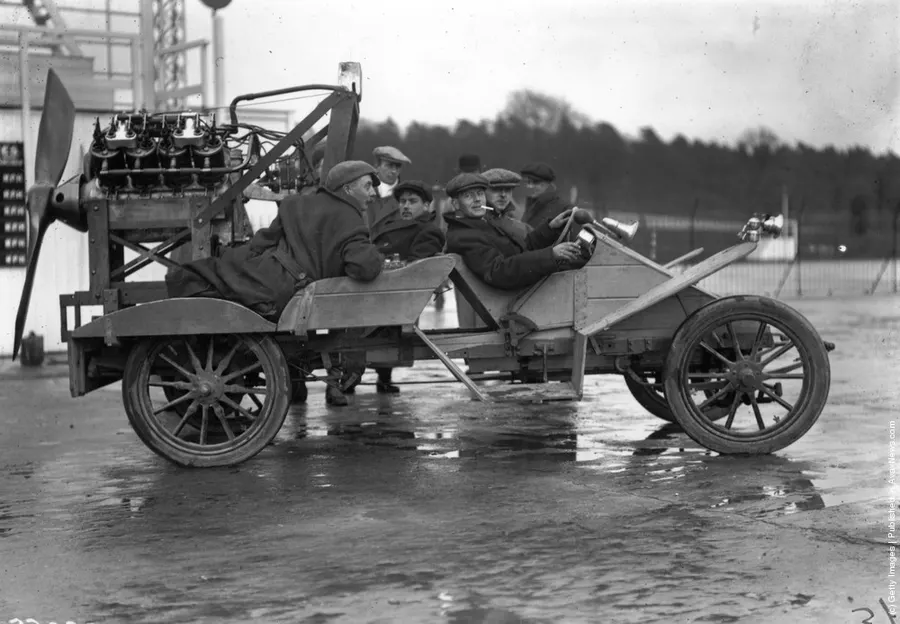
1st May 1911. a Motor Car at Brooklands Race Track Which Has Been Fitted
1st May 1911. A motor car at Brooklands race track which has been fitted with a propeller for extra speed. The scene dates to 1911, a detail that changes how you read every face and object in the frame.
The 1910s were a decade of upheaval. The First World War (1914-1918) pulled millions into uniform and redrew the map of Europe, while on the home front automobiles, telephones, and moving pictures were rapidly becoming part of ordinary life.
Photographs like this one are a reminder that progress rarely moves in a straight line. For every invention that became part of daily life, dozens of confident prototypes ended up as curiosities — and the camera is often the only witness they left behind.
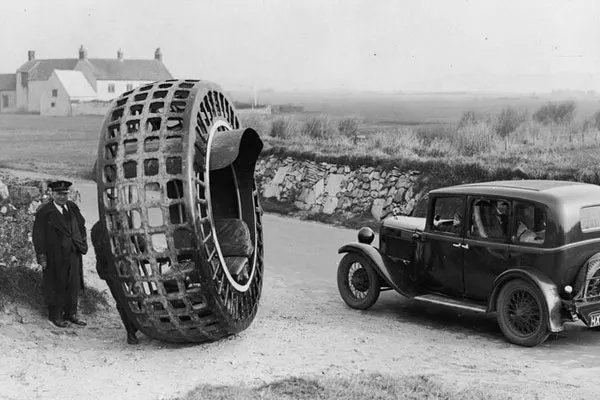
The Dynasphere Was a “monowheel” Built in 1932 That Could Travel up to 25
This picture preserves a moment few cameras ever caught — Nice Wheel: The Dynasphere was a “monowheel” built in 1932 that could travel up to 25 miles an hour. Made in 1932, it is the kind of image that turns a date in a history book into something you can actually see.
The 1930s were shadowed by the Great Depression, which put a quarter of American workers out of a job at its worst point. Yet the same decade produced streamlined trains, record-setting aircraft, grand public works, and a flood of documentary photography as magazines like LIFE sent cameras into everyday America.
Photographs like this one are a reminder that progress rarely moves in a straight line. For every invention that became part of daily life, dozens of confident prototypes ended up as curiosities — and the camera is often the only witness they left behind.
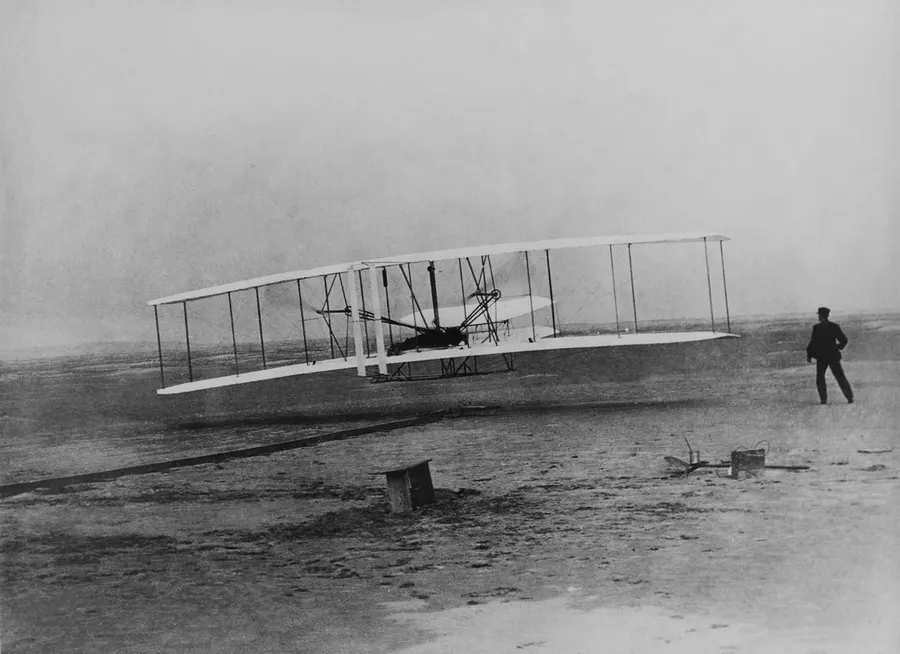
Here Is a Photo of the First-ever Powered Flight by Orville Wright in 1903
Wright Brothers: Here is a photo of the first-ever powered flight by Orville Wright in 1903. Made in 1903, it is the kind of image that turns a date in a history book into something you can actually see.
Orville and Wilbur Wright made the first controlled, powered airplane flights near Kitty Hawk, North Carolina, on December 17, 1903. The first flight lasted twelve seconds and covered 120 feet. A member of the local lifesaving crew triggered the camera shutter, producing one of the most consequential photographs in the history of technology.
Looking at experimental machines from the past, it is easy to laugh at what failed and forget how strange the successful inventions looked at first. To the people in the frame, this was the cutting edge, and the photograph preserves that optimism intact.
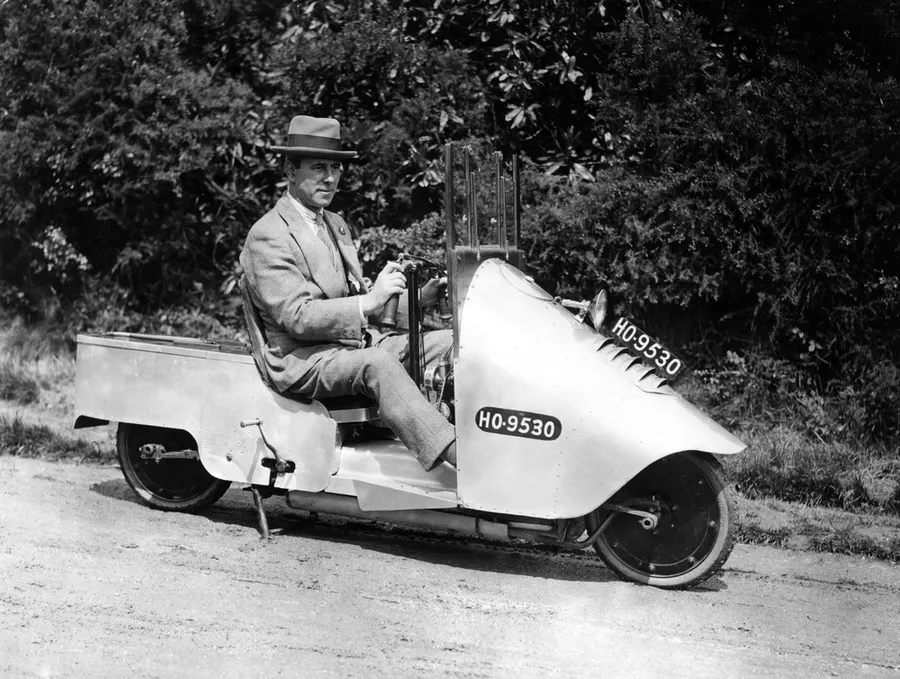
June 1924. English Aircraft Manufacturer Sir Edwin Alliott Verdon Roe Riding
This picture preserves a moment few cameras ever caught — June 1924. English aircraft manufacturer Sir Edwin Alliott Verdon Roe riding his Avro Mobile, which he invented, at Southampton. The scene dates to 1924, a detail that changes how you read every face and object in the frame.
The 1920s roared with new money and new habits. Radio broadcasting began, cars became affordable for working families, jazz filled dance halls, and hemlines and haircuts shortened in ways that scandalized the older generation. News photography boomed alongside the tabloid press.
Photographs like this one are a reminder that progress rarely moves in a straight line. For every invention that became part of daily life, dozens of confident prototypes ended up as curiosities — and the camera is often the only witness they left behind.
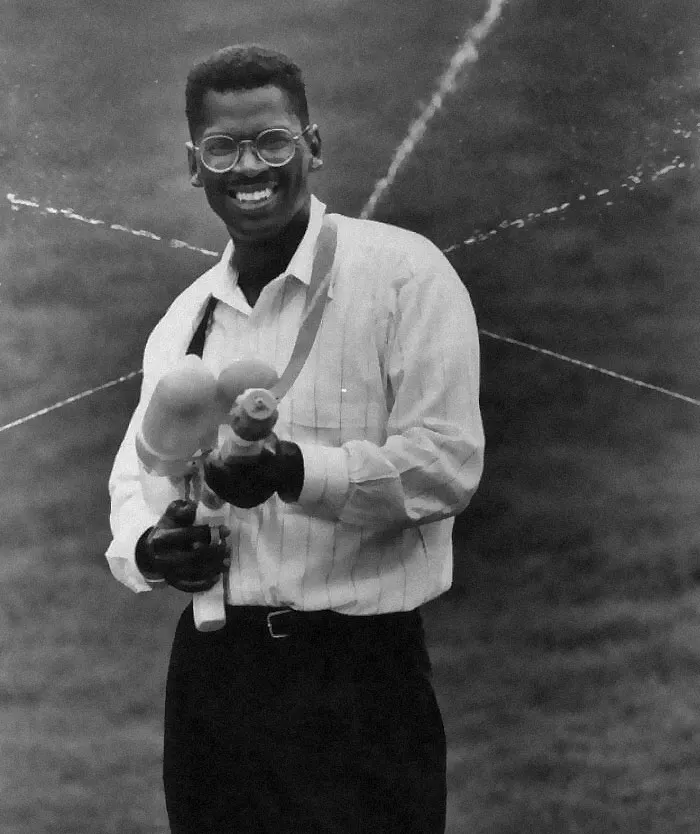
Lonnie Johnson, Inventor of the Super Soaker, 1992
Captured here: Lonnie Johnson, Inventor Of The Super Soaker, 1992. Made in 1992, it is the kind of image that turns a date in a history book into something you can actually see.
The 1990s were the last fully analog decade. The internet was just arriving in homes, film cameras still ruled, and the era's photographs carry the distinct warm grain of late-century color film.
Photographs like this one are a reminder that progress rarely moves in a straight line. For every invention that became part of daily life, dozens of confident prototypes ended up as curiosities — and the camera is often the only witness they left behind.
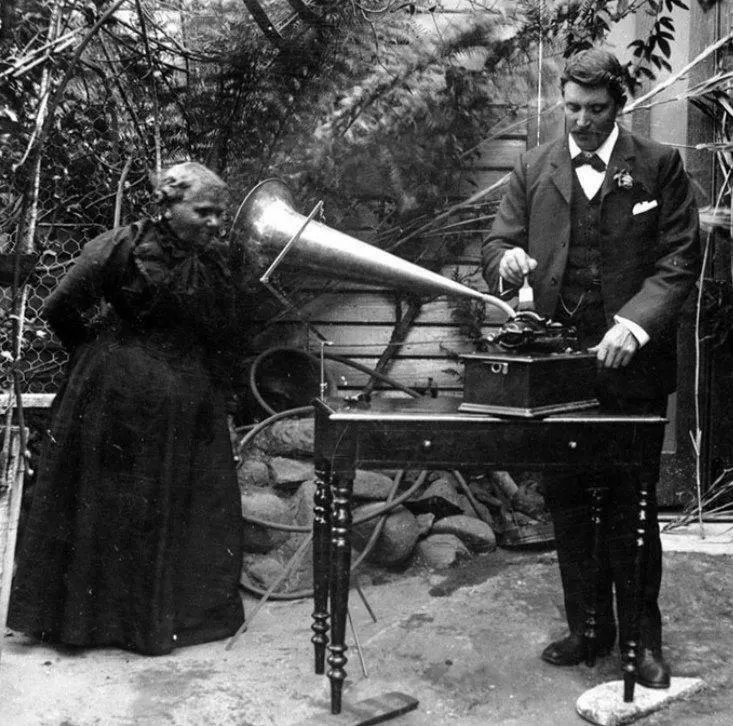
Aboriginal Tasmanian Fanny Cochrane Smith Singing into her Phonograph, 1903
Captured here: Aboriginal Tasmanian Fanny Cochrane Smith Singing Into Her Phonograph In 1903. Without Her Efforts To Preserve Her Culture, We Would Have No Audio Traces Of The Tasmanian Language. Pretty OSC. Made in 1903, it is the kind of image that turns a date in a history book into something you can actually see.
Fanny Cochrane Smith was an Aboriginal Tasmanian woman who recorded songs in the Tasmanian language onto wax cylinders between 1899 and 1903. Those recordings are the only audio of any Tasmanian Aboriginal language ever made, which gives the photographs of her recording sessions extraordinary documentary value.
Inventors of this era worked in public, testing their ideas in streets and fields rather than laboratories, and press photographers loved them for it. Images like this one document how much trial and error sits underneath the technology we now take for granted.
Featured galleries