15 States With Large Estimated LGBT Adult Populations—and How to Read the Data
Texas: a large count in the South
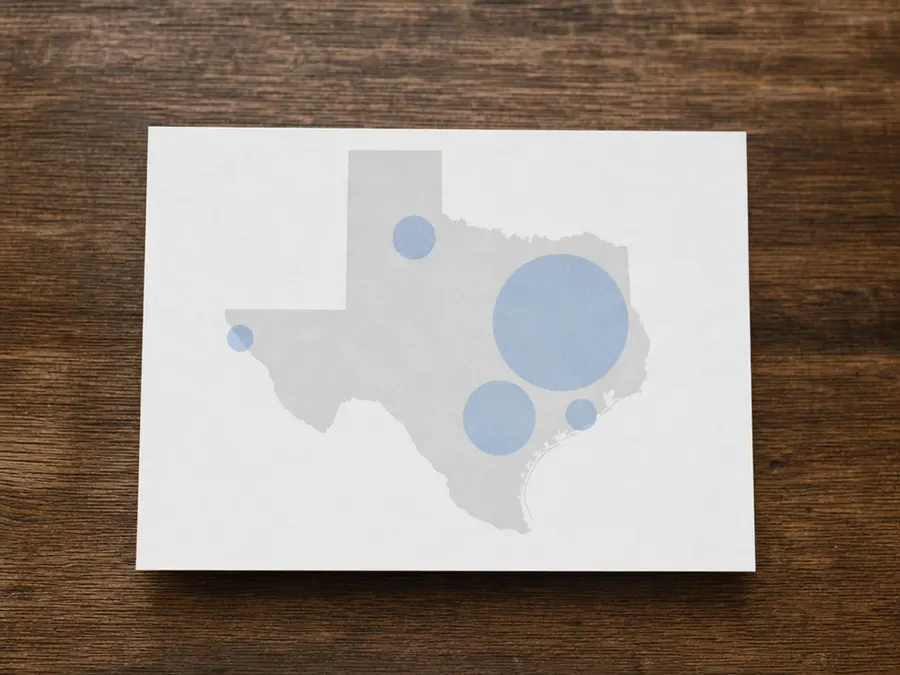
Texas appears among the largest estimated LGBT adult populations because it has a very large adult population. The report also finds that the South contains more LGBT adults than any other U.S. region in absolute terms. Regional counts are not measures of policy climate.

Florida: count versus percentage
Florida's large adult population places it high in estimated LGBT adult count, while a percentage-based list may order states differently. Counts help plan total service capacity; percentages help compare population share. Neither shows whether services are accessible or affirming.
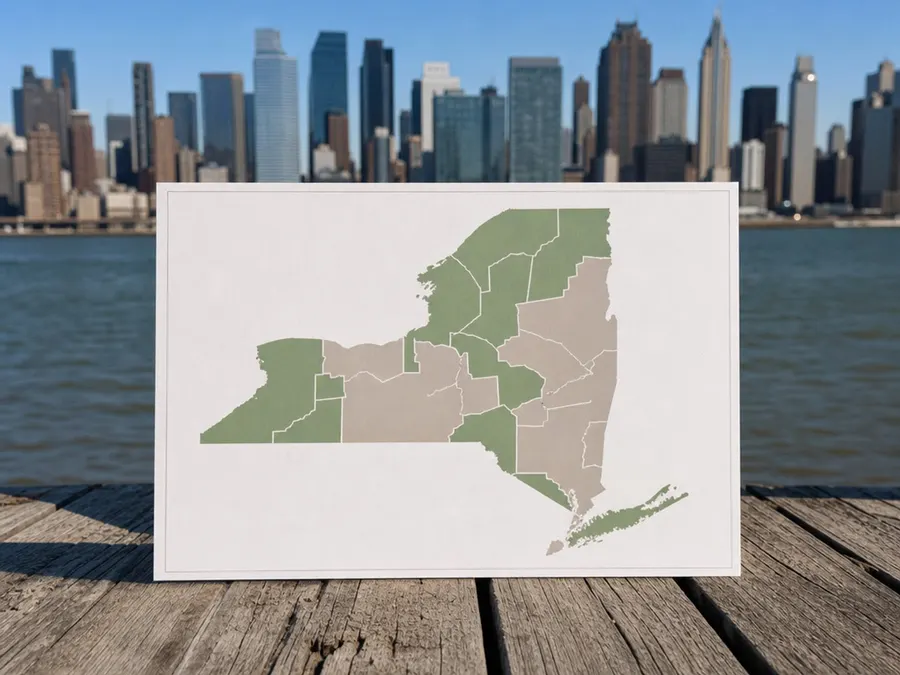
New York: state totals are not city totals
New York's estimated state count includes adults across New York City, suburbs, smaller cities, and rural communities. It should not be treated as a New York City statistic. State estimates cannot reveal county-level service gaps without appropriate local data and uncertainty.

Illinois: pooled years improve stability
Illinois illustrates why the study pools 2020 and 2021 BRFSS responses. Combining years can stabilize state estimates, particularly for smaller subgroups, but it creates a two-year vintage rather than a live count. Later identity trends require a new analysis.

Pennsylvania: survey participation matters
Pennsylvania's estimate comes from adult survey responses and weighting, not a census of every LGBT person. People may decline, misunderstand, or avoid identity questions, and survey coverage excludes some populations. The estimate is useful while remaining an estimate.

Ohio: adults only
Ohio's entry describes adults captured by the BRFSS-based method. It cannot be added casually to separate youth estimates because age definitions, sources, years, and models differ. Reporting should state “adults” near every number rather than hiding the universe in a footnote.

Georgia: identity is self-reported
Georgia's estimate concerns adults who self-identify as LGBT in the survey. It does not count every person who has same-gender attraction or behavior, and it does not define identity for respondents. Researchers must preserve the measure's wording and boundaries.

Washington: high count relative to overall rank
The report notes Washington as an exception to the close link between overall adult population rank and LGBT adult count rank: it appears higher in the latter. That pattern is descriptive. It does not explain migration, disclosure, policy, culture, or causation by itself.
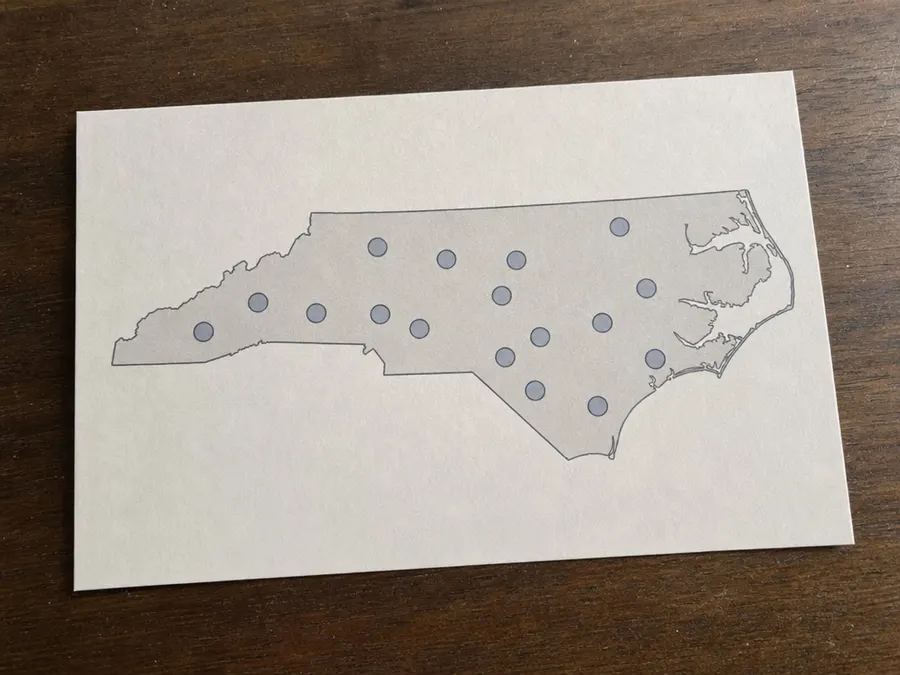
North Carolina: regions contain internal variation
North Carolina contributes to the South's large total LGBT adult population, but a regional label cannot describe every county or resident. Urban-rural distribution, age, race, disability, income, and service access require additional data and community knowledge rather than broad assumptions.
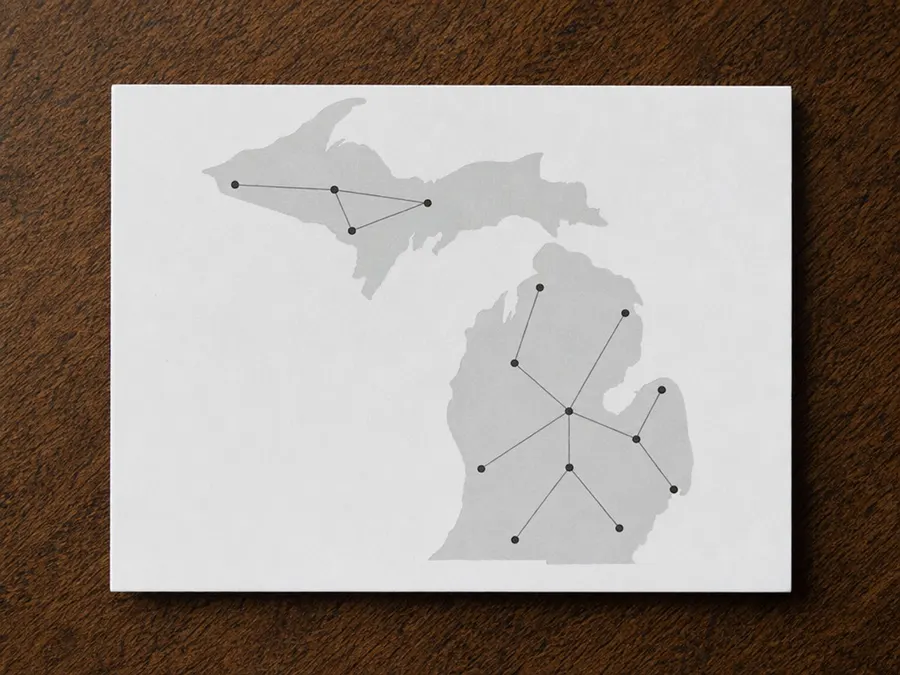
Michigan: counts support capacity planning
A state-level estimated count can help governments and organizations understand potential service scale, but it cannot locate every need. Michigan's geography means statewide totals may conceal distance, transportation, and provider shortages. Resource planning needs local engagement and privacy protection.

Arizona: estimates need confidence intervals
Arizona's point estimate should not be treated as an exact headcount. Sampling produces uncertainty, and close state values may not be statistically distinguishable. A responsible chart preserves confidence intervals and avoids dramatic rank movement caused by tiny estimated differences.
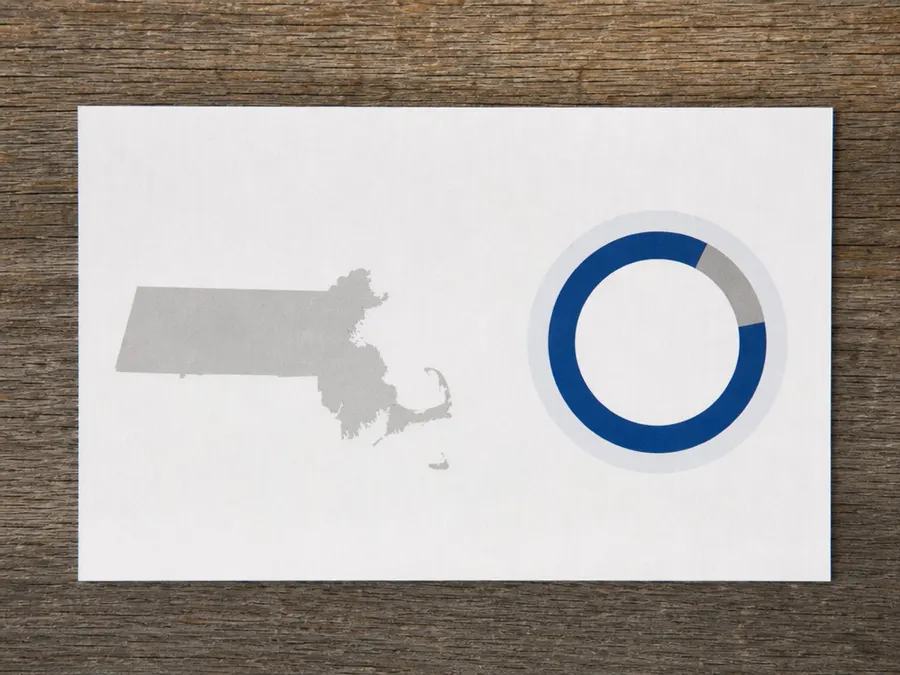
Massachusetts: a higher share is not a personality label
Massachusetts appears among states with relatively high estimated LGBT adult shares, but a share describes survey responses across a population. It cannot be attached to an individual, neighborhood, institution, or visitor. “Gayest state” language turns data into stereotype.

New Jersey: state boundaries shape denominators
New Jersey's dense population and ties to neighboring metropolitan areas show why residence-based state estimates do not capture daily movement. The numerator and denominator both describe residents, not everyone working, studying, receiving care, or socializing across state lines.

Virginia: update the entire dataset together
Virginia completes this high-count sampler while reinforcing the update rule: do not replace one state's value with a newer source and leave the others unchanged. A future comparison should use one consistent identity definition, survey design, pooled period, weighting method, and population vintage.

California: the largest estimated adult count
The report estimates roughly 1.5 million LGBT adults in California, the largest state count in its dataset. California is also the most populous state, so the count is not evidence that a random Californian is more likely to identify as LGBT than someone elsewhere.
Featured galleries