15 Remarkable Beaches Around the World
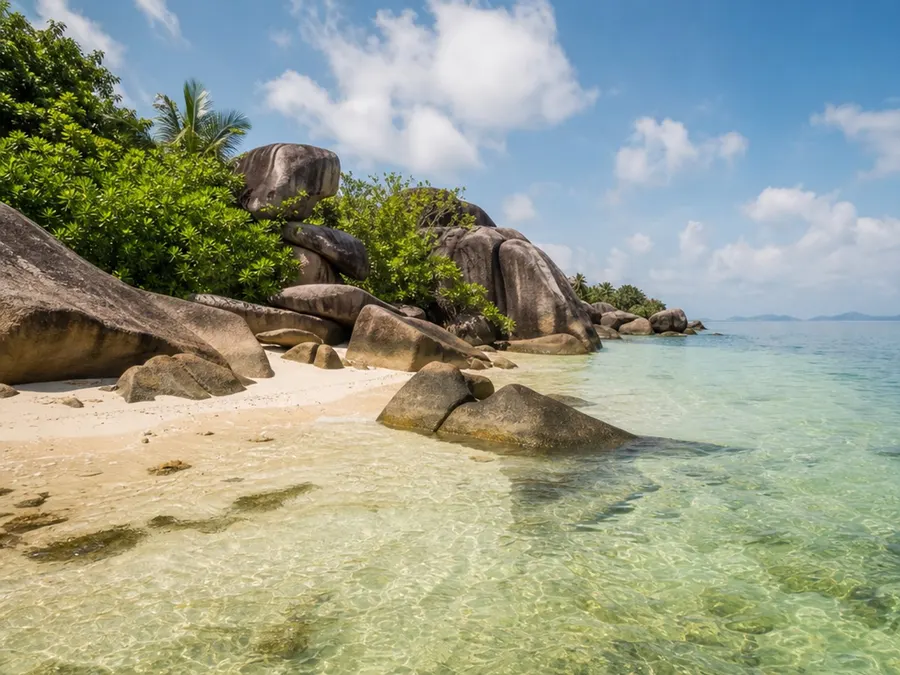
Anse Source d'Argent, Seychelles
Granite boulders, shallow water, and a reef-framed shoreline give this La Digue beach its recognizable structure. It can feel very different as the tide changes. Confirm access arrangements locally, avoid climbing unstable rocks, and keep respectful distance from nesting or feeding wildlife.
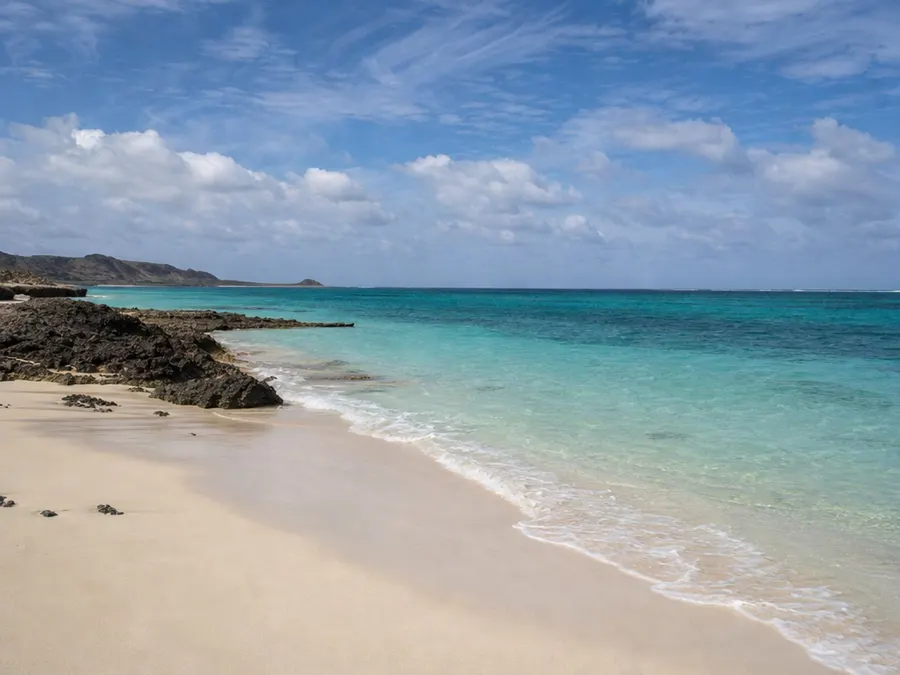
Grace Bay, Turks and Caicos
Grace Bay stretches along Providenciales with light sand and typically clear Caribbean water. Calm-looking conditions do not eliminate currents, heat, or boat traffic. Use marked swimming areas, heed weather notices, and choose reef-safe behavior when joining snorkeling or diving trips.
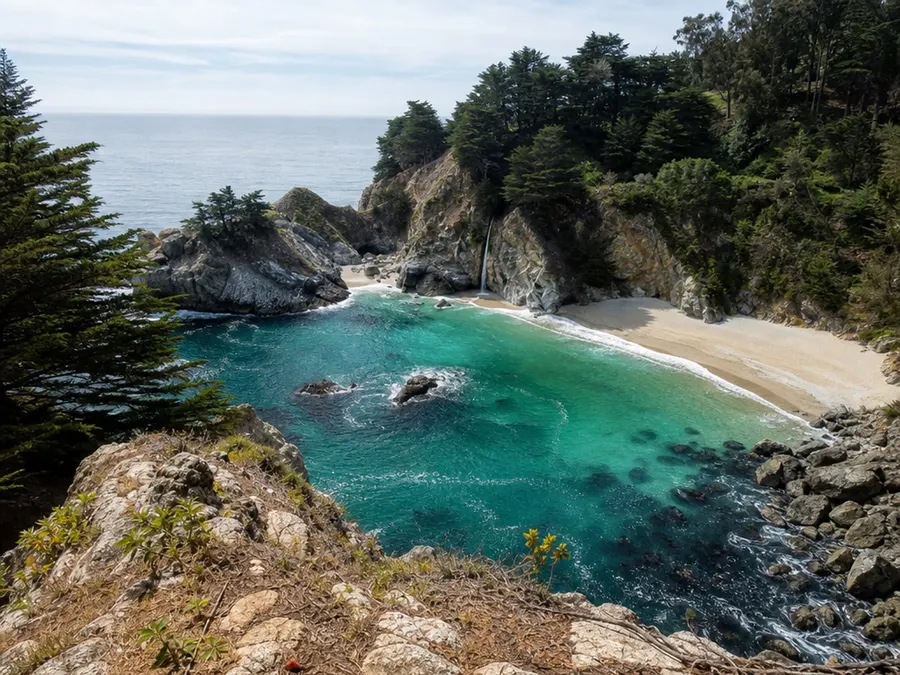
Baía do Sancho, Brazil
This protected Fernando de Noronha cove is reached through regulated island access and a steep descent. Its cliffs and marine environment are the attraction, but capacity and route conditions matter. Verify park rules, ticketing, trail status, and sea conditions before committing to the climb.
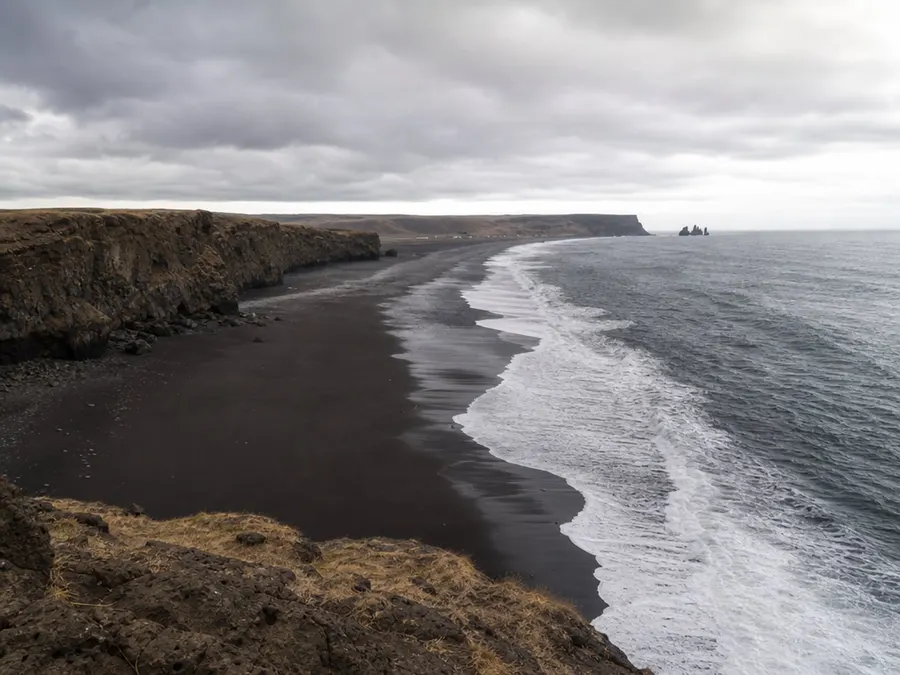
Reynisfjara, Iceland
Black sand, basalt columns, and offshore sea stacks make Reynisfjara dramatic, but it is a viewing beach rather than a casual swimming stop. Sneaker waves can surge far up shore. Stay well back, face the ocean, obey warning lights and barriers, and never climb the columns.
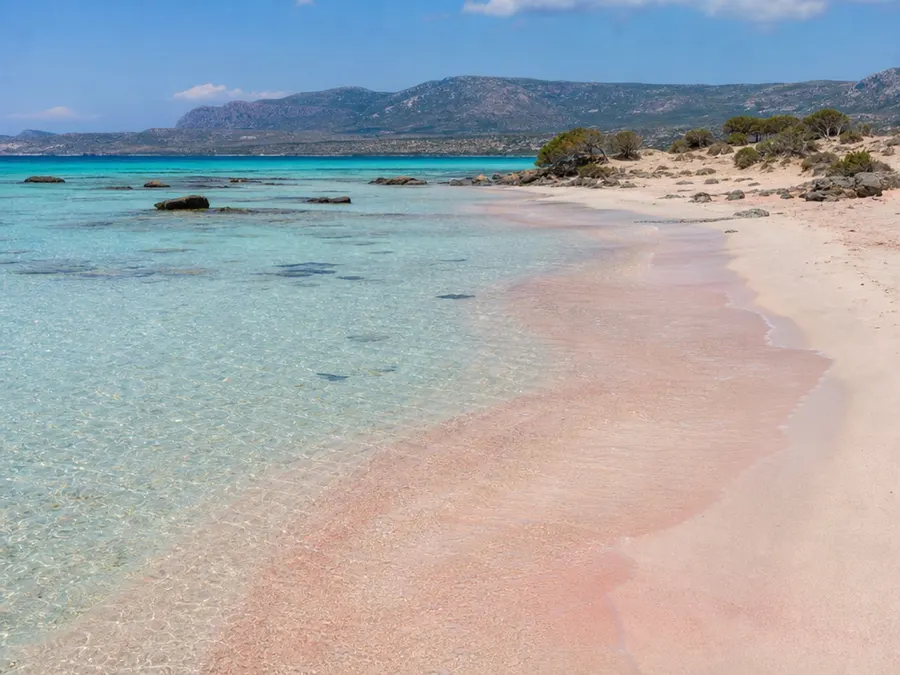
Elafonissi, Crete, Greece
Elafonissi's shallow lagoon and sandy islet invite slow exploration rather than a single photo stop. The protected dune habitat is fragile, so use marked paths and take nothing from the beach. Wind, crowds, and transport schedules should shape the timing of a visit.
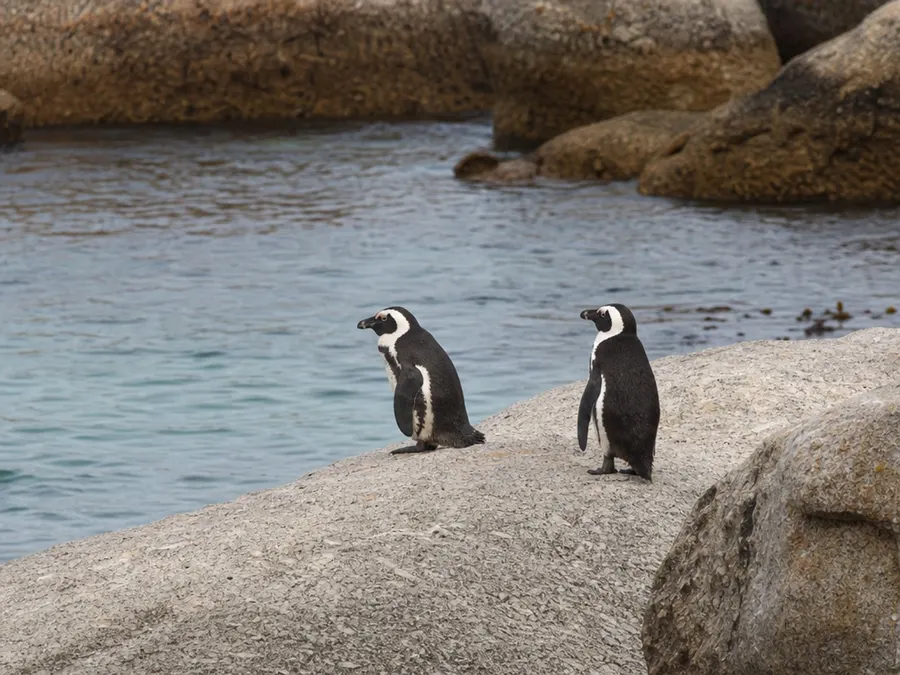
Boulders Beach, South Africa
The protected colony of African penguins is the defining feature here, not a promise of close contact. Boardwalks manage access and protect nesting areas. Remain on designated routes, never touch or feed wildlife, and remember that penguins can bite when people invade their space.
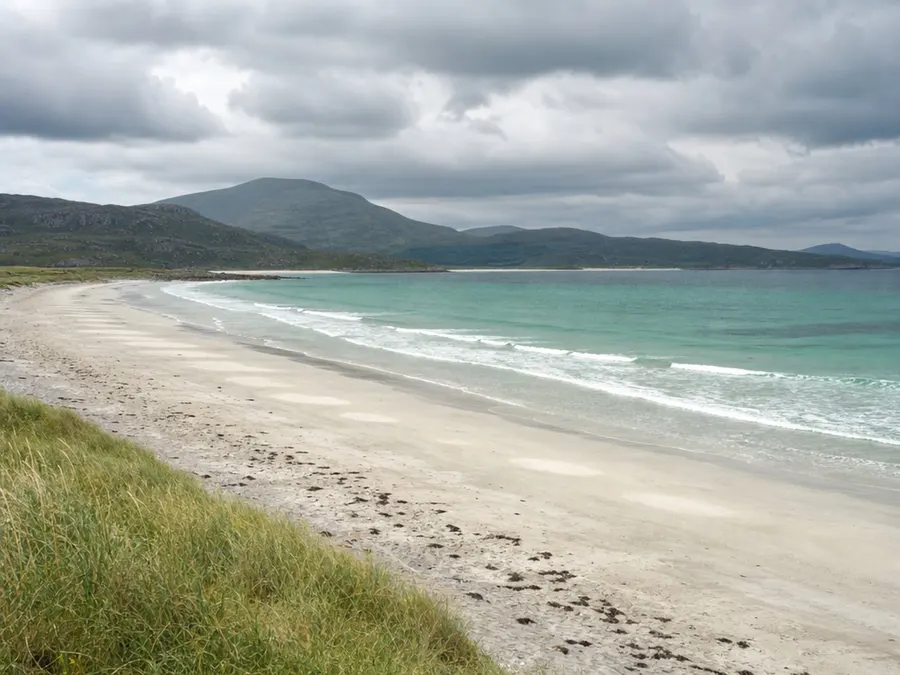
Luskentyre, Scotland
Luskentyre's broad pale strand and shifting Hebridean light can look almost tropical, while the water and wind remain decidedly northern. This is a place for long views, walks, and careful weather planning. Use responsible parking and leave gates and grazing land as found.
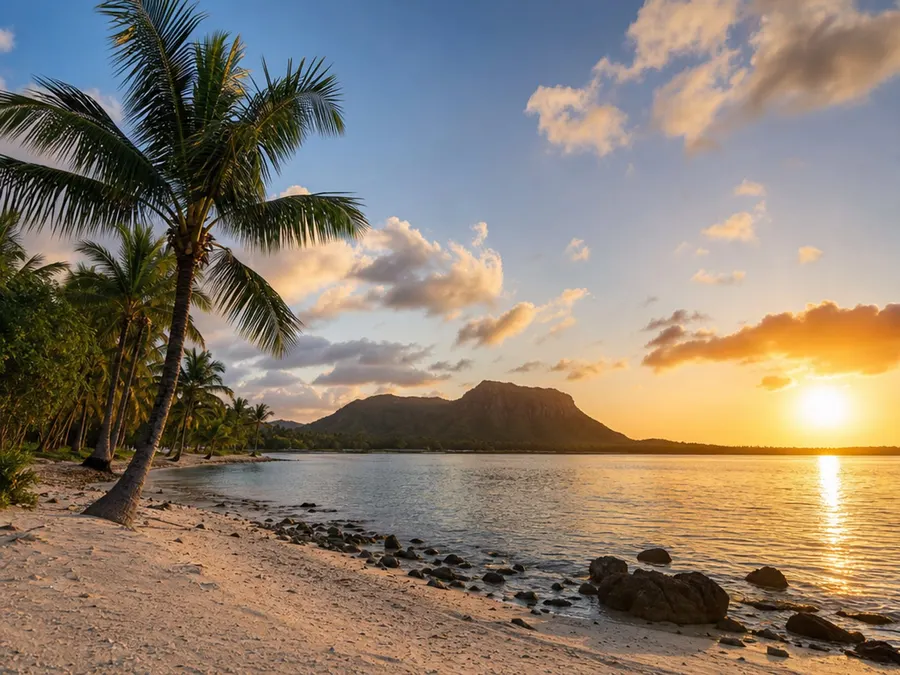
Matira Beach, Bora Bora
Matira is one of Bora Bora's publicly accessible stretches, known for shallow lagoon views and sunset light. Coral environments are easily damaged. Avoid standing on coral, secure reef-safe excursions through reputable operators, and confirm local conditions before swimming beyond the shallows.
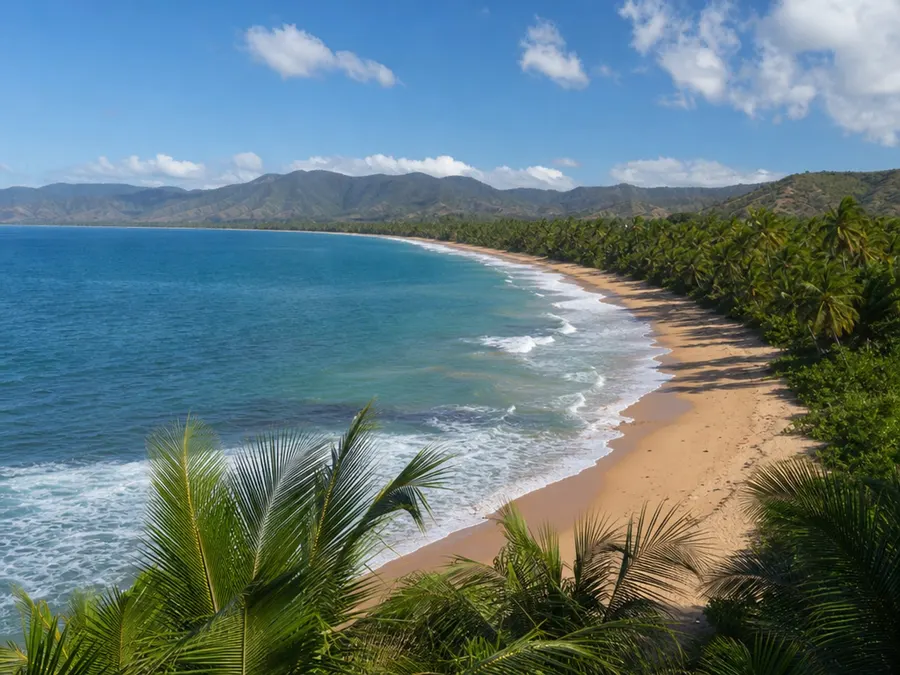
Nacpan Beach, Philippines
Nacpan offers a long sandy arc north of El Nido, with more space than many island-hopping stops. Road and sea conditions vary by season. Arrange dependable transport, keep valuables secure, and ask local authorities or lifeguards about current swimming conditions rather than assuming calm water.
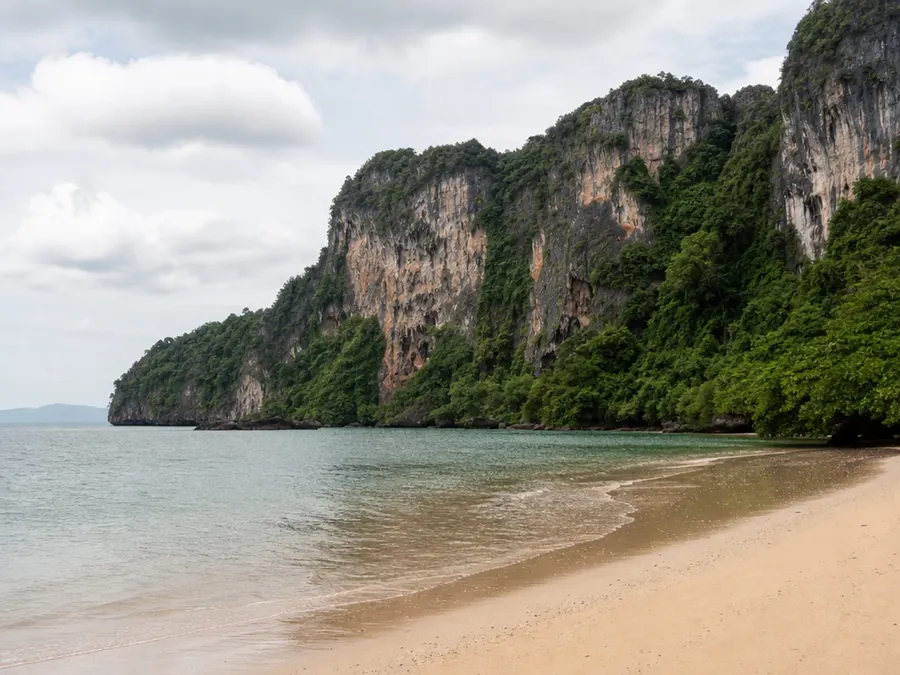
Railay, Thailand
Limestone cliffs frame Railay's beaches and climbing areas, which are reached by boat because roads do not connect the peninsula. Tides can affect boarding and shore space. Use licensed operators, wear flotation gear when directed, and avoid disturbing cave, cliff, or marine habitats.
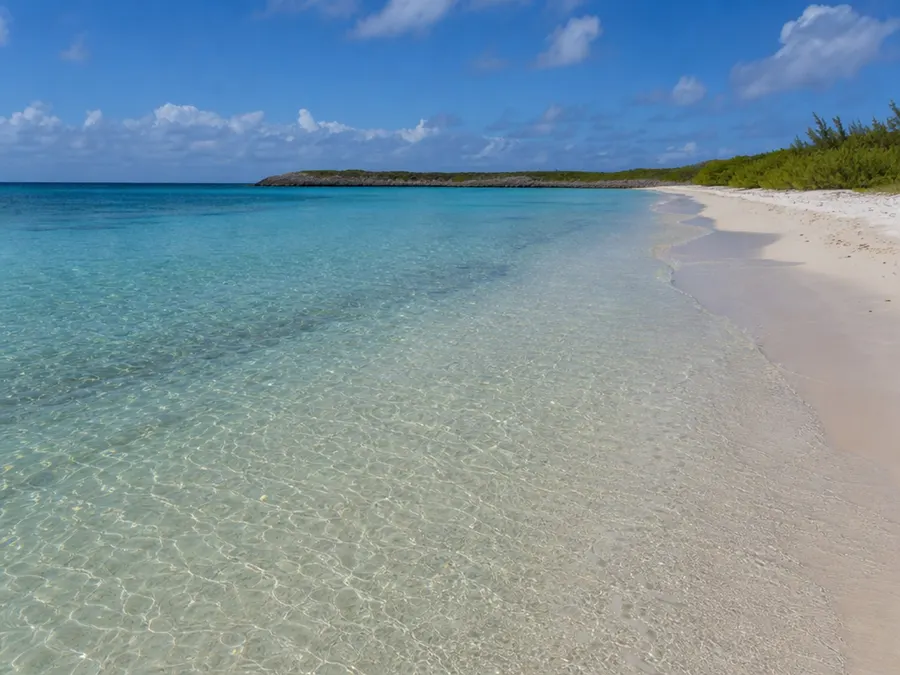
Seven Mile Beach, Cayman Islands
Despite its familiar name, the developed Grand Cayman shore is a chain of public access points rather than one isolated resort scene. Conditions differ along its length. Check access signage, respect private property, watch for watercraft zones, and bring sun protection for exposed walks.

Cannon Beach, Oregon, USA
Haystack Rock makes this Oregon beach visually memorable, while tide pools and Pacific weather make timing important. Treat the rock and surrounding intertidal zone as wildlife habitat. Consult tide tables, avoid stranded positions, keep dogs controlled, and never climb protected formations.
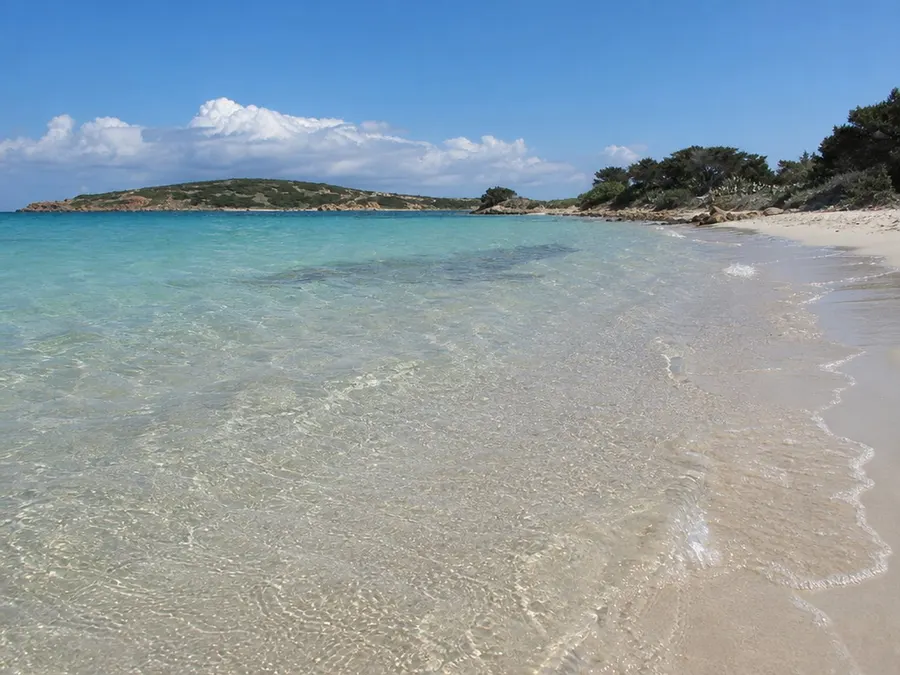
Playa Norte, Isla Mujeres, Mexico
Playa Norte is valued for shallow Caribbean water and an easy connection to the island's town. Popularity means sharing space and planning transport carefully. Follow flag warnings, avoid swimming near boat channels, and choose operators that explain marine and waste rules clearly.
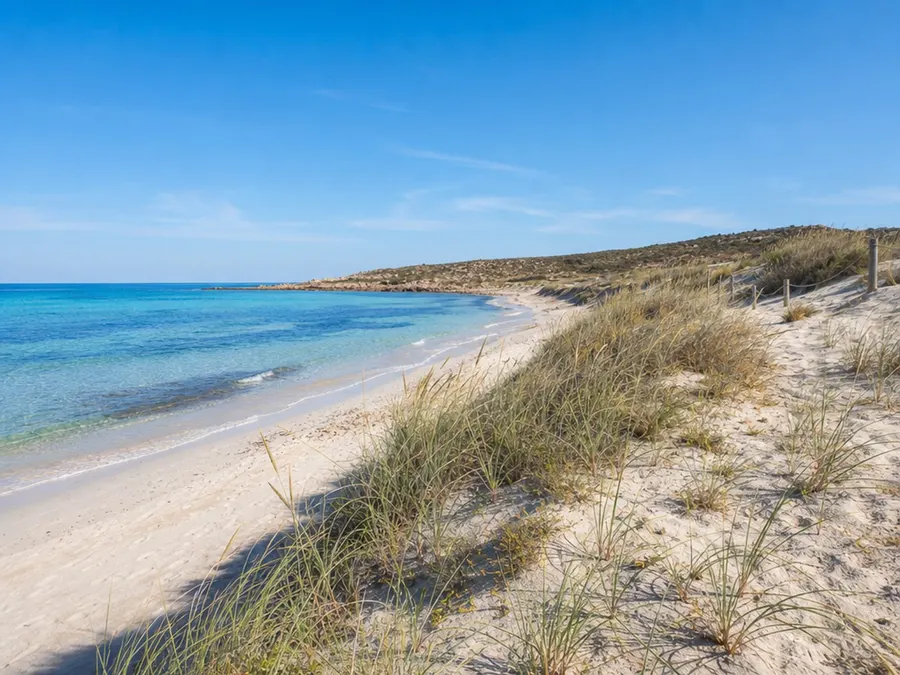
Playa de Muro, Mallorca, Spain
This long Bay of Alcúdia beach combines shallow sections with access to nearby wetland habitat. It can support families, walkers, and water activities without being identical everywhere. Use staffed zones where available, respect dune fencing, and verify seasonal transit and accessibility services.
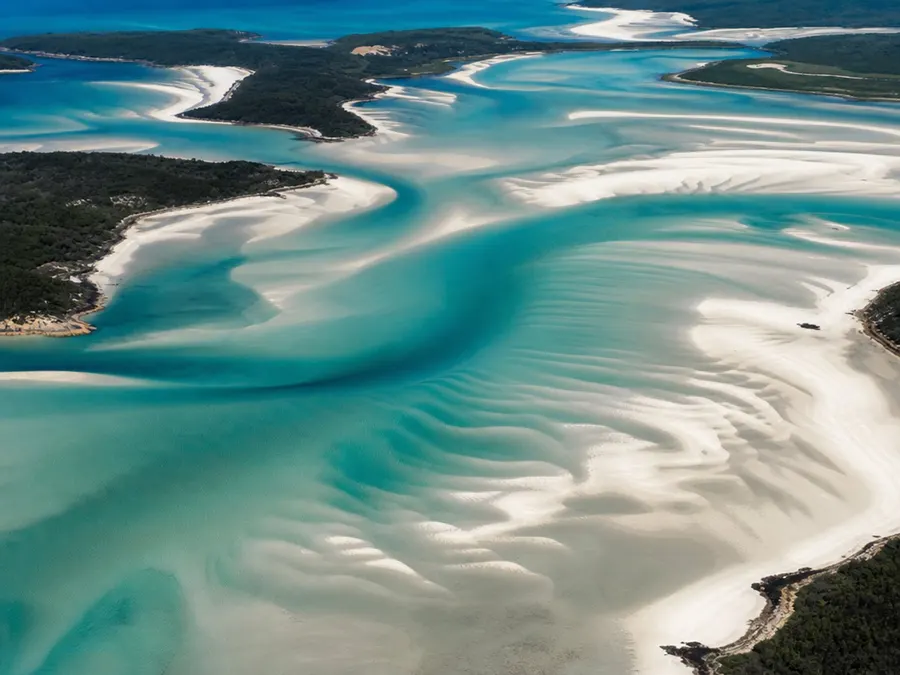
Whitehaven Beach, Australia
Whitehaven's pale silica sand and swirling Hill Inlet patterns make it visually distinctive within the Whitsundays. Visitors generally arrive by boat, seaplane, or helicopter rather than road. Protect the marine park by following zoning, anchoring, wildlife, and waste guidance from Queensland authorities.
Featured galleries