15 Questions to Ask Before Trusting a ‘Most Dangerous Dog Breeds’ List
Are Mixed Dogs Forced Into One Category?
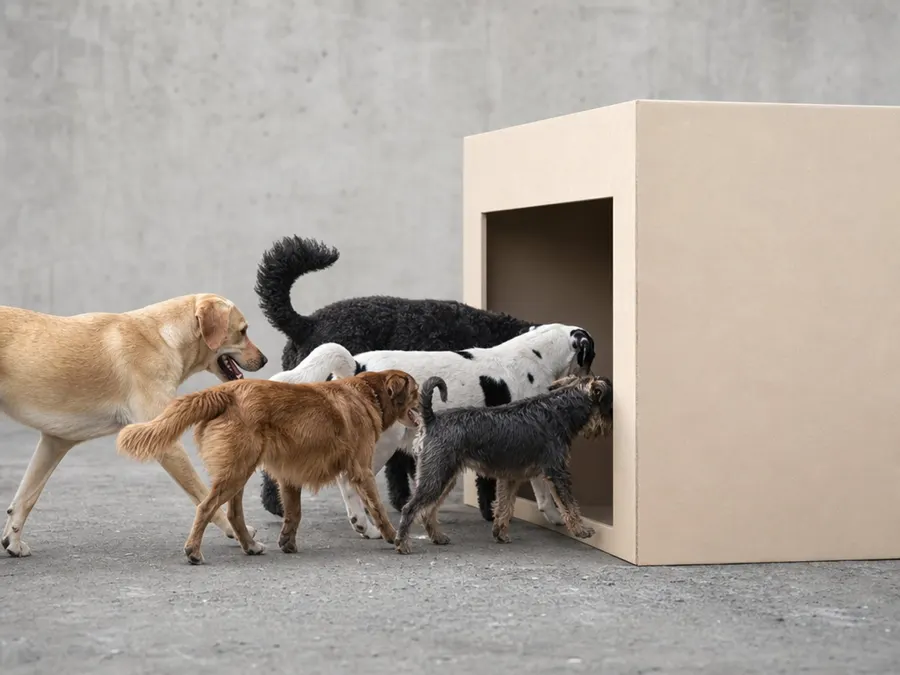
Many dogs have mixed ancestry, yet records may require one primary breed or use catchall labels. That converts uncertainty into false precision. A responsible dataset preserves unknown and mixed categories, documents rules, and avoids guessing ancestry from head shape, color, or body size.
What Is the Denominator?
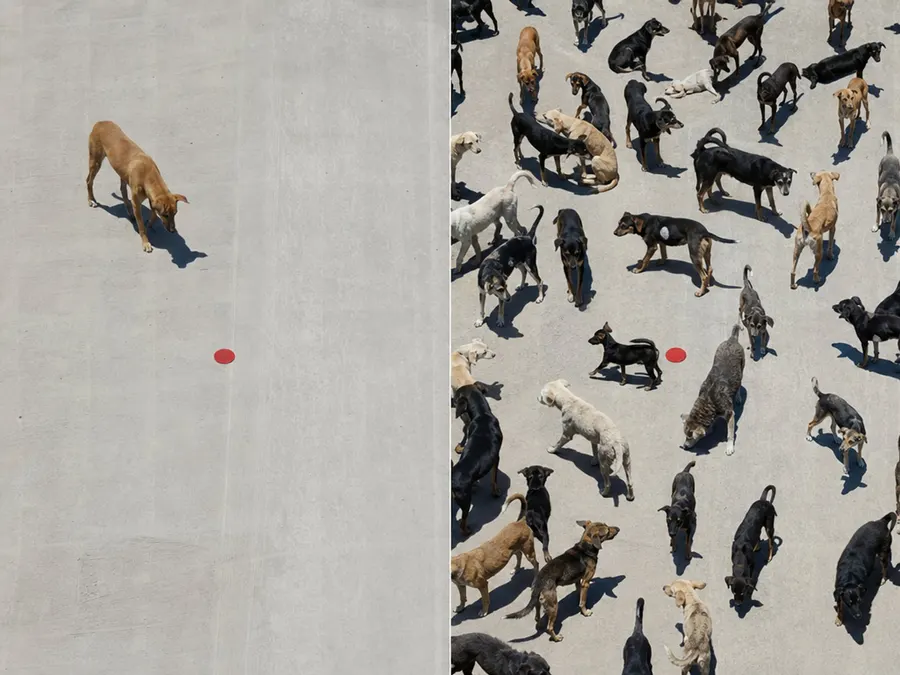
Ten incidents among ten thousand dogs and ten among one hundred imply different rates. Reliable local counts by breed and mix are rarely available, and licensing coverage is incomplete. Without a defensible denominator, a list ranks counts or publicity—not the probability implied by the headline.

How Is a Bite Defined?
Datasets may include a nip that leaves no injury, a medically treated wound, a hospital admission, or a fatality. Others record only reports to animal control. Categories need consistent severity definitions; combining them into one dangerous score weights common minor events and rare severe outcomes arbitrarily.

Which Incidents Never Enter the Data?
People may not report minor bites, bites by their own dog, or incidents when they fear legal or housing consequences. Reporting can vary across communities and breeds. A table of recorded events is not a complete census, and missingness may not be random.
Are Exposure Opportunities Comparable?
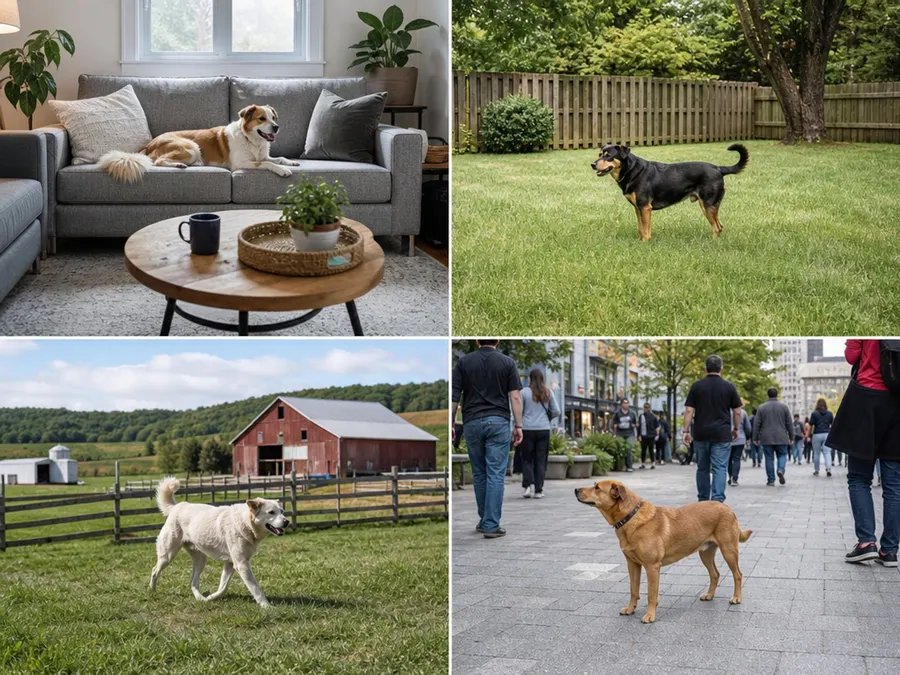
A dog living indoors with two adults has different contact opportunities from one roaming, guarding a yard, working with livestock, or meeting hundreds of visitors. Exposure includes time, people, other animals, supervision, and setting. A raw incident count ignores how often risky situations occurred.

Does the Source Record Containment?
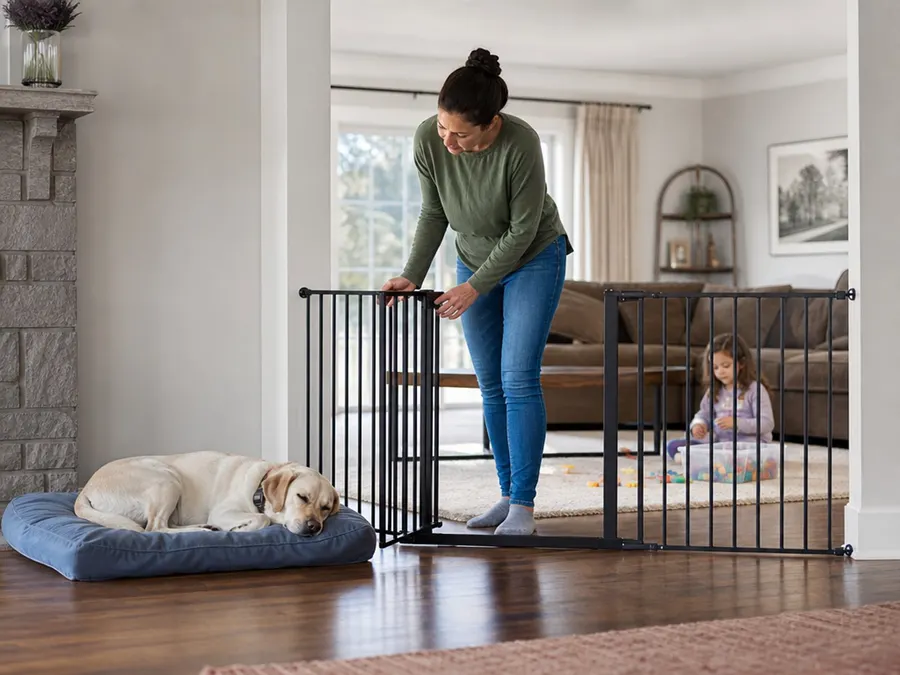
Roaming, failed gates, tethers, door escapes, and unsupervised access can shape incidents across breeds. Ask whether the dataset includes containment and whether enforcement differs by neighborhood. Prevention value comes from identifying modifiable circumstances, not merely attaching a breed label afterward.
Were Children and Dogs Supervised?
Child age, adult proximity, sleeping or eating dogs, rough contact, and access to resources can be crucial. Active supervision and separation are prevention measures, not excuses after an injury. A dataset that omits victim activity and supervision cannot explain what happened.

Was Pain or Illness Considered?
Pain can change tolerance, and neurologic or other illness can alter behavior. Post-incident records rarely provide a complete veterinary assessment. Absence of a diagnosis is not evidence the dog was healthy; lists should not invent medical explanations, but they should disclose missing health context.

Are Training Methods and History Known?
Prior fear, reinforcement, neglect, punishment, guarding practice, and bite history may matter, but records can be incomplete or biased. Avoid unsupported owner-blame stories. The correct approach is to record verified history, select humane methods, and manage known risk rather than fill gaps with assumptions.
Does Body Size Affect Reporting and Severity?
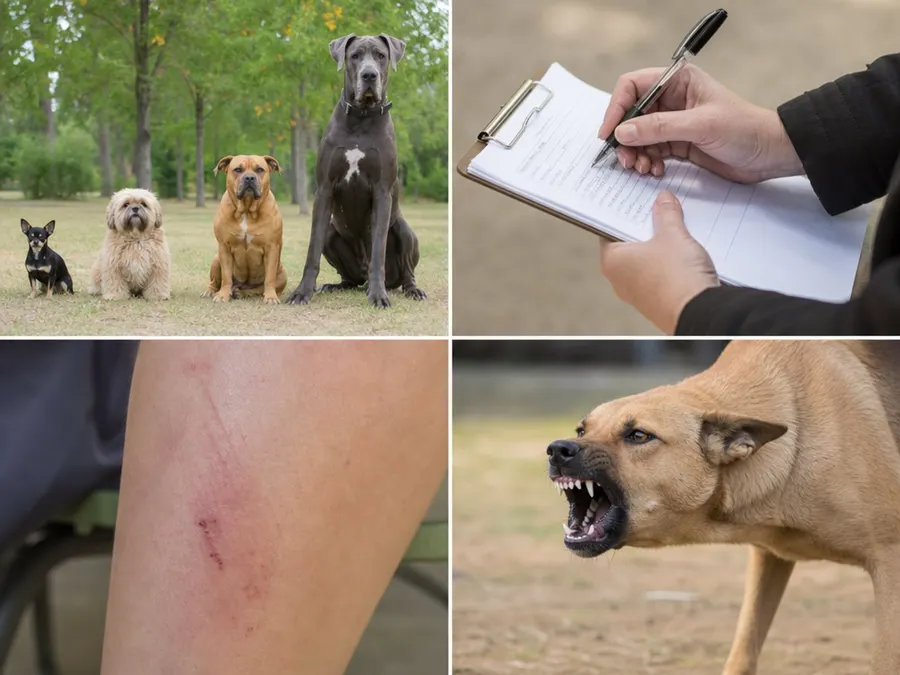
Larger, stronger dogs can cause more severe injury, while minor incidents involving small dogs may be less likely to reach authorities or hospitals. That reporting difference can affect rankings. Physical capacity, incident probability, and individual behavior are separate questions and should not be collapsed.

Are Time and Place Consistent?
Breed popularity, laws, reporting, housing, veterinary access, and dog-management practices change across decades and jurisdictions. Combining old national news reports with recent local hospital data produces a number without a common frame. Require a defined geography, period, and collection system.

Does Media Attention Drive the Sample?
Dramatic incidents and breeds already framed as frightening receive more coverage, creating a feedback loop for researchers who compile news stories. Media samples are not surveillance systems. Verify with public-health, hospital, animal-control, and population sources and disclose their limitations separately.

Can the Analysis Identify Prevention?
A list with no information about fencing, supervision, health, victim interaction, prior behavior, or owner response offers little guidance. Useful research asks which modifiable conditions preceded harm and which interventions work. The goal is fewer injuries, not a more shareable villain.

Would the Claim Predict an Individual?
Population associations—even when measured well—do not determine one dog's future behavior. An individual assessment considers observed behavior, health, history, environment, and management. Treat an unfamiliar dog with appropriate caution, but do not substitute appearance-based stereotyping for evidence and safe interaction.

Who Assigned the Breed Label?
Police, witnesses, owners, shelters, hospitals, journalists, and researchers may label the same dog differently. Ask whether identification came from registration, verified pedigree, DNA testing, owner report, or appearance alone. A confident label in a spreadsheet does not prove the underlying method was reliable.
Featured galleries