12 Checks for a Remote Escape
Research the Destination Before Leaving
Start by visiting the official website or mobile app for the park or managed property you plan to visit. Review key factors like amenities, weather forecasts, wildlife, terrain, water hazards, and active alerts. Because outdoor conditions can change continuously, checking these details before departure is essential. This helps you prepare the correct gear and remain aware of any active safety concerns.
Confirm Permits, Closures, and Reservations
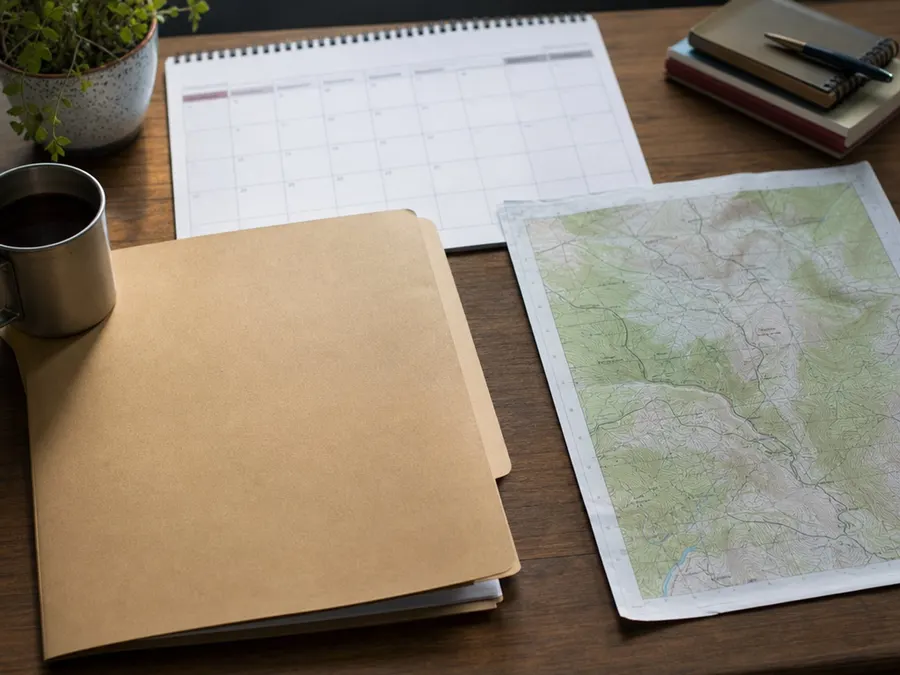
Many national parks require reservations, permits, or passes to enter, camp, or participate in certain activities. Checking regulations and active closures helps protect both visitors and natural resources. You can search the official rules and secure necessary permits or reservations ahead of time. Doing this research early ensures you are prepared before you travel.
Match the Plan to the Group
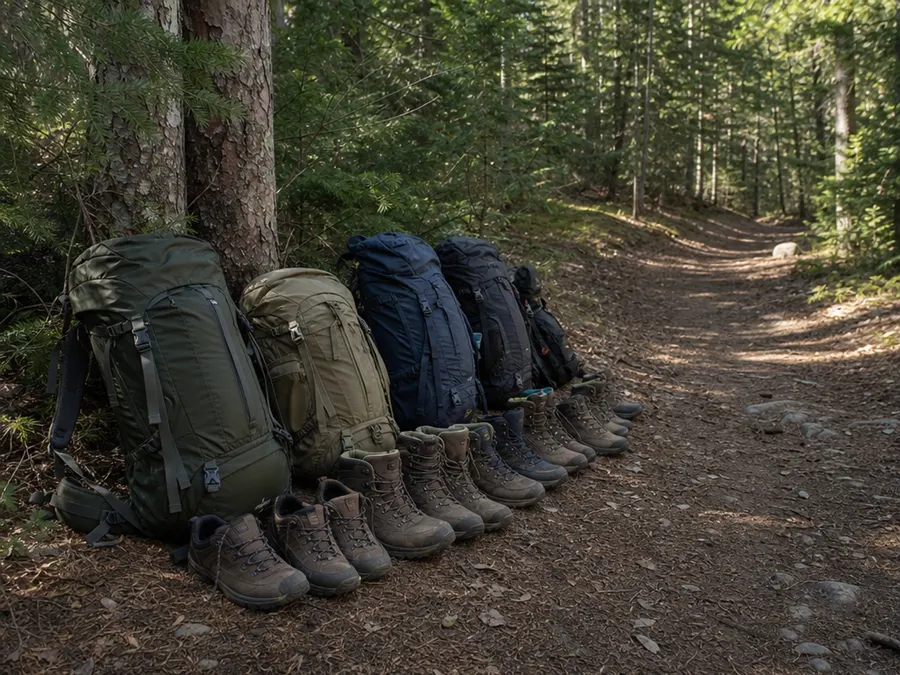
Select outdoor activities that match the skills, experience, and physical fitness of everyone in your group. Consider potential challenges such as duration, difficulty levels, uneven terrain, and weather conditions. If your chosen activity requires specialized gear or skills, confirm that everyone has the right equipment and knows how to use it. Assessing these factors honestly helps ensure a safe and comfortable experience for all participants.
Build a Backup Plan
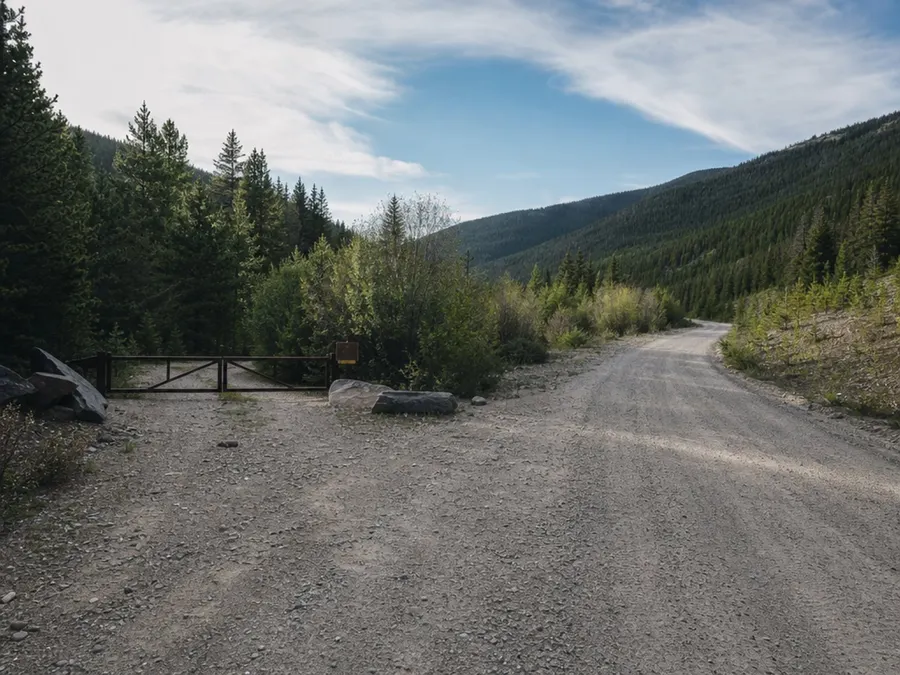
Outdoor conditions can change quickly due to weather, full parking lots, or unexpected closures. Developing a backup plan allows you to enjoy your trip without having to cancel it entirely if circumstances change. Consider lower-risk alternatives, such as indoor exhibits or lighter activities, that do not require specialized gear. Being prepared to pivot ensures a safer and more flexible adventure.
Pack for Delays, Not Just the Itinerary
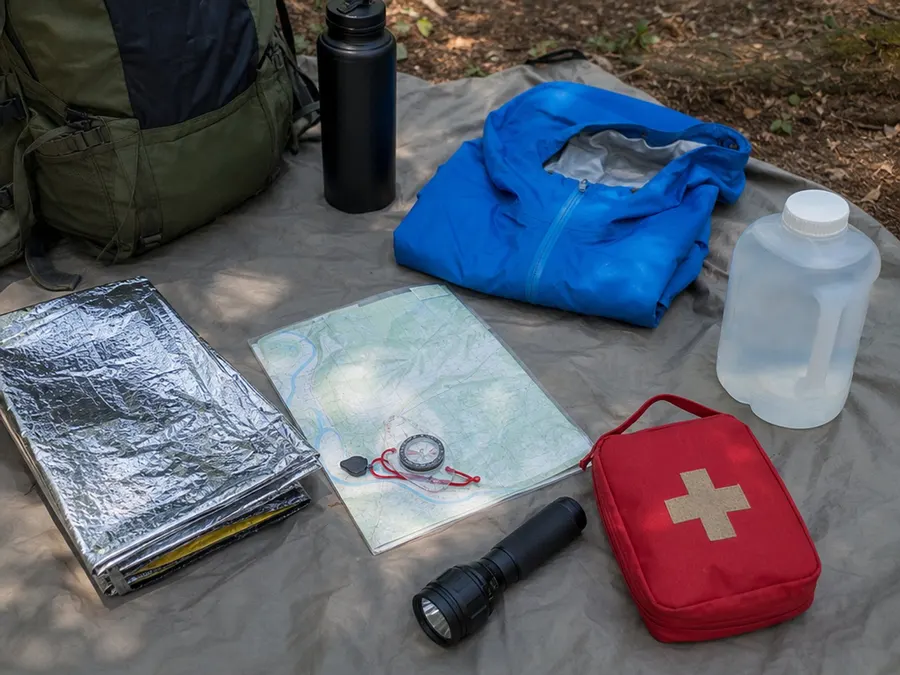
The National Park Service advises packing the ten essentials to help manage unexpected delays, sudden weather changes, or minor injuries. You should customize these essentials to fit your specific destination, activity, and personal needs. This may include adding personal medication, protective gear, or specialized safety equipment. Before setting out, verify that all of your equipment functions properly and fits correctly.
Plan Water Conservatively
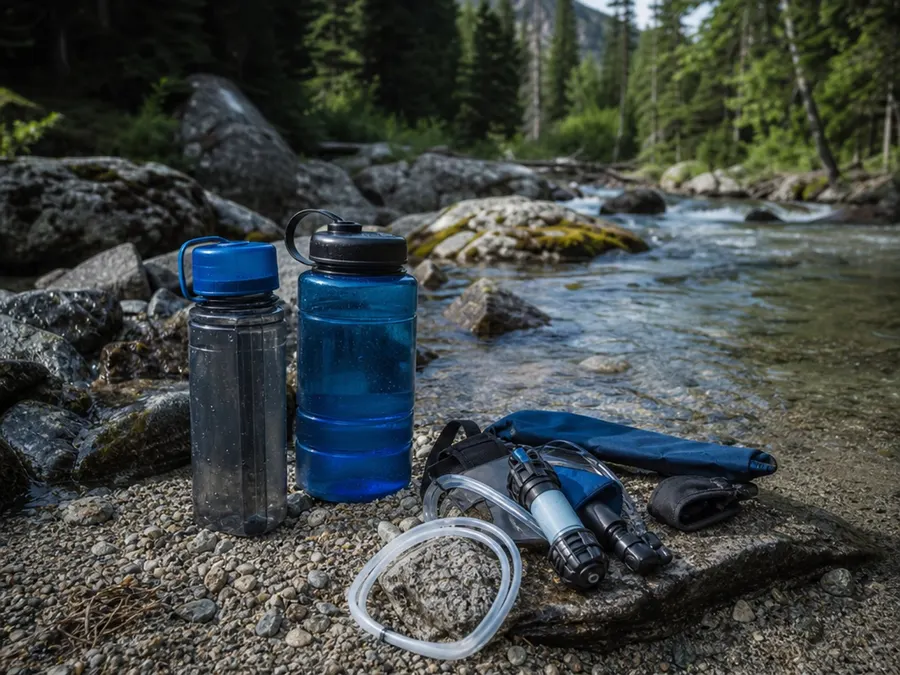
Before starting your trip, determine whether drinking water is available at the park's visitor centers, along the trails, or at local stores. Checking water availability and water safety hazards, such as strong currents or cold temperatures, is a key part of planning. Always confirm where you can reliably access safe drinking water during your activity. This preparation helps prevent dehydration and other water-related hazards during your visit.
Carry Navigation Redundancy
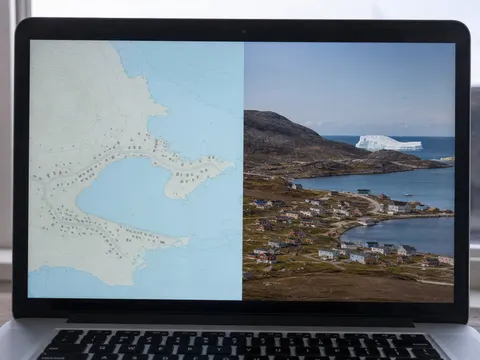
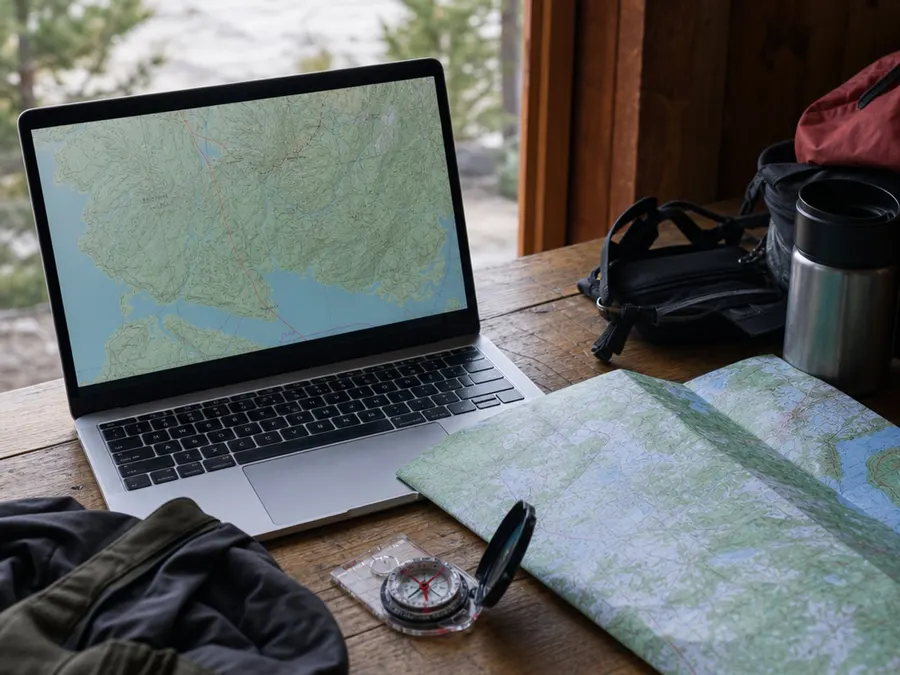
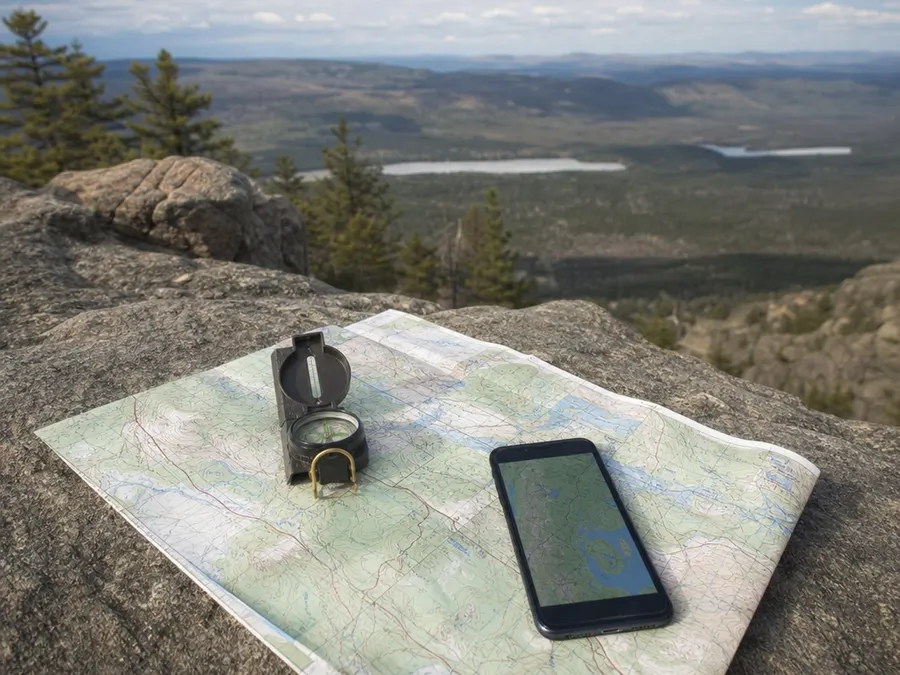
You can download official maps for offline use before entering areas where cell service is unavailable. However, a mobile phone should not be your only navigation tool since batteries can drain and devices can be damaged. Always carry a physical backup, such as a paper map, to ensure you can navigate safely. This redundancy helps protect you from becoming lost if your electronic devices fail.
Leave a Detailed Trip Plan
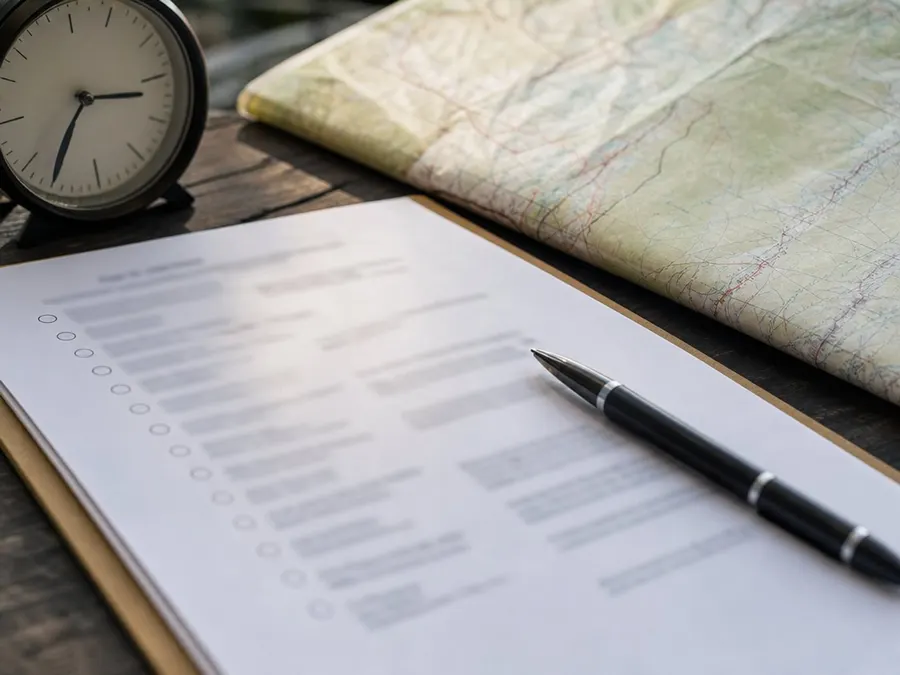
Before departing, share a detailed trip plan with a trusted contact who is not traveling with you. Let them know where you are going, what activities you are doing, and when you expect to return. Instruct this contact to call authorities and share your trip plan if you do not return on time. This information is vital for emergency responders if an unexpected delay or accident occurs.
Respect Wildlife and Local Instructions
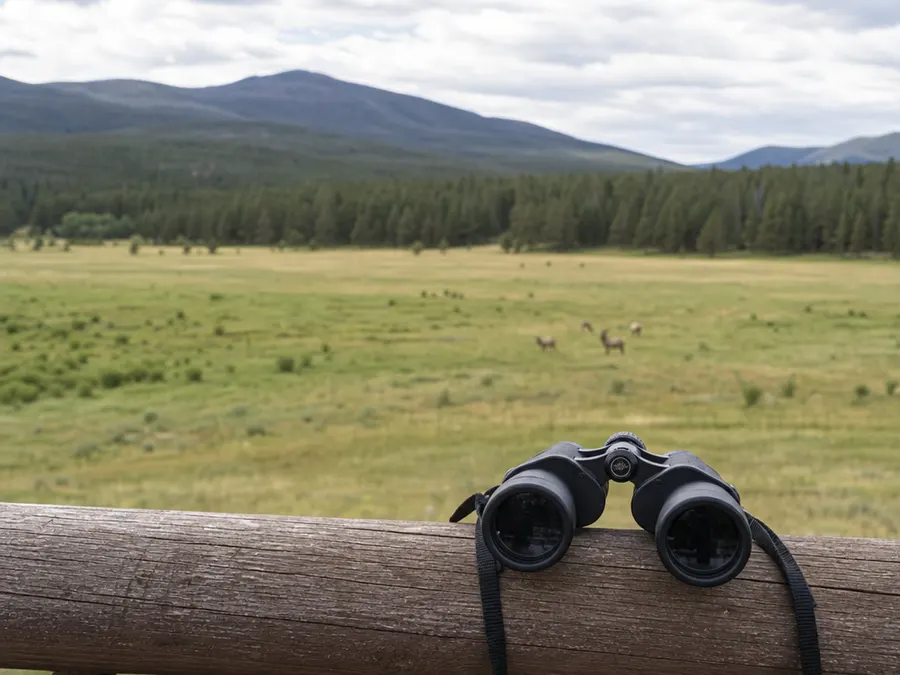
Research the wildlife species that live in the area before you arrive so you can prepare for potential encounters. When you reach the park, ask rangers about recent animal sightings or areas with increased wildlife activity. Respecting wildlife and their natural habitat is a key part of protecting these irreplaceable resources. Following local regulations and professional guidance helps keep both you and the animals safe.
Reduce Your Impact
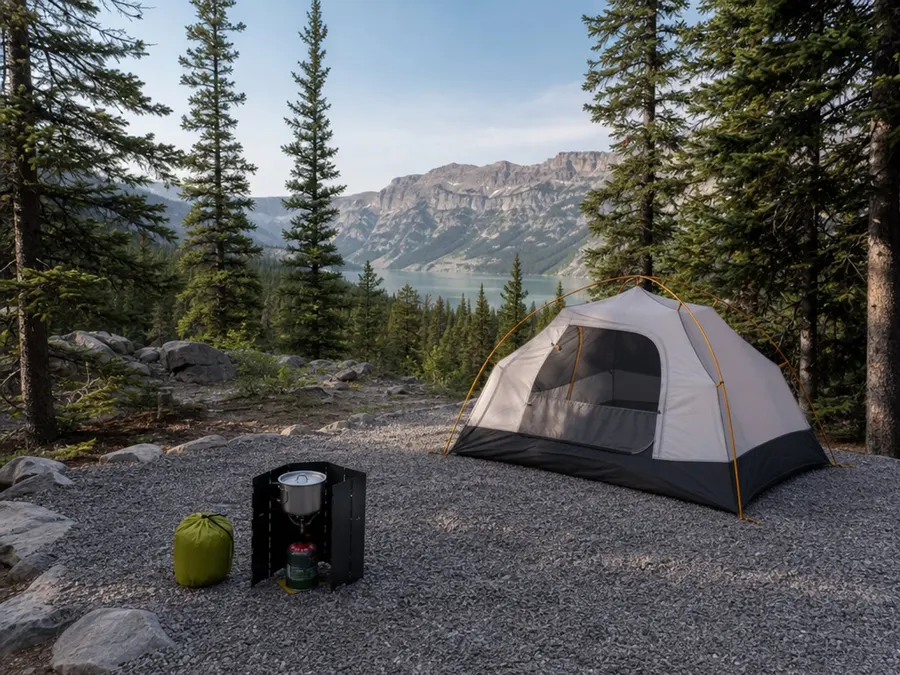
Recreating responsibly helps sustain public lands and preserves them for future generations to enjoy. When visiting, always follow the Leave No Trace principles to show respect for the land, water, wildlife, and Native communities. Be sure to check for any active fire restrictions, area closures, or seasonal rules before you arrive. Taking these steps ensures that these special outdoor spaces remain protected and welcoming for everyone.
Recheck Conditions and Be Willing to Turn Around
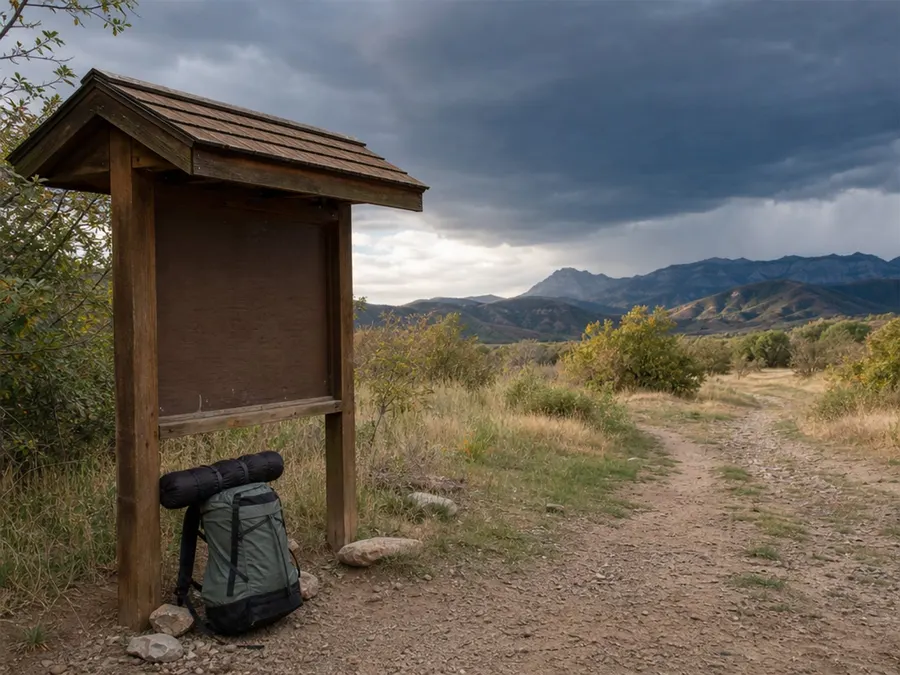
Upon arrival, stop by a visitor center or ranger station to check the latest park conditions and active alerts. Confirm that you have packed all of your essential gear and assess how everyone in your group is feeling. If conditions have changed or if you do not feel fully prepared, be ready to put your backup plan into action. Prioritizing safety over sticking strictly to your original plan ensures a successful and responsible trip.
Define What Remote Means for This Trip
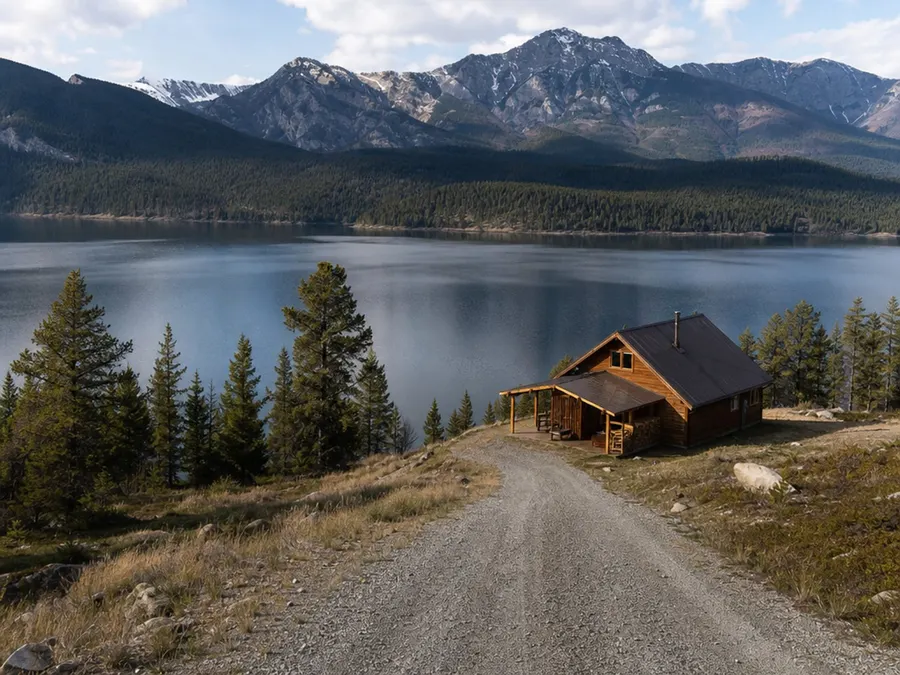
Planning an outdoor trip requires understanding the specific demands of your destination. The National Park Service notes that different environments are unique and continuously change with the seasons. Researching the available amenities, such as drinking water or nearby stores, helps you prepare the right gear for your visit. This initial preparation helps separate an appealing idea from the practical demands of the actual place.
Featured galleries