15 Places to Visit Across the United States

New York City, New York
New York rewards themed days: art, theater, food, architecture, parks, or neighborhood history. Transit makes variety possible, but distances inside stations and museums add up. Reserve limited attractions, learn payment options, and avoid reducing lived neighborhoods to photo backdrops.
Washington, D.C.
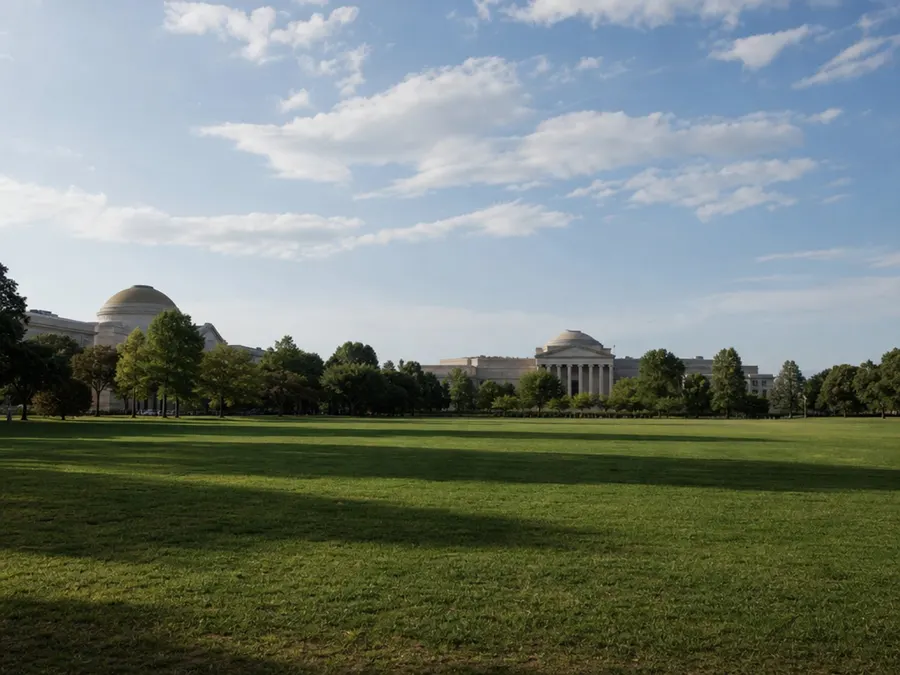
National museums, monuments, neighborhoods, and riverfront areas can fill days without a car. Many institutions require timed passes even when admission is free. Verify security rules, accessibility, operating hours, and current event impacts before arriving with a full bag.
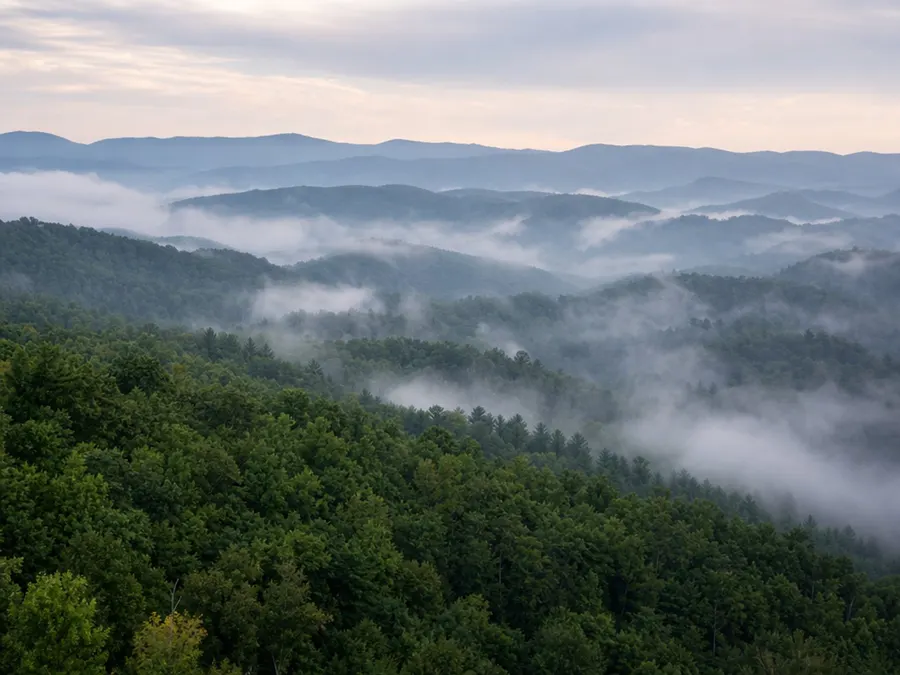
Great Smoky Mountains National Park
Forested ridges, waterfalls, historic structures, and wildlife draw visitors across Tennessee and North Carolina. Popular roads and trailheads fill early. Check closures and weather, carry layers, never feed bears, and choose routes that match the group's fitness rather than internet popularity.

New Orleans, Louisiana
Live music, Creole and Cajun food traditions, architecture, museums, and neighborhood festivals create a culturally dense visit. Plan around heat, storms, and late-night transportation. Seek locally led history, respect residential blocks, and verify event routes before each day.
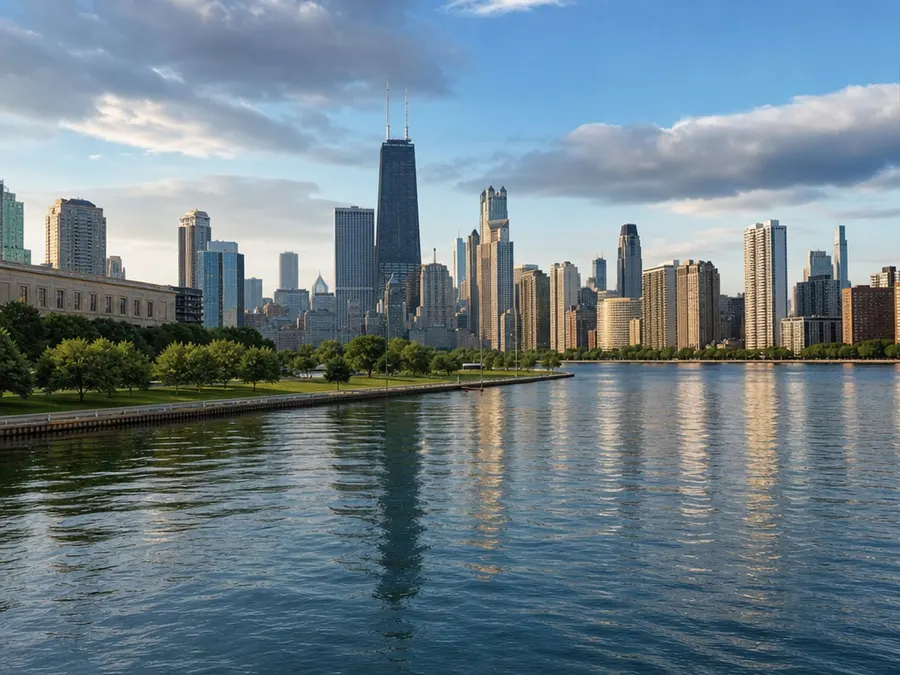
Chicago, Illinois
Chicago pairs lakefront trails and beaches with architecture, museums, comedy, music, and distinct neighborhoods. Wind and temperature can shift quickly near Lake Michigan. Use transit, cluster stops, and confirm beach, river-tour, and event conditions rather than planning only from skyline photos.
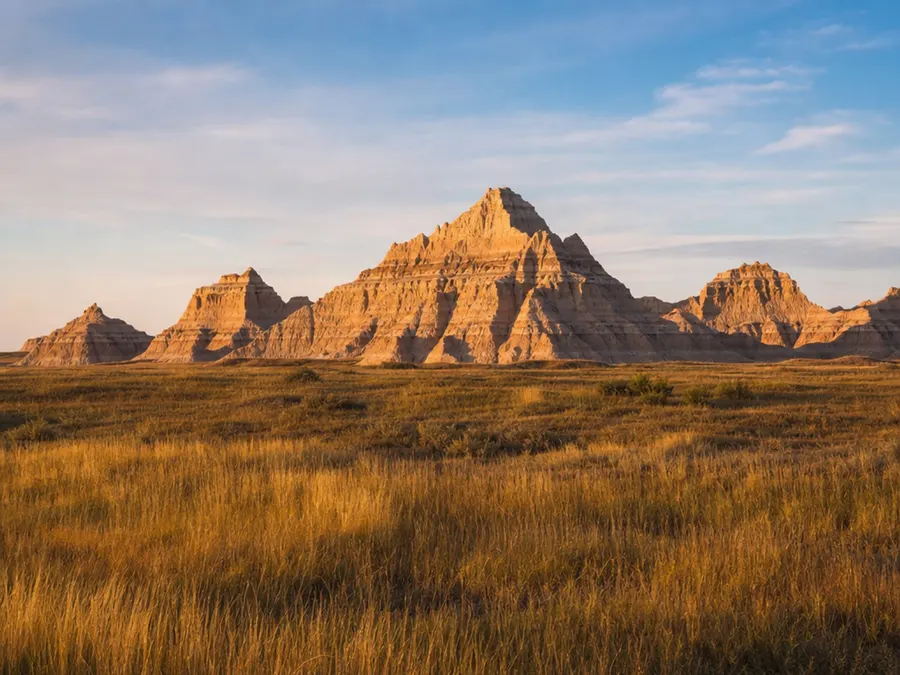
Badlands National Park, South Dakota
Layered formations and mixed-grass prairie make the Badlands a powerful road-trip landscape. Summer heat, winter exposure, rattlesnakes, and fragile slopes require judgment. Stay on legal routes, carry water, and combine scenic overlooks with shorter walks when conditions are harsh.
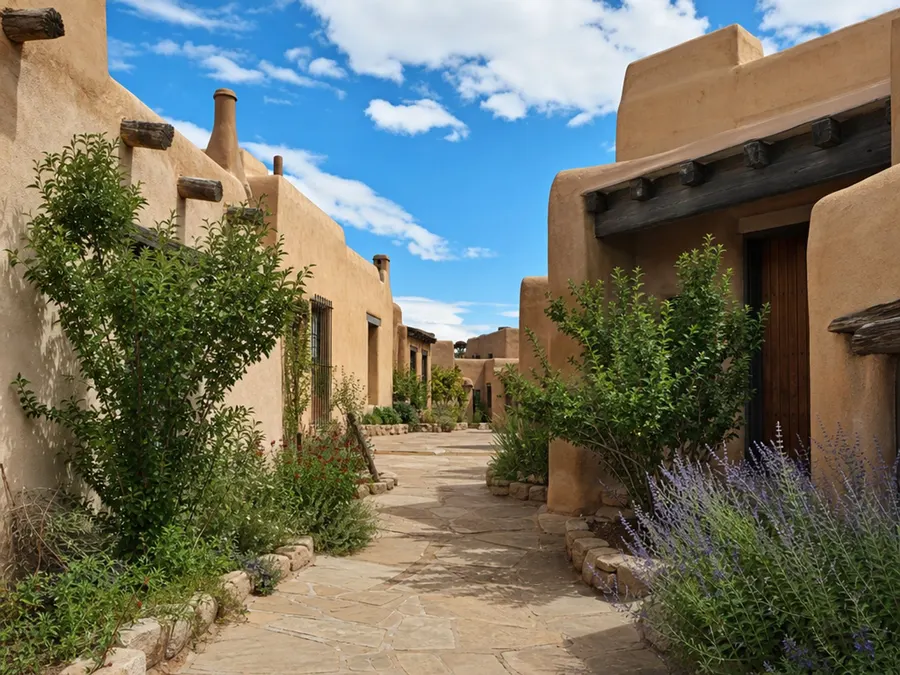
Santa Fe, New Mexico
Santa Fe offers Indigenous and Hispanic history, contemporary art, regional food, and a high-desert setting. Elevation and dry air can surprise visitors. Choose museums and galleries thoughtfully, buy Native art from reputable sources, and allow time to acclimatize.
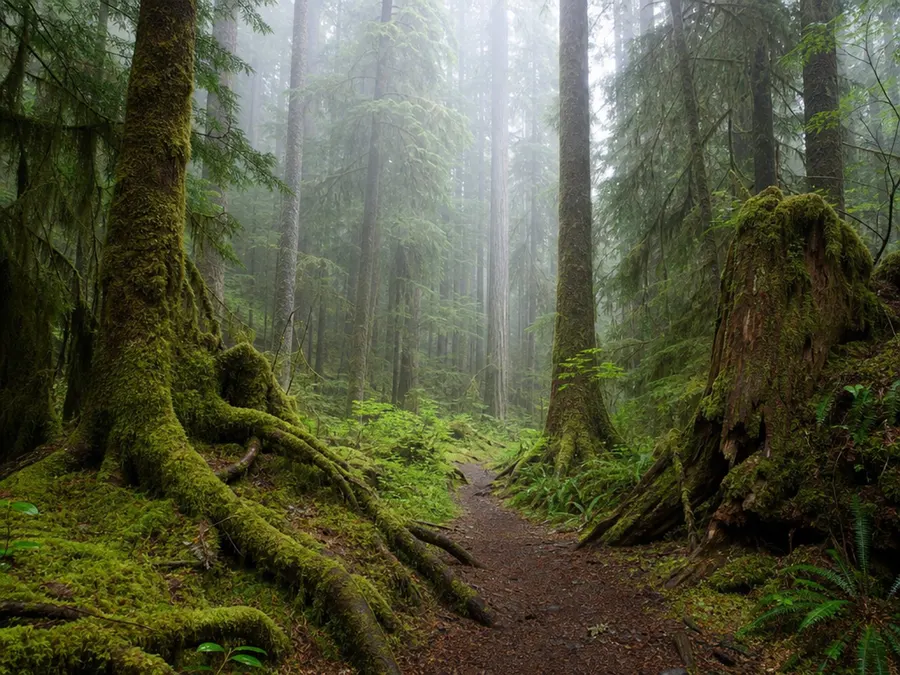
Olympic National Park, Washington
One park spans glacier-fed mountains, temperate rainforest, lakes, and rugged Pacific coast. Those areas are separated by long drives, so map realistic daily routes. Check road and trail conditions, tides, and wilderness rules before committing to a loop.

Nashville, Tennessee
Songwriting history, live performance, museums, food, and neighborhood venues make Nashville broader than one nightlife strip. Compare age policies and ticket terms, protect hearing at loud shows, and use planned transportation. Support working musicians through legitimate venues and purchases.
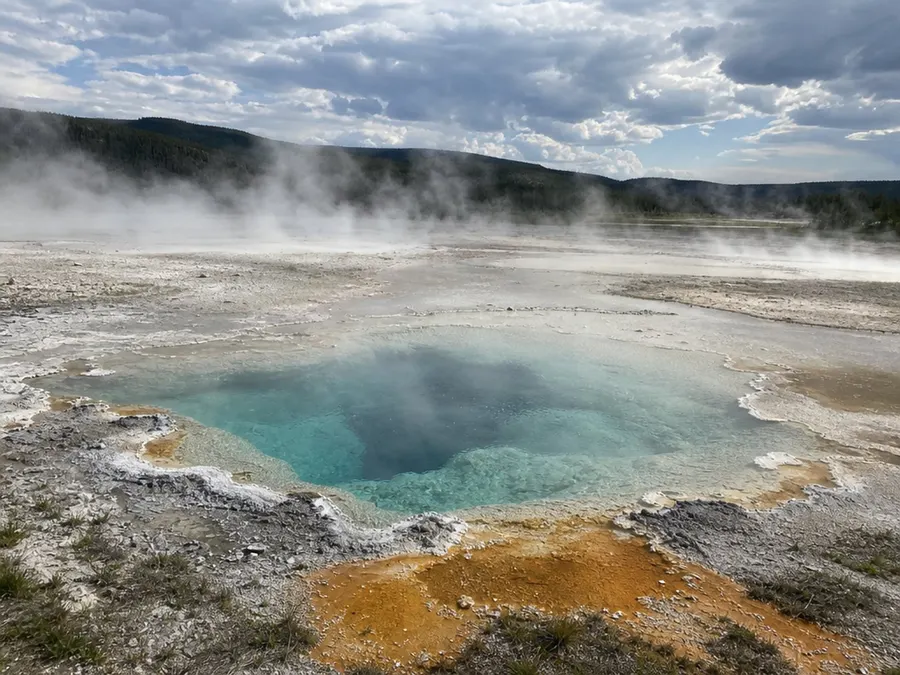
Yellowstone National Park
Geothermal features, broad valleys, and large wildlife make Yellowstone extraordinary and unforgiving. Stay on boardwalks, keep required wildlife distances, and expect road delays. Use NPS alerts and never follow crowds off route to chase an animal sighting.
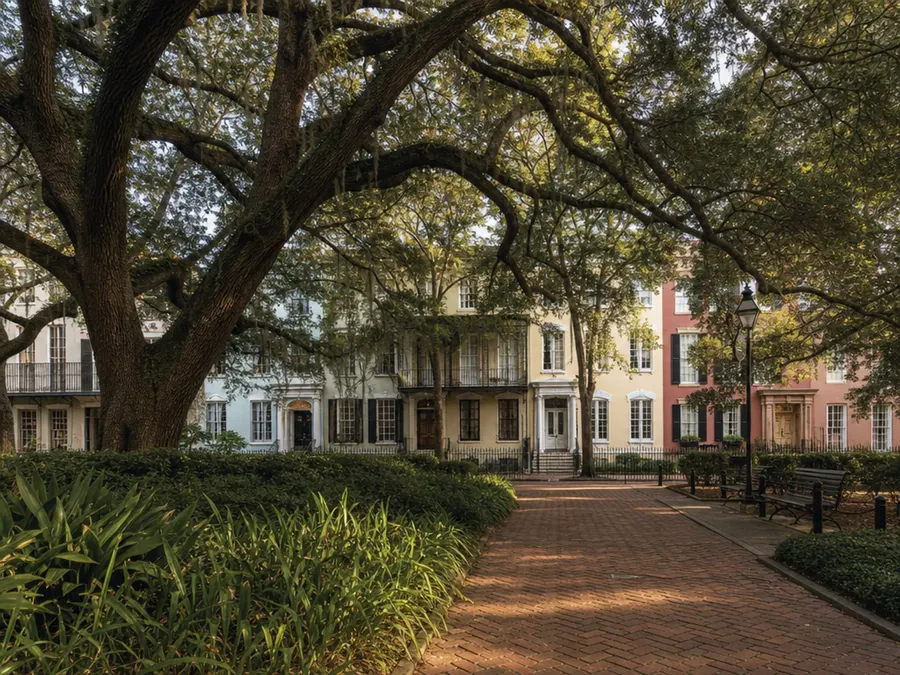
Savannah, Georgia
Savannah's shaded squares, architecture, riverfront, and layered history work well at a walking pace. Heat and uneven surfaces can change that pace quickly. Take locally grounded tours, distinguish documented history from folklore, and respect homes around public squares.
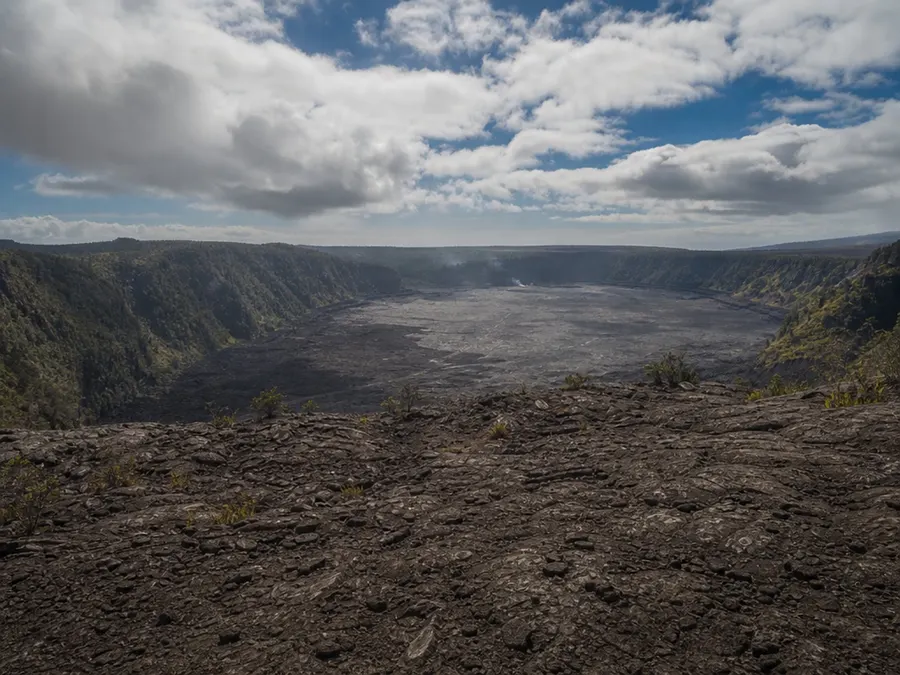
Hawaiʻi Volcanoes National Park
The park protects active volcanic landscapes and Native Hawaiian cultural sites. Conditions and eruption-related closures can change rapidly. Use official alerts, remain behind barriers, carry rain and sun protection, and approach the landscape as a living cultural place rather than a spectacle.
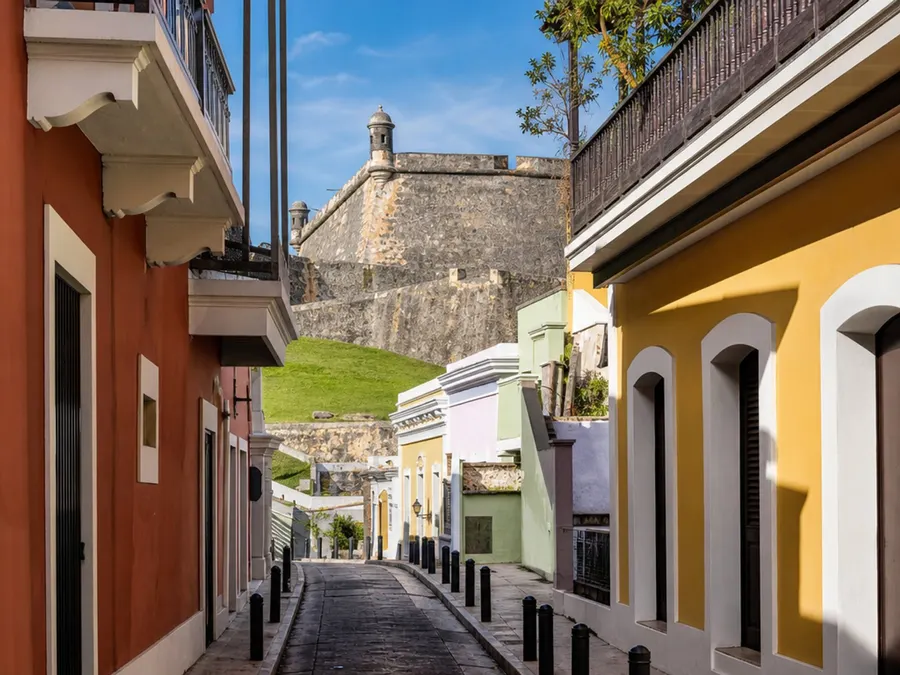
San Juan, Puerto Rico
Old San Juan, fortifications, beaches, food, and music provide a compact introduction before exploring more of Puerto Rico. Tropical weather and infrastructure conditions matter. Check local guidance, support locally owned businesses, and plan transport beyond the historic core.
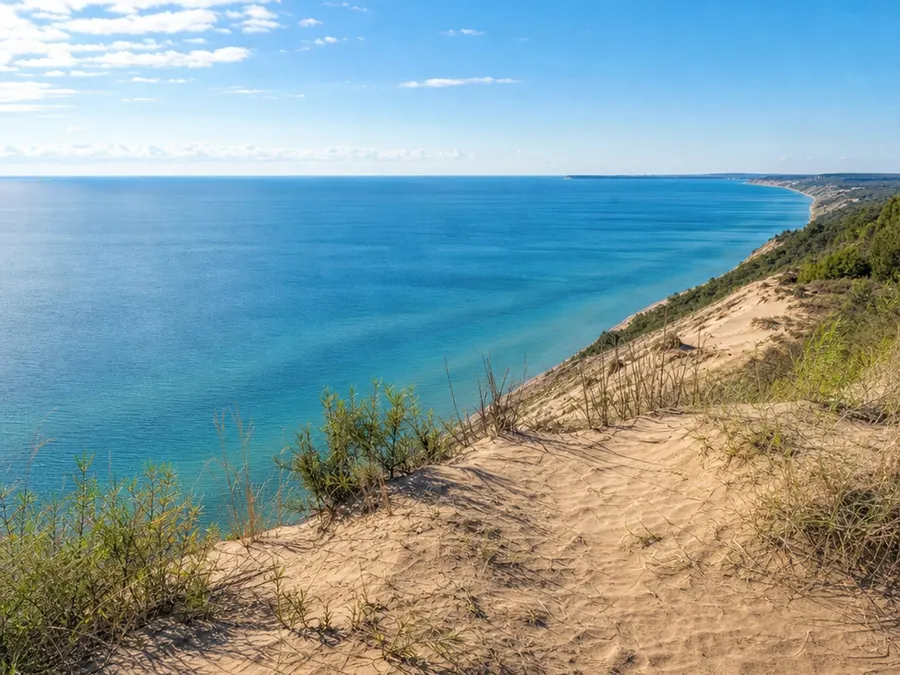
Sleeping Bear Dunes National Lakeshore, Michigan
High dunes, forest, historic farms, and Lake Michigan views make this a freshwater-coast standout. Steep descents can become exhausting climbs. Use designated access, check swim risks and weather, carry water, and keep off restoration areas.
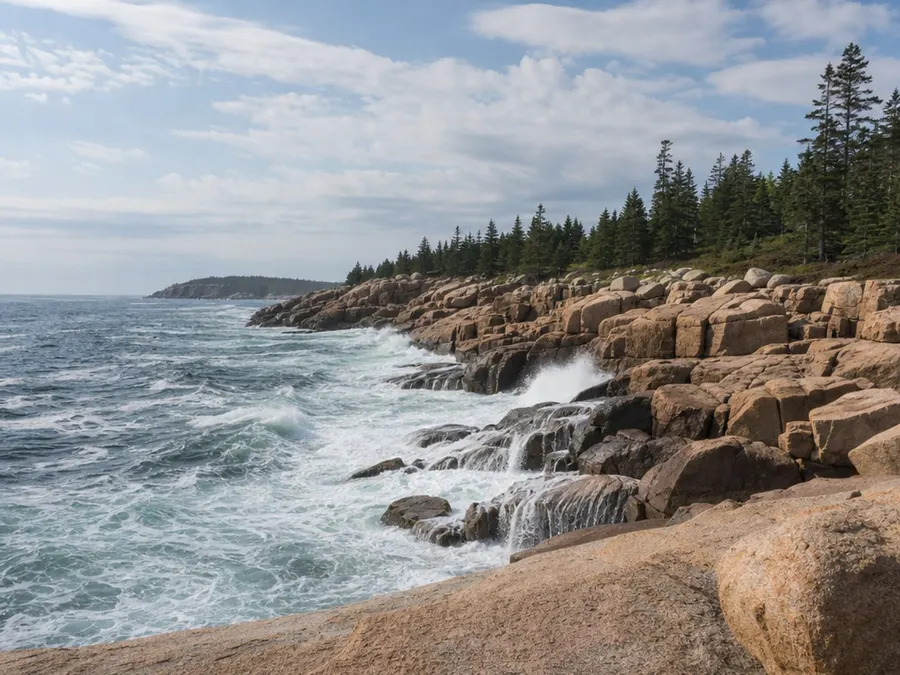
Acadia National Park, Maine
Granite coast, forest trails, carriage roads, and mountain viewpoints place several landscapes close together. Parking and seasonal congestion shape the experience. Review park alerts and shuttle information, and treat cold Atlantic water and exposed rock as real hazards.
Featured galleries