Photos From the 1800s: The Earliest Camera Records
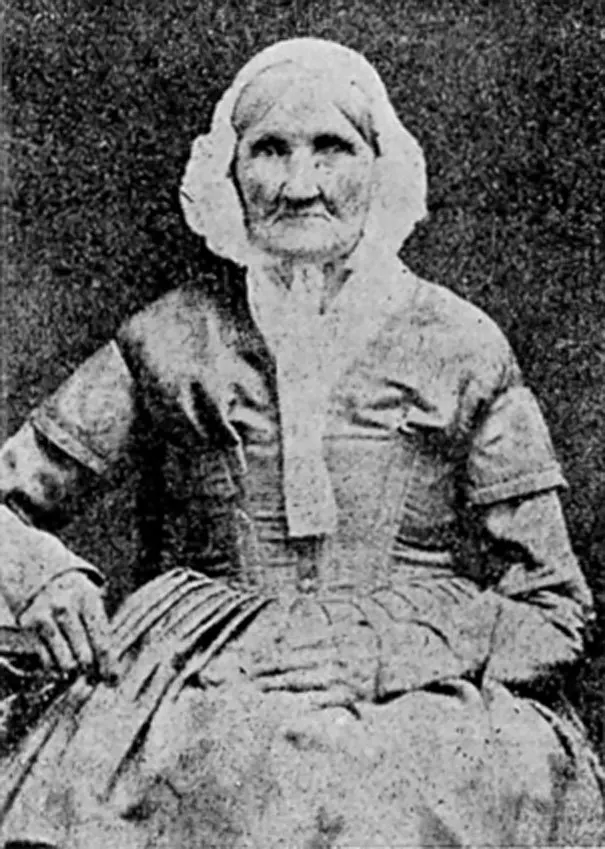
Hannah Stilley, Born 1746, Photographed in 1840
This picture preserves a moment few cameras ever caught — Hannah Stilley, Born 1746, Photographed In 1840. Probably The Earliest Born Individual Captured On Film. It was taken in 1840, and like the best archival images it needs almost no explanation — the frame tells its own story.
The nineteenth century was photographed through slow, demanding processes — daguerreotypes, wet plates, and long exposures — which makes every surviving candid moment from the era genuinely uncommon.
Most photography of the period chased celebrities and headlines, which makes surviving images of daily routine all the more precious. This is what the world actually looked like when nobody thought it was worth remembering.
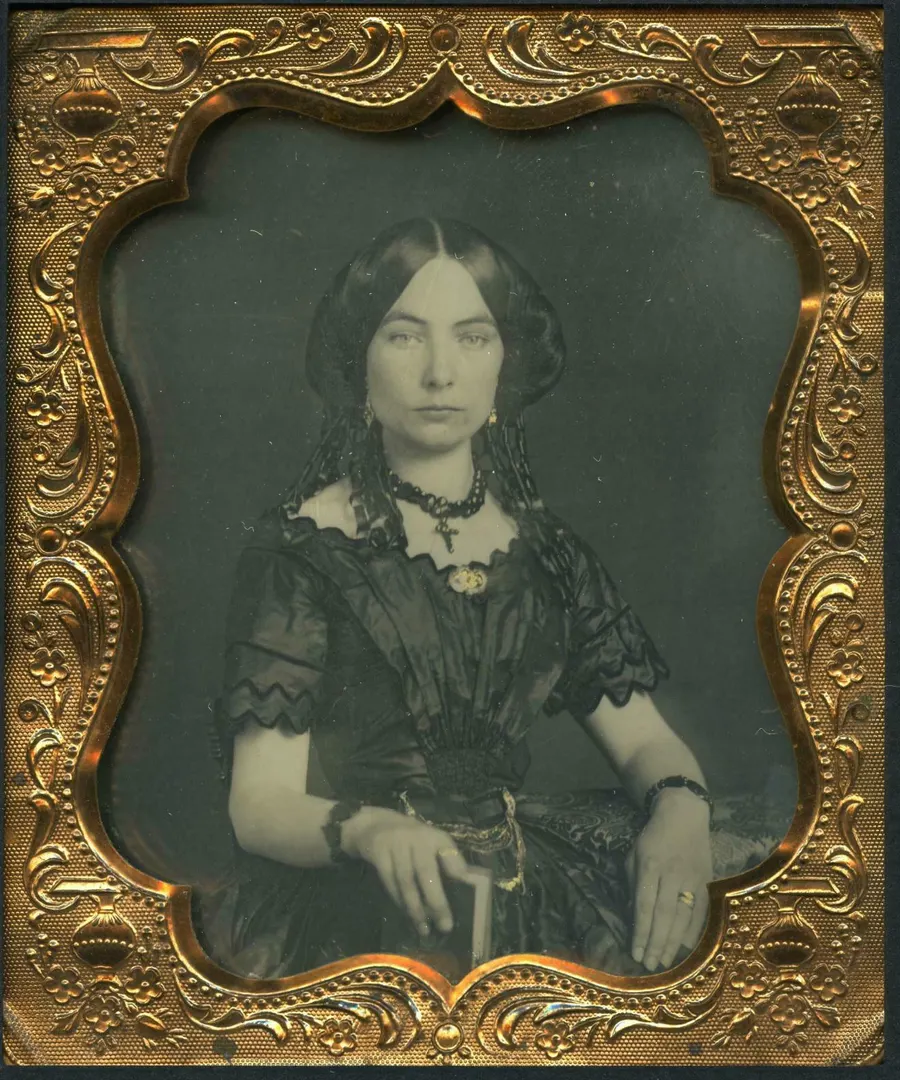
Victorian Woman with a Very Intense Gaze, Circa 1850-60s
Victorian Woman With A Very Intense Gaze, Circa 1850-60s. It was taken around 1850, and like the best archival images it needs almost no explanation — the frame tells its own story.
Photography in the 1850s was still a specialist's craft. Pictures were made on glass or metal plates coated with wet chemicals that had to be prepared and developed on the spot, which is why images from this decade tend to be formal, posed, and rare.
What makes everyday photographs like this one compelling is the details at the edges: the clothes, the signs, the tools, the postures. They preserve texture that history books flatten out.
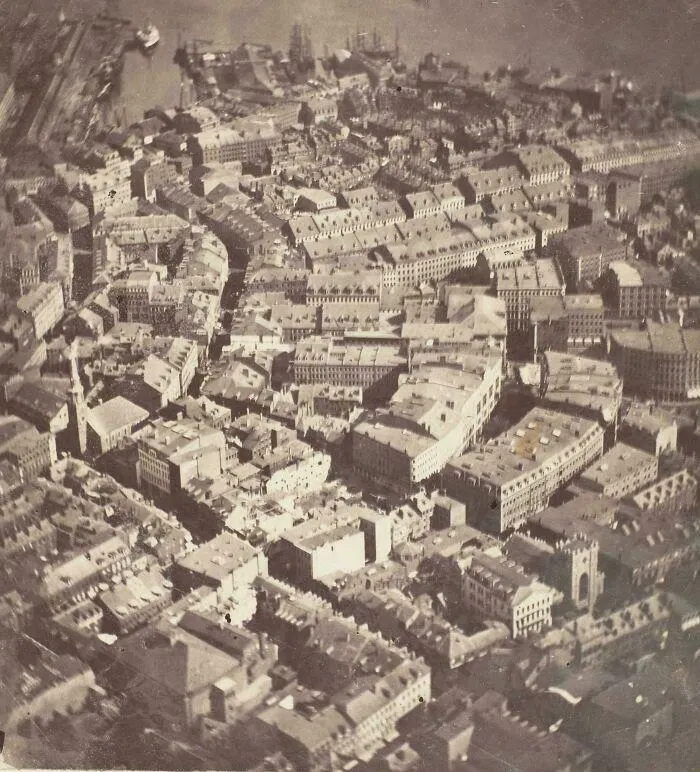
View of Boston, the Oldest Surviving Aerial Photograph Ever Taken, 1860
Captured here: View Of Boston, The Oldest Surviving Aerial Photograph Ever Taken. October 13th, 1860. Made in 1860, it is the kind of image that turns a date in a history book into something you can actually see.
The 1860s was the first decade in which photography documented events on a large scale. Wet-plate cameras were hauled to battlefields and city streets, and portrait studios spread through towns on both sides of the Atlantic, making a photograph an ordinary family possession for the first time.
Pictures of ordinary life are some of the most valuable historical documents we have. Grand events were always going to be recorded, but a normal day — how people worked, dressed, shopped, and passed the time — survives only when someone happened to point a camera at it.
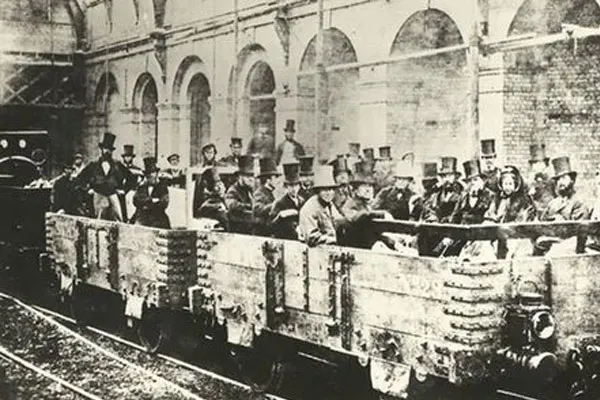
Underground Train, 1862
The photograph shows Underground Train: This is the first ever underground train journey, in London in 1862. It was taken in 1862, and like the best archival images it needs almost no explanation — the frame tells its own story.
The 1860s was the first decade in which photography documented events on a large scale. Wet-plate cameras were hauled to battlefields and city streets, and portrait studios spread through towns on both sides of the Atlantic, making a photograph an ordinary family possession for the first time.
Most photography of the period chased celebrities and headlines, which makes surviving images of daily routine all the more precious. This is what the world actually looked like when nobody thought it was worth remembering.
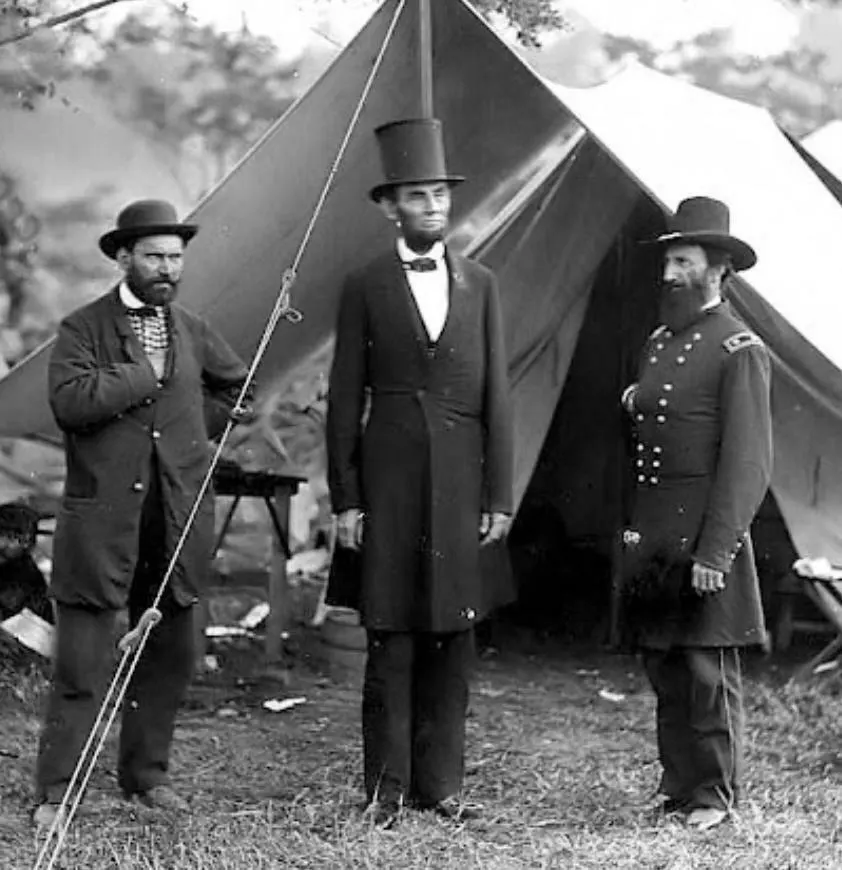
US President Abraham Lincoln with his Personal Bodyguard and Others, 1862
This picture preserves a moment few cameras ever caught — US President Abraham Lincoln With His Personal Bodyguard And Others At The Battle Of Antietam, 1862. The scene dates to 1862, a detail that changes how you read every face and object in the frame.
The 1860s was the first decade in which photography documented events on a large scale. Wet-plate cameras were hauled to battlefields and city streets, and portrait studios spread through towns on both sides of the Atlantic, making a photograph an ordinary family possession for the first time.
Moments like this one were captured by photographers who often had a single chance to get the shot — no second takes, no digital preview. That is part of why these frames carry such weight: each one is a split second of real history, fixed for good.
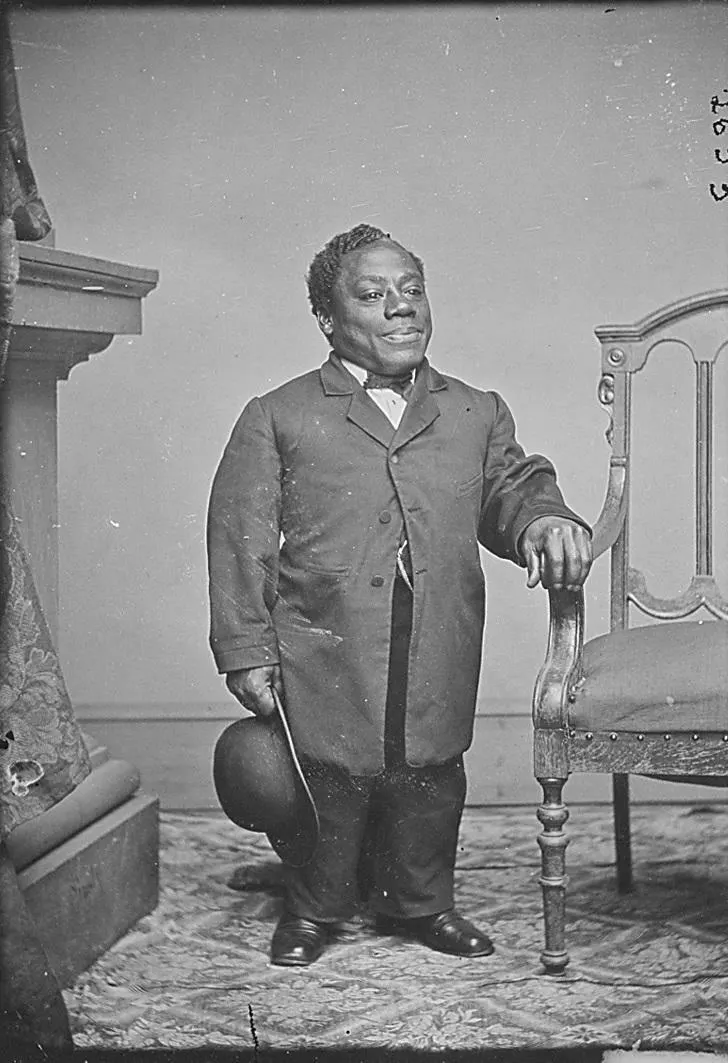
An African American with Dwarfism, Circa 1863
This picture preserves a moment few cameras ever caught — an African American With Dwarfism, Circa 1863. It was taken around 1863, and like the best archival images it needs almost no explanation — the frame tells its own story.
The 1860s was the first decade in which photography documented events on a large scale. Wet-plate cameras were hauled to battlefields and city streets, and portrait studios spread through towns on both sides of the Atlantic, making a photograph an ordinary family possession for the first time.
Most photography of the period chased celebrities and headlines, which makes surviving images of daily routine all the more precious. This is what the world actually looked like when nobody thought it was worth remembering.
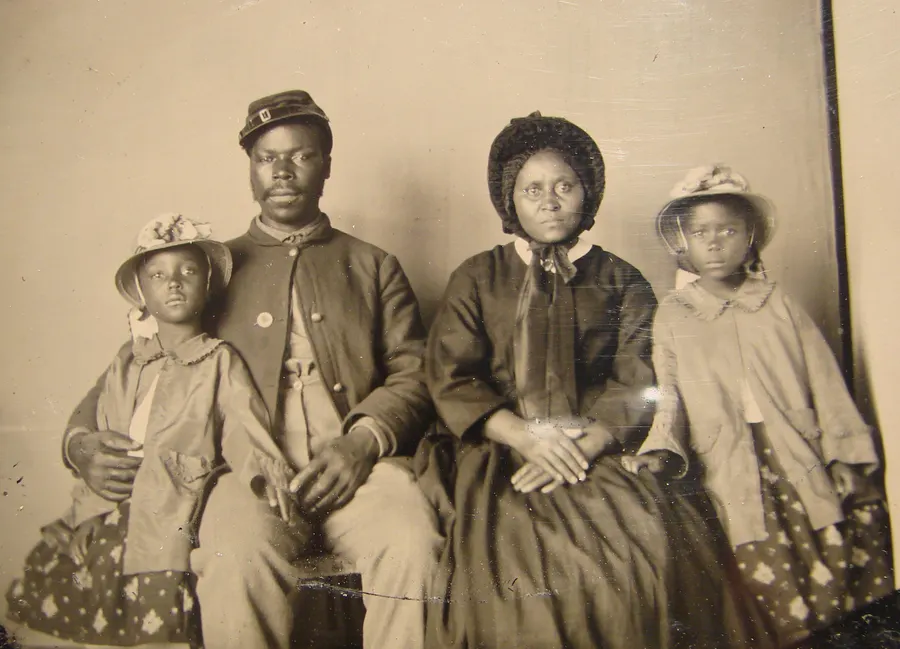
The Only Known Photograph of an African American Union Soldier, c. 1864
The Only Known Photograph Of An African American Union Soldier With His Family. Circa 1864. Made around 1864, it is the kind of image that turns a date in a history book into something you can actually see.
Nearly 180,000 Black soldiers served in the Union Army during the American Civil War, most in the United States Colored Troops. Photographs of these men were made in the thousands, but images showing a soldier together with his family are exceptionally rare, which is why this portrait is so often reproduced in histories of the war.
Moments like this one were captured by photographers who often had a single chance to get the shot — no second takes, no digital preview. That is part of why these frames carry such weight: each one is a split second of real history, fixed for good.
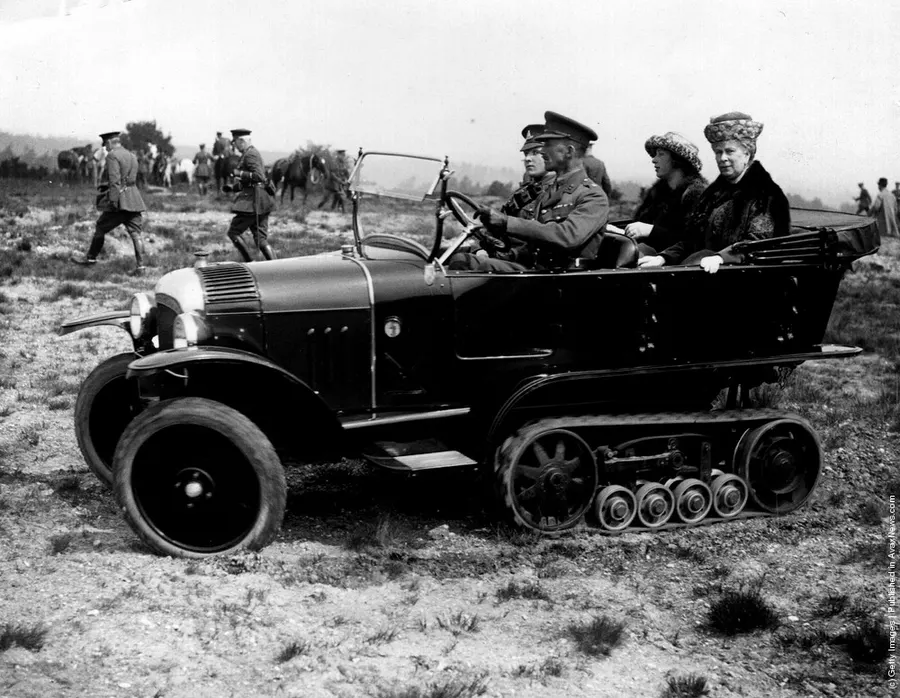
Circa 1920. Queen Mary (1867–1953) with Princess Mary
Circa 1920. Queen Mary (1867–1953) with Princess Mary, the Princess Royal (1897–1965) being driven across rough ground in a tracked car by Army officers. Made in 1867–1953, it is the kind of image that turns a date in a history book into something you can actually see.
The 1860s was the first decade in which photography documented events on a large scale. Wet-plate cameras were hauled to battlefields and city streets, and portrait studios spread through towns on both sides of the Atlantic, making a photograph an ordinary family possession for the first time.
News photographs from this period traveled by wire and print, and a single strong image could shape how millions of people understood an event. This picture is one of the frames that did that work.
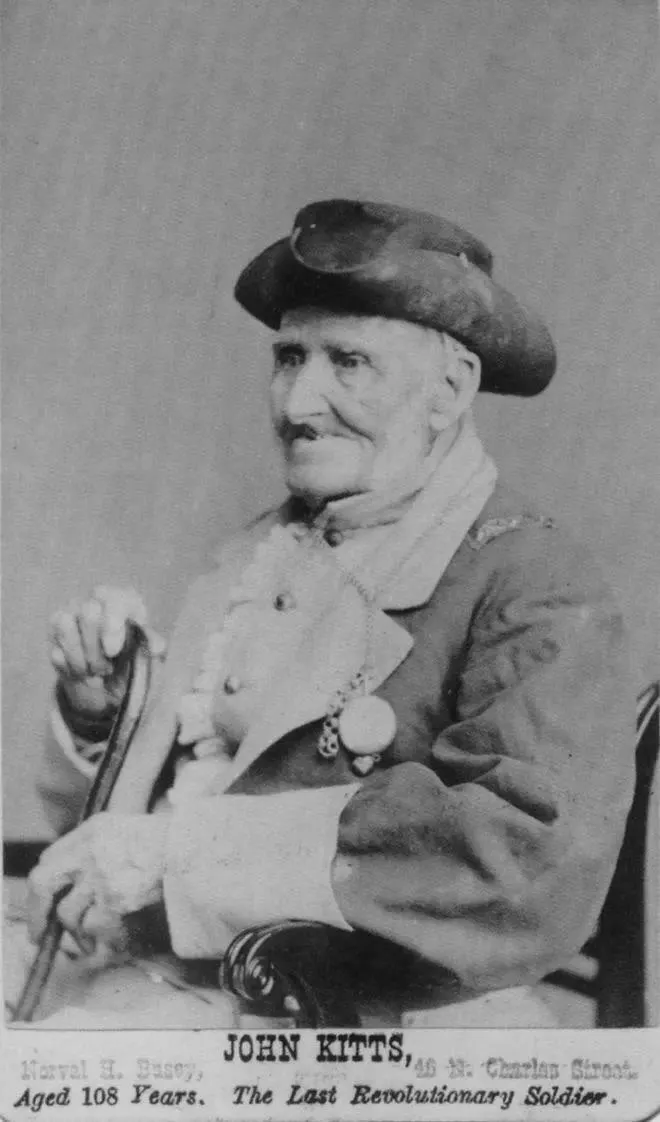
John Kitts, 1870, Aged 108 Years, the Last Revolutionary War Soldier
This picture preserves a moment few cameras ever caught — John Kitts, 1870, Aged 108 Years, The Last Revolutionary War Soldier. The scene dates to 1870, a detail that changes how you read every face and object in the frame.
In the 1870s photography was moving out of the studio. Dry-plate technology was beginning to free photographers from portable darkrooms, railroads were opening remote regions to travel, and survey photographers were producing the first systematic pictures of landscapes and working life.
History is usually written down long after it happens, but a photograph is made in the moment itself. That immediacy is what keeps images like this one circulating decades after the event they show.
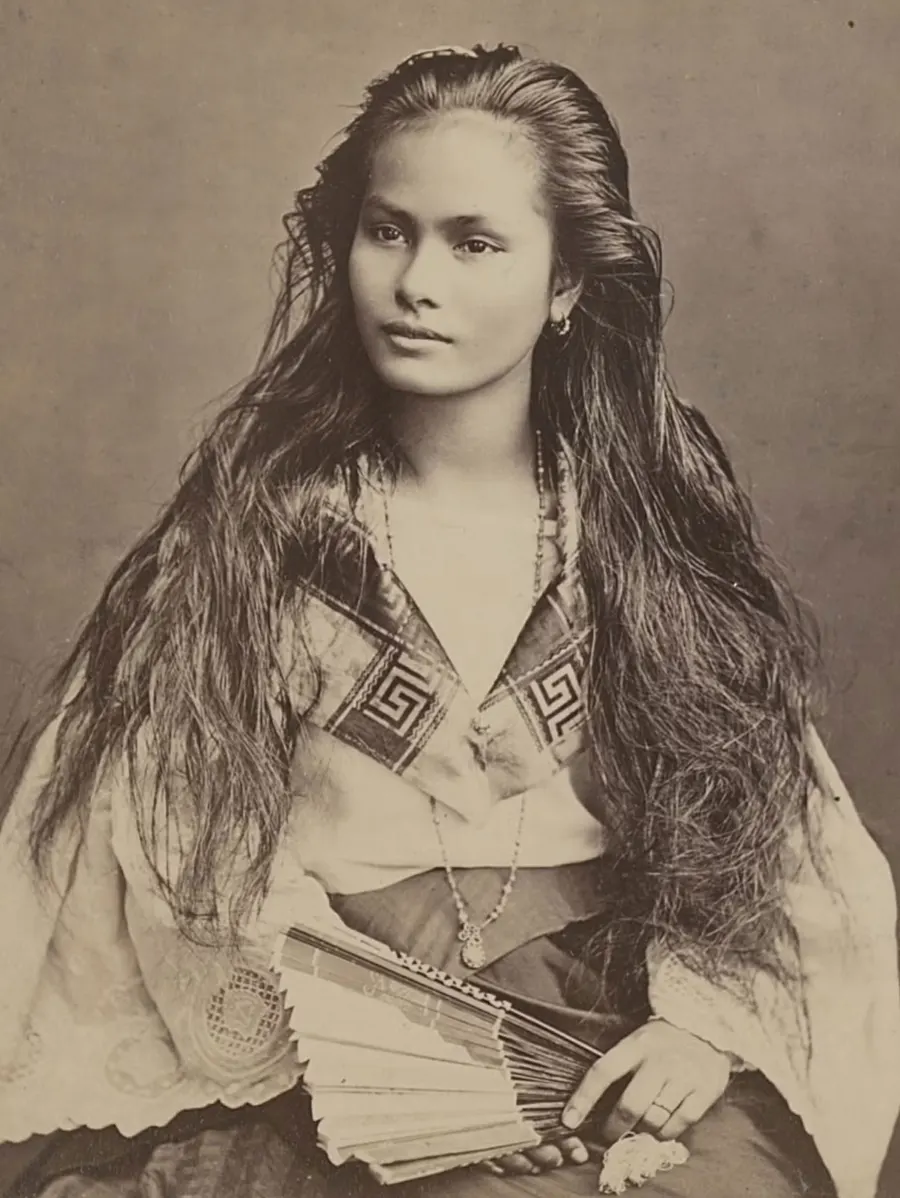
Luzon Woman, 1875
The photograph shows Luzon Woman, 1875. Made in 1875, it is the kind of image that turns a date in a history book into something you can actually see.
In the 1870s photography was moving out of the studio. Dry-plate technology was beginning to free photographers from portable darkrooms, railroads were opening remote regions to travel, and survey photographers were producing the first systematic pictures of landscapes and working life.
What makes everyday photographs like this one compelling is the details at the edges: the clothes, the signs, the tools, the postures. They preserve texture that history books flatten out.
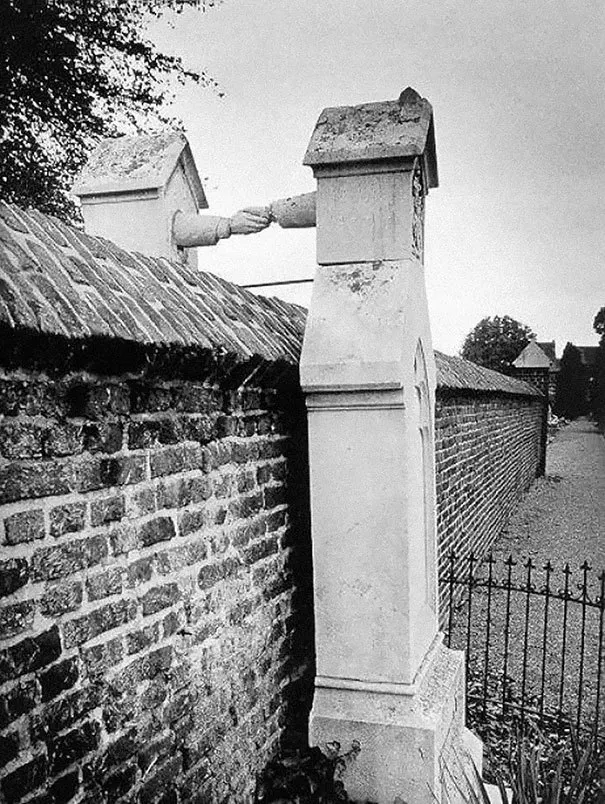
The Graves of a Catholic Woman and her Protestant Husband Seperated by a Wall, 1888
The photograph shows The Graves Of A Catholic Woman And Her Protestant Husband Seperated By A Wall, Holland, 1888. It was taken in 1888, and like the best archival images it needs almost no explanation — the frame tells its own story.
The 1880s brought photography within reach of amateurs for the first time. George Eastman introduced flexible roll film in 1888 with the slogan "You press the button, we do the rest," and candid pictures of everyday life started to appear alongside stiff studio portraits.
What makes everyday photographs like this one compelling is the details at the edges: the clothes, the signs, the tools, the postures. They preserve texture that history books flatten out.
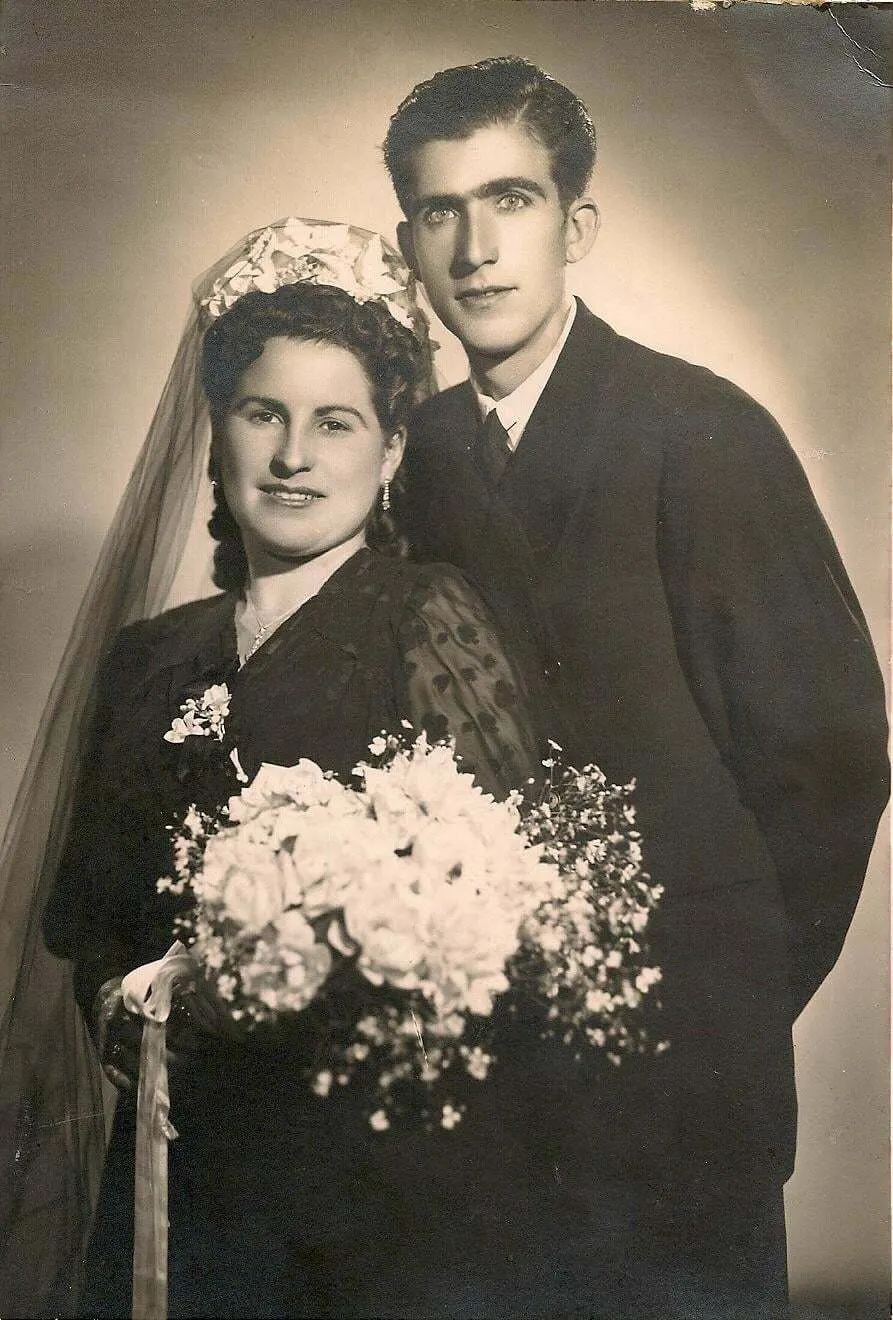
From 1890 to 1960, It Was Fashionable to Wear Black Wedding Dresses in Spain
Captured here: From 1890 To 1960, It Was Fashionable To Wear Black Wedding Dresses In Spain. It was taken in 1890, and like the best archival images it needs almost no explanation — the frame tells its own story.
By the 1890s the modern world was arriving fast: electric light, telephones, streetcars, and the first automobiles all appeared in cities during this decade. Photography had matured too, and inexpensive cameras meant ordinary moments were being recorded in numbers never seen before.
Pictures of ordinary life are some of the most valuable historical documents we have. Grand events were always going to be recorded, but a normal day — how people worked, dressed, shopped, and passed the time — survives only when someone happened to point a camera at it.
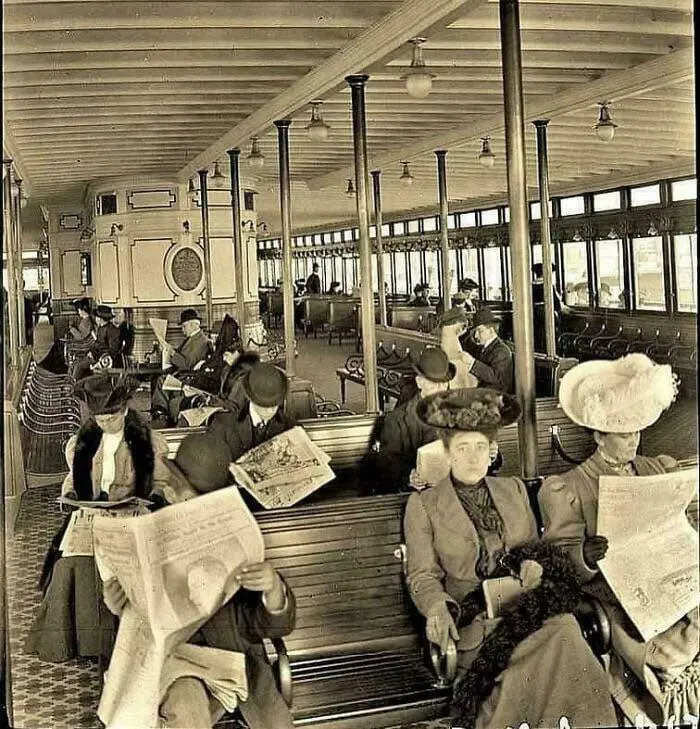
Passengers Aboard the Staten Island Ferry. New York, USA. 1895
Captured here: Passengers Aboard The Staten Island Ferry. New York, USA. 1895. Made in 1895, it is the kind of image that turns a date in a history book into something you can actually see.
By the 1890s the modern world was arriving fast: electric light, telephones, streetcars, and the first automobiles all appeared in cities during this decade. Photography had matured too, and inexpensive cameras meant ordinary moments were being recorded in numbers never seen before.
What makes everyday photographs like this one compelling is the details at the edges: the clothes, the signs, the tools, the postures. They preserve texture that history books flatten out.
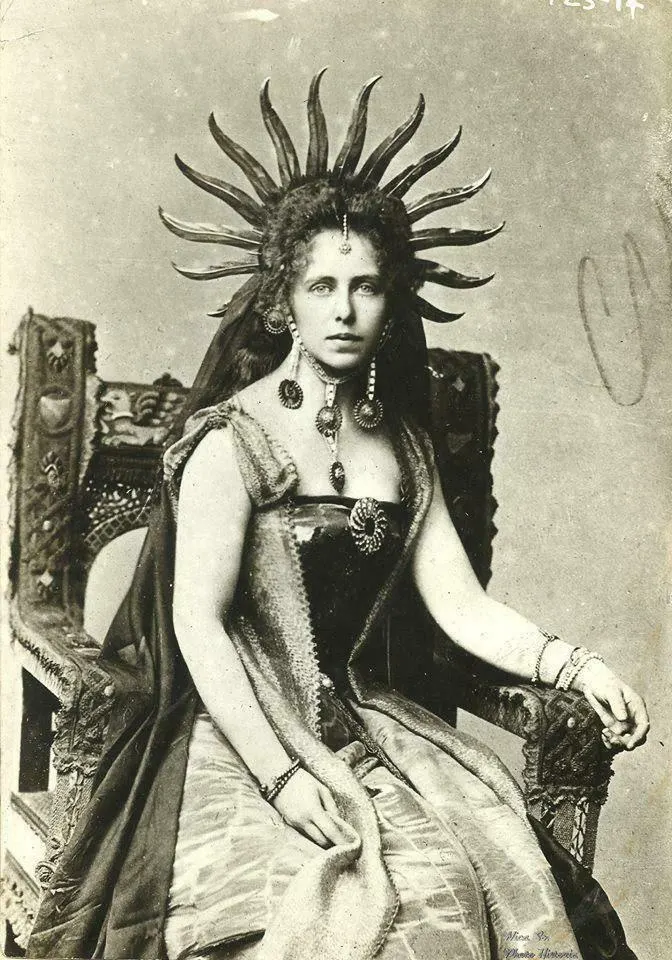
Her Majesty Queen Marie of Romania, 1896
This picture preserves a moment few cameras ever caught — Her Majesty Queen Marie Of Romania, 1896. The scene dates to 1896, a detail that changes how you read every face and object in the frame.
By the 1890s the modern world was arriving fast: electric light, telephones, streetcars, and the first automobiles all appeared in cities during this decade. Photography had matured too, and inexpensive cameras meant ordinary moments were being recorded in numbers never seen before.
News photographs from this period traveled by wire and print, and a single strong image could shape how millions of people understood an event. This picture is one of the frames that did that work.
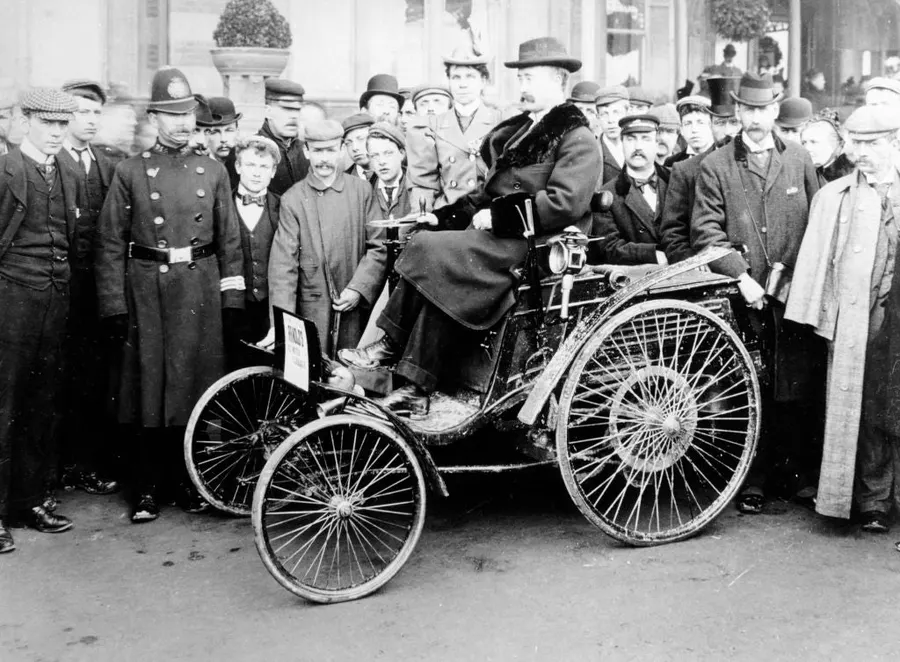
This Vehicle Was the Car Being Driven When the First Ever Speeding Ticket, 1896
Captured here: this vehicle was the car being driven when the first ever speeding ticket was given to Walter Arnold in 1896. The scene dates to 1896, a detail that changes how you read every face and object in the frame.
By the 1890s the modern world was arriving fast: electric light, telephones, streetcars, and the first automobiles all appeared in cities during this decade. Photography had matured too, and inexpensive cameras meant ordinary moments were being recorded in numbers never seen before.
Most photography of the period chased celebrities and headlines, which makes surviving images of daily routine all the more precious. This is what the world actually looked like when nobody thought it was worth remembering.
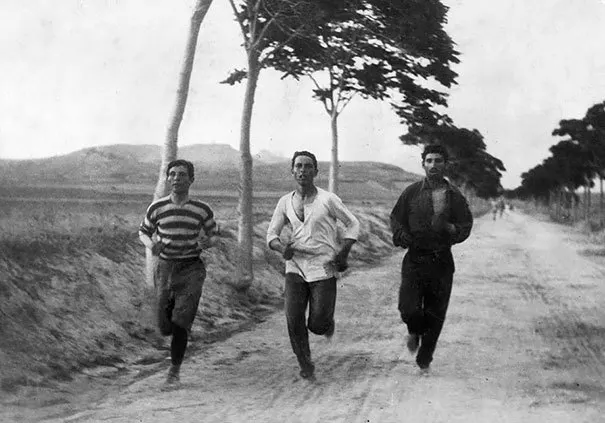
Three Men Run in the Marathon at the First Modern Olympic Games, 1896
This picture preserves a moment few cameras ever caught — three Men Run In The Marathon At The First Modern Olympic Games, 1896. It was taken in 1896, and like the best archival images it needs almost no explanation — the frame tells its own story.
The first modern Olympic Games were held in Athens in 1896, reviving the ancient Greek tradition after fifteen centuries. About 240 athletes — all men, from 14 nations — competed. The marathon, run from the town of Marathon to Athens, was the emotional centerpiece, and Greek runner Spyridon Louis became a national hero by winning it.
News photographs from this period traveled by wire and print, and a single strong image could shape how millions of people understood an event. This picture is one of the frames that did that work.
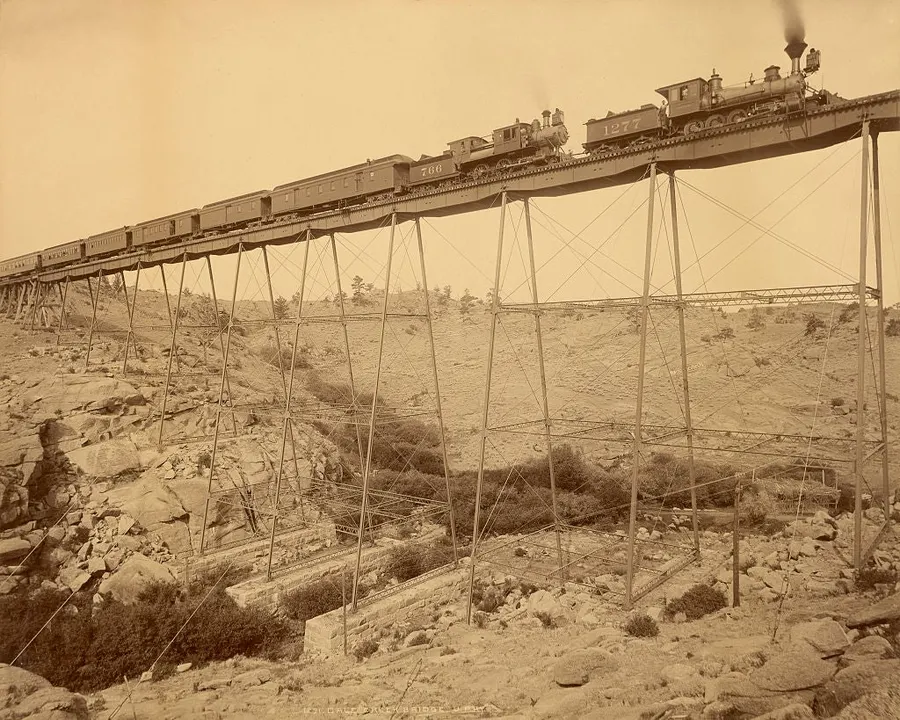
The Dale Creek Bridge, an Bridge Built in Wyoming in the 1800s
the Dale Creek Bridge, an bridge built in Wyoming in the 1800s that was so rickety that trains had to slow down to 4 miles per hour to cross it safely. Made in the 1800s, it is the kind of image that turns a date in a history book into something you can actually see.
The nineteenth century was photographed through slow, demanding processes — daguerreotypes, wet plates, and long exposures — which makes every surviving candid moment from the era genuinely uncommon.
Pictures of ordinary life are some of the most valuable historical documents we have. Grand events were always going to be recorded, but a normal day — how people worked, dressed, shopped, and passed the time — survives only when someone happened to point a camera at it.
Featured galleries