Mid-Century in Photos: The Postwar World
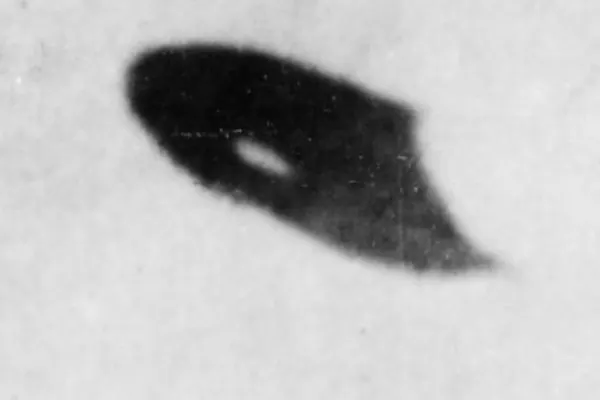
This Photograph from Project Blue Book Case 24-185-19-7X Shows an Object over, 1947
Captured here: UFO: This photograph from Project Blue Book case 24-185-19-7X shows an object over Phoenix in June 1947. It was taken in 1947, and like the best archival images it needs almost no explanation — the frame tells its own story.
The first half of the 1940s was consumed by the Second World War, the largest conflict in human history, and photography went to war with it — small 35mm cameras and wire services meant pictures from the front could reach newspaper readers within days.
Part of the appeal of old photographs is how confidently people did things that look baffling now. Standards of safety, custom, and common sense have shifted so much that yesterday's ordinary can read as today's unbelievable — and that gap is exactly what this picture captures.
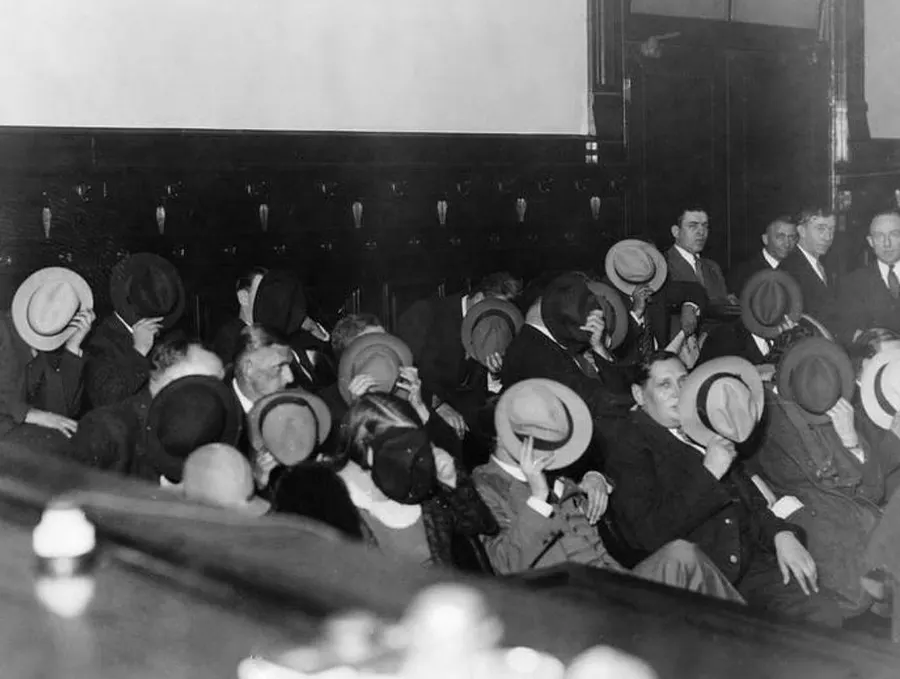
Mobsters Hide their Faces at Al Capone's Trial, 1947
Mobsters Hide Their Faces At Al Capone's Trial, 1947. The scene dates to 1947, a detail that changes how you read every face and object in the frame.
The first half of the 1940s was consumed by the Second World War, the largest conflict in human history, and photography went to war with it — small 35mm cameras and wire services meant pictures from the front could reach newspaper readers within days.
What makes everyday photographs like this one compelling is the details at the edges: the clothes, the signs, the tools, the postures. They preserve texture that history books flatten out.
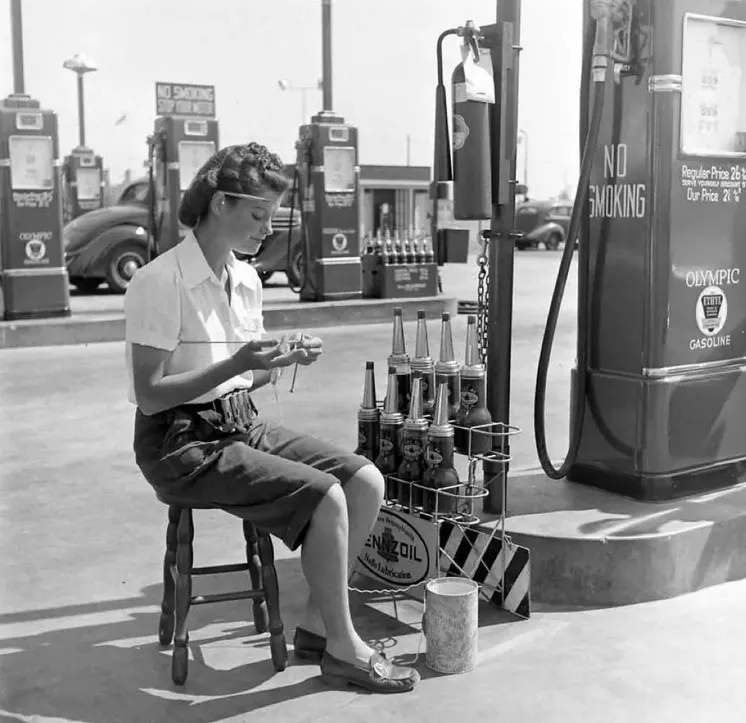
A Female Gas Station Attendant Working in Los Angeles, 1948
The photograph shows a Female Gas Station Attendant Working In Los Angeles, 1948. The scene dates to 1948, a detail that changes how you read every face and object in the frame.
The first half of the 1940s was consumed by the Second World War, the largest conflict in human history, and photography went to war with it — small 35mm cameras and wire services meant pictures from the front could reach newspaper readers within days.
Most photography of the period chased celebrities and headlines, which makes surviving images of daily routine all the more precious. This is what the world actually looked like when nobody thought it was worth remembering.
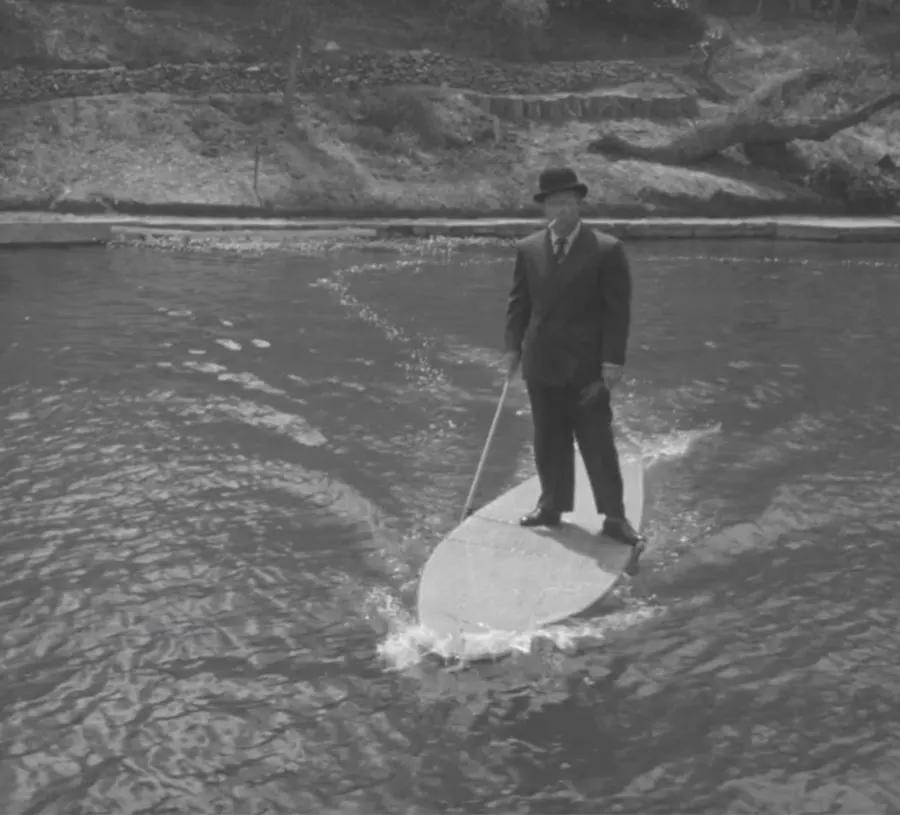
Inventor Joe Gilpin Looking Dapper as Ever While Riding his Motorized, c. 1948
inventor Joe Gilpin looking dapper as ever while riding his motorized surfboard circa 1948. The scene dates to around 1948, a detail that changes how you read every face and object in the frame.
The first half of the 1940s was consumed by the Second World War, the largest conflict in human history, and photography went to war with it — small 35mm cameras and wire services meant pictures from the front could reach newspaper readers within days.
Photographs like this one are a reminder that progress rarely moves in a straight line. For every invention that became part of daily life, dozens of confident prototypes ended up as curiosities — and the camera is often the only witness they left behind.
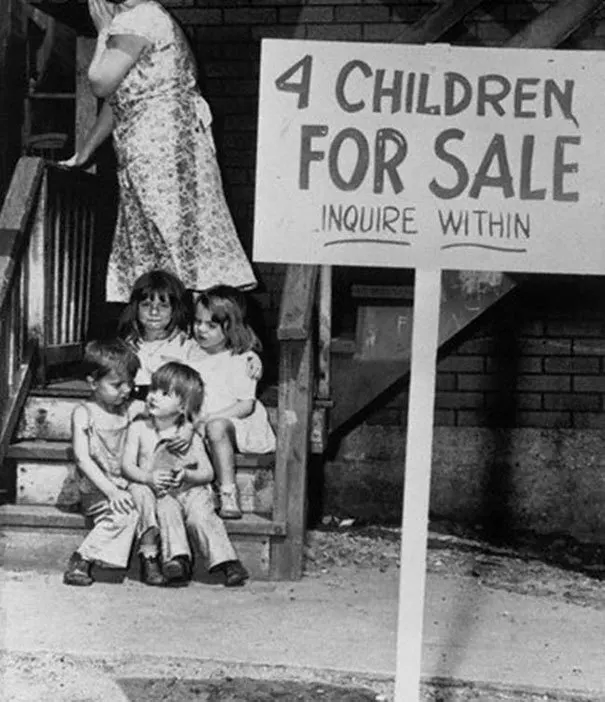
Mother Hides her Face in Shame After Putting her Children up for Sale, 1948
Captured here: Mother Hides Her Face In Shame After Putting Her Children Up For Sale, Chicago, 1948. The scene dates to 1948, a detail that changes how you read every face and object in the frame.
The photograph of children advertised for sale in Chicago in 1948 ran in newspapers as a story about a destitute family facing eviction. It became an enduring image of postwar poverty in the midst of the American boom. Reporting decades later confirmed the children were indeed given up, and several of them found each other again as adults.
Pictures of ordinary life are some of the most valuable historical documents we have. Grand events were always going to be recorded, but a normal day — how people worked, dressed, shopped, and passed the time — survives only when someone happened to point a camera at it.
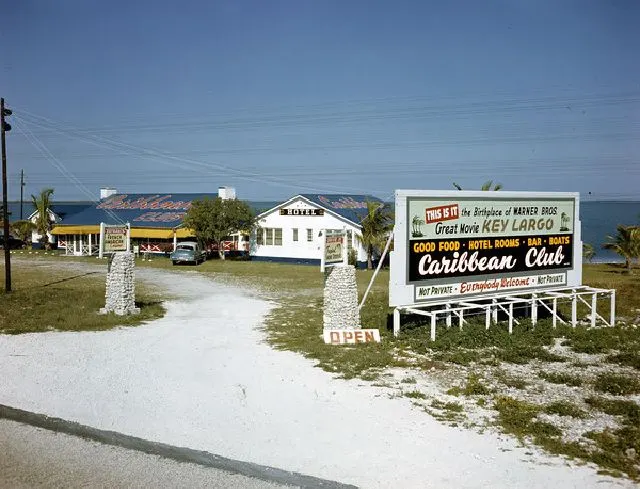
Caribbean Club- Key Largo, Florida, Circa 1950
The photograph shows Caribbean Club- Key Largo, Florida, circa 1950. Made around 1950, it is the kind of image that turns a date in a history book into something you can actually see.
The 1950s brought a wave of postwar prosperity, especially in North America. Suburbs, television sets, big chrome-trimmed cars, and rock and roll defined the decade, and a booming picture-magazine industry sent photographers to document all of it.
Pictures of ordinary life are some of the most valuable historical documents we have. Grand events were always going to be recorded, but a normal day — how people worked, dressed, shopped, and passed the time — survives only when someone happened to point a camera at it.

Rainbow Springs Near Dunnellon, Florida, August 21, 1950
The photograph shows Rainbow Springs near Dunnellon, Florida, August 21, 1950. It was taken in 1950, and like the best archival images it needs almost no explanation — the frame tells its own story.
The 1950s brought a wave of postwar prosperity, especially in North America. Suburbs, television sets, big chrome-trimmed cars, and rock and roll defined the decade, and a booming picture-magazine industry sent photographers to document all of it.
What makes everyday photographs like this one compelling is the details at the edges: the clothes, the signs, the tools, the postures. They preserve texture that history books flatten out.
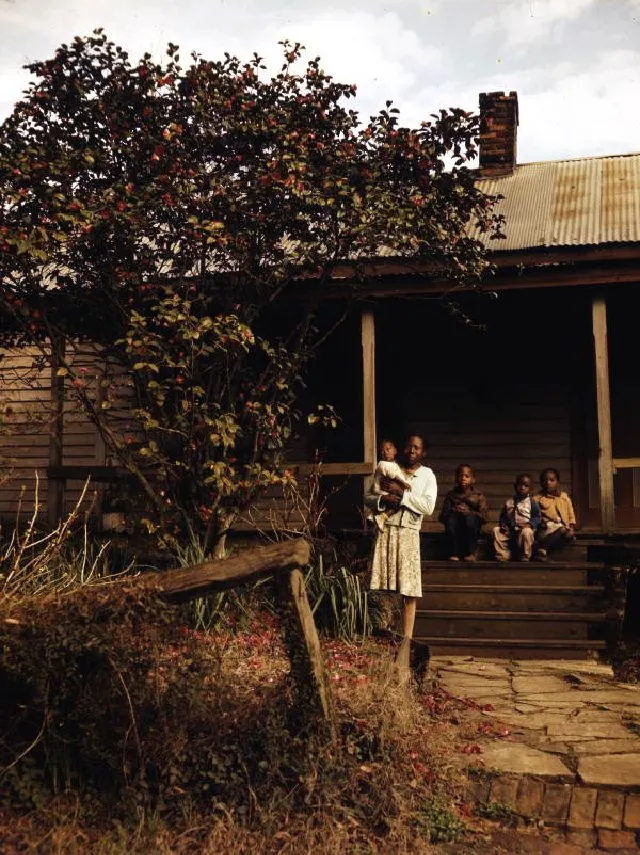
African-american Family at Home, Circa 1950
This picture preserves a moment few cameras ever caught — African-American family at home, circa 1950. Made around 1950, it is the kind of image that turns a date in a history book into something you can actually see.
The 1950s brought a wave of postwar prosperity, especially in North America. Suburbs, television sets, big chrome-trimmed cars, and rock and roll defined the decade, and a booming picture-magazine industry sent photographers to document all of it.
Pictures of ordinary life are some of the most valuable historical documents we have. Grand events were always going to be recorded, but a normal day — how people worked, dressed, shopped, and passed the time — survives only when someone happened to point a camera at it.
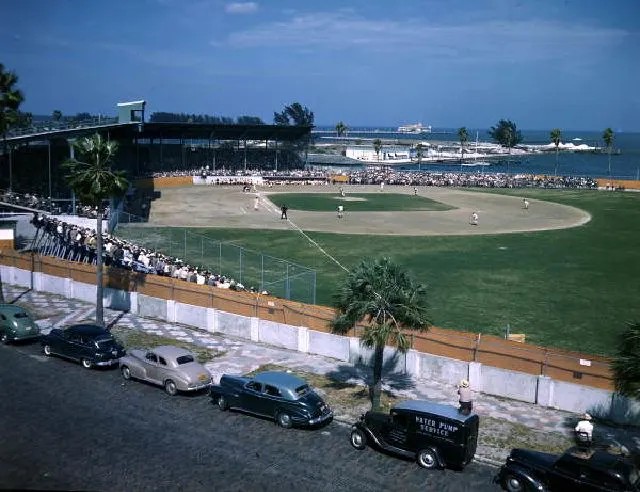
Baseball Game at Al Lang Field in St. Petersburg, Florida, Circa 1950
Baseball game at Al Lang Field in St. Petersburg, Florida, circa 1950. The scene dates to around 1950, a detail that changes how you read every face and object in the frame.
The 1950s brought a wave of postwar prosperity, especially in North America. Suburbs, television sets, big chrome-trimmed cars, and rock and roll defined the decade, and a booming picture-magazine industry sent photographers to document all of it.
What makes everyday photographs like this one compelling is the details at the edges: the clothes, the signs, the tools, the postures. They preserve texture that history books flatten out.

Drying Fishing Nets Near Sarasota, Florida, Circa 1950
The photograph shows Drying fishing nets near Sarasota, Florida, circa 1950. It was taken around 1950, and like the best archival images it needs almost no explanation — the frame tells its own story.
The 1950s brought a wave of postwar prosperity, especially in North America. Suburbs, television sets, big chrome-trimmed cars, and rock and roll defined the decade, and a booming picture-magazine industry sent photographers to document all of it.
What makes everyday photographs like this one compelling is the details at the edges: the clothes, the signs, the tools, the postures. They preserve texture that history books flatten out.
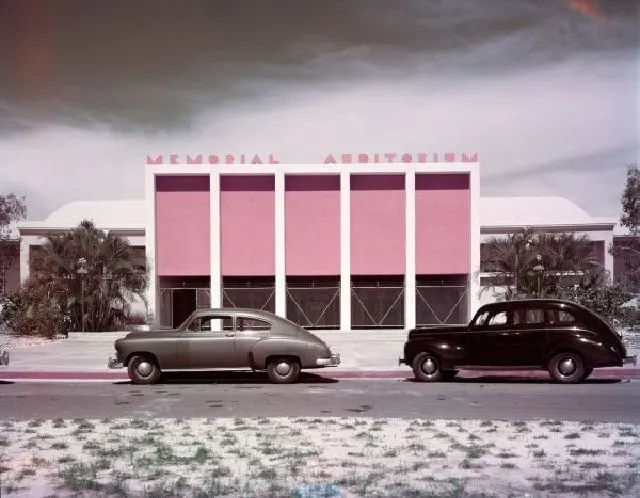
Memorial Auditorium in Ft. Lauderdale, Circa 1950
The photograph shows Memorial Auditorium in Ft. Lauderdale, circa 1950. Made around 1950, it is the kind of image that turns a date in a history book into something you can actually see.
The 1950s brought a wave of postwar prosperity, especially in North America. Suburbs, television sets, big chrome-trimmed cars, and rock and roll defined the decade, and a booming picture-magazine industry sent photographers to document all of it.
Most photography of the period chased celebrities and headlines, which makes surviving images of daily routine all the more precious. This is what the world actually looked like when nobody thought it was worth remembering.
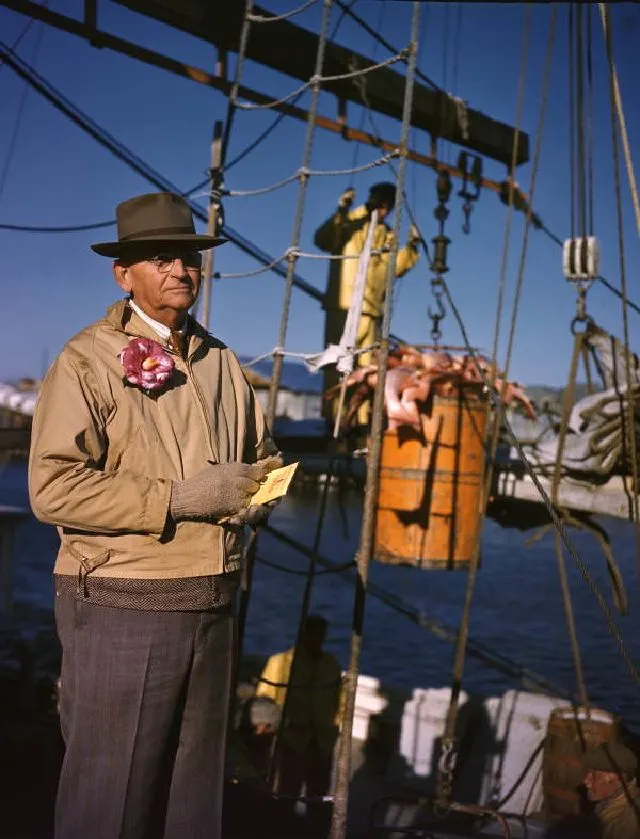
Recording the Day's Catch at the Docks in Sarasota, Florida, Circa 1950
Recording the day's catch at the docks in Sarasota, Florida, circa 1950. The scene dates to around 1950, a detail that changes how you read every face and object in the frame.
The 1950s brought a wave of postwar prosperity, especially in North America. Suburbs, television sets, big chrome-trimmed cars, and rock and roll defined the decade, and a booming picture-magazine industry sent photographers to document all of it.
Most photography of the period chased celebrities and headlines, which makes surviving images of daily routine all the more precious. This is what the world actually looked like when nobody thought it was worth remembering.
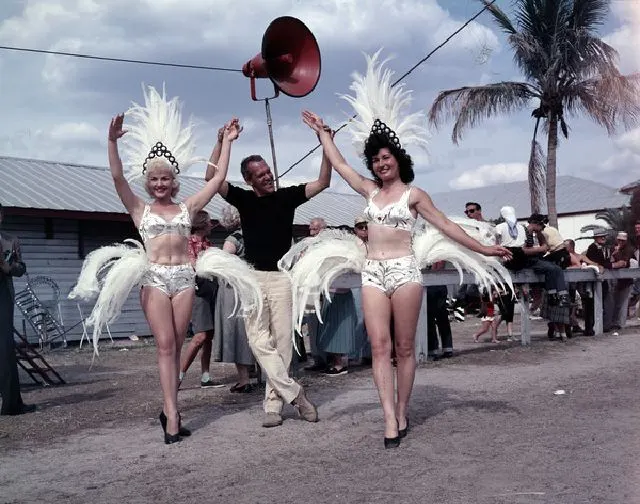
Ringling Circus Performers at Winter Quarters in Sarasota, Florida, Circa 1950
Captured here: Ringling Circus performers at winter quarters in Sarasota, Florida, circa 1950. The scene dates to around 1950, a detail that changes how you read every face and object in the frame.
The 1950s brought a wave of postwar prosperity, especially in North America. Suburbs, television sets, big chrome-trimmed cars, and rock and roll defined the decade, and a booming picture-magazine industry sent photographers to document all of it.
Pictures of ordinary life are some of the most valuable historical documents we have. Grand events were always going to be recorded, but a normal day — how people worked, dressed, shopped, and passed the time — survives only when someone happened to point a camera at it.
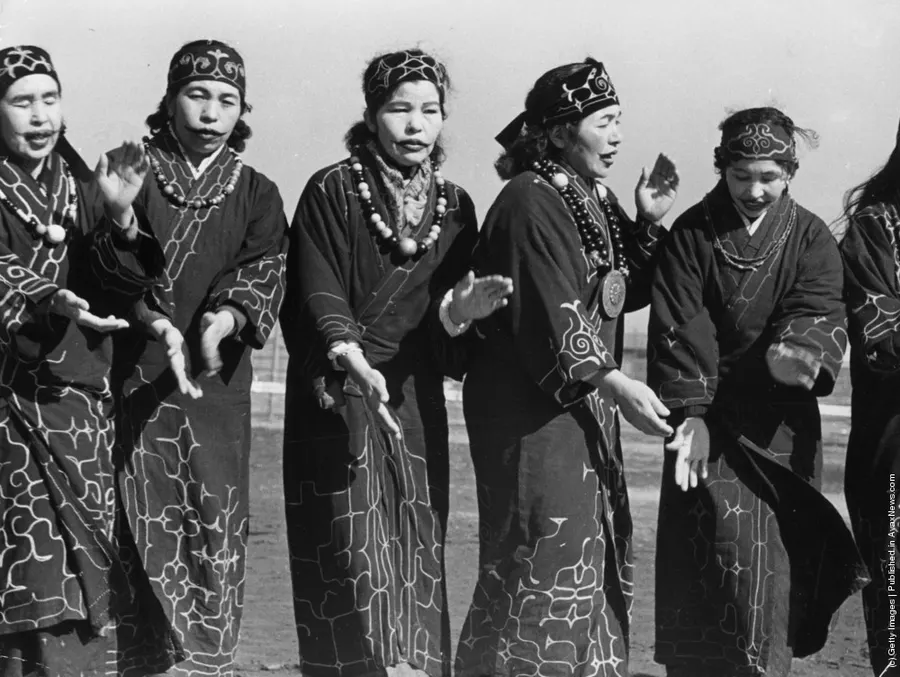
Ainu, Aboriginal People of Asia Occupying Parts of the Japanese Island, c. 1950
The photograph shows Ainu, aboriginal people of Asia occupying parts of the Japanese island of Hokkaido, Russian Kuril Islands and Sakhalin, circa 1950. It was taken around 1950, and like the best archival images it needs almost no explanation — the frame tells its own story.
The 1950s brought a wave of postwar prosperity, especially in North America. Suburbs, television sets, big chrome-trimmed cars, and rock and roll defined the decade, and a booming picture-magazine industry sent photographers to document all of it.
Most photography of the period chased celebrities and headlines, which makes surviving images of daily routine all the more precious. This is what the world actually looked like when nobody thought it was worth remembering.
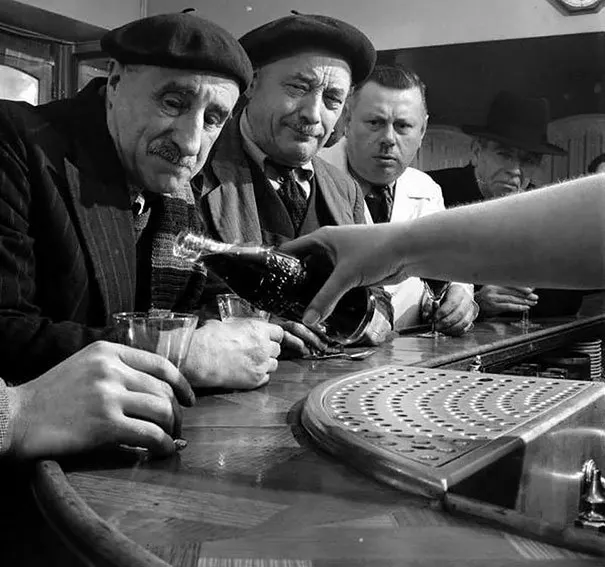
Coca-cola Comes to France, 1950
Coca-Cola Comes To France, 1950. Made in 1950, it is the kind of image that turns a date in a history book into something you can actually see.
Coca-Cola's postwar arrival in France was genuinely controversial. Communist politicians and some wine growers campaigned against what critics called "Coca-Colonization," warning that American soft drinks would undermine French culture. The French parliament even debated a bill in 1950 that could have banned the drink. Coca-Cola stayed, and the episode became a famous chapter in the story of American brands abroad.
Pictures of ordinary life are some of the most valuable historical documents we have. Grand events were always going to be recorded, but a normal day — how people worked, dressed, shopped, and passed the time — survives only when someone happened to point a camera at it.
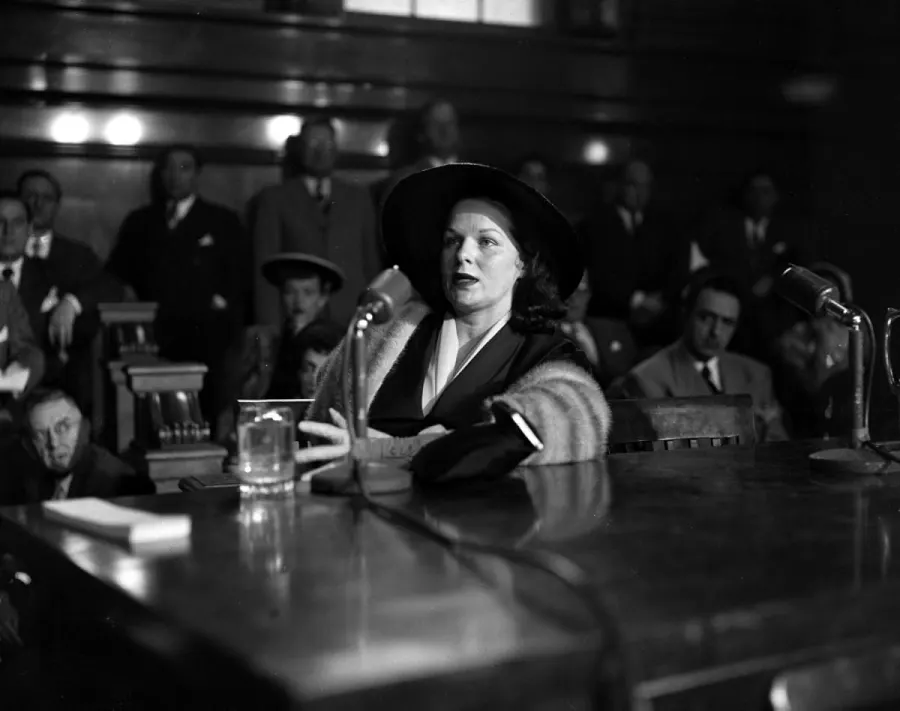
Virginia Hill, Also Known as the "queen of the Gangster Molls, 1951
Captured here: Mob Moll, 1951: Virginia Hill, also known as the "queen of the gangster molls," was the girlfriend of Brooklyn-born mobster Bugsy Siegel. Hill was coincidentally out of town when her beau was slain in her home, and shot through the window with a rifle. Here, the mob moll, who claimed to be in the dark about her lover's criminal connections, testifies at the 1951 Kefauver hearings in an investigation about the extent of organized crime. Made in 1951, it is the kind of image that turns a date in a history book into something you can actually see.
The 1950s brought a wave of postwar prosperity, especially in North America. Suburbs, television sets, big chrome-trimmed cars, and rock and roll defined the decade, and a booming picture-magazine industry sent photographers to document all of it.
Moments like this one were captured by photographers who often had a single chance to get the shot — no second takes, no digital preview. That is part of why these frames carry such weight: each one is a split second of real history, fixed for good.
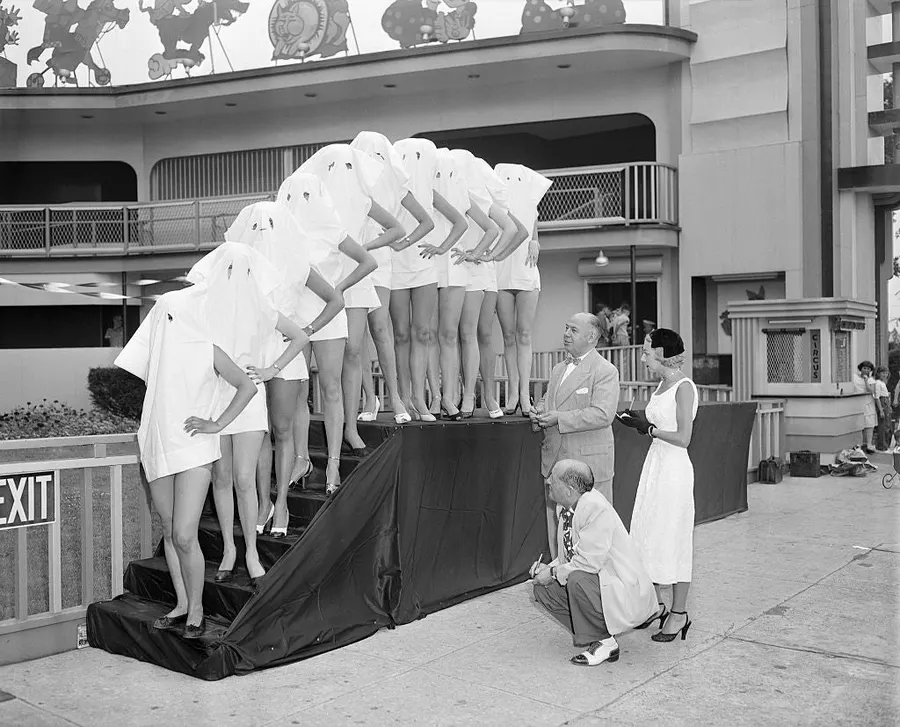
Here's the Contestants of the World's Most Beautiful Legs Competition in 1951
Here's the contestants of the World's Most Beautiful Legs competition in 1951. Made in 1951, it is the kind of image that turns a date in a history book into something you can actually see.
The 1950s brought a wave of postwar prosperity, especially in North America. Suburbs, television sets, big chrome-trimmed cars, and rock and roll defined the decade, and a booming picture-magazine industry sent photographers to document all of it.
What makes everyday photographs like this one compelling is the details at the edges: the clothes, the signs, the tools, the postures. They preserve texture that history books flatten out.
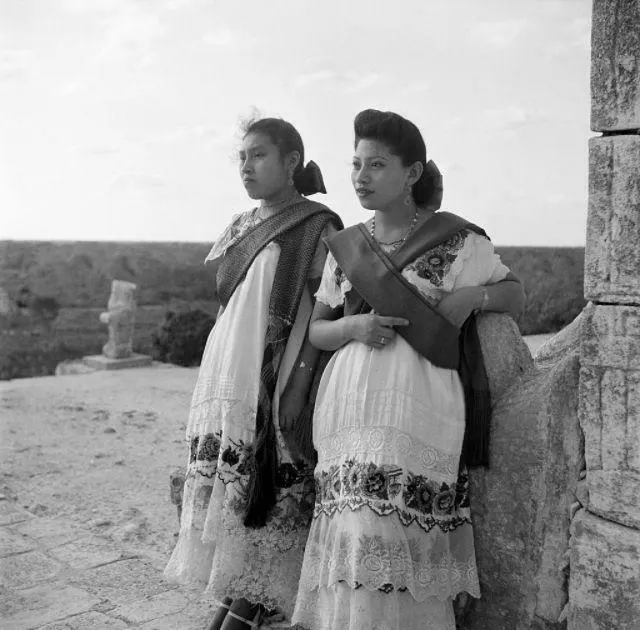
Mayan Women in the Yucatan Peninsula Around 1952
The photograph shows Mayan Women In The Yucatan Peninsula Around 1952. The Dress Is Called The Mayan Huipil. Made in 1952, it is the kind of image that turns a date in a history book into something you can actually see.
The 1950s brought a wave of postwar prosperity, especially in North America. Suburbs, television sets, big chrome-trimmed cars, and rock and roll defined the decade, and a booming picture-magazine industry sent photographers to document all of it.
What makes everyday photographs like this one compelling is the details at the edges: the clothes, the signs, the tools, the postures. They preserve texture that history books flatten out.
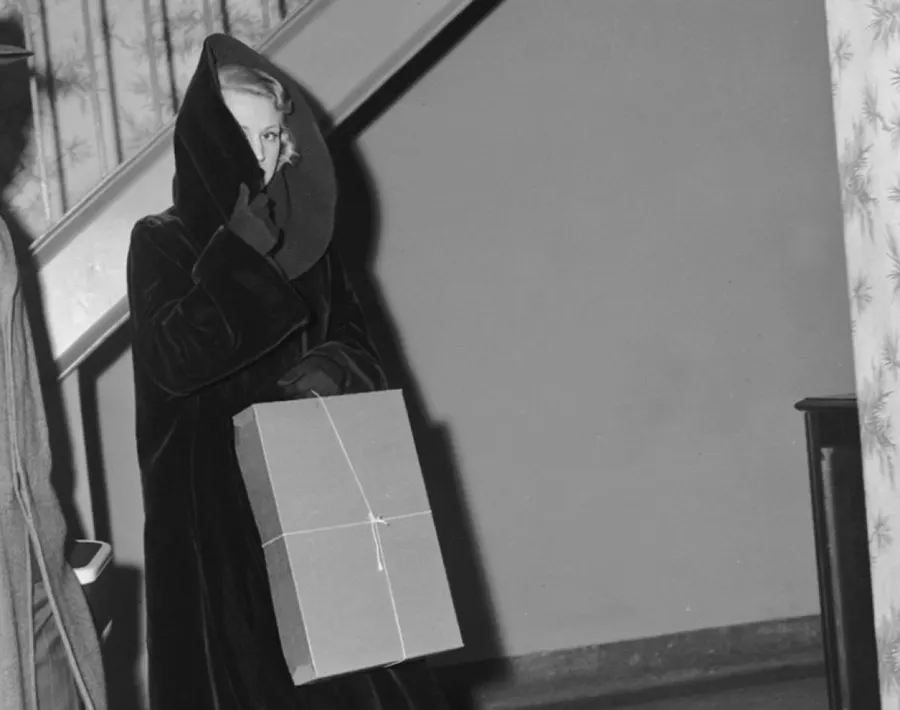
Twice Drake Dined with Men Who Were Gunned Down the Following Day, 1952
This picture preserves a moment few cameras ever caught — Mob Moll, 1952: Twice Drake dined with men who were gunned down the following day. Here, the moll is photographed in 1952 as police take her into questioning after playboy Garment District boss Nat Nelson was murdered in a mob assassination hours after he was seen out with her. The scene dates to 1952, a detail that changes how you read every face and object in the frame.
The 1950s brought a wave of postwar prosperity, especially in North America. Suburbs, television sets, big chrome-trimmed cars, and rock and roll defined the decade, and a booming picture-magazine industry sent photographers to document all of it.
News photographs from this period traveled by wire and print, and a single strong image could shape how millions of people understood an event. This picture is one of the frames that did that work.
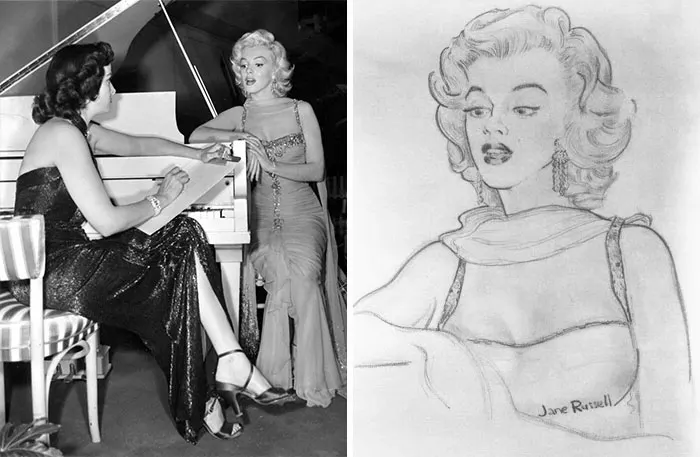
Jane Russell Shows her Co-actress Marilyn Monroe (at the Time, 1953
Jane Russell Shows Her Co-Actress Marilyn Monroe (At The Time, Jane Was The Bigger Star) One Of Her Talents: Drawing. Here She Draws An Sketch Of Monroe. Result At The End. This Was During The Filming Of "Gentlemen Prefer Blondes," 1953. The scene dates to 1953, a detail that changes how you read every face and object in the frame.
The 1950s brought a wave of postwar prosperity, especially in North America. Suburbs, television sets, big chrome-trimmed cars, and rock and roll defined the decade, and a booming picture-magazine industry sent photographers to document all of it.
Pictures of ordinary life are some of the most valuable historical documents we have. Grand events were always going to be recorded, but a normal day — how people worked, dressed, shopped, and passed the time — survives only when someone happened to point a camera at it.
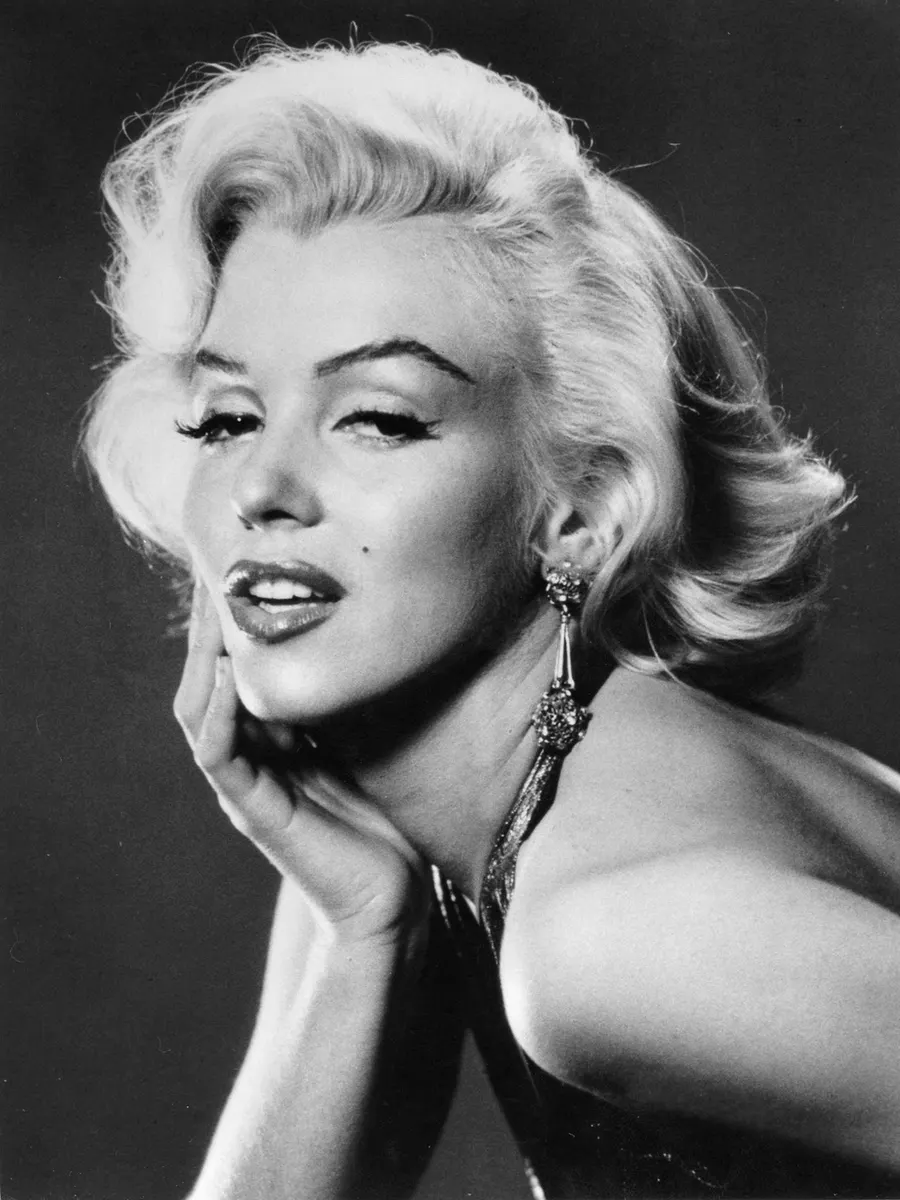
Marilyn Monroe Sure Gave the Troops a Treat During her USO Performance, 1954
Captured here: Ms. Monroe: Marilyn Monroe sure gave the troops a treat during her USO performance in Korea, February 1954. The scene dates to 1954, a detail that changes how you read every face and object in the frame.
The 1950s brought a wave of postwar prosperity, especially in North America. Suburbs, television sets, big chrome-trimmed cars, and rock and roll defined the decade, and a booming picture-magazine industry sent photographers to document all of it.
News photographs from this period traveled by wire and print, and a single strong image could shape how millions of people understood an event. This picture is one of the frames that did that work.
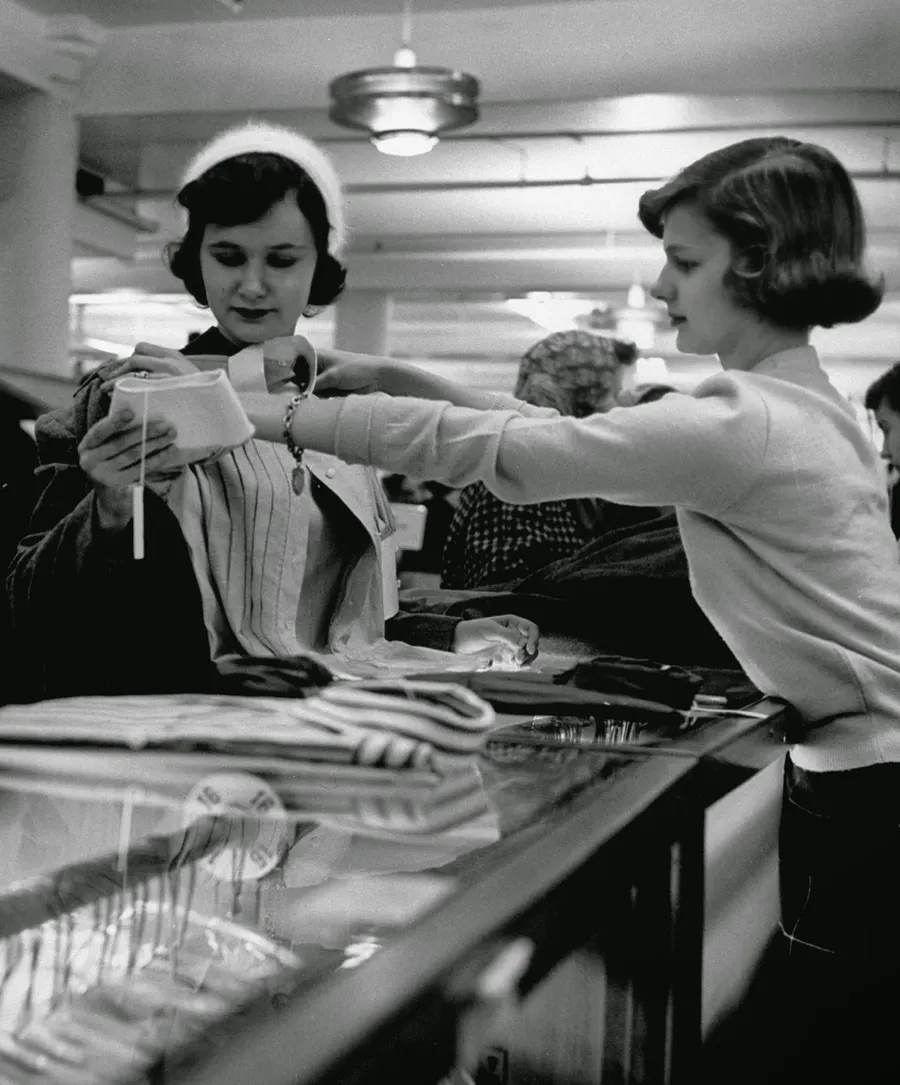
A Teenage Sales Girl Holds a Blouse up to a Customer in a Store, 1954
This picture preserves a moment few cameras ever caught — a teenage sales girl holds a blouse up to a customer in a store, 1954. It was taken in 1954, and like the best archival images it needs almost no explanation — the frame tells its own story.
The 1950s brought a wave of postwar prosperity, especially in North America. Suburbs, television sets, big chrome-trimmed cars, and rock and roll defined the decade, and a booming picture-magazine industry sent photographers to document all of it.
What makes everyday photographs like this one compelling is the details at the edges: the clothes, the signs, the tools, the postures. They preserve texture that history books flatten out.
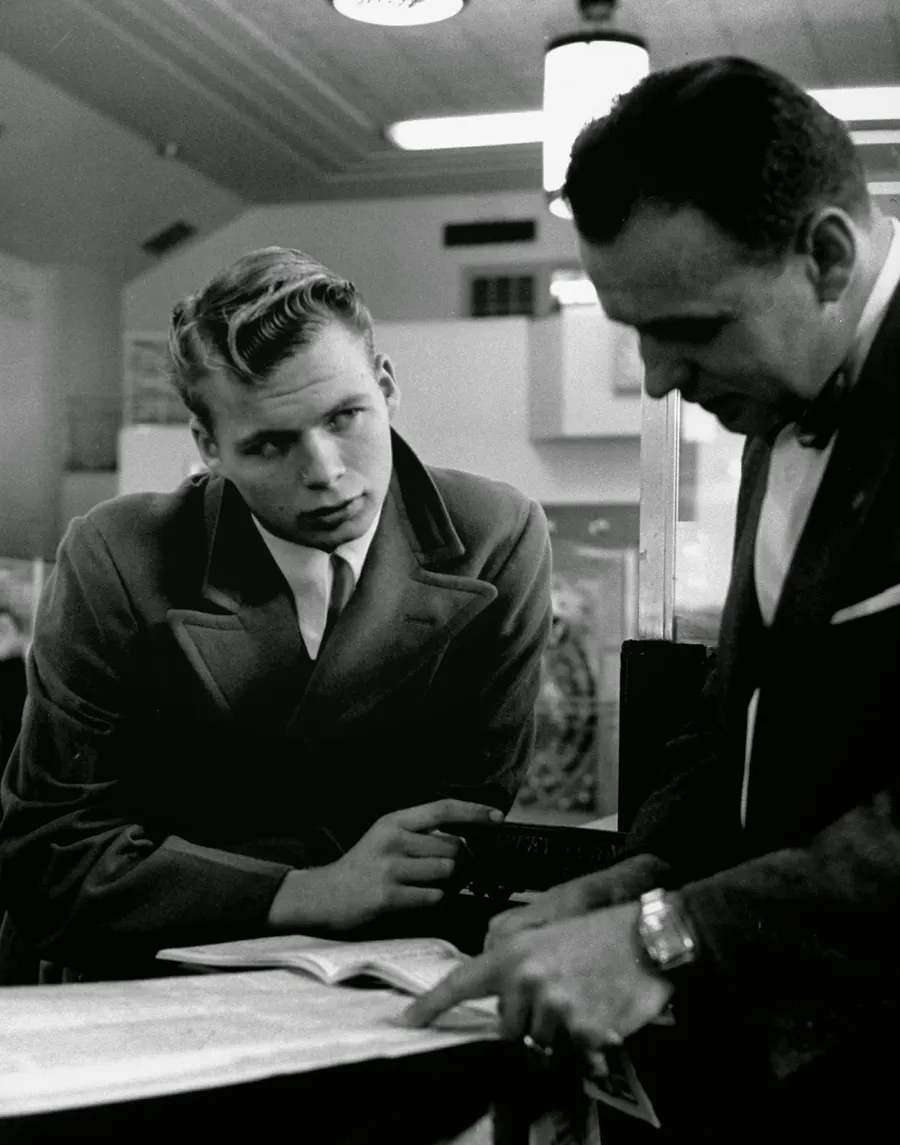
Young Investor, David Lenske, 17, Having Bought Four AT&T Shares, 1954
This picture preserves a moment few cameras ever caught — Young investor, David Lenske, 17, having bought four AT&T shares, talks with banker, 1954. It was taken in 1954, and like the best archival images it needs almost no explanation — the frame tells its own story.
The 1950s brought a wave of postwar prosperity, especially in North America. Suburbs, television sets, big chrome-trimmed cars, and rock and roll defined the decade, and a booming picture-magazine industry sent photographers to document all of it.
Most photography of the period chased celebrities and headlines, which makes surviving images of daily routine all the more precious. This is what the world actually looked like when nobody thought it was worth remembering.
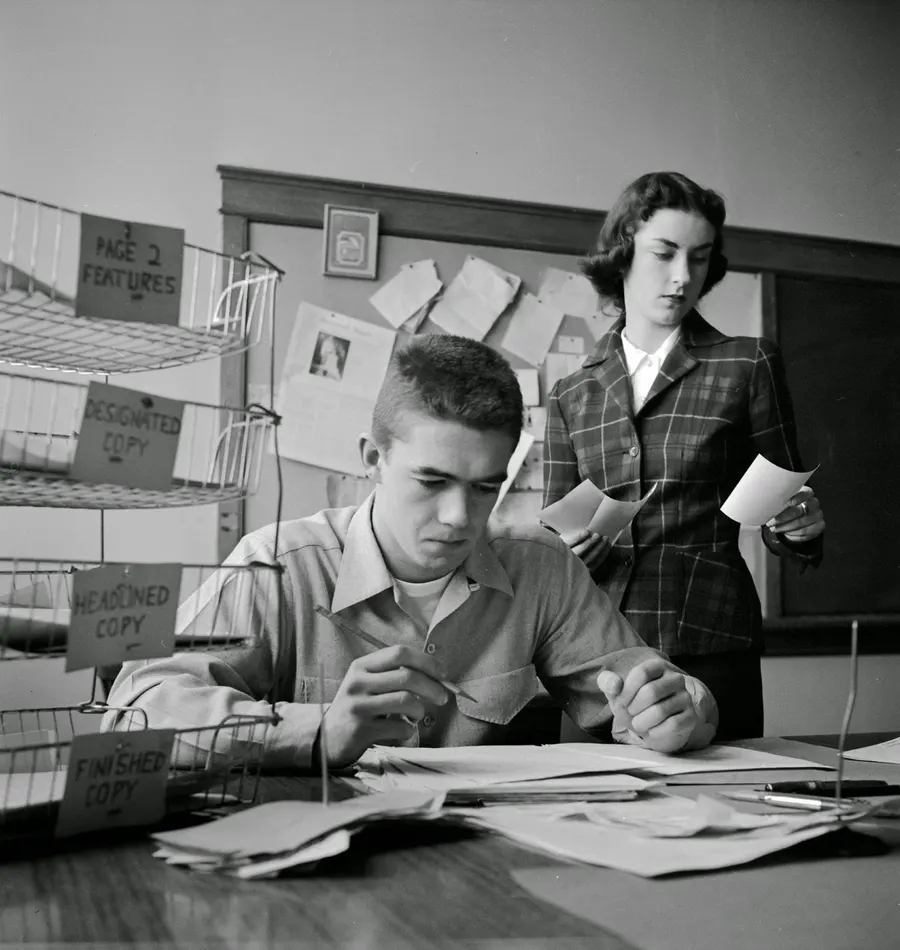
Outtake from "luckiest Generation" Feature in LIFE Magazine, 1954
Captured here: Outtake from "Luckiest Generation" feature in LIFE magazine, 1954. The scene dates to 1954, a detail that changes how you read every face and object in the frame.
The 1950s brought a wave of postwar prosperity, especially in North America. Suburbs, television sets, big chrome-trimmed cars, and rock and roll defined the decade, and a booming picture-magazine industry sent photographers to document all of it.
What makes everyday photographs like this one compelling is the details at the edges: the clothes, the signs, the tools, the postures. They preserve texture that history books flatten out.
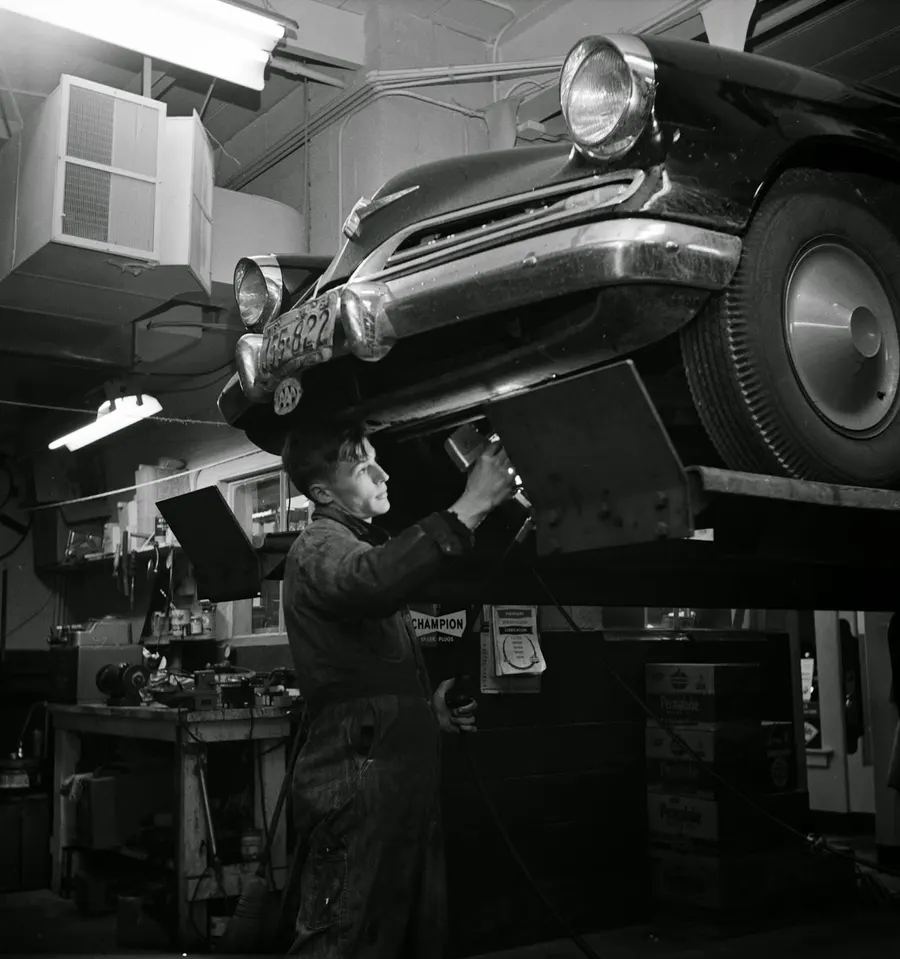
Teenage Mechanic, 1954
Captured here: Teenage mechanic, 1954. It was taken in 1954, and like the best archival images it needs almost no explanation — the frame tells its own story.
The 1950s brought a wave of postwar prosperity, especially in North America. Suburbs, television sets, big chrome-trimmed cars, and rock and roll defined the decade, and a booming picture-magazine industry sent photographers to document all of it.
Most photography of the period chased celebrities and headlines, which makes surviving images of daily routine all the more precious. This is what the world actually looked like when nobody thought it was worth remembering.
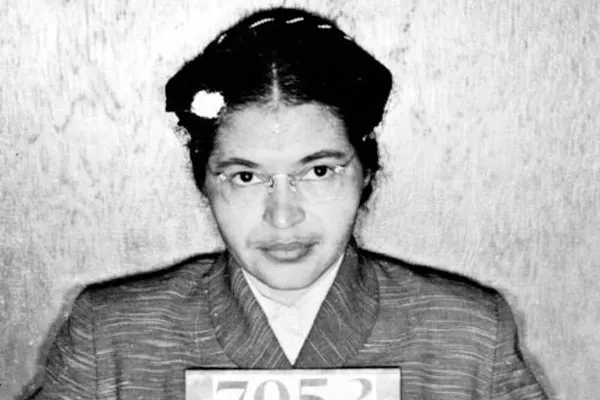
Rosa Parks Arrest Photo, 1955
The photograph shows Rosa Parks Arrest Photo: In 1955, Parks was arrested for refusing to give up her seat to a white passenger on a city bus in Montgomery, Alabama. The scene dates to 1955, a detail that changes how you read every face and object in the frame.
The 1950s brought a wave of postwar prosperity, especially in North America. Suburbs, television sets, big chrome-trimmed cars, and rock and roll defined the decade, and a booming picture-magazine industry sent photographers to document all of it.
Pictures of ordinary life are some of the most valuable historical documents we have. Grand events were always going to be recorded, but a normal day — how people worked, dressed, shopped, and passed the time — survives only when someone happened to point a camera at it.
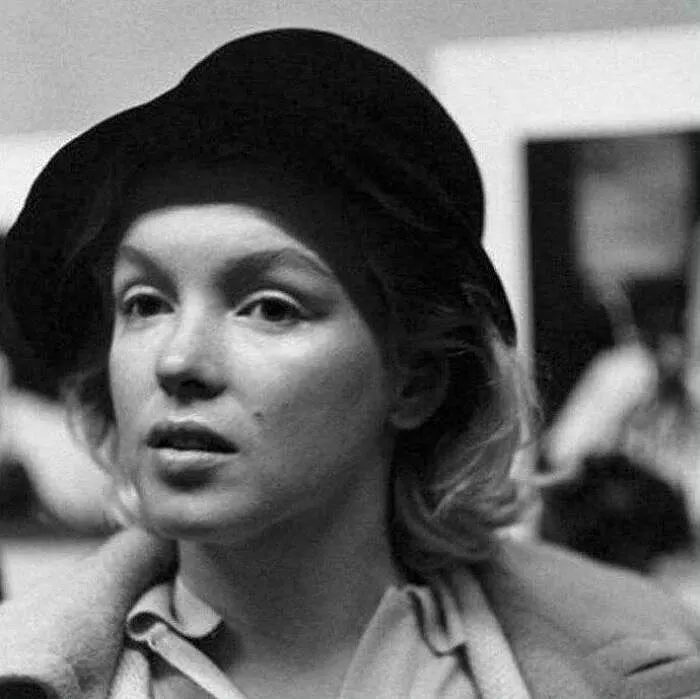
Rare Photograph of Marilyn Monroe Without Makeup, 1955
This picture preserves a moment few cameras ever caught — Rare Photograph Of Marilyn Monroe Without Makeup, 1955. Made in 1955, it is the kind of image that turns a date in a history book into something you can actually see.
The 1950s brought a wave of postwar prosperity, especially in North America. Suburbs, television sets, big chrome-trimmed cars, and rock and roll defined the decade, and a booming picture-magazine industry sent photographers to document all of it.
What makes everyday photographs like this one compelling is the details at the edges: the clothes, the signs, the tools, the postures. They preserve texture that history books flatten out.
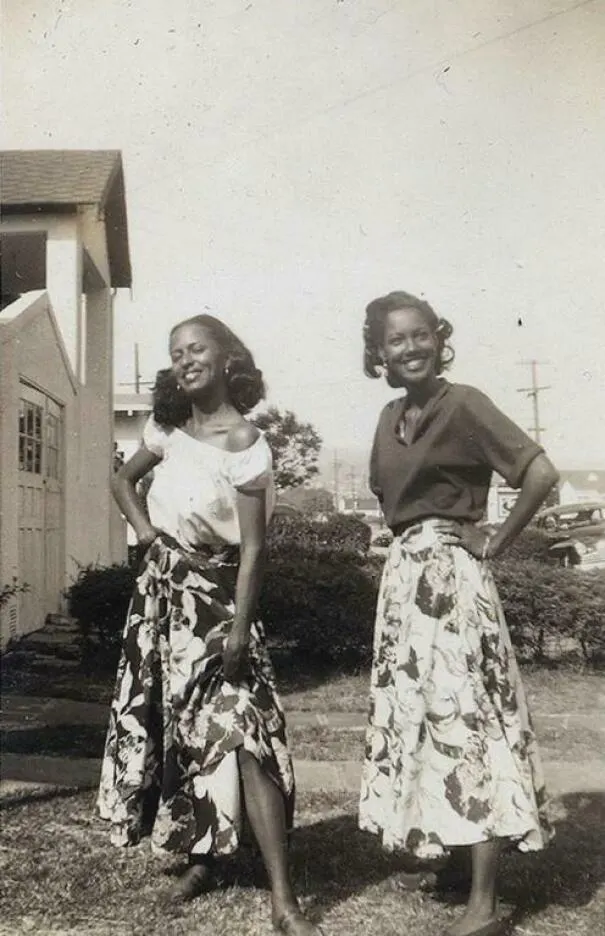
Sisters in Skirts, 1950s
Sisters In Skirts, 1950s. The scene dates to the 1950s, a detail that changes how you read every face and object in the frame.
The 1950s brought a wave of postwar prosperity, especially in North America. Suburbs, television sets, big chrome-trimmed cars, and rock and roll defined the decade, and a booming picture-magazine industry sent photographers to document all of it.
Pictures of ordinary life are some of the most valuable historical documents we have. Grand events were always going to be recorded, but a normal day — how people worked, dressed, shopped, and passed the time — survives only when someone happened to point a camera at it.
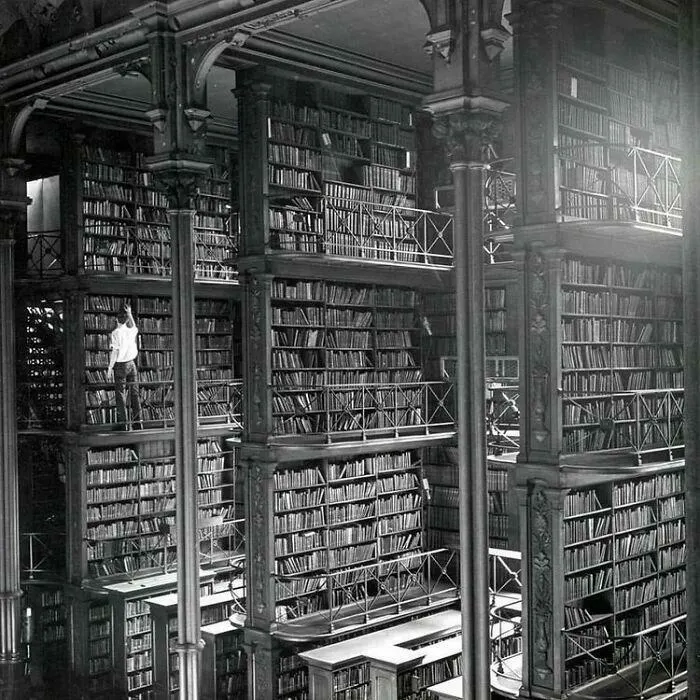
A Man Searches for Books in the Former Cincinnati Public Library, 1955
This picture preserves a moment few cameras ever caught — a Man Searches For Books In The Former Cincinnati Public Library. The Building Was Demolished In 1955. Today There Is An Office Building And Parking Lot Where It Used To Stand. Made in 1955, it is the kind of image that turns a date in a history book into something you can actually see.
The 1950s brought a wave of postwar prosperity, especially in North America. Suburbs, television sets, big chrome-trimmed cars, and rock and roll defined the decade, and a booming picture-magazine industry sent photographers to document all of it.
Pictures of ordinary life are some of the most valuable historical documents we have. Grand events were always going to be recorded, but a normal day — how people worked, dressed, shopped, and passed the time — survives only when someone happened to point a camera at it.
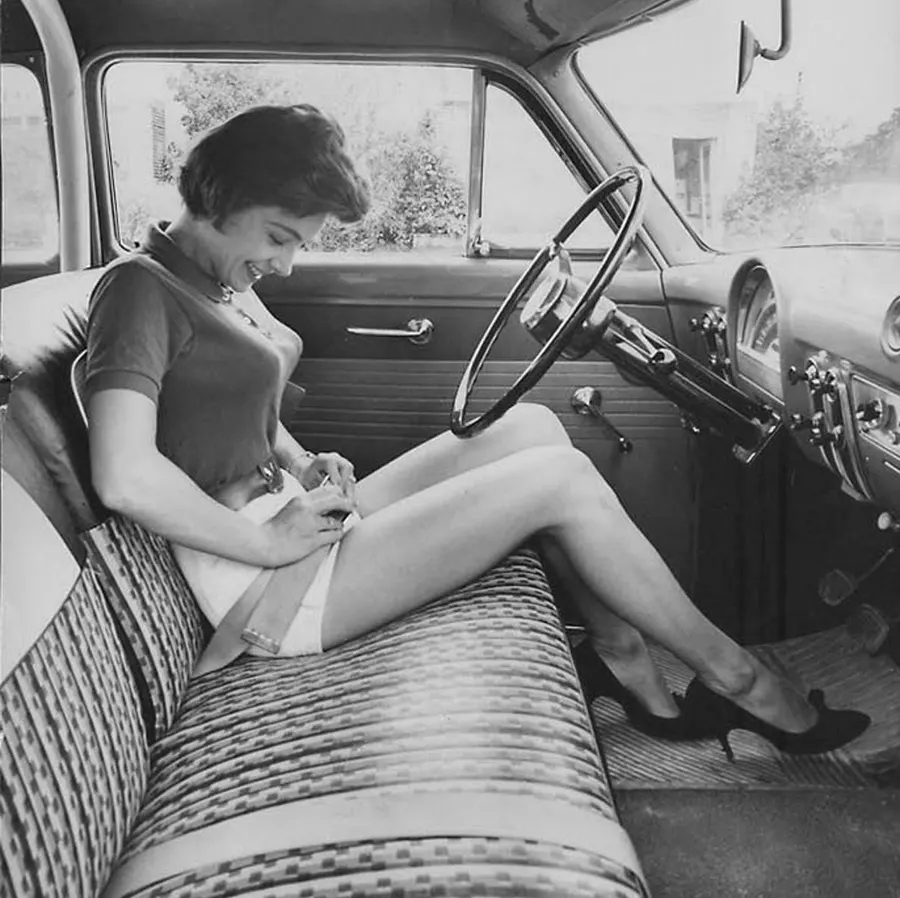
Woman Inspecting This New Thing, the Security Belt in her Car, Circa 1950s
Captured here: Woman Inspecting This New Thing, The Security Belt In Her Car, Circa 1950s. The scene dates to the 1950s, a detail that changes how you read every face and object in the frame.
The 1950s brought a wave of postwar prosperity, especially in North America. Suburbs, television sets, big chrome-trimmed cars, and rock and roll defined the decade, and a booming picture-magazine industry sent photographers to document all of it.
Most photography of the period chased celebrities and headlines, which makes surviving images of daily routine all the more precious. This is what the world actually looked like when nobody thought it was worth remembering.
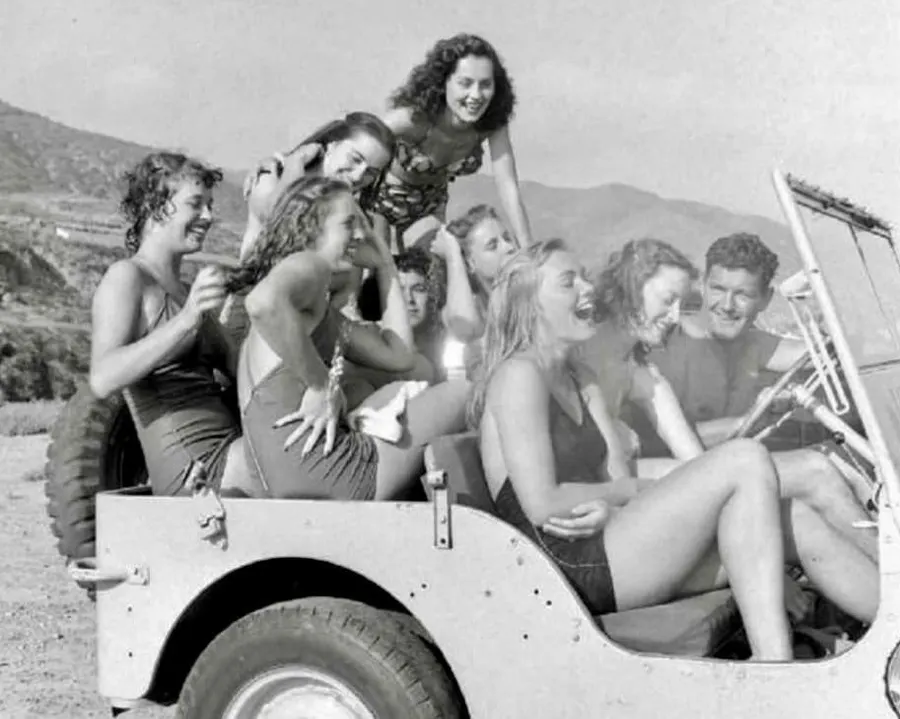
Lucky Jeep Owner, 1950s
The photograph shows Lucky Jeep Owner, 1950s. It was taken in the 1950s, and like the best archival images it needs almost no explanation — the frame tells its own story.
The 1950s brought a wave of postwar prosperity, especially in North America. Suburbs, television sets, big chrome-trimmed cars, and rock and roll defined the decade, and a booming picture-magazine industry sent photographers to document all of it.
Most photography of the period chased celebrities and headlines, which makes surviving images of daily routine all the more precious. This is what the world actually looked like when nobody thought it was worth remembering.
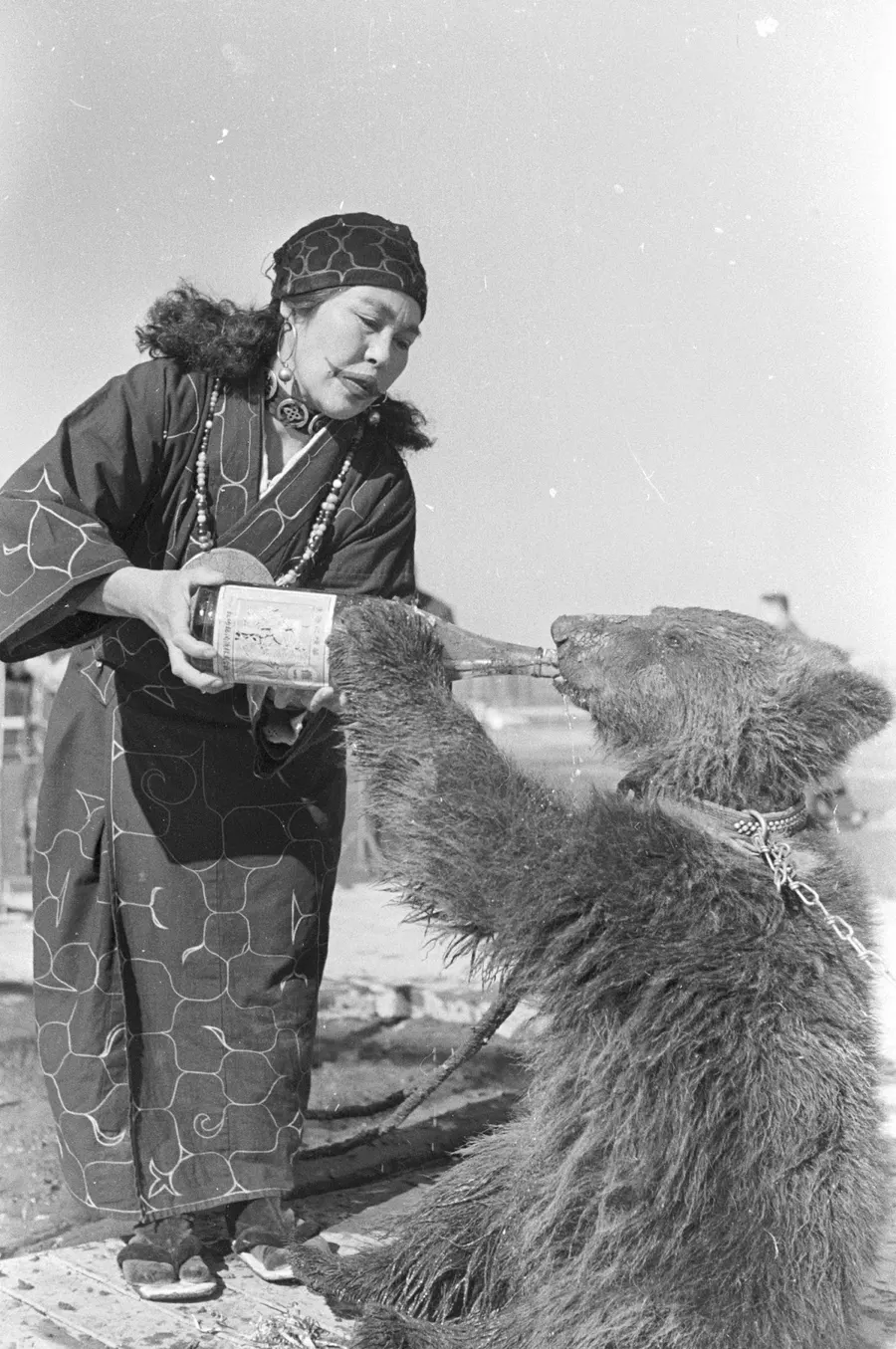
A Captive Bear Drinking from a Large Bottle Held by an Ainu Tribeswoman, c. 1955
The photograph shows a captive bear drinking from a large bottle held by an Ainu tribeswoman, circa 1955. It was taken around 1955, and like the best archival images it needs almost no explanation — the frame tells its own story.
The 1950s brought a wave of postwar prosperity, especially in North America. Suburbs, television sets, big chrome-trimmed cars, and rock and roll defined the decade, and a booming picture-magazine industry sent photographers to document all of it.
The strangest historical photos are rarely staged jokes — they usually show a real solution to a real problem of their day. Understanding why this scene made sense to the people in it is half the fun of looking at it.
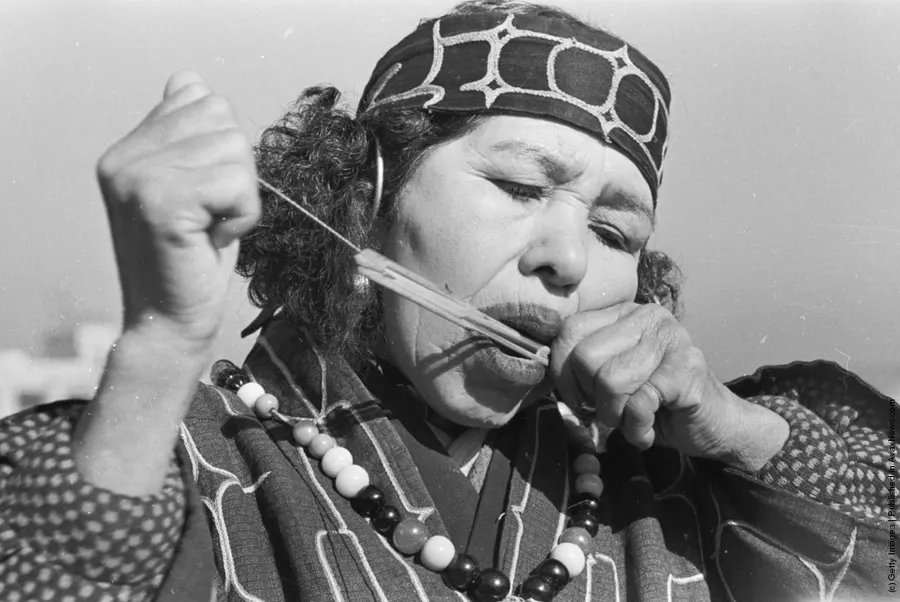
An Ainu Tribeswoman Holding a Group of Threads to her Mouth, Circa 1955
An Ainu tribeswoman holding a group of threads to her mouth, circa 1955. Made around 1955, it is the kind of image that turns a date in a history book into something you can actually see.
The 1950s brought a wave of postwar prosperity, especially in North America. Suburbs, television sets, big chrome-trimmed cars, and rock and roll defined the decade, and a booming picture-magazine industry sent photographers to document all of it.
Pictures of ordinary life are some of the most valuable historical documents we have. Grand events were always going to be recorded, but a normal day — how people worked, dressed, shopped, and passed the time — survives only when someone happened to point a camera at it.
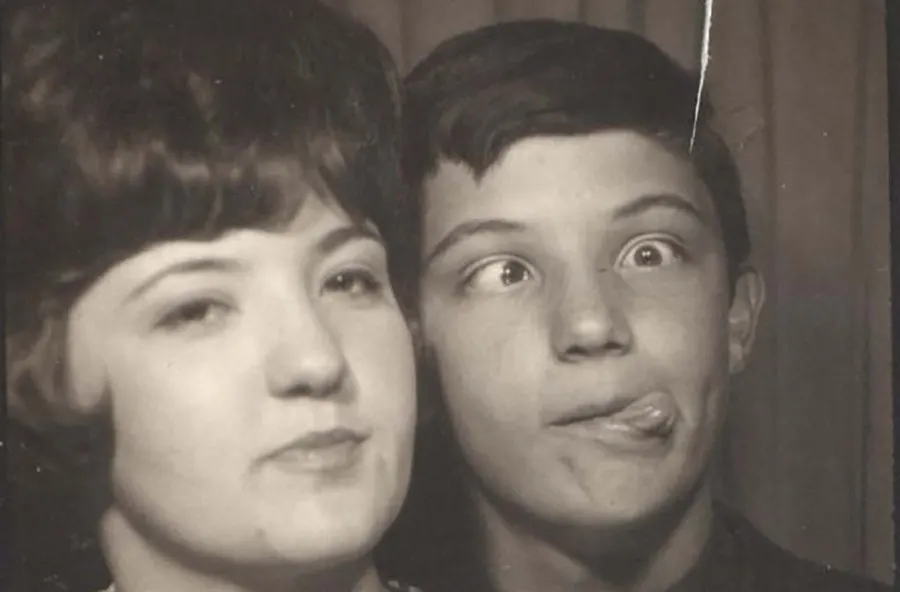
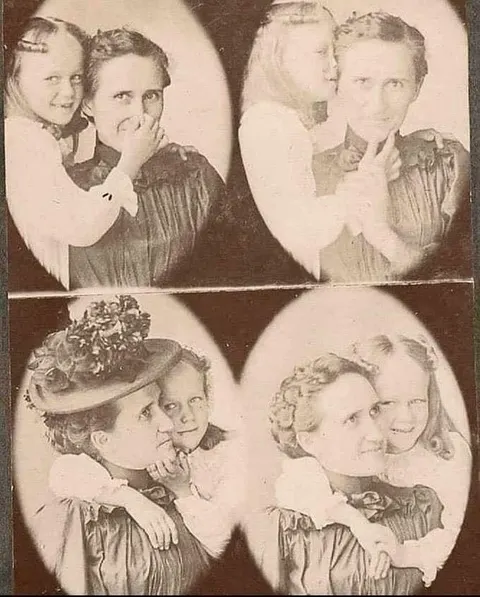
Vintage Photobooth Portraits Capture Intimate Moments Between 1950s Couples
The photograph shows Vintage Photobooth Portraits Capture Intimate Moments Between 1950s Couples. It was taken in the 1950s, and like the best archival images it needs almost no explanation — the frame tells its own story.
The 1950s brought a wave of postwar prosperity, especially in North America. Suburbs, television sets, big chrome-trimmed cars, and rock and roll defined the decade, and a booming picture-magazine industry sent photographers to document all of it.
What makes everyday photographs like this one compelling is the details at the edges: the clothes, the signs, the tools, the postures. They preserve texture that history books flatten out.
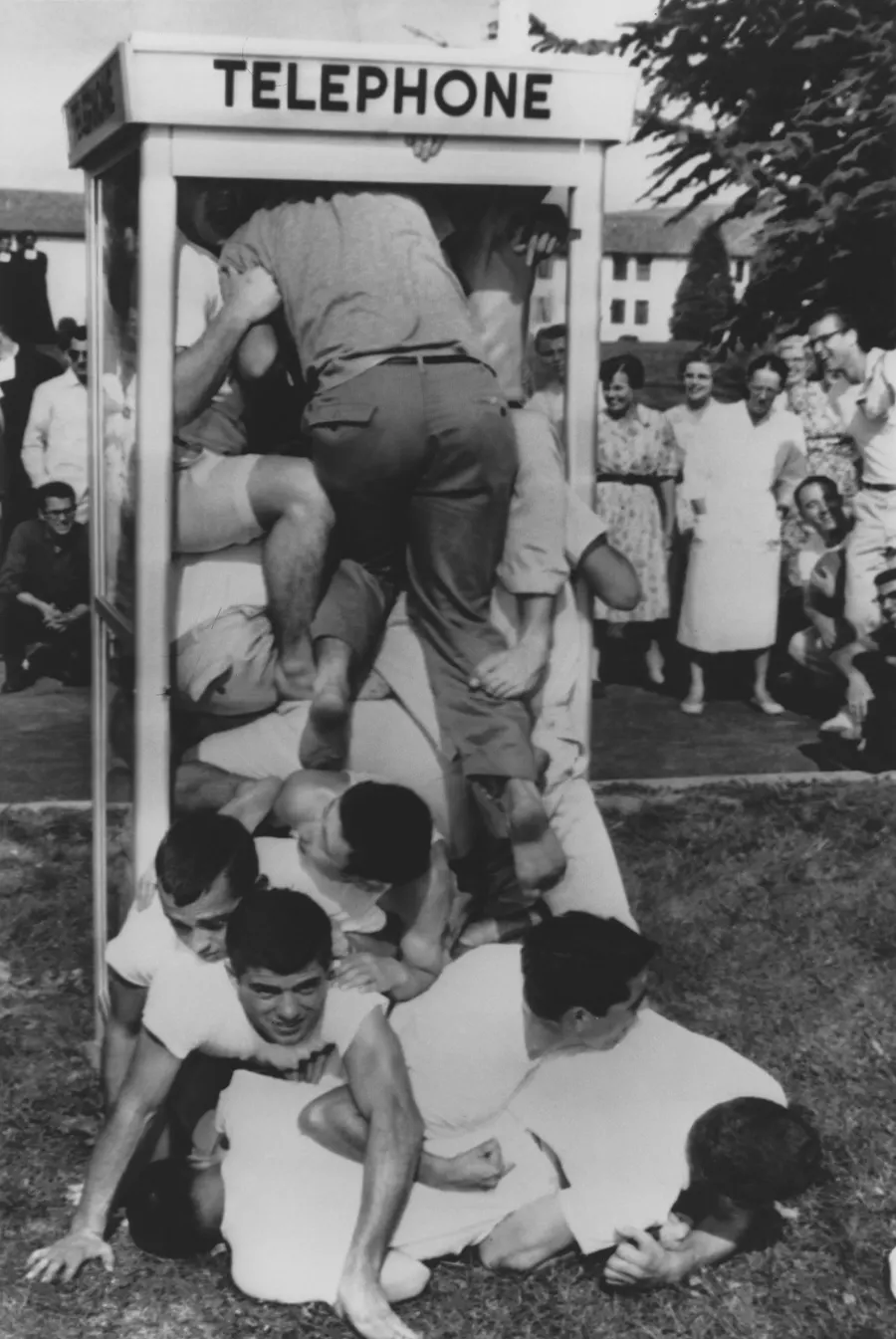
One of the Biggest Fads of the 1950s Was "phonebooth Stuffing
One of the biggest fads of the 1950s was "phonebooth stuffing," where-in a bunch of people would, well, stuff themselves into a phonebooth. Made in the 1950s, it is the kind of image that turns a date in a history book into something you can actually see.
The 1950s brought a wave of postwar prosperity, especially in North America. Suburbs, television sets, big chrome-trimmed cars, and rock and roll defined the decade, and a booming picture-magazine industry sent photographers to document all of it.
Pictures of ordinary life are some of the most valuable historical documents we have. Grand events were always going to be recorded, but a normal day — how people worked, dressed, shopped, and passed the time — survives only when someone happened to point a camera at it.
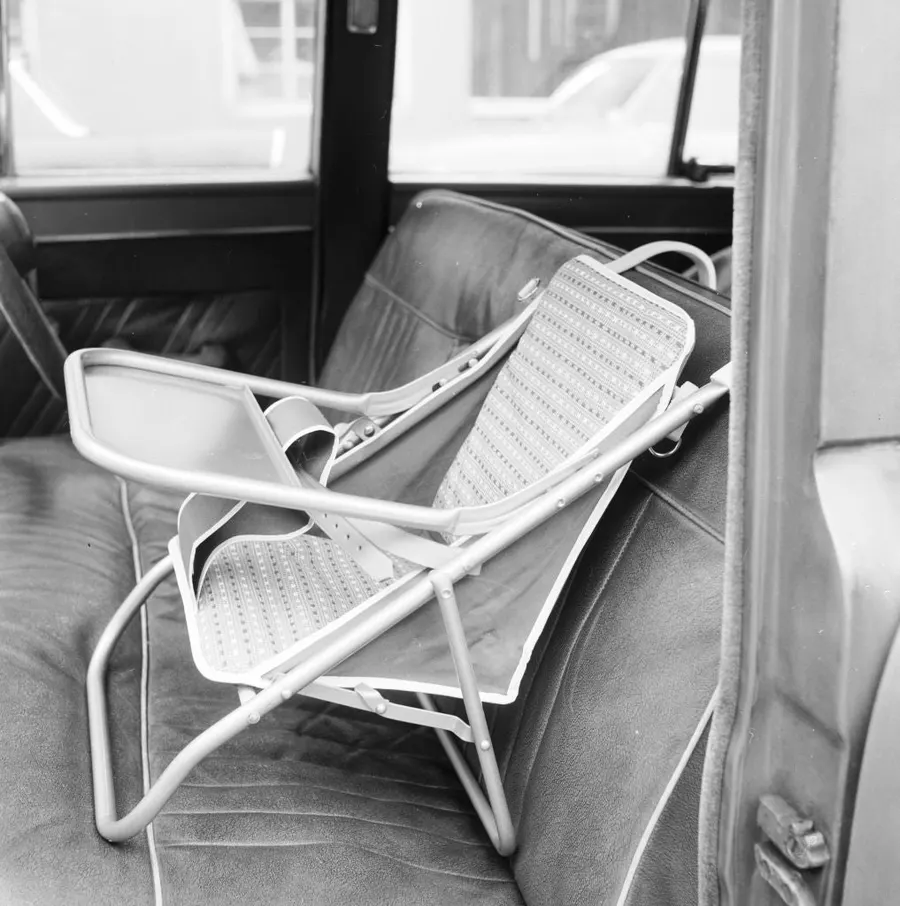
One Very, Very, Very Safe Example of What a Baby's Car Seat Used to Look Like, 1950s
This picture preserves a moment few cameras ever caught — one very, very, very safe example of what a baby's car seat used to look like in the 1950s and 60s. It was taken in the 1950s, and like the best archival images it needs almost no explanation — the frame tells its own story.
The 1950s brought a wave of postwar prosperity, especially in North America. Suburbs, television sets, big chrome-trimmed cars, and rock and roll defined the decade, and a booming picture-magazine industry sent photographers to document all of it.
What makes everyday photographs like this one compelling is the details at the edges: the clothes, the signs, the tools, the postures. They preserve texture that history books flatten out.
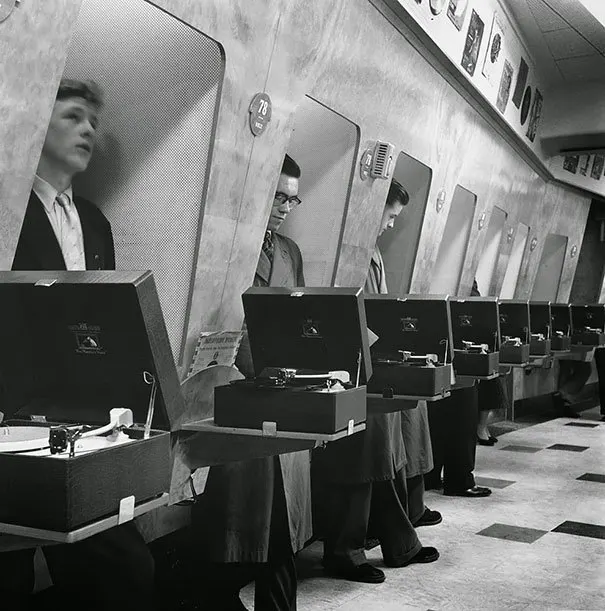
Customers at a London Music Store, 1955
This picture preserves a moment few cameras ever caught — Customers At A London Music Store, 1955. It was taken in 1955, and like the best archival images it needs almost no explanation — the frame tells its own story.
The 1950s brought a wave of postwar prosperity, especially in North America. Suburbs, television sets, big chrome-trimmed cars, and rock and roll defined the decade, and a booming picture-magazine industry sent photographers to document all of it.
What makes everyday photographs like this one compelling is the details at the edges: the clothes, the signs, the tools, the postures. They preserve texture that history books flatten out.
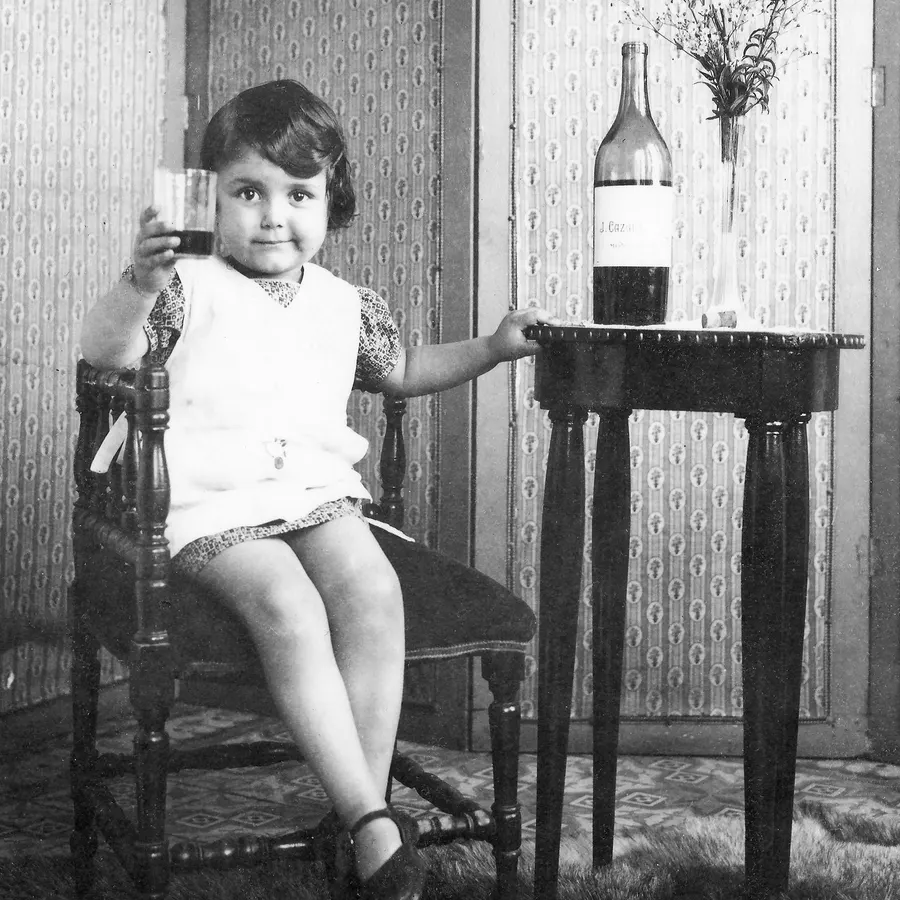
Until 1956, French Children Were Served Wine with their School Lunch
The photograph shows Until 1956, French Children Were Served Wine With Their School Lunch. Made in 1956, it is the kind of image that turns a date in a history book into something you can actually see.
The 1950s brought a wave of postwar prosperity, especially in North America. Suburbs, television sets, big chrome-trimmed cars, and rock and roll defined the decade, and a booming picture-magazine industry sent photographers to document all of it.
Pictures of ordinary life are some of the most valuable historical documents we have. Grand events were always going to be recorded, but a normal day — how people worked, dressed, shopped, and passed the time — survives only when someone happened to point a camera at it.
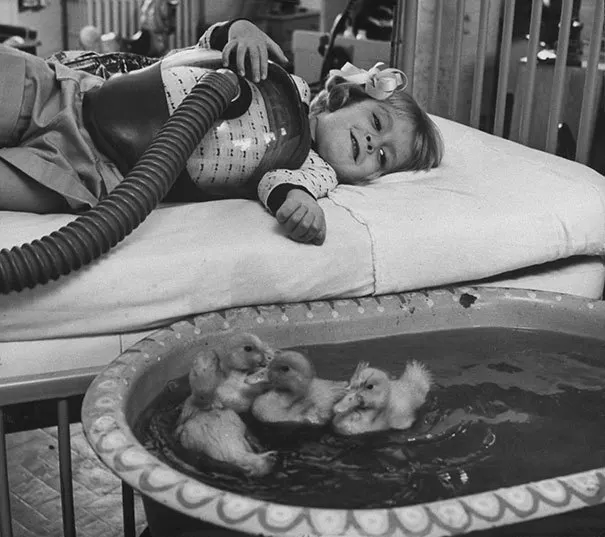
Animals Being Used as Part of Medical Therapy, 1956
The photograph shows Animals Being Used As Part Of Medical Therapy, 1956. Made in 1956, it is the kind of image that turns a date in a history book into something you can actually see.
The 1950s brought a wave of postwar prosperity, especially in North America. Suburbs, television sets, big chrome-trimmed cars, and rock and roll defined the decade, and a booming picture-magazine industry sent photographers to document all of it.
Most photography of the period chased celebrities and headlines, which makes surviving images of daily routine all the more precious. This is what the world actually looked like when nobody thought it was worth remembering.
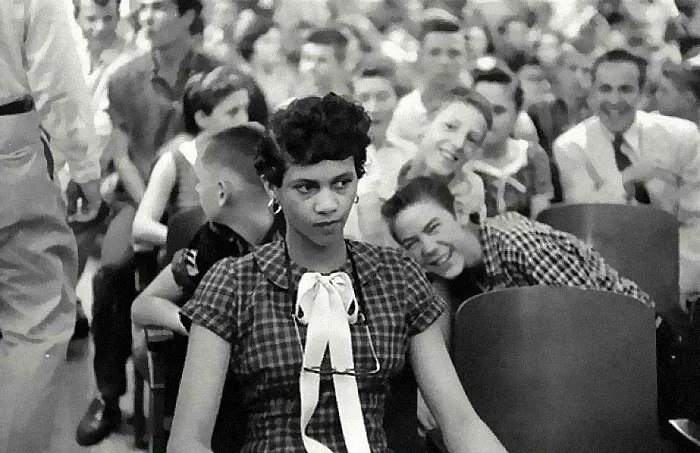
Dorothy Counts, the First Black Girl to Attend an All-white School, 1957
Dorothy Counts, The First Black Girl To Attend An All-White School In The U.S., Being Taunted By Her White Classmates At Harry Harding High School In Charlotte, 1957. Made in 1957, it is the kind of image that turns a date in a history book into something you can actually see.
The 1950s brought a wave of postwar prosperity, especially in North America. Suburbs, television sets, big chrome-trimmed cars, and rock and roll defined the decade, and a booming picture-magazine industry sent photographers to document all of it.
What makes everyday photographs like this one compelling is the details at the edges: the clothes, the signs, the tools, the postures. They preserve texture that history books flatten out.
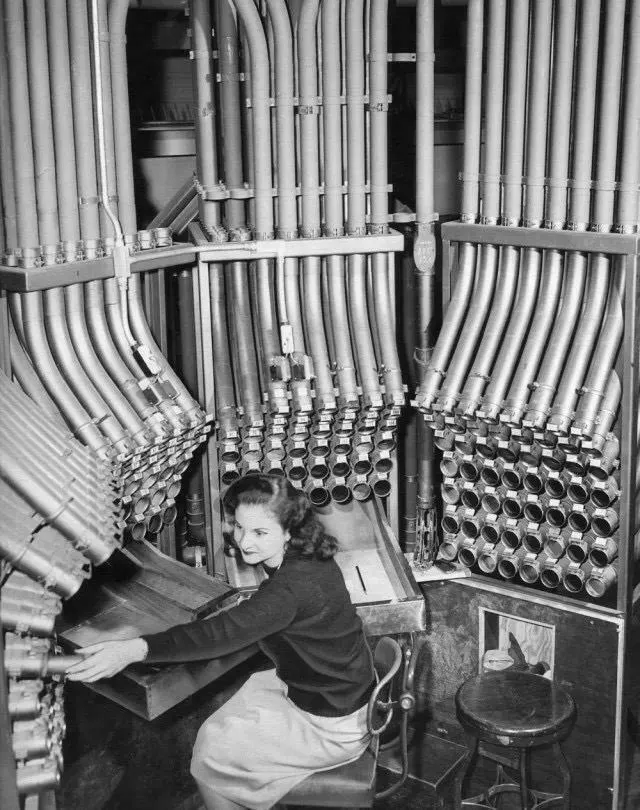
A Pneumatic Mail Service Covering 23 New York City Post Offices and Extending, 1957
The photograph shows a Pneumatic Mail Service Covering 23 New York City Post Offices And Extending 27 Miles. Functioned Until 1957. It was taken in 1957, and like the best archival images it needs almost no explanation — the frame tells its own story.
The 1950s brought a wave of postwar prosperity, especially in North America. Suburbs, television sets, big chrome-trimmed cars, and rock and roll defined the decade, and a booming picture-magazine industry sent photographers to document all of it.
What makes everyday photographs like this one compelling is the details at the edges: the clothes, the signs, the tools, the postures. They preserve texture that history books flatten out.
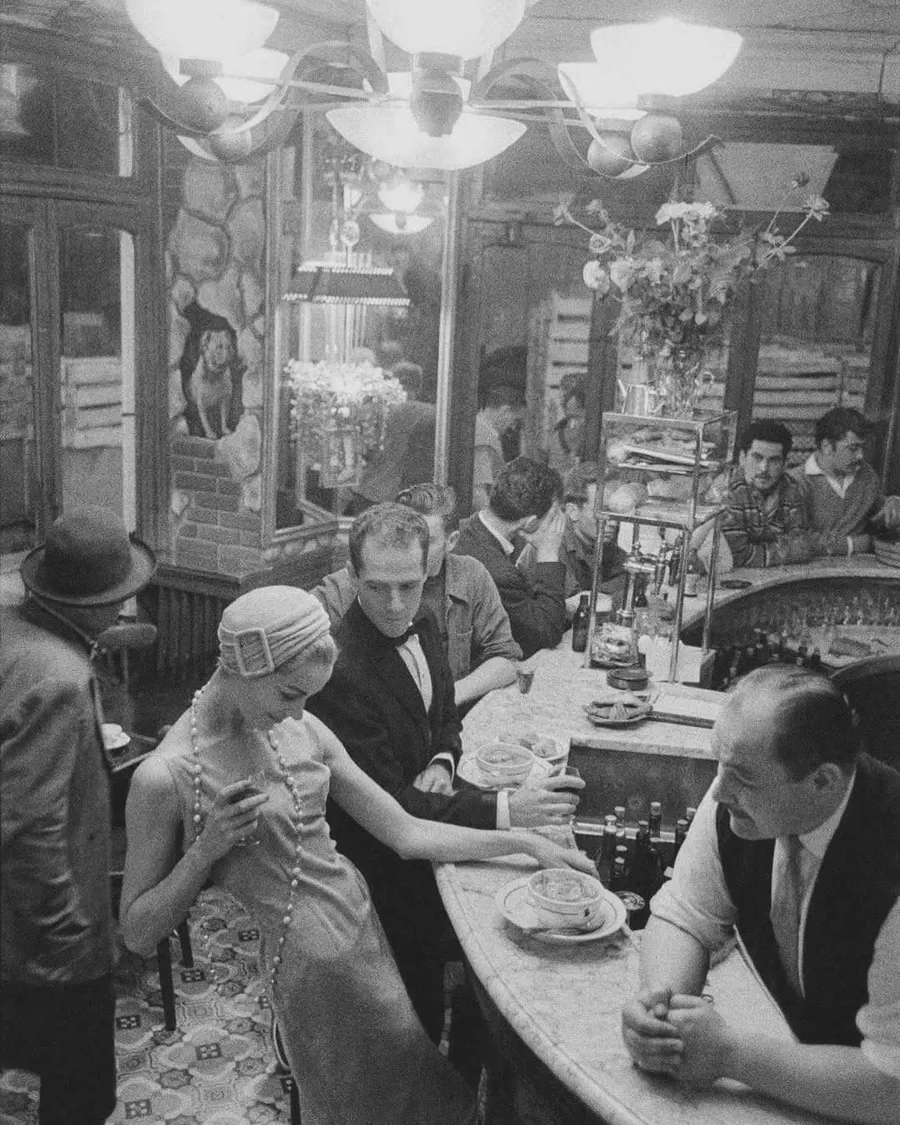
Cafe Life in Paris, 1957
This picture preserves a moment few cameras ever caught — Cafe Life In Paris (1957). Made in 1957, it is the kind of image that turns a date in a history book into something you can actually see.
The 1950s brought a wave of postwar prosperity, especially in North America. Suburbs, television sets, big chrome-trimmed cars, and rock and roll defined the decade, and a booming picture-magazine industry sent photographers to document all of it.
Most photography of the period chased celebrities and headlines, which makes surviving images of daily routine all the more precious. This is what the world actually looked like when nobody thought it was worth remembering.
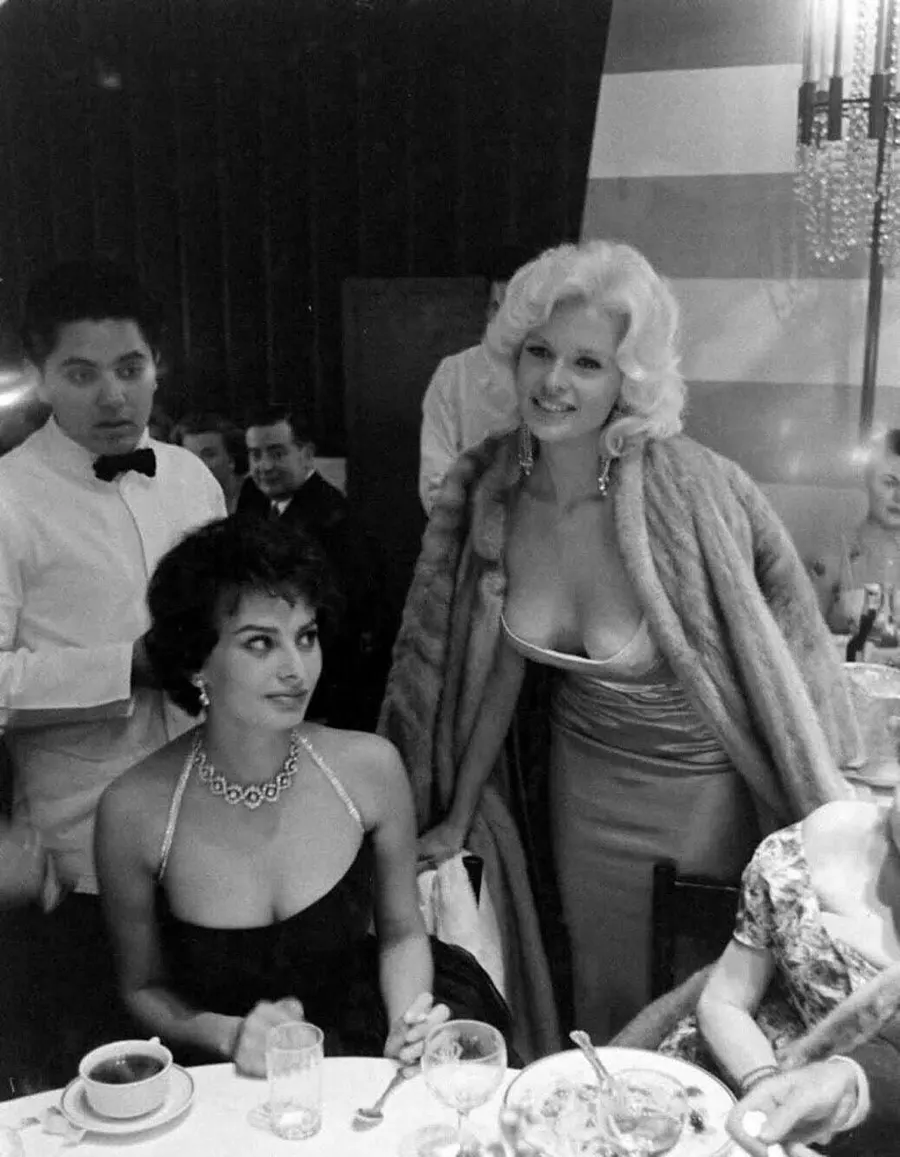
Different Shots of the Sophia Loren, Jayne Mansfield Encounter in 1957
This picture preserves a moment few cameras ever caught — Different Shots Of The Sophia Loren, Jayne Mansfield Encounter In 1957. It was taken in 1957, and like the best archival images it needs almost no explanation — the frame tells its own story.
The 1950s brought a wave of postwar prosperity, especially in North America. Suburbs, television sets, big chrome-trimmed cars, and rock and roll defined the decade, and a booming picture-magazine industry sent photographers to document all of it.
Pictures of ordinary life are some of the most valuable historical documents we have. Grand events were always going to be recorded, but a normal day — how people worked, dressed, shopped, and passed the time — survives only when someone happened to point a camera at it.
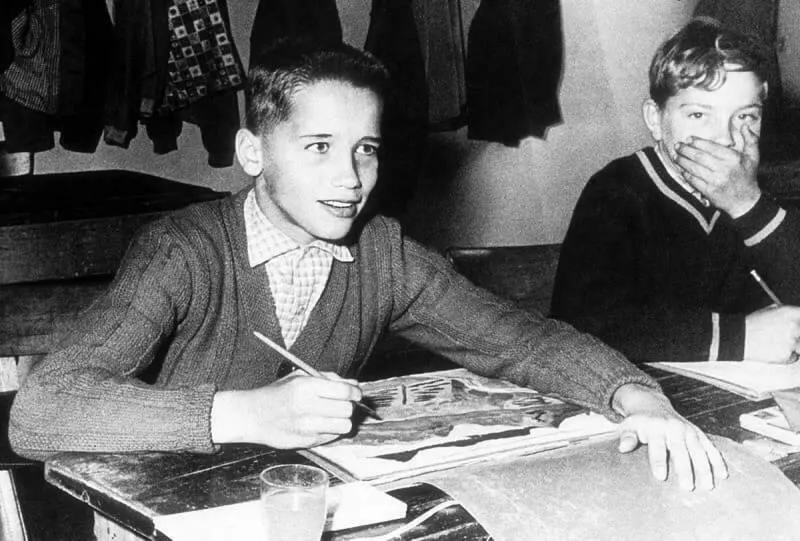
Arnold Schwarzenegger in a Lesson in Secondary School, 1958
The photograph shows Arnold Schwarzenegger In A Lesson In Secondary School, 1958. Made in 1958, it is the kind of image that turns a date in a history book into something you can actually see.
The 1950s brought a wave of postwar prosperity, especially in North America. Suburbs, television sets, big chrome-trimmed cars, and rock and roll defined the decade, and a booming picture-magazine industry sent photographers to document all of it.
Pictures of ordinary life are some of the most valuable historical documents we have. Grand events were always going to be recorded, but a normal day — how people worked, dressed, shopped, and passed the time — survives only when someone happened to point a camera at it.
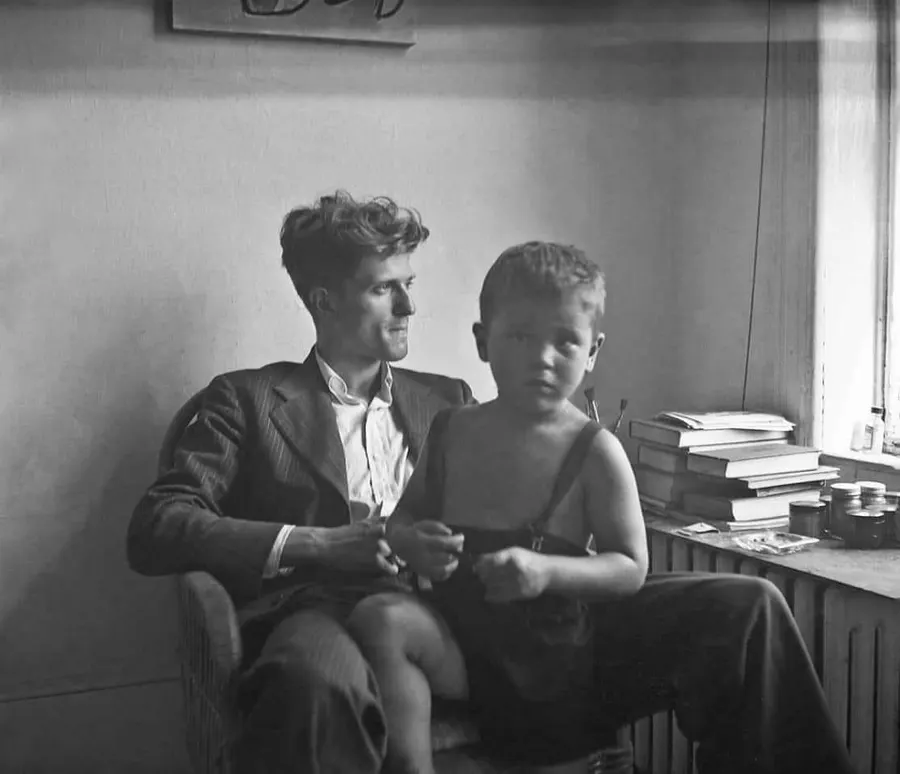
Robert De Niro with his Father, 1946
Captured here: Robert De Niro With His Father (1946). Made in 1946, it is the kind of image that turns a date in a history book into something you can actually see.
The first half of the 1940s was consumed by the Second World War, the largest conflict in human history, and photography went to war with it — small 35mm cameras and wire services meant pictures from the front could reach newspaper readers within days.
What makes everyday photographs like this one compelling is the details at the edges: the clothes, the signs, the tools, the postures. They preserve texture that history books flatten out.
Featured galleries