15 Memorable Places to Travel Around the World
Lisbon, Portugal
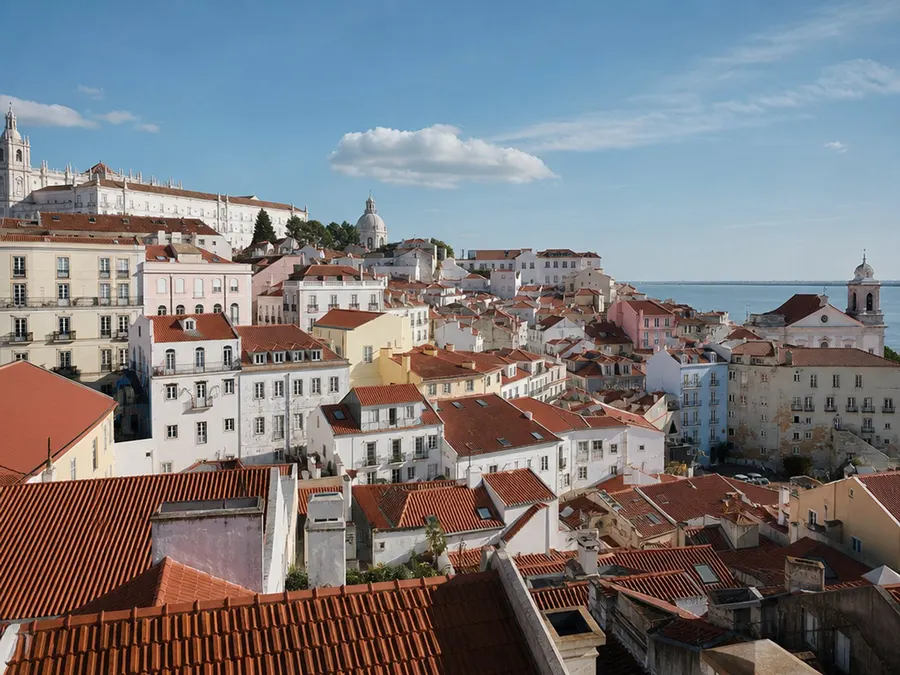
Lisbon combines steep tiled streets, broad river views, neighborhood markets, and quick rail access to nearby coast and palaces. Its hills reward comfortable shoes and realistic timing. Historic trams are useful but crowded, so the metro and ordinary buses can be calmer alternatives.
Québec City, Canada
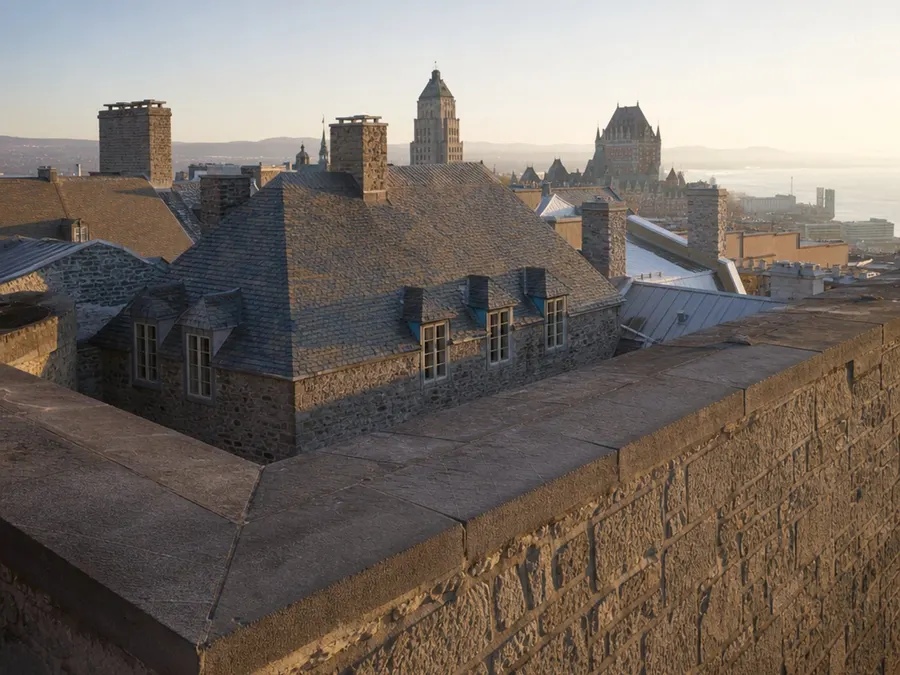
Stone fortifications, river overlooks, and compact streets make Québec City an approachable history-focused break. Winter offers a dramatically different experience from summer, so packing and scheduling matter. Explore beyond the oldest blocks for contemporary food, museums, parks, and French-language culture.
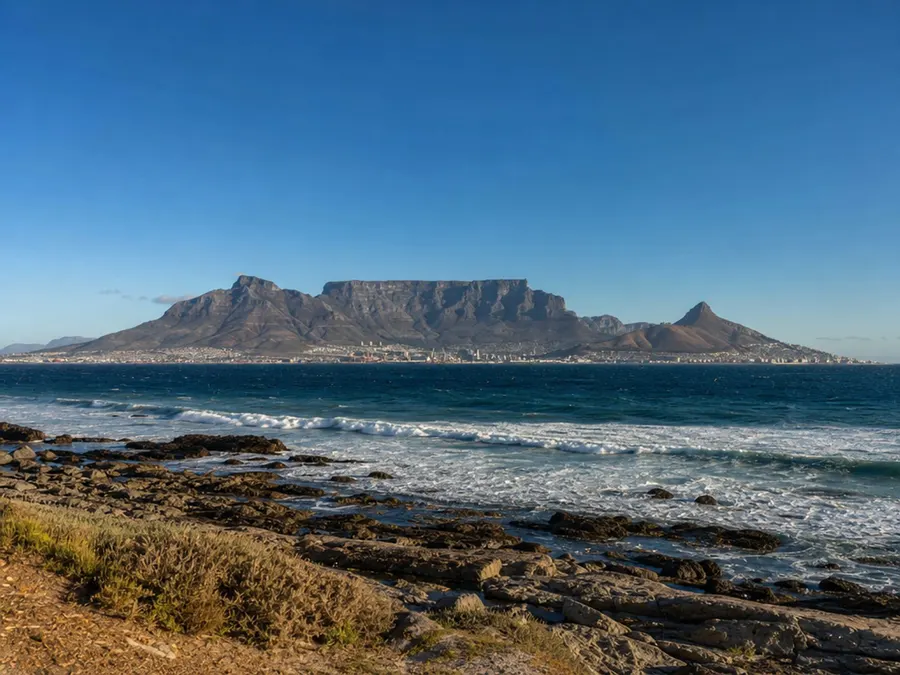
Cape Town, South Africa
Cape Town places mountain, ocean, urban neighborhoods, museums, and wine-country day trips within one region. Weather can close exposed trails and the Table Mountain cableway, so build alternatives into each day. Consult local guidance about transport and personal safety rather than improvising late at night.
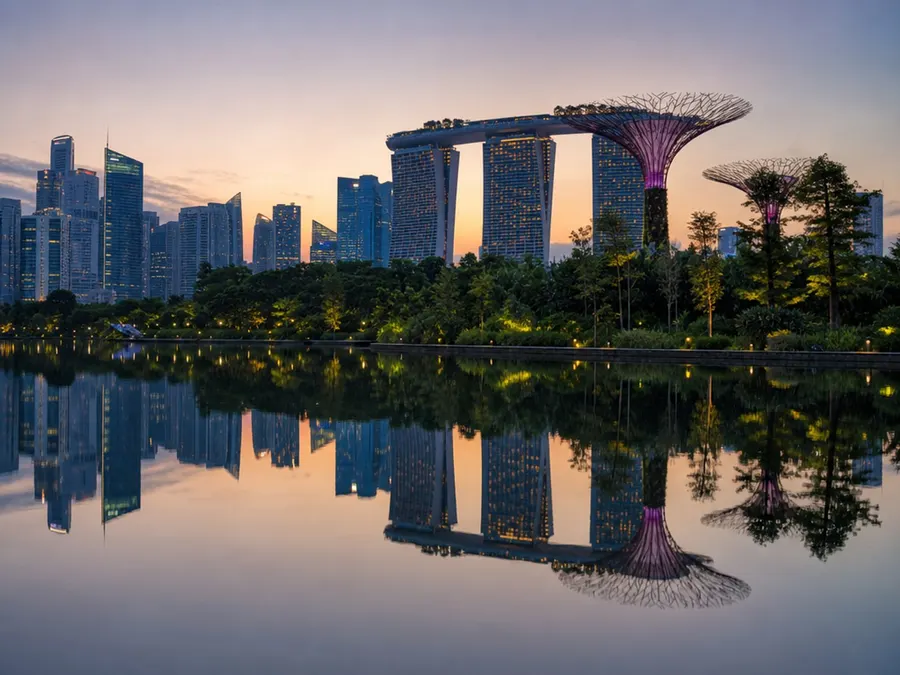
Singapore
Singapore works especially well for travelers who enjoy food, gardens, architecture, and efficient public transport. Hawker centers make it possible to compare regional dishes in one trip, while parks and waterfront walks add breathing room. Heat and sudden rain make light clothing, water, and flexible indoor stops sensible.
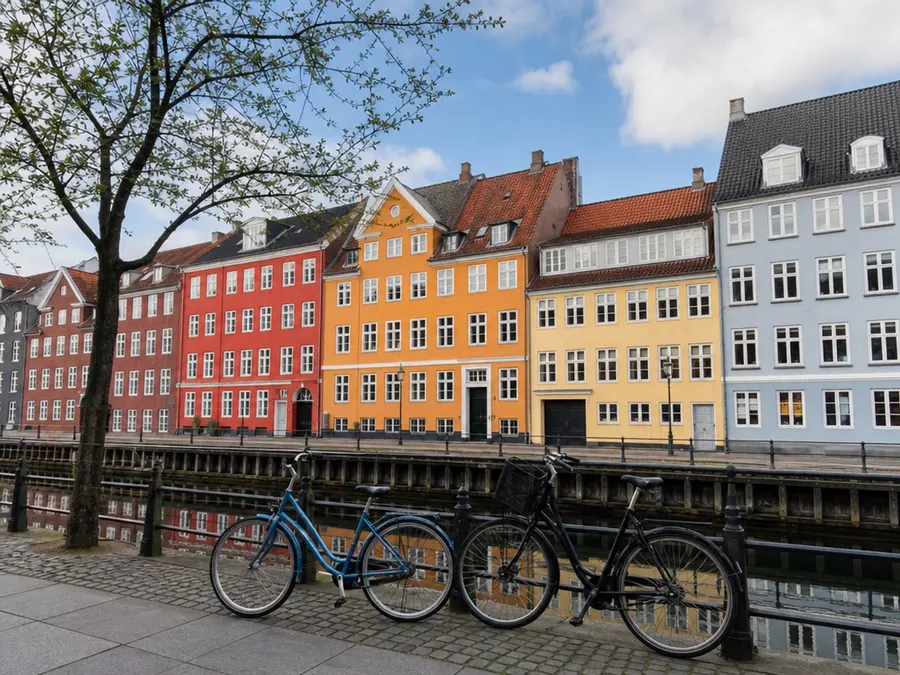
Copenhagen, Denmark
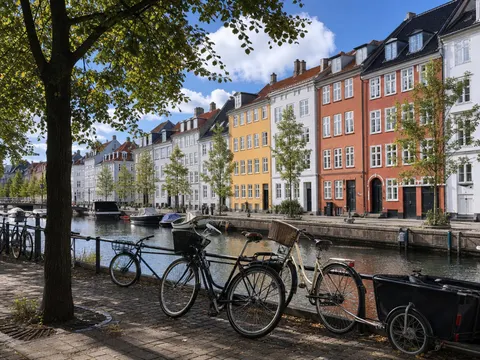
Copenhagen's compact center invites a mix of cycling, walking, design museums, harbor swimming areas, and relaxed meals. Visitors should learn local bicycle-lane rules before riding and choose a properly fitted rental. Short train trips can extend the itinerary to castles, coast, and modern art.
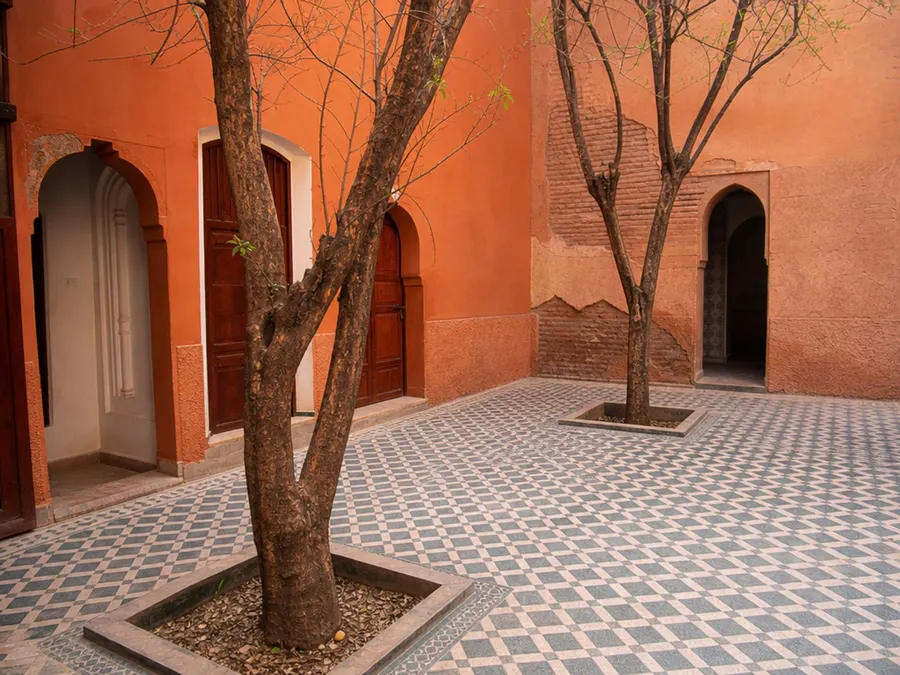
Marrakech, Morocco
Marrakech is a sensory city of courtyards, gardens, workshops, markets, and layered architectural history. A good visit balances the dense medina with quieter spaces and planned rest. Ask permission before photographing people or shops, agree on services clearly, and dress with respect for local norms.
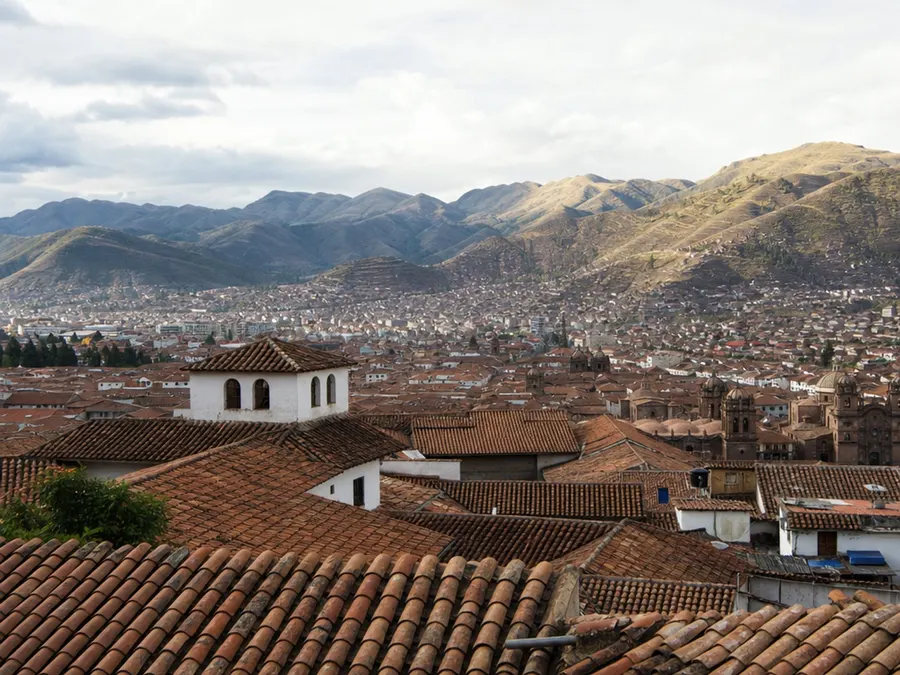
Cusco, Peru
Cusco pairs Inca stonework, colonial-era architecture, markets, and access to the Sacred Valley. Its elevation deserves serious planning: arrive with time to acclimatize and follow medical advice appropriate to you. Book regulated routes and archaeological tickets through official channels rather than relying on street promises.
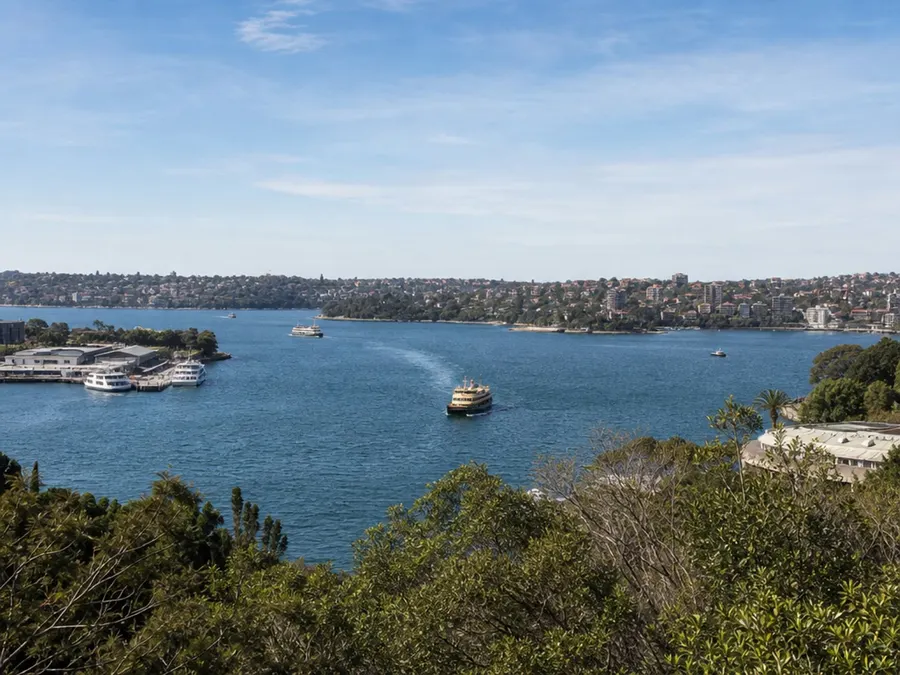
Sydney, Australia
Sydney offers far more than its famous harbor: coastal walks, surf beaches, galleries, diverse neighborhoods, and ferries turn transit into sightseeing. Summer sun and ocean conditions require attention. Swim between patrol flags, check local warnings, and use shade and sun protection during long waterfront days.
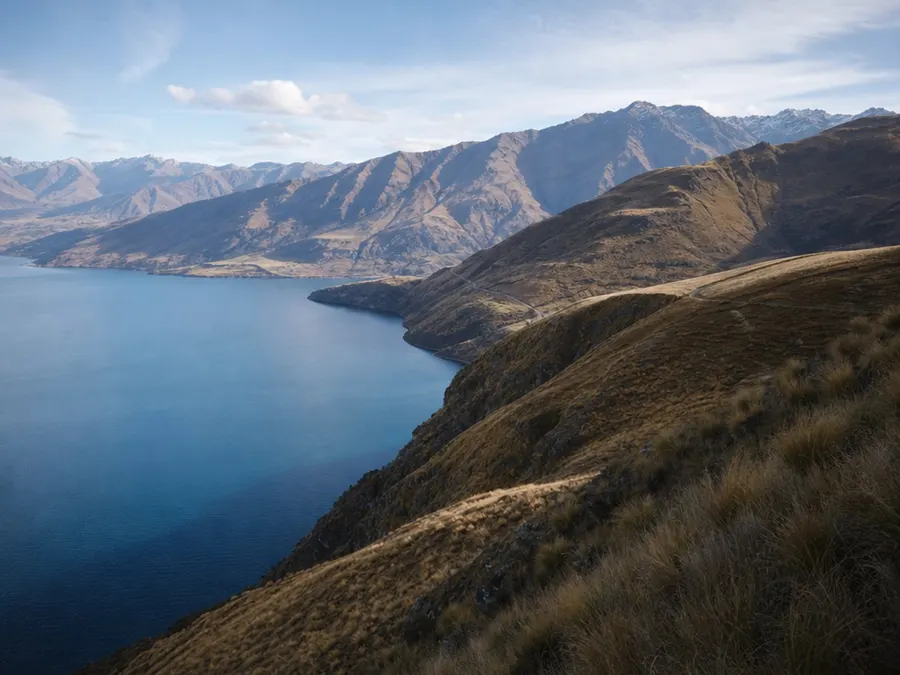
Queenstown, New Zealand
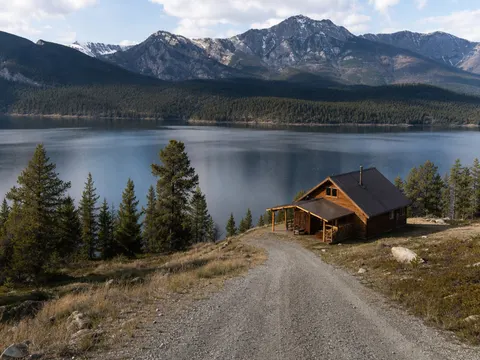
Queenstown is a base for alpine scenery, lake travel, hiking, and organized adventure activities. The same terrain that makes it beautiful also makes weather and road conditions important. Choose licensed operators, match activities to your experience, and keep a lower-intensity lake or food day available.
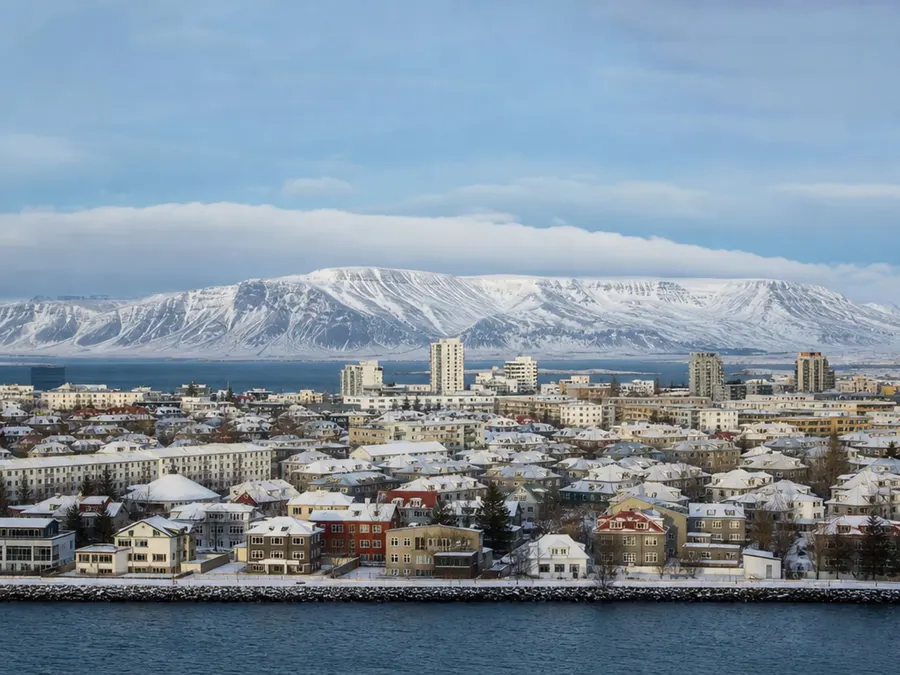
Reykjavík and Southwest Iceland
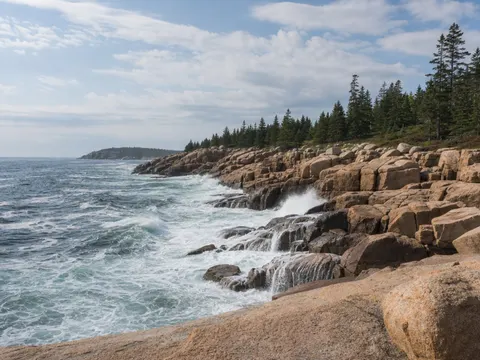
Reykjavík combines a walkable cultural base with access to geothermal landscapes, coastal roads, and volcanic geology. Icelandic conditions can change faster than an itinerary. Check official road and weather services daily, never cross closures, and avoid treating dramatic shorelines as safe viewing platforms.
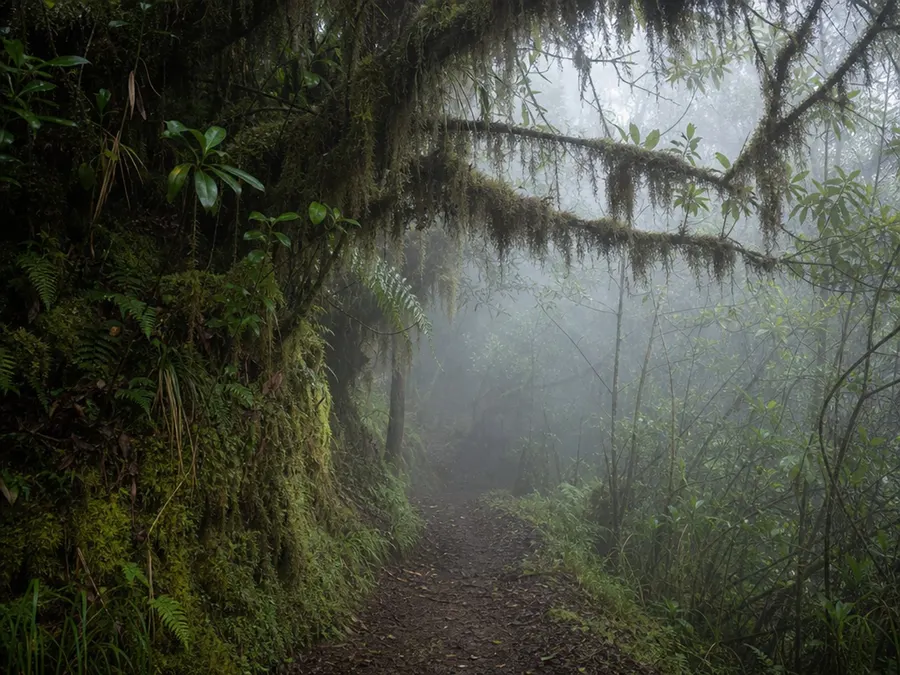
Monteverde, Costa Rica
Monteverde suits travelers interested in cloud-forest ecology, birding, guided night walks, and conservation. It is not a conventional beach stop; mist, mud, and winding roads are part of the experience. Reserve reputable naturalist guides and stay on marked trails to reduce disturbance.
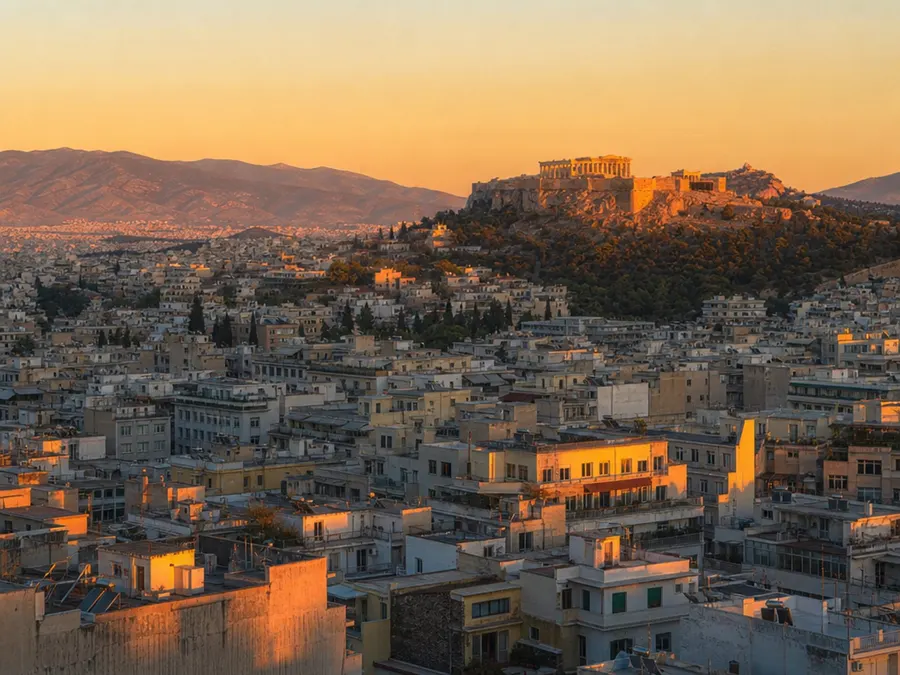
Athens, Greece
Athens layers ancient sites into a living city of markets, galleries, hills, and late meals. Timed entry and early starts can make archaeological visits more comfortable, especially in hot weather. Pair the headline monuments with smaller museums and residential districts reached by metro.
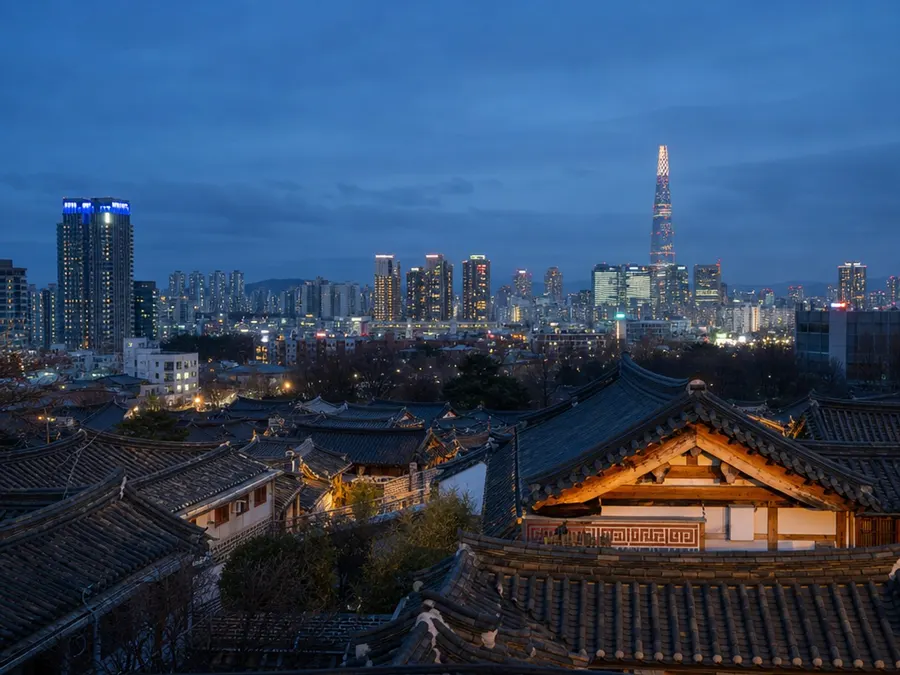
Seoul, South Korea
Seoul moves easily between palace grounds, mountain trails, design districts, markets, and technology-focused neighborhoods. Its extensive transit system makes themed days practical. Observe posted rules at heritage sites, carry a transit-friendly payment option, and allow extra time for huge station interchanges.
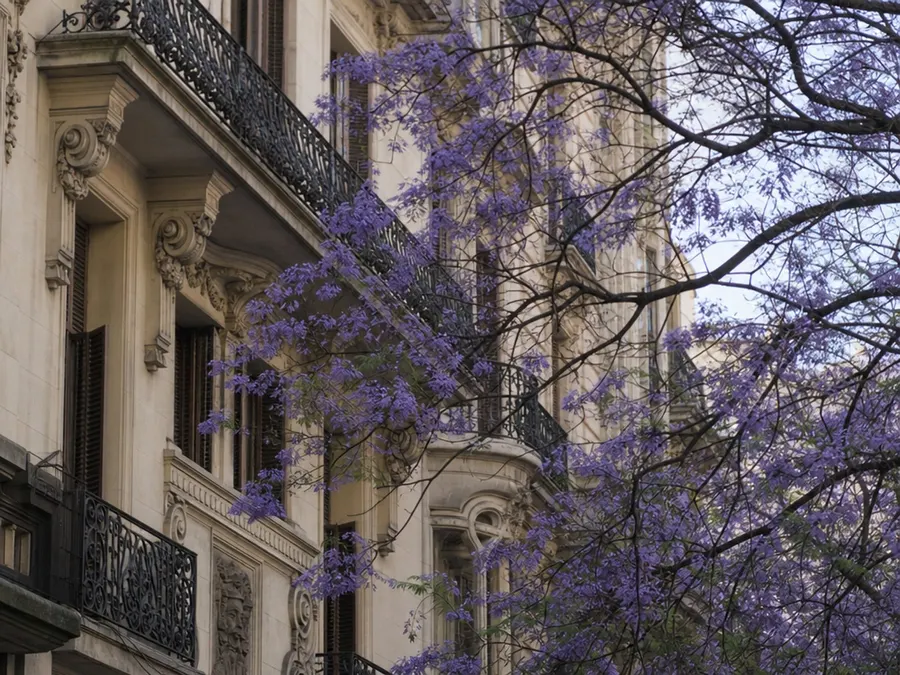
Buenos Aires, Argentina
Buenos Aires is built for travelers who like architecture, bookshops, parks, football culture, cafés, and performances. Neighborhoods feel distinct, so a trip benefits from clustering rather than crossing the city repeatedly. Use current official transport and safety guidance, and reserve prominent shows through recognized venues.
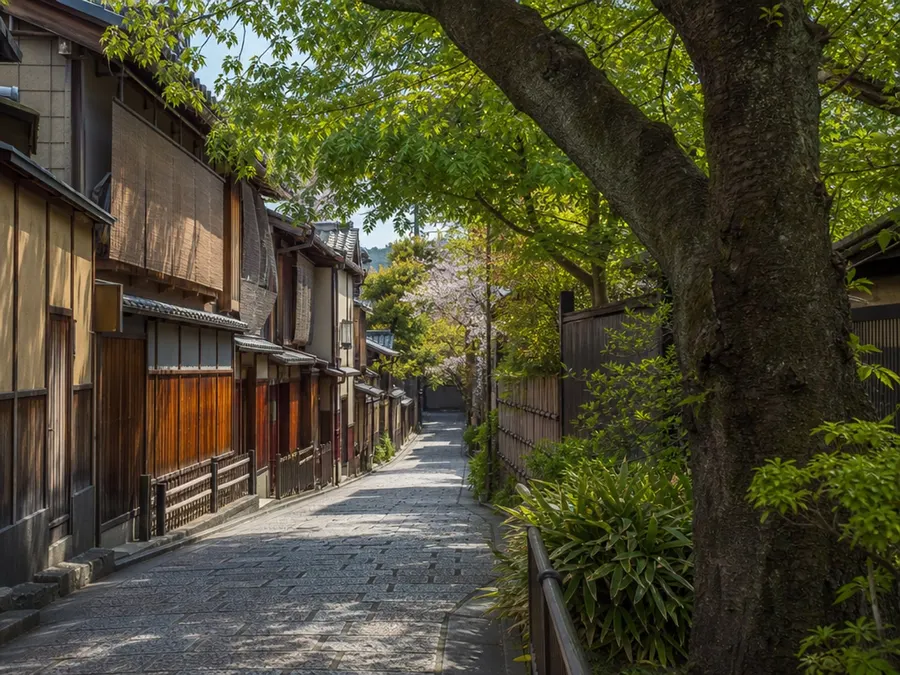
Kyoto, Japan
Kyoto rewards travelers who slow down. Historic temple precincts, gardens, traditional craft districts, and seasonal walks create a trip built around detail rather than spectacle. Use the city's official etiquette guidance, reserve limited-entry attractions early, and leave room for neighborhood wandering by rail and on foot.
Featured galleries