How Airports Support Large VIP Aircraft
Pavement Strength and Loading
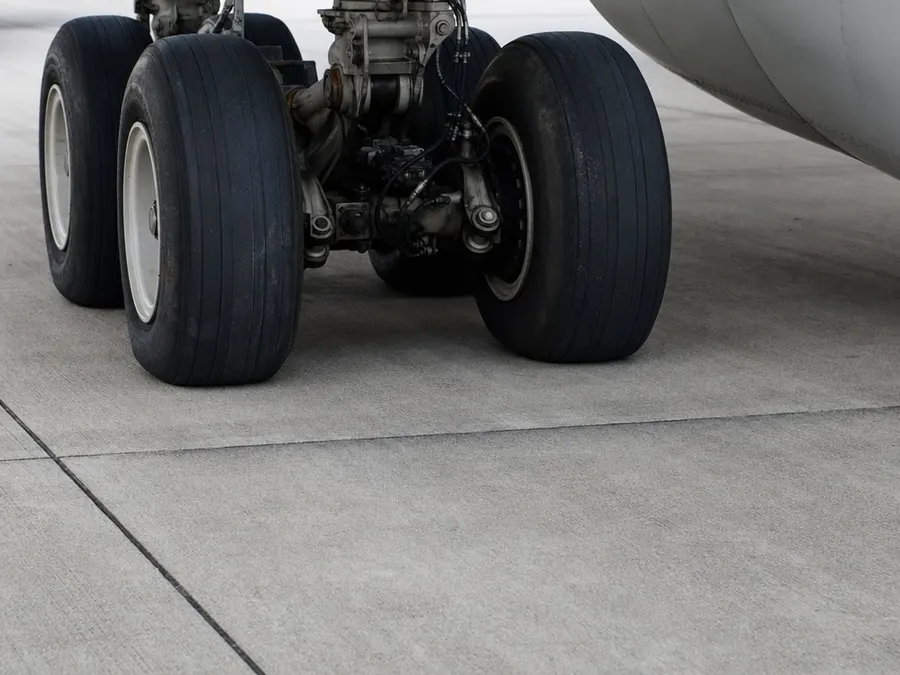
The Federal Aviation Administration (FAA) offers guidance resources covering airport engineering, design, and construction. These tools and advisory circulars help planners evaluate airfield infrastructure, which includes pavement and structural considerations. Airport authorities can utilize these design tools to analyze airfield capacity and construction needs. Accessing official engineering databases helps ensure local facilities meet appropriate design standards.
Aircraft Rescue and Firefighting
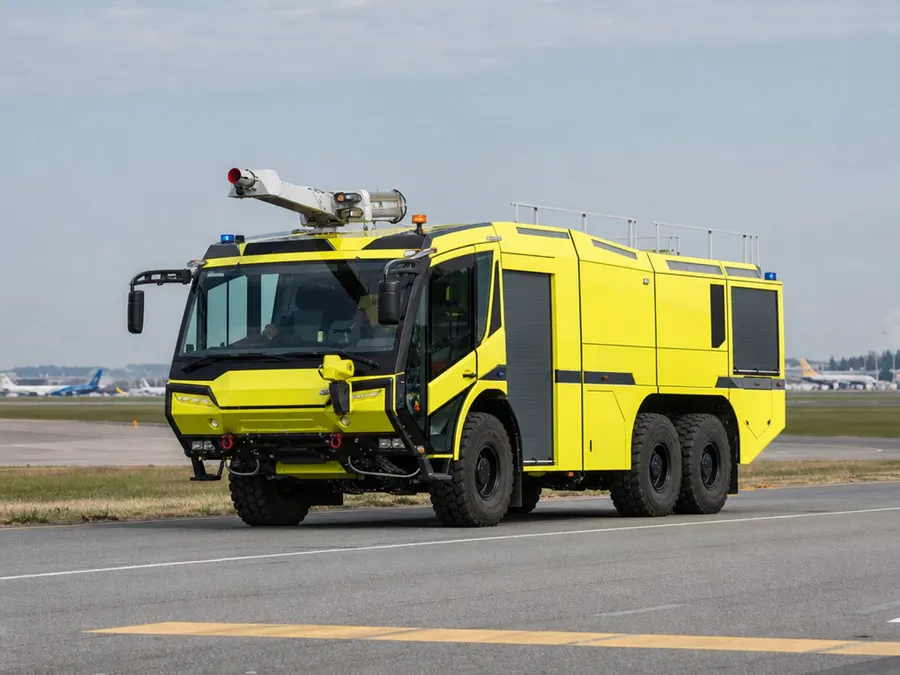
The Federal Aviation Administration (FAA) provides resources dedicated to airport safety and airport compliance. These programs help local operators manage safety standards and certification requirements for various airfield activities. Planners can consult these safety resources when evaluating emergency preparedness and airport certification levels. Utilizing these official guidelines helps airports maintain compliance with federal safety regulations.
Ground Handling and Support
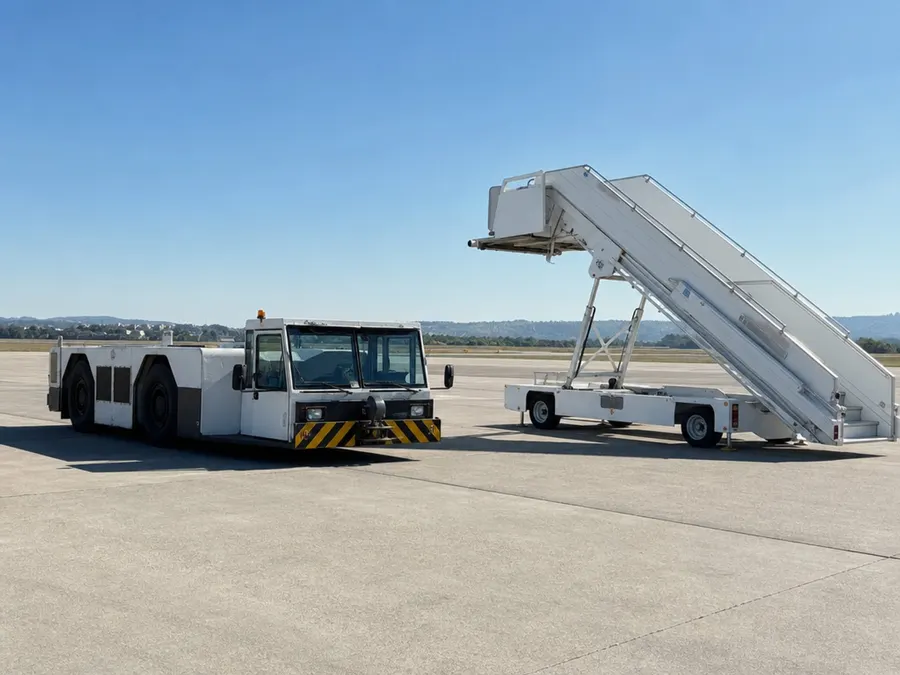
The presidential aircraft, known as Air Force One when carrying the President, consists of highly customized Boeing 747-200B series aircraft. These aircraft, designated as VC-25A, feature extensive interior space totaling 4,000 square feet across three levels. Ground operations for such large aircraft require careful coordination to accommodate their massive scale. Official resources describe these specialized transports as fully equipped mobile command centers during travel.
Gate and Apron Clearance
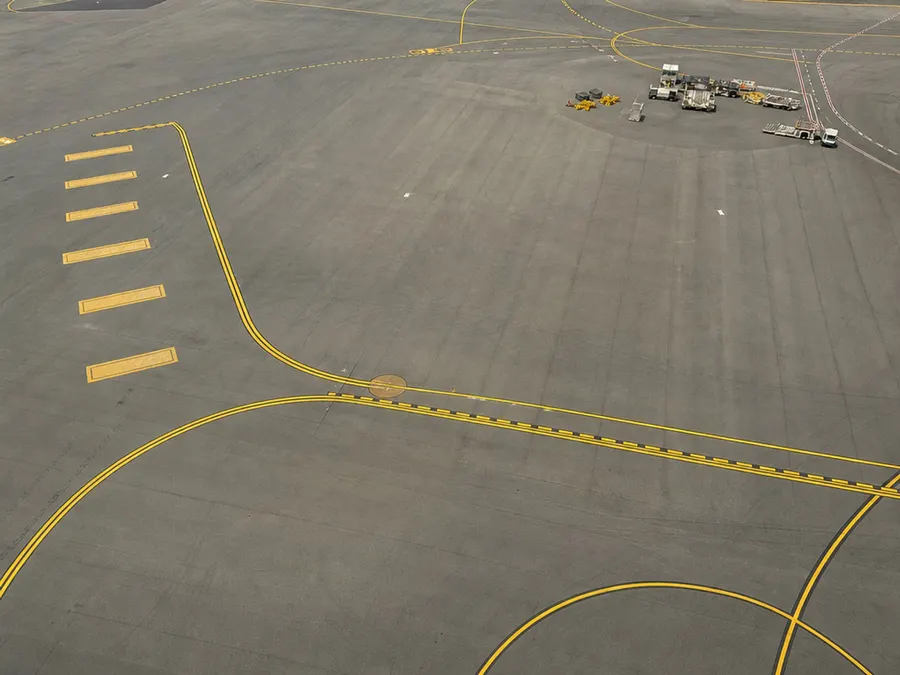
Evaluating gate and apron clearance is a key component of airfield planning and design. The Federal Aviation Administration (FAA) provides design tools, drawings, and advisory resources to assist with spatial planning on the airfield. These materials help airport engineers map out safe distances and manage layout logistics for diverse aircraft types. Planners can access these official resources to support local airport design projects.
Fueling and Auxiliary Power
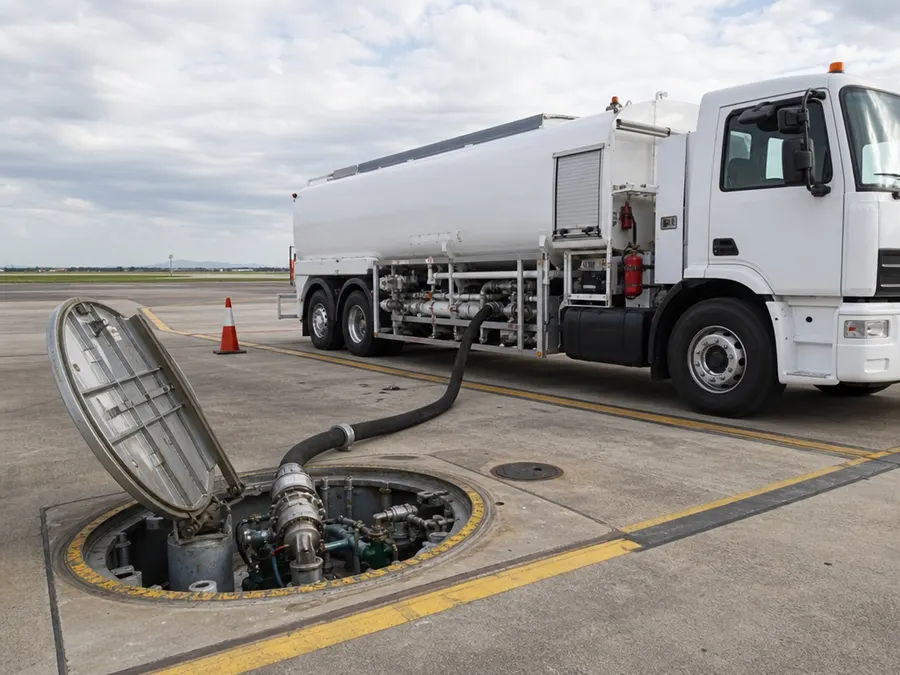
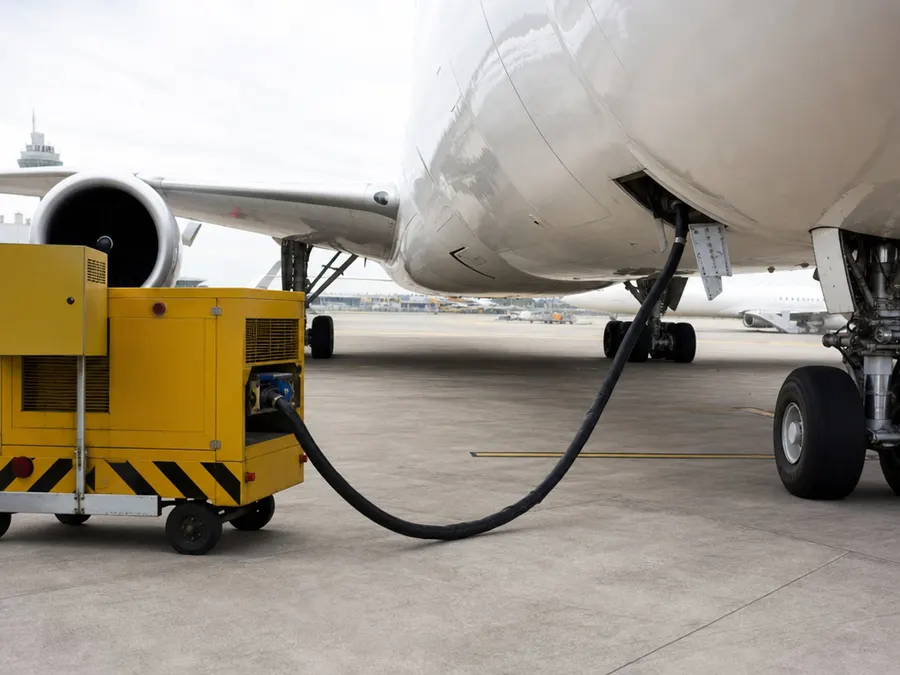
Certain prominent VIP aircraft, such as the presidential VC-25A, possess the capability to refuel midair, granting them unlimited range. This capability allows the aircraft to transport the President anywhere in the world on a moment's notice. While on the ground, these large aircraft have significant power and support needs to maintain their advanced systems. Ground crews must coordinate closely with airport operators to manage fuel and utility requirements.
Airspace Coordination
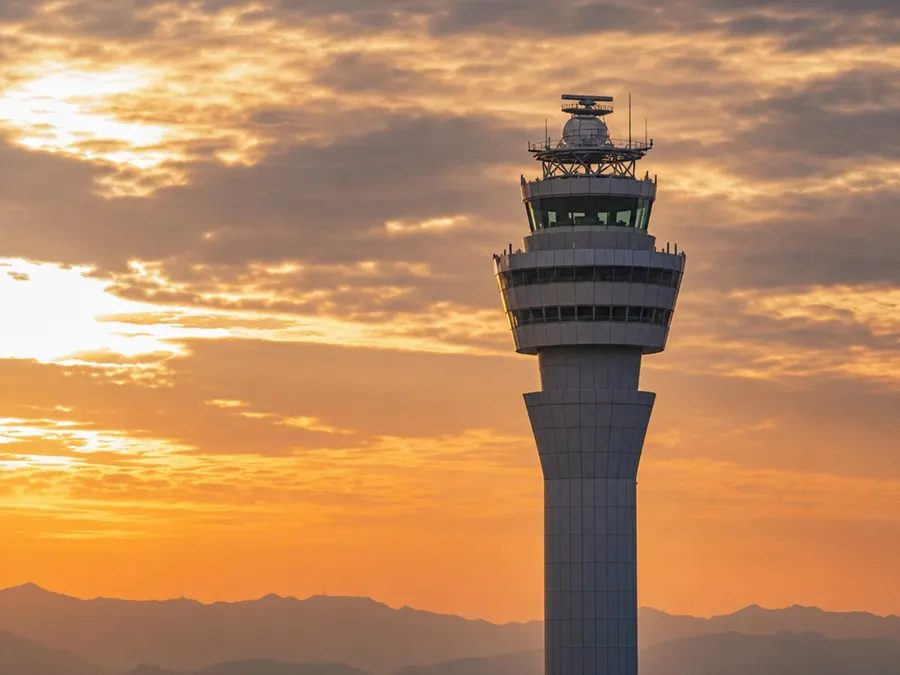
The Federal Aviation Administration (FAA) oversees the National Airspace System and coordinates air traffic rules. Its online platforms provide information on air traffic plans, publications, and temporary flight restrictions. These coordination tools help manage airspace safety and traffic flow during special flight operations. Airspace users can access these official resources to stay informed about temporary restrictions and routing adjustments.
Deicing and Winter Operations
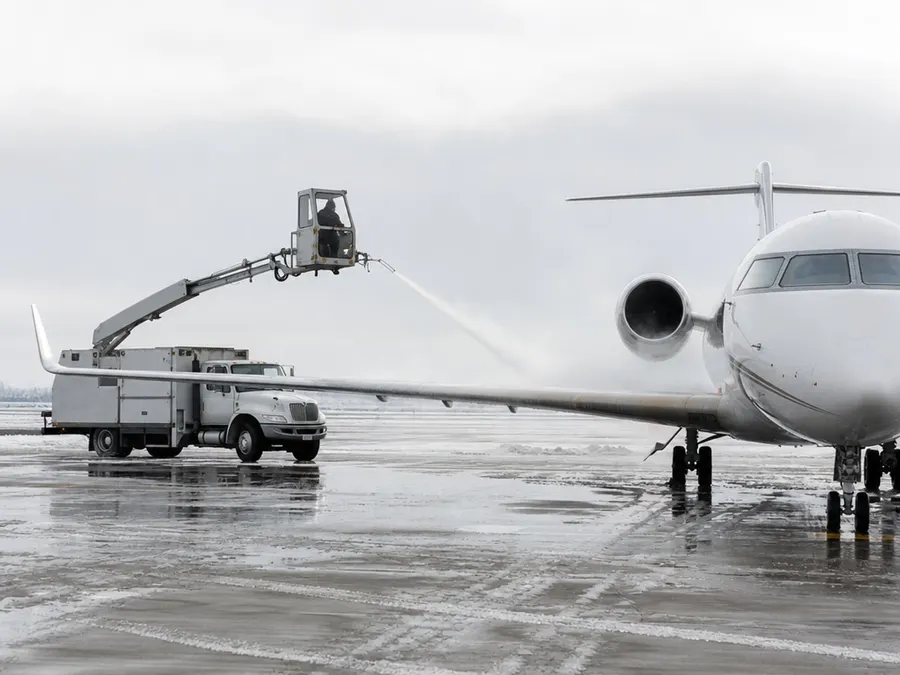
Winter operations and airfield maintenance require adherence to strict engineering and safety standards. The Federal Aviation Administration (FAA) provides comprehensive design tools, drawings, and safety resources to help airports plan their infrastructure. These materials support local authorities in designing safe, compliant operational areas for all weather conditions. Airport managers can utilize these resources to review standard design practices for airfield safety.
Obstruction Evaluation
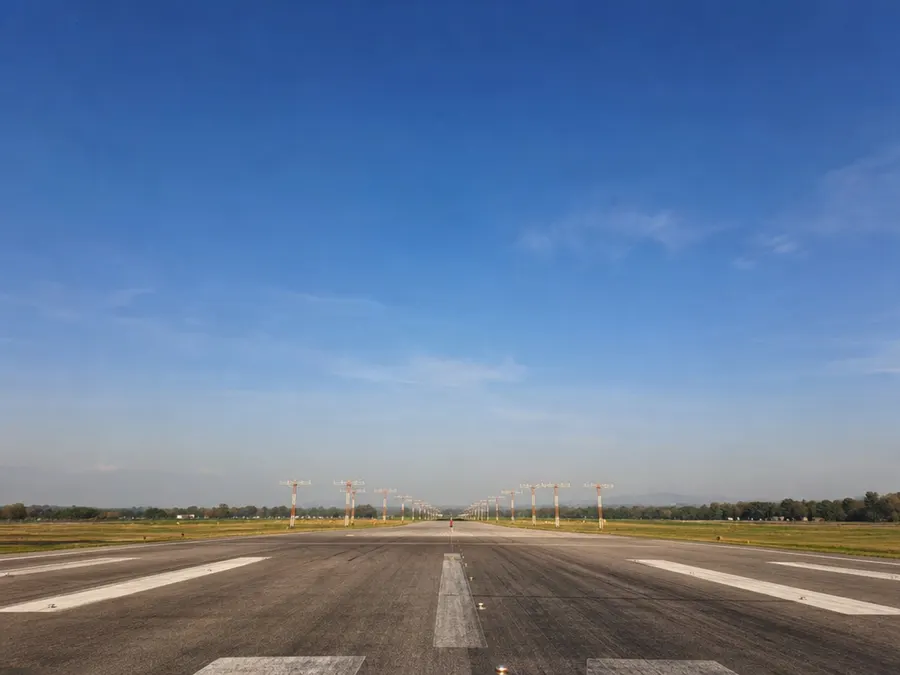
Maintaining clear approach paths is essential for safe airfield operations and landing procedures. The Federal Aviation Administration (FAA) provides resources for obstruction evaluation to help identify potential hazards near runways. Airport planners and developers use these official tools to assess structures and maintain safety compliance. Accessing these databases helps local authorities evaluate potential obstructions in the surrounding airspace.
Onboard Communications and Power
The presidential VC-25A is equipped with advanced secure communications equipment to ensure continuous connectivity. These systems allow the aircraft to function as a mobile command center, even in the event of an attack. Additionally, the onboard electronics are specially hardened to protect against electromagnetic pulses. Maintaining these secure systems requires coordination with specialized technicians and ground support networks.
Passenger and Baggage Logistics
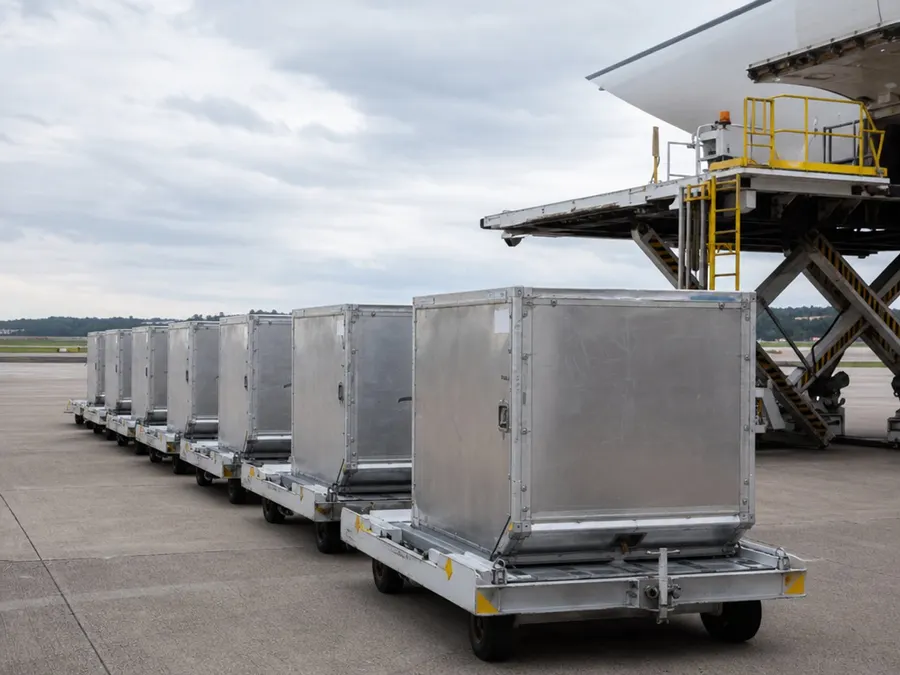
The interior of the presidential VC-25A features 4,000 square feet of floor space distributed across three levels. This customized layout includes an extensive suite for the President with a large office, a lavatory, and a conference room. It also features a dedicated medical suite to support the President and travel companions. These onboard facilities reduce reliance on standard terminal amenities during transit.

Temporary Operational Planning
Planning for specialized aircraft operations involves coordination with federal guidelines and local airport management. The Federal Aviation Administration (FAA) offers resources on planning, capacity, and airport compliance to assist operators. These tools help local authorities manage capacity demands and maintain regulatory alignment during unique visits. Utilizing these planning resources helps ensure that temporary operations run smoothly and safely.
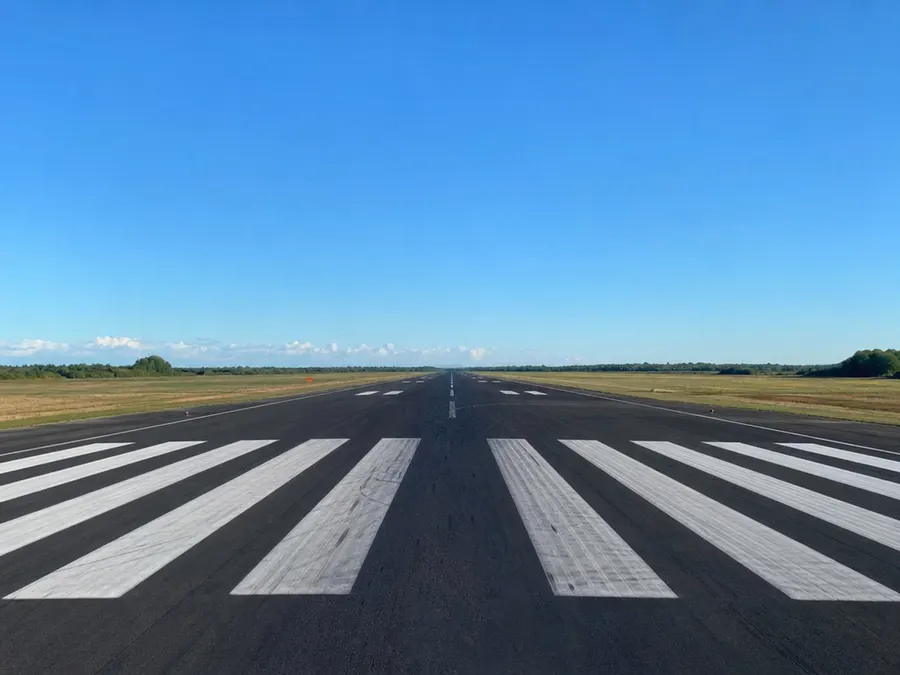
Runway and Taxiway Dimensions
Airport planners utilize design resources and advisory tools to evaluate runway and taxiway configurations. The Federal Aviation Administration (FAA) provides specialized airport design tools, videos, and drawings to assist with these engineering assessments. These resources support the planning of airfield layouts, which may help accommodate various aircraft sizes. Operators can access these design resources to review standards relevant to airfield infrastructure.
Featured galleries