The 15 Largest Economies by 2024 GDP

China — about $18.7 trillion
China ranks second at market exchange rates and first in the World Bank's total-GDP PPP series. That contrast shows why units matter: current dollars reflect currency conversion, while PPP adjusts for comparative prices. Neither total reveals the typical resident's income.

Germany — about $4.69 trillion
Germany is third in the 2024 current-dollar observations and the largest European economy in this measure. Manufacturing and services both contribute, while euro–dollar movement affects the converted value. European Union output should not be inserted as a country row.

Japan — about $4.03 trillion
Japan ranks fourth, narrowly ahead of India in current dollars for 2024. Exchange-rate weakness can reduce the dollar value even when domestic prices and production follow different paths. A rank change therefore needs decomposition, not a simple story of national success or failure.
India — about $3.91 trillion
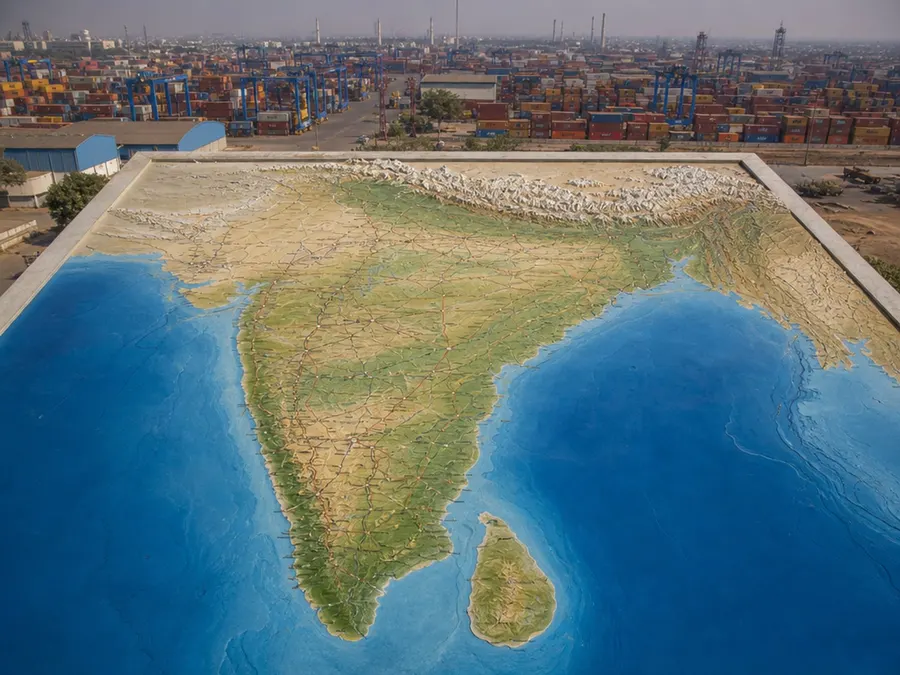
India is fifth in current dollars but much higher in PPP-adjusted total output, reflecting its population and lower comparative price level. Fast aggregate growth can coexist with large per-capita and regional gaps. The total should not be presented as a household prosperity measure.

United Kingdom — about $3.69 trillion
The United Kingdom ranks sixth. Services are prominent, but GDP includes the full range of domestic production. Currency movements matter because the source converts pounds to current U.S. dollars. Country totals and the economies of England, Scotland, Wales, and Northern Ireland should not be mixed.

France — about $3.16 trillion
France is seventh in the 2024 table. Public services counted under national-account conventions, private services, industry, and agriculture all contribute. Tourism visibility should not be confused with its entire economy, and euro conversion affects comparisons with non-euro countries.

Italy — about $2.38 trillion
Italy ranks eighth. Its output spans advanced manufacturing, services, agriculture, and many small and midsize firms; a tourism-only picture is incomplete. Regional economic differences are substantial, so the national total cannot describe local wages or opportunity.

Canada — about $2.24 trillion
Canada is ninth, narrowly above Brazil in this vintage. Natural resources, services, construction, manufacturing, and government production all matter. A large land area and resource endowment are inputs, not GDP themselves; only measured production during the year enters the flow.

Brazil — about $2.19 trillion
Brazil completes the top ten. Agriculture and mining are globally visible, yet services represent a large share of modern output. Exchange rates can move Brazil sharply in a current-dollar table, making multi-year real-growth analysis more informative than rank alone.

Russia — about $2.17 trillion
Russia ranks eleventh in the World Bank 2024 current-dollar series. Sanctions, exchange rates, energy prices, wartime production, and data comparability make interpretation especially sensitive. GDP can rise from activity that does not improve civilian welfare, so the total is not a wellbeing score.

South Korea — about $1.88 trillion
South Korea is twelfth. Advanced manufacturing, technology, trade, and services support a large economy relative to population. The national figure should not be substituted for corporate market capitalization, export value, or household income, which use different boundaries.
Mexico — about $1.85 trillion
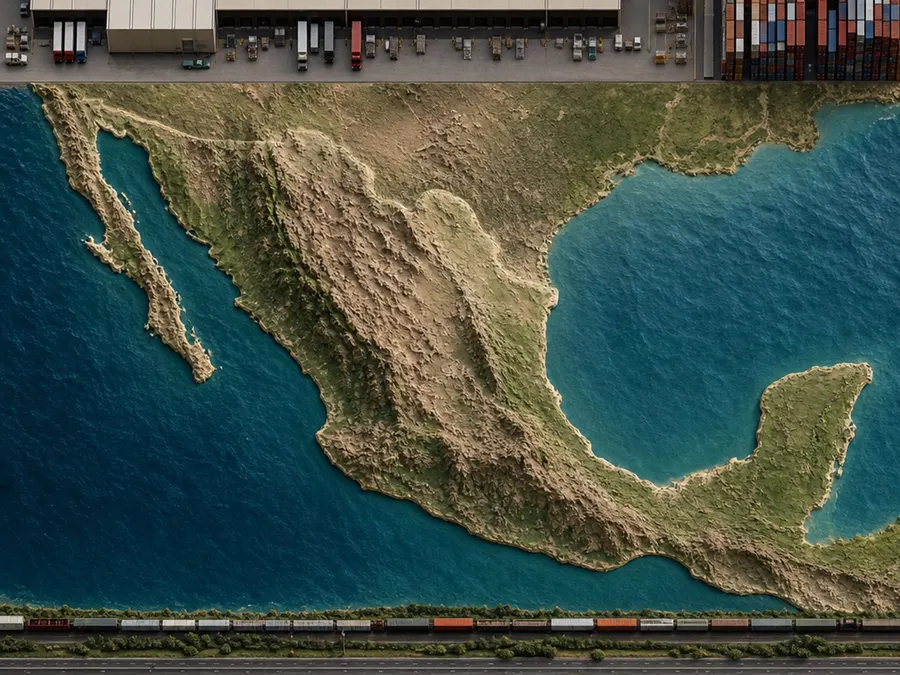
Mexico ranks thirteenth. Manufacturing supply chains, services, energy, agriculture, and tourism all contribute, with close trade links to North America. National GDP cannot show the sharp differences among border states, industrial corridors, major metros, and southern regions.

Australia — about $1.76 trillion
Australia is fourteenth in 2024 current dollars. Mining exports are important, but services and domestic activity also form most of the economy. Commodity prices and the Australian dollar can shift the current-dollar total independently of changes in real production volume.

Spain — about $1.73 trillion
Spain completes the top 15. Tourism is prominent but does not define the full economy, which also includes manufacturing, construction, public services, and other private services. As with France, Germany, and Italy, euro exchange rates influence its dollar-denominated rank.

United States — about $28.8 trillion
The United States leads the current-dollar table. Its position reflects a vast consumer market, services, manufacturing, government production, and market exchange rates. The number is annual domestic output, not the federal budget, stock-market value, or household net worth.
Featured galleries