15 U.S. Cities for Different Travel Styles
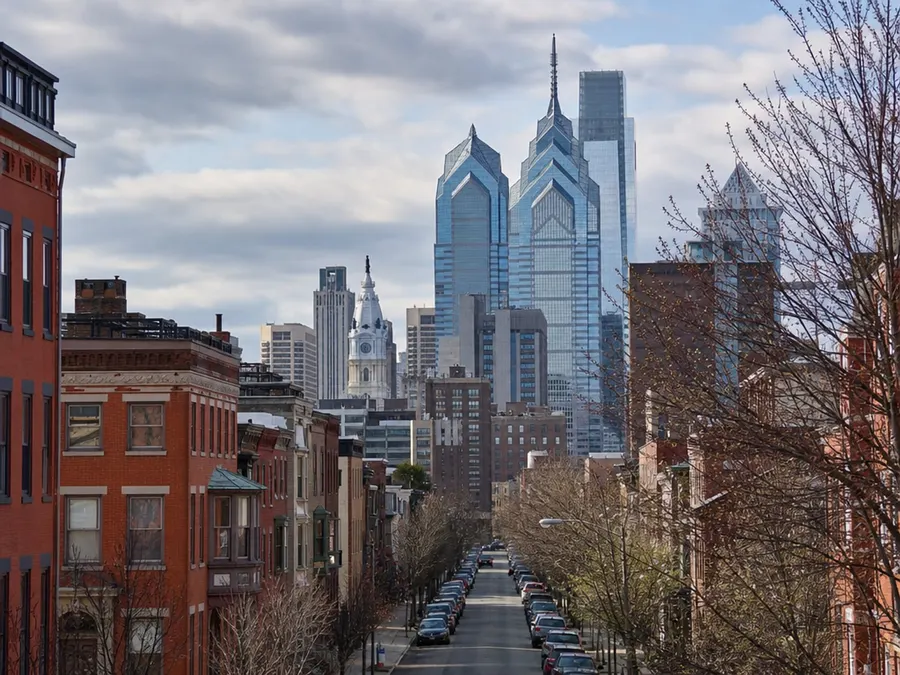
Philadelphia, Pennsylvania
Philadelphia brings national history, public art, markets, major museums, and deeply rooted neighborhoods into a walkable central area. Look beyond one famous sandwich. Use locally led history, reserve high-demand sites, and check transit or street closures around large events.
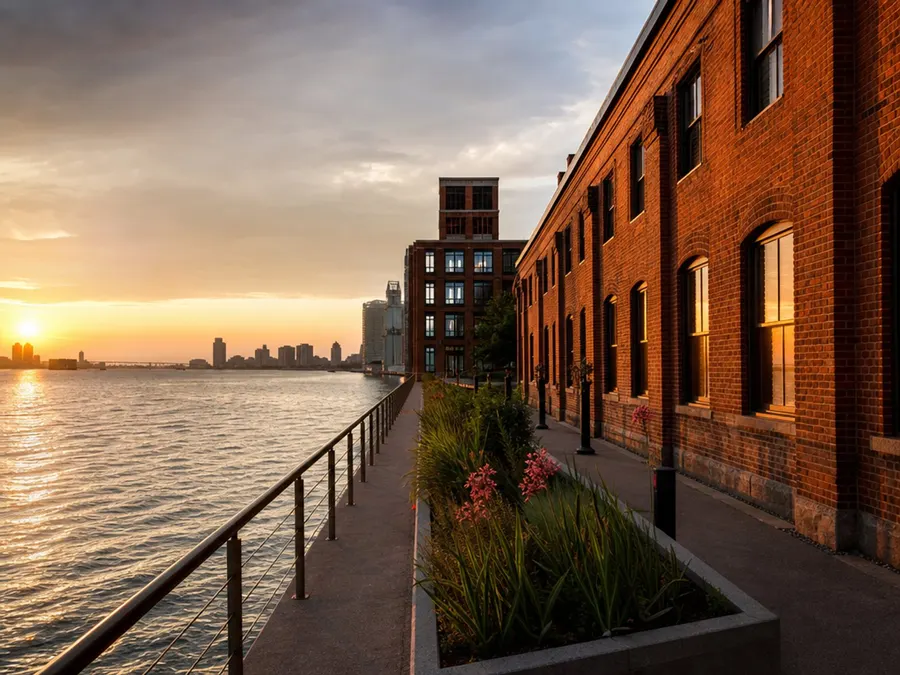
Detroit, Michigan
Detroit's music history, architecture, automotive heritage, art, and growing riverfront reward an informed itinerary. Distances can make a car or planned rides useful. Choose community-grounded tours, verify museum hours, and avoid framing lived neighborhoods only through decline or comeback clichés.
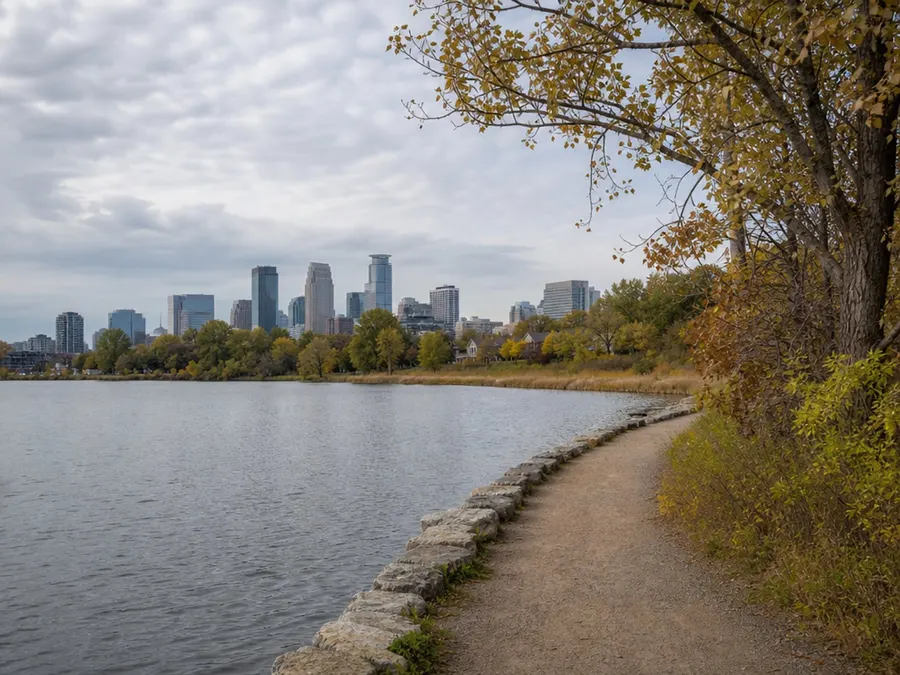
Minneapolis, Minnesota
Lakes, bike routes, theaters, museums, food markets, and the Mississippi riverfront give Minneapolis a strong urban-outdoor balance. Seasons transform the experience. Check trail and weather conditions, plan winter clothing seriously, and explore beyond enclosed shopping destinations.
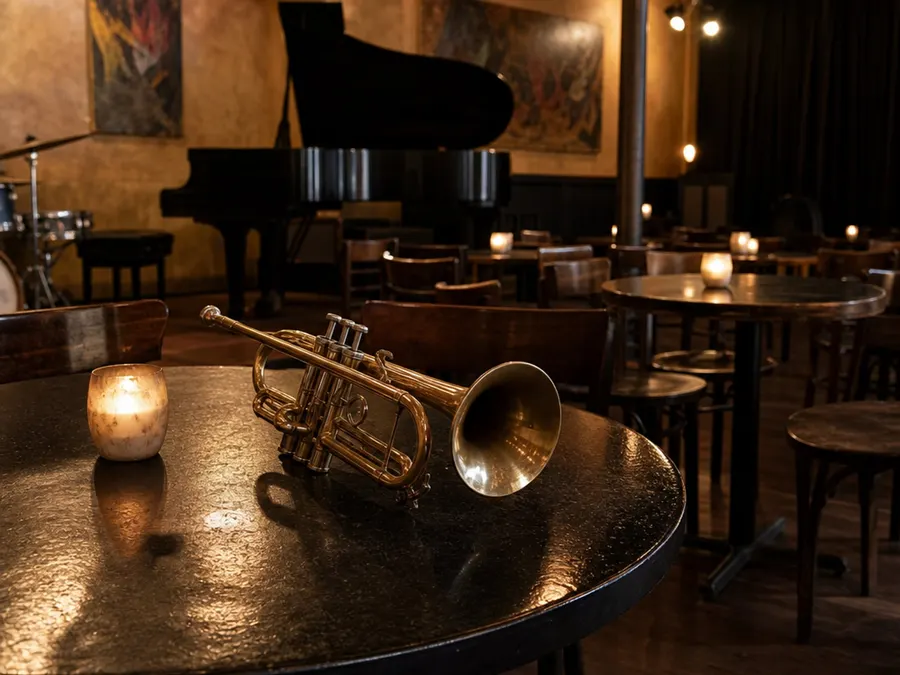
Kansas City, Missouri
Kansas City connects jazz, barbecue traditions, museums, fountains, and distinct districts. Responsible visits compare local styles without declaring one restaurant definitive. Reserve performances, use planned transportation between spread-out areas, and seek the history behind both music and food.
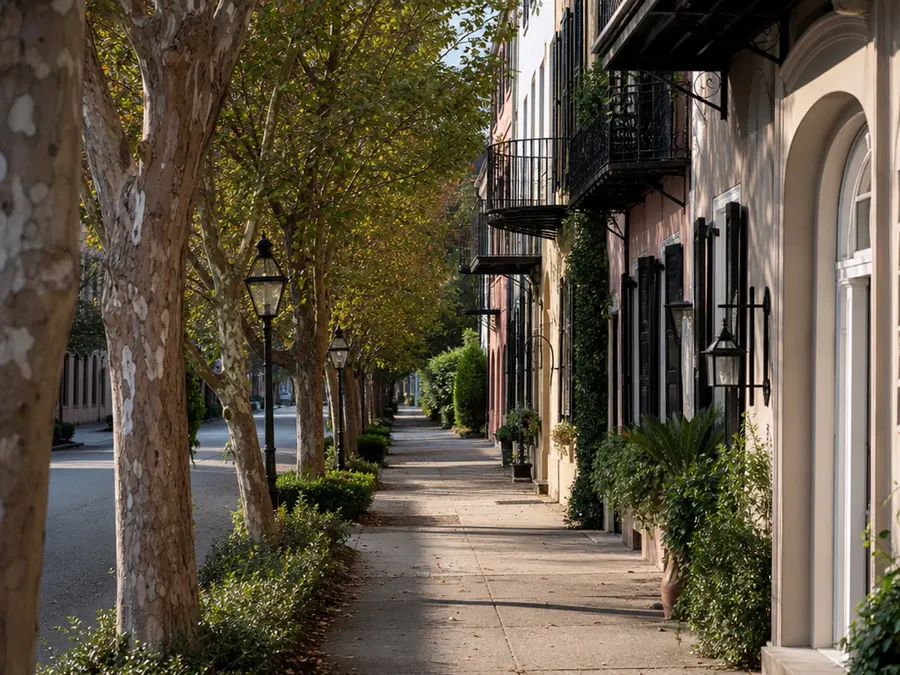
Charleston, South Carolina
Charleston's architecture, harbor, foodways, and nearby coast sit alongside histories of slavery that deserve direct treatment. Choose sites that center documented perspectives, respect residential streets, and plan for heat, storms, cobbles, and seasonal flooding rather than seeking only decorative photographs.
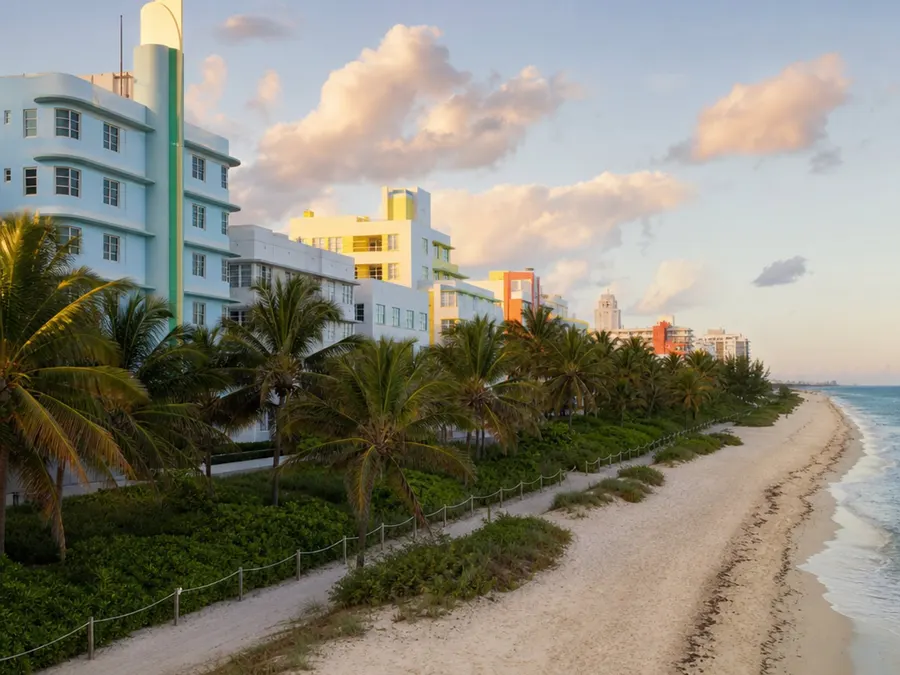
Miami, Florida
Miami combines Caribbean and Latin American cultures, modern art, beaches, architecture, and wetland access. Heat, storms, water conditions, and traffic influence every plan. Learn neighborhood context, use lifeguarded beaches, and book environmental excursions with reputable operators.
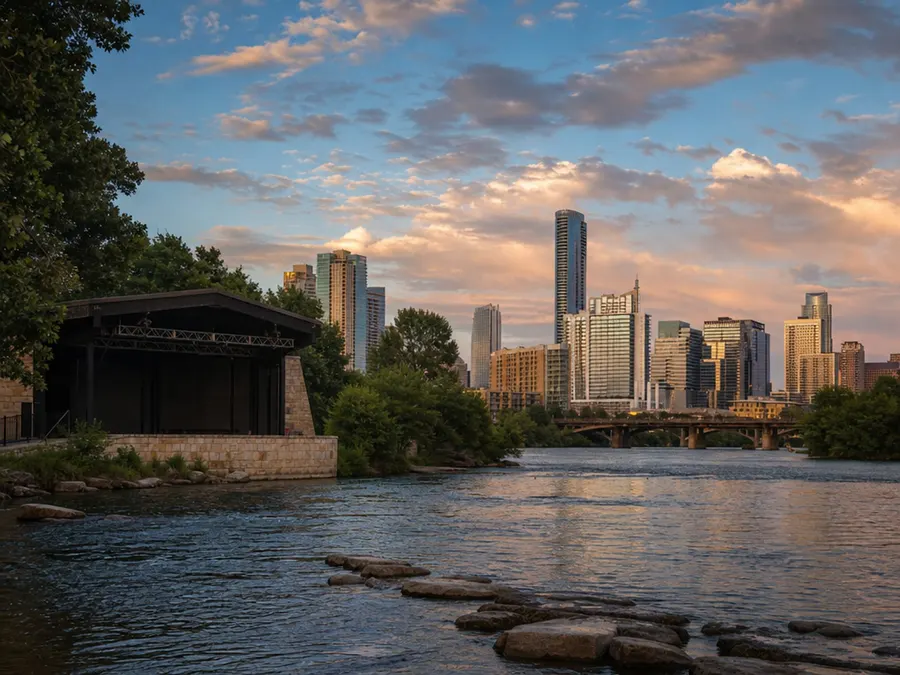
Austin, Texas
Live music, food, swimming areas, trails, and creative businesses give Austin an informal rhythm, but heat and major events can dominate logistics. Check water access and quality, protect hearing, reserve popular shows, and support local venues rather than chasing a single slogan.
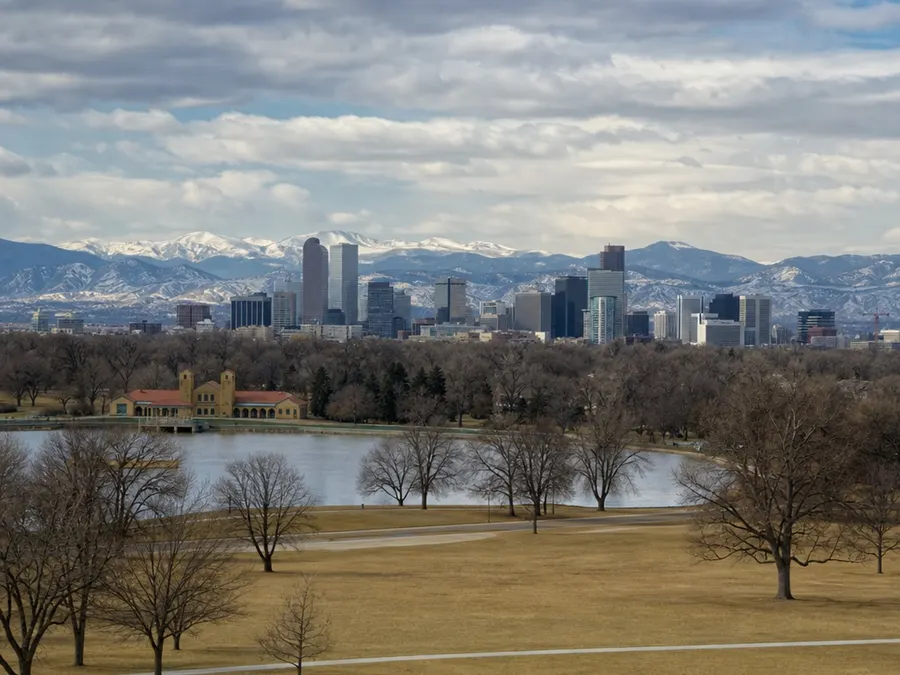
Denver, Colorado
Denver offers museums, neighborhoods, food, sports, and a base for Front Range trips, but the city is not inside the high mountains. Elevation, sun, and rapid weather shifts matter. Acclimatize, hydrate, and map mountain drives separately from urban days.
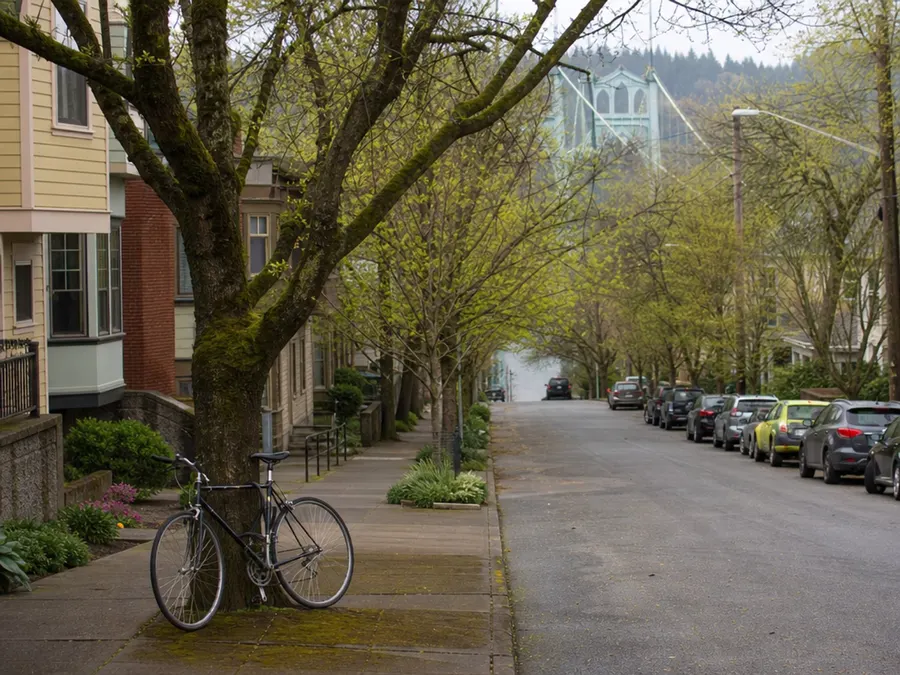
Portland, Oregon
Portland appeals through bookstores, food carts, gardens, neighborhood commercial streets, and access to rivers and forests. Rain is only one seasonal variable; heat and wildfire smoke can also disrupt plans. Check current conditions and use transit or cycling routes thoughtfully.
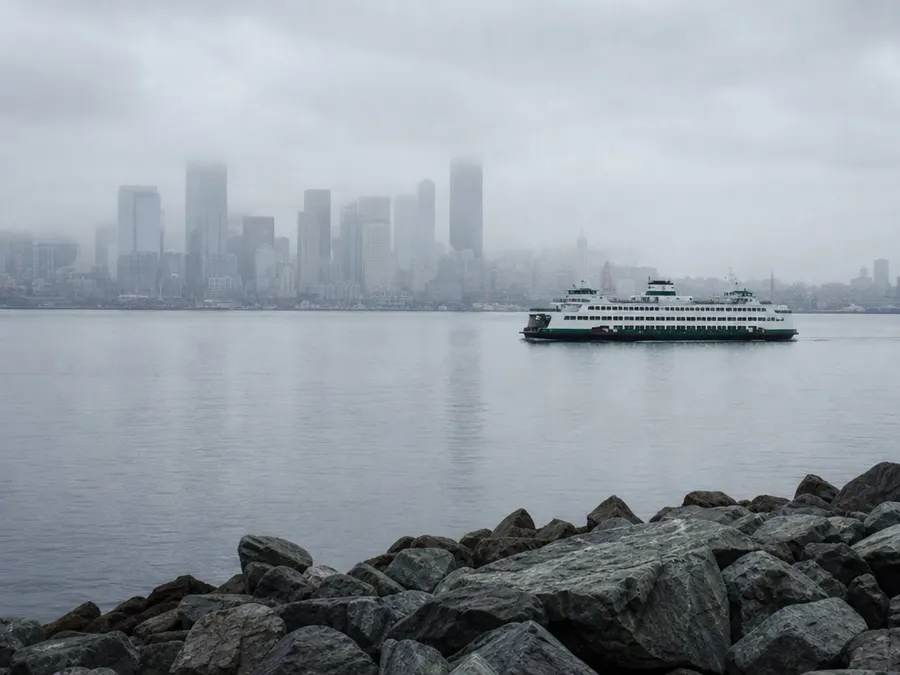
Seattle, Washington
Seattle combines working waterfront, museums, markets, music history, and nearby nature, with hills that complicate distances. Ferries can be part of the trip rather than merely transportation. Check sailing schedules, weather, accessibility, and neighborhood transit before each day.
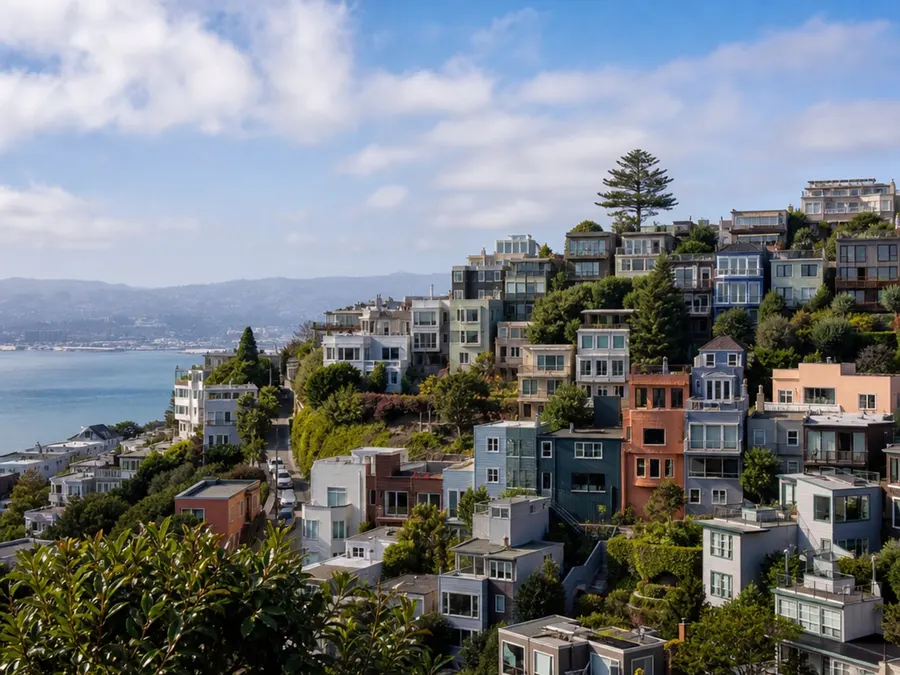
San Francisco, California
San Francisco's hills, waterfront, transit, architecture, parks, and neighborhood histories reward geographic planning. A few blocks can mean a steep climb or new microclimate. Layer clothing, reserve prominent sites, and confirm service changes before relying on a famous transit line.
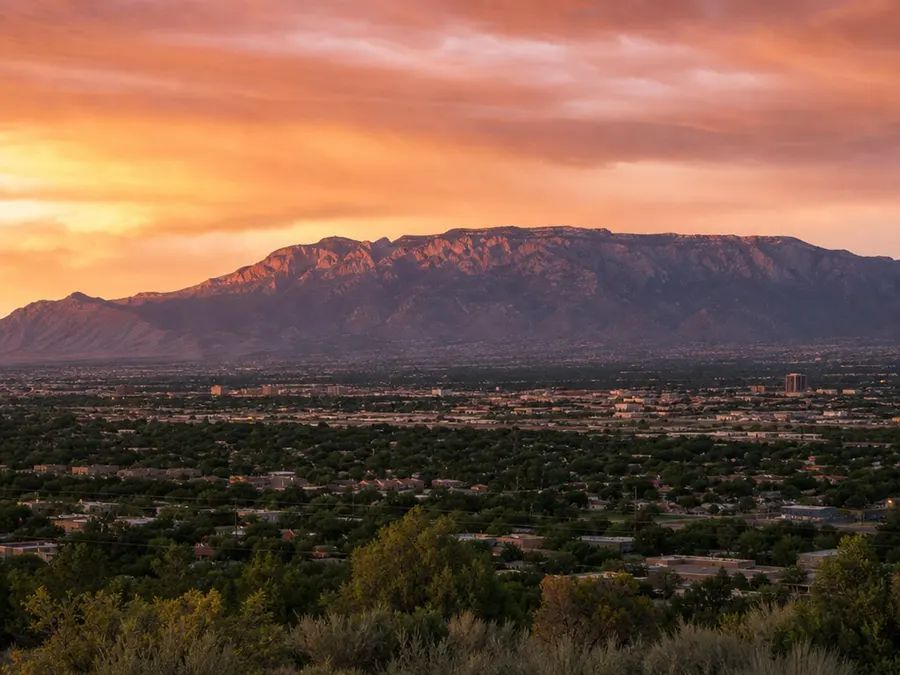
Albuquerque, New Mexico
Albuquerque offers Pueblo and Hispanic cultural context, high-desert landscapes, museums, food, and access to the Sandia Mountains. Buy Indigenous art from reputable makers, respect tribal access rules, prepare for elevation and sun, and verify seasonal event logistics.
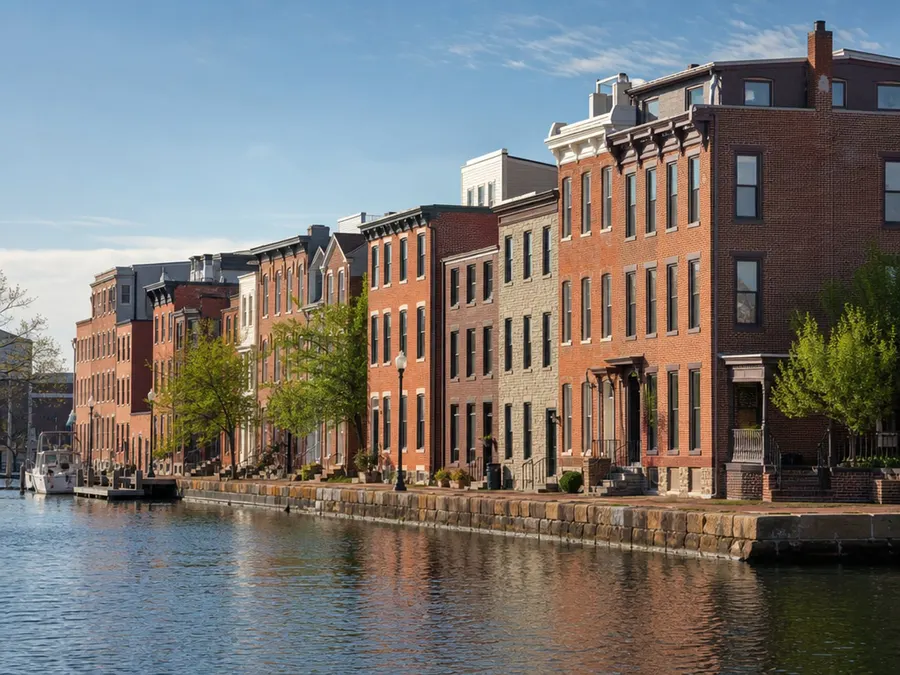
Baltimore, Maryland
Baltimore's harbor, rowhouse neighborhoods, museums, markets, and Black cultural history offer more than one waterfront district. Use current local transportation guidance, choose community-informed tours, and leave space for smaller institutions that explain the city's industry, art, and activism.
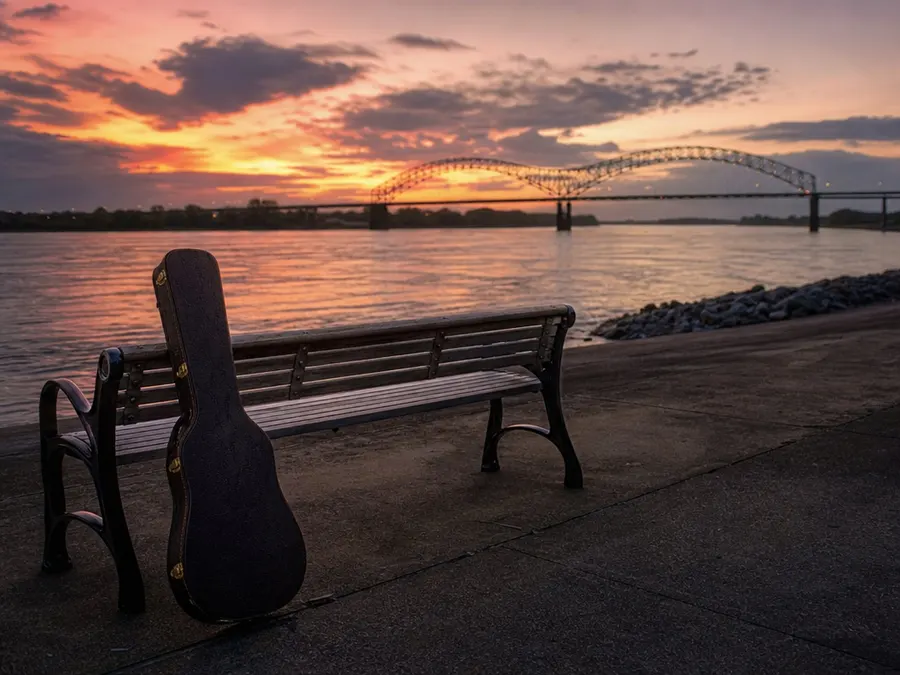
Memphis, Tennessee
Memphis connects blues, soul, civil-rights history, Mississippi River views, and regional food. Treat music and history as living traditions rather than nostalgia. Reserve major museums, support legitimate venues, plan nighttime transportation, and listen to local context around historic sites.
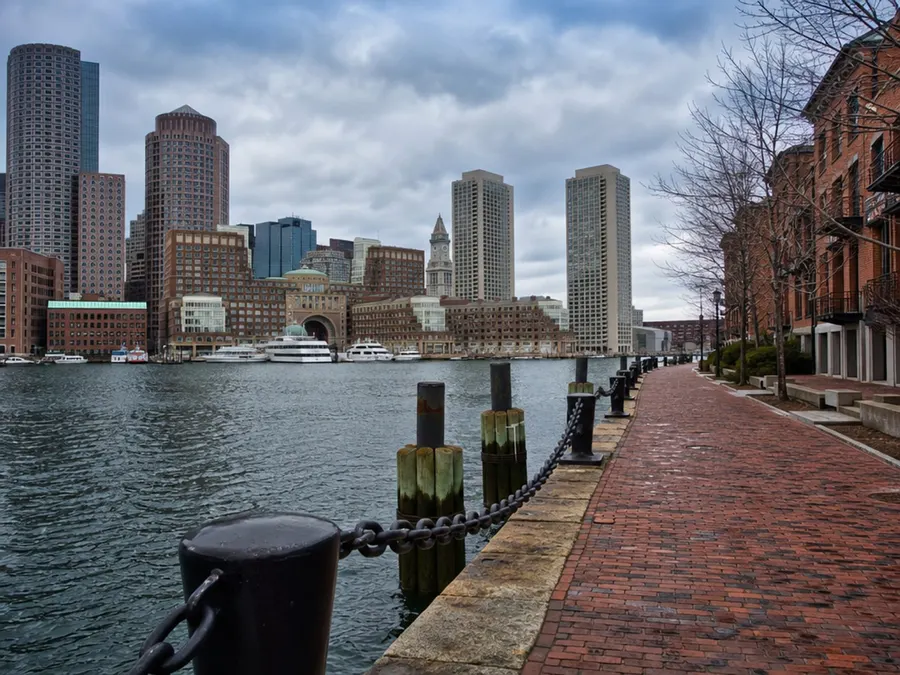
Boston, Massachusetts
Boston suits travelers who like layered history, universities, museums, harbor walks, and compact neighborhoods. Historic streets can be uneven and transit work can alter routes. Pair famous sites with contemporary cultural institutions and verify attraction reservations before setting out.
Featured galleries