Fastest Animals in the World, Ranked With Speed Context
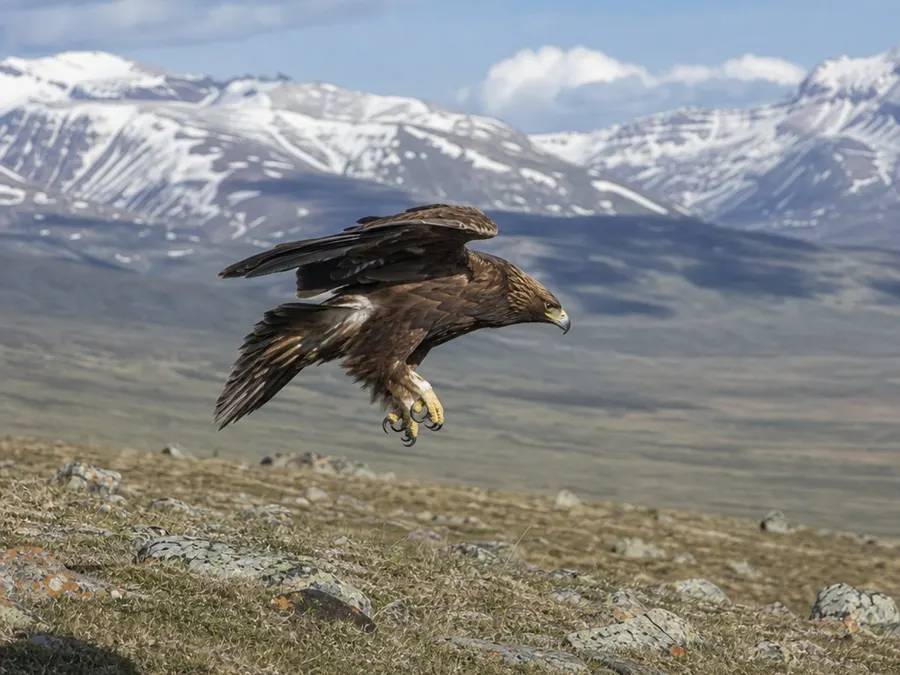
2. Golden Eagle — Hunting Dive
Mode: gravity-assisted dive. Confidence: medium. Golden eagles are commonly reported at roughly 150 mph during steep hunting descents, far above their cruising pace. As with the peregrine, the number describes a short aerial maneuver, not sustained powered flight. Body size, wind, angle, and tracking method can change the estimate.
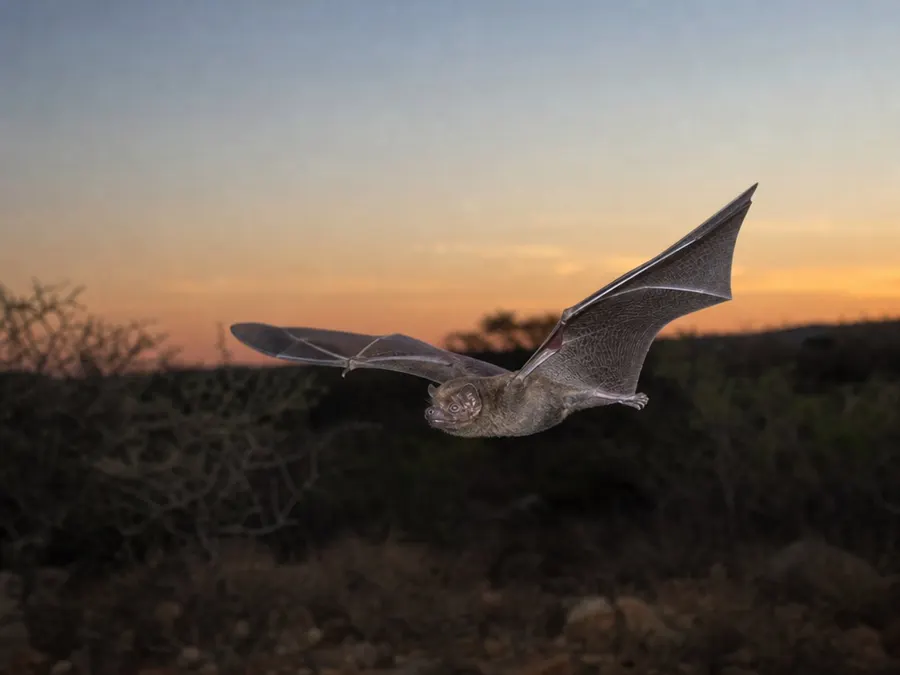
3. Brazilian Free-Tailed Bat — Level Flight
Mode: powered level flight. Confidence: medium-high for instrumented research reporting speeds above 90 mph and peaks near 100 mph. That makes this bat especially important: unlike diving raptors, it produces extraordinary speed under its own power. Wind correction and short sampling intervals still matter when interpreting a maximum.
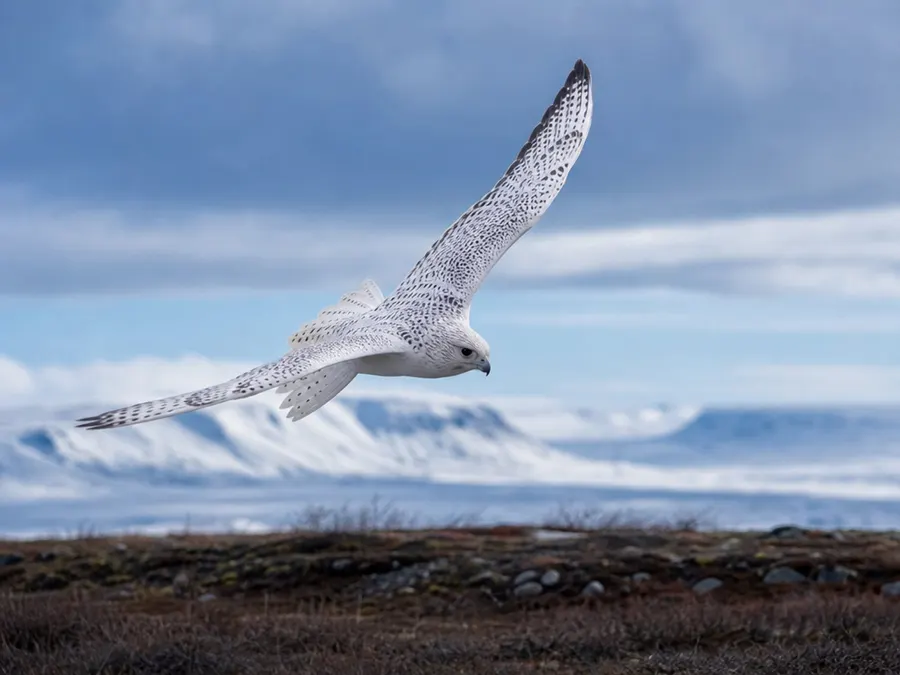
4. Gyrfalcon — Aerial Pursuit and Descent
Mode: fast pursuit with descending components. Confidence: medium. Gyrfalcons are powerful Arctic fliers, and published or institutional accounts often place high-speed pursuits well above ordinary cruising speeds. Exact maxima are less standardized than peregrine stoops, so the rank reflects aerodynamic capability while avoiding a falsely precise record claim.
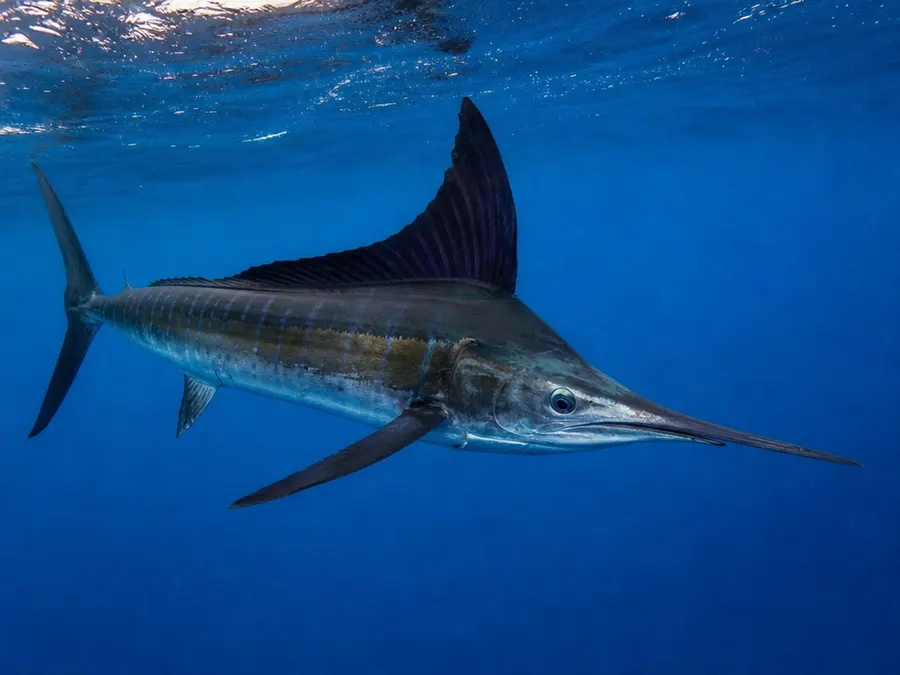
5. Black Marlin — Estimated Swimming Burst
Mode: short swimming burst. Confidence: low-to-medium. Very high figures for black marlin are often traced to indirect line-speed or hooked-fish estimates rather than modern free-swimming instrumentation. The species is unquestionably fast, but its exact place is uncertain. This slide preserves that uncertainty instead of presenting 80 mph as a clean stopwatch result.
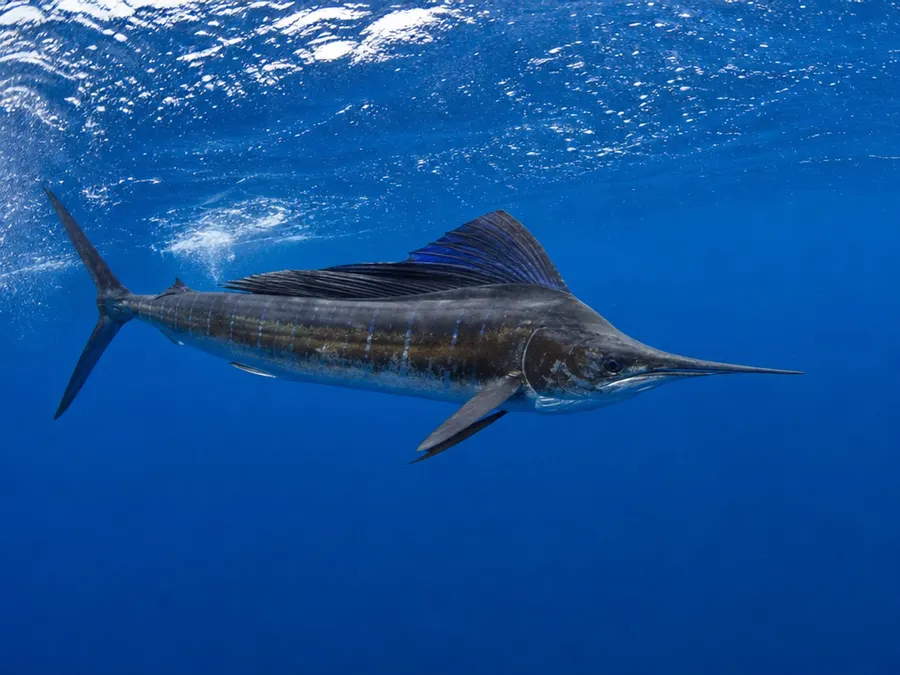
6. Sailfish — Estimated Swimming Burst
Mode: short swimming burst. Confidence: medium for exceptional speed, lower for a precise maximum. NOAA educational material groups sailfish among ocean speed leaders and cites values up to about 70 mph, but direct measurement of free-swimming billfish is difficult. Hydrodynamic research has challenged some older headline estimates.
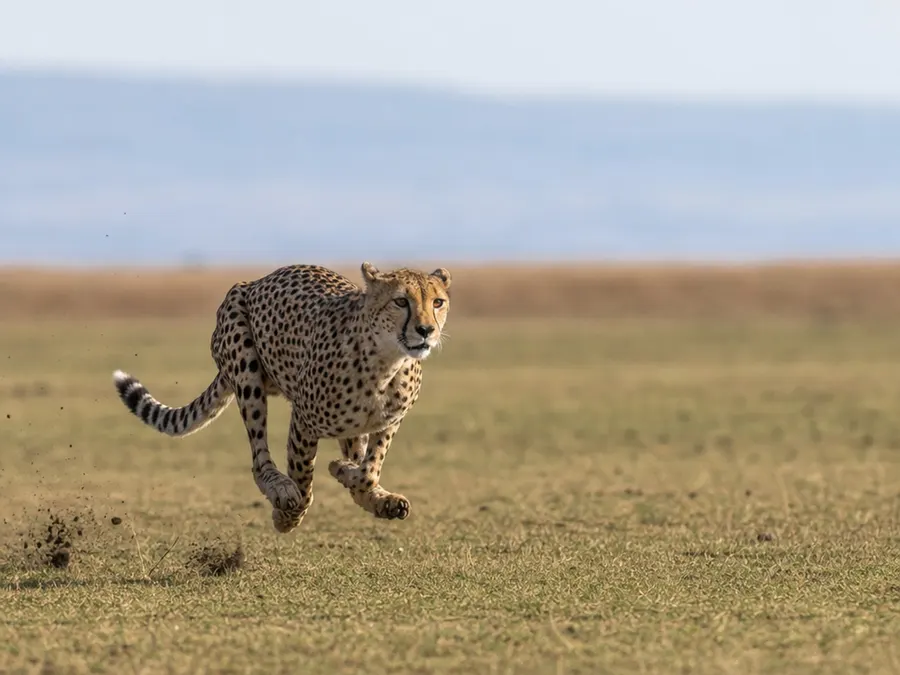
7. Cheetah — Land Sprint
Mode: short land sprint. Confidence: high for its status as the fastest land mammal, with institutional summaries commonly giving up to 70 mph. A cheetah cannot hold peak speed for long; acceleration, turning, and recovery are part of the hunt. The flexible spine, exposed claws, tail, lungs, and heart support the burst.
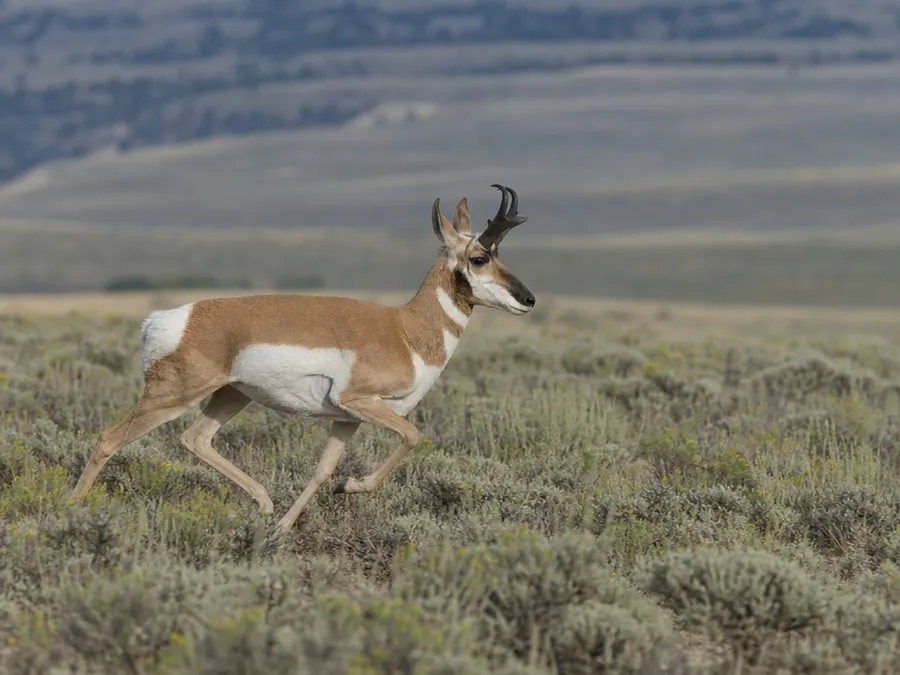
8. Pronghorn — Sustained Fast Running
Mode: land running. Confidence: high for institutional reports near 60 mph. The pronghorn's special distinction is endurance: U.S. Fish and Wildlife Service material says it can sustain about 30 mph for miles. That makes it a different athlete from the cheetah—slower at the peak, but exceptional at holding pace across open country.
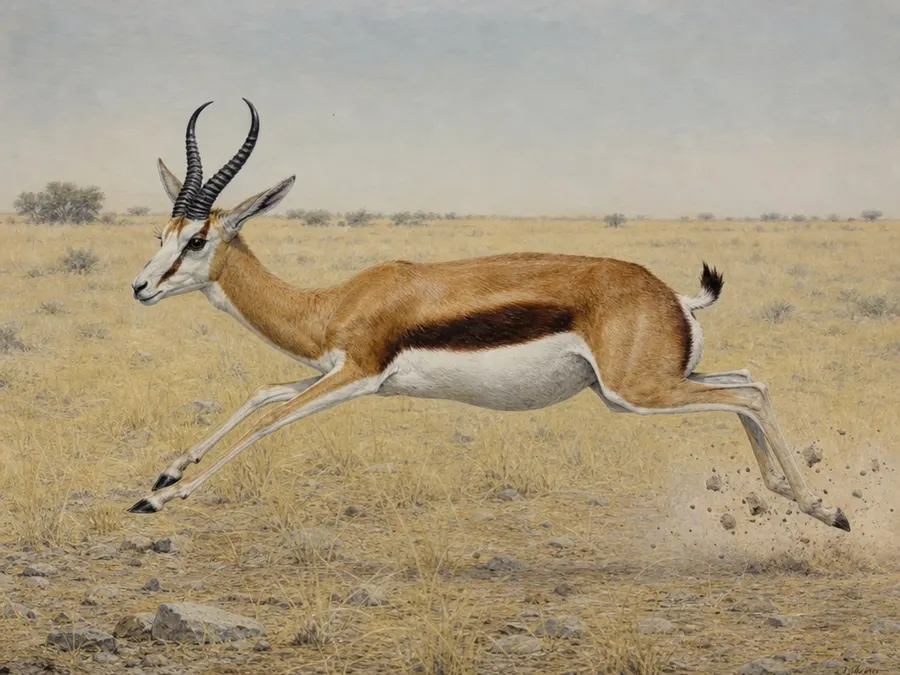
9. Springbok — Land Sprint
Mode: short land sprint. Confidence: medium. Conservation and zoo sources commonly describe springbok reaching roughly 55 mph, though individual conditions and measurement methods vary. Speed combines with rapid direction changes and pronking displays. The number should be read as a rounded upper range, not a guaranteed performance for every animal.
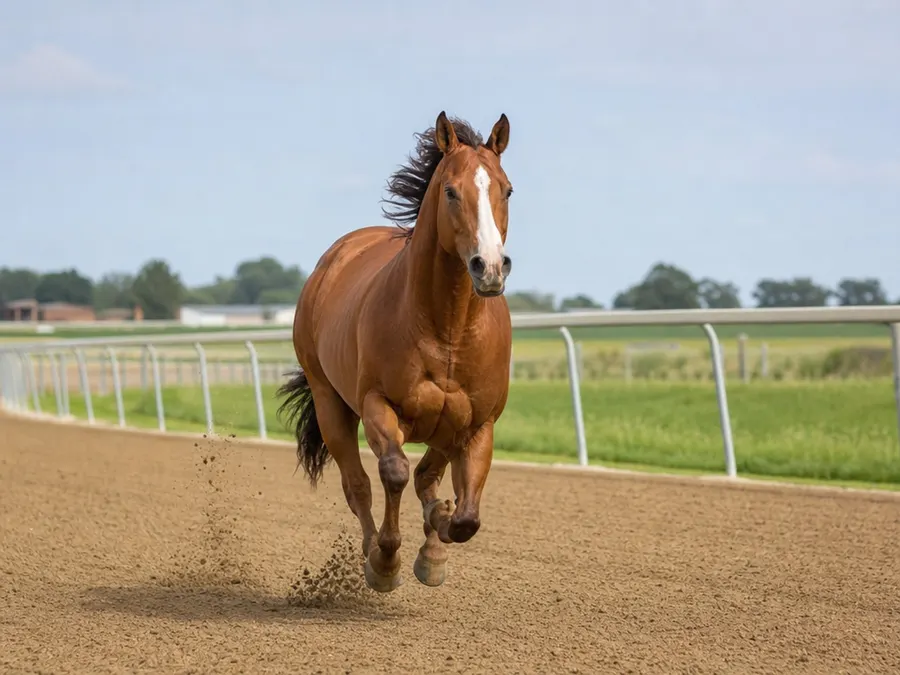
10. Quarter Horse — Short Track Sprint
Mode: domesticated land sprint. Confidence: medium-high in timed racing contexts. Quarter Horses were selected for explosive speed over short distances, and peak estimates can approach the mid-50-mph range. Track surface, distance, rider, timing method, and breeding matter. This is a managed athletic context, not a wild predator-escape comparison.
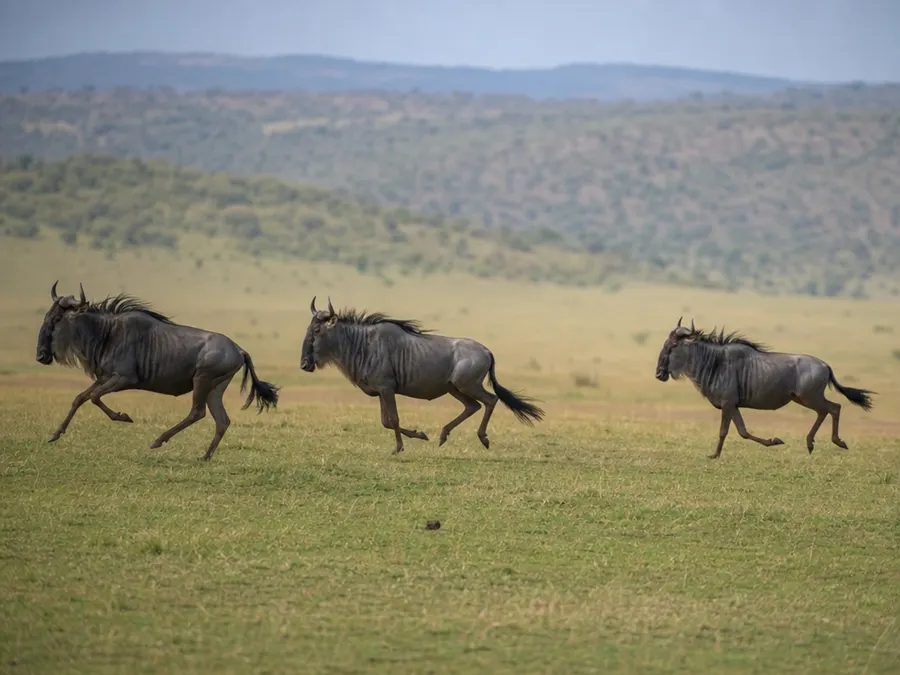
11. Blue Wildebeest — Land Sprint
Mode: short land sprint. Confidence: medium. Common institutional accounts place blue wildebeest around 50 mph when escaping danger. Herd movement, uneven ground, and curved paths make clean peak measurement difficult. Their survival advantage is not a drag-race number alone but coordinated vigilance, acceleration, stamina, and the confusion created by many animals moving together.
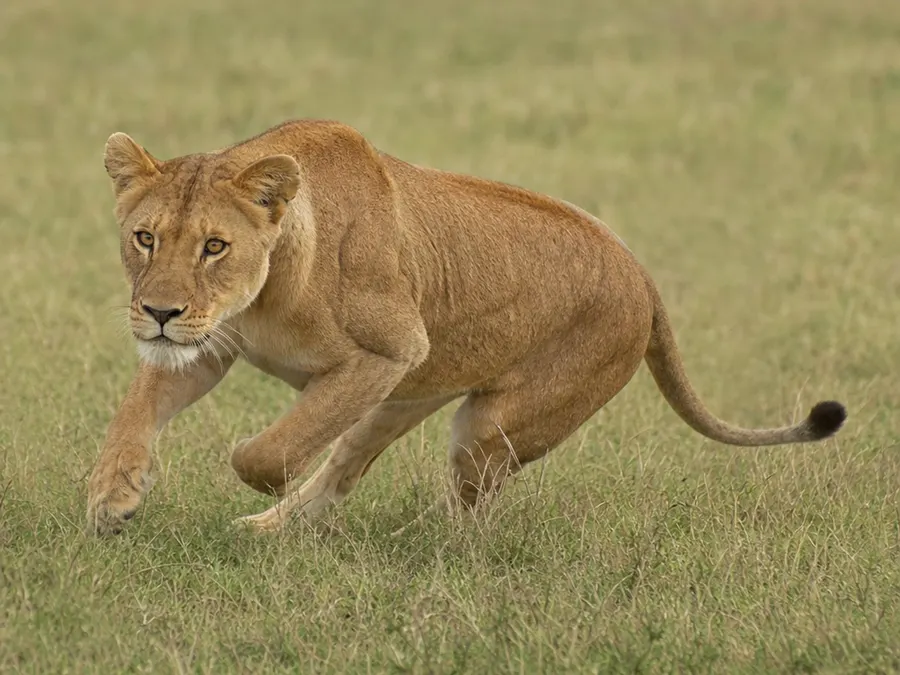
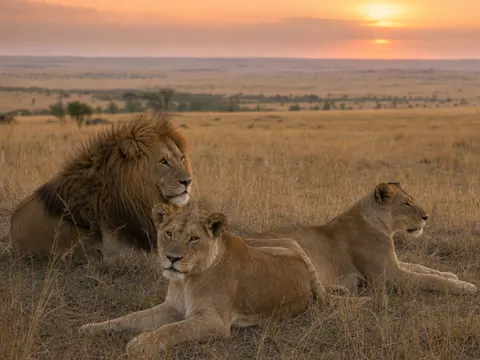
12. Lion — Short Land Charge
Mode: very short land burst. Confidence: medium. Lions are often described near 50 mph, but their heavy build and ambush strategy favor brief acceleration over extended pursuit. Habitat and hunt context matter more than a theoretical maximum. Comparing a lion's charge with a pronghorn's sustained run illustrates why duration belongs beside speed.
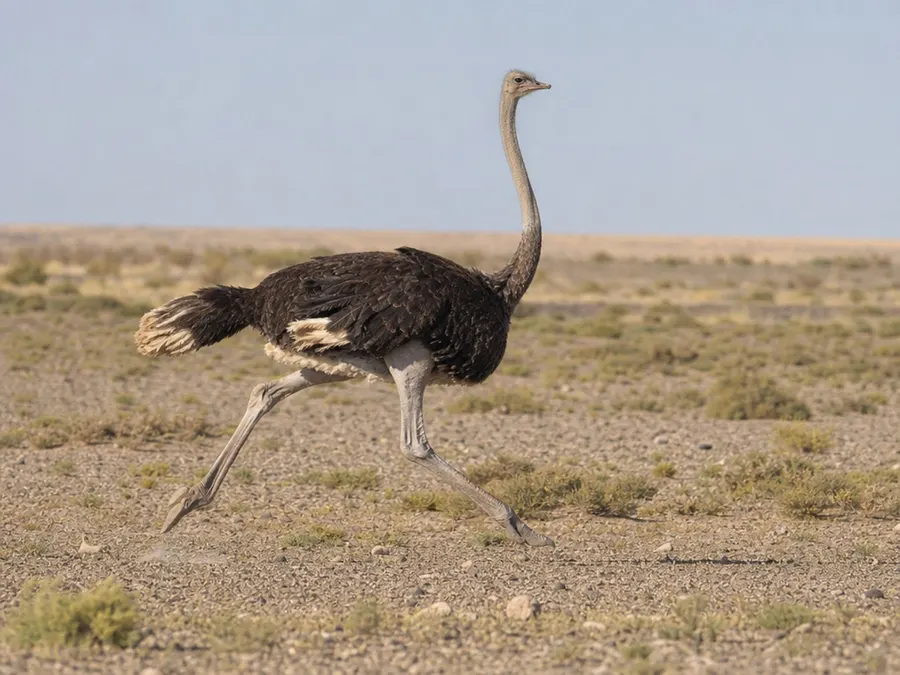
13. Ostrich — Sustained Bird Running
Mode: running. Confidence: high for being the fastest running bird, with reputable accounts in the low-to-mid 40-mph range. Long legs, elastic tendons, and two-toed feet support efficient strides. Unlike a diving falcon, the ostrich earns its place entirely on the ground and can maintain useful speed beyond a single leap.
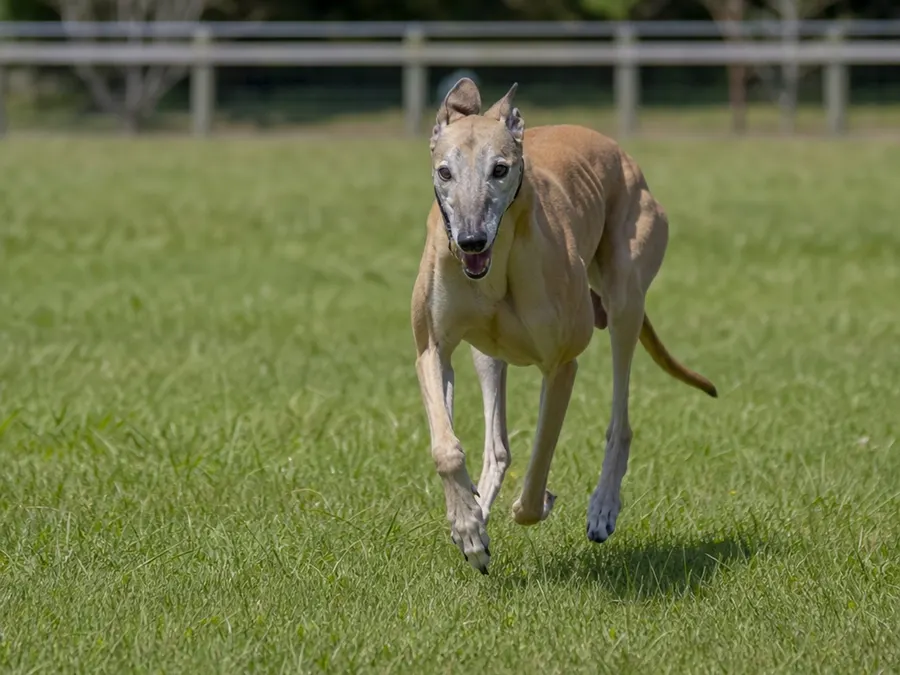
14. Greyhound — Timed Canine Sprint
Mode: domesticated track sprint. Confidence: high for measured racing speeds around the mid-40-mph range. Greyhounds combine deep chests, flexible spines, long limbs, and a double-suspension gallop. Speed should never be used to romanticize an industry; adopted individuals are often calm companions whose exercise and prey-drive needs require responsible management.
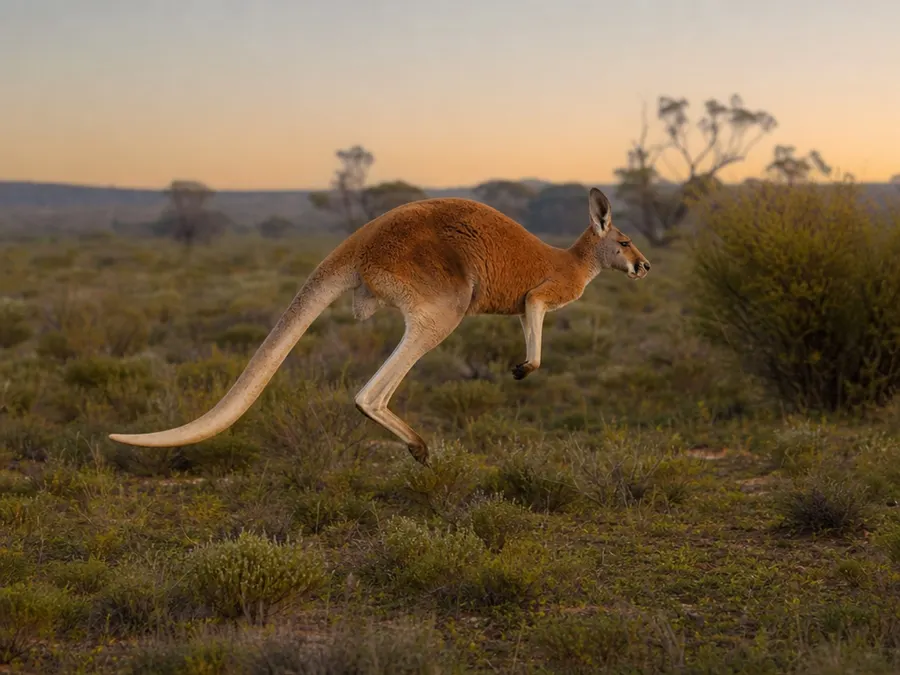
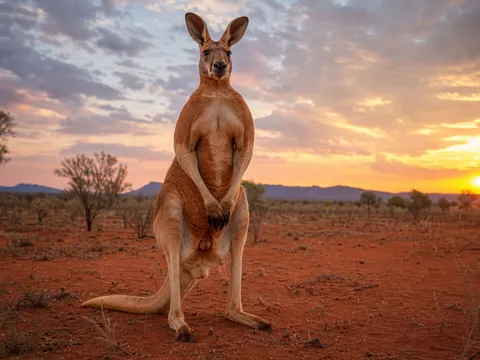
15. Red Kangaroo — Bounding Speed
Mode: hopping over land. Confidence: medium. Red kangaroos are commonly reported in bursts around 40-44 mph, with elastic tendons recycling energy as speed increases. Hopping is mechanically distinct from four-limbed galloping, and the top rate is not an everyday travel pace. Heat, terrain, body size, and motivation affect performance.
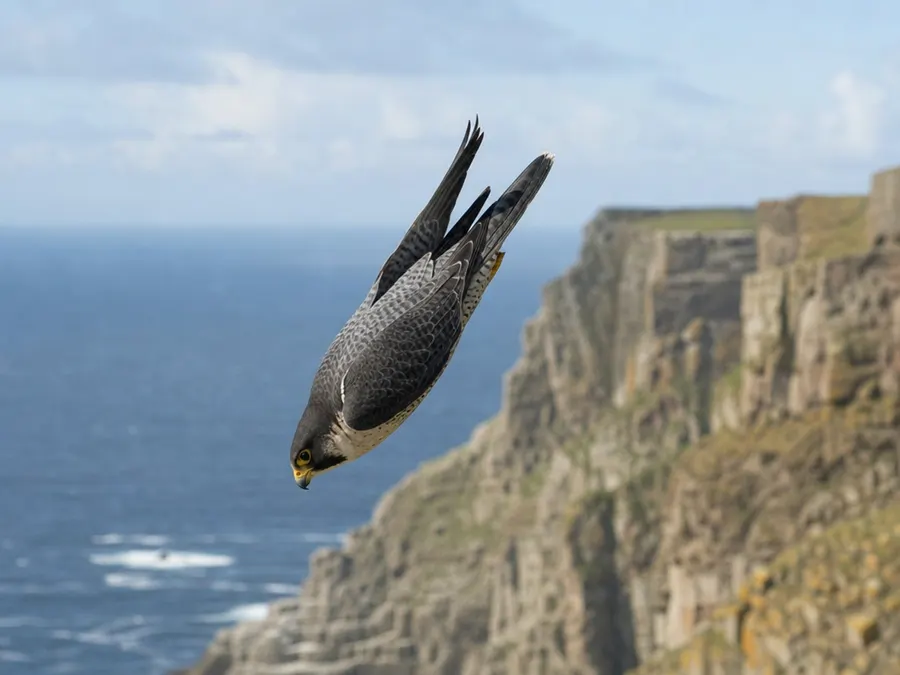
1. Peregrine Falcon — Hunting Dive
Mode: gravity-assisted stoop. Confidence: high for exceeding 200 mph, with reported peaks around 220-242 mph under specialized conditions. The peregrine is the clear overall champion only when a dive counts. Its streamlined posture and steep descent convert altitude into speed; level flight would produce a very different comparison.
Featured galleries