15 Family Vacation Destinations Around the World
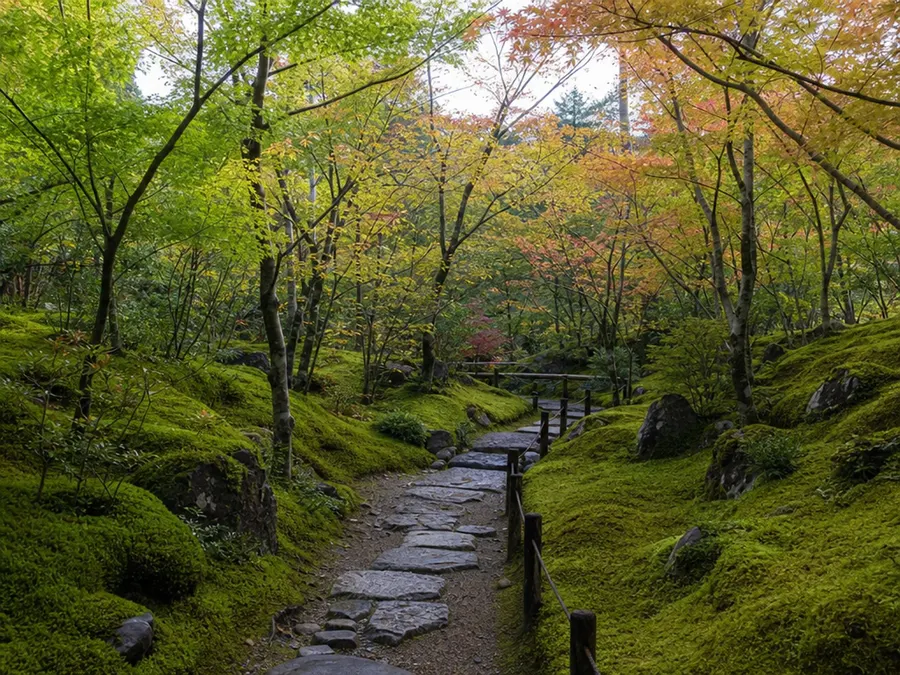
Kyoto, Japan
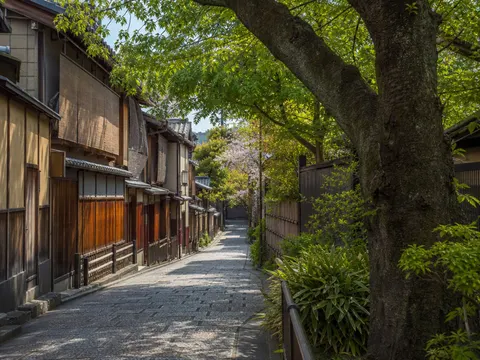
Kyoto can support a thoughtful family trip through gardens, rail rides, craft activities, and historic districts. Temple days work better with generous snack and rest breaks. Follow official etiquette guidance, avoid blocking residential lanes, and match walking distances to the youngest traveler.
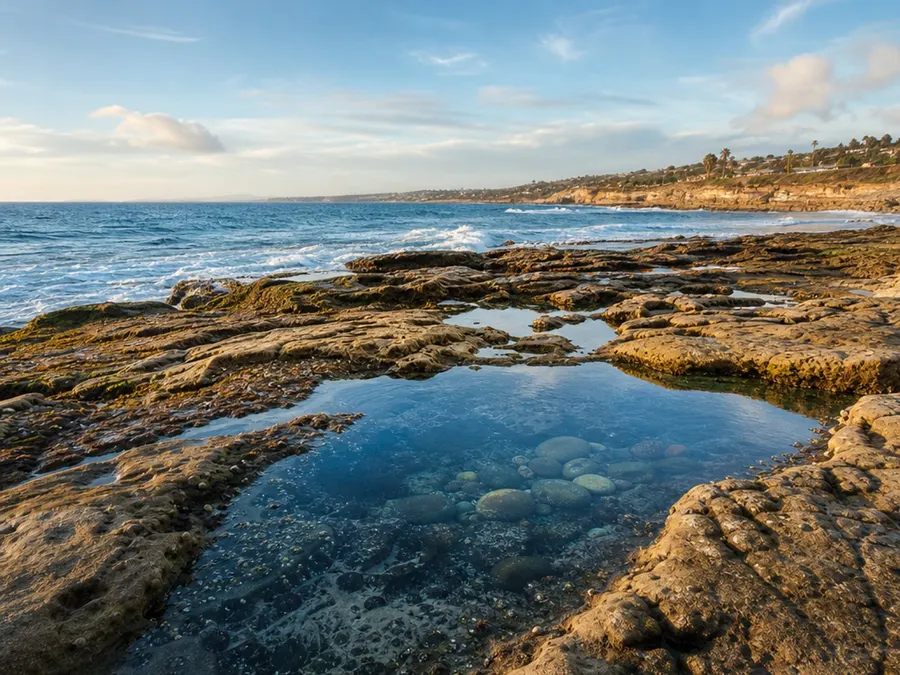
San Diego, California
Beaches, tide pools, museums, parks, and a mild coastal setting let families combine indoor and outdoor plans. Water conditions still require lifeguard attention, while attractions can be far apart. Cluster each day geographically and verify current admission, parking, and accessibility details.
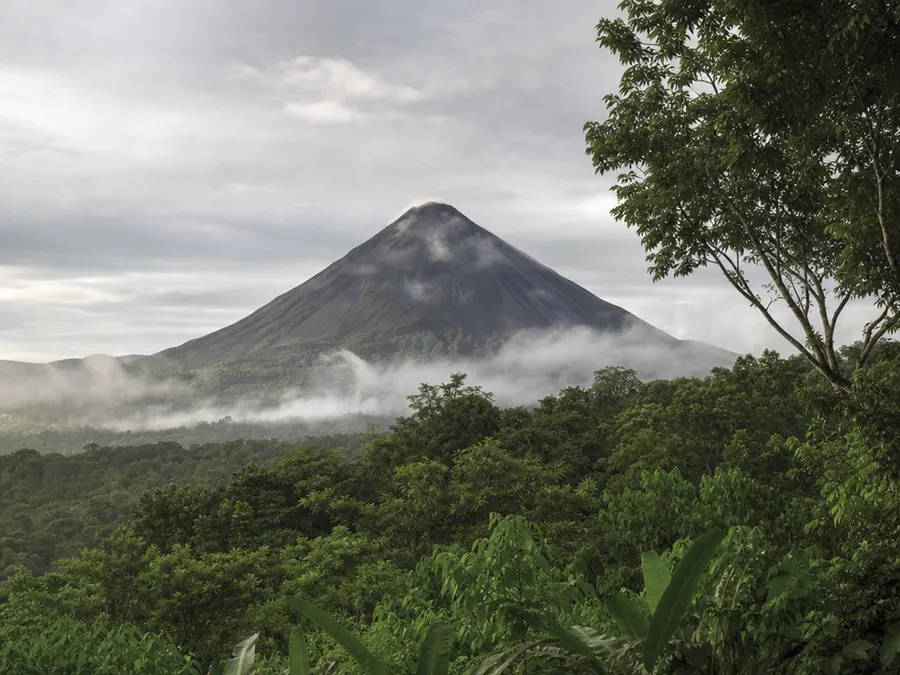
Costa Rica's Arenal Region
The Arenal area offers volcano views, forest walks, wildlife watching, and thermal-water experiences with different intensity levels. Choose licensed guides, confirm minimum ages, and never improvise around rivers or volcanic zones. Rain gear and a flexible indoor backup preserve the day.
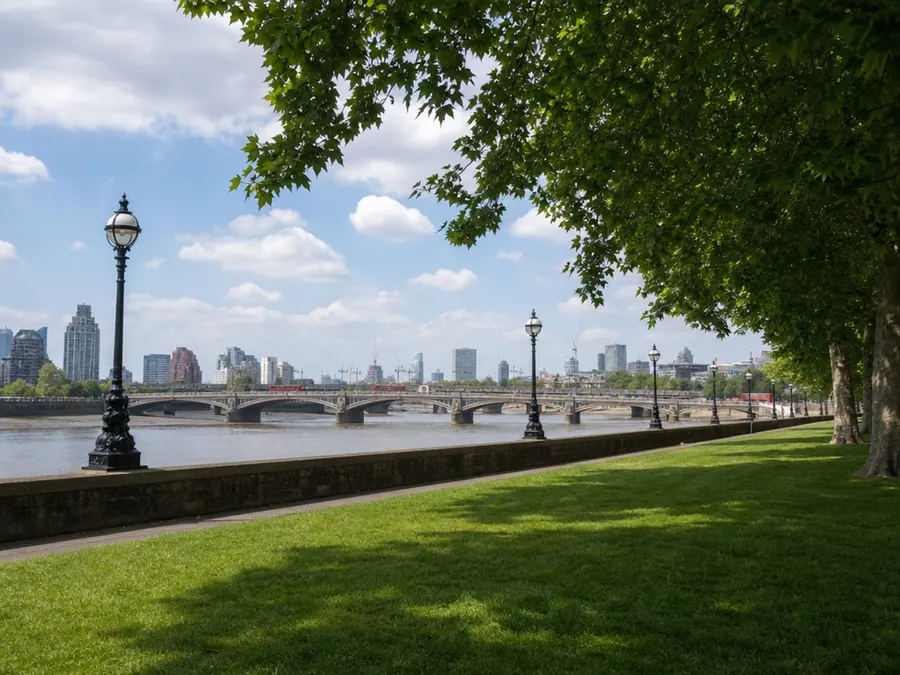
London, England
London's transit network, major museums, parks, theater, and river routes support many interests in one visit. The temptation is over-scheduling. Choose one anchor area per day, reserve timed attractions, practice road-crossing awareness, and identify step-free transit routes when needed.
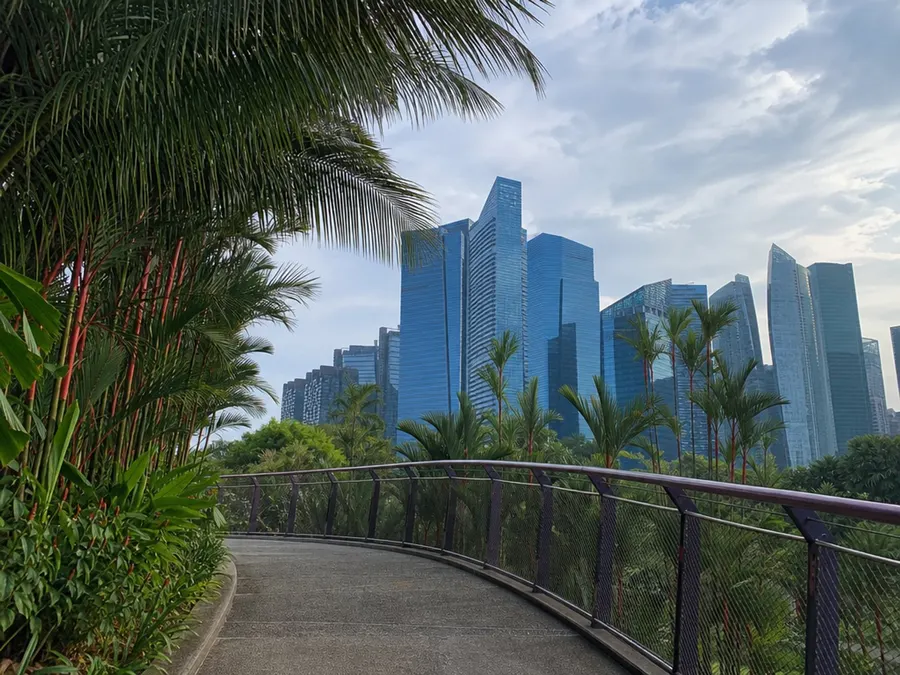
Singapore
Efficient transit, gardens, wildlife institutions, hawker centers, and plentiful indoor options help Singapore work across age groups. Heat and sudden rain shape the rhythm. Plan shaded breaks, carry water, explain local public-space rules, and confirm food-allergy needs directly with vendors.

Québec City, Canada
A compact historic core, fortifications, river views, museums, and seasonal festivals make Québec City approachable for a shorter trip. Cobbles and winter conditions can affect strollers and mobility. Check weather, footwear, bilingual resources, and attraction hours before each day.
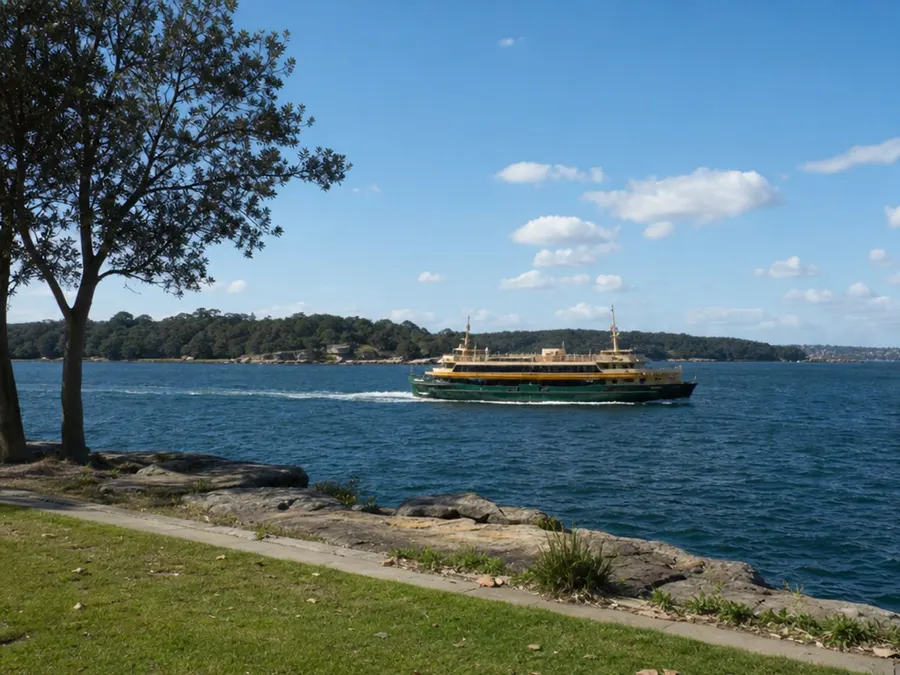
Sydney, Australia
Ferries, beaches, coastal walks, museums, and urban wildlife encounters create variety without leaving Sydney. Strong sun and ocean conditions deserve more planning than photographs suggest. Swim between patrol flags, use shade and sun protection, and check age requirements for tours.
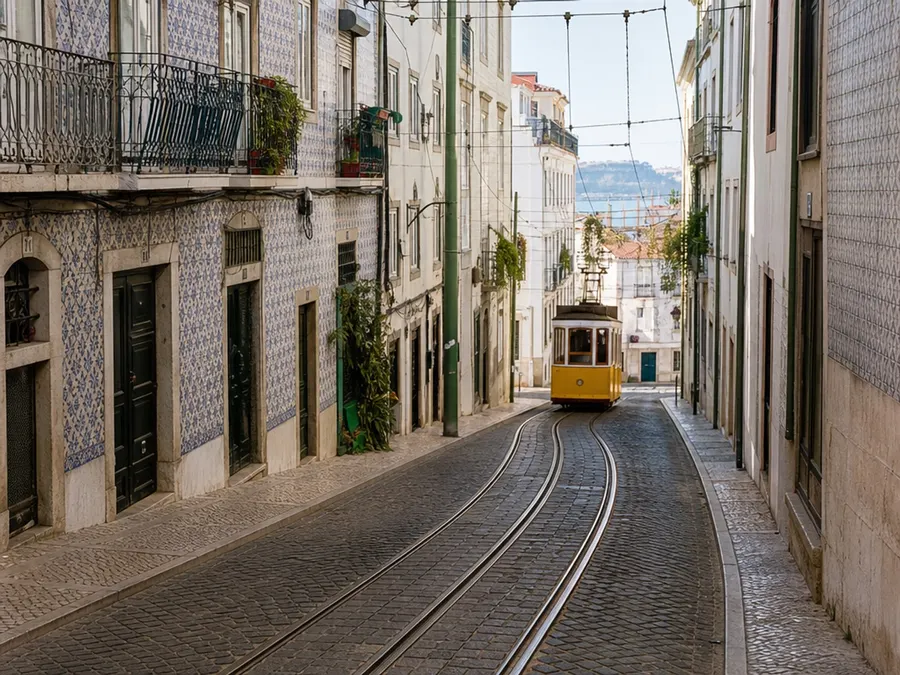
Lisbon, Portugal
Lisbon brings trams, tiled streets, riverfront spaces, castles, and easy day trips, but its hills can tire small travelers quickly. Balance scenic routes with metro rides, avoid peak tram crowding, and confirm whether a stroller can handle steep or cobbled sections.
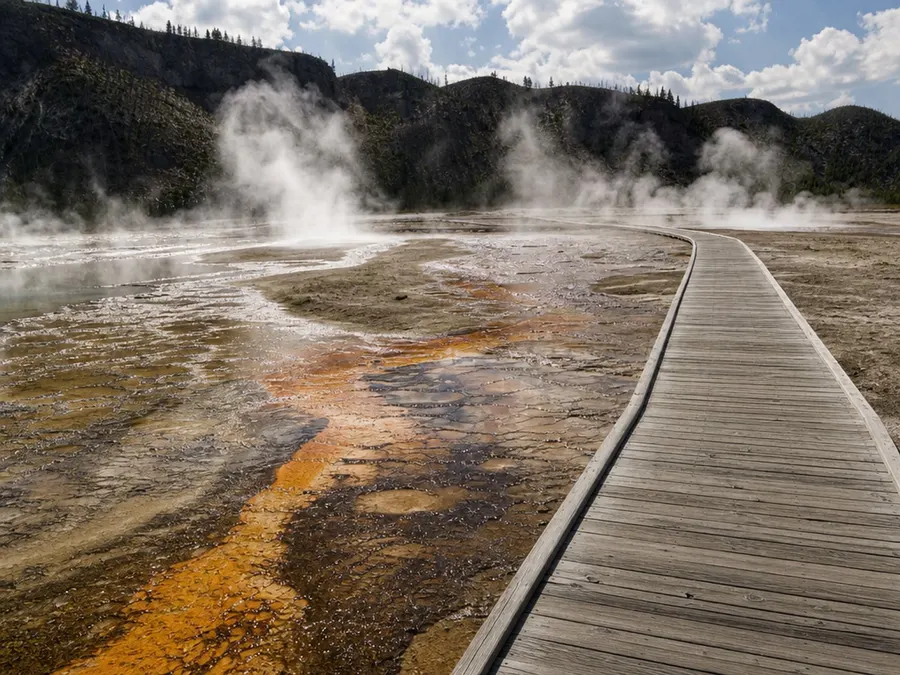
New Zealand's Rotorua Region
Rotorua combines geothermal landscapes, forest activities, lakes, and Māori cultural experiences. Stay on marked paths because geothermal ground can be dangerous, and choose cultural programs that are community-led. Match adventure activities to published age, height, and health restrictions.
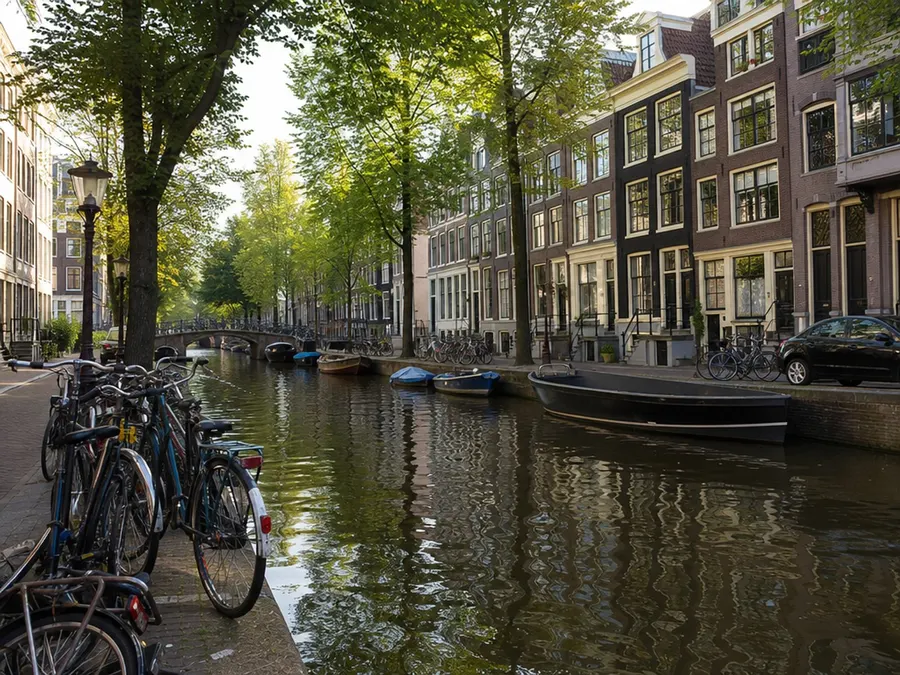
Amsterdam, Netherlands
Canals, parks, compact museums, and short rail trips make Amsterdam flexible, but bicycle traffic requires constant awareness. Families should practice crossing lanes together and select age-appropriate exhibits. Reserve major museums while leaving unstructured time for neighborhoods and playgrounds.
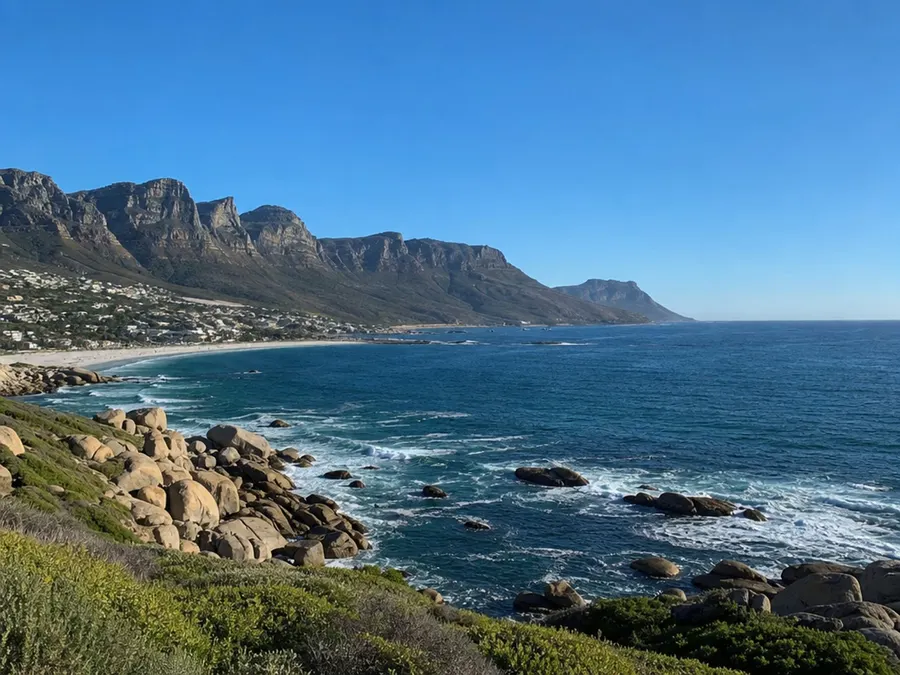
Cape Town, South Africa
Cape Town offers mountain, beach, museum, garden, and wildlife-viewing options in one region. Weather can close exposed routes and the cableway. Families should use reputable transport, follow local safety guidance, maintain wildlife distance, and keep a lower-altitude backup plan.
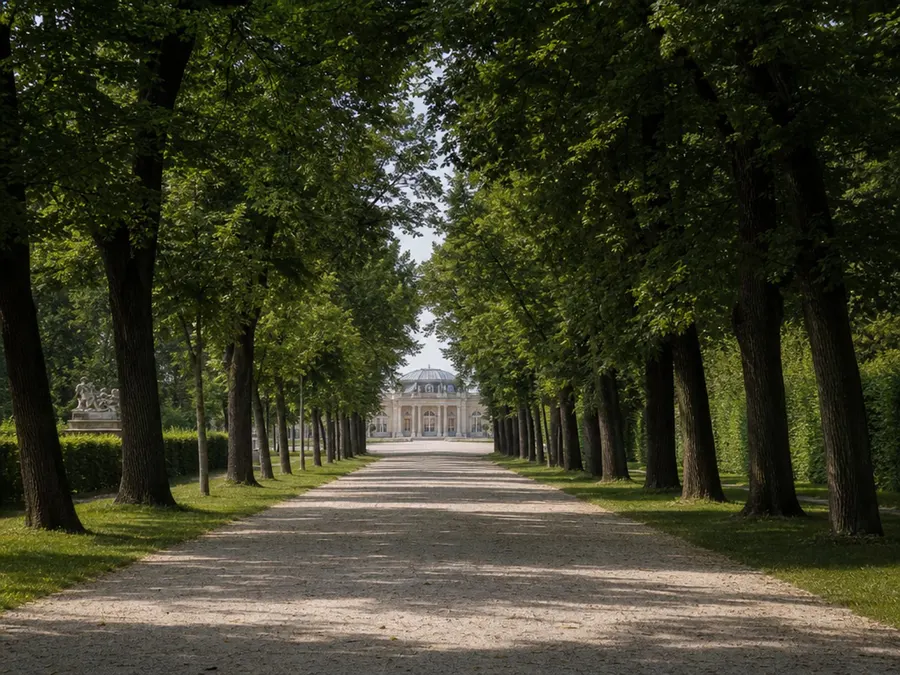
Vienna, Austria
Vienna's parks, palaces, music history, public transit, and interactive museums support a calm cultural itinerary. Large historic sites can overwhelm young visitors, so select one theme rather than every room. Check family programs, quiet spaces, stroller access, and seasonal schedules.
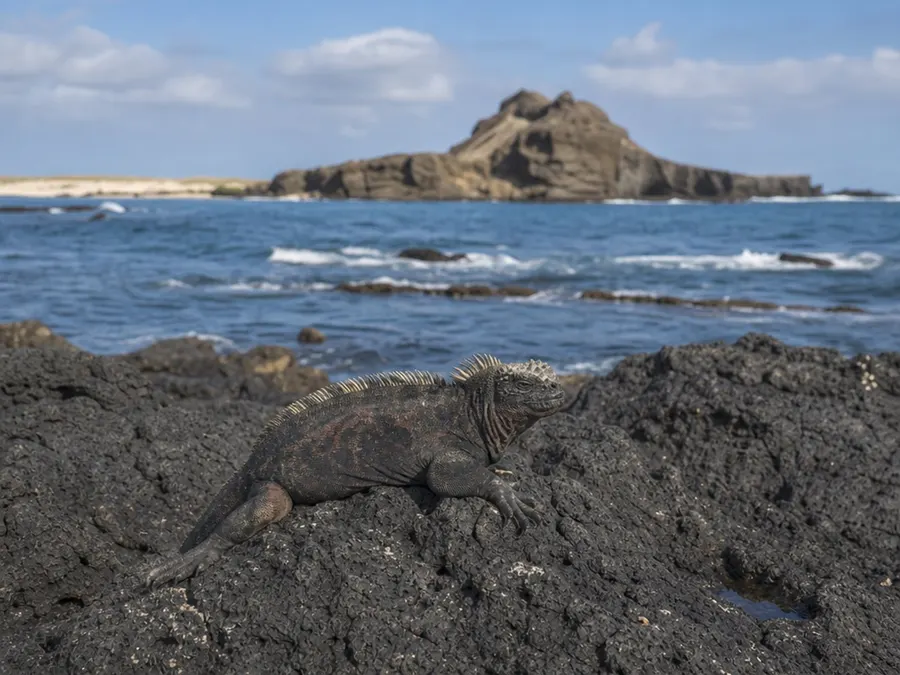
Galápagos Islands, Ecuador
A Galápagos trip can turn ecology lessons into lived observation, but it demands preparation, cost, transit, and strict wildlife rules. Use authorized operators, follow naturalist instructions, keep required distances, and decide honestly whether each child's patience and sea tolerance fit the itinerary.
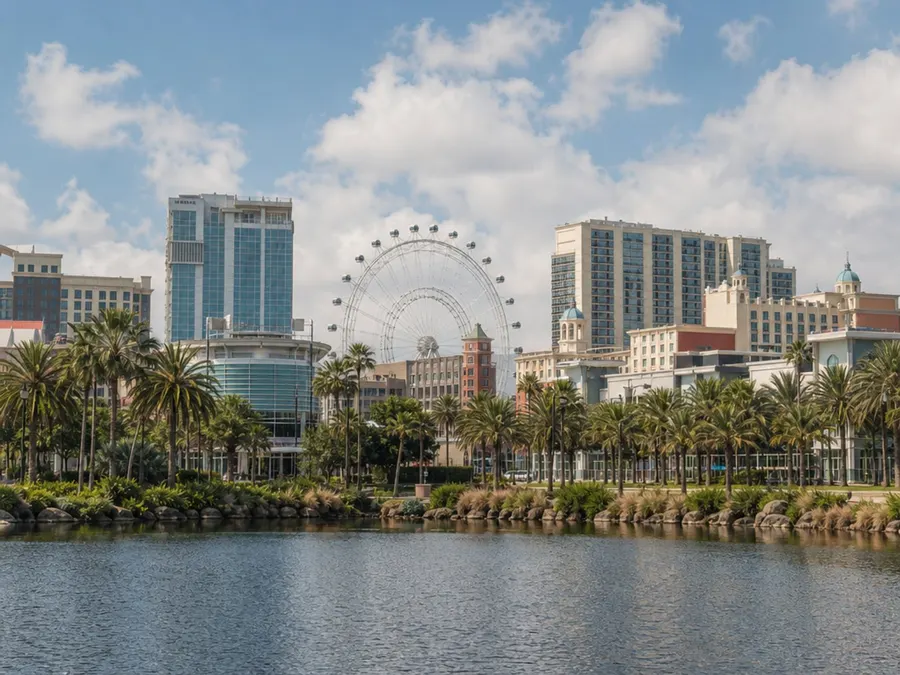
Orlando, Florida
Orlando is built around major attractions, yet successful family trips depend on pacing more than ticket count. Schedule rest, weather buffers, hydration, and realistic transportation. Compare accessibility and sensory guides directly, and never assume every ride suits every age or medical condition.
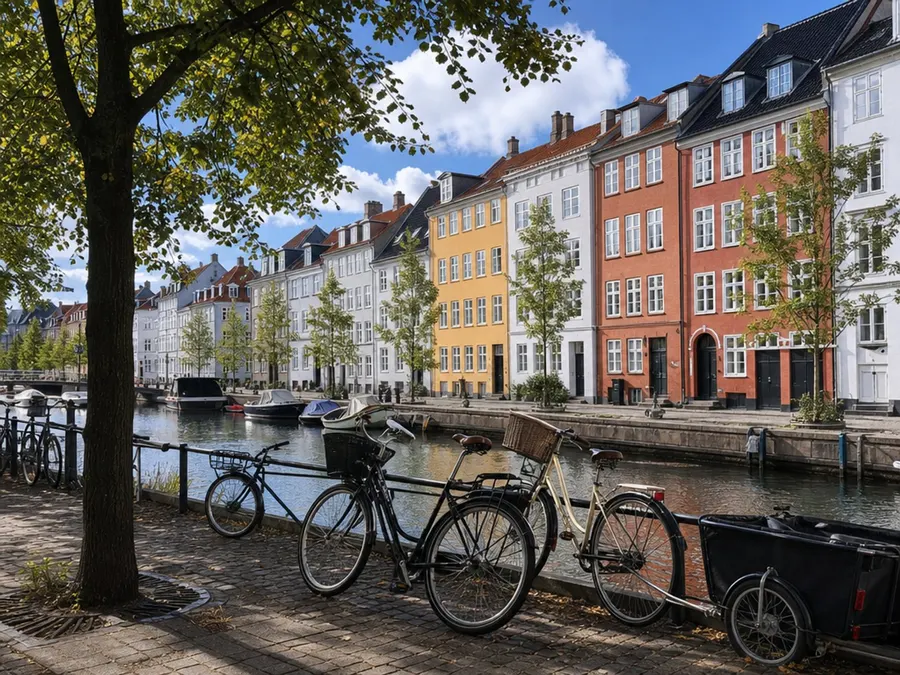
Copenhagen, Denmark
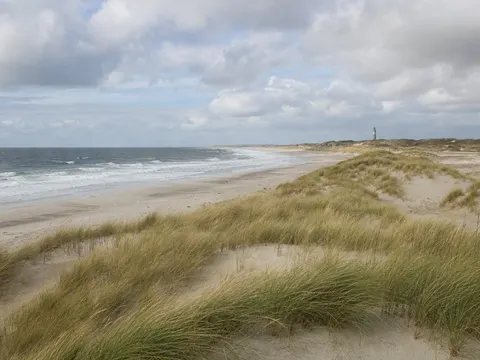
Compact neighborhoods, harbor walks, museums, playgrounds, and extensive transit make Copenhagen manageable without packing every hour. Families can alternate high-energy attractions with parks and canal views. Learn bicycle-lane etiquette before renting bikes, and reserve age-specific seats or equipment in advance.
Featured galleries