Faces of History: Capturing the Pioneers of the Past on Film
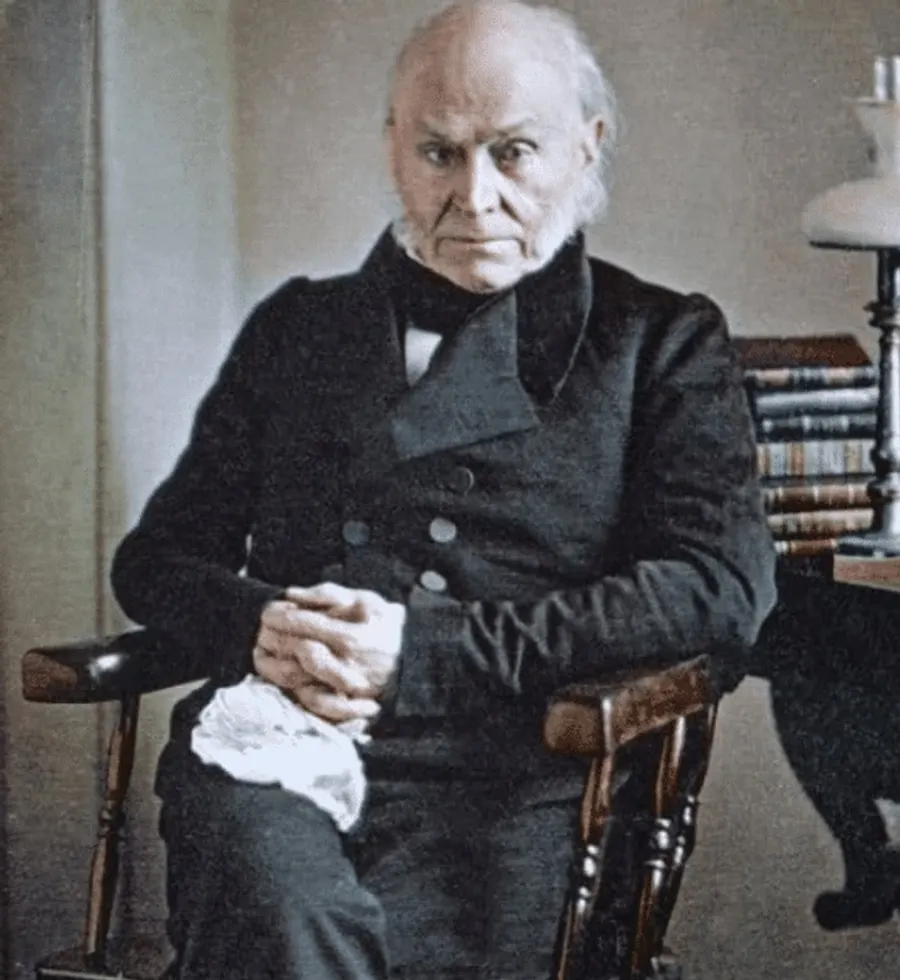
John Quincy Adams
John Quincy Adams was the sixth President of the United States and the earliest U.S. president of whom we have a confirmed photograph. Captured in 1843, years after his presidency ended, this portrait shows Adams sitting in a chair looking directly at the camera. He was known to dislike the process, referring to the sitting experience as tedious and the results as unflattering.
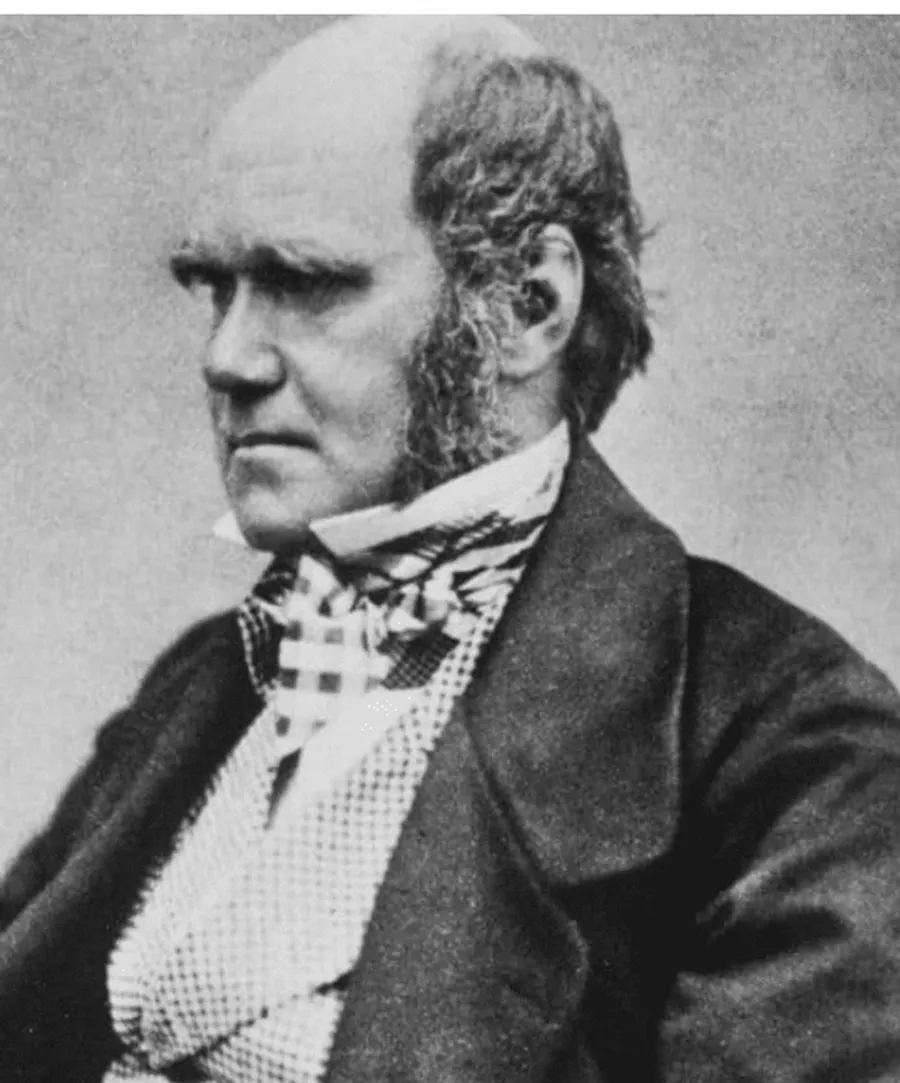
Charles Darwin
Renowned naturalist Charles Darwin, famous for his theory of evolution, was photographed multiple times during his later years. These portraits helped humanize the revolutionary scientist, whose ideas were actively reshaping the global understanding of biology. This particular image captures Darwin with his signature long white beard and a contemplative gaze.
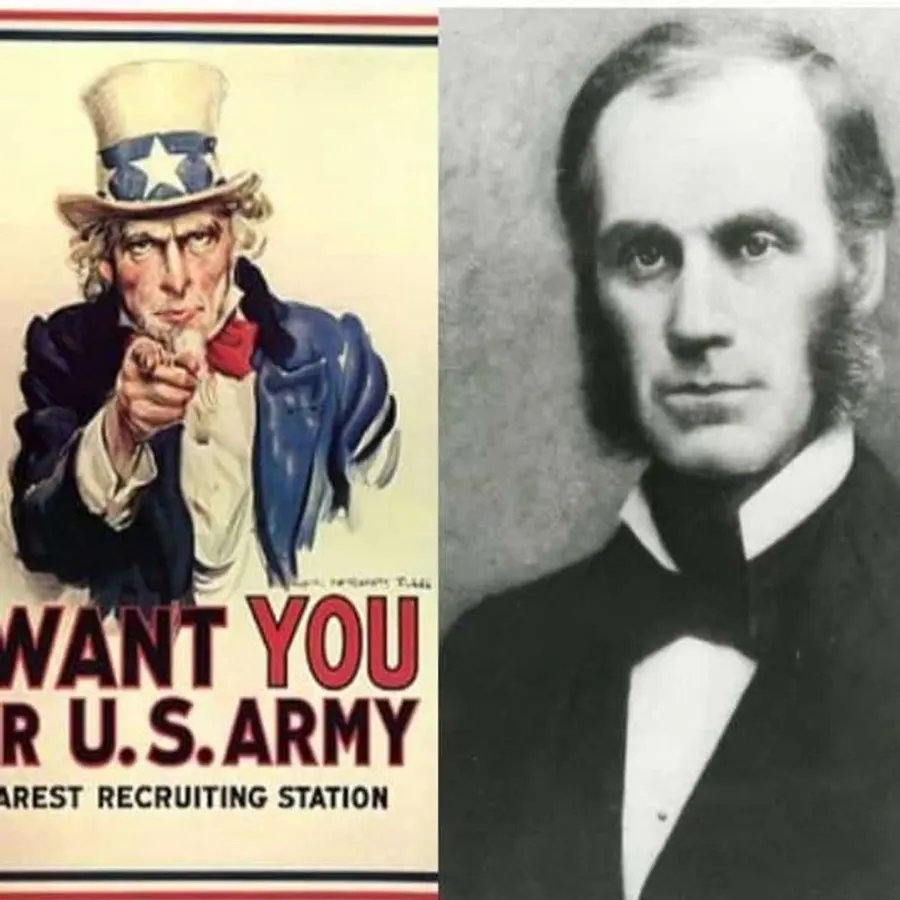
Samuel Wilson
Samuel Wilson was a meat packer from Troy, New York, who is widely believed to be the original inspiration for the national personification known as Uncle Sam. During the War of 1812, he supplied barrels of beef to the United States Army, which were stamped with 'U.S.' to indicate government property. This led soldiers to jokingly refer to the food as coming from Uncle Sam, cementing his place in American folklore.
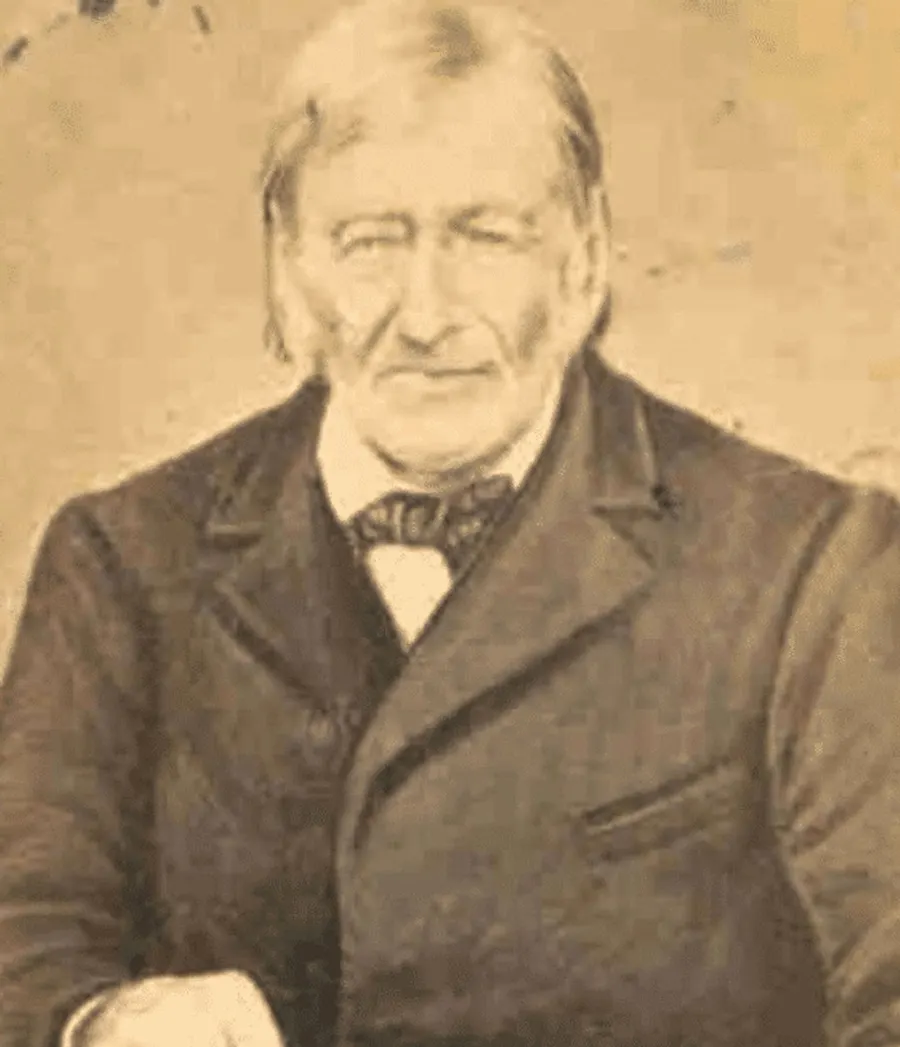
Daniel Frederick Bakeman
Daniel Frederick Bakeman is historically recognized as the last surviving pensioner of the American Revolutionary War. Born in 1759, he lived long enough to be photographed in the mid-19th century before his passing in 1869. This rare image connects the birth of the United States directly to the era of photographic preservation.
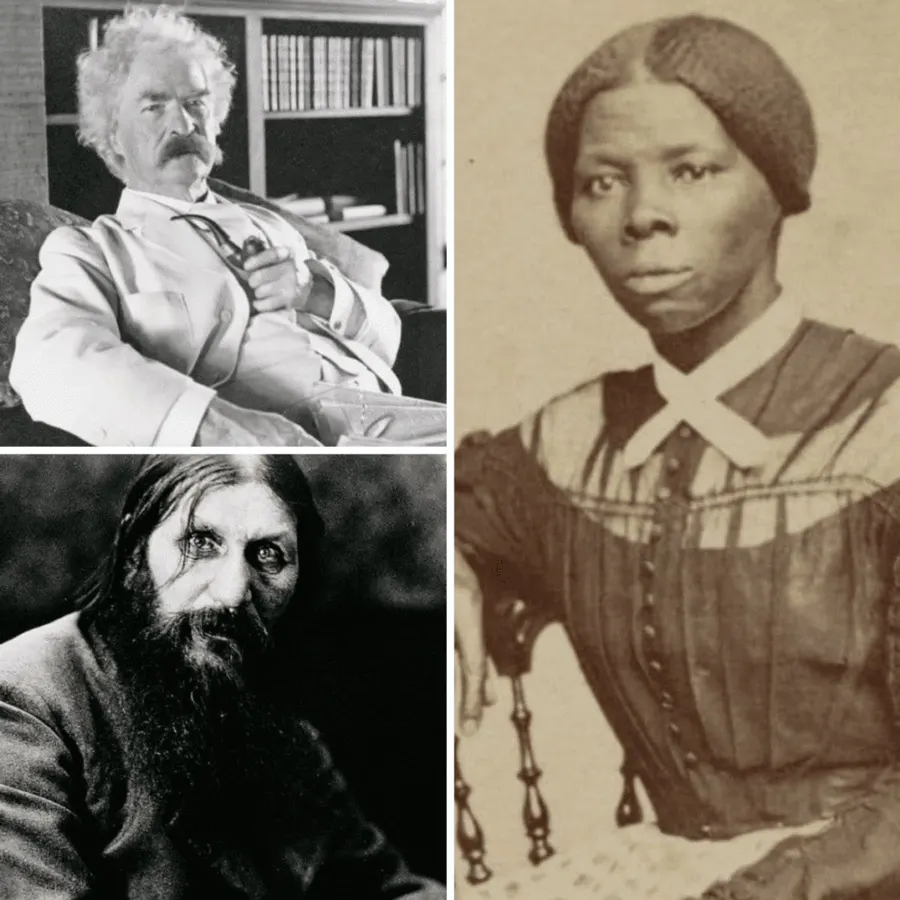
The Power of the Daguerreotype
The daguerreotype process, invented by Louis Daguerre in 1839, required subjects to remain perfectly still for several minutes. Because of these long exposure times, early photographic subjects rarely smiled, resulting in the stern expressions seen in most historical portraits. Despite these limitations, the detail preserved in these silver-plated copper sheets remains astonishingly sharp today.
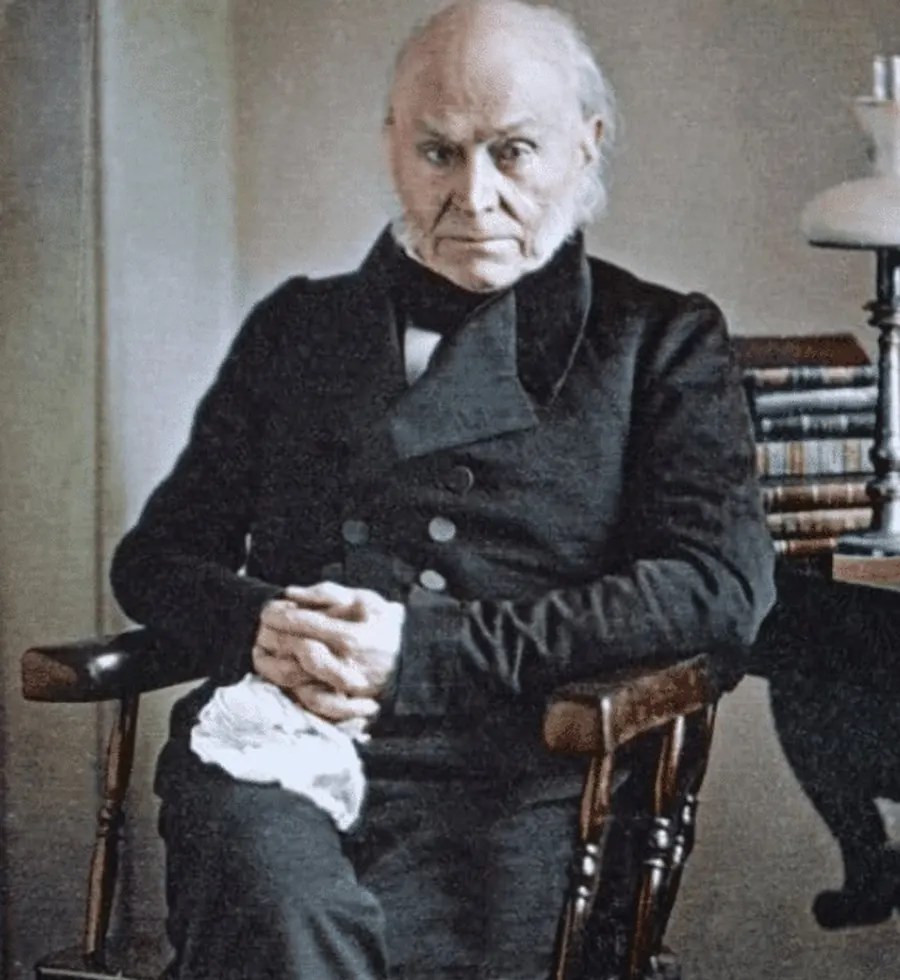
A President's Later Years
After his single term as President, John Quincy Adams did not retire from public life but instead served in the House of Representatives for nearly two decades. It was during this late-career period that he sat for several early photographers, leaving behind a visual record of his elder statesman years. His fierce opposition to slavery continued to define his legacy during this photographed era.
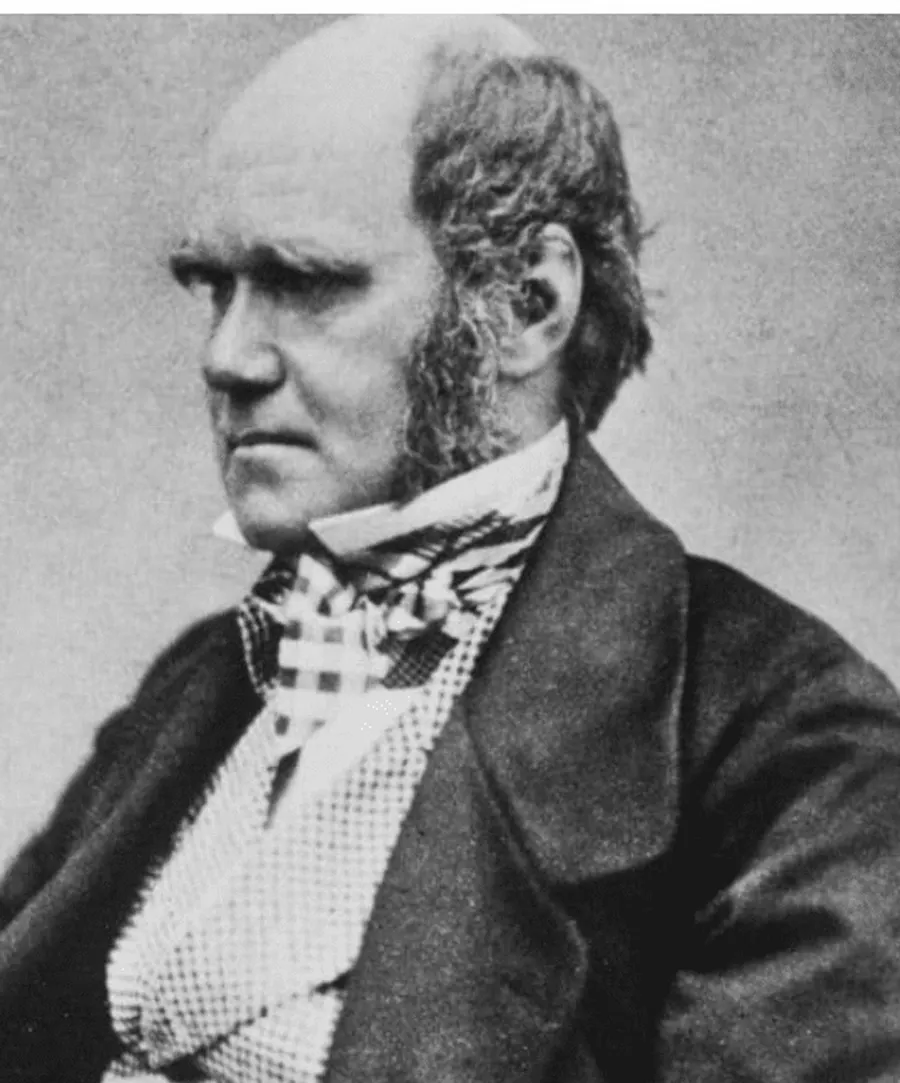
Darwin's Scientific Legacy
Charles Darwin's publication of 'On the Origin of Species' in 1859 coincided with the rapid expansion of commercial photography. As his scientific ideas sparked intense debate worldwide, public curiosity about his appearance grew, making his photographic portraits highly sought after by the public. These images helped establish him as one of the most recognizable intellectual figures of the Victorian era.
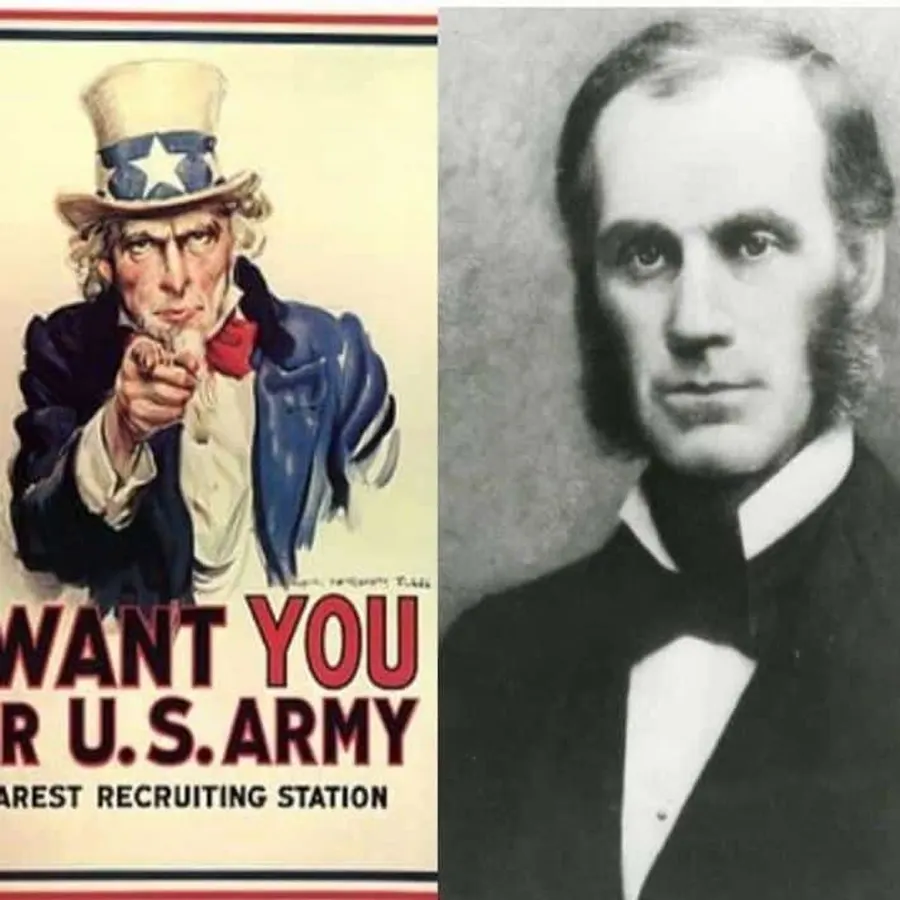
From Man to Mascot
While Samuel Wilson's actual appearance differed from the famous recruitment posters of World War I, his real-life legacy remains deeply tied to American identity. The transition from a local businessman to a national symbol of patriotism highlights how folklore can reshape a person's historical memory. This early photograph offers a rare look at the actual man behind the legendary caricature.
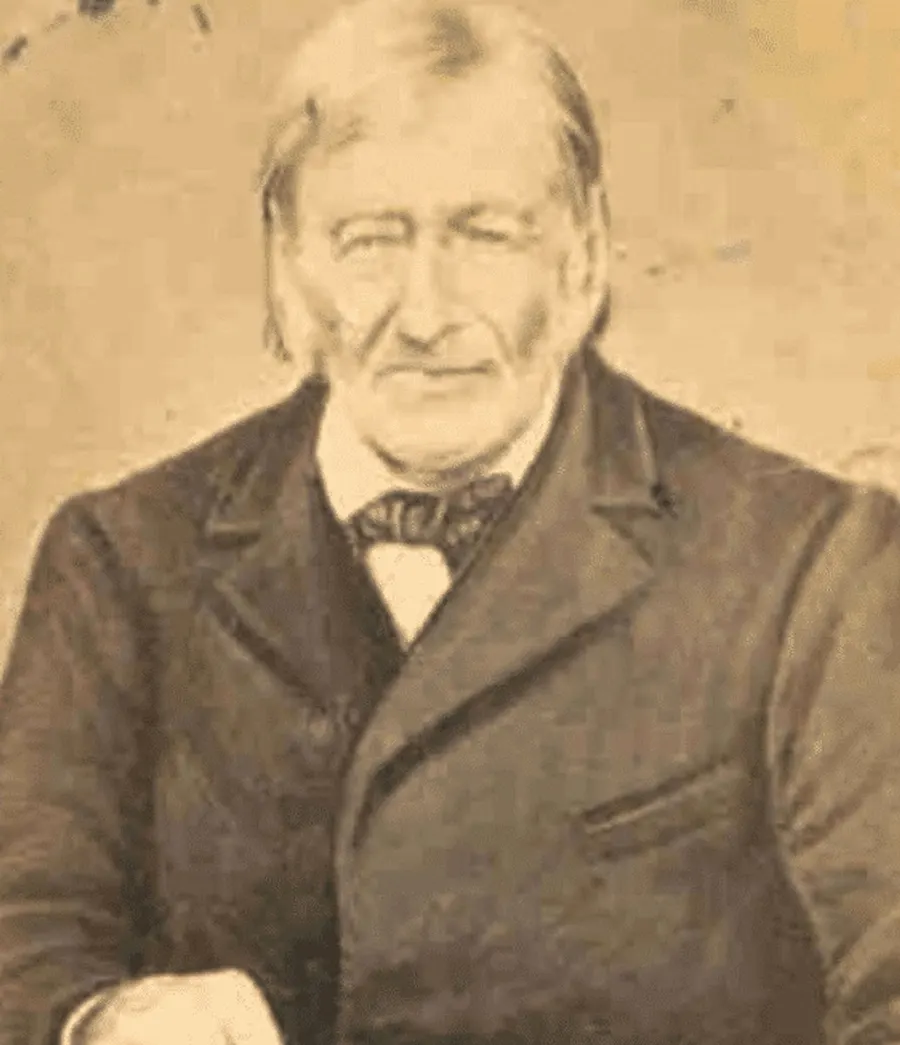
Witness to a New Century
Daniel Frederick Bakeman's incredibly long life allowed him to witness the transformation of the United States from a loose confederation of colonies into a rapidly industrializing nation. He survived to see the end of the Civil War and the reconstruction era, bridging two defining periods of American history. His photograph serves as a physical link to the generation that fought for American independence.
Preserving the 19th Century
The preservation of early photographs requires specialized archival care, as the chemical emulsions used on glass and metal are highly sensitive to light and moisture. Many irreplaceable portraits from the mid-1800s have been lost to decay, making the surviving images all the more precious to historians. Modern digital restoration techniques now allow us to view these pioneers with unprecedented clarity.
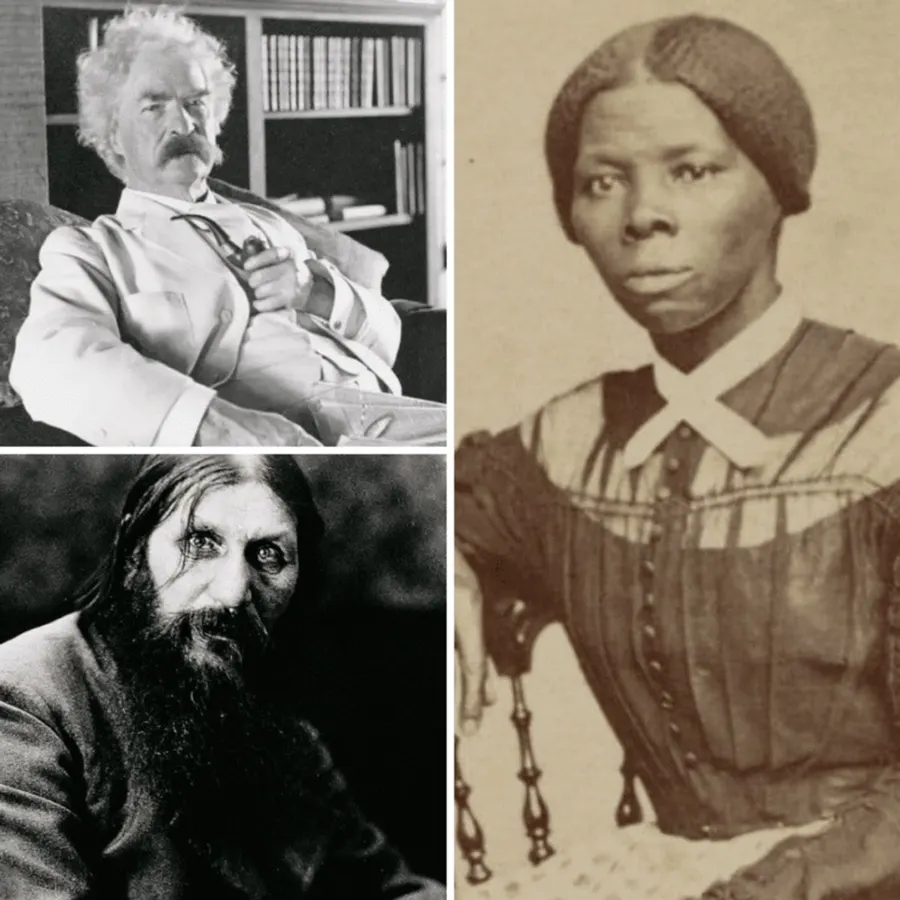
The Dawn of Photography
In the early 19th century, the invention of the daguerreotype revolutionized how we document human history. For the first time, the likenesses of people who shaped the modern world could be captured with absolute accuracy rather than through paintings. This new medium bridged the gap between the ancient past and the modern era.
Featured galleries