15 Endangered Species and the Conservation Work Around Them
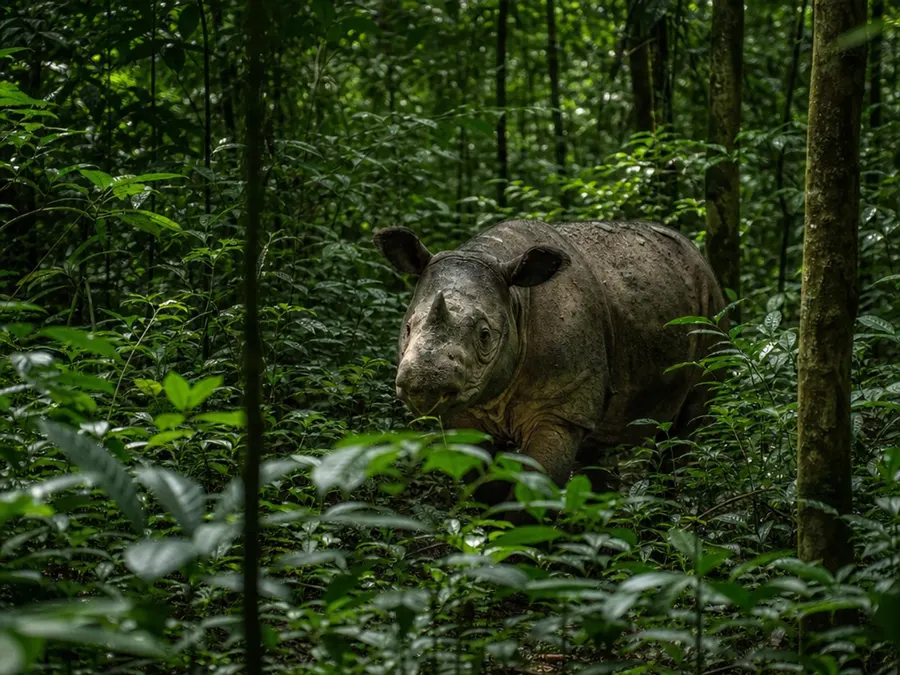
Javan Rhinoceros
The Javan rhinoceros is Critically Endangered and survives in a single wild population in Indonesia's Ujung Kulon landscape. A restricted range makes disease, invasive plants, and natural disasters especially consequential. Protection focuses on intensive monitoring, habitat management, anti-poaching patrols, and establishing a secure additional population rather than encouraging wildlife tourism.
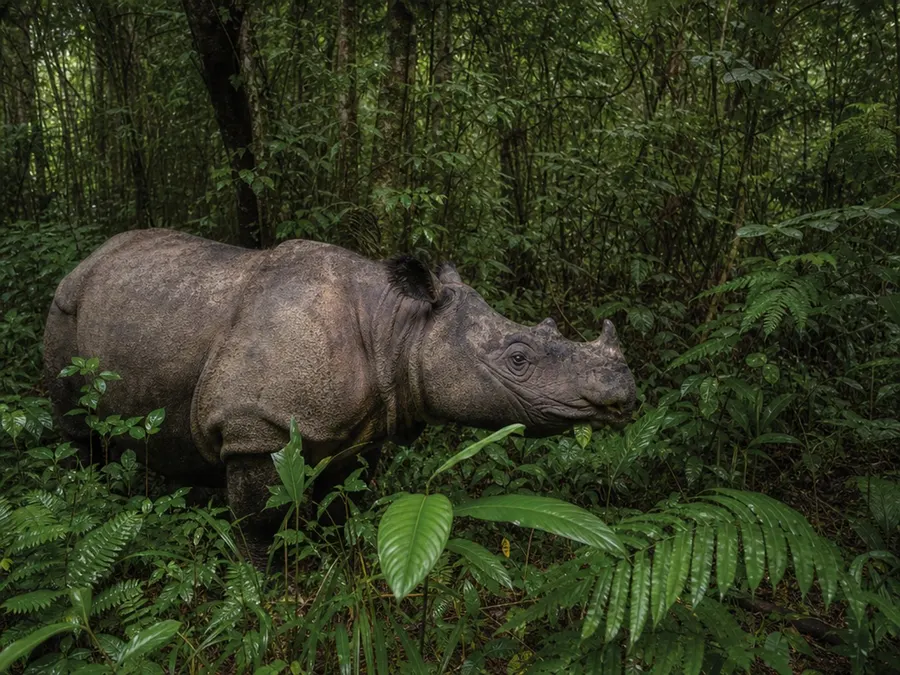
Sumatran Rhinoceros
The smaller, hairy Sumatran rhinoceros is Critically Endangered, with fragmented groups on Sumatra and Borneo. Habitat loss and isolation make it hard for the remaining animals to find mates. Conservation combines protected habitat and patrols with carefully managed breeding and efforts to connect or consolidate animals where specialists judge intervention appropriate.
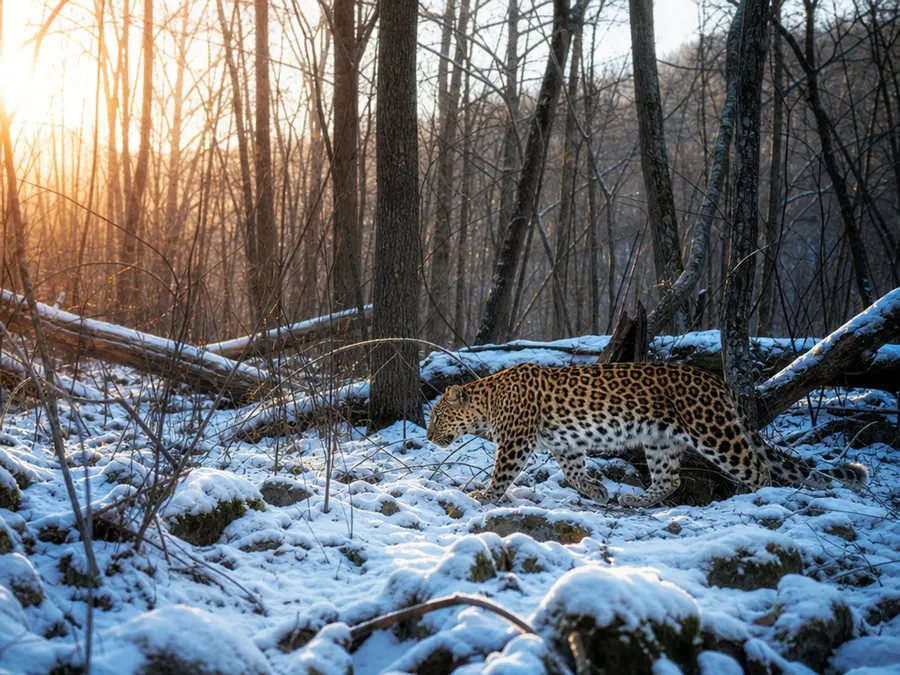
Amur Leopard
The Amur leopard is Critically Endangered and adapted to the temperate forests of the Russian Far East and northeast China. Poaching, prey loss, fire, and habitat fragmentation have shaped its decline. Cross-border protected areas, camera-trap monitoring, anti-poaching enforcement, and prey recovery are central to keeping a connected wild population.
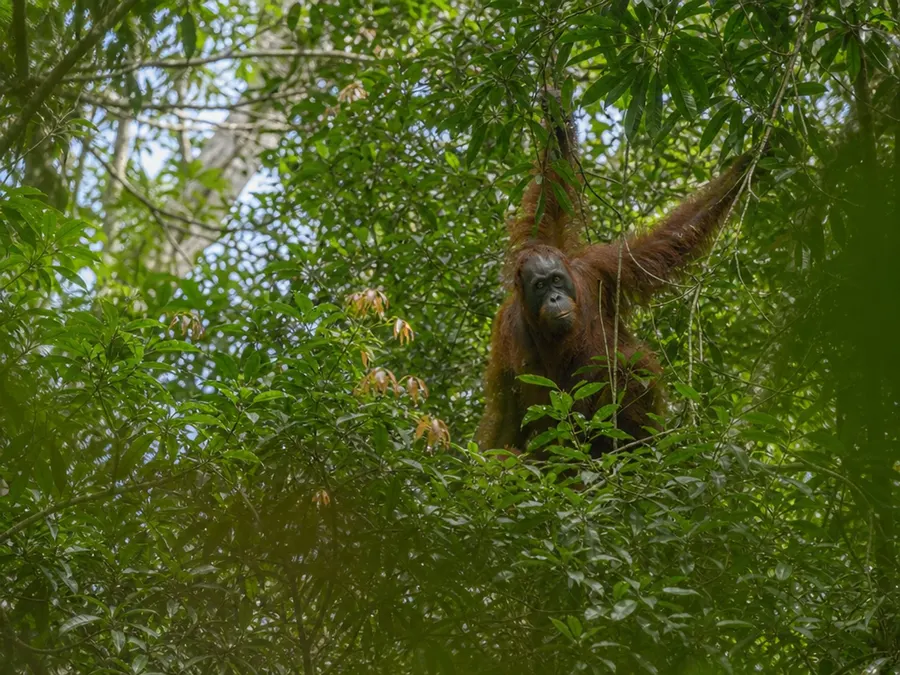
Tapanuli Orangutan
Recognized as a distinct species in 2017, the Tapanuli orangutan is Critically Endangered and limited to the Batang Toru ecosystem on Sumatra. Forest conversion, roads, energy development, and conflict threaten habitat continuity. Conservation priorities include preventing further fragmentation, protecting corridors, and reducing encounters that can injure orangutans or people.
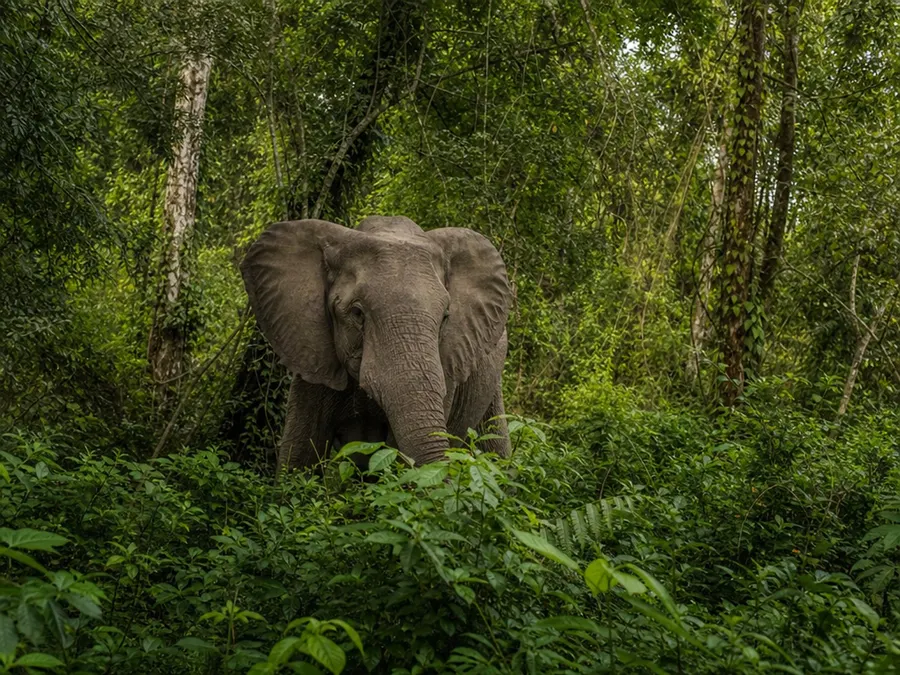
African Forest Elephant
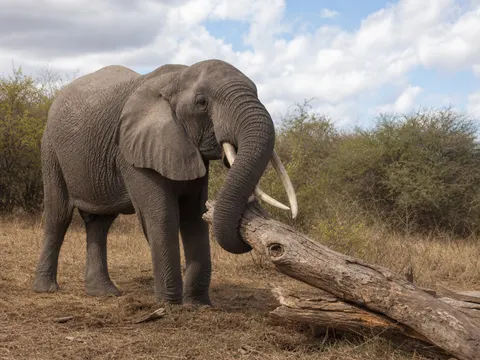
The African forest elephant is assessed as Critically Endangered and occupies forests in central and western Africa. Ivory poaching and habitat loss remain major pressures, while slow reproduction limits recovery. Conservation work includes anti-trafficking enforcement, protecting large connected forest landscapes, monitoring populations, and helping communities reduce dangerous crop and settlement conflicts.
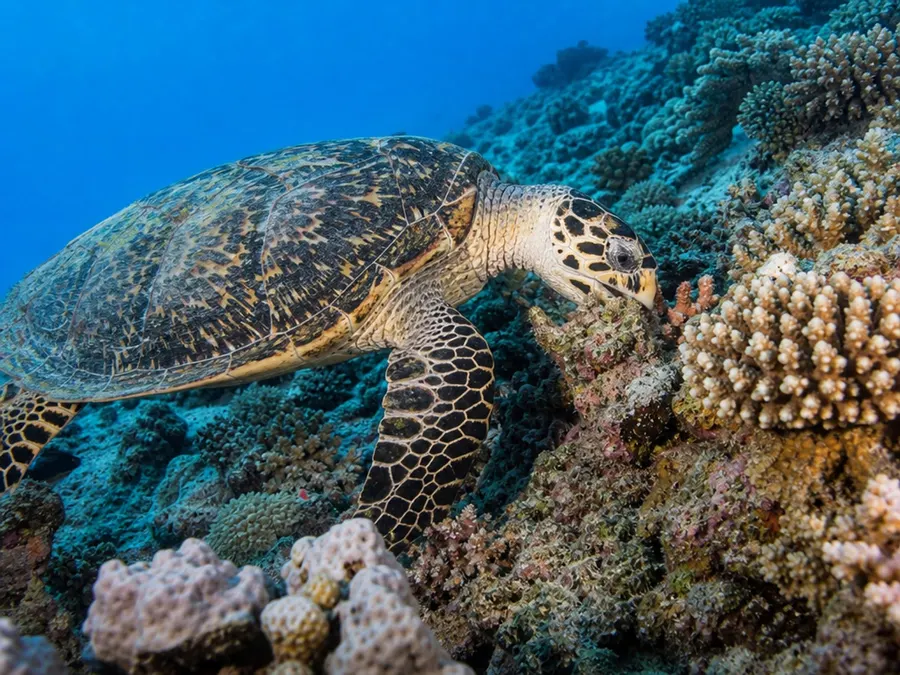
Hawksbill Sea Turtle
The hawksbill sea turtle is Critically Endangered and lives in tropical oceans, often around coral reefs. Historic demand for patterned shell, accidental capture in fishing gear, nesting-beach disturbance, and reef decline all matter. Protection includes enforcing wildlife-trade bans, safer fisheries, guarded nesting sites, reduced light pollution, and resilient reef habitat.
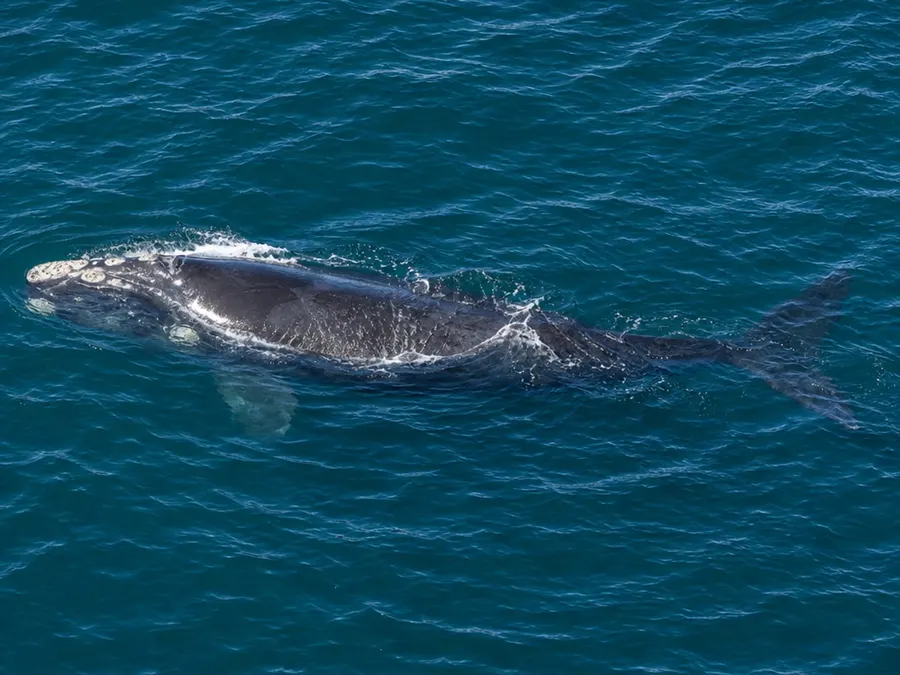
North Atlantic Right Whale
The North Atlantic right whale is Critically Endangered and migrates along the eastern coasts of Canada and the United States. Vessel strikes and entanglement in fishing gear are leading human-caused threats. Seasonal speed rules, changing fishing practices, disentanglement response, aerial surveys, acoustic monitoring, and protected habitat all contribute to recovery efforts.
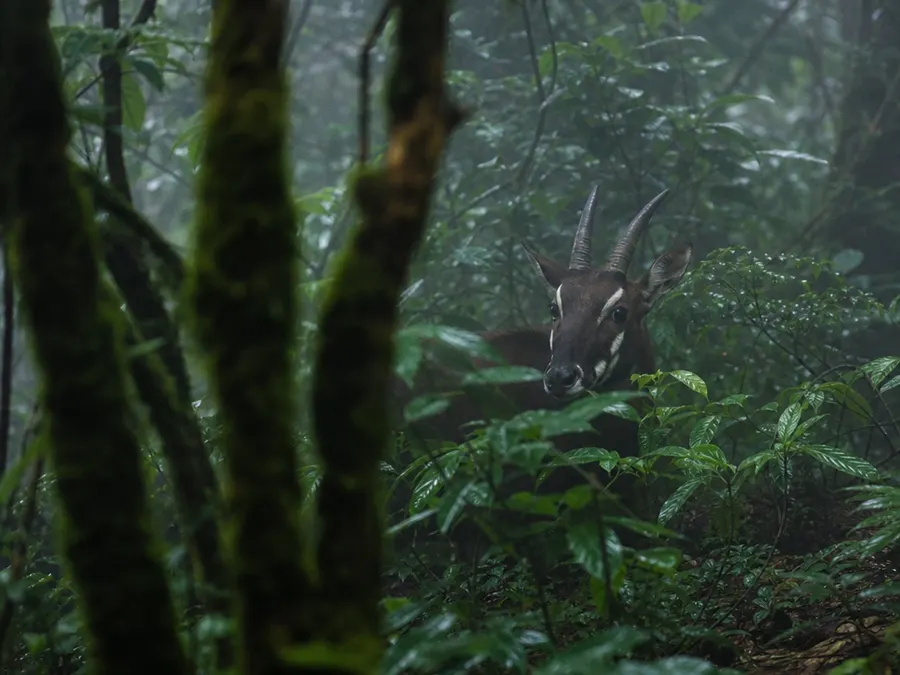
Saola
The saola is a Critically Endangered forest bovid known from the Annamite Mountains of Laos and Vietnam. Wire snares set for other wildlife can kill saola, while forest fragmentation increases pressure. Conservation teams emphasize snare removal, stronger protected-area management, local partnerships, and careful surveys that do not publicize sensitive locations.
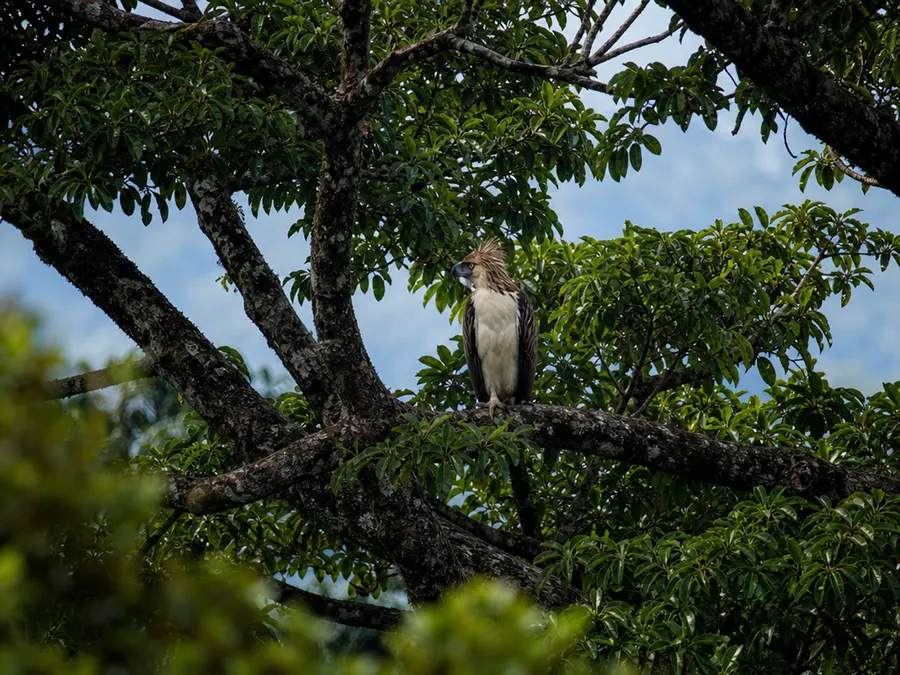
Philippine Eagle
The Philippine eagle is Critically Endangered and depends on extensive tropical forest across several Philippine islands. Forest clearing, shooting, and disturbance around nesting territories threaten a bird that reproduces slowly. Conservation includes nest monitoring, forest protection, community education, law enforcement, rehabilitation, and a managed conservation-breeding program.
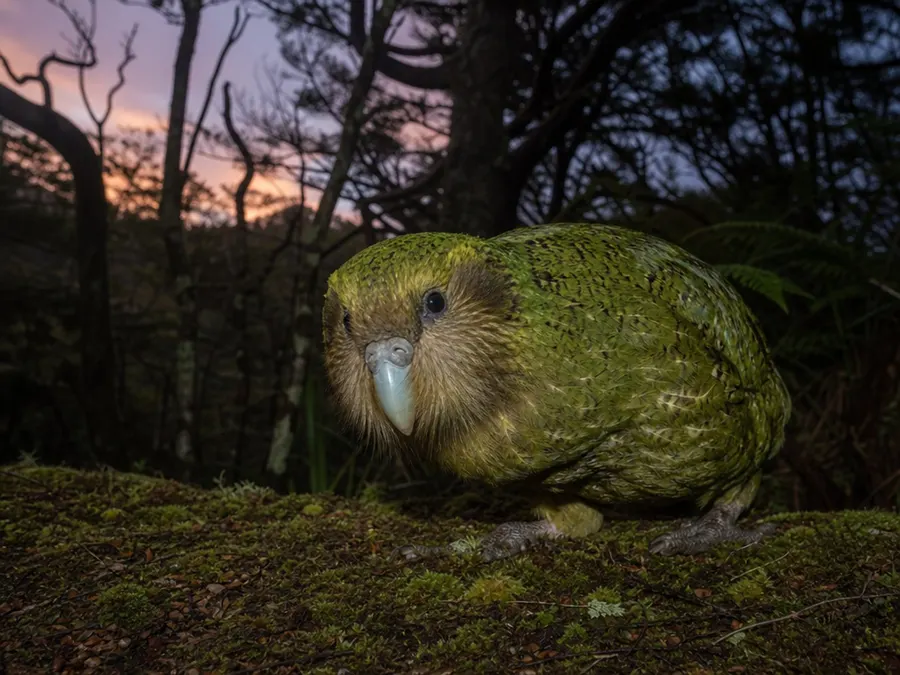
Kākāpō
The kākāpō is a nocturnal, flightless New Zealand parrot assessed as Critically Endangered. Introduced predators and historically small numbers created severe risk. The recovery program intensively monitors known birds, protects predator-free islands, manages breeding and health, and uses genetic information while keeping exact nesting locations confidential.
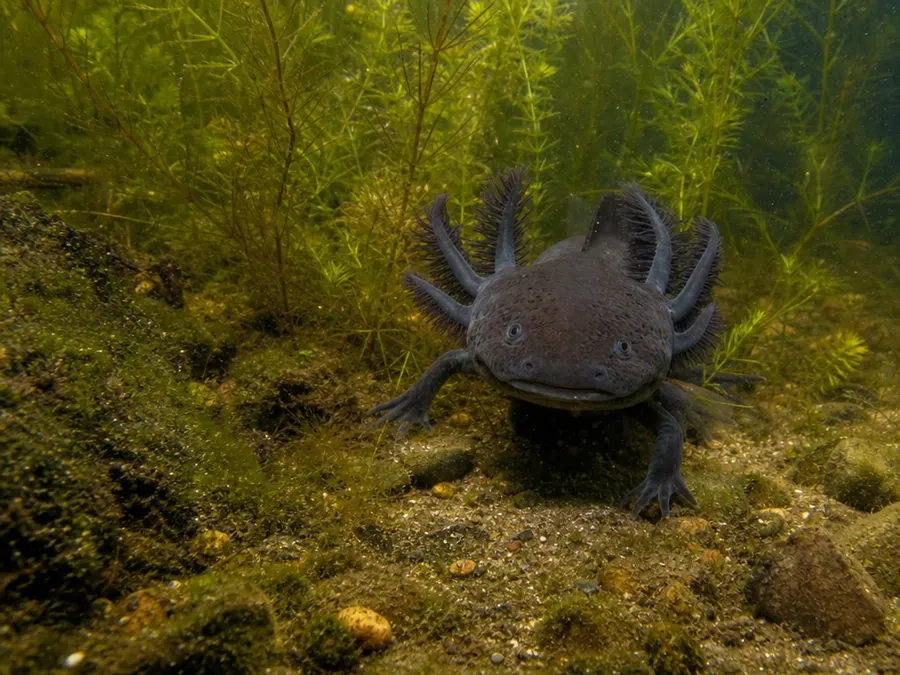
Axolotl
The wild axolotl is Critically Endangered in its native canal habitat around Xochimilco in Mexico City, even though captive axolotls are common. Water pollution, invasive fish, habitat change, and urban pressure affect the wild population. Restoration projects use cleaner refuges, local farming knowledge, monitoring, and invasive-species control.
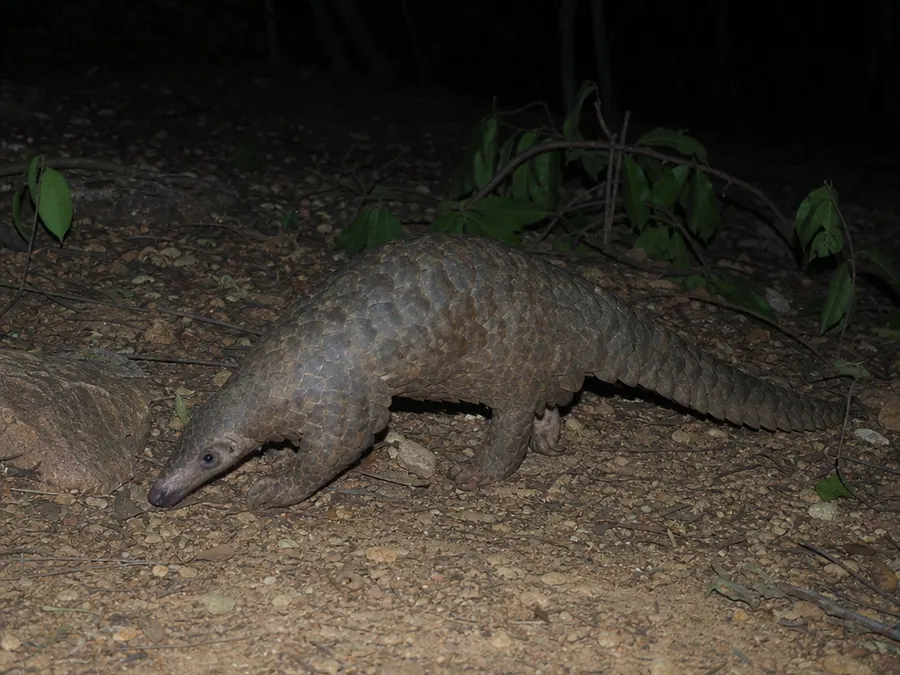
Sunda Pangolin
The Sunda pangolin is Critically Endangered across parts of Southeast Asia. Illegal trade for scales and meat, combined with habitat loss, drives its decline. Conservation responses include trafficking investigations, stronger border and market enforcement, habitat protection, specialist rescue protocols, and public education that avoids promoting pangolins as pets.
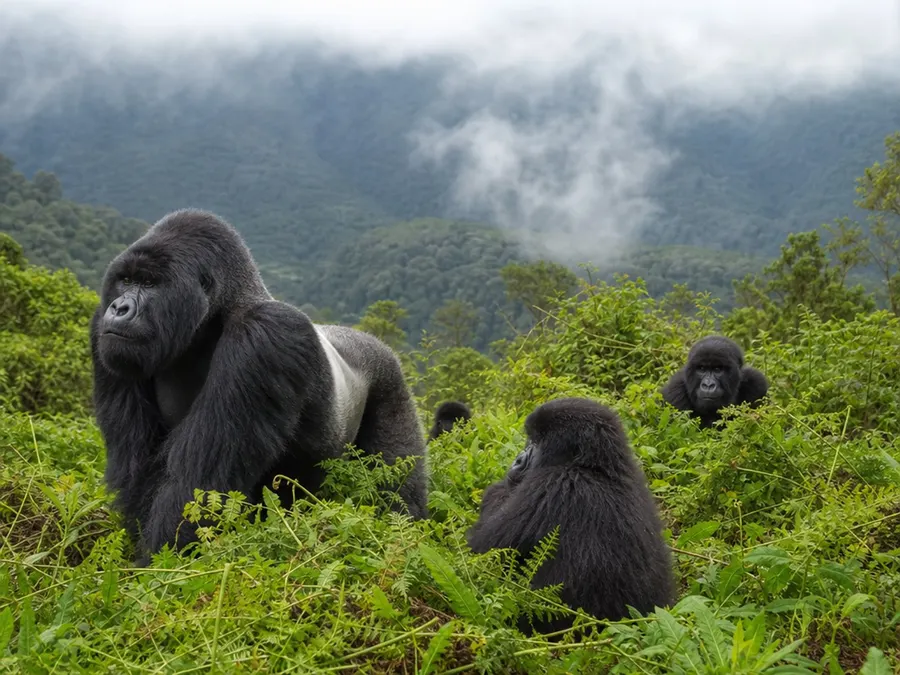
Mountain Gorilla
The mountain gorilla is Endangered and lives in two protected central African landscapes. Habitat pressure, disease transmission, snares intended for other animals, and regional instability require continuing attention. Coordinated ranger patrols, veterinary response, community health, regulated tourism, and cross-border habitat management have supported a rare conservation recovery while risks remain.
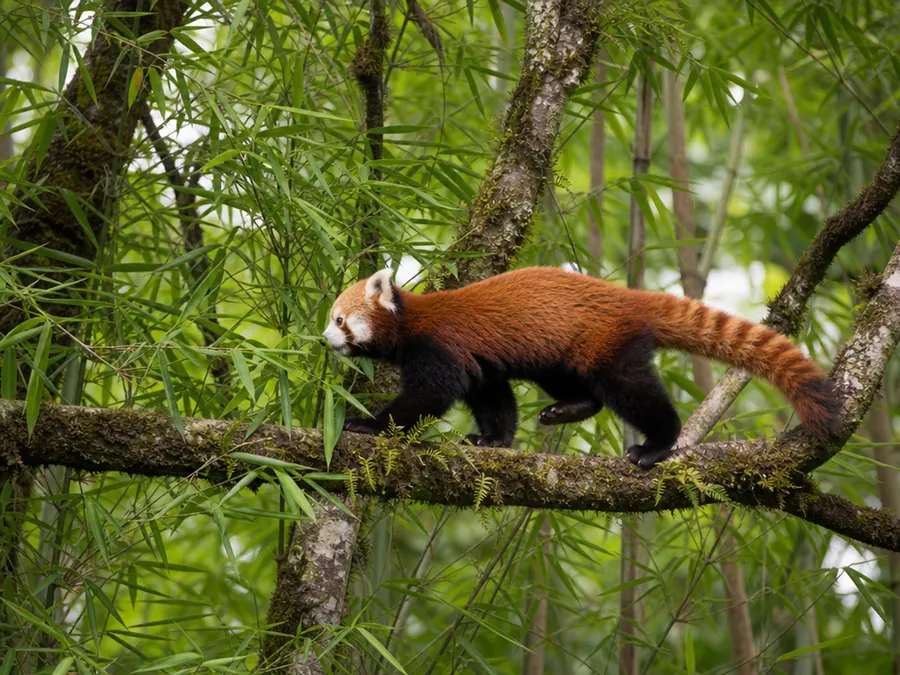
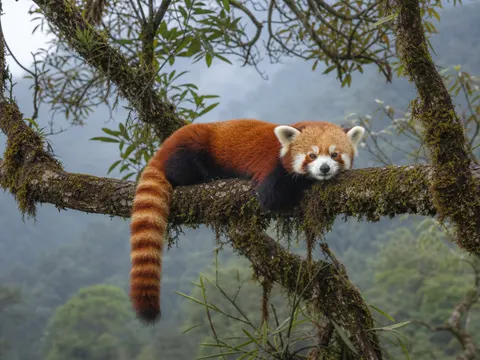
Red Panda
The red panda is Endangered across Himalayan and southwest Chinese forests. Forest loss and fragmentation reduce bamboo habitat, while dogs, livestock pressure, and illegal capture add risk. Conservation efforts protect connected forest, work with communities on sustainable livelihoods, reduce free-ranging dog impacts, monitor populations, and strengthen enforcement against wildlife trade.
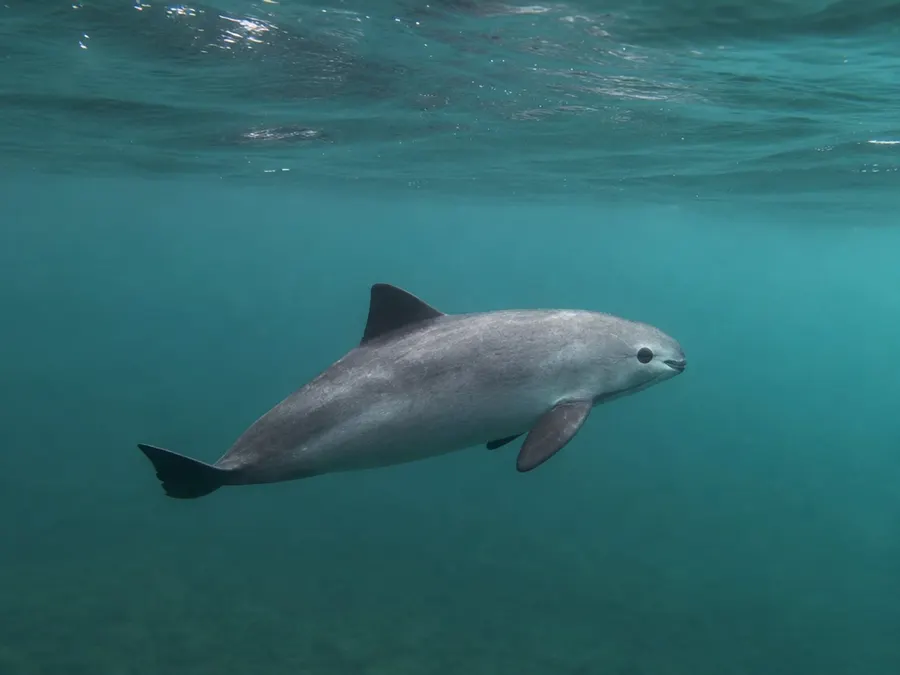
Vaquita
The vaquita is a Critically Endangered porpoise found only in Mexico's northern Gulf of California. Its central threat is entanglement in gillnets, especially illegal nets associated with the totoaba fishery. Conservation work therefore concentrates on removing nets, enforcing a gillnet-free zone, and supporting fishing methods that do not trap porpoises.
Featured galleries