The Early 1900s in Pictures: A World Changing Fast
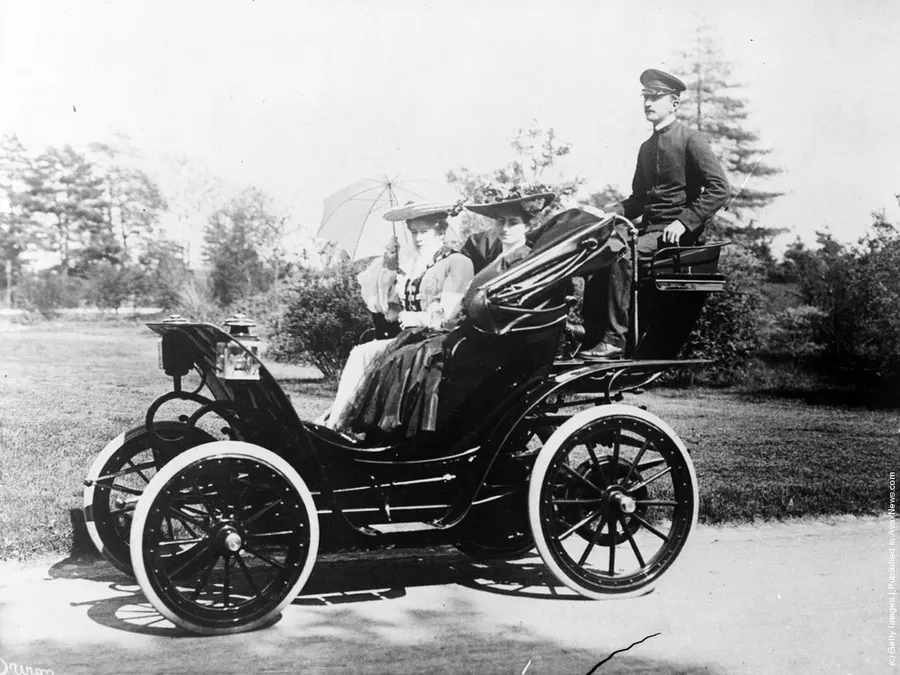
Circa 1900. Two Victorian Ladies Out for a Drive with their Chauffeur
This picture preserves a moment few cameras ever caught — Circa 1900. Two Victorian ladies out for a drive with their chauffeur. The scene dates to around 1900, a detail that changes how you read every face and object in the frame.
The first years of the twentieth century were an age of confident invention. Powered flight arrived with the Wright brothers in 1903, automobiles were leaving the curiosity stage, and cities were filling with electric light, elevators, and streetcars — all of it documented by a new generation of press photographers.
Pictures of ordinary life are some of the most valuable historical documents we have. Grand events were always going to be recorded, but a normal day — how people worked, dressed, shopped, and passed the time — survives only when someone happened to point a camera at it.
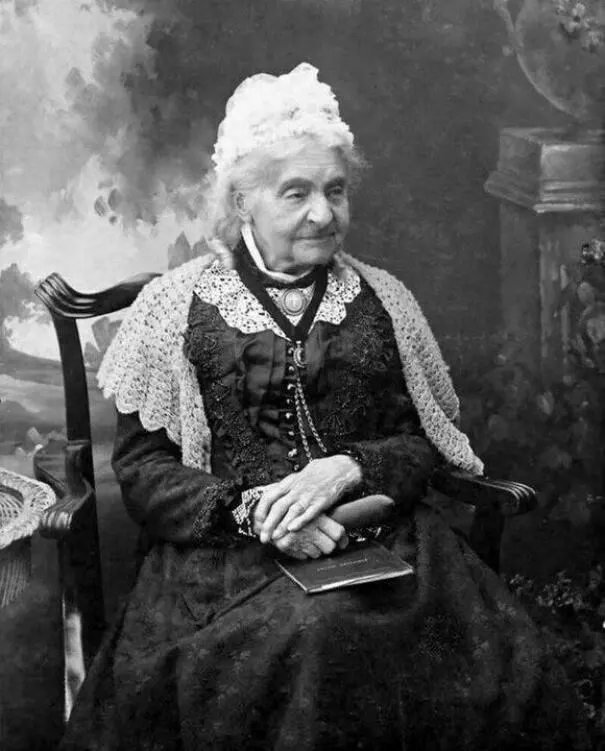
This Photo Shows Margaret Ann Neave, 1902
The photograph shows this Photo Shows Margaret Ann Neave, An American Woman Who Passed Away In 1902 After Reaching The Age Of 110. This Woman Was Born In 1792, Which Means She Lived In Three Centuries. It was taken in 1902, and like the best archival images it needs almost no explanation — the frame tells its own story.
The first years of the twentieth century were an age of confident invention. Powered flight arrived with the Wright brothers in 1903, automobiles were leaving the curiosity stage, and cities were filling with electric light, elevators, and streetcars — all of it documented by a new generation of press photographers.
Most photography of the period chased celebrities and headlines, which makes surviving images of daily routine all the more precious. This is what the world actually looked like when nobody thought it was worth remembering.
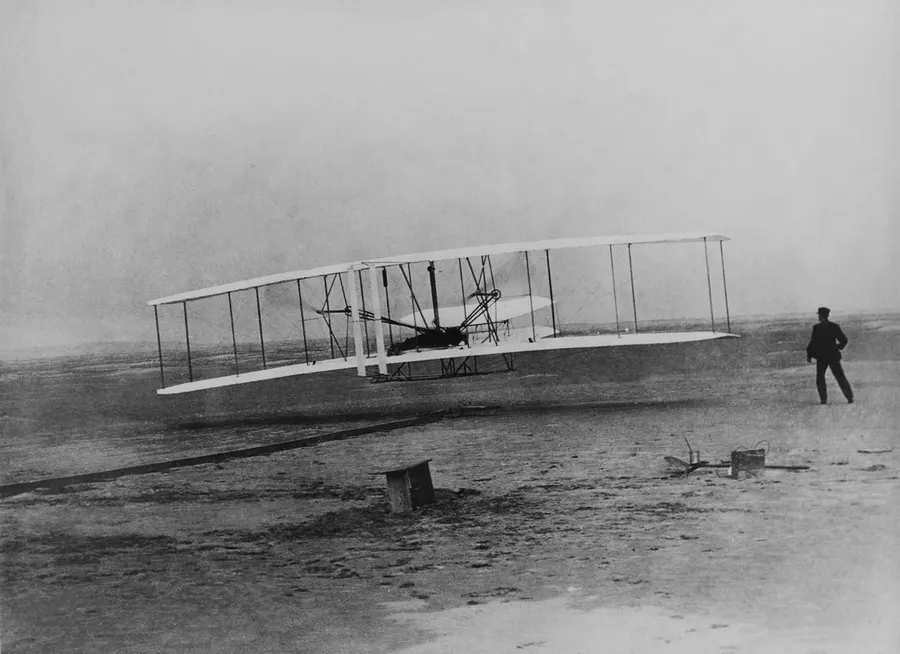
Here Is a Photo of the First-ever Powered Flight by Orville Wright in 1903
Wright Brothers: Here is a photo of the first-ever powered flight by Orville Wright in 1903. Made in 1903, it is the kind of image that turns a date in a history book into something you can actually see.
Orville and Wilbur Wright made the first controlled, powered airplane flights near Kitty Hawk, North Carolina, on December 17, 1903. The first flight lasted twelve seconds and covered 120 feet. A member of the local lifesaving crew triggered the camera shutter, producing one of the most consequential photographs in the history of technology.
Looking at experimental machines from the past, it is easy to laugh at what failed and forget how strange the successful inventions looked at first. To the people in the frame, this was the cutting edge, and the photograph preserves that optimism intact.
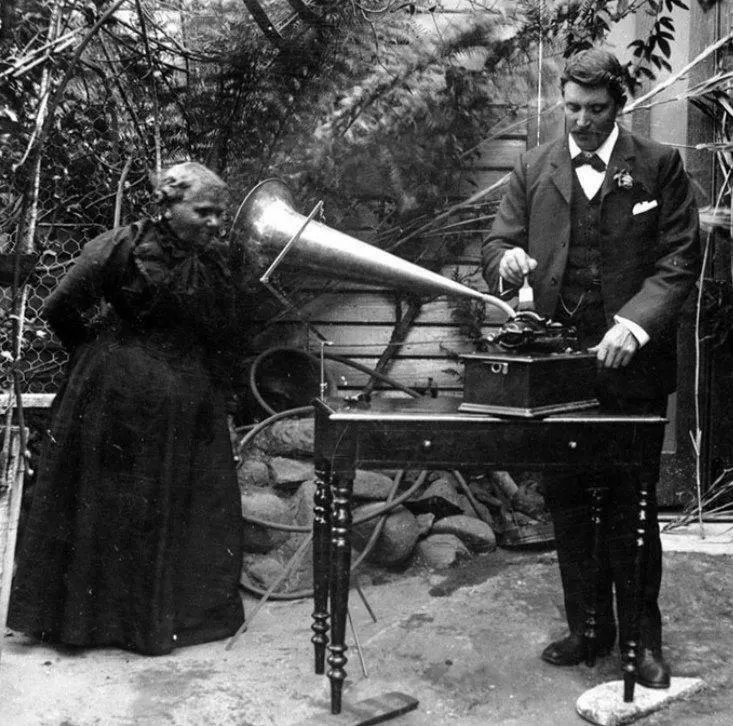
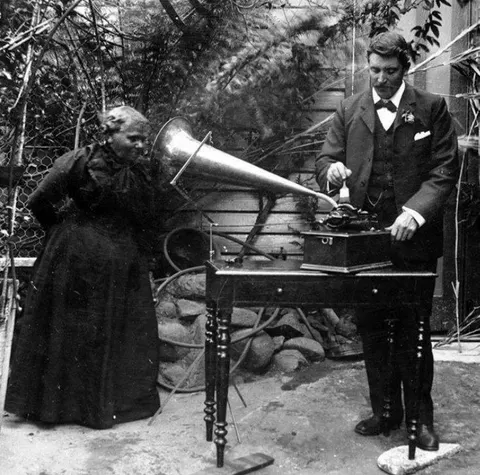
Aboriginal Tasmanian Fanny Cochrane Smith Singing into her Phonograph, 1903
Captured here: Aboriginal Tasmanian Fanny Cochrane Smith Singing Into Her Phonograph In 1903. Without Her Efforts To Preserve Her Culture, We Would Have No Audio Traces Of The Tasmanian Language. Pretty OSC. Made in 1903, it is the kind of image that turns a date in a history book into something you can actually see.
Fanny Cochrane Smith was an Aboriginal Tasmanian woman who recorded songs in the Tasmanian language onto wax cylinders between 1899 and 1903. Those recordings are the only audio of any Tasmanian Aboriginal language ever made, which gives the photographs of her recording sessions extraordinary documentary value.
Inventors of this era worked in public, testing their ideas in streets and fields rather than laboratories, and press photographers loved them for it. Images like this one document how much trial and error sits underneath the technology we now take for granted.
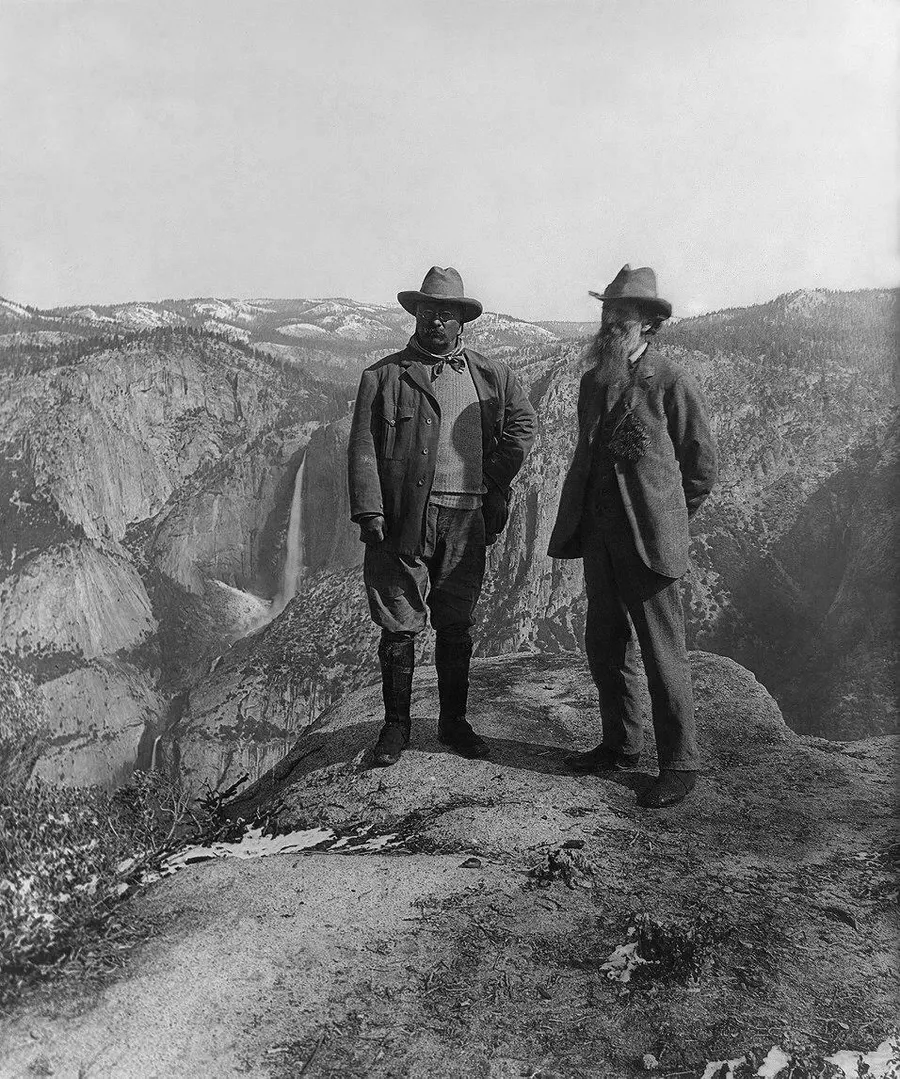
An Actual Photo of Theodore Roosevelt and John Muir at Yosemite, 1903
The photograph shows an Actual Photo Of Theodore Roosevelt And John Muir At Yosemite, 1903. Made in 1903, it is the kind of image that turns a date in a history book into something you can actually see.
The first years of the twentieth century were an age of confident invention. Powered flight arrived with the Wright brothers in 1903, automobiles were leaving the curiosity stage, and cities were filling with electric light, elevators, and streetcars — all of it documented by a new generation of press photographers.
Pictures of ordinary life are some of the most valuable historical documents we have. Grand events were always going to be recorded, but a normal day — how people worked, dressed, shopped, and passed the time — survives only when someone happened to point a camera at it.
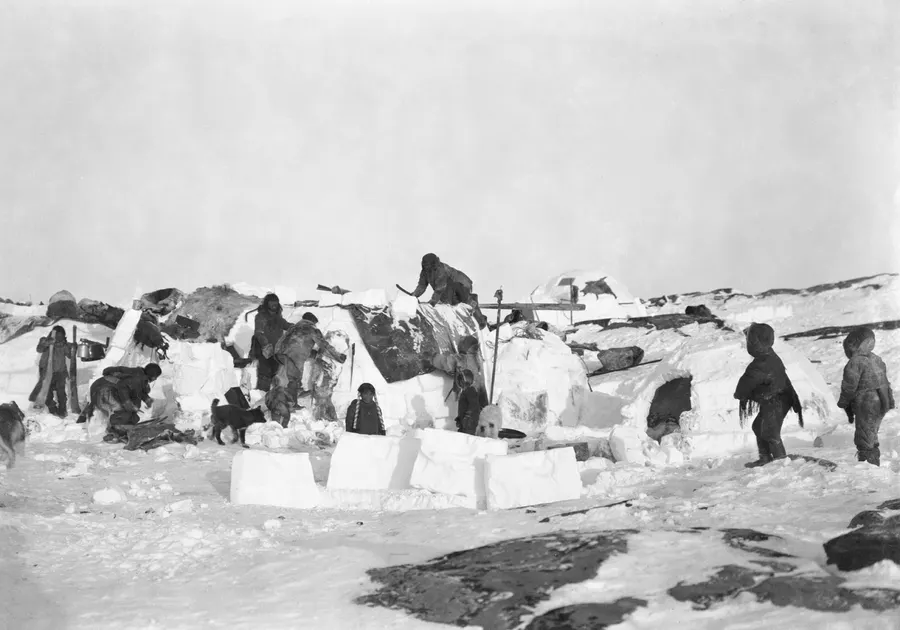
Inuit Igloos, Fullerton Harbour, Nunavut, C. October 1903
The photograph shows Inuit igloos, Fullerton Harbour, Nunavut, c. October 1903. The scene dates to 1903, a detail that changes how you read every face and object in the frame.
The first years of the twentieth century were an age of confident invention. Powered flight arrived with the Wright brothers in 1903, automobiles were leaving the curiosity stage, and cities were filling with electric light, elevators, and streetcars — all of it documented by a new generation of press photographers.
Pictures of ordinary life are some of the most valuable historical documents we have. Grand events were always going to be recorded, but a normal day — how people worked, dressed, shopped, and passed the time — survives only when someone happened to point a camera at it.
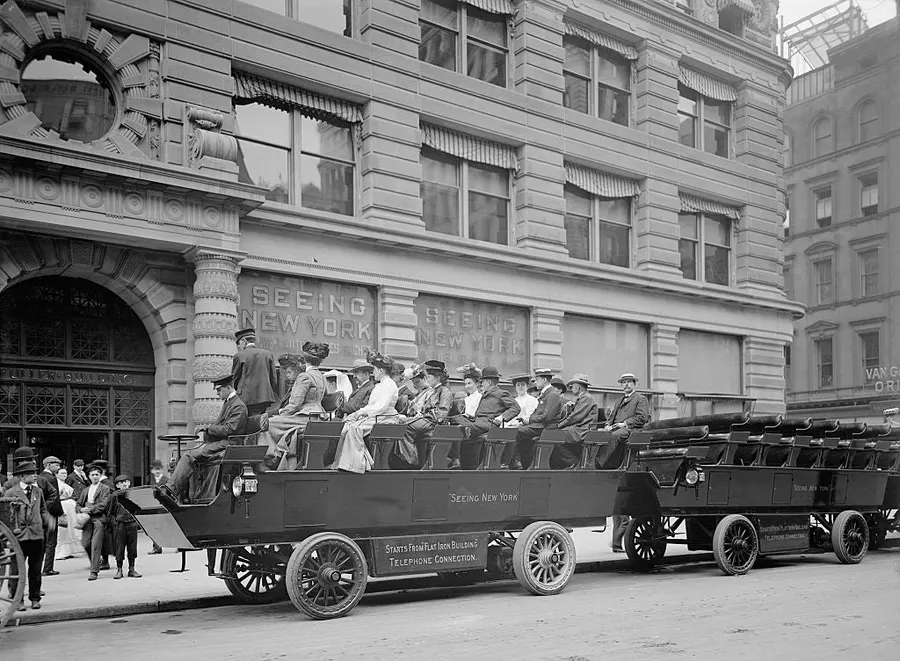
What Some of the First New York City Tour Buses Looked Like in 1904
what some of the first New York City tour buses looked like in 1904. The scene dates to 1904, a detail that changes how you read every face and object in the frame.
The first years of the twentieth century were an age of confident invention. Powered flight arrived with the Wright brothers in 1903, automobiles were leaving the curiosity stage, and cities were filling with electric light, elevators, and streetcars — all of it documented by a new generation of press photographers.
Pictures of ordinary life are some of the most valuable historical documents we have. Grand events were always going to be recorded, but a normal day — how people worked, dressed, shopped, and passed the time — survives only when someone happened to point a camera at it.
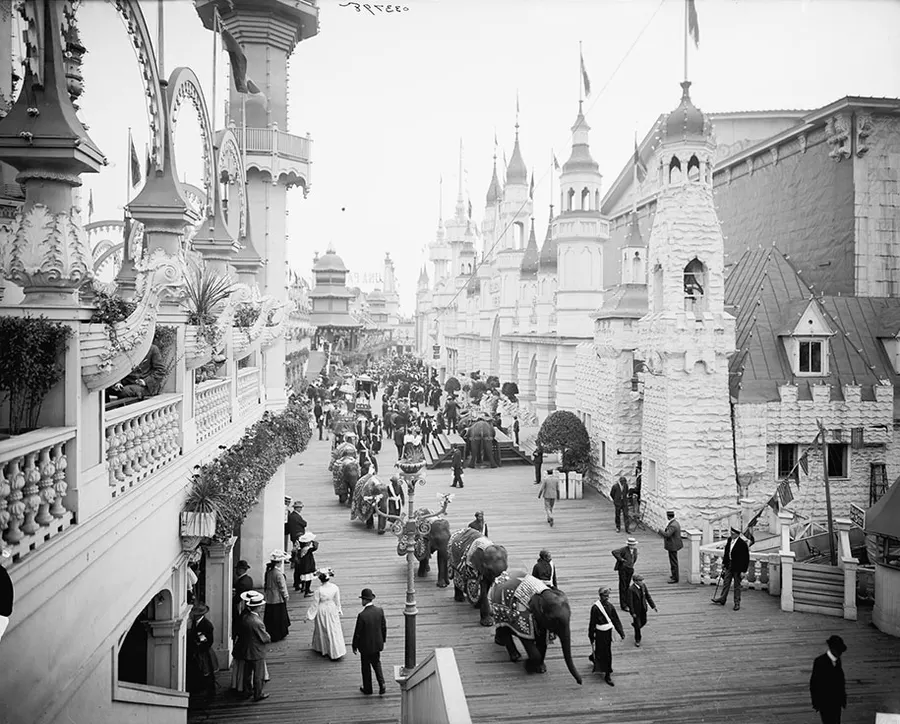
Boardwalk: This Festive Scene Was Shot in Coney Island, New York, in 1905
This picture preserves a moment few cameras ever caught — Boardwalk: This festive scene was shot in Coney Island, New York, in 1905. It was taken in 1905, and like the best archival images it needs almost no explanation — the frame tells its own story.
The first years of the twentieth century were an age of confident invention. Powered flight arrived with the Wright brothers in 1903, automobiles were leaving the curiosity stage, and cities were filling with electric light, elevators, and streetcars — all of it documented by a new generation of press photographers.
What makes everyday photographs like this one compelling is the details at the edges: the clothes, the signs, the tools, the postures. They preserve texture that history books flatten out.
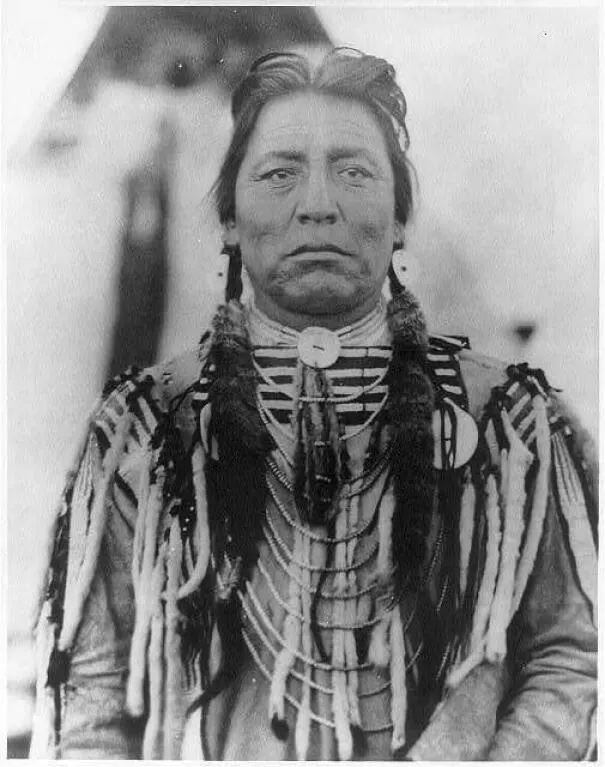
Blackfoot Chief Two Guns White Calf, Early 1900s
Blackfoot Chief Two Guns White Calf, Early 1900s. Made in the 1900s, it is the kind of image that turns a date in a history book into something you can actually see.
The first years of the twentieth century were an age of confident invention. Powered flight arrived with the Wright brothers in 1903, automobiles were leaving the curiosity stage, and cities were filling with electric light, elevators, and streetcars — all of it documented by a new generation of press photographers.
Most photography of the period chased celebrities and headlines, which makes surviving images of daily routine all the more precious. This is what the world actually looked like when nobody thought it was worth remembering.
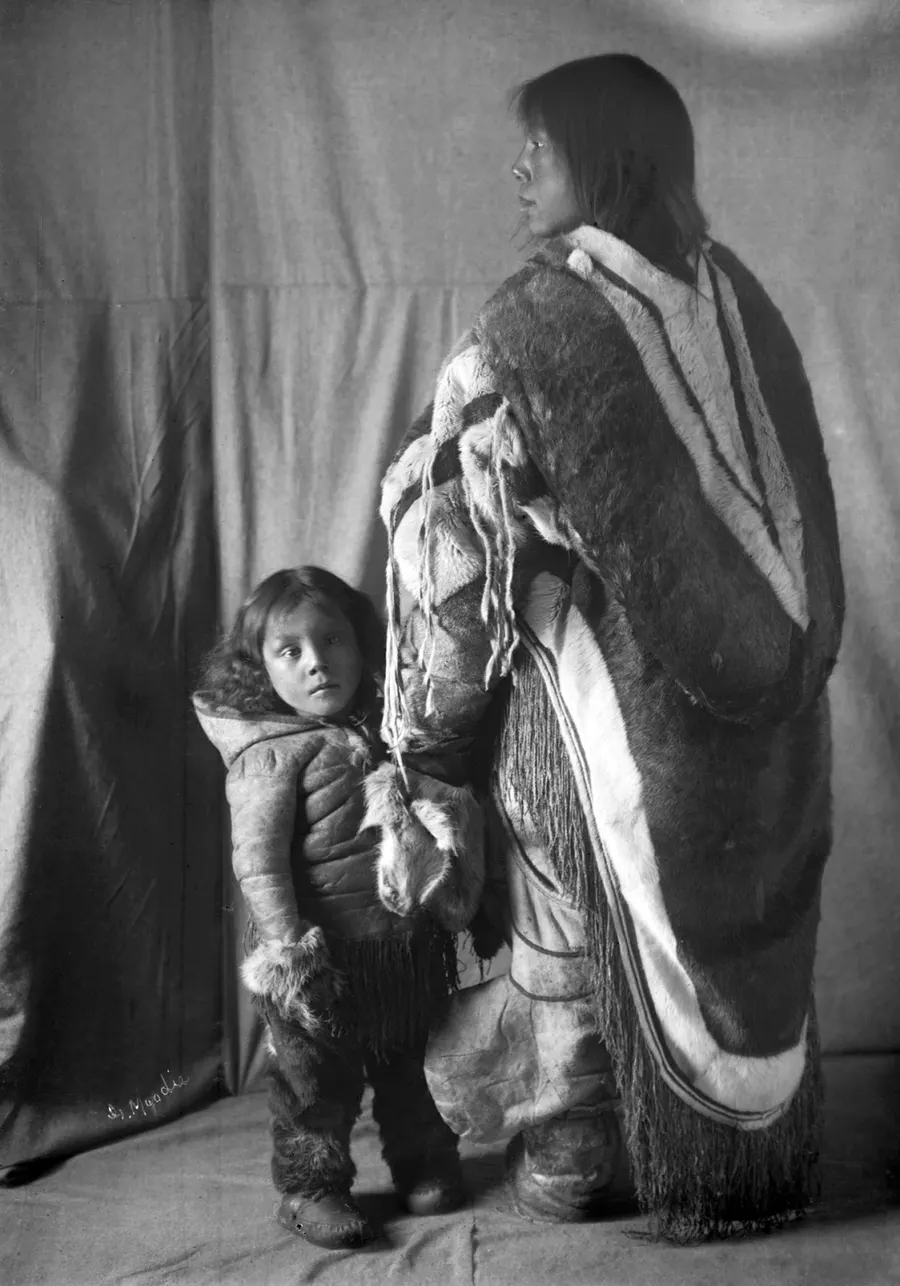
Inuit Woman, Kootucktuck, in her Beaded Attigi, 1905
Captured here: Inuit woman, Kootucktuck, in her beaded attigi. Fullerton Harbour, Nunavut, February 1905. The scene dates to 1905, a detail that changes how you read every face and object in the frame.
The first years of the twentieth century were an age of confident invention. Powered flight arrived with the Wright brothers in 1903, automobiles were leaving the curiosity stage, and cities were filling with electric light, elevators, and streetcars — all of it documented by a new generation of press photographers.
Pictures of ordinary life are some of the most valuable historical documents we have. Grand events were always going to be recorded, but a normal day — how people worked, dressed, shopped, and passed the time — survives only when someone happened to point a camera at it.
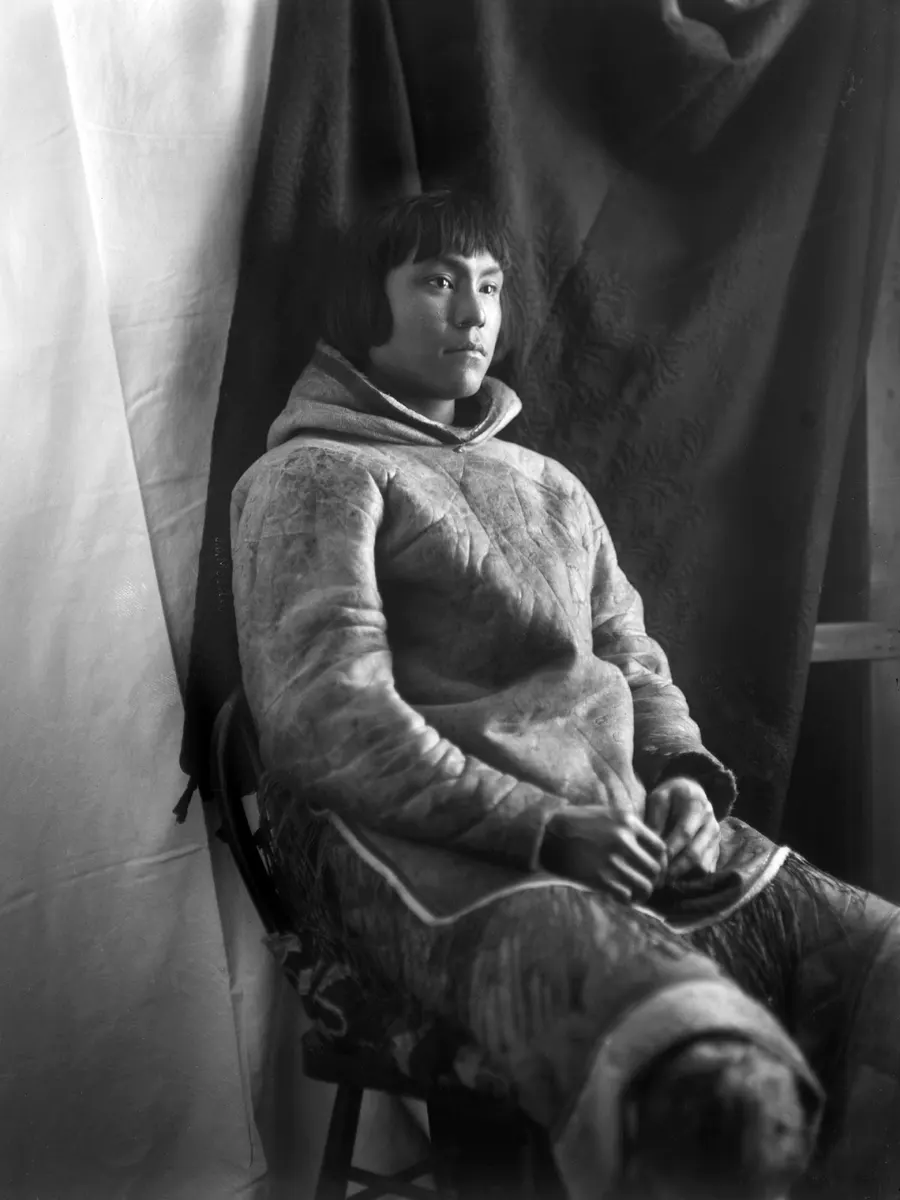
Inuit Man, Kingnuck, of the Kinepetoo Tribe, Fullerton Harbour, Nunavut, 1905
This picture preserves a moment few cameras ever caught — Inuit man, Kingnuck, of the Kinepetoo tribe, Fullerton Harbour, Nunavut, February 5, 1905. Made in 1905, it is the kind of image that turns a date in a history book into something you can actually see.
The first years of the twentieth century were an age of confident invention. Powered flight arrived with the Wright brothers in 1903, automobiles were leaving the curiosity stage, and cities were filling with electric light, elevators, and streetcars — all of it documented by a new generation of press photographers.
What makes everyday photographs like this one compelling is the details at the edges: the clothes, the signs, the tools, the postures. They preserve texture that history books flatten out.
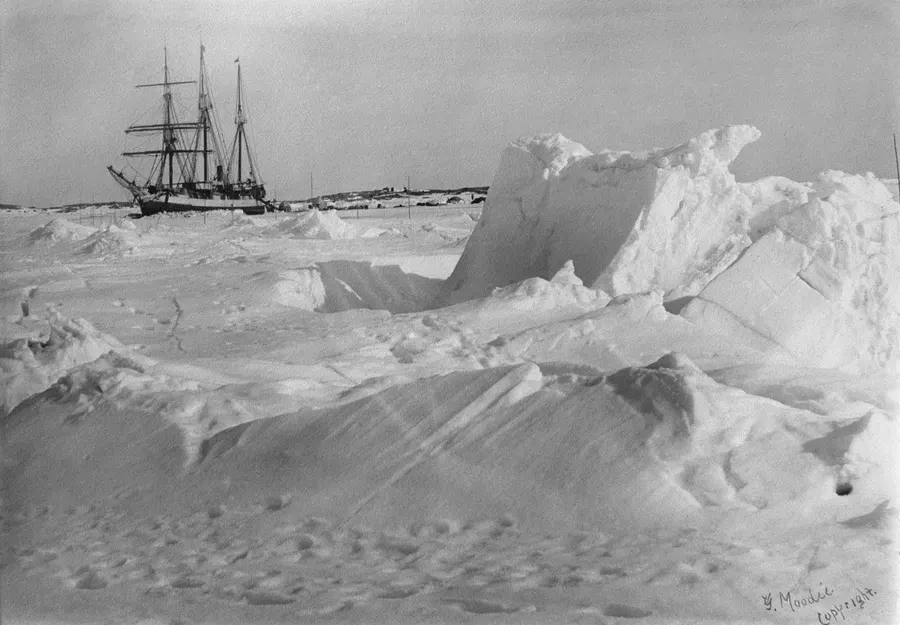
DGS Arctic Frozen in the Ice, Fullerton Harbour, Nunavut, April 1905
This picture preserves a moment few cameras ever caught — DGS Arctic frozen in the ice, Fullerton Harbour, Nunavut, April 1905. Made in 1905, it is the kind of image that turns a date in a history book into something you can actually see.
The first years of the twentieth century were an age of confident invention. Powered flight arrived with the Wright brothers in 1903, automobiles were leaving the curiosity stage, and cities were filling with electric light, elevators, and streetcars — all of it documented by a new generation of press photographers.
Most photography of the period chased celebrities and headlines, which makes surviving images of daily routine all the more precious. This is what the world actually looked like when nobody thought it was worth remembering.
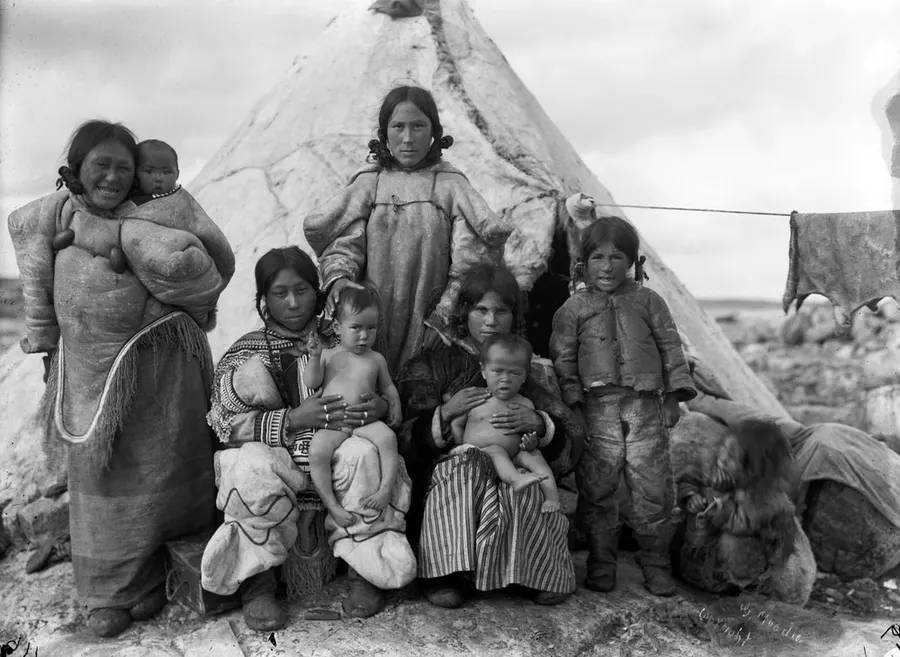
Inuit Women and Children at Summer Camp, Fullerton Harbour, Nunavut, 1906
The photograph shows Inuit women and children at summer camp, Fullerton Harbour, Nunavut, August 1906. Made in 1906, it is the kind of image that turns a date in a history book into something you can actually see.
The first years of the twentieth century were an age of confident invention. Powered flight arrived with the Wright brothers in 1903, automobiles were leaving the curiosity stage, and cities were filling with electric light, elevators, and streetcars — all of it documented by a new generation of press photographers.
Pictures of ordinary life are some of the most valuable historical documents we have. Grand events were always going to be recorded, but a normal day — how people worked, dressed, shopped, and passed the time — survives only when someone happened to point a camera at it.
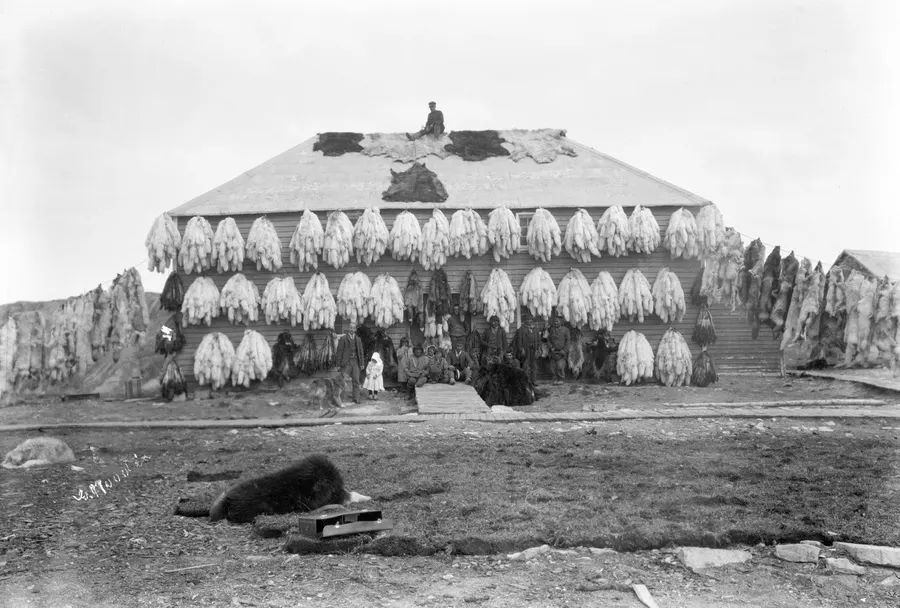
Hudson Bay Company Store Covered with Furs, Churchill, Manitoba, Circa 1906-09
Hudson Bay Company store covered with furs, Churchill, Manitoba, circa 1906-09. Made in 1906-09, it is the kind of image that turns a date in a history book into something you can actually see.
The first years of the twentieth century were an age of confident invention. Powered flight arrived with the Wright brothers in 1903, automobiles were leaving the curiosity stage, and cities were filling with electric light, elevators, and streetcars — all of it documented by a new generation of press photographers.
Pictures of ordinary life are some of the most valuable historical documents we have. Grand events were always going to be recorded, but a normal day — how people worked, dressed, shopped, and passed the time — survives only when someone happened to point a camera at it.
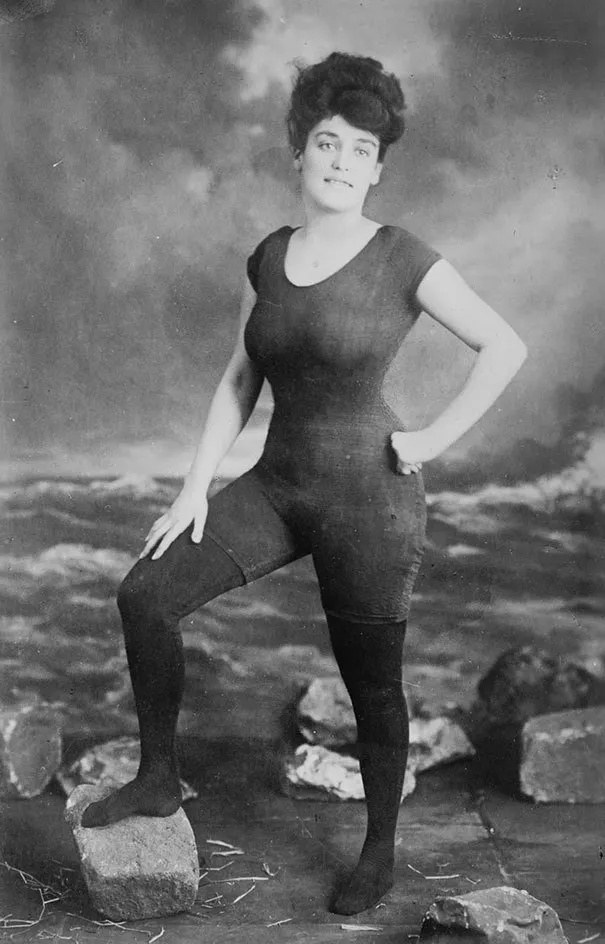
Annette Kellerman Promotes Women’s Right to Wear a Fitted One-piece Bathing, 1907
This picture preserves a moment few cameras ever caught — Annette Kellerman Promotes Women’s Right To Wear A Fitted One-piece Bathing Suit, 1907. She Was Arrested For Indecency. Made in 1907, it is the kind of image that turns a date in a history book into something you can actually see.
Australian swimmer Annette Kellerman helped change what women were allowed to wear in the water. Around 1907 she promoted a fitted one-piece swimsuit at a time when women were expected to swim in heavy dresses, and the story that she was arrested for indecency on a Boston beach — told by Kellerman herself — became part of swimwear history. Within a generation, her style of suit was standard.
What makes everyday photographs like this one compelling is the details at the edges: the clothes, the signs, the tools, the postures. They preserve texture that history books flatten out.
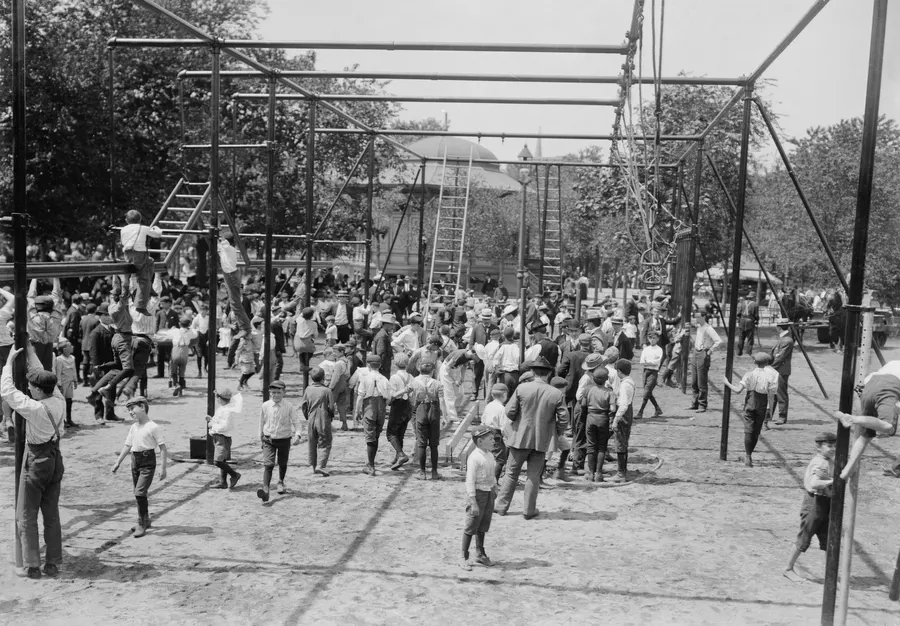
What a Typical Children's Playground Looked Like in 1908
what a typical children's playground looked like in 1908. It was taken in 1908, and like the best archival images it needs almost no explanation — the frame tells its own story.
The first years of the twentieth century were an age of confident invention. Powered flight arrived with the Wright brothers in 1903, automobiles were leaving the curiosity stage, and cities were filling with electric light, elevators, and streetcars — all of it documented by a new generation of press photographers.
Most photography of the period chased celebrities and headlines, which makes surviving images of daily routine all the more precious. This is what the world actually looked like when nobody thought it was worth remembering.
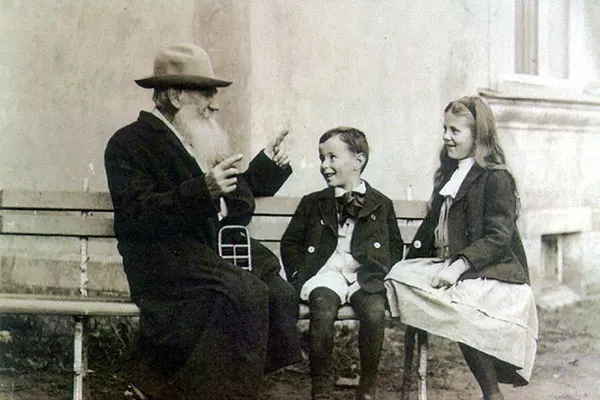
Tolstoy Tells a Story, 1909
Tolstoy Tells a Story: Here’s Leo Tolstoy telling a story to his grandchildren in 1909. Made in 1909, it is the kind of image that turns a date in a history book into something you can actually see.
The first years of the twentieth century were an age of confident invention. Powered flight arrived with the Wright brothers in 1903, automobiles were leaving the curiosity stage, and cities were filling with electric light, elevators, and streetcars — all of it documented by a new generation of press photographers.
What makes everyday photographs like this one compelling is the details at the edges: the clothes, the signs, the tools, the postures. They preserve texture that history books flatten out.
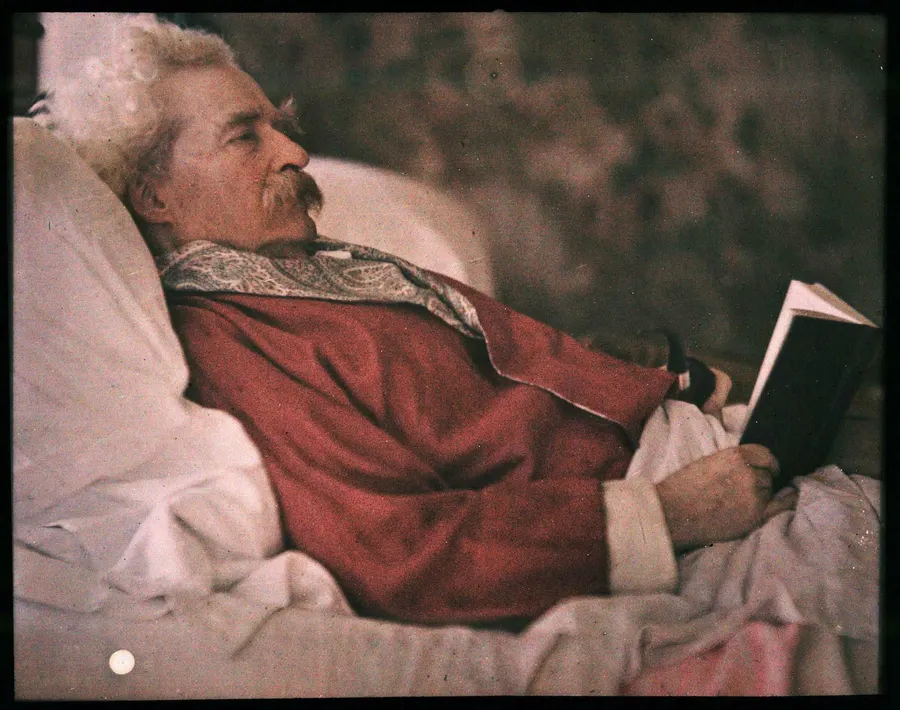
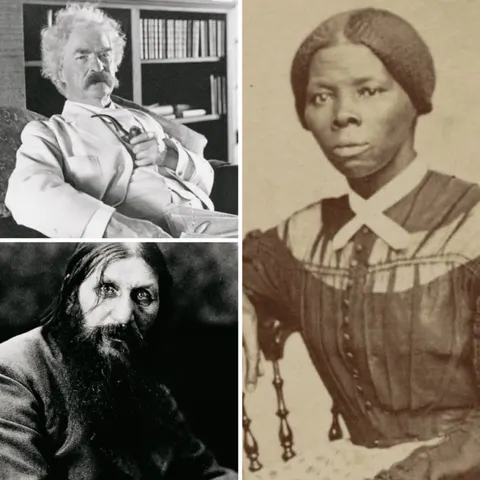
Mark Twain Lying in his Bed at Home in 1909, He Died the Year After
This picture preserves a moment few cameras ever caught — Mark Twain Lying In His Bed At Home In 1909, He Died The Year After. Not Colorized, This Is Autochrome Lumiere. It was taken in 1909, and like the best archival images it needs almost no explanation — the frame tells its own story.
The first years of the twentieth century were an age of confident invention. Powered flight arrived with the Wright brothers in 1903, automobiles were leaving the curiosity stage, and cities were filling with electric light, elevators, and streetcars — all of it documented by a new generation of press photographers.
Most photography of the period chased celebrities and headlines, which makes surviving images of daily routine all the more precious. This is what the world actually looked like when nobody thought it was worth remembering.
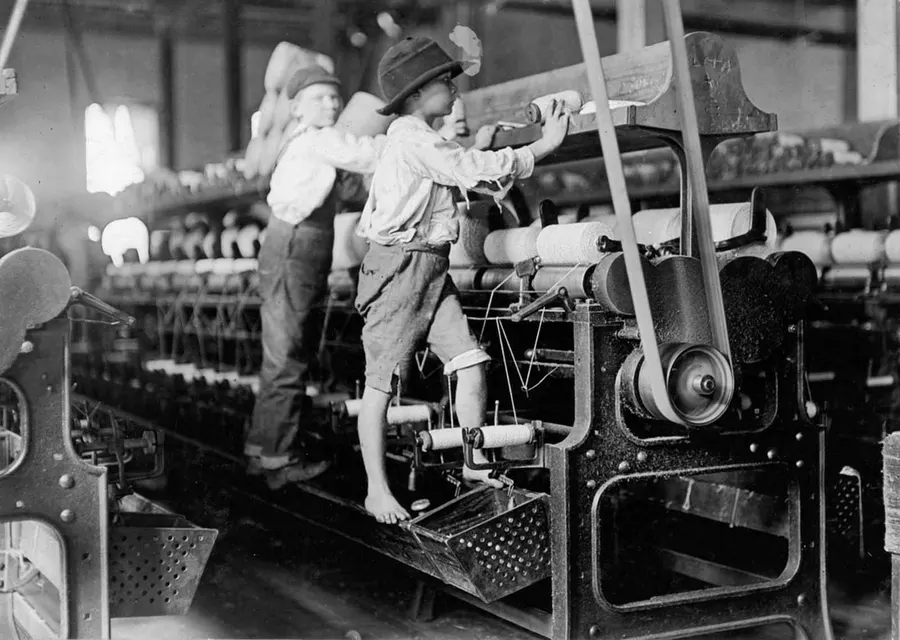
Two Young Boys Standing Barefoot on Moving Electric Looms in Order to Reach, 1910
Captured here: two Young Boys Standing Barefoot On Moving Electric Looms In Order To Reach The Top Shelf While At Work In A Cotton Mill In Georgia, 1910. Photos Of Child Laborers Working Long Hours In Dangerous Conditions Gradually Led To Child Labor Employment Laws. It was taken in 1910, and like the best archival images it needs almost no explanation — the frame tells its own story.
The 1910s were a decade of upheaval. The First World War (1914-1918) pulled millions into uniform and redrew the map of Europe, while on the home front automobiles, telephones, and moving pictures were rapidly becoming part of ordinary life.
What makes everyday photographs like this one compelling is the details at the edges: the clothes, the signs, the tools, the postures. They preserve texture that history books flatten out.
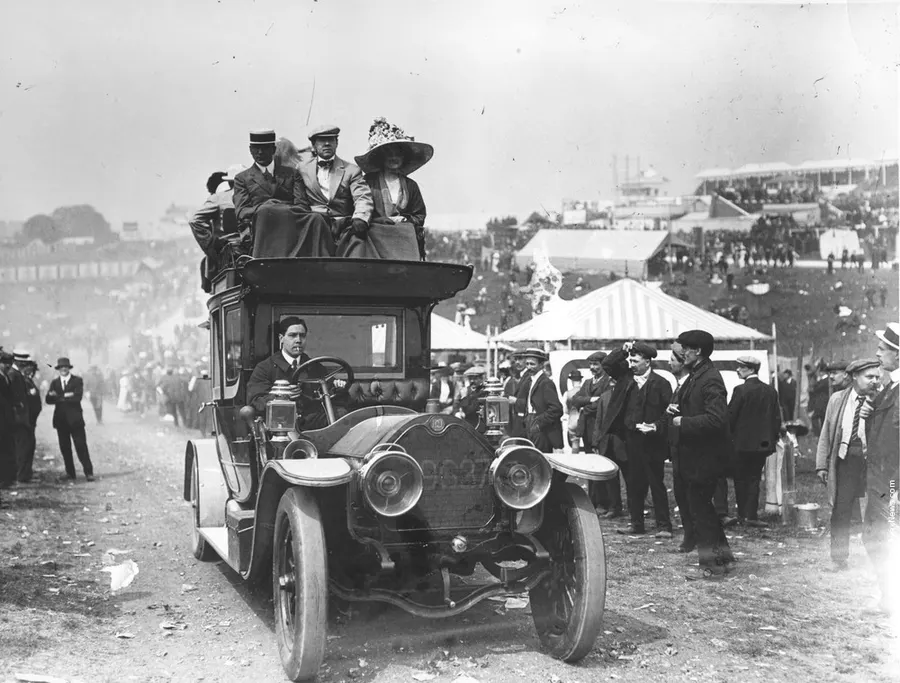
2nd June 1911. Traveling to the Derby by Chauffeur Driven Car. United Kingdom
2nd June 1911. Traveling to the Derby by chauffeur driven car. United Kingdom. It was taken in 1911, and like the best archival images it needs almost no explanation — the frame tells its own story.
The 1910s were a decade of upheaval. The First World War (1914-1918) pulled millions into uniform and redrew the map of Europe, while on the home front automobiles, telephones, and moving pictures were rapidly becoming part of ordinary life.
What makes everyday photographs like this one compelling is the details at the edges: the clothes, the signs, the tools, the postures. They preserve texture that history books flatten out.
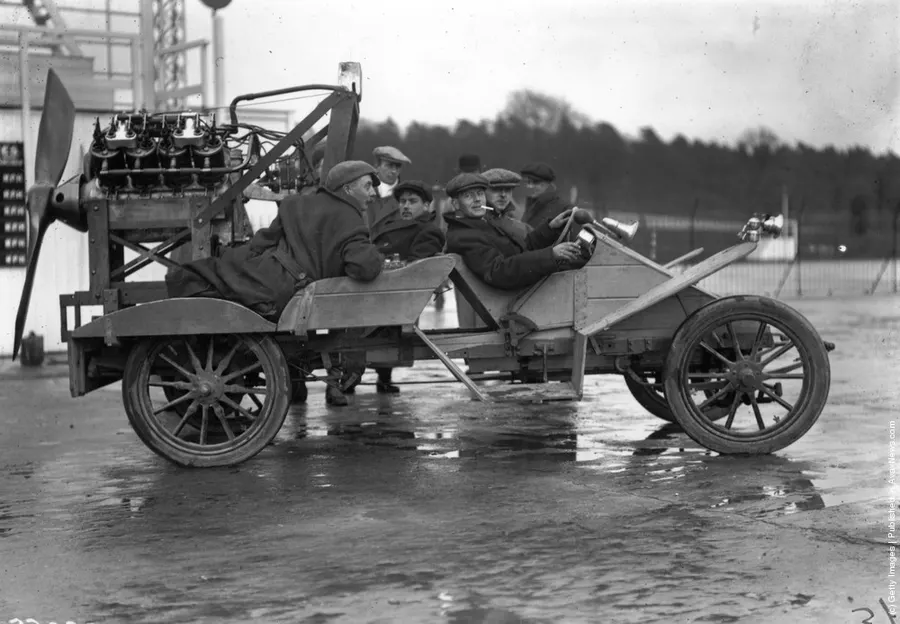
1st May 1911. a Motor Car at Brooklands Race Track Which Has Been Fitted
1st May 1911. A motor car at Brooklands race track which has been fitted with a propeller for extra speed. The scene dates to 1911, a detail that changes how you read every face and object in the frame.
The 1910s were a decade of upheaval. The First World War (1914-1918) pulled millions into uniform and redrew the map of Europe, while on the home front automobiles, telephones, and moving pictures were rapidly becoming part of ordinary life.
Photographs like this one are a reminder that progress rarely moves in a straight line. For every invention that became part of daily life, dozens of confident prototypes ended up as curiosities — and the camera is often the only witness they left behind.
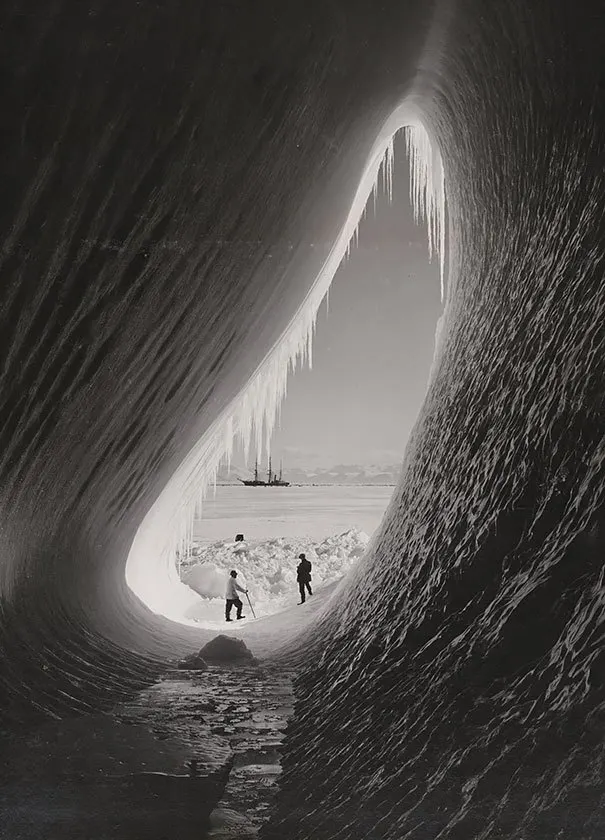
Grotto in an Iceberg, Photographed During the British Antarctic Expedition, 1911
Grotto In An Iceberg, Photographed During The British Antarctic Expedition, 5 Jan 1911. The scene dates to 1911, a detail that changes how you read every face and object in the frame.
The 1910s were a decade of upheaval. The First World War (1914-1918) pulled millions into uniform and redrew the map of Europe, while on the home front automobiles, telephones, and moving pictures were rapidly becoming part of ordinary life.
Pictures of ordinary life are some of the most valuable historical documents we have. Grand events were always going to be recorded, but a normal day — how people worked, dressed, shopped, and passed the time — survives only when someone happened to point a camera at it.
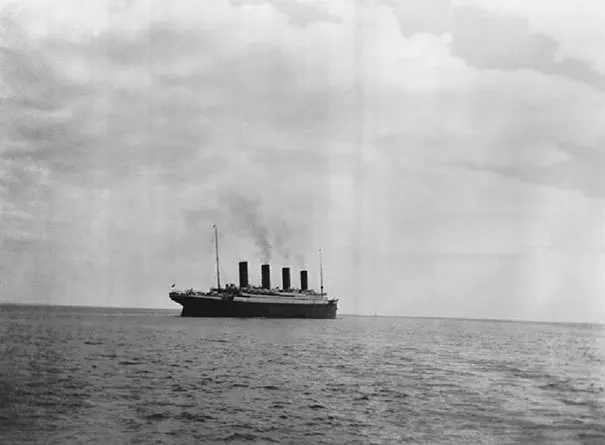
This Is the Last Picture of the Titanic Above Water, 1912
This picture preserves a moment few cameras ever caught — Titanic: This is the last picture of the Titanic above water, during its doomed 1912 voyage. It was taken in 1912, and like the best archival images it needs almost no explanation — the frame tells its own story.
RMS Titanic struck an iceberg on the night of April 14, 1912, and sank in the early hours of the next morning on her maiden voyage from Southampton to New York. More than 1,500 people died. The disaster dominated newspapers on both sides of the Atlantic for weeks and led to sweeping changes in maritime law, including lifeboats for all aboard and the round-the-clock radio watch.
History is usually written down long after it happens, but a photograph is made in the moment itself. That immediacy is what keeps images like this one circulating decades after the event they show.
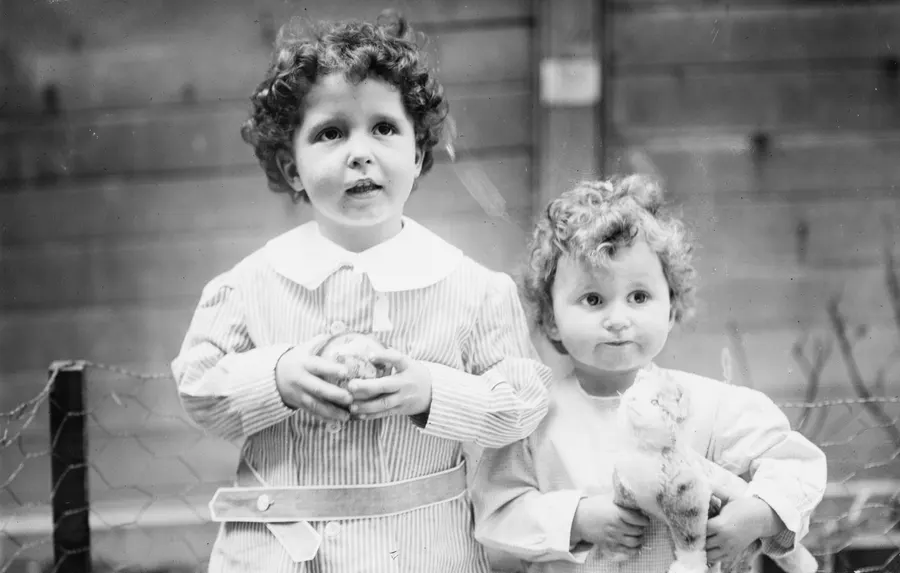
Titanic Orphans, Brothers Michel and Edmond Navratil, 1912
This picture preserves a moment few cameras ever caught — Titanic Orphans, Brothers Michel And Edmond Navratil, 1912. They Were The Only Children To Be Rescued From The Titanic Without A Parent Or Guardian. The scene dates to 1912, a detail that changes how you read every face and object in the frame.
RMS Titanic struck an iceberg on the night of April 14, 1912, and sank in the early hours of the next morning on her maiden voyage from Southampton to New York. More than 1,500 people died. The disaster dominated newspapers on both sides of the Atlantic for weeks and led to sweeping changes in maritime law, including lifeboats for all aboard and the round-the-clock radio watch.
Moments like this one were captured by photographers who often had a single chance to get the shot — no second takes, no digital preview. That is part of why these frames carry such weight: each one is a split second of real history, fixed for good.
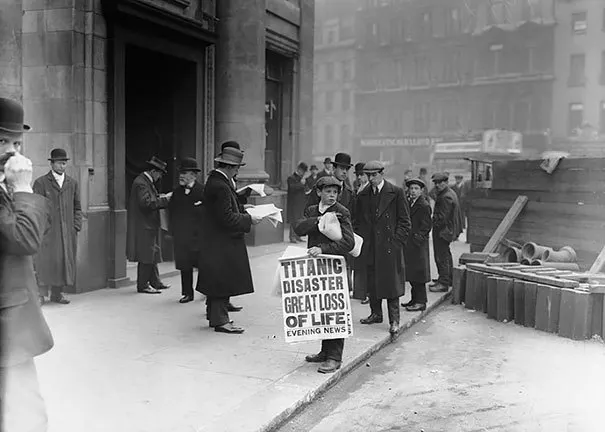
Newspaper Boy Ned Parfett Sells Copies of the Evening Paper Bearing News, 1912
The photograph shows Newspaper Boy Ned Parfett Sells Copies Of The Evening Paper Bearing News Of Titanic’s Sinking The Night Before, April 16, 1912. The scene dates to 1912, a detail that changes how you read every face and object in the frame.
RMS Titanic struck an iceberg on the night of April 14, 1912, and sank in the early hours of the next morning on her maiden voyage from Southampton to New York. More than 1,500 people died. The disaster dominated newspapers on both sides of the Atlantic for weeks and led to sweeping changes in maritime law, including lifeboats for all aboard and the round-the-clock radio watch.
Moments like this one were captured by photographers who often had a single chance to get the shot — no second takes, no digital preview. That is part of why these frames carry such weight: each one is a split second of real history, fixed for good.
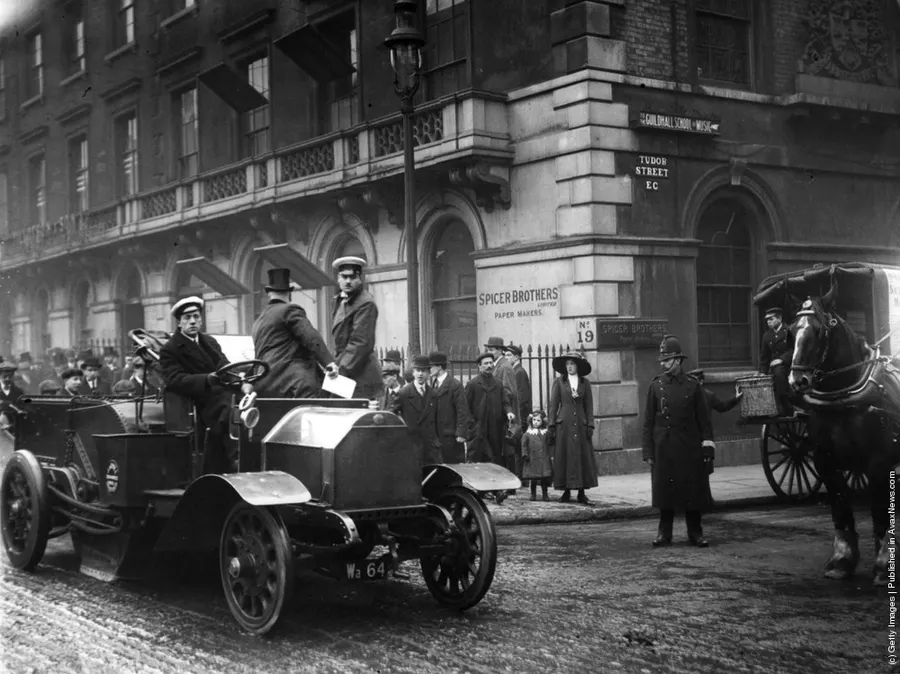
9th April 1913. a Demonstration of a Vacuum Cleaner for the London Streets
The photograph shows 9th April 1913. A demonstration of a vacuum cleaner for the London streets, with representatives of the London Corporation in the car. It was taken in 1913, and like the best archival images it needs almost no explanation — the frame tells its own story.
The 1910s were a decade of upheaval. The First World War (1914-1918) pulled millions into uniform and redrew the map of Europe, while on the home front automobiles, telephones, and moving pictures were rapidly becoming part of ordinary life.
Pictures of ordinary life are some of the most valuable historical documents we have. Grand events were always going to be recorded, but a normal day — how people worked, dressed, shopped, and passed the time — survives only when someone happened to point a camera at it.
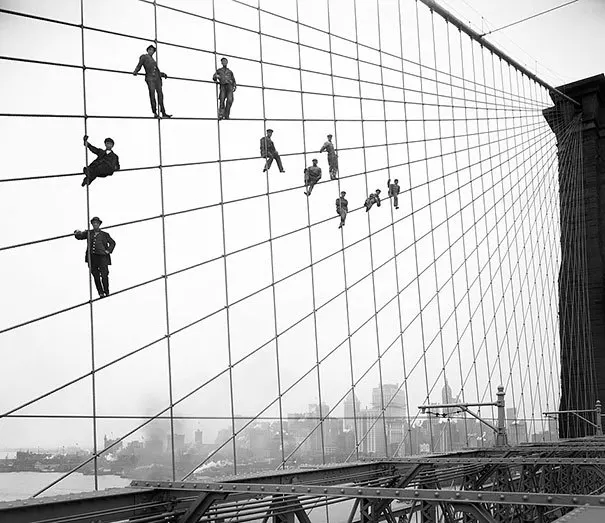
Painter of the Brooklyn Bridge,1914
Captured here: Painter Of The Brooklyn Bridge,1914. It was taken in 1914, and like the best archival images it needs almost no explanation — the frame tells its own story.
The 1910s were a decade of upheaval. The First World War (1914-1918) pulled millions into uniform and redrew the map of Europe, while on the home front automobiles, telephones, and moving pictures were rapidly becoming part of ordinary life.
Pictures of ordinary life are some of the most valuable historical documents we have. Grand events were always going to be recorded, but a normal day — how people worked, dressed, shopped, and passed the time — survives only when someone happened to point a camera at it.

A Boy Between Two Giant Mounted Lobsters, New Jersey, 1915
Lobster Roll: Here’s an unusual sight — a boy between two mounted lobsters caught off the New Jersey coast, February 1915. The scene dates to 1915, a detail that changes how you read every face and object in the frame.
The 1910s were a decade of upheaval. The First World War (1914-1918) pulled millions into uniform and redrew the map of Europe, while on the home front automobiles, telephones, and moving pictures were rapidly becoming part of ordinary life.
Part of the appeal of old photographs is how confidently people did things that look baffling now. Standards of safety, custom, and common sense have shifted so much that yesterday's ordinary can read as today's unbelievable — and that gap is exactly what this picture captures.
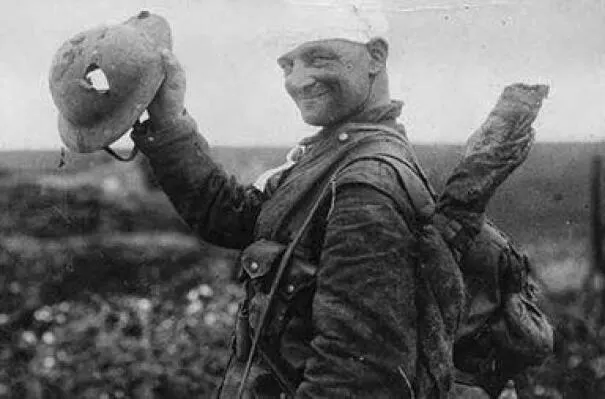
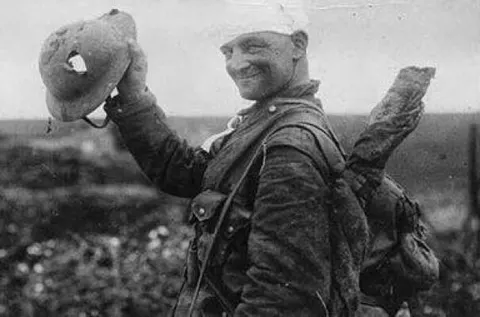
Lucky British Soldier Showing Off his Damaged Helmet, 1917
This picture preserves a moment few cameras ever caught — Lucky British Soldier Showing Off His Damaged Helmet, 1917. The scene dates to 1917, a detail that changes how you read every face and object in the frame.
The 1910s were a decade of upheaval. The First World War (1914-1918) pulled millions into uniform and redrew the map of Europe, while on the home front automobiles, telephones, and moving pictures were rapidly becoming part of ordinary life.
History is usually written down long after it happens, but a photograph is made in the moment itself. That immediacy is what keeps images like this one circulating decades after the event they show.
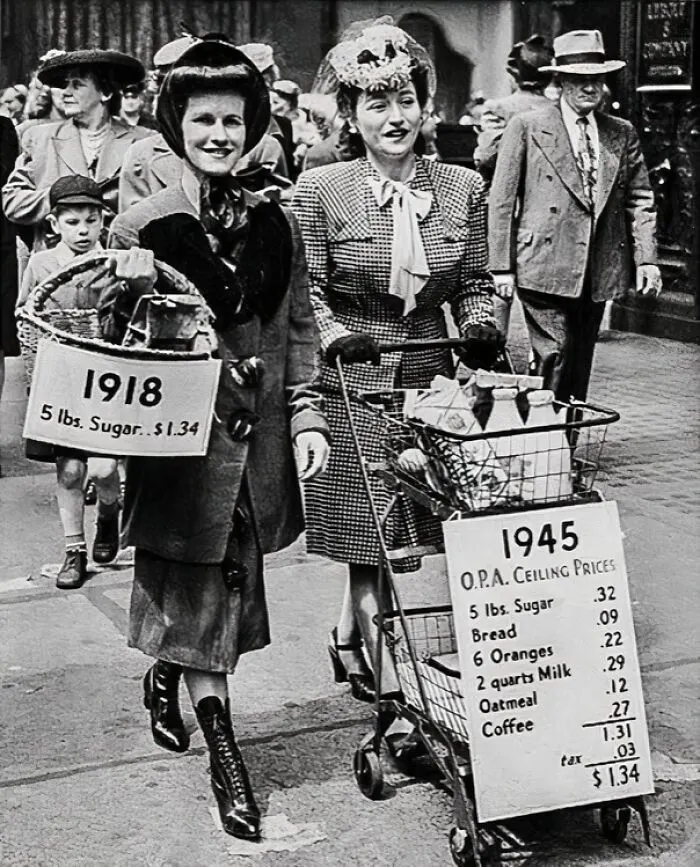
The Women Demonstrate What Could Be Purchased for $1.34 in 1918 and 1945
The Women Demonstrate What Could Be Purchased For $1.34 In 1918 And 1945. Made in 1918, it is the kind of image that turns a date in a history book into something you can actually see.
The 1910s were a decade of upheaval. The First World War (1914-1918) pulled millions into uniform and redrew the map of Europe, while on the home front automobiles, telephones, and moving pictures were rapidly becoming part of ordinary life.
Most photography of the period chased celebrities and headlines, which makes surviving images of daily routine all the more precious. This is what the world actually looked like when nobody thought it was worth remembering.
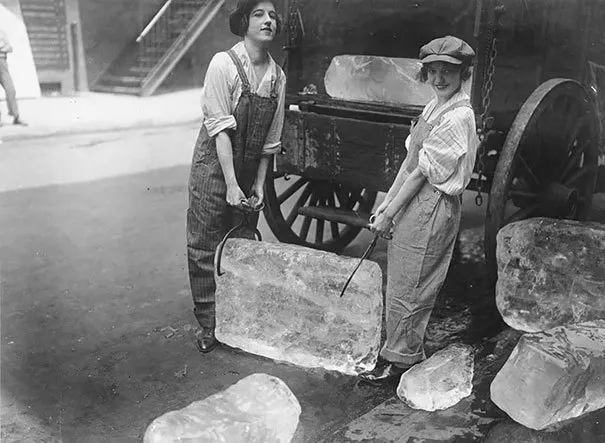
Women Delivering Ice, 1918
This picture preserves a moment few cameras ever caught — women Delivering Ice, 1918. The scene dates to 1918, a detail that changes how you read every face and object in the frame.
The 1910s were a decade of upheaval. The First World War (1914-1918) pulled millions into uniform and redrew the map of Europe, while on the home front automobiles, telephones, and moving pictures were rapidly becoming part of ordinary life.
Pictures of ordinary life are some of the most valuable historical documents we have. Grand events were always going to be recorded, but a normal day — how people worked, dressed, shopped, and passed the time — survives only when someone happened to point a camera at it.
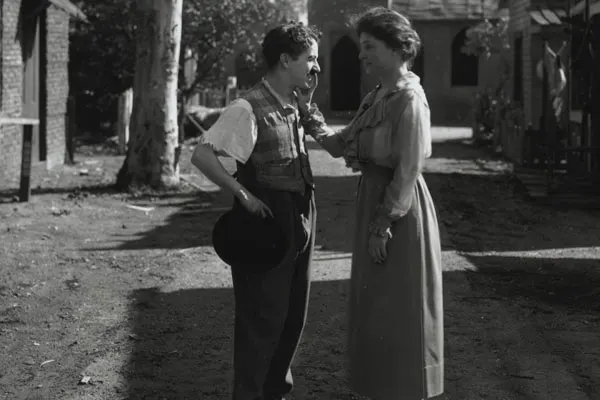
Keller Meets Chaplin, 1919
Captured here: Keller Meets Chaplin: It’s hard to tell who is more star struck! Here’s Helen Keller meeting Charlie Chaplin in Hollywood in 1919. The scene dates to 1919, a detail that changes how you read every face and object in the frame.
The 1910s were a decade of upheaval. The First World War (1914-1918) pulled millions into uniform and redrew the map of Europe, while on the home front automobiles, telephones, and moving pictures were rapidly becoming part of ordinary life.
What makes everyday photographs like this one compelling is the details at the edges: the clothes, the signs, the tools, the postures. They preserve texture that history books flatten out.
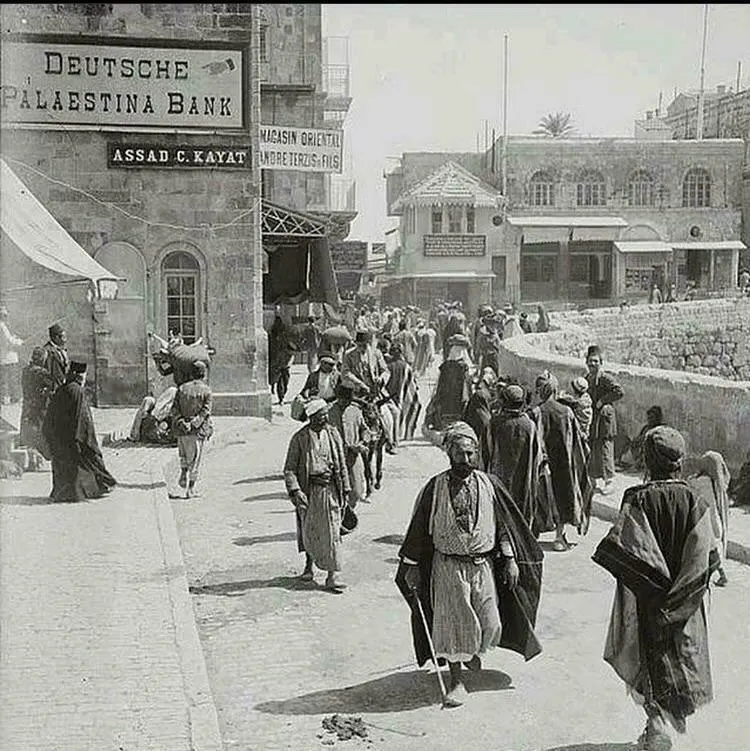
This Photograph, Taken over 100 Years Ago in Jerusalem (1920)
This picture preserves a moment few cameras ever caught — this Photograph, Taken Over 100 Years Ago In Jerusalem (1920), Shows A Sign In The Background Reading “The Palestine German Bank.” Remarkable Window Into History And The Vibrant Multicultural Presence In The Region During That Era. It was taken in 1920, and like the best archival images it needs almost no explanation — the frame tells its own story.
The 1920s roared with new money and new habits. Radio broadcasting began, cars became affordable for working families, jazz filled dance halls, and hemlines and haircuts shortened in ways that scandalized the older generation. News photography boomed alongside the tabloid press.
Most photography of the period chased celebrities and headlines, which makes surviving images of daily routine all the more precious. This is what the world actually looked like when nobody thought it was worth remembering.
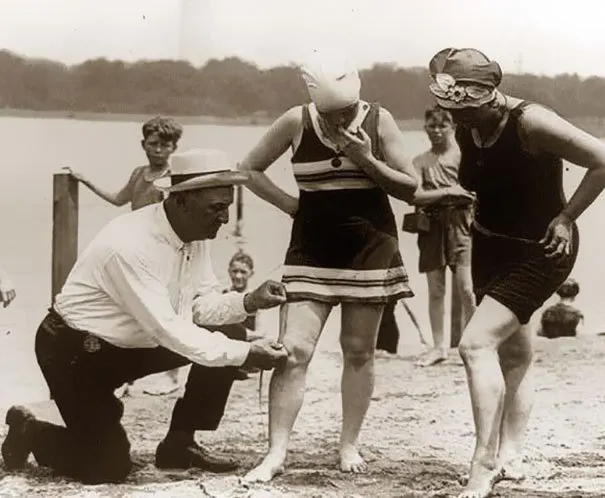
Measuring Bathing Suits, If They Were Too Short, Women Would Be Fined, 1920’s
Measuring Bathing Suits, If They Were Too Short, Women Would Be Fined, 1920’s. The scene dates to 1920, a detail that changes how you read every face and object in the frame.
The 1920s roared with new money and new habits. Radio broadcasting began, cars became affordable for working families, jazz filled dance halls, and hemlines and haircuts shortened in ways that scandalized the older generation. News photography boomed alongside the tabloid press.
Pictures of ordinary life are some of the most valuable historical documents we have. Grand events were always going to be recorded, but a normal day — how people worked, dressed, shopped, and passed the time — survives only when someone happened to point a camera at it.
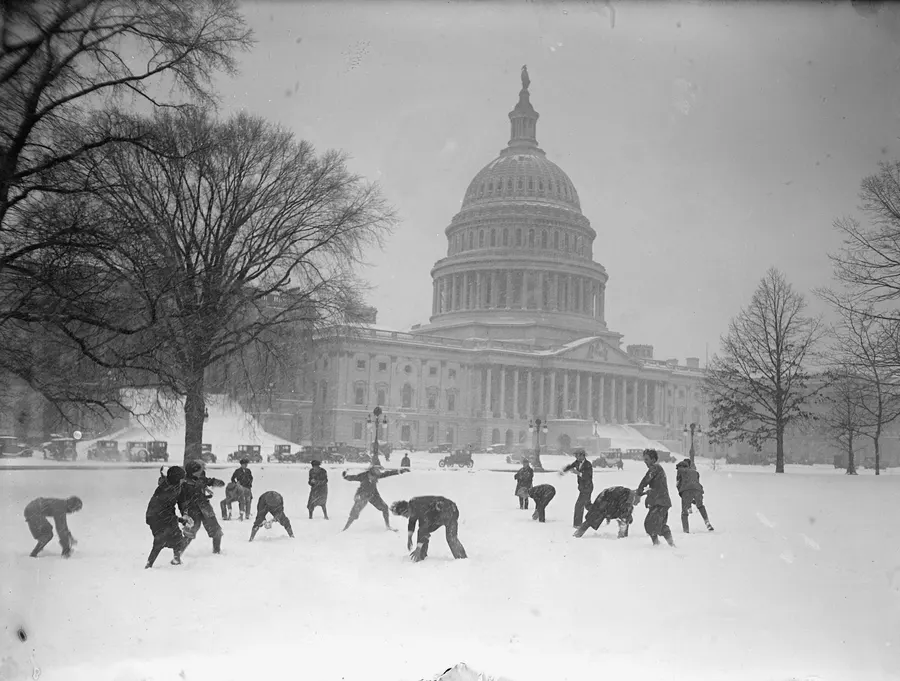
Republican Party Supporters and Democratic Party Supporters Fight, 1921
This picture preserves a moment few cameras ever caught — Republican Party Supporters And Democratic Party Supporters Fight With Snowballs In Front Of The Capitol. January 1921, Washington, USA. Made in 1921, it is the kind of image that turns a date in a history book into something you can actually see.
The 1920s roared with new money and new habits. Radio broadcasting began, cars became affordable for working families, jazz filled dance halls, and hemlines and haircuts shortened in ways that scandalized the older generation. News photography boomed alongside the tabloid press.
Most photography of the period chased celebrities and headlines, which makes surviving images of daily routine all the more precious. This is what the world actually looked like when nobody thought it was worth remembering.
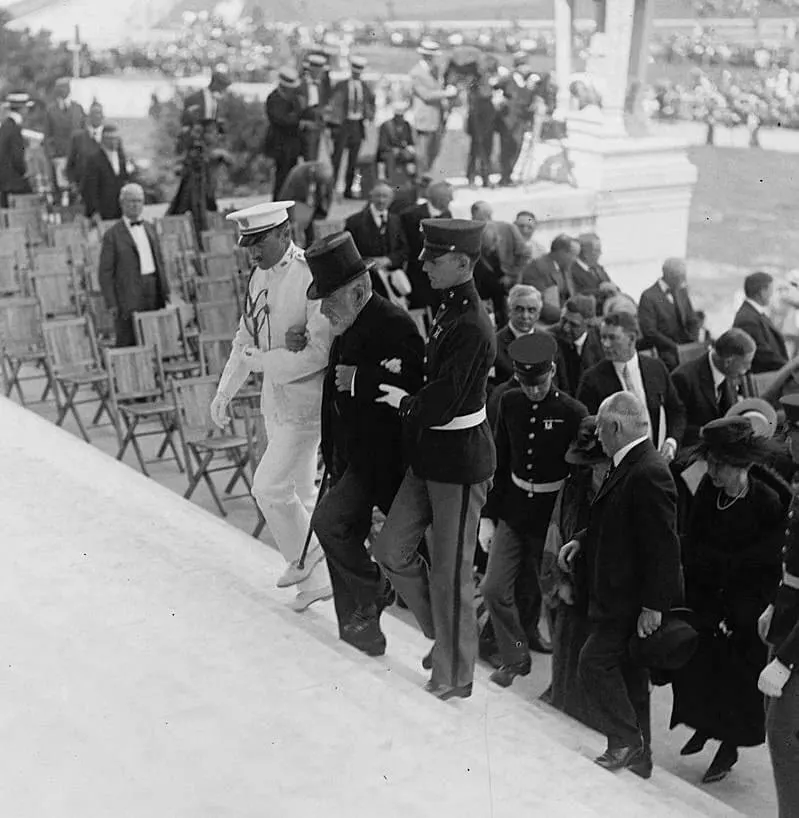
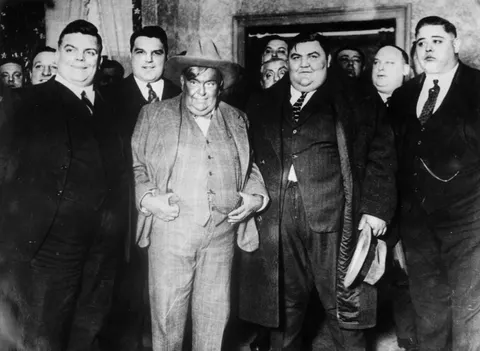
78-year-old Robert T, 1922
Captured here: 78-Year-Old Robert T. Lincoln (Son Of Abraham Lincoln) Is Helped Up The Steps At The Dedication Of The Lincoln Memorial In Washington D.C., 1922. It was taken in 1922, and like the best archival images it needs almost no explanation — the frame tells its own story.
The 1920s roared with new money and new habits. Radio broadcasting began, cars became affordable for working families, jazz filled dance halls, and hemlines and haircuts shortened in ways that scandalized the older generation. News photography boomed alongside the tabloid press.
Pictures of ordinary life are some of the most valuable historical documents we have. Grand events were always going to be recorded, but a normal day — how people worked, dressed, shopped, and passed the time — survives only when someone happened to point a camera at it.
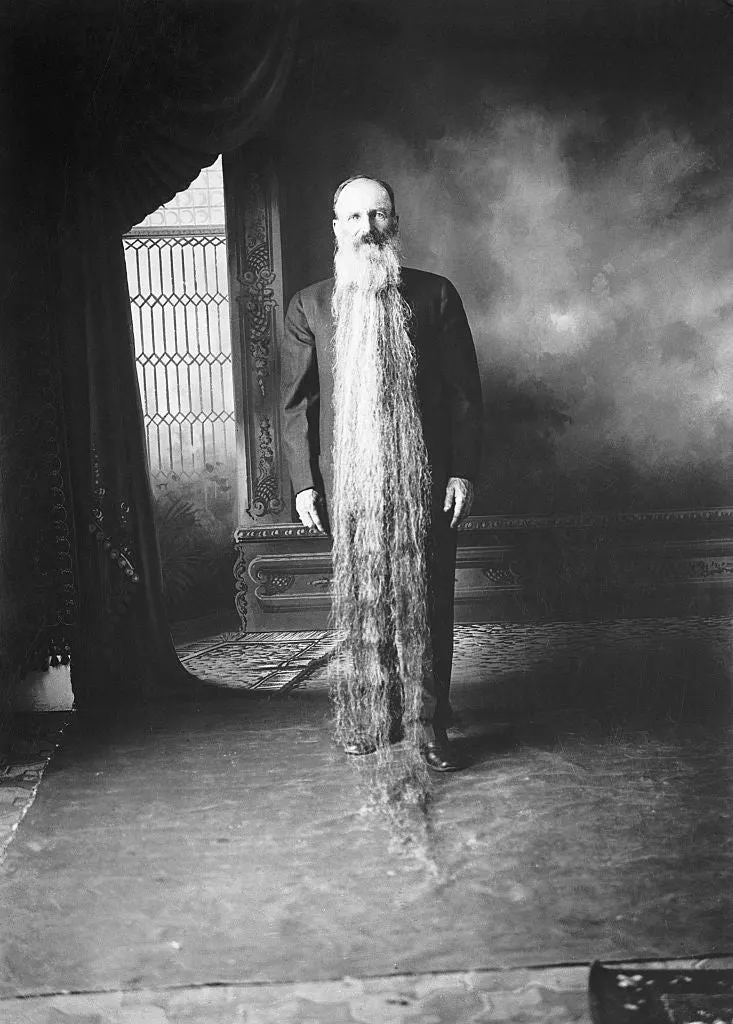
This Bad Boy Is Zach T. Wilcox, Owner of the World's Longest Beard, in 1922
Captured here: this bad boy is Zach T. Wilcox, owner of the world's longest beard, in 1922. It was taken in 1922, and like the best archival images it needs almost no explanation — the frame tells its own story.
The 1920s roared with new money and new habits. Radio broadcasting began, cars became affordable for working families, jazz filled dance halls, and hemlines and haircuts shortened in ways that scandalized the older generation. News photography boomed alongside the tabloid press.
Pictures of ordinary life are some of the most valuable historical documents we have. Grand events were always going to be recorded, but a normal day — how people worked, dressed, shopped, and passed the time — survives only when someone happened to point a camera at it.
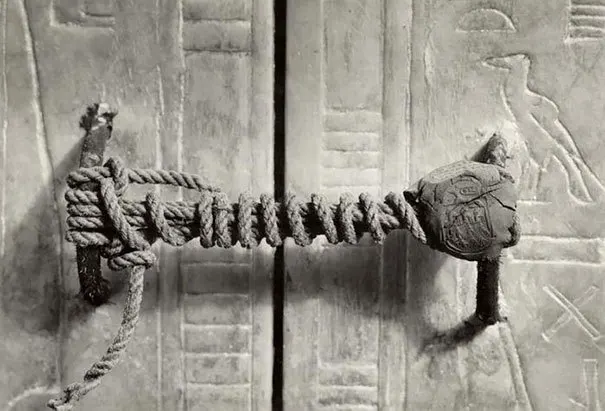
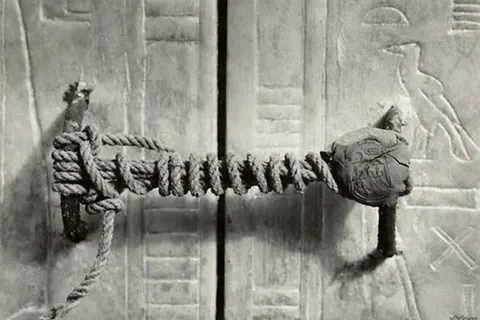
The Unbroken Seal on Tutankhamun’s Tomb, 1922 (3,245 Years Untouched)
The photograph shows The Unbroken Seal On Tutankhamun’s Tomb, 1922 (3,245 Years Untouched). Made in 1922, it is the kind of image that turns a date in a history book into something you can actually see.
The 1920s roared with new money and new habits. Radio broadcasting began, cars became affordable for working families, jazz filled dance halls, and hemlines and haircuts shortened in ways that scandalized the older generation. News photography boomed alongside the tabloid press.
What makes everyday photographs like this one compelling is the details at the edges: the clothes, the signs, the tools, the postures. They preserve texture that history books flatten out.
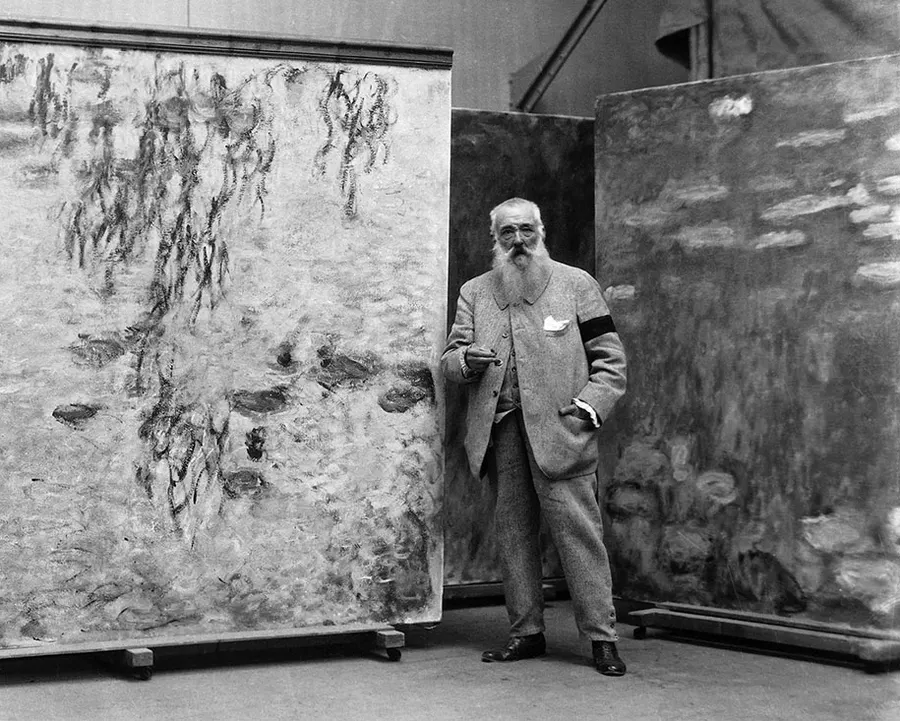
French Artist Claude Monet Poses with his Iconic Water Lilies Around 1923
This picture preserves a moment few cameras ever caught — Waterlilies: French artist Claude Monet poses with his iconic water lilies around 1923. Made in 1923, it is the kind of image that turns a date in a history book into something you can actually see.
The 1920s roared with new money and new habits. Radio broadcasting began, cars became affordable for working families, jazz filled dance halls, and hemlines and haircuts shortened in ways that scandalized the older generation. News photography boomed alongside the tabloid press.
What makes everyday photographs like this one compelling is the details at the edges: the clothes, the signs, the tools, the postures. They preserve texture that history books flatten out.
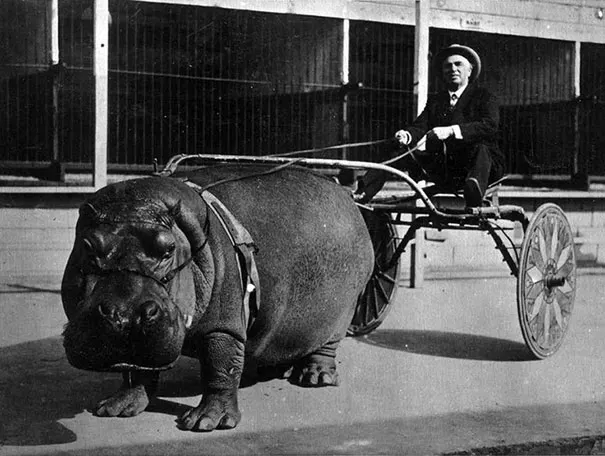
Gargantuan: Here’s a Trained Circus Hippo Pulling a Cart in 1924
This picture preserves a moment few cameras ever caught — Gargantuan: Here’s a trained circus hippo pulling a cart in 1924. The scene dates to 1924, a detail that changes how you read every face and object in the frame.
The 1920s roared with new money and new habits. Radio broadcasting began, cars became affordable for working families, jazz filled dance halls, and hemlines and haircuts shortened in ways that scandalized the older generation. News photography boomed alongside the tabloid press.
What makes everyday photographs like this one compelling is the details at the edges: the clothes, the signs, the tools, the postures. They preserve texture that history books flatten out.
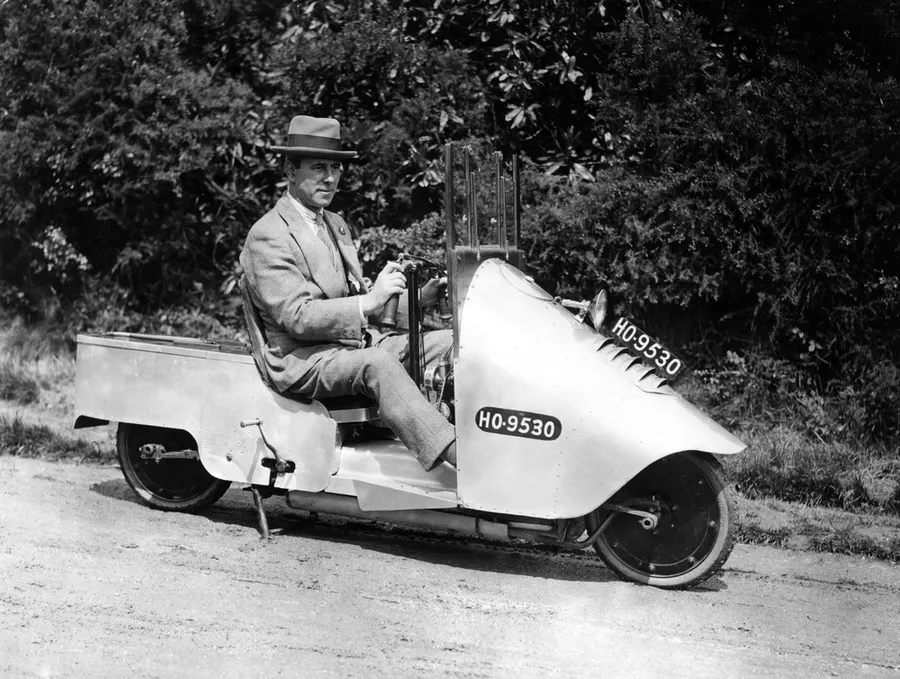
June 1924. English Aircraft Manufacturer Sir Edwin Alliott Verdon Roe Riding
This picture preserves a moment few cameras ever caught — June 1924. English aircraft manufacturer Sir Edwin Alliott Verdon Roe riding his Avro Mobile, which he invented, at Southampton. The scene dates to 1924, a detail that changes how you read every face and object in the frame.
The 1920s roared with new money and new habits. Radio broadcasting began, cars became affordable for working families, jazz filled dance halls, and hemlines and haircuts shortened in ways that scandalized the older generation. News photography boomed alongside the tabloid press.
Photographs like this one are a reminder that progress rarely moves in a straight line. For every invention that became part of daily life, dozens of confident prototypes ended up as curiosities — and the camera is often the only witness they left behind.
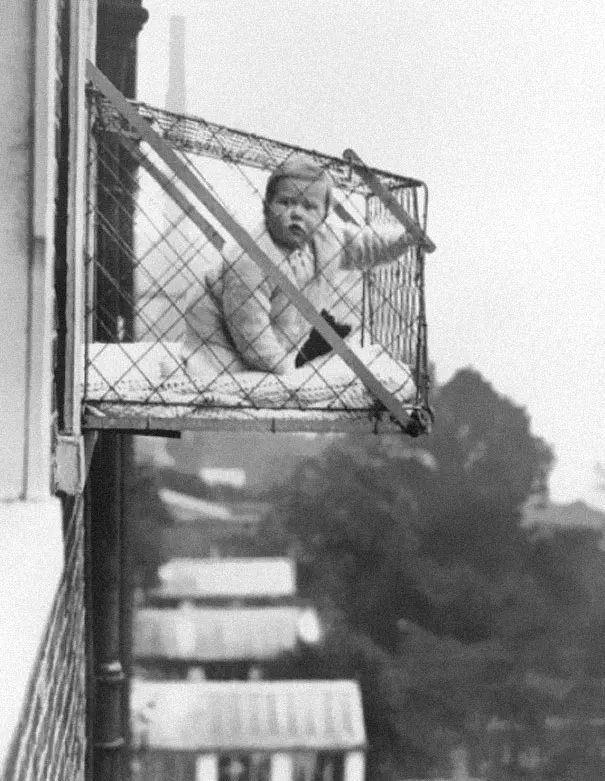
Looks Safe!: Baby Cages Were Actually Used by Parents in the 1920s
Looks Safe!: Baby cages were actually used by parents in the 1920s. It was taken in the 1920s, and like the best archival images it needs almost no explanation — the frame tells its own story.
Wire "baby cages" that hung out of apartment windows were a genuine product of the early twentieth century, patented in the United States in the 1920s and popular for a time in London blocks of flats. The theory, backed by childcare advice of the day, was that city babies needed fresh air and sunlight that cramped apartments could not provide. Changing safety standards ended the practice by mid-century.
Most photography of the period chased celebrities and headlines, which makes surviving images of daily routine all the more precious. This is what the world actually looked like when nobody thought it was worth remembering.
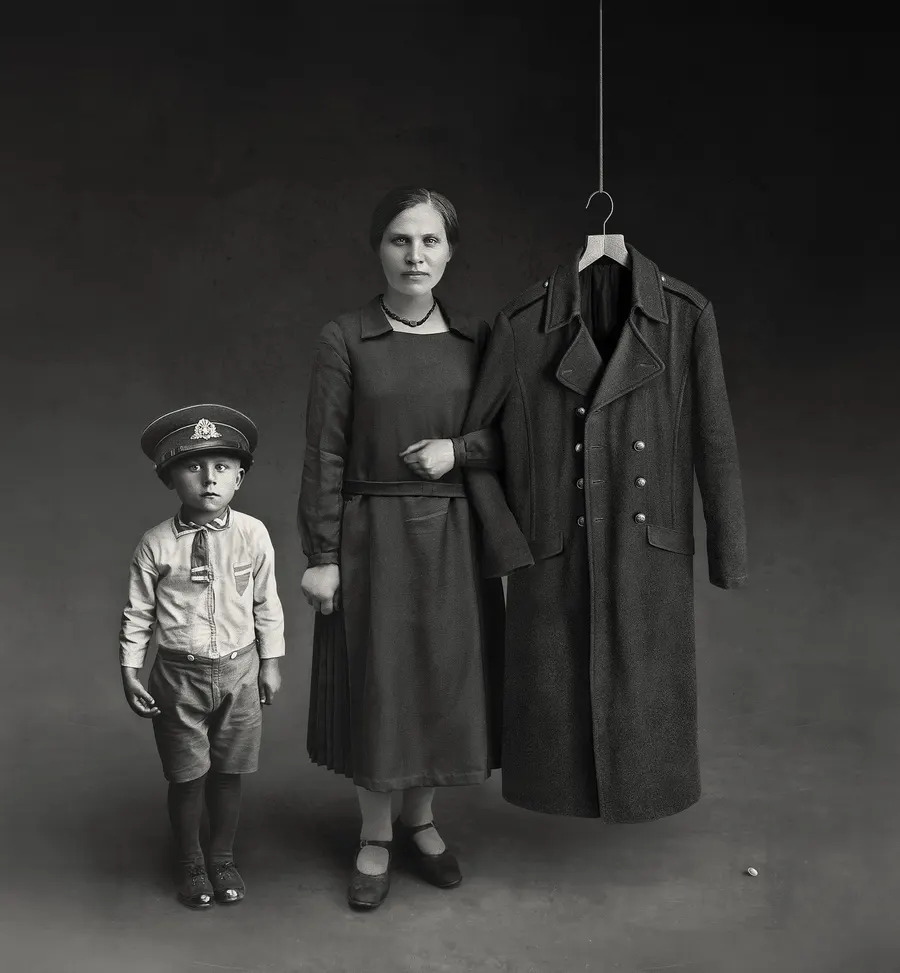
Remembering the Father, 1925
The photograph shows Remembering The Father, 1925. It was taken in 1925, and like the best archival images it needs almost no explanation — the frame tells its own story.
The 1920s roared with new money and new habits. Radio broadcasting began, cars became affordable for working families, jazz filled dance halls, and hemlines and haircuts shortened in ways that scandalized the older generation. News photography boomed alongside the tabloid press.
Most photography of the period chased celebrities and headlines, which makes surviving images of daily routine all the more precious. This is what the world actually looked like when nobody thought it was worth remembering.
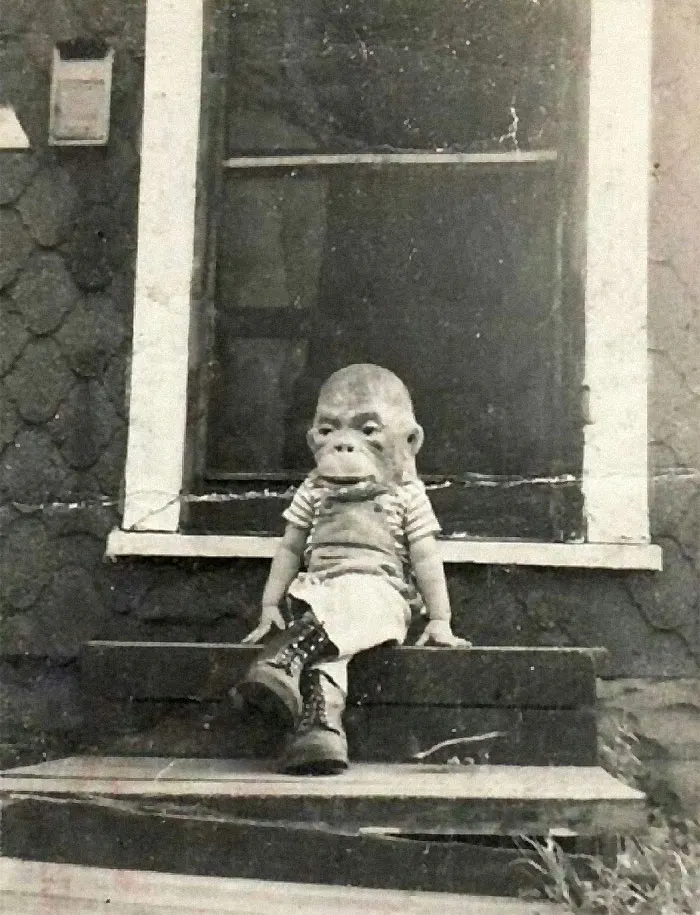
Vintage Photograph of a Kid Wearing a Monkey Mask, 1920s
The photograph shows Vintage Photograph Of A Kid Wearing A Monkey Mask, 1920s. The scene dates to the 1920s, a detail that changes how you read every face and object in the frame.
The 1920s roared with new money and new habits. Radio broadcasting began, cars became affordable for working families, jazz filled dance halls, and hemlines and haircuts shortened in ways that scandalized the older generation. News photography boomed alongside the tabloid press.
Every era has habits that make perfect sense at the time and none at all a century later. Photographs like this one are valuable precisely because no written description would be believed without them.
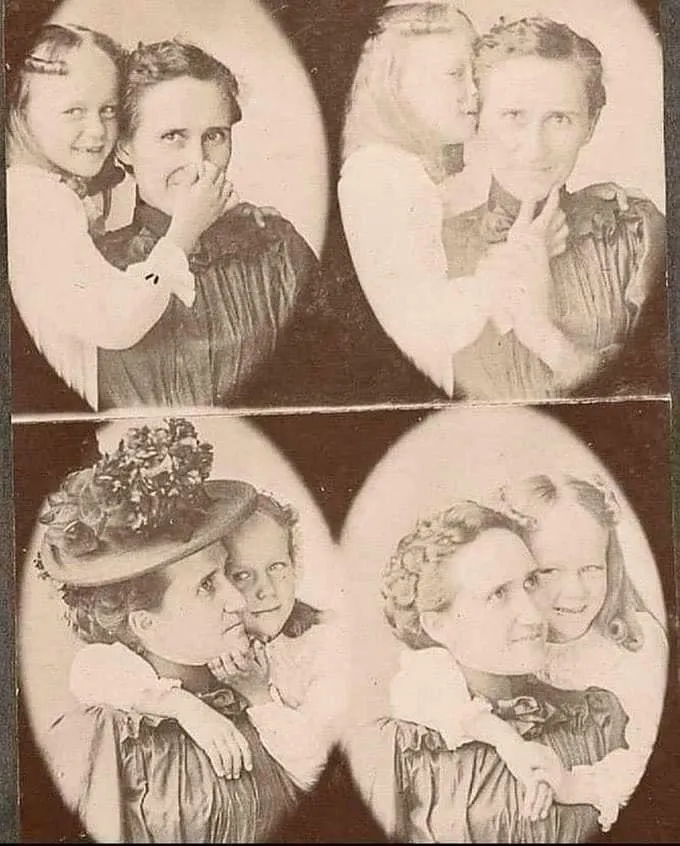
A Mother and Daughter Hamming It up for the Camera, Ca 1900
Captured here: a Mother And Daughter Hamming It Up For The Camera, Ca 1900. The scene dates to around 1900, a detail that changes how you read every face and object in the frame.
The first years of the twentieth century were an age of confident invention. Powered flight arrived with the Wright brothers in 1903, automobiles were leaving the curiosity stage, and cities were filling with electric light, elevators, and streetcars — all of it documented by a new generation of press photographers.
Most photography of the period chased celebrities and headlines, which makes surviving images of daily routine all the more precious. This is what the world actually looked like when nobody thought it was worth remembering.
Featured galleries