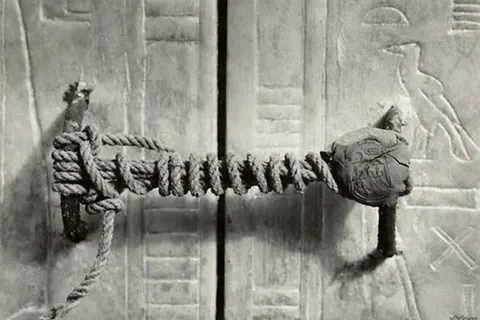
Daily Life in the Past: How People Really Lived
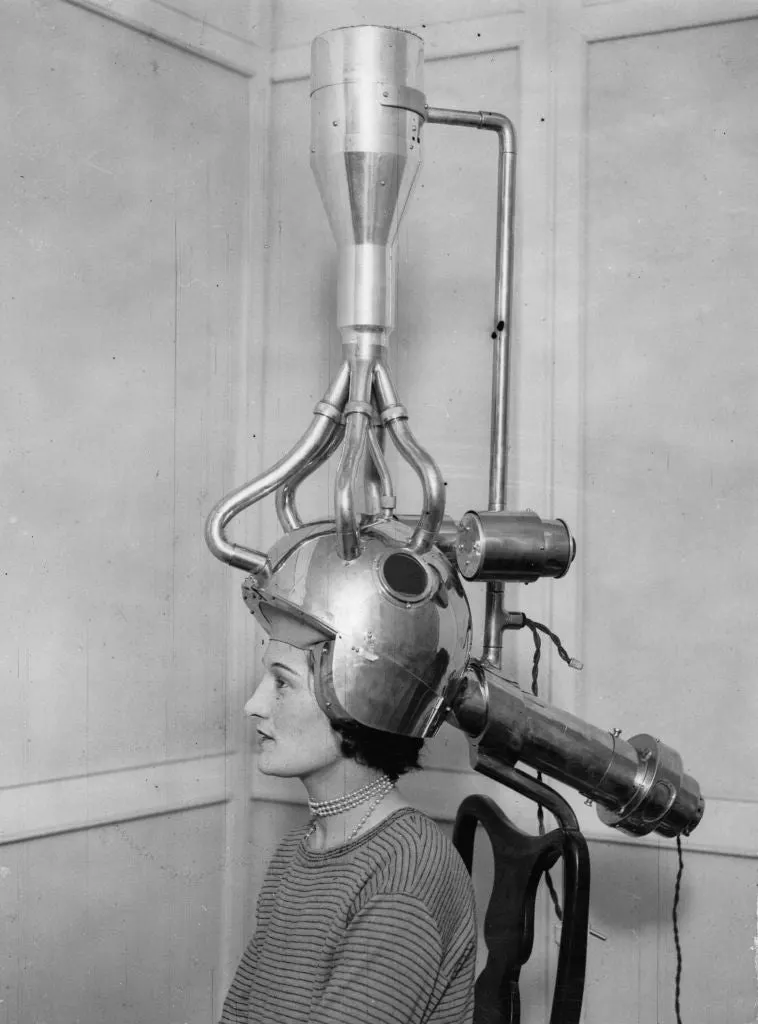
What an Early Design for an Electric Hair Dryer Looked Like
Captured here: what an early design for an electric hair dryer looked like. Like the best archival images, it needs almost no explanation — the frame tells its own story.
Photography has only existed since 1839, which means the camera-recorded past is a narrow window — and every surviving frame from it is a small act of preservation, whether the photographer knew it or not.
What makes everyday photographs like this one compelling is the details at the edges: the clothes, the signs, the tools, the postures. They preserve texture that history books flatten out.
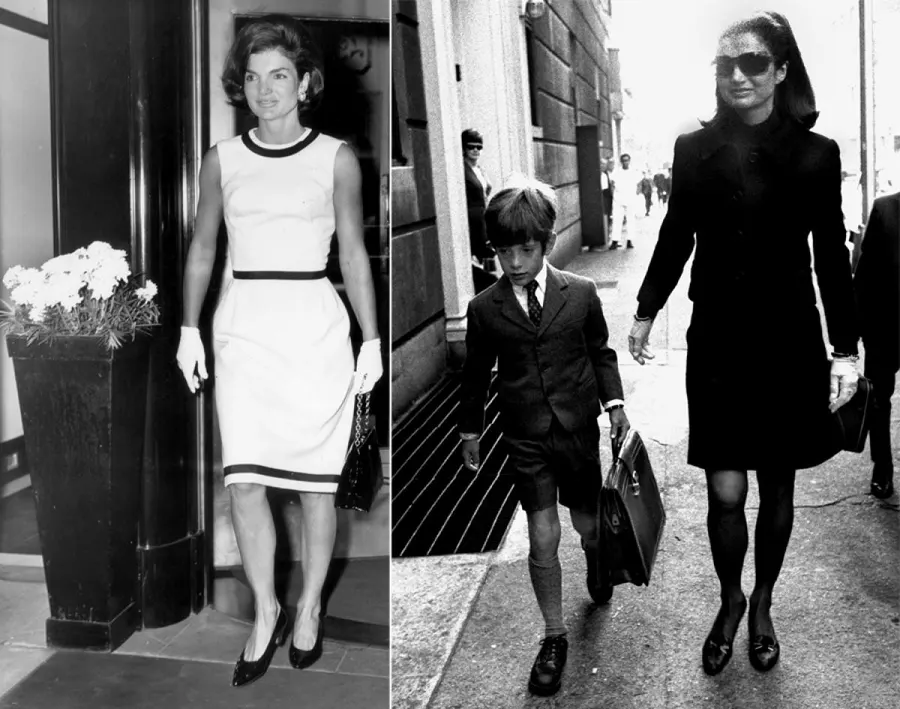
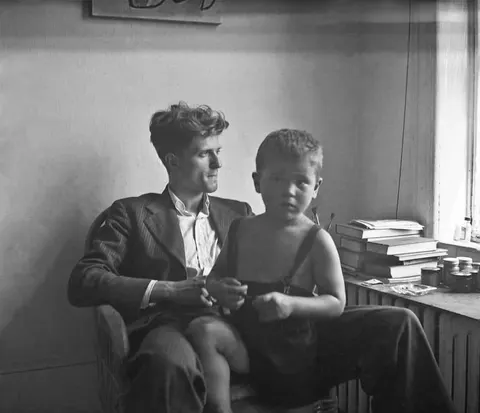
Dressed up at the Carlyle Hotel (l.) or Dressed Down to Bring John F, 1968
The photograph shows Dressed up at the Carlyle Hotel (l.) or dressed down to bring John F. Kennedy Jr. to school in 1968 (r.), Jackie Kennedy was a vision in whatever she wore. Hal Mathewson/New York Daily News. Made in 1968, it is the kind of image that turns a date in a history book into something you can actually see.
The 1960s moved fast: the space race put satellites and then astronauts overhead, television replaced print as the main source of news, and social change swept through music, fashion, and politics. Photojournalism was at its peak, with picture magazines and newspapers employing armies of photographers.
Most photography of the period chased celebrities and headlines, which makes surviving images of daily routine all the more precious. This is what the world actually looked like when nobody thought it was worth remembering.
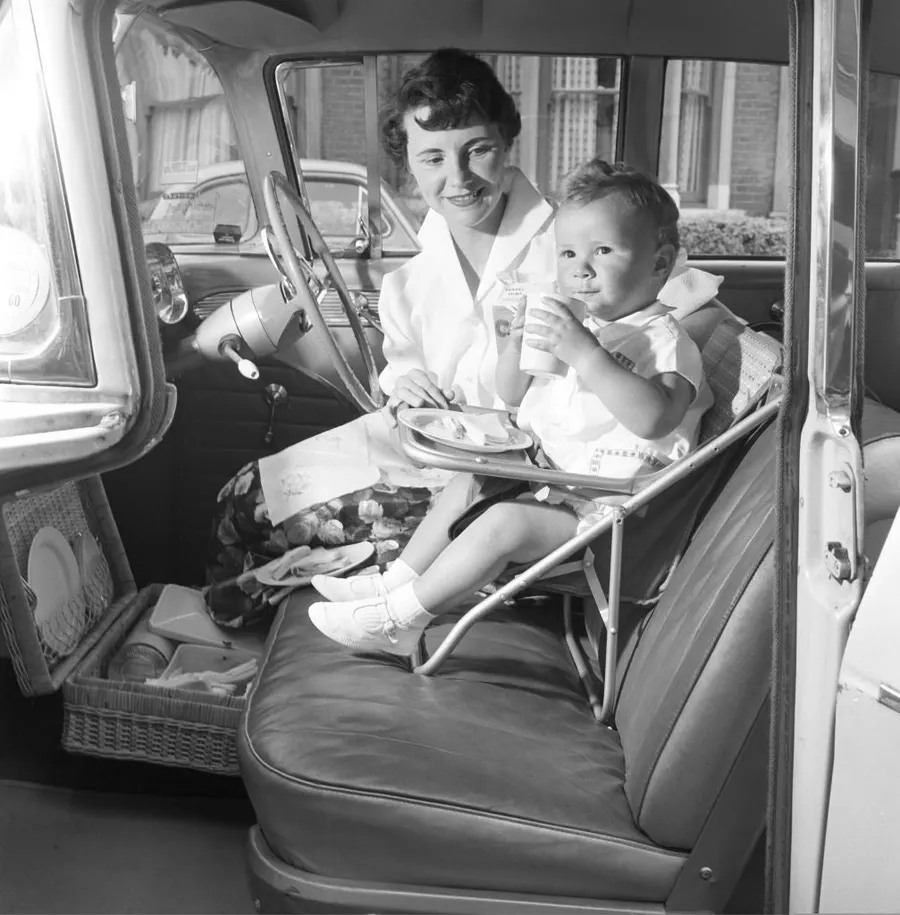
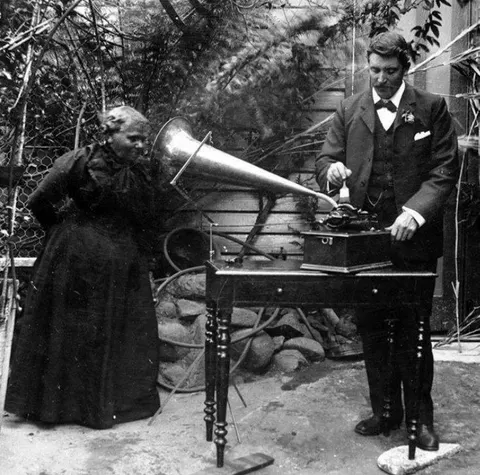
Here It Is in Action
The photograph shows Here it is in action. Like the best archival images, it needs almost no explanation — the frame tells its own story.
Photography has only existed since 1839, which means the camera-recorded past is a narrow window — and every surviving frame from it is a small act of preservation, whether the photographer knew it or not.
Most photography of the period chased celebrities and headlines, which makes surviving images of daily routine all the more precious. This is what the world actually looked like when nobody thought it was worth remembering.
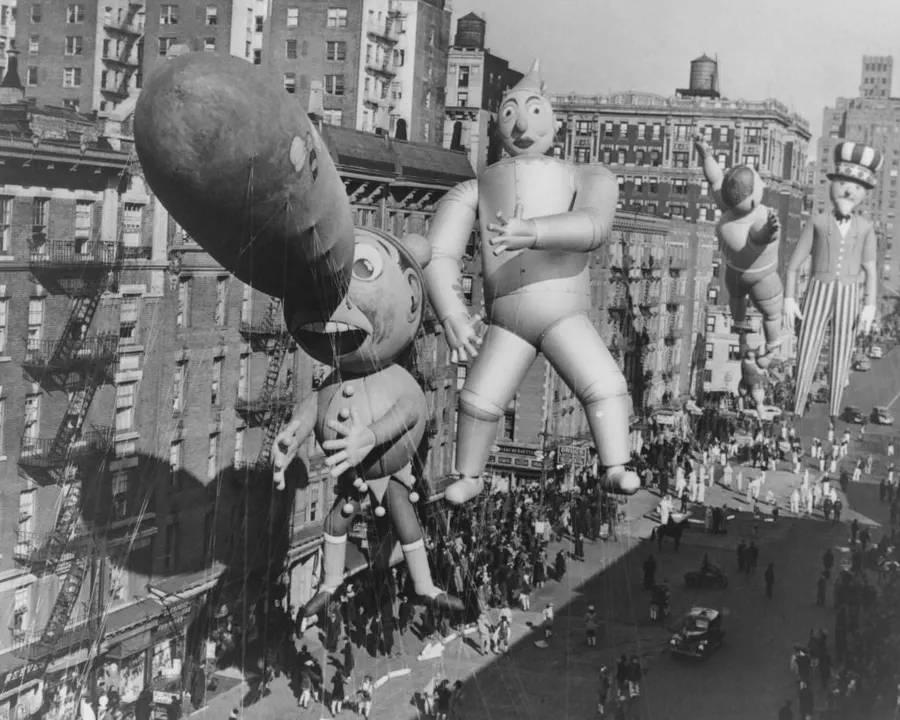
These Are Some of the Floats from the 1939 Edition of the Macy's Thanksgiving
The photograph shows these are some of the floats from the 1939 edition of the Macy's Thanksgiving Day parade. The scene dates to 1939, a detail that changes how you read every face and object in the frame.
The Macy's Thanksgiving Day Parade began in 1924, and its signature giant balloons arrived in 1927, replacing live zoo animals. In the parade's early decades the balloons were released into the sky at the end of the route, with a reward offered for their return — a practice that ended after a series of mishaps.
Pictures of ordinary life are some of the most valuable historical documents we have. Grand events were always going to be recorded, but a normal day — how people worked, dressed, shopped, and passed the time — survives only when someone happened to point a camera at it.
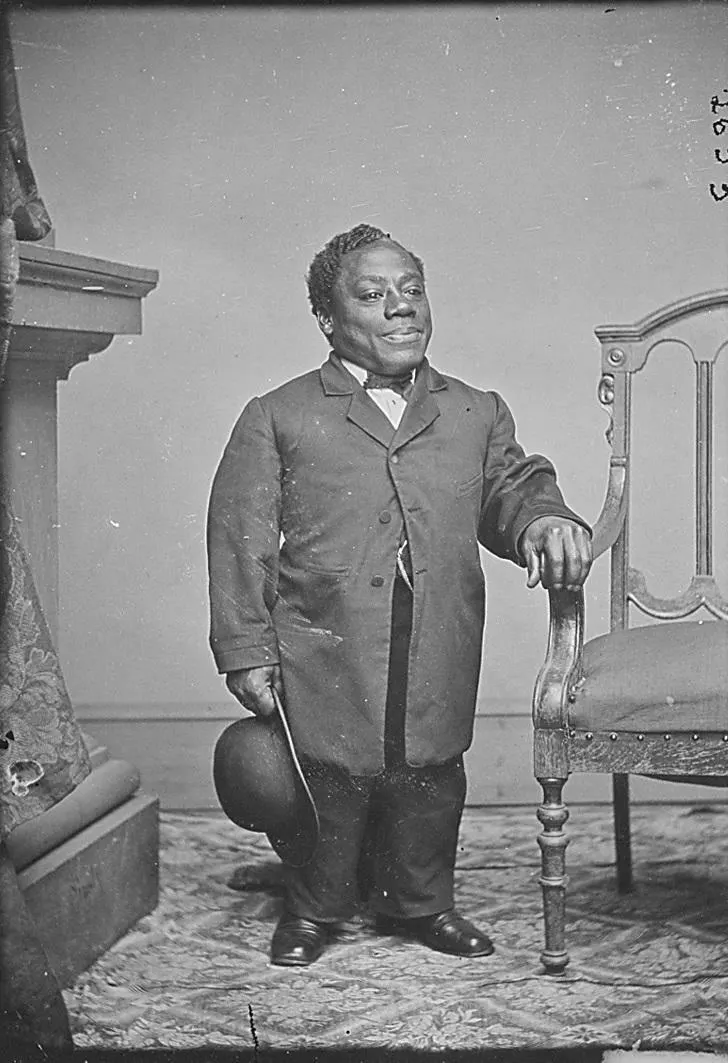
An African American with Dwarfism, Circa 1863
This picture preserves a moment few cameras ever caught — an African American With Dwarfism, Circa 1863. It was taken around 1863, and like the best archival images it needs almost no explanation — the frame tells its own story.
The 1860s was the first decade in which photography documented events on a large scale. Wet-plate cameras were hauled to battlefields and city streets, and portrait studios spread through towns on both sides of the Atlantic, making a photograph an ordinary family possession for the first time.
Most photography of the period chased celebrities and headlines, which makes surviving images of daily routine all the more precious. This is what the world actually looked like when nobody thought it was worth remembering.
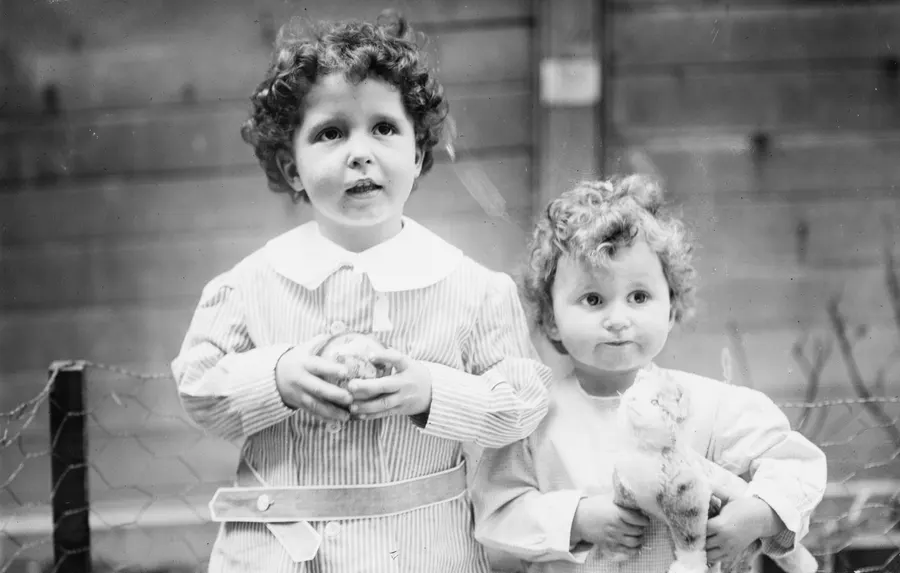
Titanic Orphans, Brothers Michel and Edmond Navratil, 1912
This picture preserves a moment few cameras ever caught — Titanic Orphans, Brothers Michel And Edmond Navratil, 1912. They Were The Only Children To Be Rescued From The Titanic Without A Parent Or Guardian. The scene dates to 1912, a detail that changes how you read every face and object in the frame.
RMS Titanic struck an iceberg on the night of April 14, 1912, and sank in the early hours of the next morning on her maiden voyage from Southampton to New York. More than 1,500 people died. The disaster dominated newspapers on both sides of the Atlantic for weeks and led to sweeping changes in maritime law, including lifeboats for all aboard and the round-the-clock radio watch.
Moments like this one were captured by photographers who often had a single chance to get the shot — no second takes, no digital preview. That is part of why these frames carry such weight: each one is a split second of real history, fixed for good.
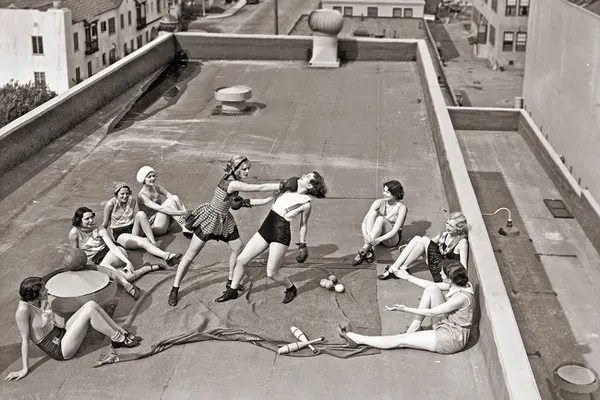
Foxy Boxing: Here Are Some Women Boxing on a Roof in 1938
This picture preserves a moment few cameras ever caught — Foxy Boxing: Here are some women boxing on a roof in 1938. Made in 1938, it is the kind of image that turns a date in a history book into something you can actually see.
The 1930s were shadowed by the Great Depression, which put a quarter of American workers out of a job at its worst point. Yet the same decade produced streamlined trains, record-setting aircraft, grand public works, and a flood of documentary photography as magazines like LIFE sent cameras into everyday America.
Pictures of ordinary life are some of the most valuable historical documents we have. Grand events were always going to be recorded, but a normal day — how people worked, dressed, shopped, and passed the time — survives only when someone happened to point a camera at it.
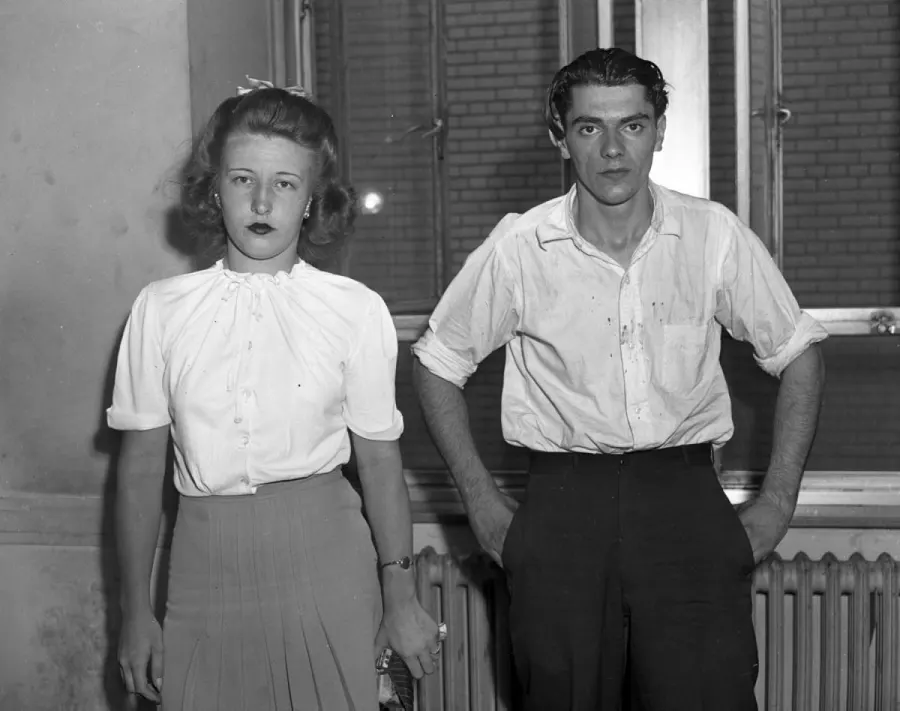
She Stands by her Man, 1944
This picture preserves a moment few cameras ever caught — Mob Moll, 1944: She stands by her man! 19-year-old Virgina Ornmark looks unfazed as she and beau Fred Schmidt, 24, stare blankly at the camera after being arraigned for the murder of a lingerie merchant in 1944. It was taken in 1944, and like the best archival images it needs almost no explanation — the frame tells its own story.
The first half of the 1940s was consumed by the Second World War, the largest conflict in human history, and photography went to war with it — small 35mm cameras and wire services meant pictures from the front could reach newspaper readers within days.
Most photography of the period chased celebrities and headlines, which makes surviving images of daily routine all the more precious. This is what the world actually looked like when nobody thought it was worth remembering.
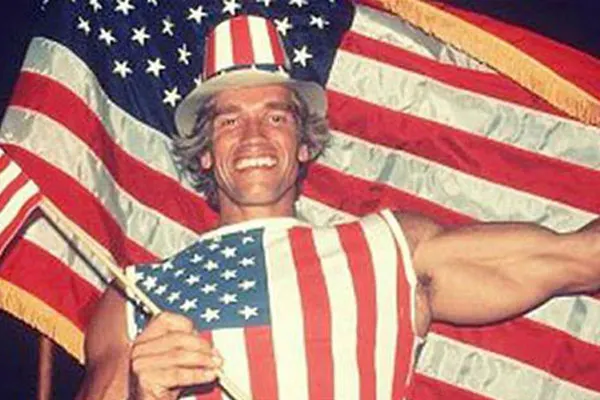
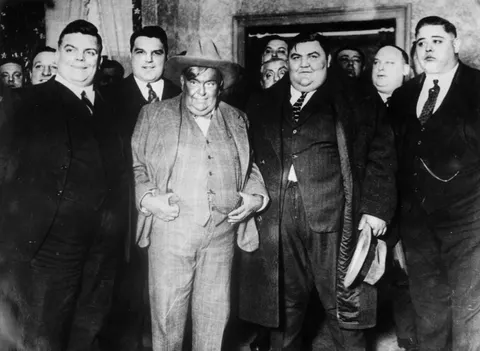
How’s This for Patriotism
Captured here: How’s This for Patriotism. It is the kind of image that turns a line in a history book into something you can actually see.
Photography has only existed since 1839, which means the camera-recorded past is a narrow window — and every surviving frame from it is a small act of preservation, whether the photographer knew it or not.
Most photography of the period chased celebrities and headlines, which makes surviving images of daily routine all the more precious. This is what the world actually looked like when nobody thought it was worth remembering.
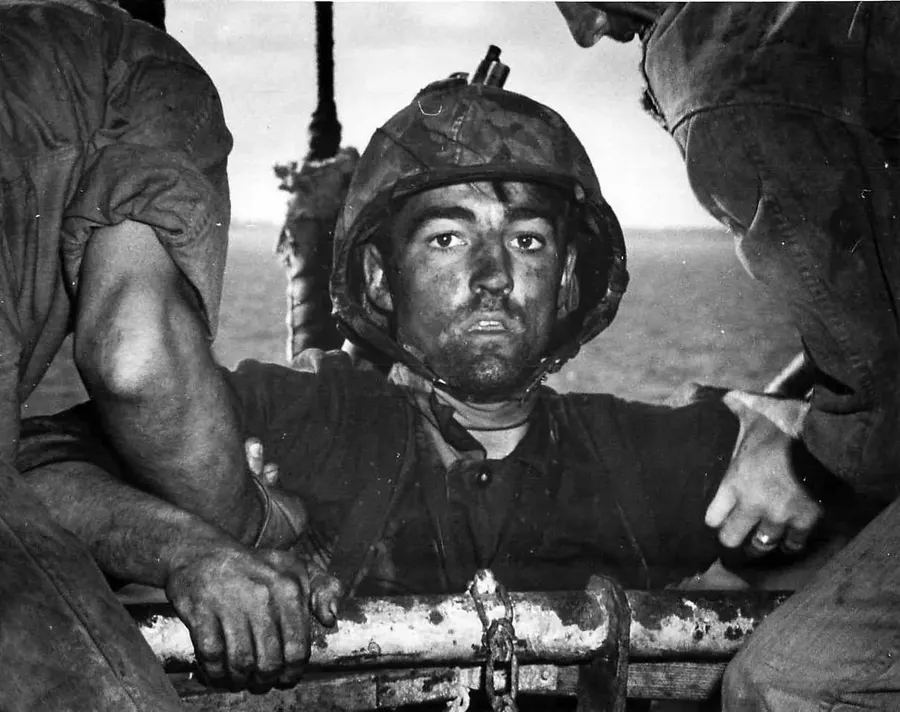
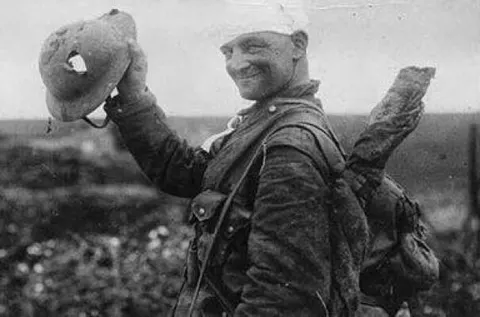
“the Thousand Yard Stare”—usmc Private Theodore J, 1944
“The Thousand Yard Stare”—USMC Private Theodore J. Miller Is Helped Aboard A Ship After Intense Combat On Eniwetok Atoll. Miller Was KIA A Month Later, 1944. It was taken in 1944, and like the best archival images it needs almost no explanation — the frame tells its own story.
The first half of the 1940s was consumed by the Second World War, the largest conflict in human history, and photography went to war with it — small 35mm cameras and wire services meant pictures from the front could reach newspaper readers within days.
Pictures of ordinary life are some of the most valuable historical documents we have. Grand events were always going to be recorded, but a normal day — how people worked, dressed, shopped, and passed the time — survives only when someone happened to point a camera at it.
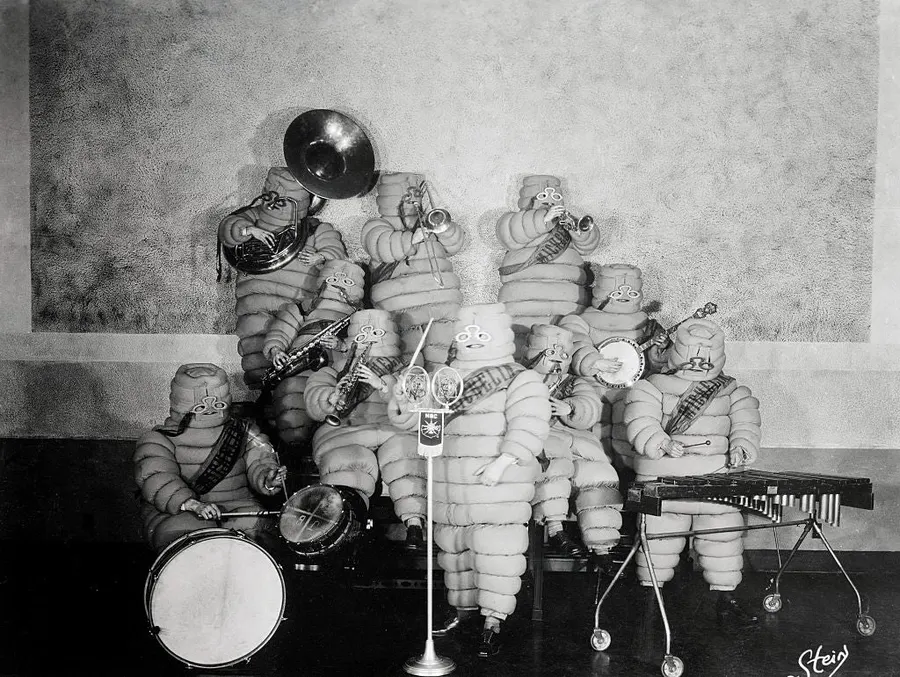
The Michelin Man Not Only Used to Be Absolutely Terrifying
The photograph shows The Michelin Man not only used to be absolutely terrifying, but he used to run with a gang of several other musically inclined Michelin men. It is the kind of image that turns a line in a history book into something you can actually see.
Photography has only existed since 1839, which means the camera-recorded past is a narrow window — and every surviving frame from it is a small act of preservation, whether the photographer knew it or not.
Pictures of ordinary life are some of the most valuable historical documents we have. Grand events were always going to be recorded, but a normal day — how people worked, dressed, shopped, and passed the time — survives only when someone happened to point a camera at it.
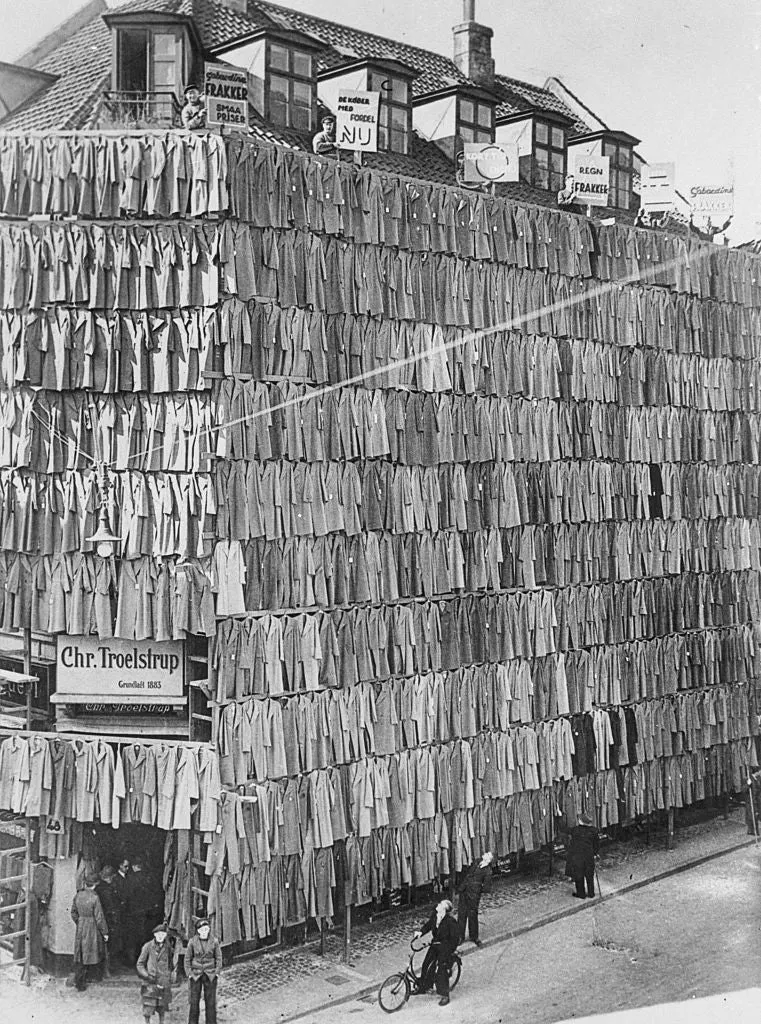
Danish Clothier Christian Troelstrup and the Building He Covered with over
This picture preserves a moment few cameras ever caught — Danish clothier Christian Troelstrup and the building he covered with over a thousand coats to attract buyers. It is the kind of image that turns a line in a history book into something you can actually see.
Photography has only existed since 1839, which means the camera-recorded past is a narrow window — and every surviving frame from it is a small act of preservation, whether the photographer knew it or not.
Most photography of the period chased celebrities and headlines, which makes surviving images of daily routine all the more precious. This is what the world actually looked like when nobody thought it was worth remembering.
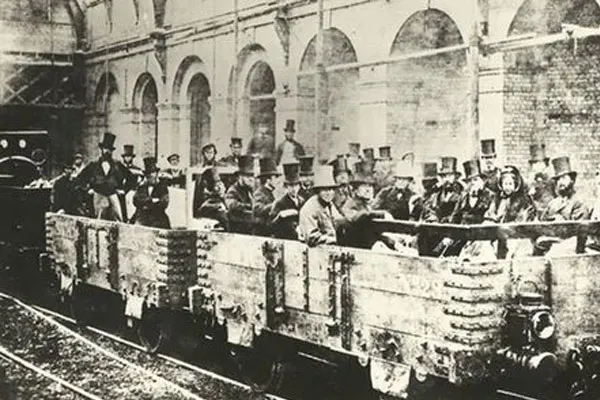
Underground Train, 1862
The photograph shows Underground Train: This is the first ever underground train journey, in London in 1862. It was taken in 1862, and like the best archival images it needs almost no explanation — the frame tells its own story.
The 1860s was the first decade in which photography documented events on a large scale. Wet-plate cameras were hauled to battlefields and city streets, and portrait studios spread through towns on both sides of the Atlantic, making a photograph an ordinary family possession for the first time.
Most photography of the period chased celebrities and headlines, which makes surviving images of daily routine all the more precious. This is what the world actually looked like when nobody thought it was worth remembering.
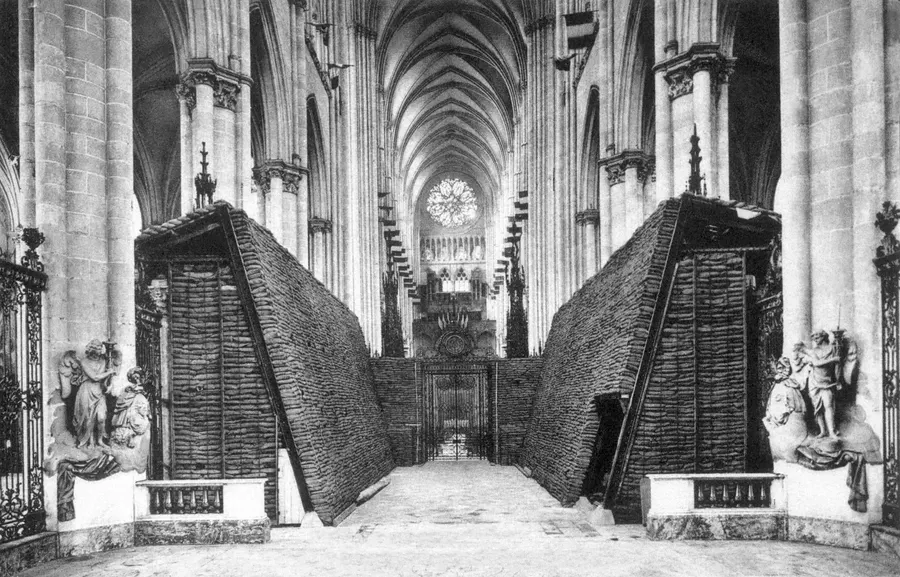
During WWI This Church in France Stacked Sandbags Throughout the Entirety
During WWI this church in France stacked sandbags throughout the entirety of the structure to protect it. It is the kind of image that turns a line in a history book into something you can actually see.
Photography has only existed since 1839, which means the camera-recorded past is a narrow window — and every surviving frame from it is a small act of preservation, whether the photographer knew it or not.
What makes everyday photographs like this one compelling is the details at the edges: the clothes, the signs, the tools, the postures. They preserve texture that history books flatten out.
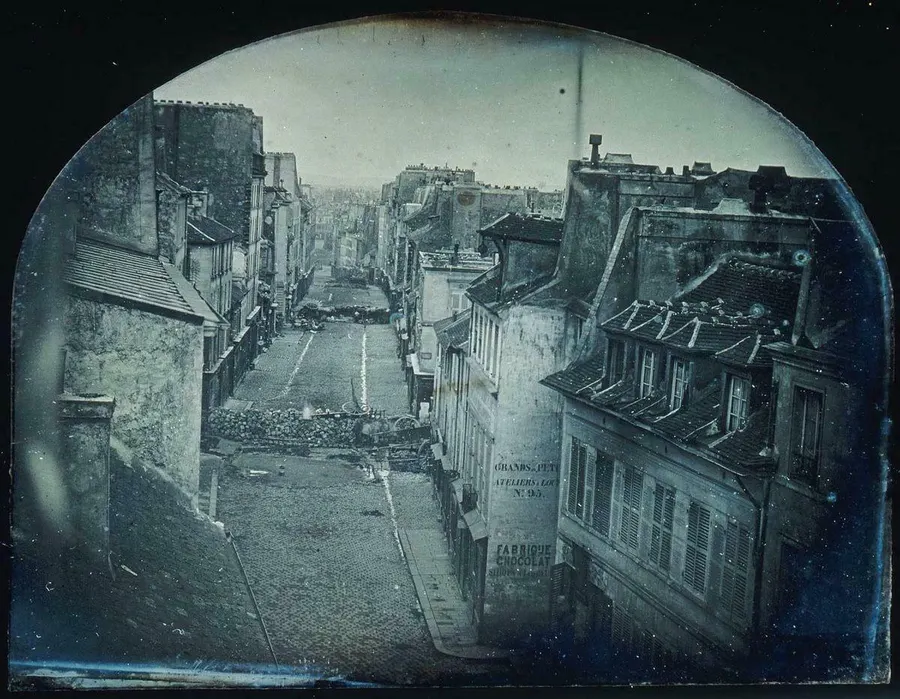
World's Oldest Photo
World's Oldest Photo. Like the best archival images, it needs almost no explanation — the frame tells its own story.
Photography has only existed since 1839, which means the camera-recorded past is a narrow window — and every surviving frame from it is a small act of preservation, whether the photographer knew it or not.
Most photography of the period chased celebrities and headlines, which makes surviving images of daily routine all the more precious. This is what the world actually looked like when nobody thought it was worth remembering.
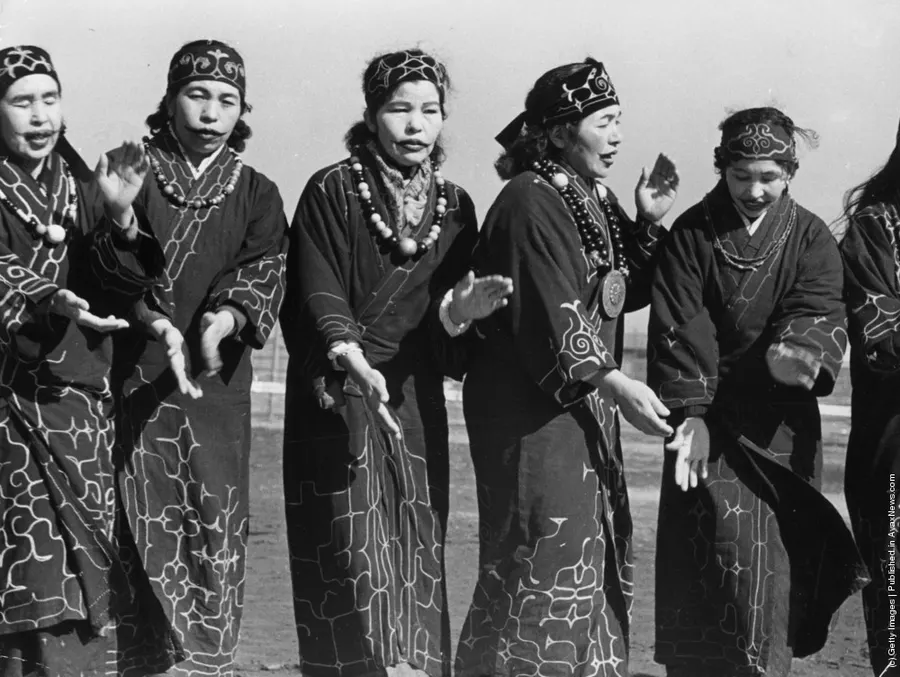
Ainu, Aboriginal People of Asia Occupying Parts of the Japanese Island, c. 1950
The photograph shows Ainu, aboriginal people of Asia occupying parts of the Japanese island of Hokkaido, Russian Kuril Islands and Sakhalin, circa 1950. It was taken around 1950, and like the best archival images it needs almost no explanation — the frame tells its own story.
The 1950s brought a wave of postwar prosperity, especially in North America. Suburbs, television sets, big chrome-trimmed cars, and rock and roll defined the decade, and a booming picture-magazine industry sent photographers to document all of it.
Most photography of the period chased celebrities and headlines, which makes surviving images of daily routine all the more precious. This is what the world actually looked like when nobody thought it was worth remembering.
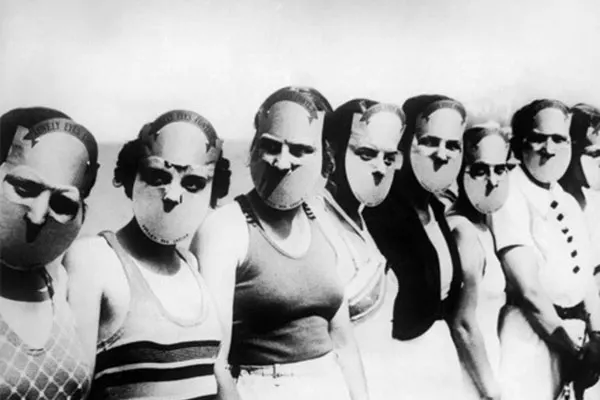
What Lovely Eyes You Have, My Dear
Captured here: What Lovely Eyes You Have, My Dear. It is the kind of image that turns a line in a history book into something you can actually see.
Photography has only existed since 1839, which means the camera-recorded past is a narrow window — and every surviving frame from it is a small act of preservation, whether the photographer knew it or not.
Most photography of the period chased celebrities and headlines, which makes surviving images of daily routine all the more precious. This is what the world actually looked like when nobody thought it was worth remembering.
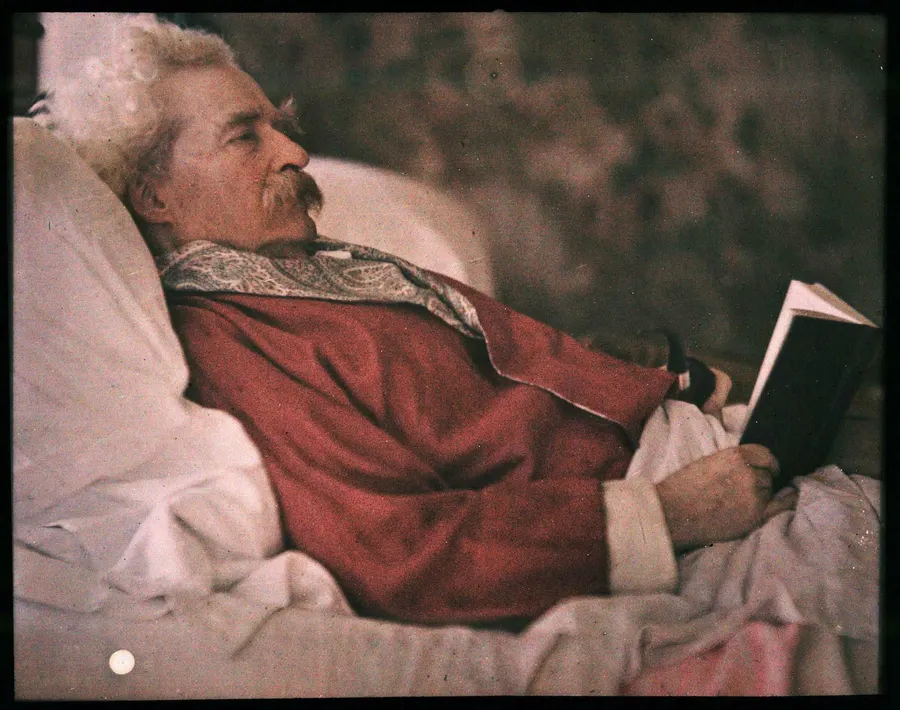
Mark Twain Lying in his Bed at Home in 1909, He Died the Year After
This picture preserves a moment few cameras ever caught — Mark Twain Lying In His Bed At Home In 1909, He Died The Year After. Not Colorized, This Is Autochrome Lumiere. It was taken in 1909, and like the best archival images it needs almost no explanation — the frame tells its own story.
The first years of the twentieth century were an age of confident invention. Powered flight arrived with the Wright brothers in 1903, automobiles were leaving the curiosity stage, and cities were filling with electric light, elevators, and streetcars — all of it documented by a new generation of press photographers.
Most photography of the period chased celebrities and headlines, which makes surviving images of daily routine all the more precious. This is what the world actually looked like when nobody thought it was worth remembering.
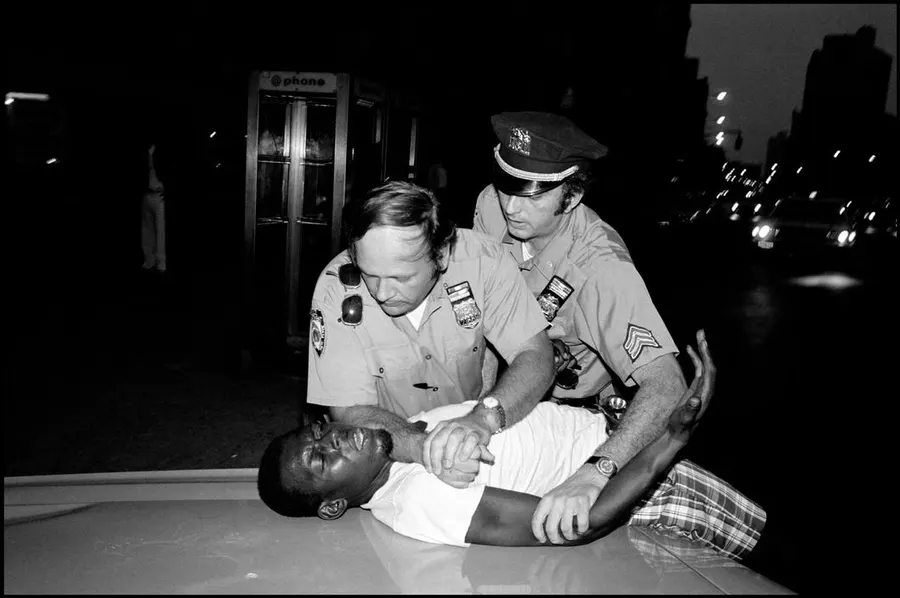
The Police Intervened When a Family Quarrel Escalated from a Simple Skirmish
This picture preserves a moment few cameras ever caught — the police intervened when a family quarrel escalated from a simple skirmish in a fight. Like the best archival images, it needs almost no explanation — the frame tells its own story.
Photography has only existed since 1839, which means the camera-recorded past is a narrow window — and every surviving frame from it is a small act of preservation, whether the photographer knew it or not.
Most photography of the period chased celebrities and headlines, which makes surviving images of daily routine all the more precious. This is what the world actually looked like when nobody thought it was worth remembering.
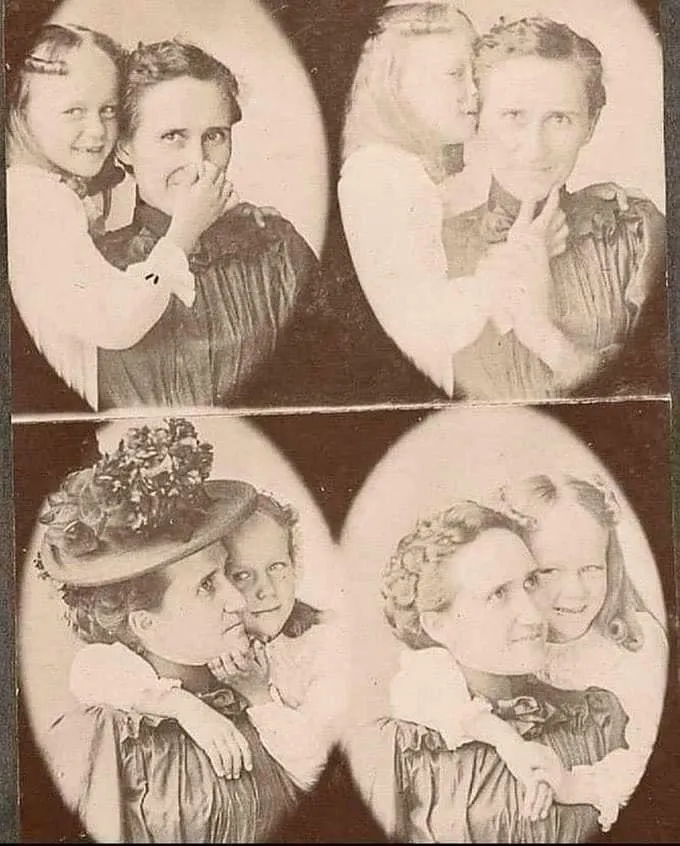
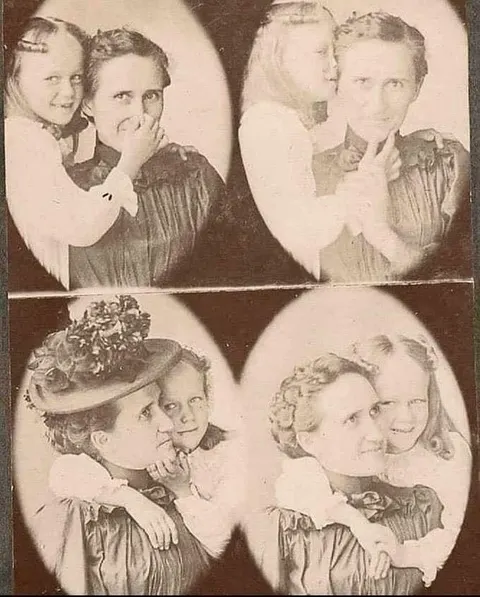
A Mother and Daughter Hamming It up for the Camera, Ca 1900
Captured here: a Mother And Daughter Hamming It Up For The Camera, Ca 1900. The scene dates to around 1900, a detail that changes how you read every face and object in the frame.
The first years of the twentieth century were an age of confident invention. Powered flight arrived with the Wright brothers in 1903, automobiles were leaving the curiosity stage, and cities were filling with electric light, elevators, and streetcars — all of it documented by a new generation of press photographers.
Most photography of the period chased celebrities and headlines, which makes surviving images of daily routine all the more precious. This is what the world actually looked like when nobody thought it was worth remembering.
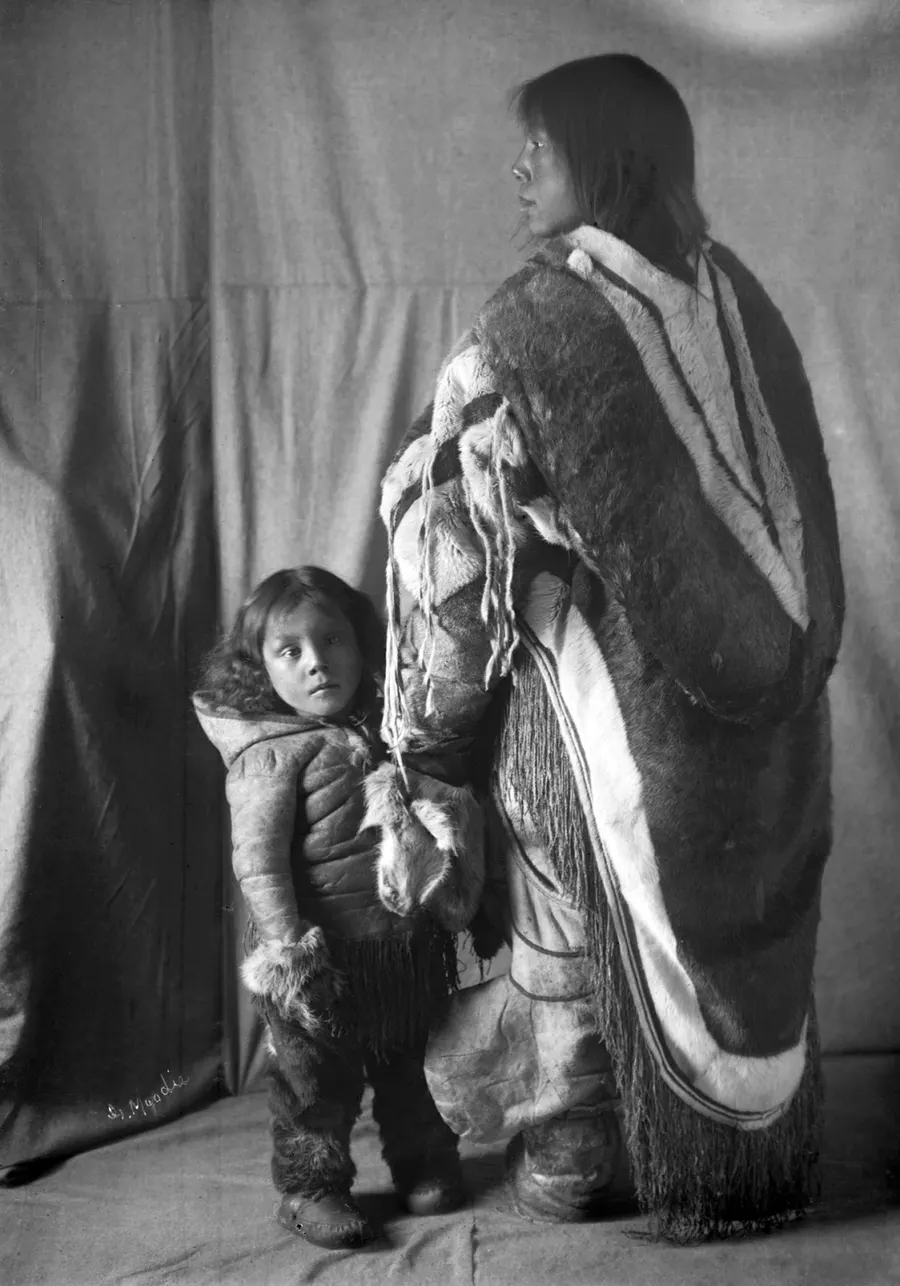
Inuit Woman, Kootucktuck, in her Beaded Attigi, 1905
Captured here: Inuit woman, Kootucktuck, in her beaded attigi. Fullerton Harbour, Nunavut, February 1905. The scene dates to 1905, a detail that changes how you read every face and object in the frame.
The first years of the twentieth century were an age of confident invention. Powered flight arrived with the Wright brothers in 1903, automobiles were leaving the curiosity stage, and cities were filling with electric light, elevators, and streetcars — all of it documented by a new generation of press photographers.
Pictures of ordinary life are some of the most valuable historical documents we have. Grand events were always going to be recorded, but a normal day — how people worked, dressed, shopped, and passed the time — survives only when someone happened to point a camera at it.
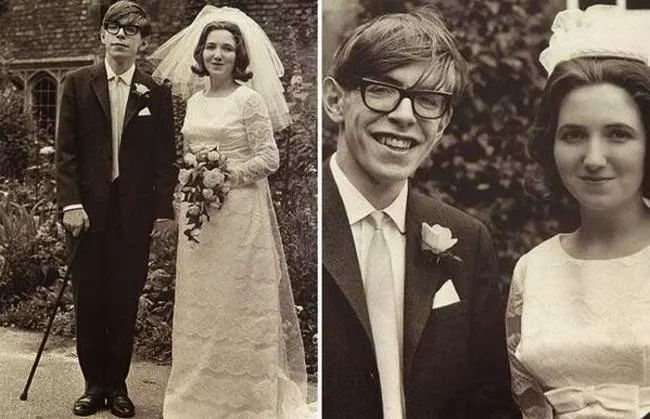
Stephen Hawking Is One of the Most Brilliant Minds the World Has Ever Seen
Captured here: Young Genius: Stephen Hawking is one of the most brilliant minds the world has ever seen. It is the kind of image that turns a line in a history book into something you can actually see.
Photography has only existed since 1839, which means the camera-recorded past is a narrow window — and every surviving frame from it is a small act of preservation, whether the photographer knew it or not.
Pictures of ordinary life are some of the most valuable historical documents we have. Grand events were always going to be recorded, but a normal day — how people worked, dressed, shopped, and passed the time — survives only when someone happened to point a camera at it.
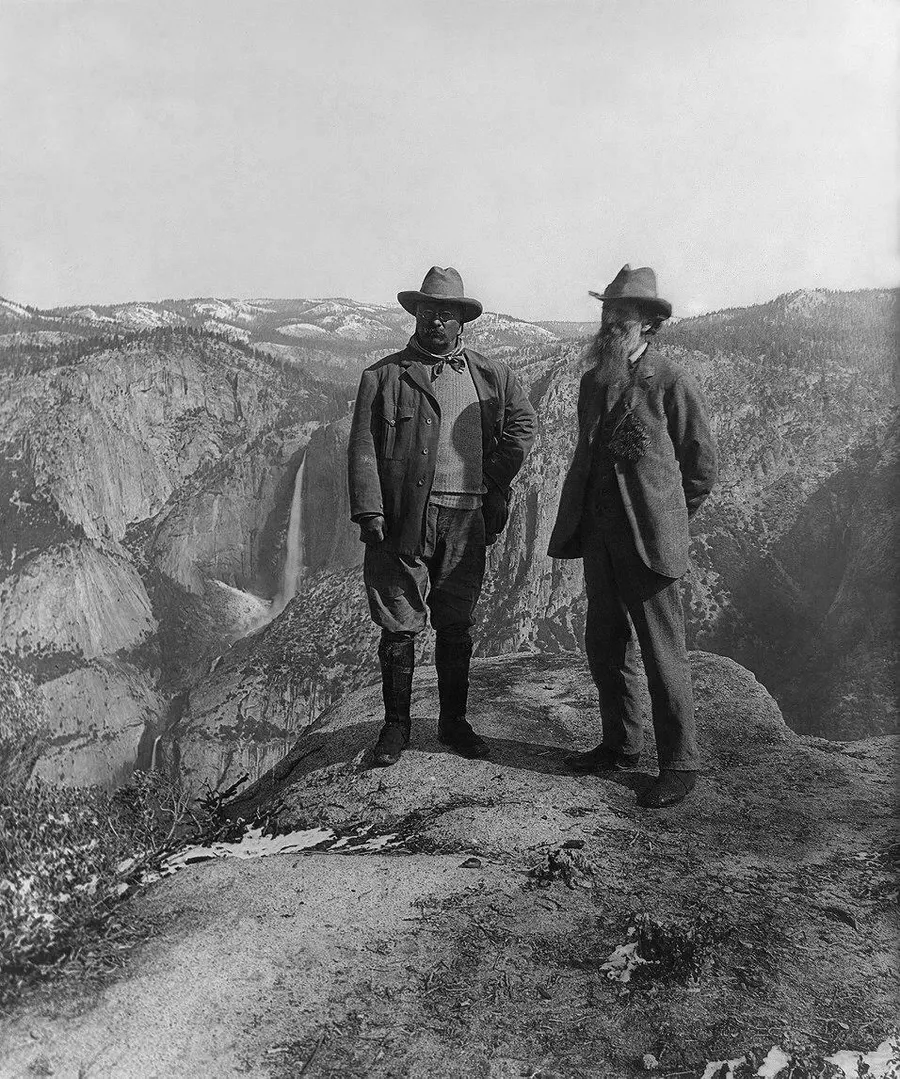
An Actual Photo of Theodore Roosevelt and John Muir at Yosemite, 1903
The photograph shows an Actual Photo Of Theodore Roosevelt And John Muir At Yosemite, 1903. Made in 1903, it is the kind of image that turns a date in a history book into something you can actually see.
The first years of the twentieth century were an age of confident invention. Powered flight arrived with the Wright brothers in 1903, automobiles were leaving the curiosity stage, and cities were filling with electric light, elevators, and streetcars — all of it documented by a new generation of press photographers.
Pictures of ordinary life are some of the most valuable historical documents we have. Grand events were always going to be recorded, but a normal day — how people worked, dressed, shopped, and passed the time — survives only when someone happened to point a camera at it.
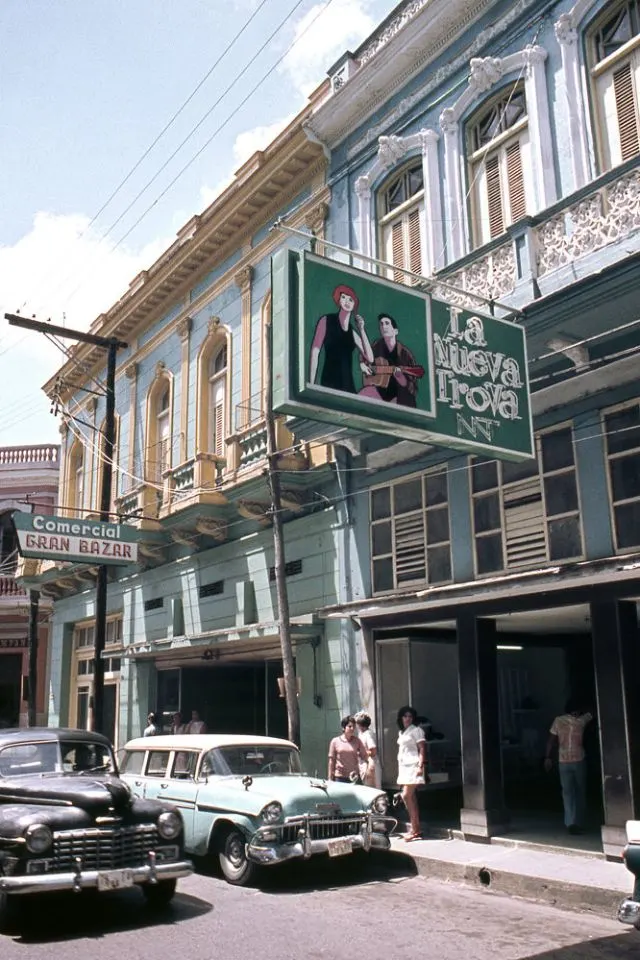
Cuba, Santa Clara, 1976. Building of the Nueva Trova of Cuba
This picture preserves a moment few cameras ever caught — Cuba, Santa Clara, 1976. Building of the Nueva Trova of Cuba. Made in 1976, it is the kind of image that turns a date in a history book into something you can actually see.
The 1970s had a grittier texture than the decades before it — economic shocks, urban decline, and political distrust, but also bold fashion, muscle cars, and the first stirrings of the digital age. Color film had become cheap and ubiquitous, so the decade survives in vivid Kodachrome hues.
Most photography of the period chased celebrities and headlines, which makes surviving images of daily routine all the more precious. This is what the world actually looked like when nobody thought it was worth remembering.
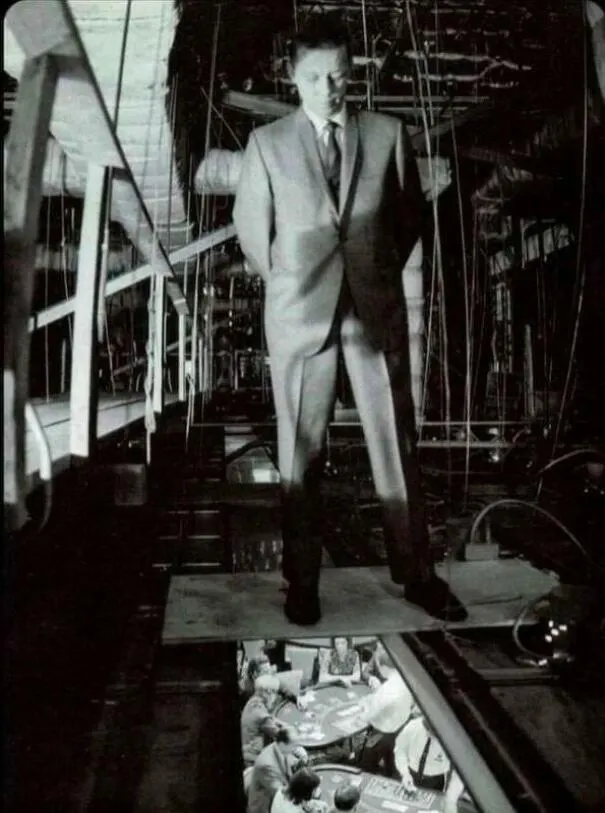
A Casino Security Guard Watches the Players. Nevada, USA
The photograph shows a Casino Security Guard Watches The Players. Nevada, USA. It is the kind of image that turns a line in a history book into something you can actually see.
Photography has only existed since 1839, which means the camera-recorded past is a narrow window — and every surviving frame from it is a small act of preservation, whether the photographer knew it or not.
Pictures of ordinary life are some of the most valuable historical documents we have. Grand events were always going to be recorded, but a normal day — how people worked, dressed, shopped, and passed the time — survives only when someone happened to point a camera at it.
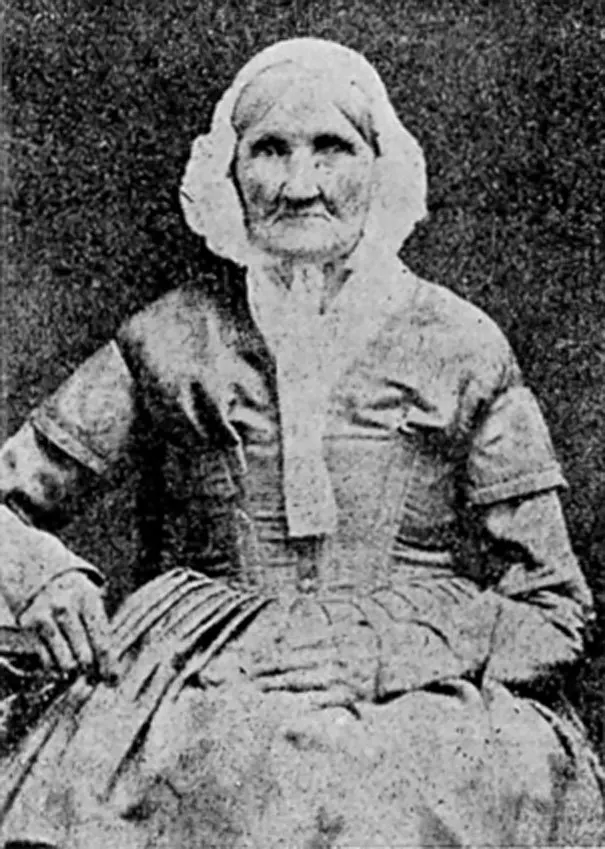
Hannah Stilley, Born 1746, Photographed in 1840
This picture preserves a moment few cameras ever caught — Hannah Stilley, Born 1746, Photographed In 1840. Probably The Earliest Born Individual Captured On Film. It was taken in 1840, and like the best archival images it needs almost no explanation — the frame tells its own story.
The nineteenth century was photographed through slow, demanding processes — daguerreotypes, wet plates, and long exposures — which makes every surviving candid moment from the era genuinely uncommon.
Most photography of the period chased celebrities and headlines, which makes surviving images of daily routine all the more precious. This is what the world actually looked like when nobody thought it was worth remembering.
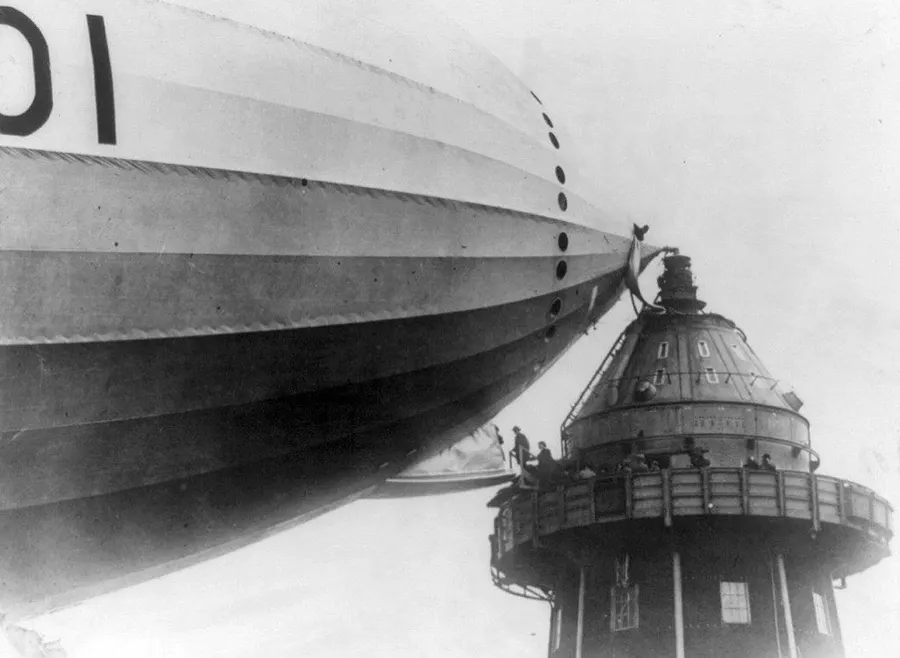
Back When People Were So Inclined to Do
This picture preserves a moment few cameras ever caught — Back when people were so inclined to do so, this was one way to board and travel by blimp. It is the kind of image that turns a line in a history book into something you can actually see.
Photography has only existed since 1839, which means the camera-recorded past is a narrow window — and every surviving frame from it is a small act of preservation, whether the photographer knew it or not.
Most photography of the period chased celebrities and headlines, which makes surviving images of daily routine all the more precious. This is what the world actually looked like when nobody thought it was worth remembering.
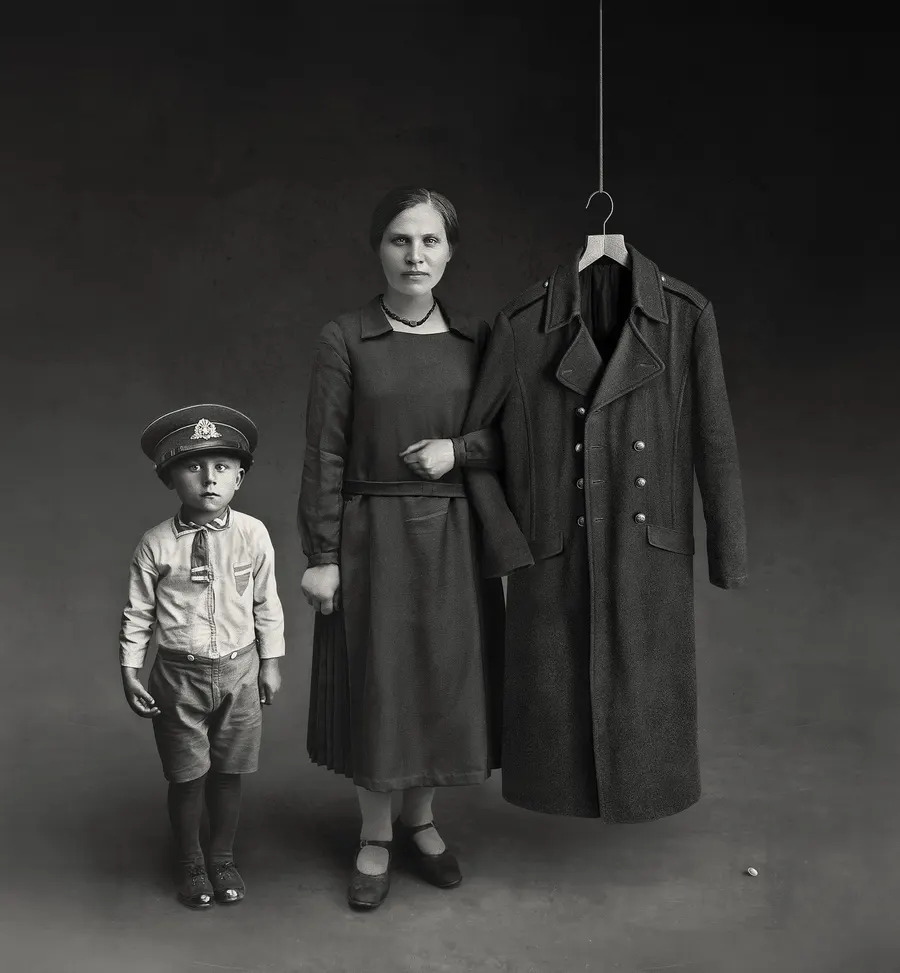
Remembering the Father, 1925
The photograph shows Remembering The Father, 1925. It was taken in 1925, and like the best archival images it needs almost no explanation — the frame tells its own story.
The 1920s roared with new money and new habits. Radio broadcasting began, cars became affordable for working families, jazz filled dance halls, and hemlines and haircuts shortened in ways that scandalized the older generation. News photography boomed alongside the tabloid press.
Most photography of the period chased celebrities and headlines, which makes surviving images of daily routine all the more precious. This is what the world actually looked like when nobody thought it was worth remembering.
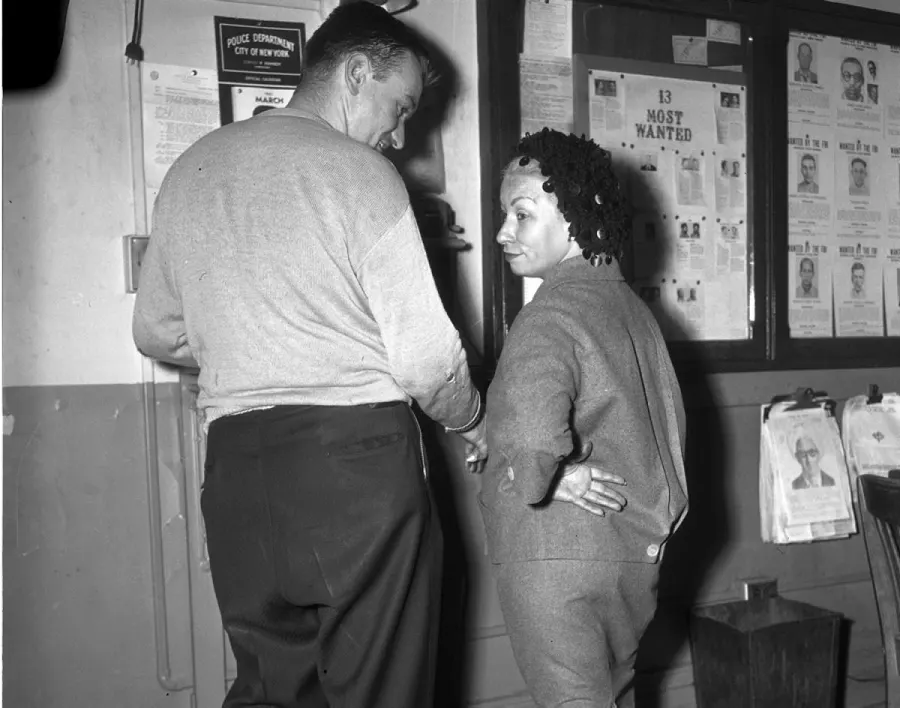
Margo Donohue Couldn't Use her Feminine Wiles to Get Out of This One, 1961
Captured here: Mob Moll, 1961: Margo Donohue couldn't use her feminine wiles to get out of this one! The gun moll was fingerprinted by a narcotics squad after she was found carrying a loaded .38 caliber pistol for her accomplice William Matea in 1961. Made in 1961, it is the kind of image that turns a date in a history book into something you can actually see.
The 1960s moved fast: the space race put satellites and then astronauts overhead, television replaced print as the main source of news, and social change swept through music, fashion, and politics. Photojournalism was at its peak, with picture magazines and newspapers employing armies of photographers.
Most photography of the period chased celebrities and headlines, which makes surviving images of daily routine all the more precious. This is what the world actually looked like when nobody thought it was worth remembering.
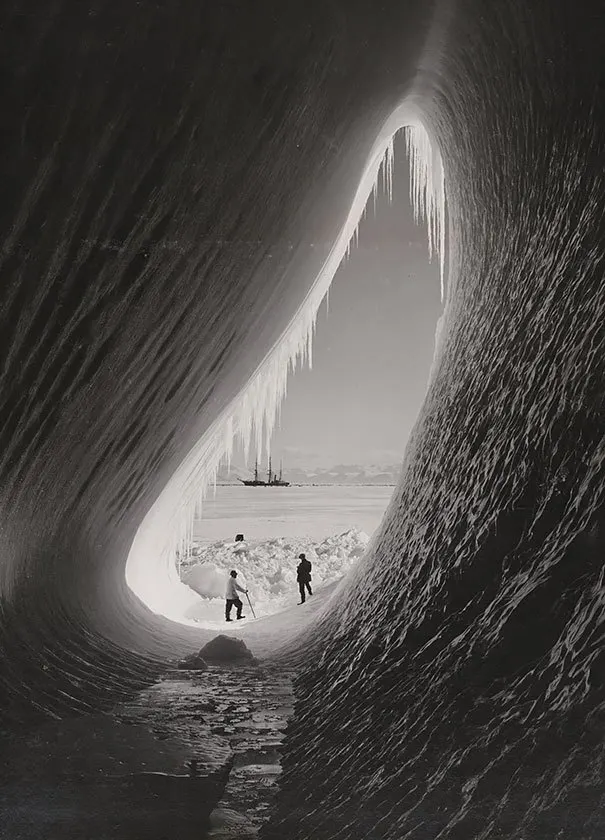
Grotto in an Iceberg, Photographed During the British Antarctic Expedition, 1911
Grotto In An Iceberg, Photographed During The British Antarctic Expedition, 5 Jan 1911. The scene dates to 1911, a detail that changes how you read every face and object in the frame.
The 1910s were a decade of upheaval. The First World War (1914-1918) pulled millions into uniform and redrew the map of Europe, while on the home front automobiles, telephones, and moving pictures were rapidly becoming part of ordinary life.
Pictures of ordinary life are some of the most valuable historical documents we have. Grand events were always going to be recorded, but a normal day — how people worked, dressed, shopped, and passed the time — survives only when someone happened to point a camera at it.
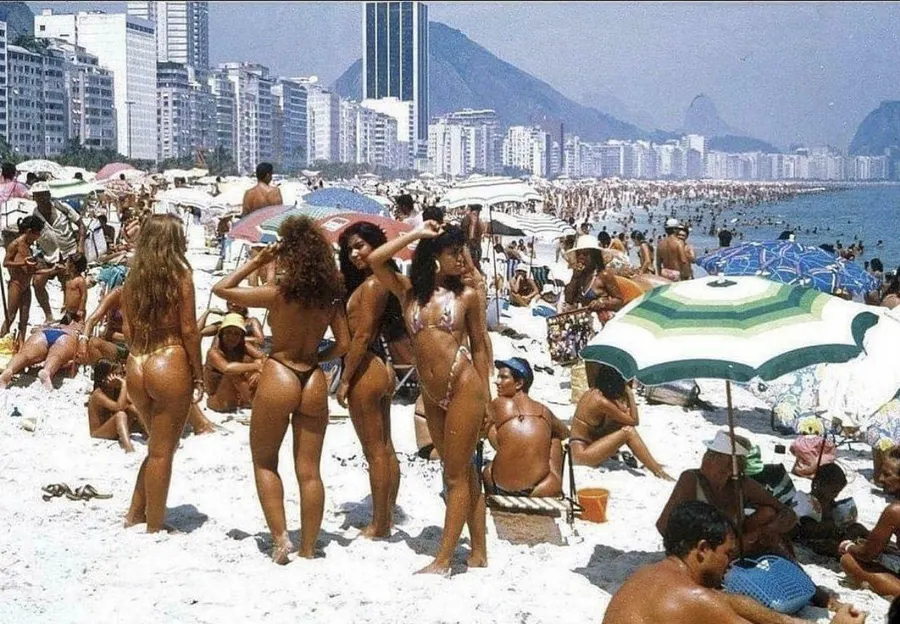
Copacabana Beach, Rio, 1985
Copacabana Beach, Rio, 1985. Made in 1985, it is the kind of image that turns a date in a history book into something you can actually see.
By the 1980s the modern media landscape was taking shape: cable television, personal computers, and global brands. Film photography was at its technical height, just a generation before digital cameras would change everything.
Most photography of the period chased celebrities and headlines, which makes surviving images of daily routine all the more precious. This is what the world actually looked like when nobody thought it was worth remembering.
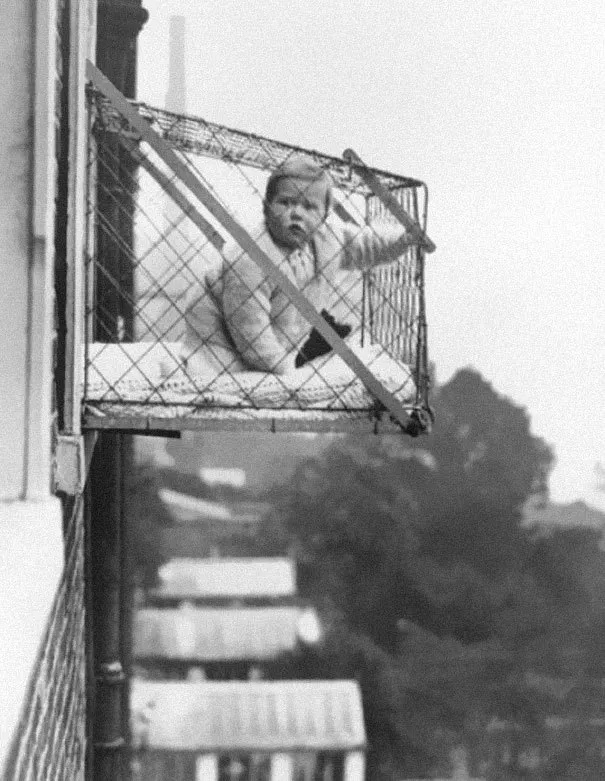
Baby Cages Used to Ensure That Children Get Enough Sunlight and Fresh Air, 1937
Baby Cages Used To Ensure That Children Get Enough Sunlight And Fresh Air When Living In An Apartment Building, 1937. It was taken in 1937, and like the best archival images it needs almost no explanation — the frame tells its own story.
Wire "baby cages" that hung out of apartment windows were a genuine product of the early twentieth century, patented in the United States in the 1920s and popular for a time in London blocks of flats. The theory, backed by childcare advice of the day, was that city babies needed fresh air and sunlight that cramped apartments could not provide. Changing safety standards ended the practice by mid-century.
Most photography of the period chased celebrities and headlines, which makes surviving images of daily routine all the more precious. This is what the world actually looked like when nobody thought it was worth remembering.
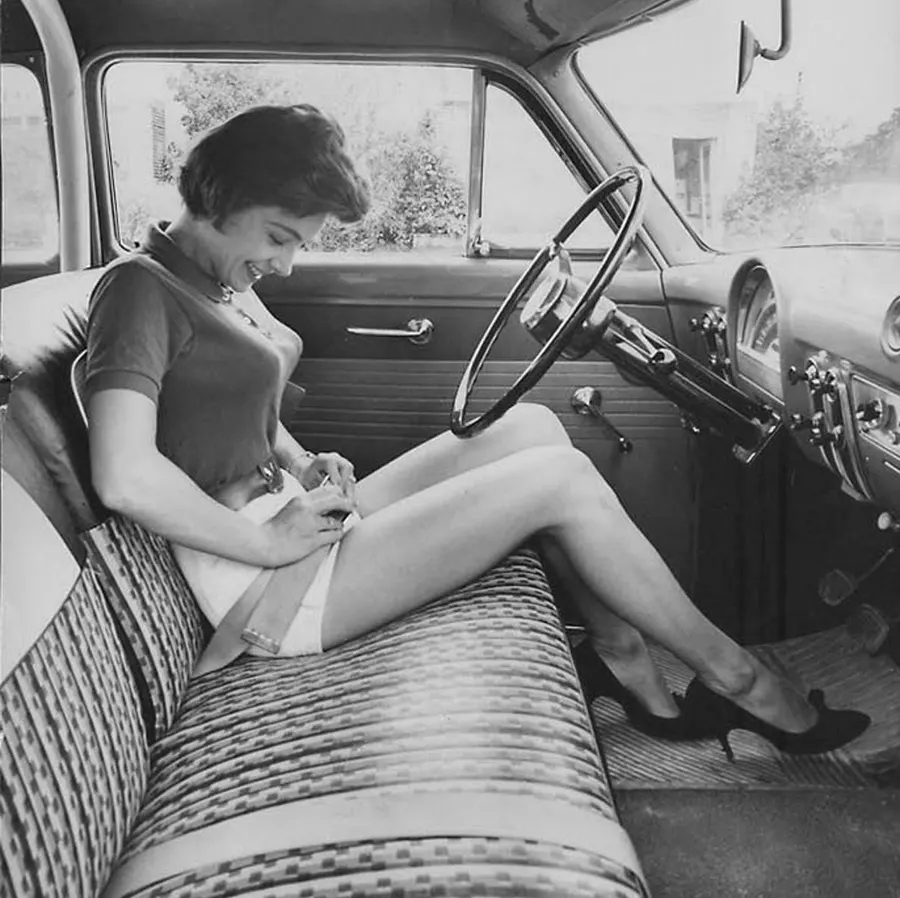
Woman Inspecting This New Thing, the Security Belt in her Car, Circa 1950s
Captured here: Woman Inspecting This New Thing, The Security Belt In Her Car, Circa 1950s. The scene dates to the 1950s, a detail that changes how you read every face and object in the frame.
The 1950s brought a wave of postwar prosperity, especially in North America. Suburbs, television sets, big chrome-trimmed cars, and rock and roll defined the decade, and a booming picture-magazine industry sent photographers to document all of it.
Most photography of the period chased celebrities and headlines, which makes surviving images of daily routine all the more precious. This is what the world actually looked like when nobody thought it was worth remembering.
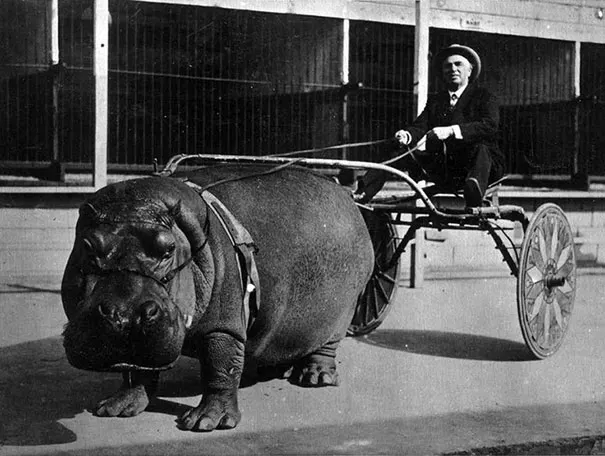
Gargantuan: Here’s a Trained Circus Hippo Pulling a Cart in 1924
This picture preserves a moment few cameras ever caught — Gargantuan: Here’s a trained circus hippo pulling a cart in 1924. The scene dates to 1924, a detail that changes how you read every face and object in the frame.
The 1920s roared with new money and new habits. Radio broadcasting began, cars became affordable for working families, jazz filled dance halls, and hemlines and haircuts shortened in ways that scandalized the older generation. News photography boomed alongside the tabloid press.
What makes everyday photographs like this one compelling is the details at the edges: the clothes, the signs, the tools, the postures. They preserve texture that history books flatten out.
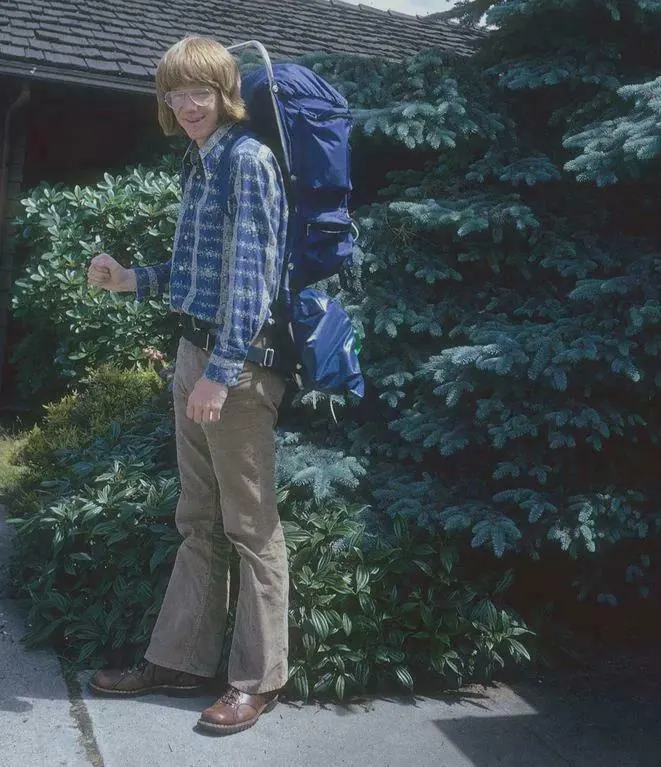
"here I Am, Heading Off to Europe the Day After High School Graduation, 1973
This picture preserves a moment few cameras ever caught — Rick Steves: "Here I Am, Heading Off To Europe The Day After High School Graduation In 1973". The scene dates to 1973, a detail that changes how you read every face and object in the frame.
The 1970s had a grittier texture than the decades before it — economic shocks, urban decline, and political distrust, but also bold fashion, muscle cars, and the first stirrings of the digital age. Color film had become cheap and ubiquitous, so the decade survives in vivid Kodachrome hues.
Most photography of the period chased celebrities and headlines, which makes surviving images of daily routine all the more precious. This is what the world actually looked like when nobody thought it was worth remembering.
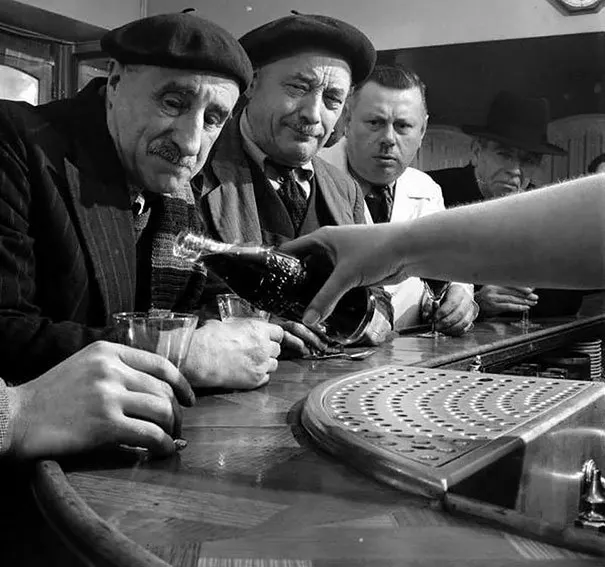
Coca-cola Comes to France, 1950
Coca-Cola Comes To France, 1950. Made in 1950, it is the kind of image that turns a date in a history book into something you can actually see.
Coca-Cola's postwar arrival in France was genuinely controversial. Communist politicians and some wine growers campaigned against what critics called "Coca-Colonization," warning that American soft drinks would undermine French culture. The French parliament even debated a bill in 1950 that could have banned the drink. Coca-Cola stayed, and the episode became a famous chapter in the story of American brands abroad.
Pictures of ordinary life are some of the most valuable historical documents we have. Grand events were always going to be recorded, but a normal day — how people worked, dressed, shopped, and passed the time — survives only when someone happened to point a camera at it.
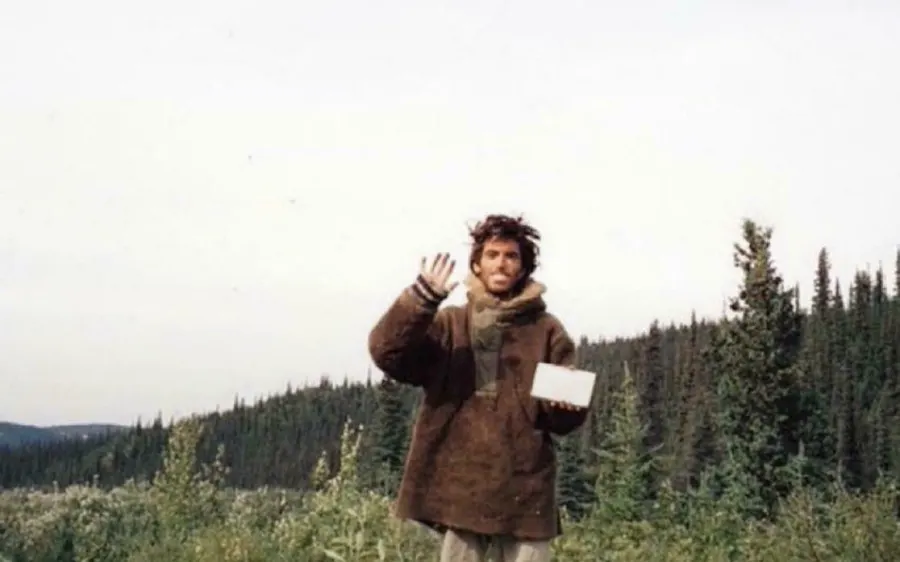
The Final Photo of Christopher Mccandless, 1992
This picture preserves a moment few cameras ever caught — The Final Photo Of Christopher Mccandless, Taken Before His Death In August 1992, Was Found On His Undeveloped Camera. After Venturing Into The Alaskan Wilderness, He Used An Abandoned Bus As Shelter Where He Starved To Death. Made in 1992, it is the kind of image that turns a date in a history book into something you can actually see.
The 1990s were the last fully analog decade. The internet was just arriving in homes, film cameras still ruled, and the era's photographs carry the distinct warm grain of late-century color film.
Pictures of ordinary life are some of the most valuable historical documents we have. Grand events were always going to be recorded, but a normal day — how people worked, dressed, shopped, and passed the time — survives only when someone happened to point a camera at it.
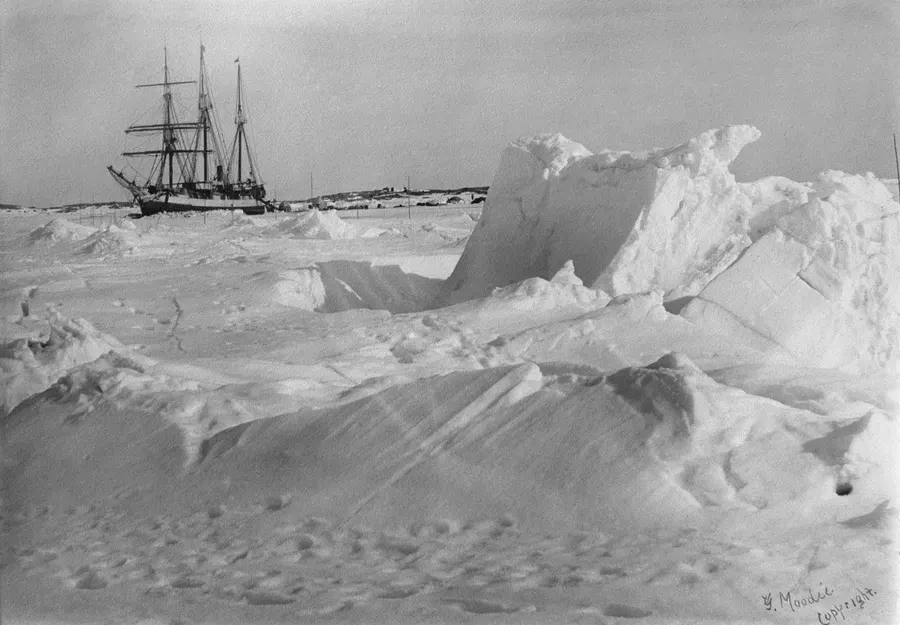
DGS Arctic Frozen in the Ice, Fullerton Harbour, Nunavut, April 1905
This picture preserves a moment few cameras ever caught — DGS Arctic frozen in the ice, Fullerton Harbour, Nunavut, April 1905. Made in 1905, it is the kind of image that turns a date in a history book into something you can actually see.
The first years of the twentieth century were an age of confident invention. Powered flight arrived with the Wright brothers in 1903, automobiles were leaving the curiosity stage, and cities were filling with electric light, elevators, and streetcars — all of it documented by a new generation of press photographers.
Most photography of the period chased celebrities and headlines, which makes surviving images of daily routine all the more precious. This is what the world actually looked like when nobody thought it was worth remembering.
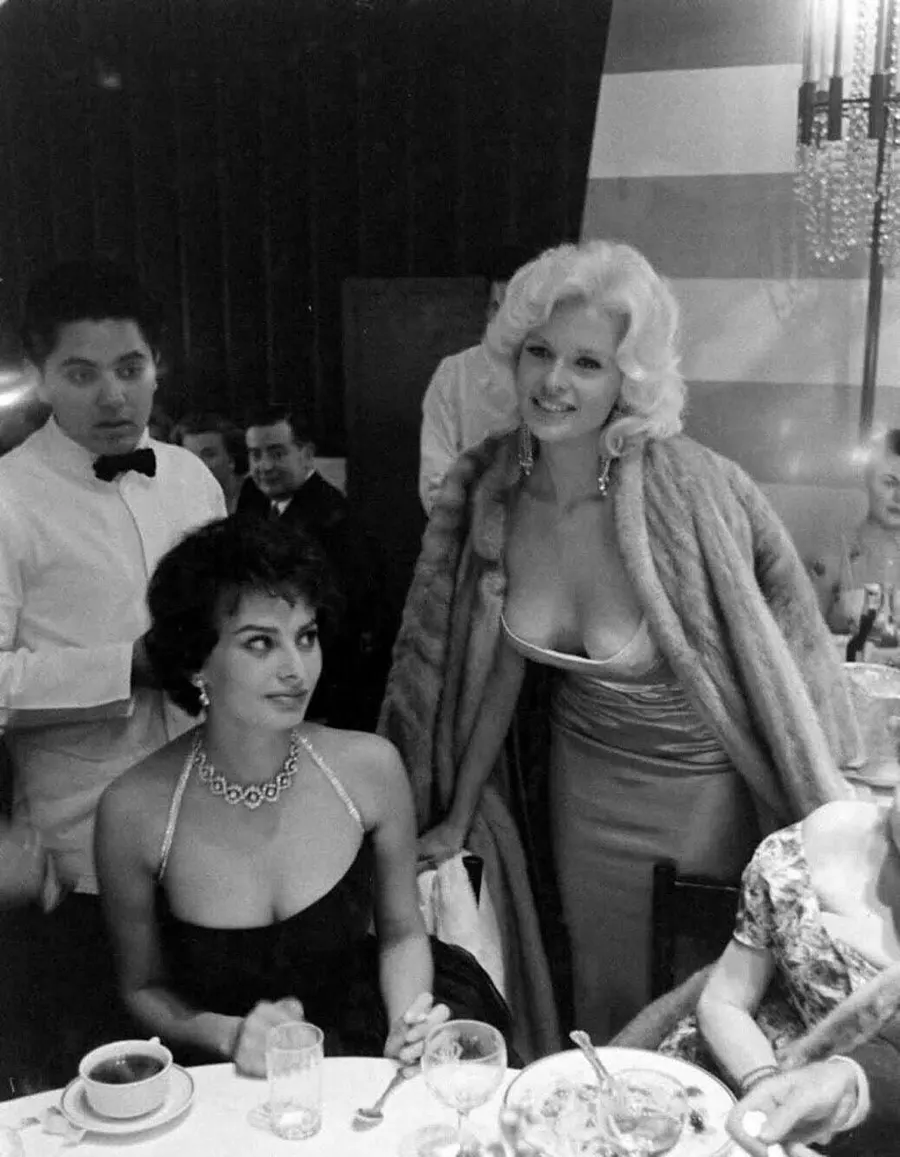
Different Shots of the Sophia Loren, Jayne Mansfield Encounter in 1957
This picture preserves a moment few cameras ever caught — Different Shots Of The Sophia Loren, Jayne Mansfield Encounter In 1957. It was taken in 1957, and like the best archival images it needs almost no explanation — the frame tells its own story.
The 1950s brought a wave of postwar prosperity, especially in North America. Suburbs, television sets, big chrome-trimmed cars, and rock and roll defined the decade, and a booming picture-magazine industry sent photographers to document all of it.
Pictures of ordinary life are some of the most valuable historical documents we have. Grand events were always going to be recorded, but a normal day — how people worked, dressed, shopped, and passed the time — survives only when someone happened to point a camera at it.
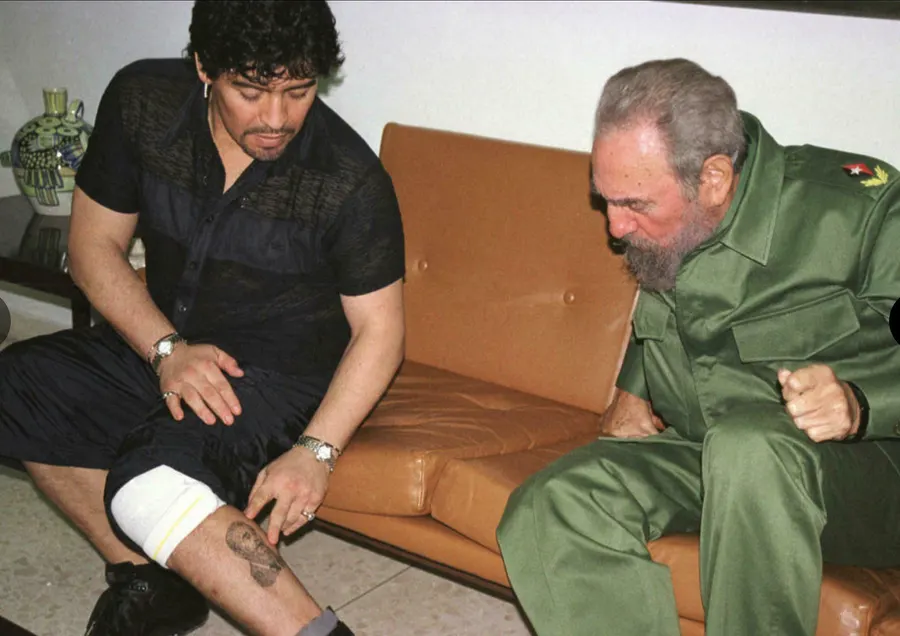
Diego Maradona Showing Off his Fidel Castro Tattoo to Fidel Castro
This picture preserves a moment few cameras ever caught — Diego Maradona Showing Off His Fidel Castro Tattoo To Fidel Castro. It is the kind of image that turns a line in a history book into something you can actually see.
Photography has only existed since 1839, which means the camera-recorded past is a narrow window — and every surviving frame from it is a small act of preservation, whether the photographer knew it or not.
Most photography of the period chased celebrities and headlines, which makes surviving images of daily routine all the more precious. This is what the world actually looked like when nobody thought it was worth remembering.
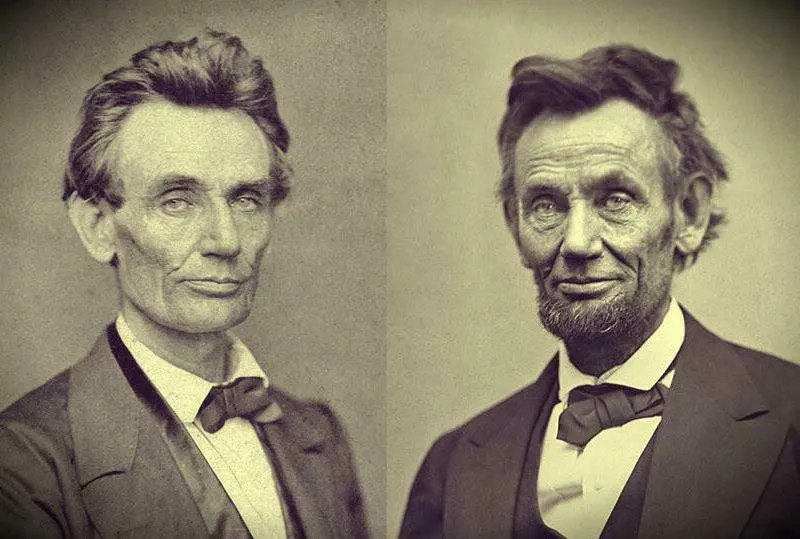
In Just Four Years, Abraham Lincoln Seemingly Aged a Decade
This picture preserves a moment few cameras ever caught — In Just Four Years, Abraham Lincoln Seemingly Aged A Decade. Like the best archival images, it needs almost no explanation — the frame tells its own story.
Photography has only existed since 1839, which means the camera-recorded past is a narrow window — and every surviving frame from it is a small act of preservation, whether the photographer knew it or not.
Pictures of ordinary life are some of the most valuable historical documents we have. Grand events were always going to be recorded, but a normal day — how people worked, dressed, shopped, and passed the time — survives only when someone happened to point a camera at it.
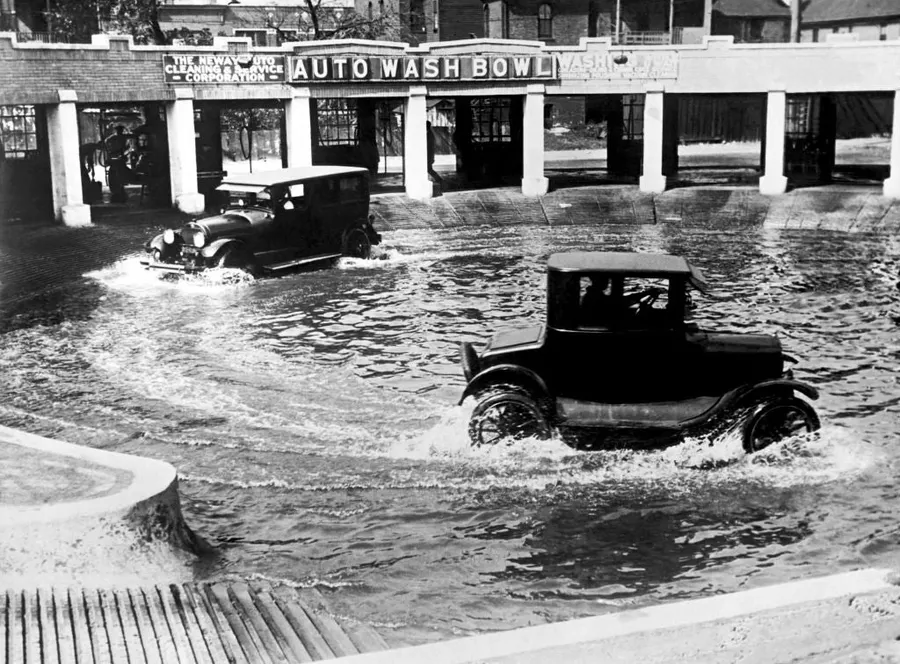
Before Modern Car Washes Were Invented
Before modern car washes were invented, one particularly wacky idea was for cars to drive around through water in a circle. Like the best archival images, it needs almost no explanation — the frame tells its own story.
Photography has only existed since 1839, which means the camera-recorded past is a narrow window — and every surviving frame from it is a small act of preservation, whether the photographer knew it or not.
Most photography of the period chased celebrities and headlines, which makes surviving images of daily routine all the more precious. This is what the world actually looked like when nobody thought it was worth remembering.
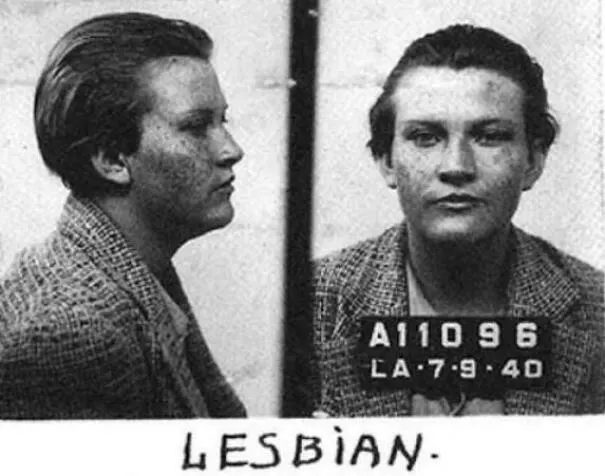
Police Image of a Girl Detained for Unconventional Dress/look, USA, 1940
The photograph shows Police Image Of A Girl Detained For Unconventional Dress/Look, USA, 1940. Made in 1940, it is the kind of image that turns a date in a history book into something you can actually see.
The first half of the 1940s was consumed by the Second World War, the largest conflict in human history, and photography went to war with it — small 35mm cameras and wire services meant pictures from the front could reach newspaper readers within days.
What makes everyday photographs like this one compelling is the details at the edges: the clothes, the signs, the tools, the postures. They preserve texture that history books flatten out.
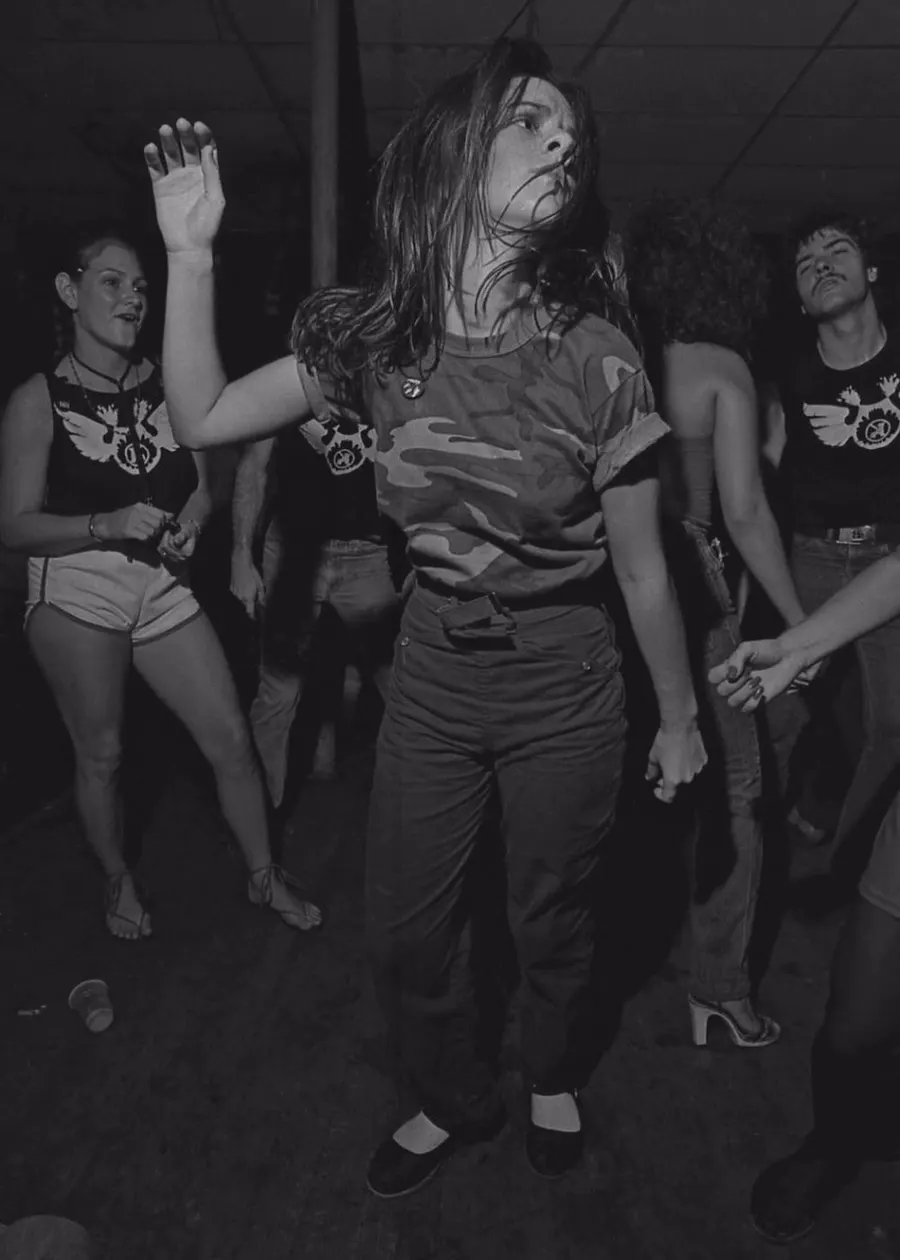
Dancing to the Big Boys. Houston, 1980
This picture preserves a moment few cameras ever caught — Dancing to the Big Boys. Houston, 1980. The scene dates to 1980, a detail that changes how you read every face and object in the frame.
By the 1980s the modern media landscape was taking shape: cable television, personal computers, and global brands. Film photography was at its technical height, just a generation before digital cameras would change everything.
Most photography of the period chased celebrities and headlines, which makes surviving images of daily routine all the more precious. This is what the world actually looked like when nobody thought it was worth remembering.
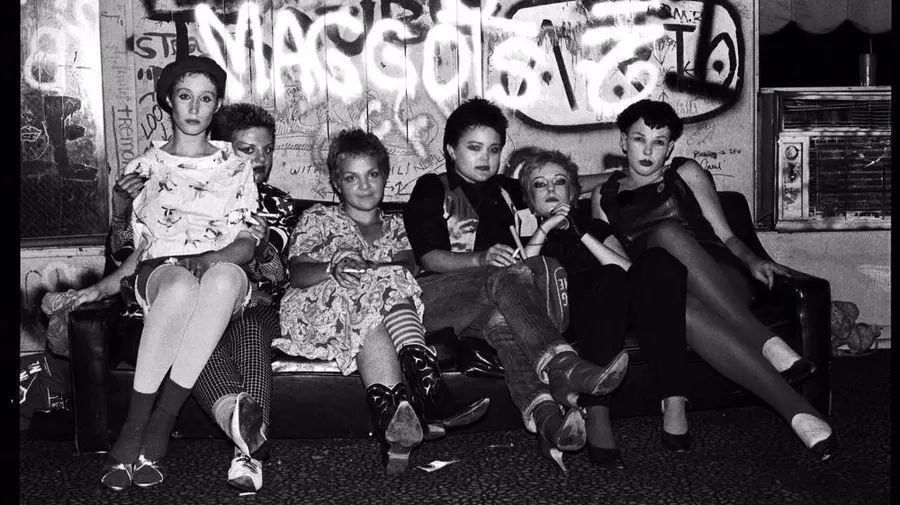
Punk Girls with Belinda Carlisle from the Go-go’s in the Center, 1978
Punk girls with Belinda Carlisle from the Go-Go’s in the center. Los Angeles, 1978. It was taken in 1978, and like the best archival images it needs almost no explanation — the frame tells its own story.
The 1970s had a grittier texture than the decades before it — economic shocks, urban decline, and political distrust, but also bold fashion, muscle cars, and the first stirrings of the digital age. Color film had become cheap and ubiquitous, so the decade survives in vivid Kodachrome hues.
What makes everyday photographs like this one compelling is the details at the edges: the clothes, the signs, the tools, the postures. They preserve texture that history books flatten out.
Featured galleries