15 Country Cases That Show Why ‘Socialist Countries’ Is Not a Simple Category

Cuba: Socialist State and Irrevocability Clause
Cuba's 2019 constitution describes the country as a socialist state and says the socialist system is irrevocable. Those provisions make the constitutional text central to classification. A responsible account still separates formal wording from empirical questions about institutions, markets, public services, migration, and rights.

Vietnam: A Socialist Republic in the Constitution
Vietnam's constitution names the country the Socialist Republic of Vietnam and describes a socialist rule-of-law state. It also sets out state institutions and economic provisions. The title is direct evidence of constitutional identity, but it should not substitute for analysis of contemporary ownership, investment, elections, or administration.
Laos: Party Leadership and Socialist Direction
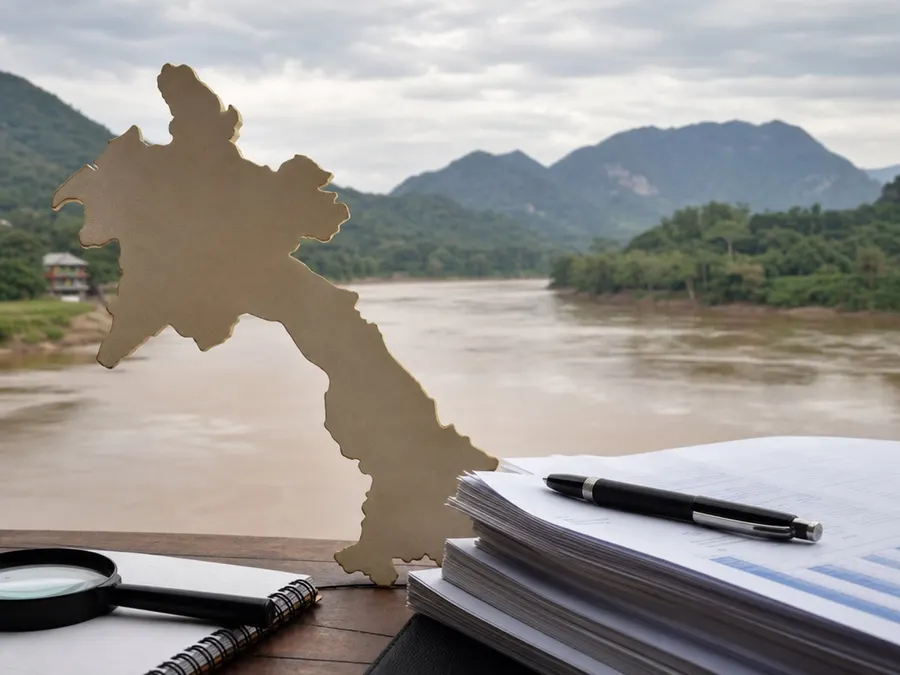
Laos's constitutional order identifies the Lao People's Revolutionary Party as the leading nucleus of the political system and contains socialist-oriented institutional language. Translation choices matter, so the full current text is more informative than a one-word tag. Economic policy includes practices a binary label cannot capture.

North Korea: An Explicit Socialist-State Claim
The constitution of the Democratic People's Republic of Korea describes the state as independent and socialist. Official terminology is clear, while access to reliable current information and independent verification is unusually constrained. Analysts should distinguish a constitutional claim from external measurement of institutions, rights, or economic conditions.

India: Socialist in a Democratic-Republic Preamble
India's preamble describes the country as a sovereign socialist secular democratic republic. The word socialist was added in 1976 and sits alongside commitments to liberty, equality, and democratic government. Treating the single term as equivalent to one-party constitutional systems erases major institutional differences.

Sri Lanka: Democratic Socialist in the State's Name
The constitution names the country the Democratic Socialist Republic of Sri Lanka. That official title is a constitutional fact, not a complete account of changing governments or economic policy. Compare the operative articles, electoral institutions, and current legislation before drawing broader conclusions from the name.

Nepal: Socialism-Oriented, Federal, and Democratic
Nepal's constitution describes the state as socialism-oriented as well as federal, democratic, and republican. The formulation expresses a direction and set of aspirations rather than making Nepal institutionally identical to states using socialist-state language. Federal structure and competitive politics are essential parts of the same text.

Bangladesh: Socialism as a Fundamental Principle
Bangladesh's constitution includes socialism and freedom from exploitation among fundamental principles of state policy, while also defining a republic with elected institutions. A principle can guide interpretation without specifying one fixed ownership model. Read it alongside later amendments and operative provisions.

Guyana: Transition Language in the Constitution
Guyana's constitution contains language about transition from capitalism to socialism and cooperative social relations. That wording reflects a particular constitutional history. Contemporary institutions and a rapidly changing petroleum economy require separate evidence; quoting the clause does not establish how every current sector operates.

Portugal: Socialist Language in the Preamble's History
Portugal's constitutional preamble retains language about opening a path toward a socialist society, while the operative democratic order includes plural parties, elections, European Union membership, and a mixed economy. Preamble, enforceable articles, amendments, and actual institutions must be distinguished.

Nicaragua: Socialist Ideals Among Several Principles
Nicaragua's constitution has referenced socialist ideals among national principles, alongside Christian values and solidarity. The wording is not the same as an unqualified socialist-state clause. Current institutional conditions, amendments, and political rights need independent reporting beyond the constitutional label.

Tanzania: Ujamaa and Self-Reliance in Constitutional Context
Tanzania's constitutional tradition includes commitments associated with socialism, self-reliance, and social welfare, shaped by the historical policy of Ujamaa. Contemporary Tanzania should not be frozen in that period. Read present constitutional wording, laws, party competition, and economic data separately.

Bolivia: A Party Name Is Not a Constitutional Classification
Bolivia's Movement toward Socialism has been a major governing party, but a party name does not automatically make the state constitutionally socialist. Bolivia's constitution describes a plural economy with public, private, cooperative, and community forms. This boundary case shows why party, state, and economy require separate columns.

Venezuela: Political Doctrine Versus Constitutional Wording
Venezuelan governments have promoted twenty-first-century socialism as political doctrine, while the 1999 constitution's formal state description does not simply label Venezuela a socialist state. Current classification therefore depends on whether the question concerns rhetoric, party program, institutions, or constitutional text.
China: Explicit Socialist-State Language
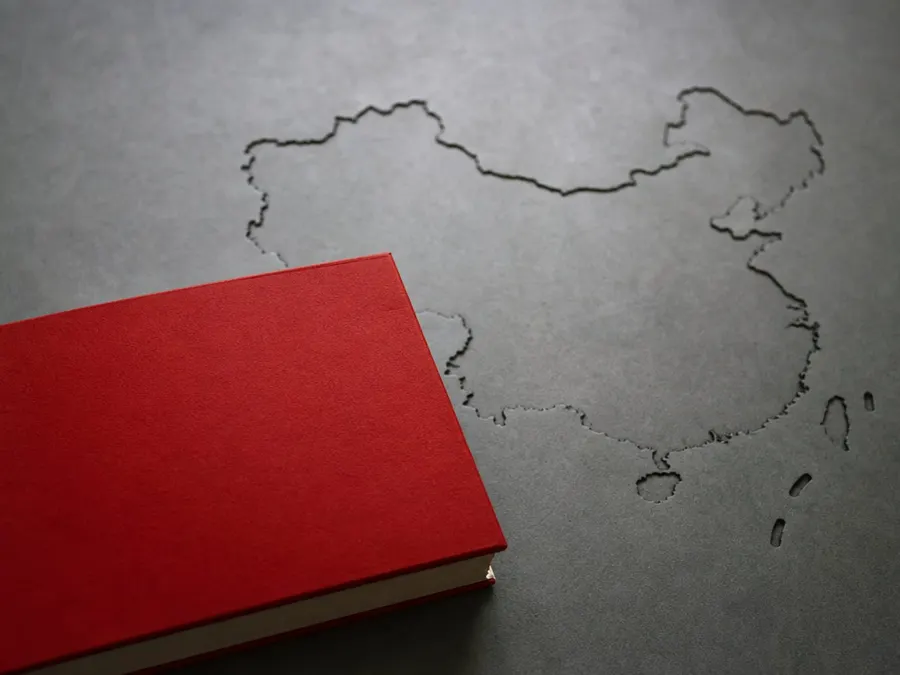
Article 1 of China's constitution describes the People's Republic as a socialist state and identifies the socialist system as its basic system. That is an explicit constitutional classification. It does not by itself summarize the country's mixed ownership forms, institutions, policy changes, or daily economic practice.
Featured galleries