Beyond the Unknown: NASA’s Most Intriguing Space Mysteries and Anomalies
Lunar Anomalies
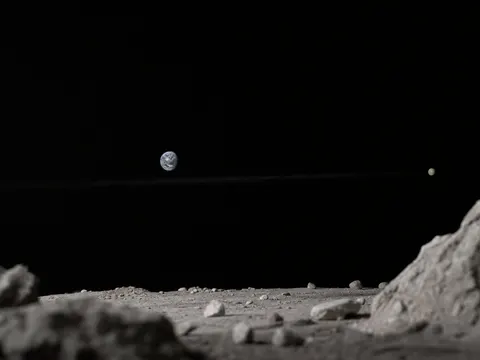
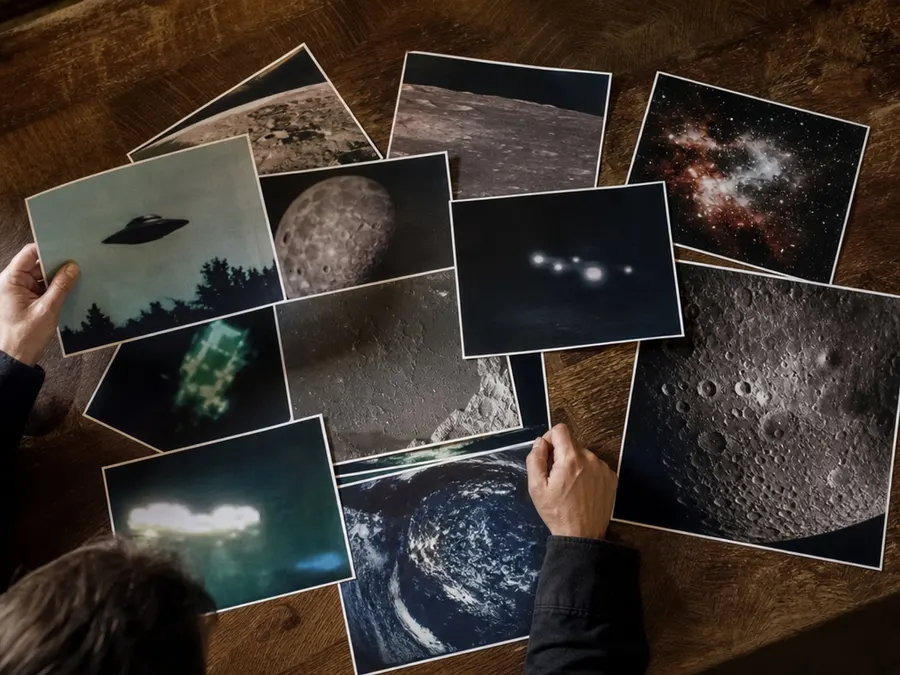
Over the decades, space enthusiasts and researchers have scrutinized lunar photography for unusual structures and unexplained lights. While most are dismissed as optical illusions or natural geological formations, these images keep fueling debates about what might lie hidden on the far side of the Moon. NASA's ongoing lunar mapping missions continue to provide high-resolution data to clarify these persistent mysteries.
Deep Space Mysteries
Deep space is filled with bizarre energy signatures and strange objects that defy conventional explanations. From fast radio bursts to unexplained gravitational anomalies, scientists must constantly revise their models of the cosmos. Advanced observatories are our primary tools for decoding these distant, ancient signals.
Astronaut Encounters
Several astronauts have reported observing unexplained phenomena during their historic spaceflights, ranging from unexpected debris to mysterious flashes of light. While official investigations usually attribute these sightings to ice crystals, space junk, or cosmic rays hitting the optic nerve, they continue to capture the public's imagination. These accounts underscore the unpredictable nature of working in the harsh environment of low Earth orbit.
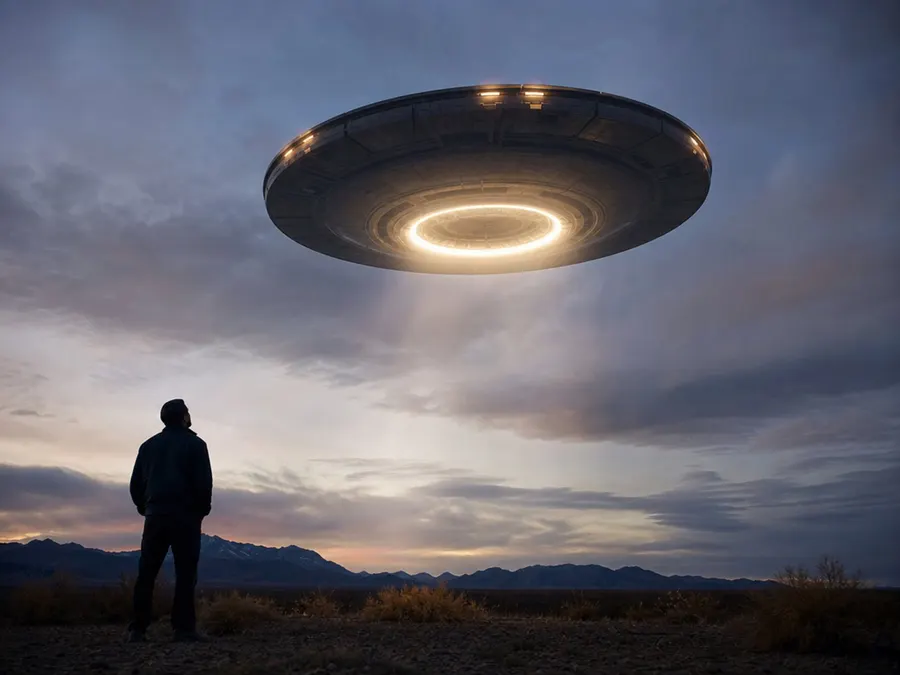
Unidentified Anomalous Phenomena
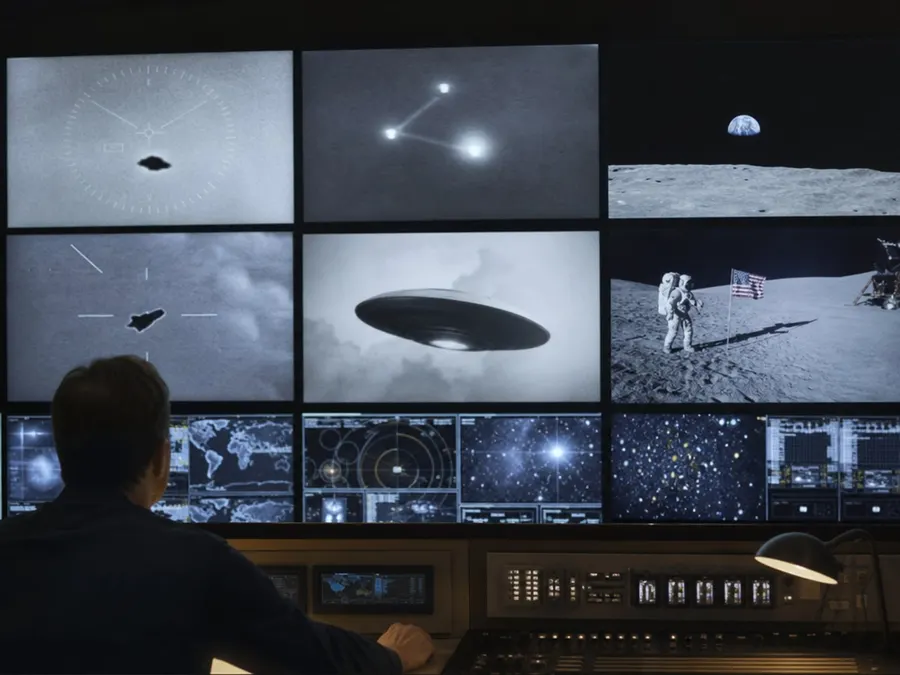
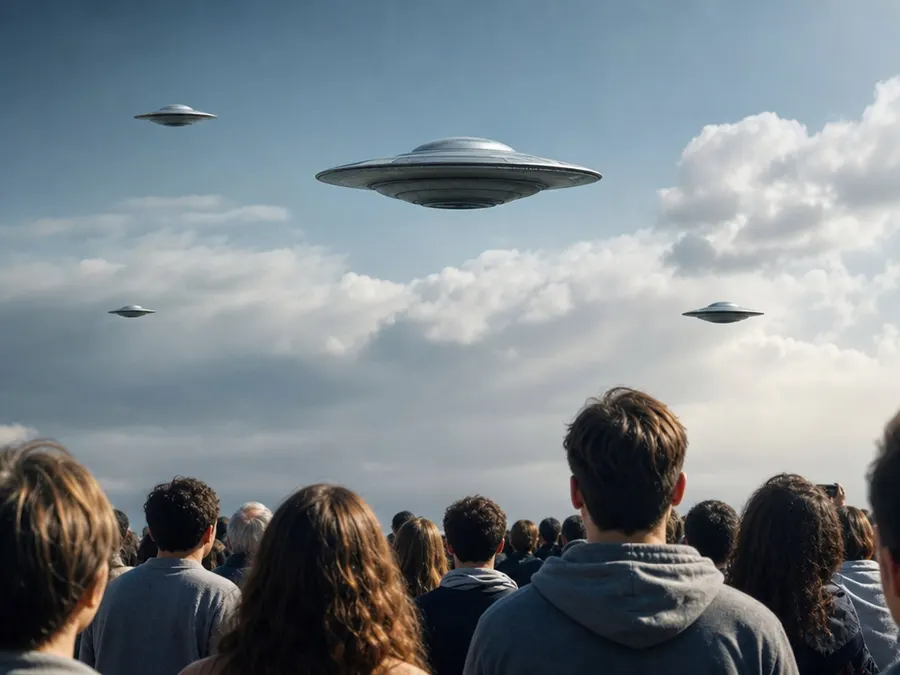
The study of Unidentified Anomalous Phenomena, or UAPs, has moved from fringe theories to serious scientific and governmental inquiry. Declassified military and space agency footage has revealed objects performing maneuvers that seem to challenge current aerodynamic understandings. Researchers are now utilizing rigorous scientific methods to collect objective data on these mysterious aerial events.
The Cosmic Eye
Some celestial formations bear an uncanny resemblance to familiar Earthly shapes, such as eyes, faces, or hands, due to a psychological phenomenon known as pareidolia. These stunning nebulae are actually massive clouds of gas and dust illuminated by dying stars or intense stellar winds. By studying these structures, astrophysicists gain valuable insights into the life cycles of stars.
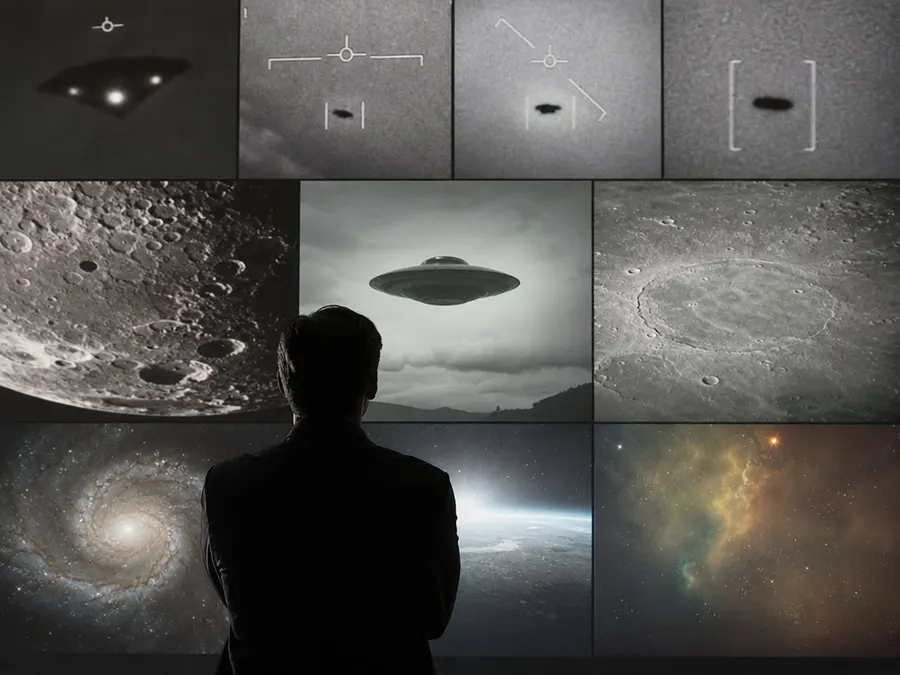
Secrets of the Red Planet
Mars has long been a focal point for theories about extraterrestrial life, driven by strange surface features captured by orbiters and rovers. From the famous "Face on Mars" to odd rock formations that look like everyday objects, the Martian landscape never ceases to spark curiosity. Robotic missions continue to analyze the soil and atmosphere to determine if the planet once hosted microbial life.
Atmospheric Anomalies
Earth's upper atmosphere is home to rare and fleeting luminous phenomena like sprites, elves, and blue jets that were once dismissed as pilot myths. These electrical discharges occur high above thunderstorms and are difficult to capture from the ground. Modern high-speed cameras aboard the International Space Station have finally allowed scientists to study these spectacular events in detail.
Solar Enigmas
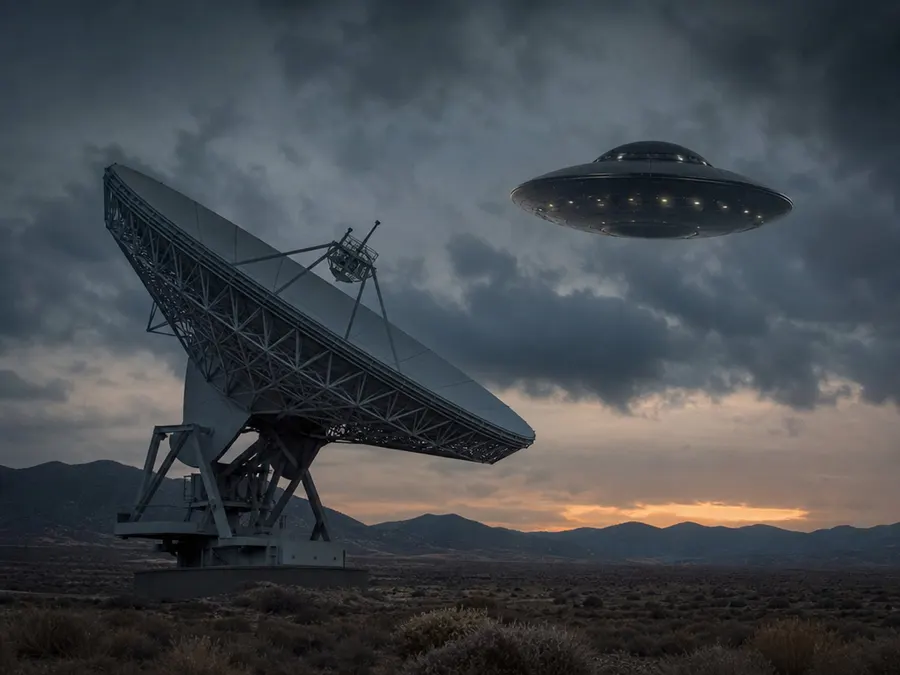
Our Sun is a dynamic and violent star, occasionally releasing massive solar flares and coronal mass ejections that can disrupt communications on Earth. Satellite imagery sometimes captures strange dark spots or geometric plasma structures that puzzle solar physicists. Monitoring these solar cycles is crucial for protecting our global satellite networks and power grids from space weather.
Wormholes and Portals
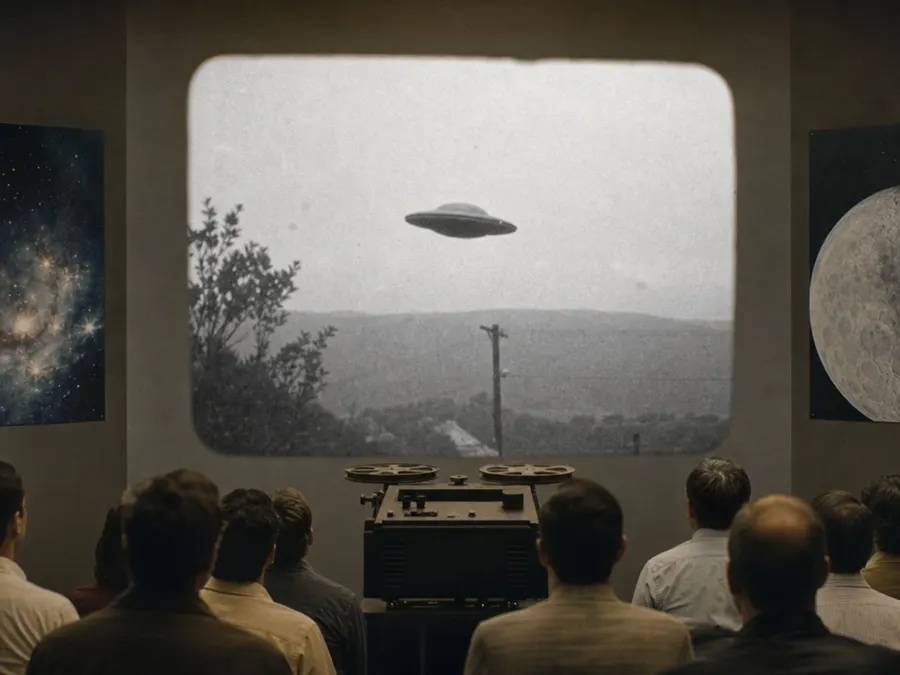
Theoretical physics suggests the existence of shortcuts through spacetime known as wormholes, though none have ever been observed. While they remain a staple of science fiction, researchers use complex mathematical models to explore how these gravitational anomalies might behave. Understanding these theoretical structures helps scientists push the boundaries of Einstein's theory of general relativity.
Orbital Mysteries
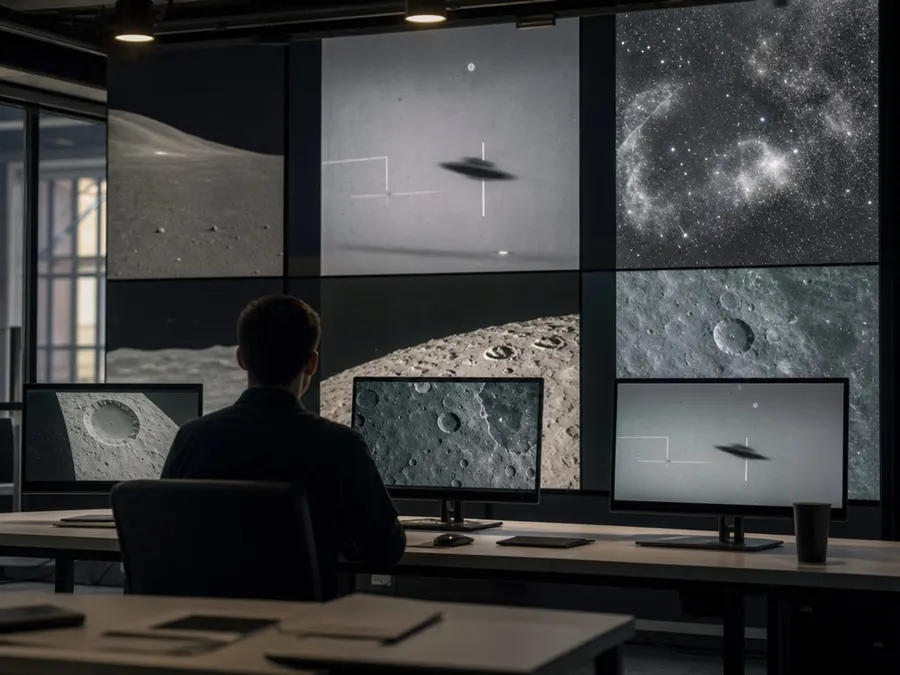
Earth's orbit is increasingly crowded with active satellites, defunct spacecraft, and millions of pieces of orbital debris. Occasionally, tracking systems detect unexpected radar returns or objects moving in unusual orbits that defy quick identification. Space agencies monitor these objects closely to prevent catastrophic collisions that could jeopardize future space exploration.
Distant Exoplanets
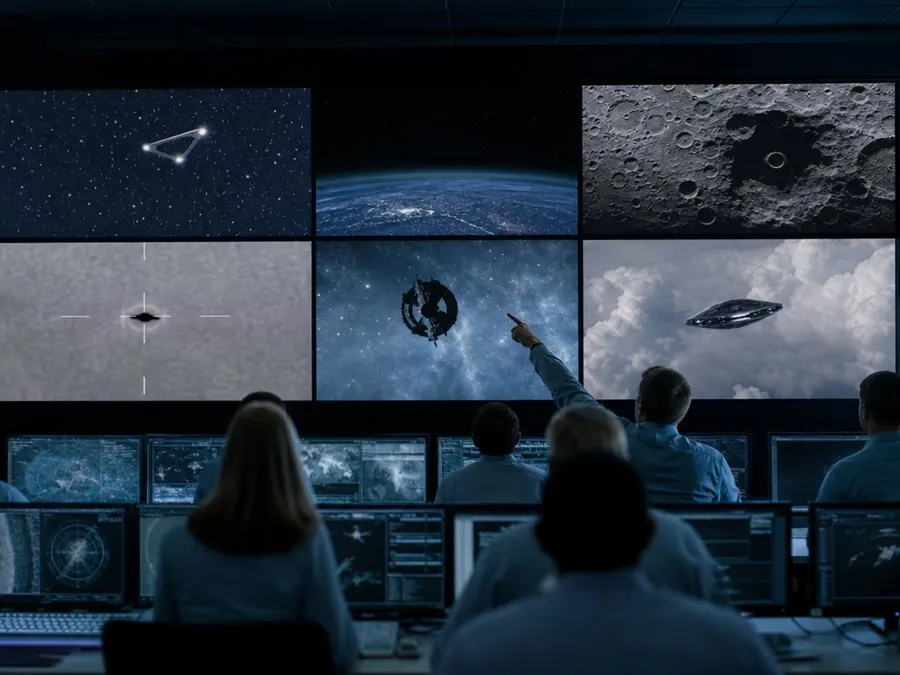
The discovery of thousands of exoplanets has revealed worlds far stranger than anything in our solar system, including planets where it rains glass or liquid iron. Some of these distant worlds orbit within their star's habitable zone, raising the tantalizing possibility of liquid water. As technology improves, astronomers hope to analyze these atmospheres for chemical signatures that could indicate the presence of life.
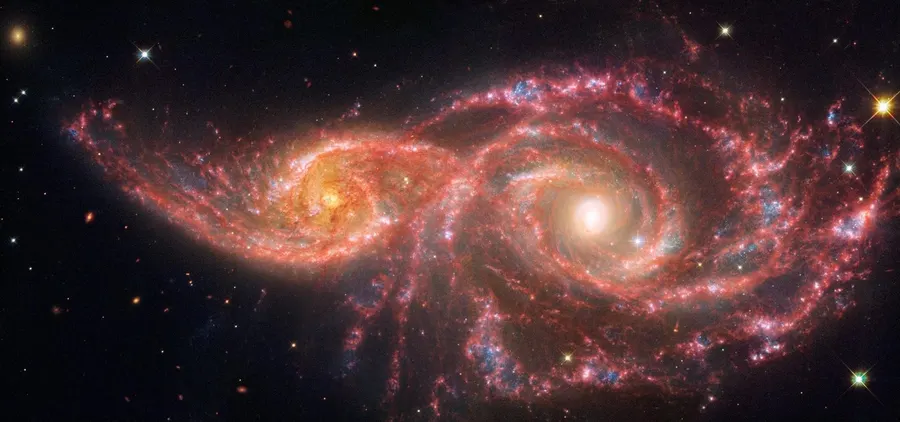
Galactic Collisions
When massive galaxies like IC 2163 and NGC 2207 brush past one another, their gravitational forces trigger intense cosmic activity. These close encounters can warp galactic structures and spark rapid star formation, creating stunning visual displays captured by advanced space telescopes. Analyzing these interactions helps astronomers understand the long-term evolution of our universe.
Featured galleries