The Best Rare Historical Photos: The Complete Collection
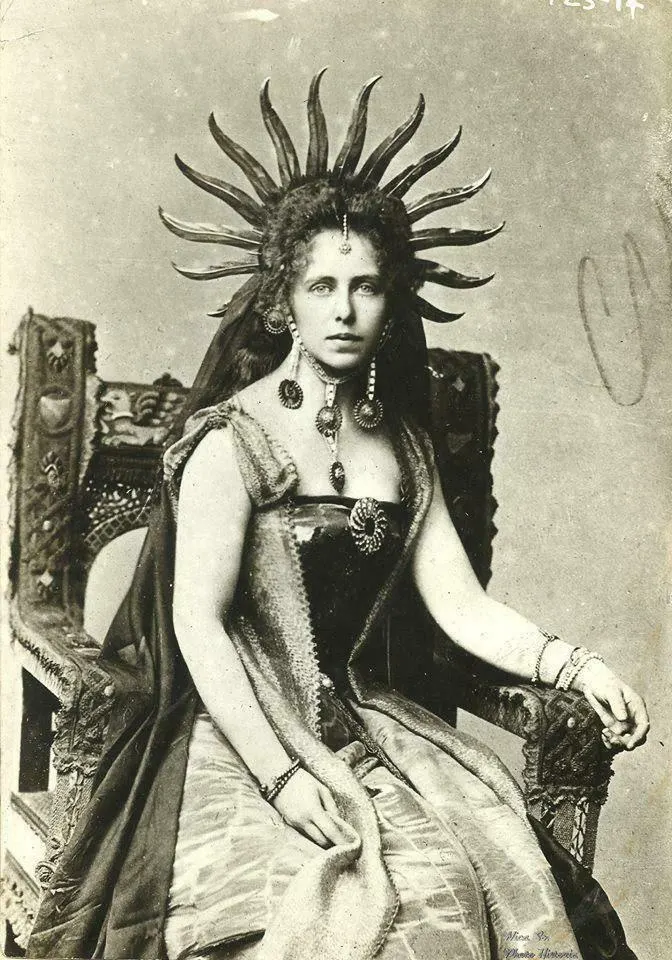
Her Majesty Queen Marie of Romania, 1896
This picture preserves a moment few cameras ever caught — Her Majesty Queen Marie Of Romania, 1896. The scene dates to 1896, a detail that changes how you read every face and object in the frame.
By the 1890s the modern world was arriving fast: electric light, telephones, streetcars, and the first automobiles all appeared in cities during this decade. Photography had matured too, and inexpensive cameras meant ordinary moments were being recorded in numbers never seen before.
News photographs from this period traveled by wire and print, and a single strong image could shape how millions of people understood an event. This picture is one of the frames that did that work.
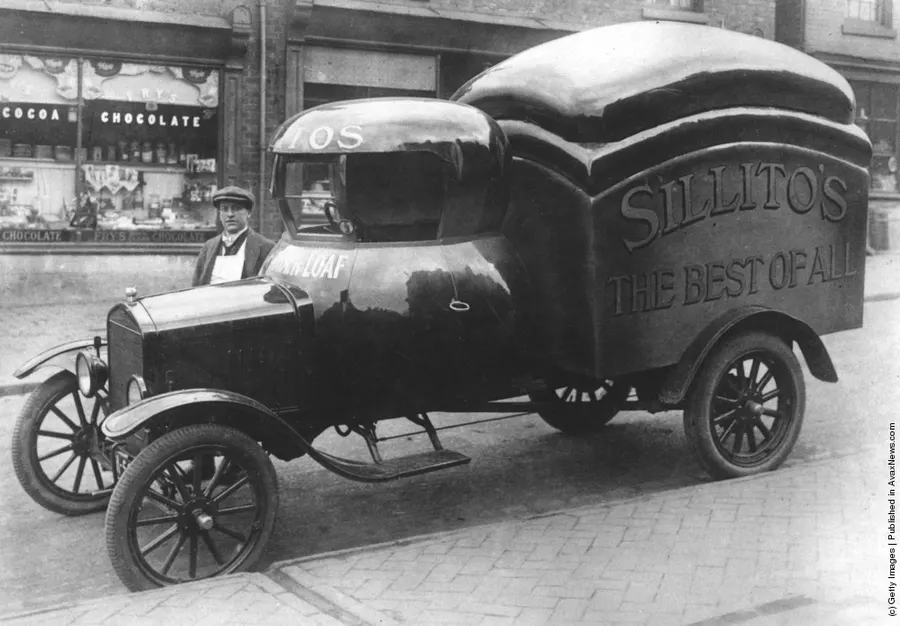
Circa 1925. Baker Mr
Circa 1925. Baker Mr. Sillitoe has constructed a delivery van with the drivers cab and the van in the shape of loaves of bread. Made around 1925, it is the kind of image that turns a date in a history book into something you can actually see.
The 1920s roared with new money and new habits. Radio broadcasting began, cars became affordable for working families, jazz filled dance halls, and hemlines and haircuts shortened in ways that scandalized the older generation. News photography boomed alongside the tabloid press.
Most photography of the period chased celebrities and headlines, which makes surviving images of daily routine all the more precious. This is what the world actually looked like when nobody thought it was worth remembering.
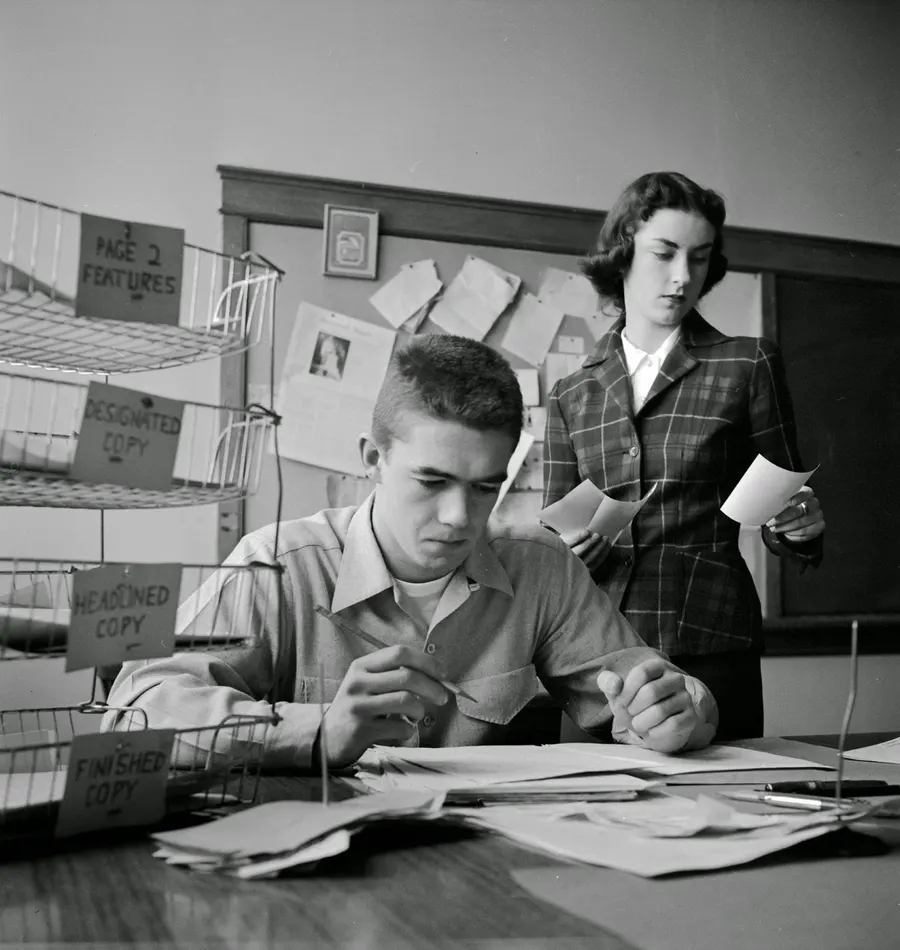
Outtake from "luckiest Generation" Feature in LIFE Magazine, 1954
Captured here: Outtake from "Luckiest Generation" feature in LIFE magazine, 1954. The scene dates to 1954, a detail that changes how you read every face and object in the frame.
The 1950s brought a wave of postwar prosperity, especially in North America. Suburbs, television sets, big chrome-trimmed cars, and rock and roll defined the decade, and a booming picture-magazine industry sent photographers to document all of it.
What makes everyday photographs like this one compelling is the details at the edges: the clothes, the signs, the tools, the postures. They preserve texture that history books flatten out.
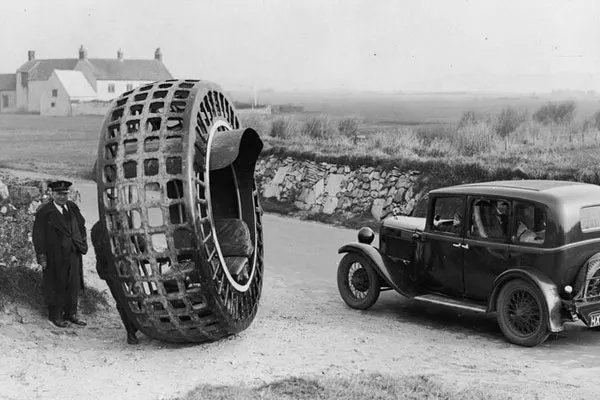
The Dynasphere Was a “monowheel” Built in 1932 That Could Travel up to 25
This picture preserves a moment few cameras ever caught — Nice Wheel: The Dynasphere was a “monowheel” built in 1932 that could travel up to 25 miles an hour. Made in 1932, it is the kind of image that turns a date in a history book into something you can actually see.
The 1930s were shadowed by the Great Depression, which put a quarter of American workers out of a job at its worst point. Yet the same decade produced streamlined trains, record-setting aircraft, grand public works, and a flood of documentary photography as magazines like LIFE sent cameras into everyday America.
Photographs like this one are a reminder that progress rarely moves in a straight line. For every invention that became part of daily life, dozens of confident prototypes ended up as curiosities — and the camera is often the only witness they left behind.
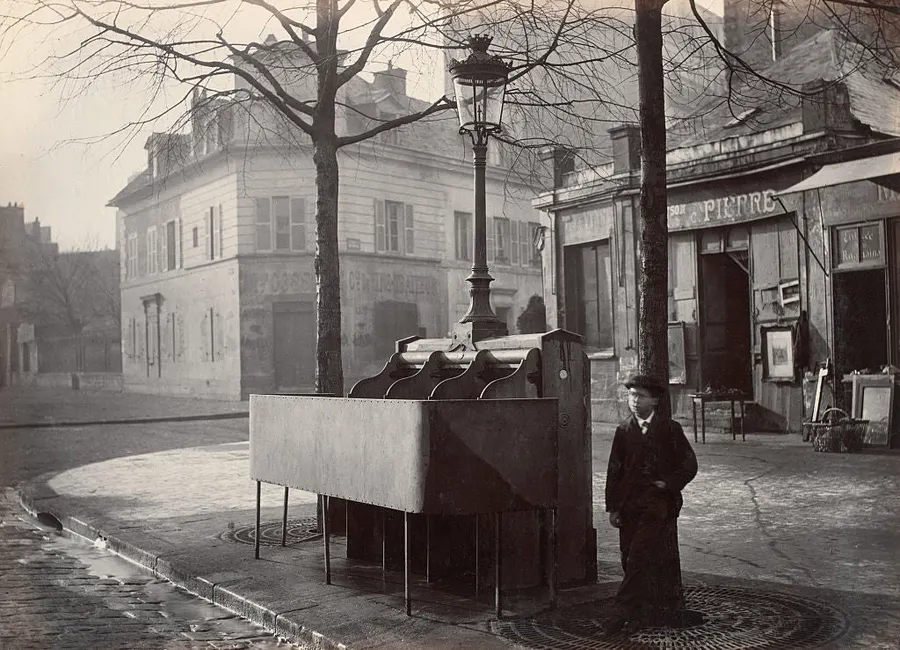
France Used to Have These Public Urinals Known as "pissoirs"
France used to have these public urinals known as "pissoirs". It is the kind of image that turns a line in a history book into something you can actually see.
Photography has only existed since 1839, which means the camera-recorded past is a narrow window — and every surviving frame from it is a small act of preservation, whether the photographer knew it or not.
Pictures of ordinary life are some of the most valuable historical documents we have. Grand events were always going to be recorded, but a normal day — how people worked, dressed, shopped, and passed the time — survives only when someone happened to point a camera at it.
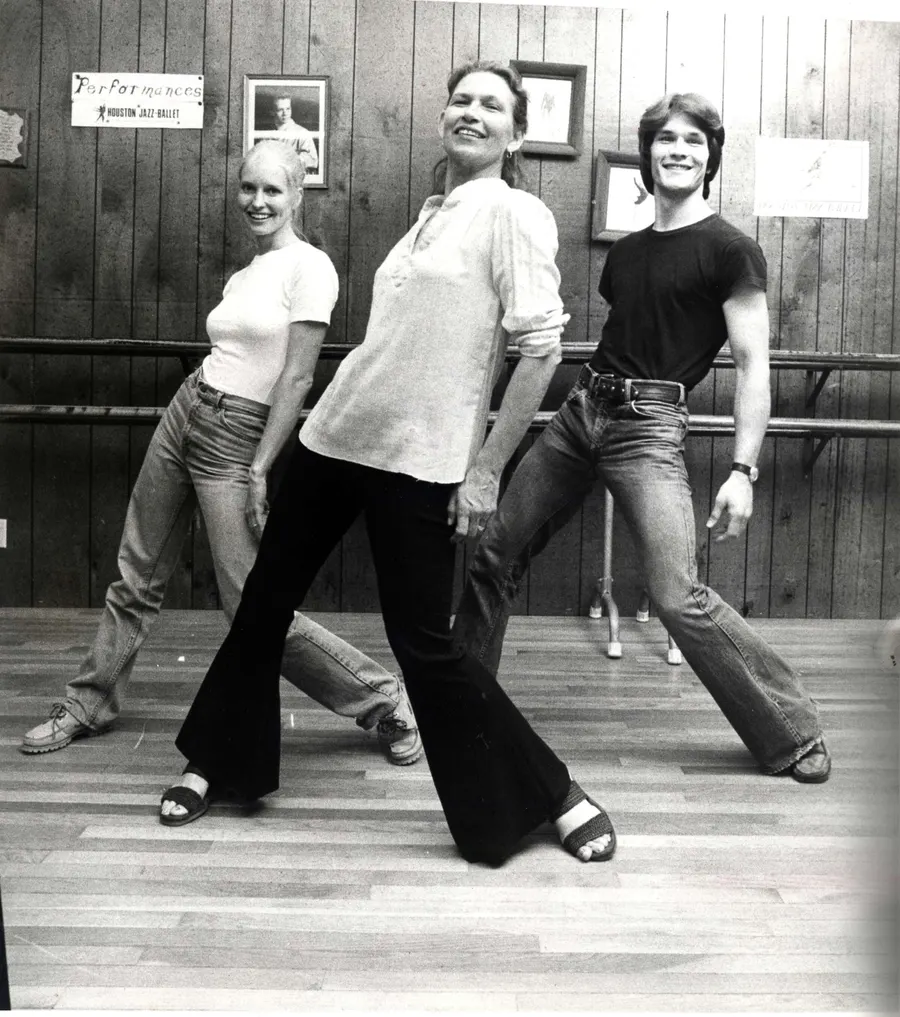
Dance Teacher Patsy Swayze, Center, with her Daughter-in-law Lisa Niemi, 1978
This picture preserves a moment few cameras ever caught — Dance Teacher Patsy Swayze, Center, With Her Daughter-In-Law Lisa Niemi And Son Patrick Swayze, 1978. The scene dates to 1978, a detail that changes how you read every face and object in the frame.
The 1970s had a grittier texture than the decades before it — economic shocks, urban decline, and political distrust, but also bold fashion, muscle cars, and the first stirrings of the digital age. Color film had become cheap and ubiquitous, so the decade survives in vivid Kodachrome hues.
Most photography of the period chased celebrities and headlines, which makes surviving images of daily routine all the more precious. This is what the world actually looked like when nobody thought it was worth remembering.
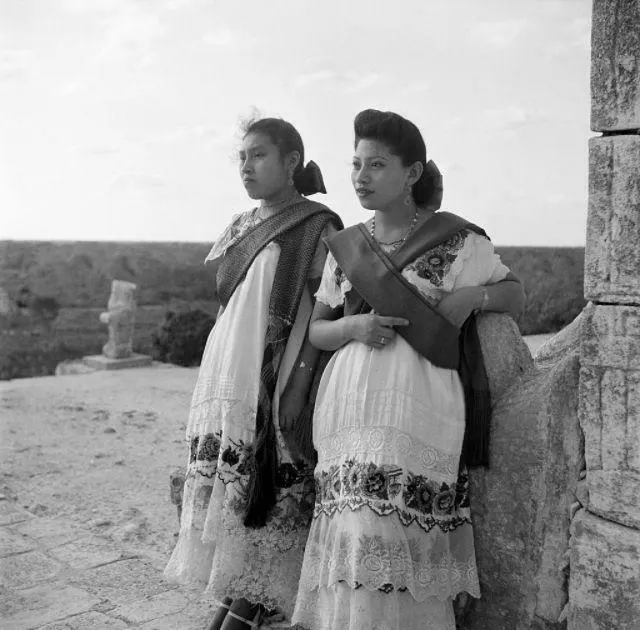
Mayan Women in the Yucatan Peninsula Around 1952
The photograph shows Mayan Women In The Yucatan Peninsula Around 1952. The Dress Is Called The Mayan Huipil. Made in 1952, it is the kind of image that turns a date in a history book into something you can actually see.
The 1950s brought a wave of postwar prosperity, especially in North America. Suburbs, television sets, big chrome-trimmed cars, and rock and roll defined the decade, and a booming picture-magazine industry sent photographers to document all of it.
What makes everyday photographs like this one compelling is the details at the edges: the clothes, the signs, the tools, the postures. They preserve texture that history books flatten out.
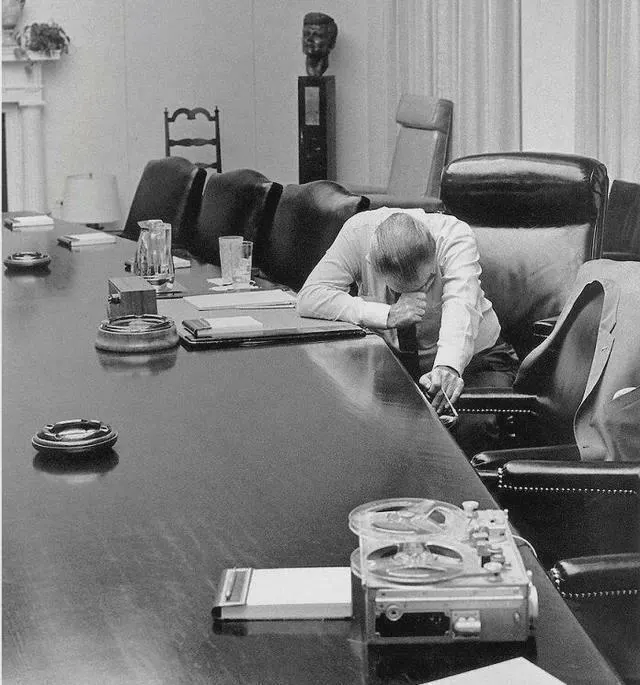
US President Lyndon Johnson Listens to a Tape Sent by Captain Chuck Robb, 1968
US President Lyndon Johnson Listens To A Tape Sent By Captain Chuck Robb (His Son-In-Law) From Vietnam, 1968. The scene dates to 1968, a detail that changes how you read every face and object in the frame.
The 1960s moved fast: the space race put satellites and then astronauts overhead, television replaced print as the main source of news, and social change swept through music, fashion, and politics. Photojournalism was at its peak, with picture magazines and newspapers employing armies of photographers.
History is usually written down long after it happens, but a photograph is made in the moment itself. That immediacy is what keeps images like this one circulating decades after the event they show.
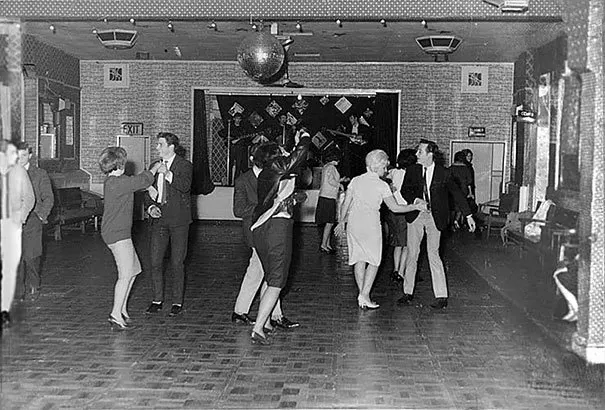
The Beatles Play for 18 People in the Aldershot Club, December 1961
Captured here: The Beatles Play For 18 People In The Aldershot Club, December 1961. They Were To Become Superstars In One And A Half Year. It was taken in 1961, and like the best archival images it needs almost no explanation — the frame tells its own story.
The 1960s moved fast: the space race put satellites and then astronauts overhead, television replaced print as the main source of news, and social change swept through music, fashion, and politics. Photojournalism was at its peak, with picture magazines and newspapers employing armies of photographers.
Pictures of ordinary life are some of the most valuable historical documents we have. Grand events were always going to be recorded, but a normal day — how people worked, dressed, shopped, and passed the time — survives only when someone happened to point a camera at it.
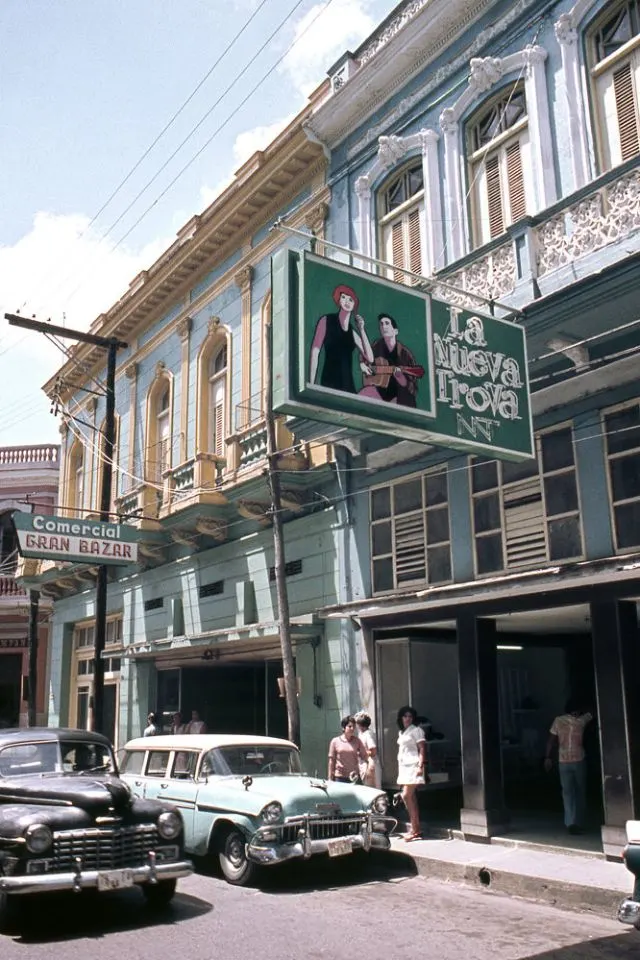
Cuba, Santa Clara, 1976. Building of the Nueva Trova of Cuba
This picture preserves a moment few cameras ever caught — Cuba, Santa Clara, 1976. Building of the Nueva Trova of Cuba. Made in 1976, it is the kind of image that turns a date in a history book into something you can actually see.
The 1970s had a grittier texture than the decades before it — economic shocks, urban decline, and political distrust, but also bold fashion, muscle cars, and the first stirrings of the digital age. Color film had become cheap and ubiquitous, so the decade survives in vivid Kodachrome hues.
Most photography of the period chased celebrities and headlines, which makes surviving images of daily routine all the more precious. This is what the world actually looked like when nobody thought it was worth remembering.
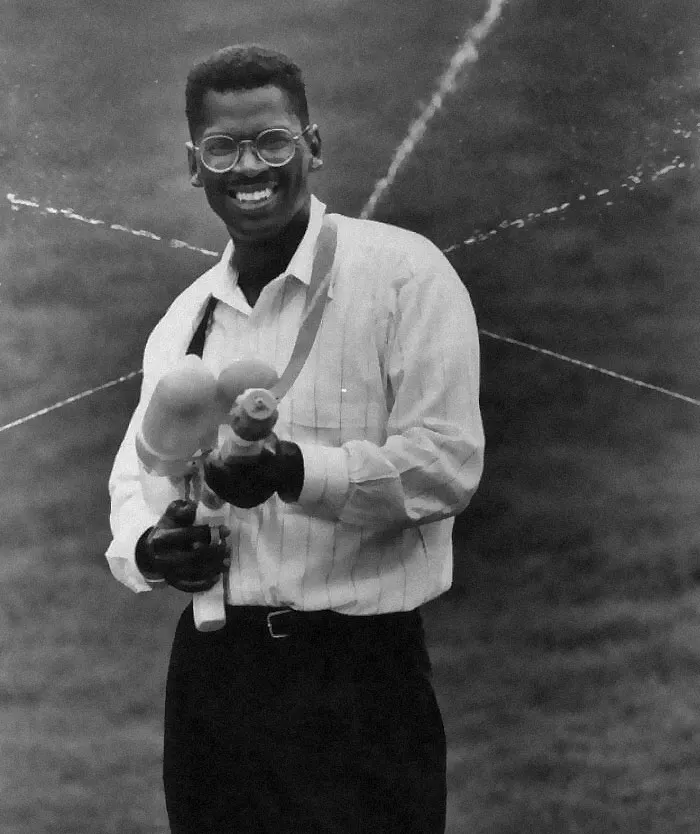
Lonnie Johnson, Inventor of the Super Soaker, 1992
Captured here: Lonnie Johnson, Inventor Of The Super Soaker, 1992. Made in 1992, it is the kind of image that turns a date in a history book into something you can actually see.
The 1990s were the last fully analog decade. The internet was just arriving in homes, film cameras still ruled, and the era's photographs carry the distinct warm grain of late-century color film.
Photographs like this one are a reminder that progress rarely moves in a straight line. For every invention that became part of daily life, dozens of confident prototypes ended up as curiosities — and the camera is often the only witness they left behind.
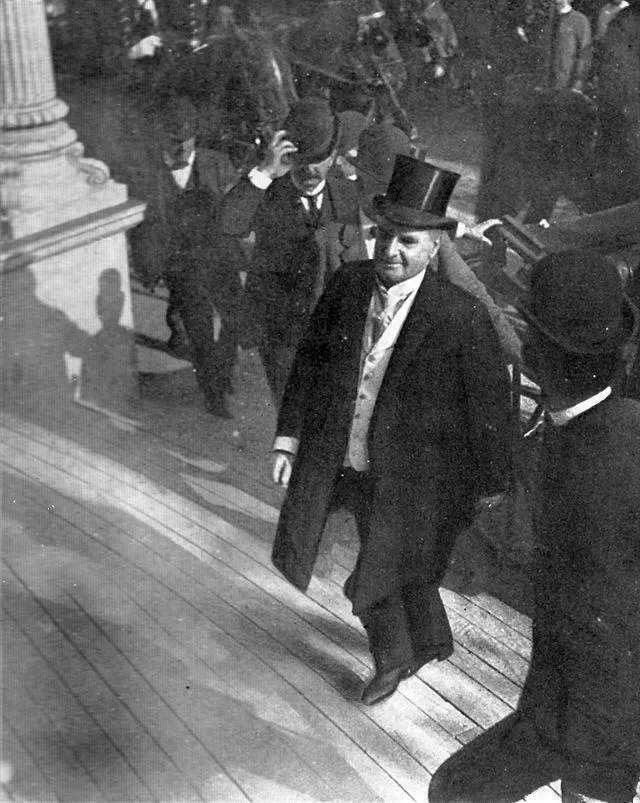
William Mckkinley, the 25th US President
This picture preserves a moment few cameras ever caught — William MckKinley, The 25th US President, Walking Into The Expo Where He Would Be Shot Twice And K**led. Like the best archival images, it needs almost no explanation — the frame tells its own story.
Photography has only existed since 1839, which means the camera-recorded past is a narrow window — and every surviving frame from it is a small act of preservation, whether the photographer knew it or not.
Moments like this one were captured by photographers who often had a single chance to get the shot — no second takes, no digital preview. That is part of why these frames carry such weight: each one is a split second of real history, fixed for good.
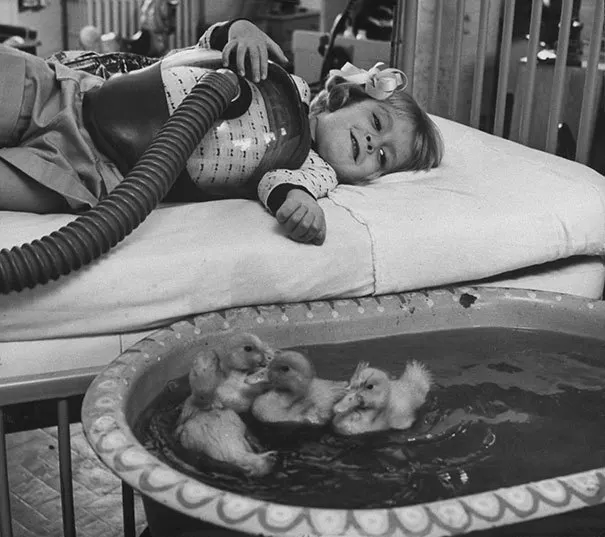
Animals Being Used as Part of Medical Therapy, 1956
The photograph shows Animals Being Used As Part Of Medical Therapy, 1956. Made in 1956, it is the kind of image that turns a date in a history book into something you can actually see.
The 1950s brought a wave of postwar prosperity, especially in North America. Suburbs, television sets, big chrome-trimmed cars, and rock and roll defined the decade, and a booming picture-magazine industry sent photographers to document all of it.
Most photography of the period chased celebrities and headlines, which makes surviving images of daily routine all the more precious. This is what the world actually looked like when nobody thought it was worth remembering.
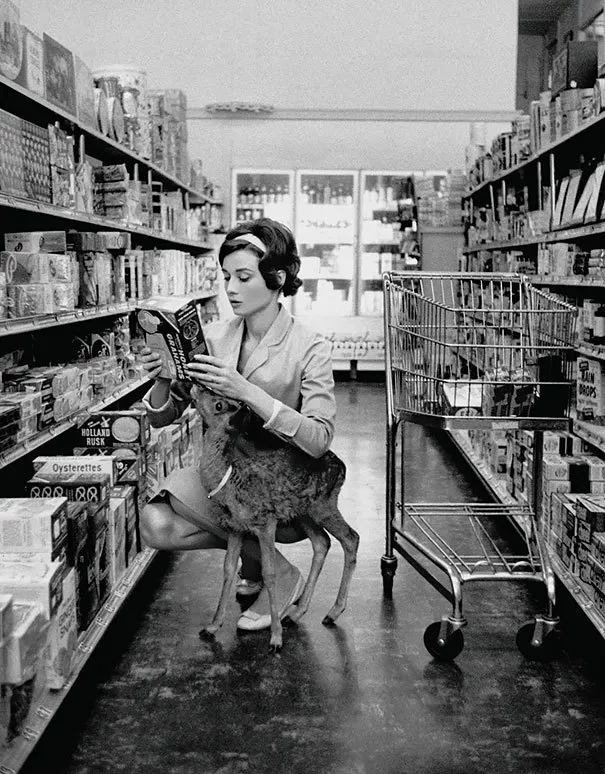
Audrey Hepburn Shopping with her Pet Deer “ip” in Beverly Hills, Ca, 1958
Captured here: Audrey Hepburn Shopping With Her Pet Deer “ip” In Beverly Hills, Ca, 1958. It was taken in 1958, and like the best archival images it needs almost no explanation — the frame tells its own story.
Audrey Hepburn worked with a young deer while filming the 1959 comedy "Green Mansions," in which her character has a fawn companion. The animal trainer suggested she keep the fawn at home so it would bond with her, and "Pippin" — nicknamed "Ip" — followed her everywhere, including on shopping trips in Beverly Hills that photographer Bob Willoughby documented in a famous series of pictures.
The strangest historical photos are rarely staged jokes — they usually show a real solution to a real problem of their day. Understanding why this scene made sense to the people in it is half the fun of looking at it.
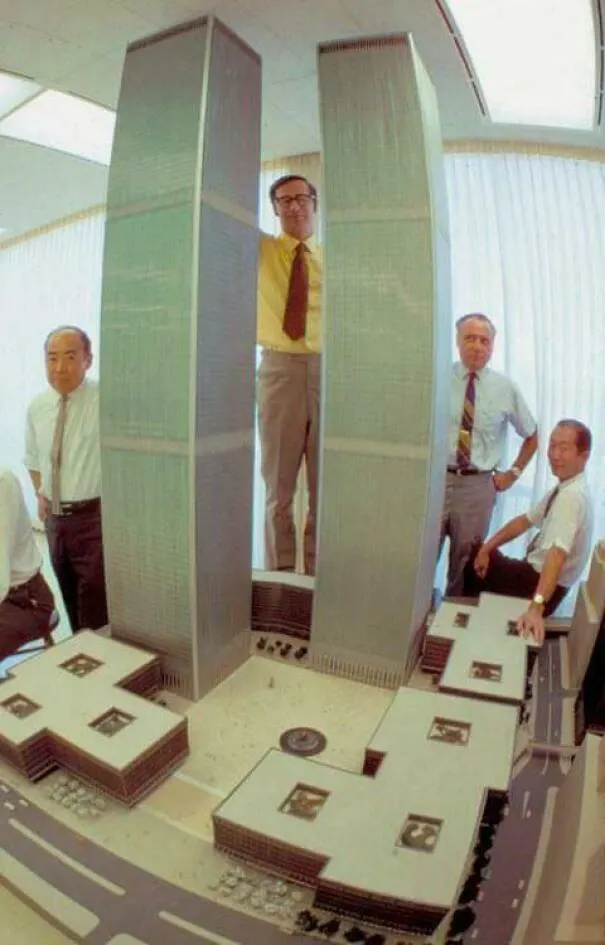
Architects Demonstrate Models of the World Trade Center. USA, 1964
Architects Demonstrate Models Of The World Trade Center. USA, 1964. The scene dates to 1964, a detail that changes how you read every face and object in the frame.
The 1960s moved fast: the space race put satellites and then astronauts overhead, television replaced print as the main source of news, and social change swept through music, fashion, and politics. Photojournalism was at its peak, with picture magazines and newspapers employing armies of photographers.
Pictures of ordinary life are some of the most valuable historical documents we have. Grand events were always going to be recorded, but a normal day — how people worked, dressed, shopped, and passed the time — survives only when someone happened to point a camera at it.
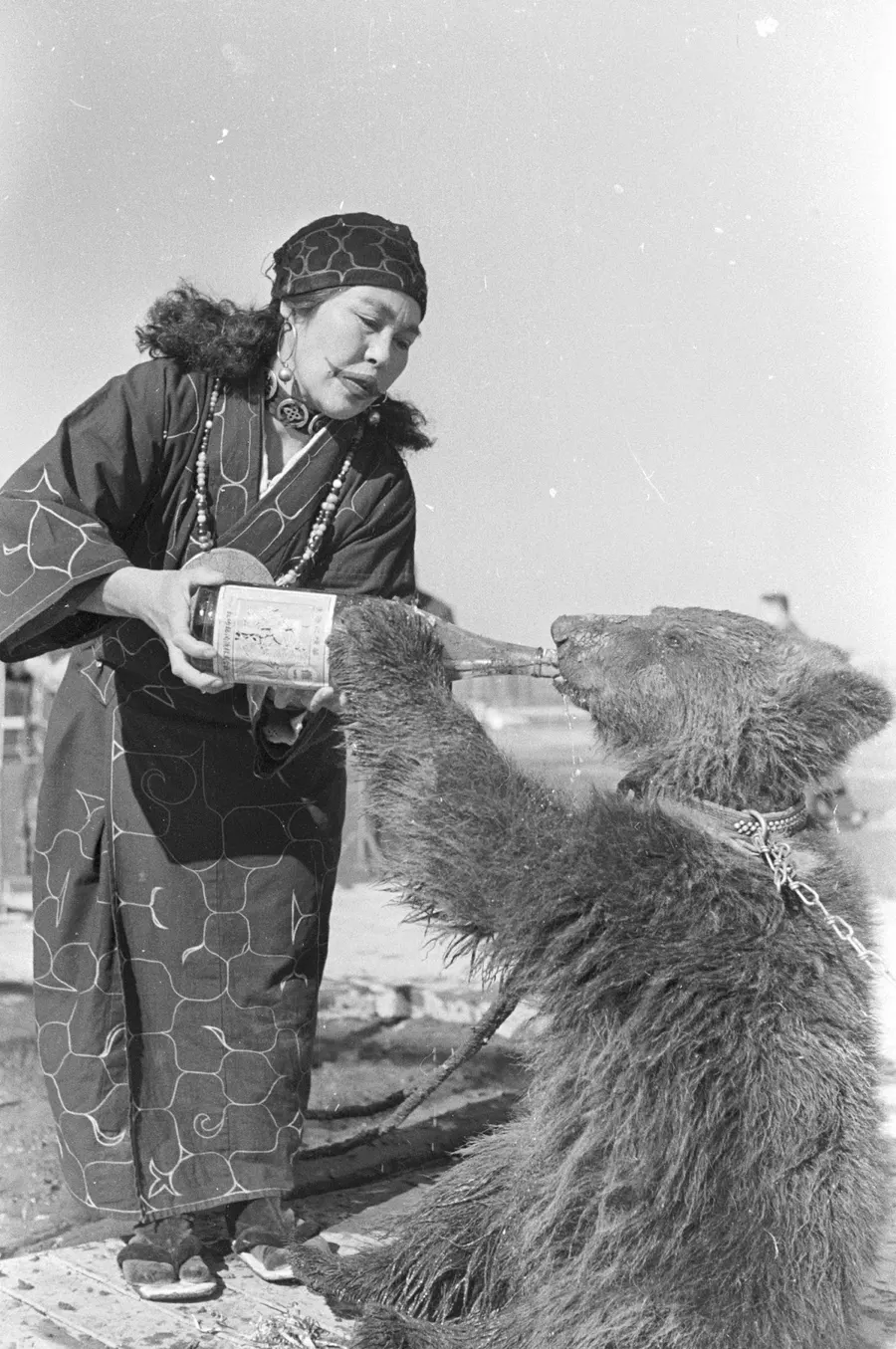
A Captive Bear Drinking from a Large Bottle Held by an Ainu Tribeswoman, c. 1955
The photograph shows a captive bear drinking from a large bottle held by an Ainu tribeswoman, circa 1955. It was taken around 1955, and like the best archival images it needs almost no explanation — the frame tells its own story.
The 1950s brought a wave of postwar prosperity, especially in North America. Suburbs, television sets, big chrome-trimmed cars, and rock and roll defined the decade, and a booming picture-magazine industry sent photographers to document all of it.
The strangest historical photos are rarely staged jokes — they usually show a real solution to a real problem of their day. Understanding why this scene made sense to the people in it is half the fun of looking at it.
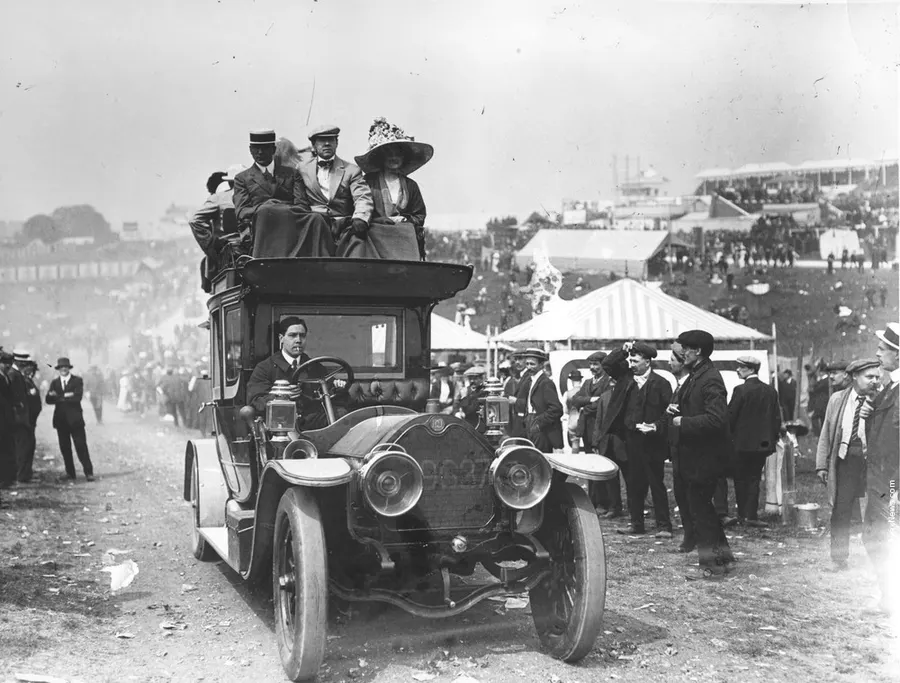
2nd June 1911. Traveling to the Derby by Chauffeur Driven Car. United Kingdom
2nd June 1911. Traveling to the Derby by chauffeur driven car. United Kingdom. It was taken in 1911, and like the best archival images it needs almost no explanation — the frame tells its own story.
The 1910s were a decade of upheaval. The First World War (1914-1918) pulled millions into uniform and redrew the map of Europe, while on the home front automobiles, telephones, and moving pictures were rapidly becoming part of ordinary life.
What makes everyday photographs like this one compelling is the details at the edges: the clothes, the signs, the tools, the postures. They preserve texture that history books flatten out.
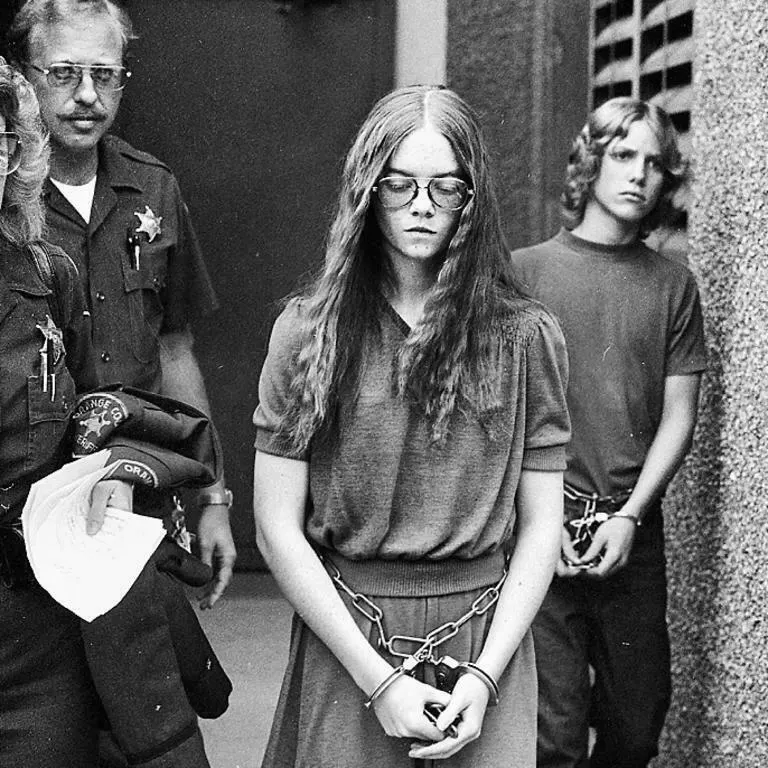
In 1979, 16-year-old Brenda Ann Spencer Was Arrested After Ki**ing Two People
This picture preserves a moment few cameras ever caught — In 1979, 16-Year-Old Brenda Ann Spencer Was Arrested After Ki**ing Two People In San Diego, California. When Asked Why She Did It, She Replied, "I Just Don't Like Mondays". It was taken in 1979, and like the best archival images it needs almost no explanation — the frame tells its own story.
The 1970s had a grittier texture than the decades before it — economic shocks, urban decline, and political distrust, but also bold fashion, muscle cars, and the first stirrings of the digital age. Color film had become cheap and ubiquitous, so the decade survives in vivid Kodachrome hues.
Pictures of ordinary life are some of the most valuable historical documents we have. Grand events were always going to be recorded, but a normal day — how people worked, dressed, shopped, and passed the time — survives only when someone happened to point a camera at it.
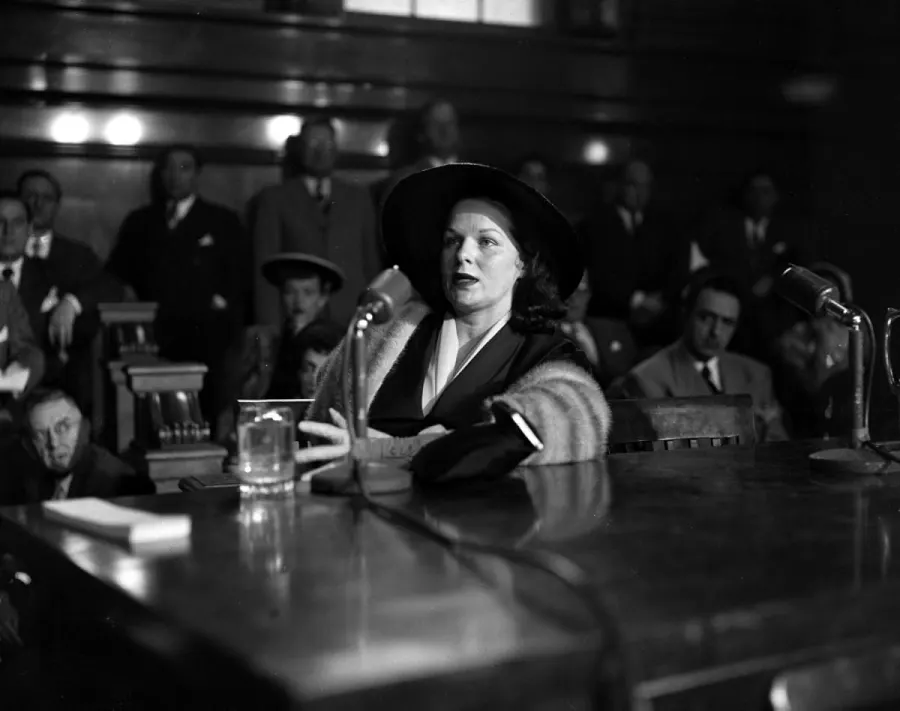
Virginia Hill, Also Known as the "queen of the Gangster Molls, 1951
Captured here: Mob Moll, 1951: Virginia Hill, also known as the "queen of the gangster molls," was the girlfriend of Brooklyn-born mobster Bugsy Siegel. Hill was coincidentally out of town when her beau was slain in her home, and shot through the window with a rifle. Here, the mob moll, who claimed to be in the dark about her lover's criminal connections, testifies at the 1951 Kefauver hearings in an investigation about the extent of organized crime. Made in 1951, it is the kind of image that turns a date in a history book into something you can actually see.
The 1950s brought a wave of postwar prosperity, especially in North America. Suburbs, television sets, big chrome-trimmed cars, and rock and roll defined the decade, and a booming picture-magazine industry sent photographers to document all of it.
Moments like this one were captured by photographers who often had a single chance to get the shot — no second takes, no digital preview. That is part of why these frames carry such weight: each one is a split second of real history, fixed for good.
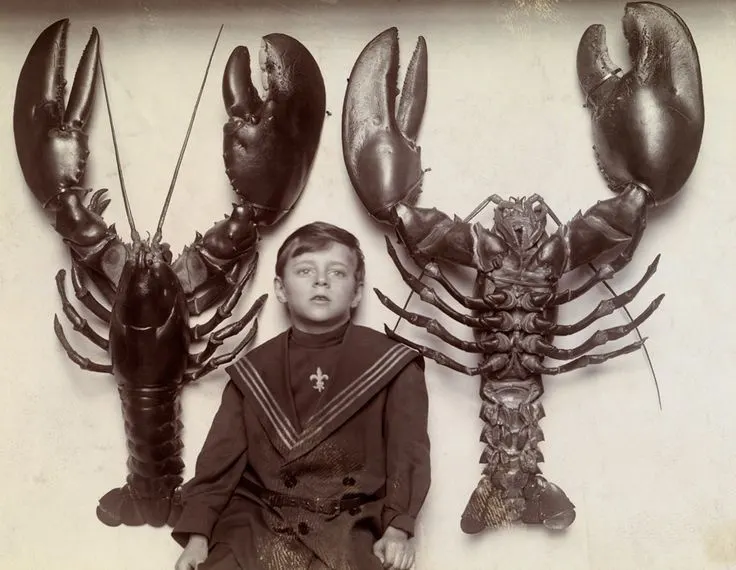
A Boy Between Two Giant Mounted Lobsters, New Jersey, 1915
Lobster Roll: Here’s an unusual sight — a boy between two mounted lobsters caught off the New Jersey coast, February 1915. The scene dates to 1915, a detail that changes how you read every face and object in the frame.
The 1910s were a decade of upheaval. The First World War (1914-1918) pulled millions into uniform and redrew the map of Europe, while on the home front automobiles, telephones, and moving pictures were rapidly becoming part of ordinary life.
Part of the appeal of old photographs is how confidently people did things that look baffling now. Standards of safety, custom, and common sense have shifted so much that yesterday's ordinary can read as today's unbelievable — and that gap is exactly what this picture captures.
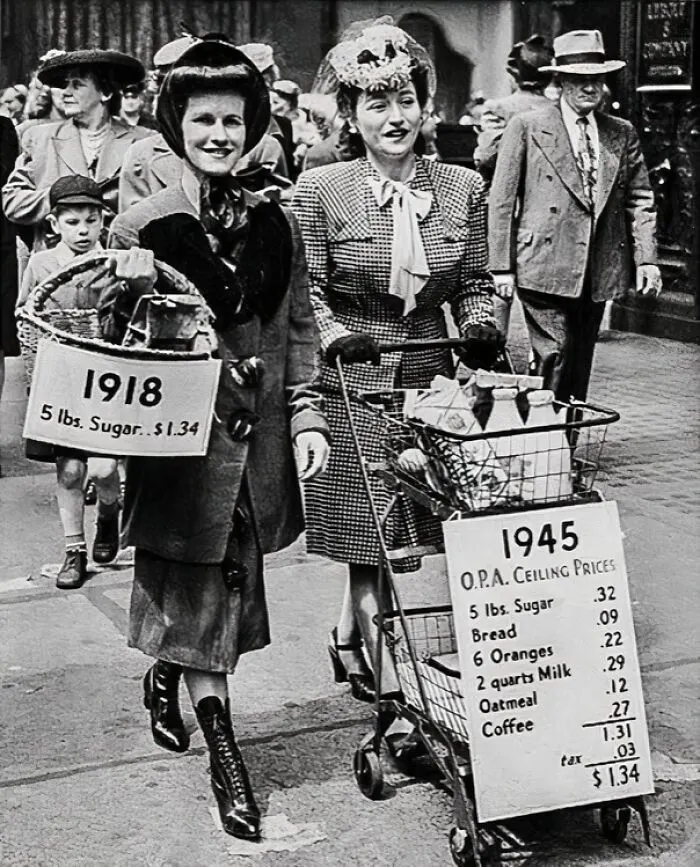
The Women Demonstrate What Could Be Purchased for $1.34 in 1918 and 1945
The Women Demonstrate What Could Be Purchased For $1.34 In 1918 And 1945. Made in 1918, it is the kind of image that turns a date in a history book into something you can actually see.
The 1910s were a decade of upheaval. The First World War (1914-1918) pulled millions into uniform and redrew the map of Europe, while on the home front automobiles, telephones, and moving pictures were rapidly becoming part of ordinary life.
Most photography of the period chased celebrities and headlines, which makes surviving images of daily routine all the more precious. This is what the world actually looked like when nobody thought it was worth remembering.
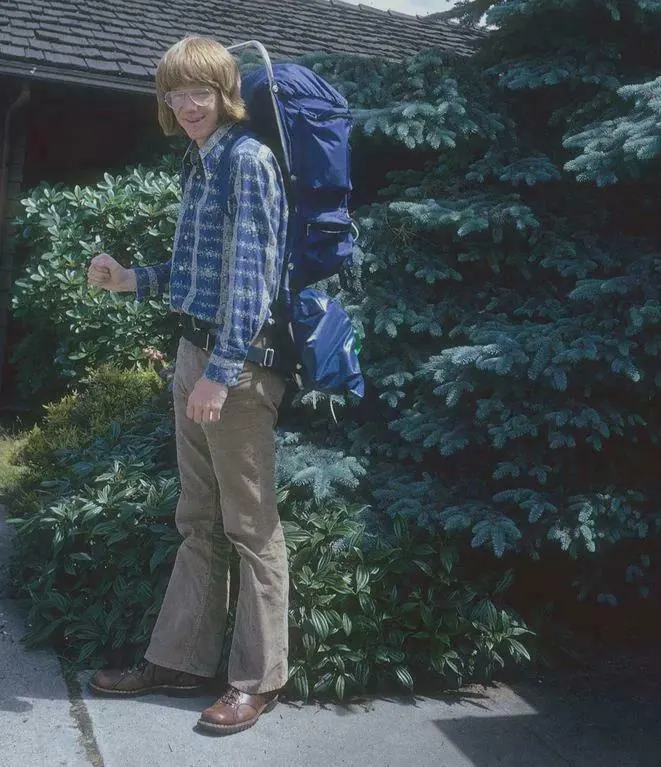
"here I Am, Heading Off to Europe the Day After High School Graduation, 1973
This picture preserves a moment few cameras ever caught — Rick Steves: "Here I Am, Heading Off To Europe The Day After High School Graduation In 1973". The scene dates to 1973, a detail that changes how you read every face and object in the frame.
The 1970s had a grittier texture than the decades before it — economic shocks, urban decline, and political distrust, but also bold fashion, muscle cars, and the first stirrings of the digital age. Color film had become cheap and ubiquitous, so the decade survives in vivid Kodachrome hues.
Most photography of the period chased celebrities and headlines, which makes surviving images of daily routine all the more precious. This is what the world actually looked like when nobody thought it was worth remembering.
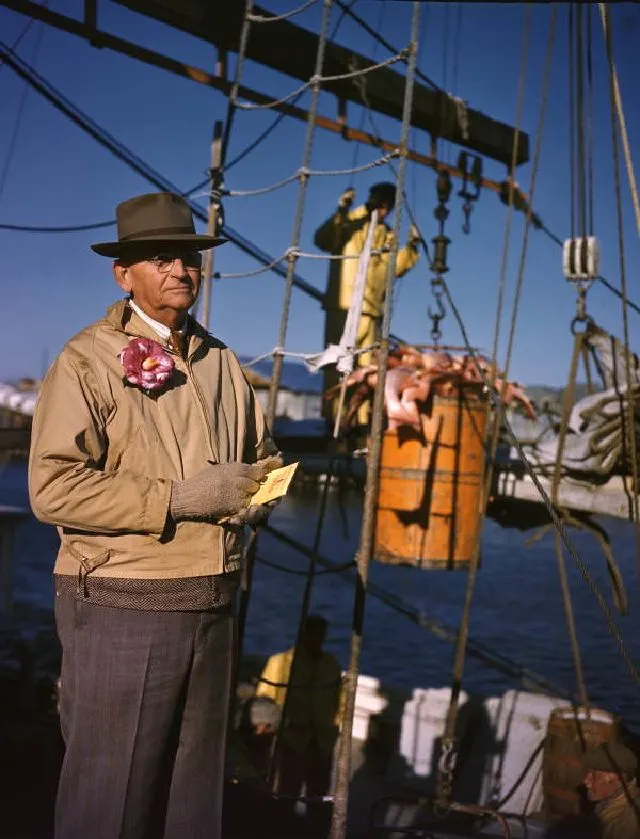
Recording the Day's Catch at the Docks in Sarasota, Florida, Circa 1950
Recording the day's catch at the docks in Sarasota, Florida, circa 1950. The scene dates to around 1950, a detail that changes how you read every face and object in the frame.
The 1950s brought a wave of postwar prosperity, especially in North America. Suburbs, television sets, big chrome-trimmed cars, and rock and roll defined the decade, and a booming picture-magazine industry sent photographers to document all of it.
Most photography of the period chased celebrities and headlines, which makes surviving images of daily routine all the more precious. This is what the world actually looked like when nobody thought it was worth remembering.
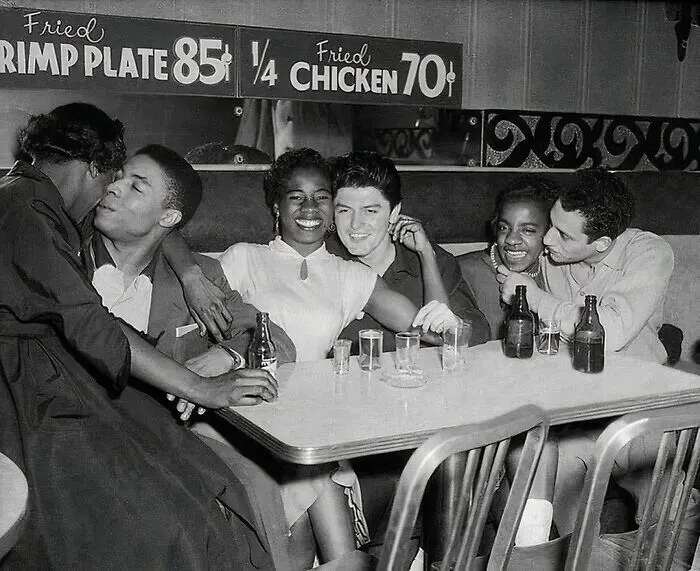
Couples in a Bar, 1959 Pittsburgh
This picture preserves a moment few cameras ever caught — Couples In A Bar, 1959 Pittsburgh. Made in 1959, it is the kind of image that turns a date in a history book into something you can actually see.
The 1950s brought a wave of postwar prosperity, especially in North America. Suburbs, television sets, big chrome-trimmed cars, and rock and roll defined the decade, and a booming picture-magazine industry sent photographers to document all of it.
Most photography of the period chased celebrities and headlines, which makes surviving images of daily routine all the more precious. This is what the world actually looked like when nobody thought it was worth remembering.
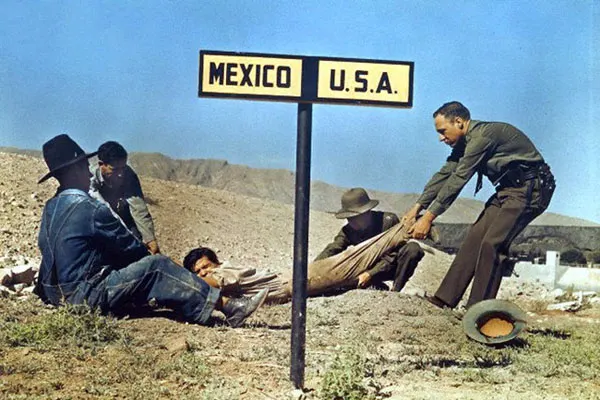
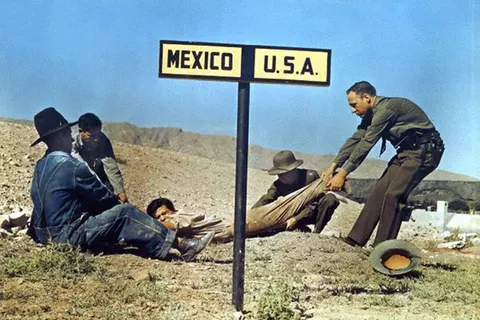
This Photo, Taken in 1939 by Luis Marden
The photograph shows Fugitive: This photo, taken in 1939 by Luis Marden, shows a fugitive being dragged back into the United States by border patrol so that he doesn’t escape El Paso, Texas and enter Mexico. It was taken in 1939, and like the best archival images it needs almost no explanation — the frame tells its own story.
The 1930s were shadowed by the Great Depression, which put a quarter of American workers out of a job at its worst point. Yet the same decade produced streamlined trains, record-setting aircraft, grand public works, and a flood of documentary photography as magazines like LIFE sent cameras into everyday America.
What makes everyday photographs like this one compelling is the details at the edges: the clothes, the signs, the tools, the postures. They preserve texture that history books flatten out.
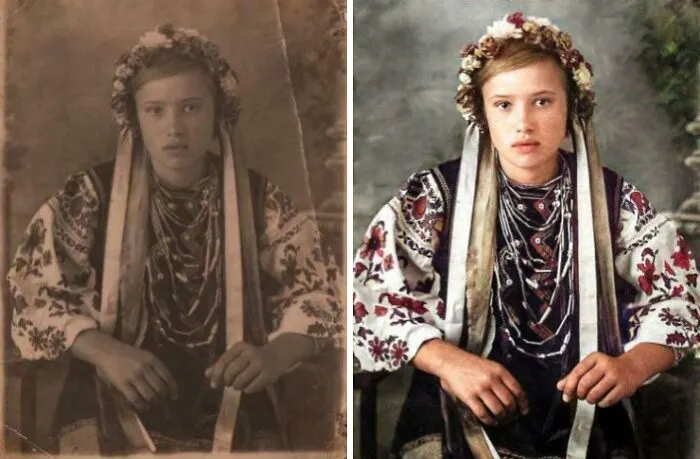
Beautiful Ukrainian Girl in National Costume, 1935
Beautiful Ukrainian Girl In National Costume, 1935. Photo Before And After Restoration. It was taken in 1935, and like the best archival images it needs almost no explanation — the frame tells its own story.
The 1930s were shadowed by the Great Depression, which put a quarter of American workers out of a job at its worst point. Yet the same decade produced streamlined trains, record-setting aircraft, grand public works, and a flood of documentary photography as magazines like LIFE sent cameras into everyday America.
Pictures of ordinary life are some of the most valuable historical documents we have. Grand events were always going to be recorded, but a normal day — how people worked, dressed, shopped, and passed the time — survives only when someone happened to point a camera at it.
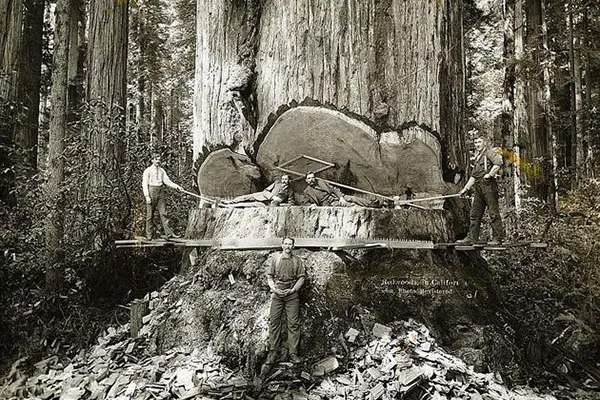
Californian Lumberjacks Vs. Giant Redwoods
This picture preserves a moment few cameras ever caught — Californian Lumberjacks vs. Giant Redwoods. It is the kind of image that turns a line in a history book into something you can actually see.
Photography has only existed since 1839, which means the camera-recorded past is a narrow window — and every surviving frame from it is a small act of preservation, whether the photographer knew it or not.
Most photography of the period chased celebrities and headlines, which makes surviving images of daily routine all the more precious. This is what the world actually looked like when nobody thought it was worth remembering.
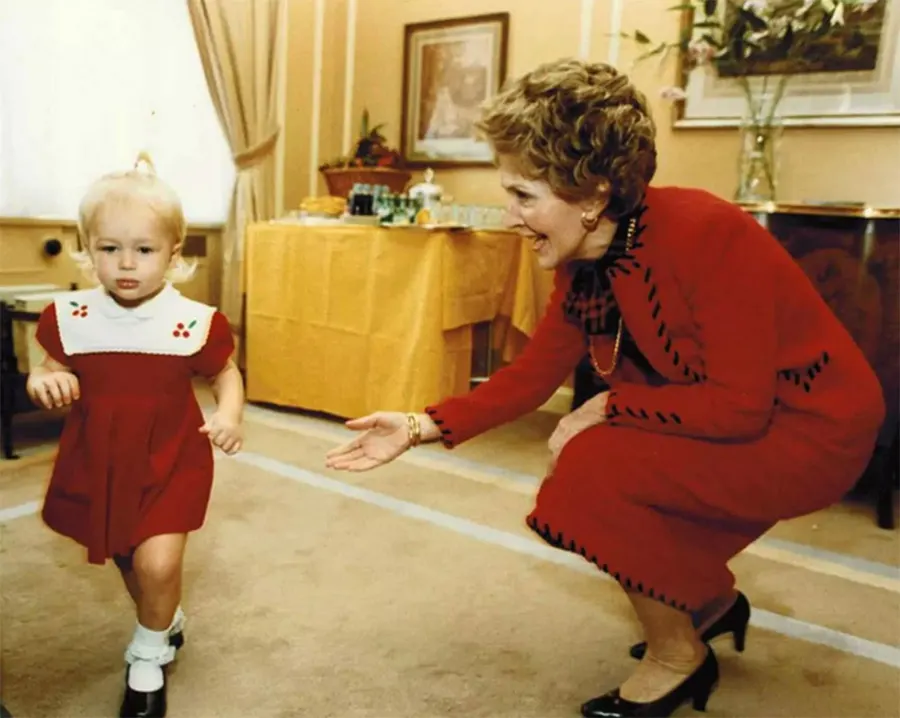
Little Paris Hilton Runs Away from Former U.S, 1983
Little Paris Hilton Runs Away From Former U.S. First Lady Nancy Reagan. New York, 1983. The scene dates to 1983, a detail that changes how you read every face and object in the frame.
By the 1980s the modern media landscape was taking shape: cable television, personal computers, and global brands. Film photography was at its technical height, just a generation before digital cameras would change everything.
What makes everyday photographs like this one compelling is the details at the edges: the clothes, the signs, the tools, the postures. They preserve texture that history books flatten out.
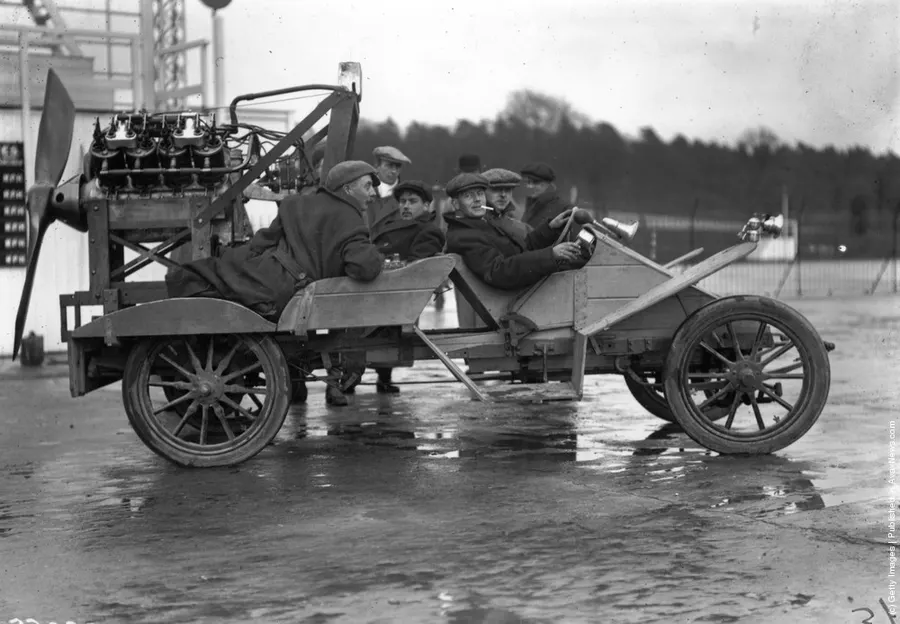
1st May 1911. a Motor Car at Brooklands Race Track Which Has Been Fitted
1st May 1911. A motor car at Brooklands race track which has been fitted with a propeller for extra speed. The scene dates to 1911, a detail that changes how you read every face and object in the frame.
The 1910s were a decade of upheaval. The First World War (1914-1918) pulled millions into uniform and redrew the map of Europe, while on the home front automobiles, telephones, and moving pictures were rapidly becoming part of ordinary life.
Photographs like this one are a reminder that progress rarely moves in a straight line. For every invention that became part of daily life, dozens of confident prototypes ended up as curiosities — and the camera is often the only witness they left behind.
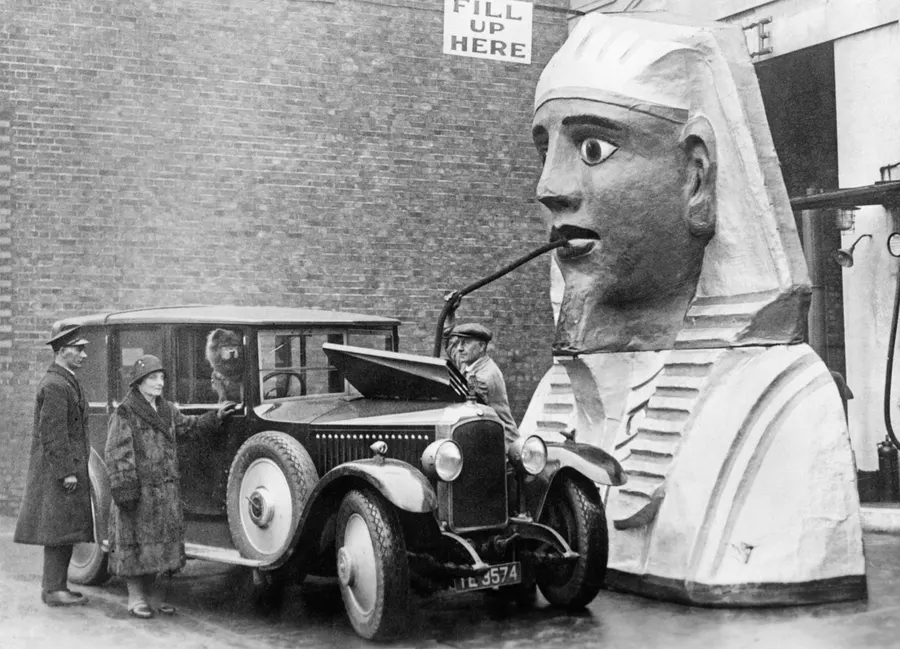
Due to Part to the Modern Discovery of King Tut's Tomb
Captured here: Due to part to the modern discovery of King Tut's tomb, Egypt was so popular in the UK that there were even pharaoh themed gas pumps. It is the kind of image that turns a line in a history book into something you can actually see.
Howard Carter discovered the tomb of the Egyptian pharaoh Tutankhamun in the Valley of the Kings in November 1922. It was the most intact royal burial ever found, packed with more than 5,000 objects, and its excavation — carefully photographed by Harry Burton — took nearly a decade and set off a worldwide craze for ancient Egypt.
News photographs from this period traveled by wire and print, and a single strong image could shape how millions of people understood an event. This picture is one of the frames that did that work.

Rainbow Springs Near Dunnellon, Florida, August 21, 1950
The photograph shows Rainbow Springs near Dunnellon, Florida, August 21, 1950. It was taken in 1950, and like the best archival images it needs almost no explanation — the frame tells its own story.
The 1950s brought a wave of postwar prosperity, especially in North America. Suburbs, television sets, big chrome-trimmed cars, and rock and roll defined the decade, and a booming picture-magazine industry sent photographers to document all of it.
What makes everyday photographs like this one compelling is the details at the edges: the clothes, the signs, the tools, the postures. They preserve texture that history books flatten out.
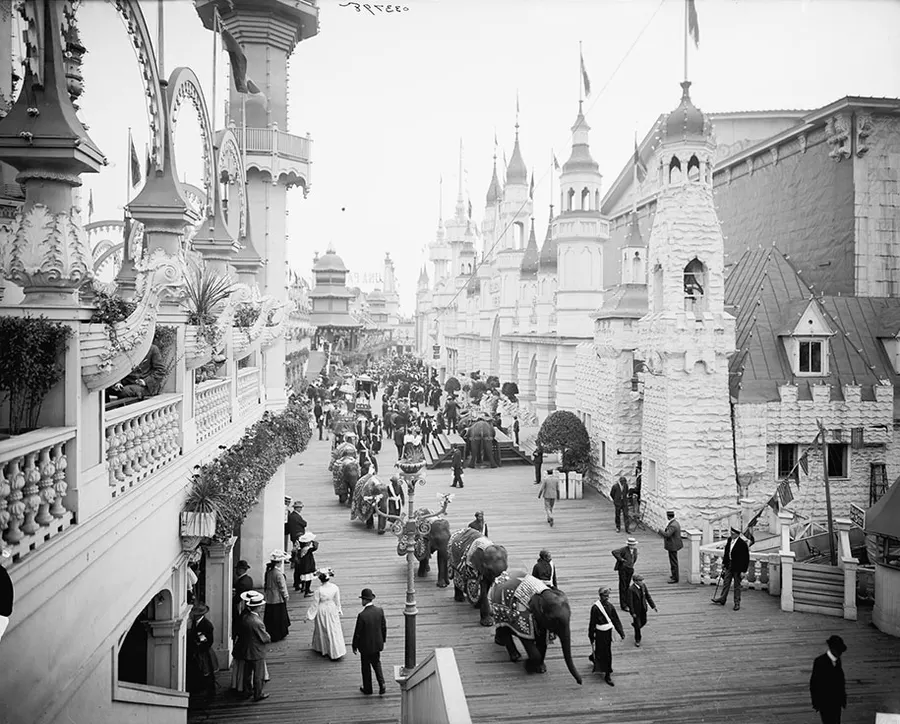
Boardwalk: This Festive Scene Was Shot in Coney Island, New York, in 1905
This picture preserves a moment few cameras ever caught — Boardwalk: This festive scene was shot in Coney Island, New York, in 1905. It was taken in 1905, and like the best archival images it needs almost no explanation — the frame tells its own story.
The first years of the twentieth century were an age of confident invention. Powered flight arrived with the Wright brothers in 1903, automobiles were leaving the curiosity stage, and cities were filling with electric light, elevators, and streetcars — all of it documented by a new generation of press photographers.
What makes everyday photographs like this one compelling is the details at the edges: the clothes, the signs, the tools, the postures. They preserve texture that history books flatten out.
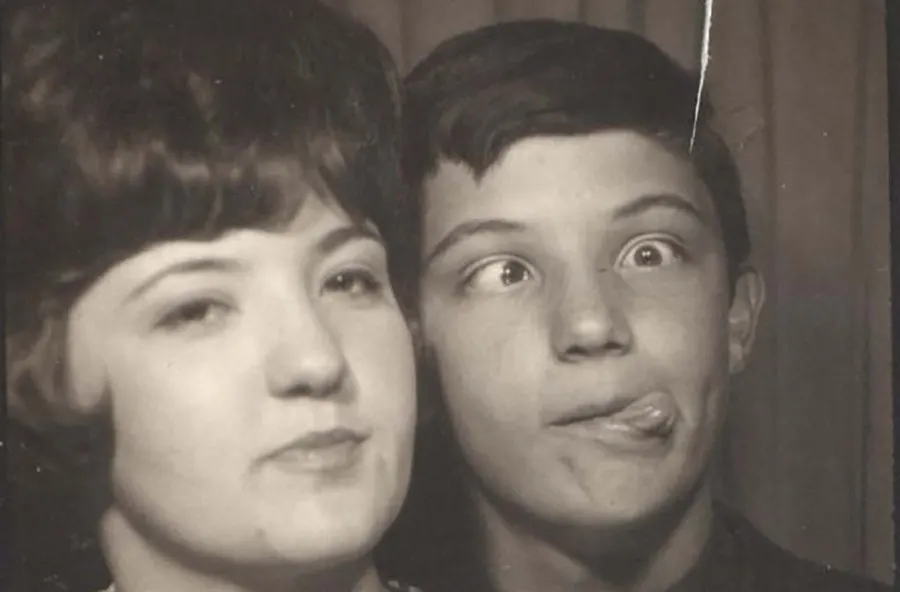
Vintage Photobooth Portraits Capture Intimate Moments Between 1950s Couples
The photograph shows Vintage Photobooth Portraits Capture Intimate Moments Between 1950s Couples. It was taken in the 1950s, and like the best archival images it needs almost no explanation — the frame tells its own story.
The 1950s brought a wave of postwar prosperity, especially in North America. Suburbs, television sets, big chrome-trimmed cars, and rock and roll defined the decade, and a booming picture-magazine industry sent photographers to document all of it.
What makes everyday photographs like this one compelling is the details at the edges: the clothes, the signs, the tools, the postures. They preserve texture that history books flatten out.
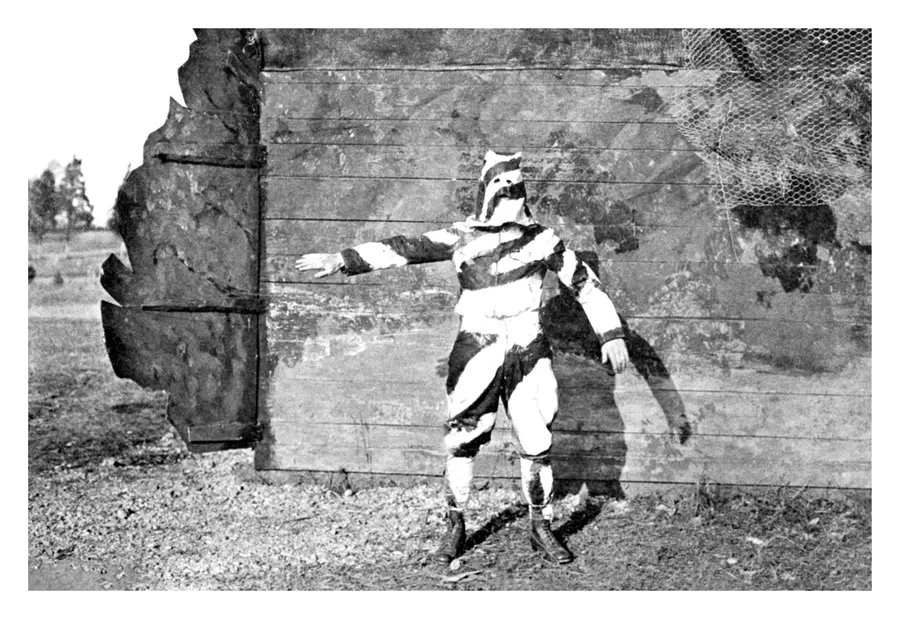
This Camouflage, Known as "dazzle Camouflage
Captured here: this camouflage, known as "dazzle camouflage," was extremely popular during World War I. It is the kind of image that turns a line in a history book into something you can actually see.
Photography has only existed since 1839, which means the camera-recorded past is a narrow window — and every surviving frame from it is a small act of preservation, whether the photographer knew it or not.
Moments like this one were captured by photographers who often had a single chance to get the shot — no second takes, no digital preview. That is part of why these frames carry such weight: each one is a split second of real history, fixed for good.
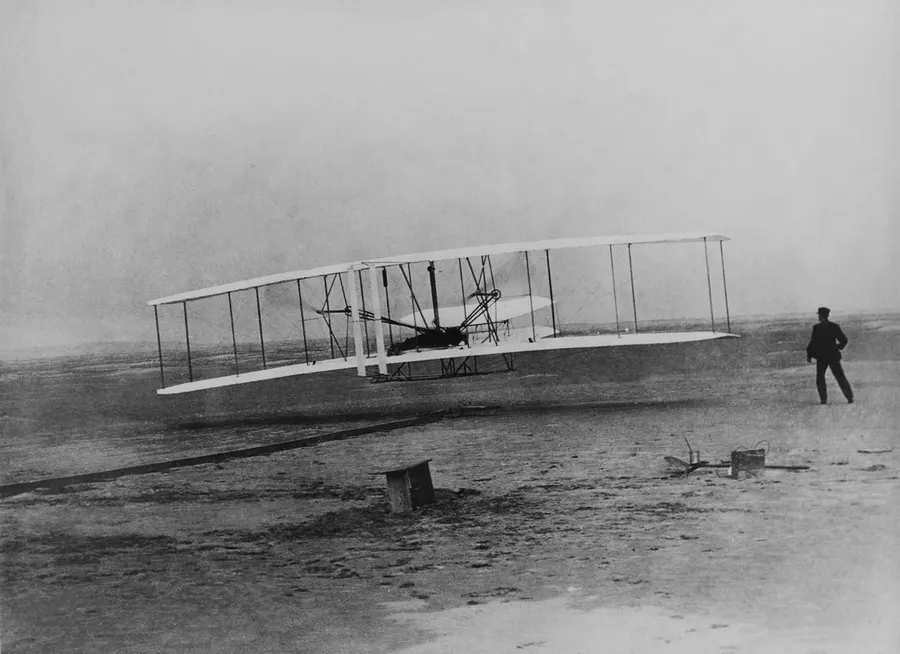
Here Is a Photo of the First-ever Powered Flight by Orville Wright in 1903
Wright Brothers: Here is a photo of the first-ever powered flight by Orville Wright in 1903. Made in 1903, it is the kind of image that turns a date in a history book into something you can actually see.
Orville and Wilbur Wright made the first controlled, powered airplane flights near Kitty Hawk, North Carolina, on December 17, 1903. The first flight lasted twelve seconds and covered 120 feet. A member of the local lifesaving crew triggered the camera shutter, producing one of the most consequential photographs in the history of technology.
Looking at experimental machines from the past, it is easy to laugh at what failed and forget how strange the successful inventions looked at first. To the people in the frame, this was the cutting edge, and the photograph preserves that optimism intact.
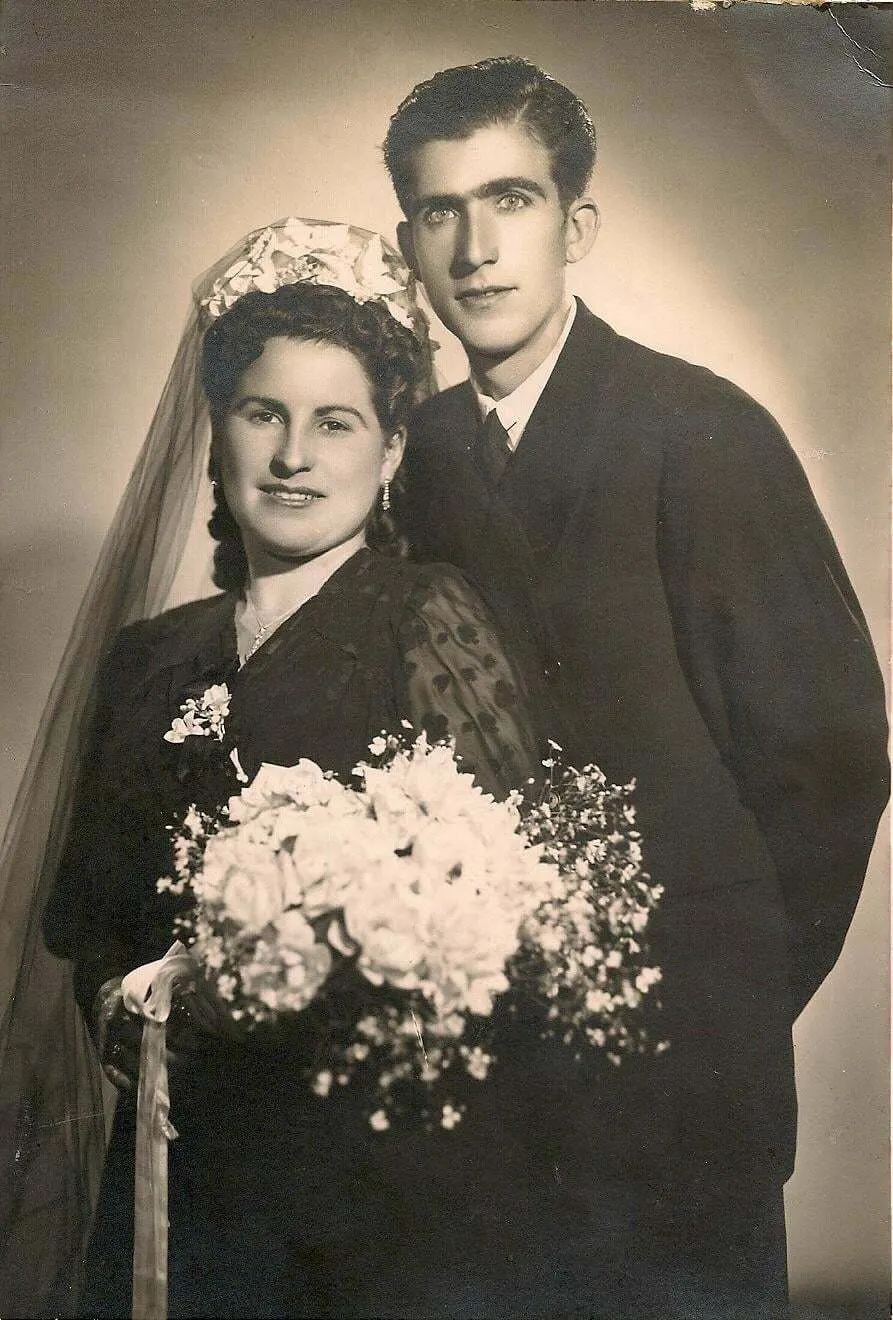
From 1890 to 1960, It Was Fashionable to Wear Black Wedding Dresses in Spain
Captured here: From 1890 To 1960, It Was Fashionable To Wear Black Wedding Dresses In Spain. It was taken in 1890, and like the best archival images it needs almost no explanation — the frame tells its own story.
By the 1890s the modern world was arriving fast: electric light, telephones, streetcars, and the first automobiles all appeared in cities during this decade. Photography had matured too, and inexpensive cameras meant ordinary moments were being recorded in numbers never seen before.
Pictures of ordinary life are some of the most valuable historical documents we have. Grand events were always going to be recorded, but a normal day — how people worked, dressed, shopped, and passed the time — survives only when someone happened to point a camera at it.
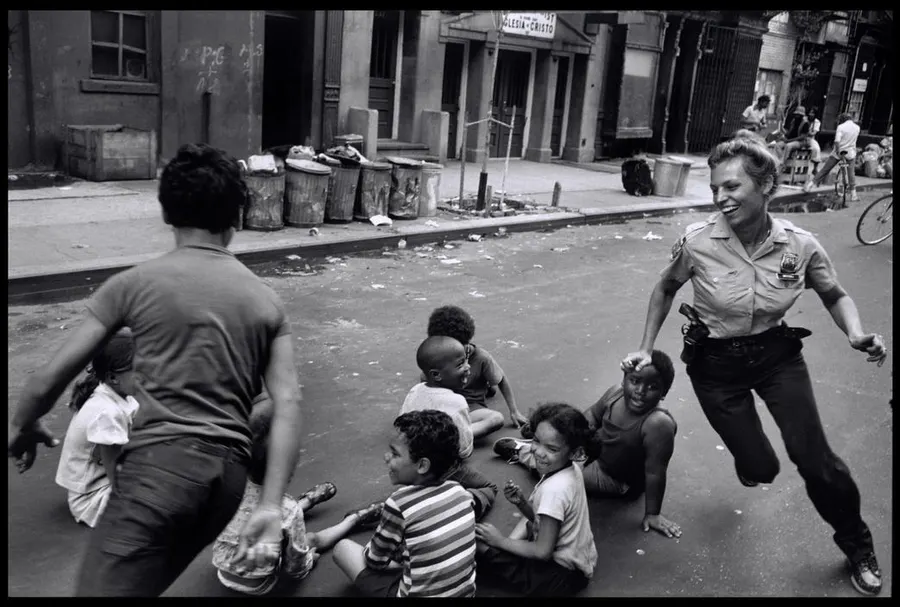
Police Officer Playing with the Children in Harlem
This picture preserves a moment few cameras ever caught — Police officer playing with the children in Harlem. It is the kind of image that turns a line in a history book into something you can actually see.
Photography has only existed since 1839, which means the camera-recorded past is a narrow window — and every surviving frame from it is a small act of preservation, whether the photographer knew it or not.
Pictures of ordinary life are some of the most valuable historical documents we have. Grand events were always going to be recorded, but a normal day — how people worked, dressed, shopped, and passed the time — survives only when someone happened to point a camera at it.
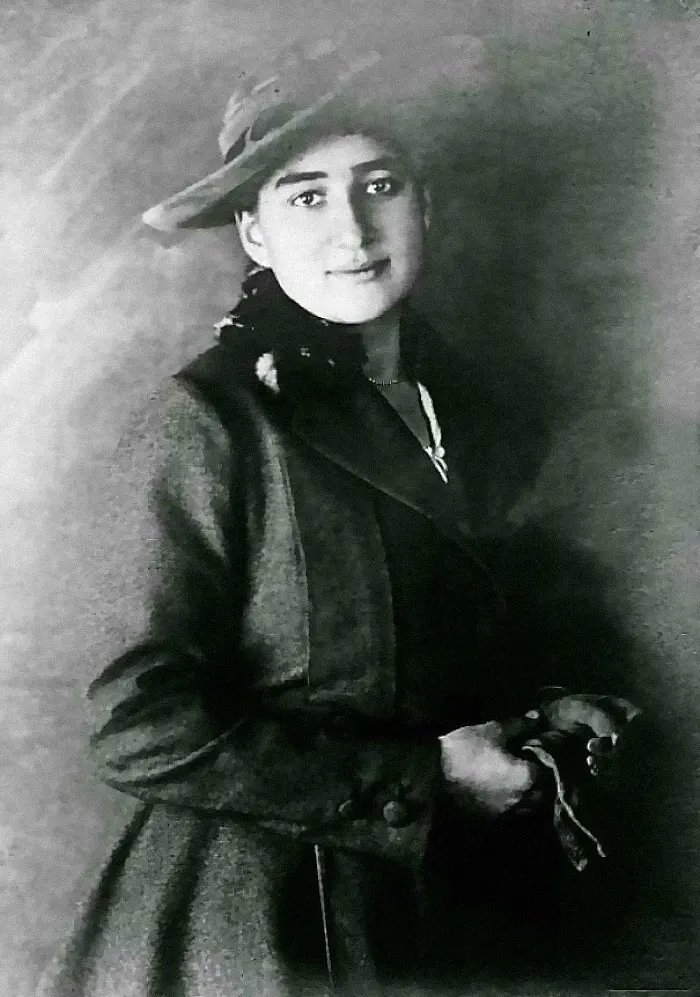
7 Oct 1943, Ottla Kafka, Beloved Sister of Author Franz Kafka
This picture preserves a moment few cameras ever caught — 7 Oct 1943, Ottla Kafka, Beloved Sister Of Author Franz Kafka, Was Gassed On Arrival At Auschwitz After Volunteering To Escort A Group Of Orphans From The Terezin Ghetto So They Wouldn’t Be Afraid. The scene dates to 1943, a detail that changes how you read every face and object in the frame.
The first half of the 1940s was consumed by the Second World War, the largest conflict in human history, and photography went to war with it — small 35mm cameras and wire services meant pictures from the front could reach newspaper readers within days.
Most photography of the period chased celebrities and headlines, which makes surviving images of daily routine all the more precious. This is what the world actually looked like when nobody thought it was worth remembering.
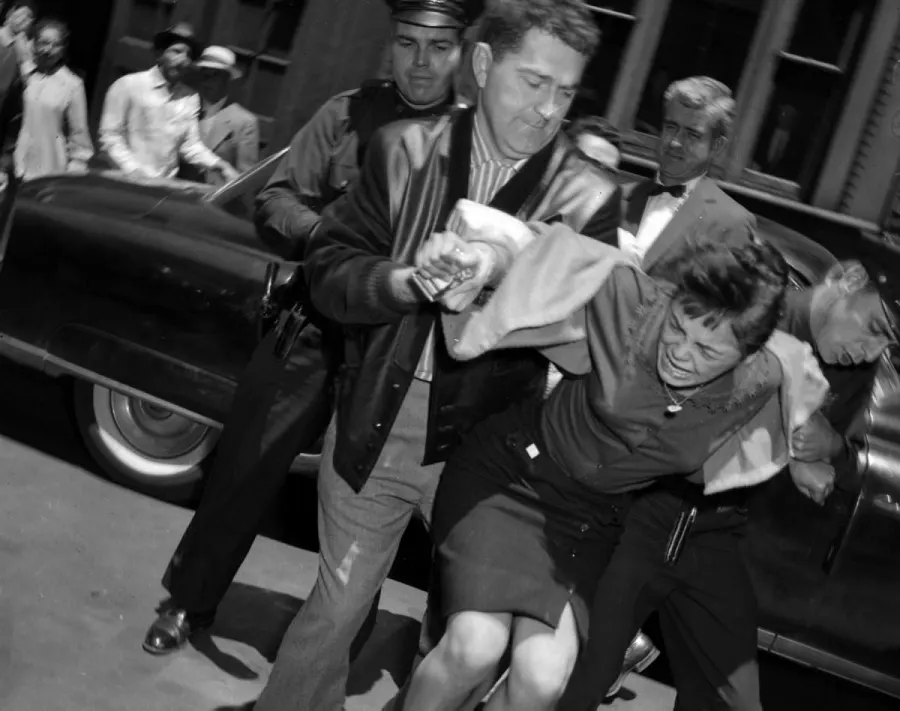
They Start Them Young, 1959
Mob Moll, 1959: They start them young! While most people consider the mob to be made up of a bunch of men, that acutally isn't the case. Here, 15-year-old moll Carmen Martinez doesn't go down without a fight as she is hauled off by police to Felony Court for the murder of 17-year-old Raul Banuchi. It was taken in 1959, and like the best archival images it needs almost no explanation — the frame tells its own story.
The 1950s brought a wave of postwar prosperity, especially in North America. Suburbs, television sets, big chrome-trimmed cars, and rock and roll defined the decade, and a booming picture-magazine industry sent photographers to document all of it.
Pictures of ordinary life are some of the most valuable historical documents we have. Grand events were always going to be recorded, but a normal day — how people worked, dressed, shopped, and passed the time — survives only when someone happened to point a camera at it.
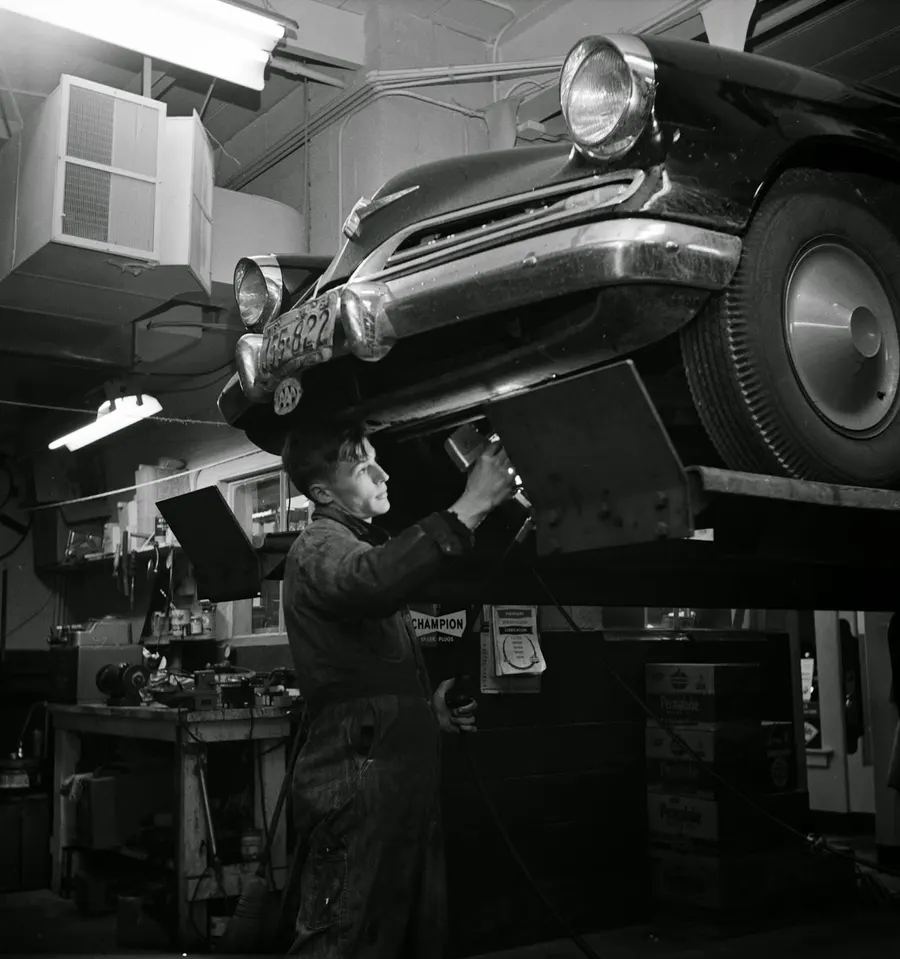
Teenage Mechanic, 1954
Captured here: Teenage mechanic, 1954. It was taken in 1954, and like the best archival images it needs almost no explanation — the frame tells its own story.
The 1950s brought a wave of postwar prosperity, especially in North America. Suburbs, television sets, big chrome-trimmed cars, and rock and roll defined the decade, and a booming picture-magazine industry sent photographers to document all of it.
Most photography of the period chased celebrities and headlines, which makes surviving images of daily routine all the more precious. This is what the world actually looked like when nobody thought it was worth remembering.

Mother Hides her Face in Shame After Putting her Children up for Sale, 1948
Captured here: Mother Hides Her Face In Shame After Putting Her Children Up For Sale, Chicago, 1948. The scene dates to 1948, a detail that changes how you read every face and object in the frame.
The photograph of children advertised for sale in Chicago in 1948 ran in newspapers as a story about a destitute family facing eviction. It became an enduring image of postwar poverty in the midst of the American boom. Reporting decades later confirmed the children were indeed given up, and several of them found each other again as adults.
Pictures of ordinary life are some of the most valuable historical documents we have. Grand events were always going to be recorded, but a normal day — how people worked, dressed, shopped, and passed the time — survives only when someone happened to point a camera at it.
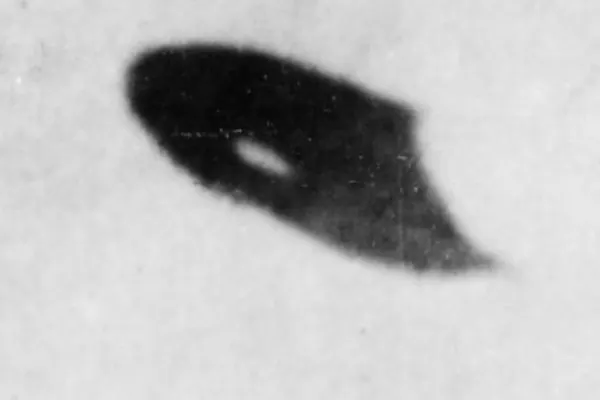
This Photograph from Project Blue Book Case 24-185-19-7X Shows an Object over, 1947
Captured here: UFO: This photograph from Project Blue Book case 24-185-19-7X shows an object over Phoenix in June 1947. It was taken in 1947, and like the best archival images it needs almost no explanation — the frame tells its own story.
The first half of the 1940s was consumed by the Second World War, the largest conflict in human history, and photography went to war with it — small 35mm cameras and wire services meant pictures from the front could reach newspaper readers within days.
Part of the appeal of old photographs is how confidently people did things that look baffling now. Standards of safety, custom, and common sense have shifted so much that yesterday's ordinary can read as today's unbelievable — and that gap is exactly what this picture captures.
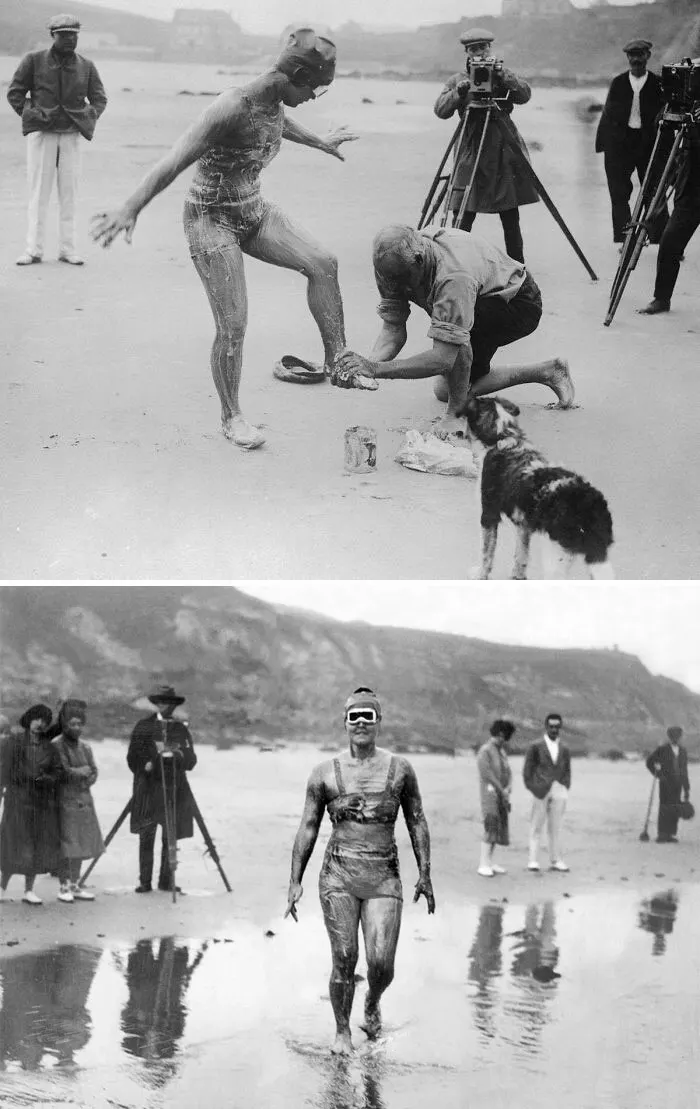
Gertrude Ederle, First Woman to Cross the English Channel, 26 August 1926
The photograph shows Gertrude Ederle, First Woman To Cross The English Channel, 26 August 1926, Done In 14hr And 31 Min, Beating The Male Record Of 16hr And 33 Min. Photos Of The Day She Did The Record. The scene dates to 1926, a detail that changes how you read every face and object in the frame.
The 1920s roared with new money and new habits. Radio broadcasting began, cars became affordable for working families, jazz filled dance halls, and hemlines and haircuts shortened in ways that scandalized the older generation. News photography boomed alongside the tabloid press.
What makes everyday photographs like this one compelling is the details at the edges: the clothes, the signs, the tools, the postures. They preserve texture that history books flatten out.
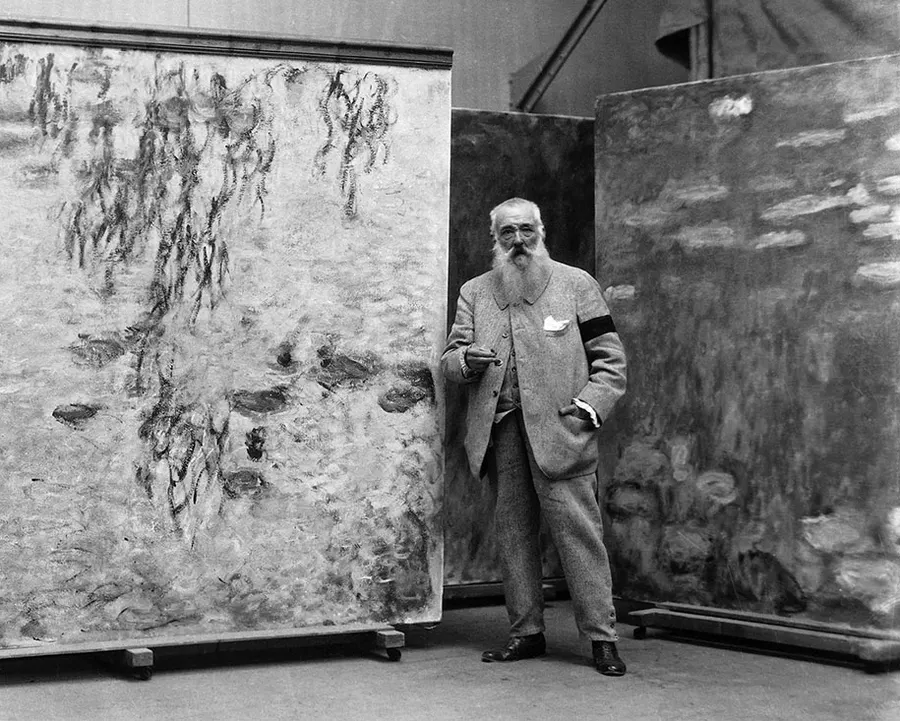
French Artist Claude Monet Poses with his Iconic Water Lilies Around 1923
This picture preserves a moment few cameras ever caught — Waterlilies: French artist Claude Monet poses with his iconic water lilies around 1923. Made in 1923, it is the kind of image that turns a date in a history book into something you can actually see.
The 1920s roared with new money and new habits. Radio broadcasting began, cars became affordable for working families, jazz filled dance halls, and hemlines and haircuts shortened in ways that scandalized the older generation. News photography boomed alongside the tabloid press.
What makes everyday photographs like this one compelling is the details at the edges: the clothes, the signs, the tools, the postures. They preserve texture that history books flatten out.
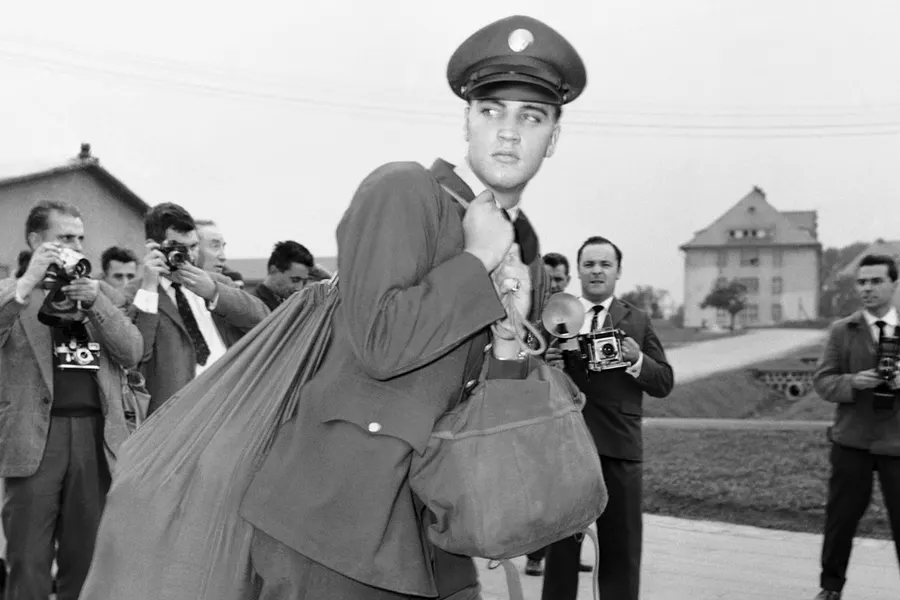
Sad Sack: Here Is Elvis Carrying his Laundry Just Like his Fellow Soldiers
Captured here: Sad Sack: Here is Elvis carrying his laundry just like his fellow soldiers. It is the kind of image that turns a line in a history book into something you can actually see.
Photography has only existed since 1839, which means the camera-recorded past is a narrow window — and every surviving frame from it is a small act of preservation, whether the photographer knew it or not.
Most photography of the period chased celebrities and headlines, which makes surviving images of daily routine all the more precious. This is what the world actually looked like when nobody thought it was worth remembering.
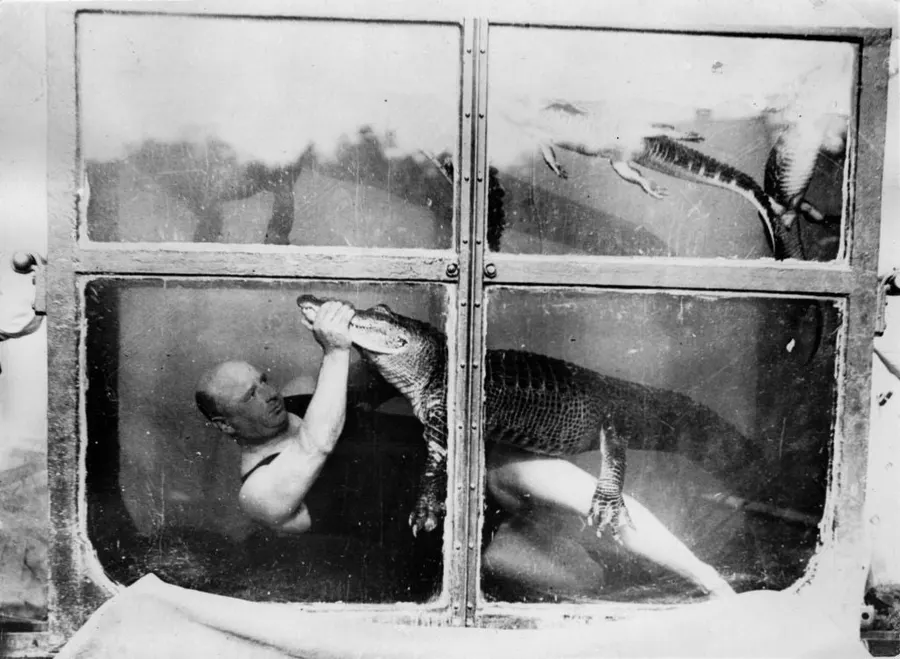
Here's a Circus Performer Wrestling an Alligator Inside a Tank
Here's a circus performer wrestling an alligator inside a tank. Like the best archival images, it needs almost no explanation — the frame tells its own story.
Photography has only existed since 1839, which means the camera-recorded past is a narrow window — and every surviving frame from it is a small act of preservation, whether the photographer knew it or not.
Part of the appeal of old photographs is how confidently people did things that look baffling now. Standards of safety, custom, and common sense have shifted so much that yesterday's ordinary can read as today's unbelievable — and that gap is exactly what this picture captures.
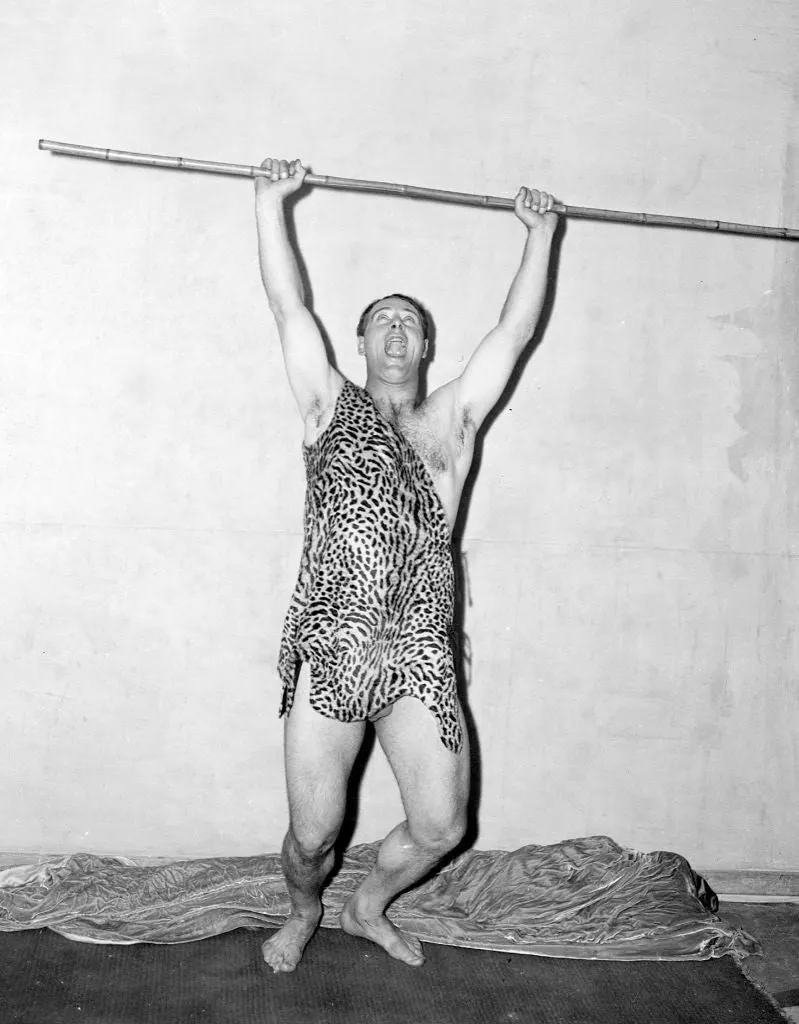
Before He Retired from Baseball, the Legendary Lou Gerhig Auditioned
The photograph shows Before he retired from baseball, the legendary Lou Gerhig auditioned for the role of Tarzan. They made him carry and a spear and everything. Like the best archival images, it needs almost no explanation — the frame tells its own story.
Photography has only existed since 1839, which means the camera-recorded past is a narrow window — and every surviving frame from it is a small act of preservation, whether the photographer knew it or not.
What makes everyday photographs like this one compelling is the details at the edges: the clothes, the signs, the tools, the postures. They preserve texture that history books flatten out.
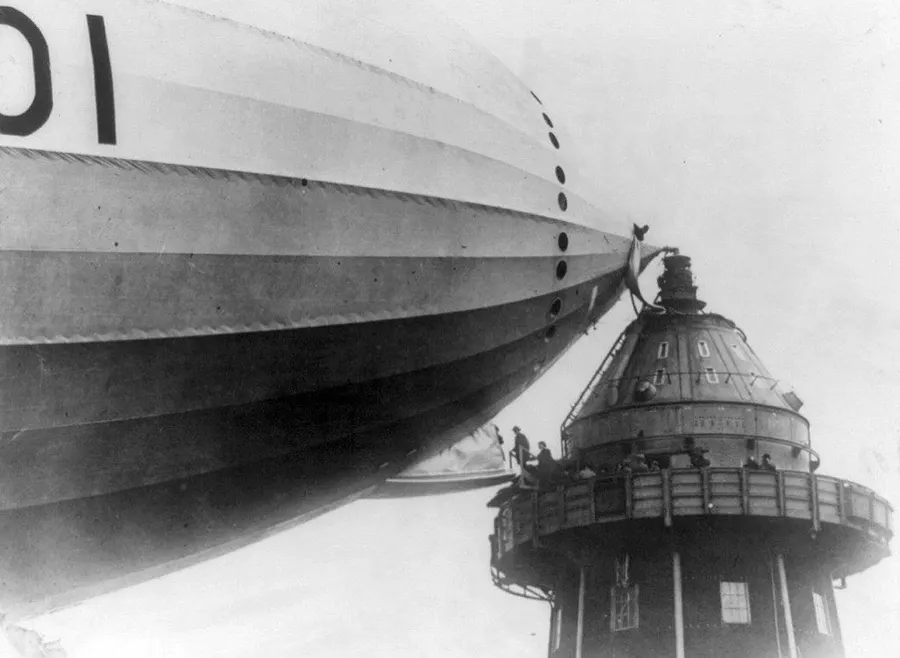
Back When People Were So Inclined to Do
This picture preserves a moment few cameras ever caught — Back when people were so inclined to do so, this was one way to board and travel by blimp. It is the kind of image that turns a line in a history book into something you can actually see.
Photography has only existed since 1839, which means the camera-recorded past is a narrow window — and every surviving frame from it is a small act of preservation, whether the photographer knew it or not.
Most photography of the period chased celebrities and headlines, which makes surviving images of daily routine all the more precious. This is what the world actually looked like when nobody thought it was worth remembering.
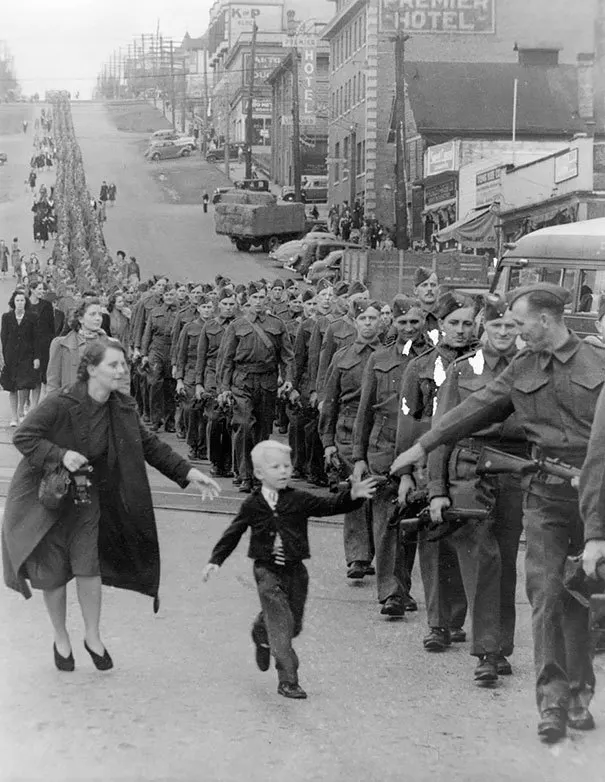
“wait for Me Daddy,” by Claude P, 1940
The photograph shows “wait For Me Daddy,” By Claude P. Dettloff In New Westminster, Canada, October 1, 1940. The scene dates to 1940, a detail that changes how you read every face and object in the frame.
The picture became one of the most famous Canadian photographs of the war. Claude P. Dettloff was photographing the British Columbia Regiment marching to a waiting train in New Westminster when five-year-old Warren "Whitey" Bernard broke from his mother's hand and ran to his father, Private Jack Bernard. The image ran across North America, was used to sell war bonds, and hung in every school in British Columbia during the war. Jack Bernard survived and returned home in 1945.
Pictures of ordinary life are some of the most valuable historical documents we have. Grand events were always going to be recorded, but a normal day — how people worked, dressed, shopped, and passed the time — survives only when someone happened to point a camera at it.
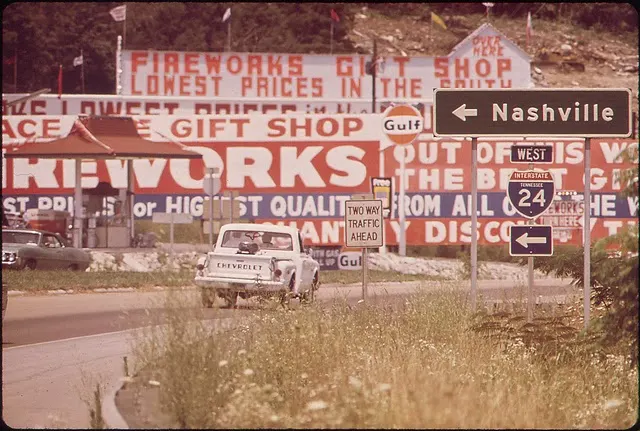
Visual Pollution, September 1972
This picture preserves a moment few cameras ever caught — Visual Pollution, September 1972. Made in 1972, it is the kind of image that turns a date in a history book into something you can actually see.
The 1970s had a grittier texture than the decades before it — economic shocks, urban decline, and political distrust, but also bold fashion, muscle cars, and the first stirrings of the digital age. Color film had become cheap and ubiquitous, so the decade survives in vivid Kodachrome hues.
Pictures of ordinary life are some of the most valuable historical documents we have. Grand events were always going to be recorded, but a normal day — how people worked, dressed, shopped, and passed the time — survives only when someone happened to point a camera at it.
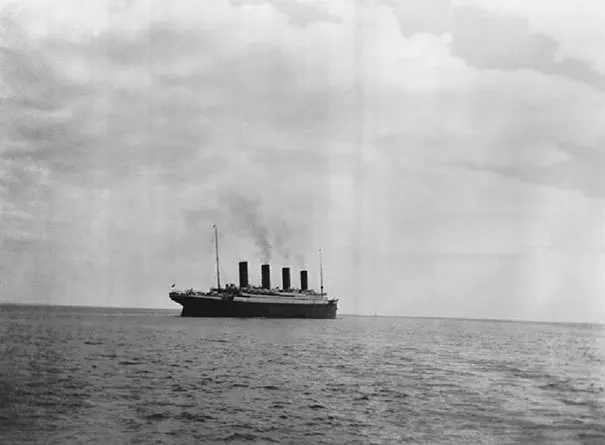
This Is the Last Picture of the Titanic Above Water, 1912
This picture preserves a moment few cameras ever caught — Titanic: This is the last picture of the Titanic above water, during its doomed 1912 voyage. It was taken in 1912, and like the best archival images it needs almost no explanation — the frame tells its own story.
RMS Titanic struck an iceberg on the night of April 14, 1912, and sank in the early hours of the next morning on her maiden voyage from Southampton to New York. More than 1,500 people died. The disaster dominated newspapers on both sides of the Atlantic for weeks and led to sweeping changes in maritime law, including lifeboats for all aboard and the round-the-clock radio watch.
History is usually written down long after it happens, but a photograph is made in the moment itself. That immediacy is what keeps images like this one circulating decades after the event they show.
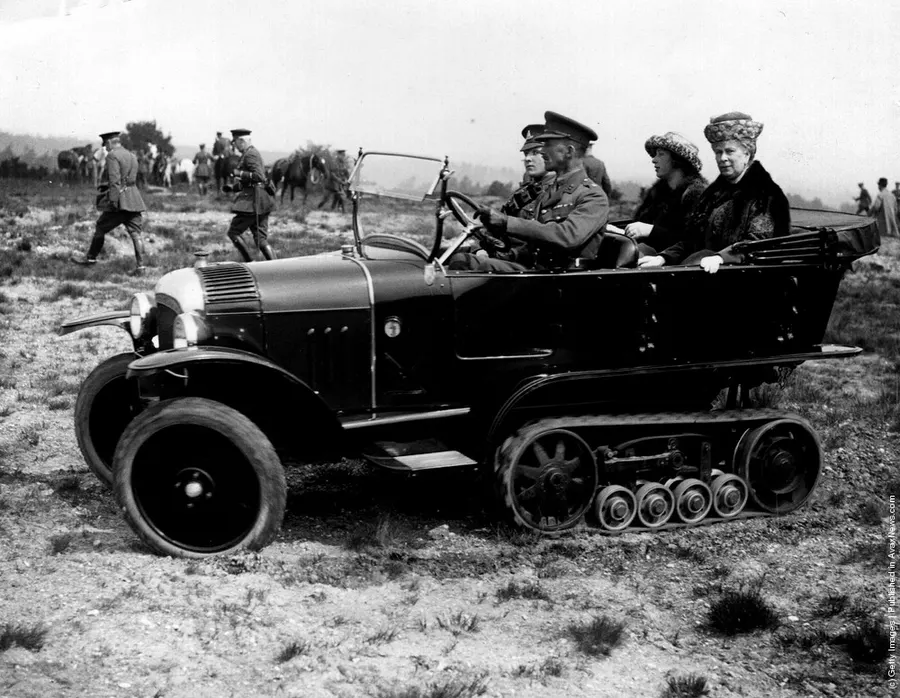
Circa 1920. Queen Mary (1867–1953) with Princess Mary
Circa 1920. Queen Mary (1867–1953) with Princess Mary, the Princess Royal (1897–1965) being driven across rough ground in a tracked car by Army officers. Made in 1867–1953, it is the kind of image that turns a date in a history book into something you can actually see.
The 1860s was the first decade in which photography documented events on a large scale. Wet-plate cameras were hauled to battlefields and city streets, and portrait studios spread through towns on both sides of the Atlantic, making a photograph an ordinary family possession for the first time.
News photographs from this period traveled by wire and print, and a single strong image could shape how millions of people understood an event. This picture is one of the frames that did that work.
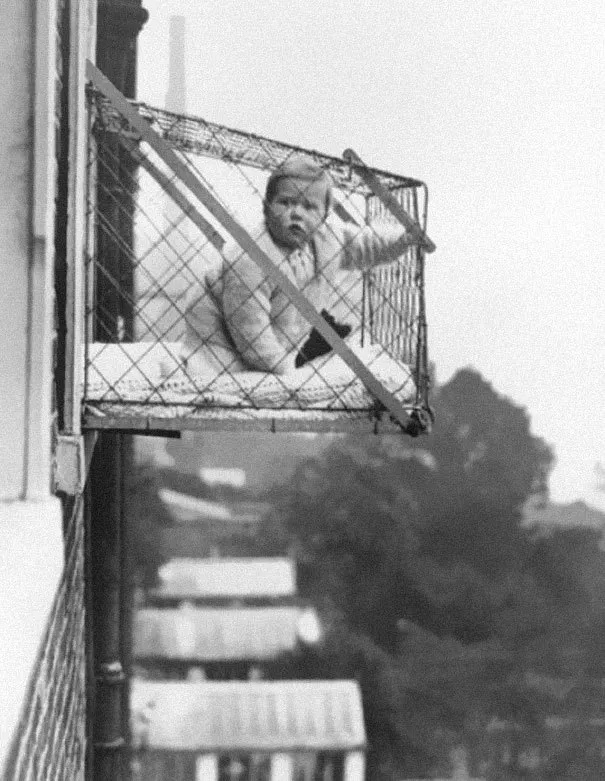
Baby Cages Used to Ensure That Children Get Enough Sunlight and Fresh Air, 1937
Baby Cages Used To Ensure That Children Get Enough Sunlight And Fresh Air When Living In An Apartment Building, 1937. It was taken in 1937, and like the best archival images it needs almost no explanation — the frame tells its own story.
Wire "baby cages" that hung out of apartment windows were a genuine product of the early twentieth century, patented in the United States in the 1920s and popular for a time in London blocks of flats. The theory, backed by childcare advice of the day, was that city babies needed fresh air and sunlight that cramped apartments could not provide. Changing safety standards ended the practice by mid-century.
Most photography of the period chased celebrities and headlines, which makes surviving images of daily routine all the more precious. This is what the world actually looked like when nobody thought it was worth remembering.
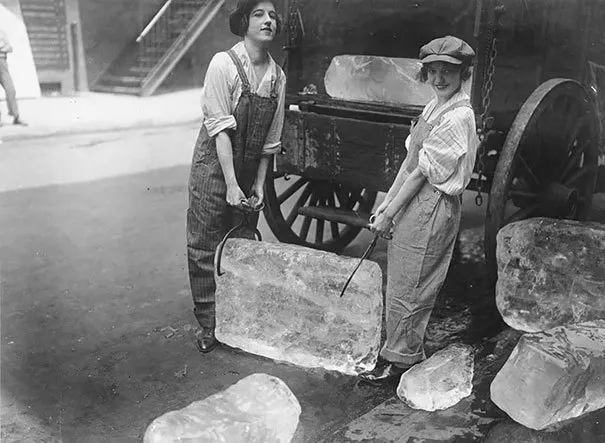
Women Delivering Ice, 1918
This picture preserves a moment few cameras ever caught — women Delivering Ice, 1918. The scene dates to 1918, a detail that changes how you read every face and object in the frame.
The 1910s were a decade of upheaval. The First World War (1914-1918) pulled millions into uniform and redrew the map of Europe, while on the home front automobiles, telephones, and moving pictures were rapidly becoming part of ordinary life.
Pictures of ordinary life are some of the most valuable historical documents we have. Grand events were always going to be recorded, but a normal day — how people worked, dressed, shopped, and passed the time — survives only when someone happened to point a camera at it.
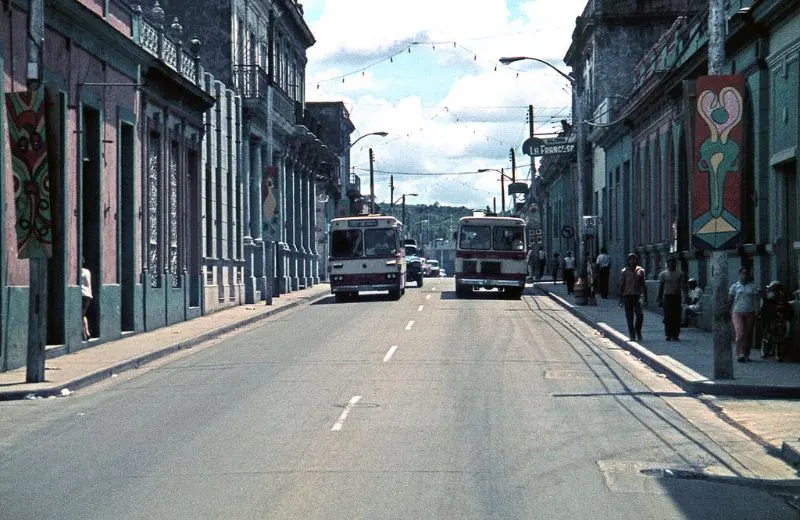
Cuba, Matanzas, 1976. Two Buses at Avenue with Colonial Buildings
This picture preserves a moment few cameras ever caught — Cuba, Matanzas, 1976. Two buses at avenue with colonial buildings. It was taken in 1976, and like the best archival images it needs almost no explanation — the frame tells its own story.
The 1970s had a grittier texture than the decades before it — economic shocks, urban decline, and political distrust, but also bold fashion, muscle cars, and the first stirrings of the digital age. Color film had become cheap and ubiquitous, so the decade survives in vivid Kodachrome hues.
What makes everyday photographs like this one compelling is the details at the edges: the clothes, the signs, the tools, the postures. They preserve texture that history books flatten out.
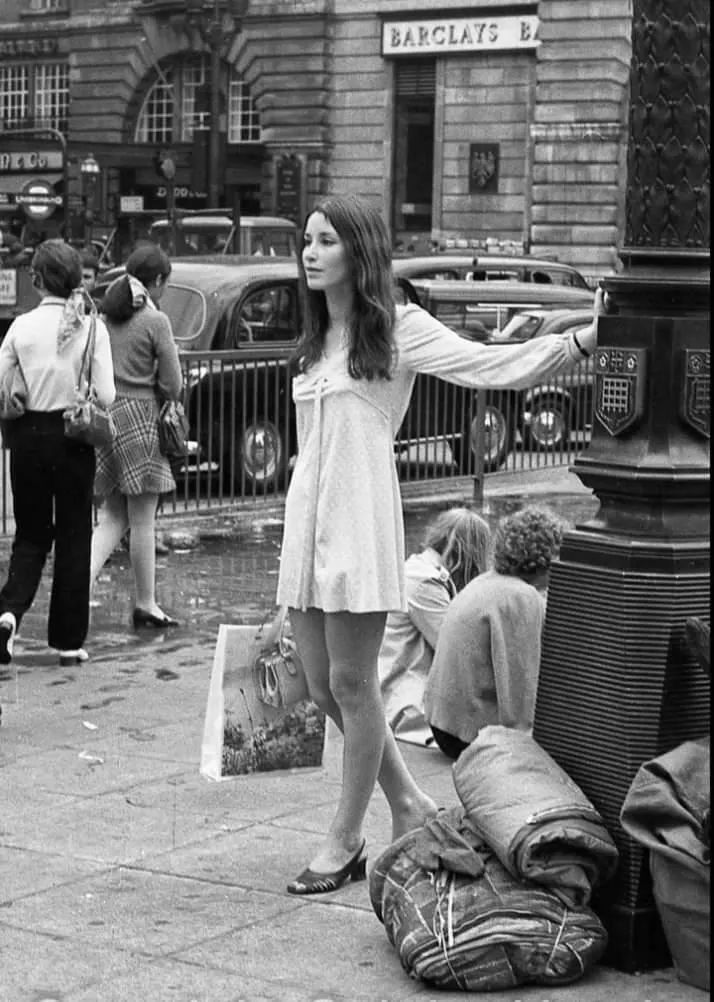
Young Lady in London, 1969
Captured here: Young Lady In London, 1969. It was taken in 1969, and like the best archival images it needs almost no explanation — the frame tells its own story.
The 1960s moved fast: the space race put satellites and then astronauts overhead, television replaced print as the main source of news, and social change swept through music, fashion, and politics. Photojournalism was at its peak, with picture magazines and newspapers employing armies of photographers.
What makes everyday photographs like this one compelling is the details at the edges: the clothes, the signs, the tools, the postures. They preserve texture that history books flatten out.
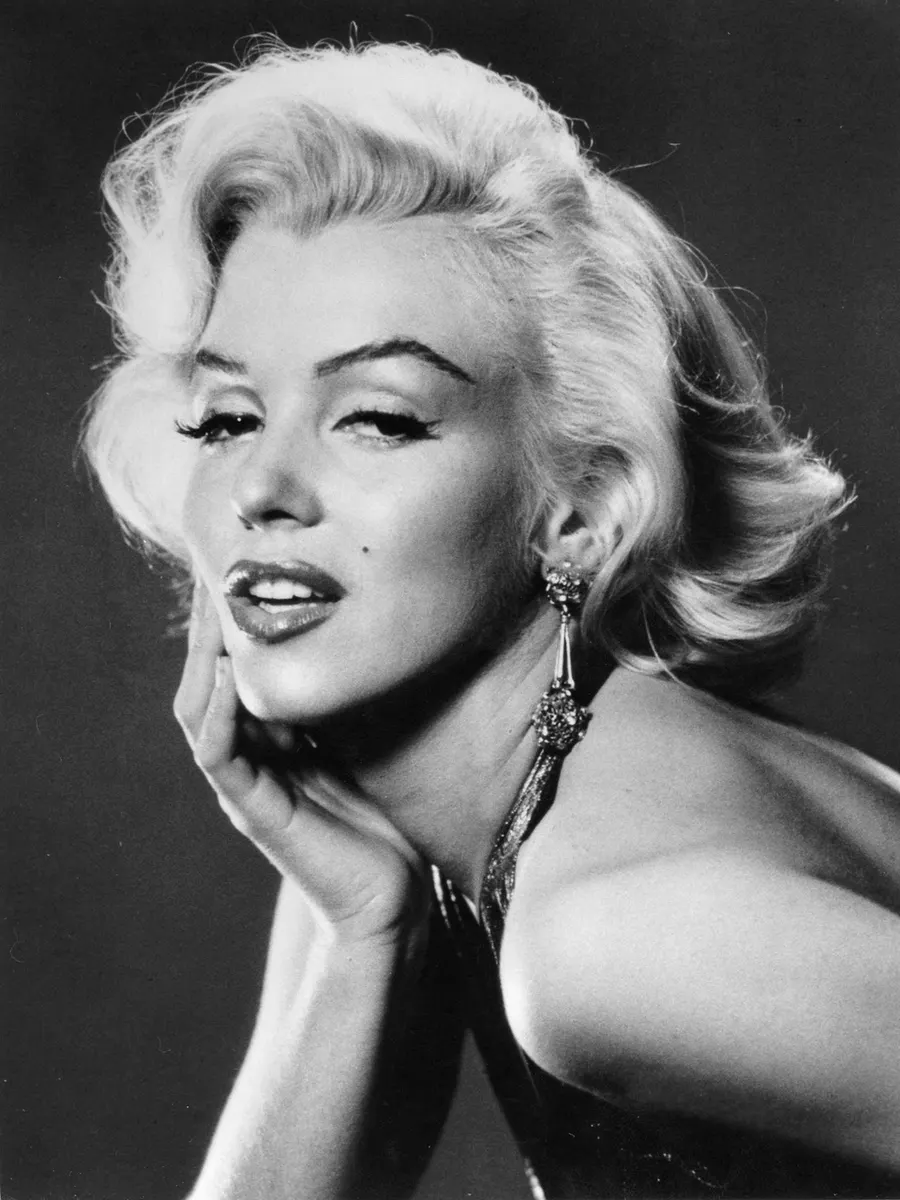
Marilyn Monroe Sure Gave the Troops a Treat During her USO Performance, 1954
Captured here: Ms. Monroe: Marilyn Monroe sure gave the troops a treat during her USO performance in Korea, February 1954. The scene dates to 1954, a detail that changes how you read every face and object in the frame.
The 1950s brought a wave of postwar prosperity, especially in North America. Suburbs, television sets, big chrome-trimmed cars, and rock and roll defined the decade, and a booming picture-magazine industry sent photographers to document all of it.
News photographs from this period traveled by wire and print, and a single strong image could shape how millions of people understood an event. This picture is one of the frames that did that work.
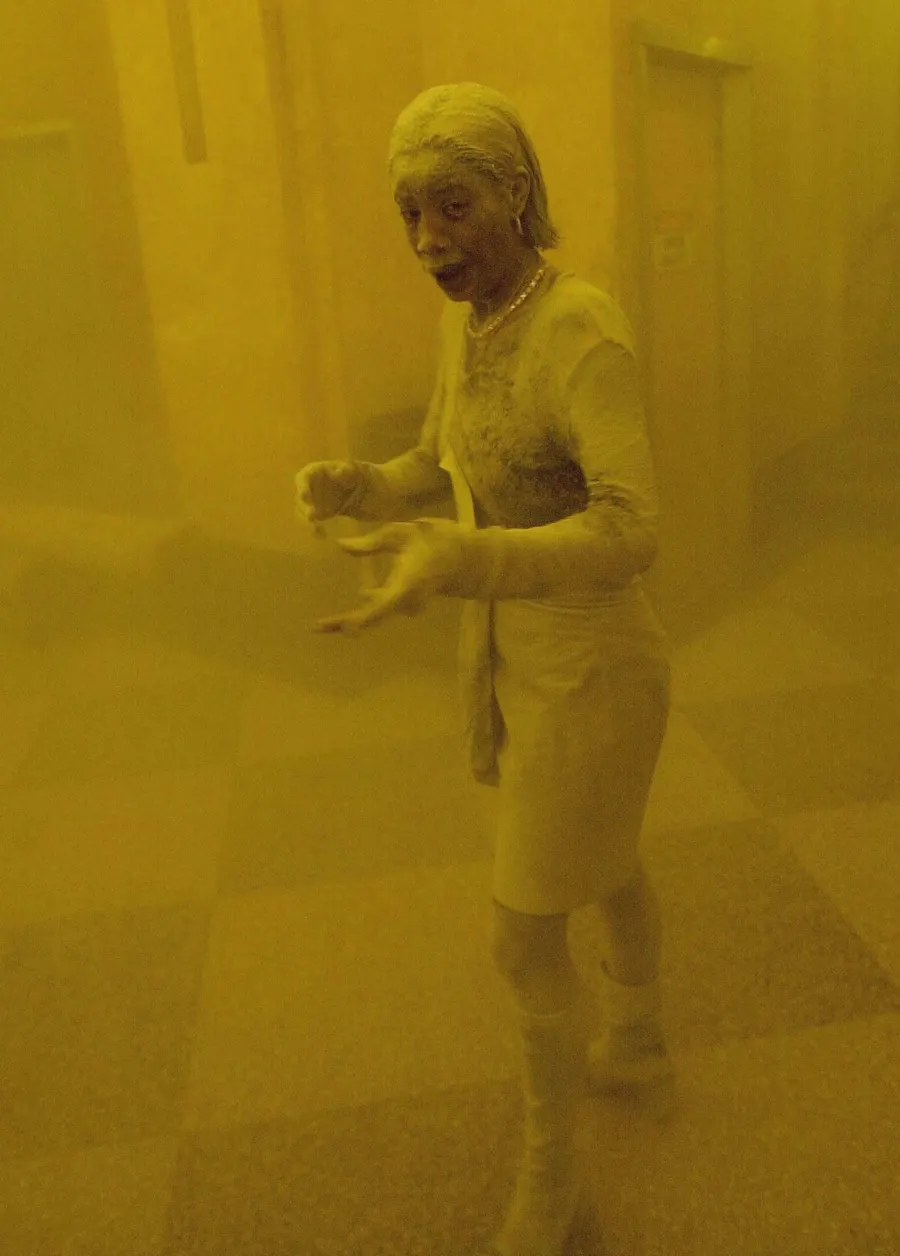
Marcy Borders - "dust Lady" After Escaping the North Tower of the World Trade
This picture preserves a moment few cameras ever caught — Marcy Borders - "Dust Lady" After Escaping The North Tower Of The World Trade Center On 9/11. She Would Die Of Cancer At Age 42. It is the kind of image that turns a line in a history book into something you can actually see.
Photography has only existed since 1839, which means the camera-recorded past is a narrow window — and every surviving frame from it is a small act of preservation, whether the photographer knew it or not.
What makes everyday photographs like this one compelling is the details at the edges: the clothes, the signs, the tools, the postures. They preserve texture that history books flatten out.
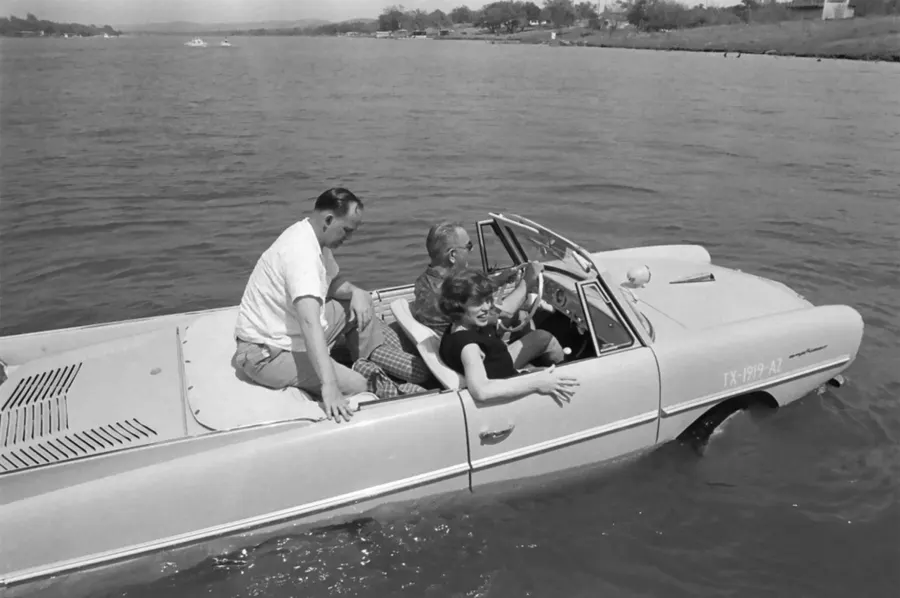
President Lyndon B. Johnson Driving a Amphicar, A, Well
This picture preserves a moment few cameras ever caught — President Lyndon B. Johnson driving a Amphicar, a, well, amphibious car designed to operate on land and sea. Like the best archival images, it needs almost no explanation — the frame tells its own story.
Photography has only existed since 1839, which means the camera-recorded past is a narrow window — and every surviving frame from it is a small act of preservation, whether the photographer knew it or not.
News photographs from this period traveled by wire and print, and a single strong image could shape how millions of people understood an event. This picture is one of the frames that did that work.
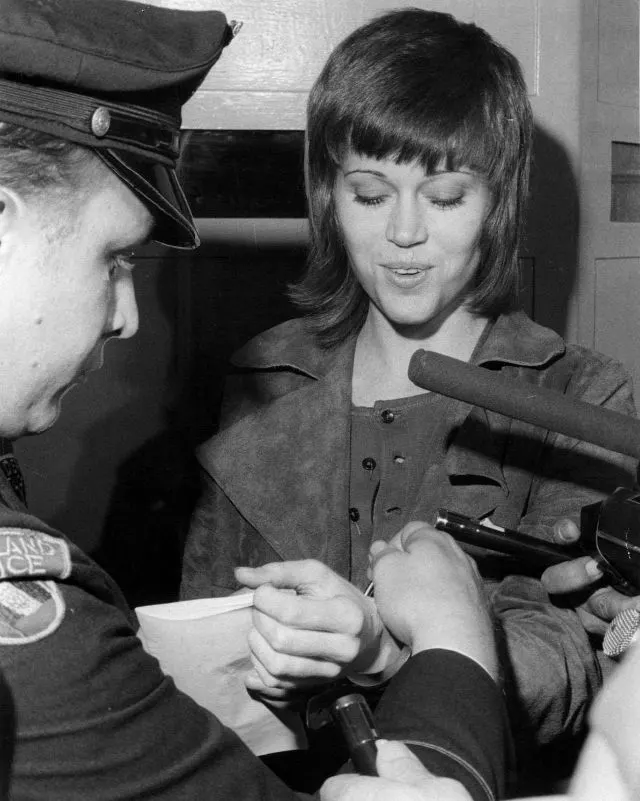
Jane Fonda Was Handcuffed in November 1970 at Cuyahoga County Jail
This picture preserves a moment few cameras ever caught — Jane Fonda was handcuffed in November 1970 at Cuyahoga County Jail. It was taken in 1970, and like the best archival images it needs almost no explanation — the frame tells its own story.
The 1970s had a grittier texture than the decades before it — economic shocks, urban decline, and political distrust, but also bold fashion, muscle cars, and the first stirrings of the digital age. Color film had become cheap and ubiquitous, so the decade survives in vivid Kodachrome hues.
Most photography of the period chased celebrities and headlines, which makes surviving images of daily routine all the more precious. This is what the world actually looked like when nobody thought it was worth remembering.
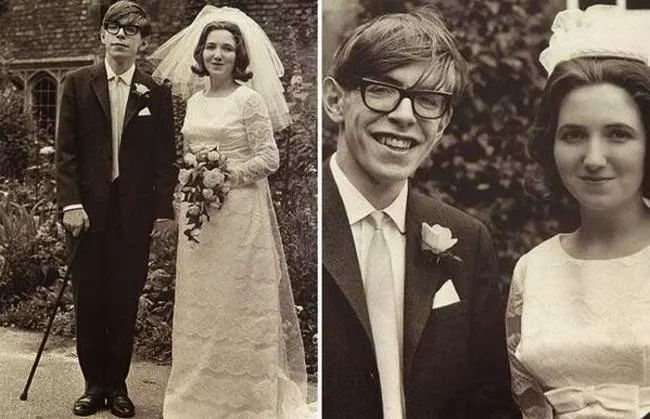
Stephen Hawking Is One of the Most Brilliant Minds the World Has Ever Seen
Captured here: Young Genius: Stephen Hawking is one of the most brilliant minds the world has ever seen. It is the kind of image that turns a line in a history book into something you can actually see.
Photography has only existed since 1839, which means the camera-recorded past is a narrow window — and every surviving frame from it is a small act of preservation, whether the photographer knew it or not.
Pictures of ordinary life are some of the most valuable historical documents we have. Grand events were always going to be recorded, but a normal day — how people worked, dressed, shopped, and passed the time — survives only when someone happened to point a camera at it.
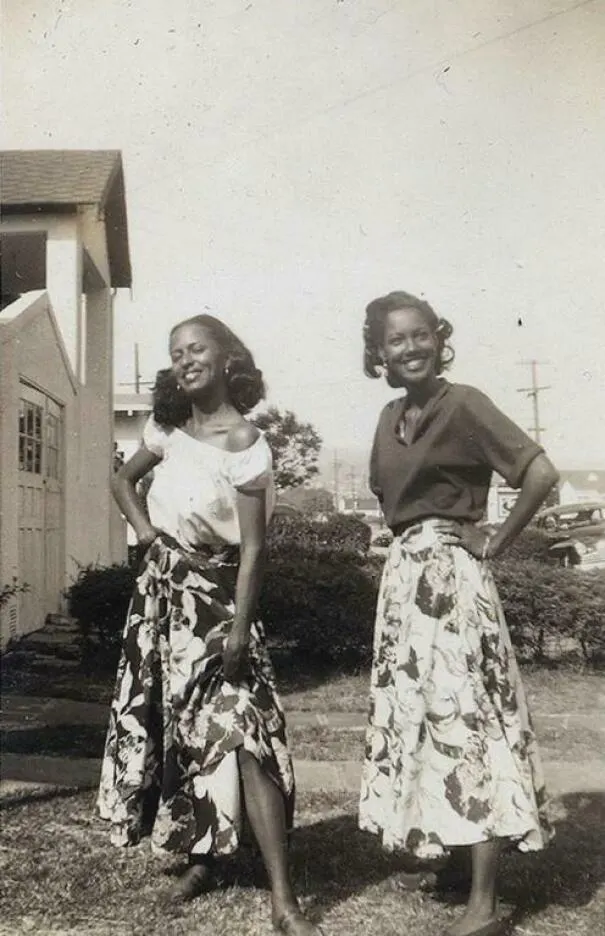
Sisters in Skirts, 1950s
Sisters In Skirts, 1950s. The scene dates to the 1950s, a detail that changes how you read every face and object in the frame.
The 1950s brought a wave of postwar prosperity, especially in North America. Suburbs, television sets, big chrome-trimmed cars, and rock and roll defined the decade, and a booming picture-magazine industry sent photographers to document all of it.
Pictures of ordinary life are some of the most valuable historical documents we have. Grand events were always going to be recorded, but a normal day — how people worked, dressed, shopped, and passed the time — survives only when someone happened to point a camera at it.
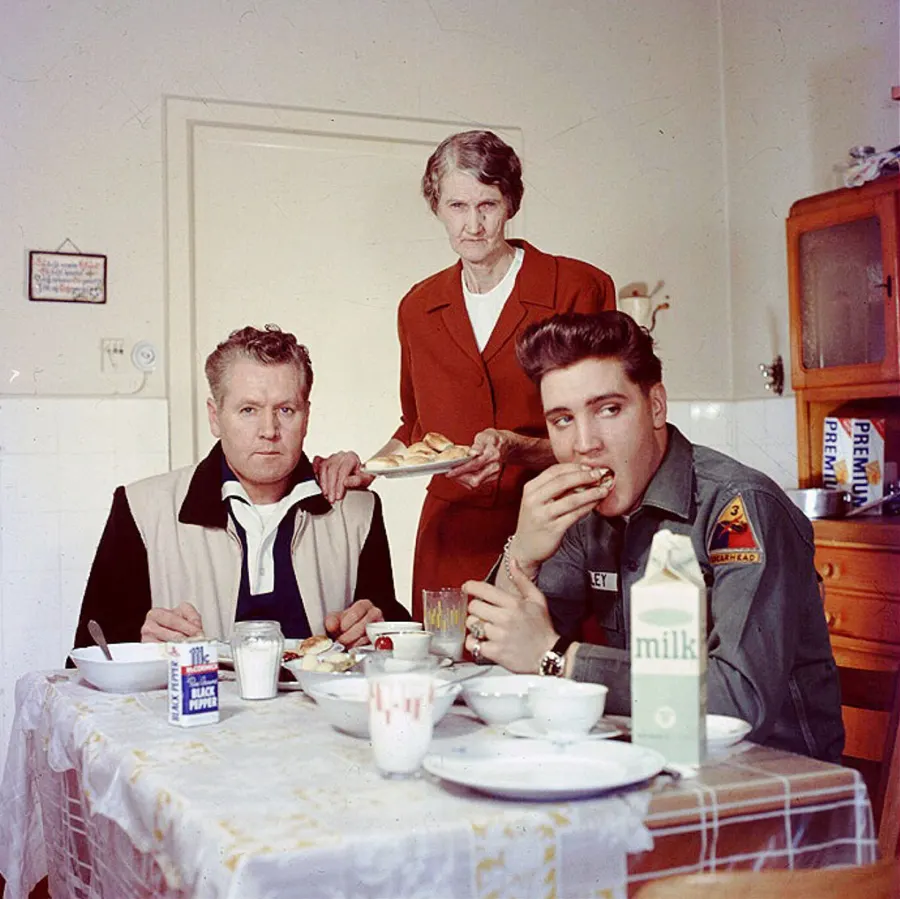
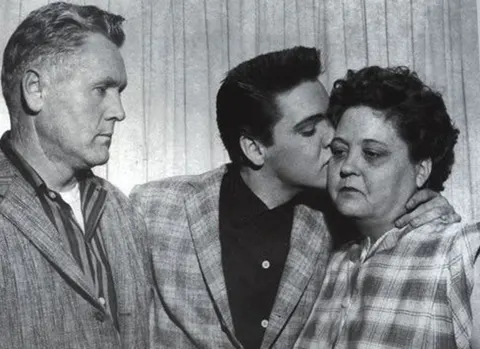
Elvis Presley with his Dad and Grandma, 1959
The photograph shows Elvis Presley With His Dad And Grandma, 1959. It was taken in 1959, and like the best archival images it needs almost no explanation — the frame tells its own story.
The 1950s brought a wave of postwar prosperity, especially in North America. Suburbs, television sets, big chrome-trimmed cars, and rock and roll defined the decade, and a booming picture-magazine industry sent photographers to document all of it.
Pictures of ordinary life are some of the most valuable historical documents we have. Grand events were always going to be recorded, but a normal day — how people worked, dressed, shopped, and passed the time — survives only when someone happened to point a camera at it.
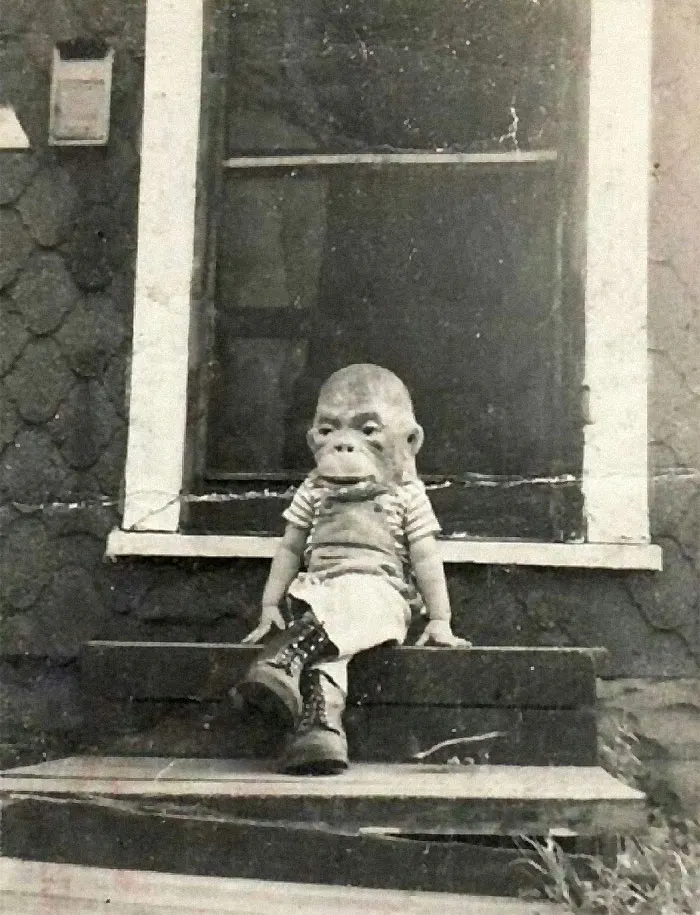
Vintage Photograph of a Kid Wearing a Monkey Mask, 1920s
The photograph shows Vintage Photograph Of A Kid Wearing A Monkey Mask, 1920s. The scene dates to the 1920s, a detail that changes how you read every face and object in the frame.
The 1920s roared with new money and new habits. Radio broadcasting began, cars became affordable for working families, jazz filled dance halls, and hemlines and haircuts shortened in ways that scandalized the older generation. News photography boomed alongside the tabloid press.
Every era has habits that make perfect sense at the time and none at all a century later. Photographs like this one are valuable precisely because no written description would be believed without them.
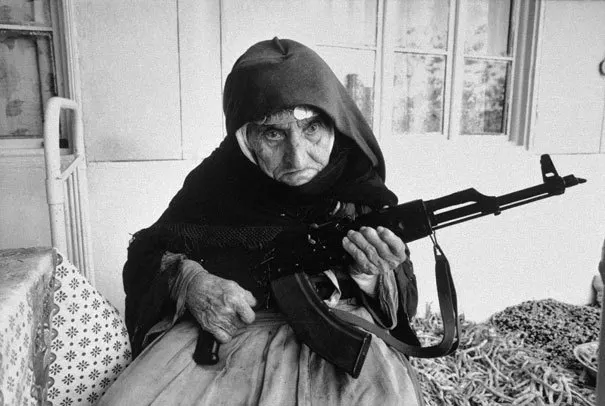
106-year-old Armenian Woman Guards Home, 1990
Captured here: 106-year-old Armenian Woman Guards Home, 1990. It was taken in 1990, and like the best archival images it needs almost no explanation — the frame tells its own story.
The 1990s were the last fully analog decade. The internet was just arriving in homes, film cameras still ruled, and the era's photographs carry the distinct warm grain of late-century color film.
What makes everyday photographs like this one compelling is the details at the edges: the clothes, the signs, the tools, the postures. They preserve texture that history books flatten out.
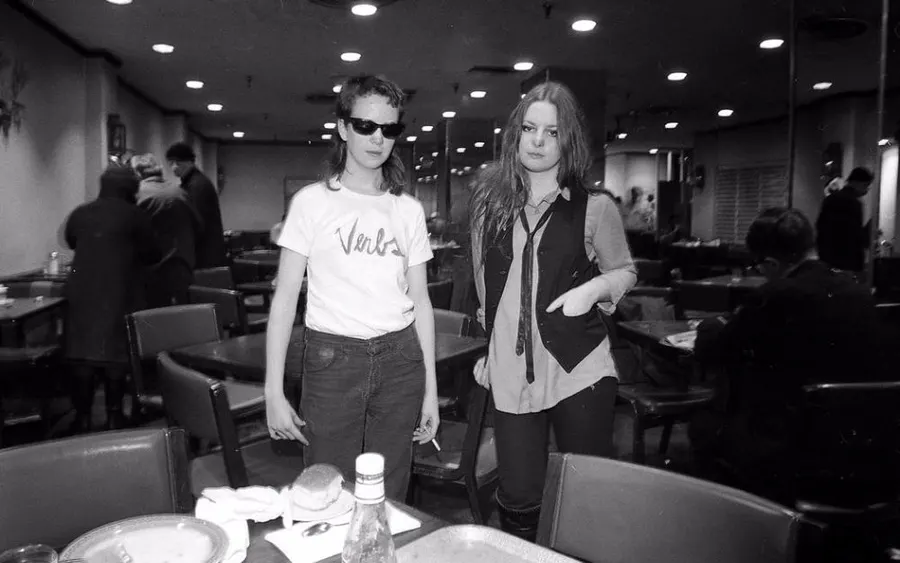
Clare Kearney and Liz Gutekunst of the Cancer Girls. Washington, DC, 1979
The photograph shows Clare Kearney and Liz Gutekunst of the Cancer Girls. Washington, DC, 1979. Made in 1979, it is the kind of image that turns a date in a history book into something you can actually see.
The 1970s had a grittier texture than the decades before it — economic shocks, urban decline, and political distrust, but also bold fashion, muscle cars, and the first stirrings of the digital age. Color film had become cheap and ubiquitous, so the decade survives in vivid Kodachrome hues.
What makes everyday photographs like this one compelling is the details at the edges: the clothes, the signs, the tools, the postures. They preserve texture that history books flatten out.
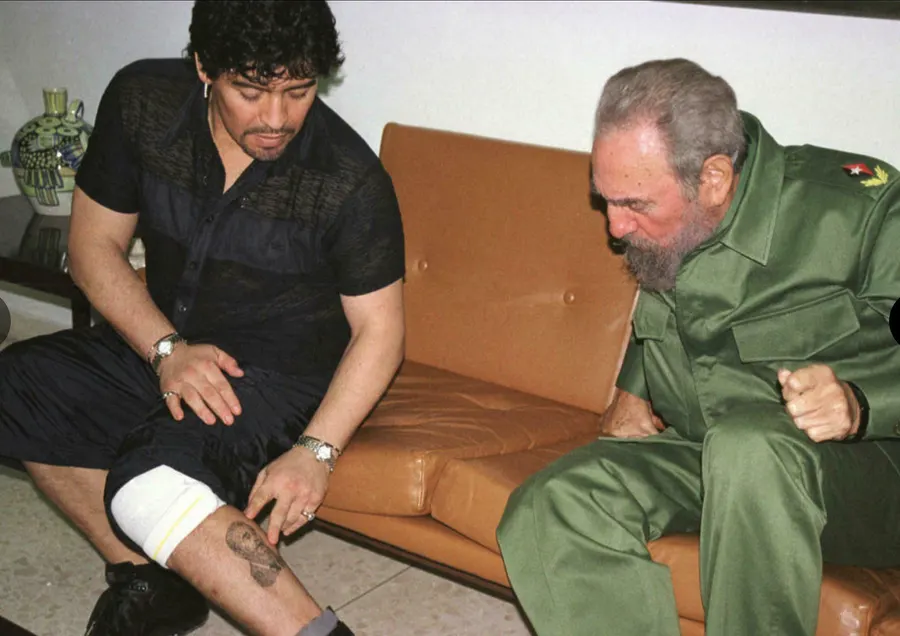
Diego Maradona Showing Off his Fidel Castro Tattoo to Fidel Castro
This picture preserves a moment few cameras ever caught — Diego Maradona Showing Off His Fidel Castro Tattoo To Fidel Castro. It is the kind of image that turns a line in a history book into something you can actually see.
Photography has only existed since 1839, which means the camera-recorded past is a narrow window — and every surviving frame from it is a small act of preservation, whether the photographer knew it or not.
Most photography of the period chased celebrities and headlines, which makes surviving images of daily routine all the more precious. This is what the world actually looked like when nobody thought it was worth remembering.
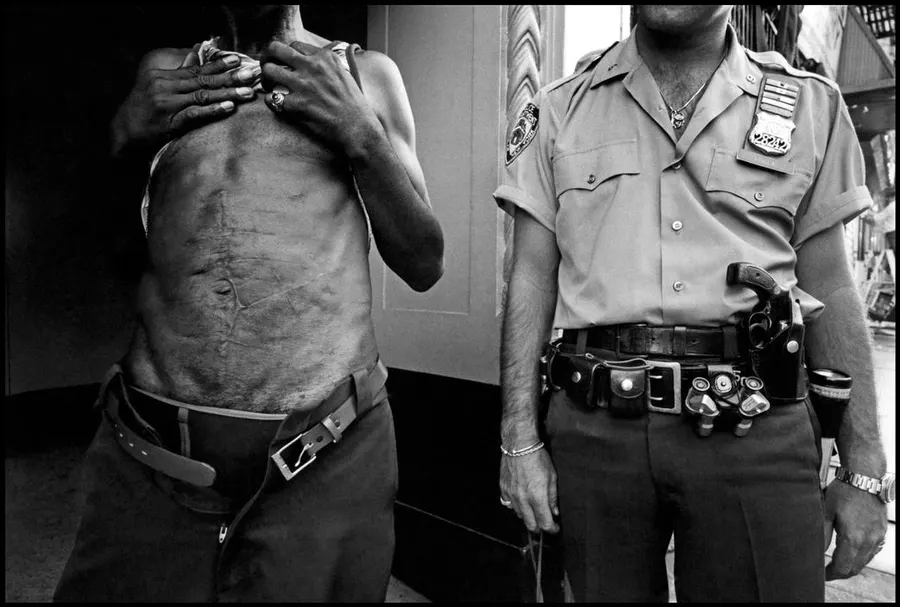
The District Shows Traces of Drug Dealers Stab Wounds He Received
This picture preserves a moment few cameras ever caught — the district shows traces of drug dealers stab wounds he received while working on the street. The area is so dangerous that police are walking around with two guns and a pocket knife. A small pair of binoculars is needed to monitor the drug dealers in the distance. Like the best archival images, it needs almost no explanation — the frame tells its own story.
Photography has only existed since 1839, which means the camera-recorded past is a narrow window — and every surviving frame from it is a small act of preservation, whether the photographer knew it or not.
Pictures of ordinary life are some of the most valuable historical documents we have. Grand events were always going to be recorded, but a normal day — how people worked, dressed, shopped, and passed the time — survives only when someone happened to point a camera at it.
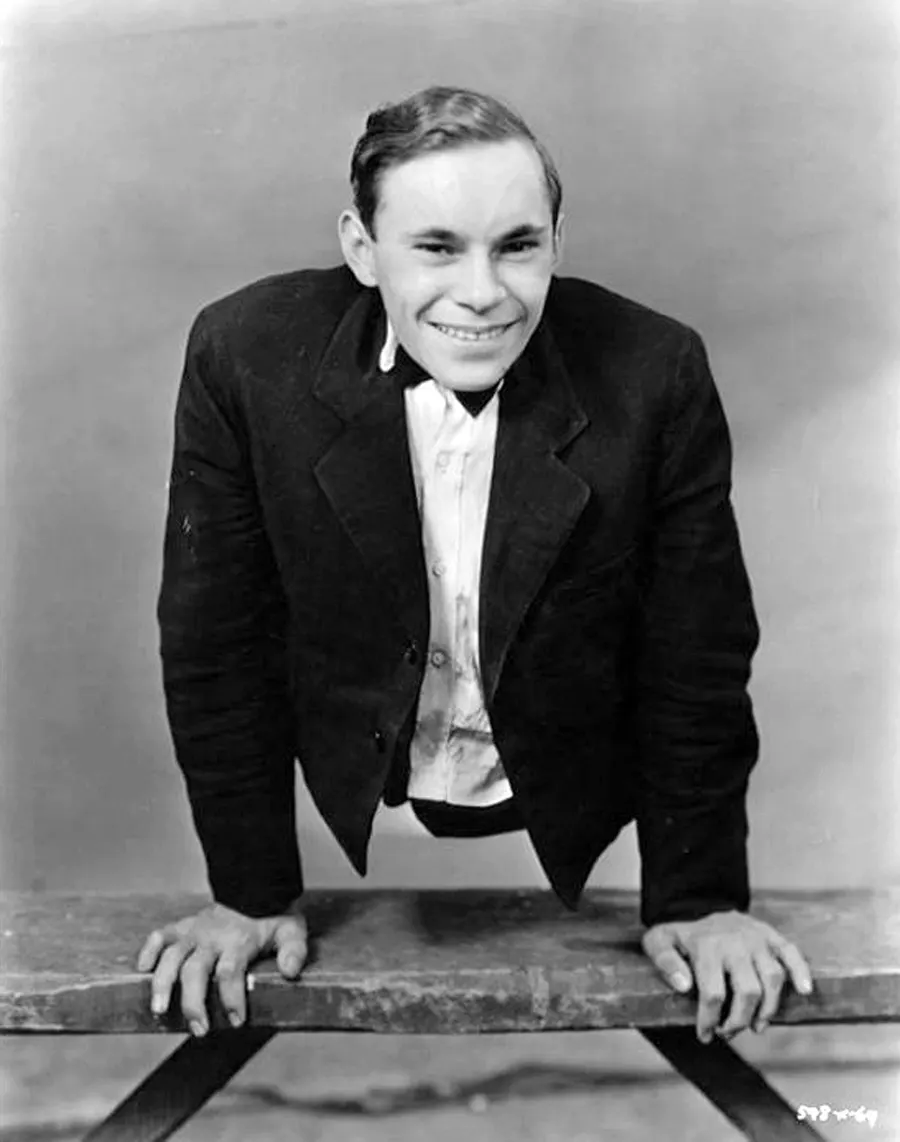
The Man on the Right Is Johnny Eck, a Popular Sideshow Performer Who Was Born
This picture preserves a moment few cameras ever caught — the man on the right is Johnny Eck, a popular sideshow performer who was born without a bottom half. Like the best archival images, it needs almost no explanation — the frame tells its own story.
Photography has only existed since 1839, which means the camera-recorded past is a narrow window — and every surviving frame from it is a small act of preservation, whether the photographer knew it or not.
Pictures of ordinary life are some of the most valuable historical documents we have. Grand events were always going to be recorded, but a normal day — how people worked, dressed, shopped, and passed the time — survives only when someone happened to point a camera at it.
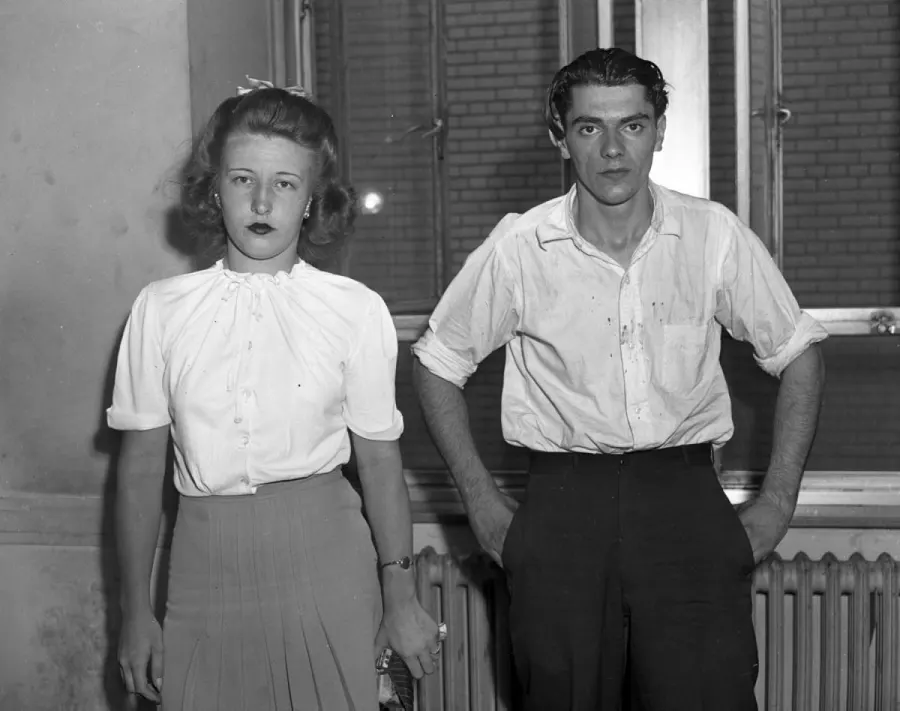
She Stands by her Man, 1944
This picture preserves a moment few cameras ever caught — Mob Moll, 1944: She stands by her man! 19-year-old Virgina Ornmark looks unfazed as she and beau Fred Schmidt, 24, stare blankly at the camera after being arraigned for the murder of a lingerie merchant in 1944. It was taken in 1944, and like the best archival images it needs almost no explanation — the frame tells its own story.
The first half of the 1940s was consumed by the Second World War, the largest conflict in human history, and photography went to war with it — small 35mm cameras and wire services meant pictures from the front could reach newspaper readers within days.
Most photography of the period chased celebrities and headlines, which makes surviving images of daily routine all the more precious. This is what the world actually looked like when nobody thought it was worth remembering.
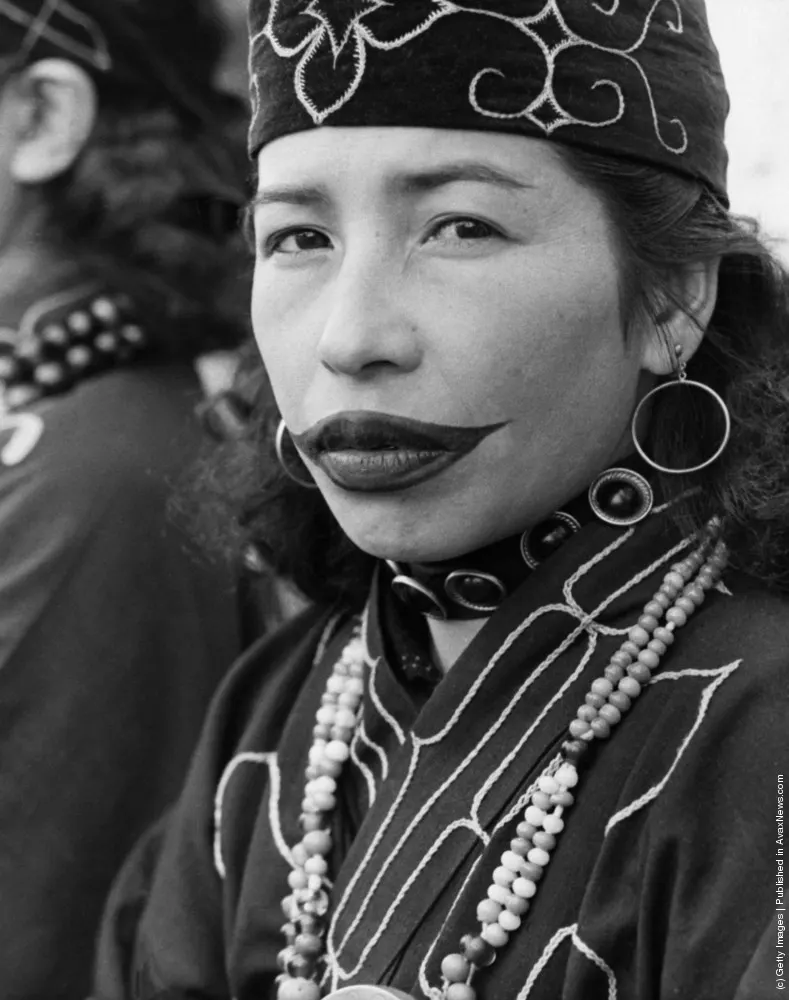
An Ainu Woman from Northern Japan with Tattooed Lips, c. 1960
The photograph shows an Ainu woman from northern Japan with tattooed lips. The upper lip is slashed during childhood and ashes are rubbed in to leave a scar, circa 1960. The scene dates to around 1960, a detail that changes how you read every face and object in the frame.
The 1960s moved fast: the space race put satellites and then astronauts overhead, television replaced print as the main source of news, and social change swept through music, fashion, and politics. Photojournalism was at its peak, with picture magazines and newspapers employing armies of photographers.
Most photography of the period chased celebrities and headlines, which makes surviving images of daily routine all the more precious. This is what the world actually looked like when nobody thought it was worth remembering.
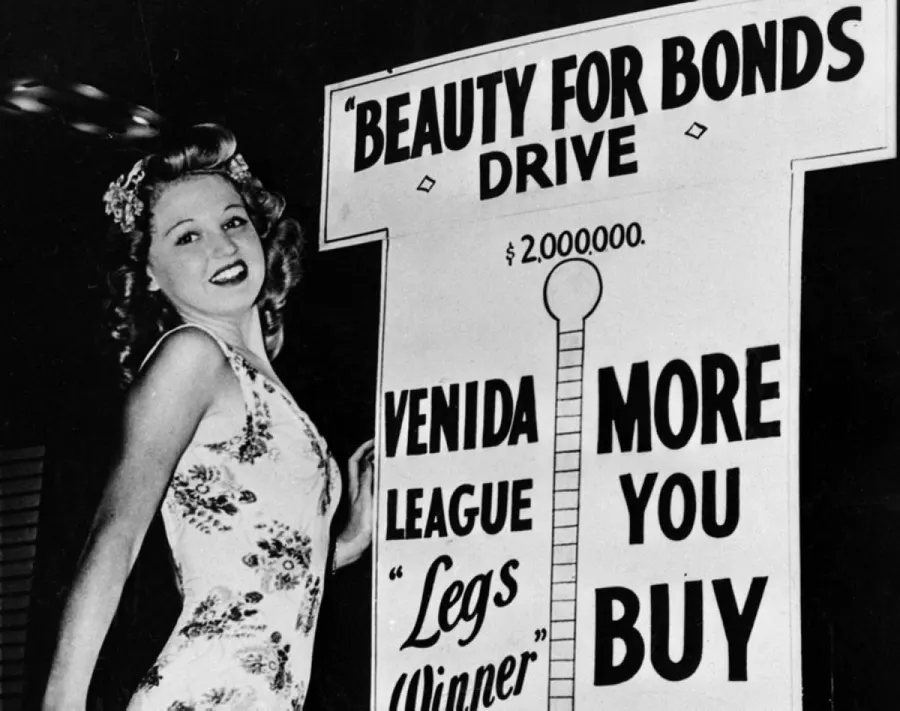
1940s: Janice Drake Holds a Special Place in the Roster of Women Associated
Captured here: Mob Moll: 1940s: Janice Drake holds a special place in the roster of women associated with the mob. A one-time beauty pageant contestant in her youth and former Miss New Jersey, she spent countless nights in clubs and restaurants with some of the most senior figures in organized crime, despite being a wife (to rising nightclub comedian Alan Drake) and mother. Made in the 1940s, it is the kind of image that turns a date in a history book into something you can actually see.
The first half of the 1940s was consumed by the Second World War, the largest conflict in human history, and photography went to war with it — small 35mm cameras and wire services meant pictures from the front could reach newspaper readers within days.
Pictures of ordinary life are some of the most valuable historical documents we have. Grand events were always going to be recorded, but a normal day — how people worked, dressed, shopped, and passed the time — survives only when someone happened to point a camera at it.
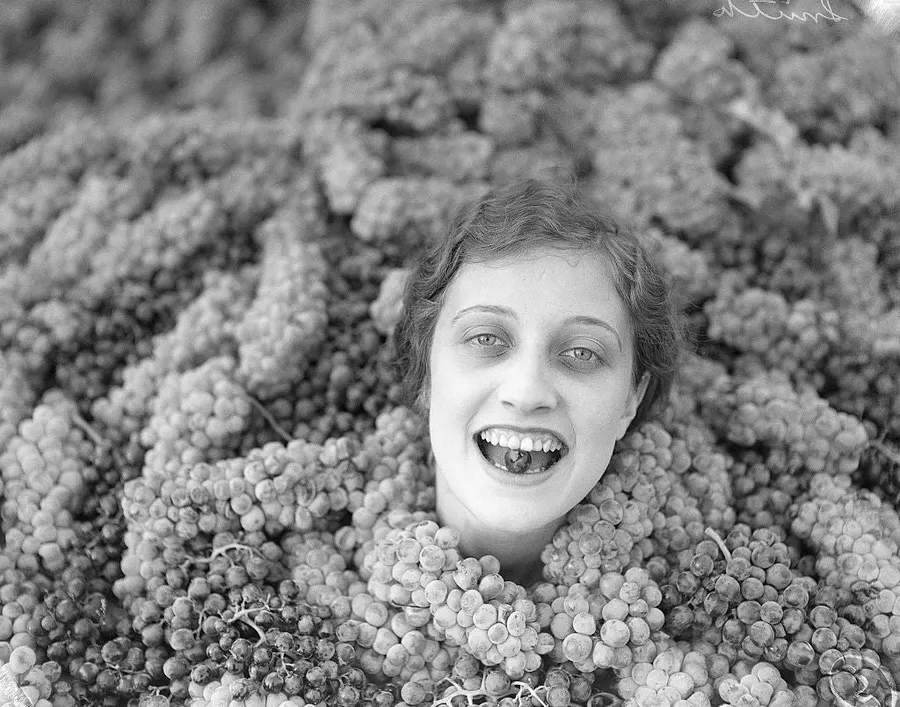
Here's the 1930 "queen of the Vineyards" Wilma Smith Buried Head to Toe
This picture preserves a moment few cameras ever caught — Here's the 1930 "Queen Of The Vineyards" Wilma Smith buried head to toe in a bunch of grapes. It was taken in 1930, and like the best archival images it needs almost no explanation — the frame tells its own story.
The 1930s were shadowed by the Great Depression, which put a quarter of American workers out of a job at its worst point. Yet the same decade produced streamlined trains, record-setting aircraft, grand public works, and a flood of documentary photography as magazines like LIFE sent cameras into everyday America.
History is usually written down long after it happens, but a photograph is made in the moment itself. That immediacy is what keeps images like this one circulating decades after the event they show.
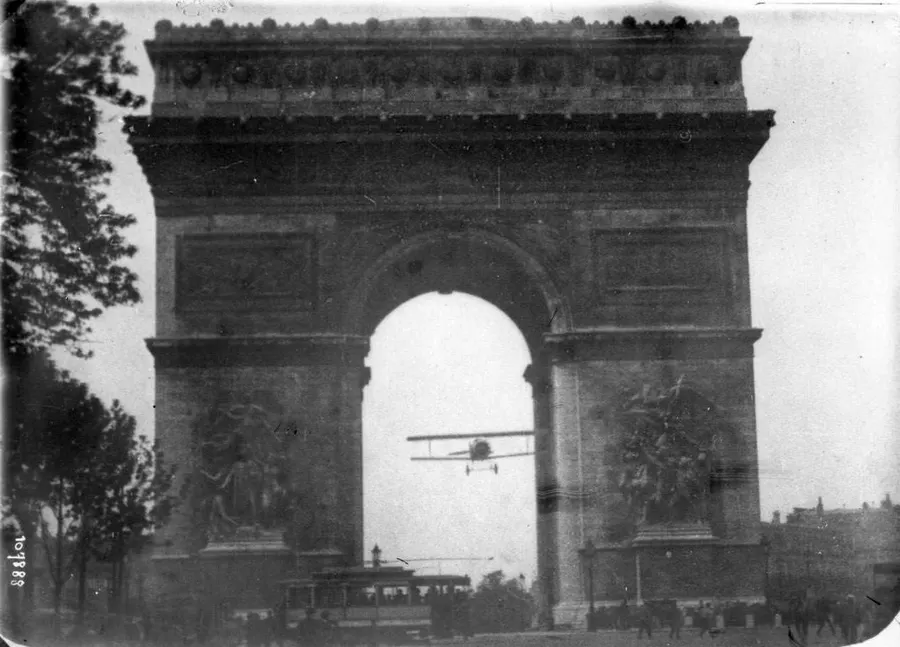
Pilot Charles Godefroy Flying his Plane Through the Arc De Triomphe in Paris
pilot Charles Godefroy flying his plane through the Arc de Triomphe in Paris. It is the kind of image that turns a line in a history book into something you can actually see.
Photography has only existed since 1839, which means the camera-recorded past is a narrow window — and every surviving frame from it is a small act of preservation, whether the photographer knew it or not.
Inventors of this era worked in public, testing their ideas in streets and fields rather than laboratories, and press photographers loved them for it. Images like this one document how much trial and error sits underneath the technology we now take for granted.
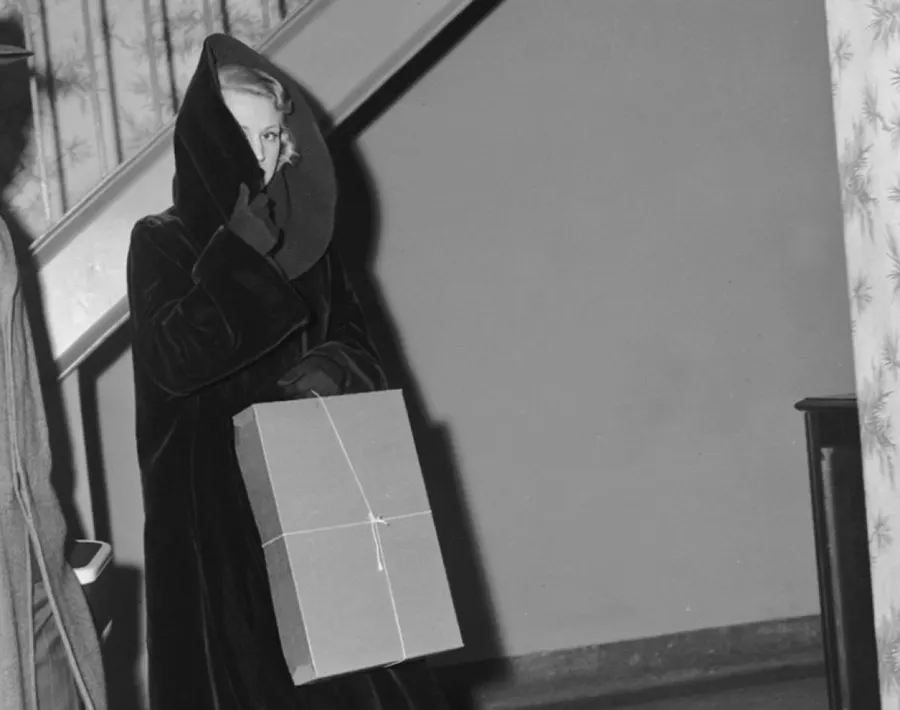
Twice Drake Dined with Men Who Were Gunned Down the Following Day, 1952
This picture preserves a moment few cameras ever caught — Mob Moll, 1952: Twice Drake dined with men who were gunned down the following day. Here, the moll is photographed in 1952 as police take her into questioning after playboy Garment District boss Nat Nelson was murdered in a mob assassination hours after he was seen out with her. The scene dates to 1952, a detail that changes how you read every face and object in the frame.
The 1950s brought a wave of postwar prosperity, especially in North America. Suburbs, television sets, big chrome-trimmed cars, and rock and roll defined the decade, and a booming picture-magazine industry sent photographers to document all of it.
News photographs from this period traveled by wire and print, and a single strong image could shape how millions of people understood an event. This picture is one of the frames that did that work.
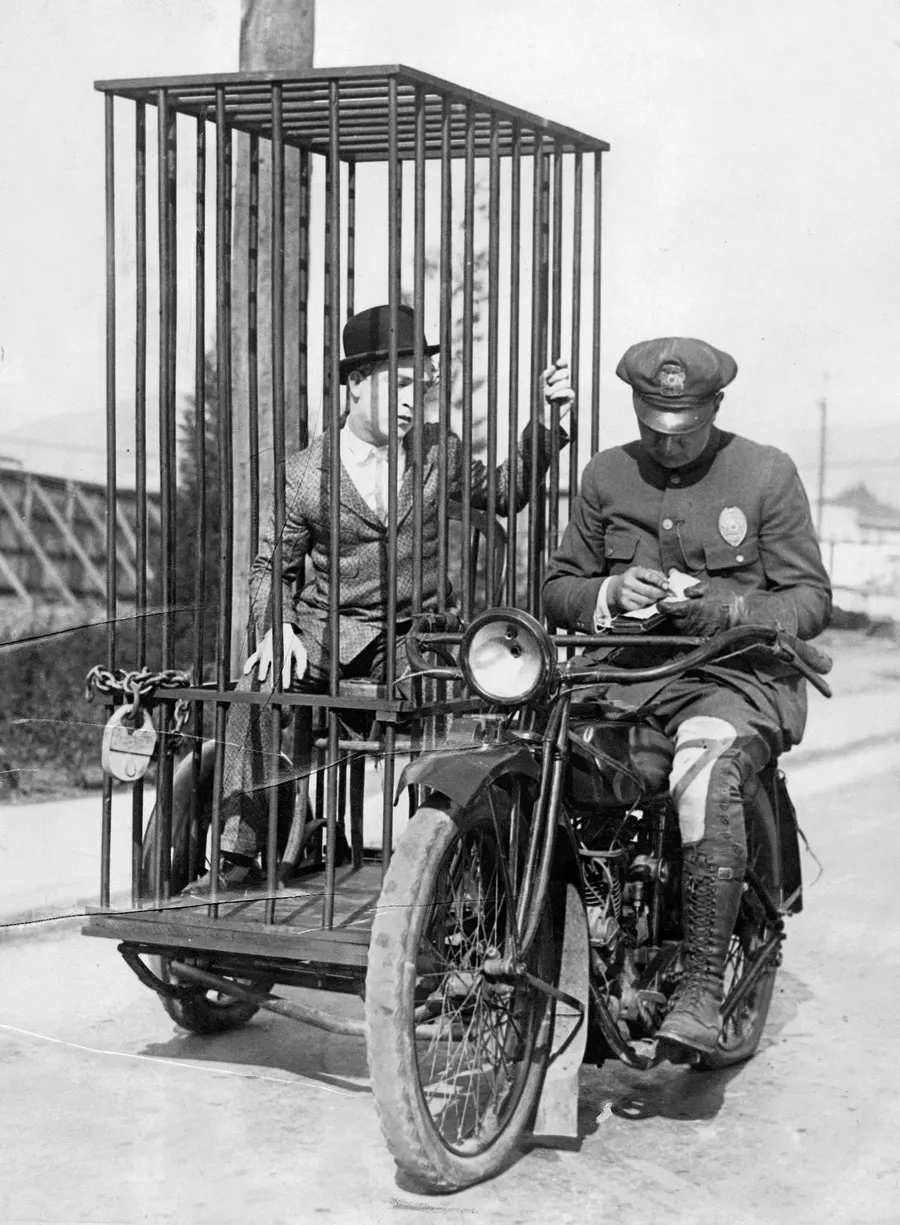
This Was a Short-lived Way to Transport Prisoners on Motorcycle
The photograph shows this was a short-lived way to transport prisoners on motorcycle. It is the kind of image that turns a line in a history book into something you can actually see.
Photography has only existed since 1839, which means the camera-recorded past is a narrow window — and every surviving frame from it is a small act of preservation, whether the photographer knew it or not.
What makes everyday photographs like this one compelling is the details at the edges: the clothes, the signs, the tools, the postures. They preserve texture that history books flatten out.
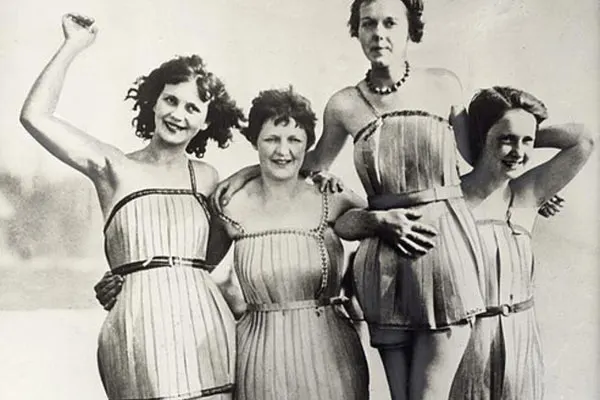
Wooden Bathing Suits
Wooden Bathing Suits: Here’s one retro trend we don’t think will come back in style: wooden bathing suits. Like the best archival images, it needs almost no explanation — the frame tells its own story.
Wooden bathing suits appeared as a publicity stunt from the timber town of Hoquiam, Washington, around 1929, promoted as a novelty product made from thin spruce veneer. They were photographed widely and made for great newspaper copy, though as swimwear they were about as practical as they sound.
The strangest historical photos are rarely staged jokes — they usually show a real solution to a real problem of their day. Understanding why this scene made sense to the people in it is half the fun of looking at it.
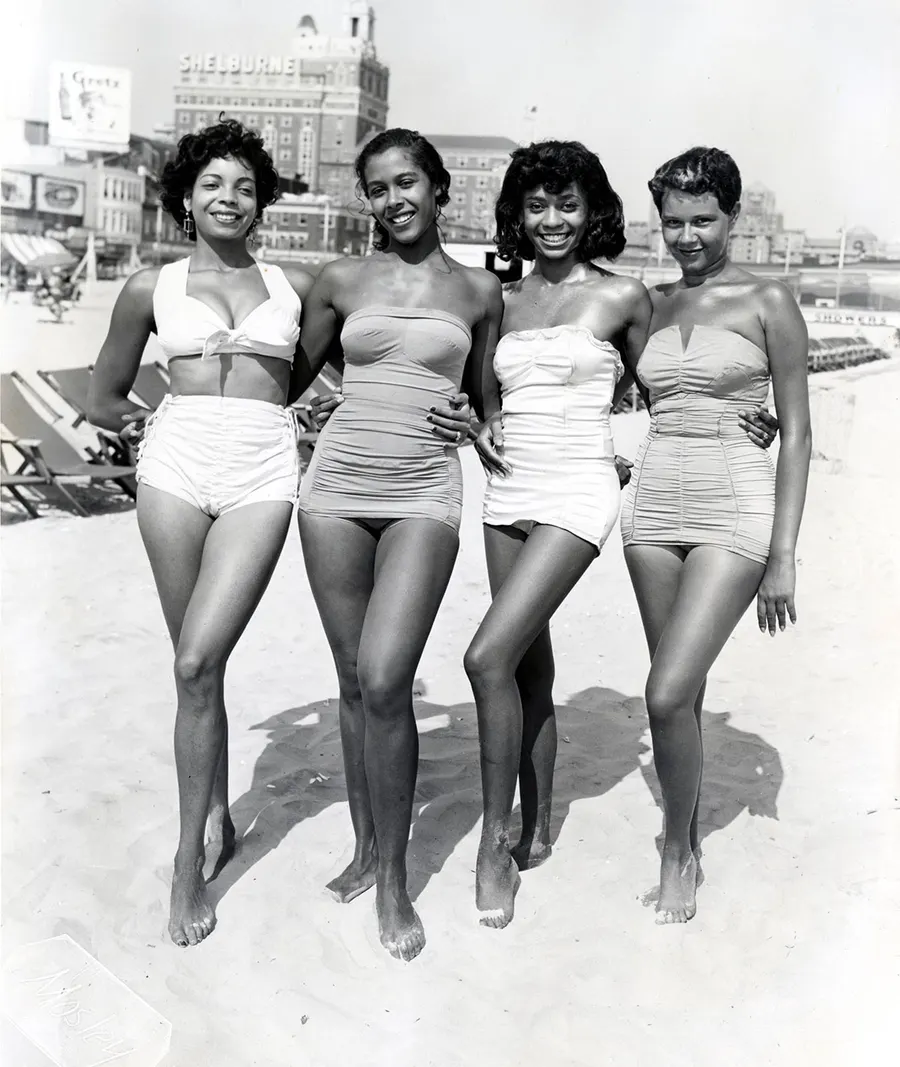
Group of Friends Enjoys the Beach and Sun in the 1940s
Group Of Friends Enjoys The Beach And Sun In The 1940s. Made in the 1940s, it is the kind of image that turns a date in a history book into something you can actually see.
The first half of the 1940s was consumed by the Second World War, the largest conflict in human history, and photography went to war with it — small 35mm cameras and wire services meant pictures from the front could reach newspaper readers within days.
Pictures of ordinary life are some of the most valuable historical documents we have. Grand events were always going to be recorded, but a normal day — how people worked, dressed, shopped, and passed the time — survives only when someone happened to point a camera at it.
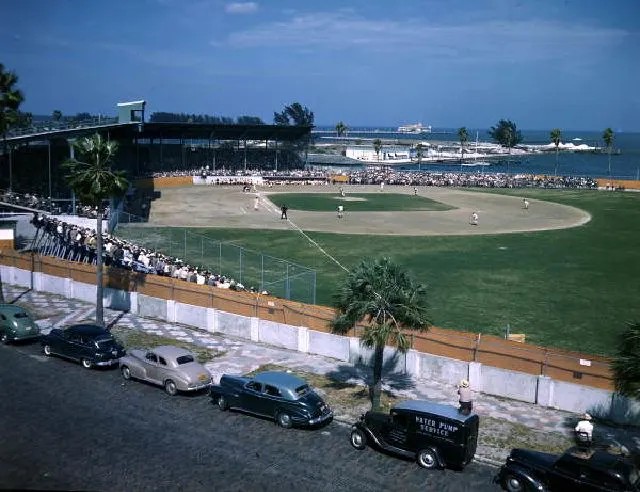
Baseball Game at Al Lang Field in St. Petersburg, Florida, Circa 1950
Baseball game at Al Lang Field in St. Petersburg, Florida, circa 1950. The scene dates to around 1950, a detail that changes how you read every face and object in the frame.
The 1950s brought a wave of postwar prosperity, especially in North America. Suburbs, television sets, big chrome-trimmed cars, and rock and roll defined the decade, and a booming picture-magazine industry sent photographers to document all of it.
What makes everyday photographs like this one compelling is the details at the edges: the clothes, the signs, the tools, the postures. They preserve texture that history books flatten out.
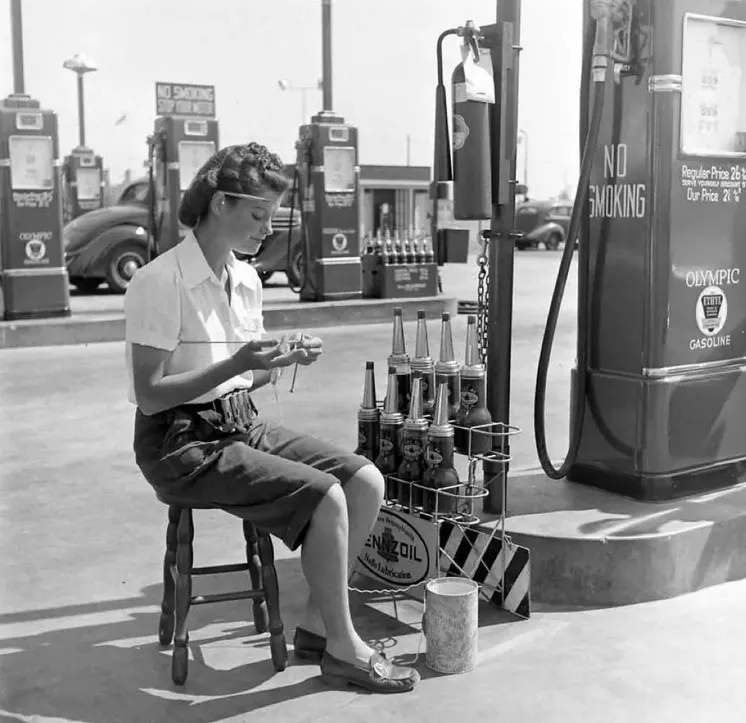
A Female Gas Station Attendant Working in Los Angeles, 1948
The photograph shows a Female Gas Station Attendant Working In Los Angeles, 1948. The scene dates to 1948, a detail that changes how you read every face and object in the frame.
The first half of the 1940s was consumed by the Second World War, the largest conflict in human history, and photography went to war with it — small 35mm cameras and wire services meant pictures from the front could reach newspaper readers within days.
Most photography of the period chased celebrities and headlines, which makes surviving images of daily routine all the more precious. This is what the world actually looked like when nobody thought it was worth remembering.
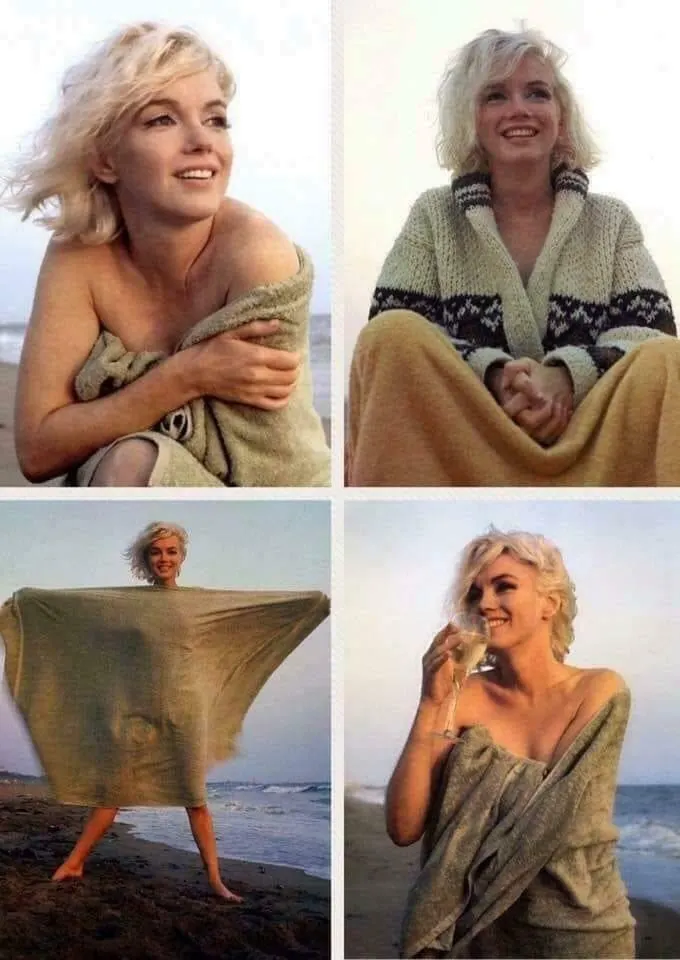
Marilyn Monroe's Last Photo Shoot, 1962
Captured here: Marilyn Monroe's Last Photo Shoot. These Photos Were Taken On Santa Monica Beach By Photographer George Barris 3 Weeks Before His Death. USA. 1962. It was taken in 1962, and like the best archival images it needs almost no explanation — the frame tells its own story.
The 1960s moved fast: the space race put satellites and then astronauts overhead, television replaced print as the main source of news, and social change swept through music, fashion, and politics. Photojournalism was at its peak, with picture magazines and newspapers employing armies of photographers.
What makes everyday photographs like this one compelling is the details at the edges: the clothes, the signs, the tools, the postures. They preserve texture that history books flatten out.
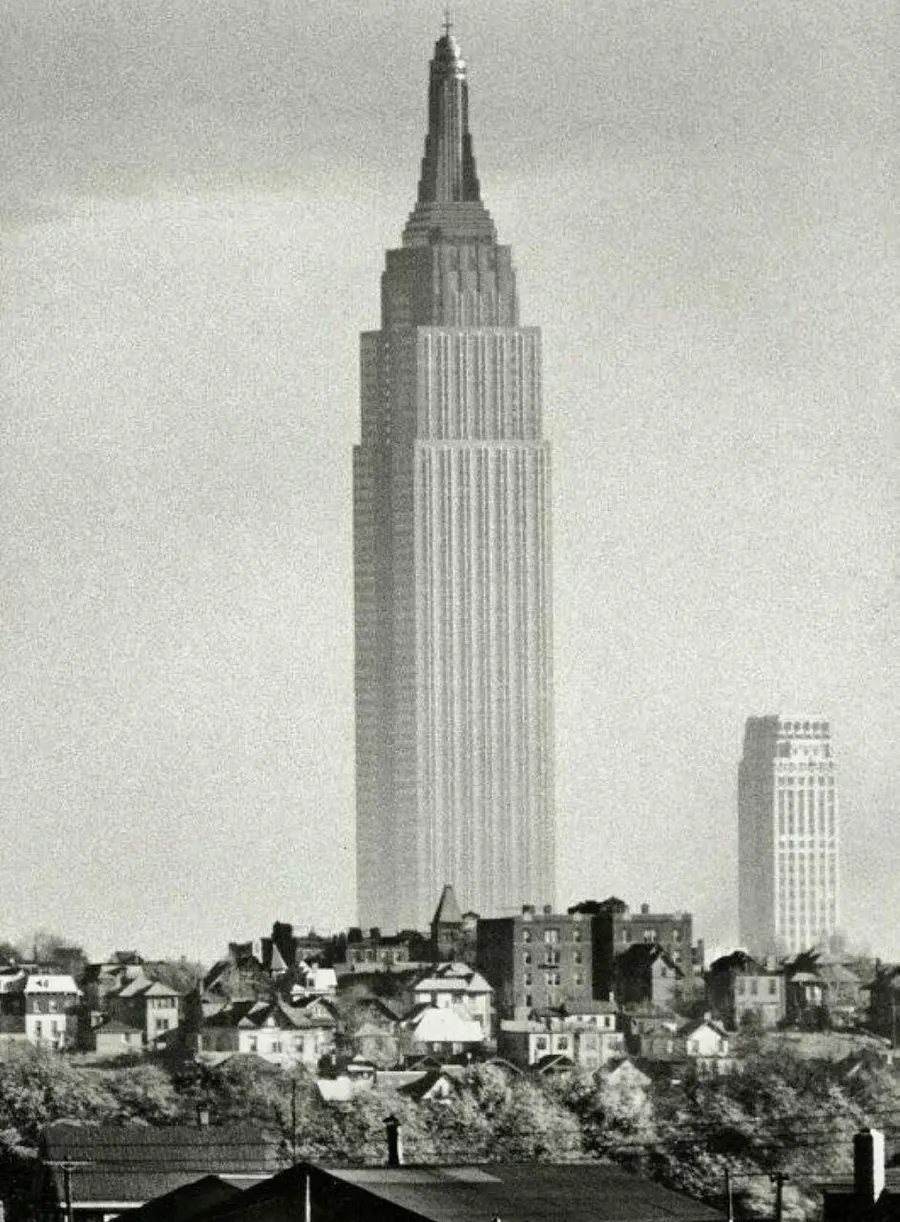
What the Empire State Building Looked Like Against the Background of Other, 1941
What The Empire State Building Looked Like Against The Background Of Other Buildings, 1941. Made in 1941, it is the kind of image that turns a date in a history book into something you can actually see.
The first half of the 1940s was consumed by the Second World War, the largest conflict in human history, and photography went to war with it — small 35mm cameras and wire services meant pictures from the front could reach newspaper readers within days.
Most photography of the period chased celebrities and headlines, which makes surviving images of daily routine all the more precious. This is what the world actually looked like when nobody thought it was worth remembering.
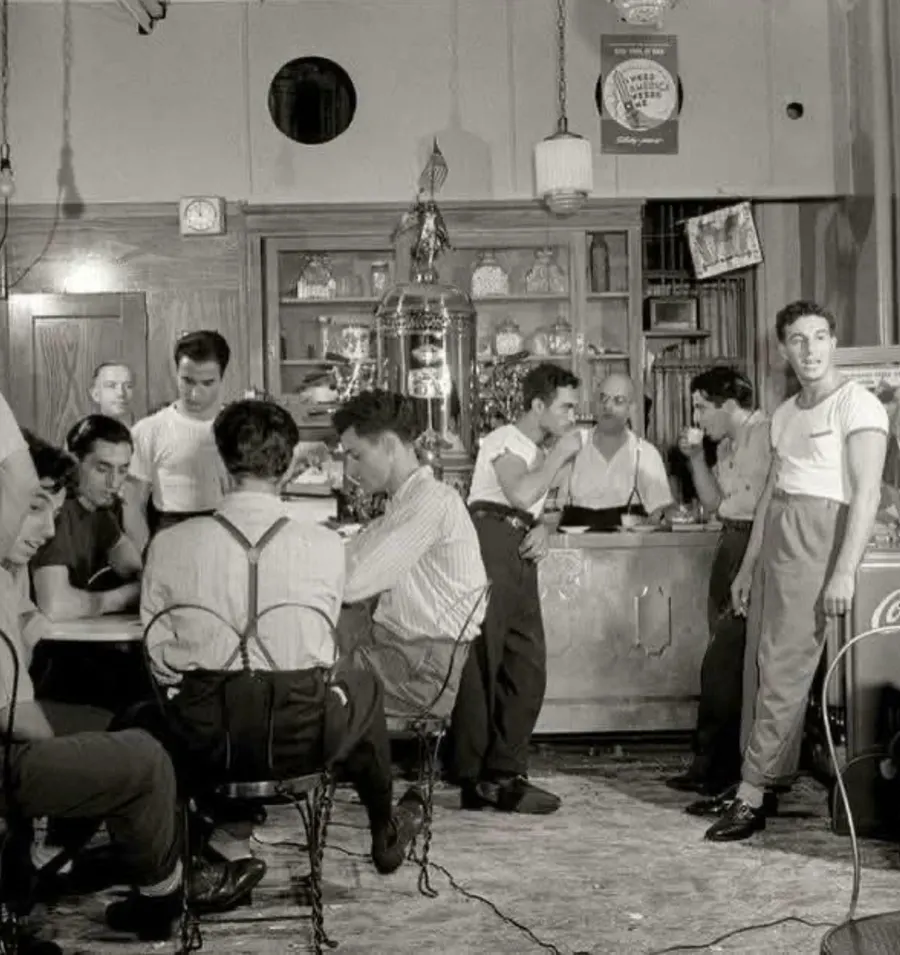
An Italian-american Cafe, Little Italy, New York City, 1942
Captured here: an Italian-American Cafe, Little Italy, New York City, 1942. The scene dates to 1942, a detail that changes how you read every face and object in the frame.
The first half of the 1940s was consumed by the Second World War, the largest conflict in human history, and photography went to war with it — small 35mm cameras and wire services meant pictures from the front could reach newspaper readers within days.
Most photography of the period chased celebrities and headlines, which makes surviving images of daily routine all the more precious. This is what the world actually looked like when nobody thought it was worth remembering.
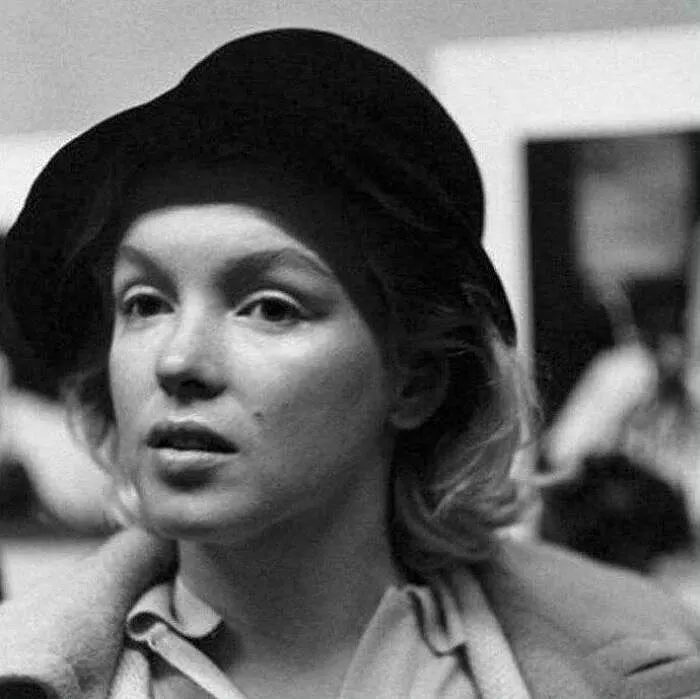
Rare Photograph of Marilyn Monroe Without Makeup, 1955
This picture preserves a moment few cameras ever caught — Rare Photograph Of Marilyn Monroe Without Makeup, 1955. Made in 1955, it is the kind of image that turns a date in a history book into something you can actually see.
The 1950s brought a wave of postwar prosperity, especially in North America. Suburbs, television sets, big chrome-trimmed cars, and rock and roll defined the decade, and a booming picture-magazine industry sent photographers to document all of it.
What makes everyday photographs like this one compelling is the details at the edges: the clothes, the signs, the tools, the postures. They preserve texture that history books flatten out.
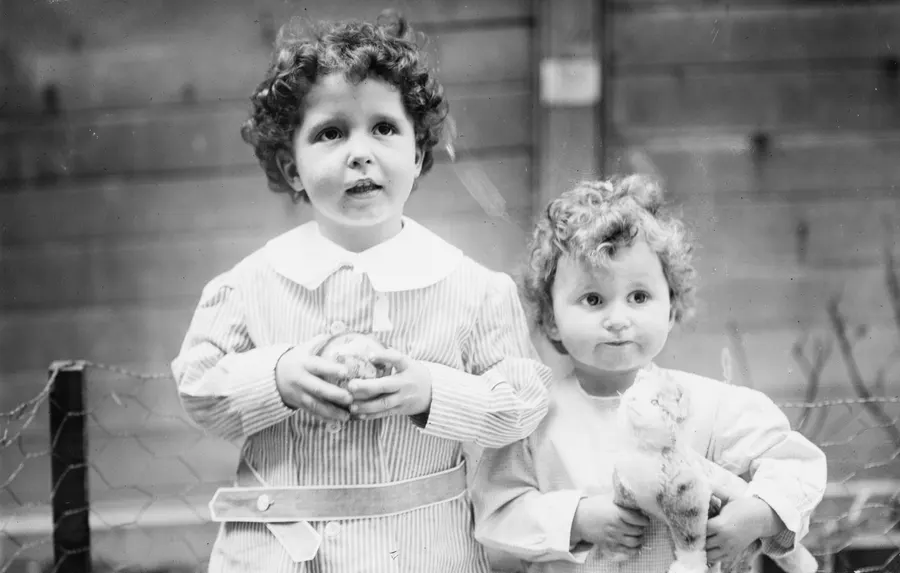
Titanic Orphans, Brothers Michel and Edmond Navratil, 1912
This picture preserves a moment few cameras ever caught — Titanic Orphans, Brothers Michel And Edmond Navratil, 1912. They Were The Only Children To Be Rescued From The Titanic Without A Parent Or Guardian. The scene dates to 1912, a detail that changes how you read every face and object in the frame.
RMS Titanic struck an iceberg on the night of April 14, 1912, and sank in the early hours of the next morning on her maiden voyage from Southampton to New York. More than 1,500 people died. The disaster dominated newspapers on both sides of the Atlantic for weeks and led to sweeping changes in maritime law, including lifeboats for all aboard and the round-the-clock radio watch.
Moments like this one were captured by photographers who often had a single chance to get the shot — no second takes, no digital preview. That is part of why these frames carry such weight: each one is a split second of real history, fixed for good.
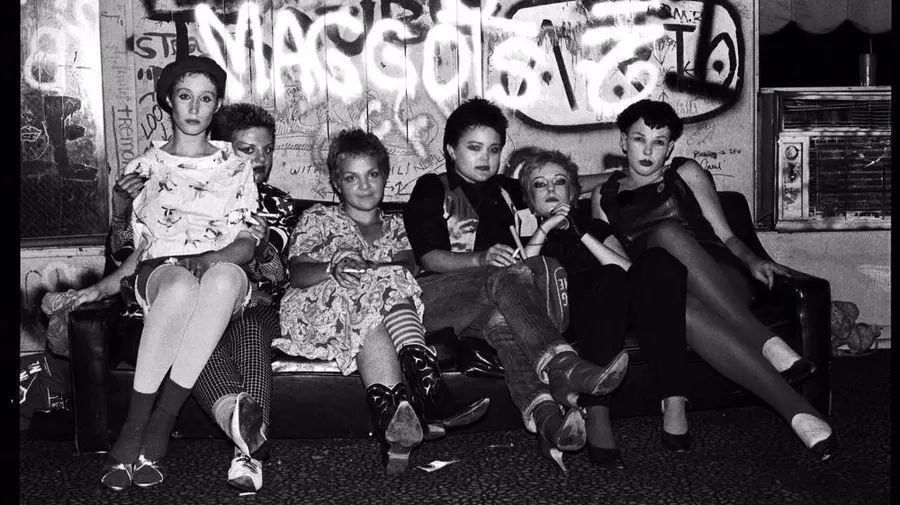
Punk Girls with Belinda Carlisle from the Go-go’s in the Center, 1978
Punk girls with Belinda Carlisle from the Go-Go’s in the center. Los Angeles, 1978. It was taken in 1978, and like the best archival images it needs almost no explanation — the frame tells its own story.
The 1970s had a grittier texture than the decades before it — economic shocks, urban decline, and political distrust, but also bold fashion, muscle cars, and the first stirrings of the digital age. Color film had become cheap and ubiquitous, so the decade survives in vivid Kodachrome hues.
What makes everyday photographs like this one compelling is the details at the edges: the clothes, the signs, the tools, the postures. They preserve texture that history books flatten out.
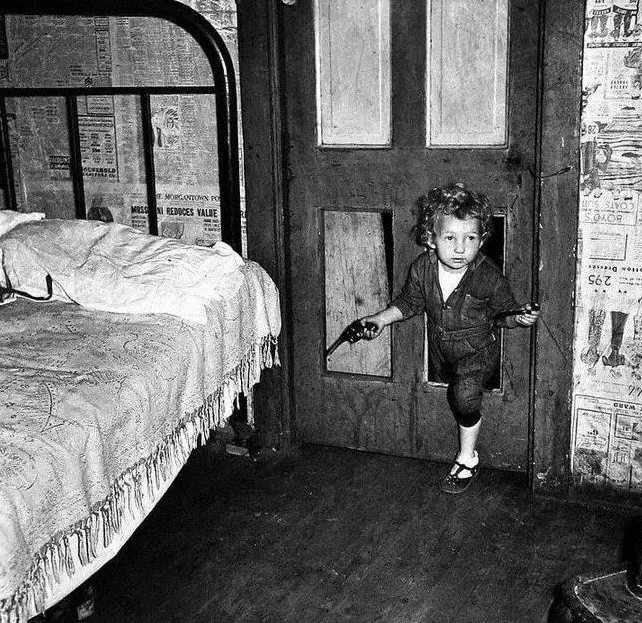
In Bertha Hill, West Virginia, a Coal Miner's Child Is Seen Holding a Smoking, 1938
The photograph shows In Bertha Hill, West Virginia, A Coal Miner's Child Is Seen Holding A Smoking Pipe In One Hand And A Gun In The Other, Using A Hole In The Door To Enter A Bedroom. Captured By Marion Post Wolcott In 1938. It was taken in 1938, and like the best archival images it needs almost no explanation — the frame tells its own story.
The 1930s were shadowed by the Great Depression, which put a quarter of American workers out of a job at its worst point. Yet the same decade produced streamlined trains, record-setting aircraft, grand public works, and a flood of documentary photography as magazines like LIFE sent cameras into everyday America.
What makes everyday photographs like this one compelling is the details at the edges: the clothes, the signs, the tools, the postures. They preserve texture that history books flatten out.
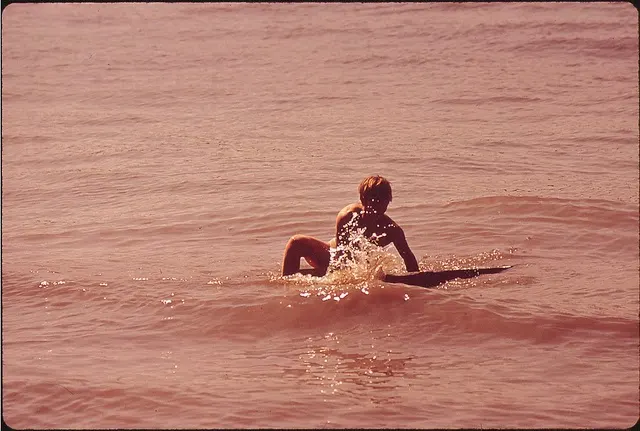
Kentucky - Near Louisville, June 1972
Captured here: Kentucky - Near Louisville, June 1972. It was taken in 1972, and like the best archival images it needs almost no explanation — the frame tells its own story.
The 1970s had a grittier texture than the decades before it — economic shocks, urban decline, and political distrust, but also bold fashion, muscle cars, and the first stirrings of the digital age. Color film had become cheap and ubiquitous, so the decade survives in vivid Kodachrome hues.
Most photography of the period chased celebrities and headlines, which makes surviving images of daily routine all the more precious. This is what the world actually looked like when nobody thought it was worth remembering.
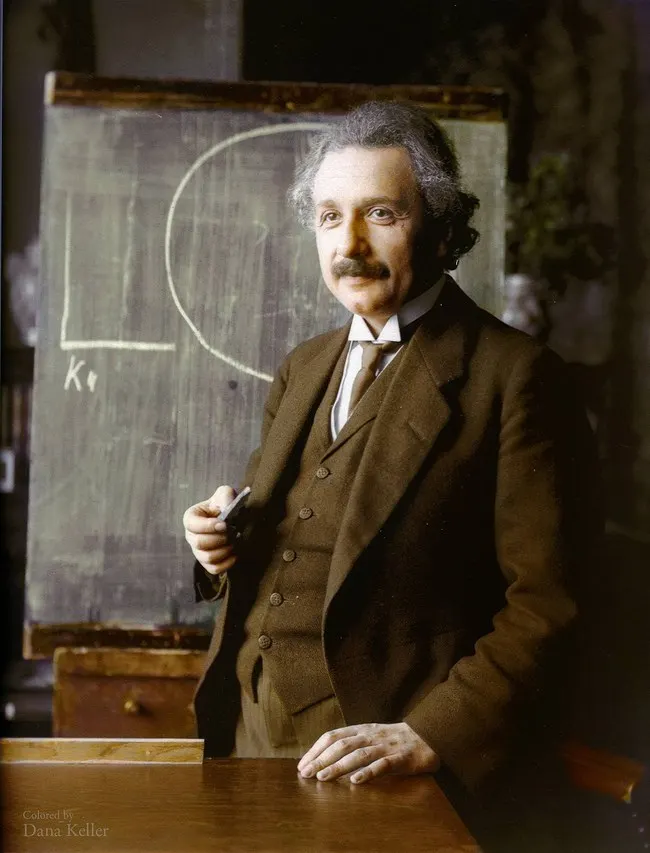
Colorized Photo of Albert Einstein
Colorized Photo of Albert Einstein. Like the best archival images, it needs almost no explanation — the frame tells its own story.
Albert Einstein became, almost against his will, the first scientific celebrity of the photographic age. After British astronomers confirmed his general theory of relativity in 1919, newspapers made his face world-famous, and photographers followed him for the rest of his life — which is why so many candid, humanizing pictures of him exist.
Most photography of the period chased celebrities and headlines, which makes surviving images of daily routine all the more precious. This is what the world actually looked like when nobody thought it was worth remembering.
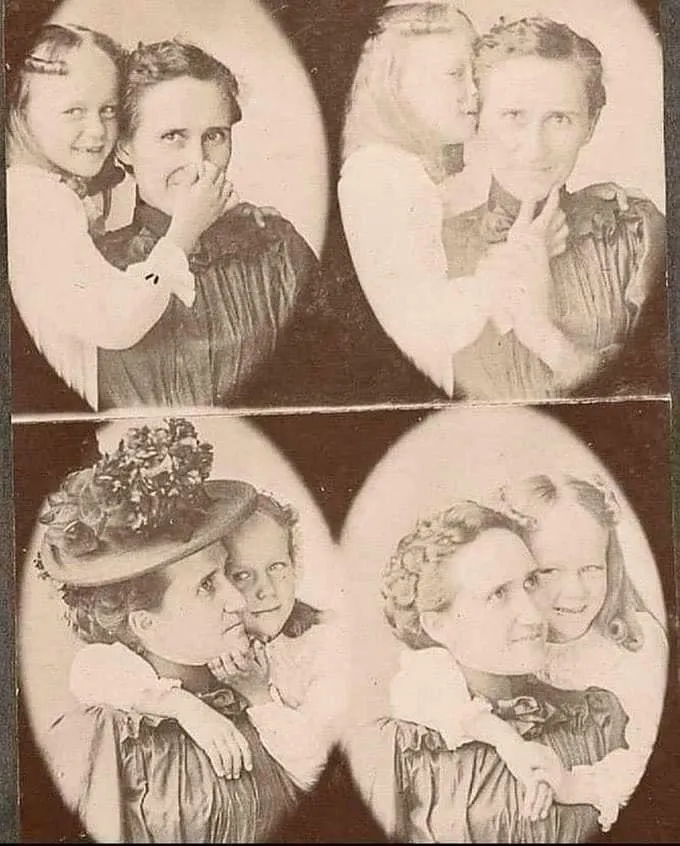
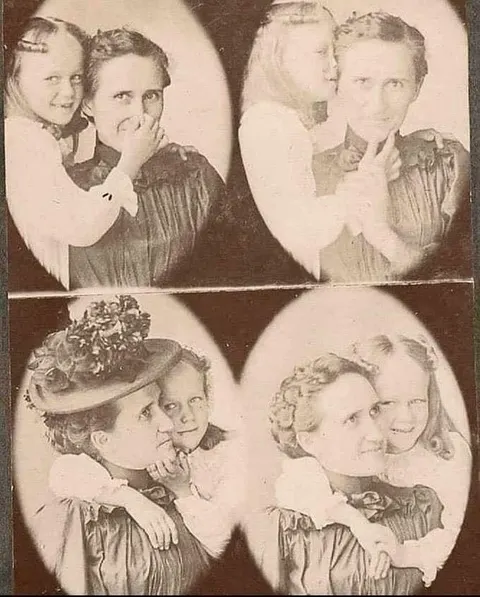
A Mother and Daughter Hamming It up for the Camera, Ca 1900
Captured here: a Mother And Daughter Hamming It Up For The Camera, Ca 1900. The scene dates to around 1900, a detail that changes how you read every face and object in the frame.
The first years of the twentieth century were an age of confident invention. Powered flight arrived with the Wright brothers in 1903, automobiles were leaving the curiosity stage, and cities were filling with electric light, elevators, and streetcars — all of it documented by a new generation of press photographers.
Most photography of the period chased celebrities and headlines, which makes surviving images of daily routine all the more precious. This is what the world actually looked like when nobody thought it was worth remembering.
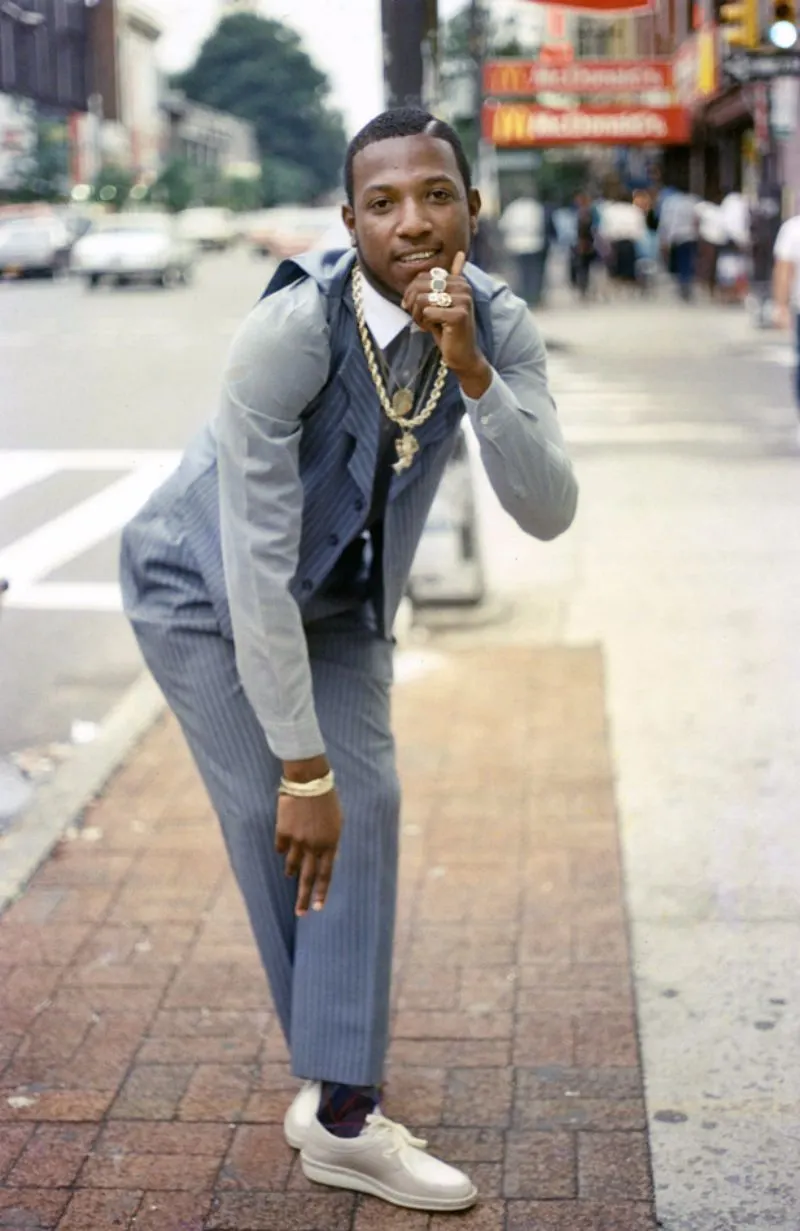
A Man Strikes a Pose in Brooklyn
A man strikes a pose in Brooklyn. It is the kind of image that turns a line in a history book into something you can actually see.
Photography has only existed since 1839, which means the camera-recorded past is a narrow window — and every surviving frame from it is a small act of preservation, whether the photographer knew it or not.
Pictures of ordinary life are some of the most valuable historical documents we have. Grand events were always going to be recorded, but a normal day — how people worked, dressed, shopped, and passed the time — survives only when someone happened to point a camera at it.
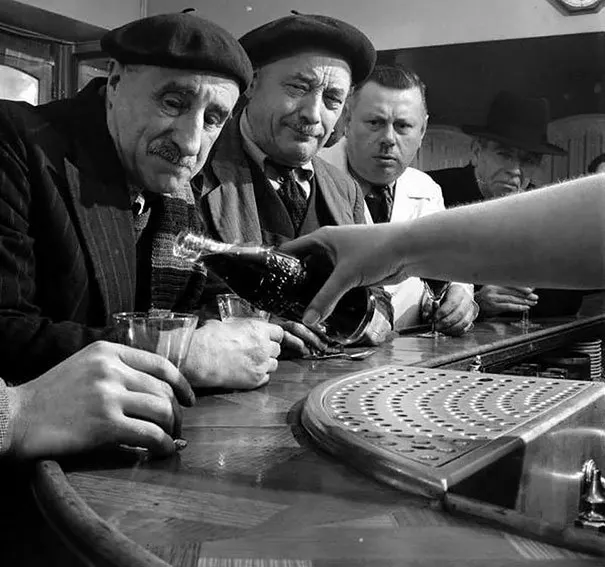
Coca-cola Comes to France, 1950
Coca-Cola Comes To France, 1950. Made in 1950, it is the kind of image that turns a date in a history book into something you can actually see.
Coca-Cola's postwar arrival in France was genuinely controversial. Communist politicians and some wine growers campaigned against what critics called "Coca-Colonization," warning that American soft drinks would undermine French culture. The French parliament even debated a bill in 1950 that could have banned the drink. Coca-Cola stayed, and the episode became a famous chapter in the story of American brands abroad.
Pictures of ordinary life are some of the most valuable historical documents we have. Grand events were always going to be recorded, but a normal day — how people worked, dressed, shopped, and passed the time — survives only when someone happened to point a camera at it.
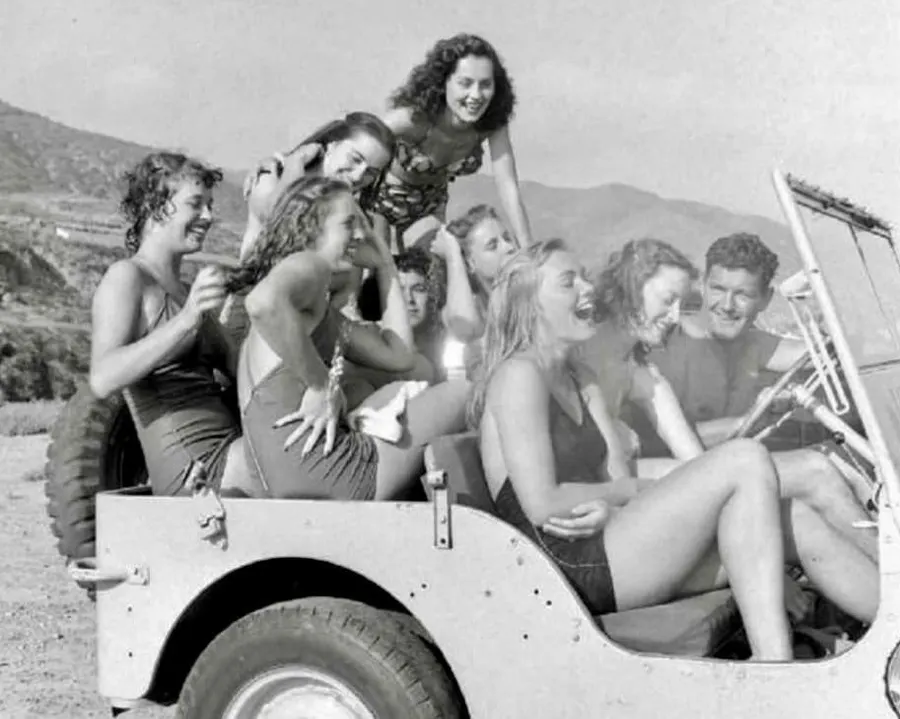
Lucky Jeep Owner, 1950s
The photograph shows Lucky Jeep Owner, 1950s. It was taken in the 1950s, and like the best archival images it needs almost no explanation — the frame tells its own story.
The 1950s brought a wave of postwar prosperity, especially in North America. Suburbs, television sets, big chrome-trimmed cars, and rock and roll defined the decade, and a booming picture-magazine industry sent photographers to document all of it.
Most photography of the period chased celebrities and headlines, which makes surviving images of daily routine all the more precious. This is what the world actually looked like when nobody thought it was worth remembering.
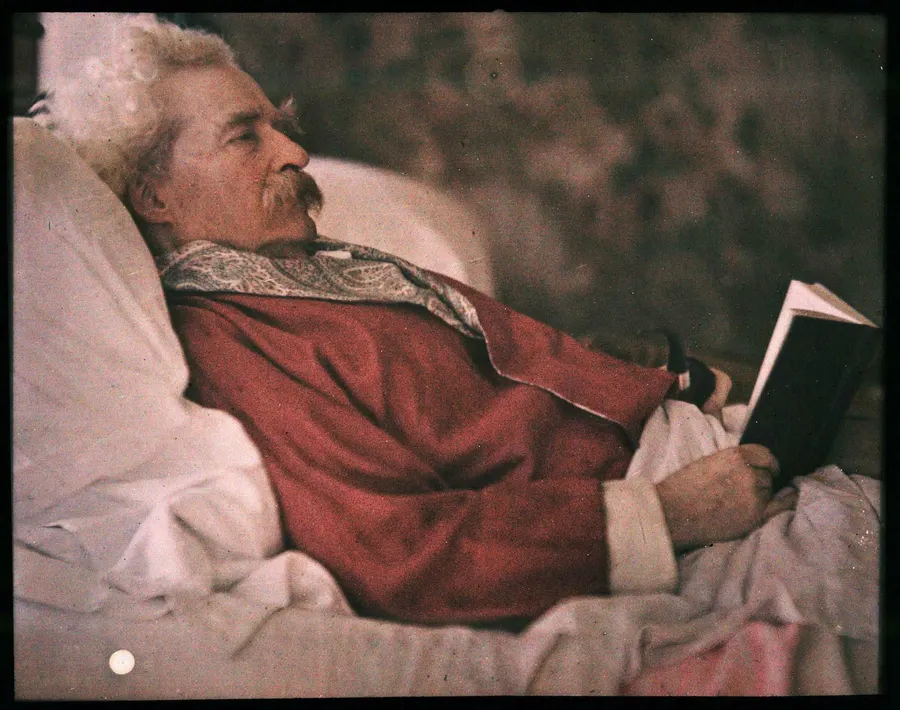
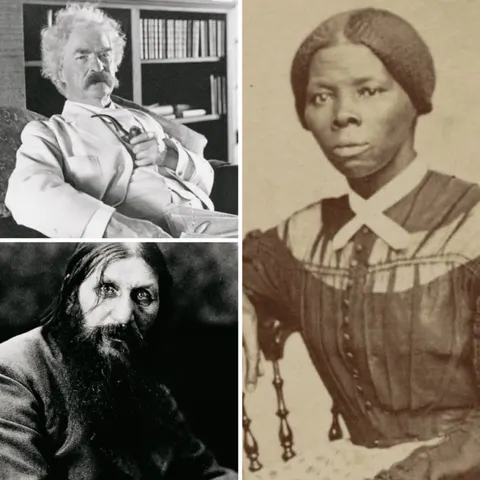
Mark Twain Lying in his Bed at Home in 1909, He Died the Year After
This picture preserves a moment few cameras ever caught — Mark Twain Lying In His Bed At Home In 1909, He Died The Year After. Not Colorized, This Is Autochrome Lumiere. It was taken in 1909, and like the best archival images it needs almost no explanation — the frame tells its own story.
The first years of the twentieth century were an age of confident invention. Powered flight arrived with the Wright brothers in 1903, automobiles were leaving the curiosity stage, and cities were filling with electric light, elevators, and streetcars — all of it documented by a new generation of press photographers.
Most photography of the period chased celebrities and headlines, which makes surviving images of daily routine all the more precious. This is what the world actually looked like when nobody thought it was worth remembering.
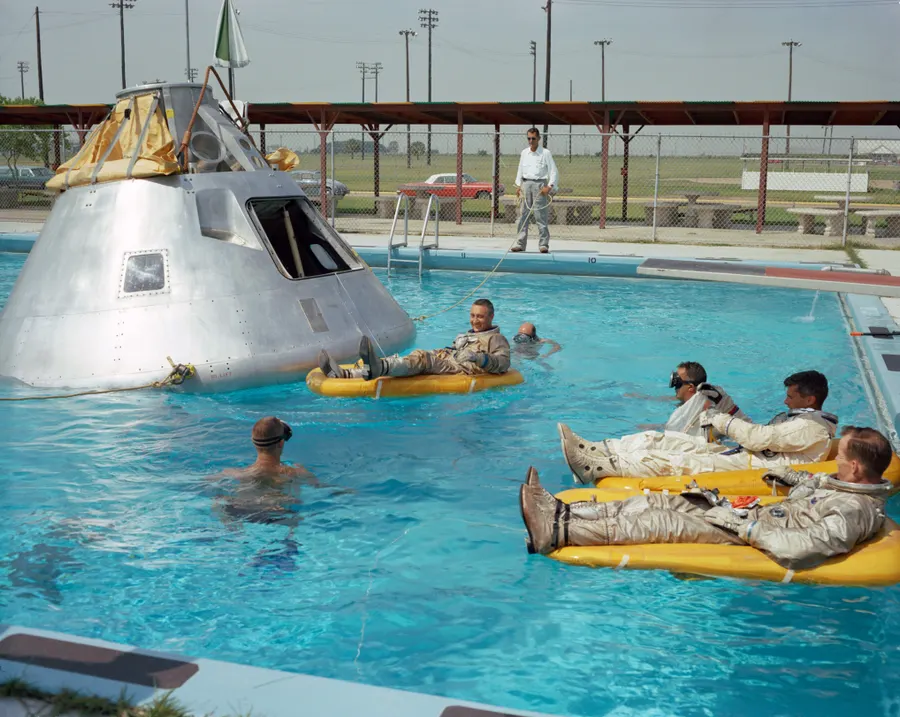
The Crew of Apollo 1 Relaxing During Training, 1966
The photograph shows The Crew Of Apollo 1 Relaxing During Training, 1966. Sadly, A Cabin Fire Would Later Claim The Lives Of All Three Crew Members. The scene dates to 1966, a detail that changes how you read every face and object in the frame.
The 1960s moved fast: the space race put satellites and then astronauts overhead, television replaced print as the main source of news, and social change swept through music, fashion, and politics. Photojournalism was at its peak, with picture magazines and newspapers employing armies of photographers.
History is usually written down long after it happens, but a photograph is made in the moment itself. That immediacy is what keeps images like this one circulating decades after the event they show.
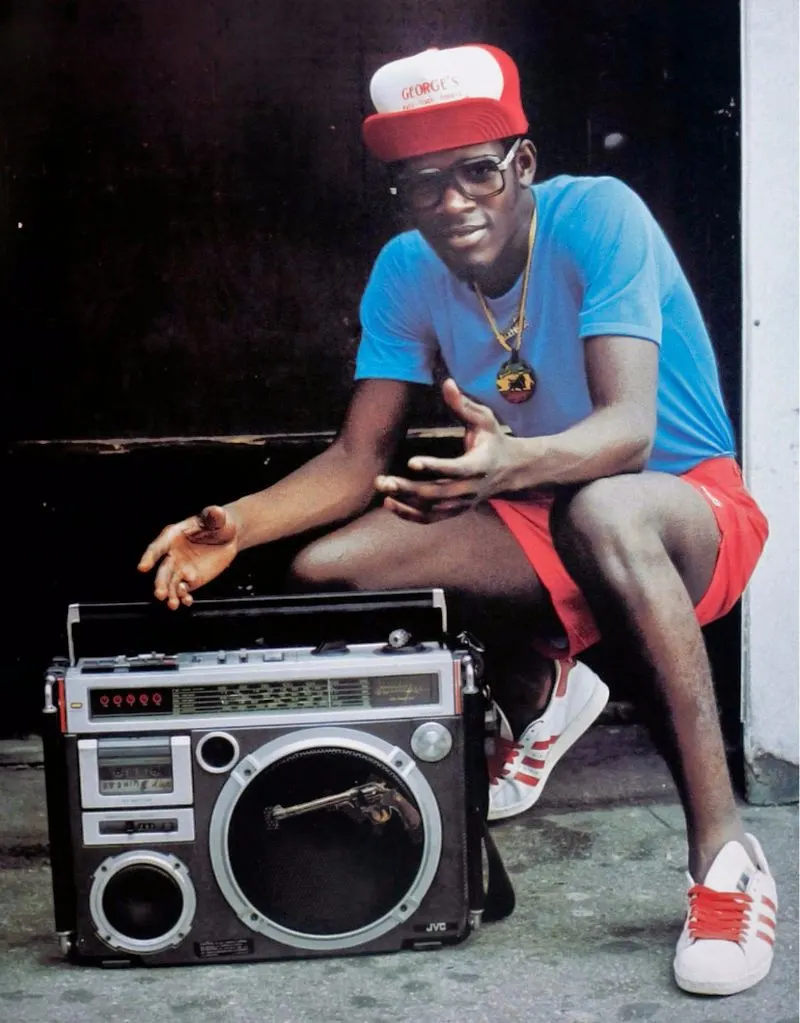
A Man Poses with a Boombox
This picture preserves a moment few cameras ever caught — a man poses with a boombox. Like the best archival images, it needs almost no explanation — the frame tells its own story.
Photography has only existed since 1839, which means the camera-recorded past is a narrow window — and every surviving frame from it is a small act of preservation, whether the photographer knew it or not.
What makes everyday photographs like this one compelling is the details at the edges: the clothes, the signs, the tools, the postures. They preserve texture that history books flatten out.
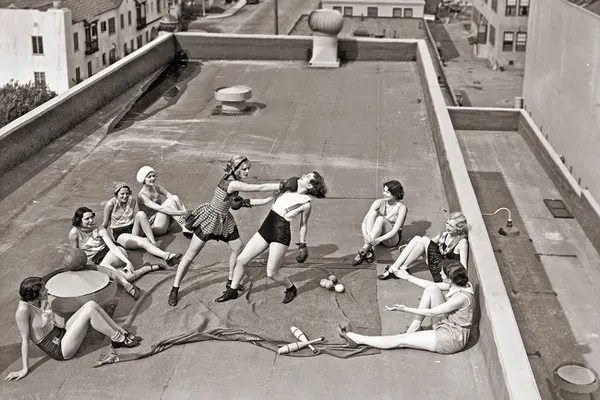
Foxy Boxing: Here Are Some Women Boxing on a Roof in 1938
This picture preserves a moment few cameras ever caught — Foxy Boxing: Here are some women boxing on a roof in 1938. Made in 1938, it is the kind of image that turns a date in a history book into something you can actually see.
The 1930s were shadowed by the Great Depression, which put a quarter of American workers out of a job at its worst point. Yet the same decade produced streamlined trains, record-setting aircraft, grand public works, and a flood of documentary photography as magazines like LIFE sent cameras into everyday America.
Pictures of ordinary life are some of the most valuable historical documents we have. Grand events were always going to be recorded, but a normal day — how people worked, dressed, shopped, and passed the time — survives only when someone happened to point a camera at it.
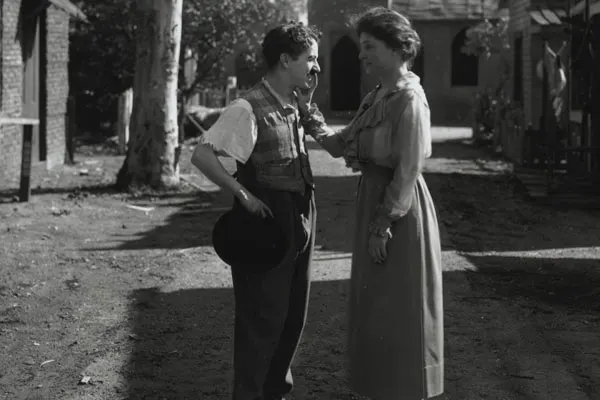
Keller Meets Chaplin, 1919
Captured here: Keller Meets Chaplin: It’s hard to tell who is more star struck! Here’s Helen Keller meeting Charlie Chaplin in Hollywood in 1919. The scene dates to 1919, a detail that changes how you read every face and object in the frame.
The 1910s were a decade of upheaval. The First World War (1914-1918) pulled millions into uniform and redrew the map of Europe, while on the home front automobiles, telephones, and moving pictures were rapidly becoming part of ordinary life.
What makes everyday photographs like this one compelling is the details at the edges: the clothes, the signs, the tools, the postures. They preserve texture that history books flatten out.
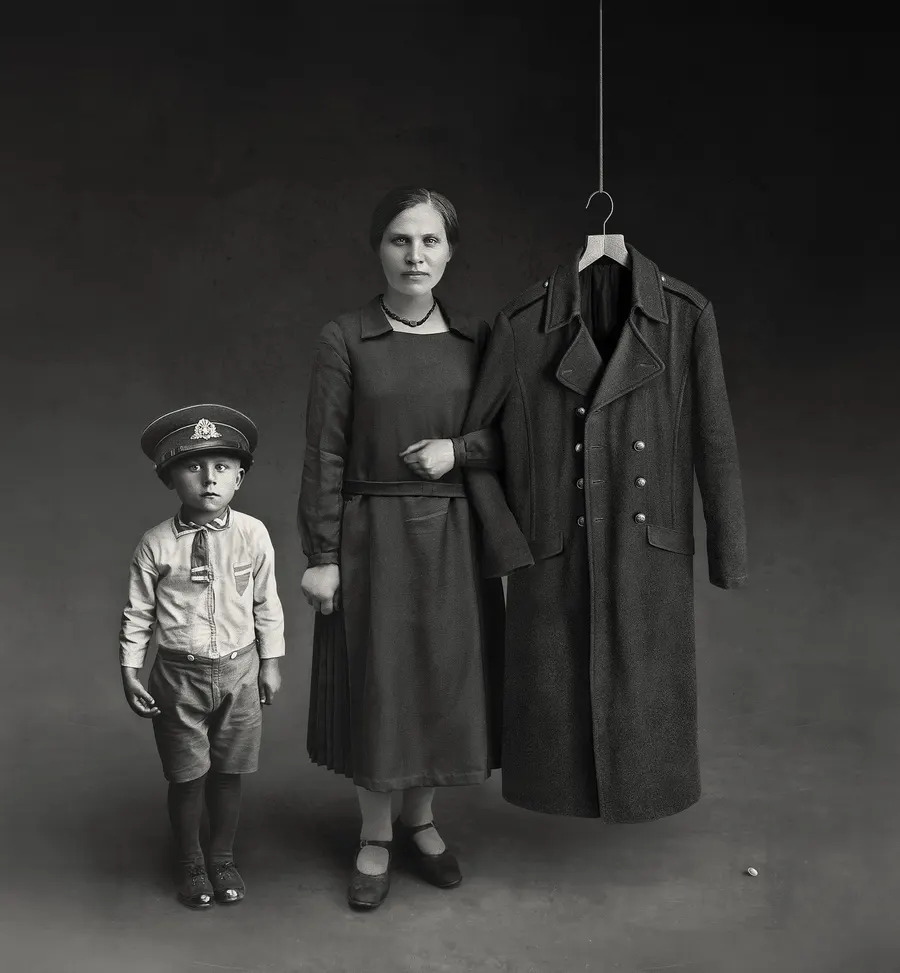
Remembering the Father, 1925
The photograph shows Remembering The Father, 1925. It was taken in 1925, and like the best archival images it needs almost no explanation — the frame tells its own story.
The 1920s roared with new money and new habits. Radio broadcasting began, cars became affordable for working families, jazz filled dance halls, and hemlines and haircuts shortened in ways that scandalized the older generation. News photography boomed alongside the tabloid press.
Most photography of the period chased celebrities and headlines, which makes surviving images of daily routine all the more precious. This is what the world actually looked like when nobody thought it was worth remembering.
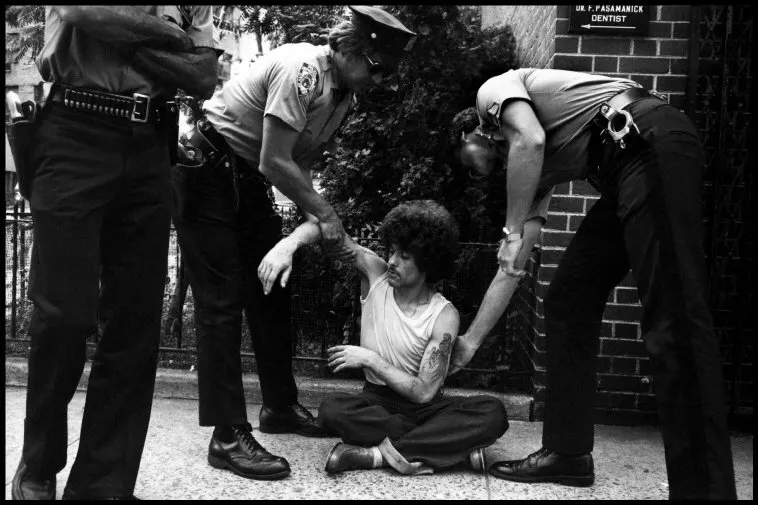
Investigators from the 9th Precinct with his Lieutenant Edward Manetho
This picture preserves a moment few cameras ever caught — Investigators from the 9th Precinct with his lieutenant Edward Manetho. Like the best archival images, it needs almost no explanation — the frame tells its own story.
Photography has only existed since 1839, which means the camera-recorded past is a narrow window — and every surviving frame from it is a small act of preservation, whether the photographer knew it or not.
Pictures of ordinary life are some of the most valuable historical documents we have. Grand events were always going to be recorded, but a normal day — how people worked, dressed, shopped, and passed the time — survives only when someone happened to point a camera at it.
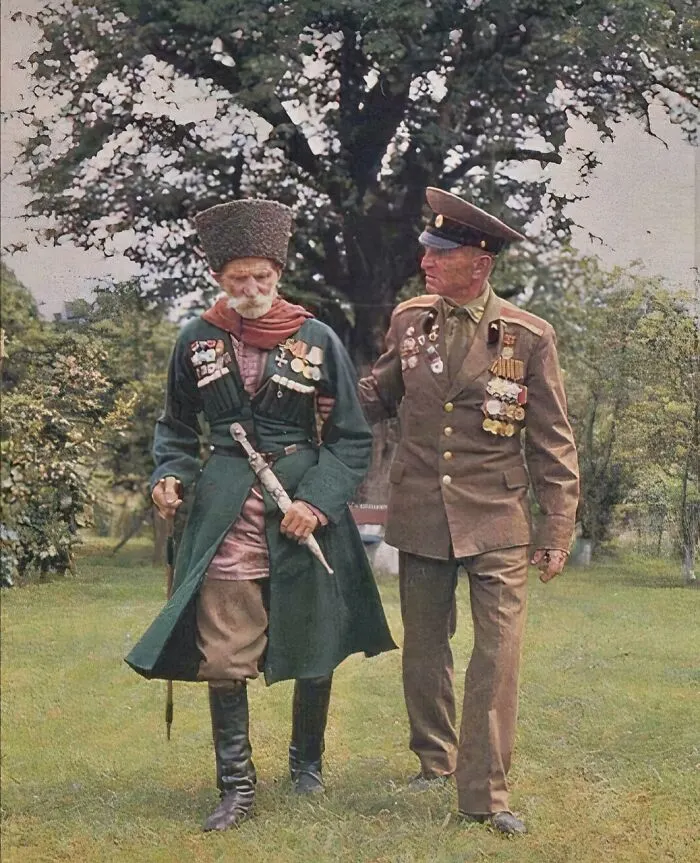
112-year-old Veteran of WW1 and Russian Civil War (teimruz Vanacha), 1980
112-Year-Old Veteran Of WW1 And Russian Civil War (Teimruz Vanacha) And His Son (Ivan) A Veteran Of WW2 In 1980. Made in 1980, it is the kind of image that turns a date in a history book into something you can actually see.
By the 1980s the modern media landscape was taking shape: cable television, personal computers, and global brands. Film photography was at its technical height, just a generation before digital cameras would change everything.
News photographs from this period traveled by wire and print, and a single strong image could shape how millions of people understood an event. This picture is one of the frames that did that work.
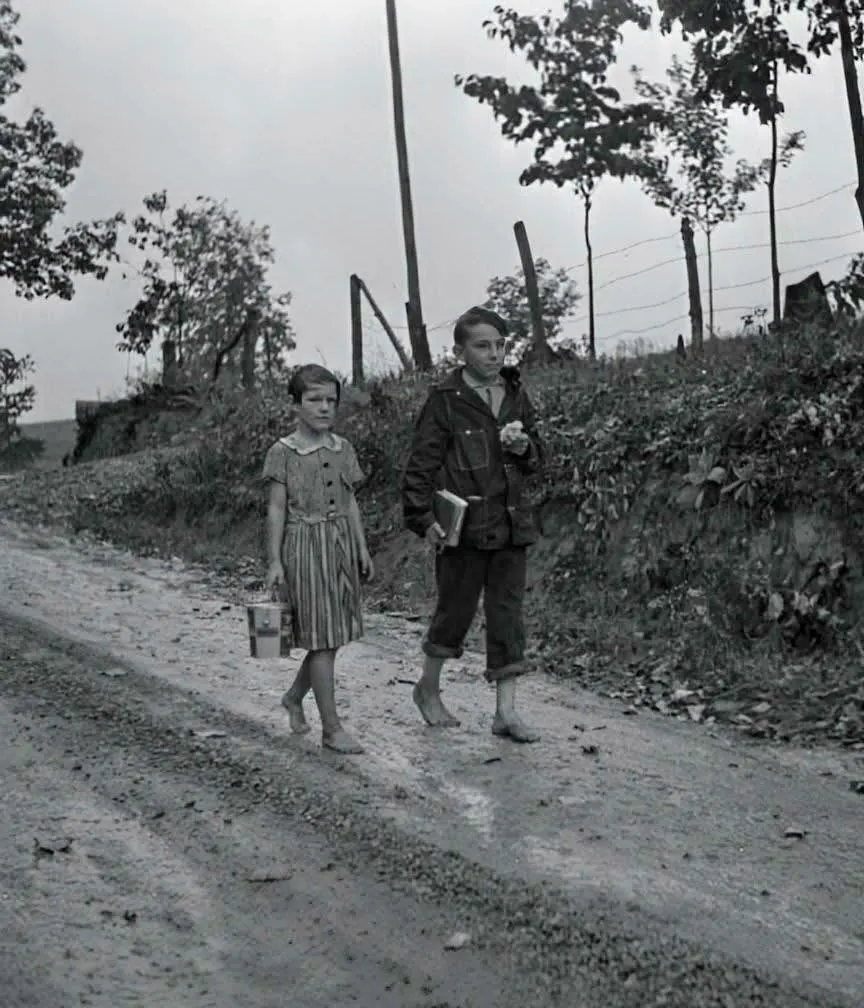
Two Kids Walking Barefoot to School, Claiborne County, Tennessee, 1940
The photograph shows two Kids Walking Barefoot To School, Claiborne County, Tennessee, 1940. Made in 1940, it is the kind of image that turns a date in a history book into something you can actually see.
The first half of the 1940s was consumed by the Second World War, the largest conflict in human history, and photography went to war with it — small 35mm cameras and wire services meant pictures from the front could reach newspaper readers within days.
What makes everyday photographs like this one compelling is the details at the edges: the clothes, the signs, the tools, the postures. They preserve texture that history books flatten out.
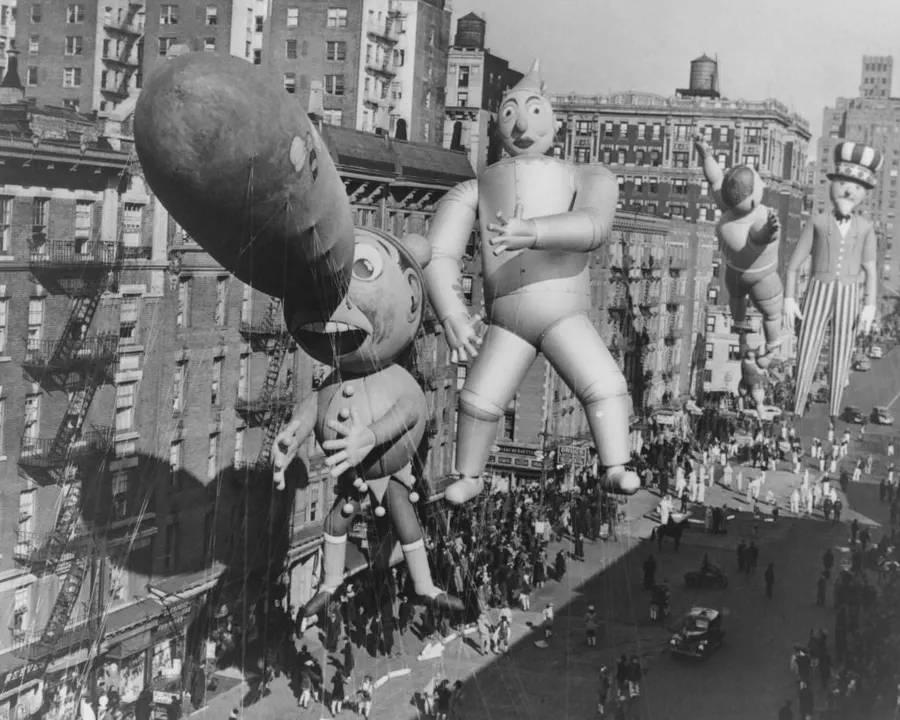
These Are Some of the Floats from the 1939 Edition of the Macy's Thanksgiving
The photograph shows these are some of the floats from the 1939 edition of the Macy's Thanksgiving Day parade. The scene dates to 1939, a detail that changes how you read every face and object in the frame.
The Macy's Thanksgiving Day Parade began in 1924, and its signature giant balloons arrived in 1927, replacing live zoo animals. In the parade's early decades the balloons were released into the sky at the end of the route, with a reward offered for their return — a practice that ended after a series of mishaps.
Pictures of ordinary life are some of the most valuable historical documents we have. Grand events were always going to be recorded, but a normal day — how people worked, dressed, shopped, and passed the time — survives only when someone happened to point a camera at it.
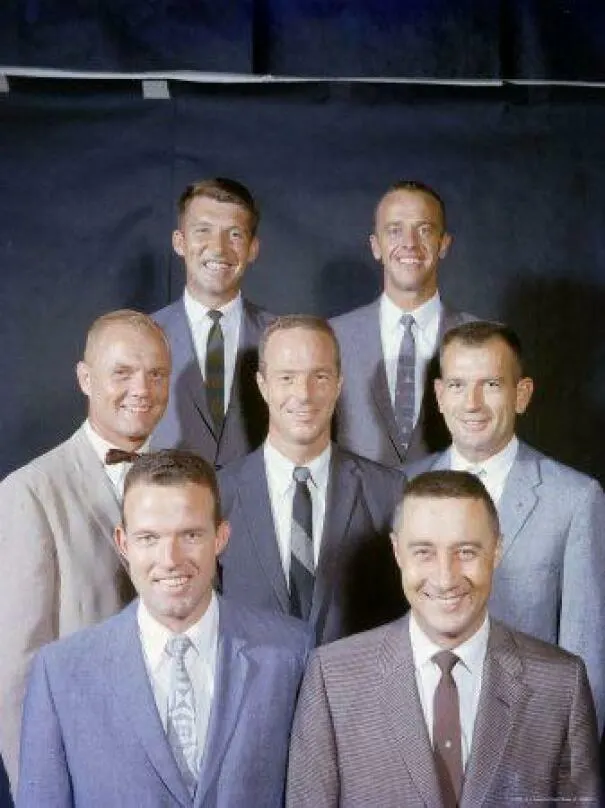
My Grandfather’s Barbershop Quartet, 1958
This picture preserves a moment few cameras ever caught — My Grandfather’s Barbershop Quartet, 1958. It was taken in 1958, and like the best archival images it needs almost no explanation — the frame tells its own story.
The 1950s brought a wave of postwar prosperity, especially in North America. Suburbs, television sets, big chrome-trimmed cars, and rock and roll defined the decade, and a booming picture-magazine industry sent photographers to document all of it.
What makes everyday photographs like this one compelling is the details at the edges: the clothes, the signs, the tools, the postures. They preserve texture that history books flatten out.
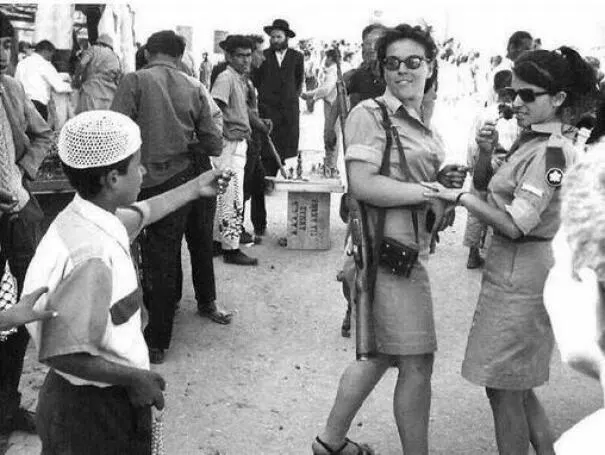
A Palestinian Teenager Gives a Souvenir to Female IDF Soldiers, 1967
The photograph shows a Palestinian Teenager Gives A Souvenir To Female IDF Soldiers. Jerusalem, 1967. It was taken in 1967, and like the best archival images it needs almost no explanation — the frame tells its own story.
The 1960s moved fast: the space race put satellites and then astronauts overhead, television replaced print as the main source of news, and social change swept through music, fashion, and politics. Photojournalism was at its peak, with picture magazines and newspapers employing armies of photographers.
Most photography of the period chased celebrities and headlines, which makes surviving images of daily routine all the more precious. This is what the world actually looked like when nobody thought it was worth remembering.
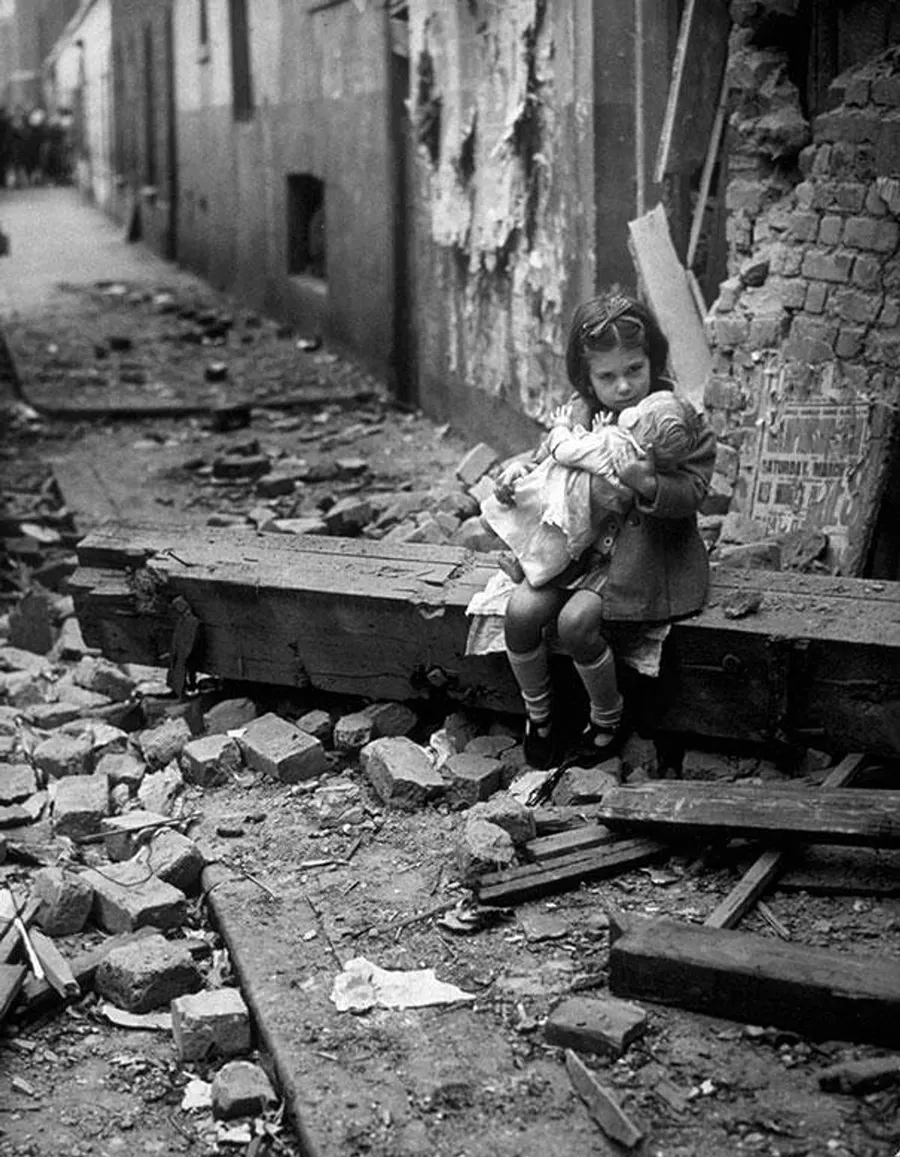
London, 1940, a Girl Sitting in the Wreckage of her Bombed-out Home
The photograph shows London, 1940, A Girl Sitting In The Wreckage Of Her Bombed-Out Home With Her Doll. Made in 1940, it is the kind of image that turns a date in a history book into something you can actually see.
The first half of the 1940s was consumed by the Second World War, the largest conflict in human history, and photography went to war with it — small 35mm cameras and wire services meant pictures from the front could reach newspaper readers within days.
Pictures of ordinary life are some of the most valuable historical documents we have. Grand events were always going to be recorded, but a normal day — how people worked, dressed, shopped, and passed the time — survives only when someone happened to point a camera at it.
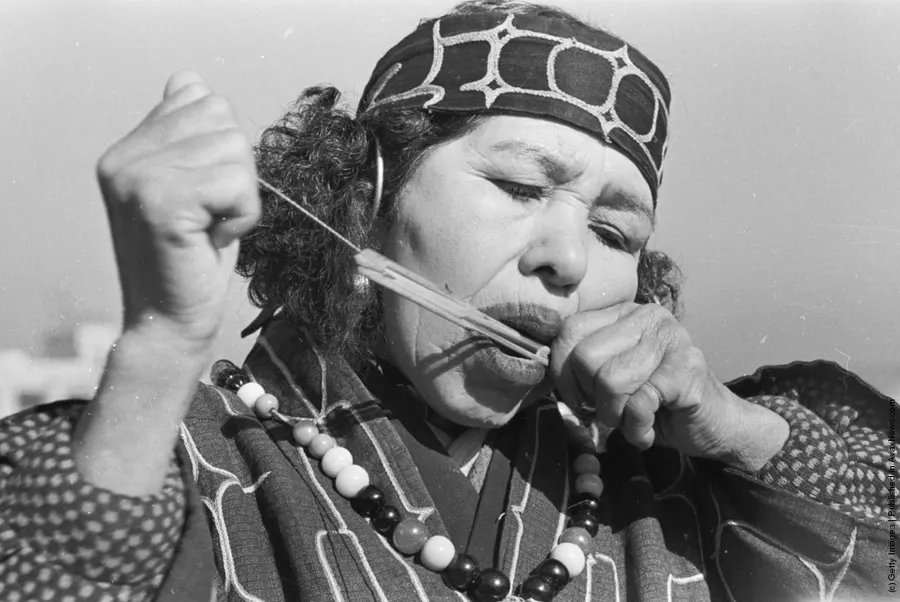
An Ainu Tribeswoman Holding a Group of Threads to her Mouth, Circa 1955
An Ainu tribeswoman holding a group of threads to her mouth, circa 1955. Made around 1955, it is the kind of image that turns a date in a history book into something you can actually see.
The 1950s brought a wave of postwar prosperity, especially in North America. Suburbs, television sets, big chrome-trimmed cars, and rock and roll defined the decade, and a booming picture-magazine industry sent photographers to document all of it.
Pictures of ordinary life are some of the most valuable historical documents we have. Grand events were always going to be recorded, but a normal day — how people worked, dressed, shopped, and passed the time — survives only when someone happened to point a camera at it.
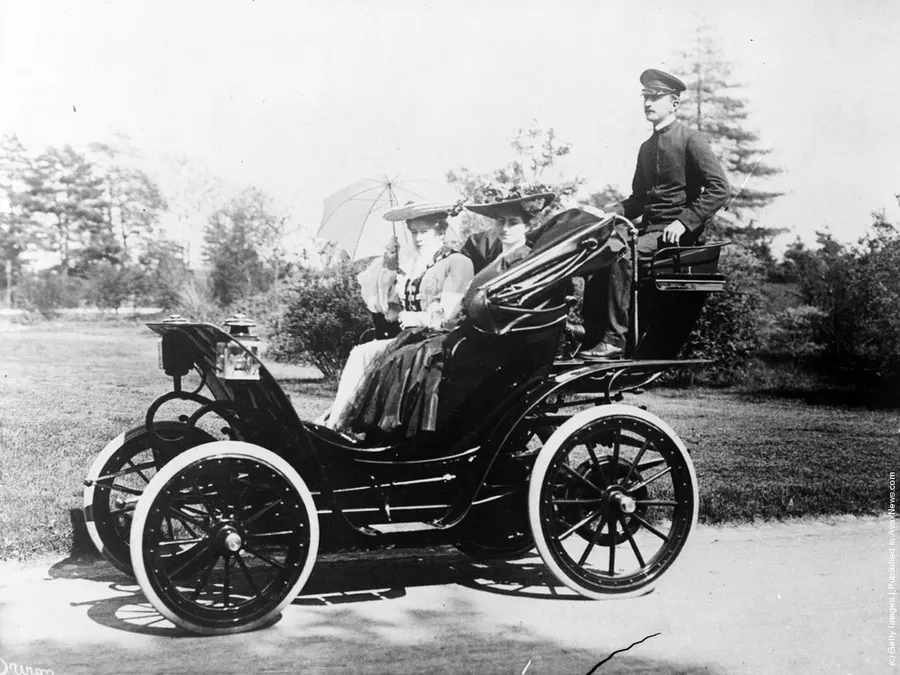
Circa 1900. Two Victorian Ladies Out for a Drive with their Chauffeur
This picture preserves a moment few cameras ever caught — Circa 1900. Two Victorian ladies out for a drive with their chauffeur. The scene dates to around 1900, a detail that changes how you read every face and object in the frame.
The first years of the twentieth century were an age of confident invention. Powered flight arrived with the Wright brothers in 1903, automobiles were leaving the curiosity stage, and cities were filling with electric light, elevators, and streetcars — all of it documented by a new generation of press photographers.
Pictures of ordinary life are some of the most valuable historical documents we have. Grand events were always going to be recorded, but a normal day — how people worked, dressed, shopped, and passed the time — survives only when someone happened to point a camera at it.
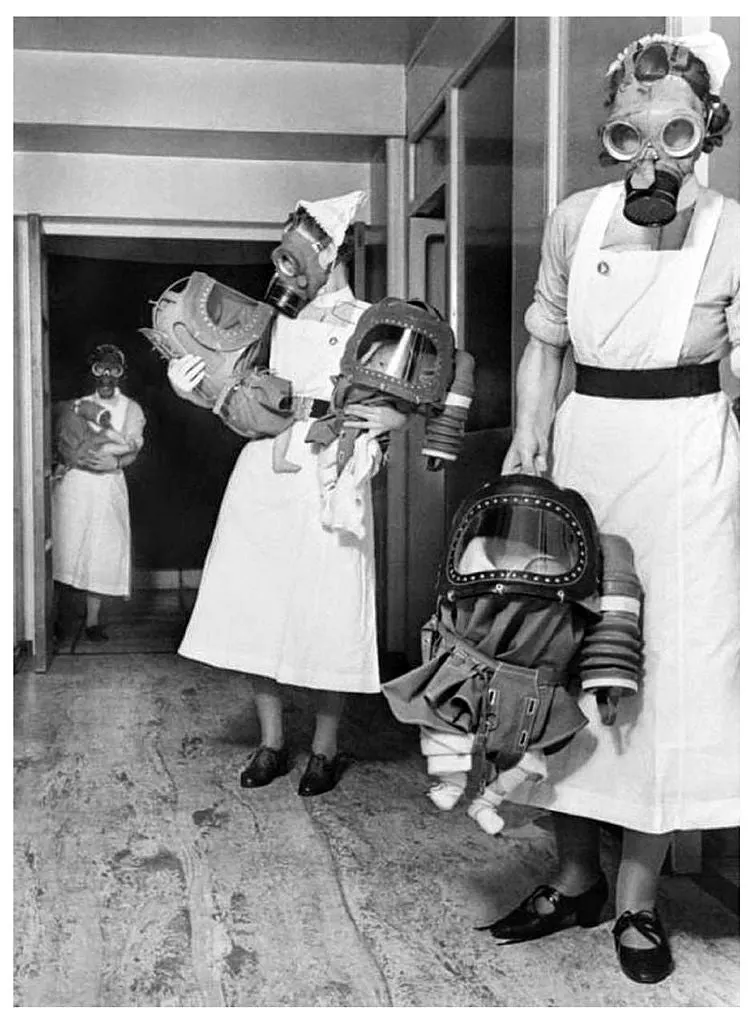
During World War II, Babies in England Were Fitted with Baby-sized Gas Masks
During World War II, babies in England were fitted with baby-sized gas masks that were comically large. Like the best archival images, it needs almost no explanation — the frame tells its own story.
Gas masks became household objects in Britain during the late 1930s, when the government issued tens of millions of respirators — including versions for babies — in anticipation of air raids. Photographs of masked civilians going about ordinary routines are among the most unsettling images of the era precisely because the gas attacks they prepared for never came to British cities.
History is usually written down long after it happens, but a photograph is made in the moment itself. That immediacy is what keeps images like this one circulating decades after the event they show.

Cuba, Matanzas, 1976
Cuba, Matanzas, 1976. Political slogan 'To decide and govern with the people's power' on top of a colonial building. Made in 1976, it is the kind of image that turns a date in a history book into something you can actually see.
The 1970s had a grittier texture than the decades before it — economic shocks, urban decline, and political distrust, but also bold fashion, muscle cars, and the first stirrings of the digital age. Color film had become cheap and ubiquitous, so the decade survives in vivid Kodachrome hues.
What makes everyday photographs like this one compelling is the details at the edges: the clothes, the signs, the tools, the postures. They preserve texture that history books flatten out.
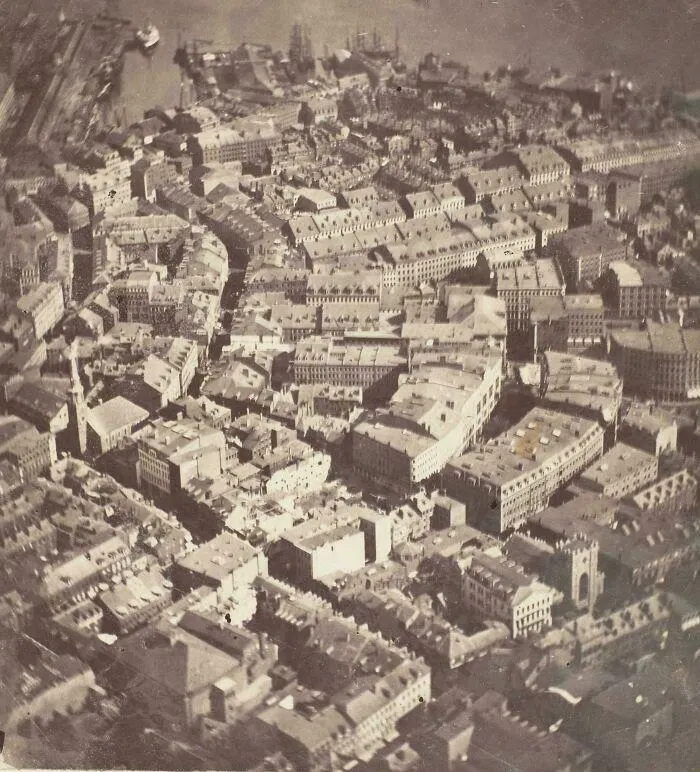
View of Boston, the Oldest Surviving Aerial Photograph Ever Taken, 1860
Captured here: View Of Boston, The Oldest Surviving Aerial Photograph Ever Taken. October 13th, 1860. Made in 1860, it is the kind of image that turns a date in a history book into something you can actually see.
The 1860s was the first decade in which photography documented events on a large scale. Wet-plate cameras were hauled to battlefields and city streets, and portrait studios spread through towns on both sides of the Atlantic, making a photograph an ordinary family possession for the first time.
Pictures of ordinary life are some of the most valuable historical documents we have. Grand events were always going to be recorded, but a normal day — how people worked, dressed, shopped, and passed the time — survives only when someone happened to point a camera at it.
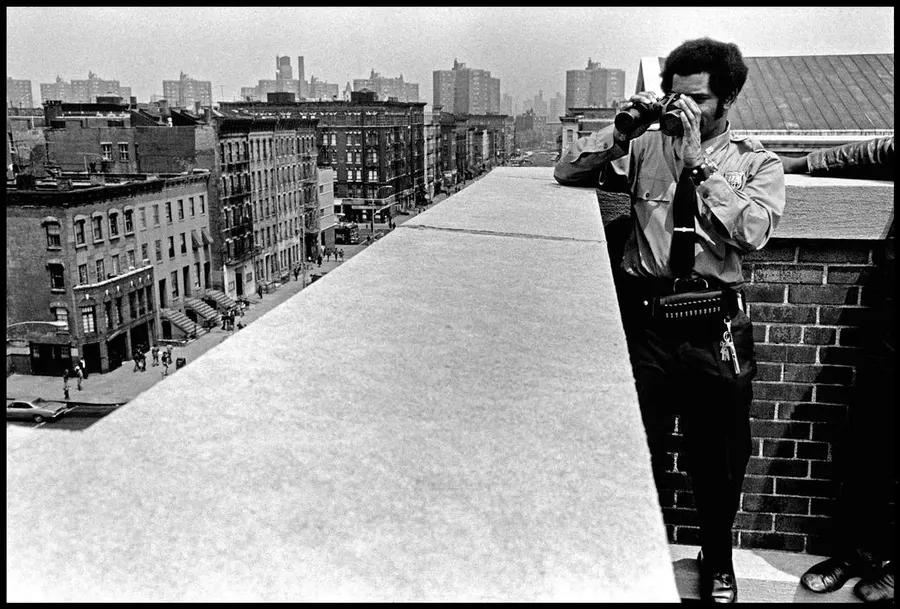
A Police Officer on the Roof of One of New York's Schools Oversees Drug
A police officer on the roof of one of New York's schools oversees drug dealers trying to sell drugs to schoolchildren. "These school guards are useless" - said one of the teachers. "Calm yourself can be felt only with real police officers, armed with a real gun and on duty in the corridors of the school. Then I'm no longer a teacher. I overseer.". It is the kind of image that turns a line in a history book into something you can actually see.
Photography has only existed since 1839, which means the camera-recorded past is a narrow window — and every surviving frame from it is a small act of preservation, whether the photographer knew it or not.
Pictures of ordinary life are some of the most valuable historical documents we have. Grand events were always going to be recorded, but a normal day — how people worked, dressed, shopped, and passed the time — survives only when someone happened to point a camera at it.
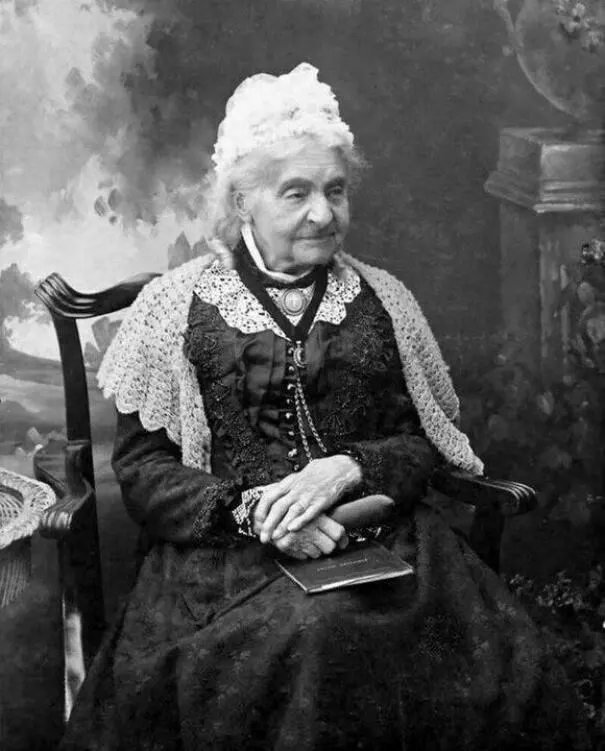
This Photo Shows Margaret Ann Neave, 1902
The photograph shows this Photo Shows Margaret Ann Neave, An American Woman Who Passed Away In 1902 After Reaching The Age Of 110. This Woman Was Born In 1792, Which Means She Lived In Three Centuries. It was taken in 1902, and like the best archival images it needs almost no explanation — the frame tells its own story.
The first years of the twentieth century were an age of confident invention. Powered flight arrived with the Wright brothers in 1903, automobiles were leaving the curiosity stage, and cities were filling with electric light, elevators, and streetcars — all of it documented by a new generation of press photographers.
Most photography of the period chased celebrities and headlines, which makes surviving images of daily routine all the more precious. This is what the world actually looked like when nobody thought it was worth remembering.
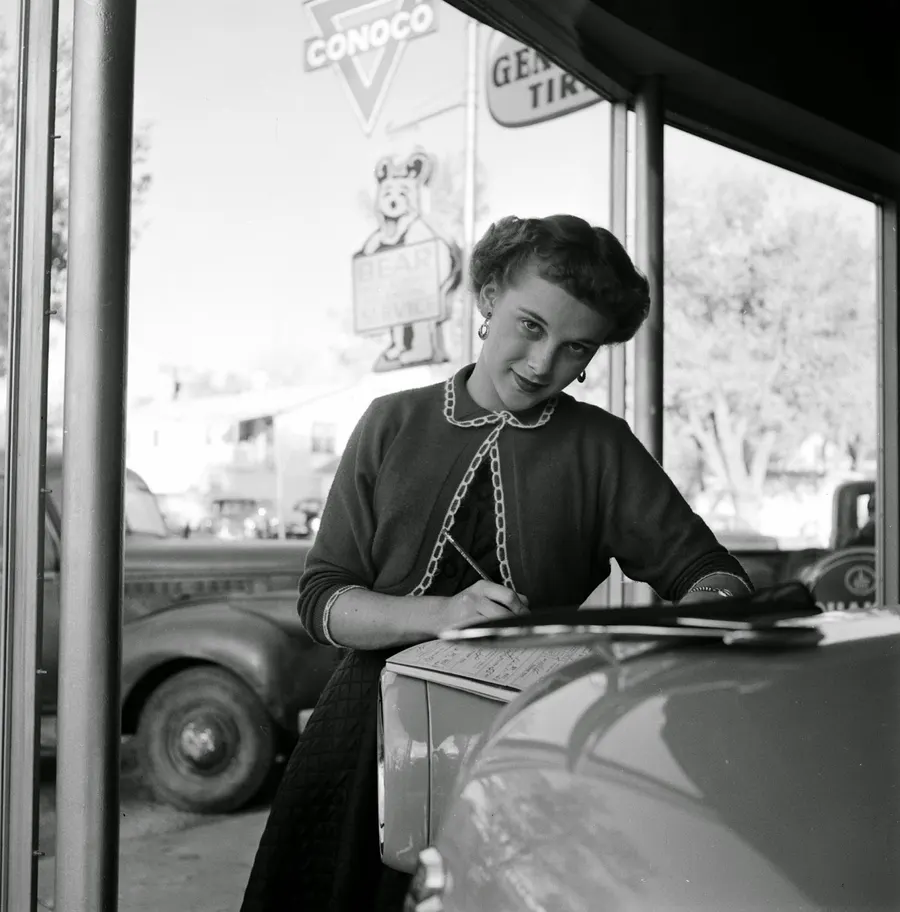
Bookkeeper Rada Alexander, 19, Gets $200 a Month in Auto Firm Job She Got
The photograph shows Bookkeeper Rada Alexander, 19, gets $200 a month in auto firm job she got after graduation. It is the kind of image that turns a line in a history book into something you can actually see.
Photography has only existed since 1839, which means the camera-recorded past is a narrow window — and every surviving frame from it is a small act of preservation, whether the photographer knew it or not.
Most photography of the period chased celebrities and headlines, which makes surviving images of daily routine all the more precious. This is what the world actually looked like when nobody thought it was worth remembering.
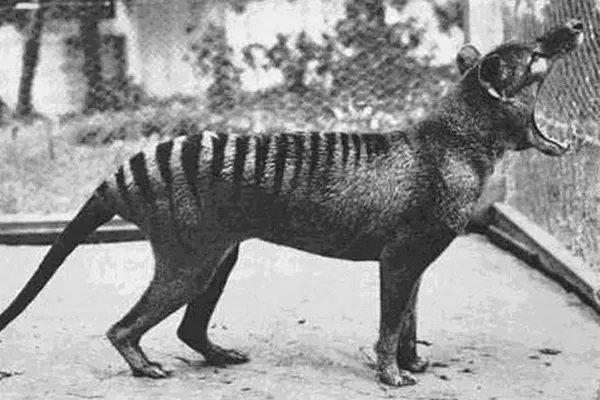
This Is the Last Known Tasmanian Tiger
This picture preserves a moment few cameras ever caught — Tiger, Tiger: This is the last known Tasmanian tiger, also known as a thylacine or Tasmanian wolf. Like the best archival images, it needs almost no explanation — the frame tells its own story.
Fanny Cochrane Smith was an Aboriginal Tasmanian woman who recorded songs in the Tasmanian language onto wax cylinders between 1899 and 1903. Those recordings are the only audio of any Tasmanian Aboriginal language ever made, which gives the photographs of her recording sessions extraordinary documentary value.
Pictures of ordinary life are some of the most valuable historical documents we have. Grand events were always going to be recorded, but a normal day — how people worked, dressed, shopped, and passed the time — survives only when someone happened to point a camera at it.
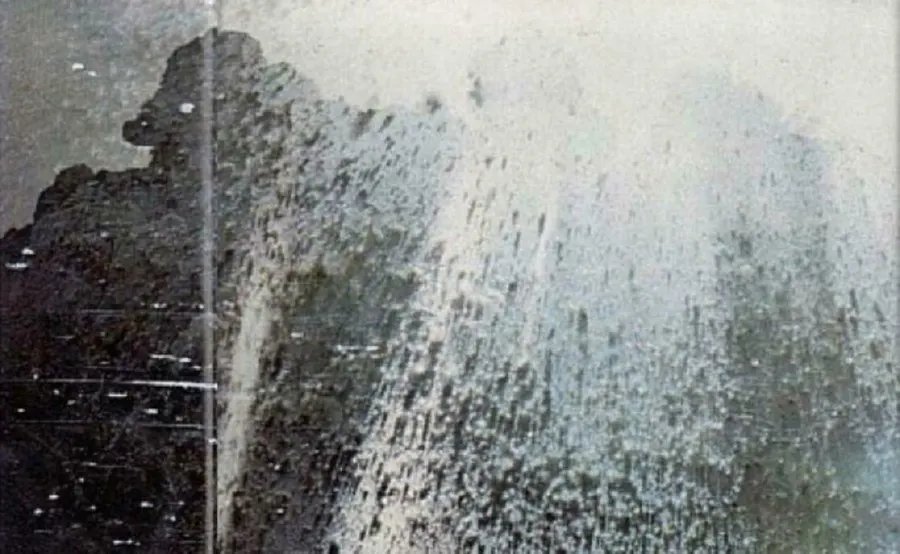
Ash from the Erupting Mt
The photograph shows Ash From The Erupting Mt. St. Helens Raining Down On Robert Landsburg. He Took This Photo, Rewound The Film, Tucked The Camera In A Backpack And Laid Over It While Being Buried In The Ash. His Body Was Found 17 Days Later. It is the kind of image that turns a line in a history book into something you can actually see.
Photography has only existed since 1839, which means the camera-recorded past is a narrow window — and every surviving frame from it is a small act of preservation, whether the photographer knew it or not.
Pictures of ordinary life are some of the most valuable historical documents we have. Grand events were always going to be recorded, but a normal day — how people worked, dressed, shopped, and passed the time — survives only when someone happened to point a camera at it.
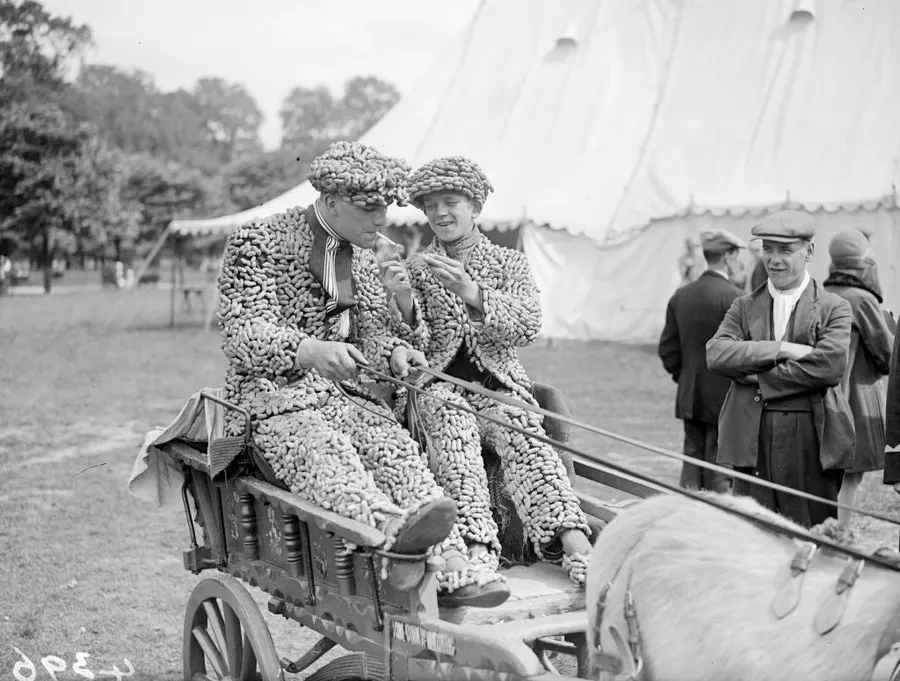
And Finally, Apparently, Back in the Day, Peanut Sellers Would, Well
This picture preserves a moment few cameras ever caught — And finally, apparently, back in the day, peanut sellers would, well, wear suits with a ton of peanuts sewn into them. Like the best archival images, it needs almost no explanation — the frame tells its own story.
Photography has only existed since 1839, which means the camera-recorded past is a narrow window — and every surviving frame from it is a small act of preservation, whether the photographer knew it or not.
Most photography of the period chased celebrities and headlines, which makes surviving images of daily routine all the more precious. This is what the world actually looked like when nobody thought it was worth remembering.
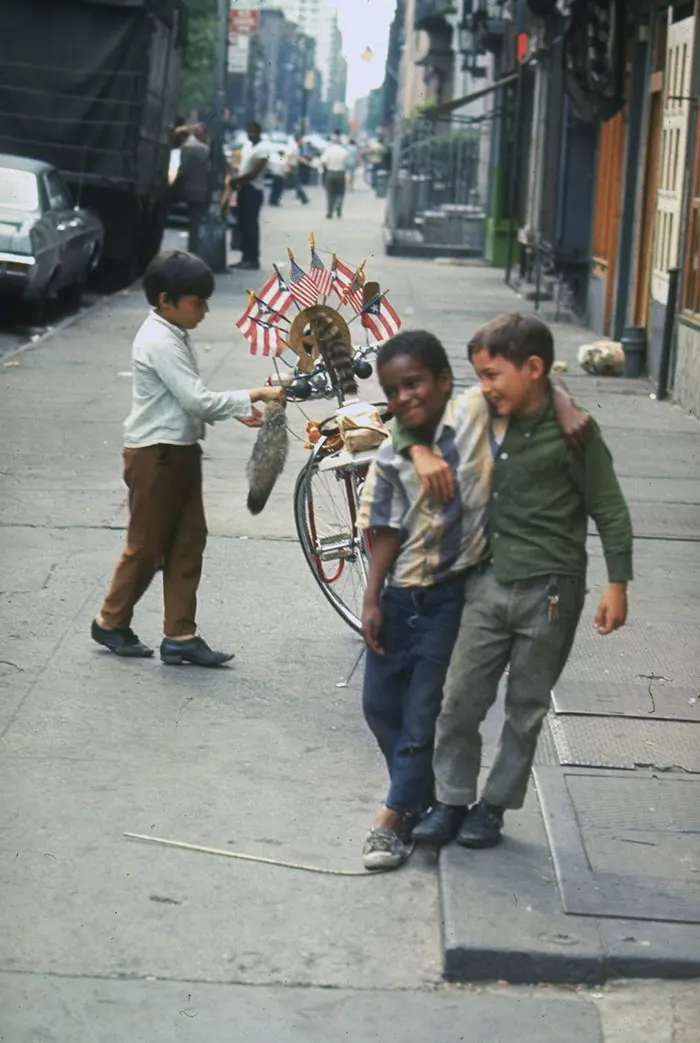
New York in the 1960s
New York In The 1960s. The scene dates to the 1960s, a detail that changes how you read every face and object in the frame.
The 1960s moved fast: the space race put satellites and then astronauts overhead, television replaced print as the main source of news, and social change swept through music, fashion, and politics. Photojournalism was at its peak, with picture magazines and newspapers employing armies of photographers.
Most photography of the period chased celebrities and headlines, which makes surviving images of daily routine all the more precious. This is what the world actually looked like when nobody thought it was worth remembering.
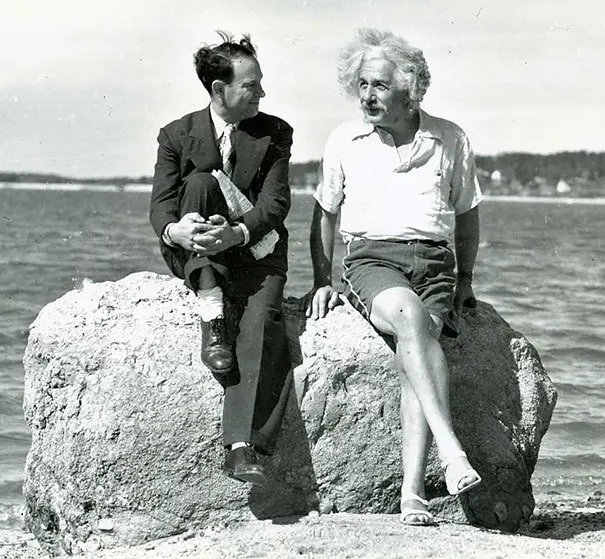
Albert Einstein, Summer 1939 Nassau Point, Long Island, Ny
This picture preserves a moment few cameras ever caught — Albert Einstein, Summer 1939 Nassau Point, Long Island, Ny. Made in 1939, it is the kind of image that turns a date in a history book into something you can actually see.
Albert Einstein became, almost against his will, the first scientific celebrity of the photographic age. After British astronomers confirmed his general theory of relativity in 1919, newspapers made his face world-famous, and photographers followed him for the rest of his life — which is why so many candid, humanizing pictures of him exist.
Pictures of ordinary life are some of the most valuable historical documents we have. Grand events were always going to be recorded, but a normal day — how people worked, dressed, shopped, and passed the time — survives only when someone happened to point a camera at it.
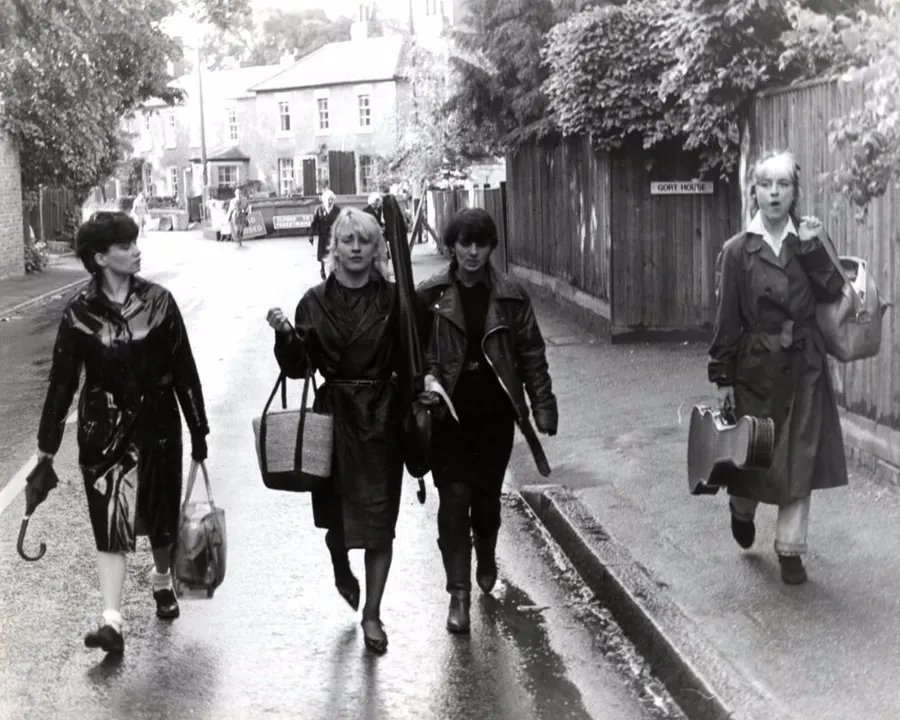
Modettes, 1980
Modettes, 1980. The scene dates to 1980, a detail that changes how you read every face and object in the frame.
By the 1980s the modern media landscape was taking shape: cable television, personal computers, and global brands. Film photography was at its technical height, just a generation before digital cameras would change everything.
Pictures of ordinary life are some of the most valuable historical documents we have. Grand events were always going to be recorded, but a normal day — how people worked, dressed, shopped, and passed the time — survives only when someone happened to point a camera at it.
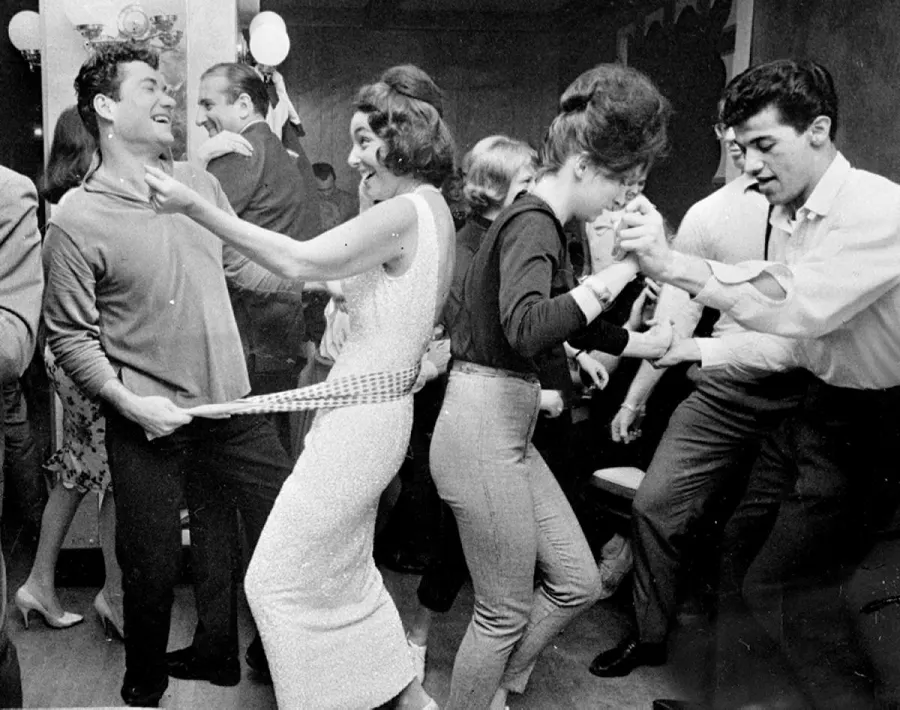
Tight Slacks and Snug Evening Gowns Show the Range of Costumes Worn, 1961
Captured here: Tight slacks and snug evening gowns show the range of costumes worn by twisters in 1961. David McLane/New York Daily News. The scene dates to 1961, a detail that changes how you read every face and object in the frame.
The 1960s moved fast: the space race put satellites and then astronauts overhead, television replaced print as the main source of news, and social change swept through music, fashion, and politics. Photojournalism was at its peak, with picture magazines and newspapers employing armies of photographers.
Pictures of ordinary life are some of the most valuable historical documents we have. Grand events were always going to be recorded, but a normal day — how people worked, dressed, shopped, and passed the time — survives only when someone happened to point a camera at it.
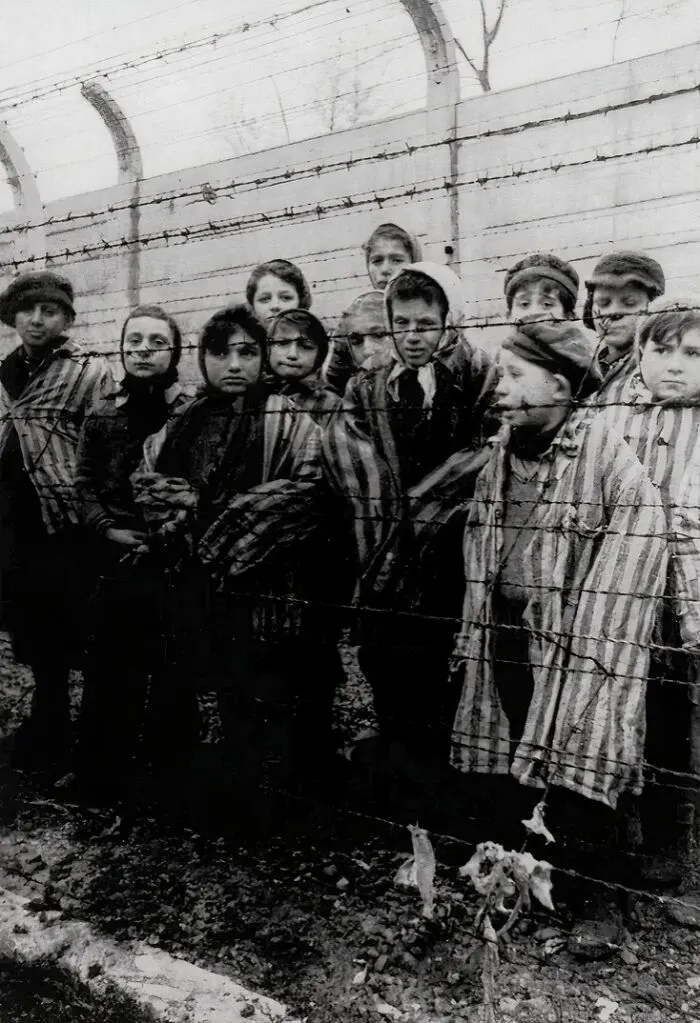
Faces of Auschwitz, 1940
Faces Of Auschwitz, 1940. It was taken in 1940, and like the best archival images it needs almost no explanation — the frame tells its own story.
The first half of the 1940s was consumed by the Second World War, the largest conflict in human history, and photography went to war with it — small 35mm cameras and wire services meant pictures from the front could reach newspaper readers within days.
What makes everyday photographs like this one compelling is the details at the edges: the clothes, the signs, the tools, the postures. They preserve texture that history books flatten out.
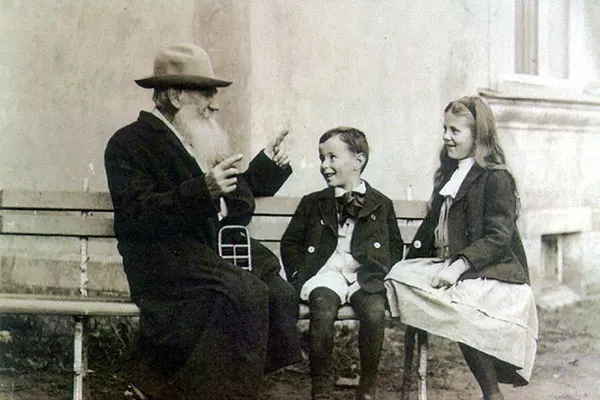
Tolstoy Tells a Story, 1909
Tolstoy Tells a Story: Here’s Leo Tolstoy telling a story to his grandchildren in 1909. Made in 1909, it is the kind of image that turns a date in a history book into something you can actually see.
The first years of the twentieth century were an age of confident invention. Powered flight arrived with the Wright brothers in 1903, automobiles were leaving the curiosity stage, and cities were filling with electric light, elevators, and streetcars — all of it documented by a new generation of press photographers.
What makes everyday photographs like this one compelling is the details at the edges: the clothes, the signs, the tools, the postures. They preserve texture that history books flatten out.
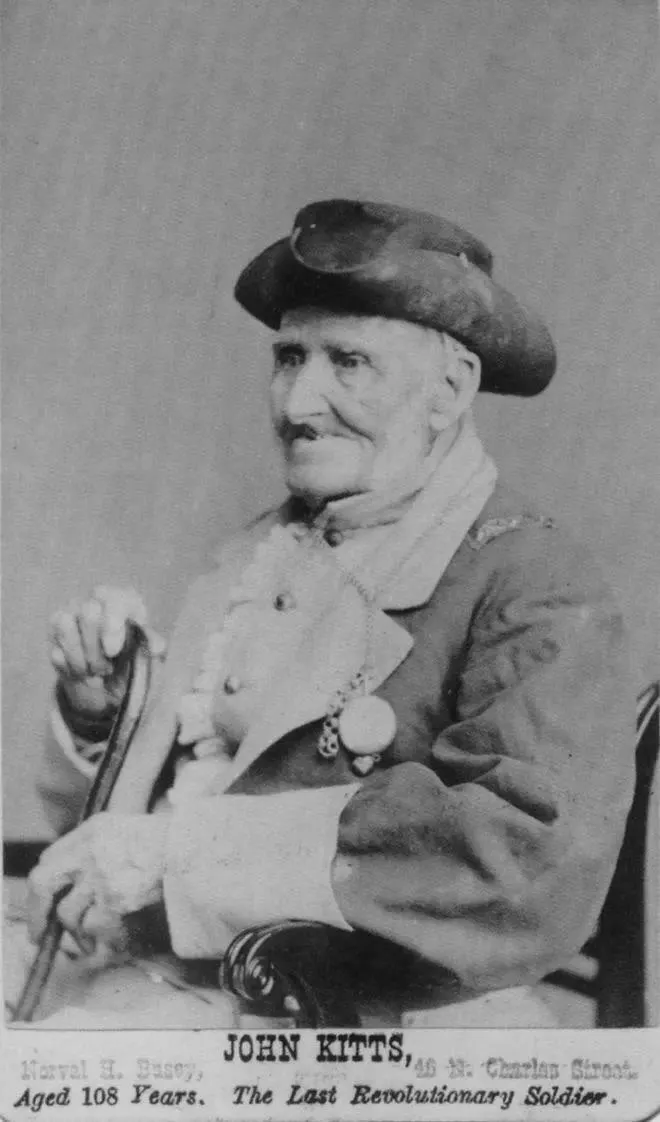
John Kitts, 1870, Aged 108 Years, the Last Revolutionary War Soldier
This picture preserves a moment few cameras ever caught — John Kitts, 1870, Aged 108 Years, The Last Revolutionary War Soldier. The scene dates to 1870, a detail that changes how you read every face and object in the frame.
In the 1870s photography was moving out of the studio. Dry-plate technology was beginning to free photographers from portable darkrooms, railroads were opening remote regions to travel, and survey photographers were producing the first systematic pictures of landscapes and working life.
History is usually written down long after it happens, but a photograph is made in the moment itself. That immediacy is what keeps images like this one circulating decades after the event they show.
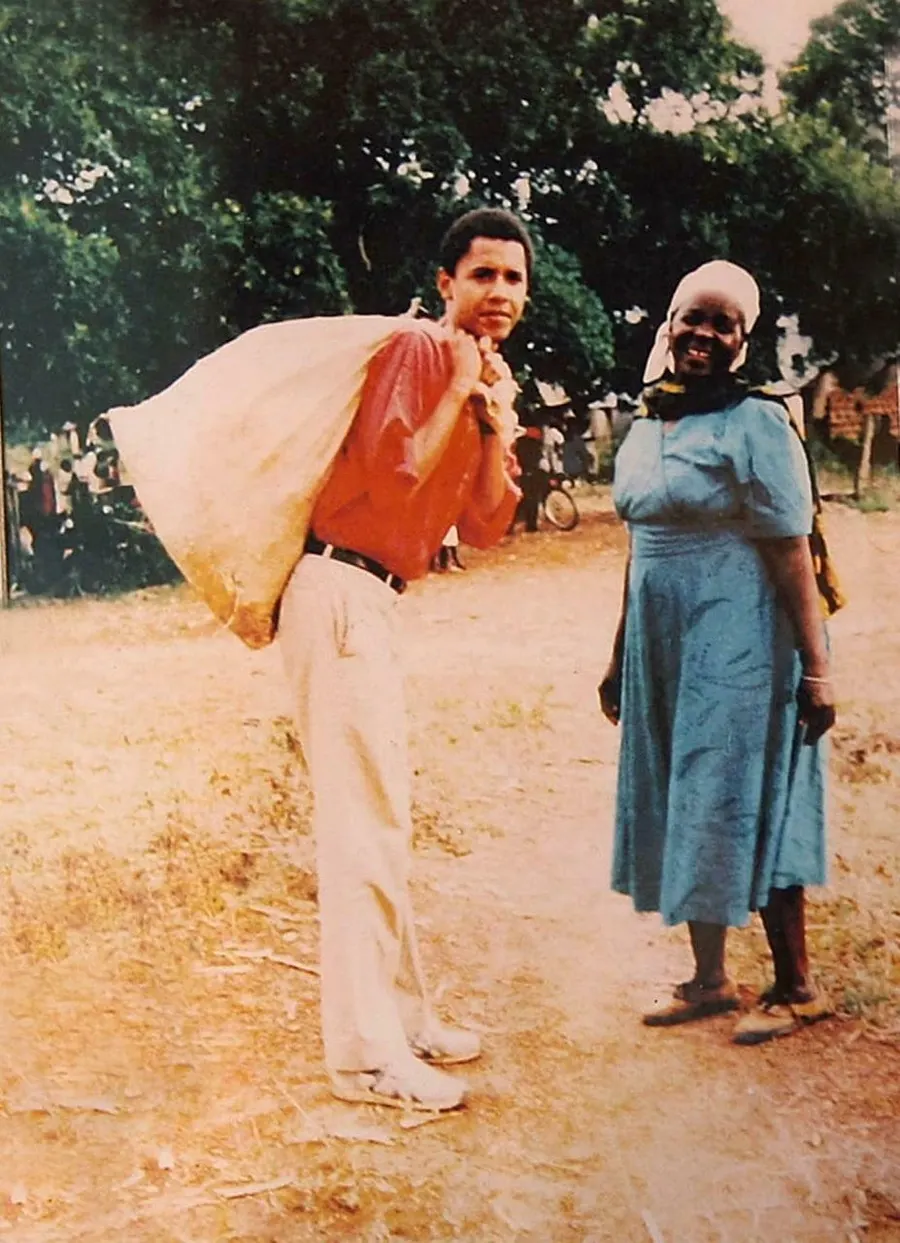
Barack Obama Visiting his Step-grandmother Sarah Ogwel Onyango Obama, 1988
The photograph shows Barack Obama Visiting His Step-Grandmother Sarah Ogwel Onyango Obama. Kenya, 1988. Sarah Obama, Affectionately Called Grandma Sarah By The Former U.S. President, Was The Third And Youngest Wife Of Obama's Grandfather. Made in 1988, it is the kind of image that turns a date in a history book into something you can actually see.
By the 1980s the modern media landscape was taking shape: cable television, personal computers, and global brands. Film photography was at its technical height, just a generation before digital cameras would change everything.
Moments like this one were captured by photographers who often had a single chance to get the shot — no second takes, no digital preview. That is part of why these frames carry such weight: each one is a split second of real history, fixed for good.
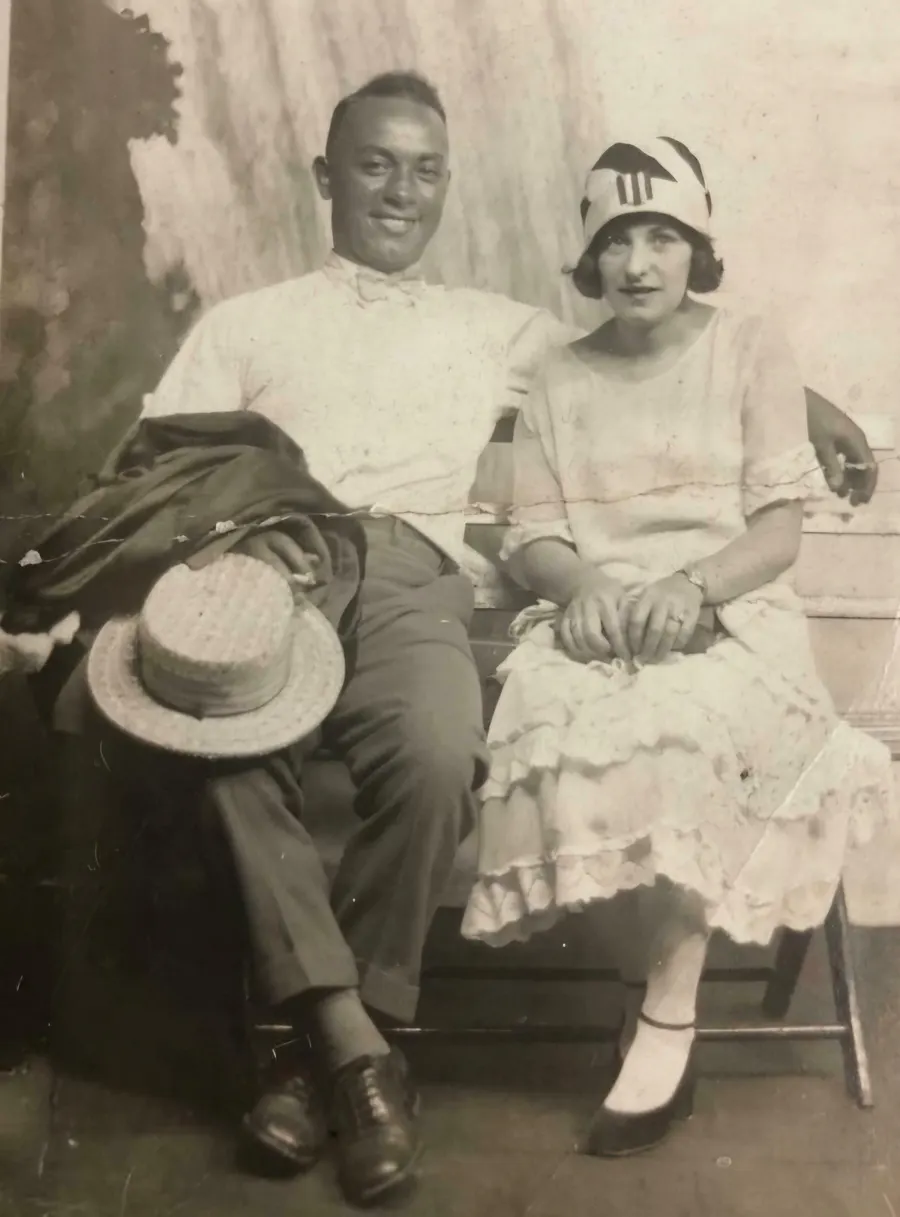
My Italian Great Grandpa and Scottish Great Grandma
This picture preserves a moment few cameras ever caught — My Italian Great Grandpa And Scottish Great Grandma, Taken After Returning From The Great War. It is the kind of image that turns a line in a history book into something you can actually see.
Photography has only existed since 1839, which means the camera-recorded past is a narrow window — and every surviving frame from it is a small act of preservation, whether the photographer knew it or not.
History is usually written down long after it happens, but a photograph is made in the moment itself. That immediacy is what keeps images like this one circulating decades after the event they show.
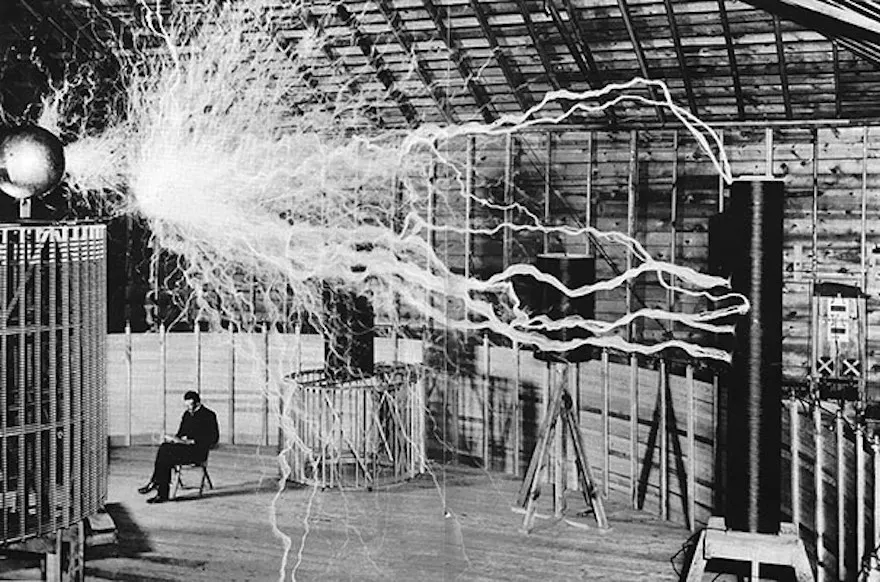
Historical Breakthroughs in Science
The photograph shows Historical Breakthroughs in Science. Like the best archival images, it needs almost no explanation — the frame tells its own story.
Photography has only existed since 1839, which means the camera-recorded past is a narrow window — and every surviving frame from it is a small act of preservation, whether the photographer knew it or not.
What makes everyday photographs like this one compelling is the details at the edges: the clothes, the signs, the tools, the postures. They preserve texture that history books flatten out.
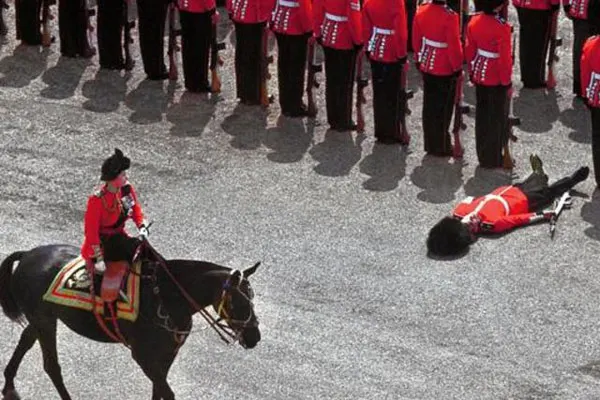
During Queen Elizabeth Ii’s 1970 Parade
Captured here: Out Cold: During Queen Elizabeth II’s 1970 parade, one of the guards fainted from the heat just when the Queen was passing behind him. It was taken in 1970, and like the best archival images it needs almost no explanation — the frame tells its own story.
The 1970s had a grittier texture than the decades before it — economic shocks, urban decline, and political distrust, but also bold fashion, muscle cars, and the first stirrings of the digital age. Color film had become cheap and ubiquitous, so the decade survives in vivid Kodachrome hues.
History is usually written down long after it happens, but a photograph is made in the moment itself. That immediacy is what keeps images like this one circulating decades after the event they show.
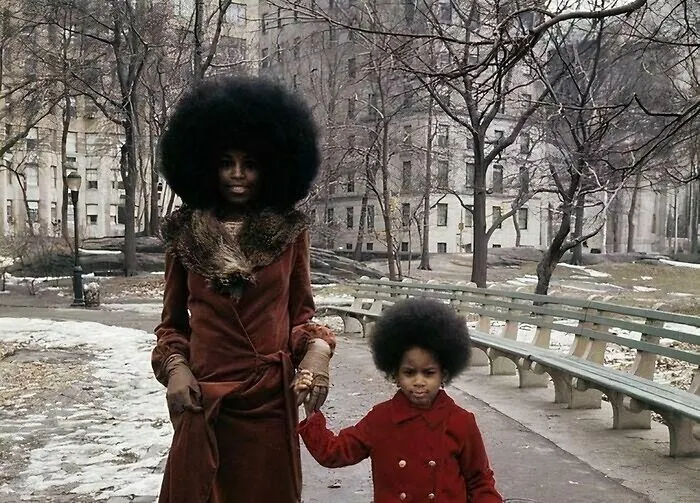
Mother and Daughter Walking in New York, 1970
The photograph shows Mother And Daughter Walking In New York, 1970. The scene dates to 1970, a detail that changes how you read every face and object in the frame.
The 1970s had a grittier texture than the decades before it — economic shocks, urban decline, and political distrust, but also bold fashion, muscle cars, and the first stirrings of the digital age. Color film had become cheap and ubiquitous, so the decade survives in vivid Kodachrome hues.
Pictures of ordinary life are some of the most valuable historical documents we have. Grand events were always going to be recorded, but a normal day — how people worked, dressed, shopped, and passed the time — survives only when someone happened to point a camera at it.
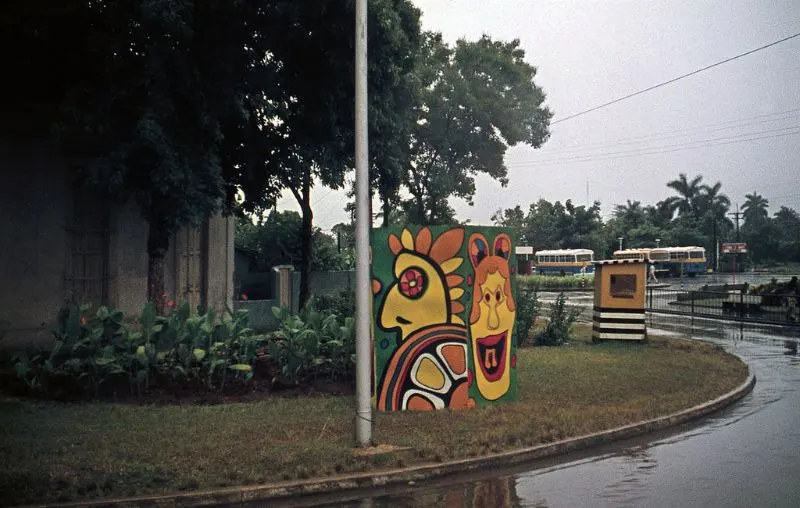
Cuba, Matanzas, 1976
Cuba, Matanzas, 1976. Colorful masks announcing the Carnival in a square in Matanzas. Made in 1976, it is the kind of image that turns a date in a history book into something you can actually see.
The 1970s had a grittier texture than the decades before it — economic shocks, urban decline, and political distrust, but also bold fashion, muscle cars, and the first stirrings of the digital age. Color film had become cheap and ubiquitous, so the decade survives in vivid Kodachrome hues.
What makes everyday photographs like this one compelling is the details at the edges: the clothes, the signs, the tools, the postures. They preserve texture that history books flatten out.
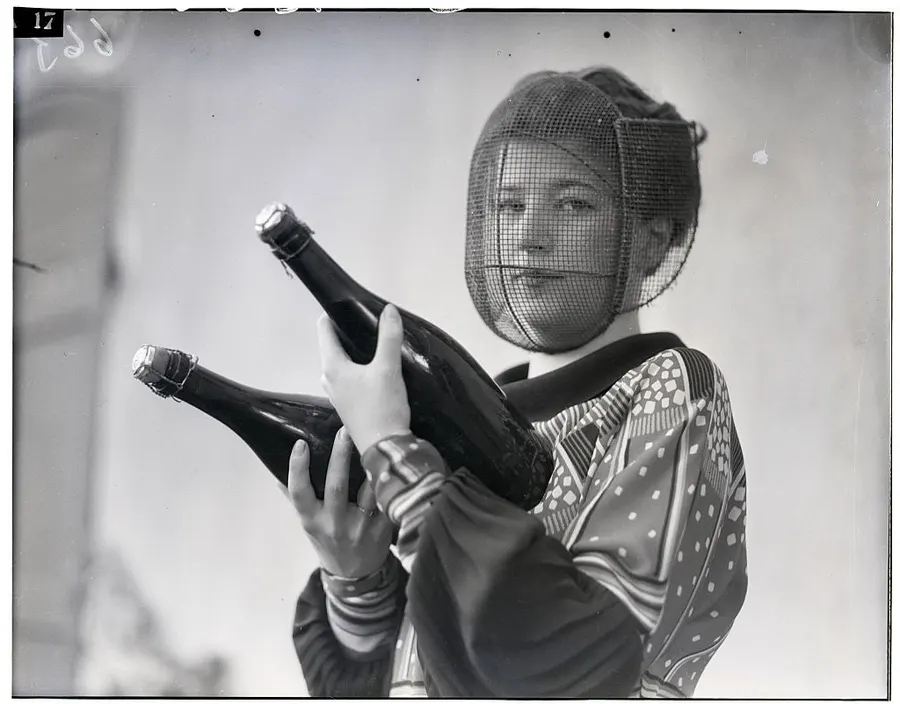
A Champagne Inspector Wearing a Champagne-inspecting Mask in Case of Any
a champagne inspector wearing a champagne-inspecting mask in case of any champagne-related explosions. It is the kind of image that turns a line in a history book into something you can actually see.
Photography has only existed since 1839, which means the camera-recorded past is a narrow window — and every surviving frame from it is a small act of preservation, whether the photographer knew it or not.
The strangest historical photos are rarely staged jokes — they usually show a real solution to a real problem of their day. Understanding why this scene made sense to the people in it is half the fun of looking at it.
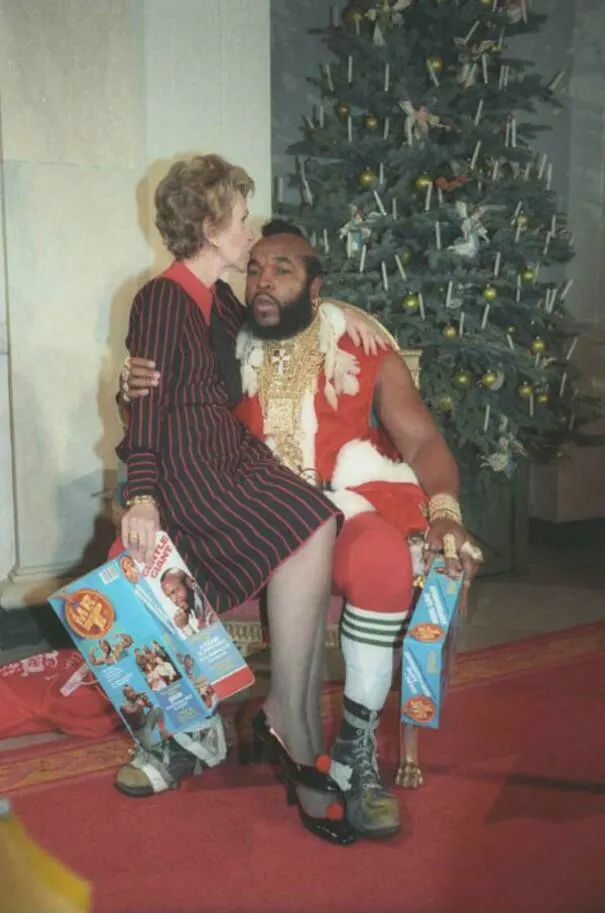
Nancy Reagan Sitting on Mr T's Lap, the White House, December 1983
Nancy Reagan Sitting On Mr T's Lap, The White House, December 1983. It was taken in 1983, and like the best archival images it needs almost no explanation — the frame tells its own story.
By the 1980s the modern media landscape was taking shape: cable television, personal computers, and global brands. Film photography was at its technical height, just a generation before digital cameras would change everything.
Most photography of the period chased celebrities and headlines, which makes surviving images of daily routine all the more precious. This is what the world actually looked like when nobody thought it was worth remembering.
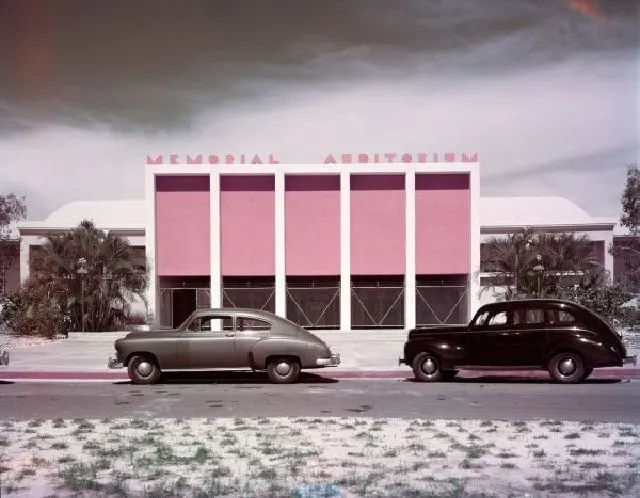
Memorial Auditorium in Ft. Lauderdale, Circa 1950
The photograph shows Memorial Auditorium in Ft. Lauderdale, circa 1950. Made around 1950, it is the kind of image that turns a date in a history book into something you can actually see.
The 1950s brought a wave of postwar prosperity, especially in North America. Suburbs, television sets, big chrome-trimmed cars, and rock and roll defined the decade, and a booming picture-magazine industry sent photographers to document all of it.
Most photography of the period chased celebrities and headlines, which makes surviving images of daily routine all the more precious. This is what the world actually looked like when nobody thought it was worth remembering.
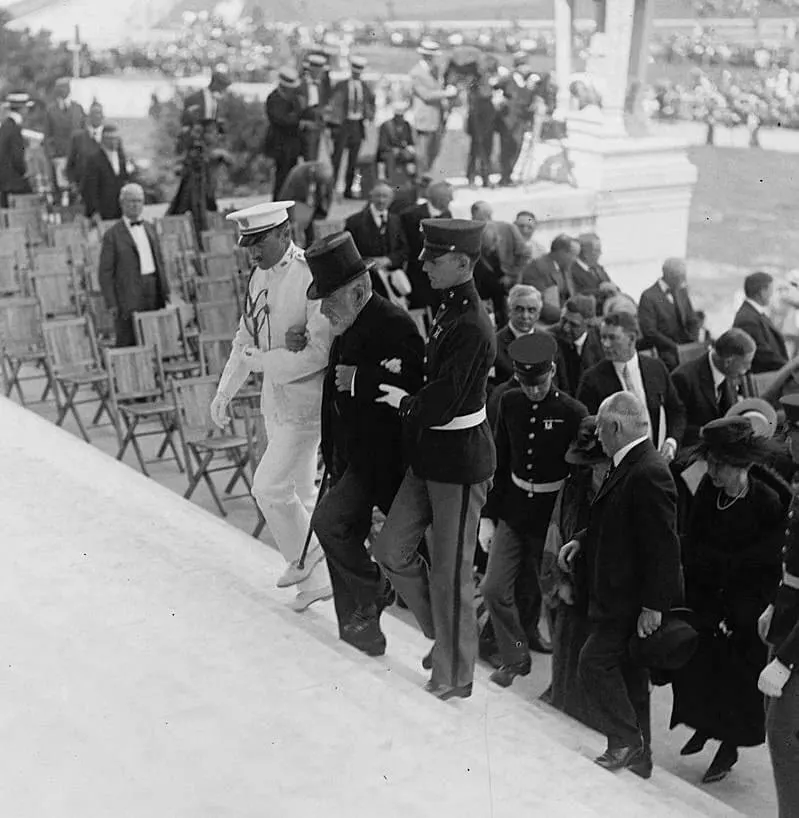
78-year-old Robert T, 1922
Captured here: 78-Year-Old Robert T. Lincoln (Son Of Abraham Lincoln) Is Helped Up The Steps At The Dedication Of The Lincoln Memorial In Washington D.C., 1922. It was taken in 1922, and like the best archival images it needs almost no explanation — the frame tells its own story.
The 1920s roared with new money and new habits. Radio broadcasting began, cars became affordable for working families, jazz filled dance halls, and hemlines and haircuts shortened in ways that scandalized the older generation. News photography boomed alongside the tabloid press.
Pictures of ordinary life are some of the most valuable historical documents we have. Grand events were always going to be recorded, but a normal day — how people worked, dressed, shopped, and passed the time — survives only when someone happened to point a camera at it.
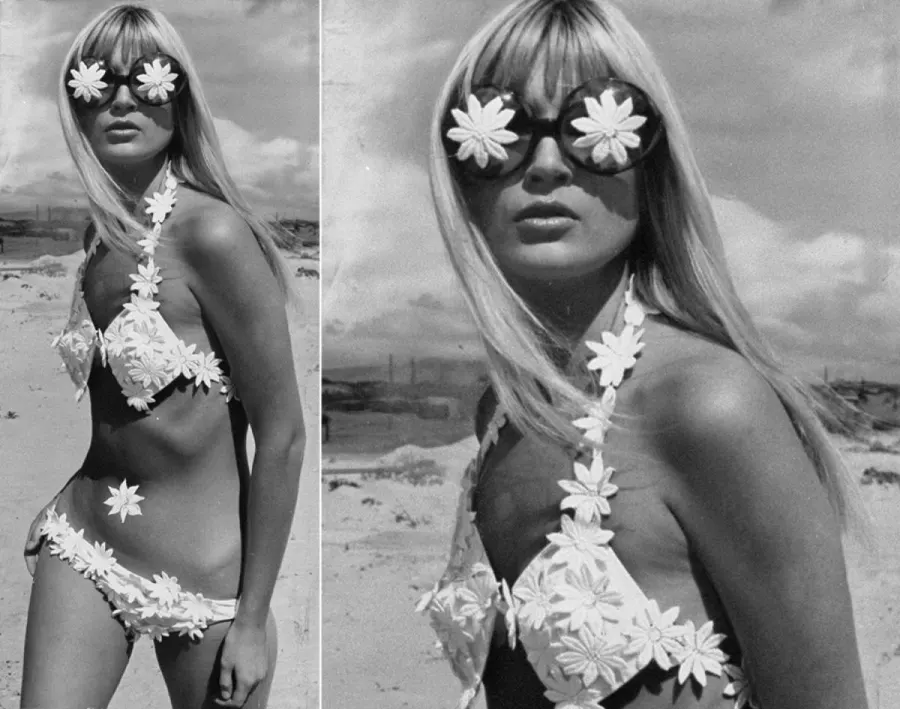
Flower Power! a Fashion Model Wears a Teeny, 1968
The photograph shows Flower power! A fashion model wears a teeny, daisy-encrusted bikini in June 1968. Gunnar Larsen/New York Daily News. It was taken in 1968, and like the best archival images it needs almost no explanation — the frame tells its own story.
The 1960s moved fast: the space race put satellites and then astronauts overhead, television replaced print as the main source of news, and social change swept through music, fashion, and politics. Photojournalism was at its peak, with picture magazines and newspapers employing armies of photographers.
What makes everyday photographs like this one compelling is the details at the edges: the clothes, the signs, the tools, the postures. They preserve texture that history books flatten out.
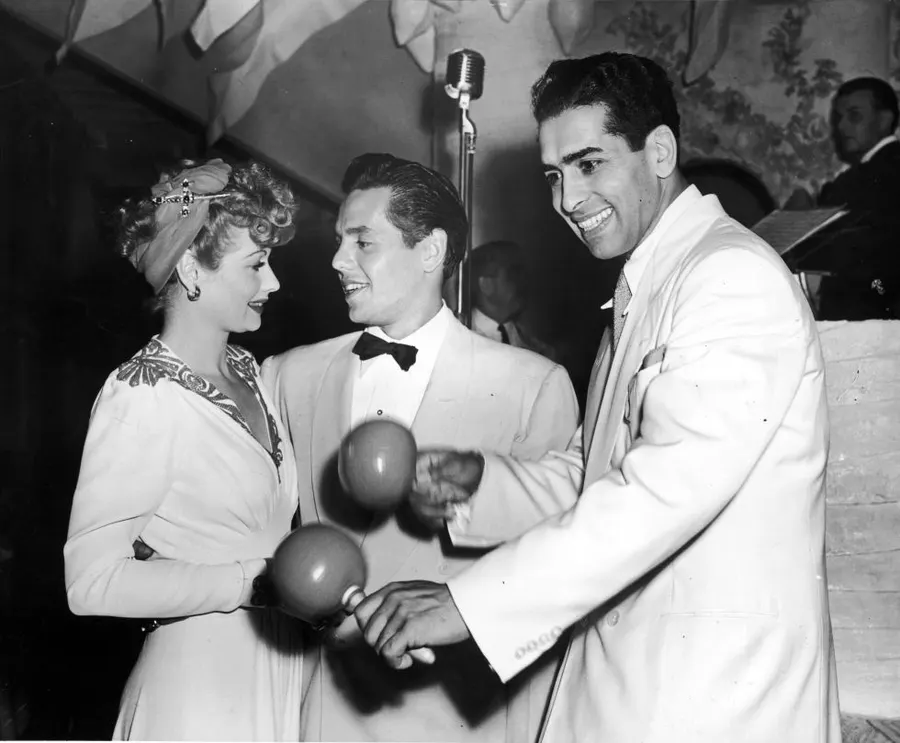
Famed Television Comedy Couple Lucille Ball and Desi Arnaz Are Pictured Here
Having a Ball: Famed television comedy couple Lucille Ball and Desi Arnaz are pictured here at the legendary NYC hotspot Copacabana. It is the kind of image that turns a line in a history book into something you can actually see.
Photography has only existed since 1839, which means the camera-recorded past is a narrow window — and every surviving frame from it is a small act of preservation, whether the photographer knew it or not.
Pictures of ordinary life are some of the most valuable historical documents we have. Grand events were always going to be recorded, but a normal day — how people worked, dressed, shopped, and passed the time — survives only when someone happened to point a camera at it.
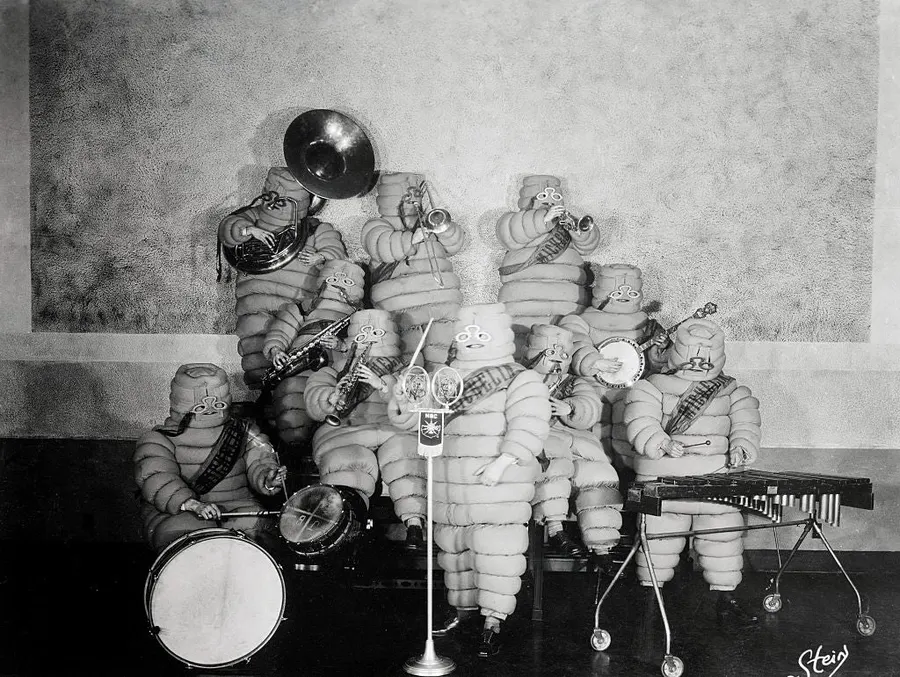
The Michelin Man Not Only Used to Be Absolutely Terrifying
The photograph shows The Michelin Man not only used to be absolutely terrifying, but he used to run with a gang of several other musically inclined Michelin men. It is the kind of image that turns a line in a history book into something you can actually see.
Photography has only existed since 1839, which means the camera-recorded past is a narrow window — and every surviving frame from it is a small act of preservation, whether the photographer knew it or not.
Pictures of ordinary life are some of the most valuable historical documents we have. Grand events were always going to be recorded, but a normal day — how people worked, dressed, shopped, and passed the time — survives only when someone happened to point a camera at it.
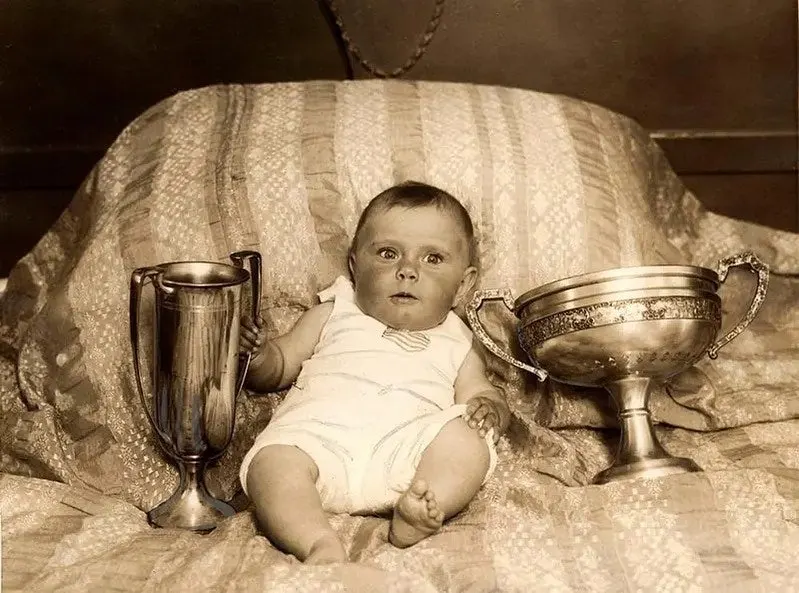
Marcia Pinkenfield, Winner of the "most Beautiful Child in America" Contest, 1927
Marcia Pinkenfield, winner of the "Most Beautiful Child In America" contest in 1927. The scene dates to 1927, a detail that changes how you read every face and object in the frame.
The 1920s roared with new money and new habits. Radio broadcasting began, cars became affordable for working families, jazz filled dance halls, and hemlines and haircuts shortened in ways that scandalized the older generation. News photography boomed alongside the tabloid press.
Most photography of the period chased celebrities and headlines, which makes surviving images of daily routine all the more precious. This is what the world actually looked like when nobody thought it was worth remembering.
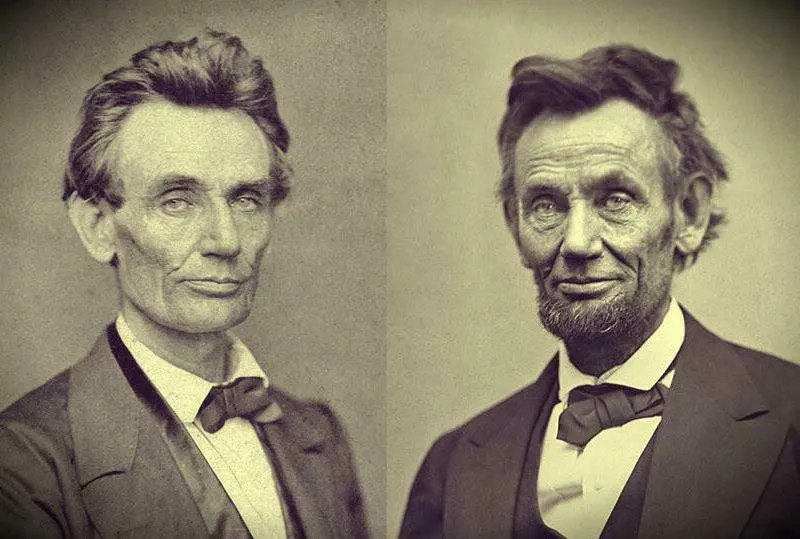
In Just Four Years, Abraham Lincoln Seemingly Aged a Decade
This picture preserves a moment few cameras ever caught — In Just Four Years, Abraham Lincoln Seemingly Aged A Decade. Like the best archival images, it needs almost no explanation — the frame tells its own story.
Photography has only existed since 1839, which means the camera-recorded past is a narrow window — and every surviving frame from it is a small act of preservation, whether the photographer knew it or not.
Pictures of ordinary life are some of the most valuable historical documents we have. Grand events were always going to be recorded, but a normal day — how people worked, dressed, shopped, and passed the time — survives only when someone happened to point a camera at it.
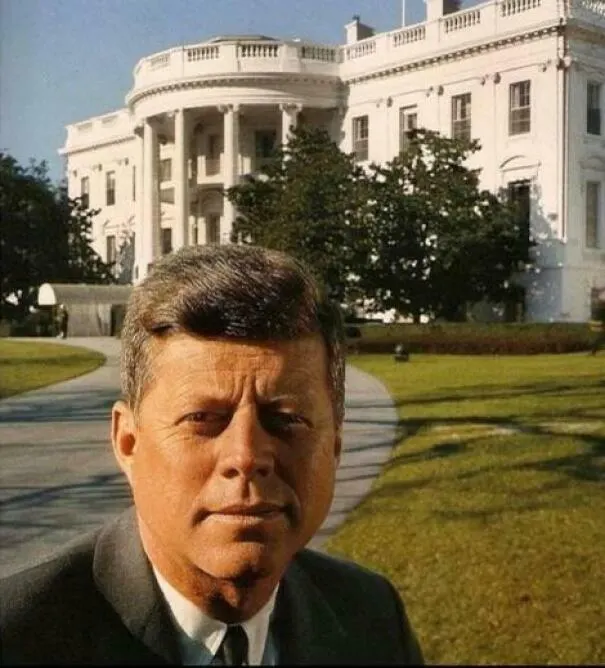
John F. Kennedy in a Selfie-style Picture in Front of the White House in 1962
Captured here: John F. Kennedy In A Selfie-Style Picture In Front Of The White House In 1962. Made in 1962, it is the kind of image that turns a date in a history book into something you can actually see.
The 1960s moved fast: the space race put satellites and then astronauts overhead, television replaced print as the main source of news, and social change swept through music, fashion, and politics. Photojournalism was at its peak, with picture magazines and newspapers employing armies of photographers.
Pictures of ordinary life are some of the most valuable historical documents we have. Grand events were always going to be recorded, but a normal day — how people worked, dressed, shopped, and passed the time — survives only when someone happened to point a camera at it.
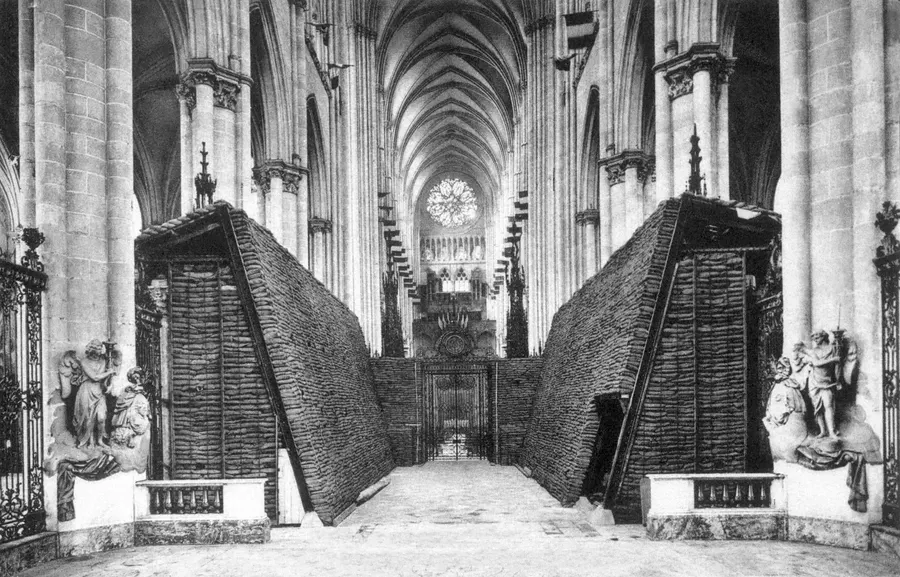
During WWI This Church in France Stacked Sandbags Throughout the Entirety
During WWI this church in France stacked sandbags throughout the entirety of the structure to protect it. It is the kind of image that turns a line in a history book into something you can actually see.
Photography has only existed since 1839, which means the camera-recorded past is a narrow window — and every surviving frame from it is a small act of preservation, whether the photographer knew it or not.
What makes everyday photographs like this one compelling is the details at the edges: the clothes, the signs, the tools, the postures. They preserve texture that history books flatten out.
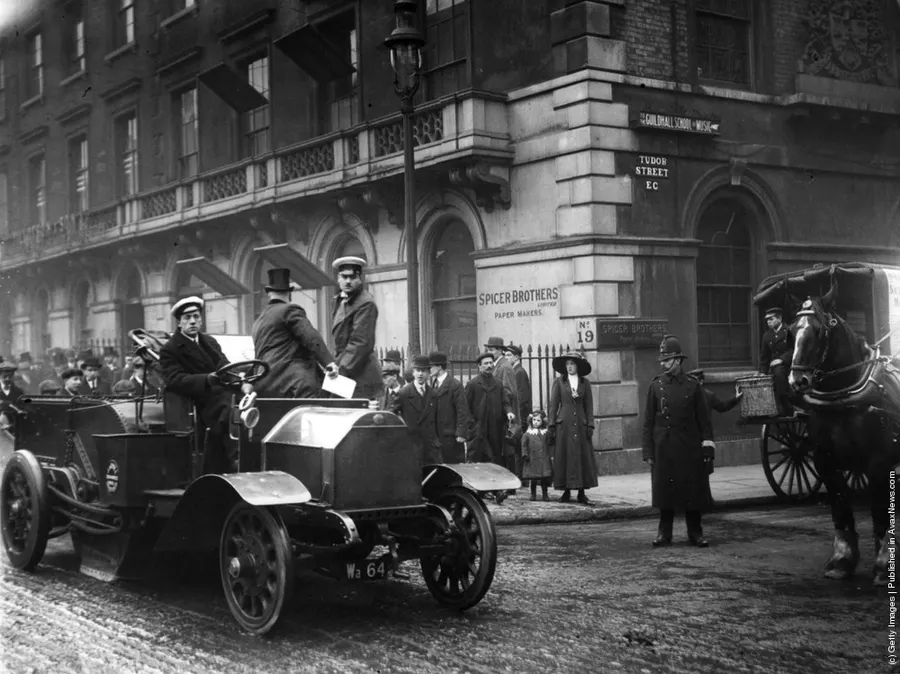
9th April 1913. a Demonstration of a Vacuum Cleaner for the London Streets
The photograph shows 9th April 1913. A demonstration of a vacuum cleaner for the London streets, with representatives of the London Corporation in the car. It was taken in 1913, and like the best archival images it needs almost no explanation — the frame tells its own story.
The 1910s were a decade of upheaval. The First World War (1914-1918) pulled millions into uniform and redrew the map of Europe, while on the home front automobiles, telephones, and moving pictures were rapidly becoming part of ordinary life.
Pictures of ordinary life are some of the most valuable historical documents we have. Grand events were always going to be recorded, but a normal day — how people worked, dressed, shopped, and passed the time — survives only when someone happened to point a camera at it.
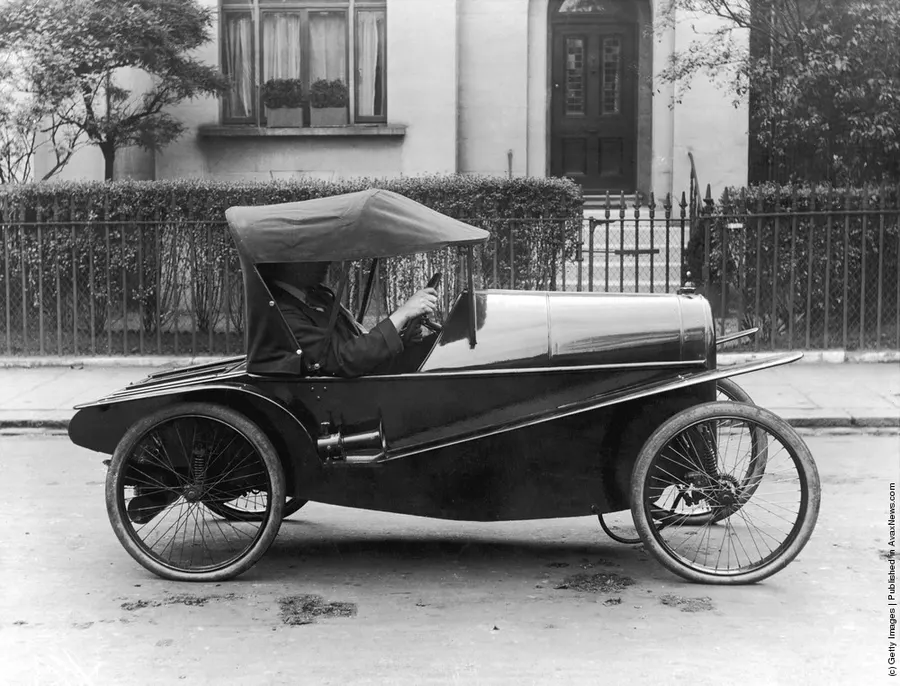
A Very Early Carden Lightcar Being Driven Along the Street
Captured here: a very early Carden Lightcar being driven along the street. It is the kind of image that turns a line in a history book into something you can actually see.
Photography has only existed since 1839, which means the camera-recorded past is a narrow window — and every surviving frame from it is a small act of preservation, whether the photographer knew it or not.
Most photography of the period chased celebrities and headlines, which makes surviving images of daily routine all the more precious. This is what the world actually looked like when nobody thought it was worth remembering.
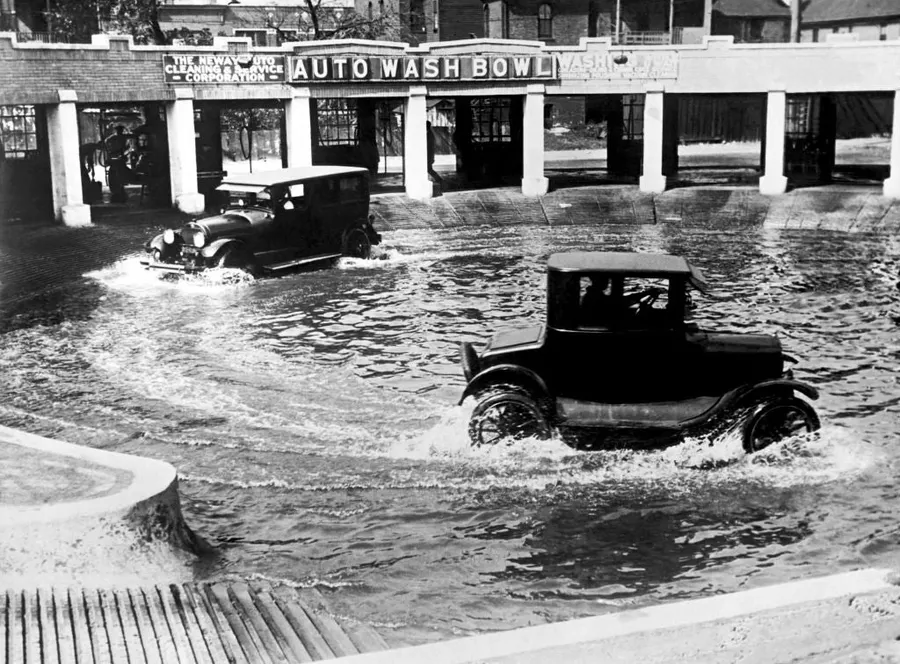
Before Modern Car Washes Were Invented
Before modern car washes were invented, one particularly wacky idea was for cars to drive around through water in a circle. Like the best archival images, it needs almost no explanation — the frame tells its own story.
Photography has only existed since 1839, which means the camera-recorded past is a narrow window — and every surviving frame from it is a small act of preservation, whether the photographer knew it or not.
Most photography of the period chased celebrities and headlines, which makes surviving images of daily routine all the more precious. This is what the world actually looked like when nobody thought it was worth remembering.
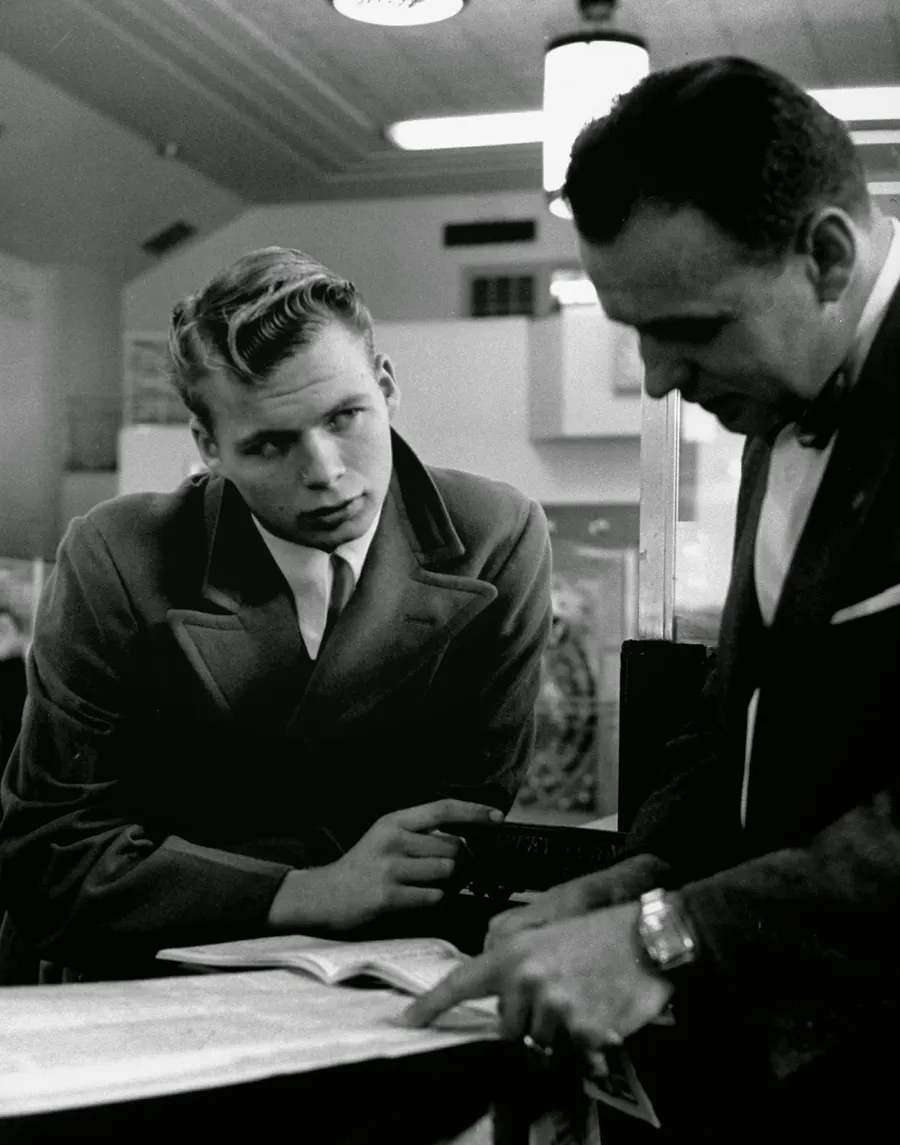
Young Investor, David Lenske, 17, Having Bought Four AT&T Shares, 1954
This picture preserves a moment few cameras ever caught — Young investor, David Lenske, 17, having bought four AT&T shares, talks with banker, 1954. It was taken in 1954, and like the best archival images it needs almost no explanation — the frame tells its own story.
The 1950s brought a wave of postwar prosperity, especially in North America. Suburbs, television sets, big chrome-trimmed cars, and rock and roll defined the decade, and a booming picture-magazine industry sent photographers to document all of it.
Most photography of the period chased celebrities and headlines, which makes surviving images of daily routine all the more precious. This is what the world actually looked like when nobody thought it was worth remembering.
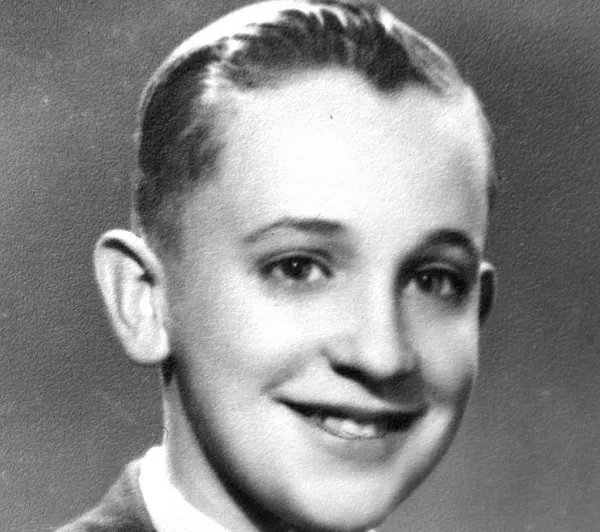
Jorge Mario Bergoglio, Historical Photo of the Pope
This picture preserves a moment few cameras ever caught — Jorge Mario Bergoglio, Historical Photo of the Pope. It is the kind of image that turns a line in a history book into something you can actually see.
Photography has only existed since 1839, which means the camera-recorded past is a narrow window — and every surviving frame from it is a small act of preservation, whether the photographer knew it or not.
What makes everyday photographs like this one compelling is the details at the edges: the clothes, the signs, the tools, the postures. They preserve texture that history books flatten out.
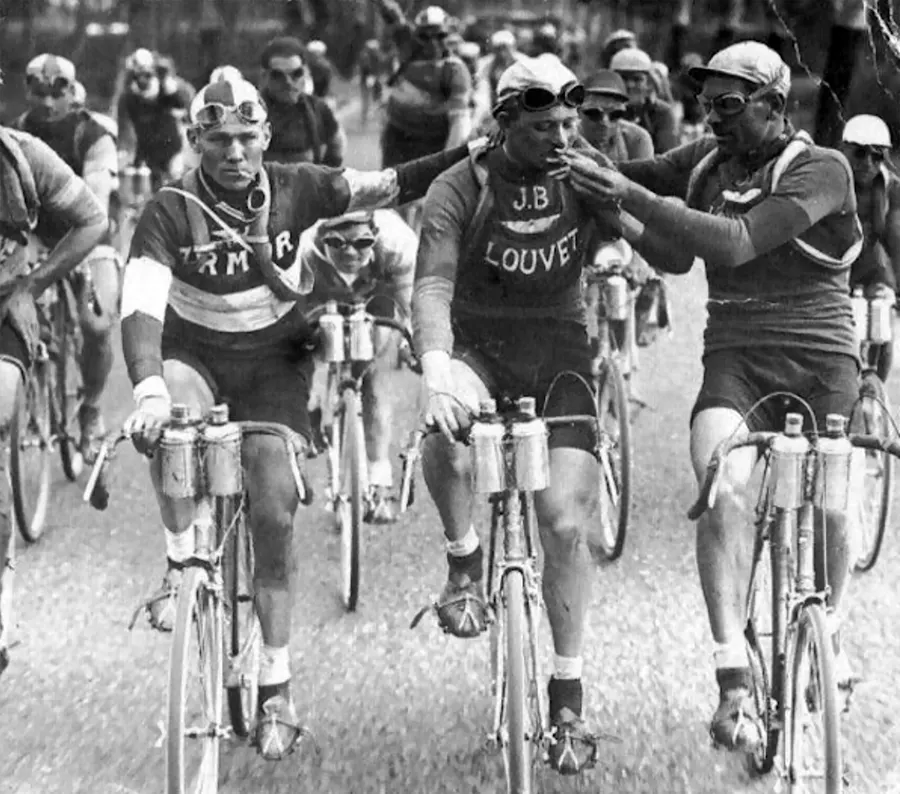
This Picture from the 1927 Tour De France Shows Riders Julien Vervaecke
Captured here: this picture from the 1927 Tour de France shows riders Julien Vervaecke and Maurice Geldhof taking a quick cigarette break while competing. The scene dates to 1927, a detail that changes how you read every face and object in the frame.
The 1920s roared with new money and new habits. Radio broadcasting began, cars became affordable for working families, jazz filled dance halls, and hemlines and haircuts shortened in ways that scandalized the older generation. News photography boomed alongside the tabloid press.
What makes everyday photographs like this one compelling is the details at the edges: the clothes, the signs, the tools, the postures. They preserve texture that history books flatten out.
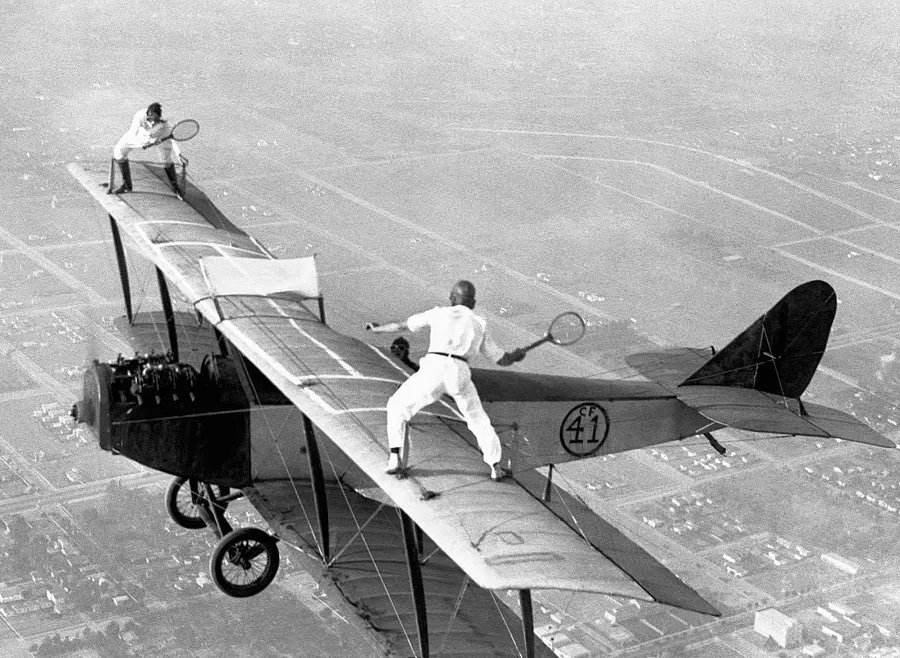
A Real Photo of Two People, Gladys Roy and Ivan Unger
The photograph shows a real photo of two people, Gladys Roy and Ivan Unger, playing tennis on top of a plane flying at 3000 feet. It is the kind of image that turns a line in a history book into something you can actually see.
Wing walking was a genuine profession in the barnstorming era of the 1920s, when surplus wartime biplanes were cheap and air shows drew huge crowds. Performers like Gladys Roy staged stunts — dancing the Charleston, playing tennis, walking blindfolded — on the wings of planes in flight, usually without parachutes. Many of the era's star wing walkers, Roy included, died young in aviation accidents.
Photographs like this one are a reminder that progress rarely moves in a straight line. For every invention that became part of daily life, dozens of confident prototypes ended up as curiosities — and the camera is often the only witness they left behind.
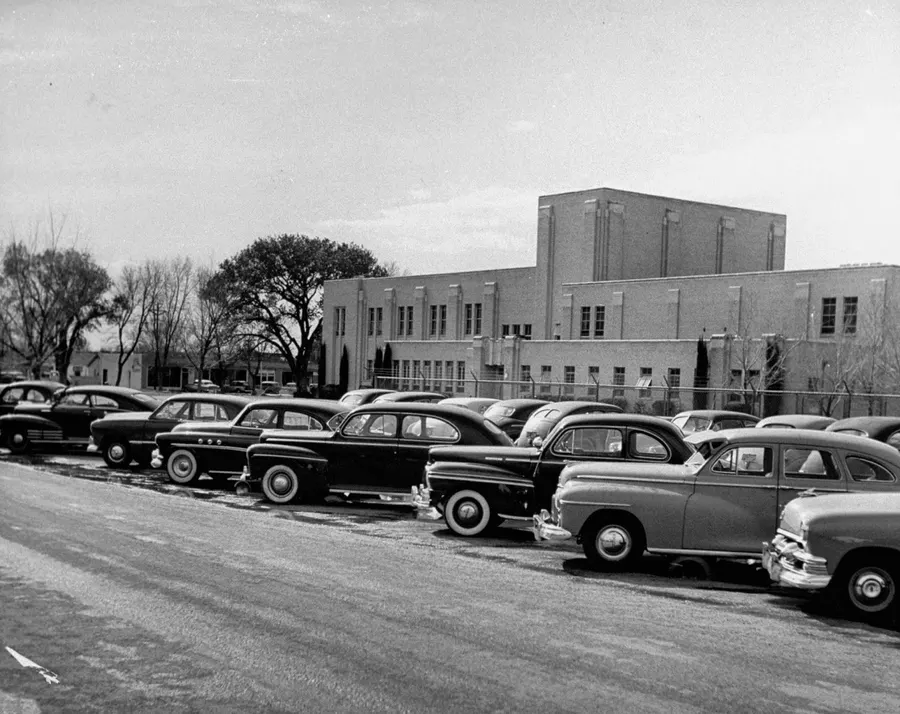
Cars of Carlsbad High Students Fill Own Parking Lot
Captured here: Cars of Carlsbad High students fill own parking lot. Like the best archival images, it needs almost no explanation — the frame tells its own story.
Photography has only existed since 1839, which means the camera-recorded past is a narrow window — and every surviving frame from it is a small act of preservation, whether the photographer knew it or not.
What makes everyday photographs like this one compelling is the details at the edges: the clothes, the signs, the tools, the postures. They preserve texture that history books flatten out.
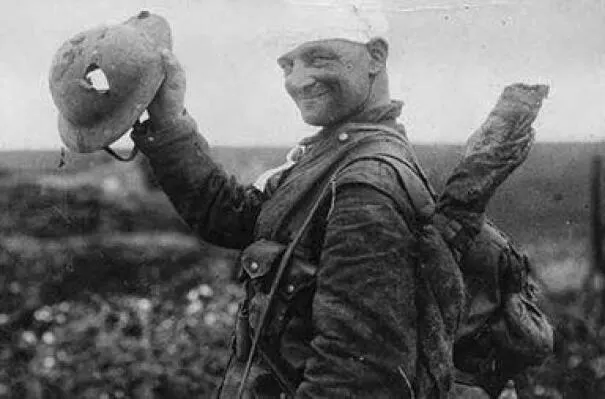
Lucky British Soldier Showing Off his Damaged Helmet, 1917
This picture preserves a moment few cameras ever caught — Lucky British Soldier Showing Off His Damaged Helmet, 1917. The scene dates to 1917, a detail that changes how you read every face and object in the frame.
The 1910s were a decade of upheaval. The First World War (1914-1918) pulled millions into uniform and redrew the map of Europe, while on the home front automobiles, telephones, and moving pictures were rapidly becoming part of ordinary life.
History is usually written down long after it happens, but a photograph is made in the moment itself. That immediacy is what keeps images like this one circulating decades after the event they show.
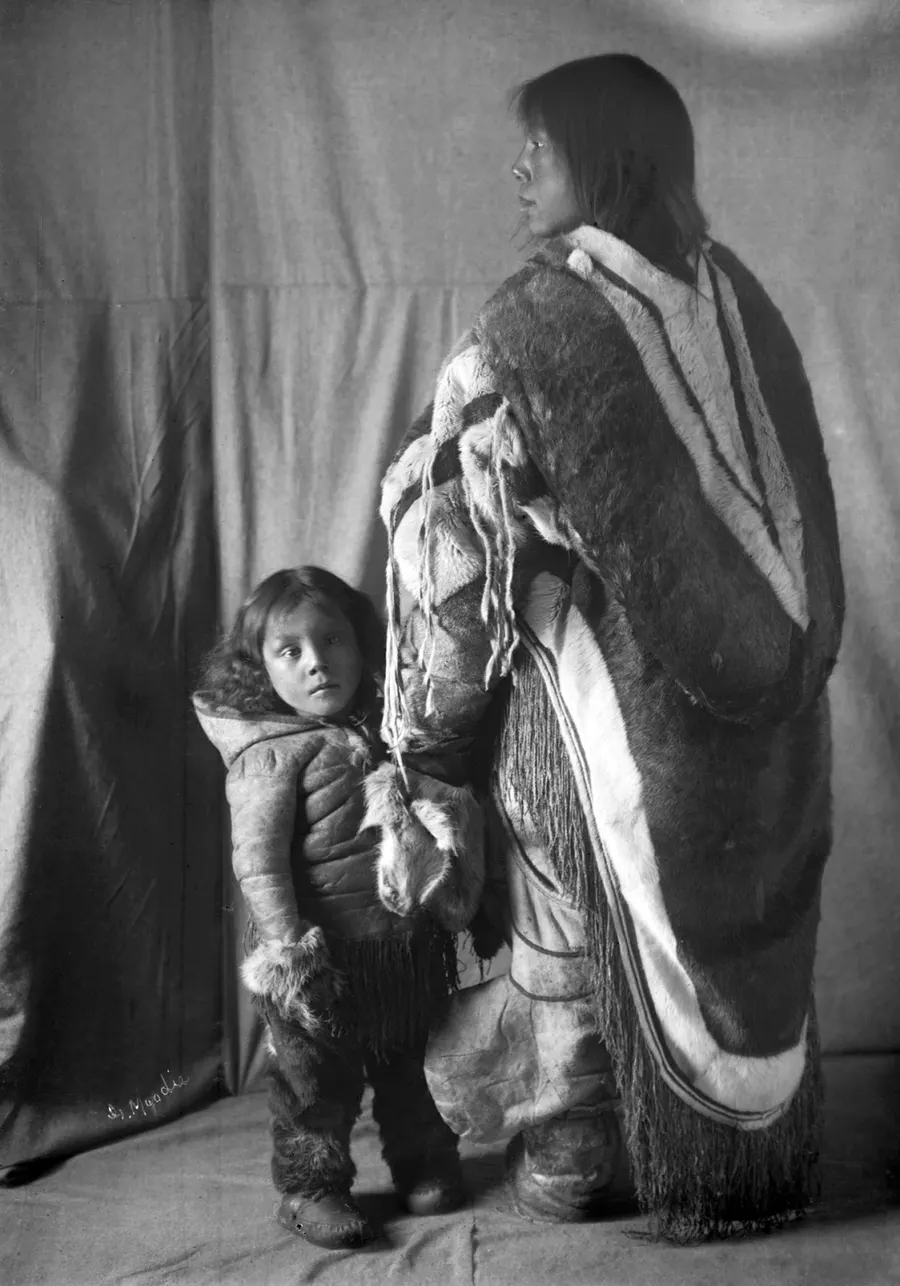
Inuit Woman, Kootucktuck, in her Beaded Attigi, 1905
Captured here: Inuit woman, Kootucktuck, in her beaded attigi. Fullerton Harbour, Nunavut, February 1905. The scene dates to 1905, a detail that changes how you read every face and object in the frame.
The first years of the twentieth century were an age of confident invention. Powered flight arrived with the Wright brothers in 1903, automobiles were leaving the curiosity stage, and cities were filling with electric light, elevators, and streetcars — all of it documented by a new generation of press photographers.
Pictures of ordinary life are some of the most valuable historical documents we have. Grand events were always going to be recorded, but a normal day — how people worked, dressed, shopped, and passed the time — survives only when someone happened to point a camera at it.
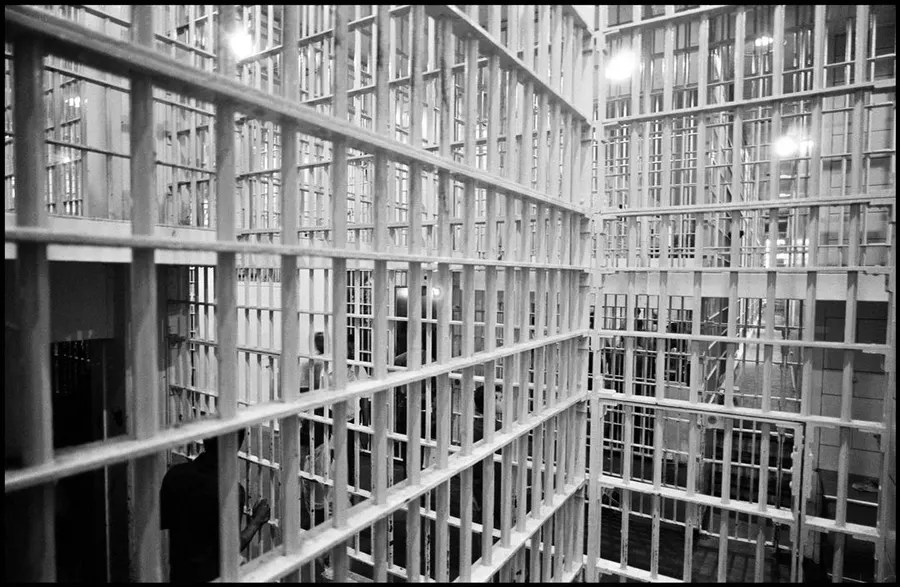
Detention Facilities
This picture preserves a moment few cameras ever caught — Detention facilities. It is the kind of image that turns a line in a history book into something you can actually see.
Photography has only existed since 1839, which means the camera-recorded past is a narrow window — and every surviving frame from it is a small act of preservation, whether the photographer knew it or not.
Pictures of ordinary life are some of the most valuable historical documents we have. Grand events were always going to be recorded, but a normal day — how people worked, dressed, shopped, and passed the time — survives only when someone happened to point a camera at it.
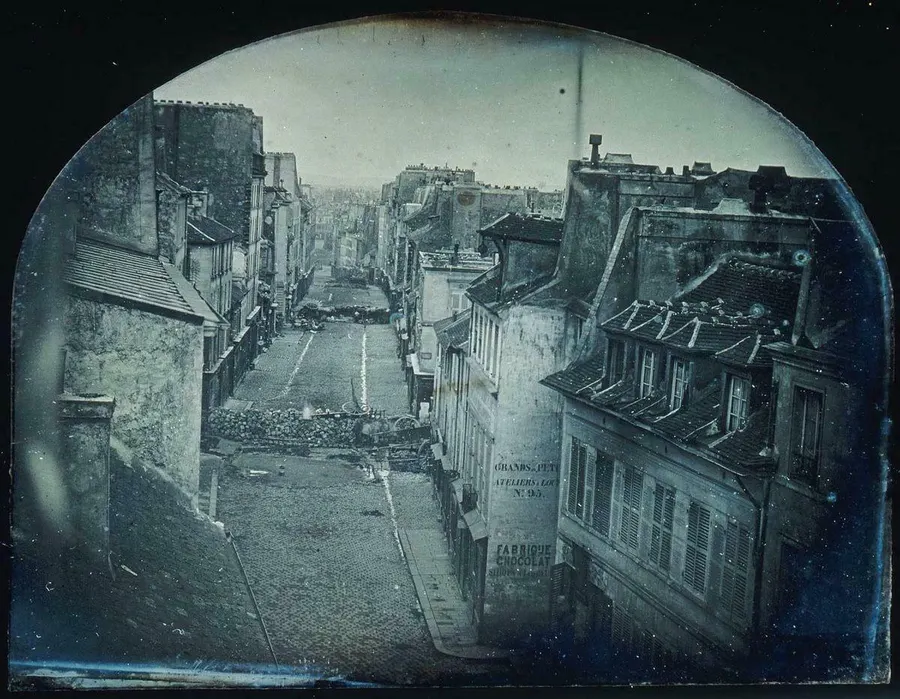
World's Oldest Photo
World's Oldest Photo. Like the best archival images, it needs almost no explanation — the frame tells its own story.
Photography has only existed since 1839, which means the camera-recorded past is a narrow window — and every surviving frame from it is a small act of preservation, whether the photographer knew it or not.
Most photography of the period chased celebrities and headlines, which makes surviving images of daily routine all the more precious. This is what the world actually looked like when nobody thought it was worth remembering.
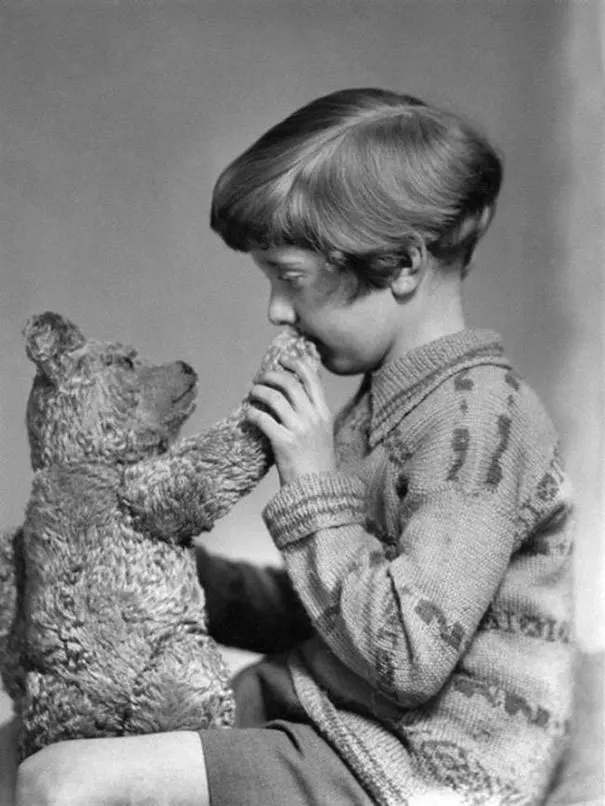
The Real Winnie the Pooh and Christopher Robin, 1927
This picture preserves a moment few cameras ever caught — The Real Winnie The Pooh And Christopher Robin, 1927. It was taken in 1927, and like the best archival images it needs almost no explanation — the frame tells its own story.
The 1920s roared with new money and new habits. Radio broadcasting began, cars became affordable for working families, jazz filled dance halls, and hemlines and haircuts shortened in ways that scandalized the older generation. News photography boomed alongside the tabloid press.
What makes everyday photographs like this one compelling is the details at the edges: the clothes, the signs, the tools, the postures. They preserve texture that history books flatten out.
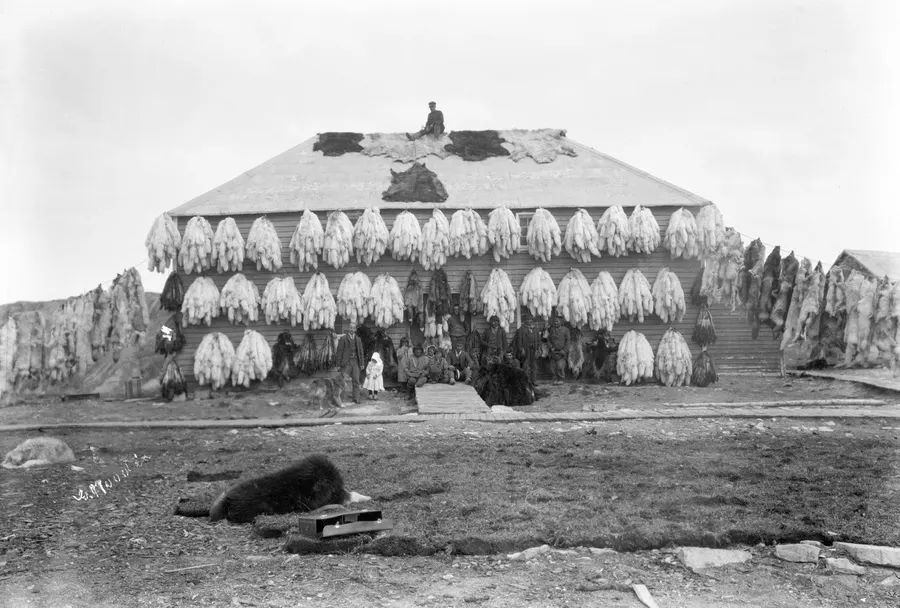
Hudson Bay Company Store Covered with Furs, Churchill, Manitoba, Circa 1906-09
Hudson Bay Company store covered with furs, Churchill, Manitoba, circa 1906-09. Made in 1906-09, it is the kind of image that turns a date in a history book into something you can actually see.
The first years of the twentieth century were an age of confident invention. Powered flight arrived with the Wright brothers in 1903, automobiles were leaving the curiosity stage, and cities were filling with electric light, elevators, and streetcars — all of it documented by a new generation of press photographers.
Pictures of ordinary life are some of the most valuable historical documents we have. Grand events were always going to be recorded, but a normal day — how people worked, dressed, shopped, and passed the time — survives only when someone happened to point a camera at it.
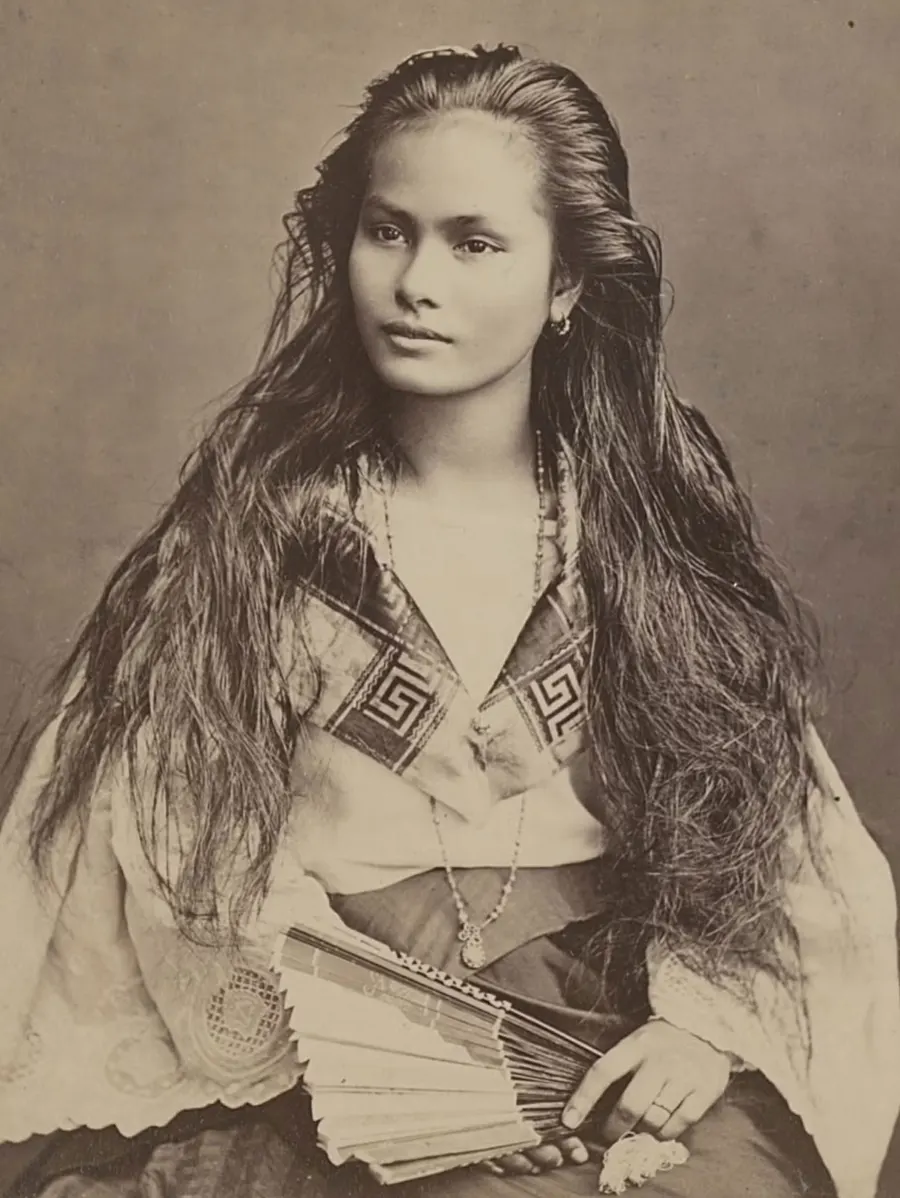
Luzon Woman, 1875
The photograph shows Luzon Woman, 1875. Made in 1875, it is the kind of image that turns a date in a history book into something you can actually see.
In the 1870s photography was moving out of the studio. Dry-plate technology was beginning to free photographers from portable darkrooms, railroads were opening remote regions to travel, and survey photographers were producing the first systematic pictures of landscapes and working life.
What makes everyday photographs like this one compelling is the details at the edges: the clothes, the signs, the tools, the postures. They preserve texture that history books flatten out.
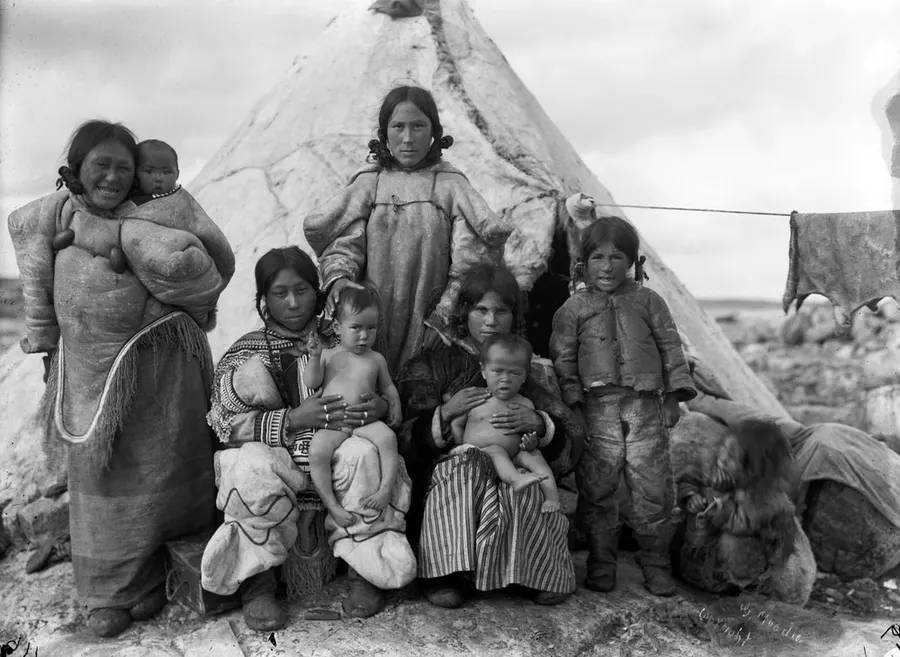
Inuit Women and Children at Summer Camp, Fullerton Harbour, Nunavut, 1906
The photograph shows Inuit women and children at summer camp, Fullerton Harbour, Nunavut, August 1906. Made in 1906, it is the kind of image that turns a date in a history book into something you can actually see.
The first years of the twentieth century were an age of confident invention. Powered flight arrived with the Wright brothers in 1903, automobiles were leaving the curiosity stage, and cities were filling with electric light, elevators, and streetcars — all of it documented by a new generation of press photographers.
Pictures of ordinary life are some of the most valuable historical documents we have. Grand events were always going to be recorded, but a normal day — how people worked, dressed, shopped, and passed the time — survives only when someone happened to point a camera at it.
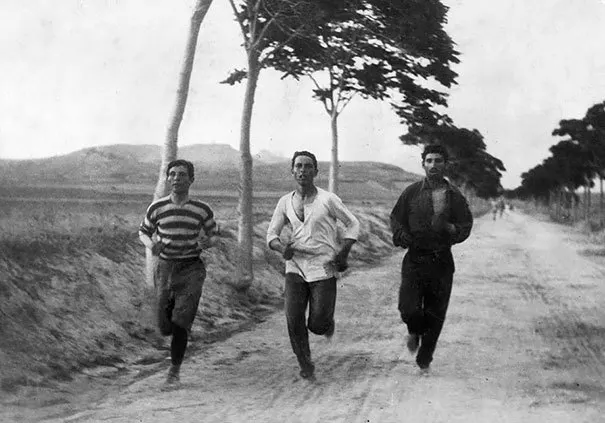
Three Men Run in the Marathon at the First Modern Olympic Games, 1896
This picture preserves a moment few cameras ever caught — three Men Run In The Marathon At The First Modern Olympic Games, 1896. It was taken in 1896, and like the best archival images it needs almost no explanation — the frame tells its own story.
The first modern Olympic Games were held in Athens in 1896, reviving the ancient Greek tradition after fifteen centuries. About 240 athletes — all men, from 14 nations — competed. The marathon, run from the town of Marathon to Athens, was the emotional centerpiece, and Greek runner Spyridon Louis became a national hero by winning it.
News photographs from this period traveled by wire and print, and a single strong image could shape how millions of people understood an event. This picture is one of the frames that did that work.
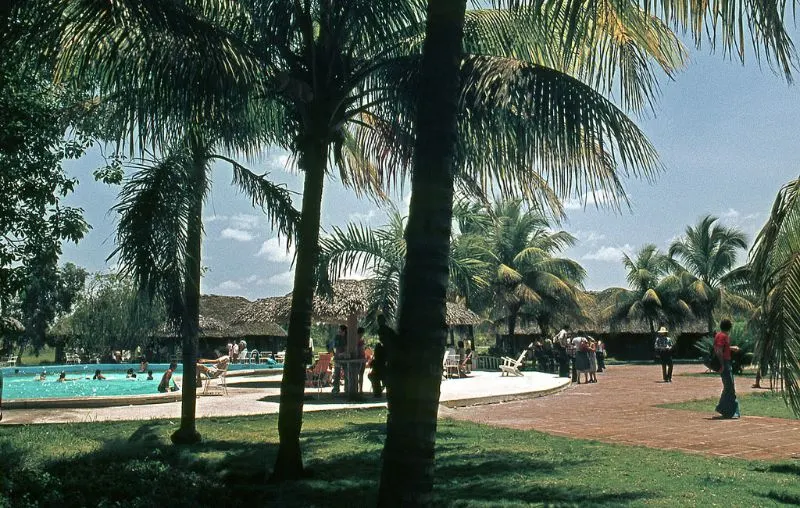
Cuba, Matanzas, 1976. Pool and Garden of a National Tourism Resort in Cuba
This picture preserves a moment few cameras ever caught — Cuba, Matanzas, 1976. Pool and garden of a national tourism resort in Cuba. The scene dates to 1976, a detail that changes how you read every face and object in the frame.
The 1970s had a grittier texture than the decades before it — economic shocks, urban decline, and political distrust, but also bold fashion, muscle cars, and the first stirrings of the digital age. Color film had become cheap and ubiquitous, so the decade survives in vivid Kodachrome hues.
What makes everyday photographs like this one compelling is the details at the edges: the clothes, the signs, the tools, the postures. They preserve texture that history books flatten out.
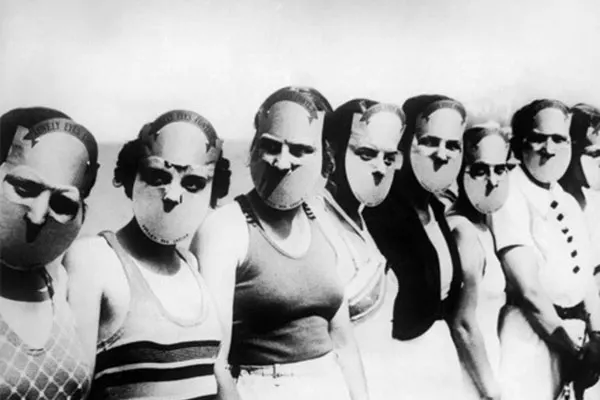
What Lovely Eyes You Have, My Dear
Captured here: What Lovely Eyes You Have, My Dear. It is the kind of image that turns a line in a history book into something you can actually see.
Photography has only existed since 1839, which means the camera-recorded past is a narrow window — and every surviving frame from it is a small act of preservation, whether the photographer knew it or not.
Most photography of the period chased celebrities and headlines, which makes surviving images of daily routine all the more precious. This is what the world actually looked like when nobody thought it was worth remembering.
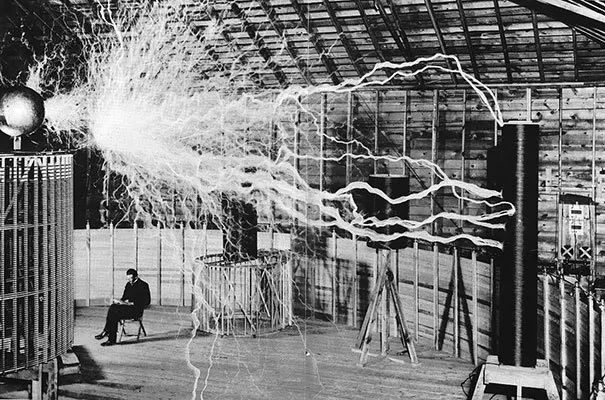
Nikola Tesla in his Laboratory, Sitting Behind his “magnifying Transmitter”
This picture preserves a moment few cameras ever caught — Nikola Tesla In His Laboratory, Sitting Behind His “Magnifying Transmitter”. It is the kind of image that turns a line in a history book into something you can actually see.
Nikola Tesla was one of the most photographed inventors of his era, and he understood publicity as well as engineering. His most famous portraits, made around 1899 in his Colorado Springs laboratory, used double exposure to show him calmly reading amid cascades of artificial lightning from his high-voltage experiments.
Most photography of the period chased celebrities and headlines, which makes surviving images of daily routine all the more precious. This is what the world actually looked like when nobody thought it was worth remembering.
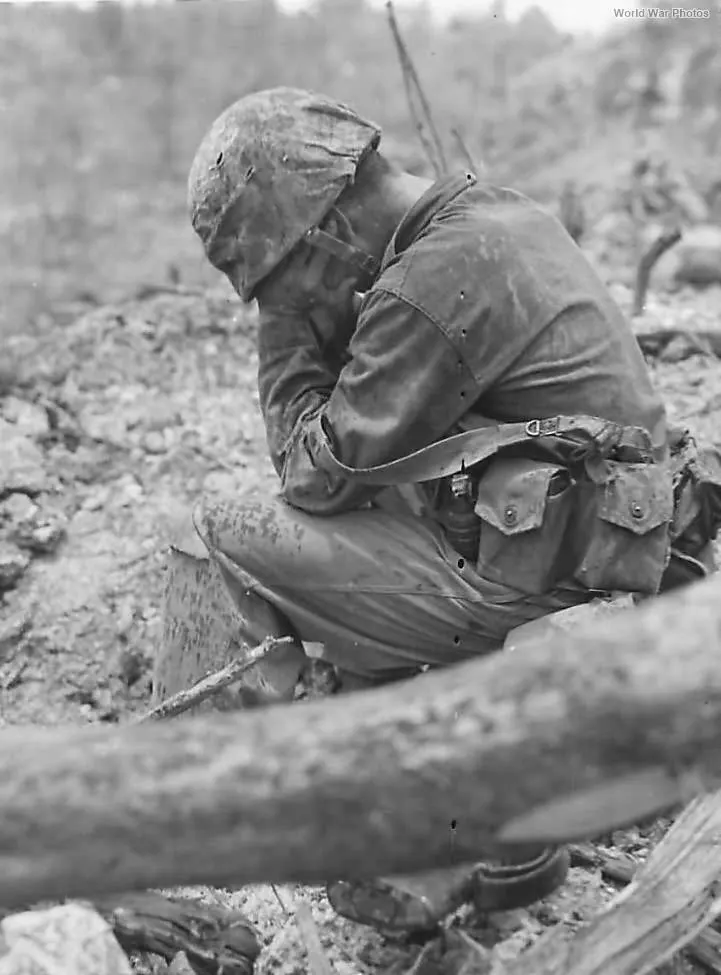
An Overwhelmed US Marine Is Pictured While Weeping Among Ruins During, 1944
The photograph shows an Overwhelmed US Marine Is Pictured While Weeping Among Ruins During The Battle Of Peleliu. September 26th, 1944. Made in 1944, it is the kind of image that turns a date in a history book into something you can actually see.
The first half of the 1940s was consumed by the Second World War, the largest conflict in human history, and photography went to war with it — small 35mm cameras and wire services meant pictures from the front could reach newspaper readers within days.
History is usually written down long after it happens, but a photograph is made in the moment itself. That immediacy is what keeps images like this one circulating decades after the event they show.
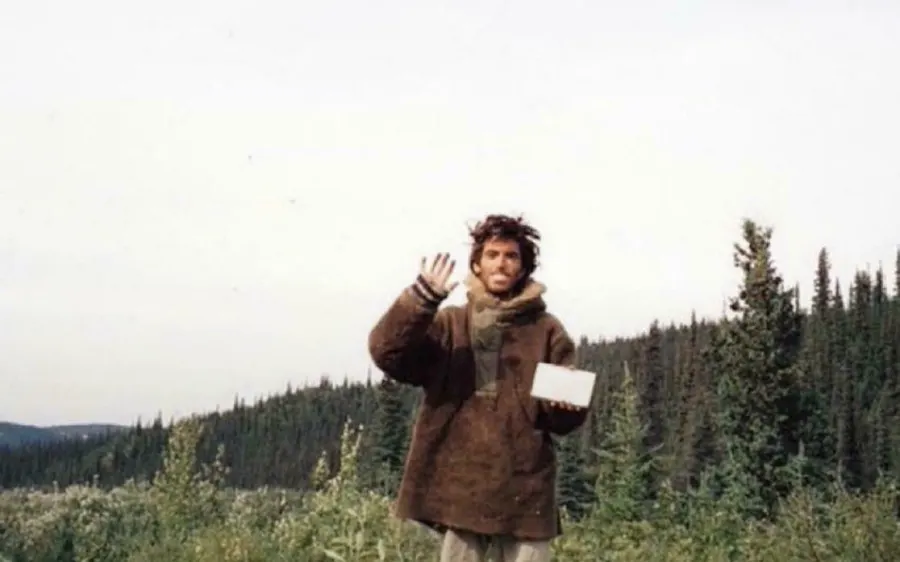
The Final Photo of Christopher Mccandless, 1992
This picture preserves a moment few cameras ever caught — The Final Photo Of Christopher Mccandless, Taken Before His Death In August 1992, Was Found On His Undeveloped Camera. After Venturing Into The Alaskan Wilderness, He Used An Abandoned Bus As Shelter Where He Starved To Death. Made in 1992, it is the kind of image that turns a date in a history book into something you can actually see.
The 1990s were the last fully analog decade. The internet was just arriving in homes, film cameras still ruled, and the era's photographs carry the distinct warm grain of late-century color film.
Pictures of ordinary life are some of the most valuable historical documents we have. Grand events were always going to be recorded, but a normal day — how people worked, dressed, shopped, and passed the time — survives only when someone happened to point a camera at it.
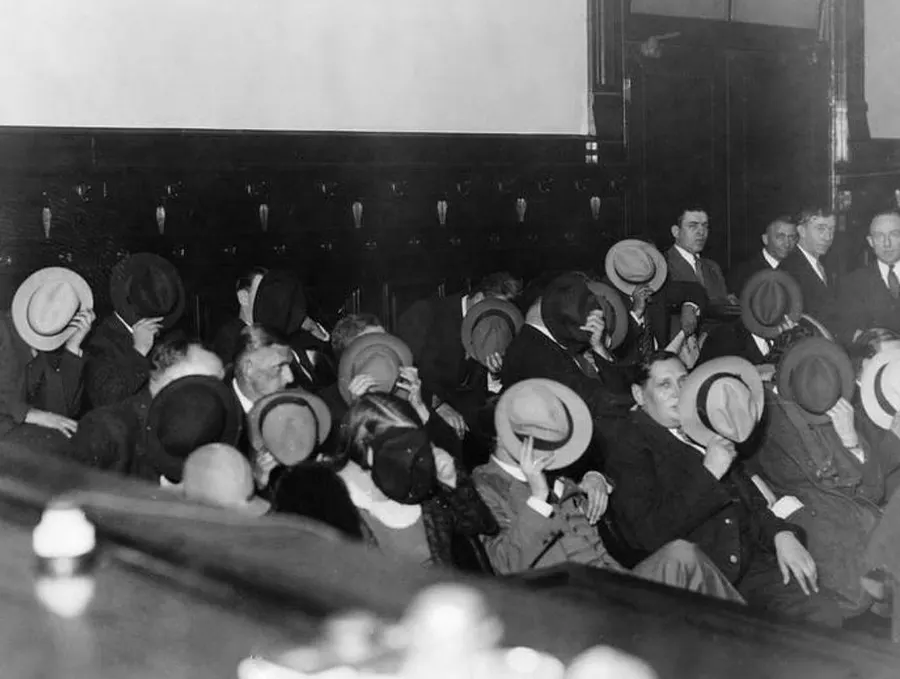
Mobsters Hide their Faces at Al Capone's Trial, 1947
Mobsters Hide Their Faces At Al Capone's Trial, 1947. The scene dates to 1947, a detail that changes how you read every face and object in the frame.
The first half of the 1940s was consumed by the Second World War, the largest conflict in human history, and photography went to war with it — small 35mm cameras and wire services meant pictures from the front could reach newspaper readers within days.
What makes everyday photographs like this one compelling is the details at the edges: the clothes, the signs, the tools, the postures. They preserve texture that history books flatten out.
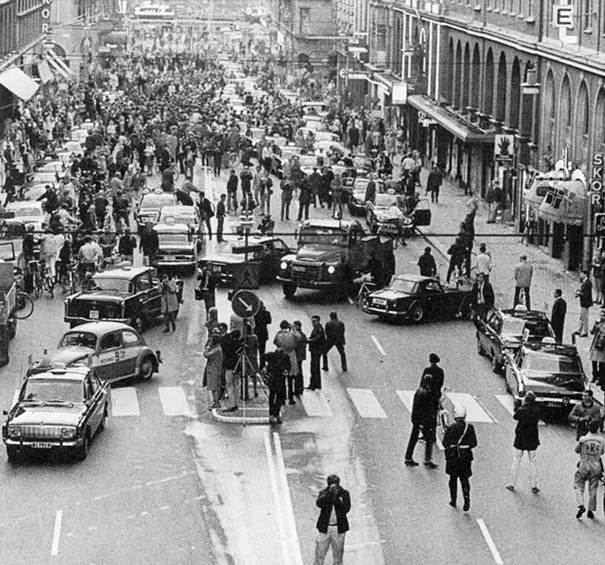
First Morning After Sweden Changed from Driving on the Left Side to Driving, 1967
The photograph shows First Morning After Sweden Changed From Driving On The Left Side To Driving On The Right, 1967. Made in 1967, it is the kind of image that turns a date in a history book into something you can actually see.
The 1960s moved fast: the space race put satellites and then astronauts overhead, television replaced print as the main source of news, and social change swept through music, fashion, and politics. Photojournalism was at its peak, with picture magazines and newspapers employing armies of photographers.
Most photography of the period chased celebrities and headlines, which makes surviving images of daily routine all the more precious. This is what the world actually looked like when nobody thought it was worth remembering.
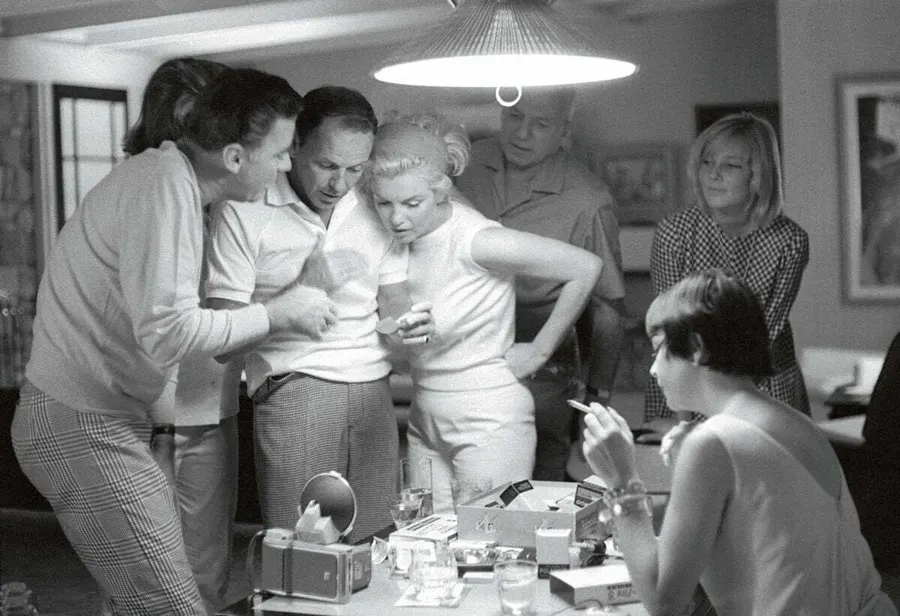
In a Private Reunion, Frank Sinatra Shows Some of his Photos, 1961
This picture preserves a moment few cameras ever caught — In A Private Reunion, Frank Sinatra Shows Some Of His Photos, One Of His Guests Is Marilyn Monroe, 1961. It was taken in 1961, and like the best archival images it needs almost no explanation — the frame tells its own story.
The 1960s moved fast: the space race put satellites and then astronauts overhead, television replaced print as the main source of news, and social change swept through music, fashion, and politics. Photojournalism was at its peak, with picture magazines and newspapers employing armies of photographers.
What makes everyday photographs like this one compelling is the details at the edges: the clothes, the signs, the tools, the postures. They preserve texture that history books flatten out.
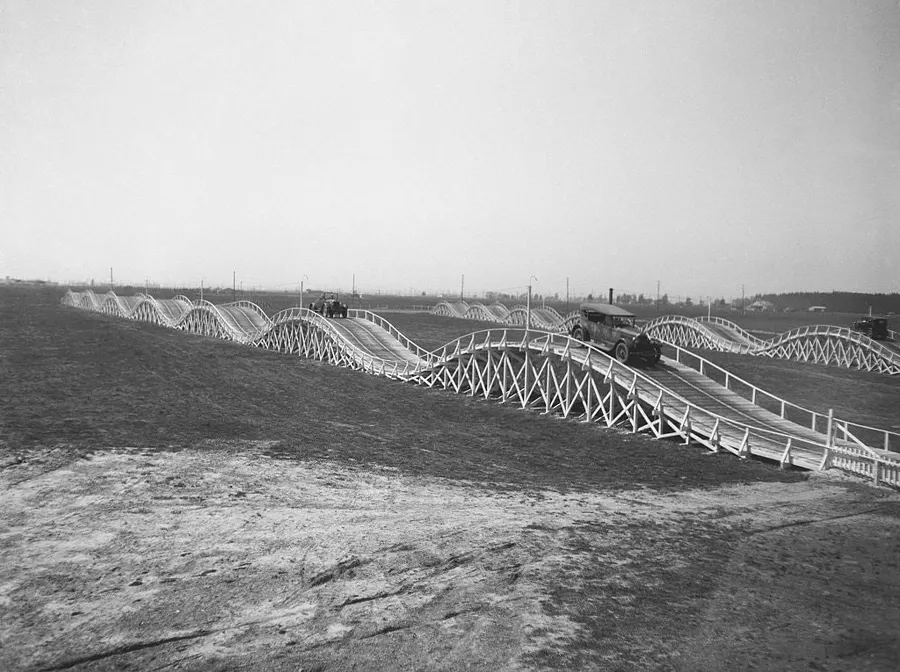
What Was Known as an "auto-thriller," Basically a Rollercoaster for Your Car
Captured here: what was known as an "auto-thriller," basically a rollercoaster for your car. Like the best archival images, it needs almost no explanation — the frame tells its own story.
Photography has only existed since 1839, which means the camera-recorded past is a narrow window — and every surviving frame from it is a small act of preservation, whether the photographer knew it or not.
What makes everyday photographs like this one compelling is the details at the edges: the clothes, the signs, the tools, the postures. They preserve texture that history books flatten out.
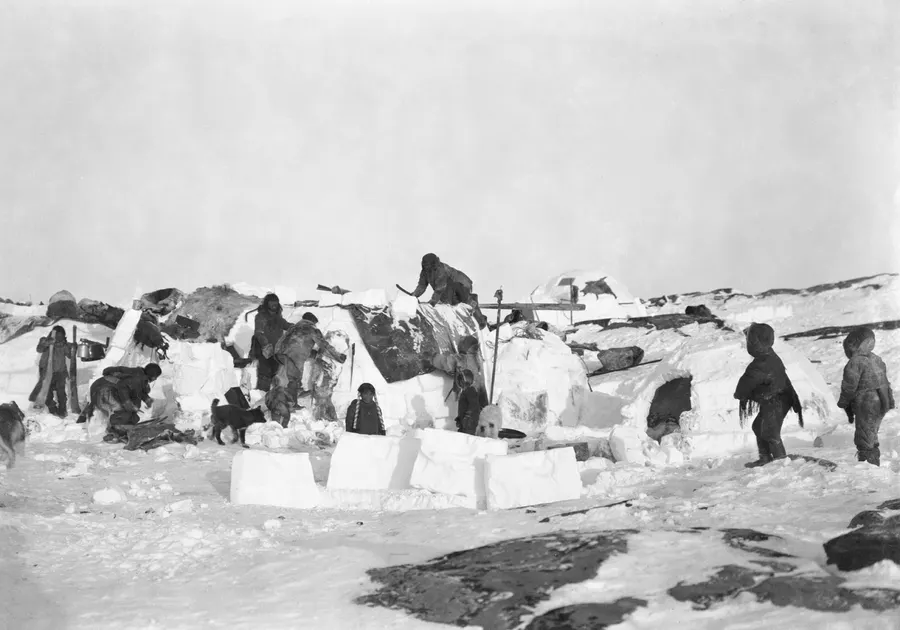
Inuit Igloos, Fullerton Harbour, Nunavut, C. October 1903
The photograph shows Inuit igloos, Fullerton Harbour, Nunavut, c. October 1903. The scene dates to 1903, a detail that changes how you read every face and object in the frame.
The first years of the twentieth century were an age of confident invention. Powered flight arrived with the Wright brothers in 1903, automobiles were leaving the curiosity stage, and cities were filling with electric light, elevators, and streetcars — all of it documented by a new generation of press photographers.
Pictures of ordinary life are some of the most valuable historical documents we have. Grand events were always going to be recorded, but a normal day — how people worked, dressed, shopped, and passed the time — survives only when someone happened to point a camera at it.
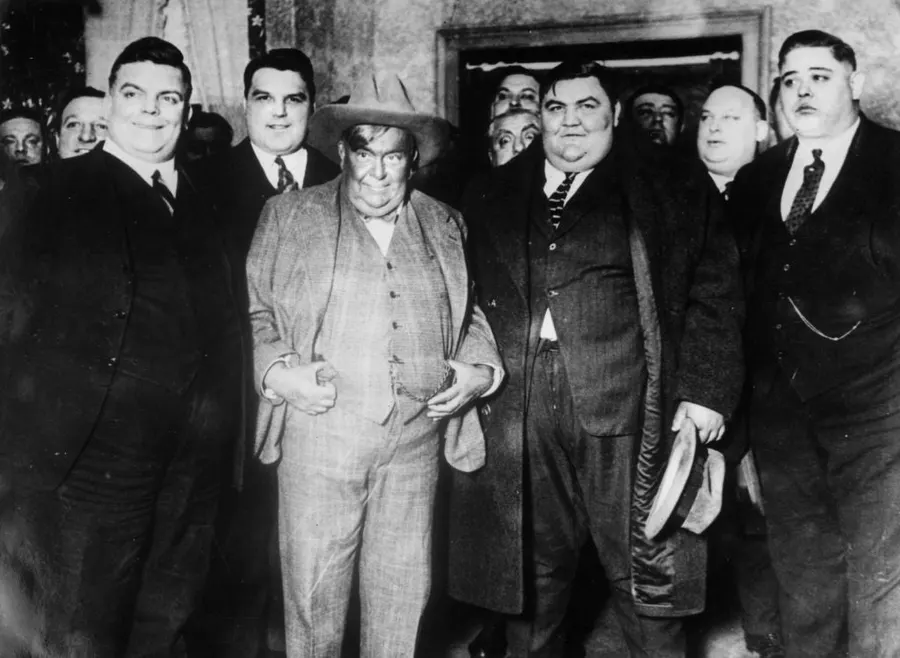
A Meeting of the New York Chapter of the "fat Men's Club" Circa 1930
This picture preserves a moment few cameras ever caught — a meeting of the New York chapter of the "Fat Men's Club" circa 1930. It was taken around 1930, and like the best archival images it needs almost no explanation — the frame tells its own story.
Fat Men's Clubs were real social organizations in the United States from the 1860s into the 1920s, when extra weight was widely read as a sign of prosperity. Members paid dues, held banquets, and often required a minimum weight — commonly 200 pounds — for admission. The clubs faded as medical opinion and fashion turned against heaviness in the interwar years.
Part of the appeal of old photographs is how confidently people did things that look baffling now. Standards of safety, custom, and common sense have shifted so much that yesterday's ordinary can read as today's unbelievable — and that gap is exactly what this picture captures.
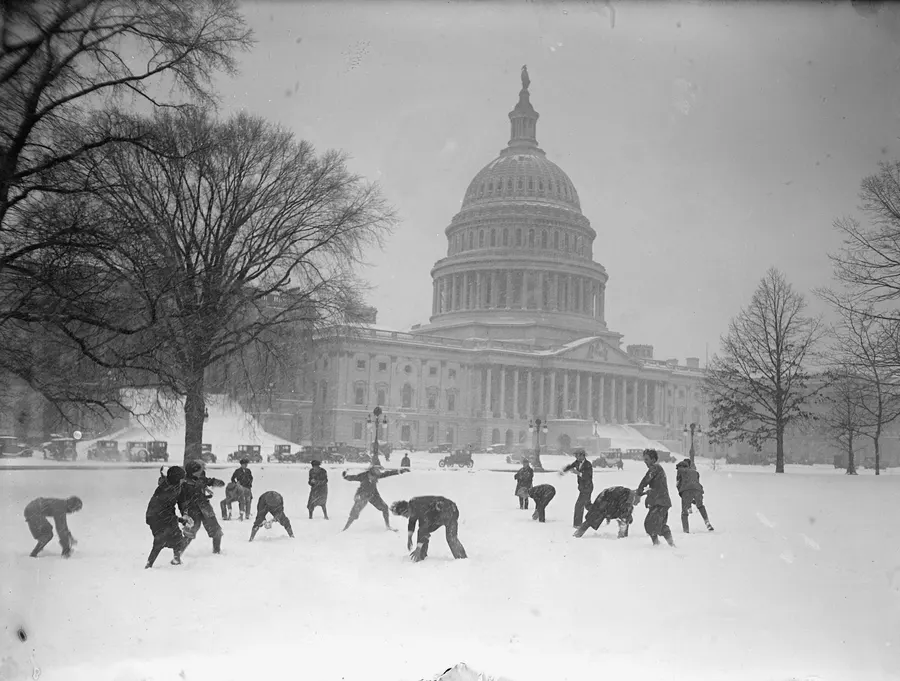
Republican Party Supporters and Democratic Party Supporters Fight, 1921
This picture preserves a moment few cameras ever caught — Republican Party Supporters And Democratic Party Supporters Fight With Snowballs In Front Of The Capitol. January 1921, Washington, USA. Made in 1921, it is the kind of image that turns a date in a history book into something you can actually see.
The 1920s roared with new money and new habits. Radio broadcasting began, cars became affordable for working families, jazz filled dance halls, and hemlines and haircuts shortened in ways that scandalized the older generation. News photography boomed alongside the tabloid press.
Most photography of the period chased celebrities and headlines, which makes surviving images of daily routine all the more precious. This is what the world actually looked like when nobody thought it was worth remembering.
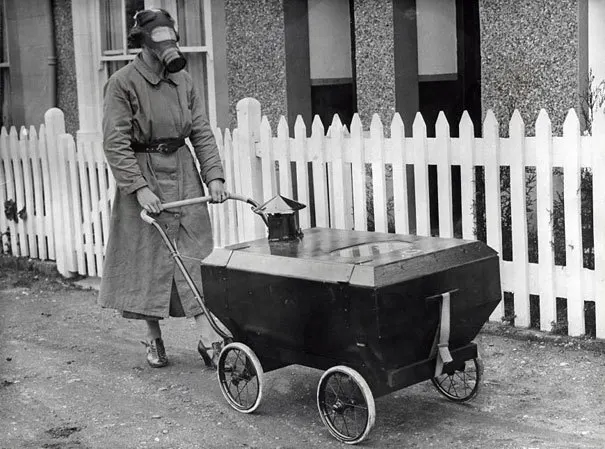
Woman with a Gas-resistant Pram, England, 1938
Captured here: Woman With A Gas-resistant Pram, England, 1938. It was taken in 1938, and like the best archival images it needs almost no explanation — the frame tells its own story.
The 1930s were shadowed by the Great Depression, which put a quarter of American workers out of a job at its worst point. Yet the same decade produced streamlined trains, record-setting aircraft, grand public works, and a flood of documentary photography as magazines like LIFE sent cameras into everyday America.
Pictures of ordinary life are some of the most valuable historical documents we have. Grand events were always going to be recorded, but a normal day — how people worked, dressed, shopped, and passed the time — survives only when someone happened to point a camera at it.
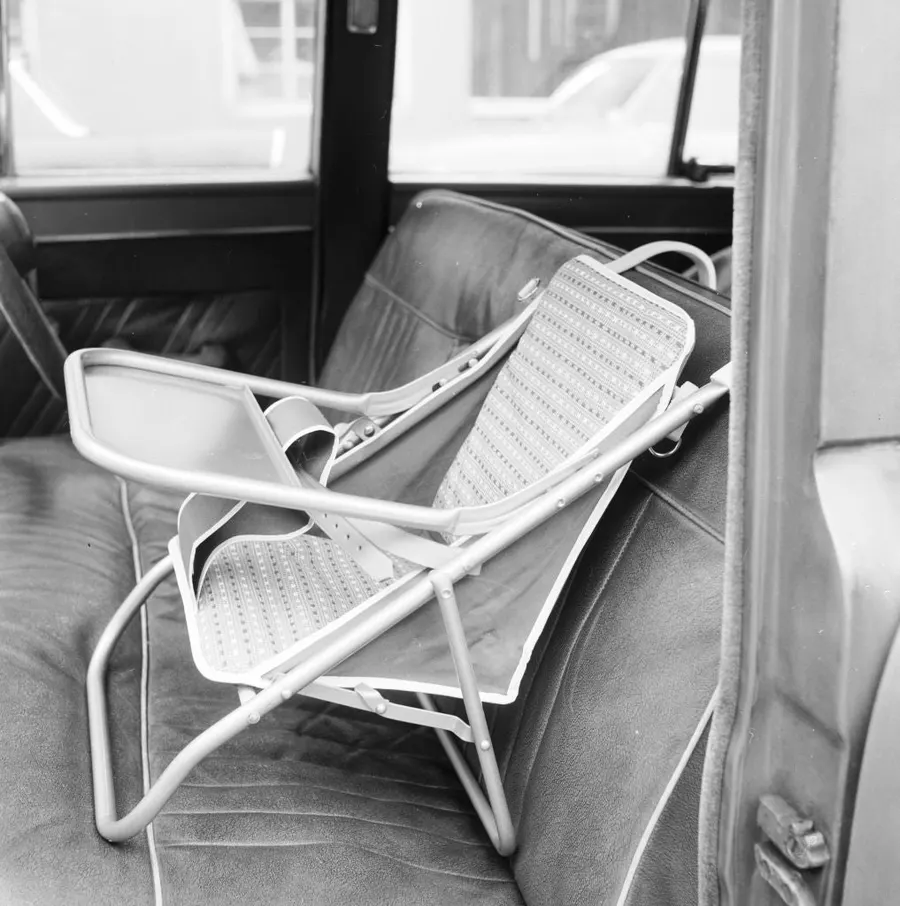
One Very, Very, Very Safe Example of What a Baby's Car Seat Used to Look Like, 1950s
This picture preserves a moment few cameras ever caught — one very, very, very safe example of what a baby's car seat used to look like in the 1950s and 60s. It was taken in the 1950s, and like the best archival images it needs almost no explanation — the frame tells its own story.
The 1950s brought a wave of postwar prosperity, especially in North America. Suburbs, television sets, big chrome-trimmed cars, and rock and roll defined the decade, and a booming picture-magazine industry sent photographers to document all of it.
What makes everyday photographs like this one compelling is the details at the edges: the clothes, the signs, the tools, the postures. They preserve texture that history books flatten out.
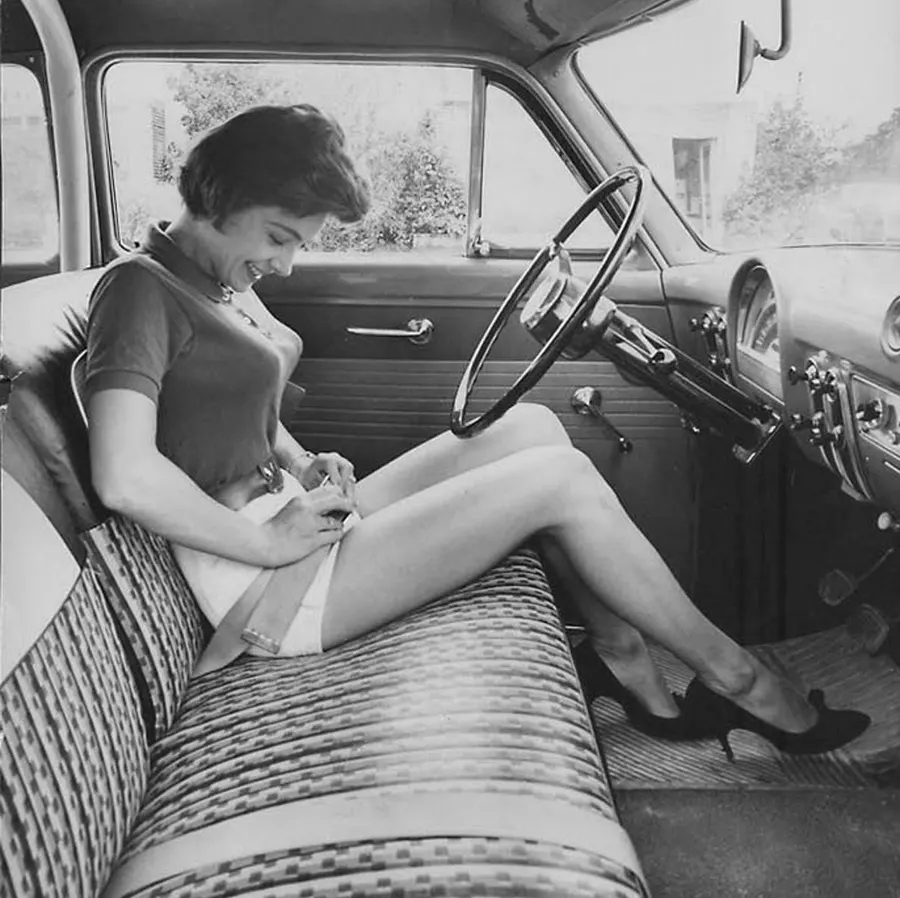
Woman Inspecting This New Thing, the Security Belt in her Car, Circa 1950s
Captured here: Woman Inspecting This New Thing, The Security Belt In Her Car, Circa 1950s. The scene dates to the 1950s, a detail that changes how you read every face and object in the frame.
The 1950s brought a wave of postwar prosperity, especially in North America. Suburbs, television sets, big chrome-trimmed cars, and rock and roll defined the decade, and a booming picture-magazine industry sent photographers to document all of it.
Most photography of the period chased celebrities and headlines, which makes surviving images of daily routine all the more precious. This is what the world actually looked like when nobody thought it was worth remembering.
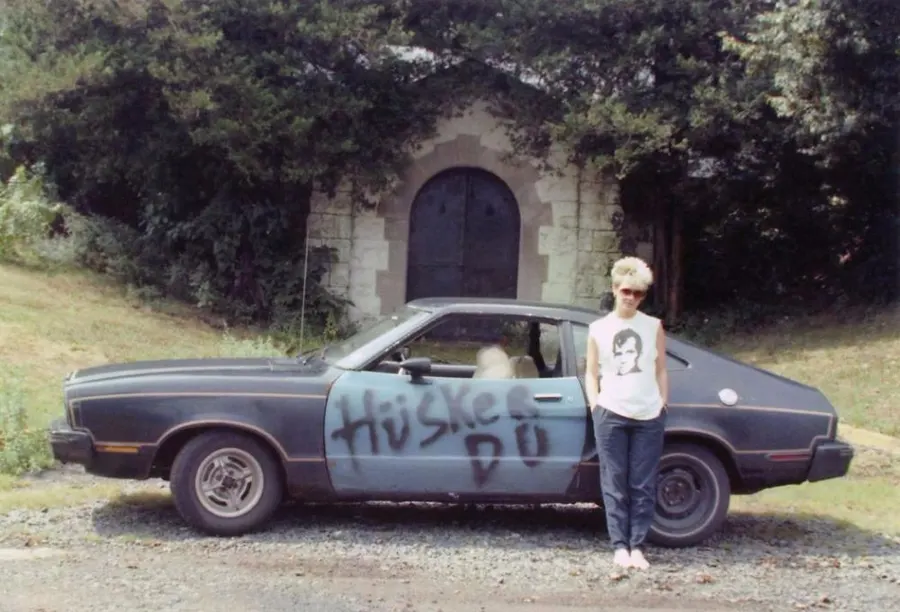
Hüsker Dü Fan. Somewhere in New Jersey, 1984
The photograph shows Hüsker Dü fan. Somewhere in New Jersey, 1984. The scene dates to 1984, a detail that changes how you read every face and object in the frame.
By the 1980s the modern media landscape was taking shape: cable television, personal computers, and global brands. Film photography was at its technical height, just a generation before digital cameras would change everything.
Pictures of ordinary life are some of the most valuable historical documents we have. Grand events were always going to be recorded, but a normal day — how people worked, dressed, shopped, and passed the time — survives only when someone happened to point a camera at it.
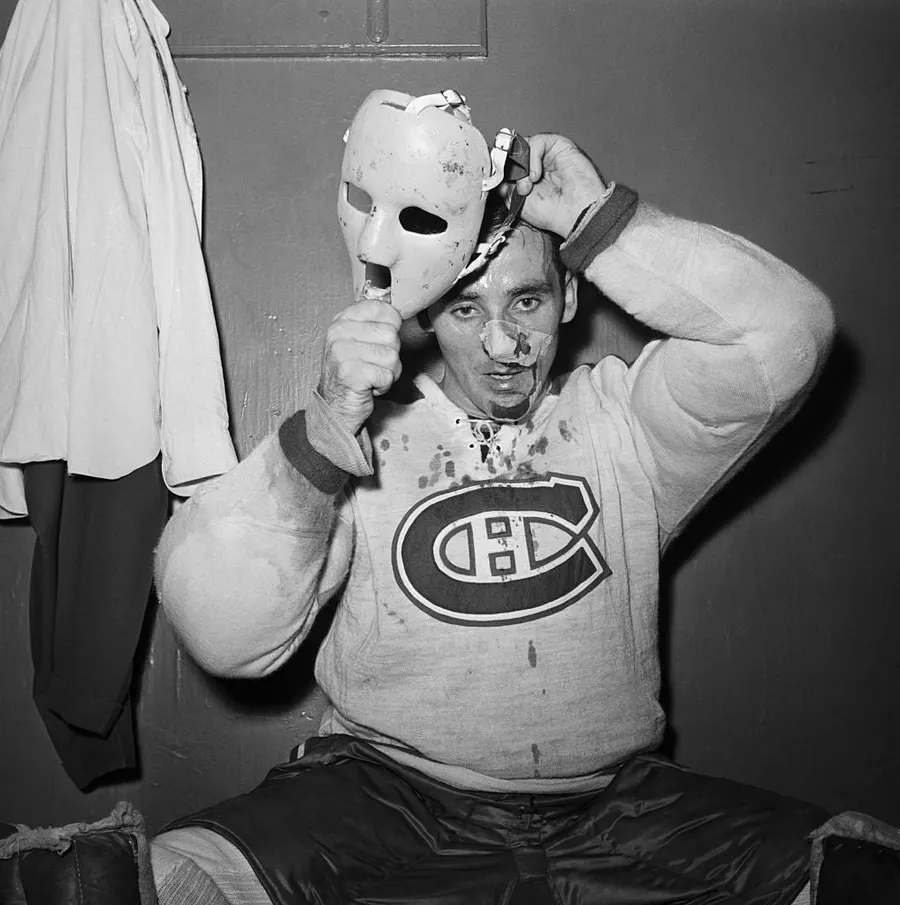
Jacques Plante, Who in 1959 Became the First Goalie to Ever Wear a Protective
Captured here: Jacques Plante, who in 1959 became the first goalie to ever wear a protective face mask. It was taken in 1959, and like the best archival images it needs almost no explanation — the frame tells its own story.
The 1950s brought a wave of postwar prosperity, especially in North America. Suburbs, television sets, big chrome-trimmed cars, and rock and roll defined the decade, and a booming picture-magazine industry sent photographers to document all of it.
Every era has habits that make perfect sense at the time and none at all a century later. Photographs like this one are valuable precisely because no written description would be believed without them.
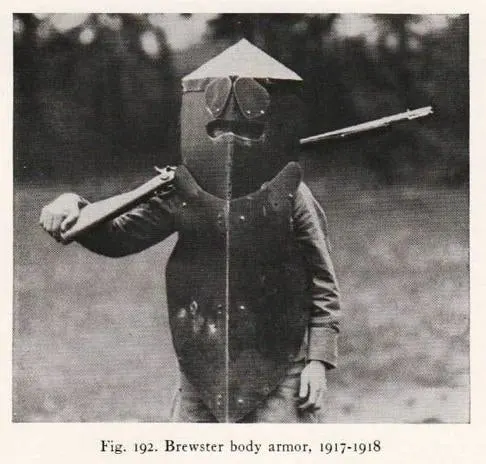
The Brewster Armor Suit, One of the First Fully Functional Suits of Body
This picture preserves a moment few cameras ever caught — the Brewster armor suit, one of the first fully functional suits of body armor designed for World War I combat. It is the kind of image that turns a line in a history book into something you can actually see.
Photography has only existed since 1839, which means the camera-recorded past is a narrow window — and every surviving frame from it is a small act of preservation, whether the photographer knew it or not.
History is usually written down long after it happens, but a photograph is made in the moment itself. That immediacy is what keeps images like this one circulating decades after the event they show.
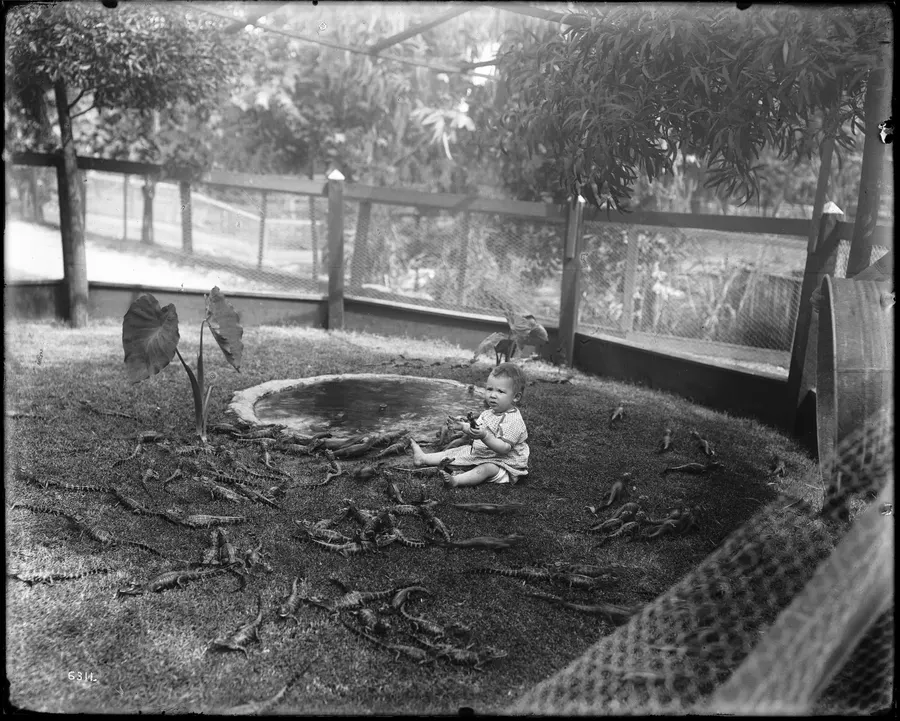
Here's a Totally Safe and Not Concerning Picture of a Baby Playing with a Ton
This picture preserves a moment few cameras ever caught — Here's a totally safe and not concerning picture of a baby playing with a ton of baby alligators at a California alligator farm. Like the best archival images, it needs almost no explanation — the frame tells its own story.
Photography has only existed since 1839, which means the camera-recorded past is a narrow window — and every surviving frame from it is a small act of preservation, whether the photographer knew it or not.
The strangest historical photos are rarely staged jokes — they usually show a real solution to a real problem of their day. Understanding why this scene made sense to the people in it is half the fun of looking at it.
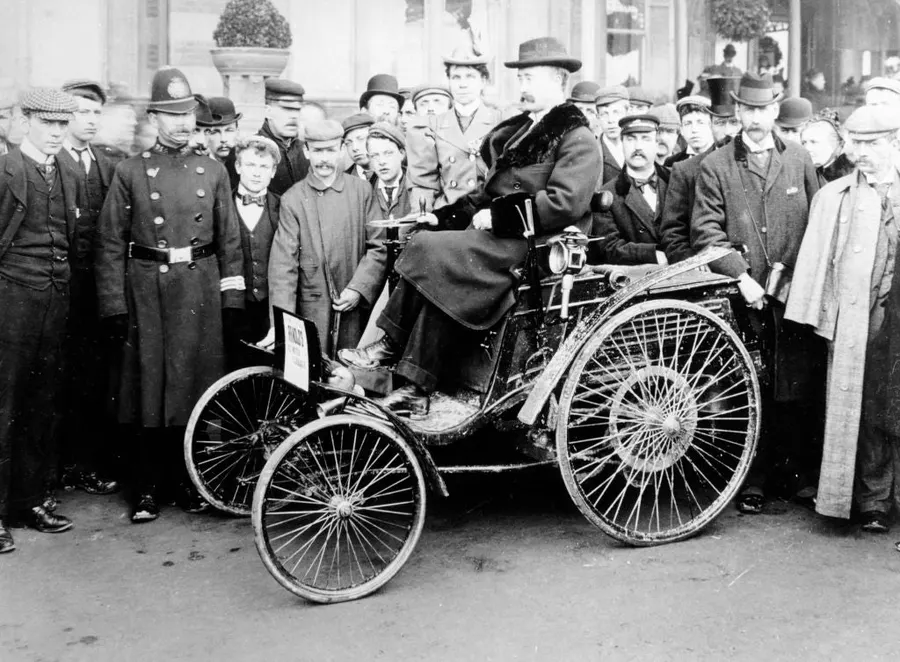
This Vehicle Was the Car Being Driven When the First Ever Speeding Ticket, 1896
Captured here: this vehicle was the car being driven when the first ever speeding ticket was given to Walter Arnold in 1896. The scene dates to 1896, a detail that changes how you read every face and object in the frame.
By the 1890s the modern world was arriving fast: electric light, telephones, streetcars, and the first automobiles all appeared in cities during this decade. Photography had matured too, and inexpensive cameras meant ordinary moments were being recorded in numbers never seen before.
Most photography of the period chased celebrities and headlines, which makes surviving images of daily routine all the more precious. This is what the world actually looked like when nobody thought it was worth remembering.
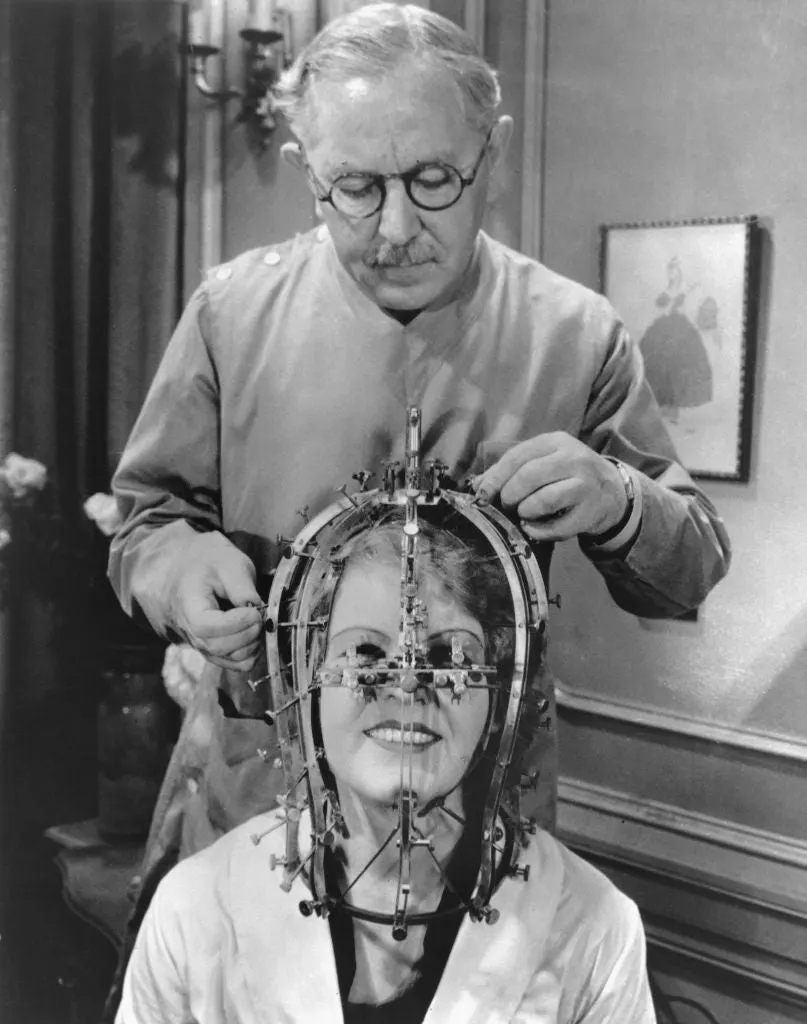
Beautician Max Factor with his Invention, the Beauty Calibrator
beautician Max Factor with his invention, the beauty calibrator, a device designed to show which parts of a woman's face needed more or less make-up. It is the kind of image that turns a line in a history book into something you can actually see.
Photography has only existed since 1839, which means the camera-recorded past is a narrow window — and every surviving frame from it is a small act of preservation, whether the photographer knew it or not.
Inventors of this era worked in public, testing their ideas in streets and fields rather than laboratories, and press photographers loved them for it. Images like this one document how much trial and error sits underneath the technology we now take for granted.
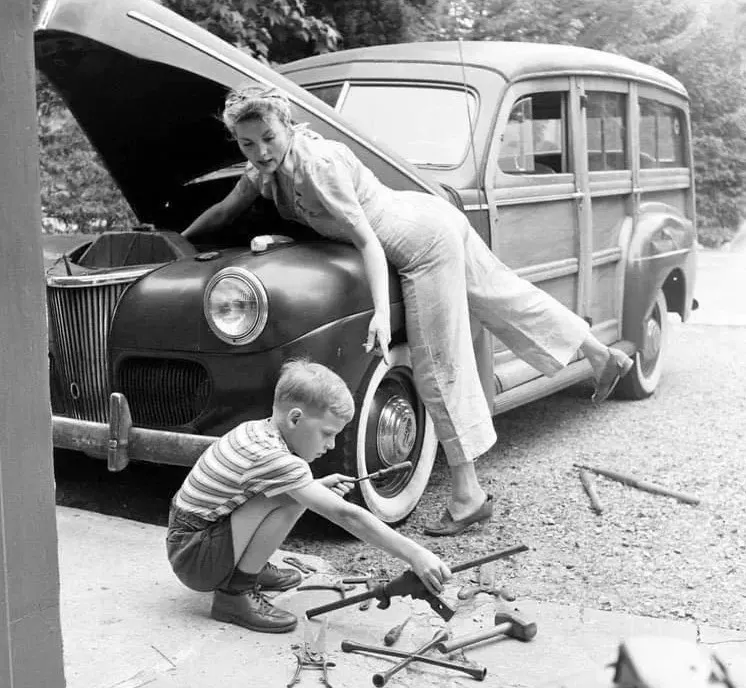
A Mother Repairs the Family Car While her Husband Is Away at War, 1944
This picture preserves a moment few cameras ever caught — a Mother Repairs The Family Car While Her Husband Is Away At War, 1944. The scene dates to 1944, a detail that changes how you read every face and object in the frame.
The first half of the 1940s was consumed by the Second World War, the largest conflict in human history, and photography went to war with it — small 35mm cameras and wire services meant pictures from the front could reach newspaper readers within days.
History is usually written down long after it happens, but a photograph is made in the moment itself. That immediacy is what keeps images like this one circulating decades after the event they show.
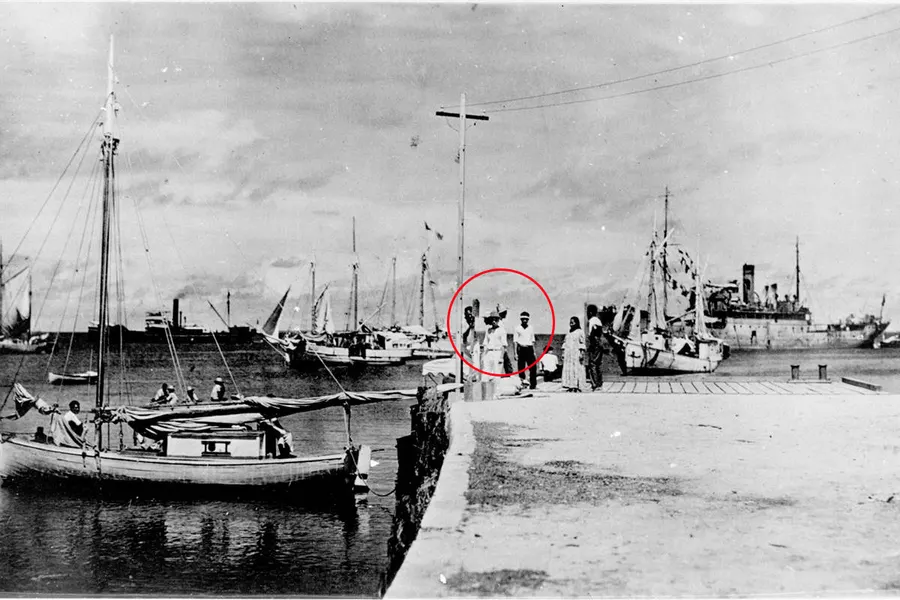
A Long-lost Photo of Amelia Earhart
This picture preserves a moment few cameras ever caught — a Long-Lost Photo Of Amelia Earhart. Like the best archival images, it needs almost no explanation — the frame tells its own story.
Photography has only existed since 1839, which means the camera-recorded past is a narrow window — and every surviving frame from it is a small act of preservation, whether the photographer knew it or not.
Most photography of the period chased celebrities and headlines, which makes surviving images of daily routine all the more precious. This is what the world actually looked like when nobody thought it was worth remembering.
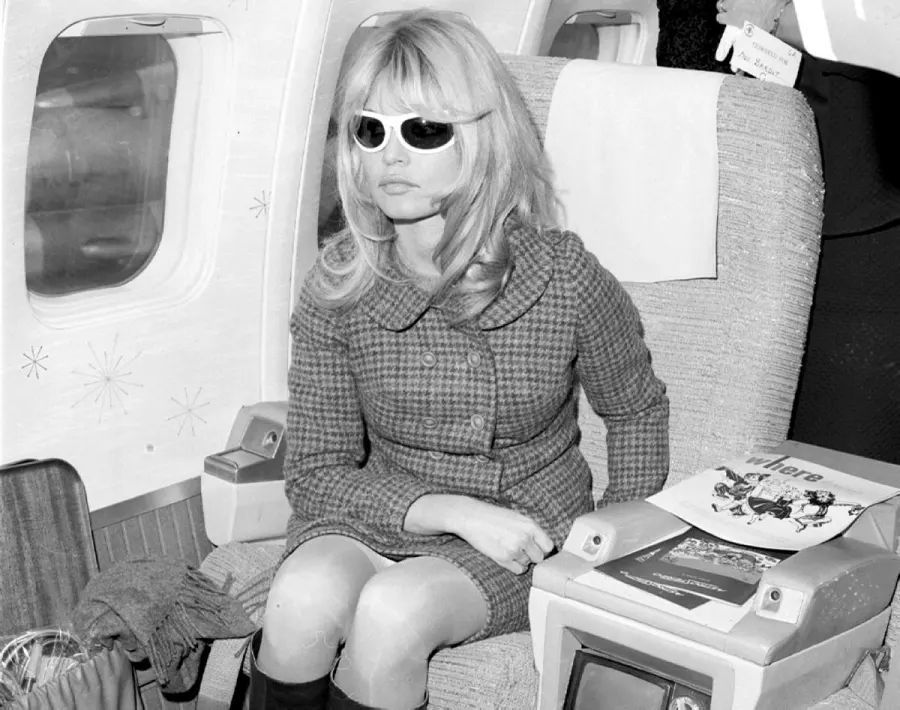
French Sex Kitten Brigitte Bardot Wears Dark Glasses and Knee-high Boots
French sex kitten Brigitte Bardot wears dark glasses and knee-high boots while she sits in a plane at Newark Airport before flying out to Hollywood. Hal Mathewson/New York Daily News. It is the kind of image that turns a line in a history book into something you can actually see.
Photography has only existed since 1839, which means the camera-recorded past is a narrow window — and every surviving frame from it is a small act of preservation, whether the photographer knew it or not.
Photographs like this one are a reminder that progress rarely moves in a straight line. For every invention that became part of daily life, dozens of confident prototypes ended up as curiosities — and the camera is often the only witness they left behind.
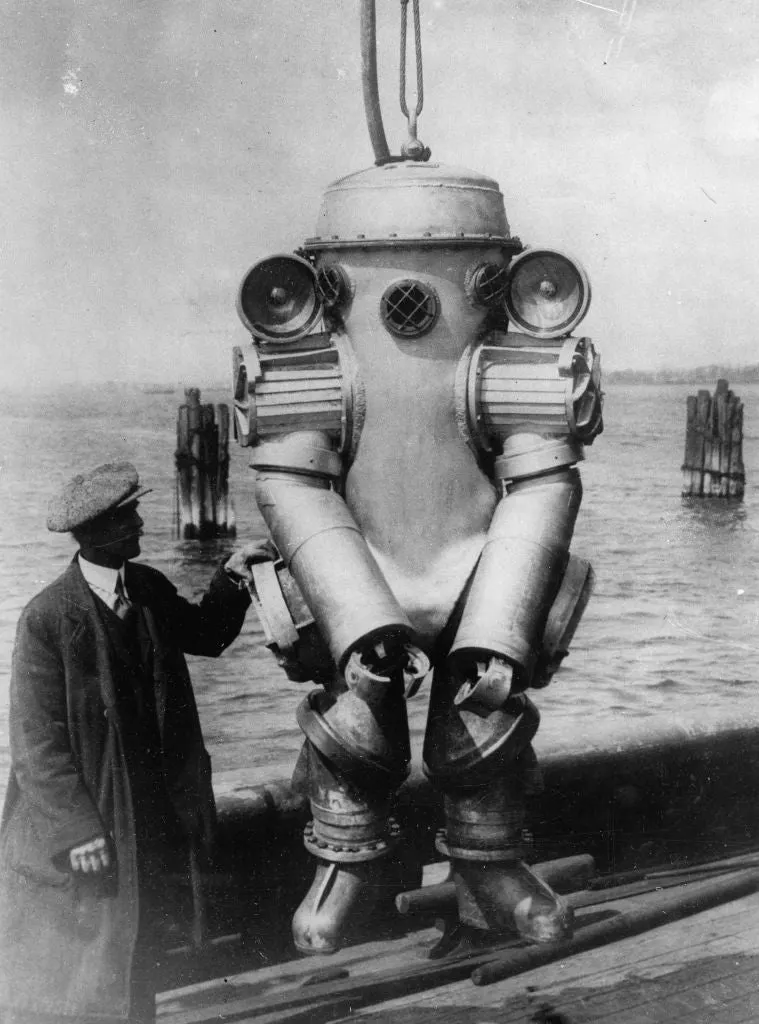
H.L. Bowdoin with the Deep Sea Diving Suit He Invented
H.L. Bowdoin with the deep sea diving suit he invented. It is the kind of image that turns a line in a history book into something you can actually see.
Photography has only existed since 1839, which means the camera-recorded past is a narrow window — and every surviving frame from it is a small act of preservation, whether the photographer knew it or not.
Pictures of ordinary life are some of the most valuable historical documents we have. Grand events were always going to be recorded, but a normal day — how people worked, dressed, shopped, and passed the time — survives only when someone happened to point a camera at it.
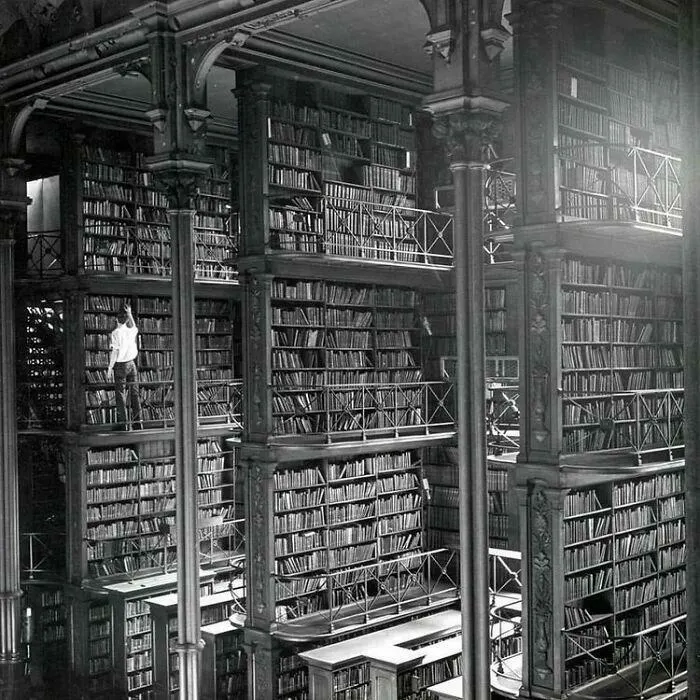
A Man Searches for Books in the Former Cincinnati Public Library, 1955
This picture preserves a moment few cameras ever caught — a Man Searches For Books In The Former Cincinnati Public Library. The Building Was Demolished In 1955. Today There Is An Office Building And Parking Lot Where It Used To Stand. Made in 1955, it is the kind of image that turns a date in a history book into something you can actually see.
The 1950s brought a wave of postwar prosperity, especially in North America. Suburbs, television sets, big chrome-trimmed cars, and rock and roll defined the decade, and a booming picture-magazine industry sent photographers to document all of it.
Pictures of ordinary life are some of the most valuable historical documents we have. Grand events were always going to be recorded, but a normal day — how people worked, dressed, shopped, and passed the time — survives only when someone happened to point a camera at it.
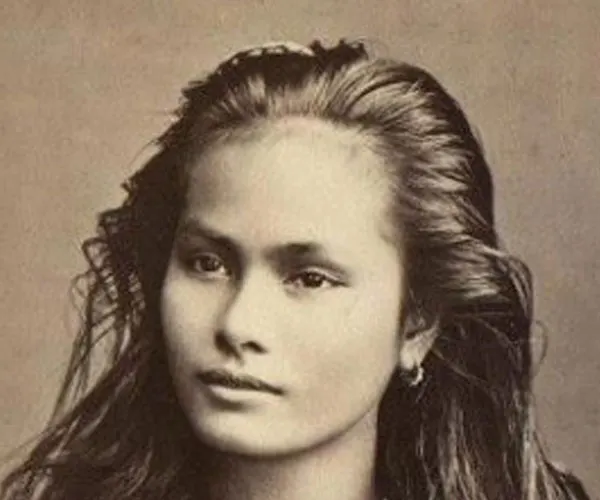
Historical Beauties Almost Wiped Out by Colonial Imperialism
The photograph shows Historical Beauties Almost Wiped Out by Colonial Imperialism. Like the best archival images, it needs almost no explanation — the frame tells its own story.
Photography has only existed since 1839, which means the camera-recorded past is a narrow window — and every surviving frame from it is a small act of preservation, whether the photographer knew it or not.
What makes everyday photographs like this one compelling is the details at the edges: the clothes, the signs, the tools, the postures. They preserve texture that history books flatten out.
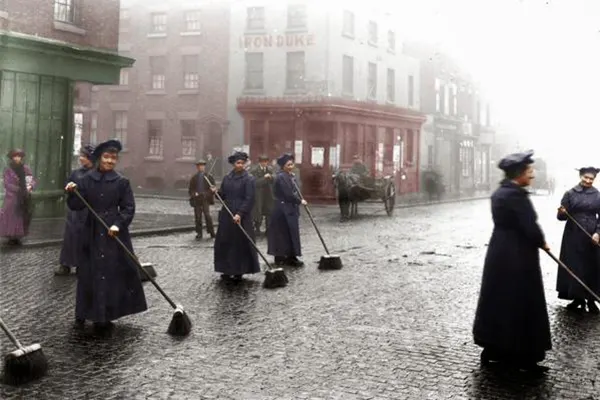
Women Road Sweepers Keep Liverpool Clean During Wartime
Lady Sweepers: We helping out where it’s needed most: these female road sweepers cleaning the streets of Liverpool as the men are away fighting in the war. Like the best archival images, it needs almost no explanation — the frame tells its own story.
Photography has only existed since 1839, which means the camera-recorded past is a narrow window — and every surviving frame from it is a small act of preservation, whether the photographer knew it or not.
History is usually written down long after it happens, but a photograph is made in the moment itself. That immediacy is what keeps images like this one circulating decades after the event they show.
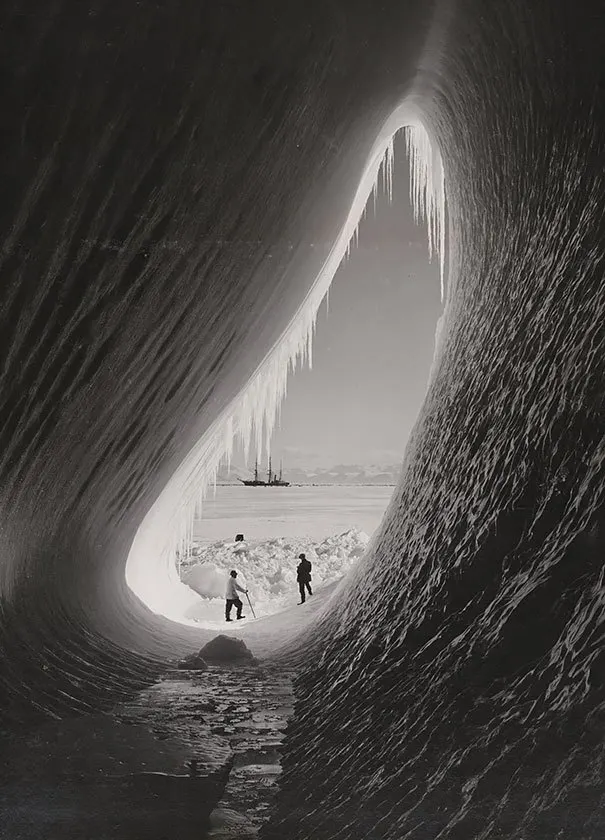
Grotto in an Iceberg, Photographed During the British Antarctic Expedition, 1911
Grotto In An Iceberg, Photographed During The British Antarctic Expedition, 5 Jan 1911. The scene dates to 1911, a detail that changes how you read every face and object in the frame.
The 1910s were a decade of upheaval. The First World War (1914-1918) pulled millions into uniform and redrew the map of Europe, while on the home front automobiles, telephones, and moving pictures were rapidly becoming part of ordinary life.
Pictures of ordinary life are some of the most valuable historical documents we have. Grand events were always going to be recorded, but a normal day — how people worked, dressed, shopped, and passed the time — survives only when someone happened to point a camera at it.
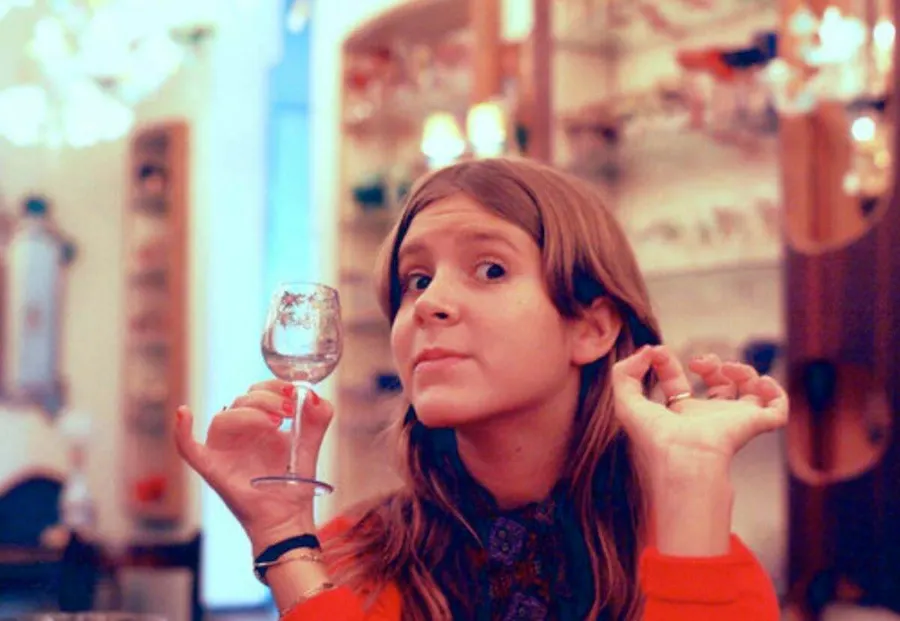
Carrie Fisher in a Vacation Thru Europe in 1971
The photograph shows Carrie Fisher In A Vacation Thru Europe In 1971. Before Her Role In Star Wars When She Was Just The Daughter Of Debbie Reynolds. The scene dates to 1971, a detail that changes how you read every face and object in the frame.
The 1970s had a grittier texture than the decades before it — economic shocks, urban decline, and political distrust, but also bold fashion, muscle cars, and the first stirrings of the digital age. Color film had become cheap and ubiquitous, so the decade survives in vivid Kodachrome hues.
What makes everyday photographs like this one compelling is the details at the edges: the clothes, the signs, the tools, the postures. They preserve texture that history books flatten out.
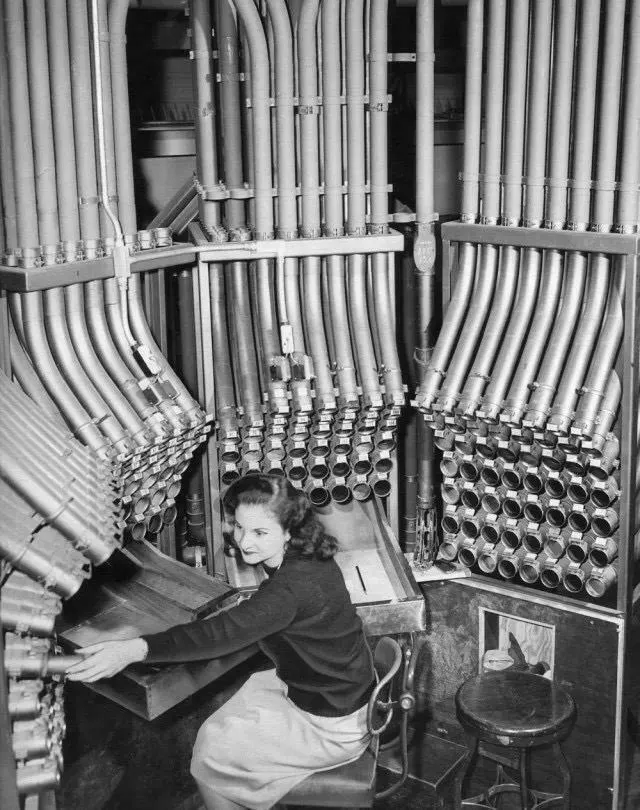
A Pneumatic Mail Service Covering 23 New York City Post Offices and Extending, 1957
The photograph shows a Pneumatic Mail Service Covering 23 New York City Post Offices And Extending 27 Miles. Functioned Until 1957. It was taken in 1957, and like the best archival images it needs almost no explanation — the frame tells its own story.
The 1950s brought a wave of postwar prosperity, especially in North America. Suburbs, television sets, big chrome-trimmed cars, and rock and roll defined the decade, and a booming picture-magazine industry sent photographers to document all of it.
What makes everyday photographs like this one compelling is the details at the edges: the clothes, the signs, the tools, the postures. They preserve texture that history books flatten out.
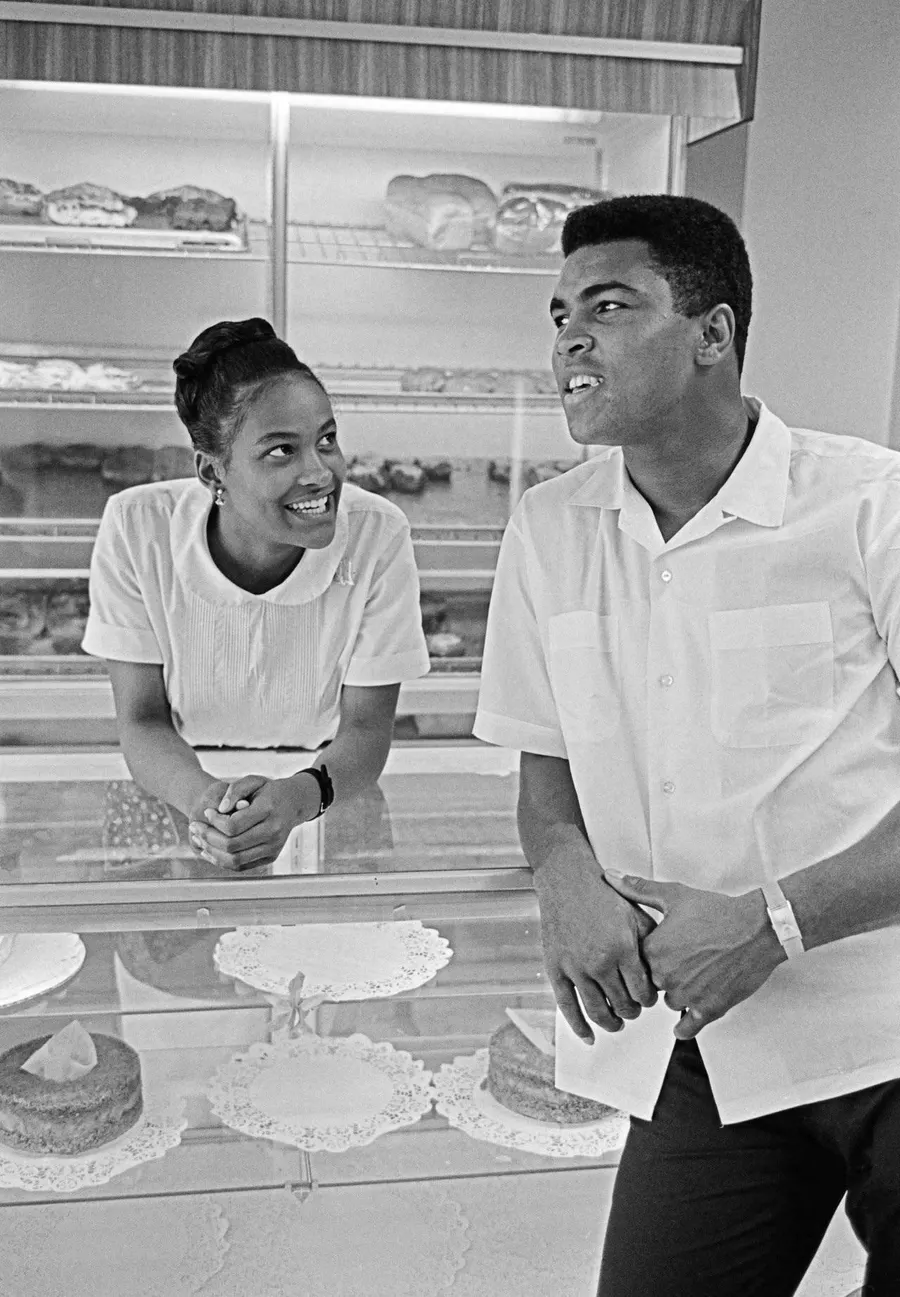
Muhammad Ali, 24, Flirts with Future Wife Belinda Boyd, 16, 1967
The photograph shows Muhammad Ali, 24, Flirts With Future Wife Belinda Boyd, 16, At A Bakery Shop In Chicago. They Married A Year Later In 1967. It was taken in 1967, and like the best archival images it needs almost no explanation — the frame tells its own story.
The 1960s moved fast: the space race put satellites and then astronauts overhead, television replaced print as the main source of news, and social change swept through music, fashion, and politics. Photojournalism was at its peak, with picture magazines and newspapers employing armies of photographers.
Pictures of ordinary life are some of the most valuable historical documents we have. Grand events were always going to be recorded, but a normal day — how people worked, dressed, shopped, and passed the time — survives only when someone happened to point a camera at it.
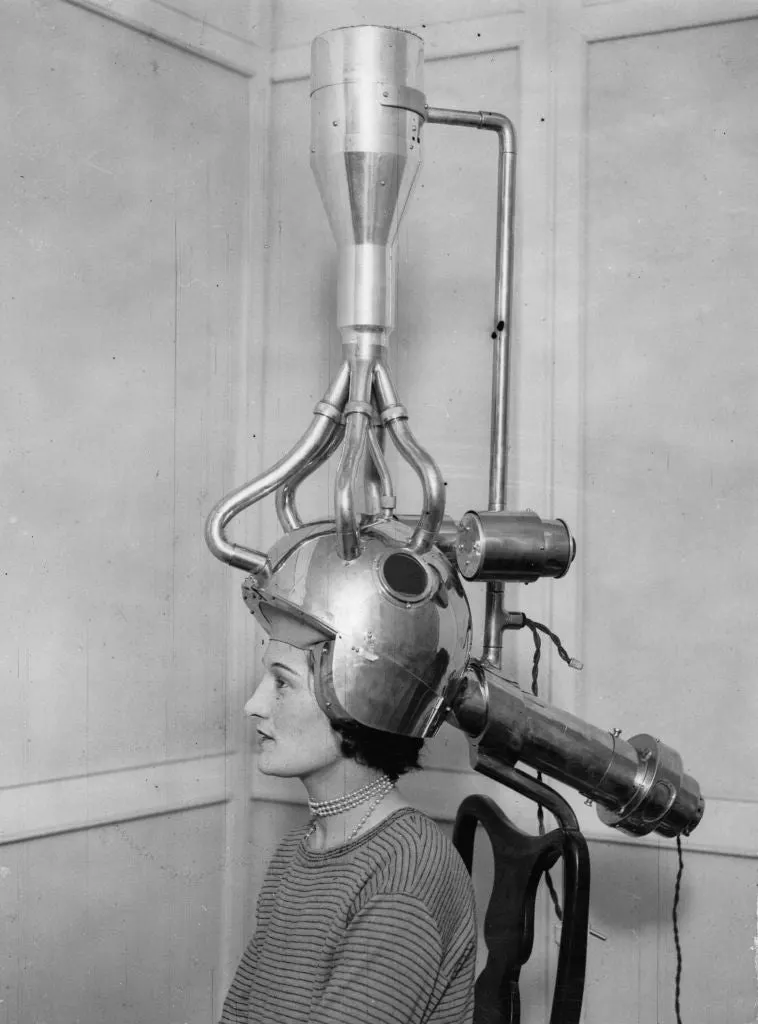
What an Early Design for an Electric Hair Dryer Looked Like
Captured here: what an early design for an electric hair dryer looked like. Like the best archival images, it needs almost no explanation — the frame tells its own story.
Photography has only existed since 1839, which means the camera-recorded past is a narrow window — and every surviving frame from it is a small act of preservation, whether the photographer knew it or not.
What makes everyday photographs like this one compelling is the details at the edges: the clothes, the signs, the tools, the postures. They preserve texture that history books flatten out.
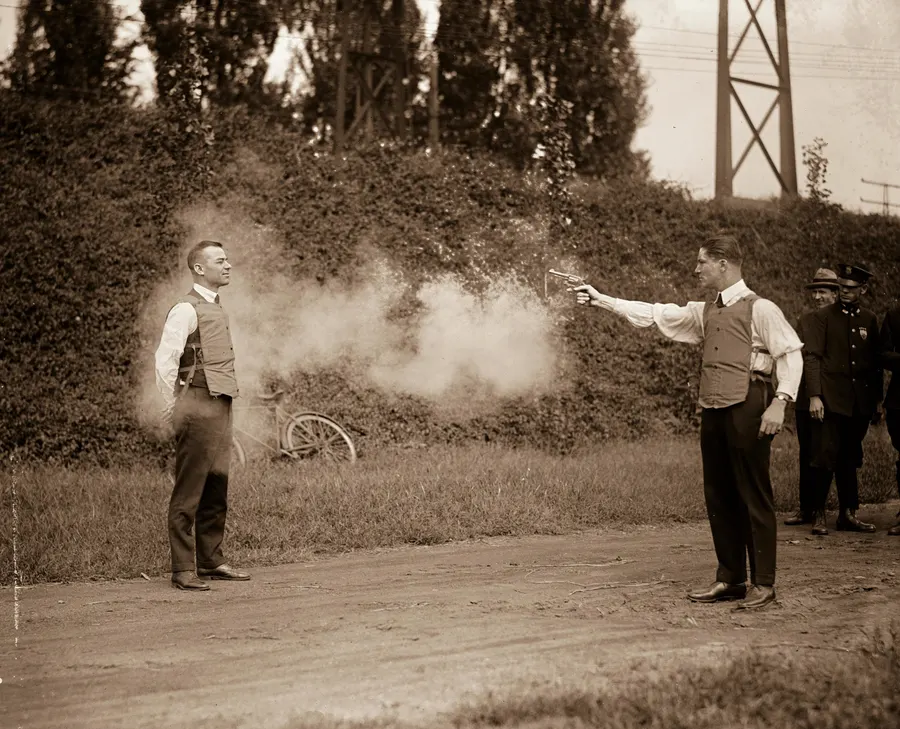
Two Men Testing a Bulletproof Vest in the Absolute Safest Way Possible
This picture preserves a moment few cameras ever caught — two men testing a bulletproof vest in the absolute safest way possible. It is the kind of image that turns a line in a history book into something you can actually see.
Early body-armor inventors really did prove their products by being shot at point-blank range, often in front of reporters and police buyers. The most famous demonstrations were staged in the 1920s by W.H. Murphy of the Protective Garment Corporation, whose associate fired a revolver into his chest from a few feet away. The stunt made for astonishing photographs — and, remarkably, effective marketing.
Looking at experimental machines from the past, it is easy to laugh at what failed and forget how strange the successful inventions looked at first. To the people in the frame, this was the cutting edge, and the photograph preserves that optimism intact.
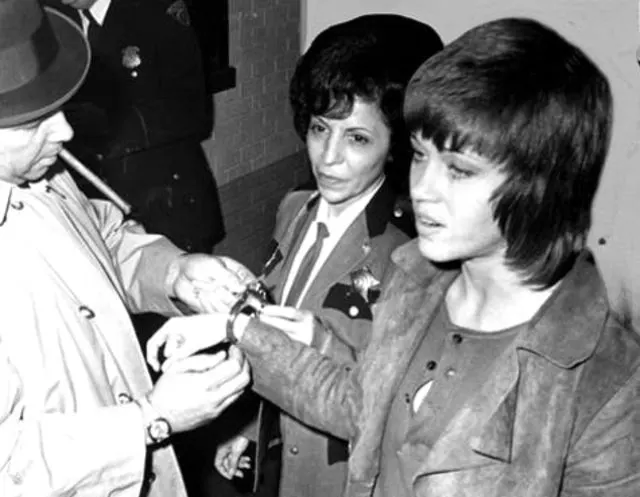
The Hollywood Star Was Arrested in Cleveland While Protesting the Vietnam War
This picture preserves a moment few cameras ever caught — The Hollywood star was arrested in Cleveland while protesting the Vietnam War. It is the kind of image that turns a line in a history book into something you can actually see.
Photography has only existed since 1839, which means the camera-recorded past is a narrow window — and every surviving frame from it is a small act of preservation, whether the photographer knew it or not.
History is usually written down long after it happens, but a photograph is made in the moment itself. That immediacy is what keeps images like this one circulating decades after the event they show.
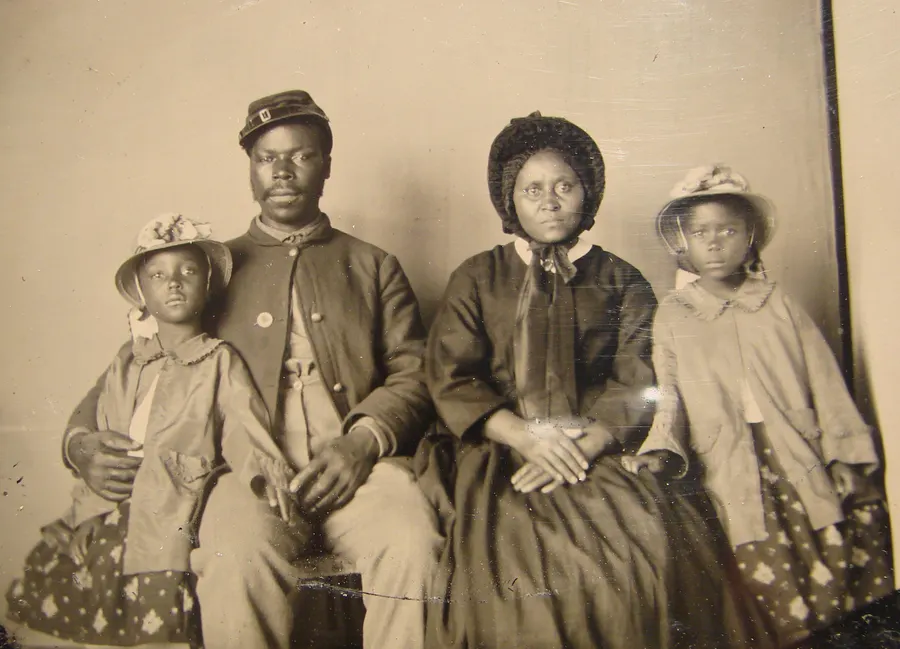
The Only Known Photograph of an African American Union Soldier, c. 1864
The Only Known Photograph Of An African American Union Soldier With His Family. Circa 1864. Made around 1864, it is the kind of image that turns a date in a history book into something you can actually see.
Nearly 180,000 Black soldiers served in the Union Army during the American Civil War, most in the United States Colored Troops. Photographs of these men were made in the thousands, but images showing a soldier together with his family are exceptionally rare, which is why this portrait is so often reproduced in histories of the war.
Moments like this one were captured by photographers who often had a single chance to get the shot — no second takes, no digital preview. That is part of why these frames carry such weight: each one is a split second of real history, fixed for good.
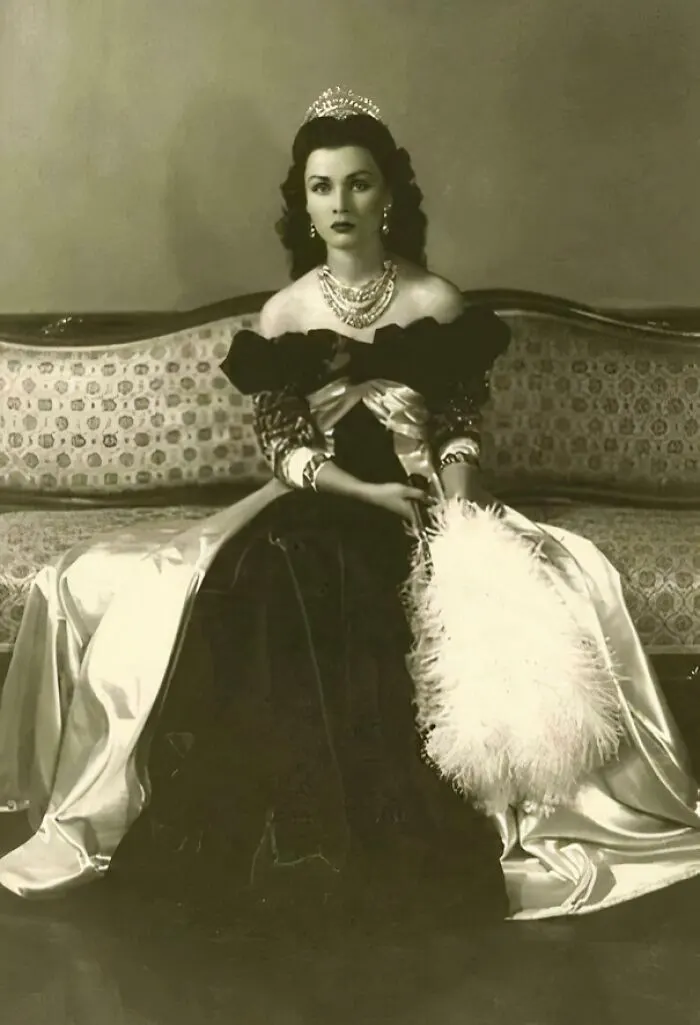
Princess of Egypt and Iranian Queen Fawzia Fuad, C. 1939
Captured here: Princess Of Egypt And Iranian Queen Fawzia Fuad, C. 1939. Made around 1939, it is the kind of image that turns a date in a history book into something you can actually see.
The 1930s were shadowed by the Great Depression, which put a quarter of American workers out of a job at its worst point. Yet the same decade produced streamlined trains, record-setting aircraft, grand public works, and a flood of documentary photography as magazines like LIFE sent cameras into everyday America.
Moments like this one were captured by photographers who often had a single chance to get the shot — no second takes, no digital preview. That is part of why these frames carry such weight: each one is a split second of real history, fixed for good.
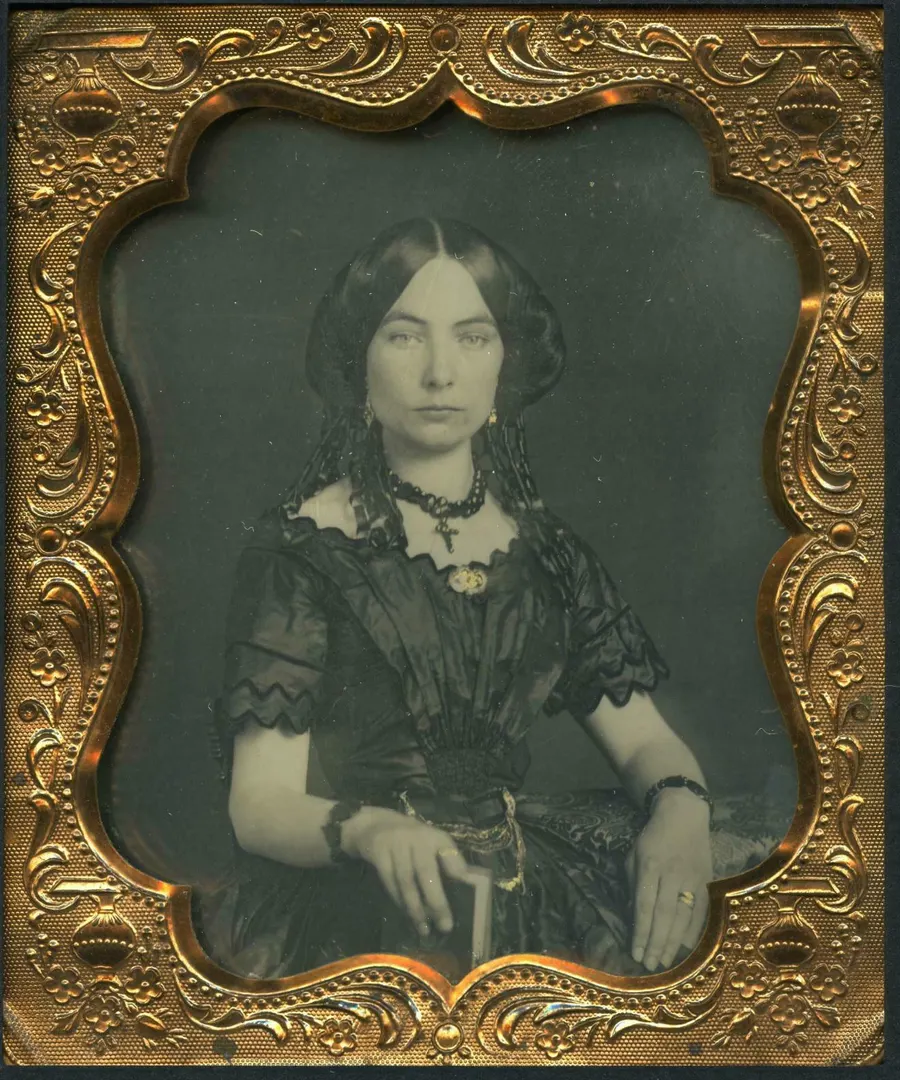
Victorian Woman with a Very Intense Gaze, Circa 1850-60s
Victorian Woman With A Very Intense Gaze, Circa 1850-60s. It was taken around 1850, and like the best archival images it needs almost no explanation — the frame tells its own story.
Photography in the 1850s was still a specialist's craft. Pictures were made on glass or metal plates coated with wet chemicals that had to be prepared and developed on the spot, which is why images from this decade tend to be formal, posed, and rare.
What makes everyday photographs like this one compelling is the details at the edges: the clothes, the signs, the tools, the postures. They preserve texture that history books flatten out.
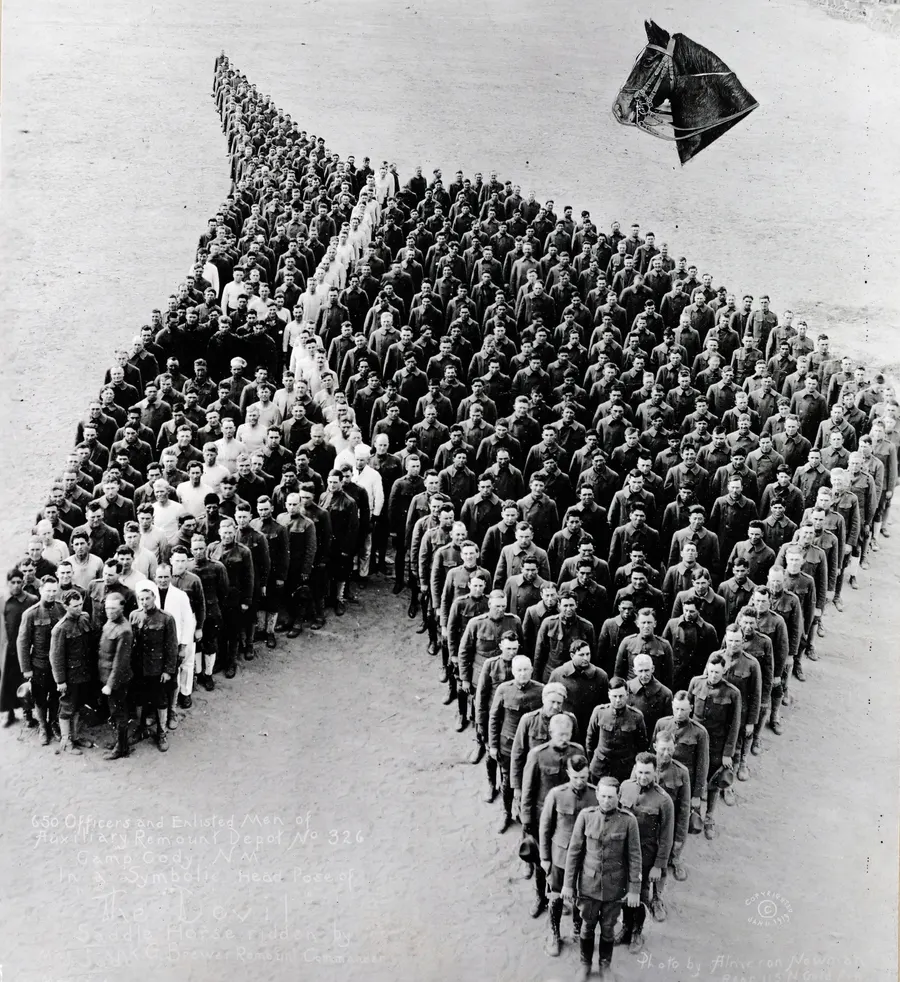
After World War I, a Bunch of Officers Got Together to Pay Tribute
Captured here: After World War I, a bunch of officers got together to pay tribute to the fallen horses lost in battle. It is the kind of image that turns a line in a history book into something you can actually see.
Photography has only existed since 1839, which means the camera-recorded past is a narrow window — and every surviving frame from it is a small act of preservation, whether the photographer knew it or not.
History is usually written down long after it happens, but a photograph is made in the moment itself. That immediacy is what keeps images like this one circulating decades after the event they show.
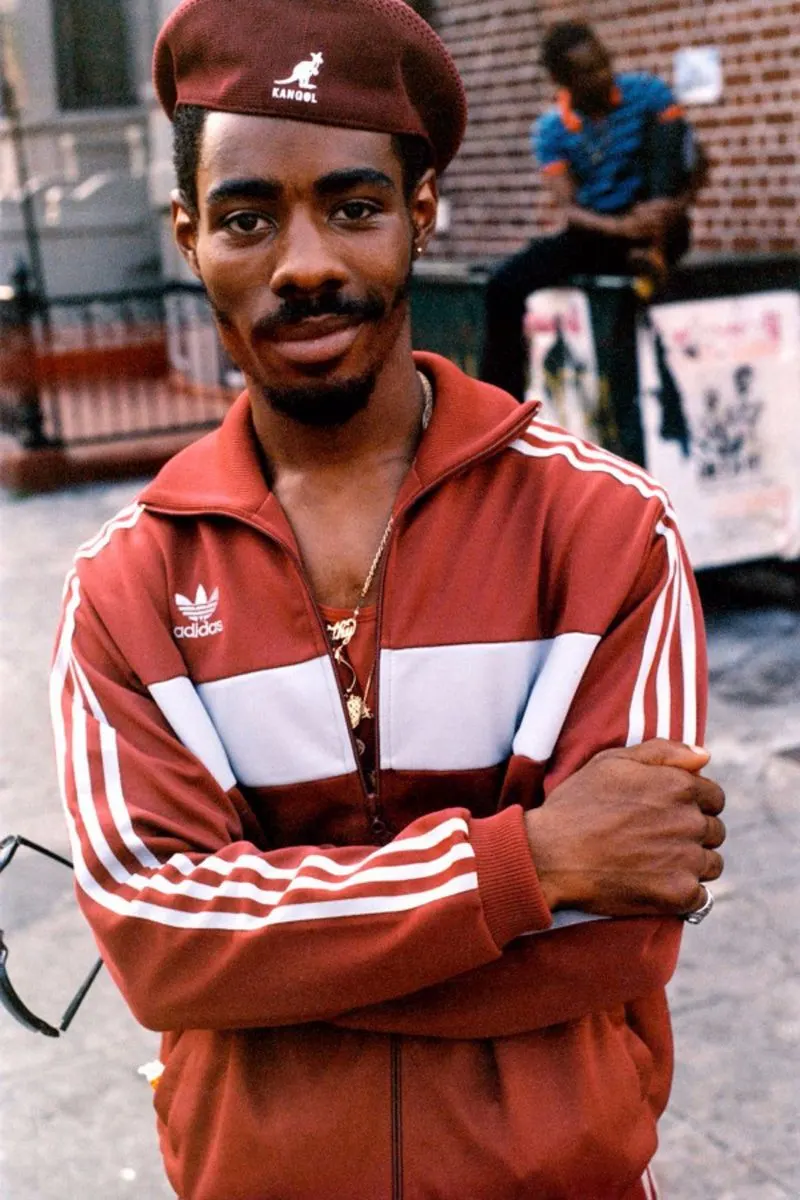
A Brooklyn Man Poses for a Portrait
The photograph shows a Brooklyn man poses for a portrait. It is the kind of image that turns a line in a history book into something you can actually see.
Photography has only existed since 1839, which means the camera-recorded past is a narrow window — and every surviving frame from it is a small act of preservation, whether the photographer knew it or not.
Most photography of the period chased celebrities and headlines, which makes surviving images of daily routine all the more precious. This is what the world actually looked like when nobody thought it was worth remembering.
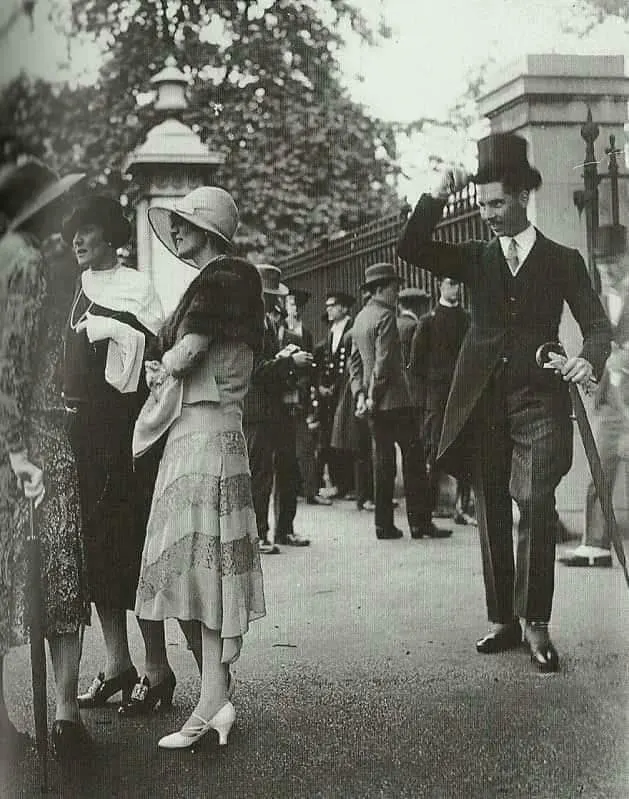
A Gentleman Tips his Hat to a Group of Ladies, 1920s
This picture preserves a moment few cameras ever caught — a Gentleman Tips His Hat To A Group Of Ladies, 1920s. Made in the 1920s, it is the kind of image that turns a date in a history book into something you can actually see.
The 1920s roared with new money and new habits. Radio broadcasting began, cars became affordable for working families, jazz filled dance halls, and hemlines and haircuts shortened in ways that scandalized the older generation. News photography boomed alongside the tabloid press.
Most photography of the period chased celebrities and headlines, which makes surviving images of daily routine all the more precious. This is what the world actually looked like when nobody thought it was worth remembering.
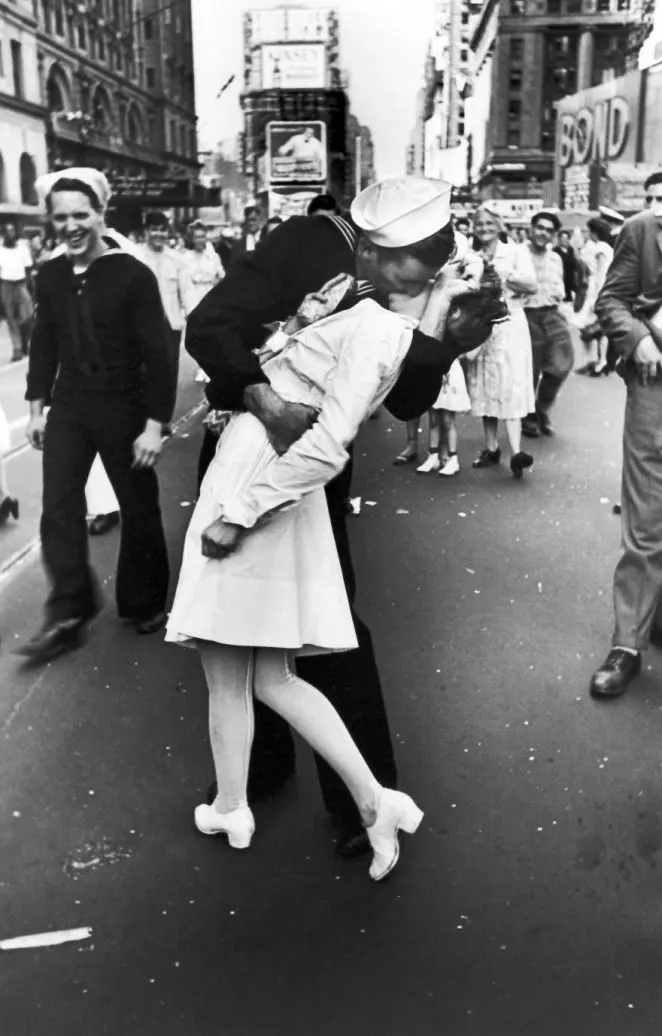
Sailor Kissing Nurse, Times Square, August 14, 1945
This picture preserves a moment few cameras ever caught — Sailor Kissing Nurse, Times Square, August 14, 1945. The scene dates to 1945, a detail that changes how you read every face and object in the frame.
The photograph was taken in Times Square on August 14, 1945 — V-J Day — as New York erupted in celebration at the news of Japan's surrender. Alfred Eisenstaedt captured the scene for LIFE magazine, and it became one of the most reproduced news photographs ever made. The two people were strangers, swept together in the crowd, and their identities were debated for decades afterward.
What makes everyday photographs like this one compelling is the details at the edges: the clothes, the signs, the tools, the postures. They preserve texture that history books flatten out.
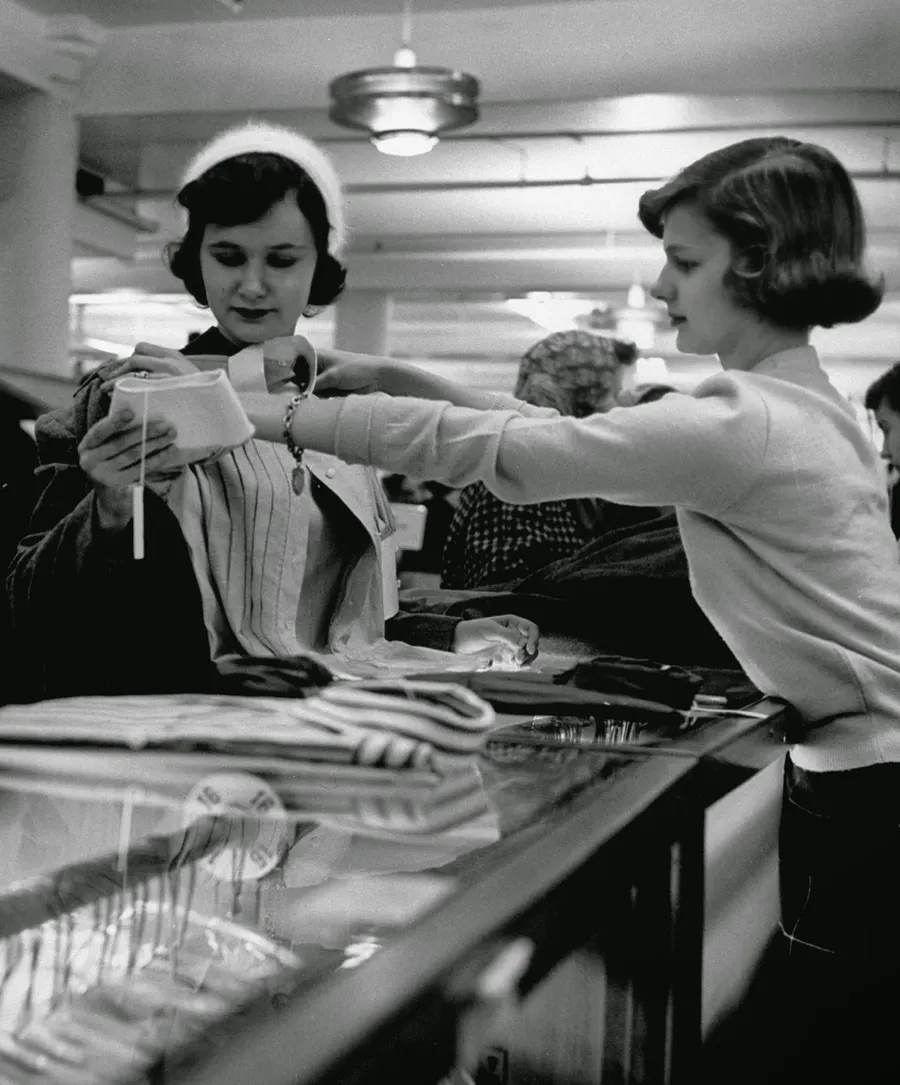
A Teenage Sales Girl Holds a Blouse up to a Customer in a Store, 1954
This picture preserves a moment few cameras ever caught — a teenage sales girl holds a blouse up to a customer in a store, 1954. It was taken in 1954, and like the best archival images it needs almost no explanation — the frame tells its own story.
The 1950s brought a wave of postwar prosperity, especially in North America. Suburbs, television sets, big chrome-trimmed cars, and rock and roll defined the decade, and a booming picture-magazine industry sent photographers to document all of it.
What makes everyday photographs like this one compelling is the details at the edges: the clothes, the signs, the tools, the postures. They preserve texture that history books flatten out.
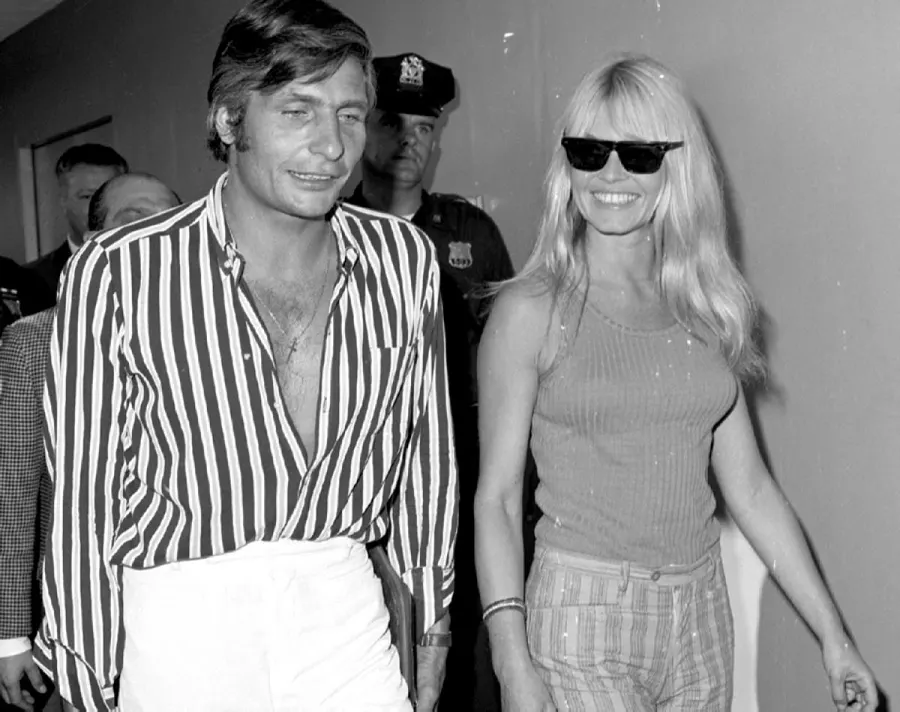
Trendsetter and Jetsetter Brigitte Bardot Arrives at Kennedy Airport in New, 1966
Captured here: Trendsetter and jetsetter Brigitte Bardot arrives at Kennedy Airport in New York City on July 31, 1966. The couple wore nearly matching stripes. Gene Kappock/New York Daily News. The scene dates to 1966, a detail that changes how you read every face and object in the frame.
The 1960s moved fast: the space race put satellites and then astronauts overhead, television replaced print as the main source of news, and social change swept through music, fashion, and politics. Photojournalism was at its peak, with picture magazines and newspapers employing armies of photographers.
Pictures of ordinary life are some of the most valuable historical documents we have. Grand events were always going to be recorded, but a normal day — how people worked, dressed, shopped, and passed the time — survives only when someone happened to point a camera at it.
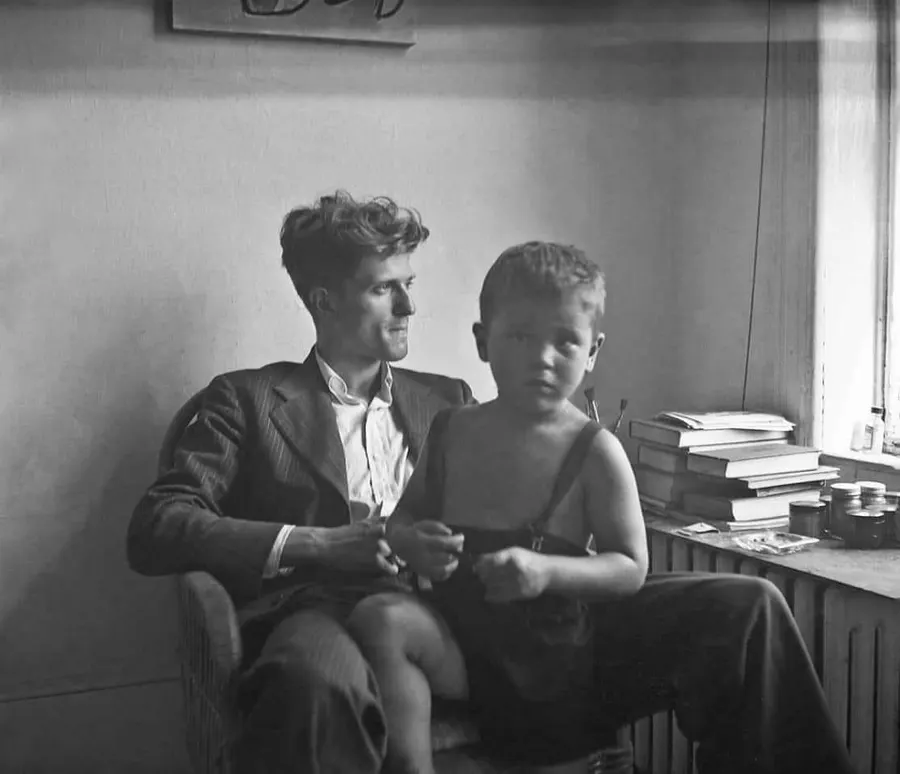
Robert De Niro with his Father, 1946
Captured here: Robert De Niro With His Father (1946). Made in 1946, it is the kind of image that turns a date in a history book into something you can actually see.
The first half of the 1940s was consumed by the Second World War, the largest conflict in human history, and photography went to war with it — small 35mm cameras and wire services meant pictures from the front could reach newspaper readers within days.
What makes everyday photographs like this one compelling is the details at the edges: the clothes, the signs, the tools, the postures. They preserve texture that history books flatten out.
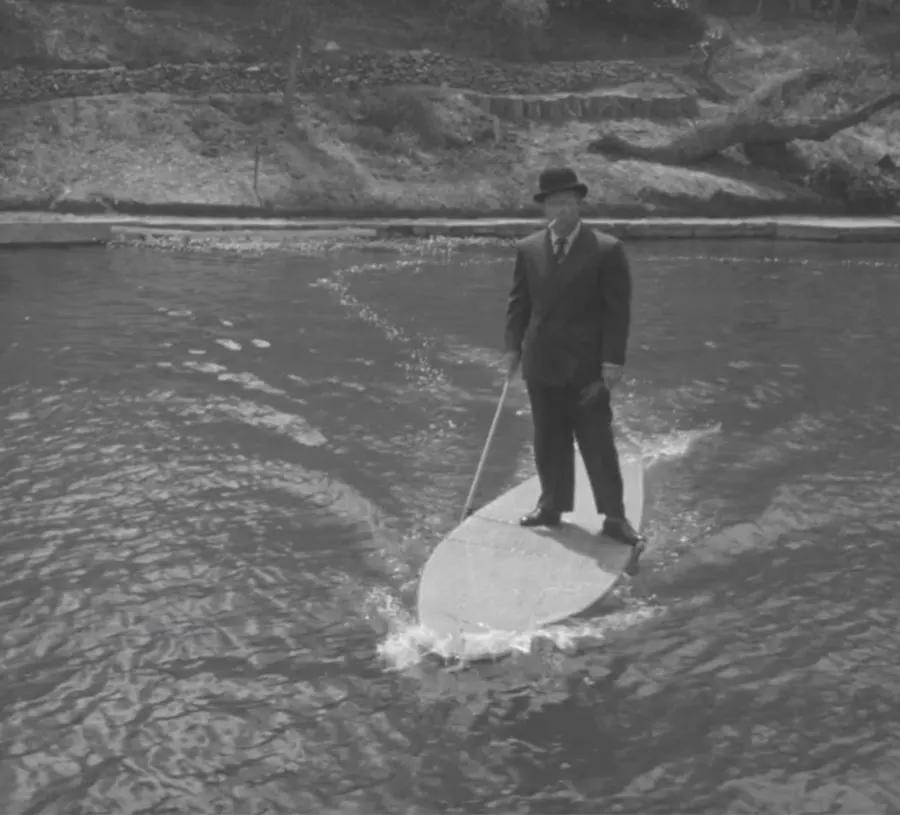
Inventor Joe Gilpin Looking Dapper as Ever While Riding his Motorized, c. 1948
inventor Joe Gilpin looking dapper as ever while riding his motorized surfboard circa 1948. The scene dates to around 1948, a detail that changes how you read every face and object in the frame.
The first half of the 1940s was consumed by the Second World War, the largest conflict in human history, and photography went to war with it — small 35mm cameras and wire services meant pictures from the front could reach newspaper readers within days.
Photographs like this one are a reminder that progress rarely moves in a straight line. For every invention that became part of daily life, dozens of confident prototypes ended up as curiosities — and the camera is often the only witness they left behind.
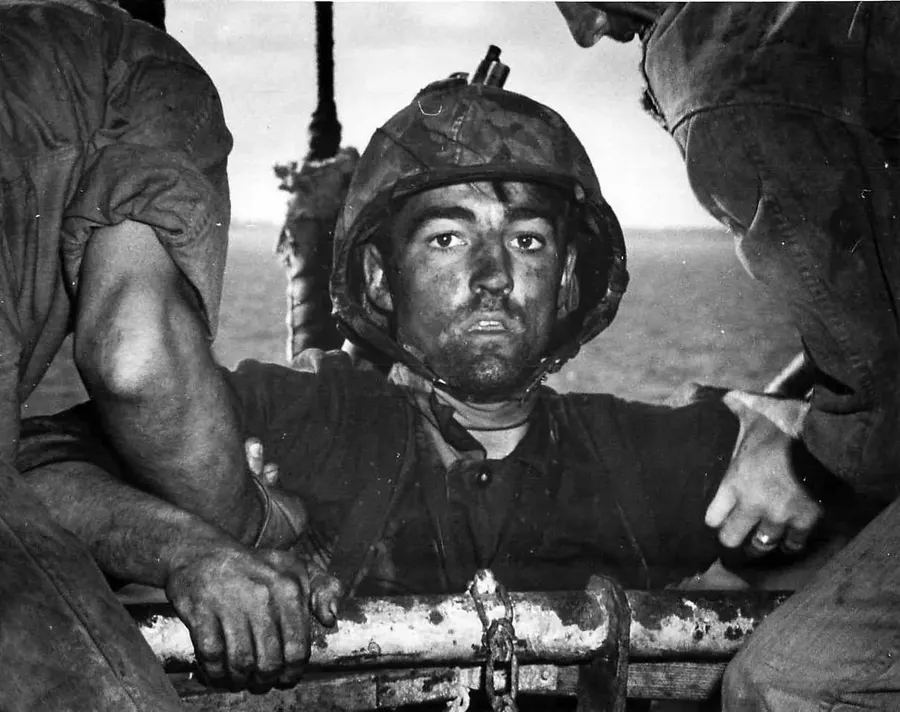
“the Thousand Yard Stare”—usmc Private Theodore J, 1944
“The Thousand Yard Stare”—USMC Private Theodore J. Miller Is Helped Aboard A Ship After Intense Combat On Eniwetok Atoll. Miller Was KIA A Month Later, 1944. It was taken in 1944, and like the best archival images it needs almost no explanation — the frame tells its own story.
The first half of the 1940s was consumed by the Second World War, the largest conflict in human history, and photography went to war with it — small 35mm cameras and wire services meant pictures from the front could reach newspaper readers within days.
Pictures of ordinary life are some of the most valuable historical documents we have. Grand events were always going to be recorded, but a normal day — how people worked, dressed, shopped, and passed the time — survives only when someone happened to point a camera at it.
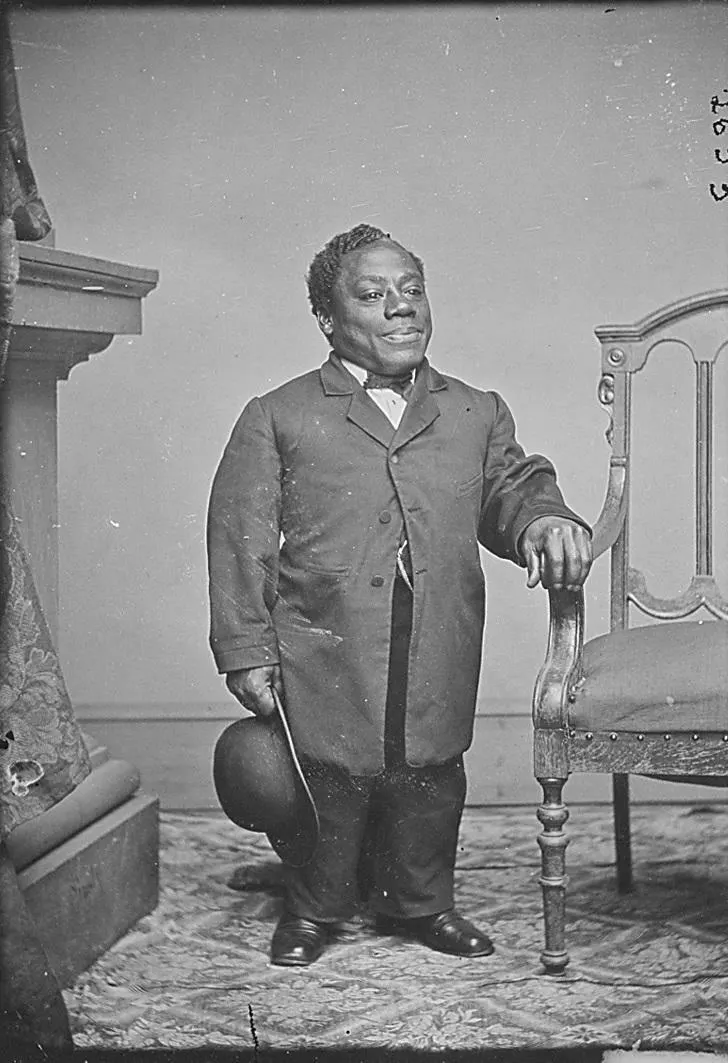
An African American with Dwarfism, Circa 1863
This picture preserves a moment few cameras ever caught — an African American With Dwarfism, Circa 1863. It was taken around 1863, and like the best archival images it needs almost no explanation — the frame tells its own story.
The 1860s was the first decade in which photography documented events on a large scale. Wet-plate cameras were hauled to battlefields and city streets, and portrait studios spread through towns on both sides of the Atlantic, making a photograph an ordinary family possession for the first time.
Most photography of the period chased celebrities and headlines, which makes surviving images of daily routine all the more precious. This is what the world actually looked like when nobody thought it was worth remembering.
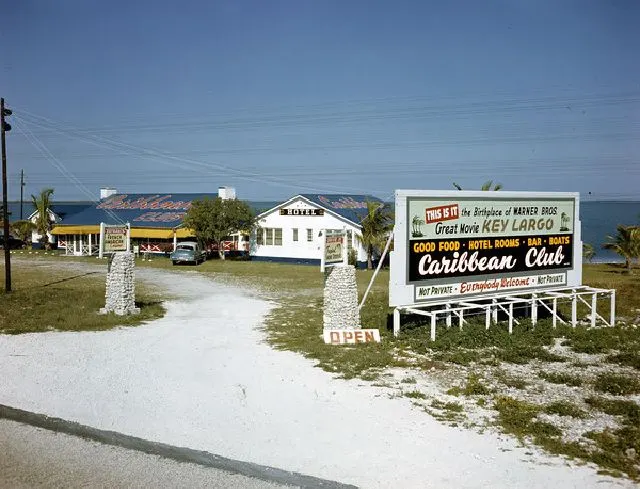
Caribbean Club- Key Largo, Florida, Circa 1950
The photograph shows Caribbean Club- Key Largo, Florida, circa 1950. Made around 1950, it is the kind of image that turns a date in a history book into something you can actually see.
The 1950s brought a wave of postwar prosperity, especially in North America. Suburbs, television sets, big chrome-trimmed cars, and rock and roll defined the decade, and a booming picture-magazine industry sent photographers to document all of it.
Pictures of ordinary life are some of the most valuable historical documents we have. Grand events were always going to be recorded, but a normal day — how people worked, dressed, shopped, and passed the time — survives only when someone happened to point a camera at it.
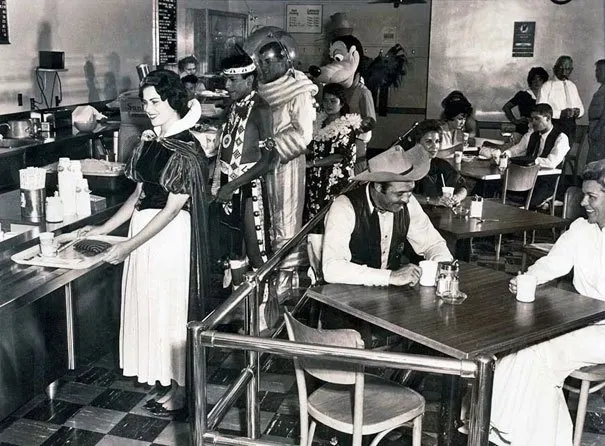
Disneyland Employee Cafeteria in 1961
Disneyland Employee Cafeteria In 1961. The scene dates to 1961, a detail that changes how you read every face and object in the frame.
The 1960s moved fast: the space race put satellites and then astronauts overhead, television replaced print as the main source of news, and social change swept through music, fashion, and politics. Photojournalism was at its peak, with picture magazines and newspapers employing armies of photographers.
Most photography of the period chased celebrities and headlines, which makes surviving images of daily routine all the more precious. This is what the world actually looked like when nobody thought it was worth remembering.
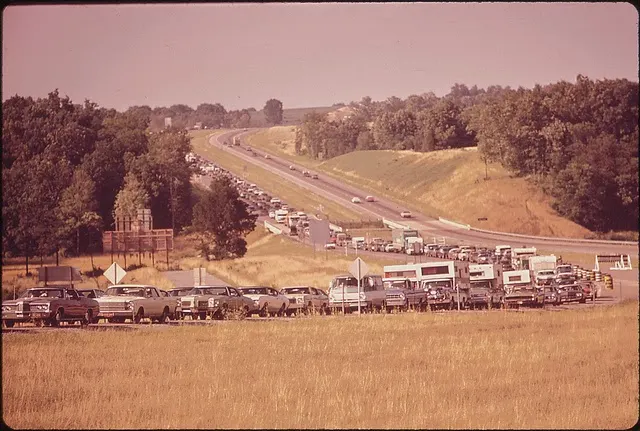
Traffic on Highway 25 Exit Off of Interstate 65, September 1972
Captured here: Traffic On Highway 25 Exit Off Of Interstate 65, September 1972. Made in 1972, it is the kind of image that turns a date in a history book into something you can actually see.
The 1970s had a grittier texture than the decades before it — economic shocks, urban decline, and political distrust, but also bold fashion, muscle cars, and the first stirrings of the digital age. Color film had become cheap and ubiquitous, so the decade survives in vivid Kodachrome hues.
Most photography of the period chased celebrities and headlines, which makes surviving images of daily routine all the more precious. This is what the world actually looked like when nobody thought it was worth remembering.
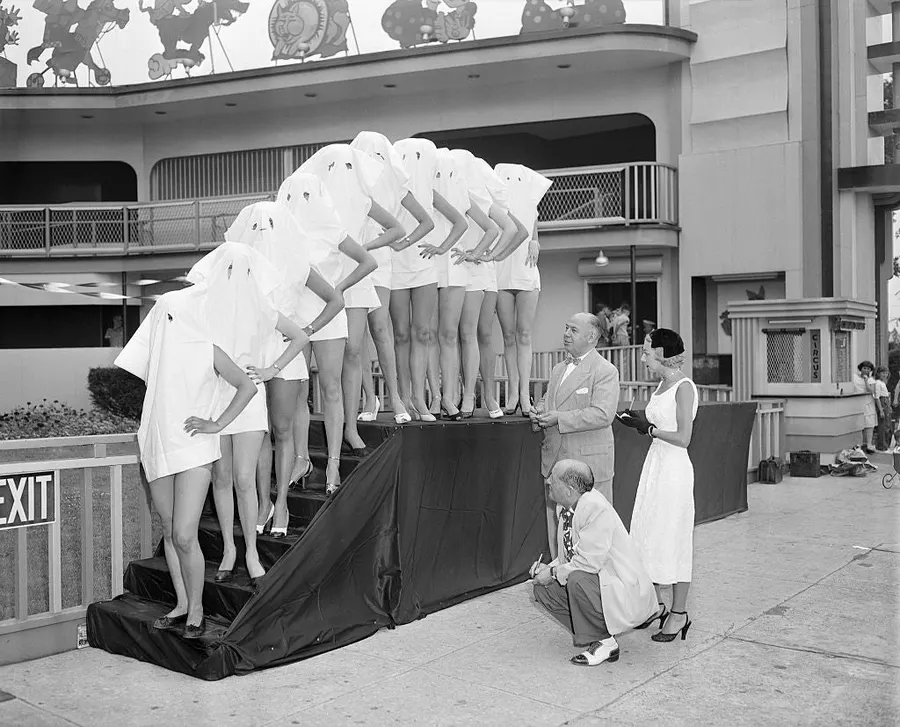
Here's the Contestants of the World's Most Beautiful Legs Competition in 1951
Here's the contestants of the World's Most Beautiful Legs competition in 1951. Made in 1951, it is the kind of image that turns a date in a history book into something you can actually see.
The 1950s brought a wave of postwar prosperity, especially in North America. Suburbs, television sets, big chrome-trimmed cars, and rock and roll defined the decade, and a booming picture-magazine industry sent photographers to document all of it.
What makes everyday photographs like this one compelling is the details at the edges: the clothes, the signs, the tools, the postures. They preserve texture that history books flatten out.
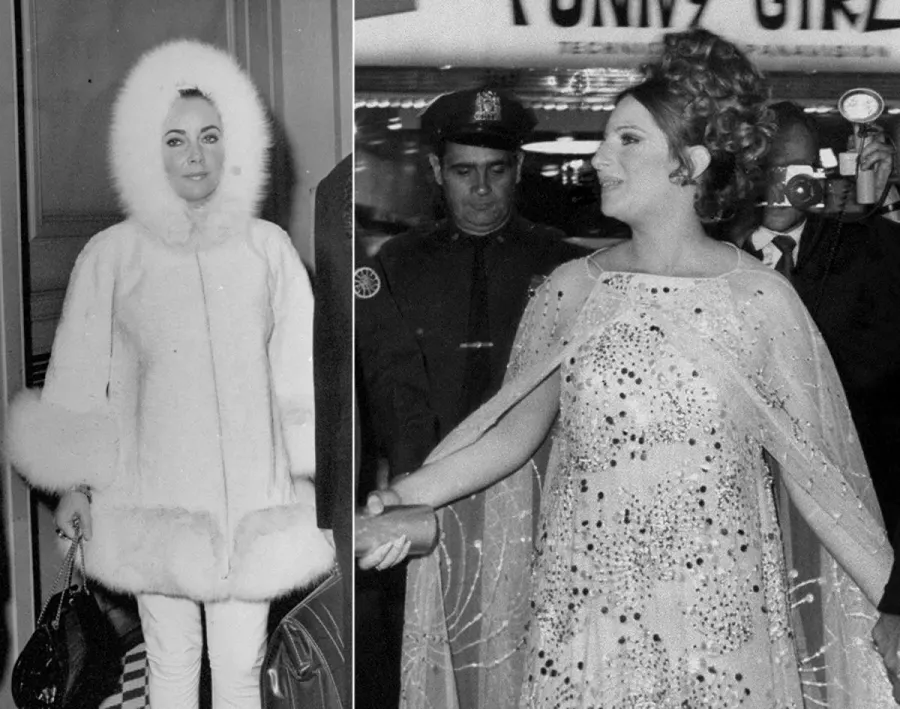
Liz Taylor and Barbra Streisand Show Off Their Style, New York, 1968
The photograph shows When in New York City in 1968, both Liz Taylor and Barbra Streisand were sure to show off their eclectic styles. Richard Corkery/New York Daily News. The scene dates to 1968, a detail that changes how you read every face and object in the frame.
The 1960s moved fast: the space race put satellites and then astronauts overhead, television replaced print as the main source of news, and social change swept through music, fashion, and politics. Photojournalism was at its peak, with picture magazines and newspapers employing armies of photographers.
What makes everyday photographs like this one compelling is the details at the edges: the clothes, the signs, the tools, the postures. They preserve texture that history books flatten out.
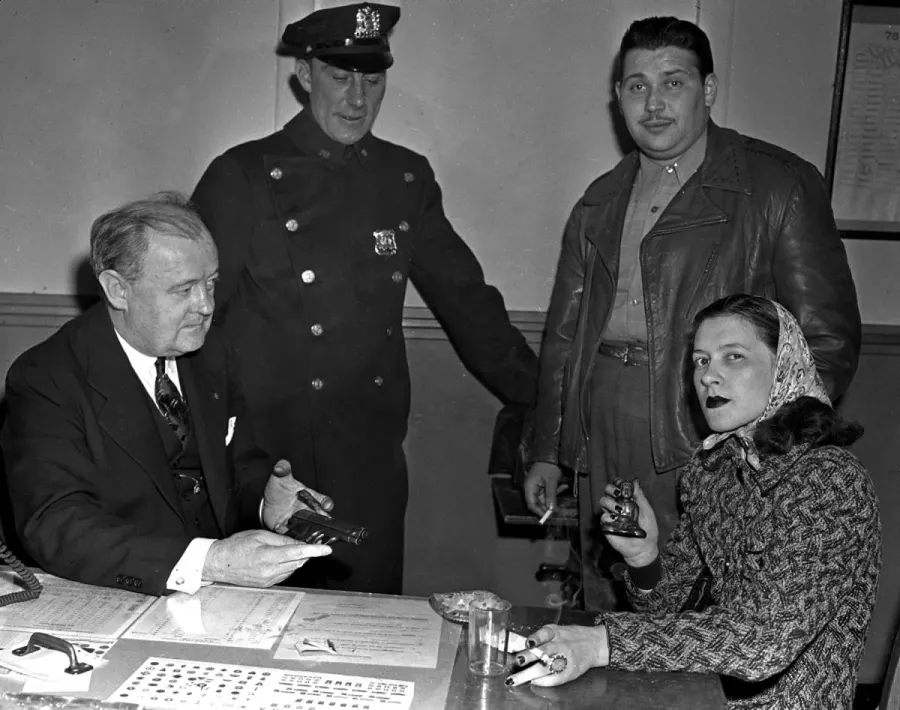
She Pleads the Fifth, 1942
Captured here: Mob Moll, 1942: She pleads the fifth! Mob moll Smitty White was arrested and held at police headquarters in 1942 after her boyfriend Ralph Prisco was shot and killed by police during a failed holdup. Mob molls are also known as gun molls, or even gangster molls. The term moll is derived from the world "Molly," a 17th century euphemism for either "whore" or "prostitute.". It was taken in 1942, and like the best archival images it needs almost no explanation — the frame tells its own story.
The first half of the 1940s was consumed by the Second World War, the largest conflict in human history, and photography went to war with it — small 35mm cameras and wire services meant pictures from the front could reach newspaper readers within days.
What makes everyday photographs like this one compelling is the details at the edges: the clothes, the signs, the tools, the postures. They preserve texture that history books flatten out.
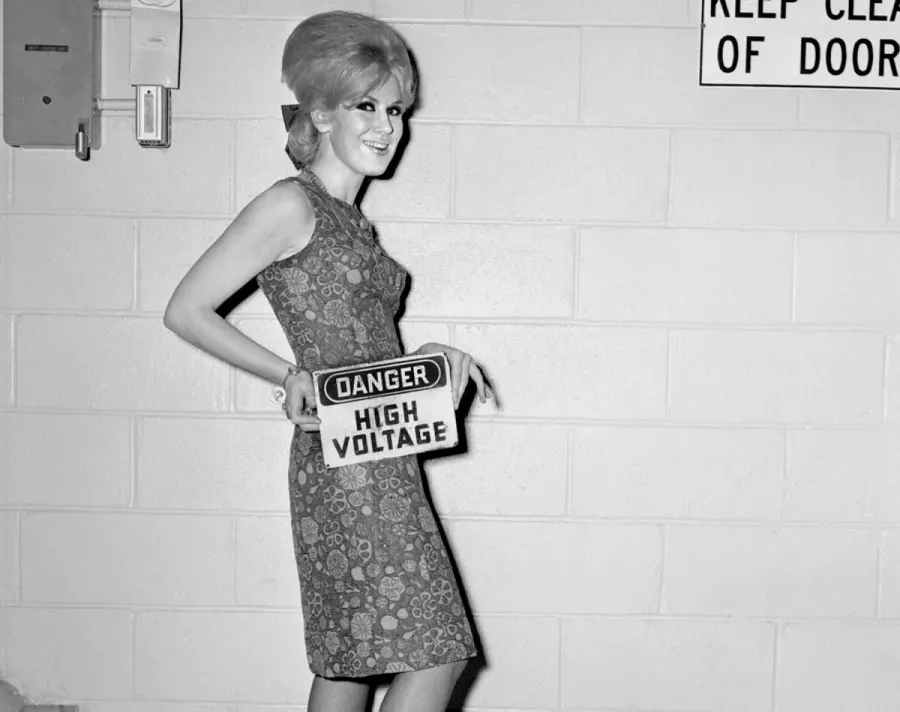
English Pop Star Dusty Springfield Sported Poufed Hair and a Totally Rad, 1964
This picture preserves a moment few cameras ever caught — English pop star Dusty Springfield sported poufed hair and a totally rad dress when arriving in New York City on Sept. 1, 1964. Tom Gallagher/New York Daily News. It was taken in 1964, and like the best archival images it needs almost no explanation — the frame tells its own story.
The 1960s moved fast: the space race put satellites and then astronauts overhead, television replaced print as the main source of news, and social change swept through music, fashion, and politics. Photojournalism was at its peak, with picture magazines and newspapers employing armies of photographers.
Pictures of ordinary life are some of the most valuable historical documents we have. Grand events were always going to be recorded, but a normal day — how people worked, dressed, shopped, and passed the time — survives only when someone happened to point a camera at it.
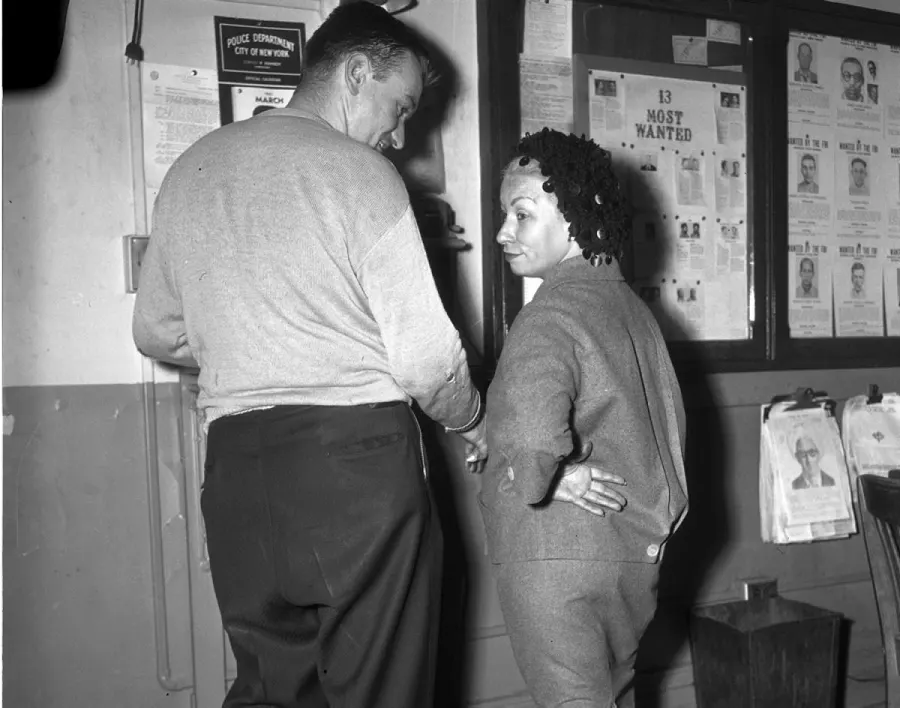
Margo Donohue Couldn't Use her Feminine Wiles to Get Out of This One, 1961
Captured here: Mob Moll, 1961: Margo Donohue couldn't use her feminine wiles to get out of this one! The gun moll was fingerprinted by a narcotics squad after she was found carrying a loaded .38 caliber pistol for her accomplice William Matea in 1961. Made in 1961, it is the kind of image that turns a date in a history book into something you can actually see.
The 1960s moved fast: the space race put satellites and then astronauts overhead, television replaced print as the main source of news, and social change swept through music, fashion, and politics. Photojournalism was at its peak, with picture magazines and newspapers employing armies of photographers.
Most photography of the period chased celebrities and headlines, which makes surviving images of daily routine all the more precious. This is what the world actually looked like when nobody thought it was worth remembering.
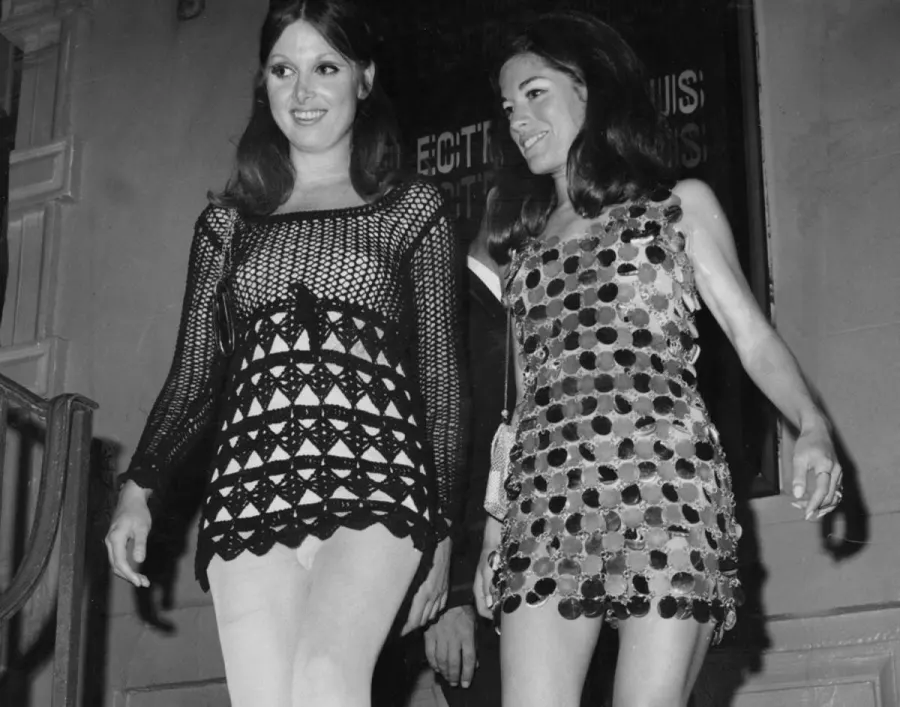
A Mini-knit and a Mini-jingle of Plastic Cutouts Give a Geometric Twist, 1967
This picture preserves a moment few cameras ever caught — a mini-knit and a mini-jingle of plastic cutouts give a geometric twist to the Electric Circus discotheque at 23 St. Marks Place in New York City in 1967. William Quinn/New York Daily News. It was taken in 1967, and like the best archival images it needs almost no explanation — the frame tells its own story.
The 1960s moved fast: the space race put satellites and then astronauts overhead, television replaced print as the main source of news, and social change swept through music, fashion, and politics. Photojournalism was at its peak, with picture magazines and newspapers employing armies of photographers.
What makes everyday photographs like this one compelling is the details at the edges: the clothes, the signs, the tools, the postures. They preserve texture that history books flatten out.
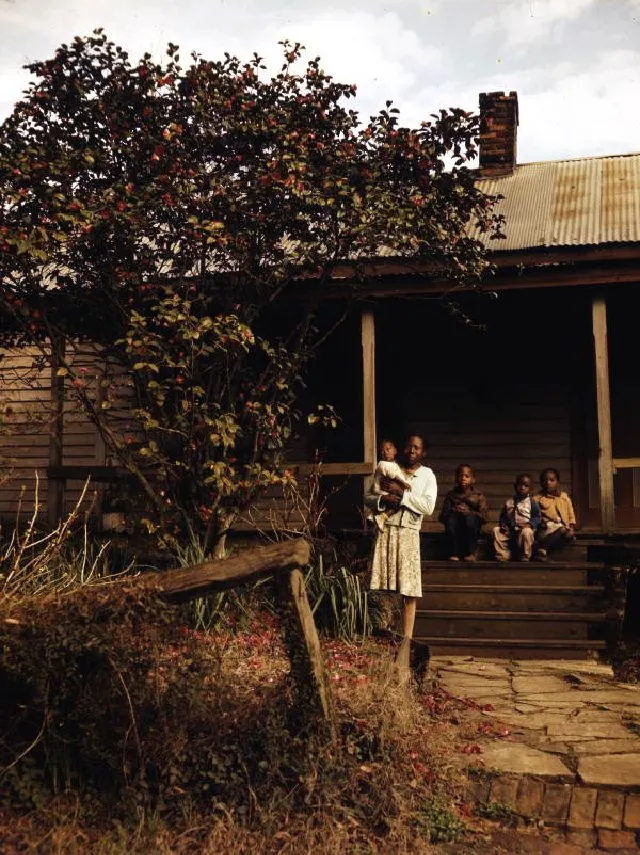
African-american Family at Home, Circa 1950
This picture preserves a moment few cameras ever caught — African-American family at home, circa 1950. Made around 1950, it is the kind of image that turns a date in a history book into something you can actually see.
The 1950s brought a wave of postwar prosperity, especially in North America. Suburbs, television sets, big chrome-trimmed cars, and rock and roll defined the decade, and a booming picture-magazine industry sent photographers to document all of it.
Pictures of ordinary life are some of the most valuable historical documents we have. Grand events were always going to be recorded, but a normal day — how people worked, dressed, shopped, and passed the time — survives only when someone happened to point a camera at it.
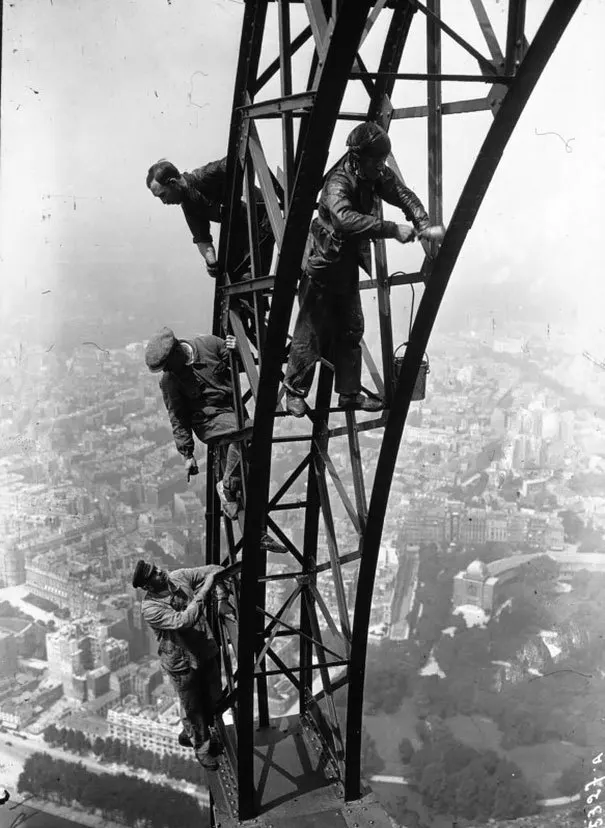
Painting the Eiffel Tower, 1932
This picture preserves a moment few cameras ever caught — Painting The Eiffel Tower, 1932. The scene dates to 1932, a detail that changes how you read every face and object in the frame.
The 1930s were shadowed by the Great Depression, which put a quarter of American workers out of a job at its worst point. Yet the same decade produced streamlined trains, record-setting aircraft, grand public works, and a flood of documentary photography as magazines like LIFE sent cameras into everyday America.
Pictures of ordinary life are some of the most valuable historical documents we have. Grand events were always going to be recorded, but a normal day — how people worked, dressed, shopped, and passed the time — survives only when someone happened to point a camera at it.
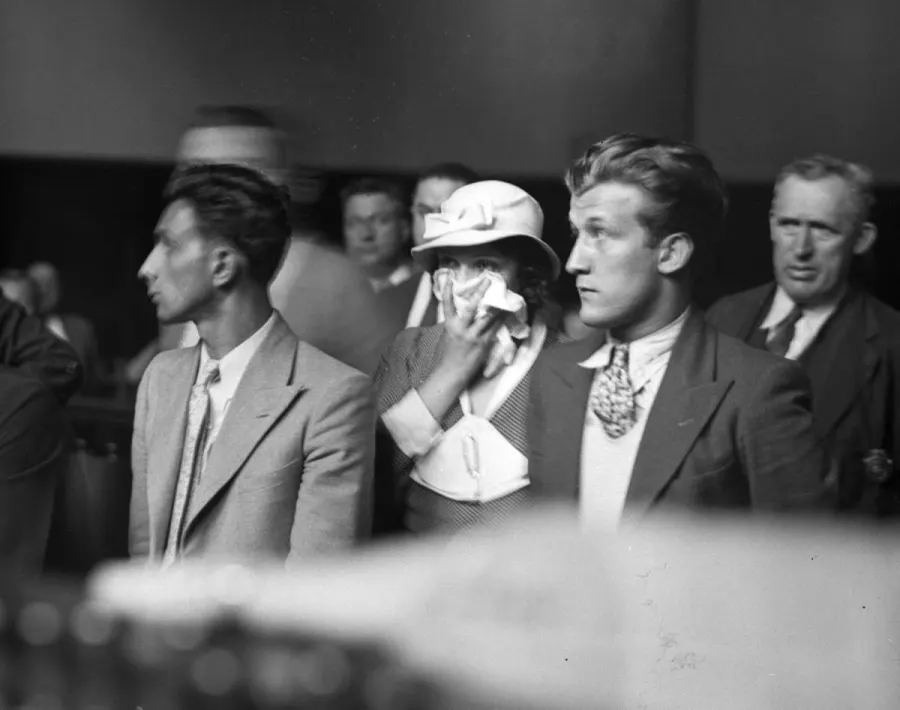
Being Married to a Hitman Will Almost Always Get You into Trouble, 1933
Mob Moll, 1933: Being married to a hitman will almost always get you into trouble, and no one knew that better than Lottie Coll, wife of Irish mobster Vincent 'Mad Dog' Coll. Here, Coll holds her scarf to her face as she is arraigned in court in 1933. It was taken in 1933, and like the best archival images it needs almost no explanation — the frame tells its own story.
The 1930s were shadowed by the Great Depression, which put a quarter of American workers out of a job at its worst point. Yet the same decade produced streamlined trains, record-setting aircraft, grand public works, and a flood of documentary photography as magazines like LIFE sent cameras into everyday America.
What makes everyday photographs like this one compelling is the details at the edges: the clothes, the signs, the tools, the postures. They preserve texture that history books flatten out.
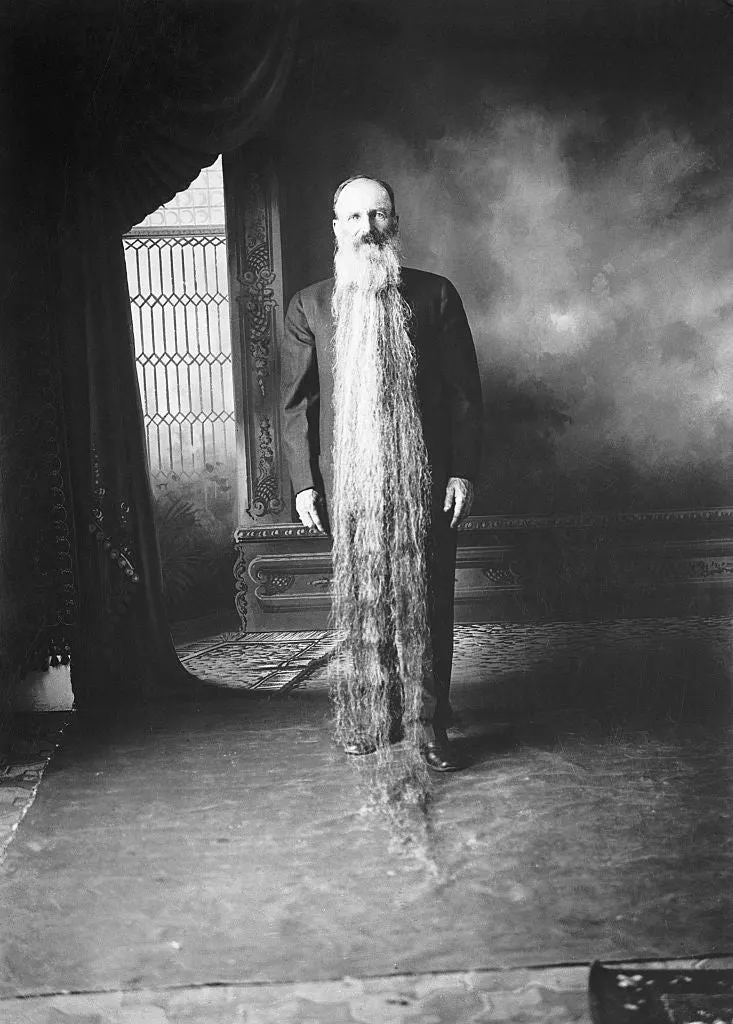
This Bad Boy Is Zach T. Wilcox, Owner of the World's Longest Beard, in 1922
Captured here: this bad boy is Zach T. Wilcox, owner of the world's longest beard, in 1922. It was taken in 1922, and like the best archival images it needs almost no explanation — the frame tells its own story.
The 1920s roared with new money and new habits. Radio broadcasting began, cars became affordable for working families, jazz filled dance halls, and hemlines and haircuts shortened in ways that scandalized the older generation. News photography boomed alongside the tabloid press.
Pictures of ordinary life are some of the most valuable historical documents we have. Grand events were always going to be recorded, but a normal day — how people worked, dressed, shopped, and passed the time — survives only when someone happened to point a camera at it.
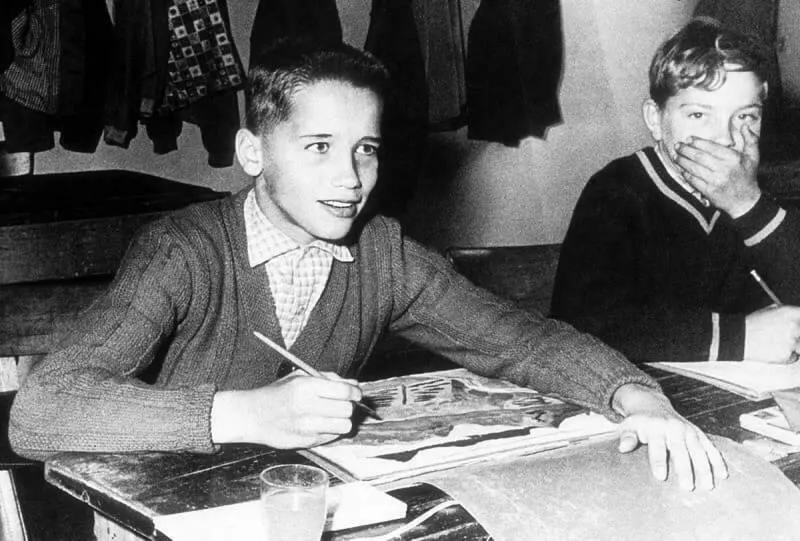
Arnold Schwarzenegger in a Lesson in Secondary School, 1958
The photograph shows Arnold Schwarzenegger In A Lesson In Secondary School, 1958. Made in 1958, it is the kind of image that turns a date in a history book into something you can actually see.
The 1950s brought a wave of postwar prosperity, especially in North America. Suburbs, television sets, big chrome-trimmed cars, and rock and roll defined the decade, and a booming picture-magazine industry sent photographers to document all of it.
Pictures of ordinary life are some of the most valuable historical documents we have. Grand events were always going to be recorded, but a normal day — how people worked, dressed, shopped, and passed the time — survives only when someone happened to point a camera at it.
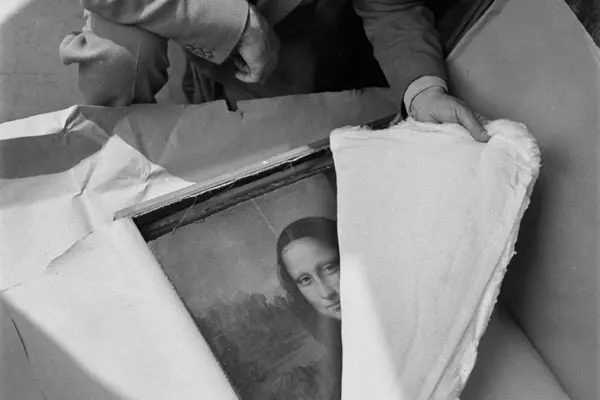
Mona Lisa Returns
The photograph shows Mona Lisa Returns: After World War I, da Vinci’s Mona Lisa was returned to the Louvre. It is the kind of image that turns a line in a history book into something you can actually see.
Photography has only existed since 1839, which means the camera-recorded past is a narrow window — and every surviving frame from it is a small act of preservation, whether the photographer knew it or not.
Moments like this one were captured by photographers who often had a single chance to get the shot — no second takes, no digital preview. That is part of why these frames carry such weight: each one is a split second of real history, fixed for good.
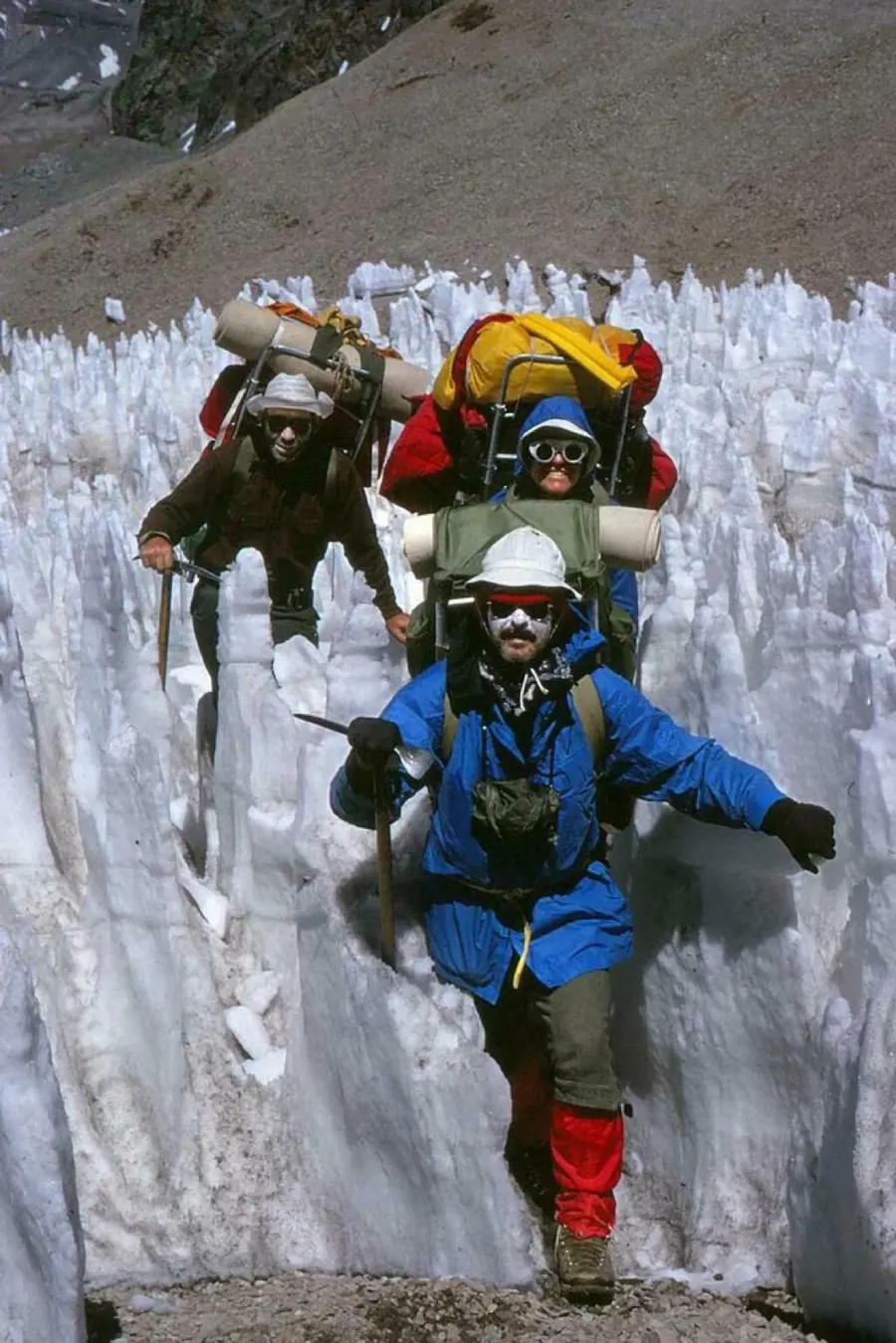
One of the Last Known Photographs of John Cooper (front), 1973
The photograph shows One Of The Last Known Photographs Of John Cooper (Front), Who Died Under Mysterious Circumstances In 1973 While Climbing Aconcagua, The Highest Mountain In The Americas. This Photo Wasn’t Found Until 2020. It was taken in 1973, and like the best archival images it needs almost no explanation — the frame tells its own story.
The 1970s had a grittier texture than the decades before it — economic shocks, urban decline, and political distrust, but also bold fashion, muscle cars, and the first stirrings of the digital age. Color film had become cheap and ubiquitous, so the decade survives in vivid Kodachrome hues.
Most photography of the period chased celebrities and headlines, which makes surviving images of daily routine all the more precious. This is what the world actually looked like when nobody thought it was worth remembering.
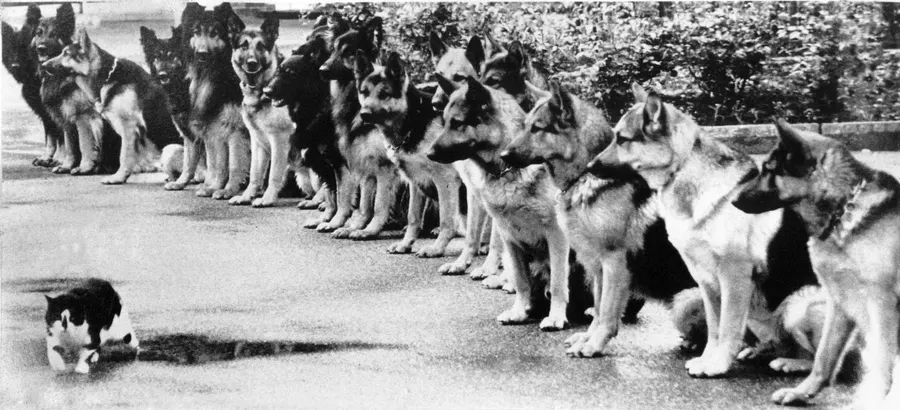
German Shepherd Police Dogs Facing the Ultimate Challenge
The photograph shows German Shepherd police dogs facing the ultimate challenge: remaining perfectly still while a cat sits right in front of them. Like the best archival images, it needs almost no explanation — the frame tells its own story.
Photography has only existed since 1839, which means the camera-recorded past is a narrow window — and every surviving frame from it is a small act of preservation, whether the photographer knew it or not.
Most photography of the period chased celebrities and headlines, which makes surviving images of daily routine all the more precious. This is what the world actually looked like when nobody thought it was worth remembering.
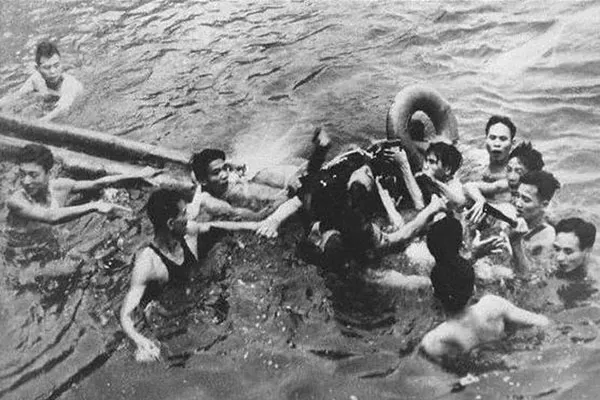
This Photo Shows an Airman Being Captured by Vietnamese in Trúc Bạch Lake, 1967
Captured here: Wow: This photo shows an airman being captured by Vietnamese in Trúc Bạch Lake, Hanoi in 1967. The scene dates to 1967, a detail that changes how you read every face and object in the frame.
The 1960s moved fast: the space race put satellites and then astronauts overhead, television replaced print as the main source of news, and social change swept through music, fashion, and politics. Photojournalism was at its peak, with picture magazines and newspapers employing armies of photographers.
Pictures of ordinary life are some of the most valuable historical documents we have. Grand events were always going to be recorded, but a normal day — how people worked, dressed, shopped, and passed the time — survives only when someone happened to point a camera at it.
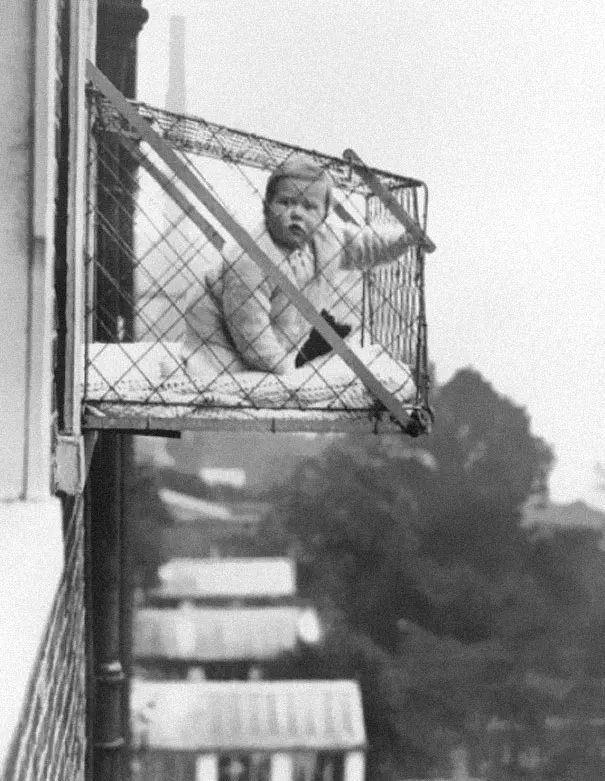
Looks Safe!: Baby Cages Were Actually Used by Parents in the 1920s
Looks Safe!: Baby cages were actually used by parents in the 1920s. It was taken in the 1920s, and like the best archival images it needs almost no explanation — the frame tells its own story.
Wire "baby cages" that hung out of apartment windows were a genuine product of the early twentieth century, patented in the United States in the 1920s and popular for a time in London blocks of flats. The theory, backed by childcare advice of the day, was that city babies needed fresh air and sunlight that cramped apartments could not provide. Changing safety standards ended the practice by mid-century.
Most photography of the period chased celebrities and headlines, which makes surviving images of daily routine all the more precious. This is what the world actually looked like when nobody thought it was worth remembering.
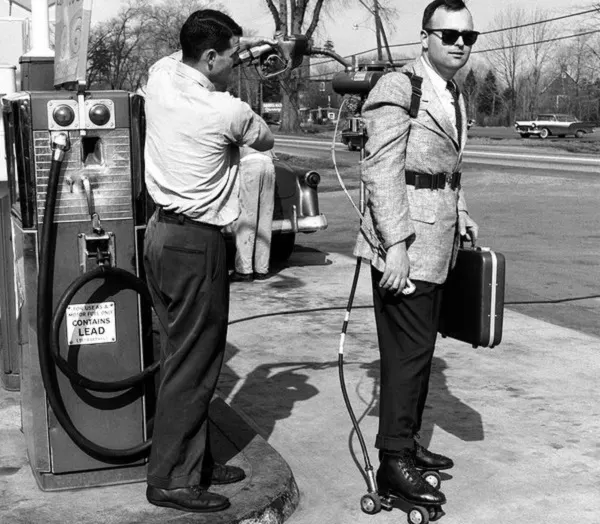
Motorized Roller Skates
Motorized Roller Skates: Looks like someone is gassing up for a trip on the town. Like the best archival images, it needs almost no explanation — the frame tells its own story.
Photography has only existed since 1839, which means the camera-recorded past is a narrow window — and every surviving frame from it is a small act of preservation, whether the photographer knew it or not.
What makes everyday photographs like this one compelling is the details at the edges: the clothes, the signs, the tools, the postures. They preserve texture that history books flatten out.
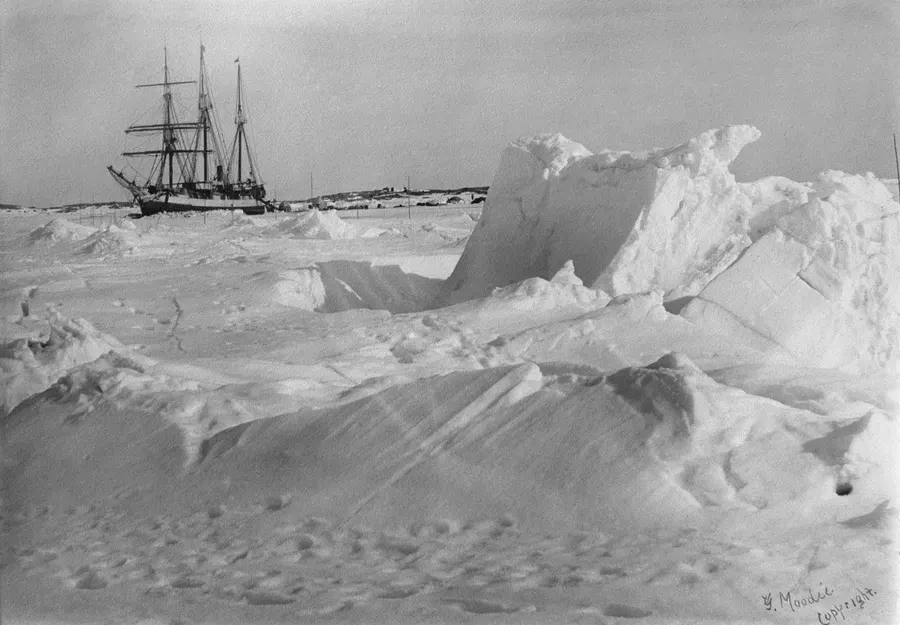
DGS Arctic Frozen in the Ice, Fullerton Harbour, Nunavut, April 1905
This picture preserves a moment few cameras ever caught — DGS Arctic frozen in the ice, Fullerton Harbour, Nunavut, April 1905. Made in 1905, it is the kind of image that turns a date in a history book into something you can actually see.
The first years of the twentieth century were an age of confident invention. Powered flight arrived with the Wright brothers in 1903, automobiles were leaving the curiosity stage, and cities were filling with electric light, elevators, and streetcars — all of it documented by a new generation of press photographers.
Most photography of the period chased celebrities and headlines, which makes surviving images of daily routine all the more precious. This is what the world actually looked like when nobody thought it was worth remembering.
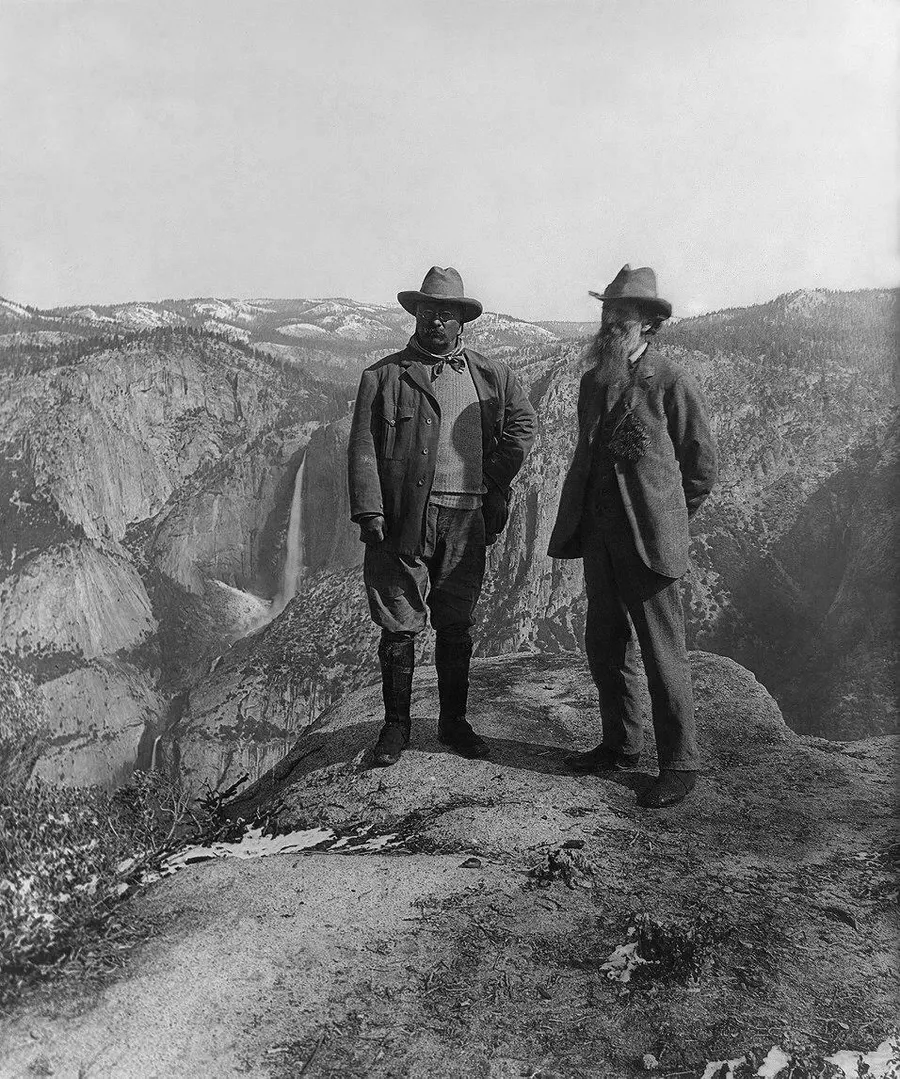
An Actual Photo of Theodore Roosevelt and John Muir at Yosemite, 1903
The photograph shows an Actual Photo Of Theodore Roosevelt And John Muir At Yosemite, 1903. Made in 1903, it is the kind of image that turns a date in a history book into something you can actually see.
The first years of the twentieth century were an age of confident invention. Powered flight arrived with the Wright brothers in 1903, automobiles were leaving the curiosity stage, and cities were filling with electric light, elevators, and streetcars — all of it documented by a new generation of press photographers.
Pictures of ordinary life are some of the most valuable historical documents we have. Grand events were always going to be recorded, but a normal day — how people worked, dressed, shopped, and passed the time — survives only when someone happened to point a camera at it.
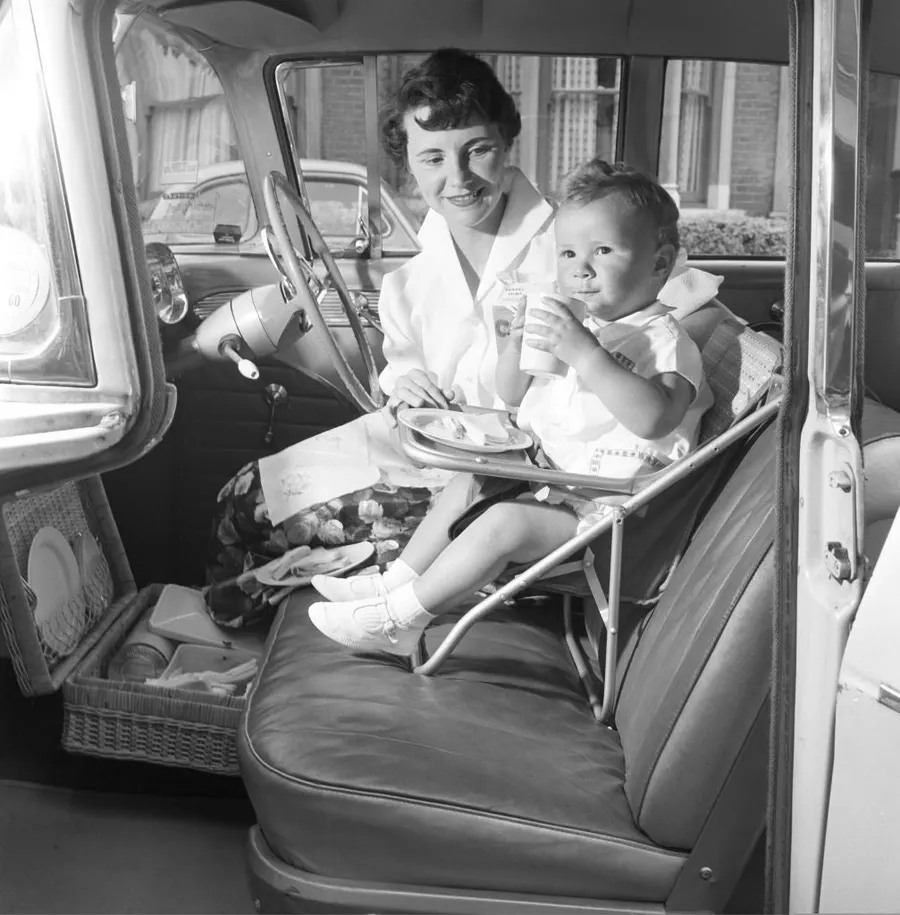
Here It Is in Action
The photograph shows Here it is in action. Like the best archival images, it needs almost no explanation — the frame tells its own story.
Photography has only existed since 1839, which means the camera-recorded past is a narrow window — and every surviving frame from it is a small act of preservation, whether the photographer knew it or not.
Most photography of the period chased celebrities and headlines, which makes surviving images of daily routine all the more precious. This is what the world actually looked like when nobody thought it was worth remembering.
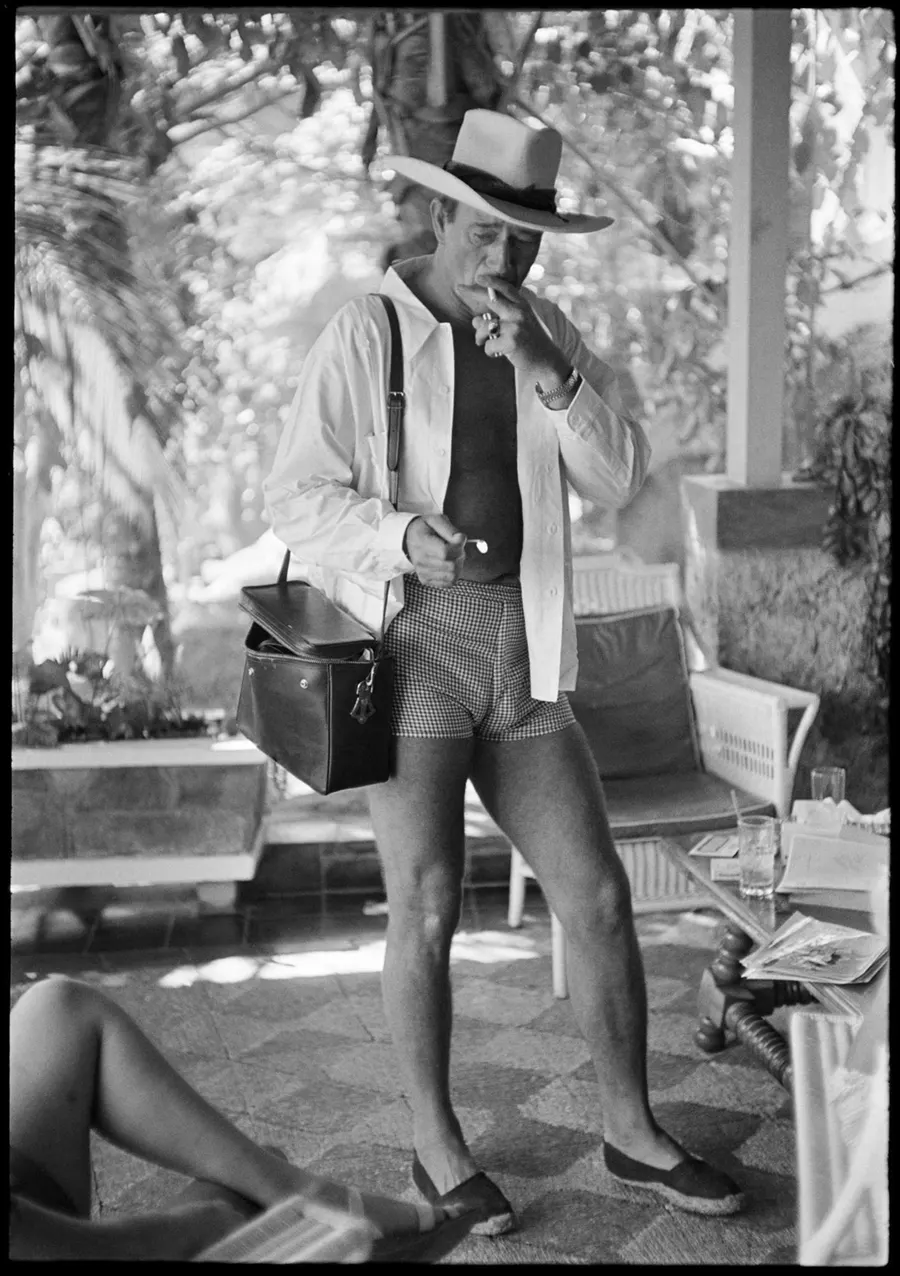
John Wayne on Vacation in Acapulco, 1959
Captured here: John Wayne On Vacation In Acapulco, 1959. Made in 1959, it is the kind of image that turns a date in a history book into something you can actually see.
The 1950s brought a wave of postwar prosperity, especially in North America. Suburbs, television sets, big chrome-trimmed cars, and rock and roll defined the decade, and a booming picture-magazine industry sent photographers to document all of it.
Most photography of the period chased celebrities and headlines, which makes surviving images of daily routine all the more precious. This is what the world actually looked like when nobody thought it was worth remembering.
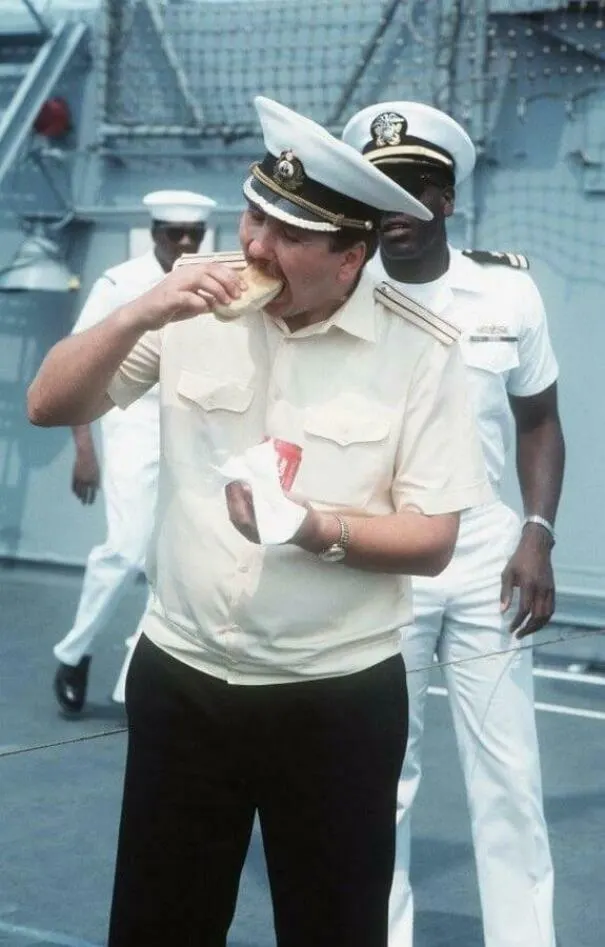
A Soviet Officer Sees and Tastes a Hot Dog and Coca-cola for the First Time, 1989
Captured here: a Soviet Officer Sees And Tastes A Hot Dog And Coca-Cola For The First Time Aboard The U.S. Cruiser Thomas S. Gates, 1989. The scene dates to 1989, a detail that changes how you read every face and object in the frame.
By the 1980s the modern media landscape was taking shape: cable television, personal computers, and global brands. Film photography was at its technical height, just a generation before digital cameras would change everything.
Pictures of ordinary life are some of the most valuable historical documents we have. Grand events were always going to be recorded, but a normal day — how people worked, dressed, shopped, and passed the time — survives only when someone happened to point a camera at it.
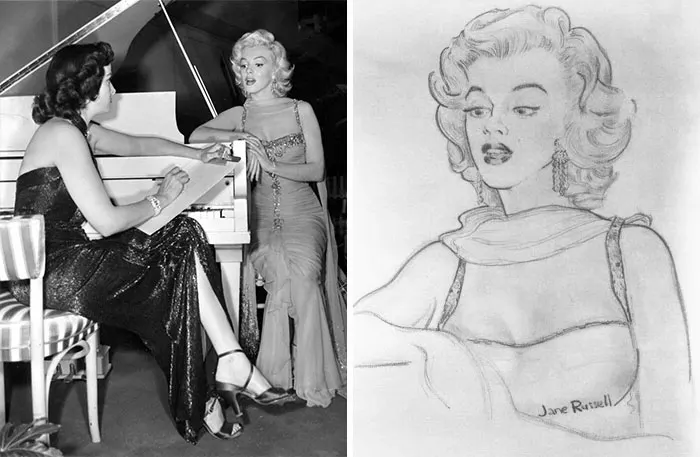
Jane Russell Shows her Co-actress Marilyn Monroe (at the Time, 1953
Jane Russell Shows Her Co-Actress Marilyn Monroe (At The Time, Jane Was The Bigger Star) One Of Her Talents: Drawing. Here She Draws An Sketch Of Monroe. Result At The End. This Was During The Filming Of "Gentlemen Prefer Blondes," 1953. The scene dates to 1953, a detail that changes how you read every face and object in the frame.
The 1950s brought a wave of postwar prosperity, especially in North America. Suburbs, television sets, big chrome-trimmed cars, and rock and roll defined the decade, and a booming picture-magazine industry sent photographers to document all of it.
Pictures of ordinary life are some of the most valuable historical documents we have. Grand events were always going to be recorded, but a normal day — how people worked, dressed, shopped, and passed the time — survives only when someone happened to point a camera at it.
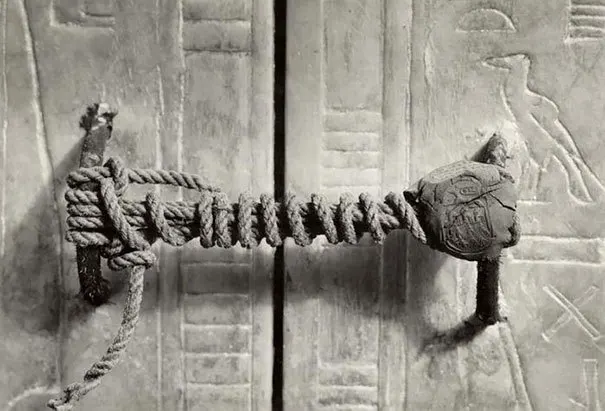
The Unbroken Seal on Tutankhamun’s Tomb, 1922 (3,245 Years Untouched)
The photograph shows The Unbroken Seal On Tutankhamun’s Tomb, 1922 (3,245 Years Untouched). Made in 1922, it is the kind of image that turns a date in a history book into something you can actually see.
The 1920s roared with new money and new habits. Radio broadcasting began, cars became affordable for working families, jazz filled dance halls, and hemlines and haircuts shortened in ways that scandalized the older generation. News photography boomed alongside the tabloid press.
What makes everyday photographs like this one compelling is the details at the edges: the clothes, the signs, the tools, the postures. They preserve texture that history books flatten out.
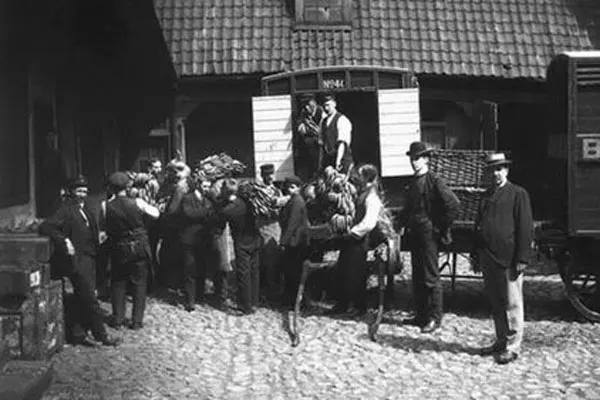
Norwegians Receive First Ever Shipment of Bananas
The photograph shows Norwegians Receive First Ever Shipment of Bananas. It is the kind of image that turns a line in a history book into something you can actually see.
Photography has only existed since 1839, which means the camera-recorded past is a narrow window — and every surviving frame from it is a small act of preservation, whether the photographer knew it or not.
Most photography of the period chased celebrities and headlines, which makes surviving images of daily routine all the more precious. This is what the world actually looked like when nobody thought it was worth remembering.
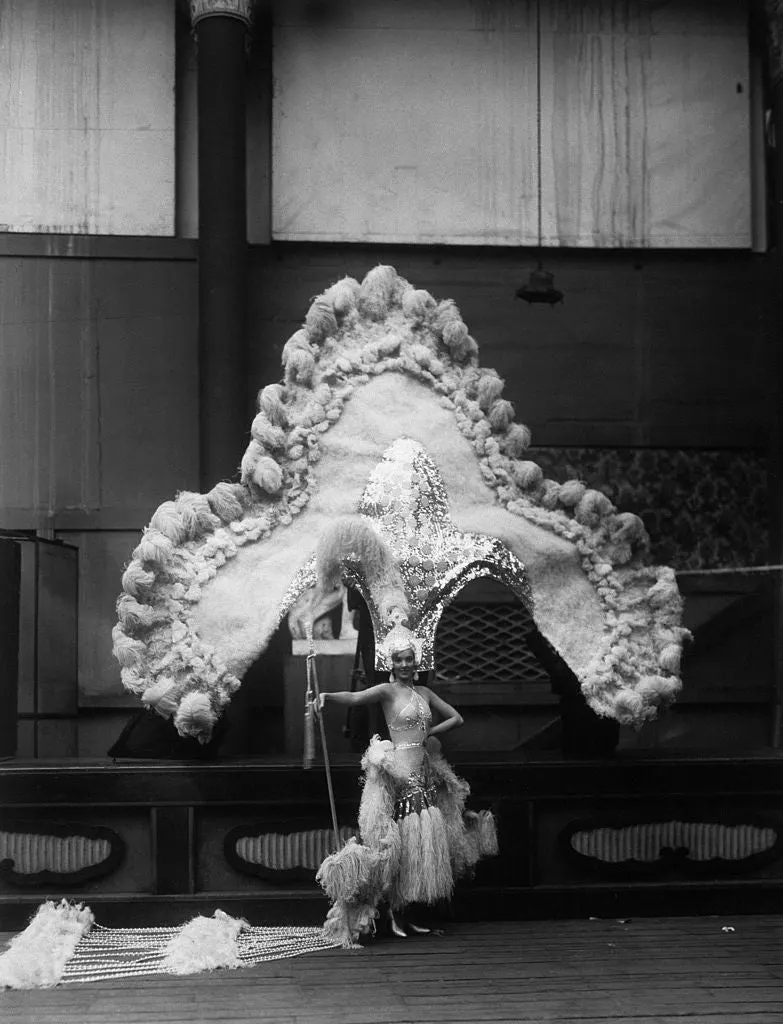
Actress Jessie Mathew and her Very Modestly Sized Headdress
actress Jessie Mathew and her very modestly sized headdress. It is the kind of image that turns a line in a history book into something you can actually see.
Photography has only existed since 1839, which means the camera-recorded past is a narrow window — and every surviving frame from it is a small act of preservation, whether the photographer knew it or not.
What makes everyday photographs like this one compelling is the details at the edges: the clothes, the signs, the tools, the postures. They preserve texture that history books flatten out.
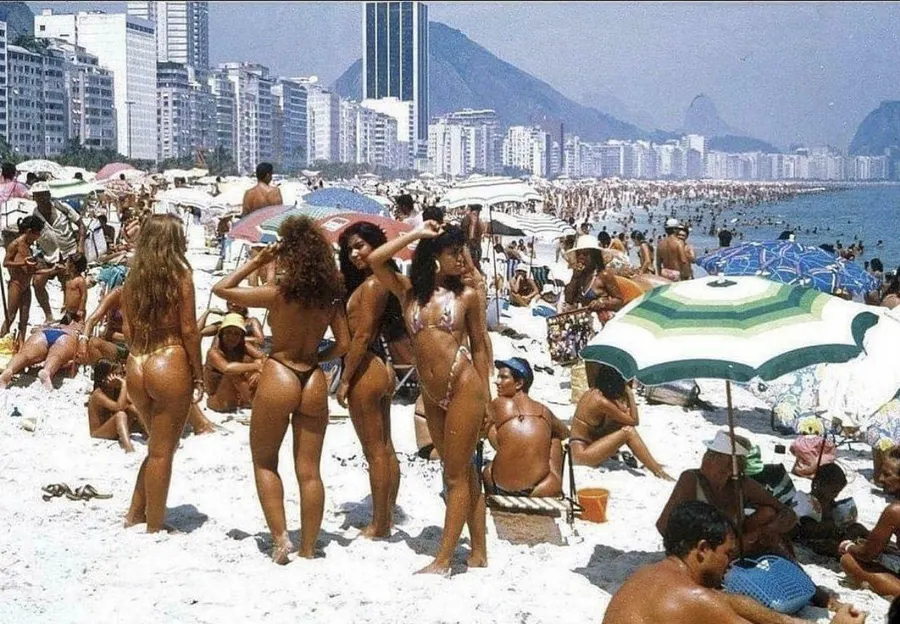
Copacabana Beach, Rio, 1985
Copacabana Beach, Rio, 1985. Made in 1985, it is the kind of image that turns a date in a history book into something you can actually see.
By the 1980s the modern media landscape was taking shape: cable television, personal computers, and global brands. Film photography was at its technical height, just a generation before digital cameras would change everything.
Most photography of the period chased celebrities and headlines, which makes surviving images of daily routine all the more precious. This is what the world actually looked like when nobody thought it was worth remembering.
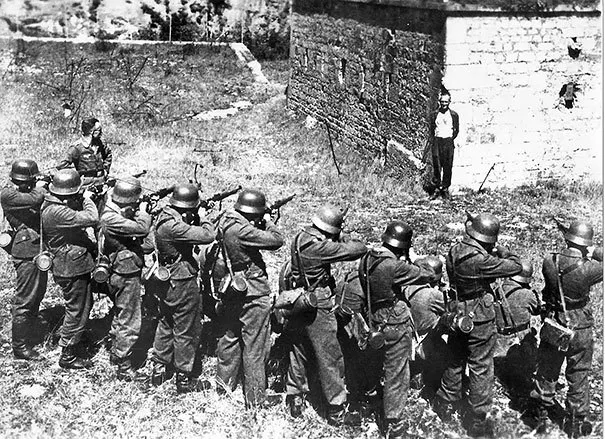
Georges Blind, a Member of the French Resistance, 1944
Georges Blind, A Member Of The French Resistance, Smiling At A German Firing Squad, 1944. Made in 1944, it is the kind of image that turns a date in a history book into something you can actually see.
Georges Blind was a fireman in Belfort, France, who passed information and helped smuggle people for the French Resistance. The firing squad in the photograph was staged by his German captors as an intimidation tactic to make him talk; Blind gave them nothing but the smile the camera recorded. He was later transferred to a concentration camp, where he died in late 1944. The photograph was found after the war.
Moments like this one were captured by photographers who often had a single chance to get the shot — no second takes, no digital preview. That is part of why these frames carry such weight: each one is a split second of real history, fixed for good.
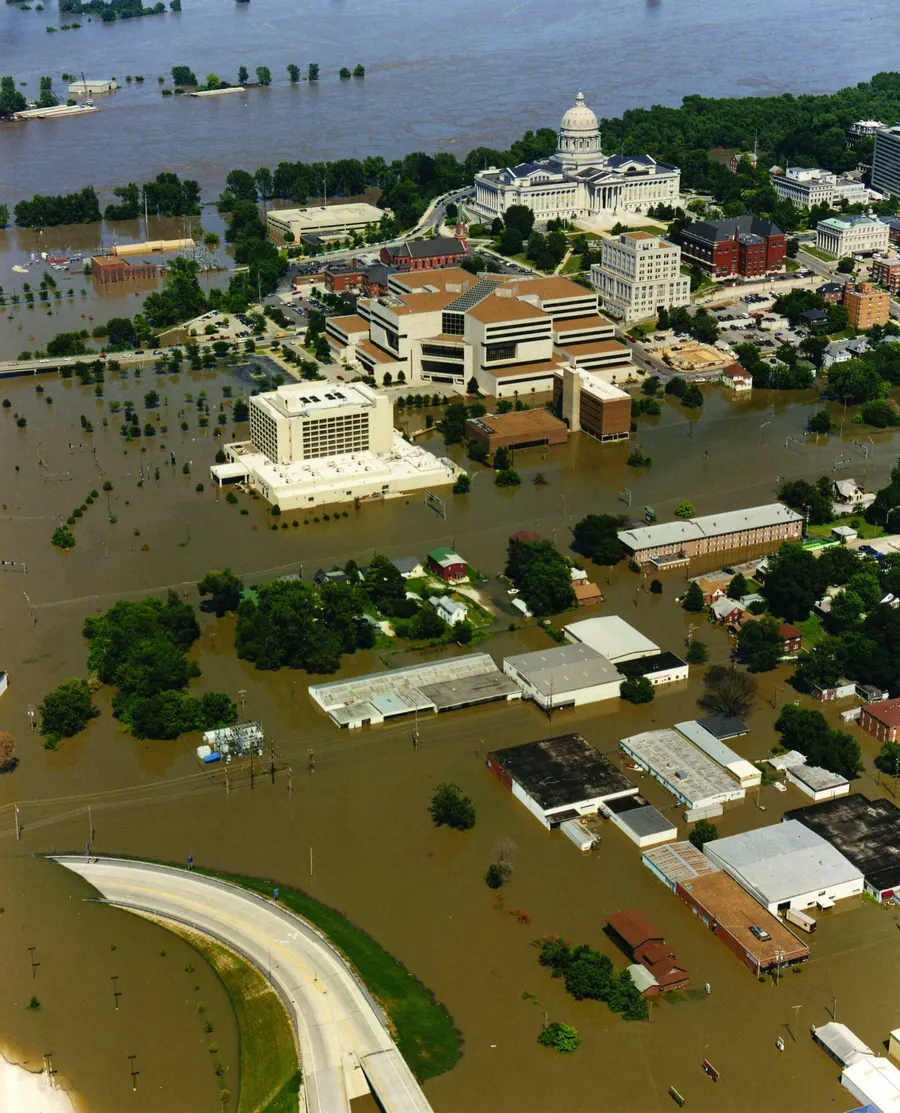
Photograph from the 1993 Great Flood
The photograph shows Photograph From The 1993 Great Flood, When James Scott Intentionally Sabotaged A Levee, Triggering A Massive Mississippi River Flood To Delay His Wife's Return Home, Allowing Him To Keep Partying. The scene dates to 1993, a detail that changes how you read every face and object in the frame.
The 1990s were the last fully analog decade. The internet was just arriving in homes, film cameras still ruled, and the era's photographs carry the distinct warm grain of late-century color film.
Pictures of ordinary life are some of the most valuable historical documents we have. Grand events were always going to be recorded, but a normal day — how people worked, dressed, shopped, and passed the time — survives only when someone happened to point a camera at it.
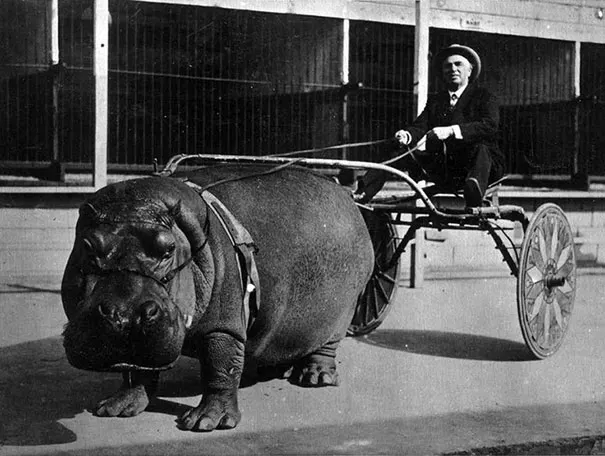
Gargantuan: Here’s a Trained Circus Hippo Pulling a Cart in 1924
This picture preserves a moment few cameras ever caught — Gargantuan: Here’s a trained circus hippo pulling a cart in 1924. The scene dates to 1924, a detail that changes how you read every face and object in the frame.
The 1920s roared with new money and new habits. Radio broadcasting began, cars became affordable for working families, jazz filled dance halls, and hemlines and haircuts shortened in ways that scandalized the older generation. News photography boomed alongside the tabloid press.
What makes everyday photographs like this one compelling is the details at the edges: the clothes, the signs, the tools, the postures. They preserve texture that history books flatten out.
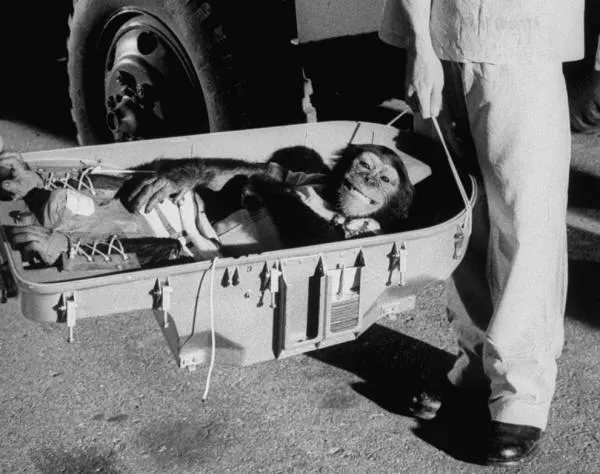
This Chimp, Known as “ham the Astrochimp,” Was Launched into Outer Space, 1961
Space Jam: This chimp, known as “Ham the Astrochimp,” was launched into outer space, on 31 January 1961, as part of America’s space program. Made in 1961, it is the kind of image that turns a date in a history book into something you can actually see.
The 1960s moved fast: the space race put satellites and then astronauts overhead, television replaced print as the main source of news, and social change swept through music, fashion, and politics. Photojournalism was at its peak, with picture magazines and newspapers employing armies of photographers.
Pictures of ordinary life are some of the most valuable historical documents we have. Grand events were always going to be recorded, but a normal day — how people worked, dressed, shopped, and passed the time — survives only when someone happened to point a camera at it.
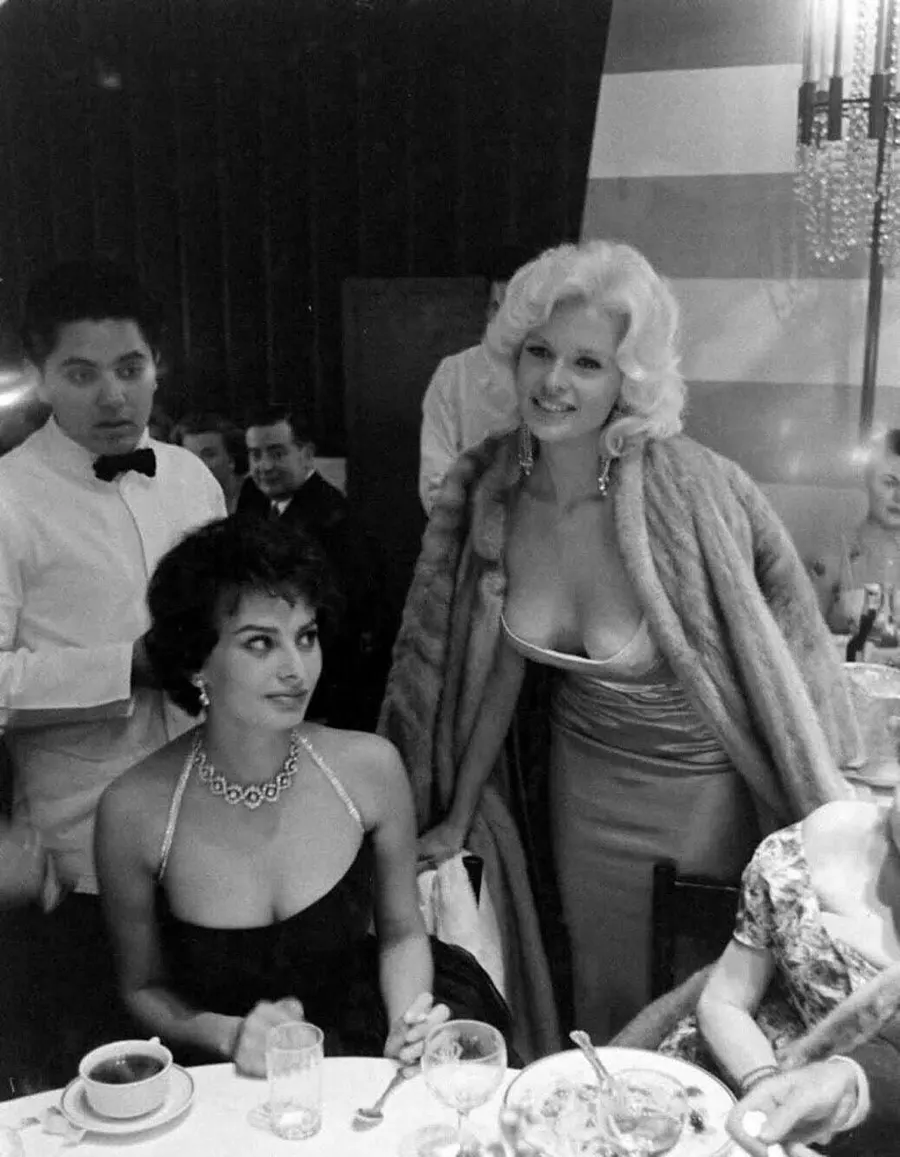
Different Shots of the Sophia Loren, Jayne Mansfield Encounter in 1957
This picture preserves a moment few cameras ever caught — Different Shots Of The Sophia Loren, Jayne Mansfield Encounter In 1957. It was taken in 1957, and like the best archival images it needs almost no explanation — the frame tells its own story.
The 1950s brought a wave of postwar prosperity, especially in North America. Suburbs, television sets, big chrome-trimmed cars, and rock and roll defined the decade, and a booming picture-magazine industry sent photographers to document all of it.
Pictures of ordinary life are some of the most valuable historical documents we have. Grand events were always going to be recorded, but a normal day — how people worked, dressed, shopped, and passed the time — survives only when someone happened to point a camera at it.
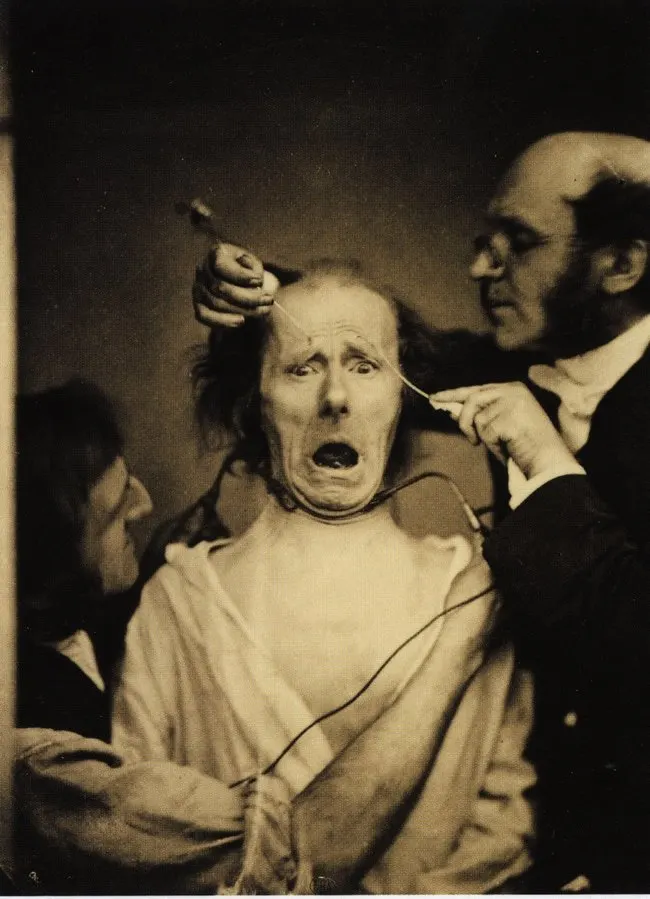
Knowledge Via Electrocution
The photograph shows Knowledge Via Electrocution. It is the kind of image that turns a line in a history book into something you can actually see.
Photography has only existed since 1839, which means the camera-recorded past is a narrow window — and every surviving frame from it is a small act of preservation, whether the photographer knew it or not.
Most photography of the period chased celebrities and headlines, which makes surviving images of daily routine all the more precious. This is what the world actually looked like when nobody thought it was worth remembering.
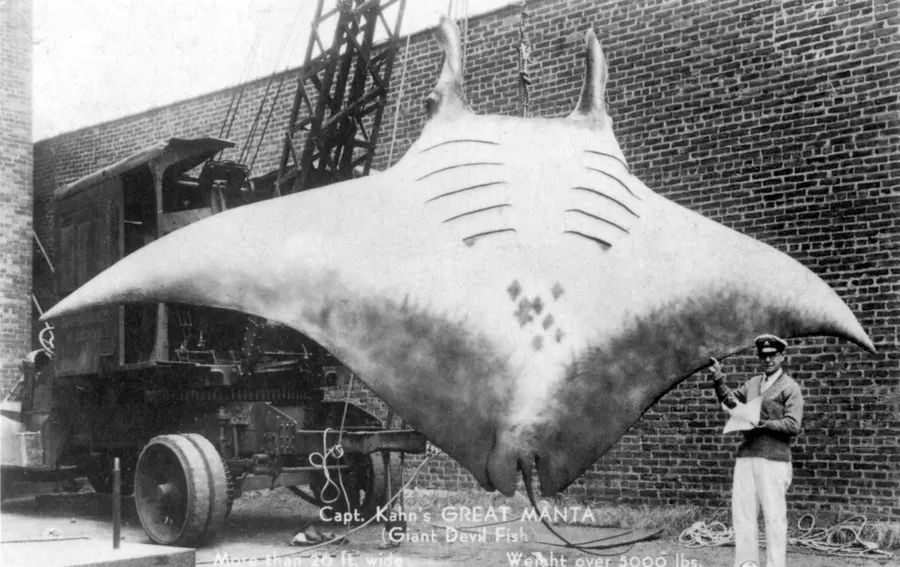
In 1933, A.L. Kahn Caught a 5,000-pound Manta Ray Off the Coast of Florida
This picture preserves a moment few cameras ever caught — In 1933, A.L. Kahn caught a 5,000-pound manta ray off the coast of Florida. The scene dates to 1933, a detail that changes how you read every face and object in the frame.
The 1930s were shadowed by the Great Depression, which put a quarter of American workers out of a job at its worst point. Yet the same decade produced streamlined trains, record-setting aircraft, grand public works, and a flood of documentary photography as magazines like LIFE sent cameras into everyday America.
What makes everyday photographs like this one compelling is the details at the edges: the clothes, the signs, the tools, the postures. They preserve texture that history books flatten out.
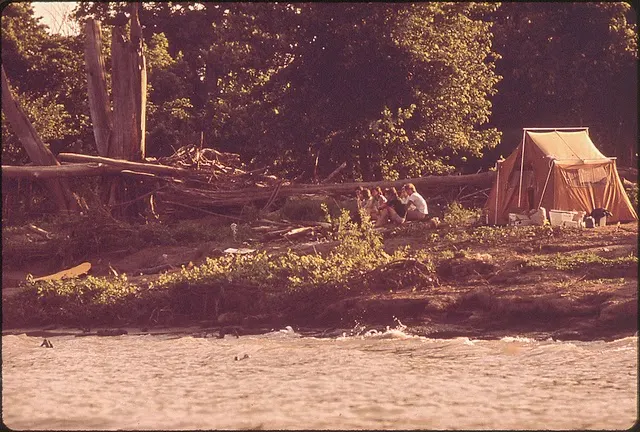
Camping Along the Ohio River, June 1972
Camping Along The Ohio River, June 1972. The scene dates to 1972, a detail that changes how you read every face and object in the frame.
The 1970s had a grittier texture than the decades before it — economic shocks, urban decline, and political distrust, but also bold fashion, muscle cars, and the first stirrings of the digital age. Color film had become cheap and ubiquitous, so the decade survives in vivid Kodachrome hues.
Most photography of the period chased celebrities and headlines, which makes surviving images of daily routine all the more precious. This is what the world actually looked like when nobody thought it was worth remembering.
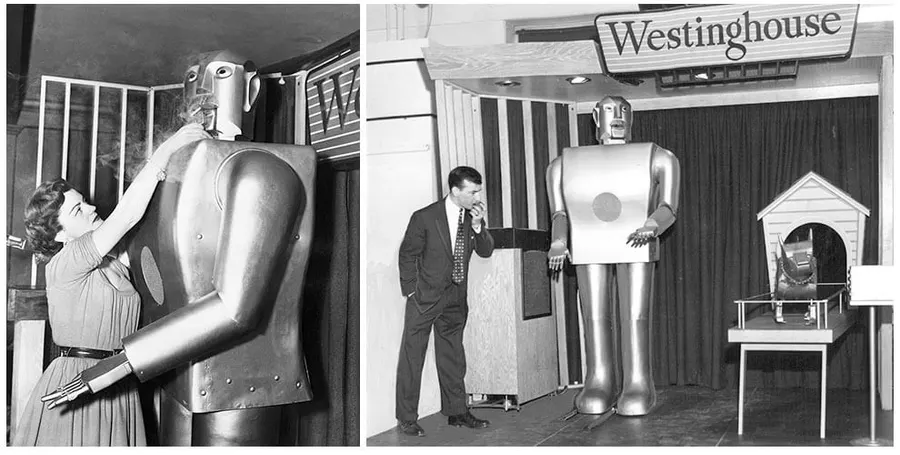
Retro Technology at its Finest, 1930s
Captured here: Smokebot: Retro technology at its finest! The Westinghouse Electric Corporation actually made a smoking robot in the 1930s. It was taken in the 1930s, and like the best archival images it needs almost no explanation — the frame tells its own story.
The 1930s were shadowed by the Great Depression, which put a quarter of American workers out of a job at its worst point. Yet the same decade produced streamlined trains, record-setting aircraft, grand public works, and a flood of documentary photography as magazines like LIFE sent cameras into everyday America.
Looking at experimental machines from the past, it is easy to laugh at what failed and forget how strange the successful inventions looked at first. To the people in the frame, this was the cutting edge, and the photograph preserves that optimism intact.
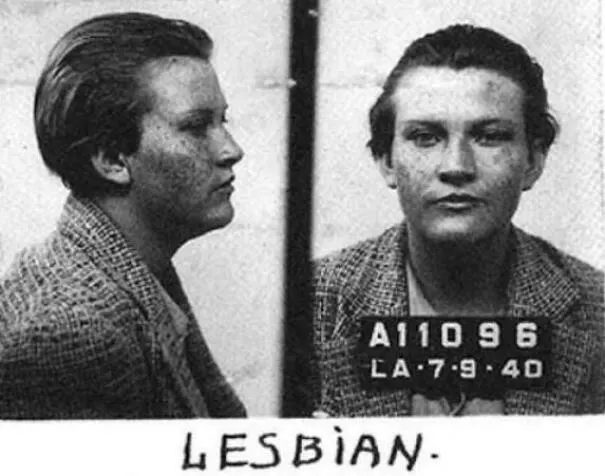
Police Image of a Girl Detained for Unconventional Dress/look, USA, 1940
The photograph shows Police Image Of A Girl Detained For Unconventional Dress/Look, USA, 1940. Made in 1940, it is the kind of image that turns a date in a history book into something you can actually see.
The first half of the 1940s was consumed by the Second World War, the largest conflict in human history, and photography went to war with it — small 35mm cameras and wire services meant pictures from the front could reach newspaper readers within days.
What makes everyday photographs like this one compelling is the details at the edges: the clothes, the signs, the tools, the postures. They preserve texture that history books flatten out.
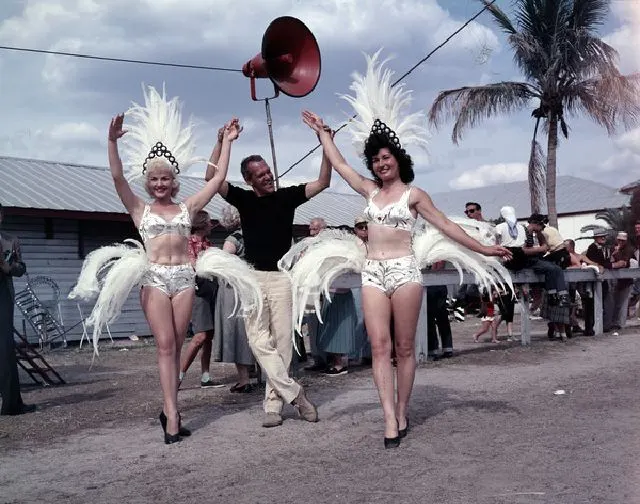
Ringling Circus Performers at Winter Quarters in Sarasota, Florida, Circa 1950
Captured here: Ringling Circus performers at winter quarters in Sarasota, Florida, circa 1950. The scene dates to around 1950, a detail that changes how you read every face and object in the frame.
The 1950s brought a wave of postwar prosperity, especially in North America. Suburbs, television sets, big chrome-trimmed cars, and rock and roll defined the decade, and a booming picture-magazine industry sent photographers to document all of it.
Pictures of ordinary life are some of the most valuable historical documents we have. Grand events were always going to be recorded, but a normal day — how people worked, dressed, shopped, and passed the time — survives only when someone happened to point a camera at it.
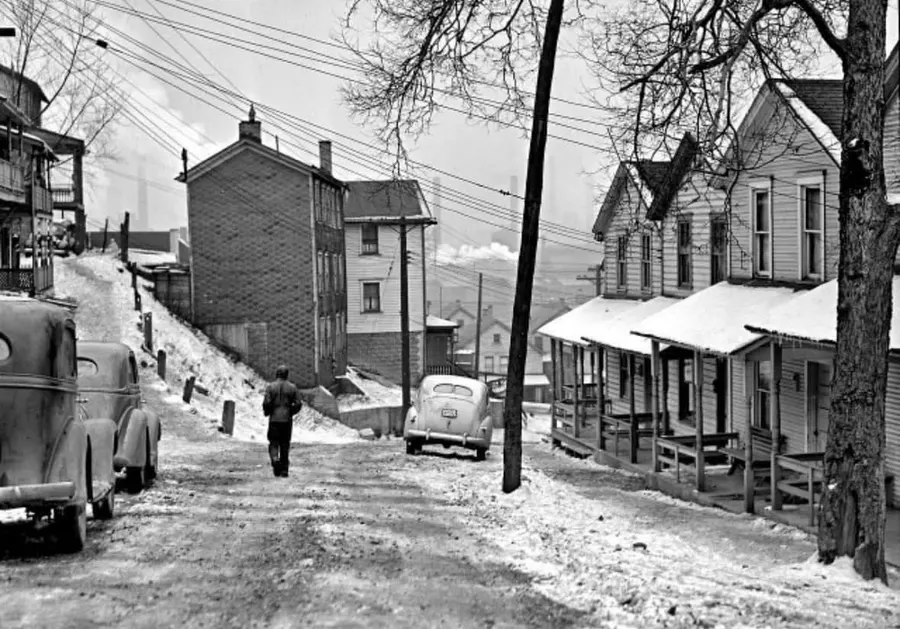
A Street Scene in Pennsylvania, 1941
Captured here: a Street Scene In Pennsylvania, 1941. Made in 1941, it is the kind of image that turns a date in a history book into something you can actually see.
The first half of the 1940s was consumed by the Second World War, the largest conflict in human history, and photography went to war with it — small 35mm cameras and wire services meant pictures from the front could reach newspaper readers within days.
Pictures of ordinary life are some of the most valuable historical documents we have. Grand events were always going to be recorded, but a normal day — how people worked, dressed, shopped, and passed the time — survives only when someone happened to point a camera at it.
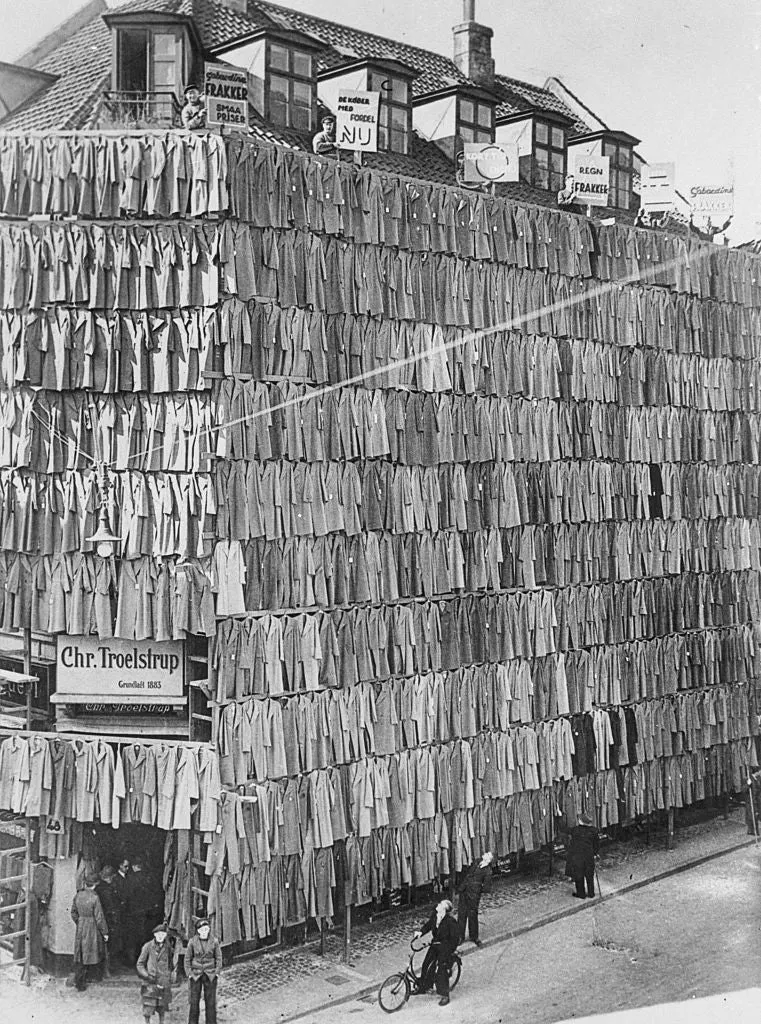
Danish Clothier Christian Troelstrup and the Building He Covered with over
This picture preserves a moment few cameras ever caught — Danish clothier Christian Troelstrup and the building he covered with over a thousand coats to attract buyers. It is the kind of image that turns a line in a history book into something you can actually see.
Photography has only existed since 1839, which means the camera-recorded past is a narrow window — and every surviving frame from it is a small act of preservation, whether the photographer knew it or not.
Most photography of the period chased celebrities and headlines, which makes surviving images of daily routine all the more precious. This is what the world actually looked like when nobody thought it was worth remembering.
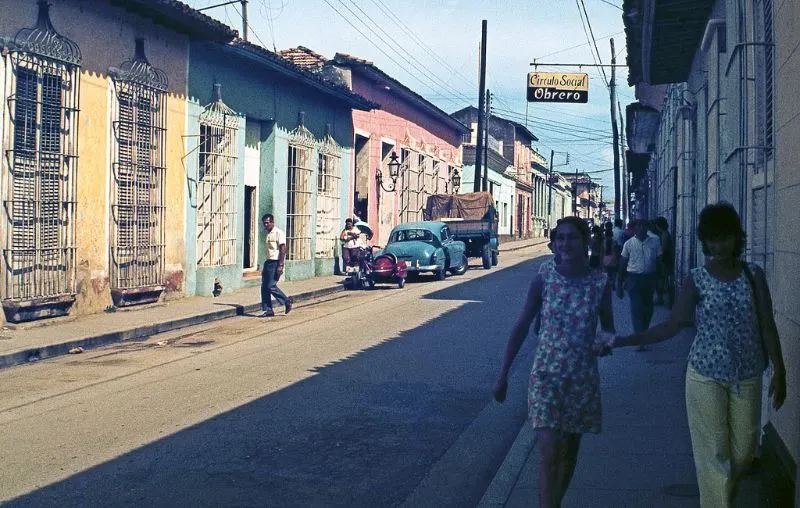
Cuba, Matanzas, 1976
The photograph shows Cuba, Matanzas, 1976. An old colonial street of Santa Clara. A sign marks the headquarters of the Workers' Social Circle. The scene dates to 1976, a detail that changes how you read every face and object in the frame.
The 1970s had a grittier texture than the decades before it — economic shocks, urban decline, and political distrust, but also bold fashion, muscle cars, and the first stirrings of the digital age. Color film had become cheap and ubiquitous, so the decade survives in vivid Kodachrome hues.
Most photography of the period chased celebrities and headlines, which makes surviving images of daily routine all the more precious. This is what the world actually looked like when nobody thought it was worth remembering.
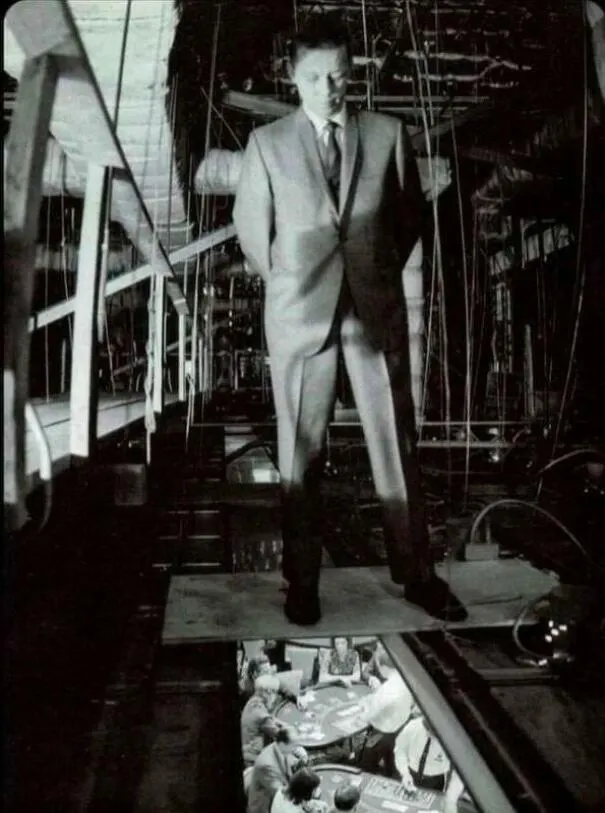
A Casino Security Guard Watches the Players. Nevada, USA
The photograph shows a Casino Security Guard Watches The Players. Nevada, USA. It is the kind of image that turns a line in a history book into something you can actually see.
Photography has only existed since 1839, which means the camera-recorded past is a narrow window — and every surviving frame from it is a small act of preservation, whether the photographer knew it or not.
Pictures of ordinary life are some of the most valuable historical documents we have. Grand events were always going to be recorded, but a normal day — how people worked, dressed, shopped, and passed the time — survives only when someone happened to point a camera at it.
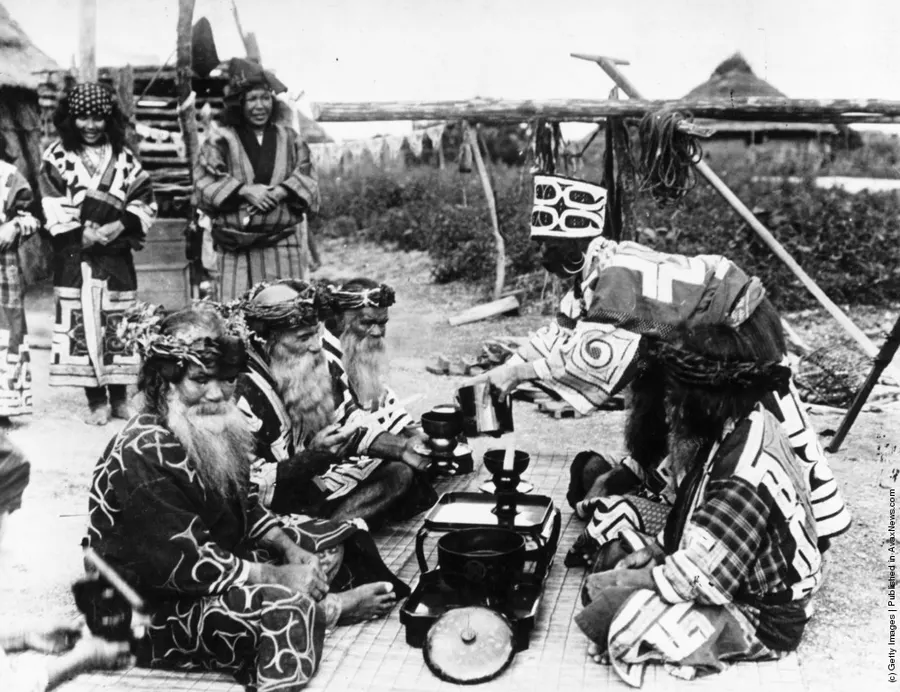
The Ainu People of Japan and Eastern Russia, c. 1930
The photograph shows The Ainu people of Japan and eastern Russia, noted for their prolific facial hair, circa 1930. Made around 1930, it is the kind of image that turns a date in a history book into something you can actually see.
The 1930s were shadowed by the Great Depression, which put a quarter of American workers out of a job at its worst point. Yet the same decade produced streamlined trains, record-setting aircraft, grand public works, and a flood of documentary photography as magazines like LIFE sent cameras into everyday America.
What makes everyday photographs like this one compelling is the details at the edges: the clothes, the signs, the tools, the postures. They preserve texture that history books flatten out.
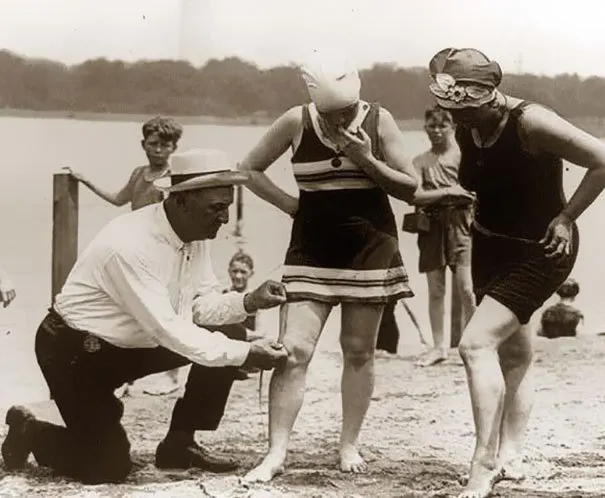
Measuring Bathing Suits, If They Were Too Short, Women Would Be Fined, 1920’s
Measuring Bathing Suits, If They Were Too Short, Women Would Be Fined, 1920’s. The scene dates to 1920, a detail that changes how you read every face and object in the frame.
The 1920s roared with new money and new habits. Radio broadcasting began, cars became affordable for working families, jazz filled dance halls, and hemlines and haircuts shortened in ways that scandalized the older generation. News photography boomed alongside the tabloid press.
Pictures of ordinary life are some of the most valuable historical documents we have. Grand events were always going to be recorded, but a normal day — how people worked, dressed, shopped, and passed the time — survives only when someone happened to point a camera at it.
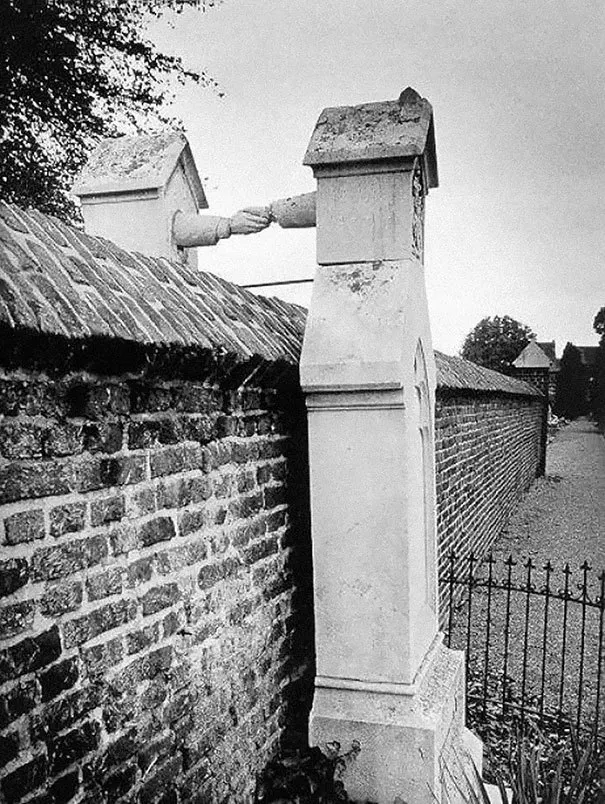
The Graves of a Catholic Woman and her Protestant Husband Seperated by a Wall, 1888
The photograph shows The Graves Of A Catholic Woman And Her Protestant Husband Seperated By A Wall, Holland, 1888. It was taken in 1888, and like the best archival images it needs almost no explanation — the frame tells its own story.
The 1880s brought photography within reach of amateurs for the first time. George Eastman introduced flexible roll film in 1888 with the slogan "You press the button, we do the rest," and candid pictures of everyday life started to appear alongside stiff studio portraits.
What makes everyday photographs like this one compelling is the details at the edges: the clothes, the signs, the tools, the postures. They preserve texture that history books flatten out.
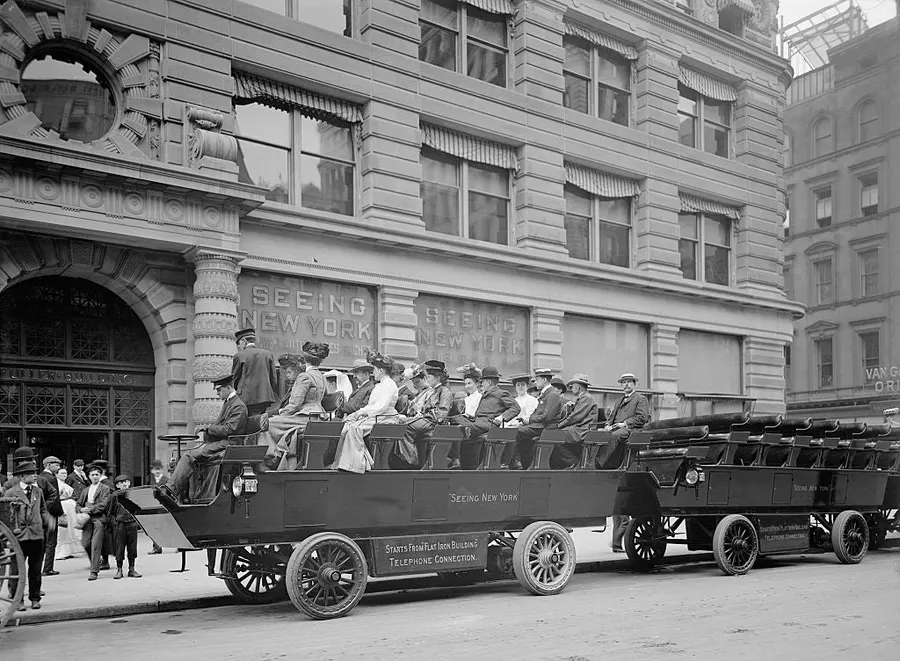
What Some of the First New York City Tour Buses Looked Like in 1904
what some of the first New York City tour buses looked like in 1904. The scene dates to 1904, a detail that changes how you read every face and object in the frame.
The first years of the twentieth century were an age of confident invention. Powered flight arrived with the Wright brothers in 1903, automobiles were leaving the curiosity stage, and cities were filling with electric light, elevators, and streetcars — all of it documented by a new generation of press photographers.
Pictures of ordinary life are some of the most valuable historical documents we have. Grand events were always going to be recorded, but a normal day — how people worked, dressed, shopped, and passed the time — survives only when someone happened to point a camera at it.
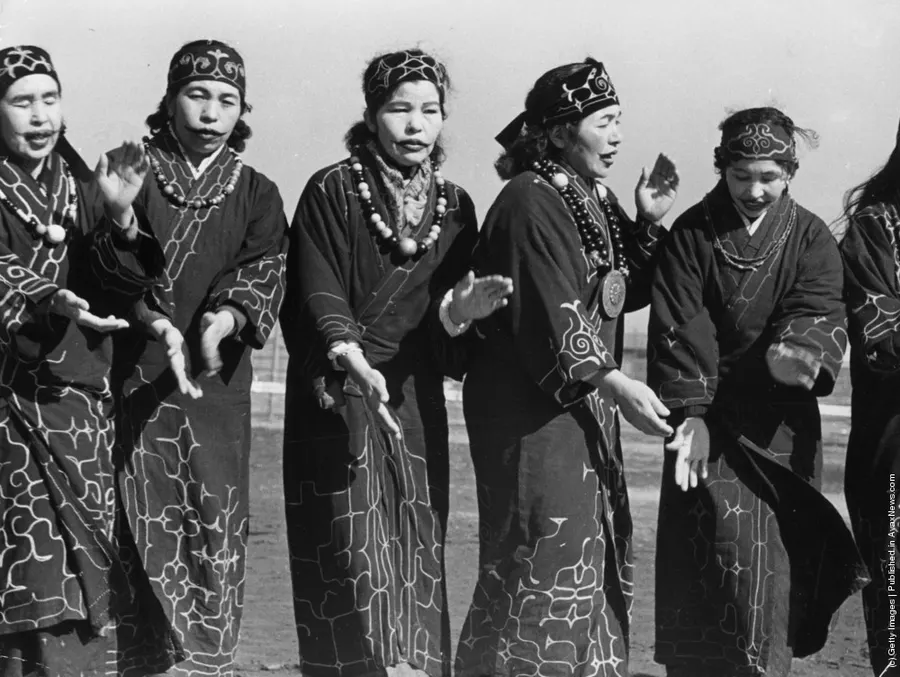
Ainu, Aboriginal People of Asia Occupying Parts of the Japanese Island, c. 1950
The photograph shows Ainu, aboriginal people of Asia occupying parts of the Japanese island of Hokkaido, Russian Kuril Islands and Sakhalin, circa 1950. It was taken around 1950, and like the best archival images it needs almost no explanation — the frame tells its own story.
The 1950s brought a wave of postwar prosperity, especially in North America. Suburbs, television sets, big chrome-trimmed cars, and rock and roll defined the decade, and a booming picture-magazine industry sent photographers to document all of it.
Most photography of the period chased celebrities and headlines, which makes surviving images of daily routine all the more precious. This is what the world actually looked like when nobody thought it was worth remembering.
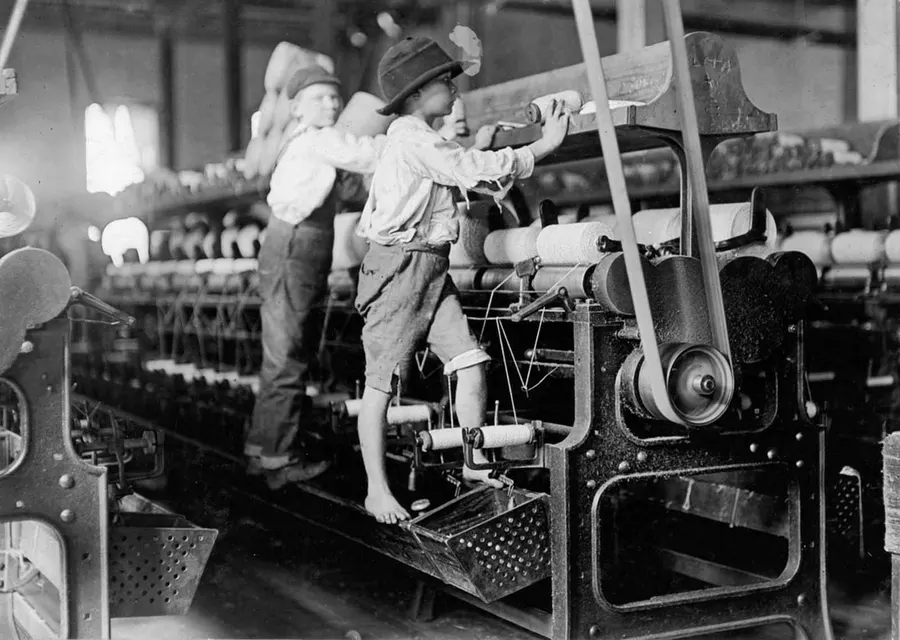
Two Young Boys Standing Barefoot on Moving Electric Looms in Order to Reach, 1910
Captured here: two Young Boys Standing Barefoot On Moving Electric Looms In Order To Reach The Top Shelf While At Work In A Cotton Mill In Georgia, 1910. Photos Of Child Laborers Working Long Hours In Dangerous Conditions Gradually Led To Child Labor Employment Laws. It was taken in 1910, and like the best archival images it needs almost no explanation — the frame tells its own story.
The 1910s were a decade of upheaval. The First World War (1914-1918) pulled millions into uniform and redrew the map of Europe, while on the home front automobiles, telephones, and moving pictures were rapidly becoming part of ordinary life.
What makes everyday photographs like this one compelling is the details at the edges: the clothes, the signs, the tools, the postures. They preserve texture that history books flatten out.
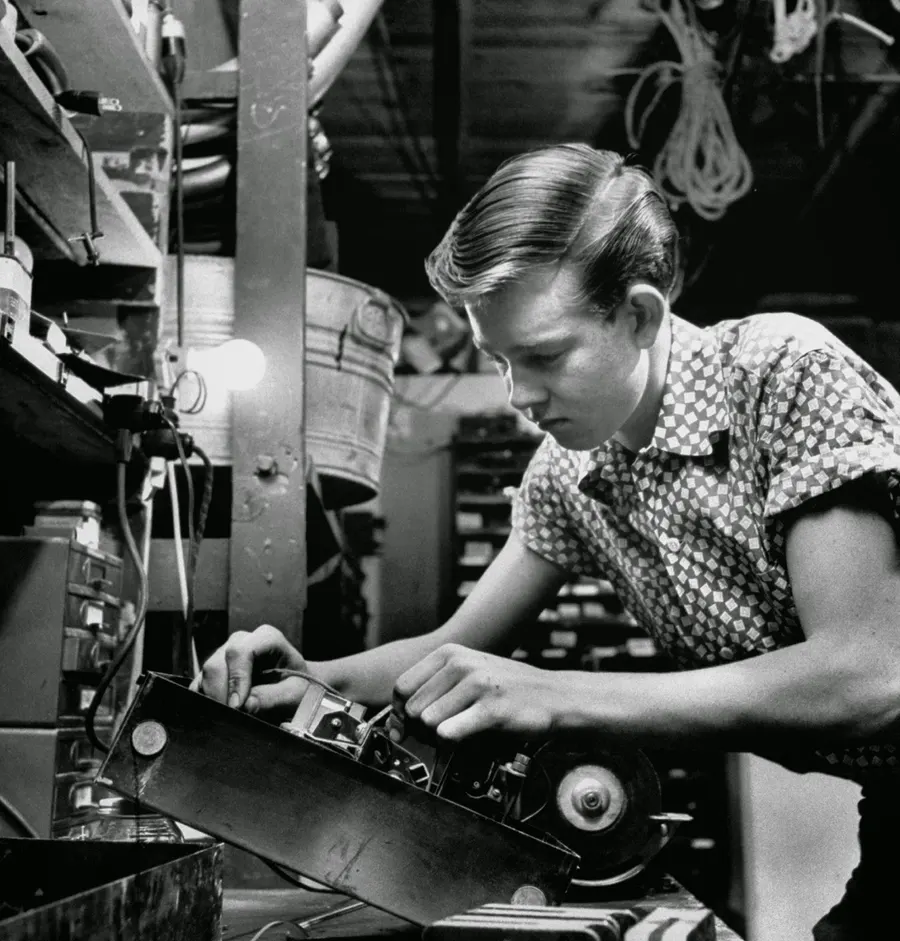
Electrician, Jack Harris, 16, Still in School
Captured here: Electrician, Jack Harris, 16, still in school, picks up $40 to $50 in part-time repair jobs. It is the kind of image that turns a line in a history book into something you can actually see.
Photography has only existed since 1839, which means the camera-recorded past is a narrow window — and every surviving frame from it is a small act of preservation, whether the photographer knew it or not.
Pictures of ordinary life are some of the most valuable historical documents we have. Grand events were always going to be recorded, but a normal day — how people worked, dressed, shopped, and passed the time — survives only when someone happened to point a camera at it.
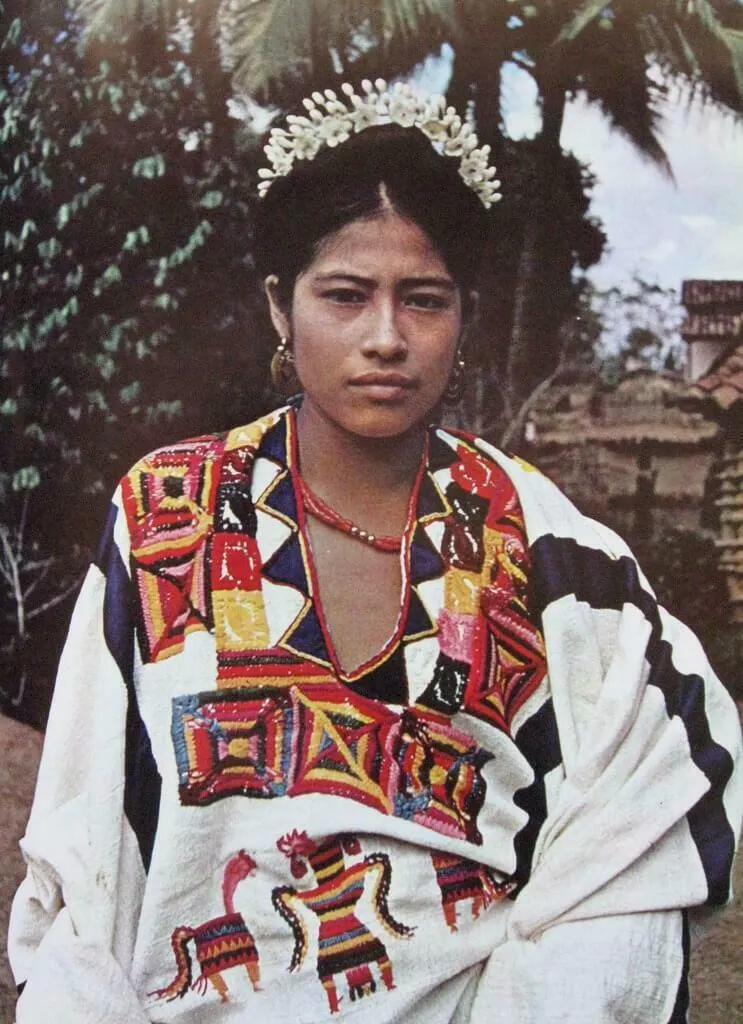
Mixtec Woman from Oaxaca in her Traditional Dress, 1970s
Mixtec Woman From Oaxaca In Her Traditional Dress, 1970s. They Share Land With The Zapotecs, Which Is A Entirely Different Ethnic Group. The scene dates to the 1970s, a detail that changes how you read every face and object in the frame.
The 1970s had a grittier texture than the decades before it — economic shocks, urban decline, and political distrust, but also bold fashion, muscle cars, and the first stirrings of the digital age. Color film had become cheap and ubiquitous, so the decade survives in vivid Kodachrome hues.
Most photography of the period chased celebrities and headlines, which makes surviving images of daily routine all the more precious. This is what the world actually looked like when nobody thought it was worth remembering.
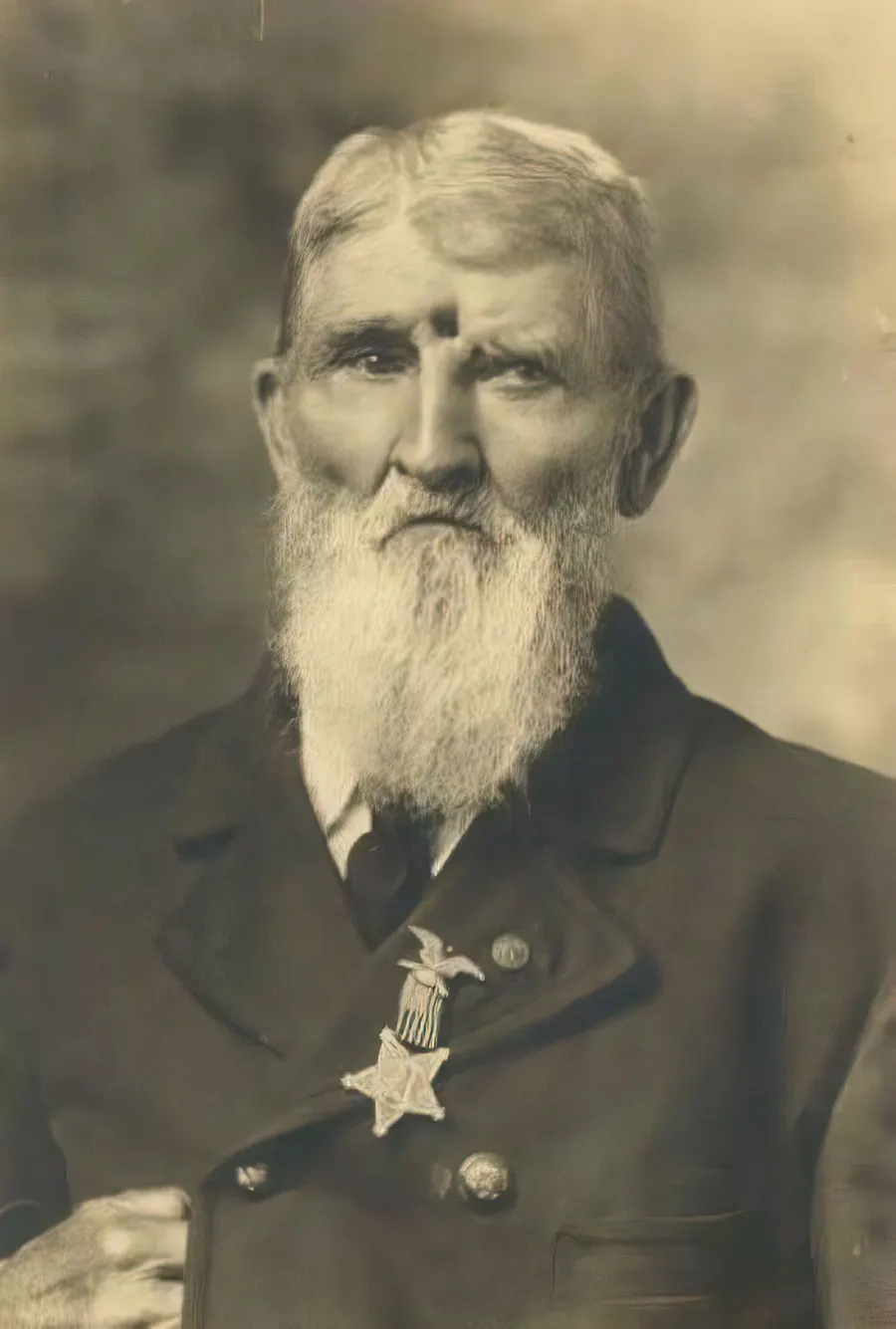
Civil War Veteran Jacob Miller, a Man Who Was Shot Right Between the Eyes
Civil War veteran Jacob Miller, a man who was shot right between the eyes and lived for 17 more years. It is the kind of image that turns a line in a history book into something you can actually see.
Photography has only existed since 1839, which means the camera-recorded past is a narrow window — and every surviving frame from it is a small act of preservation, whether the photographer knew it or not.
News photographs from this period traveled by wire and print, and a single strong image could shape how millions of people understood an event. This picture is one of the frames that did that work.
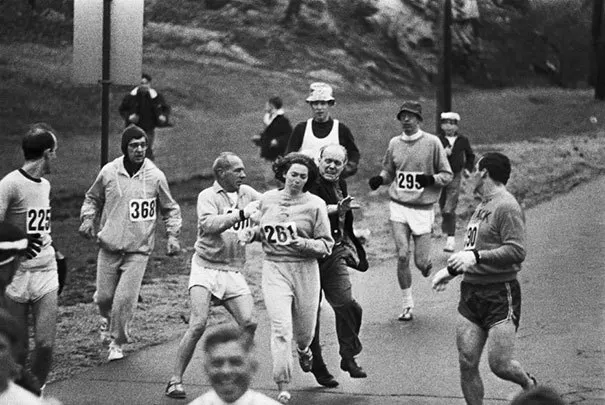
Race Organizers Attempt to Stop Kathrine Switzer from Competing in the Boston, 1967
This picture preserves a moment few cameras ever caught — Race Organizers Attempt To Stop Kathrine Switzer From Competing In The Boston Marathon. She Became The First Woman To Finish The Race, 1967. It was taken in 1967, and like the best archival images it needs almost no explanation — the frame tells its own story.
The 1960s moved fast: the space race put satellites and then astronauts overhead, television replaced print as the main source of news, and social change swept through music, fashion, and politics. Photojournalism was at its peak, with picture magazines and newspapers employing armies of photographers.
What makes everyday photographs like this one compelling is the details at the edges: the clothes, the signs, the tools, the postures. They preserve texture that history books flatten out.
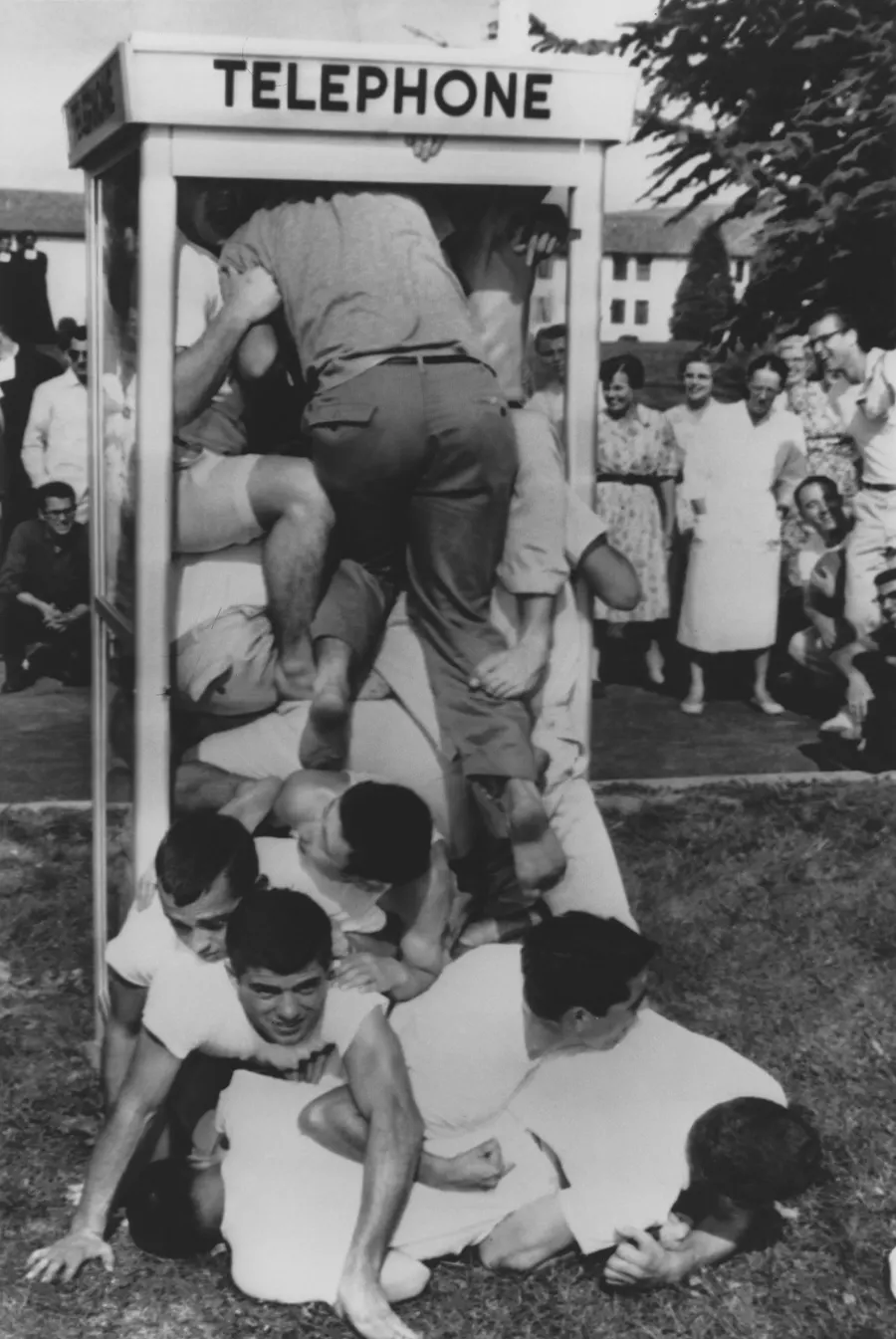
One of the Biggest Fads of the 1950s Was "phonebooth Stuffing
One of the biggest fads of the 1950s was "phonebooth stuffing," where-in a bunch of people would, well, stuff themselves into a phonebooth. Made in the 1950s, it is the kind of image that turns a date in a history book into something you can actually see.
The 1950s brought a wave of postwar prosperity, especially in North America. Suburbs, television sets, big chrome-trimmed cars, and rock and roll defined the decade, and a booming picture-magazine industry sent photographers to document all of it.
Pictures of ordinary life are some of the most valuable historical documents we have. Grand events were always going to be recorded, but a normal day — how people worked, dressed, shopped, and passed the time — survives only when someone happened to point a camera at it.
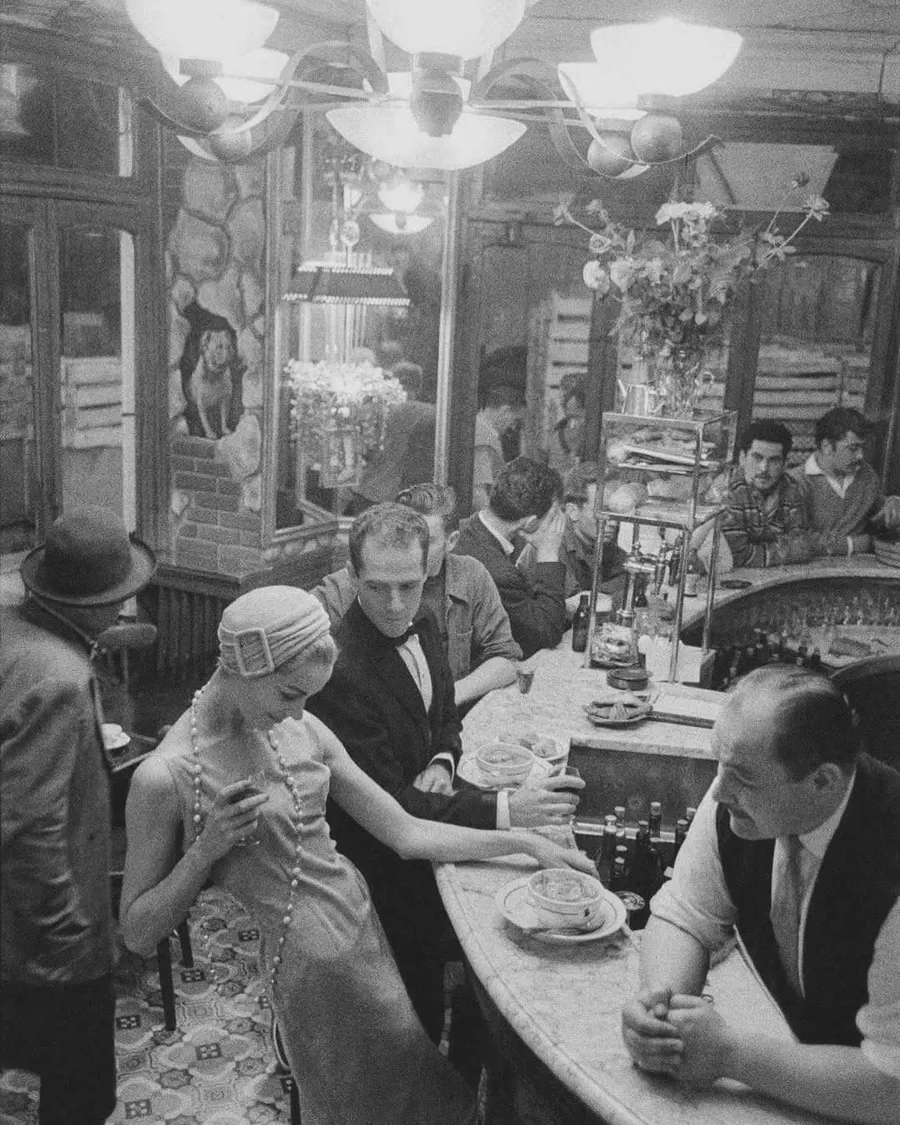
Cafe Life in Paris, 1957
This picture preserves a moment few cameras ever caught — Cafe Life In Paris (1957). Made in 1957, it is the kind of image that turns a date in a history book into something you can actually see.
The 1950s brought a wave of postwar prosperity, especially in North America. Suburbs, television sets, big chrome-trimmed cars, and rock and roll defined the decade, and a booming picture-magazine industry sent photographers to document all of it.
Most photography of the period chased celebrities and headlines, which makes surviving images of daily routine all the more precious. This is what the world actually looked like when nobody thought it was worth remembering.
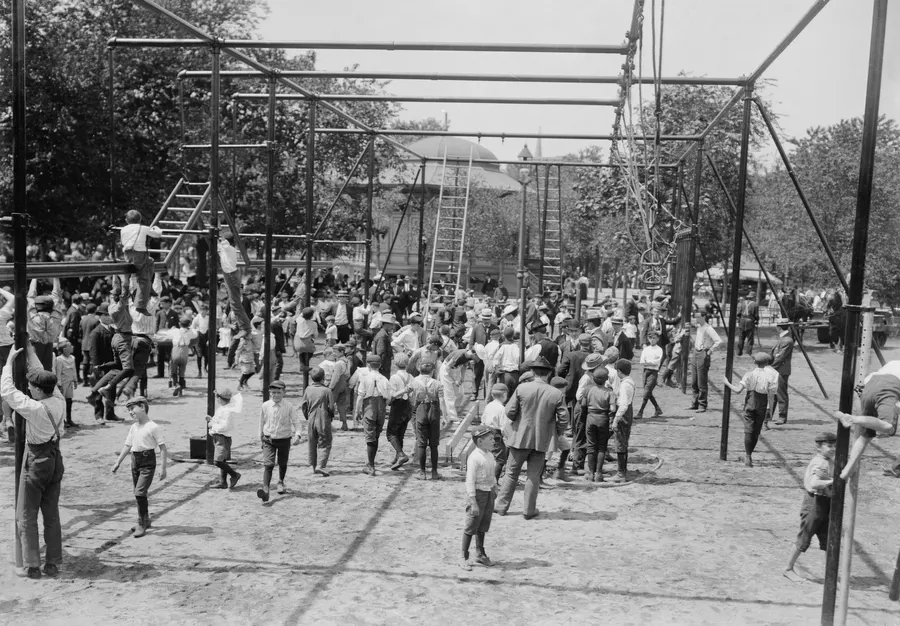
What a Typical Children's Playground Looked Like in 1908
what a typical children's playground looked like in 1908. It was taken in 1908, and like the best archival images it needs almost no explanation — the frame tells its own story.
The first years of the twentieth century were an age of confident invention. Powered flight arrived with the Wright brothers in 1903, automobiles were leaving the curiosity stage, and cities were filling with electric light, elevators, and streetcars — all of it documented by a new generation of press photographers.
Most photography of the period chased celebrities and headlines, which makes surviving images of daily routine all the more precious. This is what the world actually looked like when nobody thought it was worth remembering.
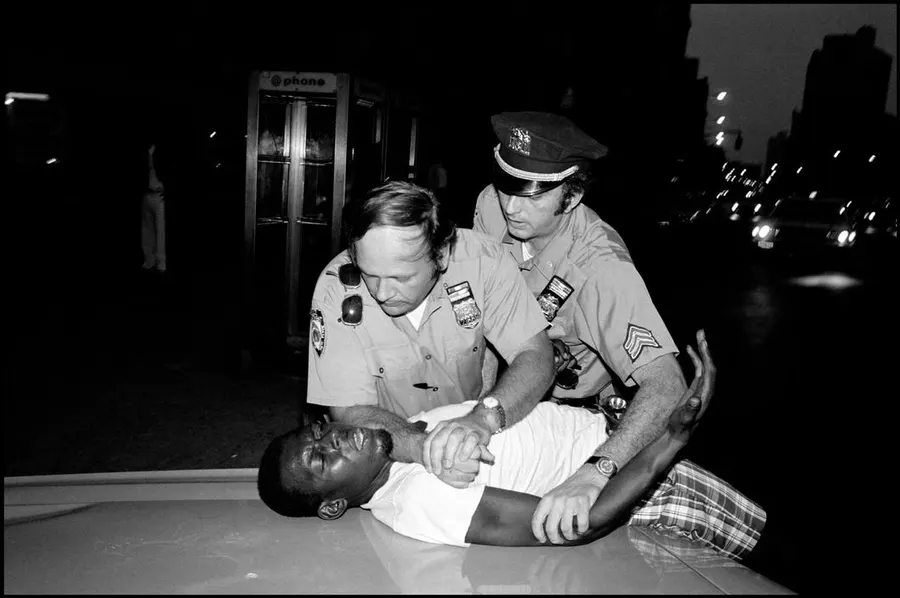
The Police Intervened When a Family Quarrel Escalated from a Simple Skirmish
This picture preserves a moment few cameras ever caught — the police intervened when a family quarrel escalated from a simple skirmish in a fight. Like the best archival images, it needs almost no explanation — the frame tells its own story.
Photography has only existed since 1839, which means the camera-recorded past is a narrow window — and every surviving frame from it is a small act of preservation, whether the photographer knew it or not.
Most photography of the period chased celebrities and headlines, which makes surviving images of daily routine all the more precious. This is what the world actually looked like when nobody thought it was worth remembering.
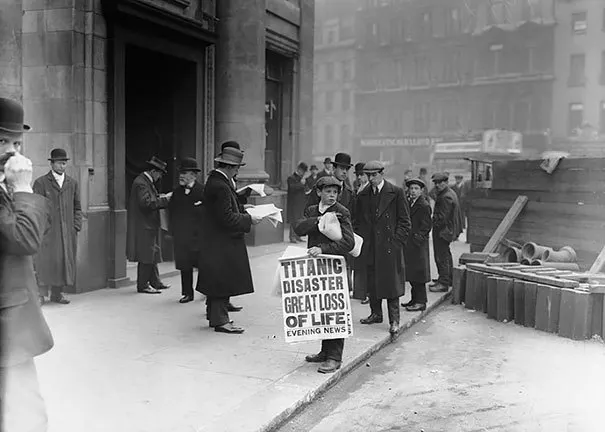
Newspaper Boy Ned Parfett Sells Copies of the Evening Paper Bearing News, 1912
The photograph shows Newspaper Boy Ned Parfett Sells Copies Of The Evening Paper Bearing News Of Titanic’s Sinking The Night Before, April 16, 1912. The scene dates to 1912, a detail that changes how you read every face and object in the frame.
RMS Titanic struck an iceberg on the night of April 14, 1912, and sank in the early hours of the next morning on her maiden voyage from Southampton to New York. More than 1,500 people died. The disaster dominated newspapers on both sides of the Atlantic for weeks and led to sweeping changes in maritime law, including lifeboats for all aboard and the round-the-clock radio watch.
Moments like this one were captured by photographers who often had a single chance to get the shot — no second takes, no digital preview. That is part of why these frames carry such weight: each one is a split second of real history, fixed for good.
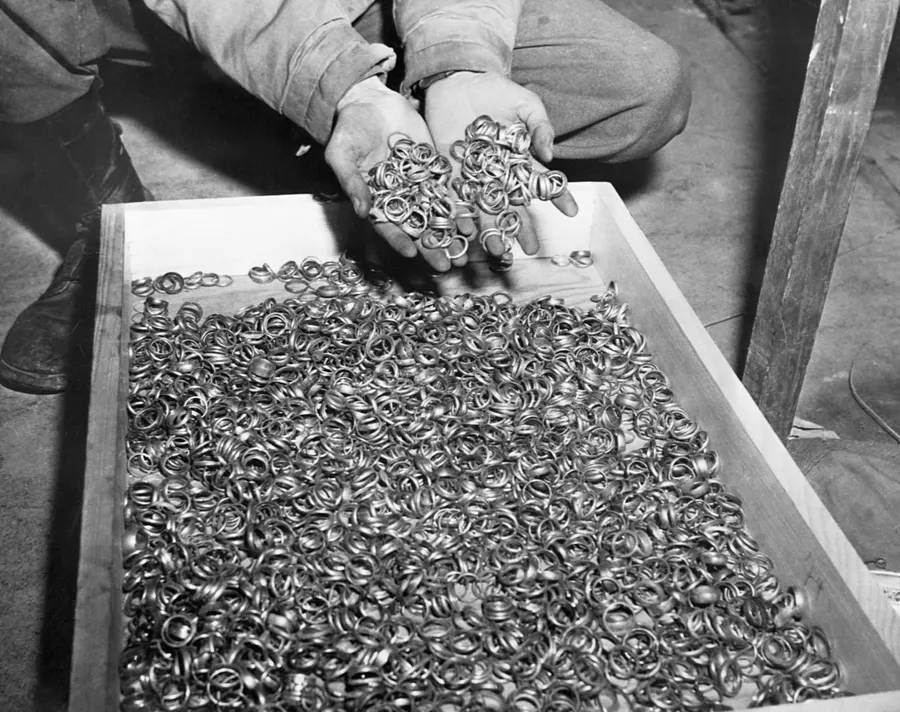
Wedding Rings Found by U.S, 1945
Wedding Rings Found By U.S. Army Soldiers Near The Buchenwald Concentration Camp, Germany, May 1945. Made in 1945, it is the kind of image that turns a date in a history book into something you can actually see.
The first half of the 1940s was consumed by the Second World War, the largest conflict in human history, and photography went to war with it — small 35mm cameras and wire services meant pictures from the front could reach newspaper readers within days.
What makes everyday photographs like this one compelling is the details at the edges: the clothes, the signs, the tools, the postures. They preserve texture that history books flatten out.
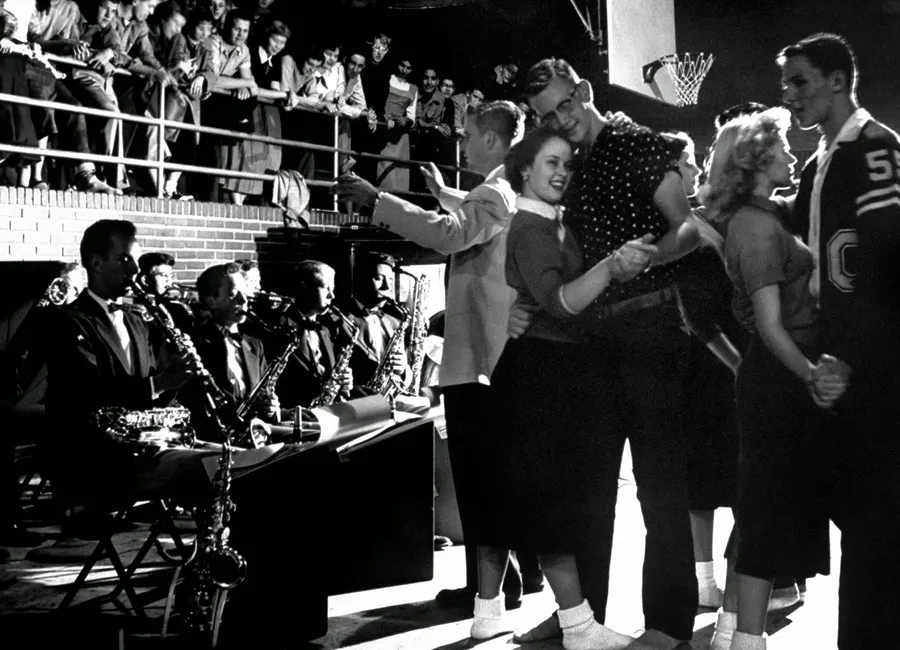
In Aura of Fun and Well-being, Students Dance in Gym of Carlsbad's High
The photograph shows In aura of fun and well-being, students dance in gym of Carlsbad's high school at weekly 'Sock Hop' to music of a 12-piece student band. Like the best archival images, it needs almost no explanation — the frame tells its own story.
Photography has only existed since 1839, which means the camera-recorded past is a narrow window — and every surviving frame from it is a small act of preservation, whether the photographer knew it or not.
What makes everyday photographs like this one compelling is the details at the edges: the clothes, the signs, the tools, the postures. They preserve texture that history books flatten out.
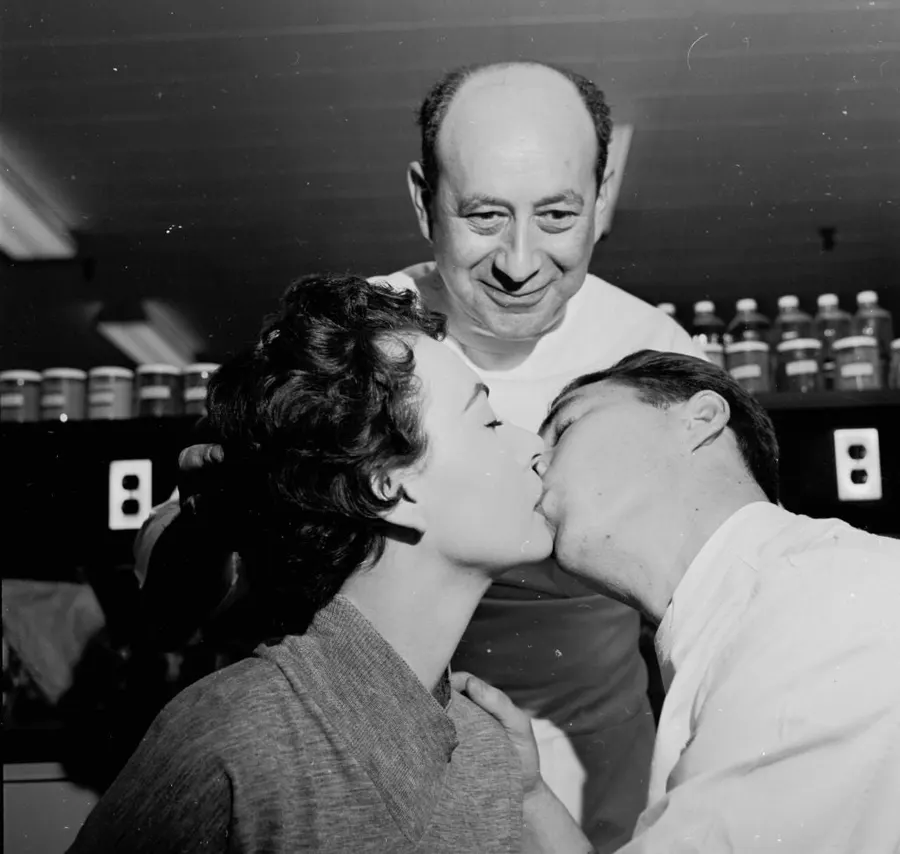
This Smiling Fellow Is a Lab Technician Hired to Observe Couples Kissing
Captured here: this smiling fellow is a lab technician hired to observe couples kissing in order to gauge the durability of lipstick. Like the best archival images, it needs almost no explanation — the frame tells its own story.
Photography has only existed since 1839, which means the camera-recorded past is a narrow window — and every surviving frame from it is a small act of preservation, whether the photographer knew it or not.
What makes everyday photographs like this one compelling is the details at the edges: the clothes, the signs, the tools, the postures. They preserve texture that history books flatten out.
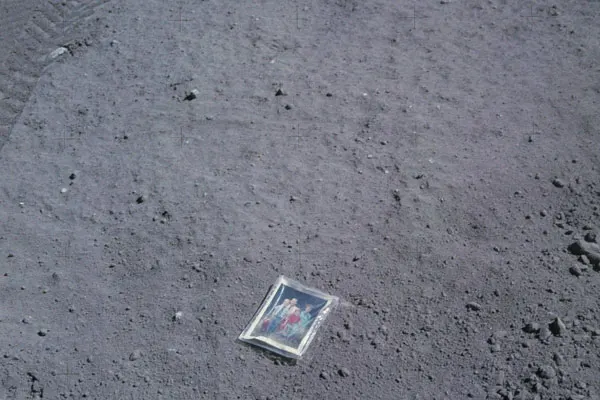
Astronaut Charles Duke Explored the Moon’s Surface in a Lunar Roving Vehicle, 1972
Captured here: Space Age: Astronaut Charles Duke explored the moon’s surface in a lunar roving vehicle as part of the Apollo 16 mission in 1972, making him the tenth and youngest person to ever walk on the moon. It was taken in 1972, and like the best archival images it needs almost no explanation — the frame tells its own story.
The 1970s had a grittier texture than the decades before it — economic shocks, urban decline, and political distrust, but also bold fashion, muscle cars, and the first stirrings of the digital age. Color film had become cheap and ubiquitous, so the decade survives in vivid Kodachrome hues.
History is usually written down long after it happens, but a photograph is made in the moment itself. That immediacy is what keeps images like this one circulating decades after the event they show.
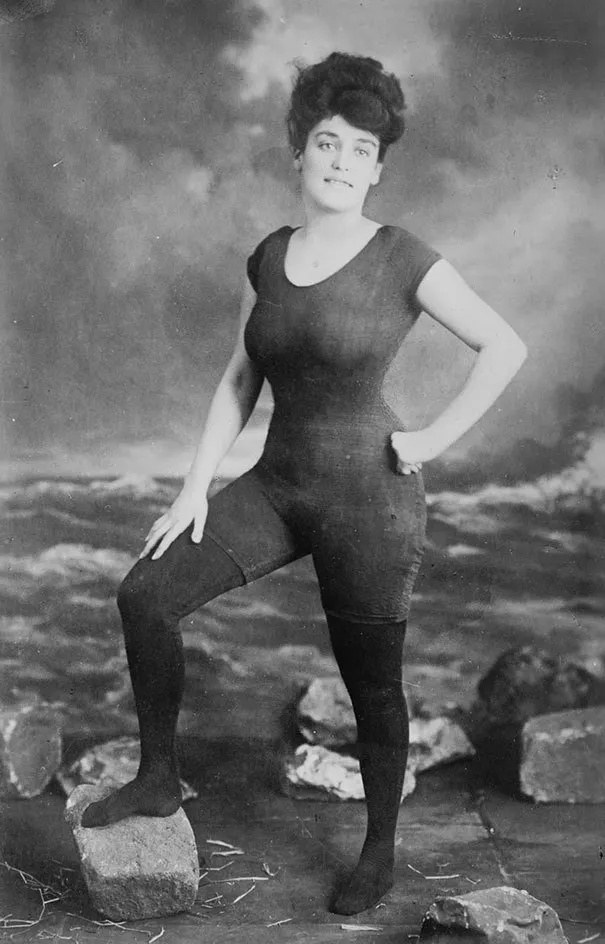
Annette Kellerman Promotes Women’s Right to Wear a Fitted One-piece Bathing, 1907
This picture preserves a moment few cameras ever caught — Annette Kellerman Promotes Women’s Right To Wear A Fitted One-piece Bathing Suit, 1907. She Was Arrested For Indecency. Made in 1907, it is the kind of image that turns a date in a history book into something you can actually see.
Australian swimmer Annette Kellerman helped change what women were allowed to wear in the water. Around 1907 she promoted a fitted one-piece swimsuit at a time when women were expected to swim in heavy dresses, and the story that she was arrested for indecency on a Boston beach — told by Kellerman herself — became part of swimwear history. Within a generation, her style of suit was standard.
What makes everyday photographs like this one compelling is the details at the edges: the clothes, the signs, the tools, the postures. They preserve texture that history books flatten out.
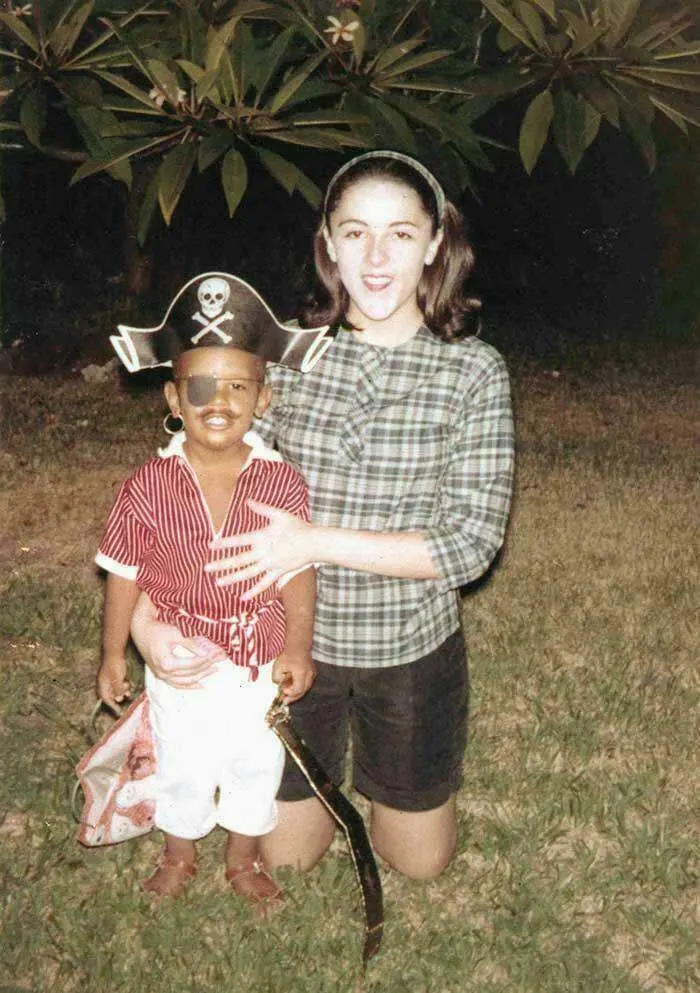
Barack Obama Dressed as a Pirate with his Mother Stanley Ann, 1960s
Barack Obama Dressed As A Pirate With His Mother Stanley Ann, 1960s. It was taken in the 1960s, and like the best archival images it needs almost no explanation — the frame tells its own story.
The 1960s moved fast: the space race put satellites and then astronauts overhead, television replaced print as the main source of news, and social change swept through music, fashion, and politics. Photojournalism was at its peak, with picture magazines and newspapers employing armies of photographers.
Most photography of the period chased celebrities and headlines, which makes surviving images of daily routine all the more precious. This is what the world actually looked like when nobody thought it was worth remembering.
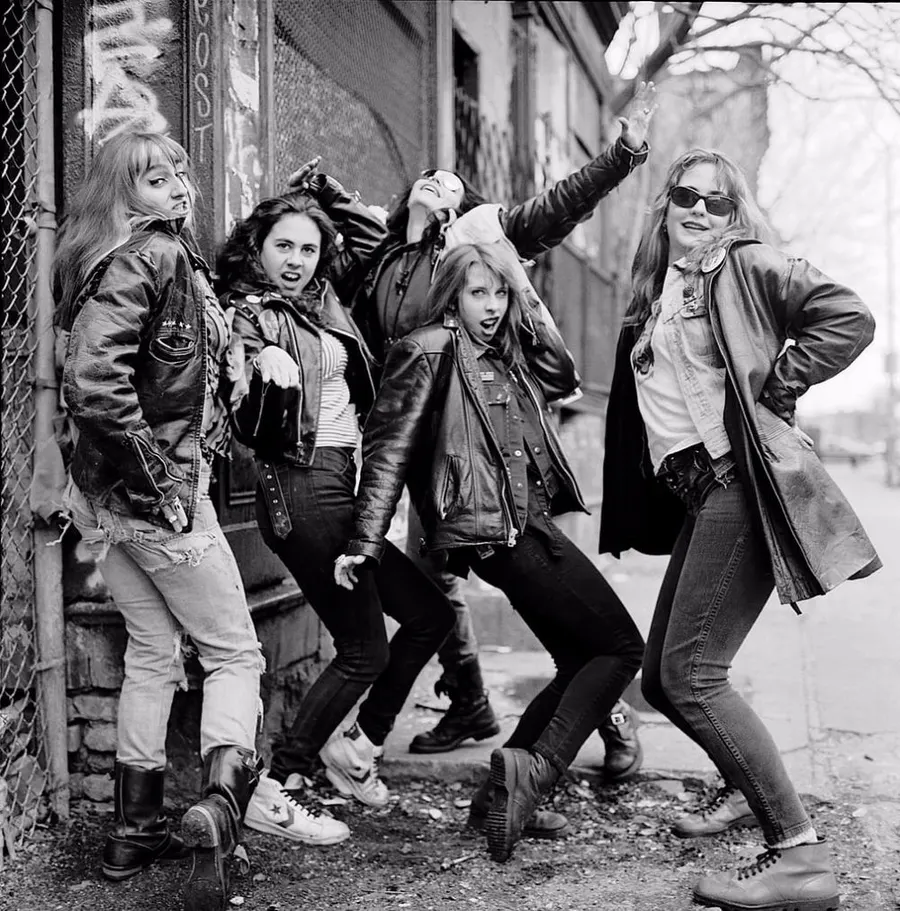
Lunachicks, 1989
This picture preserves a moment few cameras ever caught — Lunachicks, 1989. The scene dates to 1989, a detail that changes how you read every face and object in the frame.
By the 1980s the modern media landscape was taking shape: cable television, personal computers, and global brands. Film photography was at its technical height, just a generation before digital cameras would change everything.
Pictures of ordinary life are some of the most valuable historical documents we have. Grand events were always going to be recorded, but a normal day — how people worked, dressed, shopped, and passed the time — survives only when someone happened to point a camera at it.
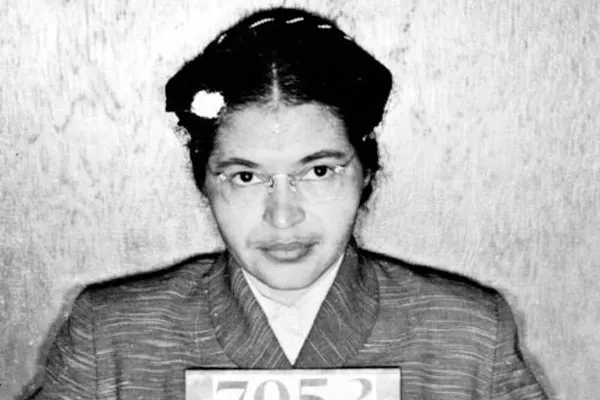
Rosa Parks Arrest Photo, 1955
The photograph shows Rosa Parks Arrest Photo: In 1955, Parks was arrested for refusing to give up her seat to a white passenger on a city bus in Montgomery, Alabama. The scene dates to 1955, a detail that changes how you read every face and object in the frame.
The 1950s brought a wave of postwar prosperity, especially in North America. Suburbs, television sets, big chrome-trimmed cars, and rock and roll defined the decade, and a booming picture-magazine industry sent photographers to document all of it.
Pictures of ordinary life are some of the most valuable historical documents we have. Grand events were always going to be recorded, but a normal day — how people worked, dressed, shopped, and passed the time — survives only when someone happened to point a camera at it.
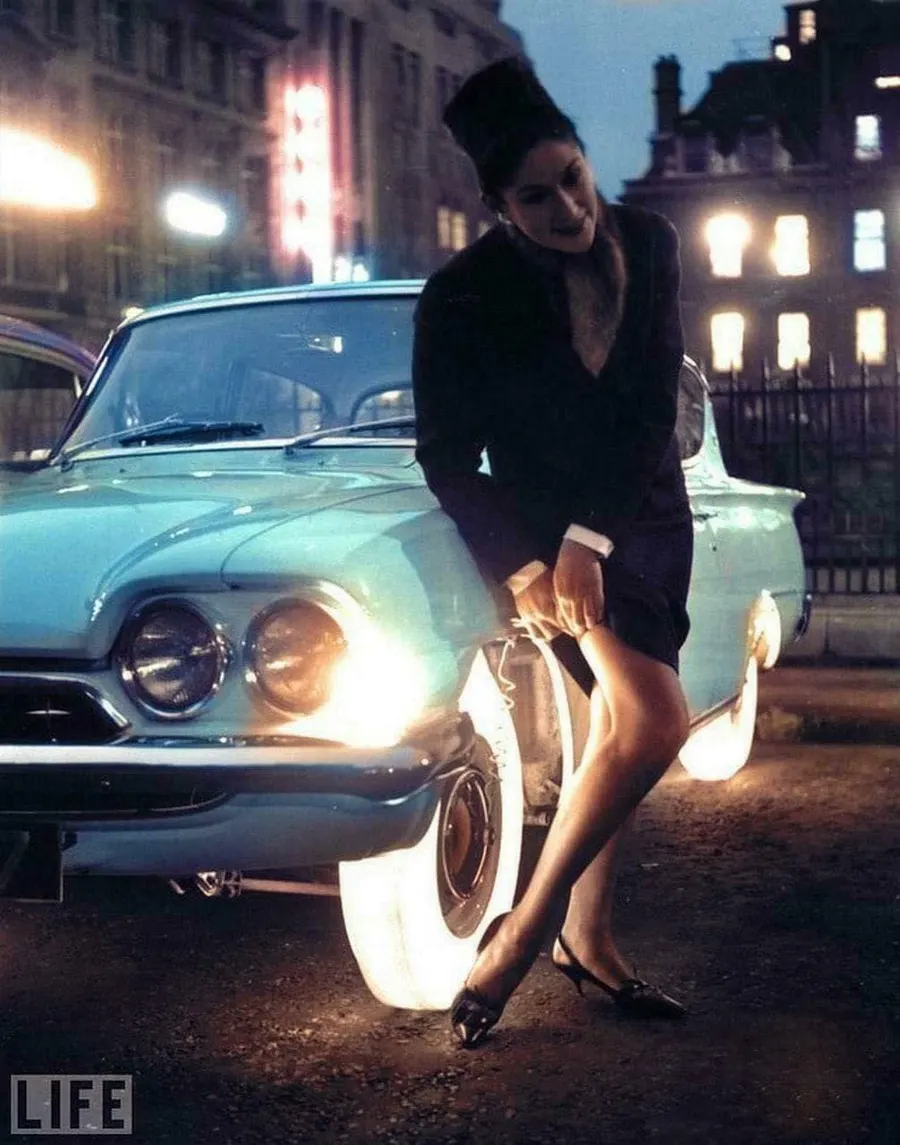
Goodyear Illuminated Tires, 1961
Captured here: Goodyear Illuminated Tires, 1961. The scene dates to 1961, a detail that changes how you read every face and object in the frame.
The 1960s moved fast: the space race put satellites and then astronauts overhead, television replaced print as the main source of news, and social change swept through music, fashion, and politics. Photojournalism was at its peak, with picture magazines and newspapers employing armies of photographers.
Most photography of the period chased celebrities and headlines, which makes surviving images of daily routine all the more precious. This is what the world actually looked like when nobody thought it was worth remembering.
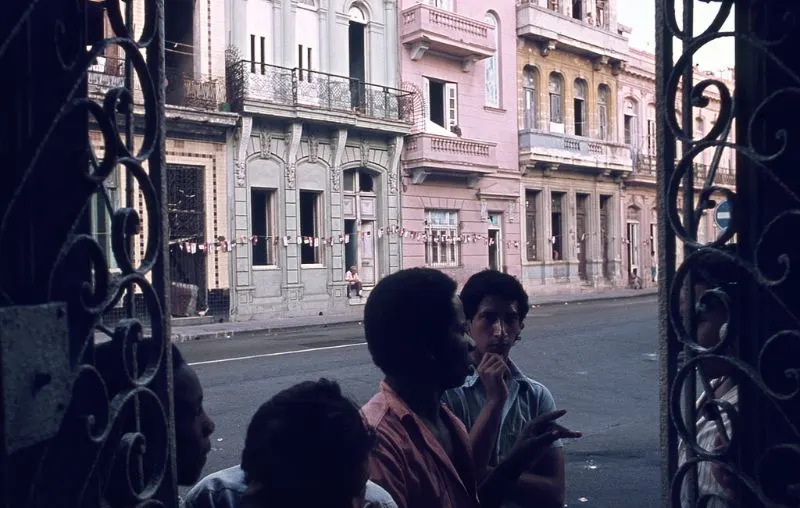
Cuba, Santa Clara, 1976
The photograph shows Cuba, Santa Clara, 1976. Lattice of a house and boys talking in the neighborhood of the ancient Havana. Made in 1976, it is the kind of image that turns a date in a history book into something you can actually see.
The 1970s had a grittier texture than the decades before it — economic shocks, urban decline, and political distrust, but also bold fashion, muscle cars, and the first stirrings of the digital age. Color film had become cheap and ubiquitous, so the decade survives in vivid Kodachrome hues.
What makes everyday photographs like this one compelling is the details at the edges: the clothes, the signs, the tools, the postures. They preserve texture that history books flatten out.
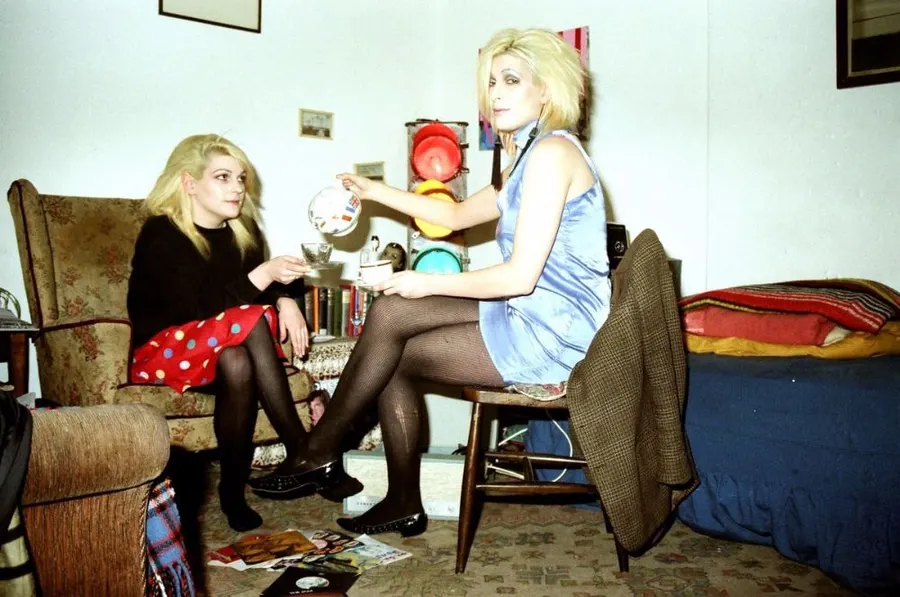
Rachel and Gaye Bell – the Twinsets, 1981
Rachel and Gaye Bell – The Twinsets, 1981. Made in 1981, it is the kind of image that turns a date in a history book into something you can actually see.
By the 1980s the modern media landscape was taking shape: cable television, personal computers, and global brands. Film photography was at its technical height, just a generation before digital cameras would change everything.
Pictures of ordinary life are some of the most valuable historical documents we have. Grand events were always going to be recorded, but a normal day — how people worked, dressed, shopped, and passed the time — survives only when someone happened to point a camera at it.
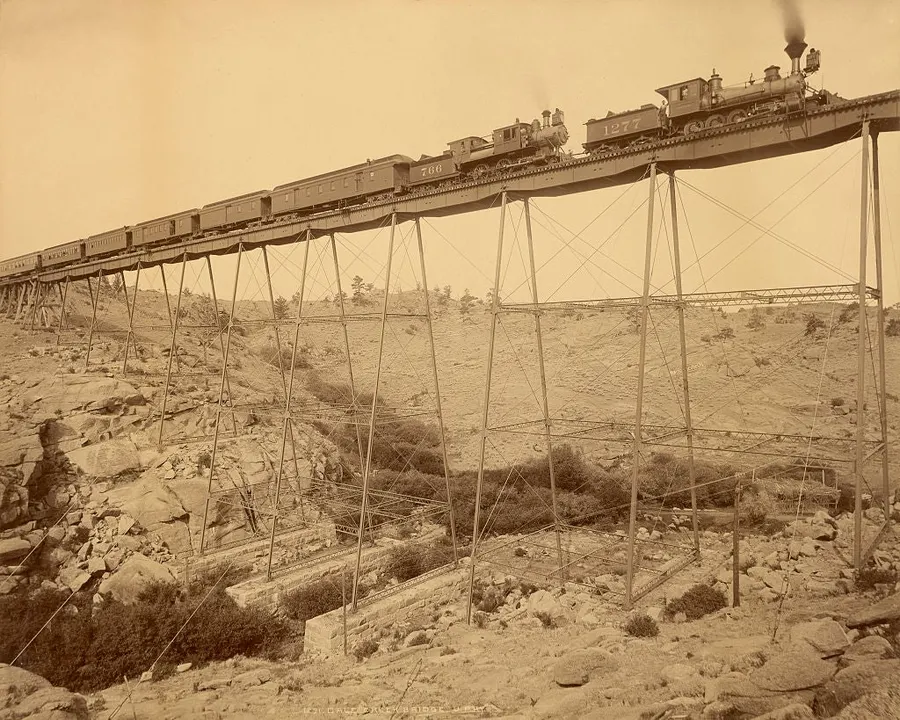
The Dale Creek Bridge, an Bridge Built in Wyoming in the 1800s
the Dale Creek Bridge, an bridge built in Wyoming in the 1800s that was so rickety that trains had to slow down to 4 miles per hour to cross it safely. Made in the 1800s, it is the kind of image that turns a date in a history book into something you can actually see.
The nineteenth century was photographed through slow, demanding processes — daguerreotypes, wet plates, and long exposures — which makes every surviving candid moment from the era genuinely uncommon.
Pictures of ordinary life are some of the most valuable historical documents we have. Grand events were always going to be recorded, but a normal day — how people worked, dressed, shopped, and passed the time — survives only when someone happened to point a camera at it.
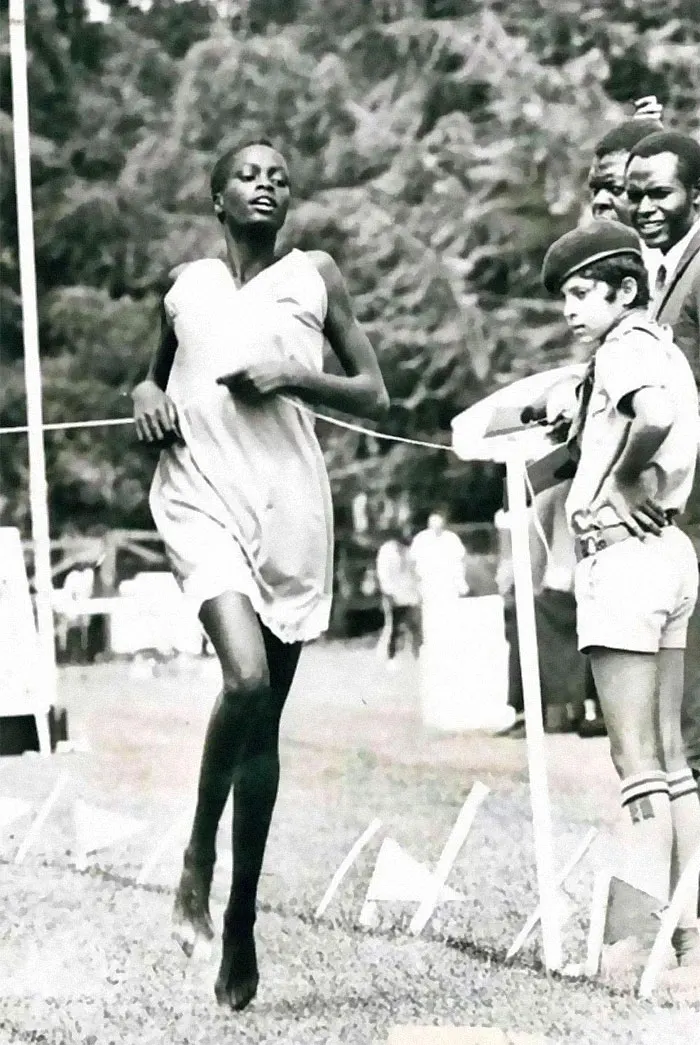
Sabina Chebichi, Kenyan Athlete Who Won a Race in 1973
The photograph shows Sabina Chebichi, Kenyan Athlete Who Won A Race In 1973, Barefoot And Wearing A Dress. Made in 1973, it is the kind of image that turns a date in a history book into something you can actually see.
The 1970s had a grittier texture than the decades before it — economic shocks, urban decline, and political distrust, but also bold fashion, muscle cars, and the first stirrings of the digital age. Color film had become cheap and ubiquitous, so the decade survives in vivid Kodachrome hues.
What makes everyday photographs like this one compelling is the details at the edges: the clothes, the signs, the tools, the postures. They preserve texture that history books flatten out.
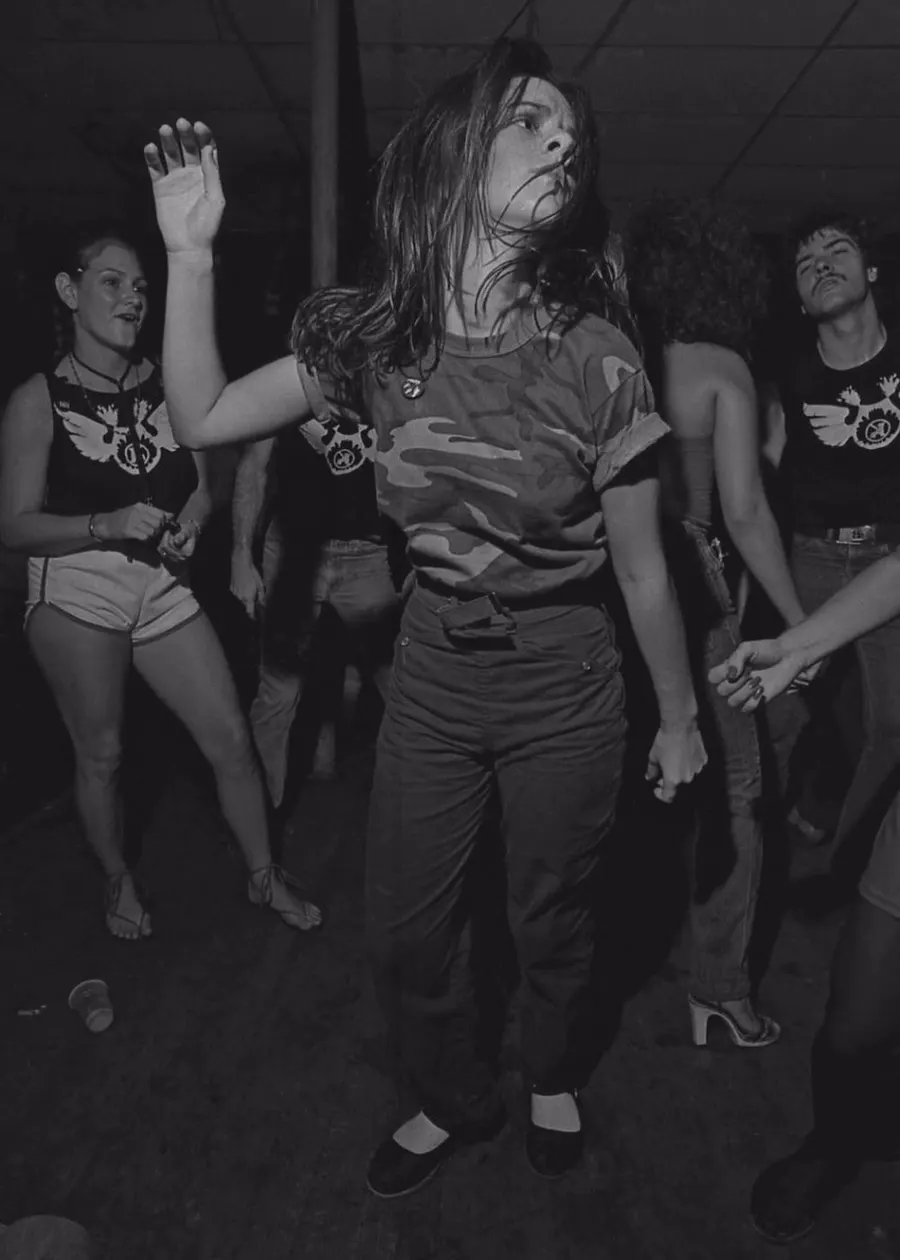
Dancing to the Big Boys. Houston, 1980
This picture preserves a moment few cameras ever caught — Dancing to the Big Boys. Houston, 1980. The scene dates to 1980, a detail that changes how you read every face and object in the frame.
By the 1980s the modern media landscape was taking shape: cable television, personal computers, and global brands. Film photography was at its technical height, just a generation before digital cameras would change everything.
Most photography of the period chased celebrities and headlines, which makes surviving images of daily routine all the more precious. This is what the world actually looked like when nobody thought it was worth remembering.
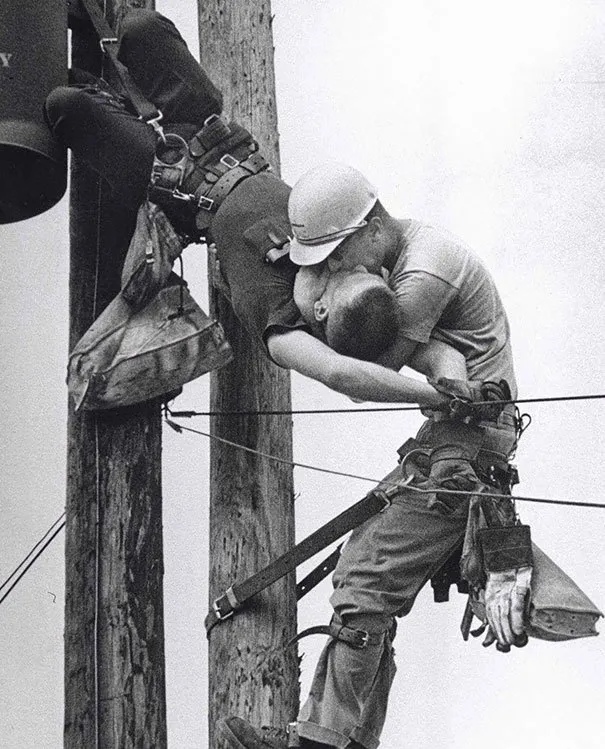
The Kiss of Life – a Utility Worker Giving Mouth-to-mouth to Co-worker After, 1967
The Kiss Of Life – A Utility Worker Giving Mouth-to-mouth To Co-worker After He Contacted A High Voltage Wire, 1967. It was taken in 1967, and like the best archival images it needs almost no explanation — the frame tells its own story.
The 1960s moved fast: the space race put satellites and then astronauts overhead, television replaced print as the main source of news, and social change swept through music, fashion, and politics. Photojournalism was at its peak, with picture magazines and newspapers employing armies of photographers.
Most photography of the period chased celebrities and headlines, which makes surviving images of daily routine all the more precious. This is what the world actually looked like when nobody thought it was worth remembering.
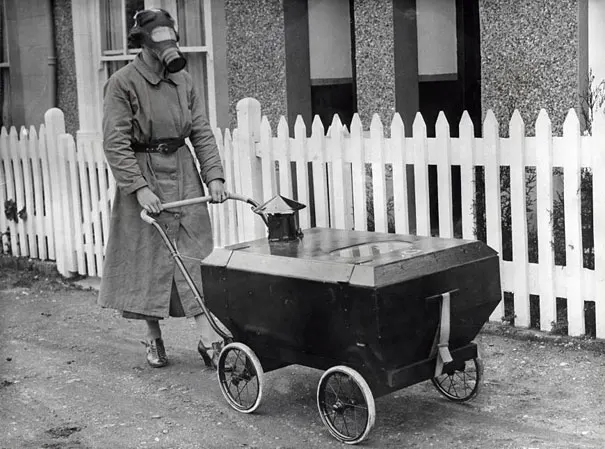
Faces of War: This Woman Has a Gas-resistant Stroller
The photograph shows Faces of war: This woman has a gas-resistant stroller. It is the kind of image that turns a line in a history book into something you can actually see.
Photography has only existed since 1839, which means the camera-recorded past is a narrow window — and every surviving frame from it is a small act of preservation, whether the photographer knew it or not.
History is usually written down long after it happens, but a photograph is made in the moment itself. That immediacy is what keeps images like this one circulating decades after the event they show.
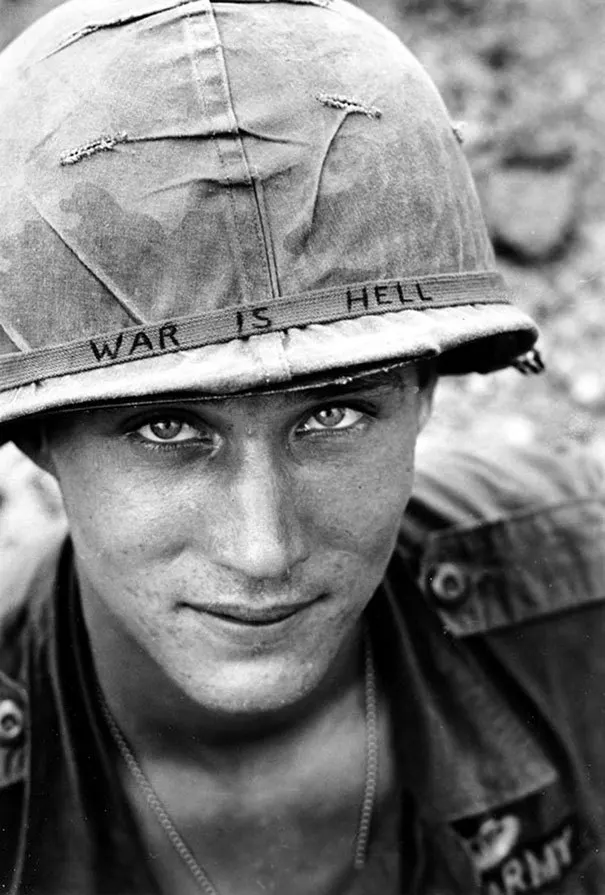
Unknown Soldier in Vietnam, 1965
The photograph shows Unknown Soldier In Vietnam, 1965. It was taken in 1965, and like the best archival images it needs almost no explanation — the frame tells its own story.
The 1960s moved fast: the space race put satellites and then astronauts overhead, television replaced print as the main source of news, and social change swept through music, fashion, and politics. Photojournalism was at its peak, with picture magazines and newspapers employing armies of photographers.
News photographs from this period traveled by wire and print, and a single strong image could shape how millions of people understood an event. This picture is one of the frames that did that work.
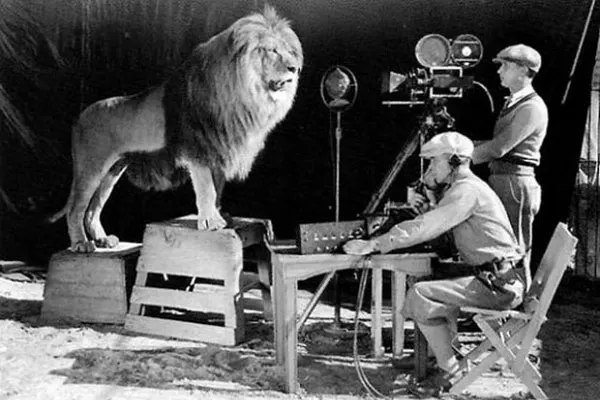
Regal Logo: This Is the Photo Shoot and Sound Recording of the MGM Lion’s Roar
Regal Logo: This is the photo shoot and sound recording of the MGM lion’s roar. It is the kind of image that turns a line in a history book into something you can actually see.
Photography has only existed since 1839, which means the camera-recorded past is a narrow window — and every surviving frame from it is a small act of preservation, whether the photographer knew it or not.
Part of the appeal of old photographs is how confidently people did things that look baffling now. Standards of safety, custom, and common sense have shifted so much that yesterday's ordinary can read as today's unbelievable — and that gap is exactly what this picture captures.
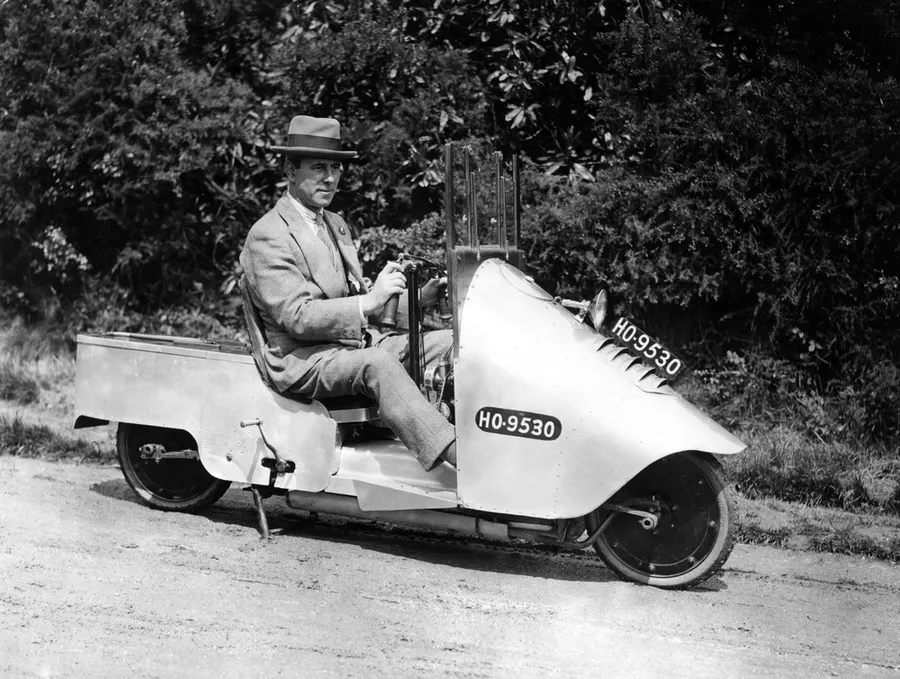
June 1924. English Aircraft Manufacturer Sir Edwin Alliott Verdon Roe Riding
This picture preserves a moment few cameras ever caught — June 1924. English aircraft manufacturer Sir Edwin Alliott Verdon Roe riding his Avro Mobile, which he invented, at Southampton. The scene dates to 1924, a detail that changes how you read every face and object in the frame.
The 1920s roared with new money and new habits. Radio broadcasting began, cars became affordable for working families, jazz filled dance halls, and hemlines and haircuts shortened in ways that scandalized the older generation. News photography boomed alongside the tabloid press.
Photographs like this one are a reminder that progress rarely moves in a straight line. For every invention that became part of daily life, dozens of confident prototypes ended up as curiosities — and the camera is often the only witness they left behind.
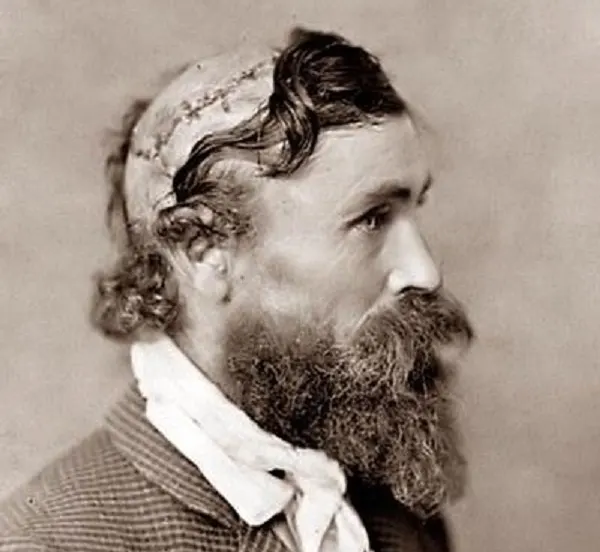
This Is Robert Mcgee, Who Was Scalped by the Sioux as a 13-year-old Child
This picture preserves a moment few cameras ever caught — Survivor: This is Robert McGee, who was scalped by the Sioux as a 13-year-old child and survived. Like the best archival images, it needs almost no explanation — the frame tells its own story.
Photography has only existed since 1839, which means the camera-recorded past is a narrow window — and every surviving frame from it is a small act of preservation, whether the photographer knew it or not.
Pictures of ordinary life are some of the most valuable historical documents we have. Grand events were always going to be recorded, but a normal day — how people worked, dressed, shopped, and passed the time — survives only when someone happened to point a camera at it.
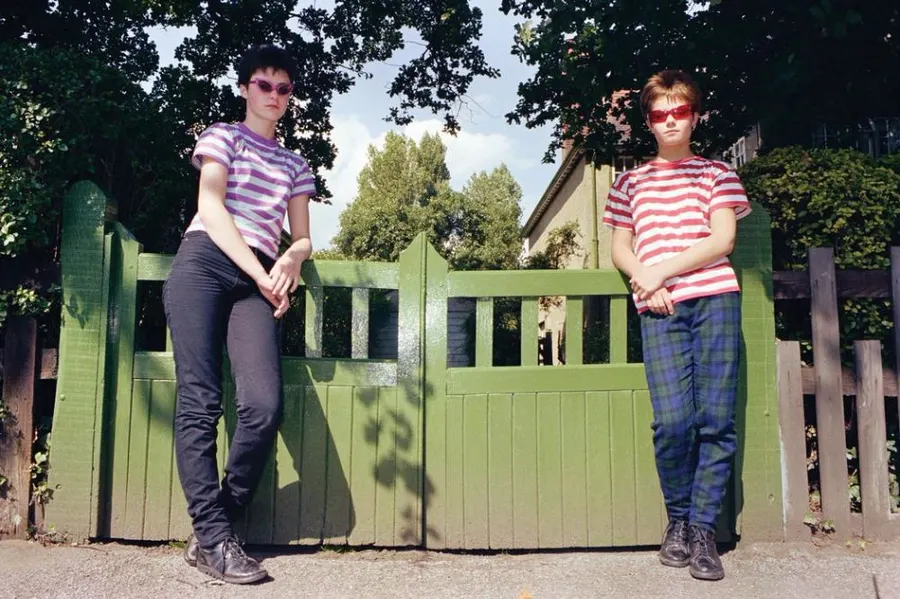
Two Post-punk Fans Pose. Wimbledon, London, 1980
Two post-punk fans pose. Wimbledon, London, 1980. It was taken in 1980, and like the best archival images it needs almost no explanation — the frame tells its own story.
By the 1980s the modern media landscape was taking shape: cable television, personal computers, and global brands. Film photography was at its technical height, just a generation before digital cameras would change everything.
What makes everyday photographs like this one compelling is the details at the edges: the clothes, the signs, the tools, the postures. They preserve texture that history books flatten out.
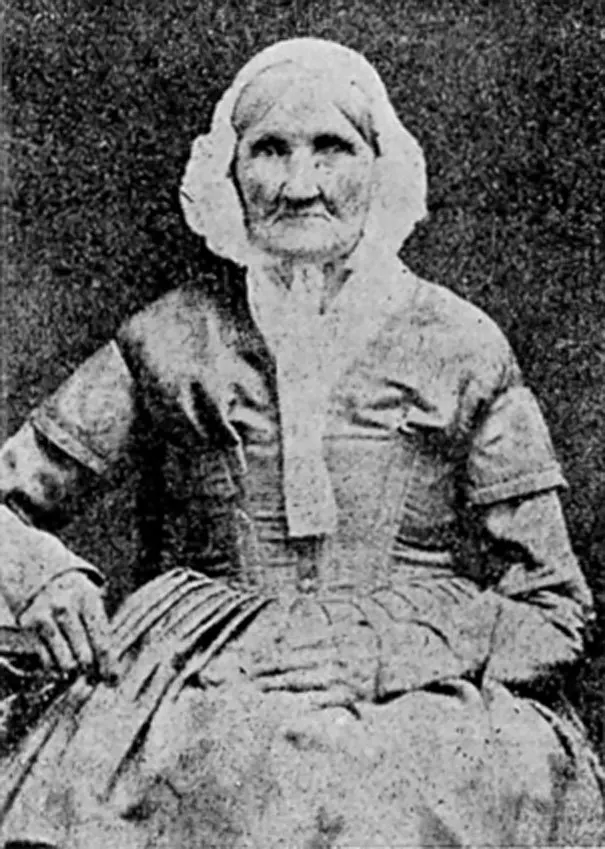
Hannah Stilley, Born 1746, Photographed in 1840
This picture preserves a moment few cameras ever caught — Hannah Stilley, Born 1746, Photographed In 1840. Probably The Earliest Born Individual Captured On Film. It was taken in 1840, and like the best archival images it needs almost no explanation — the frame tells its own story.
The nineteenth century was photographed through slow, demanding processes — daguerreotypes, wet plates, and long exposures — which makes every surviving candid moment from the era genuinely uncommon.
Most photography of the period chased celebrities and headlines, which makes surviving images of daily routine all the more precious. This is what the world actually looked like when nobody thought it was worth remembering.
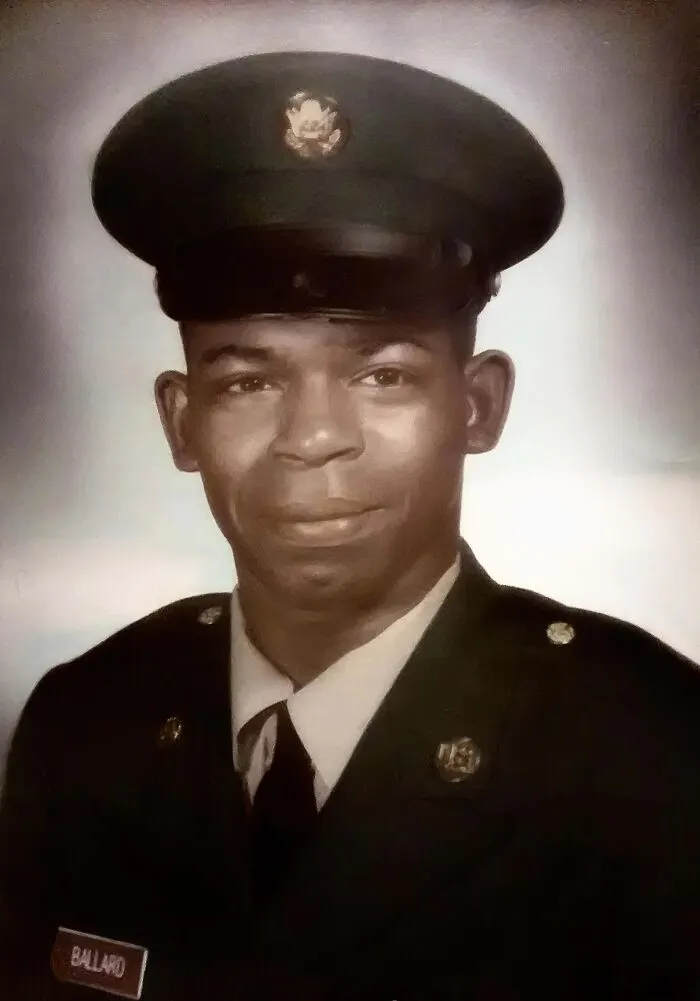
My Grandfather in the Second Korean War
Captured here: My Grandfather In The Second Korean War. It is the kind of image that turns a line in a history book into something you can actually see.
Photography has only existed since 1839, which means the camera-recorded past is a narrow window — and every surviving frame from it is a small act of preservation, whether the photographer knew it or not.
History is usually written down long after it happens, but a photograph is made in the moment itself. That immediacy is what keeps images like this one circulating decades after the event they show.
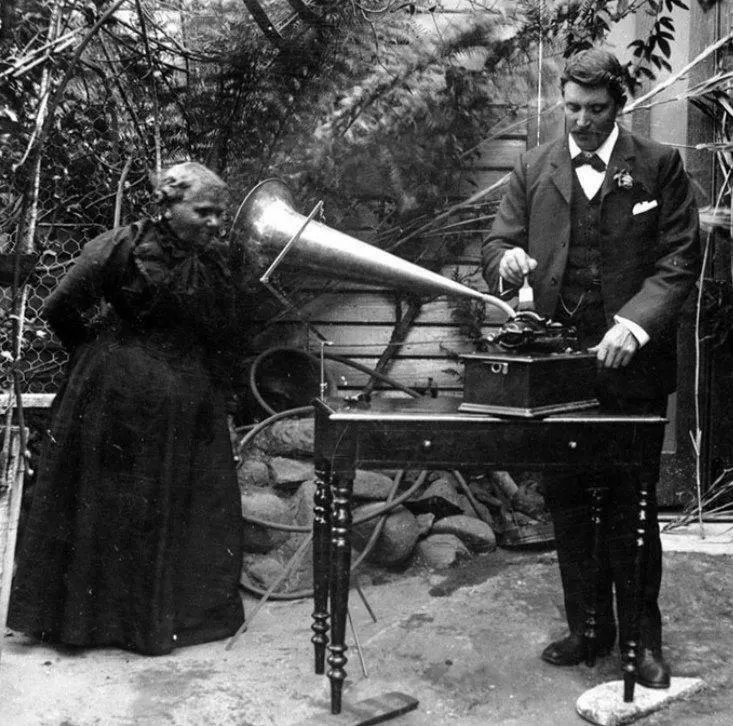
Aboriginal Tasmanian Fanny Cochrane Smith Singing into her Phonograph, 1903
Captured here: Aboriginal Tasmanian Fanny Cochrane Smith Singing Into Her Phonograph In 1903. Without Her Efforts To Preserve Her Culture, We Would Have No Audio Traces Of The Tasmanian Language. Pretty OSC. Made in 1903, it is the kind of image that turns a date in a history book into something you can actually see.
Fanny Cochrane Smith was an Aboriginal Tasmanian woman who recorded songs in the Tasmanian language onto wax cylinders between 1899 and 1903. Those recordings are the only audio of any Tasmanian Aboriginal language ever made, which gives the photographs of her recording sessions extraordinary documentary value.
Inventors of this era worked in public, testing their ideas in streets and fields rather than laboratories, and press photographers loved them for it. Images like this one document how much trial and error sits underneath the technology we now take for granted.
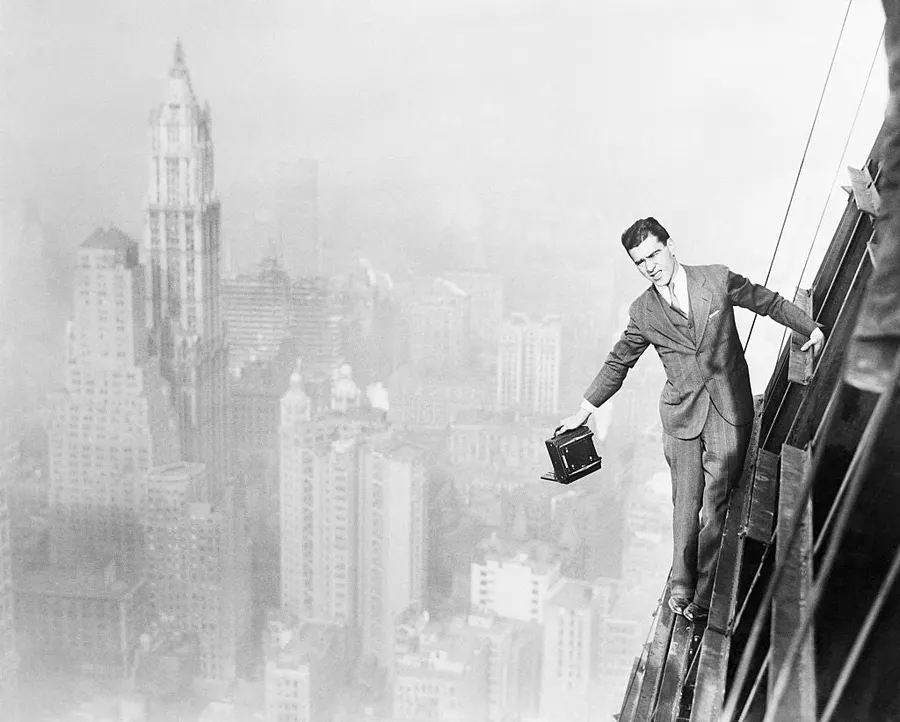
Here's Photographer Jack Reilly Prancing About the 74-story-tall Bank, 1929
Captured here: Here's photographer Jack Reilly prancing about the 74-story-tall Bank of Manhattan while it was under construction in 1929. Made in 1929, it is the kind of image that turns a date in a history book into something you can actually see.
The 1920s roared with new money and new habits. Radio broadcasting began, cars became affordable for working families, jazz filled dance halls, and hemlines and haircuts shortened in ways that scandalized the older generation. News photography boomed alongside the tabloid press.
What makes everyday photographs like this one compelling is the details at the edges: the clothes, the signs, the tools, the postures. They preserve texture that history books flatten out.
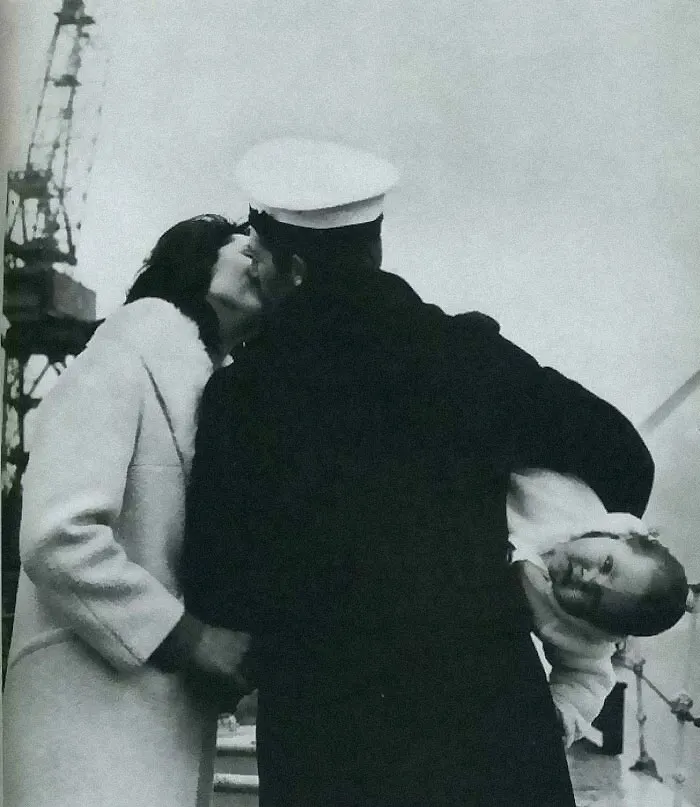
A Sailor "meets" his Baby for the First Time After Fourteen Months at Sea, 1940s
Captured here: a Sailor "Meets" His Baby For The First Time After Fourteen Months At Sea, 1940s. It was taken in the 1940s, and like the best archival images it needs almost no explanation — the frame tells its own story.
The first half of the 1940s was consumed by the Second World War, the largest conflict in human history, and photography went to war with it — small 35mm cameras and wire services meant pictures from the front could reach newspaper readers within days.
What makes everyday photographs like this one compelling is the details at the edges: the clothes, the signs, the tools, the postures. They preserve texture that history books flatten out.
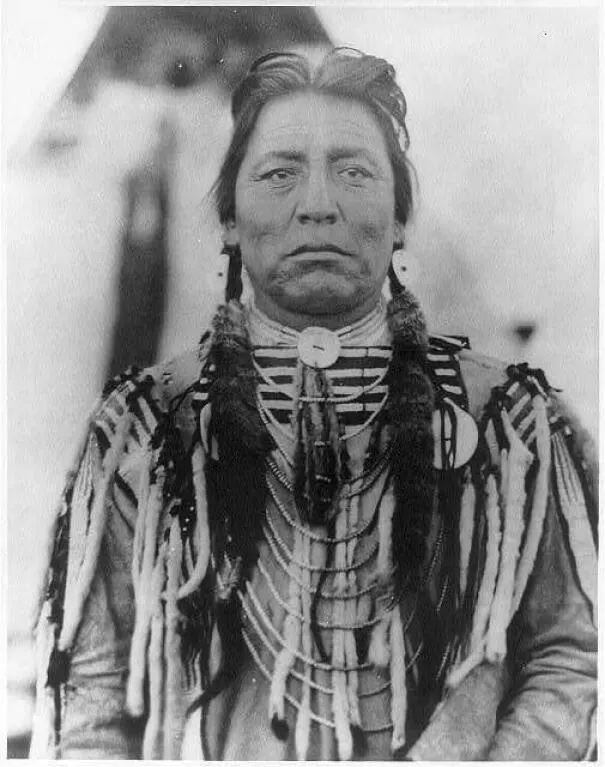
Blackfoot Chief Two Guns White Calf, Early 1900s
Blackfoot Chief Two Guns White Calf, Early 1900s. Made in the 1900s, it is the kind of image that turns a date in a history book into something you can actually see.
The first years of the twentieth century were an age of confident invention. Powered flight arrived with the Wright brothers in 1903, automobiles were leaving the curiosity stage, and cities were filling with electric light, elevators, and streetcars — all of it documented by a new generation of press photographers.
Most photography of the period chased celebrities and headlines, which makes surviving images of daily routine all the more precious. This is what the world actually looked like when nobody thought it was worth remembering.
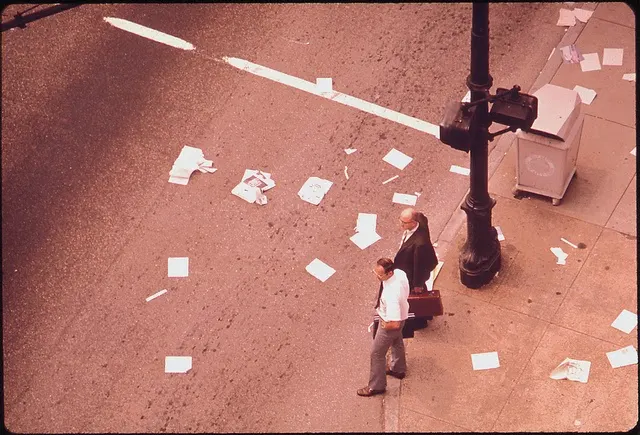
Magazines and Newspapers Litter the Intersection of Sixth & Broadway After, 1972
Captured here: Magazines And Newspapers Litter The Intersection Of Sixth & Broadway After Debris Was Spilled From A Passing Truck, September 1972. Made in 1972, it is the kind of image that turns a date in a history book into something you can actually see.
The 1970s had a grittier texture than the decades before it — economic shocks, urban decline, and political distrust, but also bold fashion, muscle cars, and the first stirrings of the digital age. Color film had become cheap and ubiquitous, so the decade survives in vivid Kodachrome hues.
What makes everyday photographs like this one compelling is the details at the edges: the clothes, the signs, the tools, the postures. They preserve texture that history books flatten out.
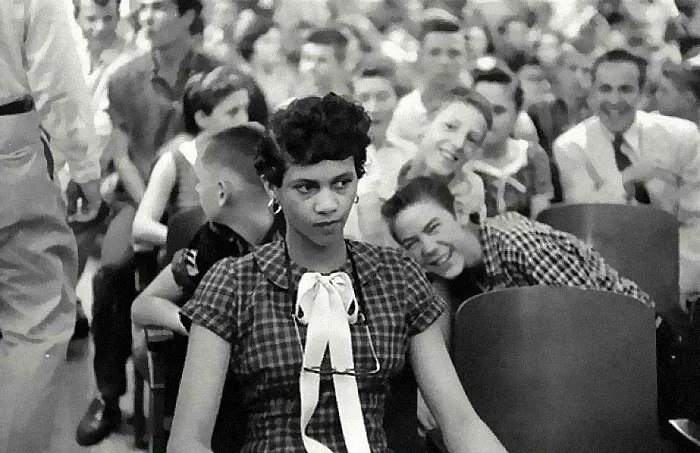
Dorothy Counts, the First Black Girl to Attend an All-white School, 1957
Dorothy Counts, The First Black Girl To Attend An All-White School In The U.S., Being Taunted By Her White Classmates At Harry Harding High School In Charlotte, 1957. Made in 1957, it is the kind of image that turns a date in a history book into something you can actually see.
The 1950s brought a wave of postwar prosperity, especially in North America. Suburbs, television sets, big chrome-trimmed cars, and rock and roll defined the decade, and a booming picture-magazine industry sent photographers to document all of it.
What makes everyday photographs like this one compelling is the details at the edges: the clothes, the signs, the tools, the postures. They preserve texture that history books flatten out.
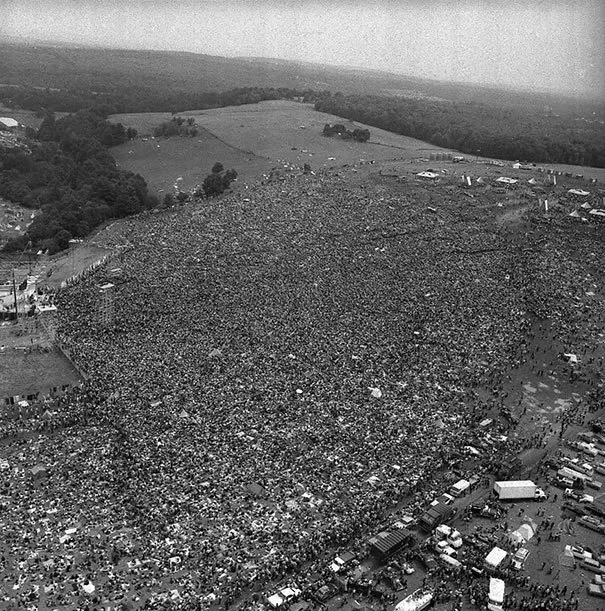
Massive Crowds Gather for the First Woodstock, 1969
The photograph shows Massive Crowds Gather For The First Woodstock, 1969. The scene dates to 1969, a detail that changes how you read every face and object in the frame.
The 1960s moved fast: the space race put satellites and then astronauts overhead, television replaced print as the main source of news, and social change swept through music, fashion, and politics. Photojournalism was at its peak, with picture magazines and newspapers employing armies of photographers.
Pictures of ordinary life are some of the most valuable historical documents we have. Grand events were always going to be recorded, but a normal day — how people worked, dressed, shopped, and passed the time — survives only when someone happened to point a camera at it.
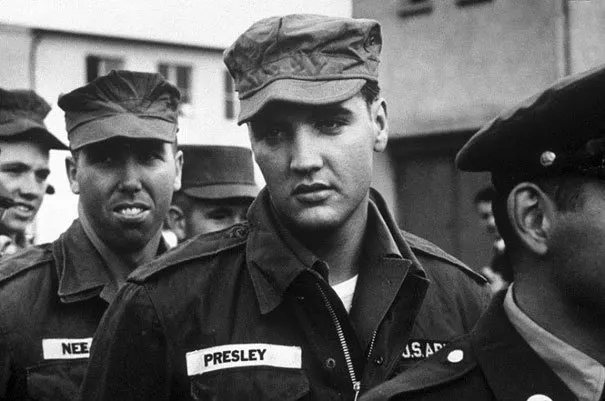
Elvis in the Army, 1958
The photograph shows Elvis In The Army, 1958. It was taken in 1958, and like the best archival images it needs almost no explanation — the frame tells its own story.
The 1950s brought a wave of postwar prosperity, especially in North America. Suburbs, television sets, big chrome-trimmed cars, and rock and roll defined the decade, and a booming picture-magazine industry sent photographers to document all of it.
What makes everyday photographs like this one compelling is the details at the edges: the clothes, the signs, the tools, the postures. They preserve texture that history books flatten out.
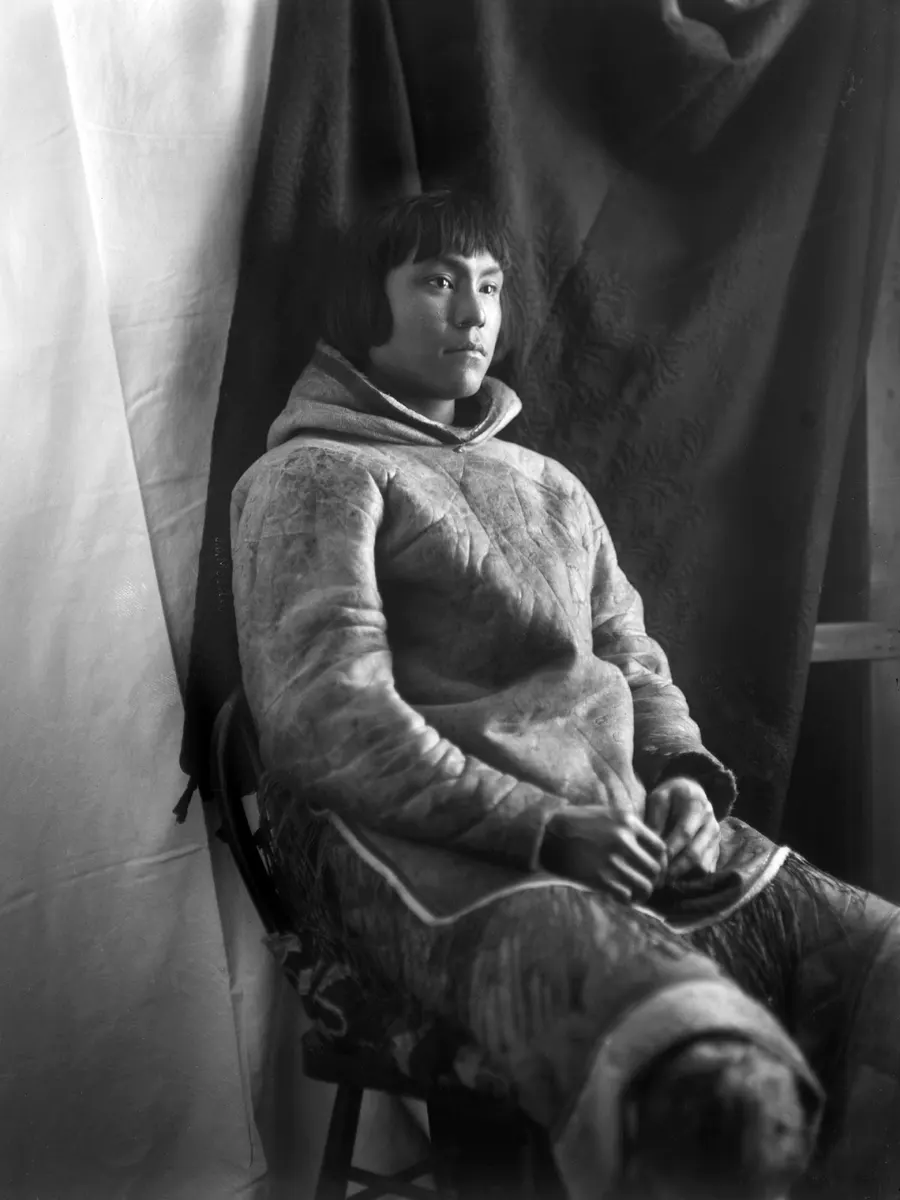
Inuit Man, Kingnuck, of the Kinepetoo Tribe, Fullerton Harbour, Nunavut, 1905
This picture preserves a moment few cameras ever caught — Inuit man, Kingnuck, of the Kinepetoo tribe, Fullerton Harbour, Nunavut, February 5, 1905. Made in 1905, it is the kind of image that turns a date in a history book into something you can actually see.
The first years of the twentieth century were an age of confident invention. Powered flight arrived with the Wright brothers in 1903, automobiles were leaving the curiosity stage, and cities were filling with electric light, elevators, and streetcars — all of it documented by a new generation of press photographers.
What makes everyday photographs like this one compelling is the details at the edges: the clothes, the signs, the tools, the postures. They preserve texture that history books flatten out.
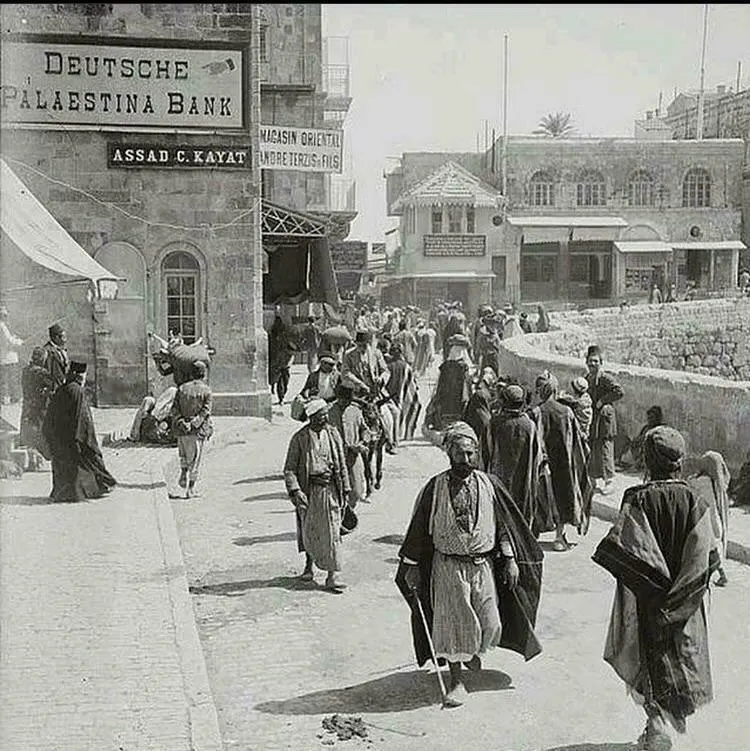
This Photograph, Taken over 100 Years Ago in Jerusalem (1920)
This picture preserves a moment few cameras ever caught — this Photograph, Taken Over 100 Years Ago In Jerusalem (1920), Shows A Sign In The Background Reading “The Palestine German Bank.” Remarkable Window Into History And The Vibrant Multicultural Presence In The Region During That Era. It was taken in 1920, and like the best archival images it needs almost no explanation — the frame tells its own story.
The 1920s roared with new money and new habits. Radio broadcasting began, cars became affordable for working families, jazz filled dance halls, and hemlines and haircuts shortened in ways that scandalized the older generation. News photography boomed alongside the tabloid press.
Most photography of the period chased celebrities and headlines, which makes surviving images of daily routine all the more precious. This is what the world actually looked like when nobody thought it was worth remembering.
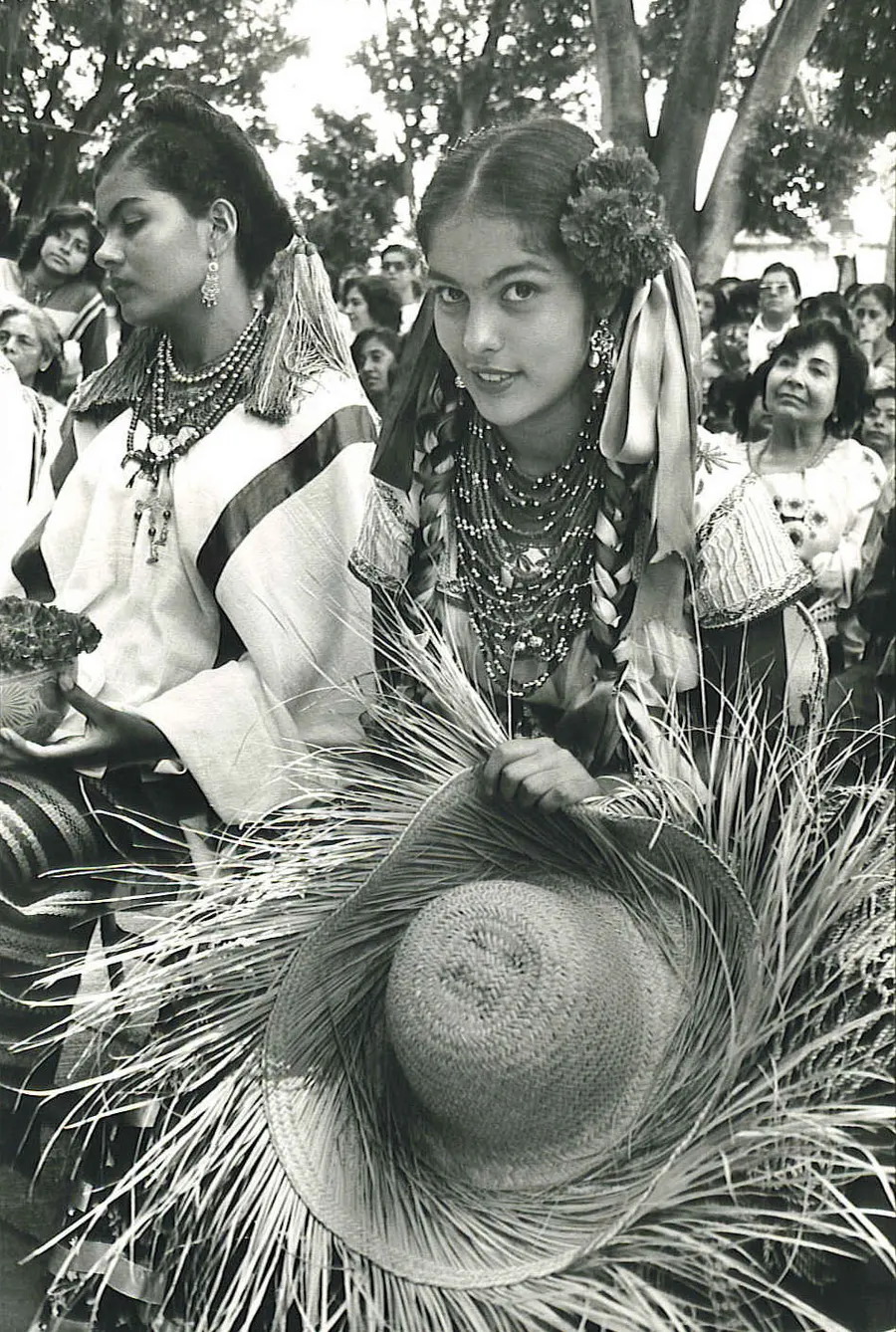
In the Middle of a Celebration, a Young Woman from Oaxaca, Mexico, 1985
Captured here: In The Middle Of A Celebration, A Young Woman From Oaxaca, Mexico, Notices She Is Being Photographed, And Gives A Look To The Camera, 1985. It was taken in 1985, and like the best archival images it needs almost no explanation — the frame tells its own story.
By the 1980s the modern media landscape was taking shape: cable television, personal computers, and global brands. Film photography was at its technical height, just a generation before digital cameras would change everything.
Most photography of the period chased celebrities and headlines, which makes surviving images of daily routine all the more precious. This is what the world actually looked like when nobody thought it was worth remembering.
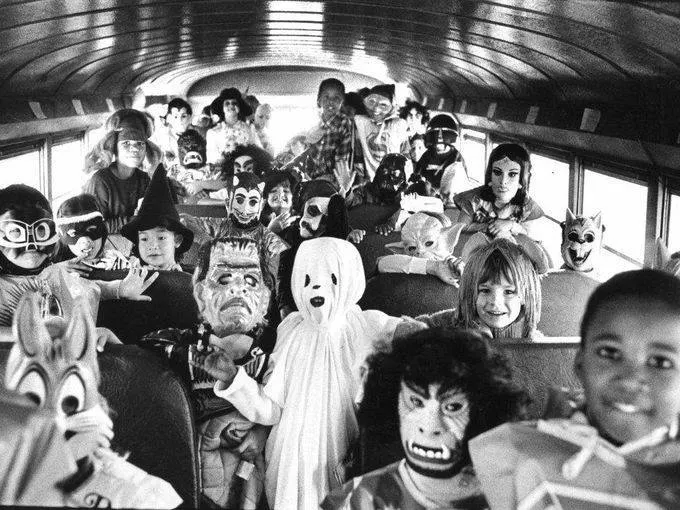
Kids Dressed for Halloween on a School Bus, 1980s
Captured here: Kids Dressed For Halloween On A School Bus, 1980s. The scene dates to the 1980s, a detail that changes how you read every face and object in the frame.
By the 1980s the modern media landscape was taking shape: cable television, personal computers, and global brands. Film photography was at its technical height, just a generation before digital cameras would change everything.
Most photography of the period chased celebrities and headlines, which makes surviving images of daily routine all the more precious. This is what the world actually looked like when nobody thought it was worth remembering.
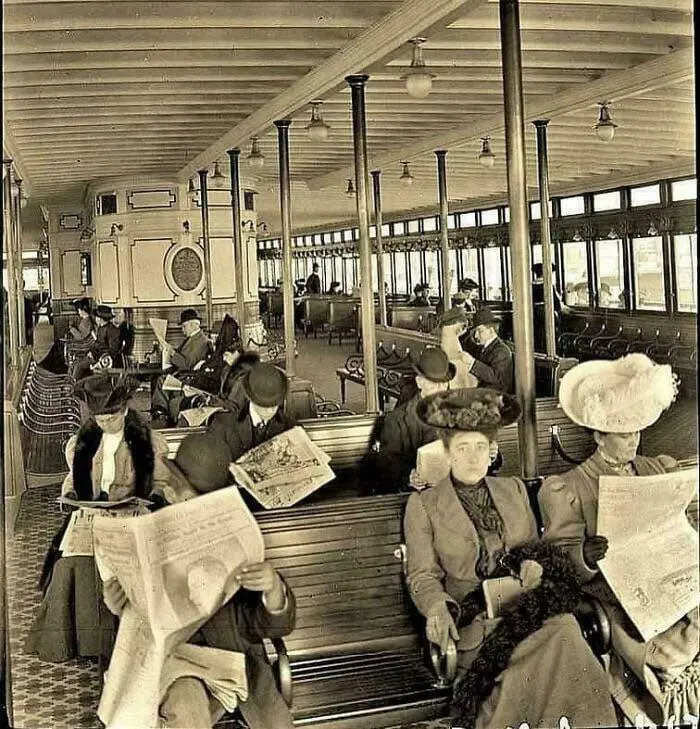
Passengers Aboard the Staten Island Ferry. New York, USA. 1895
Captured here: Passengers Aboard The Staten Island Ferry. New York, USA. 1895. Made in 1895, it is the kind of image that turns a date in a history book into something you can actually see.
By the 1890s the modern world was arriving fast: electric light, telephones, streetcars, and the first automobiles all appeared in cities during this decade. Photography had matured too, and inexpensive cameras meant ordinary moments were being recorded in numbers never seen before.
What makes everyday photographs like this one compelling is the details at the edges: the clothes, the signs, the tools, the postures. They preserve texture that history books flatten out.
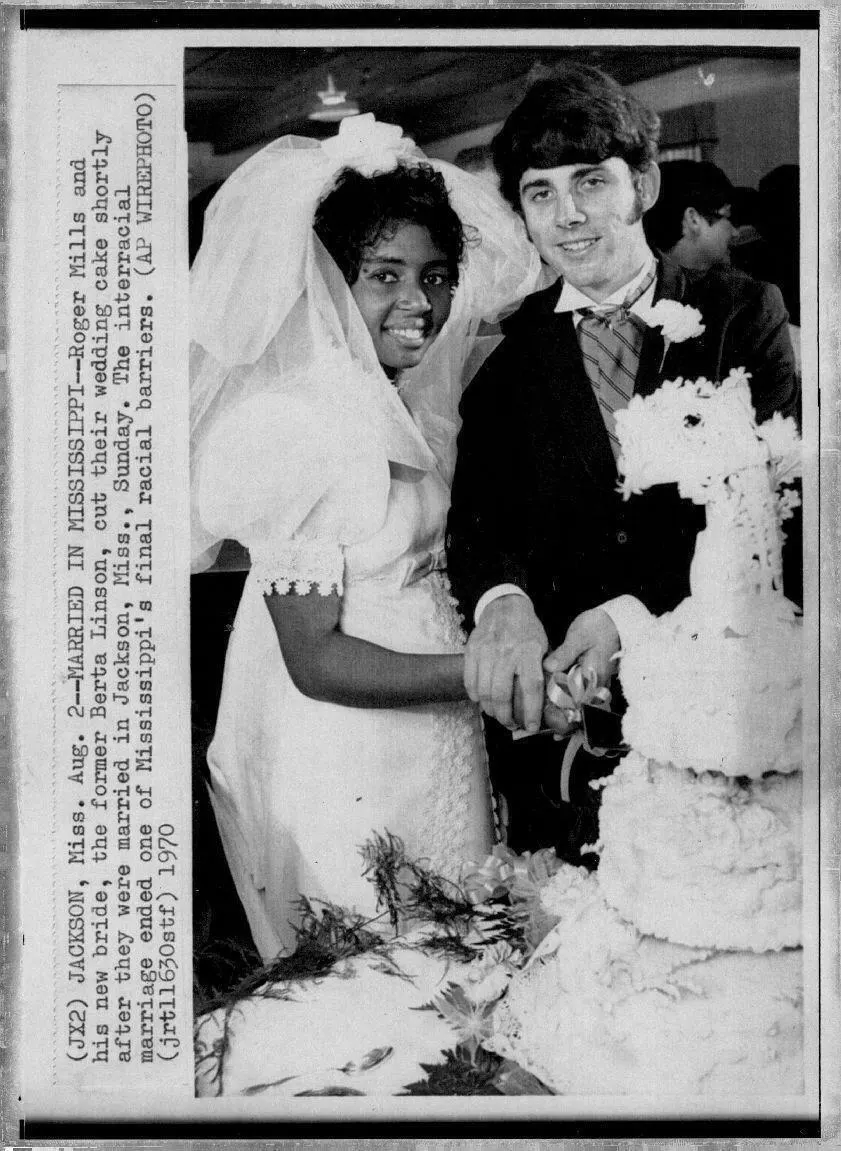
The First Interracial Marriage in Mississippi, 1970
The photograph shows The First Interracial Marriage In Mississippi, 1970. 3 Years Earlier, The 1967 Loving V. Virginia Scotus Ruling Legalized Interracial Marriage In The US. Made in 1970, it is the kind of image that turns a date in a history book into something you can actually see.
The U.S. Supreme Court struck down laws banning interracial marriage in Loving v. Virginia in 1967, but change arrived state by state and moment by moment. Photographs of early couples who married under the new legal reality, like this one from Mississippi in 1970, document the human scale of a landmark civil-rights decision.
Pictures of ordinary life are some of the most valuable historical documents we have. Grand events were always going to be recorded, but a normal day — how people worked, dressed, shopped, and passed the time — survives only when someone happened to point a camera at it.
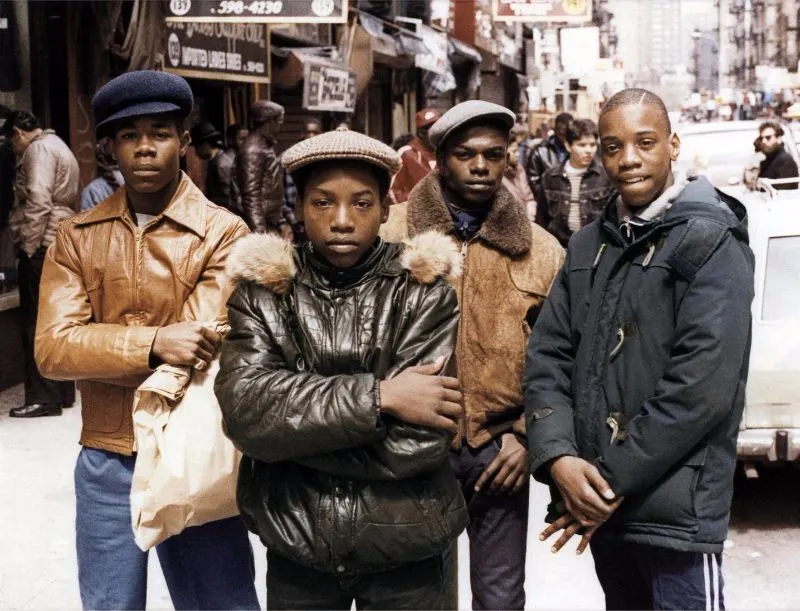
Men Pose on the Lower East Side
Captured here: men pose on the Lower East Side. It is the kind of image that turns a line in a history book into something you can actually see.
Photography has only existed since 1839, which means the camera-recorded past is a narrow window — and every surviving frame from it is a small act of preservation, whether the photographer knew it or not.
Pictures of ordinary life are some of the most valuable historical documents we have. Grand events were always going to be recorded, but a normal day — how people worked, dressed, shopped, and passed the time — survives only when someone happened to point a camera at it.
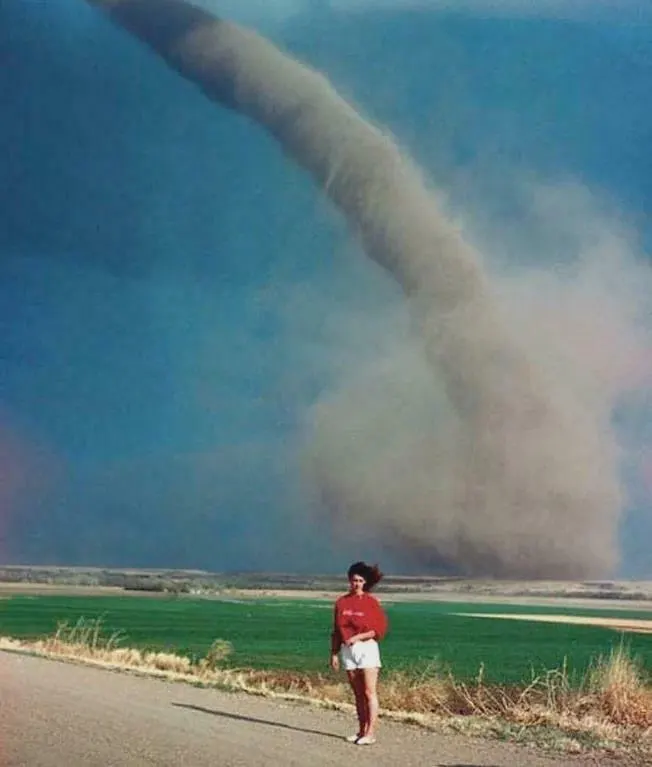
Nebraska Girl, Audra Thomas, Photographed in Front of a Tornado, 1989
Nebraska Girl, Audra Thomas, Photographed In Front Of A Tornado, 1989. The scene dates to 1989, a detail that changes how you read every face and object in the frame.
By the 1980s the modern media landscape was taking shape: cable television, personal computers, and global brands. Film photography was at its technical height, just a generation before digital cameras would change everything.
What makes everyday photographs like this one compelling is the details at the edges: the clothes, the signs, the tools, the postures. They preserve texture that history books flatten out.
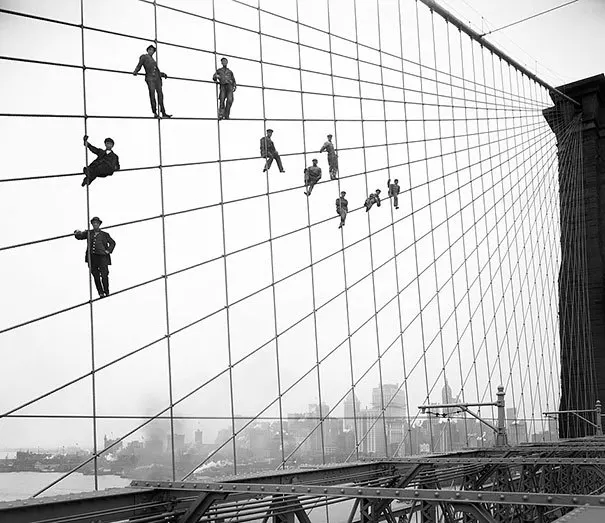
Painter of the Brooklyn Bridge,1914
Captured here: Painter Of The Brooklyn Bridge,1914. It was taken in 1914, and like the best archival images it needs almost no explanation — the frame tells its own story.
The 1910s were a decade of upheaval. The First World War (1914-1918) pulled millions into uniform and redrew the map of Europe, while on the home front automobiles, telephones, and moving pictures were rapidly becoming part of ordinary life.
Pictures of ordinary life are some of the most valuable historical documents we have. Grand events were always going to be recorded, but a normal day — how people worked, dressed, shopped, and passed the time — survives only when someone happened to point a camera at it.
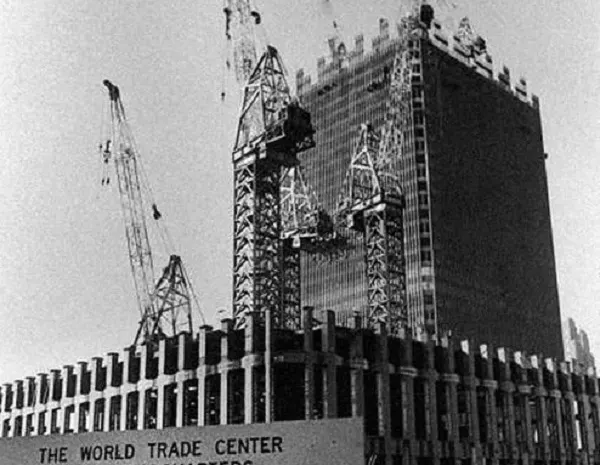
WTC: Building the World Trade Center in New York City, 1970
The photograph shows WTC: Building the World Trade Center in New York City, 1970. Made in 1970, it is the kind of image that turns a date in a history book into something you can actually see.
The 1970s had a grittier texture than the decades before it — economic shocks, urban decline, and political distrust, but also bold fashion, muscle cars, and the first stirrings of the digital age. Color film had become cheap and ubiquitous, so the decade survives in vivid Kodachrome hues.
Pictures of ordinary life are some of the most valuable historical documents we have. Grand events were always going to be recorded, but a normal day — how people worked, dressed, shopped, and passed the time — survives only when someone happened to point a camera at it.

Drying Fishing Nets Near Sarasota, Florida, Circa 1950
The photograph shows Drying fishing nets near Sarasota, Florida, circa 1950. It was taken around 1950, and like the best archival images it needs almost no explanation — the frame tells its own story.
The 1950s brought a wave of postwar prosperity, especially in North America. Suburbs, television sets, big chrome-trimmed cars, and rock and roll defined the decade, and a booming picture-magazine industry sent photographers to document all of it.
What makes everyday photographs like this one compelling is the details at the edges: the clothes, the signs, the tools, the postures. They preserve texture that history books flatten out.
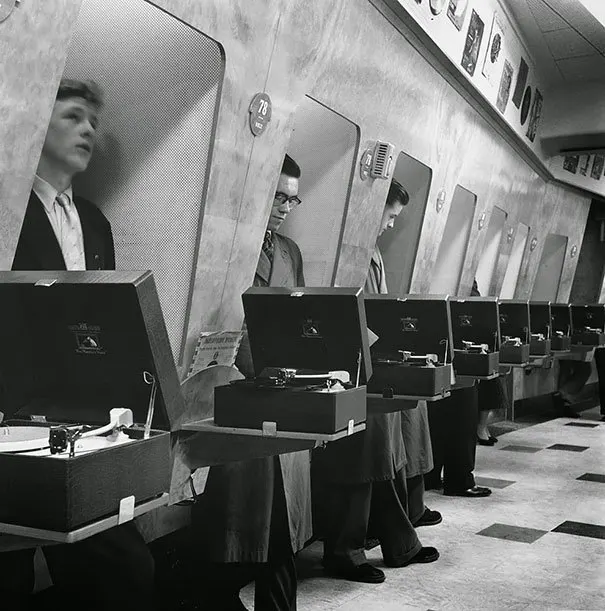
Customers at a London Music Store, 1955
This picture preserves a moment few cameras ever caught — Customers At A London Music Store, 1955. It was taken in 1955, and like the best archival images it needs almost no explanation — the frame tells its own story.
The 1950s brought a wave of postwar prosperity, especially in North America. Suburbs, television sets, big chrome-trimmed cars, and rock and roll defined the decade, and a booming picture-magazine industry sent photographers to document all of it.
What makes everyday photographs like this one compelling is the details at the edges: the clothes, the signs, the tools, the postures. They preserve texture that history books flatten out.
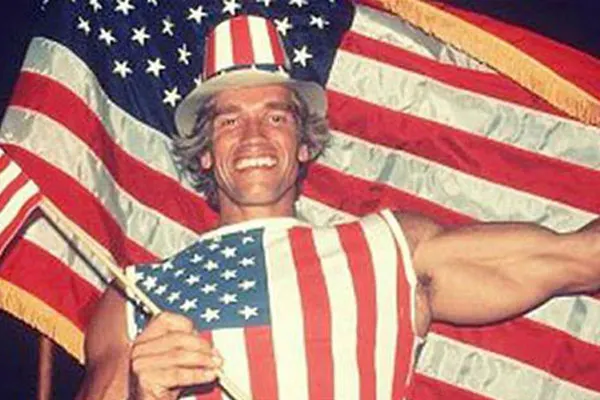
How’s This for Patriotism
Captured here: How’s This for Patriotism. It is the kind of image that turns a line in a history book into something you can actually see.
Photography has only existed since 1839, which means the camera-recorded past is a narrow window — and every surviving frame from it is a small act of preservation, whether the photographer knew it or not.
Most photography of the period chased celebrities and headlines, which makes surviving images of daily routine all the more precious. This is what the world actually looked like when nobody thought it was worth remembering.
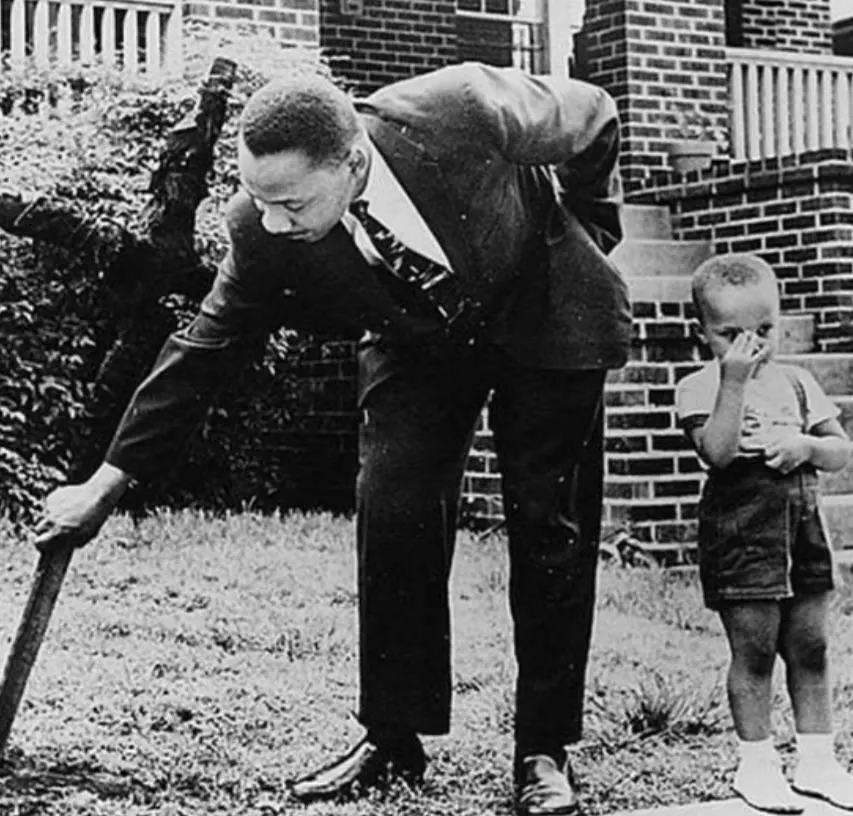
Martin Luther King Jr, 1960
Martin Luther King Jr. Removes A Burned Cross From His Yard In 1960. The Boy Is His Son. The scene dates to 1960, a detail that changes how you read every face and object in the frame.
The 1960s moved fast: the space race put satellites and then astronauts overhead, television replaced print as the main source of news, and social change swept through music, fashion, and politics. Photojournalism was at its peak, with picture magazines and newspapers employing armies of photographers.
Moments like this one were captured by photographers who often had a single chance to get the shot — no second takes, no digital preview. That is part of why these frames carry such weight: each one is a split second of real history, fixed for good.
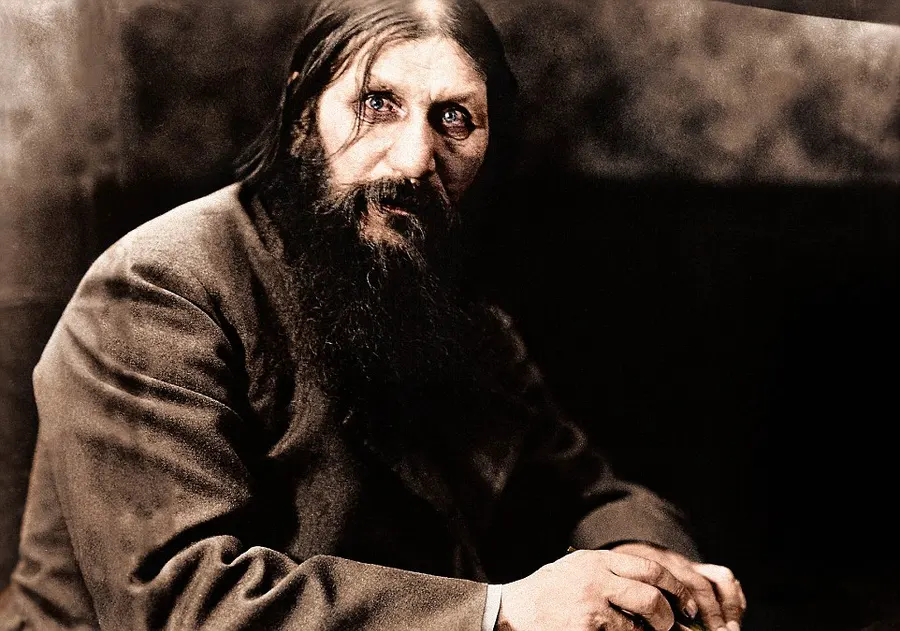
Rasputin Gets Colorized
The photograph shows Rasputin Gets Colorized: This chilling photograph of Rasputin was recently colorized, seemingly bringing the Russian mystic to life almost 101 years after his murder. It is the kind of image that turns a line in a history book into something you can actually see.
Photography has only existed since 1839, which means the camera-recorded past is a narrow window — and every surviving frame from it is a small act of preservation, whether the photographer knew it or not.
What makes everyday photographs like this one compelling is the details at the edges: the clothes, the signs, the tools, the postures. They preserve texture that history books flatten out.
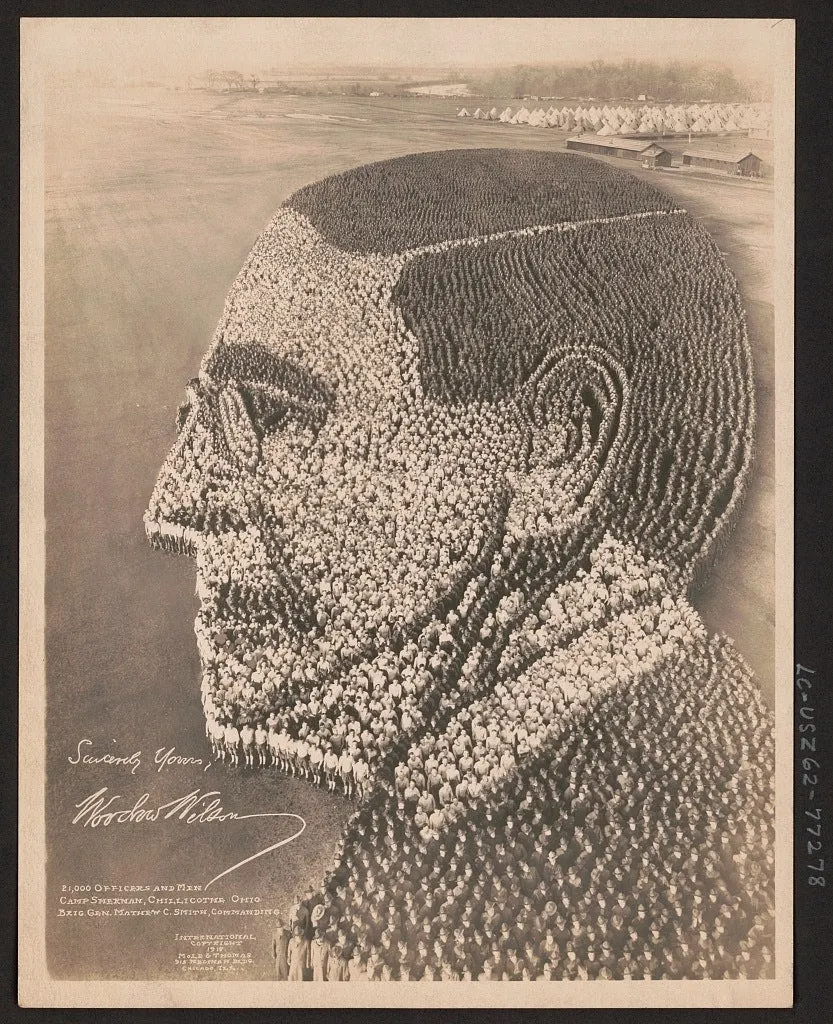
Speaking of Which, Here's Another "living Photograph" Featuring over 20
Captured here: Speaking of which, here's another "living photograph" featuring over 20,000 men paying tribute to Woodrow Wilson. Like the best archival images, it needs almost no explanation — the frame tells its own story.
Photography has only existed since 1839, which means the camera-recorded past is a narrow window — and every surviving frame from it is a small act of preservation, whether the photographer knew it or not.
What makes everyday photographs like this one compelling is the details at the edges: the clothes, the signs, the tools, the postures. They preserve texture that history books flatten out.
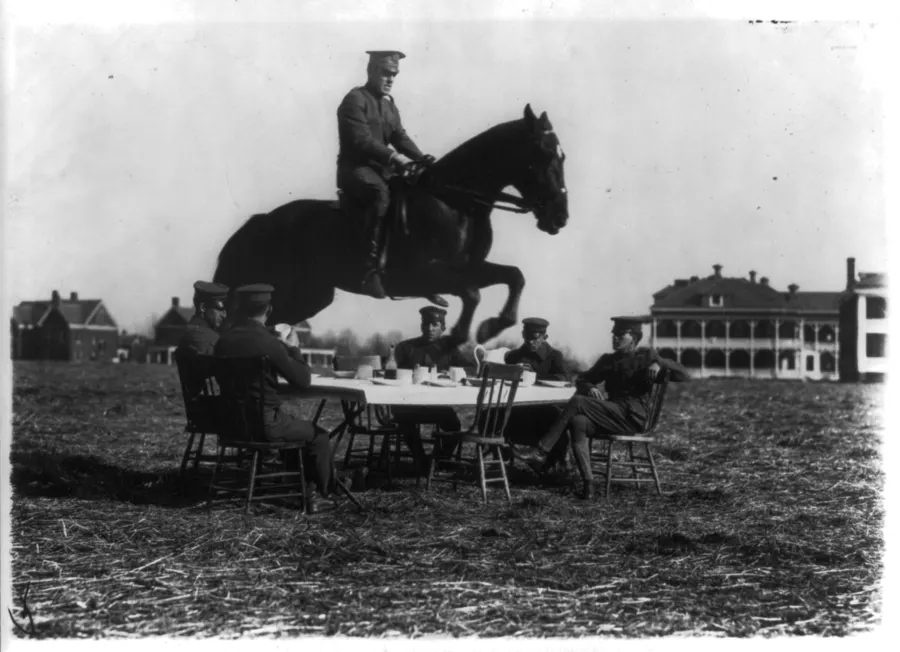
Here's a Photo of a Horse Casually Jumping over a Table of Soldiers Eating
The photograph shows Here's a photo of a horse casually jumping over a table of soldiers eating lunch. Like the best archival images, it needs almost no explanation — the frame tells its own story.
Photography has only existed since 1839, which means the camera-recorded past is a narrow window — and every surviving frame from it is a small act of preservation, whether the photographer knew it or not.
Pictures of ordinary life are some of the most valuable historical documents we have. Grand events were always going to be recorded, but a normal day — how people worked, dressed, shopped, and passed the time — survives only when someone happened to point a camera at it.
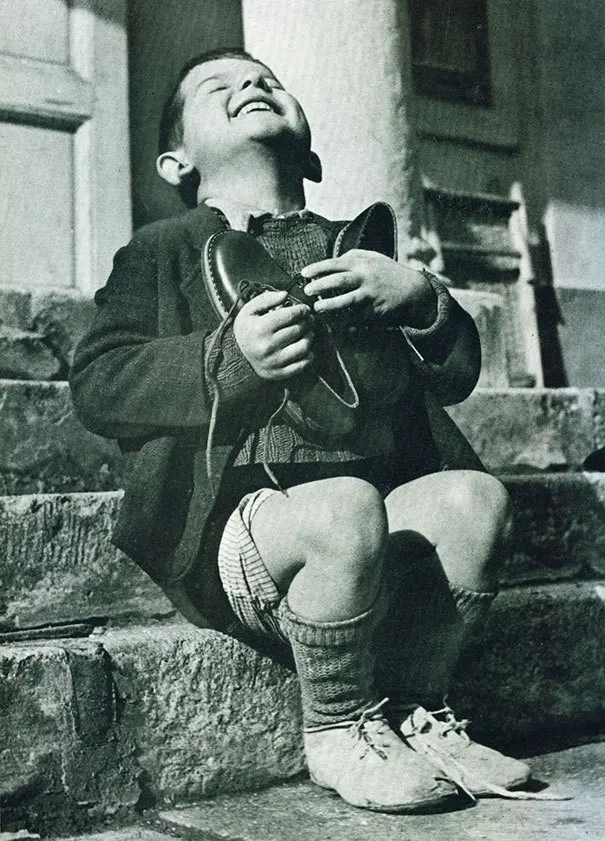
Austrian Boy’s Moment of Pure Happiness After Receiving New Shoes During WWII
Captured here: Austrian Boy’s Moment Of Pure Happiness After Receiving New Shoes During WWII. It is the kind of image that turns a line in a history book into something you can actually see.
Photography has only existed since 1839, which means the camera-recorded past is a narrow window — and every surviving frame from it is a small act of preservation, whether the photographer knew it or not.
Most photography of the period chased celebrities and headlines, which makes surviving images of daily routine all the more precious. This is what the world actually looked like when nobody thought it was worth remembering.
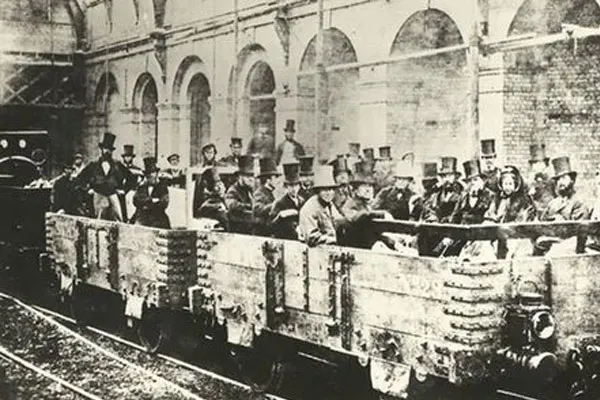
Underground Train, 1862
The photograph shows Underground Train: This is the first ever underground train journey, in London in 1862. It was taken in 1862, and like the best archival images it needs almost no explanation — the frame tells its own story.
The 1860s was the first decade in which photography documented events on a large scale. Wet-plate cameras were hauled to battlefields and city streets, and portrait studios spread through towns on both sides of the Atlantic, making a photograph an ordinary family possession for the first time.
Most photography of the period chased celebrities and headlines, which makes surviving images of daily routine all the more precious. This is what the world actually looked like when nobody thought it was worth remembering.
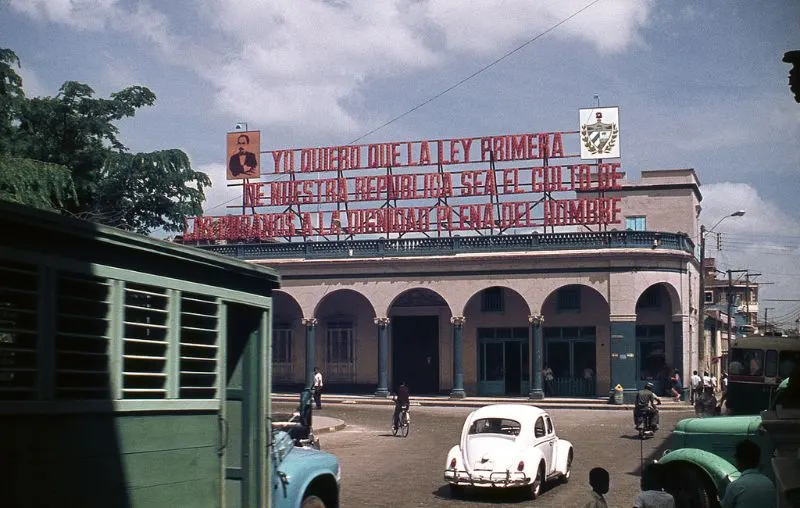
Cuba, Santa Clara, 1976
This picture preserves a moment few cameras ever caught — Cuba, Santa Clara, 1976. Colonial building at Parque Vidal, esquina del Museo de Artes Decorativas. Made in 1976, it is the kind of image that turns a date in a history book into something you can actually see.
The 1970s had a grittier texture than the decades before it — economic shocks, urban decline, and political distrust, but also bold fashion, muscle cars, and the first stirrings of the digital age. Color film had become cheap and ubiquitous, so the decade survives in vivid Kodachrome hues.
Pictures of ordinary life are some of the most valuable historical documents we have. Grand events were always going to be recorded, but a normal day — how people worked, dressed, shopped, and passed the time — survives only when someone happened to point a camera at it.
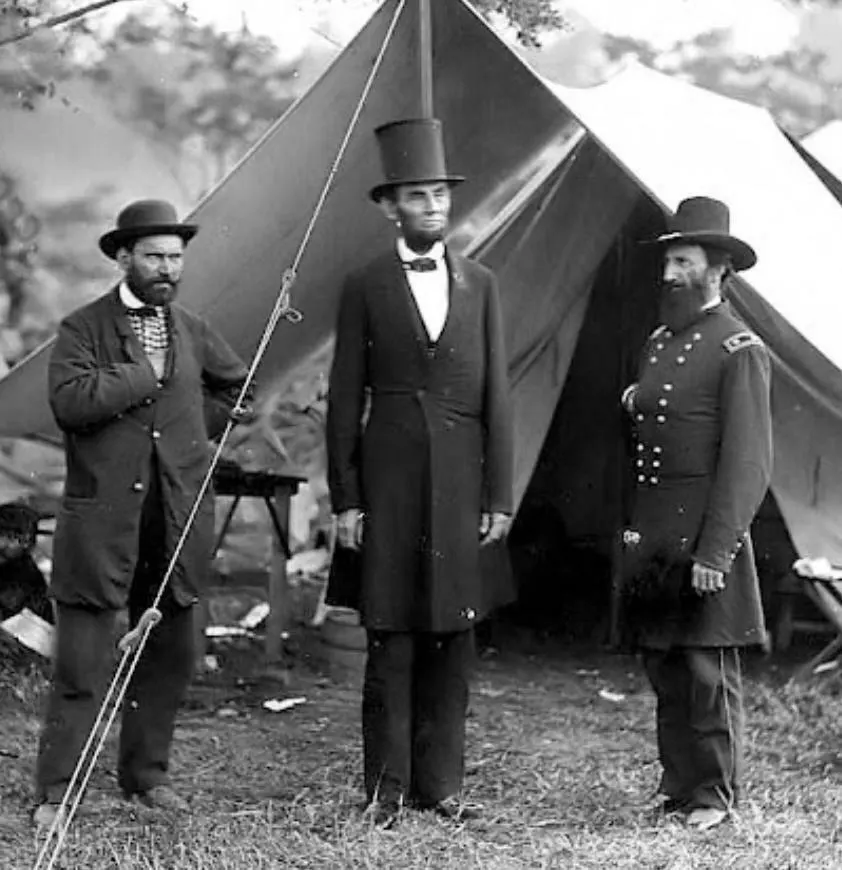
US President Abraham Lincoln with his Personal Bodyguard and Others, 1862
This picture preserves a moment few cameras ever caught — US President Abraham Lincoln With His Personal Bodyguard And Others At The Battle Of Antietam, 1862. The scene dates to 1862, a detail that changes how you read every face and object in the frame.
The 1860s was the first decade in which photography documented events on a large scale. Wet-plate cameras were hauled to battlefields and city streets, and portrait studios spread through towns on both sides of the Atlantic, making a photograph an ordinary family possession for the first time.
Moments like this one were captured by photographers who often had a single chance to get the shot — no second takes, no digital preview. That is part of why these frames carry such weight: each one is a split second of real history, fixed for good.
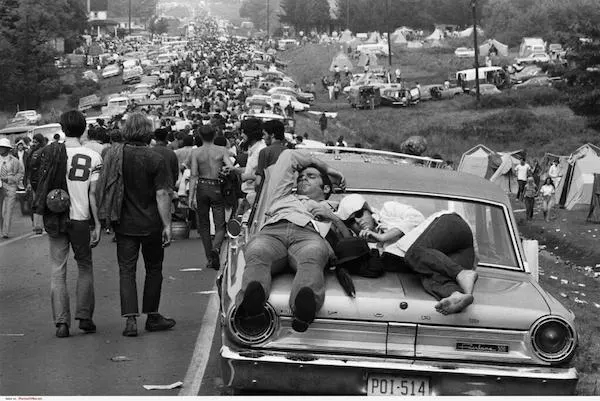
This Crowd Is En Route to Woodstock, 1969
Dig It, Man: This crowd is en route to Woodstock, the iconic outdoor festival held in New York state in 1969. It was taken in 1969, and like the best archival images it needs almost no explanation — the frame tells its own story.
The 1960s moved fast: the space race put satellites and then astronauts overhead, television replaced print as the main source of news, and social change swept through music, fashion, and politics. Photojournalism was at its peak, with picture magazines and newspapers employing armies of photographers.
Pictures of ordinary life are some of the most valuable historical documents we have. Grand events were always going to be recorded, but a normal day — how people worked, dressed, shopped, and passed the time — survives only when someone happened to point a camera at it.
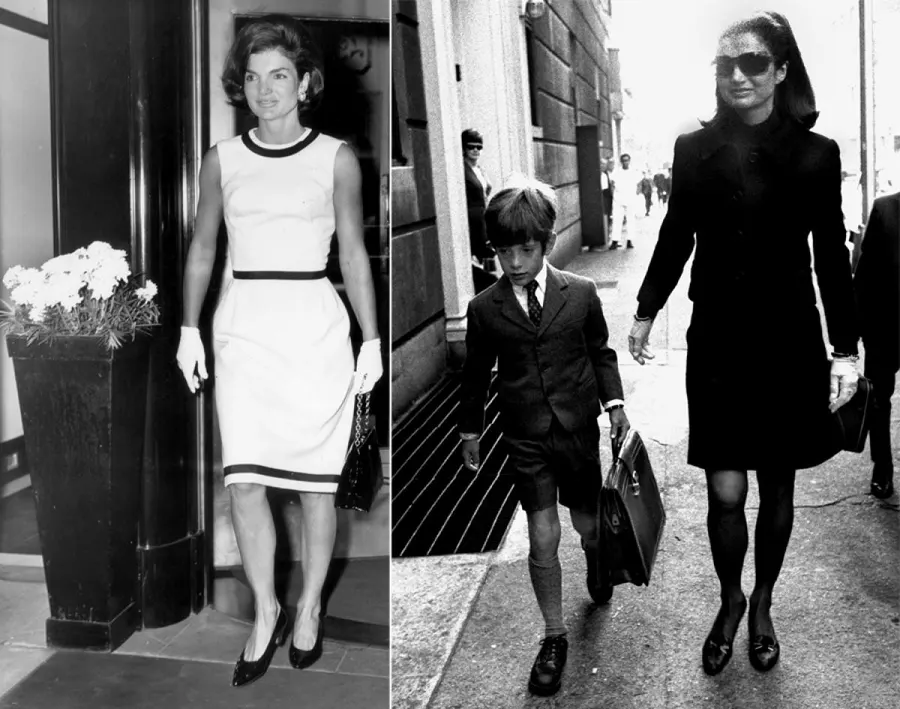
Dressed up at the Carlyle Hotel (l.) or Dressed Down to Bring John F, 1968
The photograph shows Dressed up at the Carlyle Hotel (l.) or dressed down to bring John F. Kennedy Jr. to school in 1968 (r.), Jackie Kennedy was a vision in whatever she wore. Hal Mathewson/New York Daily News. Made in 1968, it is the kind of image that turns a date in a history book into something you can actually see.
The 1960s moved fast: the space race put satellites and then astronauts overhead, television replaced print as the main source of news, and social change swept through music, fashion, and politics. Photojournalism was at its peak, with picture magazines and newspapers employing armies of photographers.
Most photography of the period chased celebrities and headlines, which makes surviving images of daily routine all the more precious. This is what the world actually looked like when nobody thought it was worth remembering.
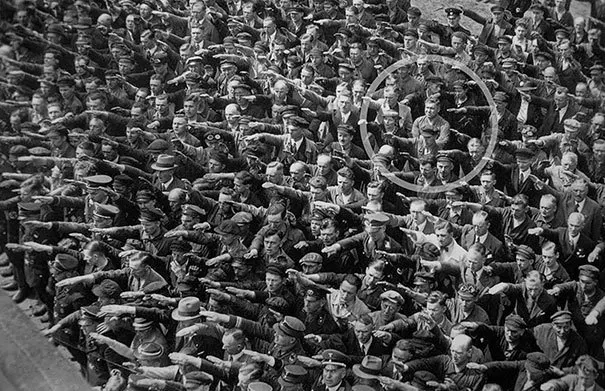
The Man That Refused to Give the Nazi Salute, 1936 #2
Captured here: The Man That Refused To Give The Nazi Salute, 1936 #2. Nikola Tesla In His Laboratory, Sitting Behind His… by david221" data-reactid="8"/><meta name="og:title" content="40 Rare Historical Photographs You Must See — Steemit" data-reactid="9"/><meta name="og:type" content="article" data-reactid="10"/><meta name="og:url" content="https://steemit.com/life/@david221/40-rare-historical-photographs-you-must-see" data-reactid="11"/><meta name="og:image" content="https://steemitimages.com/DQmShqy8U2V6uBVvUdWEoE7HgSvG9JpPwyW7wj3UTbeqKj6/old-historic-photos-291__605.jpg" data-reactid="12"/><meta name="og:description" content="#1. The Man That Refused To Give The Nazi Salute, 1936 #2. Nikola Tesla In His Laboratory, Sitting Behind His… by david221" data-reactid="13"/><meta name="og:site_name" content="Steemit" data-reactid="14"/><meta name="article:tag" content="life" data-reactid="15"/><meta name="article:published_time" content="2017-07-20T21:48:21" data-reactid="16"/><meta name="twitter:card" content="summary_large_image" data-reactid="17"/><meta name="twitter:site" content="@steemit" data-reactid="18"/><meta name="twitter:title" content="40 Rare Historical Photographs You Must See — Steemit" data-reactid="19"/><meta name="twitter:description" content="#1. The Man That Refused To Give The Nazi Salute, 1936 #2. Nikola Tesla In His Laboratory, Sitting Behind His… by david221" data-reactid="20"/><meta name="twitter:image" content="https://steemitimages.com/DQmShqy8U2V6uBVvUdWEoE7HgSvG9JpPwyW7wj3UTbeqKj6/old-historic-photos-291__605.jpg" data-reactid="21"/><link rel="stylesheet" href="/assets/plugins/editor.md/css/editormd.css" data-reactid="22"/><script src="/assets/js/tron-ads-sdk-1.0.49.js" data-reactid="23"></script><script src="/assets/js/jquery-3.6.0.min.js" data-reactid="24"></script><link rel="manifest" href="/static/manifest.json" data-reactid="25"/><link rel="icon" type="image/x-icon" href="/favicon.ico?v=2" data-reactid="26"/><link rel="apple-touch-icon-precomposed" sizes="57x57" href="/images/favicons/apple-touch-icon-57x57.png" type="image/png" data-reactid="27"/><link rel="apple-touch-icon-precomposed" sizes="114x114" href="/images/favicons/apple-touch-icon-114x114.png" type="image/png" data-reactid="28"/><link rel="apple-touch-icon-precomposed" sizes="72x72" href="/images/favicons/apple-touch-icon-72x72.png" type="image/png" data-reactid="29"/><link rel="apple-touch-icon-precomposed" sizes="144x144" href="/images/favicons/apple-touch-icon-144x144.png" type="image/png" data-reactid="30"/><link rel="apple-touch-icon-precomposed" sizes="60x60" href="/images/favicons/apple-touch-icon-60x60.png" type="image/png" data-reactid="31"/><link rel="apple-touch-icon-precomposed" sizes="120x120" href="/images/favicons/apple-touch-icon-120x120.png" type="image/png" data-reactid="32"/><link rel="apple-touch-icon-precomposed" sizes="76x76" href="/images/favicons/apple-touch-icon-76x76.png" type="image/png" data-reactid="33"/><link rel="apple-touch-icon-precomposed" sizes="152x152" href="/images/favicons/apple-touch-icon-152x152.png" type="image/png" data-reactid="34"/><link rel="icon" type="image/png" href="/images/favicons/favicon-196x196.png" sizes="196x196" data-reactid="35"/><link rel="icon" type="image/png" href="/images/favicons/favicon-96x96.png" sizes="96x96" data-reactid="36"/><link rel="icon" type="image/png" href="/images/favicons/favicon-32x32.png" sizes="32x32" data-reactid="37"/><link rel="icon" type="image/png" href="/images/favicons/favicon-16x16.png" sizes="16x16" data-reactid="38"/><link rel="icon" type="image/png" href="/images/favicons/favicon-128.png" sizes="128x128" data-reactid="39"/><meta name="application-name" content="Steemit" data-reactid="40"/><meta name="msapplication-TileColor" content="#FFFFFF" data-reactid="41"/><meta name="msapplication-TileImage" content="/images/favicons/mstile-144x144.png" data-reactid="42"/><meta name="msapplication-square70x70logo" content="/images/favicons/mstile-70x70.png" data-reactid="43"/><meta name="msapplication-square150x150logo" content="/images/favicons/mstile-150x150.png" data-reactid="44"/><meta name="msapplication-wide310x150logo" content="/images/favicons/mstile-310x150.png" data-reactid="45"/><meta name="msapplication-square310x310logo" content="/images/favicons/mstile-310x310.png" data-reactid="46"/><link href="https://fonts.googleapis.com/css?family=Source+Sans+Pro:300,400,600" rel="stylesheet" type="text/css" data-reactid="47"/><link href="https://fonts.googleapis.com/css?family=Source+Serif+Pro:400,600" rel="stylesheet" type="text/css" data-reactid="48"/><link href="/assets/app-9f8af20d691799283b44.css" rel="stylesheet" type="text/css" data-reactid="49"/><title data-reactid="50">40 Rare Historical Photographs You Must See — Steemit</title></head><body data-reactid="51"><div id="content" data-reactid="52"><div data-iso-key="_0"><div class="App theme-light" data-reactroot="" data-reactid="1" data-react-checksum="1619818516"><div class="SidePanel" data-reactid="2"><div class="right" data-reactid="3"><button class="close-button" type="button" data-reactid="4">×</button><ul class="vertical menu show-for-small-only" data-reactid="5"><li data-reactid="6"><a href="/login.html" data-reactid="7">Sign in</a></li><li class="last" data-reactid="8"><a href="https://signup.steemit.com" target="_blank" rel="noopener noreferrer" data-reactid="9"><!-- react-text: 10 -->Sign up<!-- /react-text --><!-- react-text: 11 --> <!-- /react-text --><span class="Icon extlink" style="display:inline-block;width:1.12rem;height:1.12rem;" data-reactid="12"><svg version="1.1" id="Layer_1" xmlns="http://www.w3.org/2000/svg" xmlns:xlink="http://www.w3.org/1999/xlink" x="0px" y="0px" viewBox="0 0 512 512" xml:space="preserve"><g><path d="M352,377.9H102.4V198.2h57.5c0,0,14.1-19.7,42.7-38.2H83.2c-10.6,0-19.2,8.5-19.2,19.1v217.9c0,10.5,8.6,19.1,19.2,19.1 h288c10.6,0,19.2-8.5,19.2-19.1V288L352,319.4V377.9z M320,224v63.9l128-95.5L320,96v59.7C165.2,155.7,160,320,160,320 C203.8,248.5,236,224,320,224z"></path></g></svg></span></a></li></ul><ul class="vertical menu" data-reactid="13"><li data-reactid="14"><a href="/welcome" data-reactid="15">Welcome</a></li><li data-reactid="16"><select class="language" data-reactid="17"><option selected="" value="en" data-reactid="18">English</option><option value="fr" data-reactid="19">French français</option><option value="it" data-reactid="20">Italian italiano</option><option value="ja" data-reactid="21">Japanese 日本語</option><option value="ko" data-reactid="22">Korean 한국어</option><option value="pl" data-reactid="23">Polish</option><option value="ru" data-reactid="24">Russian русский</option><option value="es" data-reactid="25">Spanish Español</option><option value="uk" data-reactid="26">Ukranian Українська</option></select></li><li data-reactid="27"><a href="/faq.html" data-reactid="28">FAQ</a></li><li class="last" data-reactid="29"><a data-reactid="30">Switch to Night Mode</a></li></ul><ul class="vertical menu" data-reactid="31"><li data-reactid="32"><a href="https://steemitwallet.com/recover_account_step_1" target="_blank" rel="noopener noreferrer" data-reactid="33"><!-- react-text: 34 -->Stolen Accounts Recovery<!-- /react-text --><!-- react-text: 35 --> <!-- /react-text --><span class="Icon extlink" style="display:inline-block;width:1.12rem;height:1.12rem;" data-reactid="36"><svg version="1.1" id="Layer_1" xmlns="http://www.w3.org/2000/svg" xmlns:xlink="http://www.w3.org/1999/xlink" x="0px" y="0px" viewBox="0 0 512 512" xml:space="preserve"><g><path d="M352,377.9H102.4V198.2h57.5c0,0,14.1-19.7,42.7-38.2H83.2c-10.6,0-19.2,8.5-19.2,19.1v217.9c0,10.5,8.6,19.1,19.2,19.1 h288c10.6,0,19.2-8.5,19.2-19.1V288L352,319.4V377.9z M320,224v63.9l128-95.5L320,96v59.7C165.2,155.7,160,320,160,320 C203.8,248.5,236,224,320,224z"></path></g></svg></span></a></li><li data-reactid="37"><a href="https://steemitwallet.com/change_password" target="_blank" rel="noopener noreferrer" data-reactid="38"><!-- react-text: 39 -->Change Account Password<!-- /react-text --><!-- react-text: 40 --> <!-- /react-text --><span class="Icon extlink" style="display:inline-block;width:1.12rem;height:1.12rem;" data-reactid="41"><svg version="1.1" id="Layer_1" xmlns="http://www.w3.org/2000/svg" xmlns:xlink="http://www.w3.org/1999/xlink" x="0px" y="0px" viewBox="0 0 512 512" xml:space="preserve"><g><path d="M352,377.9H102.4V198.2h57.5c0,0,14.1-19.7,42.7-38.2H83.2c-10.6,0-19.2,8.5-19.2,19.1v217.9c0,10.5,8.6,19.1,19.2,19.1 h288c10.6,0,19.2-8.5,19.2-19.1V288L352,319.4V377.9z M320,224v63.9l128-95.5L320,96v59.7C165.2,155.7,160,320,160,320 C203.8,248.5,236,224,320,224z"></path></g></svg></span></a></li><li data-reactid="42"><a href="https://steemitwallet.com/~witnesses" target="_blank" rel="noopener noreferrer" data-reactid="43"><!-- react-text: 44 -->Vote for Witnesses<!-- /react-text --><!-- react-text: 45 --> <!-- /react-text --><span class="Icon extlink" style="display:inline-block;width:1.12rem;height:1.12rem;" data-reactid="46"><svg version="1.1" id="Layer_1" xmlns="http://www.w3.org/2000/svg" xmlns:xlink="http://www.w3.org/1999/xlink" x="0px" y="0px" viewBox="0 0 512 512" xml:space="preserve"><g><path d="M352,377.9H102.4V198.2h57.5c0,0,14.1-19.7,42.7-38.2H83.2c-10.6,0-19.2,8.5-19.2,19.1v217.9c0,10.5,8.6,19.1,19.2,19.1 h288c10.6,0,19.2-8.5,19.2-19.1V288L352,319.4V377.9z M320,224v63.9l128-95.5L320,96v59.7C165.2,155.7,160,320,160,320 C203.8,248.5,236,224,320,224z"></path></g></svg></span></a></li><li class="last" data-reactid="47"><a href="https://steemitwallet.com/proposals" target="_blank" rel="noopener noreferrer" data-reactid="48"><!-- react-text: 49 -->Steem Proposals<!-- /react-text --><!-- react-text: 50 --> <!-- /react-text --><span class="Icon extlink" style="display:inline-block;width:1.12rem;height:1.12rem;" data-reactid="51"><svg version="1.1" id="Layer_1" xmlns="http://www.w3.org/2000/svg" xmlns:xlink="http://www.w3.org/1999/xlink" x="0px" y="0px" viewBox="0 0 512 512" xml:space="preserve"><g><path d="M352,377.9H102.4V198.2h57.5c0,0,14.1-19.7,42.7-38.2H83.2c-10.6,0-19.2,8.5-19.2,19.1v217.9c0,10.5,8.6,19.1,19.2,19.1 h288c10.6,0,19.2-8.5,19.2-19.1V288L352,319.4V377.9z M320,224v63.9l128-95.5L320,96v59.7C165.2,155.7,160,320,160,320 C203.8,248.5,236,224,320,224z"></path></g></svg></span></a></li></ul><ul class="vertical menu" data-reactid="52"><li data-reactid="53"><a class="menu-section" data-reactid="54">Third-party exchanges:</a></li><li class="last" data-reactid="55"><a href="https://poloniex.com/exchange#trx_steem" target="_blank" rel="noopener noreferrer" data-reactid="56"><!-- react-text: 57 -->Poloniex<!-- /react-text --><!-- react-text: 58 --> <!-- /react-text --><span class="Icon extlink" style="display:inline-block;width:1.12rem;height:1.12rem;" data-reactid="59"><svg version="1.1" id="Layer_1" xmlns="http://www.w3.org/2000/svg" xmlns:xlink="http://www.w3.org/1999/xlink" x="0px" y="0px" viewBox="0 0 512 512" xml:space="preserve"><g><path d="M352,377.9H102.4V198.2h57.5c0,0,14.1-19.7,42.7-38.2H83.2c-10.6,0-19.2,8.5-19.2,19.1v217.9c0,10.5,8.6,19.1,19.2,19.1 h288c10.6,0,19.2-8.5,19.2-19.1V288L352,319.4V377.9z M320,224v63.9l128-95.5L320,96v59.7C165.2,155.7,160,320,160,320 C203.8,248.5,236,224,320,224z"></path></g></svg></span></a></li></ul><ul class="vertical menu" data-reactid="60"><li data-reactid="61"><a href="https://selfserve.steemit.com" target="_blank" rel="noopener noreferrer" data-reactid="62"><!-- react-text: 63 -->Advertise<!-- /react-text --><!-- react-text: 64 --> <!-- /react-text --><span class="Icon extlink" style="display:inline-block;width:1.12rem;height:1.12rem;" data-reactid="65"><svg version="1.1" id="Layer_1" xmlns="http://www.w3.org/2000/svg" xmlns:xlink="http://www.w3.org/1999/xlink" x="0px" y="0px" viewBox="0 0 512 512" xml:space="preserve"><g><path d="M352,377.9H102.4V198.2h57.5c0,0,14.1-19.7,42.7-38.2H83.2c-10.6,0-19.2,8.5-19.2,19.1v217.9c0,10.5,8.6,19.1,19.2,19.1 h288c10.6,0,19.2-8.5,19.2-19.1V288L352,319.4V377.9z M320,224v63.9l128-95.5L320,96v59.7C165.2,155.7,160,320,160,320 C203.8,248.5,236,224,320,224z"></path></g></svg></span></a></li><li class="last" data-reactid="66"><a href="https://recruiting.paylocity.com/recruiting/jobs/List/3288/Steemit-Inc" target="_blank" rel="noopener noreferrer" data-reactid="67"><!-- react-text: 68 -->Jobs at Steemit<!-- /react-text --><!-- react-text: 69 --> <!-- /react-text --><span class="Icon extlink" style="display:inline-block;width:1.12rem;height:1.12rem;" data-reactid="70"><svg version="1.1" id="Layer_1" xmlns="http://www.w3.org/2000/svg" xmlns:xlink="http://www.w3.org/1999/xlink" x="0px" y="0px" viewBox="0 0 512 512" xml:space="preserve"><g><path d="M352,377.9H102.4V198.2h57.5c0,0,14.1-19.7,42.7-38.2H83.2c-10.6,0-19.2,8.5-19.2,19.1v217.9c0,10.5,8.6,19.1,19.2,19.1 h288c10.6,0,19.2-8.5,19.2-19.1V288L352,319.4V377.9z M320,224v63.9l128-95.5L320,96v59.7C165.2,155.7,160,320,160,320 C203.8,248.5,236,224,320,224z"></path></g></svg></span></a></li></ul><ul class="vertical menu" data-reactid="71"><li data-reactid="72"><a href="https://developers.steem.io/" target="_blank" rel="noopener noreferrer" data-reactid="73"><!-- react-text: 74 -->Developer Portal<!-- /react-text --><!-- react-text: 75 --> <!-- /react-text --><span class="Icon extlink" style="display:inline-block;width:1.12rem;height:1.12rem;" data-reactid="76"><svg version="1.1" id="Layer_1" xmlns="http://www.w3.org/2000/svg" xmlns:xlink="http://www.w3.org/1999/xlink" x="0px" y="0px" viewBox="0 0 512 512" xml:space="preserve"><g><path d="M352,377.9H102.4V198.2h57.5c0,0,14.1-19.7,42.7-38.2H83.2c-10.6,0-19.2,8.5-19.2,19.1v217.9c0,10.5,8.6,19.1,19.2,19.1 h288c10.6,0,19.2-8.5,19.2-19.1V288L352,319.4V377.9z M320,224v63.9l128-95.5L320,96v59.7C165.2,155.7,160,320,160,320 C203.8,248.5,236,224,320,224z"></path></g></svg></span></a></li><li data-reactid="77"><a href="https://steem.io/steem-bluepaper.pdf" target="_blank" rel="noopener noreferrer" data-reactid="78"><!-- react-text: 79 -->Steem Bluepaper<!-- /react-text --><!-- react-text: 80 --> <!-- /react-text --><span class="Icon extlink" style="display:inline-block;width:1.12rem;height:1.12rem;" data-reactid="81"><svg version="1.1" id="Layer_1" xmlns="http://www.w3.org/2000/svg" xmlns:xlink="http://www.w3.org/1999/xlink" x="0px" y="0px" viewBox="0 0 512 512" xml:space="preserve"><g><path d="M352,377.9H102.4V198.2h57.5c0,0,14.1-19.7,42.7-38.2H83.2c-10.6,0-19.2,8.5-19.2,19.1v217.9c0,10.5,8.6,19.1,19.2,19.1 h288c10.6,0,19.2-8.5,19.2-19.1V288L352,319.4V377.9z M320,224v63.9l128-95.5L320,96v59.7C165.2,155.7,160,320,160,320 C203.8,248.5,236,224,320,224z"></path></g></svg></span></a></li><li data-reactid="82"><a href="https://smt.steem.io/" target="_blank" rel="noopener noreferrer" data-reactid="83"><!-- react-text: 84 -->SMT Whitepaper<!-- /react-text --><!-- react-text: 85 --> <!-- /react-text --><span class="Icon extlink" style="display:inline-block;width:1.12rem;height:1.12rem;" data-reactid="86"><svg version="1.1" id="Layer_1" xmlns="http://www.w3.org/2000/svg" xmlns:xlink="http://www.w3.org/1999/xlink" x="0px" y="0px" viewBox="0 0 512 512" xml:space="preserve"><g><path d="M352,377.9H102.4V198.2h57.5c0,0,14.1-19.7,42.7-38.2H83.2c-10.6,0-19.2,8.5-19.2,19.1v217.9c0,10.5,8.6,19.1,19.2,19.1 h288c10.6,0,19.2-8.5,19.2-19.1V288L352,319.4V377.9z M320,224v63.9l128-95.5L320,96v59.7C165.2,155.7,160,320,160,320 C203.8,248.5,236,224,320,224z"></path></g></svg></span></a></li><li class="last" data-reactid="87"><a href="https://steem.com/SteemWhitePaper.pdf" target="_blank" rel="noopener noreferrer" data-reactid="88"><!-- react-text: 89 -->Steem Whitepaper<!-- /react-text --><!-- react-text: 90 --> <!-- /react-text --><span class="Icon extlink" style="display:inline-block;width:1.12rem;height:1.12rem;" data-reactid="91"><svg version="1.1" id="Layer_1" xmlns="http://www.w3.org/2000/svg" xmlns:xlink="http://www.w3.org/1999/xlink" x="0px" y="0px" viewBox="0 0 512 512" xml:space="preserve"><g><path d="M352,377.9H102.4V198.2h57.5c0,0,14.1-19.7,42.7-38.2H83.2c-10.6,0-19.2,8.5-19.2,19.1v217.9c0,10.5,8.6,19.1,19.2,19.1 h288c10.6,0,19.2-8.5,19.2-19.1V288L352,319.4V377.9z M320,224v63.9l128-95.5L320,96v59.7C165.2,155.7,160,320,160,320 C203.8,248.5,236,224,320,224z"></path></g></svg></span></a></li></ul><ul class="vertical menu" data-reactid="92"><li data-reactid="93"><a href="/privacy.html" data-reactid="94">Privacy Policy</a></li><li class="last" data-reactid="95"><a href="/tos.html" data-reactid="96">Terms of Service</a></li></ul></div></div><div data-reactid="97"><div class="headroom-wrapper" data-reactid="98"><div style="position:relative;top:0;left:0;right:0;z-index:1;-webkit-transform:translate3D(0, 0, 0);-ms-transform:translate3D(0, 0, 0);transform:translate3D(0, 0, 0);" class="headroom headroom--unfixed" data-reactid="99"><header class="Header" data-reactid="100"><nav class="row Header__nav" data-reactid="101"><div class="small-6 medium-4 large-4 columns Header__logotype" data-reactid="102"><a href="/" data-reactid="103"><span class="logo" data-reactid="104"><svg width="150" height="40" viewBox="0 0 150 40" version="1.1" data-reactid="105"><title data-reactid="106">Home</title><g id="steemit" data-reactid="107"><path class="logo__steemit" d="M49,24.015935 C49.4429506,26.9151335 51.8962153,28.6681372 55.43982,28.6681372 C58.8471321,28.6681372 61.33447,26.8477103 61.33447,23.8810886 C61.33447,21.689834 60.0396914,20.2402347 57.4501341,19.6334258 L54.2472607,18.8917704 C53.1569208,18.6220775 52.6798971,18.1838265 52.6798971,17.5095944 C52.6798971,16.329688 53.9065295,15.7903022 55.0990888,15.7903022 C56.6664524,15.7903022 57.5523535,16.4645344 57.8590116,17.4421711 L61.1981775,17.4421711 C60.6870807,14.7115307 58.6767665,13.0259503 55.1331619,13.0259503 C51.8280691,13.0259503 49.4088775,15.0149352 49.4088775,17.711864 C49.4088775,20.1728115 51.0103142,21.3190062 53.1569208,21.8246804 L56.291648,22.5663358 C57.5523535,22.8697403 58.0634503,23.3079913 58.0634503,24.1170699 C58.0634503,25.2969762 57.0412567,25.9037852 55.4738931,25.9037852 C53.9746757,25.9037852 52.8502627,25.2632646 52.4754584,24.015935 L49,24.015935 Z M65.4573177,24.2856279 C65.4573177,27.2522496 67.3654125,28.6681372 70.0571891,28.6681372 C71.1134559,28.6681372 72.0334302,28.4658675 72.6126732,28.1287514 L72.6126732,25.060995 C72.1356495,25.3981111 71.3519677,25.6678039 70.6705053,25.6678039 C69.5460923,25.6678039 68.8646298,25.1284182 68.8646298,23.9148002 L68.8646298,16.16113 L72.271942,16.16113 L72.271942,13.3630664 L68.8646298,13.3630664 L68.8646298,9.35138478 L65.4573177,9.35138478 L65.4573177,11.0538211 C65.4573177,11.2294024 65.4573177,11.439697 65.4573177,11.6847049 C65.4573177,12.8974247 64.4479015,13.3630664 63.7557912,13.3630664 C63.2943843,13.3630664 63.0665204,13.3630664 63.0721992,13.3630664 L63.0721992,16.16113 L65.4573177,16.16113 L65.4573177,24.2856279 Z M140.737621,24.2856279 C140.737621,27.2522496 142.645715,28.6681372 145.337492,28.6681372 C146.393759,28.6681372 147.313733,28.4658675 147.892976,28.1287514 L147.892976,25.060995 C147.415953,25.3981111 146.632271,25.6678039 145.950808,25.6678039 C144.826395,25.6678039 144.144933,25.1284182 144.144933,23.9148002 L144.144933,16.16113 L147.552245,16.16113 L147.552245,13.3630664 L144.144933,13.3630664 L144.144933,9.35138478 L140.737621,9.35138478 L140.737621,11.0538211 C140.737621,11.2294024 140.737621,11.439697 140.737621,11.6847049 C140.737621,12.8974247 139.728205,13.3630664 139.036094,13.3630664 C138.574687,13.3630664 138.346823,13.3630664 138.352502,13.3630664 L138.352502,16.16113 L140.737621,16.16113 L140.737621,24.2856279 Z M85.2112099,23.6788189 L88.3459371,23.6788189 C87.8348403,26.6454406 85.6200874,28.6681372 81.9742634,28.6681372 C77.7491963,28.6681372 74.8189078,25.4992459 74.8189078,20.8807553 C74.8189078,16.3971113 77.7832694,13.0259503 81.9061171,13.0259503 C86.1652573,13.0259503 88.4822296,16.0262835 88.4822296,20.4087928 L88.4822296,21.6224107 L78.1580738,21.6224107 C78.2602931,24.2519163 79.7935836,25.836362 81.9742634,25.836362 C83.6097732,25.836362 84.8364056,25.1284182 85.2112099,23.6788189 Z M81.9401902,15.8577255 C80.0661685,15.8577255 78.6691706,17.0039202 78.2602931,19.1614632 L85.1089905,19.1614632 C85.0749174,17.3410363 84.0186507,15.8577255 81.9401902,15.8577255 Z M100.952992,23.6788189 L104.087719,23.6788189 C103.576622,26.6454406 101.36187,28.6681372 97.7160455,28.6681372 C93.4909785,28.6681372 90.5606901,25.4992459 90.5606901,20.8807553 C90.5606901,16.3971113 93.5250516,13.0259503 97.6478993,13.0259503 C101.907039,13.0259503 104.224012,16.0262835 104.224012,20.4087928 L104.224012,21.6224107 L93.8998558,21.6224107 C94.0020751,24.2519163 95.5353656,25.836362 97.7160455,25.836362 C99.3515552,25.836362 100.578188,25.1284182 100.952992,23.6788189 Z M97.6819724,15.8577255 C95.8079509,15.8577255 94.4109529,17.0039202 94.0020751,19.1614632 L100.850773,19.1614632 C100.816699,17.3410363 99.760433,15.8577255 97.6819724,15.8577255 Z M118.428244,15.0149352 C117.644563,13.8687405 116.145345,13.0259503 114.441689,13.0259503 C112.738033,13.0259503 111.375108,13.6664708 110.659573,14.6103959 L110.659573,13.3630664 L107.25226,13.3630664 L107.25226,28.3310211 L110.659573,28.3310211 L110.659573,18.2849614 C110.966231,16.8016506 112.124717,16.0599951 113.351349,16.0599951 C115.020932,16.0599951 115.838687,17.2736131 115.838687,19.1277516 L115.838687,28.3310211 L119.245999,28.3310211 L119.245999,18.2849614 C119.552657,16.8016506 120.711143,16.0599951 121.937776,16.0599951 C123.607359,16.0599951 124.425114,17.2736131 124.425114,19.1277516 L124.425114,28.3310211 L127.832426,28.3310211 L127.832426,18.5883659 C127.832426,15.1834933 126.02655,13.0259503 122.925896,13.0259503 C120.881509,13.0259503 119.484511,13.8013173 118.428244,15.0149352 Z M135.247589,13.3209268 L131.840277,13.3209268 L131.840277,28.2888816 L135.247589,28.2888816 L135.247589,13.3209268 Z M135.673503,9.10697561 C135.673503,7.93259576 134.677414,7 133.543933,7 C132.410452,7 131.414363,7.93259576 131.414363,9.10697561 C131.414363,10.2813555 132.410452,11.2139512 133.543933,11.2139512 C134.677414,11.2139512 135.673503,10.2813555 135.673503,9.10697561 Z" data-reactid="108"></path><path class="logo__steemit" d="M32.7004951,11.3807248 C31.1310771,9.81140963 29.3043776,8.66313021 27.3619013,7.92312792 C28.4939405,4.59311764 32.5075339,3.38104493 32.5075339,3.38104493 C32.5075339,3.38104493 23.1424826,-1.48000457 12.7997611,0.459311764 C9.35218721,1.00793415 6.0461183,3.12587173 3.62767097,5.92001831 C-1.62087426,11.9803819 -0.926213868,21.1028239 5.18422484,26.3083572 C6.1233028,27.1121528 8.22014805,28.3625014 8.2587403,28.4262947 C6.8822836,31.9221676 2.48276772,32.8790671 2.48276772,32.8790671 C2.48276772,32.8790671 8.29733255,36.5152853 16.10583,37.4594261 C18.1769471,37.7145993 20.3767051,37.7783926 22.6536475,37.5359781 C26.2684544,37.2425289 29.8703972,35.3287299 32.6104465,32.6366526 C38.5407881,26.7931863 38.5922444,17.2752258 32.7004951,11.3807248 Z M30.0247661,30.3145765 C27.8121441,32.4835487 24.5060752,33.861484 21.9589871,34.0528639 C20.1580157,34.2314851 18.2284034,34.2570024 16.3759757,34.0273465 C13.6487905,33.6956214 11.680586,32.9428604 9.75097374,32.2156168 C10.7286439,31.271476 11.7063141,29.9700926 12.1051006,28.8473305 C12.3623823,28.1838802 12.3366541,27.4438779 12.0279162,26.7931863 C9.95679906,22.5317938 10.8572848,17.4283297 14.2662664,14.1110781 C16.73617,11.6996913 20.1322875,10.5641706 23.5798614,10.9852064 C26.1140854,11.2914142 28.416756,12.4014176 30.2177274,14.2003887 C34.5915151,18.5893678 34.4371461,26.014908 30.0247661,30.3145765 Z" data-reactid="109"></path></g></svg></span></a></div><div class="large-1 columns show-for-large large-centered Header__sort" data-reactid="110"></div><div class="small-6 medium-8 large-7 columns Header__buttons" data-reactid="111"><span class="Header__search--desktop--new" style="margin-right:20px;" data-reactid="112"><span data-reactid="113"><form class="search-input--expanded" data-reactid="114"><svg class="search-input__icon" width="42" height="42" viewBox="0 0 32 32" version="1.1" xmlns="http://www.w3.org/2000/svg" data-reactid="115"><g data-reactid="116"><path class="search-input__path" d="M14.3681591,18.5706017 L11.3928571,21.6 L14.3681591,18.5706017 C13.273867,17.6916019 12.5714286,16.3293241 12.5714286,14.8 C12.5714286,12.1490332 14.6820862,10 17.2857143,10 C19.8893424,10 22,12.1490332 22,14.8 C22,17.4509668 19.8893424,19.6 17.2857143,19.6 C16.1841009,19.6 15.1707389,19.215281 14.3681591,18.5706017 Z" id="icon-svg" data-reactid="117"></path></g></svg><input type="search" name="q" class="search-input__inner" placeholder="Search" value="" autocomplete="off" data-reactid="118"/><!-- react-empty: 119 --></form></span></span><span class="Header__search" data-reactid="120"><a href="/search" data-reactid="121"><svg class="icon-button__svg icon-button__svg--transparent icon-button__svg--medium" viewBox="0 0 32 32" version="1.1" xmlns="http://www.w3.org/2000/svg" data-reactid="122"><g data-reactid="123"><circle class="icon-button icon-button__border icon-button__border--transparent" cx="16" cy="16" r="15" data-reactid="124"></circle><path class="icon-button icon-button__magnifyingGlass icon-button--transparent" d="M14.3681591,18.5706017 L11.3928571,21.6 L14.3681591,18.5706017 C13.273867,17.6916019 12.5714286,16.3293241 12.5714286,14.8 C12.5714286,12.1490332 14.6820862,10 17.2857143,10 C19.8893424,10 22,12.1490332 22,14.8 C22,17.4509668 19.8893424,19.6 17.2857143,19.6 C16.1841009,19.6 15.1707389,19.215281 14.3681591,18.5706017 Z" id="icon-svg" data-reactid="125"></path></g></svg></a></span><span class="Header__user-signup show-for-medium" data-reactid="126"><a class="Header__login-link" href="/login.html" data-reactid="127">Login</a><a class="Header__signup-link" data-reactid="128">Sign up</a></span><a data-reactid="129"><svg class="icon-button__svg icon-button__svg--transparent icon-button__svg--medium" viewBox="0 0 32 32" version="1.1" xmlns="http://www.w3.org/2000/svg" data-reactid="130"><g data-reactid="131"><circle class="icon-button icon-button__border icon-button__border--transparent" cx="16" cy="16" r="15" data-reactid="132"></circle><path class="icon-button icon-button__pencil icon-button--transparent" d="M19.5555556,10.7003165 L21.9259259,13.0706869 L22.6627455,12.3338673 C22.910371,12.0862418 22.910371,11.6847616 22.6627455,11.4371361 L21.1891063,9.96349689 C20.9414809,9.71587141 20.5400006,9.71587141 20.2923752,9.96349689 L19.5555556,10.7003165 Z M18.8571429,11.2929091 L11.015873,19.1341789 L9.77777778,22.8484646 L13.0793651,22.0230678 L21.3333333,13.7690995 L20.5079365,12.9437027 L12.6666667,20.7849726 L11.4285714,21.197671 L11.8412698,19.9595757 L19.6825397,12.1183059 L18.8571429,11.2929091 Z" id="icon-svg" data-reactid="133"></path></g></svg></a><span class="toggle-menu Header__hamburger" data-reactid="134"><span class="hamburger" data-reactid="135"></span></span></div></nav></header></div></div></div><div class="App__content" data-reactid="136"><div class="Post" data-reactid="137"><div class="post-content" data-reactid="138"><div class="c-sidebr-ads" data-reactid="139"><div id="appNavigation" class="App__navigation" data-reactid="140"><nav data-reactid="141"><div class="PrimaryNavigation" data-reactid="142"></div></nav></div></div><div class="post-main" data-reactid="143"><div class="row" data-reactid="144"><div class="column" data-reactid="145"><article class="PostFull hentry" itemscope="" itemtype="http://schema.org/Blog" data-reactid="146"><span data-reactid="147"><div class="PostFull__header" data-reactid="148"><h1 class="entry-title" data-reactid="149"><!-- react-text: 150 -->40 Rare Historical Photographs You Must See<!-- /react-text --></h1><span class="PostFull__time_author_category_large vcard" data-reactid="151"><div class="Userpic" style="background-image:url(https://steemitimages.com/u/david221/avatar);" data-reactid="152"></div><div class="right-side" data-reactid="153"><span class="Author" data-reactid="154"><span itemprop="author" itemscope="" itemtype="http://schema.org/Person" data-reactid="155"><strong data-reactid="156"><a href="/@david221" data-reactid="157"><!-- react-text: 158 -->david221<!-- /react-text --><!-- react-text: 159 --> <!-- /react-text --><span class="Reputation" title="Reputation" data-reactid="160"><!-- react-text: 161 -->(<!-- /react-text --><!-- react-text: 162 -->25<!-- /react-text --><!-- react-text: 163 -->)<!-- /react-text --></span><span class="Icon dropdown-arrow" style="display:inline-block;width:1.12rem;height:1.12rem;" data-reactid="164"><svg version="1.1" id="Layer_1" xmlns="http://www.w3.org/2000/svg" xmlns:xlink="http://www.w3.org/1999/xlink" x="0px" y="0px" viewBox="0 0 512 512" enable-background="new 0 0 512 512" xml:space="preserve"><g><polygon points="128,90 256,218 384,90"></polygon></g></svg></span></a></strong><span data-reactid="165"><!-- react-text: 166 --><!-- /react-text --></span></span><!-- react-empty: 167 --></span><!-- react-text: 168 -->in<!-- /react-text --><!-- react-text: 169 --> <!-- /react-text --><a href="/created/life" data-reactid="170">#life</a><!-- react-text: 171 --> • <!-- /react-text --><span title="7/20/2017 9:48 PM" data-reactid="172"><span data-reactid="173">9 years ago</span></span><!-- react-text: 174 --> <!-- /react-text --><!-- react-empty: 175 --></div></span></div><div class="PostFull__body entry-content" data-reactid="176"><div class="MarkdownViewer Markdown" data-reactid="177"><div data-reactid="178"><p>#1. The Man That Refused To Give The Nazi Salute, 1936</p> <p><a href="https://steemitimages.com/p/21PRtjKRXPQybj4WUXScWv5QPLninWRxfbcWNsx7SenD7FpahU5S6TZBAyA1HoJRgV5TV3AfZ11GSnAMBuSVu7tHBaqsPL3camHGwhaEUsjN6kvTLMRpPpPap939WppvMNRXK1BoDGgrSQfYFquB8ML?mode=fit&format=match&width=640" target="_blank" rel="noopener" class="postImage" title="This image will open in a new tab"><img src="https://steemitimages.com/p/21PRtjKRXPQybj4WUXScWv5QPLninWRxfbcWNsx7SenD7FpahU5S6TZBAyA1HoJRgV5TV3AfZ11GSnAMBuSVu7tHBaqsPL3camHGwhaEUsjN6kvTLMRpPpPap939WppvMNRXK1BoDGgrSQfYFquB8ML?mode=fit&format=match&width=640" alt="old-historic-photos-291__605.jpg" srcset="https://steemitimages.com/p/21PRtjKRXPQybj4WUXScWv5QPLninWRxfbcWNsx7SenD7FpahU5S6TZBAyA1HoJRgV5TV3AfZ11GSnAMBuSVu7tHBaqsPL3camHGwhaEUsjN6kvTLMRpPpPap939WppvMNRXK1BoDGgrSQfYFquB8ML?mode=fit&format=match&width=640 1x, https://steemitimages.com/p/21PRtjKRXPQybj4WUXScWv5QPLninWRxfbcWNsx7SenD7FpahU5S6TZBAyA1HoJRgV5TV3AfZ11GSnAMBuSVu7tHBaqsPL3camHGwhaEUsjN6kvTLMRpPpPap939WppvMNRXK1BoDGgrSQfYFquB8ML?mode=fit&format=match&width=1280 2x" /></a></p> <p>#2. Nikola Tesla In His Laboratory, Sitting Behind His “Magnifying Transmitter”</p> <p><a href="https://steemitimages.com/p/EEEoA8oLaAxsTkPYAARp78o5cJA1o6Chv9x98TzCFT6v5J8HdPx224q9rny1KVUBLfJFBV9C2WeFjfakSuyz1f621zW1MjHWJero4E1mp3vPP6W5gVdWSxKSPHoLRwmvVuCStQYDZQ789nGsbt8NJ?mode=fit&format=match&width=640" target="_blank" rel="noopener" class="postImage" title="This image will open in a new tab"><img src="https://steemitimages.com/p/EEEoA8oLaAxsTkPYAARp78o5cJA1o6Chv9x98TzCFT6v5J8HdPx224q9rny1KVUBLfJFBV9C2WeFjfakSuyz1f621zW1MjHWJero4E1mp3vPP6W5gVdWSxKSPHoLRwmvVuCStQYDZQ789nGsbt8NJ?mode=fit&format=match&width=640" alt="old-historic-photos-66__605.jpg" srcset="https://steemitimages.com/p/EEEoA8oLaAxsTkPYAARp78o5cJA1o6Chv9x98TzCFT6v5J8HdPx224q9rny1KVUBLfJFBV9C2WeFjfakSuyz1f621zW1MjHWJero4E1mp3vPP6W5gVdWSxKSPHoLRwmvVuCStQYDZQ789nGsbt8NJ?mode=fit&format=match&width=640 1x, https://steemitimages.com/p/EEEoA8oLaAxsTkPYAARp78o5cJA1o6Chv9x98TzCFT6v5J8HdPx224q9rny1KVUBLfJFBV9C2WeFjfakSuyz1f621zW1MjHWJero4E1mp3vPP6W5gVdWSxKSPHoLRwmvVuCStQYDZQ789nGsbt8NJ?mode=fit&format=match&width=1280 2x" /></a></p> <p>#3. The Graves Of A Catholic Woman And Her Protestant Husband Seperated By A Wall, Holland, 1888.</p> <p><a href="https://steemitimages.com/p/EEEoA8oLaAxsTkPYAARp78o5cJA1o6Chv9x98TzCFT6v5Go7FLqi6EjDtm8CT1Dc4rzpMBhdr6aL8MhRV1xRyD4dKVAvDoCutJ1ftbZYce1rmg9H7aZELhVxLH1PgskotDcnhM79h23DcstUc95DG?mode=fit&format=match&width=640" target="_blank" rel="noopener" class="postImage" title="This image will open in a new tab"><img src="https://steemitimages.com/p/EEEoA8oLaAxsTkPYAARp78o5cJA1o6Chv9x98TzCFT6v5Go7FLqi6EjDtm8CT1Dc4rzpMBhdr6aL8MhRV1xRyD4dKVAvDoCutJ1ftbZYce1rmg9H7aZELhVxLH1PgskotDcnhM79h23DcstUc95DG?mode=fit&format=match&width=640" alt="old-historic-photos-63__605.jpg" srcset="https://steemitimages.com/p/EEEoA8oLaAxsTkPYAARp78o5cJA1o6Chv9x98TzCFT6v5Go7FLqi6EjDtm8CT1Dc4rzpMBhdr6aL8MhRV1xRyD4dKVAvDoCutJ1ftbZYce1rmg9H7aZELhVxLH1PgskotDcnhM79h23DcstUc95DG?mode=fit&format=match&width=640 1x, https://steemitimages.com/p/EEEoA8oLaAxsTkPYAARp78o5cJA1o6Chv9x98TzCFT6v5Go7FLqi6EjDtm8CT1Dc4rzpMBhdr6aL8MhRV1xRyD4dKVAvDoCutJ1ftbZYce1rmg9H7aZELhVxLH1PgskotDcnhM79h23DcstUc95DG?mode=fit&format=match&width=1280 2x" /></a></p> <p>#4. Austrian Boy’s Moment Of Pure Happiness After Receiving New Shoes During WWII</p> <p><a href="https://steemitimages.com/p/21PRtjKRXPQybj4WUXScWv5QPLninWRxfbcWNsx7SenD7FxD4UTjH3oTeunTb3jQ3FDBD1vssunDMt6cffKP1DnDv8qjNJg6NQn7UXwRtN3RLne42E8fuaquubCwdRdBnbkw3XjcQGpY3gp5vjnZBS6?mode=fit&format=match&width=640" target="_blank" rel="noopener" class="postImage" title="This image will open in a new tab"><img src="https://steemitimages.com/p/21PRtjKRXPQybj4WUXScWv5QPLninWRxfbcWNsx7SenD7FxD4UTjH3oTeunTb3jQ3FDBD1vssunDMt6cffKP1DnDv8qjNJg6NQn7UXwRtN3RLne42E8fuaquubCwdRdBnbkw3XjcQGpY3gp5vjnZBS6?mode=fit&format=match&width=640" alt="old-historic-photos-261__605.jpg" srcset="https://steemitimages.com/p/21PRtjKRXPQybj4WUXScWv5QPLninWRxfbcWNsx7SenD7FxD4UTjH3oTeunTb3jQ3FDBD1vssunDMt6cffKP1DnDv8qjNJg6NQn7UXwRtN3RLne42E8fuaquubCwdRdBnbkw3XjcQGpY3gp5vjnZBS6?mode=fit&format=match&width=640 1x, https://steemitimages.com/p/21PRtjKRXPQybj4WUXScWv5QPLninWRxfbcWNsx7SenD7FxD4UTjH3oTeunTb3jQ3FDBD1vssunDMt6cffKP1DnDv8qjNJg6NQn7UXwRtN3RLne42E8fuaquubCwdRdBnbkw3XjcQGpY3gp5vjnZBS6?mode=fit&format=match&width=1280 2x" /></a></p> <p>#5. Race Organizers Attempt To Stop Kathrine Switzer From Competing In The Boston Marathon. She Became The First Woman To Finish The Race, 1967</p> <p><a href="https://steemitimages.com/p/EEEoA8oLaAxsTkPYAARp78o5cJA1o6Chv9x98TzCFT6v5GsvcQ46RCk2tRn6ej9Khv2qmDEcNoM5tfaje13PCGduhfA9kpxGc3wyBfXBgDqR52XFHbuvokUXy9R1rd4HjTSVburKipC16rWEaNnDc?mode=fit&format=match&width=640" target="_blank" rel="noopener" class="postImage" title="This image will open in a new tab"><img src="https://steemitimages.com/p/EEEoA8oLaAxsTkPYAARp78o5cJA1o6Chv9x98TzCFT6v5GsvcQ46RCk2tRn6ej9Khv2qmDEcNoM5tfaje13PCGduhfA9kpxGc3wyBfXBgDqR52XFHbuvokUXy9R1rd4HjTSVburKipC16rWEaNnDc?mode=fit&format=match&width=640" alt="old-historic-photos-81__605.jpg" srcset="https://steemitimages.com/p/EEEoA8oLaAxsTkPYAARp78o5cJA1o6Chv9x98TzCFT6v5GsvcQ46RCk2tRn6ej9Khv2qmDEcNoM5tfaje13PCGduhfA9kpxGc3wyBfXBgDqR52XFHbuvokUXy9R1rd4HjTSVburKipC16rWEaNnDc?mode=fit&format=match&width=640 1x, https://steemitimages.com/p/EEEoA8oLaAxsTkPYAARp78o5cJA1o6Chv9x98TzCFT6v5GsvcQ46RCk2tRn6ej9Khv2qmDEcNoM5tfaje13PCGduhfA9kpxGc3wyBfXBgDqR52XFHbuvokUXy9R1rd4HjTSVburKipC16rWEaNnDc?mode=fit&format=match&width=1280 2x" /></a></p> <p>#6. The Unbroken Seal On Tutankhamun’s Tomb, 1922 (3,245 Years Untouched)</p> <p><a href="https://steemitimages.com/p/21PRtjKRXPQybj4WUXScWv5QPLninWRxfbcWNsx7SenD7FrgP8w89q1M6x7gP9ziMrrZkGhzKtEik1HBpwSpsKn3of28TX7mADtiRKieHj2rp5yL9HCcsVKox3c8FdyERi4VikdwuMfBbveU4Eq8kq4?mode=fit&format=match&width=640" target="_blank" rel="noopener" class="postImage" title="This image will open in a new tab"><img src="https://steemitimages.com/p/21PRtjKRXPQybj4WUXScWv5QPLninWRxfbcWNsx7SenD7FrgP8w89q1M6x7gP9ziMrrZkGhzKtEik1HBpwSpsKn3of28TX7mADtiRKieHj2rp5yL9HCcsVKox3c8FdyERi4VikdwuMfBbveU4Eq8kq4?mode=fit&format=match&width=640" alt="old-historic-photos-491__605.jpg" srcset="https://steemitimages.com/p/21PRtjKRXPQybj4WUXScWv5QPLninWRxfbcWNsx7SenD7FrgP8w89q1M6x7gP9ziMrrZkGhzKtEik1HBpwSpsKn3of28TX7mADtiRKieHj2rp5yL9HCcsVKox3c8FdyERi4VikdwuMfBbveU4Eq8kq4?mode=fit&format=match&width=640 1x, https://steemitimages.com/p/21PRtjKRXPQybj4WUXScWv5QPLninWRxfbcWNsx7SenD7FrgP8w89q1M6x7gP9ziMrrZkGhzKtEik1HBpwSpsKn3of28TX7mADtiRKieHj2rp5yL9HCcsVKox3c8FdyERi4VikdwuMfBbveU4Eq8kq4?mode=fit&format=match&width=1280 2x" /></a></p> <p>#7. Painting The Eiffel Tower, 1932</p> <p><a href="https://steemitimages.com/p/EEEoA8oLaAxsTkPYAARp78o5cJA1o6Chv9x98TzCFT6v5HfNWLXtRtpSeGcJMXiRHT9W6GPdMH9hCEjKrHbA8JTwAsBx3vAsfrbhbrWFWWw8zarxHCk662PpeG1ojjYWNN6b6eCHi17DMvN6KoyBL?mode=fit&format=match&width=640" target="_blank" rel="noopener" class="postImage" title="This image will open in a new tab"><img src="https://steemitimages.com/p/EEEoA8oLaAxsTkPYAARp78o5cJA1o6Chv9x98TzCFT6v5HfNWLXtRtpSeGcJMXiRHT9W6GPdMH9hCEjKrHbA8JTwAsBx3vAsfrbhbrWFWWw8zarxHCk662PpeG1ojjYWNN6b6eCHi17DMvN6KoyBL?mode=fit&format=match&width=640" alt="old-historic-photos-58__605.jpg" srcset="https://steemitimages.com/p/EEEoA8oLaAxsTkPYAARp78o5cJA1o6Chv9x98TzCFT6v5HfNWLXtRtpSeGcJMXiRHT9W6GPdMH9hCEjKrHbA8JTwAsBx3vAsfrbhbrWFWWw8zarxHCk662PpeG1ojjYWNN6b6eCHi17DMvN6KoyBL?mode=fit&format=match&width=640 1x, https://steemitimages.com/p/EEEoA8oLaAxsTkPYAARp78o5cJA1o6Chv9x98TzCFT6v5HfNWLXtRtpSeGcJMXiRHT9W6GPdMH9hCEjKrHbA8JTwAsBx3vAsfrbhbrWFWWw8zarxHCk662PpeG1ojjYWNN6b6eCHi17DMvN6KoyBL?mode=fit&format=match&width=1280 2x" /></a></p> <p>#8. Unknown Soldier In Vietnam, 1965</p> <p><a href="https://steemitimages.com/p/21PRtjKRXPQybj4WUXScWv5QPLninWRxfbcWNsx7SenD7FvvyCk12qZMX6CK8jJ34uXcBGq1HKjuoyxziWVXeCWxhavFgFhe9U7zNAdQzqGwF5ghpHTCTj2WtkCsjtbVfMYDWjZi4Az3JyHPQLpfMvN?mode=fit&format=match&width=640" target="_blank" rel="noopener" class="postImage" title="This image will open in a new tab"><img src="https://steemitimages.com/p/21PRtjKRXPQybj4WUXScWv5QPLninWRxfbcWNsx7SenD7FvvyCk12qZMX6CK8jJ34uXcBGq1HKjuoyxziWVXeCWxhavFgFhe9U7zNAdQzqGwF5ghpHTCTj2WtkCsjtbVfMYDWjZi4Az3JyHPQLpfMvN?mode=fit&format=match&width=640" alt="old-historic-photos-231__605.jpg" srcset="https://steemitimages.com/p/21PRtjKRXPQybj4WUXScWv5QPLninWRxfbcWNsx7SenD7FvvyCk12qZMX6CK8jJ34uXcBGq1HKjuoyxziWVXeCWxhavFgFhe9U7zNAdQzqGwF5ghpHTCTj2WtkCsjtbVfMYDWjZi4Az3JyHPQLpfMvN?mode=fit&format=match&width=640 1x, https://steemitimages.com/p/21PRtjKRXPQybj4WUXScWv5QPLninWRxfbcWNsx7SenD7FvvyCk12qZMX6CK8jJ34uXcBGq1HKjuoyxziWVXeCWxhavFgFhe9U7zNAdQzqGwF5ghpHTCTj2WtkCsjtbVfMYDWjZi4Az3JyHPQLpfMvN?mode=fit&format=match&width=1280 2x" /></a></p> <p>#9. First Morning After Sweden Changed From Driving On The Left Side To Driving On The Right, 1967</p> <p><a href="https://steemitimages.com/p/21PRtjKRXPQybj4WUXScWv5QPLninWRxfbcWNsx7SenD7FvwMvBp1EezwZQBz25qaMBti2kf2hfwW3HFhYYA4QC6aKDUBLUDBJ4aAWAHm6UTAhtd2nz4yfpZsgMCGnTxJrjpo9j628vAz96CXH3cowU?mode=fit&format=match&width=640" target="_blank" rel="noopener" class="postImage" title="This image will open in a new tab"><img src="https://steemitimages.com/p/21PRtjKRXPQybj4WUXScWv5QPLninWRxfbcWNsx7SenD7FvwMvBp1EezwZQBz25qaMBti2kf2hfwW3HFhYYA4QC6aKDUBLUDBJ4aAWAHm6UTAhtd2nz4yfpZsgMCGnTxJrjpo9j628vAz96CXH3cowU?mode=fit&format=match&width=640" alt="old-historic-photos-281__605.jpg" srcset="https://steemitimages.com/p/21PRtjKRXPQybj4WUXScWv5QPLninWRxfbcWNsx7SenD7FvwMvBp1EezwZQBz25qaMBti2kf2hfwW3HFhYYA4QC6aKDUBLUDBJ4aAWAHm6UTAhtd2nz4yfpZsgMCGnTxJrjpo9j628vAz96CXH3cowU?mode=fit&format=match&width=640 1x, https://steemitimages.com/p/21PRtjKRXPQybj4WUXScWv5QPLninWRxfbcWNsx7SenD7FvwMvBp1EezwZQBz25qaMBti2kf2hfwW3HFhYYA4QC6aKDUBLUDBJ4aAWAHm6UTAhtd2nz4yfpZsgMCGnTxJrjpo9j628vAz96CXH3cowU?mode=fit&format=match&width=1280 2x" /></a></p> <p>#10. Animals Being Used As Part Of Medical Therapy, 1956</p> <p><a href="https://steemitimages.com/p/21PRtjKRXPQybj4WUXScWv5QPLninWRxfbcWNsx7SenD7Fs9ogUg6gqbsigATPWj9ko2UBx5jXYCS2nzdqxa5SiHw35Y2cpcJfvABQbAgfhuSfS1cNu5MUixzCrzCCPpDk36TDCreAnAVYk4wFxkyMQ?mode=fit&format=match&width=640" target="_blank" rel="noopener" class="postImage" title="This image will open in a new tab"><img src="https://steemitimages.com/p/21PRtjKRXPQybj4WUXScWv5QPLninWRxfbcWNsx7SenD7Fs9ogUg6gqbsigATPWj9ko2UBx5jXYCS2nzdqxa5SiHw35Y2cpcJfvABQbAgfhuSfS1cNu5MUixzCrzCCPpDk36TDCreAnAVYk4wFxkyMQ?mode=fit&format=match&width=640" alt="old-historic-photos-151__605.jpg" srcset="https://steemitimages.com/p/21PRtjKRXPQybj4WUXScWv5QPLninWRxfbcWNsx7SenD7Fs9ogUg6gqbsigATPWj9ko2UBx5jXYCS2nzdqxa5SiHw35Y2cpcJfvABQbAgfhuSfS1cNu5MUixzCrzCCPpDk36TDCreAnAVYk4wFxkyMQ?mode=fit&format=match&width=640 1x, https://steemitimages.com/p/21PRtjKRXPQybj4WUXScWv5QPLninWRxfbcWNsx7SenD7Fs9ogUg6gqbsigATPWj9ko2UBx5jXYCS2nzdqxa5SiHw35Y2cpcJfvABQbAgfhuSfS1cNu5MUixzCrzCCPpDk36TDCreAnAVYk4wFxkyMQ?mode=fit&format=match&width=1280 2x" /></a></p> <p>#11. The Kiss Of Life – A Utility Worker Giving Mouth-to-mouth To Co-worker After He Contacted A High Voltage Wire, 1967</p> <p><a href="https://steemitimages.com/p/21PRtjKRXPQybj4WUXScWv5QPLninWRxfbcWNsx7SenD7FpyJMPimkoNeMuw5y2MEeGLpeSoGMUGs9aEPtYJwjLumqNi6GDehyzFUhYUkXdPqzxRh5uhrR3iCBJ5p2VySE1E9ogWMKprFsrshvrx5YA?mode=fit&format=match&width=640" target="_blank" rel="noopener" class="postImage" title="This image will open in a new tab"><img src="https://steemitimages.com/p/21PRtjKRXPQybj4WUXScWv5QPLninWRxfbcWNsx7SenD7FpyJMPimkoNeMuw5y2MEeGLpeSoGMUGs9aEPtYJwjLumqNi6GDehyzFUhYUkXdPqzxRh5uhrR3iCBJ5p2VySE1E9ogWMKprFsrshvrx5YA?mode=fit&format=match&width=640" alt="old-historic-photos-301__605.jpg" srcset="https://steemitimages.com/p/21PRtjKRXPQybj4WUXScWv5QPLninWRxfbcWNsx7SenD7FpyJMPimkoNeMuw5y2MEeGLpeSoGMUGs9aEPtYJwjLumqNi6GDehyzFUhYUkXdPqzxRh5uhrR3iCBJ5p2VySE1E9ogWMKprFsrshvrx5YA?mode=fit&format=match&width=640 1x, https://steemitimages.com/p/21PRtjKRXPQybj4WUXScWv5QPLninWRxfbcWNsx7SenD7FpyJMPimkoNeMuw5y2MEeGLpeSoGMUGs9aEPtYJwjLumqNi6GDehyzFUhYUkXdPqzxRh5uhrR3iCBJ5p2VySE1E9ogWMKprFsrshvrx5YA?mode=fit&format=match&width=1280 2x" /></a></p> <p>#12. Annette Kellerman Promotes Women’s Right To Wear A Fitted One-piece Bathing Suit, 1907. She Was Arrested For Indecency.</p> <p><a href="https://steemitimages.com/p/21PRtjKRXPQybj4WUXScWv5QPLninWRxfbcWNsx7SenD7FxFkC7JT2xGNhc5EYZ7ABUrWnbpcJrfNZrwVxn6AWiHyzFreq2Y7ammKHMJdaUxWb7n4TPSL1iYki6S2vWKePVioahCCQSCHfdxVojR5dG?mode=fit&format=match&width=640" target="_blank" rel="noopener" class="postImage" title="This image will open in a new tab"><img src="https://steemitimages.com/p/21PRtjKRXPQybj4WUXScWv5QPLninWRxfbcWNsx7SenD7FxFkC7JT2xGNhc5EYZ7ABUrWnbpcJrfNZrwVxn6AWiHyzFreq2Y7ammKHMJdaUxWb7n4TPSL1iYki6S2vWKePVioahCCQSCHfdxVojR5dG?mode=fit&format=match&width=640" alt="old-historic-photos-181__605.jpg" srcset="https://steemitimages.com/p/21PRtjKRXPQybj4WUXScWv5QPLninWRxfbcWNsx7SenD7FxFkC7JT2xGNhc5EYZ7ABUrWnbpcJrfNZrwVxn6AWiHyzFreq2Y7ammKHMJdaUxWb7n4TPSL1iYki6S2vWKePVioahCCQSCHfdxVojR5dG?mode=fit&format=match&width=640 1x, https://steemitimages.com/p/21PRtjKRXPQybj4WUXScWv5QPLninWRxfbcWNsx7SenD7FxFkC7JT2xGNhc5EYZ7ABUrWnbpcJrfNZrwVxn6AWiHyzFreq2Y7ammKHMJdaUxWb7n4TPSL1iYki6S2vWKePVioahCCQSCHfdxVojR5dG?mode=fit&format=match&width=1280 2x" /></a></p> <p>#13. Grotto In An Iceberg, Photographed During The British Antarctic Expedition, 5 Jan 1911.</p> <p><a href="https://steemitimages.com/p/5ShzsKnKF7vppGeV6VN3m3GSDcLoRruAhMmifZtFSDkYScaUqGjkUKhdoVGTh3eV79ntPcp9xdcRy6uEGxqznvdRVe4KaH4tCx9dVFpEngPF2SQXWRcuNiKQNuSmxN2fUMb5h9ns4vgg4F1AjmcgfopA?mode=fit&format=match&width=640" target="_blank" rel="noopener" class="postImage" title="This image will open in a new tab"><img src="https://steemitimages.com/p/5ShzsKnKF7vppGeV6VN3m3GSDcLoRruAhMmifZtFSDkYScaUqGjkUKhdoVGTh3eV79ntPcp9xdcRy6uEGxqznvdRVe4KaH4tCx9dVFpEngPF2SQXWRcuNiKQNuSmxN2fUMb5h9ns4vgg4F1AjmcgfopA?mode=fit&format=match&width=640" alt="old-historic-photos-3-11__605.jpg" srcset="https://steemitimages.com/p/5ShzsKnKF7vppGeV6VN3m3GSDcLoRruAhMmifZtFSDkYScaUqGjkUKhdoVGTh3eV79ntPcp9xdcRy6uEGxqznvdRVe4KaH4tCx9dVFpEngPF2SQXWRcuNiKQNuSmxN2fUMb5h9ns4vgg4F1AjmcgfopA?mode=fit&format=match&width=640 1x, https://steemitimages.com/p/5ShzsKnKF7vppGeV6VN3m3GSDcLoRruAhMmifZtFSDkYScaUqGjkUKhdoVGTh3eV79ntPcp9xdcRy6uEGxqznvdRVe4KaH4tCx9dVFpEngPF2SQXWRcuNiKQNuSmxN2fUMb5h9ns4vgg4F1AjmcgfopA?mode=fit&format=match&width=1280 2x" /></a></p> <p>#14. 106-year-old Armenian Woman Guards Home, 1990</p> <p><a href="https://steemitimages.com/p/21PRtjKRXPQybj4WUXScWv5QPLninWRxfbcWNsx7SenD7FpbAAPRzGDSokY7b2hJ8KPMXBEmRmxaU7VpCbJ3jnZQCvaFVekbbXq9HT2YBWUwtgSDz5F1b9qypzLQZSD5cH8sskXwaNmVtqsM8Y7p32E?mode=fit&format=match&width=640" target="_blank" rel="noopener" class="postImage" title="This image will open in a new tab"><img src="https://steemitimages.com/p/21PRtjKRXPQybj4WUXScWv5QPLninWRxfbcWNsx7SenD7FpbAAPRzGDSokY7b2hJ8KPMXBEmRmxaU7VpCbJ3jnZQCvaFVekbbXq9HT2YBWUwtgSDz5F1b9qypzLQZSD5cH8sskXwaNmVtqsM8Y7p32E?mode=fit&format=match&width=640" alt="old-historic-photos-191__605.jpg" srcset="https://steemitimages.com/p/21PRtjKRXPQybj4WUXScWv5QPLninWRxfbcWNsx7SenD7FpbAAPRzGDSokY7b2hJ8KPMXBEmRmxaU7VpCbJ3jnZQCvaFVekbbXq9HT2YBWUwtgSDz5F1b9qypzLQZSD5cH8sskXwaNmVtqsM8Y7p32E?mode=fit&format=match&width=640 1x, https://steemitimages.com/p/21PRtjKRXPQybj4WUXScWv5QPLninWRxfbcWNsx7SenD7FpbAAPRzGDSokY7b2hJ8KPMXBEmRmxaU7VpCbJ3jnZQCvaFVekbbXq9HT2YBWUwtgSDz5F1b9qypzLQZSD5cH8sskXwaNmVtqsM8Y7p32E?mode=fit&format=match&width=1280 2x" /></a></p> <p>#15. Albert Einstein, Summer 1939 Nassau Point, Long Island, Ny</p> <p><a href="https://steemitimages.com/p/21PRtjKRXPQybj4WUXScWv5QPLninWRxfbcWNsx7SenD7Fog32RQMrXNzBtKRZ3dtHz1dquWQRJ6r2crx99eXg2ss3FUhb66Bm7iczEEYMRwVVdXyKgpHSyNV4f8bmRE9dgMLfV2Bpe3Rm5tcGcVkEz?mode=fit&format=match&width=640" target="_blank" rel="noopener" class="postImage" title="This image will open in a new tab"><img src="https://steemitimages.com/p/21PRtjKRXPQybj4WUXScWv5QPLninWRxfbcWNsx7SenD7Fog32RQMrXNzBtKRZ3dtHz1dquWQRJ6r2crx99eXg2ss3FUhb66Bm7iczEEYMRwVVdXyKgpHSyNV4f8bmRE9dgMLfV2Bpe3Rm5tcGcVkEz?mode=fit&format=match&width=640" alt="old-historic-photos-511__605.jpg" srcset="https://steemitimages.com/p/21PRtjKRXPQybj4WUXScWv5QPLninWRxfbcWNsx7SenD7Fog32RQMrXNzBtKRZ3dtHz1dquWQRJ6r2crx99eXg2ss3FUhb66Bm7iczEEYMRwVVdXyKgpHSyNV4f8bmRE9dgMLfV2Bpe3Rm5tcGcVkEz?mode=fit&format=match&width=640 1x, https://steemitimages.com/p/21PRtjKRXPQybj4WUXScWv5QPLninWRxfbcWNsx7SenD7Fog32RQMrXNzBtKRZ3dtHz1dquWQRJ6r2crx99eXg2ss3FUhb66Bm7iczEEYMRwVVdXyKgpHSyNV4f8bmRE9dgMLfV2Bpe3Rm5tcGcVkEz?mode=fit&format=match&width=1280 2x" /></a></p> <p>#16. Painter Of The Brooklyn Bridge,1914</p> <p><a href="https://steemitimages.com/p/EEEoA8oLaAxsTkPYAARp78o5cJA1o6Chv9x98TzCFT6v5G1DaUHS5pjK6ZYf14D6RYPEEkXqBCi1Rkzpx57dpicqXqcgXc8HZbomsGvtvw2wwWhx3pxbGaJtKJHQCJY8V3DYqFBJpx1M6ftRA85Qz?mode=fit&format=match&width=640" target="_blank" rel="noopener" class="postImage" title="This image will open in a new tab"><img src="https://steemitimages.com/p/EEEoA8oLaAxsTkPYAARp78o5cJA1o6Chv9x98TzCFT6v5G1DaUHS5pjK6ZYf14D6RYPEEkXqBCi1Rkzpx57dpicqXqcgXc8HZbomsGvtvw2wwWhx3pxbGaJtKJHQCJY8V3DYqFBJpx1M6ftRA85Qz?mode=fit&format=match&width=640" alt="old-historic-photos-68__605.jpg" srcset="https://steemitimages.com/p/EEEoA8oLaAxsTkPYAARp78o5cJA1o6Chv9x98TzCFT6v5G1DaUHS5pjK6ZYf14D6RYPEEkXqBCi1Rkzpx57dpicqXqcgXc8HZbomsGvtvw2wwWhx3pxbGaJtKJHQCJY8V3DYqFBJpx1M6ftRA85Qz?mode=fit&format=match&width=640 1x, https://steemitimages.com/p/EEEoA8oLaAxsTkPYAARp78o5cJA1o6Chv9x98TzCFT6v5G1DaUHS5pjK6ZYf14D6RYPEEkXqBCi1Rkzpx57dpicqXqcgXc8HZbomsGvtvw2wwWhx3pxbGaJtKJHQCJY8V3DYqFBJpx1M6ftRA85Qz?mode=fit&format=match&width=1280 2x" /></a></p> <p>#17. The Last Known Photo Of The Titanic Above Water, 1912</p> <p><a href="https://steemitimages.com/p/EEEoA8oLaAxsTkPYAARp78o5cJA1o6Chv9x98TzCFT6v5J3ZiMxNC5Khu3qqBhJ88x9FW2SPnvfVQUMNs6cJ8HMZBBtJeaK7WSdNbLNwz6PX81hikqePFXZNrLurYKKK5V1A1hbwynUUQNVu9uazz?mode=fit&format=match&width=640" target="_blank" rel="noopener" class="postImage" title="This image will open in a new tab"><img src="https://steemitimages.com/p/EEEoA8oLaAxsTkPYAARp78o5cJA1o6Chv9x98TzCFT6v5J3ZiMxNC5Khu3qqBhJ88x9FW2SPnvfVQUMNs6cJ8HMZBBtJeaK7WSdNbLNwz6PX81hikqePFXZNrLurYKKK5V1A1hbwynUUQNVu9uazz?mode=fit&format=match&width=640" alt="old-historic-photos-71__605.jpg" srcset="https://steemitimages.com/p/EEEoA8oLaAxsTkPYAARp78o5cJA1o6Chv9x98TzCFT6v5J3ZiMxNC5Khu3qqBhJ88x9FW2SPnvfVQUMNs6cJ8HMZBBtJeaK7WSdNbLNwz6PX81hikqePFXZNrLurYKKK5V1A1hbwynUUQNVu9uazz?mode=fit&format=match&width=640 1x, https://steemitimages.com/p/EEEoA8oLaAxsTkPYAARp78o5cJA1o6Chv9x98TzCFT6v5J3ZiMxNC5Khu3qqBhJ88x9FW2SPnvfVQUMNs6cJ8HMZBBtJeaK7WSdNbLNwz6PX81hikqePFXZNrLurYKKK5V1A1hbwynUUQNVu9uazz?mode=fit&format=match&width=1280 2x" /></a></p> <p>#18. Disneyland Employee Cafeteria In 1961</p> <p><a href="https://steemitimages.com/p/21PRtjKRXPQybj4WUXScWv5QPLninWRxfbcWNsx7SenD7Fokz9egi8RcceziXMBjWRuQ4ENNFdu82GwrSr28Tzygn5yM8H5pHM9EHcaP34MXx3nReP3t4wA8wqTth3nb8TN6zLM1dQrKGvBmZ3NbNaS?mode=fit&format=match&width=640" target="_blank" rel="noopener" class="postImage" title="This image will open in a new tab"><img src="https://steemitimages.com/p/21PRtjKRXPQybj4WUXScWv5QPLninWRxfbcWNsx7SenD7Fokz9egi8RcceziXMBjWRuQ4ENNFdu82GwrSr28Tzygn5yM8H5pHM9EHcaP34MXx3nReP3t4wA8wqTth3nb8TN6zLM1dQrKGvBmZ3NbNaS?mode=fit&format=match&width=640" alt="old-historic-photos-221__605.jpg" srcset="https://steemitimages.com/p/21PRtjKRXPQybj4WUXScWv5QPLninWRxfbcWNsx7SenD7Fokz9egi8RcceziXMBjWRuQ4ENNFdu82GwrSr28Tzygn5yM8H5pHM9EHcaP34MXx3nReP3t4wA8wqTth3nb8TN6zLM1dQrKGvBmZ3NbNaS?mode=fit&format=match&width=640 1x, https://steemitimages.com/p/21PRtjKRXPQybj4WUXScWv5QPLninWRxfbcWNsx7SenD7Fokz9egi8RcceziXMBjWRuQ4ENNFdu82GwrSr28Tzygn5yM8H5pHM9EHcaP34MXx3nReP3t4wA8wqTth3nb8TN6zLM1dQrKGvBmZ3NbNaS?mode=fit&format=match&width=1280 2x" /></a></p> <p>#19. Massive Crowds Gather For The First Woodstock, 1969</p> <p><a href="https://steemitimages.com/p/21PRtjKRXPQybj4WUXScWv5QPLninWRxfbcWNsx7SenD7Fs7VnWJoeYmt6c8uEpPMxN5QuuU1YYt7MCQM3iK9d4ecGK9HVcRZLFPdA6GCaw1uHmSDd5bkwDTssUJqdZTU5Nih2hYR2MhExsm8Uu3uuY?mode=fit&format=match&width=640" target="_blank" rel="noopener" class="postImage" title="This image will open in a new tab"><img src="https://steemitimages.com/p/21PRtjKRXPQybj4WUXScWv5QPLninWRxfbcWNsx7SenD7Fs7VnWJoeYmt6c8uEpPMxN5QuuU1YYt7MCQM3iK9d4ecGK9HVcRZLFPdA6GCaw1uHmSDd5bkwDTssUJqdZTU5Nih2hYR2MhExsm8Uu3uuY?mode=fit&format=match&width=640" alt="old-historic-photos-210__605.jpg" srcset="https://steemitimages.com/p/21PRtjKRXPQybj4WUXScWv5QPLninWRxfbcWNsx7SenD7Fs7VnWJoeYmt6c8uEpPMxN5QuuU1YYt7MCQM3iK9d4ecGK9HVcRZLFPdA6GCaw1uHmSDd5bkwDTssUJqdZTU5Nih2hYR2MhExsm8Uu3uuY?mode=fit&format=match&width=640 1x, https://steemitimages.com/p/21PRtjKRXPQybj4WUXScWv5QPLninWRxfbcWNsx7SenD7Fs7VnWJoeYmt6c8uEpPMxN5QuuU1YYt7MCQM3iK9d4ecGK9HVcRZLFPdA6GCaw1uHmSDd5bkwDTssUJqdZTU5Nih2hYR2MhExsm8Uu3uuY?mode=fit&format=match&width=1280 2x" /></a></p> <p>#20. The Real Winnie The Pooh And Christopher Robin, 1927</p> <p><a href="https://steemitimages.com/p/21PRtjKRXPQybj4WUXScWv5QPLninWRxfbcWNsx7SenD7FrhqGsiWuWTTEsMeEFAqjiNc627uA123eQqdqPCw7MVhBavtSoEgqh7yXPkFGcJb1zLGTXEUpYLFcHZdHHddnGgfcbjedLhQ2W6T1698bg?mode=fit&format=match&width=640" target="_blank" rel="noopener" class="postImage" title="This image will open in a new tab"><img src="https://steemitimages.com/p/21PRtjKRXPQybj4WUXScWv5QPLninWRxfbcWNsx7SenD7FrhqGsiWuWTTEsMeEFAqjiNc627uA123eQqdqPCw7MVhBavtSoEgqh7yXPkFGcJb1zLGTXEUpYLFcHZdHHddnGgfcbjedLhQ2W6T1698bg?mode=fit&format=match&width=640" alt="old-historic-photos-271__605.jpg" srcset="https://steemitimages.com/p/21PRtjKRXPQybj4WUXScWv5QPLninWRxfbcWNsx7SenD7FrhqGsiWuWTTEsMeEFAqjiNc627uA123eQqdqPCw7MVhBavtSoEgqh7yXPkFGcJb1zLGTXEUpYLFcHZdHHddnGgfcbjedLhQ2W6T1698bg?mode=fit&format=match&width=640 1x, https://steemitimages.com/p/21PRtjKRXPQybj4WUXScWv5QPLninWRxfbcWNsx7SenD7FrhqGsiWuWTTEsMeEFAqjiNc627uA123eQqdqPCw7MVhBavtSoEgqh7yXPkFGcJb1zLGTXEUpYLFcHZdHHddnGgfcbjedLhQ2W6T1698bg?mode=fit&format=match&width=1280 2x" /></a></p> <p>#21. Women Delivering Ice, 1918</p> <p><a href="https://steemitimages.com/p/21PRtjKRXPQybj4WUXScWv5QPLninWRxfbcWNsx7SenD7FsZfrYAadjctAxWveR7X8iSipkuKdF9bLArhmQLcSQzkaebLvnfwpvvZ57hTUVo1NqsG6P4B4LSUGwMhwHnDo7hXzQwtvCDsgB584dvYke?mode=fit&format=match&width=640" target="_blank" rel="noopener" class="postImage" title="This image will open in a new tab"><img src="https://steemitimages.com/p/21PRtjKRXPQybj4WUXScWv5QPLninWRxfbcWNsx7SenD7FsZfrYAadjctAxWveR7X8iSipkuKdF9bLArhmQLcSQzkaebLvnfwpvvZ57hTUVo1NqsG6P4B4LSUGwMhwHnDo7hXzQwtvCDsgB584dvYke?mode=fit&format=match&width=640" alt="old-historic-photos-321__605.jpg" srcset="https://steemitimages.com/p/21PRtjKRXPQybj4WUXScWv5QPLninWRxfbcWNsx7SenD7FsZfrYAadjctAxWveR7X8iSipkuKdF9bLArhmQLcSQzkaebLvnfwpvvZ57hTUVo1NqsG6P4B4LSUGwMhwHnDo7hXzQwtvCDsgB584dvYke?mode=fit&format=match&width=640 1x, https://steemitimages.com/p/21PRtjKRXPQybj4WUXScWv5QPLninWRxfbcWNsx7SenD7FsZfrYAadjctAxWveR7X8iSipkuKdF9bLArhmQLcSQzkaebLvnfwpvvZ57hTUVo1NqsG6P4B4LSUGwMhwHnDo7hXzQwtvCDsgB584dvYke?mode=fit&format=match&width=1280 2x" /></a></p> <p>#22. Hannah Stilley, Born 1746, Photographed In 1840. Probably The Earliest Born Individual Captured On Film</p> <p><a href="https://steemitimages.com/p/21PRtjKRXPQybj4WUXScWv5QPLninWRxfbcWNsx7SenD7FwLYPpQ4FziXWz2JZm43myfrXPdD77WBr9kVvpa1RyXrSgd83pYMHQrHHgZE2Zd79xgt74bTzhyY6YWCBstdBS1RR3WVDrp6nqw7KTavQv?mode=fit&format=match&width=640" target="_blank" rel="noopener" class="postImage" title="This image will open in a new tab"><img src="https://steemitimages.com/p/21PRtjKRXPQybj4WUXScWv5QPLninWRxfbcWNsx7SenD7FwLYPpQ4FziXWz2JZm43myfrXPdD77WBr9kVvpa1RyXrSgd83pYMHQrHHgZE2Zd79xgt74bTzhyY6YWCBstdBS1RR3WVDrp6nqw7KTavQv?mode=fit&format=match&width=640" alt="old-historic-photos-391__605.jpg" srcset="https://steemitimages.com/p/21PRtjKRXPQybj4WUXScWv5QPLninWRxfbcWNsx7SenD7FwLYPpQ4FziXWz2JZm43myfrXPdD77WBr9kVvpa1RyXrSgd83pYMHQrHHgZE2Zd79xgt74bTzhyY6YWCBstdBS1RR3WVDrp6nqw7KTavQv?mode=fit&format=match&width=640 1x, https://steemitimages.com/p/21PRtjKRXPQybj4WUXScWv5QPLninWRxfbcWNsx7SenD7FwLYPpQ4FziXWz2JZm43myfrXPdD77WBr9kVvpa1RyXrSgd83pYMHQrHHgZE2Zd79xgt74bTzhyY6YWCBstdBS1RR3WVDrp6nqw7KTavQv?mode=fit&format=match&width=1280 2x" /></a></p> <p>#23. The Beatles Play For 18 People In The Aldershot Club, December 1961. They Were To Become Superstars In One And A Half Year.</p> <p><a href="https://steemitimages.com/p/21PRtjKRXPQybj4WUXScWv5QPLninWRxfbcWNsx7SenD7Fvv62H2mrMYFUJiSkXYgywshVfzySv4Uc2JFY9JC7pWwY4j1Go8B6LTwBEcEmHoynrdnRCfEBdMUiMTRxncy48YHoKGhBTSpFRFAvL1ZUz?mode=fit&format=match&width=640" target="_blank" rel="noopener" class="postImage" title="This image will open in a new tab"><img src="https://steemitimages.com/p/21PRtjKRXPQybj4WUXScWv5QPLninWRxfbcWNsx7SenD7Fvv62H2mrMYFUJiSkXYgywshVfzySv4Uc2JFY9JC7pWwY4j1Go8B6LTwBEcEmHoynrdnRCfEBdMUiMTRxncy48YHoKGhBTSpFRFAvL1ZUz?mode=fit&format=match&width=640" alt="old-historic-photos-421__605.jpg" srcset="https://steemitimages.com/p/21PRtjKRXPQybj4WUXScWv5QPLninWRxfbcWNsx7SenD7Fvv62H2mrMYFUJiSkXYgywshVfzySv4Uc2JFY9JC7pWwY4j1Go8B6LTwBEcEmHoynrdnRCfEBdMUiMTRxncy48YHoKGhBTSpFRFAvL1ZUz?mode=fit&format=match&width=640 1x, https://steemitimages.com/p/21PRtjKRXPQybj4WUXScWv5QPLninWRxfbcWNsx7SenD7Fvv62H2mrMYFUJiSkXYgywshVfzySv4Uc2JFY9JC7pWwY4j1Go8B6LTwBEcEmHoynrdnRCfEBdMUiMTRxncy48YHoKGhBTSpFRFAvL1ZUz?mode=fit&format=match&width=1280 2x" /></a></p> <p>#24. The First Ever Underground Train Journey, Edgware Road Station, London, 1862</p> <p><a href="https://steemitimages.com/p/EEEoA8oLaAxsTkPYAARp78o5cJA1o6Chv9x98TzCFT6v5GssnnMpqbUbB3uECFWjcbaNx7VGFtYkvpLVMmac27Aa3udBsE4aNCSmUdH5TtFbUSrTYHqDk7XZsKWvZ6ZMDfppyiPEzBMAhGzyXzEvA?mode=fit&format=match&width=640" target="_blank" rel="noopener" class="postImage" title="This image will open in a new tab"><img src="https://steemitimages.com/p/EEEoA8oLaAxsTkPYAARp78o5cJA1o6Chv9x98TzCFT6v5GssnnMpqbUbB3uECFWjcbaNx7VGFtYkvpLVMmac27Aa3udBsE4aNCSmUdH5TtFbUSrTYHqDk7XZsKWvZ6ZMDfppyiPEzBMAhGzyXzEvA?mode=fit&format=match&width=640" alt="old-historic-photos-61__605.jpg" srcset="https://steemitimages.com/p/EEEoA8oLaAxsTkPYAARp78o5cJA1o6Chv9x98TzCFT6v5GssnnMpqbUbB3uECFWjcbaNx7VGFtYkvpLVMmac27Aa3udBsE4aNCSmUdH5TtFbUSrTYHqDk7XZsKWvZ6ZMDfppyiPEzBMAhGzyXzEvA?mode=fit&format=match&width=640 1x, https://steemitimages.com/p/EEEoA8oLaAxsTkPYAARp78o5cJA1o6Chv9x98TzCFT6v5GssnnMpqbUbB3uECFWjcbaNx7VGFtYkvpLVMmac27Aa3udBsE4aNCSmUdH5TtFbUSrTYHqDk7XZsKWvZ6ZMDfppyiPEzBMAhGzyXzEvA?mode=fit&format=match&width=1280 2x" /></a></p> <p>#25. Customers At A London Music Store, 1955</p> <p><a href="https://steemitimages.com/p/EEEoA8oLaAxsTkPYAARp78o5cJA1o6Chv9x98TzCFT6v5GCkSFHbeSzBRJQYxqwqFtrioUkoZY5rFF7R2mGPYGrV3tAVtfLBVqcNyuibT7sor2LimfeQiYXF5K56JCyvJhQBoxMAWusCkDXbYeTKt?mode=fit&format=match&width=640" target="_blank" rel="noopener" class="postImage" title="This image will open in a new tab"><img src="https://steemitimages.com/p/EEEoA8oLaAxsTkPYAARp78o5cJA1o6Chv9x98TzCFT6v5GCkSFHbeSzBRJQYxqwqFtrioUkoZY5rFF7R2mGPYGrV3tAVtfLBVqcNyuibT7sor2LimfeQiYXF5K56JCyvJhQBoxMAWusCkDXbYeTKt?mode=fit&format=match&width=640" alt="old-historic-photos-67__605.jpg" srcset="https://steemitimages.com/p/EEEoA8oLaAxsTkPYAARp78o5cJA1o6Chv9x98TzCFT6v5GCkSFHbeSzBRJQYxqwqFtrioUkoZY5rFF7R2mGPYGrV3tAVtfLBVqcNyuibT7sor2LimfeQiYXF5K56JCyvJhQBoxMAWusCkDXbYeTKt?mode=fit&format=match&width=640 1x, https://steemitimages.com/p/EEEoA8oLaAxsTkPYAARp78o5cJA1o6Chv9x98TzCFT6v5GCkSFHbeSzBRJQYxqwqFtrioUkoZY5rFF7R2mGPYGrV3tAVtfLBVqcNyuibT7sor2LimfeQiYXF5K56JCyvJhQBoxMAWusCkDXbYeTKt?mode=fit&format=match&width=1280 2x" /></a></p> <p>#26. Woman With A Gas-resistant Pram, England, 1938</p> <p><a href="https://steemitimages.com/p/21PRtjKRXPQybj4WUXScWv5QPLninWRxfbcWNsx7SenD7FvV6K4YpcfyNpJSEAytwJxCEmzeTGn8FwcSejGEwf4MvECWdkKdTuhbwAsamdjJAggeXnhRUKeQywBb4pP2Fm4UXY39pbRojZ8HjQsV6Uv?mode=fit&format=match&width=640" target="_blank" rel="noopener" class="postImage" title="This image will open in a new tab"><img src="https://steemitimages.com/p/21PRtjKRXPQybj4WUXScWv5QPLninWRxfbcWNsx7SenD7FvV6K4YpcfyNpJSEAytwJxCEmzeTGn8FwcSejGEwf4MvECWdkKdTuhbwAsamdjJAggeXnhRUKeQywBb4pP2Fm4UXY39pbRojZ8HjQsV6Uv?mode=fit&format=match&width=640" alt="old-historic-photos-131__605.jpg" srcset="https://steemitimages.com/p/21PRtjKRXPQybj4WUXScWv5QPLninWRxfbcWNsx7SenD7FvV6K4YpcfyNpJSEAytwJxCEmzeTGn8FwcSejGEwf4MvECWdkKdTuhbwAsamdjJAggeXnhRUKeQywBb4pP2Fm4UXY39pbRojZ8HjQsV6Uv?mode=fit&format=match&width=640 1x, https://steemitimages.com/p/21PRtjKRXPQybj4WUXScWv5QPLninWRxfbcWNsx7SenD7FvV6K4YpcfyNpJSEAytwJxCEmzeTGn8FwcSejGEwf4MvECWdkKdTuhbwAsamdjJAggeXnhRUKeQywBb4pP2Fm4UXY39pbRojZ8HjQsV6Uv?mode=fit&format=match&width=1280 2x" /></a></p> <p>#27. Elvis In The Army, 1958</p> <p><a href="https://steemitimages.com/p/21PRtjKRXPQybj4WUXScWv5QPLninWRxfbcWNsx7SenD7FpcLCT2qaamsq68sgsnudwQGxAsy3aGcQtsDJ9tbKUD1wRjf2KHVW4sWHP8d4Z2ZtHn2koFQv7HQD9o1ZrfZpUTkvKeae7zwWaY5gHA2m4?mode=fit&format=match&width=640" target="_blank" rel="noopener" class="postImage" title="This image will open in a new tab"><img src="https://steemitimages.com/p/21PRtjKRXPQybj4WUXScWv5QPLninWRxfbcWNsx7SenD7FpcLCT2qaamsq68sgsnudwQGxAsy3aGcQtsDJ9tbKUD1wRjf2KHVW4sWHP8d4Z2ZtHn2koFQv7HQD9o1ZrfZpUTkvKeae7zwWaY5gHA2m4?mode=fit&format=match&width=640" alt="old-historic-photos-141__605.jpg" srcset="https://steemitimages.com/p/21PRtjKRXPQybj4WUXScWv5QPLninWRxfbcWNsx7SenD7FpcLCT2qaamsq68sgsnudwQGxAsy3aGcQtsDJ9tbKUD1wRjf2KHVW4sWHP8d4Z2ZtHn2koFQv7HQD9o1ZrfZpUTkvKeae7zwWaY5gHA2m4?mode=fit&format=match&width=640 1x, https://steemitimages.com/p/21PRtjKRXPQybj4WUXScWv5QPLninWRxfbcWNsx7SenD7FpcLCT2qaamsq68sgsnudwQGxAsy3aGcQtsDJ9tbKUD1wRjf2KHVW4sWHP8d4Z2ZtHn2koFQv7HQD9o1ZrfZpUTkvKeae7zwWaY5gHA2m4?mode=fit&format=match&width=1280 2x" /></a></p> <p>#28. Baby Cages Used To Ensure That Children Get Enough Sunlight And Fresh Air When Living In An Apartment Building, 1937</p> <p><a href="https://steemitimages.com/p/21PRtjKRXPQybj4WUXScWv5QPLninWRxfbcWNsx7SenD7FohgorpGWi12nQNUDQweAPUsRJe2xa4M4sUx5AnC95nExp1HiRP43s1zUyZJH9fj33VapmAQC3oNv5qBY3Ff9CjnXS5Km5SGi5KfaSvTHg?mode=fit&format=match&width=640" target="_blank" rel="noopener" class="postImage" title="This image will open in a new tab"><img src="https://steemitimages.com/p/21PRtjKRXPQybj4WUXScWv5QPLninWRxfbcWNsx7SenD7FohgorpGWi12nQNUDQweAPUsRJe2xa4M4sUx5AnC95nExp1HiRP43s1zUyZJH9fj33VapmAQC3oNv5qBY3Ff9CjnXS5Km5SGi5KfaSvTHg?mode=fit&format=match&width=640" alt="old-historic-photos-201__605.jpg" srcset="https://steemitimages.com/p/21PRtjKRXPQybj4WUXScWv5QPLninWRxfbcWNsx7SenD7FohgorpGWi12nQNUDQweAPUsRJe2xa4M4sUx5AnC95nExp1HiRP43s1zUyZJH9fj33VapmAQC3oNv5qBY3Ff9CjnXS5Km5SGi5KfaSvTHg?mode=fit&format=match&width=640 1x, https://steemitimages.com/p/21PRtjKRXPQybj4WUXScWv5QPLninWRxfbcWNsx7SenD7FohgorpGWi12nQNUDQweAPUsRJe2xa4M4sUx5AnC95nExp1HiRP43s1zUyZJH9fj33VapmAQC3oNv5qBY3Ff9CjnXS5Km5SGi5KfaSvTHg?mode=fit&format=match&width=1280 2x" /></a></p> <p>#29. Measuring Bathing Suits, If They Were Too Short, Women Would Be Fined, 1920’s</p> <p><a href="https://steemitimages.com/p/21PRtjKRXPQybj4WUXScWv5QPLninWRxfbcWNsx7SenD7FrJqNQmiLVdzMwU3Zm829LBztpd9YHjGEvqnqQGHJoDskDVzEAUvhrCnDCq9JapbxtfB1qrGdtmE8sKsgJN4PvXPdvipvDq8TLBr6kgbin?mode=fit&format=match&width=640" target="_blank" rel="noopener" class="postImage" title="This image will open in a new tab"><img src="https://steemitimages.com/p/21PRtjKRXPQybj4WUXScWv5QPLninWRxfbcWNsx7SenD7FrJqNQmiLVdzMwU3Zm829LBztpd9YHjGEvqnqQGHJoDskDVzEAUvhrCnDCq9JapbxtfB1qrGdtmE8sKsgJN4PvXPdvipvDq8TLBr6kgbin?mode=fit&format=match&width=640" alt="old-historic-photos-241__605.jpg" srcset="https://steemitimages.com/p/21PRtjKRXPQybj4WUXScWv5QPLninWRxfbcWNsx7SenD7FrJqNQmiLVdzMwU3Zm829LBztpd9YHjGEvqnqQGHJoDskDVzEAUvhrCnDCq9JapbxtfB1qrGdtmE8sKsgJN4PvXPdvipvDq8TLBr6kgbin?mode=fit&format=match&width=640 1x, https://steemitimages.com/p/21PRtjKRXPQybj4WUXScWv5QPLninWRxfbcWNsx7SenD7FrJqNQmiLVdzMwU3Zm829LBztpd9YHjGEvqnqQGHJoDskDVzEAUvhrCnDCq9JapbxtfB1qrGdtmE8sKsgJN4PvXPdvipvDq8TLBr6kgbin?mode=fit&format=match&width=1280 2x" /></a></p> <p>#30 Salvador Dali Kisses The Hand Of Raquel Welch After Finishing His Famous Portrait Of Her, 1965</p> <p><a href="https://steemitimages.com/p/EEEoA8oLaAxsTkPYAARp78o5cJA1o6Chv9x98TzCFT6v5GDm1MrNz1MGpLn4s7aFP2DsyahTcKKEZ2SzcnZcZVKH7QkFGPA1yTTDkKDtdEQYQ98SQE373kosPxJAjsuxg2Joa3emAYpbQzXXBsj2N?mode=fit&format=match&width=640" target="_blank" rel="noopener" class="postImage" title="This image will open in a new tab"><img src="https://steemitimages.com/p/EEEoA8oLaAxsTkPYAARp78o5cJA1o6Chv9x98TzCFT6v5GDm1MrNz1MGpLn4s7aFP2DsyahTcKKEZ2SzcnZcZVKH7QkFGPA1yTTDkKDtdEQYQ98SQE373kosPxJAjsuxg2Joa3emAYpbQzXXBsj2N?mode=fit&format=match&width=640" alt="old-historic-photos-91__605.jpg" srcset="https://steemitimages.com/p/EEEoA8oLaAxsTkPYAARp78o5cJA1o6Chv9x98TzCFT6v5GDm1MrNz1MGpLn4s7aFP2DsyahTcKKEZ2SzcnZcZVKH7QkFGPA1yTTDkKDtdEQYQ98SQE373kosPxJAjsuxg2Joa3emAYpbQzXXBsj2N?mode=fit&format=match&width=640 1x, https://steemitimages.com/p/EEEoA8oLaAxsTkPYAARp78o5cJA1o6Chv9x98TzCFT6v5GDm1MrNz1MGpLn4s7aFP2DsyahTcKKEZ2SzcnZcZVKH7QkFGPA1yTTDkKDtdEQYQ98SQE373kosPxJAjsuxg2Joa3emAYpbQzXXBsj2N?mode=fit&format=match&width=1280 2x" /></a></p> <p>#31. Little Girl With Her Doll Sitting In The Ruins Of Her Bombed Home, London, 1940</p> <p><a href="https://steemitimages.com/p/21PRtjKRXPQybj4WUXScWv5QPLninWRxfbcWNsx7SenD7FwmGeyf2G7sRFpQgm499MkwzaTn6rH9Zhg54kQzMrsZHpRupqyZoBSj2hCcgkgMraa1RegkjfuVZQSFq1eapNKAvkpjUM76JMYCVjuGfti?mode=fit&format=match&width=640" target="_blank" rel="noopener" class="postImage" title="This image will open in a new tab"><img src="https://steemitimages.com/p/21PRtjKRXPQybj4WUXScWv5QPLninWRxfbcWNsx7SenD7FwmGeyf2G7sRFpQgm499MkwzaTn6rH9Zhg54kQzMrsZHpRupqyZoBSj2hCcgkgMraa1RegkjfuVZQSFq1eapNKAvkpjUM76JMYCVjuGfti?mode=fit&format=match&width=640" alt="old-historic-photos-711__605.jpg" srcset="https://steemitimages.com/p/21PRtjKRXPQybj4WUXScWv5QPLninWRxfbcWNsx7SenD7FwmGeyf2G7sRFpQgm499MkwzaTn6rH9Zhg54kQzMrsZHpRupqyZoBSj2hCcgkgMraa1RegkjfuVZQSFq1eapNKAvkpjUM76JMYCVjuGfti?mode=fit&format=match&width=640 1x, https://steemitimages.com/p/21PRtjKRXPQybj4WUXScWv5QPLninWRxfbcWNsx7SenD7FwmGeyf2G7sRFpQgm499MkwzaTn6rH9Zhg54kQzMrsZHpRupqyZoBSj2hCcgkgMraa1RegkjfuVZQSFq1eapNKAvkpjUM76JMYCVjuGfti?mode=fit&format=match&width=1280 2x" /></a></p> <p>#32. Georges Blind, A Member Of The French Resistance, Smiling At A German Firing Squad, 1944</p> <p><a href="https://steemitimages.com/p/21PRtjKRXPQybj4WUXScWv5QPLninWRxfbcWNsx7SenD7FoK1KjqPSLjNmwyfEbKKxoyi9GgdExLcS1q7tfUPQXv8MWBrfdghp9ph5X7knLZMdw6Rq4cCzXZrSL1LPh6Tfnc4eJodou6AqndGyBRXJv?mode=fit&format=match&width=640" target="_blank" rel="noopener" class="postImage" title="This image will open in a new tab"><img src="https://steemitimages.com/p/21PRtjKRXPQybj4WUXScWv5QPLninWRxfbcWNsx7SenD7FoK1KjqPSLjNmwyfEbKKxoyi9GgdExLcS1q7tfUPQXv8MWBrfdghp9ph5X7knLZMdw6Rq4cCzXZrSL1LPh6Tfnc4eJodou6AqndGyBRXJv?mode=fit&format=match&width=640" alt="old-historic-photos-311__605.jpg" srcset="https://steemitimages.com/p/21PRtjKRXPQybj4WUXScWv5QPLninWRxfbcWNsx7SenD7FoK1KjqPSLjNmwyfEbKKxoyi9GgdExLcS1q7tfUPQXv8MWBrfdghp9ph5X7knLZMdw6Rq4cCzXZrSL1LPh6Tfnc4eJodou6AqndGyBRXJv?mode=fit&format=match&width=640 1x, https://steemitimages.com/p/21PRtjKRXPQybj4WUXScWv5QPLninWRxfbcWNsx7SenD7FoK1KjqPSLjNmwyfEbKKxoyi9GgdExLcS1q7tfUPQXv8MWBrfdghp9ph5X7knLZMdw6Rq4cCzXZrSL1LPh6Tfnc4eJodou6AqndGyBRXJv?mode=fit&format=match&width=1280 2x" /></a></p> <p>#33. “wait For Me Daddy,” By Claude P. Dettloff In New Westminster, Canada, October 1, 1940</p> <p><a href="https://steemitimages.com/p/EEEoA8oLaAxsTkPYAARp78o5cJA1o6Chv9x98TzCFT6v5Gsu3ZgVZkFcY1xjx428GXZHHxEYTg2KDdPC1sm94DBwygMmaoQr2w5jHFXEwoovcntHnK3yzHK3TJTK1SrLHyr6QH19ypShU3cVPCVzv?mode=fit&format=match&width=640" target="_blank" rel="noopener" class="postImage" title="This image will open in a new tab"><img src="https://steemitimages.com/p/EEEoA8oLaAxsTkPYAARp78o5cJA1o6Chv9x98TzCFT6v5Gsu3ZgVZkFcY1xjx428GXZHHxEYTg2KDdPC1sm94DBwygMmaoQr2w5jHFXEwoovcntHnK3yzHK3TJTK1SrLHyr6QH19ypShU3cVPCVzv?mode=fit&format=match&width=640" alt="old-historic-photos-64__605.jpg" srcset="https://steemitimages.com/p/EEEoA8oLaAxsTkPYAARp78o5cJA1o6Chv9x98TzCFT6v5Gsu3ZgVZkFcY1xjx428GXZHHxEYTg2KDdPC1sm94DBwygMmaoQr2w5jHFXEwoovcntHnK3yzHK3TJTK1SrLHyr6QH19ypShU3cVPCVzv?mode=fit&format=match&width=640 1x, https://steemitimages.com/p/EEEoA8oLaAxsTkPYAARp78o5cJA1o6Chv9x98TzCFT6v5Gsu3ZgVZkFcY1xjx428GXZHHxEYTg2KDdPC1sm94DBwygMmaoQr2w5jHFXEwoovcntHnK3yzHK3TJTK1SrLHyr6QH19ypShU3cVPCVzv?mode=fit&format=match&width=1280 2x" /></a></p> <p>#34. Sailor Kissing Nurse, Times Square, August 14, 1945</p> <p><a href="https://steemitimages.com/p/cyxkEVqiiLy2ofdgrJNxeZC3WCHPBwR7MjUDzY4kBNr81MxuWmg6kSUcTYMPDLCDeuQtkmow1f415gQB7vWWmjgV8hVBqpgSephUEREThHbN7KtQdhktwiDu2fZZApsSSvz?mode=fit&format=match&width=640" target="_blank" rel="noopener" class="postImage" title="This image will open in a new tab"><img src="https://steemitimages.com/p/cyxkEVqiiLy2ofdgrJNxeZC3WCHPBwR7MjUDzY4kBNr81MxuWmg6kSUcTYMPDLCDeuQtkmow1f415gQB7vWWmjgV8hVBqpgSephUEREThHbN7KtQdhktwiDu2fZZApsSSvz?mode=fit&format=match&width=640" alt="original2__880.jpg" srcset="https://steemitimages.com/p/cyxkEVqiiLy2ofdgrJNxeZC3WCHPBwR7MjUDzY4kBNr81MxuWmg6kSUcTYMPDLCDeuQtkmow1f415gQB7vWWmjgV8hVBqpgSephUEREThHbN7KtQdhktwiDu2fZZApsSSvz?mode=fit&format=match&width=640 1x, https://steemitimages.com/p/cyxkEVqiiLy2ofdgrJNxeZC3WCHPBwR7MjUDzY4kBNr81MxuWmg6kSUcTYMPDLCDeuQtkmow1f415gQB7vWWmjgV8hVBqpgSephUEREThHbN7KtQdhktwiDu2fZZApsSSvz?mode=fit&format=match&width=1280 2x" /></a></p> <p>#35. Audrey Hepburn Shopping With Her Pet Deer “ip” In Beverly Hills, Ca, 1958</p> <p><a href="https://steemitimages.com/p/21PRtjKRXPQybj4WUXScWv5QPLninWRxfbcWNsx7SenD7FoGy1GG3ATEnwUYLZ2cZDxM8gz4pnknqBG3dmkdYE2awCuHH99tdyd53gMBWcg5xPx2GWzXFxd882DNvSPuGRN69uWXcCDYVNw47V8JQaS?mode=fit&format=match&width=640" target="_blank" rel="noopener" class="postImage" title="This image will open in a new tab"><img src="https://steemitimages.com/p/21PRtjKRXPQybj4WUXScWv5QPLninWRxfbcWNsx7SenD7FoGy1GG3ATEnwUYLZ2cZDxM8gz4pnknqBG3dmkdYE2awCuHH99tdyd53gMBWcg5xPx2GWzXFxd882DNvSPuGRN69uWXcCDYVNw47V8JQaS?mode=fit&format=match&width=640" alt="old-historic-photos-441__605.jpg" srcset="https://steemitimages.com/p/21PRtjKRXPQybj4WUXScWv5QPLninWRxfbcWNsx7SenD7FoGy1GG3ATEnwUYLZ2cZDxM8gz4pnknqBG3dmkdYE2awCuHH99tdyd53gMBWcg5xPx2GWzXFxd882DNvSPuGRN69uWXcCDYVNw47V8JQaS?mode=fit&format=match&width=640 1x, https://steemitimages.com/p/21PRtjKRXPQybj4WUXScWv5QPLninWRxfbcWNsx7SenD7FoGy1GG3ATEnwUYLZ2cZDxM8gz4pnknqBG3dmkdYE2awCuHH99tdyd53gMBWcg5xPx2GWzXFxd882DNvSPuGRN69uWXcCDYVNw47V8JQaS?mode=fit&format=match&width=1280 2x" /></a></p> <p>#36. Three Men Run In The Marathon At The First Modern Olympic Games, 1896</p> <p><a href="https://steemitimages.com/p/21PRtjKRXPQybj4WUXScWv5QPLninWRxfbcWNsx7SenD7FoeQxCJdYTd6cP4XCWcekYdhA9Qu6AnpGmwRiuRZGKzSZPsq8bnYMUAyWLMn63E54Z3bsSSfQgrscaNxwCXuWy7bEKhQ8imXUYf8hWUs82?mode=fit&format=match&width=640" target="_blank" rel="noopener" class="postImage" title="This image will open in a new tab"><img src="https://steemitimages.com/p/21PRtjKRXPQybj4WUXScWv5QPLninWRxfbcWNsx7SenD7FoeQxCJdYTd6cP4XCWcekYdhA9Qu6AnpGmwRiuRZGKzSZPsq8bnYMUAyWLMn63E54Z3bsSSfQgrscaNxwCXuWy7bEKhQ8imXUYf8hWUs82?mode=fit&format=match&width=640" alt="old-historic-photos-410__605.jpg" srcset="https://steemitimages.com/p/21PRtjKRXPQybj4WUXScWv5QPLninWRxfbcWNsx7SenD7FoeQxCJdYTd6cP4XCWcekYdhA9Qu6AnpGmwRiuRZGKzSZPsq8bnYMUAyWLMn63E54Z3bsSSfQgrscaNxwCXuWy7bEKhQ8imXUYf8hWUs82?mode=fit&format=match&width=640 1x, https://steemitimages.com/p/21PRtjKRXPQybj4WUXScWv5QPLninWRxfbcWNsx7SenD7FoeQxCJdYTd6cP4XCWcekYdhA9Qu6AnpGmwRiuRZGKzSZPsq8bnYMUAyWLMn63E54Z3bsSSfQgrscaNxwCXuWy7bEKhQ8imXUYf8hWUs82?mode=fit&format=match&width=1280 2x" /></a></p> <p>#37. Newspaper Boy Ned Parfett Sells Copies Of The Evening Paper Bearing News Of Titanic’s Sinking The Night Before, April 16, 1912</p> <p><a href="https://steemitimages.com/p/21PRtjKRXPQybj4WUXScWv5QPLninWRxfbcWNsx7SenD7FqRm5Me5CFyiN2XsMSd78F12NG9WS1Ld1vgZ9xEbLMEUm2q6YiATvJbcpsaNa4Fpui9ZvJcK3FSZhWjrXz9gXxjpBNPDiU3HiJPKUMR85c?mode=fit&format=match&width=640" target="_blank" rel="noopener" class="postImage" title="This image will open in a new tab"><img src="https://steemitimages.com/p/21PRtjKRXPQybj4WUXScWv5QPLninWRxfbcWNsx7SenD7FqRm5Me5CFyiN2XsMSd78F12NG9WS1Ld1vgZ9xEbLMEUm2q6YiATvJbcpsaNa4Fpui9ZvJcK3FSZhWjrXz9gXxjpBNPDiU3HiJPKUMR85c?mode=fit&format=match&width=640" alt="old-historic-photos-341__605.jpg" srcset="https://steemitimages.com/p/21PRtjKRXPQybj4WUXScWv5QPLninWRxfbcWNsx7SenD7FqRm5Me5CFyiN2XsMSd78F12NG9WS1Ld1vgZ9xEbLMEUm2q6YiATvJbcpsaNa4Fpui9ZvJcK3FSZhWjrXz9gXxjpBNPDiU3HiJPKUMR85c?mode=fit&format=match&width=640 1x, https://steemitimages.com/p/21PRtjKRXPQybj4WUXScWv5QPLninWRxfbcWNsx7SenD7FqRm5Me5CFyiN2XsMSd78F12NG9WS1Ld1vgZ9xEbLMEUm2q6YiATvJbcpsaNa4Fpui9ZvJcK3FSZhWjrXz9gXxjpBNPDiU3HiJPKUMR85c?mode=fit&format=match&width=1280 2x" /></a></p> <p>#38. Coca-Cola Comes To France, 1950</p> <p><a href="https://steemitimages.com/p/21PRtjKRXPQybj4WUXScWv5QPLninWRxfbcWNsx7SenD7Fqq8FiUGbtfaYn7xdxyr5RHyaNvedrxr1RZbdaAqjKGyArJ464Pf7WBJBELjsnMRno1NNJpTbvJBHdGV9xDB3SetgHQRKhg2cqLACKdKGS?mode=fit&format=match&width=640" target="_blank" rel="noopener" class="postImage" title="This image will open in a new tab"><img src="https://steemitimages.com/p/21PRtjKRXPQybj4WUXScWv5QPLninWRxfbcWNsx7SenD7Fqq8FiUGbtfaYn7xdxyr5RHyaNvedrxr1RZbdaAqjKGyArJ464Pf7WBJBELjsnMRno1NNJpTbvJBHdGV9xDB3SetgHQRKhg2cqLACKdKGS?mode=fit&format=match&width=640" alt="old-historic-photos-461__605.jpg" srcset="https://steemitimages.com/p/21PRtjKRXPQybj4WUXScWv5QPLninWRxfbcWNsx7SenD7Fqq8FiUGbtfaYn7xdxyr5RHyaNvedrxr1RZbdaAqjKGyArJ464Pf7WBJBELjsnMRno1NNJpTbvJBHdGV9xDB3SetgHQRKhg2cqLACKdKGS?mode=fit&format=match&width=640 1x, https://steemitimages.com/p/21PRtjKRXPQybj4WUXScWv5QPLninWRxfbcWNsx7SenD7Fqq8FiUGbtfaYn7xdxyr5RHyaNvedrxr1RZbdaAqjKGyArJ464Pf7WBJBELjsnMRno1NNJpTbvJBHdGV9xDB3SetgHQRKhg2cqLACKdKGS?mode=fit&format=match&width=1280 2x" /></a></p> <p>#39. Mother Hides Her Face In Shame After Putting Her Children Up For Sale, Chicago, 1948</p> <p><a href="https://steemitimages.com/p/21PRtjKRXPQybj4WUXScWv5QPLninWRxfbcWNsx7SenD7Fs7bJ9hHiAeVPidndrSxECiTo9omMD7sf6asu5p2xTpKqNoLqJ27h6KFxxVWFS4iZuSt7xRAcnkcbVdMMN3zav9wUSbzXETG9WtJTBzqYS?mode=fit&format=match&width=640" target="_blank" rel="noopener" class="postImage" title="This image will open in a new tab"><img src="https://steemitimages.com/p/21PRtjKRXPQybj4WUXScWv5QPLninWRxfbcWNsx7SenD7Fs7bJ9hHiAeVPidndrSxECiTo9omMD7sf6asu5p2xTpKqNoLqJ27h6KFxxVWFS4iZuSt7xRAcnkcbVdMMN3zav9wUSbzXETG9WtJTBzqYS?mode=fit&format=match&width=640" alt="old-historic-photos-251__605.jpg" srcset="https://steemitimages.com/p/21PRtjKRXPQybj4WUXScWv5QPLninWRxfbcWNsx7SenD7Fs7bJ9hHiAeVPidndrSxECiTo9omMD7sf6asu5p2xTpKqNoLqJ27h6KFxxVWFS4iZuSt7xRAcnkcbVdMMN3zav9wUSbzXETG9WtJTBzqYS?mode=fit&format=match&width=640 1x, https://steemitimages.com/p/21PRtjKRXPQybj4WUXScWv5QPLninWRxfbcWNsx7SenD7Fs7bJ9hHiAeVPidndrSxECiTo9omMD7sf6asu5p2xTpKqNoLqJ27h6KFxxVWFS4iZuSt7xRAcnkcbVdMMN3zav9wUSbzXETG9WtJTBzqYS?mode=fit&format=match&width=1280 2x" /></a></p> <p>#40. Norway Receive Their First Ever Shipment Of Bananas,1905</p> <p><a href="https://steemitimages.com/p/EEEoA8oLaAxsTkPYAARp78o5cJA1o6Chv9x98TzCFT6v5FpavagpHF2MWgARhcjRdoKMugHdb77Gh1NrNkeMufmyLND4bAHFsN6eW76FF8tQqu7QnVJJWF3rhGTL5jZRf8y4ugck8ih4TkYExfFjk?mode=fit&format=match&width=640" target="_blank" rel="noopener" class="postImage" title="This image will open in a new tab"><img src="https://steemitimages.com/p/EEEoA8oLaAxsTkPYAARp78o5cJA1o6Chv9x98TzCFT6v5FpavagpHF2MWgARhcjRdoKMugHdb77Gh1NrNkeMufmyLND4bAHFsN6eW76FF8tQqu7QnVJJWF3rhGTL5jZRf8y4ugck8ih4TkYExfFjk?mode=fit&format=match&width=640" alt="old-historic-photos-52__605.jpg" srcset="https://steemitimages.com/p/EEEoA8oLaAxsTkPYAARp78o5cJA1o6Chv9x98TzCFT6v5FpavagpHF2MWgARhcjRdoKMugHdb77Gh1NrNkeMufmyLND4bAHFsN6eW76FF8tQqu7QnVJJWF3rhGTL5jZRf8y4ugck8ih4TkYExfFjk?mode=fit&format=match&width=640 1x, https://steemitimages.com/p/EEEoA8oLaAxsTkPYAARp78o5cJA1o6Chv9x98TzCFT6v5FpavagpHF2MWgARhcjRdoKMugHdb77Gh1NrNkeMufmyLND4bAHFsN6eW76FF8tQqu7QnVJJWF3rhGTL5jZRf8y4ugck8ih4TkYExfFjk?mode=fit&format=match&width=1280 2x" /></a></p> <p>lets remind our worlds history!</p> </div></div></div></span><div class="TagList__horizontal" data-reactid="179"><a href="/trending/history" data-reactid="180"> #history </a><a href="/trending/science" data-reactid="181"> #science </a><a href="/trending/war" data-reactid="182"> #war </a><a href="/trending/hero" data-reactid="183"> #hero </a></div><div class="PostFull__footer row" data-reactid="184"><div class="columns medium-12 large-8" data-reactid="185"><span class="PostFull__time_author_category vcard" data-reactid="186"><span class="Icon clock space-right" style="display:inline-block;width:1.12rem;height:1.12rem;" data-reactid="187"><svg version="1.1" id="Layer_1" xmlns="http://www.w3.org/2000/svg" xmlns:xlink="http://www.w3.org/1999/xlink" x="0px" y="0px" viewBox="0 0 512 512" enable-background="new 0 0 512 512" xml:space="preserve"><g><path d="M255.988,32C132.285,32,32,132.298,32,256c0,123.715,100.285,224,223.988,224C379.703,480,480,379.715,480,256 C480,132.298,379.703,32,255.988,32z M391.761,391.765c-10.099,10.098-21.126,18.928-32.886,26.42l-15.946-27.62l-13.856,8 l15.955,27.636c-24.838,13.03-52.372,20.455-81.027,21.624V416h-16v31.825c-28.656-1.166-56.191-8.59-81.03-21.62l15.958-27.641 l-13.856-8l-15.949,27.625c-11.761-7.492-22.79-16.324-32.889-26.424c-10.099-10.099-18.93-21.127-26.422-32.889l27.624-15.949 l-8-13.855L85.796,345.03c-13.03-24.839-20.454-52.374-21.621-81.03H96v-16H64.175c1.167-28.655,8.592-56.19,21.623-81.029 l27.638,15.958l8-13.856l-27.623-15.948c7.492-11.76,16.322-22.787,26.419-32.885c10.1-10.101,21.129-18.933,32.89-26.426 l15.949,27.624l13.856-8l-15.958-27.64C191.81,72.765,219.345,65.34,248,64.175V96h16V64.176 c28.654,1.169,56.188,8.595,81.026,21.626l-15.954,27.634l13.856,8l15.945-27.618c11.76,7.492,22.787,16.323,32.886,26.421 c10.1,10.099,18.931,21.126,26.424,32.887l-27.619,15.946l8,13.856l27.636-15.956c13.031,24.839,20.457,52.373,21.624,81.027H416 v16h31.824c-1.167,28.655-8.592,56.189-21.622,81.028l-27.637-15.957l-8,13.856l27.621,15.947 C410.693,370.637,401.861,381.665,391.761,391.765z"></path><path d="M400,241H284.268c-2.818-5.299-7.083-9.708-12.268-12.708V160h-32v68.292c-9.562,5.534-16,15.866-16,27.708 c0,17.673,14.327,32,32,32c11.425,0,21.444-5.992,27.106-15H400V241z"></path></g></svg></span><span title="7/20/2017 9:48 PM" data-reactid="188"><span data-reactid="189">9 years ago</span></span><!-- react-text: 190 --> <!-- /react-text --><!-- react-text: 191 -->in<!-- /react-text --><!-- react-text: 192 --> <!-- /react-text --><a href="/created/life" data-reactid="193">#life</a><!-- react-text: 194 --> <!-- /react-text --><!-- react-text: 195 -->by<!-- /react-text --><!-- react-text: 196 --> <!-- /react-text --><span class="Author" data-reactid="197"><span itemprop="author" itemscope="" itemtype="http://schema.org/Person" data-reactid="198"><strong data-reactid="199"><a href="/@david221" data-reactid="200"><!-- react-text: 201 -->david221<!-- /react-text --><!-- react-text: 202 --> <!-- /react-text --><span class="Reputation" title="Reputation" data-reactid="203"><!-- react-text: 204 -->(<!-- /react-text --><!-- react-text: 205 -->25<!-- /react-text --><!-- react-text: 206 -->)<!-- /react-text --></span><span class="Icon dropdown-arrow" style="display:inline-block;width:1.12rem;height:1.12rem;" data-reactid="207"><svg version="1.1" id="Layer_1" xmlns="http://www.w3.org/2000/svg" xmlns:xlink="http://www.w3.org/1999/xlink" x="0px" y="0px" viewBox="0 0 512 512" enable-background="new 0 0 512 512" xml:space="preserve"><g><polygon points="128,90 256,218 384,90"></polygon></g></svg></span></a></strong><span data-reactid="208"><!-- react-text: 209 --><!-- /react-text --></span></span><!-- react-empty: 210 --></span></span><span class="Voting" data-reactid="211"><span class="Voting__inner" data-reactid="212"><span class="Voting__button Voting__button-up" data-reactid="213"><a href="#" title="Upvote" id="upvote_button" data-reactid="214"><span class="Icon chevron-up-circle upvote" style="display:inline-block;width:1.12rem;height:1.12rem;" data-reactid="215"><svg enable-background="new 0 0 33 33" version="1.1" viewBox="0 0 33 33" xml:space="preserve" xmlns="http://www.w3.org/2000/svg" xmlns:xlink="http://www.w3.org/1999/xlink"><g id="Chevron_Up_Circle"><circle cx="16" cy="16" r="15" stroke="#121313" fill="none"></circle><path d="M16.699,11.293c-0.384-0.38-1.044-0.381-1.429,0l-6.999,6.899c-0.394,0.391-0.394,1.024,0,1.414 c0.395,0.391,1.034,0.391,1.429,0l6.285-6.195l6.285,6.196c0.394,0.391,1.034,0.391,1.429,0c0.394-0.391,0.394-1.024,0-1.414 L16.699,11.293z" fill="#121313"></path></g></svg></span></a></span><span class="Voting__button Voting__button-down" data-reactid="216"><a href="#" title="Downvote" id="downvote_button" class="flag" data-reactid="217"><span class="Icon chevron-down-circle flag" style="display:inline-block;width:1.12rem;height:1.12rem;" data-reactid="218"><svg enable-background="new 0 0 33 33" version="1.1" viewBox="0 0 33 33" xml:space="preserve" xmlns="http://www.w3.org/2000/svg" xmlns:xlink="http://www.w3.org/1999/xlink"><g id="Chevron_Down_Circle"><circle cx="16" cy="16" r="15" stroke="#121313" fill="none"></circle><path d="M22.3,12.393l-6.285,6.195l-6.285-6.196c-0.394-0.391-1.034-0.391-1.429,0 c-0.394,0.391-0.394,1.024,0,1.414l6.999,6.9c0.384,0.38,1.044,0.381,1.429,0l6.999-6.899c0.394-0.391,0.394-1.024,0-1.414 C23.334,12.003,22.695,12.003,22.3,12.393z" fill="#121313"></path></g></svg></span></a></span><div class="DropdownMenu Voting__pane" data-reactid="219"><a href="#" data-reactid="220"><span data-reactid="221"><span class="FormattedAsset " data-reactid="222"><span class="prefix" data-reactid="223">$</span><span class="integer" data-reactid="224">0</span><span class="decimal" data-reactid="225">.02</span></span><span class="Icon dropdown-arrow" style="display:inline-block;width:1.12rem;height:1.12rem;" data-reactid="226"><svg version="1.1" id="Layer_1" xmlns="http://www.w3.org/2000/svg" xmlns:xlink="http://www.w3.org/1999/xlink" x="0px" y="0px" viewBox="0 0 512 512" enable-background="new 0 0 512 512" xml:space="preserve"><g><polygon points="128,90 256,218 384,90"></polygon></g></svg></span></span></a><ul class="VerticalMenu menu vertical" data-reactid="227"><li data-reactid="228"><span data-reactid="229"><!-- react-text: 230 -->Past Payouts $0.02<!-- /react-text --></span></li><li data-reactid="231"><span data-reactid="232"><!-- react-text: 233 --> - Author $0.02<!-- /react-text --></span></li><li data-reactid="234"><span data-reactid="235"><!-- react-text: 236 --> - Curators $0.00<!-- /react-text --></span></li></ul></div></span><div class="DropdownMenu Voting__voters_list" data-reactid="237"><a href="#" data-reactid="238"><span data-reactid="239"><!-- react-text: 240 -->4 votes<!-- /react-text --><span class="Icon dropdown-arrow" style="display:inline-block;width:1.12rem;height:1.12rem;" data-reactid="241"><svg version="1.1" id="Layer_1" xmlns="http://www.w3.org/2000/svg" xmlns:xlink="http://www.w3.org/1999/xlink" x="0px" y="0px" viewBox="0 0 512 512" enable-background="new 0 0 512 512" xml:space="preserve"><g><polygon points="128,90 256,218 384,90"></polygon></g></svg></span></span></a><ul class="VerticalMenu menu vertical" data-reactid="242"><li data-reactid="243"><a href="/@gligli060" data-reactid="244"><!-- react-text: 245 -->+ gligli060<!-- /react-text --></a></li><li data-reactid="246"><a href="/@bachoo013" data-reactid="247"><!-- react-text: 248 -->+ bachoo013<!-- /react-text --></a></li><li data-reactid="249"><a href="/@david221" data-reactid="250"><!-- react-text: 251 -->+ david221<!-- /react-text --></a></li><li data-reactid="252"><a href="/@kumaranvpl" data-reactid="253"><!-- react-text: 254 -->+ kumaranvpl<!-- /react-text --></a></li></ul></div></span></div><div class="RightShare__Menu small-11 medium-12 large-4 columns" data-reactid="255"><span class="Reblog__button Reblog__button-inactive" data-reactid="256"><a href="#" title="Resteem" data-reactid="257"><span class="Icon reblog" style="display:inline-block;width:1.12rem;height:1.12rem;" data-reactid="258"><svg version="1.1" id="Layer_1" xmlns="http://www.w3.org/2000/svg" xmlns:xlink="http://www.w3.org/1999/xlink" x="0px" y="0px" viewBox="0 0 512 512" style="enable-background:new 0 0 512 512;" xml:space="preserve"><path d="M448,192l-128,96v-64H128v128h248c4.4,0,8,3.6,8,8v48c0,4.4-3.6,8-8,8H72c-4.4,0-8-3.6-8-8V168c0-4.4,3.6-8,8-8h248V96 L448,192z"></path></svg></span></a></span><span class="PostFull__reply" data-reactid="259"><a data-reactid="260">Reply</a><!-- react-text: 261 --> <!-- /react-text --><!-- react-text: 262 --> <!-- /react-text --><!-- react-text: 263 --> <!-- /react-text --><!-- react-text: 264 --> <!-- /react-text --></span><span class="PostFull__responses" data-reactid="265"><a title="No Responses" href="/life/@david221/40-rare-historical-photographs-you-must-see" data-reactid="266"><span class="Icon chatboxes space-right" style="display:inline-block;width:1.12rem;height:1.12rem;" data-reactid="267"><svg version="1.1" id="Layer_1" xmlns="http://www.w3.org/2000/svg" xmlns:xlink="http://www.w3.org/1999/xlink" x="0px" y="0px" viewBox="0 0 512 512" xml:space="preserve"><g><path d="M294.1,365.5c-2.6-1.8-7.2-4.5-17.5-4.5H160.5c-34.7,0-64.5-26.1-64.5-59.2V201h-1.8C67.9,201,48,221.5,48,246.5v128.9 c0,25,21.4,40.6,47.7,40.6H112v48l53.1-45c1.9-1.4,5.3-3,13.2-3h89.8c23,0,47.4-11.4,51.9-32L294.1,365.5z"></path><path d="M401,48H183.7C149,48,128,74.8,128,107.8v69.7V276c0,33.1,28,60,62.7,60h101.1c10.4,0,15,2.3,17.5,4.2L384,400v-64h17 c34.8,0,63-26.9,63-59.9V107.8C464,74.8,435.8,48,401,48z"></path></g></svg></span><!-- react-text: 268 -->0<!-- /react-text --></a></span><span class="shareMenu" data-reactid="269"><ul data-reactid="270"><li data-reactid="271"><a title="Share on Facebook" href="#" data-reactid="272"><span class="Icon facebook" style="display:inline-block;width:1.12rem;height:1.12rem;" data-reactid="273"><svg enable-background="new -0.001 -0.266 32 32" overflow="visible" version="1.1" viewBox="-0.001 -0.266 32 32" xml:space="preserve" xmlns="http://www.w3.org/2000/svg" xmlns:xlink="http://www.w3.org/1999/xlink"><defs></defs><path d="M30.172,0H1.828C0.823,0,0,0.824,0,1.828v28.344C0,31.176,0.823,32,1.828,32h28.344 C31.177,32,32,31.176,32,30.172V1.828C32,0.824,31.177,0,30.172,0z M27.161,17.949h-4.396v11.766h-4.479V17.949h-3.111v-4.234h3.111 c0,0,0-1.736,0-3.617c0-2.844,1.837-5.455,6.071-5.455c1.714,0,2.981,0.166,2.981,0.166l-0.1,3.953c0,0-1.293-0.012-2.703-0.012 c-1.527,0-1.771,0.703-1.771,1.871c0,0.145,0,0.195,0,0.199c0,0.328,0,1.121,0,2.895h4.596L27.161,17.949z" id="facebook_1_"></path></svg></span></a></li><li data-reactid="274"><a title="Share on Twitter" href="#" data-reactid="275"><span class="Icon twitter" style="display:inline-block;width:1.12rem;height:1.12rem;" data-reactid="276"><svg enable-background="new 0 0 32 32" version="1.1" viewBox="0 0 32 32" xml:space="preserve" xmlns="http://www.w3.org/2000/svg" xmlns:xlink="http://www.w3.org/1999/xlink"><g id="Flat_copy"><path d="M20.046,3.071c-2.89,1.052-4.716,3.764-4.509,6.732l0.07,1.145l-1.156-0.14c-4.207-0.537-7.884-2.36-11.006-5.423 L1.919,3.866L1.526,4.988c-0.832,2.501-0.3,5.143,1.433,6.92c0.925,0.982,0.716,1.122-0.878,0.537 c-0.555-0.186-1.041-0.327-1.087-0.257c-0.161,0.164,0.393,2.291,0.832,3.133c0.601,1.17,1.826,2.314,3.168,2.993l1.133,0.537 l-1.341,0.023c-1.294,0-1.341,0.023-1.202,0.515c0.462,1.519,2.289,3.133,4.323,3.834l1.433,0.49l-1.248,0.748 c-1.849,1.077-4.023,1.684-6.197,1.729C0.855,26.213,0,26.307,0,26.378c0,0.233,2.821,1.541,4.462,2.057 c4.925,1.519,10.775,0.864,15.168-1.73c3.122-1.847,6.242-5.517,7.7-9.071c0.787-1.892,1.572-5.353,1.572-7.011 c0-1.076,0.07-1.216,1.364-2.501c0.764-0.748,1.48-1.566,1.619-1.8c0.232-0.445,0.207-0.445-0.971-0.047 c-1.965,0.702-2.243,0.608-1.271-0.444c0.716-0.748,1.572-2.104,1.572-2.501c0-0.07-0.346,0.046-0.74,0.257 C30.059,3.819,29.134,4.17,28.44,4.38l-1.248,0.398l-1.133-0.772c-0.625-0.42-1.502-0.888-1.965-1.028 C22.914,2.651,21.11,2.697,20.046,3.071z"></path></g></svg></span></a></li><li data-reactid="277"><a title="Share on Reddit" href="#" data-reactid="278"><span class="Icon reddit" style="display:inline-block;width:1.12rem;height:1.12rem;" data-reactid="279"><svg viewBox="0 0 60 60" version="1.1" xmlns="http://www.w3.org/2000/svg" xmlns:xlink="http://www.w3.org/1999/xlink"><defs></defs><g id="Page-1" stroke="none" stroke-width="1" fill-rule="evenodd"><g id="logo-reddit" fill-rule="nonzero"><circle id="Oval" cx="30.0074534" cy="30.0074534" r="29.9850932"></circle><path d="M50.0049689,30.0074534 C49.915528,27.5925466 47.8881988,25.7068323 45.4658385,25.7888199 C44.3925466,25.826087 43.3714286,26.2658385 42.5962733,27.0037267 C39.1826087,24.6782609 35.1726708,23.4037267 31.0509317,23.3142857 L32.9962733,13.9602484 L39.4136646,15.3093168 C39.5925466,16.9565217 41.068323,18.1490683 42.715528,17.9701863 C44.3627329,17.7913043 45.5552795,16.315528 45.3763975,14.668323 C45.1975155,13.021118 43.7217391,11.8285714 42.0745342,12.0074534 C41.1279503,12.1043478 40.2782609,12.6559006 39.8086957,13.4757764 L32.4596273,12.0074534 C31.9602484,11.8956522 31.4608696,12.2086957 31.3490683,12.715528 C31.3490683,12.7229814 31.3490683,12.7229814 31.3490683,12.7304348 L29.1354037,23.1354037 C24.9614907,23.2024845 20.8993789,24.484472 17.4409938,26.8248447 C15.6819876,25.1701863 12.9093168,25.2521739 11.2546584,27.0186335 C9.6,28.7776398 9.68198758,31.5503106 11.4484472,33.2049689 C11.7913043,33.5254658 12.1863354,33.8012422 12.626087,33.9950311 C12.5962733,34.4347826 12.5962733,34.8745342 12.626087,35.3142857 C12.626087,42.0298137 20.4521739,47.4931677 30.1043478,47.4931677 C39.7565217,47.4931677 47.5826087,42.0372671 47.5826087,35.3142857 C47.6124224,34.8745342 47.6124224,34.4347826 47.5826087,33.9950311 C49.0881988,33.242236 50.0347826,31.6919255 50.0049689,30.0074534 Z M20.0198758,33.0111801 C20.0198758,31.3565217 21.3689441,30.0074534 23.0236025,30.0074534 C24.6782609,30.0074534 26.0273292,31.3565217 26.0273292,33.0111801 C26.0273292,34.6658385 24.6782609,36.0149068 23.0236025,36.0149068 C21.3614907,36 20.0198758,34.6658385 20.0198758,33.0111801 Z M34.1813665,33.0111801 C34.1813665,31.3565217 35.5304348,30.0074534 37.1850932,30.0074534 C38.8397516,30.0074534 40.1888199,31.3565217 40.1888199,33.0111801 C40.1888199,34.6658385 38.8397516,36.0149068 37.1850932,36.0149068 C35.5229814,36 34.1813665,34.6658385 34.1813665,33.0111801 Z M30.0298137,43.5652174 C27.3614907,43.6770186 24.752795,42.8571429 22.621118,41.2546584 C22.3378882,40.9118012 22.3900621,40.3975155 22.7329193,40.1142857 C23.0310559,39.868323 23.4559006,39.868323 23.7614907,40.1142857 C25.5652174,41.4335404 27.7639752,42.1043478 30,42 C32.2360248,42.1192547 34.442236,41.4782609 36.268323,40.173913 C36.5962733,39.8534161 37.1329193,39.8608696 37.4534161,40.1888199 C37.773913,40.5167702 37.7664596,41.0534161 37.4385093,41.373913 C35.3068323,42.9763975 32.6981366,43.6770186 30.0298137,43.5652174 Z" id="Shape" fill="#FFFFFF"></path></g></g></svg></span></a></li><li data-reactid="280"><a title="Share on Linkedin" href="#" data-reactid="281"><span class="Icon linkedin" style="display:inline-block;width:1.12rem;height:1.12rem;" data-reactid="282"><svg version="1.1" id="Capa_1" xmlns="http://www.w3.org/2000/svg" xmlns:xlink="http://www.w3.org/1999/xlink" x="0px" y="0px" viewBox="0 0 430.117 430.118" style="enable-background:new 0 0 430.117 430.118;" xml:space="preserve"><g><path id="LinkedIn__x28_alt_x29_" d="M398.355,0H31.782C14.229,0,0.002,13.793,0.002,30.817v368.471 c0,17.025,14.232,30.83,31.78,30.83h366.573c17.549,0,31.76-13.814,31.76-30.83V30.817C430.115,13.798,415.904,0,398.355,0z M130.4,360.038H65.413V165.845H130.4V360.038z M97.913,139.315h-0.437c-21.793,0-35.92-14.904-35.92-33.563 c0-19.035,14.542-33.535,36.767-33.535c22.227,0,35.899,14.496,36.331,33.535C134.654,124.415,120.555,139.315,97.913,139.315z M364.659,360.038h-64.966V256.138c0-26.107-9.413-43.921-32.907-43.921c-17.973,0-28.642,12.018-33.327,23.621 c-1.736,4.144-2.166,9.94-2.166,15.728v108.468h-64.954c0,0,0.85-175.979,0-194.192h64.964v27.531 c8.624-13.229,24.035-32.1,58.534-32.1c42.76,0,74.822,27.739,74.822,87.414V360.038z M230.883,193.99 c0.111-0.182,0.266-0.401,0.42-0.614v0.614H230.883z"></path></g></svg></span></a></li></ul></span><button class="explore-post" title="Share this post" data-reactid="283"><span class="Icon link chain-right" style="display:inline-block;width:1.12rem;height:1.12rem;" data-reactid="284"><svg version="1.1" id="Layer_1" xmlns="http://www.w3.org/2000/svg" xmlns:xlink="http://www.w3.org/1999/xlink" x="0px" y="0px" viewBox="0 0 512 512" xml:space="preserve"><g><path d="M256.5,208H256v0C256.2,208,256.3,208,256.5,208z"></path><path d="M368.5,160H320c0,0,26,17,31.6,48H368h0.5c17.6,0,31.5,13.9,31.5,31.5v32c0,17.6-13.9,32.5-31.5,32.5h-112 c-17.6,0-32.5-14.9-32.5-32.5V240h-48v31.5c0,11.5,2.5,22.5,6.9,32.5c12.6,28.2,40.9,48,73.6,48h112c44.2,0,79.5-36.3,79.5-80.5 v-32C448,195.3,412.7,160,368.5,160z"></path><path d="M329.6,208c-12.1-28.3-40.1-48-73.1-48h-112c-44.2,0-80.5,35.3-80.5,79.5v32c0,44.2,36.3,80.5,80.5,80.5H192 c0,0-25.8-17-32.1-48h-15.4c-17.6,0-32.5-14.9-32.5-32.5v-32c0-17.6,14.9-31.5,32.5-31.5H256h0.5c17.6,0,31.5,13.9,31.5,31.5v32 c0,0.2,0,0.3,0,0.5h48c0-0.2,0-0.3,0-0.5v-32C336,228.3,333.7,217.6,329.6,208z"></path></g></svg></span></button></div></div><div class="row" data-reactid="285"><div class="column large-8 medium-10 small-12" data-reactid="286"></div></div></article></div></div><div class="row" data-reactid="287"><div class="column" data-reactid="288"><div style="margin:0.5rem auto 0;max-width:54rem;" data-reactid="289"><div class="tron-ad-box" data-reactid="290"><div id="tron_ad_pc" class="ad-ratio-wrapper ratio-10-1" style="height:0px;" data-reactid="291"></div></div><div class="tron-ad-box" data-reactid="292"><div id="tron_ad_mobile" class="ad-ratio-wrapper ratio-375-80" style="height:0px;" data-reactid="293"></div></div></div></div></div><div id="#comments" class="Post_comments row hfeed" data-reactid="294"><div class="column large-12" data-reactid="295"><div class="Post_comments__content" data-reactid="296"></div></div></div></div><div class="c-sidebr-market" data-reactid="297"><div class="c-sidebar__module" data-reactid="298"><div class="c-sidebar__header" data-reactid="299"><h3 class="c-sidebar__h3" data-reactid="300">Coin Marketplace</h3></div><div class="c-sidebar__content" data-reactid="301"><div class="steem-market" data-reactid="302"><div class="coin" style="display:block;" data-reactid="303"><a href="https://poloniex.com/exchange#trx_steem" target="_blank" data-reactid="304"><div class="chart" data-reactid="305"><svg viewBox="0 0 240 60" preserveAspectRatio="none" data-reactid="306"><g data-reactid="307"><circle cx="2" cy="13.581746499752397" r="2" style="stroke:none;stroke-width:0;fill-opacity:.1;fill:#09d6a8;pointer-events:auto;" data-reactid="308"></circle><circle cx="12.26086956521739" cy="2" r="2" style="stroke:none;stroke-width:0;fill-opacity:.1;fill:#09d6a8;pointer-events:auto;" data-reactid="309"></circle><circle cx="22.52173913043478" cy="12.774237873424045" r="2" style="stroke:none;stroke-width:0;fill-opacity:.1;fill:#09d6a8;pointer-events:auto;" data-reactid="310"></circle><circle cx="32.78260869565217" cy="12.124008443020081" r="2" style="stroke:none;stroke-width:0;fill-opacity:.1;fill:#09d6a8;pointer-events:auto;" data-reactid="311"></circle><circle cx="43.04347826086956" cy="10.896540314141845" r="2" style="stroke:none;stroke-width:0;fill-opacity:.1;fill:#09d6a8;pointer-events:auto;" data-reactid="312"></circle><circle cx="53.30434782608695" cy="17.519107979231894" r="2" style="stroke:none;stroke-width:0;fill-opacity:.1;fill:#09d6a8;pointer-events:auto;" data-reactid="313"></circle><circle cx="63.565217391304344" cy="24.21424791818643" r="2" style="stroke:none;stroke-width:0;fill-opacity:.1;fill:#09d6a8;pointer-events:auto;" data-reactid="314"></circle><circle cx="73.82608695652173" cy="33.57505535436911" r="2" style="stroke:none;stroke-width:0;fill-opacity:.1;fill:#09d6a8;pointer-events:auto;" data-reactid="315"></circle><circle cx="84.08695652173913" cy="35.932227037671154" r="2" style="stroke:none;stroke-width:0;fill-opacity:.1;fill:#09d6a8;pointer-events:auto;" data-reactid="316"></circle><circle cx="94.34782608695652" cy="31.016984642686136" r="2" style="stroke:none;stroke-width:0;fill-opacity:.1;fill:#09d6a8;pointer-events:auto;" data-reactid="317"></circle><circle cx="104.6086956521739" cy="24.394207533122447" r="2" style="stroke:none;stroke-width:0;fill-opacity:.1;fill:#09d6a8;pointer-events:auto;" data-reactid="318"></circle><circle cx="114.8695652173913" cy="37.009645522883005" r="2" style="stroke:none;stroke-width:0;fill-opacity:.1;fill:#09d6a8;pointer-events:auto;" data-reactid="319"></circle><circle cx="125.13043478260869" cy="32.047094684517376" r="2" style="stroke:none;stroke-width:0;fill-opacity:.1;fill:#09d6a8;pointer-events:auto;" data-reactid="320"></circle><circle cx="135.39130434782606" cy="32.64301484098883" r="2" style="stroke:none;stroke-width:0;fill-opacity:.1;fill:#09d6a8;pointer-events:auto;" data-reactid="321"></circle><circle cx="145.65217391304347" cy="36.51510940459704" r="2" style="stroke:none;stroke-width:0;fill-opacity:.1;fill:#09d6a8;pointer-events:auto;" data-reactid="322"></circle><circle cx="155.91304347826087" cy="32.91064411414601" r="2" style="stroke:none;stroke-width:0;fill-opacity:.1;fill:#09d6a8;pointer-events:auto;" data-reactid="323"></circle><circle cx="166.17391304347825" cy="32.9360939925005" r="2" style="stroke:none;stroke-width:0;fill-opacity:.1;fill:#09d6a8;pointer-events:auto;" data-reactid="324"></circle><circle cx="176.43478260869563" cy="41.373849345585725" r="2" style="stroke:none;stroke-width:0;fill-opacity:.1;fill:#09d6a8;pointer-events:auto;" data-reactid="325"></circle><circle cx="186.69565217391303" cy="44.38047880690736" r="2" style="stroke:none;stroke-width:0;fill-opacity:.1;fill:#09d6a8;pointer-events:auto;" data-reactid="326"></circle><circle cx="196.95652173913044" cy="30.609157947310166" r="2" style="stroke:none;stroke-width:0;fill-opacity:.1;fill:#09d6a8;pointer-events:auto;" data-reactid="327"></circle><circle cx="207.2173913043478" cy="28.92850698963993" r="2" style="stroke:none;stroke-width:0;fill-opacity:.1;fill:#09d6a8;pointer-events:auto;" data-reactid="328"></circle><circle cx="217.4782608695652" cy="34.11269291629073" r="2" style="stroke:none;stroke-width:0;fill-opacity:.1;fill:#09d6a8;pointer-events:auto;" data-reactid="329"></circle><circle cx="227.7391304347826" cy="44.01015363096948" r="2" style="stroke:none;stroke-width:0;fill-opacity:.1;fill:#09d6a8;pointer-events:auto;" data-reactid="330"></circle><circle cx="238" cy="58" r="2" style="stroke:none;stroke-width:0;fill-opacity:.1;fill:#09d6a8;pointer-events:auto;" data-reactid="331"></circle><polyline points="2 13.581746499752397 12.26086956521739 2 22.52173913043478 12.774237873424045 32.78260869565217 12.124008443020081 43.04347826086956 10.896540314141845 53.30434782608695 17.519107979231894 63.565217391304344 24.21424791818643 73.82608695652173 33.57505535436911 84.08695652173913 35.932227037671154 94.34782608695652 31.016984642686136 104.6086956521739 24.394207533122447 114.8695652173913 37.009645522883005 125.13043478260869 32.047094684517376 135.39130434782606 32.64301484098883 145.65217391304347 36.51510940459704 155.91304347826087 32.91064411414601 166.17391304347825 32.9360939925005 176.43478260869563 41.373849345585725 186.69565217391303 44.38047880690736 196.95652173913044 30.609157947310166 207.2173913043478 28.92850698963993 217.4782608695652 34.11269291629073 227.7391304347826 44.01015363096948 238 58 238 58 2 58 2 13.581746499752397" style="stroke:none;stroke-width:0;fill-opacity:.1;fill:#09d6a8;pointer-events:auto;" data-reactid="332"></polyline><polyline points="2 13.581746499752397 12.26086956521739 2 22.52173913043478 12.774237873424045 32.78260869565217 12.124008443020081 43.04347826086956 10.896540314141845 53.30434782608695 17.519107979231894 63.565217391304344 24.21424791818643 73.82608695652173 33.57505535436911 84.08695652173913 35.932227037671154 94.34782608695652 31.016984642686136 104.6086956521739 24.394207533122447 114.8695652173913 37.009645522883005 125.13043478260869 32.047094684517376 135.39130434782606 32.64301484098883 145.65217391304347 36.51510940459704 155.91304347826087 32.91064411414601 166.17391304347825 32.9360939925005 176.43478260869563 41.373849345585725 186.69565217391303 44.38047880690736 196.95652173913044 30.609157947310166 207.2173913043478 28.92850698963993 217.4782608695652 34.11269291629073 227.7391304347826 44.01015363096948 238 58" style="stroke:#09d6a8;stroke-width:3;stroke-linejoin:round;stroke-linecap:round;fill:none;" data-reactid="333"></polyline></g></svg><div class="caption" data-reactid="334"></div></div></a><div class="coin-label" data-reactid="335"><span class="symbol" data-reactid="336">STEEM</span><!-- react-text: 337 --> <!-- /react-text --><span class="price" data-reactid="338">0.04</span></div></div><div class="coin" style="display:block;" data-reactid="339"><a href="https://poloniex.com/exchange#usdt_trx" target="_blank" data-reactid="340"><div class="chart" data-reactid="341"><svg viewBox="0 0 240 60" preserveAspectRatio="none" data-reactid="342"><g data-reactid="343"><circle cx="2" cy="58" r="2" style="stroke:none;stroke-width:0;fill-opacity:.1;fill:#788187;pointer-events:auto;" data-reactid="344"></circle><circle cx="12.26086956521739" cy="54.838691267307595" r="2" style="stroke:none;stroke-width:0;fill-opacity:.1;fill:#788187;pointer-events:auto;" data-reactid="345"></circle><circle cx="22.52173913043478" cy="56.050685972640665" r="2" style="stroke:none;stroke-width:0;fill-opacity:.1;fill:#788187;pointer-events:auto;" data-reactid="346"></circle><circle cx="32.78260869565217" cy="51.193171787736034" r="2" style="stroke:none;stroke-width:0;fill-opacity:.1;fill:#788187;pointer-events:auto;" data-reactid="347"></circle><circle cx="43.04347826086956" cy="46.16890163025801" r="2" style="stroke:none;stroke-width:0;fill-opacity:.1;fill:#788187;pointer-events:auto;" data-reactid="348"></circle><circle cx="53.30434782608695" cy="53.488382142124465" r="2" style="stroke:none;stroke-width:0;fill-opacity:.1;fill:#788187;pointer-events:auto;" data-reactid="349"></circle><circle cx="63.565217391304344" cy="47.62708342868462" r="2" style="stroke:none;stroke-width:0;fill-opacity:.1;fill:#788187;pointer-events:auto;" data-reactid="350"></circle><circle cx="73.82608695652173" cy="48.67919847189615" r="2" style="stroke:none;stroke-width:0;fill-opacity:.1;fill:#788187;pointer-events:auto;" data-reactid="351"></circle><circle cx="84.08695652173913" cy="40.230530615563616" r="2" style="stroke:none;stroke-width:0;fill-opacity:.1;fill:#788187;pointer-events:auto;" data-reactid="352"></circle><circle cx="94.34782608695652" cy="42.14156503817742" r="2" style="stroke:none;stroke-width:0;fill-opacity:.1;fill:#788187;pointer-events:auto;" data-reactid="353"></circle><circle cx="104.6086956521739" cy="52.16916428408203" r="2" style="stroke:none;stroke-width:0;fill-opacity:.1;fill:#788187;pointer-events:auto;" data-reactid="354"></circle><circle cx="114.8695652173913" cy="56.0215808790922" r="2" style="stroke:none;stroke-width:0;fill-opacity:.1;fill:#788187;pointer-events:auto;" data-reactid="355"></circle><circle cx="125.13043478260869" cy="53.73917145744832" r="2" style="stroke:none;stroke-width:0;fill-opacity:.1;fill:#788187;pointer-events:auto;" data-reactid="356"></circle><circle cx="135.39130434782606" cy="38.15197371247552" r="2" style="stroke:none;stroke-width:0;fill-opacity:.1;fill:#788187;pointer-events:auto;" data-reactid="357"></circle><circle cx="145.65217391304347" cy="35.103271088560724" r="2" style="stroke:none;stroke-width:0;fill-opacity:.1;fill:#788187;pointer-events:auto;" data-reactid="358"></circle><circle cx="155.91304347826087" cy="30.236694441646435" r="2" style="stroke:none;stroke-width:0;fill-opacity:.1;fill:#788187;pointer-events:auto;" data-reactid="359"></circle><circle cx="166.17391304347825" cy="31.26773274614562" r="2" style="stroke:none;stroke-width:0;fill-opacity:.1;fill:#788187;pointer-events:auto;" data-reactid="360"></circle><circle cx="176.43478260869563" cy="28.604927343359503" r="2" style="stroke:none;stroke-width:0;fill-opacity:.1;fill:#788187;pointer-events:auto;" data-reactid="361"></circle><circle cx="186.69565217391303" cy="23.90602626466685" r="2" style="stroke:none;stroke-width:0;fill-opacity:.1;fill:#788187;pointer-events:auto;" data-reactid="362"></circle><circle cx="196.95652173913044" cy="12.87627942633621" r="2" style="stroke:none;stroke-width:0;fill-opacity:.1;fill:#788187;pointer-events:auto;" data-reactid="363"></circle><circle cx="207.2173913043478" cy="7.825291982726632" r="2" style="stroke:none;stroke-width:0;fill-opacity:.1;fill:#788187;pointer-events:auto;" data-reactid="364"></circle><circle cx="217.4782608695652" cy="2" r="2" style="stroke:none;stroke-width:0;fill-opacity:.1;fill:#788187;pointer-events:auto;" data-reactid="365"></circle><circle cx="227.7391304347826" cy="12.684154934939647" r="2" style="stroke:none;stroke-width:0;fill-opacity:.1;fill:#788187;pointer-events:auto;" data-reactid="366"></circle><circle cx="238" cy="18.928854580126476" r="2" style="stroke:none;stroke-width:0;fill-opacity:.1;fill:#788187;pointer-events:auto;" data-reactid="367"></circle><polyline points="2 58 12.26086956521739 54.838691267307595 22.52173913043478 56.050685972640665 32.78260869565217 51.193171787736034 43.04347826086956 46.16890163025801 53.30434782608695 53.488382142124465 63.565217391304344 47.62708342868462 73.82608695652173 48.67919847189615 84.08695652173913 40.230530615563616 94.34782608695652 42.14156503817742 104.6086956521739 52.16916428408203 114.8695652173913 56.0215808790922 125.13043478260869 53.73917145744832 135.39130434782606 38.15197371247552 145.65217391304347 35.103271088560724 155.91304347826087 30.236694441646435 166.17391304347825 31.26773274614562 176.43478260869563 28.604927343359503 186.69565217391303 23.90602626466685 196.95652173913044 12.87627942633621 207.2173913043478 7.825291982726632 217.4782608695652 2 227.7391304347826 12.684154934939647 238 18.928854580126476 238 58 2 58 2 58" style="stroke:none;stroke-width:0;fill-opacity:.1;fill:#788187;pointer-events:auto;" data-reactid="368"></polyline><polyline points="2 58 12.26086956521739 54.838691267307595 22.52173913043478 56.050685972640665 32.78260869565217 51.193171787736034 43.04347826086956 46.16890163025801 53.30434782608695 53.488382142124465 63.565217391304344 47.62708342868462 73.82608695652173 48.67919847189615 84.08695652173913 40.230530615563616 94.34782608695652 42.14156503817742 104.6086956521739 52.16916428408203 114.8695652173913 56.0215808790922 125.13043478260869 53.73917145744832 135.39130434782606 38.15197371247552 145.65217391304347 35.103271088560724 155.91304347826087 30.236694441646435 166.17391304347825 31.26773274614562 176.43478260869563 28.604927343359503 186.69565217391303 23.90602626466685 196.95652173913044 12.87627942633621 207.2173913043478 7.825291982726632 217.4782608695652 2 227.7391304347826 12.684154934939647 238 18.928854580126476" style="stroke:#788187;stroke-width:3;stroke-linejoin:round;stroke-linecap:round;fill:none;" data-reactid="369"></polyline></g></svg><div class="caption" data-reactid="370"></div></div></a><div class="coin-label" data-reactid="371"><span class="symbol" data-reactid="372">TRX</span><!-- react-text: 373 --> <!-- /react-text --><span class="price" data-reactid="374">0.33</span></div></div><div class="coin" style="display:block;" data-reactid="375"><a href="https://poloniex.com/exchange#trx_jst" target="_blank" data-reactid="376"><div class="chart" data-reactid="377"><svg viewBox="0 0 240 60" preserveAspectRatio="none" data-reactid="378"><g data-reactid="379"><circle cx="2" cy="36.90083086001025" r="2" style="stroke:none;stroke-width:0;fill-opacity:.1;fill:#788187;pointer-events:auto;" data-reactid="380"></circle><circle cx="12.26086956521739" cy="39.1634174826575" r="2" style="stroke:none;stroke-width:0;fill-opacity:.1;fill:#788187;pointer-events:auto;" data-reactid="381"></circle><circle cx="22.52173913043478" cy="39.8165998843184" r="2" style="stroke:none;stroke-width:0;fill-opacity:.1;fill:#788187;pointer-events:auto;" data-reactid="382"></circle><circle cx="32.78260869565217" cy="31.58131918789579" r="2" style="stroke:none;stroke-width:0;fill-opacity:.1;fill:#788187;pointer-events:auto;" data-reactid="383"></circle><circle cx="43.04347826086956" cy="34.94216391364876" r="2" style="stroke:none;stroke-width:0;fill-opacity:.1;fill:#788187;pointer-events:auto;" data-reactid="384"></circle><circle cx="53.30434782608695" cy="40.71612868681445" r="2" style="stroke:none;stroke-width:0;fill-opacity:.1;fill:#788187;pointer-events:auto;" data-reactid="385"></circle><circle cx="63.565217391304344" cy="35.64851812916936" r="2" style="stroke:none;stroke-width:0;fill-opacity:.1;fill:#788187;pointer-events:auto;" data-reactid="386"></circle><circle cx="73.82608695652173" cy="22.034386438800926" r="2" style="stroke:none;stroke-width:0;fill-opacity:.1;fill:#788187;pointer-events:auto;" data-reactid="387"></circle><circle cx="84.08695652173913" cy="41.63495607560295" r="2" style="stroke:none;stroke-width:0;fill-opacity:.1;fill:#788187;pointer-events:auto;" data-reactid="388"></circle><circle cx="94.34782608695652" cy="50.24428531265385" r="2" style="stroke:none;stroke-width:0;fill-opacity:.1;fill:#788187;pointer-events:auto;" data-reactid="389"></circle><circle cx="104.6086956521739" cy="52.960075916365305" r="2" style="stroke:none;stroke-width:0;fill-opacity:.1;fill:#788187;pointer-events:auto;" data-reactid="390"></circle><circle cx="114.8695652173913" cy="58" r="2" style="stroke:none;stroke-width:0;fill-opacity:.1;fill:#788187;pointer-events:auto;" data-reactid="391"></circle><circle cx="125.13043478260869" cy="56.26155268979385" r="2" style="stroke:none;stroke-width:0;fill-opacity:.1;fill:#788187;pointer-events:auto;" data-reactid="392"></circle><circle cx="135.39130434782606" cy="38.32720408970836" r="2" style="stroke:none;stroke-width:0;fill-opacity:.1;fill:#788187;pointer-events:auto;" data-reactid="393"></circle><circle cx="145.65217391304347" cy="41.371482630821355" r="2" style="stroke:none;stroke-width:0;fill-opacity:.1;fill:#788187;pointer-events:auto;" data-reactid="394"></circle><circle cx="155.91304347826087" cy="21.373627468425056" r="2" style="stroke:none;stroke-width:0;fill-opacity:.1;fill:#788187;pointer-events:auto;" data-reactid="395"></circle><circle cx="166.17391304347825" cy="20.082742597480195" r="2" style="stroke:none;stroke-width:0;fill-opacity:.1;fill:#788187;pointer-events:auto;" data-reactid="396"></circle><circle cx="176.43478260869563" cy="31.65557933240786" r="2" style="stroke:none;stroke-width:0;fill-opacity:.1;fill:#788187;pointer-events:auto;" data-reactid="397"></circle><circle cx="186.69565217391303" cy="23.19458623605282" r="2" style="stroke:none;stroke-width:0;fill-opacity:.1;fill:#788187;pointer-events:auto;" data-reactid="398"></circle><circle cx="196.95652173913044" cy="16.56742639061391" r="2" style="stroke:none;stroke-width:0;fill-opacity:.1;fill:#788187;pointer-events:auto;" data-reactid="399"></circle><circle cx="207.2173913043478" cy="14.22494531751744" r="2" style="stroke:none;stroke-width:0;fill-opacity:.1;fill:#788187;pointer-events:auto;" data-reactid="400"></circle><circle cx="217.4782608695652" cy="2" r="2" style="stroke:none;stroke-width:0;fill-opacity:.1;fill:#788187;pointer-events:auto;" data-reactid="401"></circle><circle cx="227.7391304347826" cy="4.002747517017699" r="2" style="stroke:none;stroke-width:0;fill-opacity:.1;fill:#788187;pointer-events:auto;" data-reactid="402"></circle><circle cx="238" cy="20.10241579411096" r="2" style="stroke:none;stroke-width:0;fill-opacity:.1;fill:#788187;pointer-events:auto;" data-reactid="403"></circle><polyline points="2 36.90083086001025 12.26086956521739 39.1634174826575 22.52173913043478 39.8165998843184 32.78260869565217 31.58131918789579 43.04347826086956 34.94216391364876 53.30434782608695 40.71612868681445 63.565217391304344 35.64851812916936 73.82608695652173 22.034386438800926 84.08695652173913 41.63495607560295 94.34782608695652 50.24428531265385 104.6086956521739 52.960075916365305 114.8695652173913 58 125.13043478260869 56.26155268979385 135.39130434782606 38.32720408970836 145.65217391304347 41.371482630821355 155.91304347826087 21.373627468425056 166.17391304347825 20.082742597480195 176.43478260869563 31.65557933240786 186.69565217391303 23.19458623605282 196.95652173913044 16.56742639061391 207.2173913043478 14.22494531751744 217.4782608695652 2 227.7391304347826 4.002747517017699 238 20.10241579411096 238 58 2 58 2 36.90083086001025" style="stroke:none;stroke-width:0;fill-opacity:.1;fill:#788187;pointer-events:auto;" data-reactid="404"></polyline><polyline points="2 36.90083086001025 12.26086956521739 39.1634174826575 22.52173913043478 39.8165998843184 32.78260869565217 31.58131918789579 43.04347826086956 34.94216391364876 53.30434782608695 40.71612868681445 63.565217391304344 35.64851812916936 73.82608695652173 22.034386438800926 84.08695652173913 41.63495607560295 94.34782608695652 50.24428531265385 104.6086956521739 52.960075916365305 114.8695652173913 58 125.13043478260869 56.26155268979385 135.39130434782606 38.32720408970836 145.65217391304347 41.371482630821355 155.91304347826087 21.373627468425056 166.17391304347825 20.082742597480195 176.43478260869563 31.65557933240786 186.69565217391303 23.19458623605282 196.95652173913044 16.56742639061391 207.2173913043478 14.22494531751744 217.4782608695652 2 227.7391304347826 4.002747517017699 238 20.10241579411096" style="stroke:#788187;stroke-width:3;stroke-linejoin:round;stroke-linecap:round;fill:none;" data-reactid="405"></polyline></g></svg><div class="caption" data-reactid="406"></div></div></a><div class="coin-label" data-reactid="407"><span class="symbol" data-reactid="408">JST</span><!-- react-text: 409 --> <!-- /react-text --><span class="price" data-reactid="410">0.094</span></div></div><div class="coin" style="display:block;" data-reactid="411"><a href="https://poloniex.com/exchange#usdt_btc" target="_blank" data-reactid="412"><div class="chart" data-reactid="413"><svg viewBox="0 0 240 60" preserveAspectRatio="none" data-reactid="414"><g data-reactid="415"><circle cx="2" cy="24.676087209983024" r="2" style="stroke:none;stroke-width:0;fill-opacity:.1;fill:#788187;pointer-events:auto;" data-reactid="416"></circle><circle cx="12.26086956521739" cy="2" r="2" style="stroke:none;stroke-width:0;fill-opacity:.1;fill:#788187;pointer-events:auto;" data-reactid="417"></circle><circle cx="22.52173913043478" cy="9.256597987109998" r="2" style="stroke:none;stroke-width:0;fill-opacity:.1;fill:#788187;pointer-events:auto;" data-reactid="418"></circle><circle cx="32.78260869565217" cy="16.767319645921653" r="2" style="stroke:none;stroke-width:0;fill-opacity:.1;fill:#788187;pointer-events:auto;" data-reactid="419"></circle><circle cx="43.04347826086956" cy="10.236354330014557" r="2" style="stroke:none;stroke-width:0;fill-opacity:.1;fill:#788187;pointer-events:auto;" data-reactid="420"></circle><circle cx="53.30434782608695" cy="22.89518175140248" r="2" style="stroke:none;stroke-width:0;fill-opacity:.1;fill:#788187;pointer-events:auto;" data-reactid="421"></circle><circle cx="63.565217391304344" cy="46.27877597588649" r="2" style="stroke:none;stroke-width:0;fill-opacity:.1;fill:#788187;pointer-events:auto;" data-reactid="422"></circle><circle cx="73.82608695652173" cy="52.92124107114906" r="2" style="stroke:none;stroke-width:0;fill-opacity:.1;fill:#788187;pointer-events:auto;" data-reactid="423"></circle><circle cx="84.08695652173913" cy="55.14261145167727" r="2" style="stroke:none;stroke-width:0;fill-opacity:.1;fill:#788187;pointer-events:auto;" data-reactid="424"></circle><circle cx="94.34782608695652" cy="53.996077481491916" r="2" style="stroke:none;stroke-width:0;fill-opacity:.1;fill:#788187;pointer-events:auto;" data-reactid="425"></circle><circle cx="104.6086956521739" cy="45.084325885785674" r="2" style="stroke:none;stroke-width:0;fill-opacity:.1;fill:#788187;pointer-events:auto;" data-reactid="426"></circle><circle cx="114.8695652173913" cy="55.74728468680086" r="2" style="stroke:none;stroke-width:0;fill-opacity:.1;fill:#788187;pointer-events:auto;" data-reactid="427"></circle><circle cx="125.13043478260869" cy="54.77142164703318" r="2" style="stroke:none;stroke-width:0;fill-opacity:.1;fill:#788187;pointer-events:auto;" data-reactid="428"></circle><circle cx="135.39130434782606" cy="49.77368405865491" r="2" style="stroke:none;stroke-width:0;fill-opacity:.1;fill:#788187;pointer-events:auto;" data-reactid="429"></circle><circle cx="145.65217391304347" cy="49.94637361848042" r="2" style="stroke:none;stroke-width:0;fill-opacity:.1;fill:#788187;pointer-events:auto;" data-reactid="430"></circle><circle cx="155.91304347826087" cy="44.06659778448353" r="2" style="stroke:none;stroke-width:0;fill-opacity:.1;fill:#788187;pointer-events:auto;" data-reactid="431"></circle><circle cx="166.17391304347825" cy="40.764633296902375" r="2" style="stroke:none;stroke-width:0;fill-opacity:.1;fill:#788187;pointer-events:auto;" data-reactid="432"></circle><circle cx="176.43478260869563" cy="57.99999999999999" r="2" style="stroke:none;stroke-width:0;fill-opacity:.1;fill:#788187;pointer-events:auto;" data-reactid="433"></circle><circle cx="186.69565217391303" cy="35.52686479457694" r="2" style="stroke:none;stroke-width:0;fill-opacity:.1;fill:#788187;pointer-events:auto;" data-reactid="434"></circle><circle cx="196.95652173913044" cy="21.75940437413669" r="2" style="stroke:none;stroke-width:0;fill-opacity:.1;fill:#788187;pointer-events:auto;" data-reactid="435"></circle><circle cx="207.2173913043478" cy="18.470084173808328" r="2" style="stroke:none;stroke-width:0;fill-opacity:.1;fill:#788187;pointer-events:auto;" data-reactid="436"></circle><circle cx="217.4782608695652" cy="10.820007510555088" r="2" style="stroke:none;stroke-width:0;fill-opacity:.1;fill:#788187;pointer-events:auto;" data-reactid="437"></circle><circle cx="227.7391304347826" cy="30.11880684003662" r="2" style="stroke:none;stroke-width:0;fill-opacity:.1;fill:#788187;pointer-events:auto;" data-reactid="438"></circle><circle cx="238" cy="26.400185644658148" r="2" style="stroke:none;stroke-width:0;fill-opacity:.1;fill:#788187;pointer-events:auto;" data-reactid="439"></circle><polyline points="2 24.676087209983024 12.26086956521739 2 22.52173913043478 9.256597987109998 32.78260869565217 16.767319645921653 43.04347826086956 10.236354330014557 53.30434782608695 22.89518175140248 63.565217391304344 46.27877597588649 73.82608695652173 52.92124107114906 84.08695652173913 55.14261145167727 94.34782608695652 53.996077481491916 104.6086956521739 45.084325885785674 114.8695652173913 55.74728468680086 125.13043478260869 54.77142164703318 135.39130434782606 49.77368405865491 145.65217391304347 49.94637361848042 155.91304347826087 44.06659778448353 166.17391304347825 40.764633296902375 176.43478260869563 57.99999999999999 186.69565217391303 35.52686479457694 196.95652173913044 21.75940437413669 207.2173913043478 18.470084173808328 217.4782608695652 10.820007510555088 227.7391304347826 30.11880684003662 238 26.400185644658148 238 58 2 58 2 24.676087209983024" style="stroke:none;stroke-width:0;fill-opacity:.1;fill:#788187;pointer-events:auto;" data-reactid="440"></polyline><polyline points="2 24.676087209983024 12.26086956521739 2 22.52173913043478 9.256597987109998 32.78260869565217 16.767319645921653 43.04347826086956 10.236354330014557 53.30434782608695 22.89518175140248 63.565217391304344 46.27877597588649 73.82608695652173 52.92124107114906 84.08695652173913 55.14261145167727 94.34782608695652 53.996077481491916 104.6086956521739 45.084325885785674 114.8695652173913 55.74728468680086 125.13043478260869 54.77142164703318 135.39130434782606 49.77368405865491 145.65217391304347 49.94637361848042 155.91304347826087 44.06659778448353 166.17391304347825 40.764633296902375 176.43478260869563 57.99999999999999 186.69565217391303 35.52686479457694 196.95652173913044 21.75940437413669 207.2173913043478 18.470084173808328 217.4782608695652 10.820007510555088 227.7391304347826 30.11880684003662 238 26.400185644658148" style="stroke:#788187;stroke-width:3;stroke-linejoin:round;stroke-linecap:round;fill:none;" data-reactid="441"></polyline></g></svg><div class="caption" data-reactid="442"></div></div></a><div class="coin-label" data-reactid="443"><span class="symbol" data-reactid="444">BTC</span><!-- react-text: 445 --> <!-- /react-text --><span class="price" data-reactid="446">63761.21</span></div></div><div class="coin" style="display:block;" data-reactid="447"><a href="https://poloniex.com/exchange#usdt_eth" target="_blank" data-reactid="448"><div class="chart" data-reactid="449"><svg viewBox="0 0 240 60" preserveAspectRatio="none" data-reactid="450"><g data-reactid="451"><circle cx="2" cy="25.551940822901894" r="2" style="stroke:none;stroke-width:0;fill-opacity:.1;fill:#788187;pointer-events:auto;" data-reactid="452"></circle><circle cx="12.26086956521739" cy="2" r="2" style="stroke:none;stroke-width:0;fill-opacity:.1;fill:#788187;pointer-events:auto;" data-reactid="453"></circle><circle cx="22.52173913043478" cy="12.209396361296546" r="2" style="stroke:none;stroke-width:0;fill-opacity:.1;fill:#788187;pointer-events:auto;" data-reactid="454"></circle><circle cx="32.78260869565217" cy="20.52070603050615" r="2" style="stroke:none;stroke-width:0;fill-opacity:.1;fill:#788187;pointer-events:auto;" data-reactid="455"></circle><circle cx="43.04347826086956" cy="13.344676886501041" r="2" style="stroke:none;stroke-width:0;fill-opacity:.1;fill:#788187;pointer-events:auto;" data-reactid="456"></circle><circle cx="53.30434782608695" cy="25.120976114047494" r="2" style="stroke:none;stroke-width:0;fill-opacity:.1;fill:#788187;pointer-events:auto;" data-reactid="457"></circle><circle cx="63.565217391304344" cy="43.314209819234925" r="2" style="stroke:none;stroke-width:0;fill-opacity:.1;fill:#788187;pointer-events:auto;" data-reactid="458"></circle><circle cx="73.82608695652173" cy="52.50644377633097" r="2" style="stroke:none;stroke-width:0;fill-opacity:.1;fill:#788187;pointer-events:auto;" data-reactid="459"></circle><circle cx="84.08695652173913" cy="57.99999999999999" r="2" style="stroke:none;stroke-width:0;fill-opacity:.1;fill:#788187;pointer-events:auto;" data-reactid="460"></circle><circle cx="94.34782608695652" cy="51.829846441891576" r="2" style="stroke:none;stroke-width:0;fill-opacity:.1;fill:#788187;pointer-events:auto;" data-reactid="461"></circle><circle cx="104.6086956521739" cy="42.805492482283334" r="2" style="stroke:none;stroke-width:0;fill-opacity:.1;fill:#788187;pointer-events:auto;" data-reactid="462"></circle><circle cx="114.8695652173913" cy="51.656253965553724" r="2" style="stroke:none;stroke-width:0;fill-opacity:.1;fill:#788187;pointer-events:auto;" data-reactid="463"></circle><circle cx="125.13043478260869" cy="51.42053623616346" r="2" style="stroke:none;stroke-width:0;fill-opacity:.1;fill:#788187;pointer-events:auto;" data-reactid="464"></circle><circle cx="135.39130434782606" cy="44.536762977080535" r="2" style="stroke:none;stroke-width:0;fill-opacity:.1;fill:#788187;pointer-events:auto;" data-reactid="465"></circle><circle cx="145.65217391304347" cy="48.29214578054259" r="2" style="stroke:none;stroke-width:0;fill-opacity:.1;fill:#788187;pointer-events:auto;" data-reactid="466"></circle><circle cx="155.91304347826087" cy="41.57268410020362" r="2" style="stroke:none;stroke-width:0;fill-opacity:.1;fill:#788187;pointer-events:auto;" data-reactid="467"></circle><circle cx="166.17391304347825" cy="40.336535601450876" r="2" style="stroke:none;stroke-width:0;fill-opacity:.1;fill:#788187;pointer-events:auto;" data-reactid="468"></circle><circle cx="176.43478260869563" cy="55.920775521409105" r="2" style="stroke:none;stroke-width:0;fill-opacity:.1;fill:#788187;pointer-events:auto;" data-reactid="469"></circle><circle cx="186.69565217391303" cy="28.881491934113168" r="2" style="stroke:none;stroke-width:0;fill-opacity:.1;fill:#788187;pointer-events:auto;" data-reactid="470"></circle><circle cx="196.95652173913044" cy="22.62869419800215" r="2" style="stroke:none;stroke-width:0;fill-opacity:.1;fill:#788187;pointer-events:auto;" data-reactid="471"></circle><circle cx="207.2173913043478" cy="16.45682308367384" r="2" style="stroke:none;stroke-width:0;fill-opacity:.1;fill:#788187;pointer-events:auto;" data-reactid="472"></circle><circle cx="217.4782608695652" cy="7.69724955794962" r="2" style="stroke:none;stroke-width:0;fill-opacity:.1;fill:#788187;pointer-events:auto;" data-reactid="473"></circle><circle cx="227.7391304347826" cy="33.05030243720783" r="2" style="stroke:none;stroke-width:0;fill-opacity:.1;fill:#788187;pointer-events:auto;" data-reactid="474"></circle><circle cx="238" cy="30.23348615843658" r="2" style="stroke:none;stroke-width:0;fill-opacity:.1;fill:#788187;pointer-events:auto;" data-reactid="475"></circle><polyline points="2 25.551940822901894 12.26086956521739 2 22.52173913043478 12.209396361296546 32.78260869565217 20.52070603050615 43.04347826086956 13.344676886501041 53.30434782608695 25.120976114047494 63.565217391304344 43.314209819234925 73.82608695652173 52.50644377633097 84.08695652173913 57.99999999999999 94.34782608695652 51.829846441891576 104.6086956521739 42.805492482283334 114.8695652173913 51.656253965553724 125.13043478260869 51.42053623616346 135.39130434782606 44.536762977080535 145.65217391304347 48.29214578054259 155.91304347826087 41.57268410020362 166.17391304347825 40.336535601450876 176.43478260869563 55.920775521409105 186.69565217391303 28.881491934113168 196.95652173913044 22.62869419800215 207.2173913043478 16.45682308367384 217.4782608695652 7.69724955794962 227.7391304347826 33.05030243720783 238 30.23348615843658 238 58 2 58 2 25.551940822901894" style="stroke:none;stroke-width:0;fill-opacity:.1;fill:#788187;pointer-events:auto;" data-reactid="476"></polyline><polyline points="2 25.551940822901894 12.26086956521739 2 22.52173913043478 12.209396361296546 32.78260869565217 20.52070603050615 43.04347826086956 13.344676886501041 53.30434782608695 25.120976114047494 63.565217391304344 43.314209819234925 73.82608695652173 52.50644377633097 84.08695652173913 57.99999999999999 94.34782608695652 51.829846441891576 104.6086956521739 42.805492482283334 114.8695652173913 51.656253965553724 125.13043478260869 51.42053623616346 135.39130434782606 44.536762977080535 145.65217391304347 48.29214578054259 155.91304347826087 41.57268410020362 166.17391304347825 40.336535601450876 176.43478260869563 55.920775521409105 186.69565217391303 28.881491934113168 196.95652173913044 22.62869419800215 207.2173913043478 16.45682308367384 217.4782608695652 7.69724955794962 227.7391304347826 33.05030243720783 238 30.23348615843658" style="stroke:#788187;stroke-width:3;stroke-linejoin:round;stroke-linecap:round;fill:none;" data-reactid="477"></polyline></g></svg><div class="caption" data-reactid="478"></div></div></a><div class="coin-label" data-reactid="479"><span class="symbol" data-reactid="480">ETH</span><!-- react-text: 481 --> <!-- /react-text --><span class="price" data-reactid="482">1788.91</span></div></div><div class="coin" style="display:block;" data-reactid="483"><div class="chart" data-reactid="484"><svg viewBox="0 0 240 60" preserveAspectRatio="none" data-reactid="485"><g data-reactid="486"><circle cx="2" cy="16.09524440985564" r="2" style="stroke:none;stroke-width:0;fill-opacity:.1;fill:#788187;pointer-events:auto;" data-reactid="487"></circle><circle cx="12.26086956521739" cy="26.72606468839727" r="2" style="stroke:none;stroke-width:0;fill-opacity:.1;fill:#788187;pointer-events:auto;" data-reactid="488"></circle><circle cx="22.52173913043478" cy="18.793377375164763" r="2" style="stroke:none;stroke-width:0;fill-opacity:.1;fill:#788187;pointer-events:auto;" data-reactid="489"></circle><circle cx="32.78260869565217" cy="2" r="2" style="stroke:none;stroke-width:0;fill-opacity:.1;fill:#788187;pointer-events:auto;" data-reactid="490"></circle><circle cx="43.04347826086956" cy="18.34049915021524" r="2" style="stroke:none;stroke-width:0;fill-opacity:.1;fill:#788187;pointer-events:auto;" data-reactid="491"></circle><circle cx="53.30434782608695" cy="15.49598292522699" r="2" style="stroke:none;stroke-width:0;fill-opacity:.1;fill:#788187;pointer-events:auto;" data-reactid="492"></circle><circle cx="63.565217391304344" cy="29.66272447862292" r="2" style="stroke:none;stroke-width:0;fill-opacity:.1;fill:#788187;pointer-events:auto;" data-reactid="493"></circle><circle cx="73.82608695652173" cy="25.979016393175172" r="2" style="stroke:none;stroke-width:0;fill-opacity:.1;fill:#788187;pointer-events:auto;" data-reactid="494"></circle><circle cx="84.08695652173913" cy="21.677634317458363" r="2" style="stroke:none;stroke-width:0;fill-opacity:.1;fill:#788187;pointer-events:auto;" data-reactid="495"></circle><circle cx="94.34782608695652" cy="31.29279236430659" r="2" style="stroke:none;stroke-width:0;fill-opacity:.1;fill:#788187;pointer-events:auto;" data-reactid="496"></circle><circle cx="104.6086956521739" cy="35.83768013092847" r="2" style="stroke:none;stroke-width:0;fill-opacity:.1;fill:#788187;pointer-events:auto;" data-reactid="497"></circle><circle cx="114.8695652173913" cy="32.856335789075786" r="2" style="stroke:none;stroke-width:0;fill-opacity:.1;fill:#788187;pointer-events:auto;" data-reactid="498"></circle><circle cx="125.13043478260869" cy="7.095225425560817" r="2" style="stroke:none;stroke-width:0;fill-opacity:.1;fill:#788187;pointer-events:auto;" data-reactid="499"></circle><circle cx="135.39130434782606" cy="57.50739622954292" r="2" style="stroke:none;stroke-width:0;fill-opacity:.1;fill:#788187;pointer-events:auto;" data-reactid="500"></circle><circle cx="145.65217391304347" cy="49.27319031750722" r="2" style="stroke:none;stroke-width:0;fill-opacity:.1;fill:#788187;pointer-events:auto;" data-reactid="501"></circle><circle cx="155.91304347826087" cy="43.233377913738" r="2" style="stroke:none;stroke-width:0;fill-opacity:.1;fill:#788187;pointer-events:auto;" data-reactid="502"></circle><circle cx="166.17391304347825" cy="47.00393066421356" r="2" style="stroke:none;stroke-width:0;fill-opacity:.1;fill:#788187;pointer-events:auto;" data-reactid="503"></circle><circle cx="176.43478260869563" cy="53.38773029536959" r="2" style="stroke:none;stroke-width:0;fill-opacity:.1;fill:#788187;pointer-events:auto;" data-reactid="504"></circle><circle cx="186.69565217391303" cy="58" r="2" style="stroke:none;stroke-width:0;fill-opacity:.1;fill:#788187;pointer-events:auto;" data-reactid="505"></circle><circle cx="196.95652173913044" cy="33.8141592236712" r="2" style="stroke:none;stroke-width:0;fill-opacity:.1;fill:#788187;pointer-events:auto;" data-reactid="506"></circle><circle cx="207.2173913043478" cy="32.53718596654147" r="2" style="stroke:none;stroke-width:0;fill-opacity:.1;fill:#788187;pointer-events:auto;" data-reactid="507"></circle><circle cx="217.4782608695652" cy="25.92888218119225" r="2" style="stroke:none;stroke-width:0;fill-opacity:.1;fill:#788187;pointer-events:auto;" data-reactid="508"></circle><circle cx="227.7391304347826" cy="28.239574815837162" r="2" style="stroke:none;stroke-width:0;fill-opacity:.1;fill:#788187;pointer-events:auto;" data-reactid="509"></circle><circle cx="238" cy="28.369208949812176" r="2" style="stroke:none;stroke-width:0;fill-opacity:.1;fill:#788187;pointer-events:auto;" data-reactid="510"></circle><polyline points="2 16.09524440985564 12.26086956521739 26.72606468839727 22.52173913043478 18.793377375164763 32.78260869565217 2 43.04347826086956 18.34049915021524 53.30434782608695 15.49598292522699 63.565217391304344 29.66272447862292 73.82608695652173 25.979016393175172 84.08695652173913 21.677634317458363 94.34782608695652 31.29279236430659 104.6086956521739 35.83768013092847 114.8695652173913 32.856335789075786 125.13043478260869 7.095225425560817 135.39130434782606 57.50739622954292 145.65217391304347 49.27319031750722 155.91304347826087 43.233377913738 166.17391304347825 47.00393066421356 176.43478260869563 53.38773029536959 186.69565217391303 58 196.95652173913044 33.8141592236712 207.2173913043478 32.53718596654147 217.4782608695652 25.92888218119225 227.7391304347826 28.239574815837162 238 28.369208949812176 238 58 2 58 2 16.09524440985564" style="stroke:none;stroke-width:0;fill-opacity:.1;fill:#788187;pointer-events:auto;" data-reactid="511"></polyline><polyline points="2 16.09524440985564 12.26086956521739 26.72606468839727 22.52173913043478 18.793377375164763 32.78260869565217 2 43.04347826086956 18.34049915021524 53.30434782608695 15.49598292522699 63.565217391304344 29.66272447862292 73.82608695652173 25.979016393175172 84.08695652173913 21.677634317458363 94.34782608695652 31.29279236430659 104.6086956521739 35.83768013092847 114.8695652173913 32.856335789075786 125.13043478260869 7.095225425560817 135.39130434782606 57.50739622954292 145.65217391304347 49.27319031750722 155.91304347826087 43.233377913738 166.17391304347825 47.00393066421356 176.43478260869563 53.38773029536959 186.69565217391303 58 196.95652173913044 33.8141592236712 207.2173913043478 32.53718596654147 217.4782608695652 25.92888218119225 227.7391304347826 28.239574815837162 238 28.369208949812176" style="stroke:#788187;stroke-width:3;stroke-linejoin:round;stroke-linecap:round;fill:none;" data-reactid="512"></polyline></g></svg><div class="caption" data-reactid="513"></div></div><div class="coin-label" data-reactid="514"><span class="symbol" data-reactid="515">USDT</span><!-- react-text: 516 --> <!-- /react-text --><span class="price" data-reactid="517">1.00</span></div></div><div class="coin" style="display:block;" data-reactid="518"><div class="chart" data-reactid="519"><svg viewBox="0 0 240 60" preserveAspectRatio="none" data-reactid="520"><g data-reactid="521"><circle cx="2" cy="5.858221154466445" r="2" style="stroke:none;stroke-width:0;fill-opacity:.1;fill:#09d6a8;pointer-events:auto;" data-reactid="522"></circle><circle cx="12.26086956521739" cy="6.485645878604728" r="2" style="stroke:none;stroke-width:0;fill-opacity:.1;fill:#09d6a8;pointer-events:auto;" data-reactid="523"></circle><circle cx="22.52173913043478" cy="18.80370217944804" r="2" style="stroke:none;stroke-width:0;fill-opacity:.1;fill:#09d6a8;pointer-events:auto;" data-reactid="524"></circle><circle cx="32.78260869565217" cy="37.123301427852574" r="2" style="stroke:none;stroke-width:0;fill-opacity:.1;fill:#09d6a8;pointer-events:auto;" data-reactid="525"></circle><circle cx="43.04347826086956" cy="25.03852798884861" r="2" style="stroke:none;stroke-width:0;fill-opacity:.1;fill:#09d6a8;pointer-events:auto;" data-reactid="526"></circle><circle cx="53.30434782608695" cy="7.375868513060403" r="2" style="stroke:none;stroke-width:0;fill-opacity:.1;fill:#09d6a8;pointer-events:auto;" data-reactid="527"></circle><circle cx="63.565217391304344" cy="45.18954976041259" r="2" style="stroke:none;stroke-width:0;fill-opacity:.1;fill:#09d6a8;pointer-events:auto;" data-reactid="528"></circle><circle cx="73.82608695652173" cy="10.88483909066759" r="2" style="stroke:none;stroke-width:0;fill-opacity:.1;fill:#09d6a8;pointer-events:auto;" data-reactid="529"></circle><circle cx="84.08695652173913" cy="13.066054261621204" r="2" style="stroke:none;stroke-width:0;fill-opacity:.1;fill:#09d6a8;pointer-events:auto;" data-reactid="530"></circle><circle cx="94.34782608695652" cy="12.551468022504594" r="2" style="stroke:none;stroke-width:0;fill-opacity:.1;fill:#09d6a8;pointer-events:auto;" data-reactid="531"></circle><circle cx="104.6086956521739" cy="14.69767157194675" r="2" style="stroke:none;stroke-width:0;fill-opacity:.1;fill:#09d6a8;pointer-events:auto;" data-reactid="532"></circle><circle cx="114.8695652173913" cy="47.94577379712551" r="2" style="stroke:none;stroke-width:0;fill-opacity:.1;fill:#09d6a8;pointer-events:auto;" data-reactid="533"></circle><circle cx="125.13043478260869" cy="2" r="2" style="stroke:none;stroke-width:0;fill-opacity:.1;fill:#09d6a8;pointer-events:auto;" data-reactid="534"></circle><circle cx="135.39130434782606" cy="58" r="2" style="stroke:none;stroke-width:0;fill-opacity:.1;fill:#09d6a8;pointer-events:auto;" data-reactid="535"></circle><circle cx="145.65217391304347" cy="11.570802154058091" r="2" style="stroke:none;stroke-width:0;fill-opacity:.1;fill:#09d6a8;pointer-events:auto;" data-reactid="536"></circle><circle cx="155.91304347826087" cy="41.175888899150394" r="2" style="stroke:none;stroke-width:0;fill-opacity:.1;fill:#09d6a8;pointer-events:auto;" data-reactid="537"></circle><circle cx="166.17391304347825" cy="50.736014911649185" r="2" style="stroke:none;stroke-width:0;fill-opacity:.1;fill:#09d6a8;pointer-events:auto;" data-reactid="538"></circle><circle cx="176.43478260869563" cy="43.344922117367716" r="2" style="stroke:none;stroke-width:0;fill-opacity:.1;fill:#09d6a8;pointer-events:auto;" data-reactid="539"></circle><circle cx="186.69565217391303" cy="56.20619123526793" r="2" style="stroke:none;stroke-width:0;fill-opacity:.1;fill:#09d6a8;pointer-events:auto;" data-reactid="540"></circle><circle cx="196.95652173913044" cy="50.87424154697248" r="2" style="stroke:none;stroke-width:0;fill-opacity:.1;fill:#09d6a8;pointer-events:auto;" data-reactid="541"></circle><circle cx="207.2173913043478" cy="13.408127453936403" r="2" style="stroke:none;stroke-width:0;fill-opacity:.1;fill:#09d6a8;pointer-events:auto;" data-reactid="542"></circle><circle cx="217.4782608695652" cy="18.85800095357501" r="2" style="stroke:none;stroke-width:0;fill-opacity:.1;fill:#09d6a8;pointer-events:auto;" data-reactid="543"></circle><circle cx="227.7391304347826" cy="22.46305113723643" r="2" style="stroke:none;stroke-width:0;fill-opacity:.1;fill:#09d6a8;pointer-events:auto;" data-reactid="544"></circle><circle cx="238" cy="36.30538018675646" r="2" style="stroke:none;stroke-width:0;fill-opacity:.1;fill:#09d6a8;pointer-events:auto;" data-reactid="545"></circle><polyline points="2 5.858221154466445 12.26086956521739 6.485645878604728 22.52173913043478 18.80370217944804 32.78260869565217 37.123301427852574 43.04347826086956 25.03852798884861 53.30434782608695 7.375868513060403 63.565217391304344 45.18954976041259 73.82608695652173 10.88483909066759 84.08695652173913 13.066054261621204 94.34782608695652 12.551468022504594 104.6086956521739 14.69767157194675 114.8695652173913 47.94577379712551 125.13043478260869 2 135.39130434782606 58 145.65217391304347 11.570802154058091 155.91304347826087 41.175888899150394 166.17391304347825 50.736014911649185 176.43478260869563 43.344922117367716 186.69565217391303 56.20619123526793 196.95652173913044 50.87424154697248 207.2173913043478 13.408127453936403 217.4782608695652 18.85800095357501 227.7391304347826 22.46305113723643 238 36.30538018675646 238 58 2 58 2 5.858221154466445" style="stroke:none;stroke-width:0;fill-opacity:.1;fill:#09d6a8;pointer-events:auto;" data-reactid="546"></polyline><polyline points="2 5.858221154466445 12.26086956521739 6.485645878604728 22.52173913043478 18.80370217944804 32.78260869565217 37.123301427852574 43.04347826086956 25.03852798884861 53.30434782608695 7.375868513060403 63.565217391304344 45.18954976041259 73.82608695652173 10.88483909066759 84.08695652173913 13.066054261621204 94.34782608695652 12.551468022504594 104.6086956521739 14.69767157194675 114.8695652173913 47.94577379712551 125.13043478260869 2 135.39130434782606 58 145.65217391304347 11.570802154058091 155.91304347826087 41.175888899150394 166.17391304347825 50.736014911649185 176.43478260869563 43.344922117367716 186.69565217391303 56.20619123526793 196.95652173913044 50.87424154697248 207.2173913043478 13.408127453936403 217.4782608695652 18.85800095357501 227.7391304347826 22.46305113723643 238 36.30538018675646" style="stroke:#09d6a8;stroke-width:3;stroke-linejoin:round;stroke-linecap:round;fill:none;" data-reactid="547"></polyline></g></svg><div class="caption" data-reactid="548"></div></div><div class="coin-label" data-reactid="549"><span class="symbol" data-reactid="550">SBD</span><!-- react-text: 551 --> <!-- /react-text --><span class="price" data-reactid="552">0.39</span></div></div></div></div></div><div class="tron-ad-box" data-reactid="553"><div id="tron_ad_sideby" class="ad-ratio-wrapper ratio-1-1" style="height:0px;" data-reactid="554"></div></div></div></div></div><button class="scroll-to-top" aria-label="Scroll to top" data-reactid="555">↑</button></div><div data-reactid="556"><span data-reactid="557"></span></div><div data-reactid="558"><!-- react-text: 559 --><!-- /react-text --><!-- react-text: 560 --><!-- /react-text --><!-- react-text: 561 --><!-- /react-text --><div class="notification-list" data-reactid="562"></div></div><!-- react-empty: 563 --></div></div> <script type="application/json" data-iso-key="_0">{"community":{},"global":{"topics":[["hive-108451","SteemitCryptoAcademy"],["hive-172186","Newcomers' Community"],["hive-129948","আমার বাংলা ব্লগ"],["hive-150122","Steem Alliance"],["hive-196917","Korea • 한국 • KR • KO"],["hive-183959","AVLE 일상"],["hive-180932","STEEM CN/中文"],["hive-144064","Beauty of Creativity"],["hive-183397","Tron Fan Club"],["hive-183369","Steem For Lifestyle"],["hive-188619","Comunidad Latina"],["hive-185836","WORLD OF XPILAR"]],"discussion_idx":{},"accounts":{},"feed_price":{"base":"0.041 SBD","quote":"1.000 STEEM"},"community":{},"profiles":{"david221":{"active":"2018-03-15T18:09:15","created":"2017-06-30T10:58:54","name":"david221","metadata":{"profile":{"about":"","cover_image":"","location":"","name":"","profile_image":"http://www.hotelroomsearch.net/im/hotels/al/horizont-12.jpg","website":""}},"post_count":20,"blacklists":[],"reputation":25,"id":235180,"stats":{"followers":536,"following":292,"rank":993426,"sp":5}}},"pathname":"/life/@david221/40-rare-historical-photographs-you-must-see","props":{"sbd_print_rate":0},"content":{"david221/40-rare-historical-photographs-you-must-see":{"pending_payout_value":"0.000 SBD","curator_payout_value":"0.002 SBD","body":"#1. The Man That Refused To Give The Nazi Salute, 1936. The scene dates to 1936, a detail that changes how you read every face and object in the frame.
The picture became one of the most famous Canadian photographs of the war. Claude P. Dettloff was photographing the British Columbia Regiment marching to a waiting train in New Westminster when five-year-old Warren "Whitey" Bernard broke from his mother's hand and ran to his father, Private Jack Bernard. The image ran across North America, was used to sell war bonds, and hung in every school in British Columbia during the war. Jack Bernard survived and returned home in 1945.
Moments like this one were captured by photographers who often had a single chance to get the shot — no second takes, no digital preview. That is part of why these frames carry such weight: each one is a split second of real history, fixed for good.
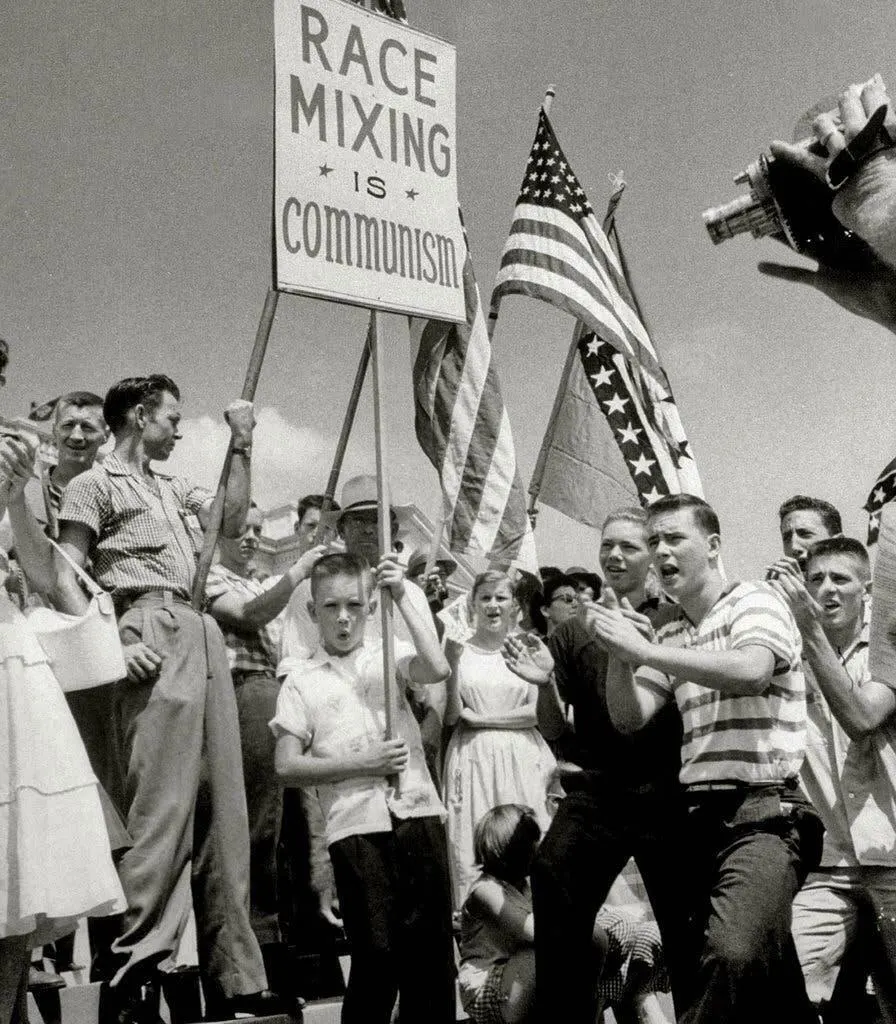
Pro-racism Protest
This picture preserves a moment few cameras ever caught — Pro-Racism Protest. Like the best archival images, it needs almost no explanation — the frame tells its own story.
Photography has only existed since 1839, which means the camera-recorded past is a narrow window — and every surviving frame from it is a small act of preservation, whether the photographer knew it or not.
News photographs from this period traveled by wire and print, and a single strong image could shape how millions of people understood an event. This picture is one of the frames that did that work.
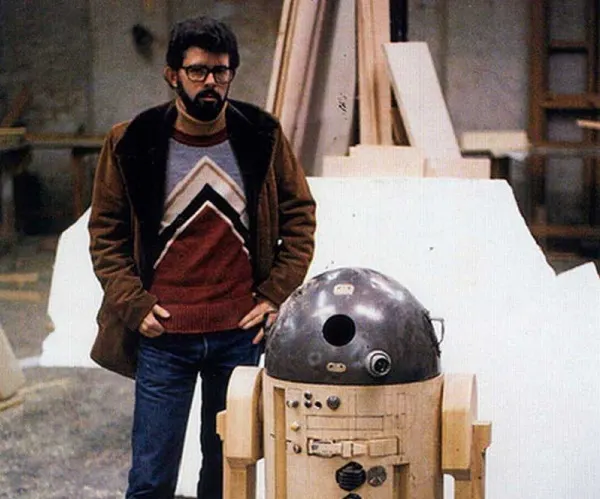
Lucas: Here’s Legendary Director George Lucas with an Early Version of R2-D2
This picture preserves a moment few cameras ever caught — Lucas: Here’s legendary director George Lucas with an early version of R2-D2. It is the kind of image that turns a line in a history book into something you can actually see.
Photography has only existed since 1839, which means the camera-recorded past is a narrow window — and every surviving frame from it is a small act of preservation, whether the photographer knew it or not.
What makes everyday photographs like this one compelling is the details at the edges: the clothes, the signs, the tools, the postures. They preserve texture that history books flatten out.
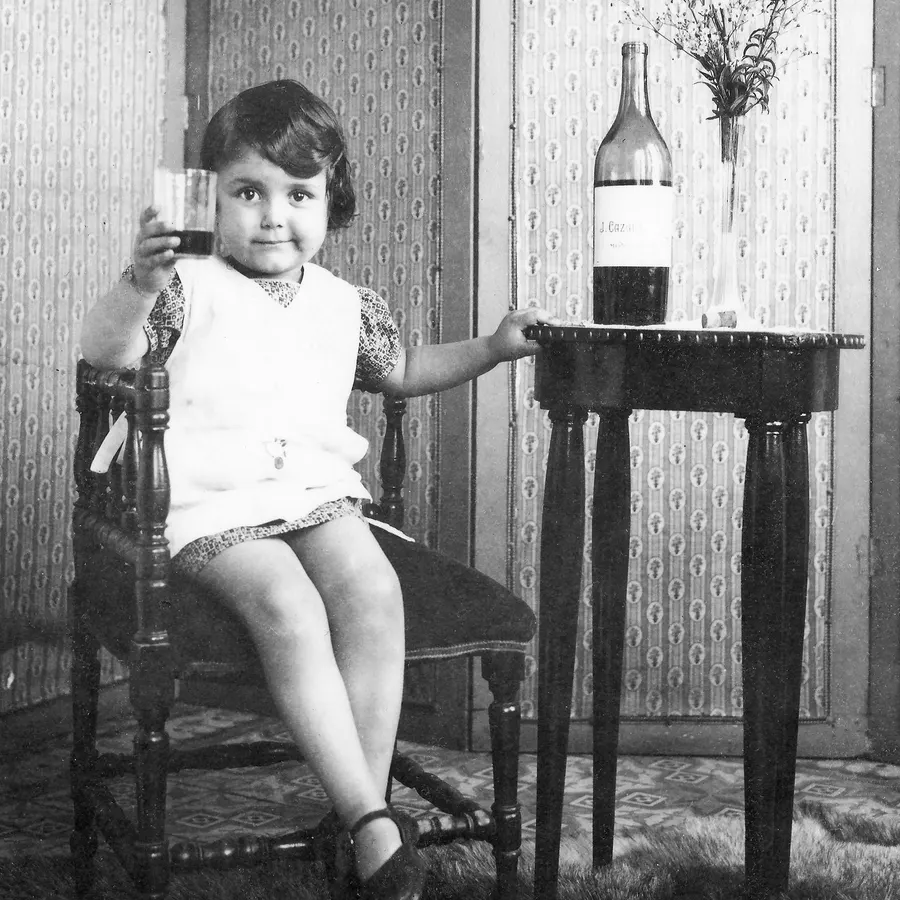
Until 1956, French Children Were Served Wine with their School Lunch
The photograph shows Until 1956, French Children Were Served Wine With Their School Lunch. Made in 1956, it is the kind of image that turns a date in a history book into something you can actually see.
The 1950s brought a wave of postwar prosperity, especially in North America. Suburbs, television sets, big chrome-trimmed cars, and rock and roll defined the decade, and a booming picture-magazine industry sent photographers to document all of it.
Pictures of ordinary life are some of the most valuable historical documents we have. Grand events were always going to be recorded, but a normal day — how people worked, dressed, shopped, and passed the time — survives only when someone happened to point a camera at it.
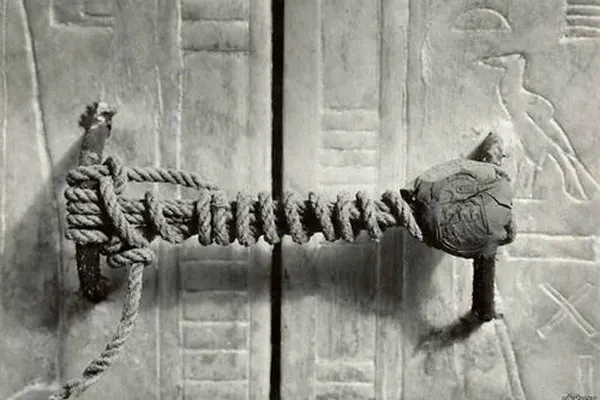
This Is the Unbroken Seal on Tutankhamun’s (AKA King Tut’s) Tomb in Egypt
This picture preserves a moment few cameras ever caught — Tut’s Tomb: This is the unbroken seal on Tutankhamun’s (AKA King Tut’s) tomb in Egypt. It is the kind of image that turns a line in a history book into something you can actually see.
Photography has only existed since 1839, which means the camera-recorded past is a narrow window — and every surviving frame from it is a small act of preservation, whether the photographer knew it or not.
News photographs from this period traveled by wire and print, and a single strong image could shape how millions of people understood an event. This picture is one of the frames that did that work.
Featured galleries