15 Beautiful Beaches Across the United States
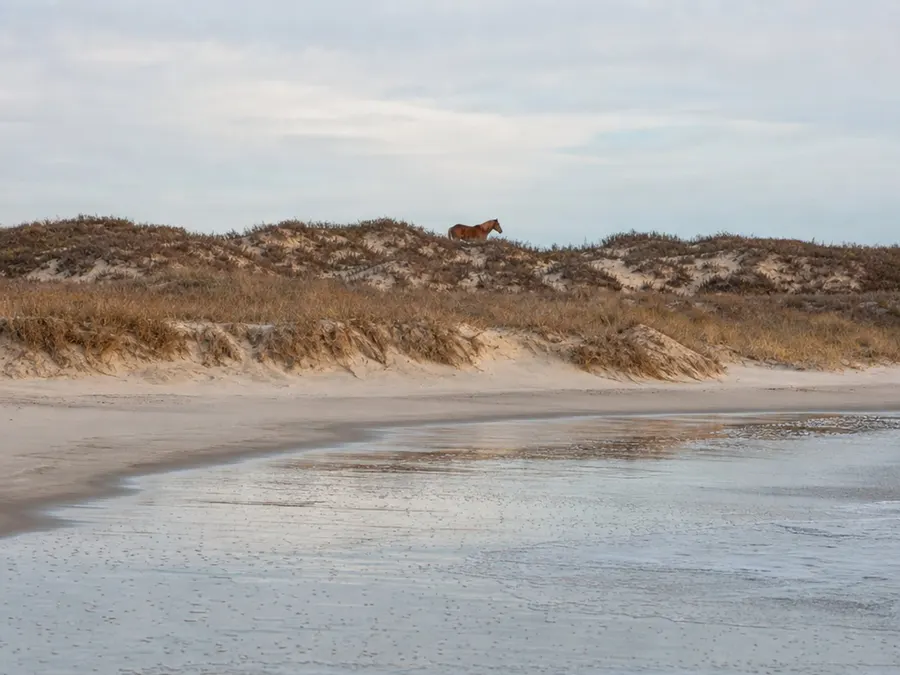
Assateague Island National Seashore, Maryland and Virginia
Assateague offers ocean beach, marsh, and opportunities to observe wild horses from a safe distance. The animals are not props or pets; feeding or approaching them changes behavior and can cause injury. Secure food, respect campsites, and follow all posted distance rules.
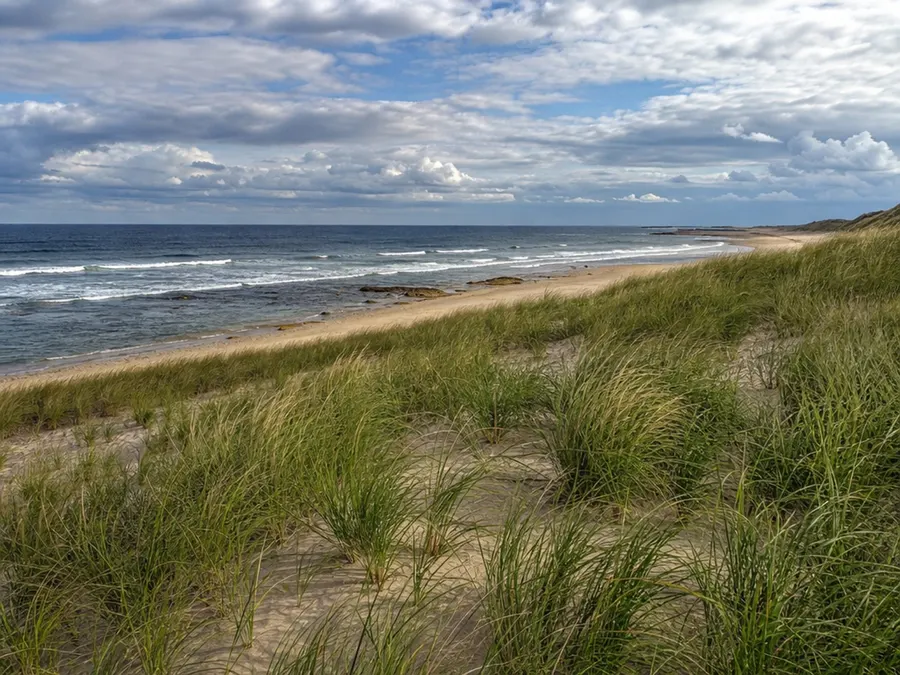
Cape Cod National Seashore, Massachusetts
Cape Cod's protected outer beaches combine high dunes, historic structures, walking routes, and powerful Atlantic water. Great white sharks and seals are part of the ecosystem, while rip currents remain a more routine hazard. Use lifeguarded areas and follow current beach advisories.
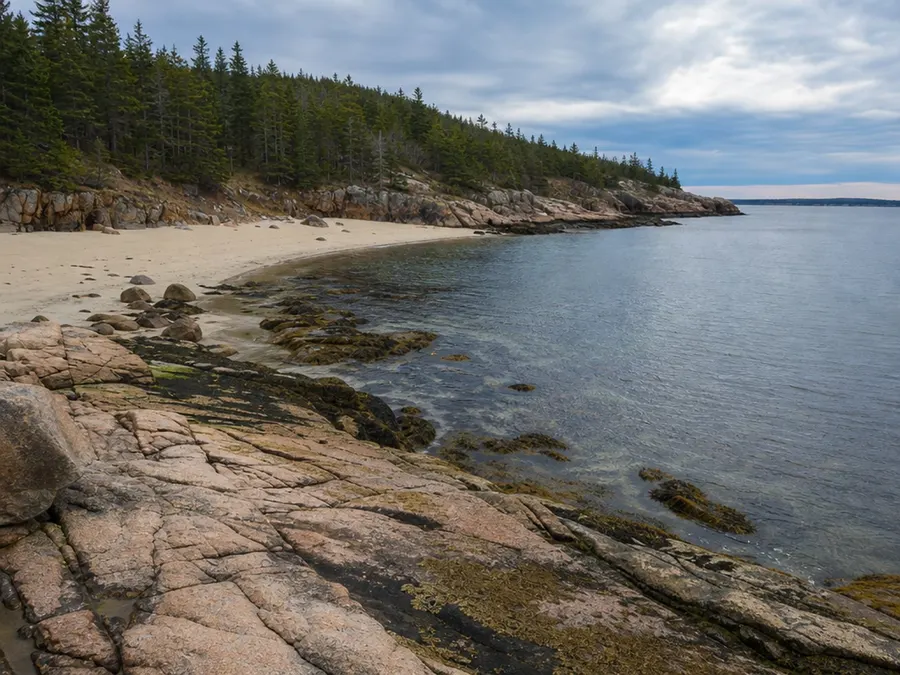
Sand Beach, Acadia National Park, Maine
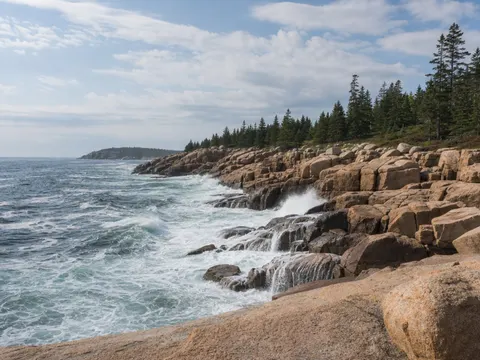
Mountains and rocky headlands frame this compact sand-and-shell-fragment beach. Ocean temperatures remain cold even when summer air feels comfortable. Parking and shuttle conditions can shape the visit, so consult park alerts and treat swimming as an activity requiring realistic cold-water judgment.
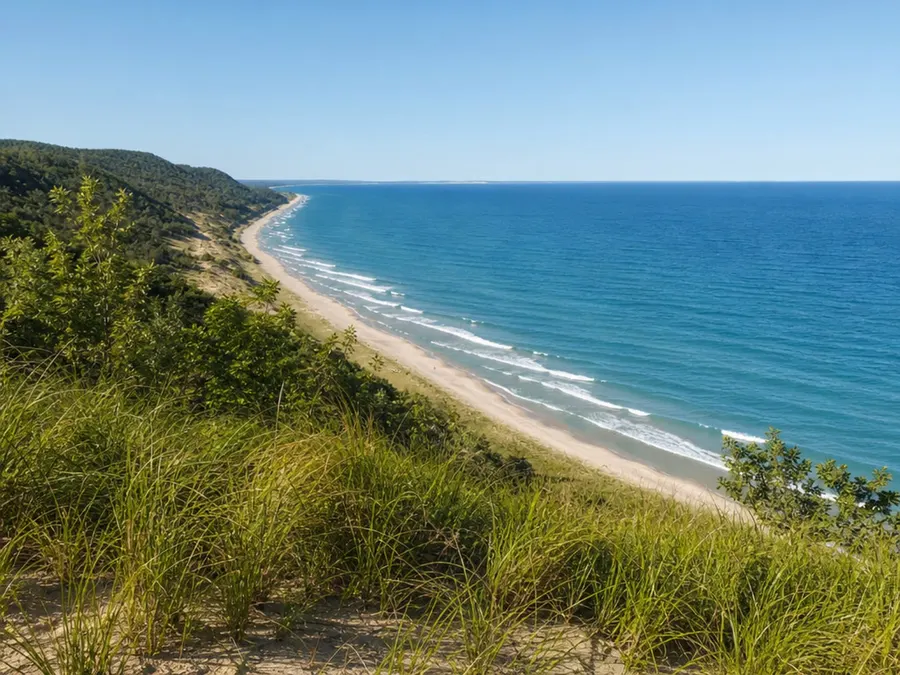
Sleeping Bear Dunes National Lakeshore, Michigan
Lake Michigan looks oceanlike from Sleeping Bear's enormous dunes, but the landscape brings its own risks. Descending steep slopes can leave visitors with a difficult climb back. Choose designated beach access, carry water, and obey warnings instead of treating every overlook as a route.
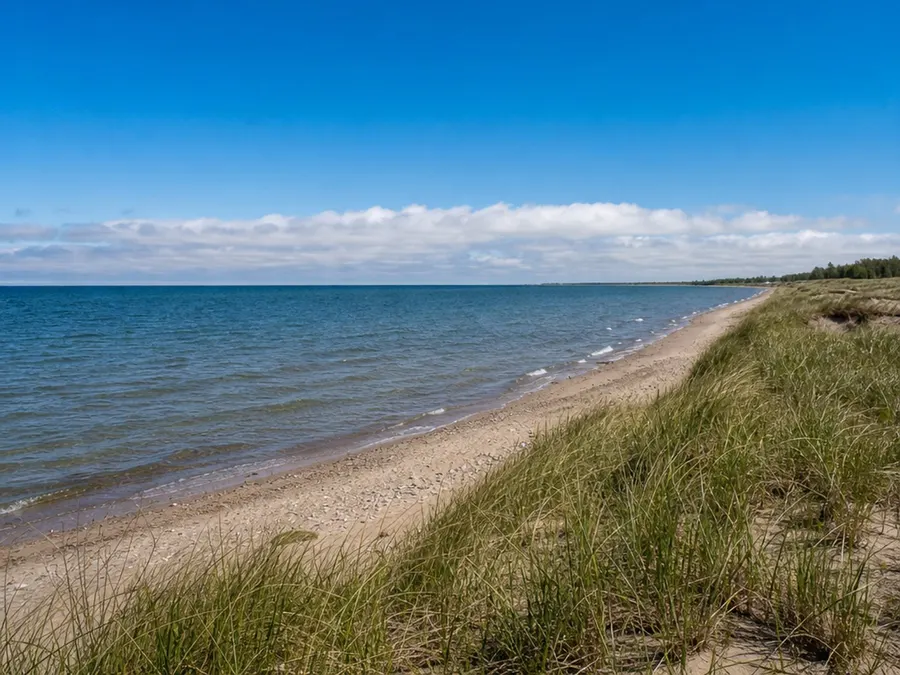
Indiana Dunes National Park, Indiana
Indiana Dunes mixes Lake Michigan beaches with prairie, wetland, and forest close to a major metropolitan region. Currents, waves, and weather can still be hazardous on a lake. Check swim-risk information, use marked paths, and avoid trampling restoration zones along the dunes.
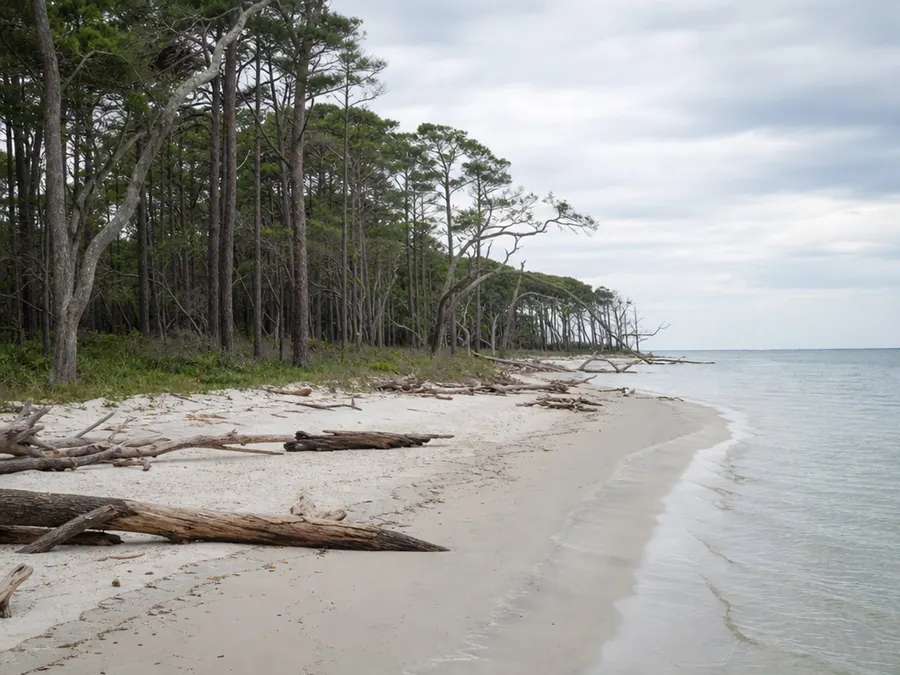
Cumberland Island National Seashore, Georgia
Cumberland Island pairs undeveloped Atlantic beach with maritime forest, marsh, historic sites, and managed wildlife. Reaching it requires ferry planning, and services are limited. Carry supplies responsibly, keep distance from horses, and understand camping, bicycle, and reservation rules before departure.
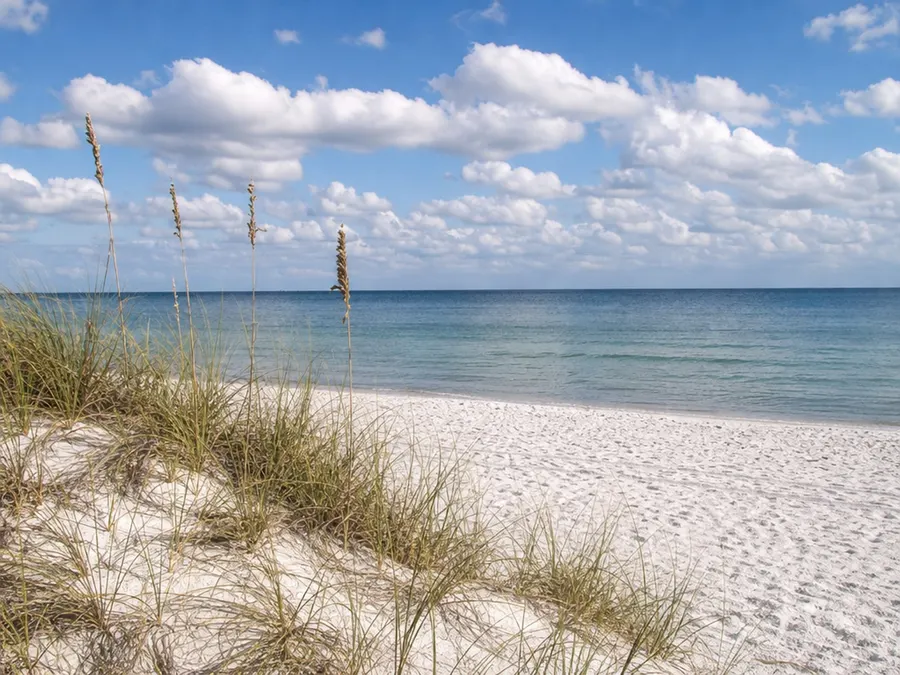
Gulf Islands National Seashore, Florida and Mississippi
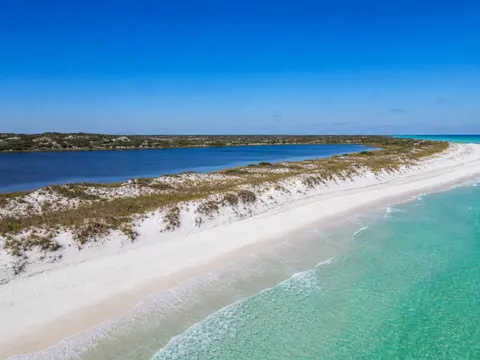
Bright sand and Gulf water stretch across multiple units rather than one single beach. Hurricanes and restoration projects can change roads, facilities, and ferry service. Select the specific island or district first, then check that unit's alerts, weather, rip-current outlook, and protection rules.
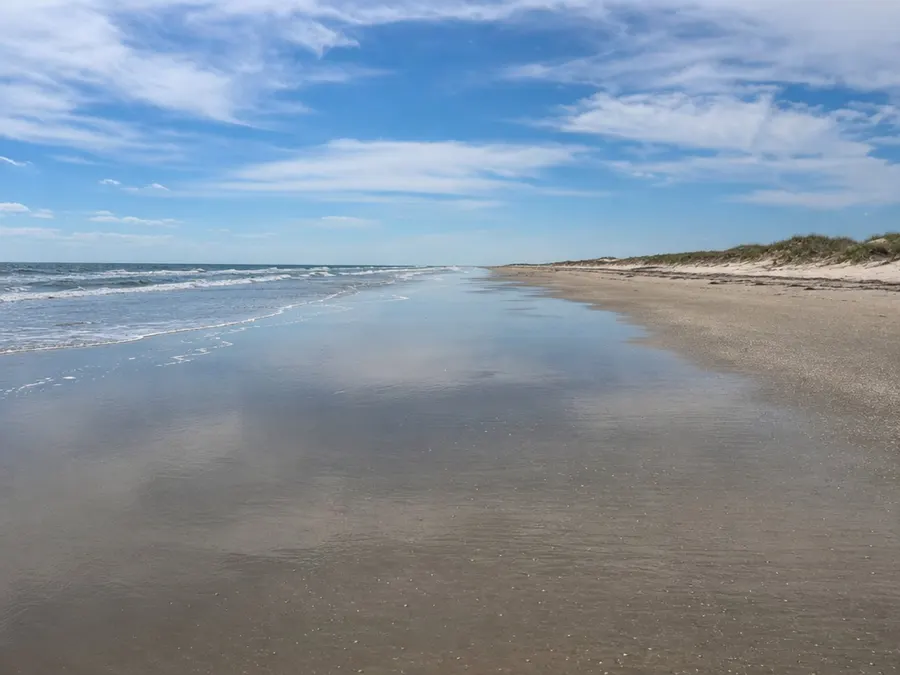
Padre Island National Seashore, Texas
Padre Island protects a long barrier-island shoreline and important sea-turtle nesting habitat. Remote driving conditions, soft sand, heat, tides, and lack of cell coverage can matter quickly. Obtain current road information, carry emergency supplies, and never disturb marked nests or released hatchlings.

Ruby Beach, Olympic National Park, Washington
Sea stacks, driftwood, mist, and dark Pacific sand create Ruby Beach's moody character. It is best approached as a tide-aware walking and viewing destination. Avoid climbing wet logs, never turn your back on surf, and time coastal exploration with official tide guidance.

Point Reyes National Seashore, California
Point Reyes offers long beaches, headlands, wildlife, and famously changeable coastal weather. Some shores carry strong surf and cliff hazards, while seasonal wildlife closures protect sensitive areas. Check NPS beach-specific guidance and choose a route that fits current conditions.
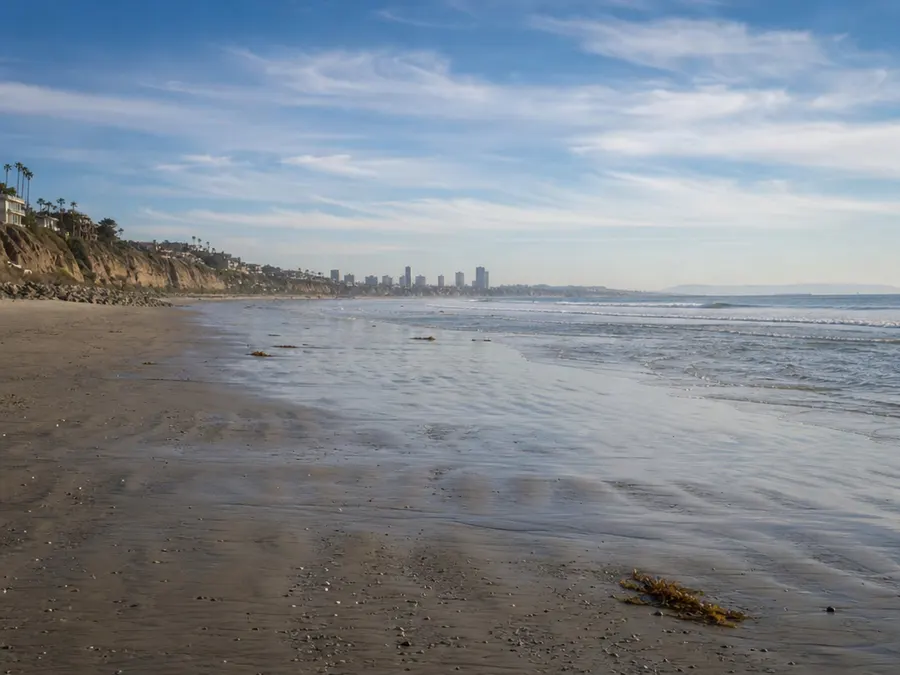
Coronado Beach, California
Coronado's broad urban shoreline offers a different experience from remote national seashores: easier services, a long walking route, and views across San Diego's coastal setting. Seasonal water-quality advisories can matter, so consult county information and respect lifeguard flags and designated zones.
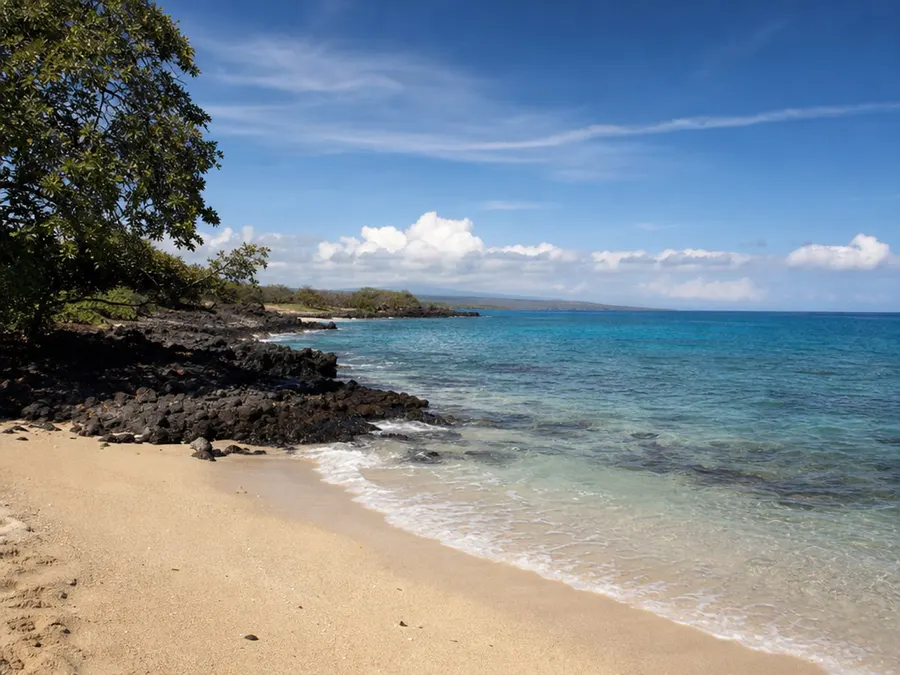
Hāpuna Beach State Recreation Area, Hawaiʻi
Hāpuna's white sand and Kohala Coast setting make it a popular Hawaiʻi Island stop. Surf changes seasonally, and exposed heat can be intense. Check state-park notices, follow lifeguards, use reef-conscious habits, and learn the meaning of Hawaiian place names rather than treating the landscape as scenery alone.
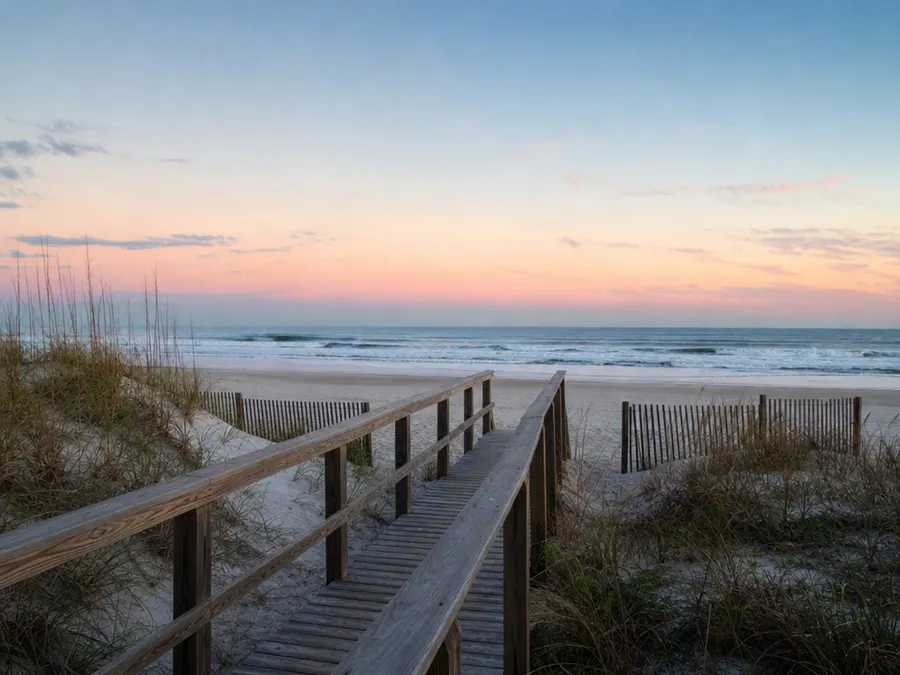
Gulf State Park Beach, Alabama
Gulf State Park provides a broad Gulf beach alongside trails, dunes, and education facilities. Its accessibility and amenities do not remove hazards from surf, heat, lightning, or wildlife. Use the beach-flag system, protect dune vegetation, and review current park advisories.
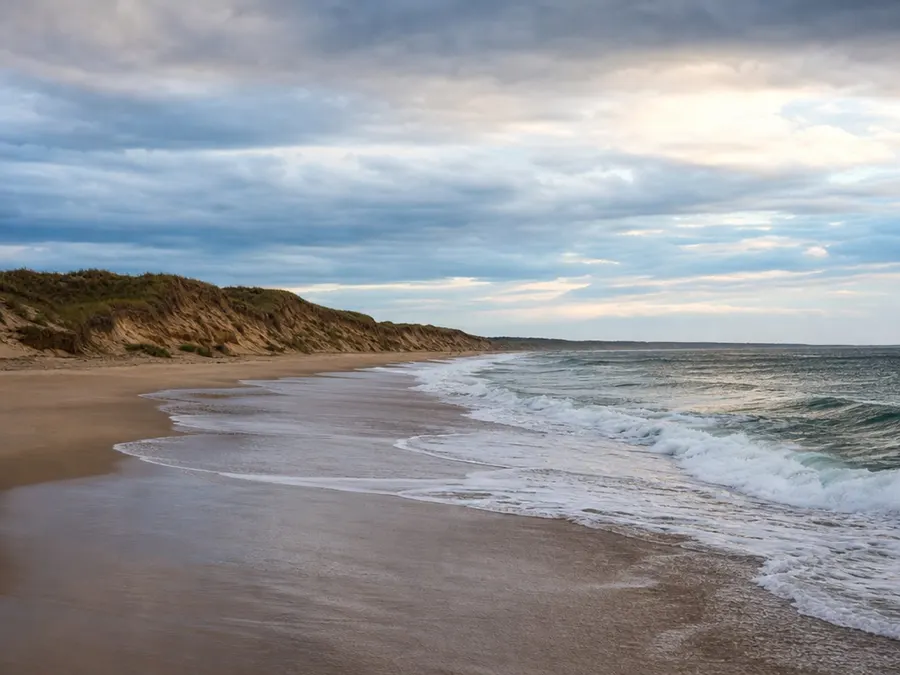
Coast Guard Beach, Massachusetts
Part of Cape Cod National Seashore, Coast Guard Beach earns its own mention for expansive views and seasonal access logistics. Shuttle rules and parking restrictions can matter as much as the weather. Follow lifeguards, observe wildlife from shore, and plan the return before walking far.
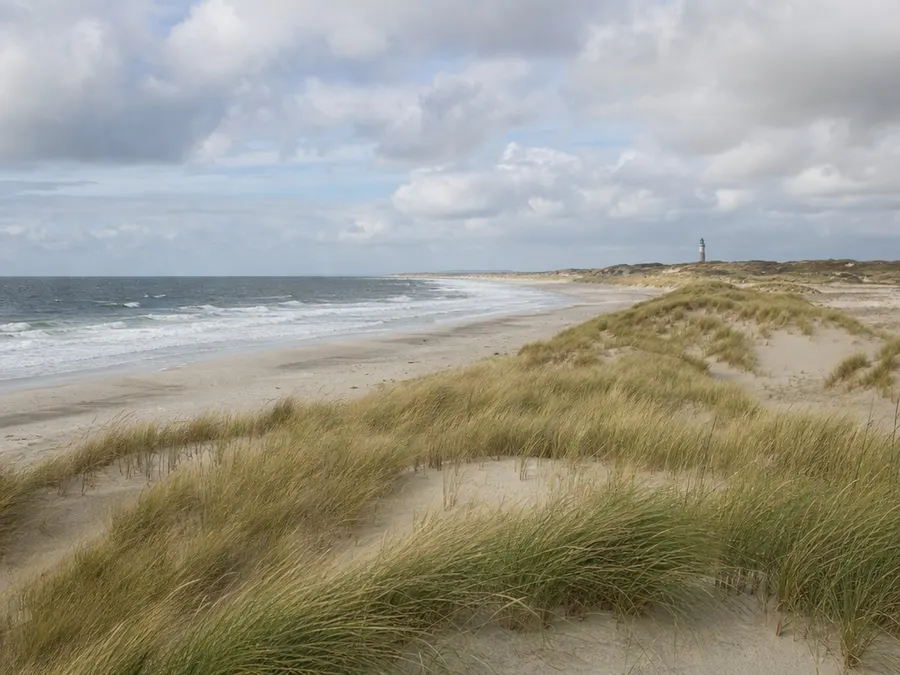
Cape Hatteras National Seashore, North Carolina
Barrier islands, lighthouses, surf, and wide Atlantic horizons define Cape Hatteras. The shoreline is dynamic, so storms, nesting birds, sea turtles, and overwash can alter access. Review National Park Service alerts and off-road vehicle rules before assuming a favorite stretch will be reachable.
Featured galleries