15 Animals That Can Pose Serious Human Health Risks
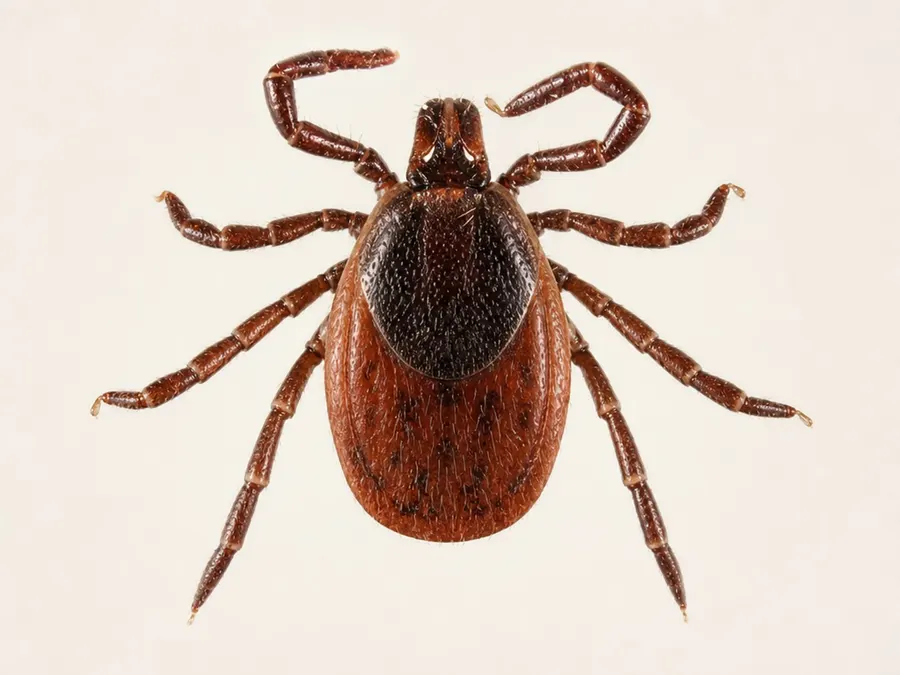
Ticks: attached disease vectors
Ticks can transmit Lyme disease, Rocky Mountain spotted fever, and other illnesses, with risks varying geographically. Use repellent, protective clothing, tick checks, prompt proper removal, and local symptom guidance. A tick's appearance alone may not provide a safe diagnosis.
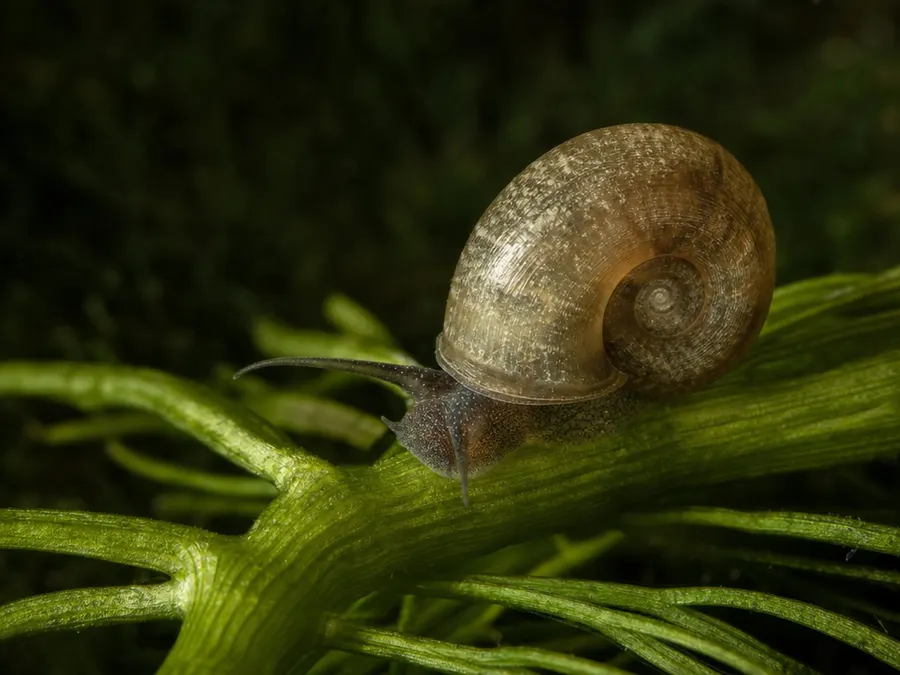
Freshwater Snails: part of schistosomiasis transmission
Certain freshwater snails host parasites involved in schistosomiasis transmission; the snail does not chase or bite people. Infection risk comes from contact with contaminated freshwater in endemic areas. Travelers and residents should follow WHO and local health advice on safe water contact.
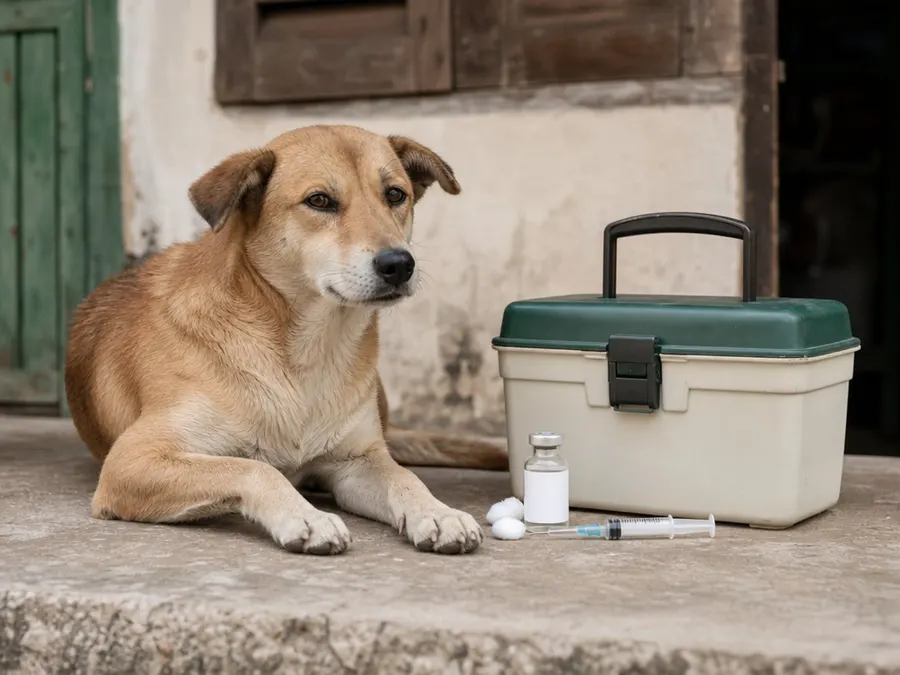
Dogs: rabies prevention and bite safety
Dogs are companions, not a universally dangerous category, yet unvaccinated dog bites drive human rabies transmission in many countries. Vaccinating dogs, avoiding unknown animals, supervising children, and seeking immediate wound care and post-exposure advice prevent deaths. Do not wait for symptoms.
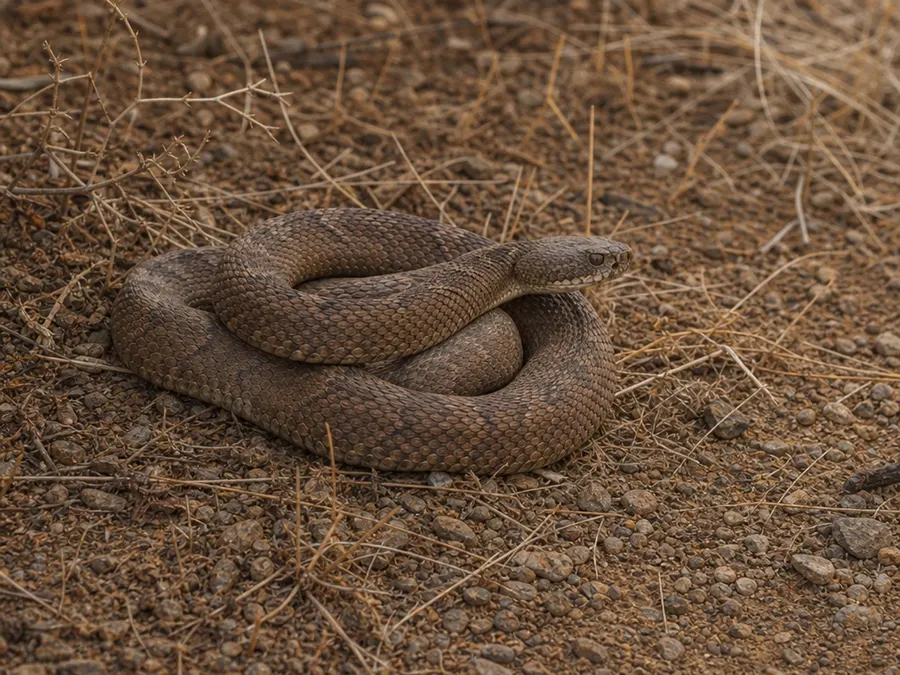
Venomous Snakes: bite and envenoming
Snakebite envenoming is a major health burden in parts of Africa, Asia, and Latin America. Prevention includes footwear, lighting, safe food storage that reduces rodents, and trained handling. After a bite, immobilize, seek urgent medical care, and avoid cutting, sucking, or tourniquets.
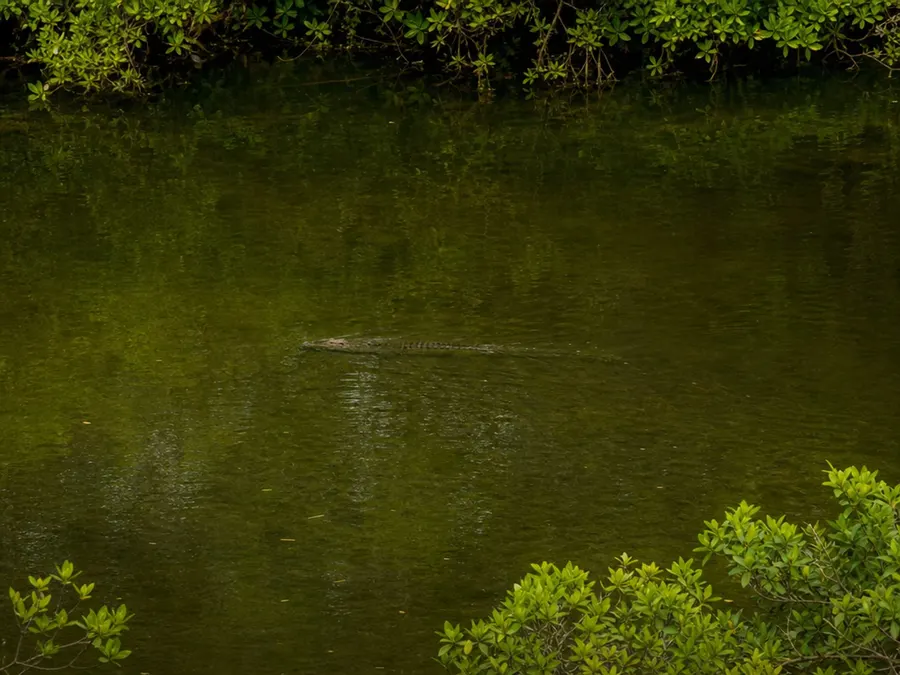
Crocodilians: ambush-zone risk
Crocodiles and alligators can be dangerous near shorelines, crossings, and feeding areas. Risk reduction is local: obey closures, keep back from water edges, supervise children and pets, never feed animals, and use guides. Population recovery and public safety can coexist through rules.
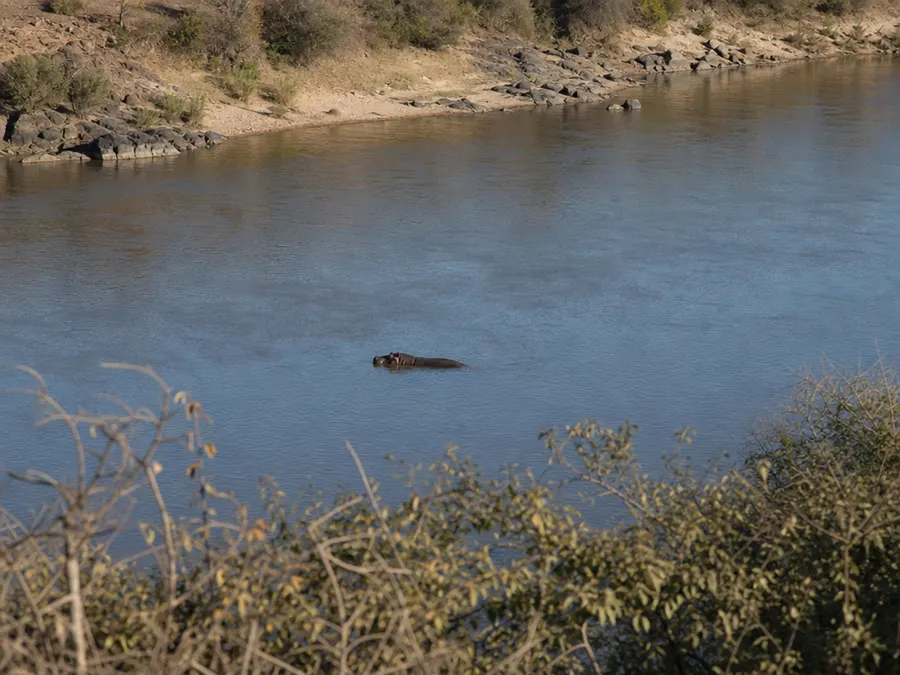
Hippopotamuses: territorial water encounters
Hippos are large, fast, and defensive around water and travel routes. Tourism risk rises when boats, vehicles, or people block their path or approach closely. Use experienced local guides, keep distance, never stand between a hippo and water, and avoid nighttime routes.
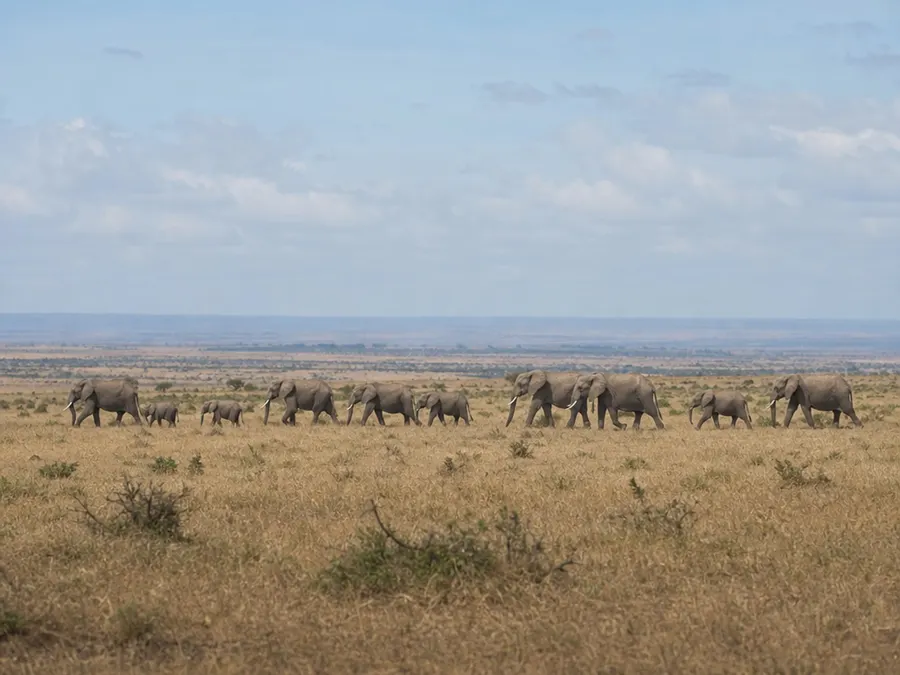
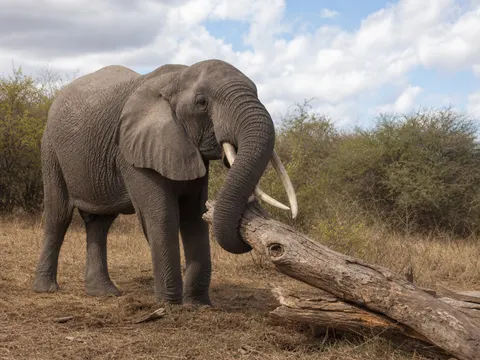
Elephants: space and route awareness
Elephants usually avoid conflict, but their size makes defensive or startled encounters severe. Keep official distances, never crowd a herd, do not block travel routes, and follow guides. Habitat fragmentation and crop conflict require community-led solutions rather than blaming animals.
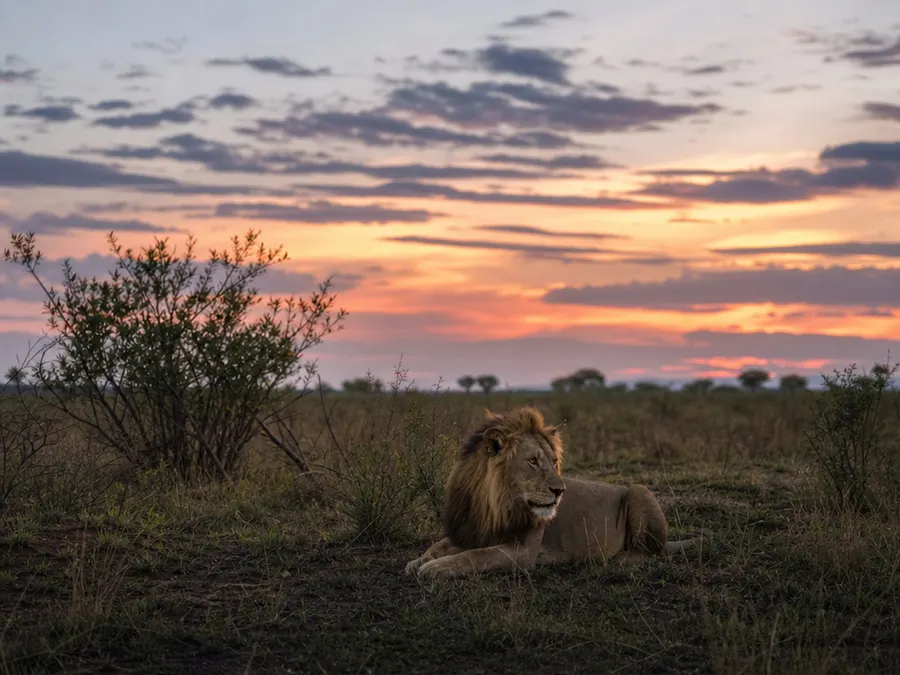
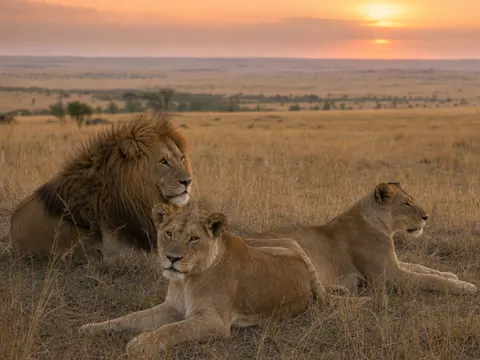
Lions and other big cats: rare predatory conflict
Serious big-cat attacks are uncommon for most visitors but can rise where habitat, prey, livestock, or human behavior bring cats close. Follow park rules, remain in vehicles where required, secure livestock with community-tested methods, and never run from or approach a wild cat.
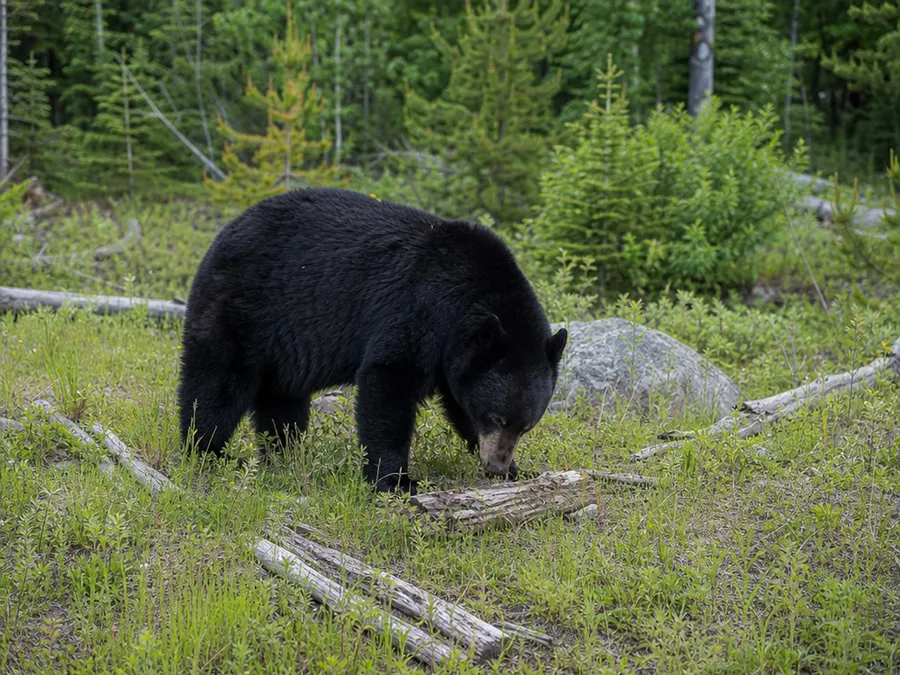
Bears: food-conditioned conflict
Bear risk varies by species and region, but food and surprise encounters are recurring themes. Store attractants properly, make appropriate noise, hike in groups where advised, carry bear spray where legal and recommended, and learn local response guidance before entering habitat.
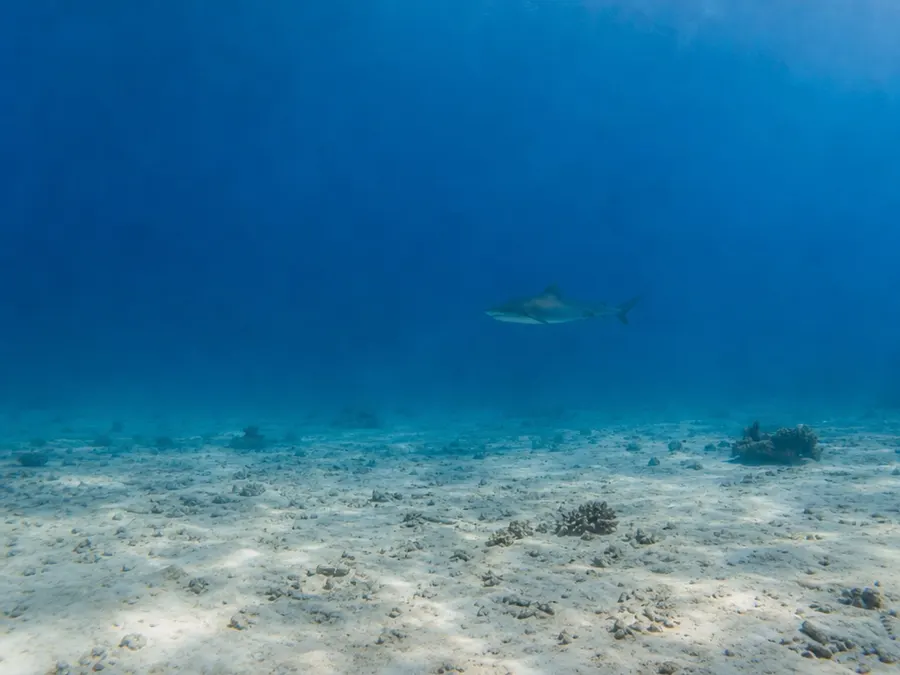
Sharks: low-probability ocean encounters
Shark bites are rare compared with everyday aquatic hazards, and many species face conservation threats. Reduce risk by following local advisories, avoiding fishing activity and bait schools, swimming with others in daylight, and leaving the water calmly when directed. Do not support culls.
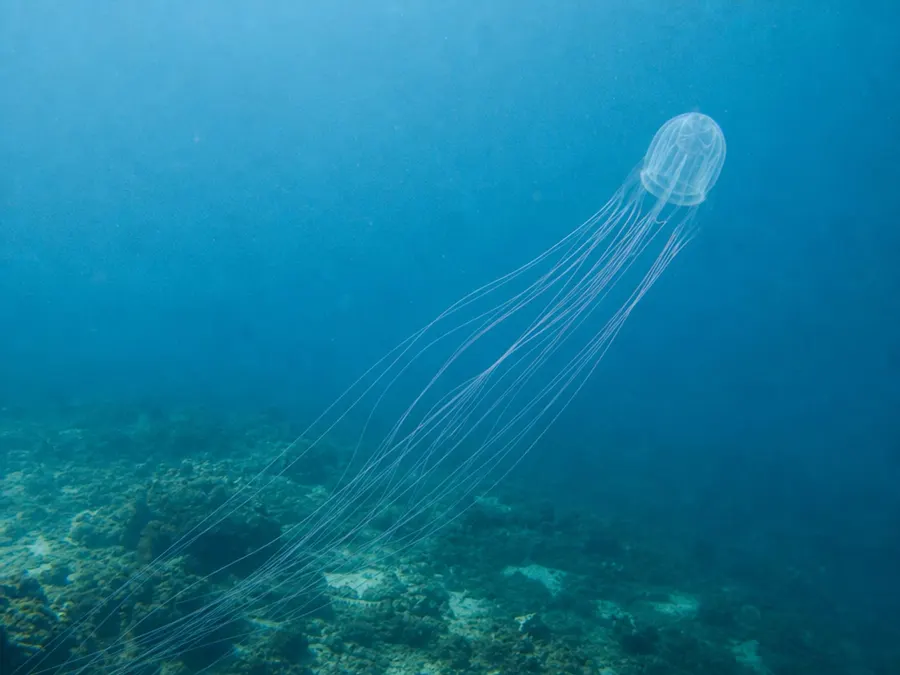
Box Jellyfish: regional marine stings
Some box jellyfish possess medically serious venom, particularly in tropical Indo-Pacific waters. Risk is seasonal and local. Heed beach closures, use protective suits where recommended, and follow regional first-aid instructions because treatment advice differs among jellyfish and jurisdictions.
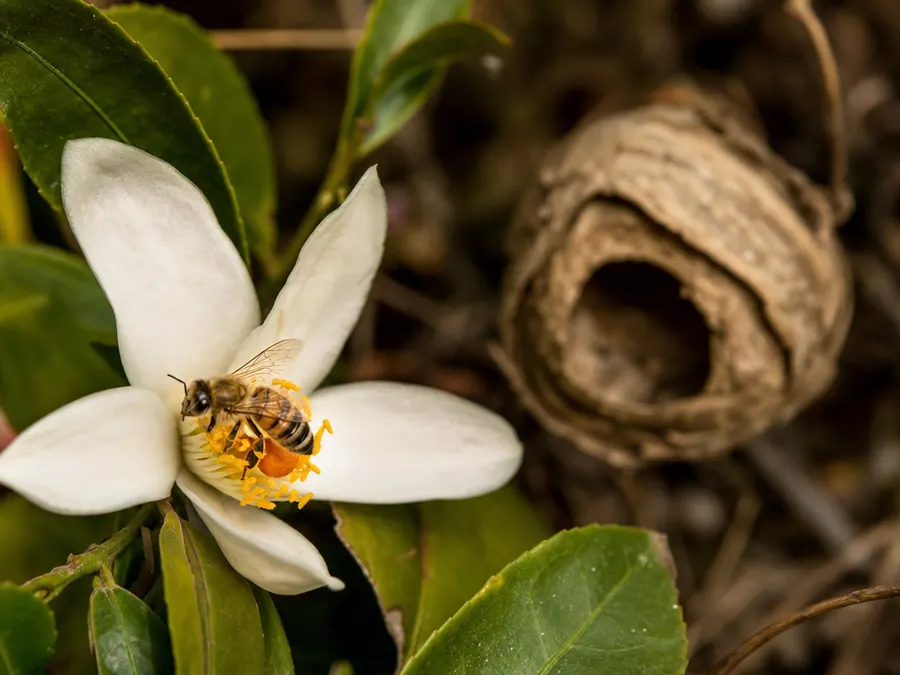
Bees and wasps: allergy and swarm risk
Most stings cause localized pain, but allergic reactions can become emergencies. Avoid disturbing nests, wear footwear outdoors, and seek emergency help for breathing difficulty or other anaphylaxis signs. People prescribed epinephrine should follow their clinician's action plan; pollinators remain ecologically essential.
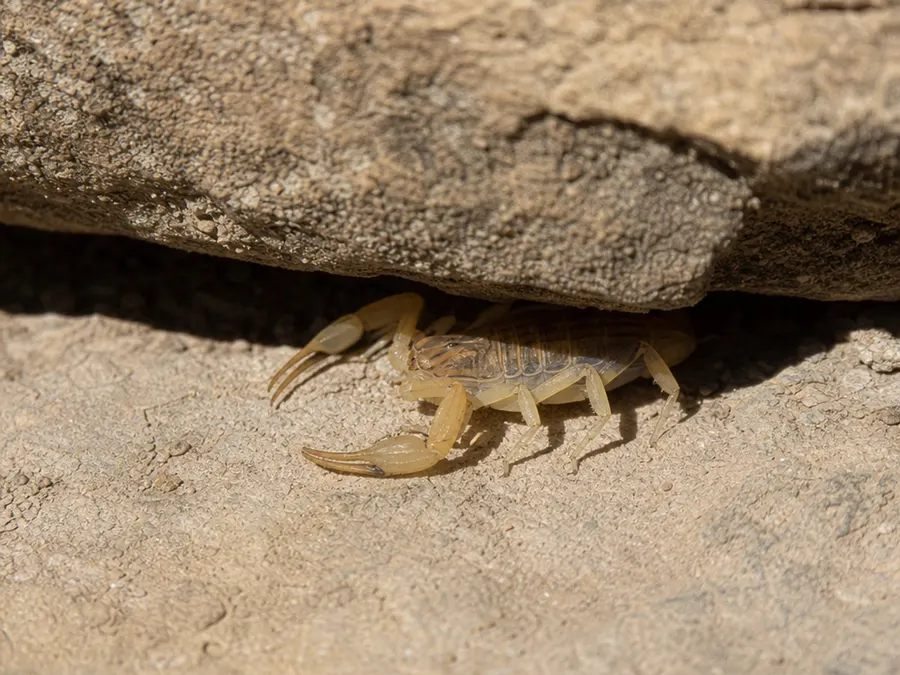
Scorpions: venom and household exposure
Most scorpion stings are painful rather than fatal, but some species and exposures require urgent care, especially for children. Shake out footwear, seal gaps, use gloves when moving debris, and contact local poison control. Never identify treatment from an online photograph alone.
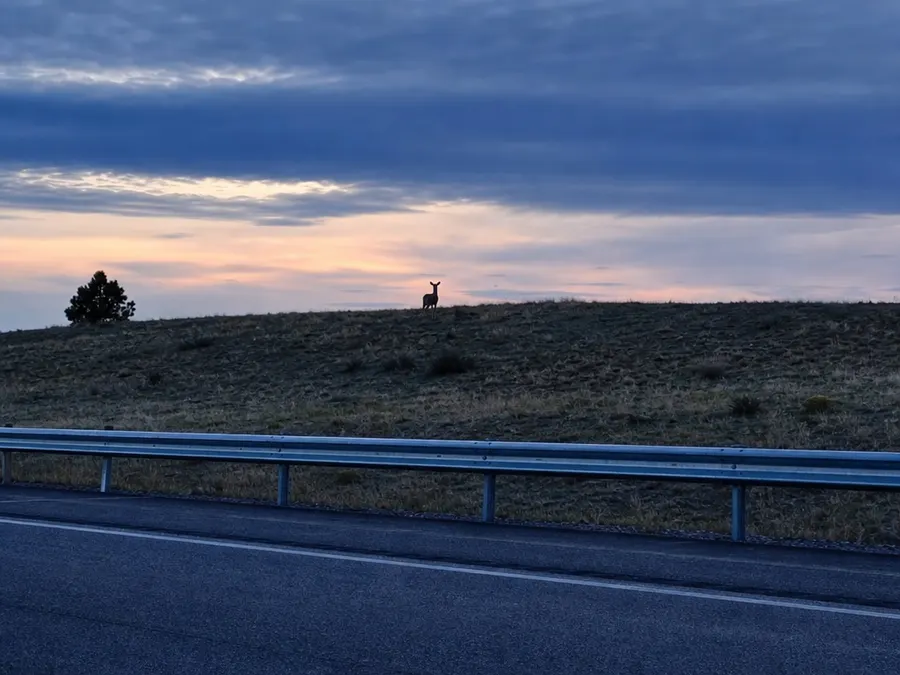
Deer and other large road-crossing wildlife
Vehicle collisions make familiar hoofed animals a serious transportation risk without making them aggressive villains. Slow in signed corridors, scan shoulders around dawn and dusk, use high beams when appropriate, and brake while staying in lane when possible. Report injured wildlife safely.
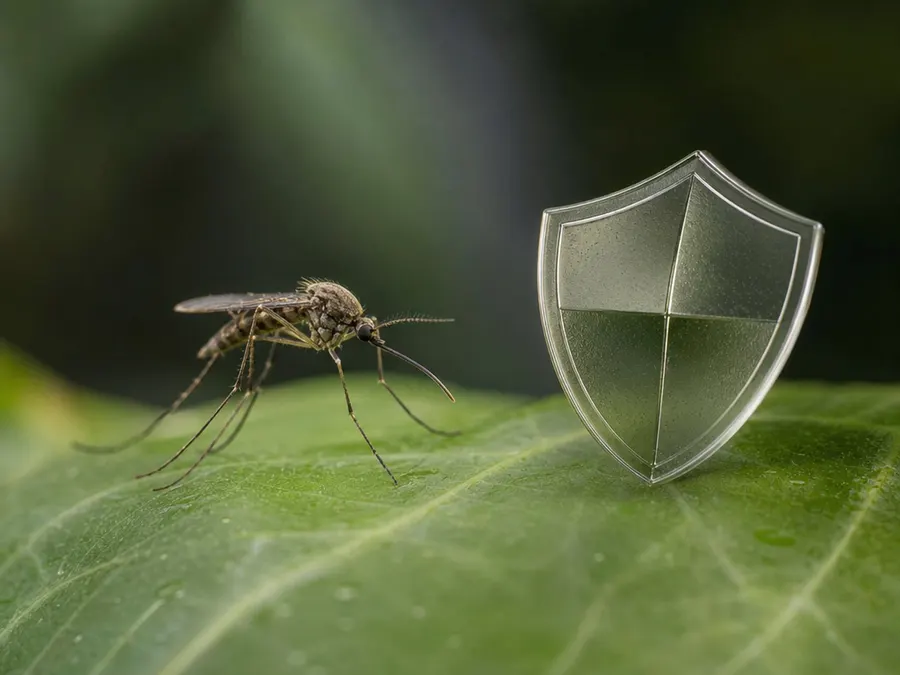
Mosquitoes: disease vectors
Mosquitoes can transmit malaria, dengue, yellow fever, West Nile virus, and other pathogens depending on region and species. Risk reduction includes removing standing water, using recommended repellent and barriers, vaccination where available, and following local public-health guidance—not indiscriminate ecosystem damage.
Featured galleries