15 Abraham Lincoln Quotes With Their Historical Context
The Ground Already Consecrated
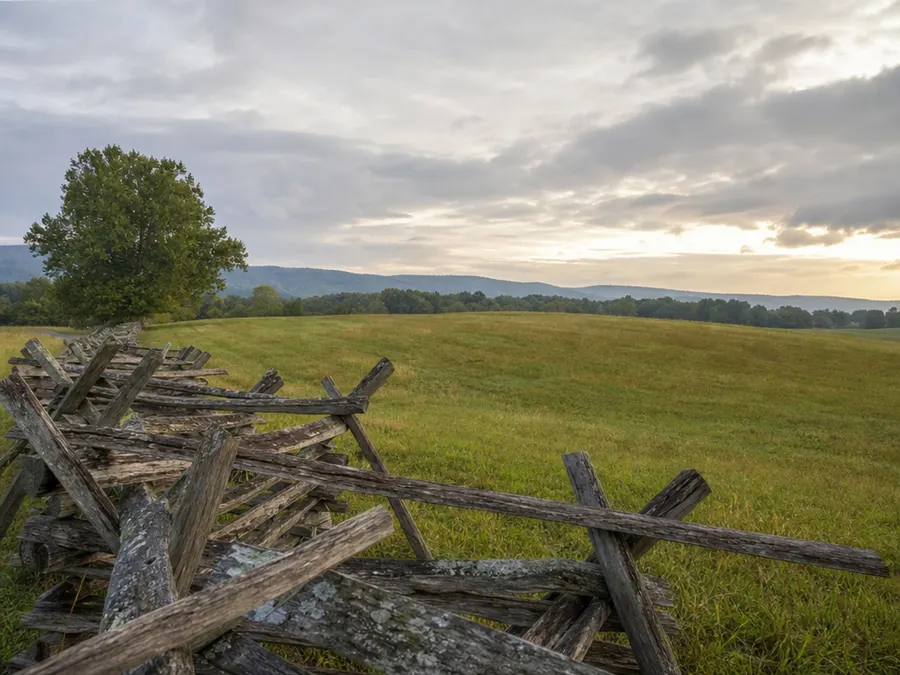
At Gettysburg, Lincoln redirected attention from what speakers could declare to what the dead and living had already done. This is a deliberately short contiguous excerpt from the Nicolay copy, preserving the terminal em dash before the source continues with the next sentence. Its spelling and punctuation differ in places from other surviving copies.
Government That Shall Endure
The address closes by linking Union victory to democratic self-government. This slide uses the Nicolay-copy transcription and preserves its lack of commas between the three repeated phrases.

Two Paths to War
In his Second Inaugural Address, Lincoln contrasted secessionists' choice with the Union's response. The sentence came after his observation that neither side initially expected the conflict's scale or duration.

Malice Toward None
Delivered as the Civil War neared its end, the Second Inaugural did not frame victory as an invitation to revenge. Lincoln paired this phrase with a call to continue the work of reunion.

Bind Up the Nation's Wounds
Lincoln turned from diagnosis to duty near the end of the Second Inaugural. The surrounding passage expands that responsibility to veterans, widows, and orphans as well as a lasting peace.

Lincoln's Plain Moral Position
Lincoln wrote this to Kentucky editor Albert G. Hodges while explaining how his wartime actions related to his oath to preserve the Constitution. The letter records both his moral opposition to slavery and his account of executive constraints.

Events and Leadership
In the Hodges letter, Lincoln described policy as a sequence of decisions under changing military and political conditions. The line is not a claim of passivity; it introduces his explanation of how events altered what he considered necessary.
A Constitutional Dilemma
Lincoln posed this question while recounting his reasoning about wartime emancipation in the Hodges letter. It captures the conflict he described between preserving constitutional government and refusing measures he believed necessary to preserve the nation itself.

Friends, Not Enemies
Lincoln addressed people in the seceding states directly at the close of his First Inaugural. He had already said he did not intend to interfere with slavery where it existed, while rejecting the legal validity of secession.

The Better Angels
This famous fragment completes the First Inaugural's appeal to shared memory and affection. It was a plea made before fighting began, not a retrospective description of reconciliation after the war.
A People's Contest
Lincoln cast the rebellion as a test of whether a constitutional majority could maintain government against armed resistance. Library of Congress records expose an internal date-label conflict for this same second printed draft: the catalog title says May–June 1861 and its Created/Published field says May 1861, while the embedded LOC PDF transcription labels the draft June or July 1861. The exact draft date is therefore not presented as settled. July 4, 1861 is recorded separately as the congressional event date, not as a resolution of the artifact-date conflict.

An Unfettered Start
This second printed draft for the July 4 congressional message contrasts free labor's promise of advancement with systems that permanently fix people's status. Its exact draft date is not settled across Library of Congress surfaces: the catalog title says May–June 1861 and its Created/Published field says May 1861, while the embedded LOC PDF transcription says June or July 1861. Lincoln's opportunity argument is collated to that draft; July 4, 1861 remains a separate congressional event date.

A House Divided
Lincoln used the biblical phrase in accepting the Illinois Republican nomination for U.S. Senate. The cited transcription represents the speech text as preserved in a Chicago Press and Tribune newspaper clipping mounted in the Lincoln-Douglas Debates Scrapbook that Lincoln prepared; it is not labeled here as a speech manuscript. His next sentence applied the phrase to a country divided between slave and free states.
Why Kentucky Mattered
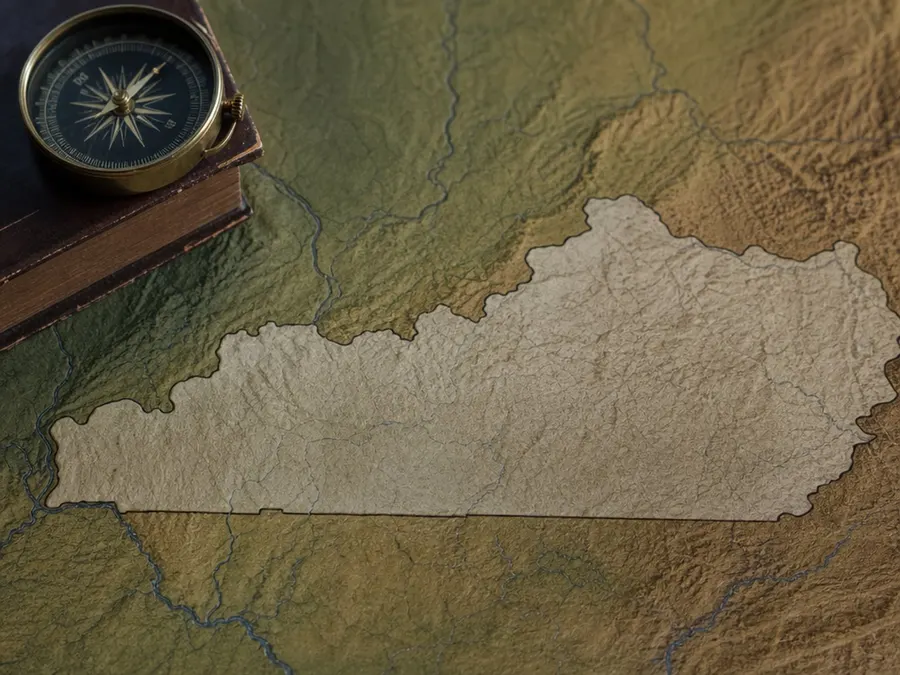
This wording is collated to Lincoln's retained copy in his own hand of a letter to Senator Orville H. Browning, written as Kentucky's neutrality and Union loyalty hung in the balance. The phrase describes the state's strategic importance in 1861; it is not a general maxim about competition or personal success.

A New Nation
Lincoln opened the Gettysburg Address by measuring the Civil War against the Declaration of Independence. This text follows the Library of Congress transcription of the Nicolay copy, one of five known manuscript copies in Lincoln's hand.
Featured galleries