12 Ways to Research Rural Women's History Without Stereotypes

Prioritize Women's Own Words
To capture authentic personal experiences, researchers can seek out primary documents written by rural women and families. The USDA History Collection's Historical Manuscripts series contains diaries, letters, and scrapbooks dating from 1785 to 1922. Additionally, the collection's audio, video, and oral history materials cover 1942 to 1995, preserving firsthand oral perspectives. Utilizing these unique personal records helps bypass administrative summaries to reveal unvarnished daily lives.
Document Agricultural and Household Labor
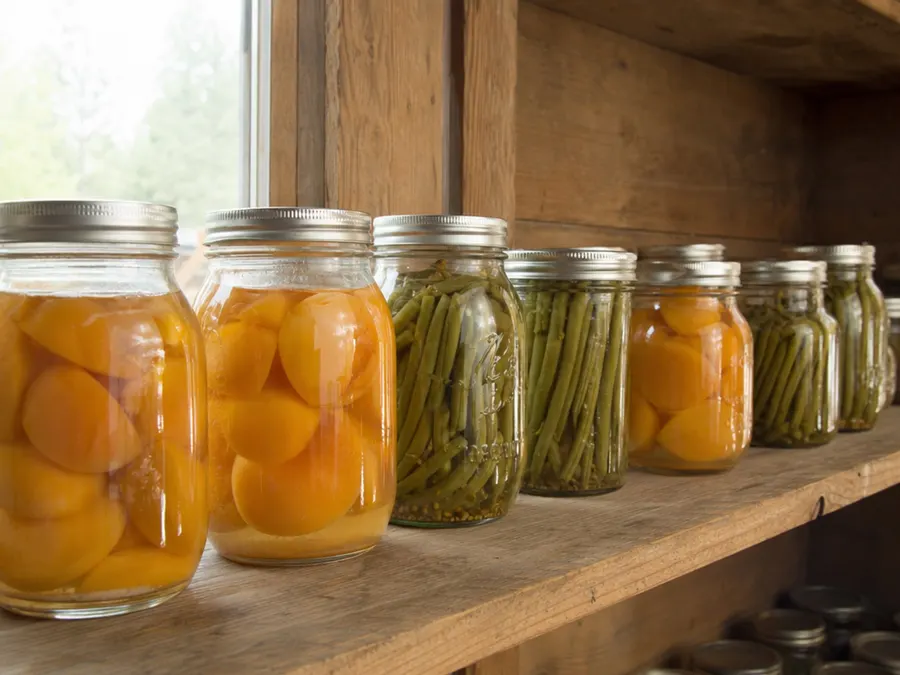
Rural women's historical work bridged the gap between agricultural production and domestic management. Home demonstration agents shared research on nutrition, low-cost meal preparation, and housekeeping to support farm families. Archival files, such as those from Oscar Herman Benson, document specific historical concerns like botulism outbreaks and home canning safety. Analyzing these records demonstrates how tasks like food preservation were vital to both the household and the local economy.
Analyze Paid and Unpaid Work
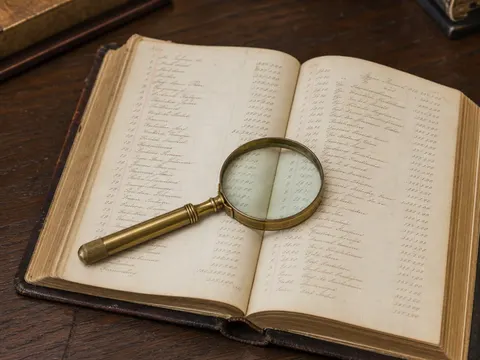
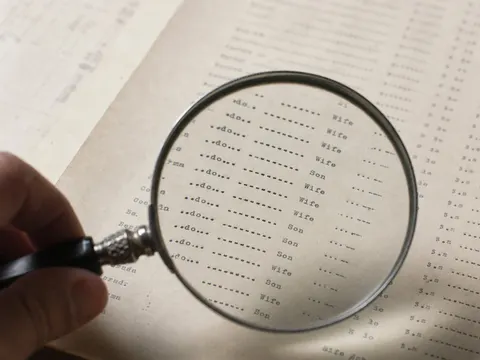
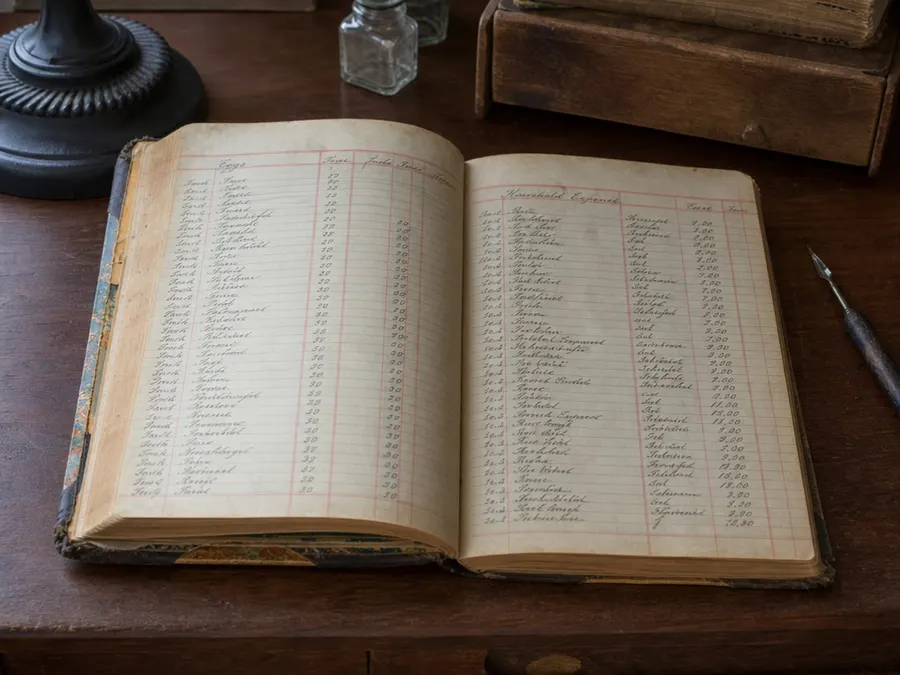
Many rural women managed complex farm accounts and engaged in both market-oriented and subsistence labor. Researchers can find evidence of these economic contributions in late 18th to early 20th-century account books, ledgers, and diaries preserved in historical collections. These primary source documents help reconstruct the financial realities of agricultural households. They reveal active economic participation that official administrative summaries might otherwise overlook.
Utilize Extension and 4-H Records
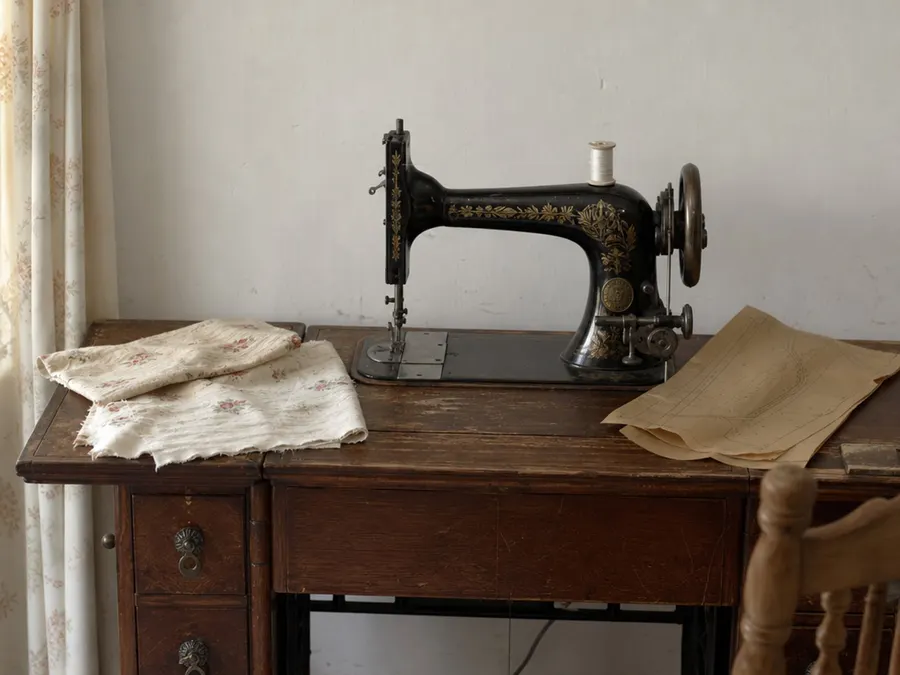
Archival collections dedicated to the Extension Service and youth development are invaluable for tracing the education of rural girls. For instance, Gertrude Warren was appointed by the USDA in 1917 to lead canning programs for girls, promoting sewing, cooking, and school hot lunches. Warren also became the first to use the term "4-H Clubs" in a 1918 federal document. These historical program records show how national initiatives directly shaped the daily skills and roles of young rural women.

Examine Land and Business Roles
To understand rural women as active economic agents, researchers should examine legal frameworks alongside business records. The USDA History Collection contains agency memoranda dating back to 1897, which provide the legal basis for administrative actions affecting agricultural communities. Historical account books, diaries, and ledgers in the collection also document the daily management of agricultural enterprises. Examining these resources clarifies the shifting legal and financial environments women navigated over time.
Explore Community Organizations
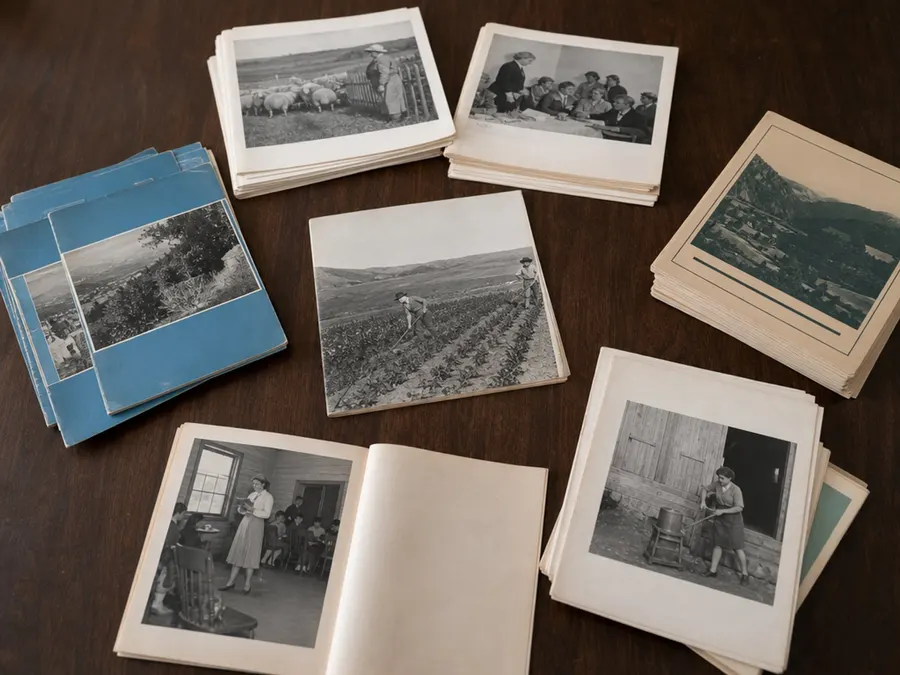
Rural women built powerful social and economic networks through community and lobbying organizations. The USDA History Collection preserves newsletters from national groups like the National Grange, the American Farm Bureau Federation, and the National Farmers Union. Additionally, researchers can study the history of the National Association of Extension Home Economists to see how professional and community leaders organized. These records reveal how collective action was used to address rural development and agricultural policy.
Address Race and Class Realities
Researching rural women requires careful attention to diverse socioeconomic backgrounds rather than treating them as a single group. Collections like the USDA History Collection contain research materials on topics such as migrant labor, rural development, and other sociological aspects of agriculture. These files help historians examine how different economic situations and labor systems affected women's daily lives. By exploring these diverse records, researchers can build a more complete and nuanced picture of rural communities.
Map Regional Labor Differences
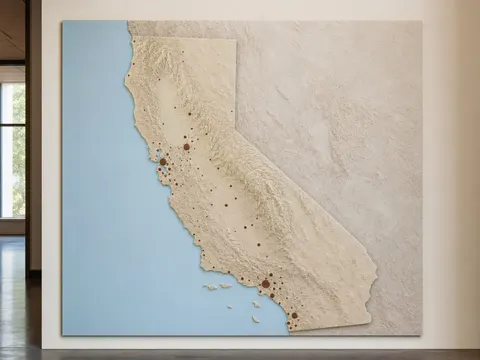
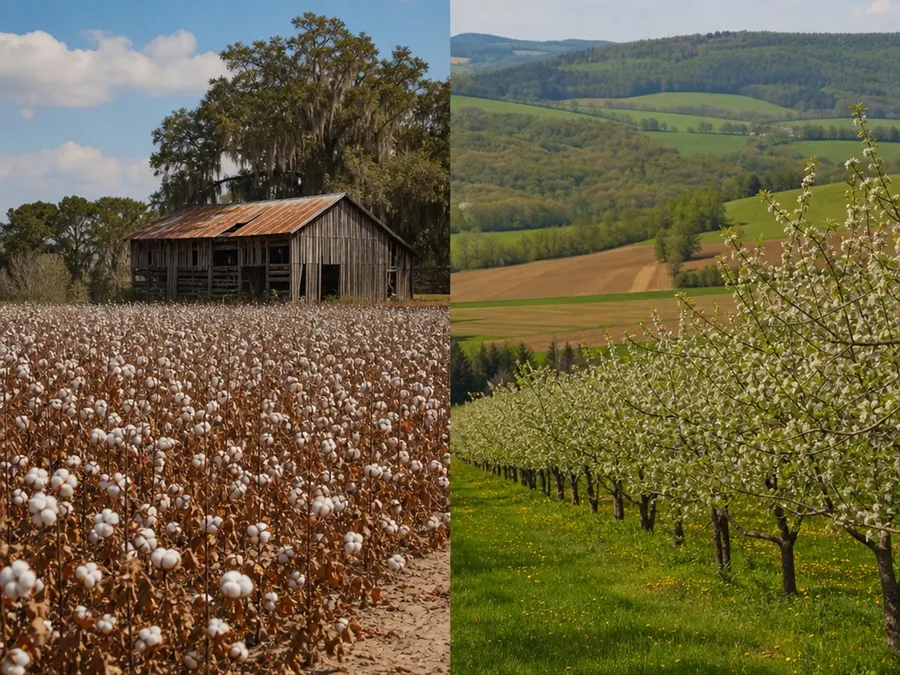
Regional geography and local agricultural crises dictated the structure of rural outreach and labor. For example, cooperative extension work began in the South under Seaman Knapp to address the Mexican boll weevil crisis in 1904. Meanwhile, federal efforts to expand youth club work in the North and West were initiated in 1912 under Oscar H. Benson. Understanding these distinct regional origins helps researchers contextualize the unique economic and educational programs available to rural women in different parts of the country.
Navigate Catalog Identifiers
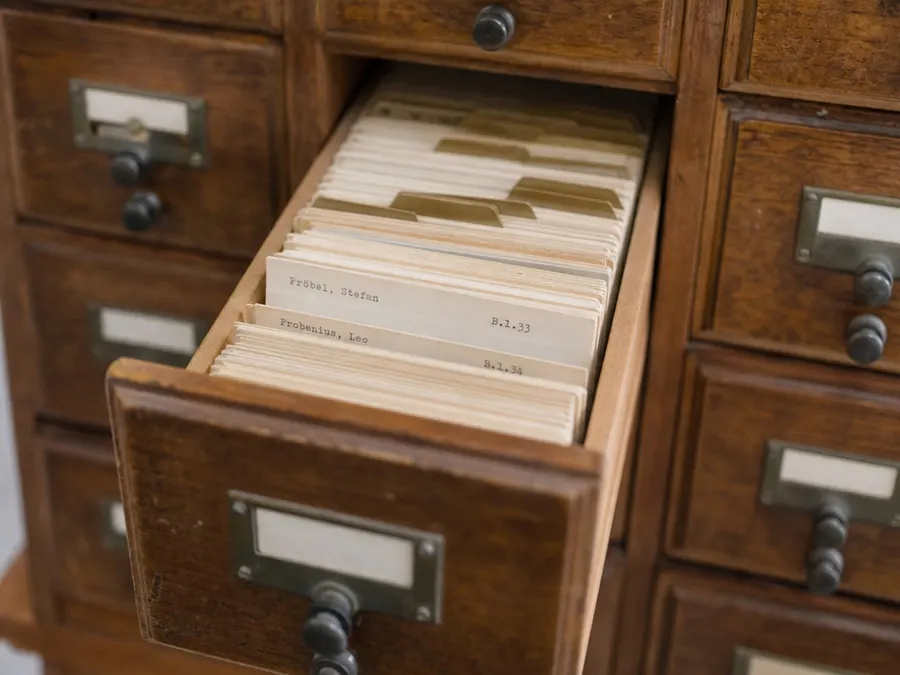
Locating specific historical records requires an understanding of archival organization and series structures. The USDA History Collection at the National Agricultural Library is organized into twelve distinct series, ranging from documentary files to personal papers and photographs. These records were transferred to the library from the Economic Research Service starting in April 1996. Navigating these specific categories allows researchers to efficiently locate rare primary sources that might otherwise be overlooked.
Deconstruct Historic Photo Captions
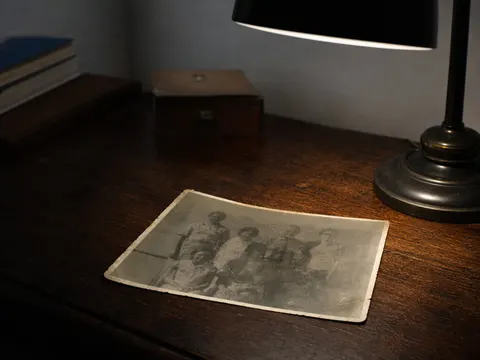
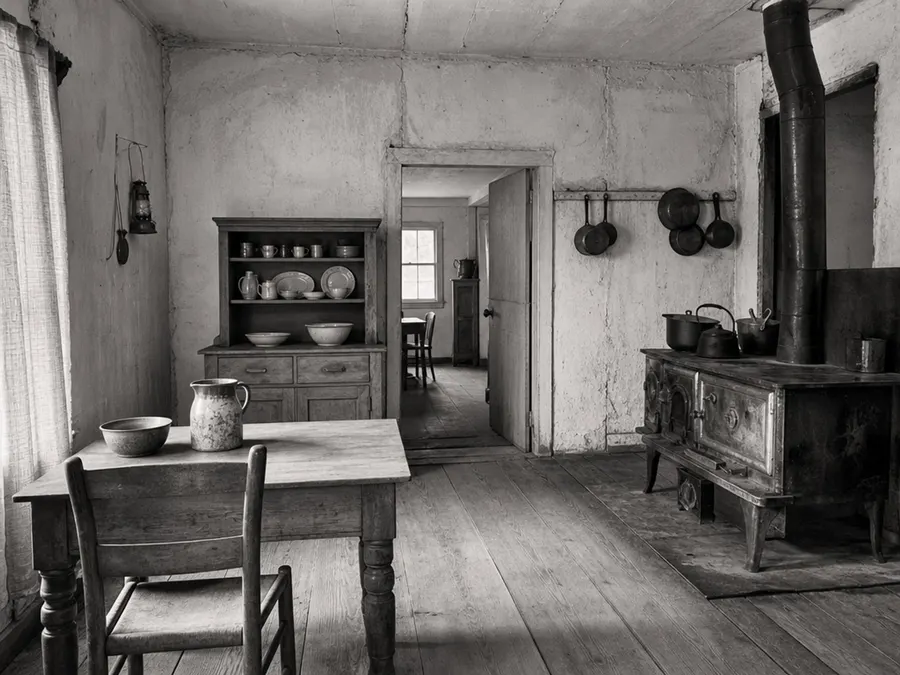
Photographs are powerful visual records, but they must be evaluated alongside written documents. Historical collections, such as the USDA History Collection, contain thousands of photographs spanning from the mid-19th to the late 20th centuries. Researchers should compare these visual records with corresponding letters, diaries, or news articles from the same era. This comparative approach helps verify the context of the images and reveals any differences between official promotional efforts and actual daily experiences.
Reject Erasing Nostalgia
Accurate historical research avoids romanticizing the rural past and instead documents the real challenges families faced. Archival collections contain extensive records on agricultural crises, including droughts, floods, the Great Depression, and the farm debt problems of the 1980s. When presenting these findings, researchers must respect usage and copyright guidelines for materials acquired from private sources. Properly citing and contextualizing these records ensures a realistic portrayal of both the hardships and the resilience of rural women.

Establish Exact Place and Period
For example, researching rural life during the Great Depression or World War II involves examining specific USDA administrative shifts, such as the Bureau of Agricultural Economics from 1922 to 1953. Researchers can look at materials spanning from the late 18th to the late 20th centuries to pinpoint exact periods of technological and social change. This helps avoid broad generalizations about generic farm life.
Featured galleries