12 Snack Memory Checks
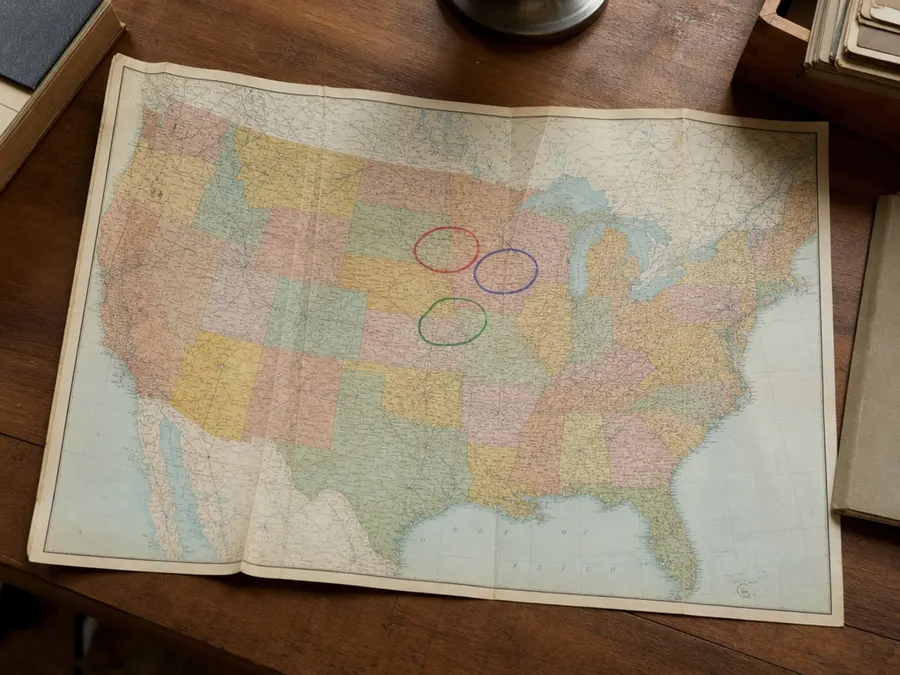
Mapping Regional Availability
Understanding the regional distribution and marketing of food products is a key part of food history research. The USDA History Collection contains extensive records relating to the marketing and distribution of agricultural commodities throughout the United States. These historical files can help researchers trace how different agricultural products were managed and distributed over the twentieth century. How might analyzing regional marketing records help you understand a product's historical footprint?
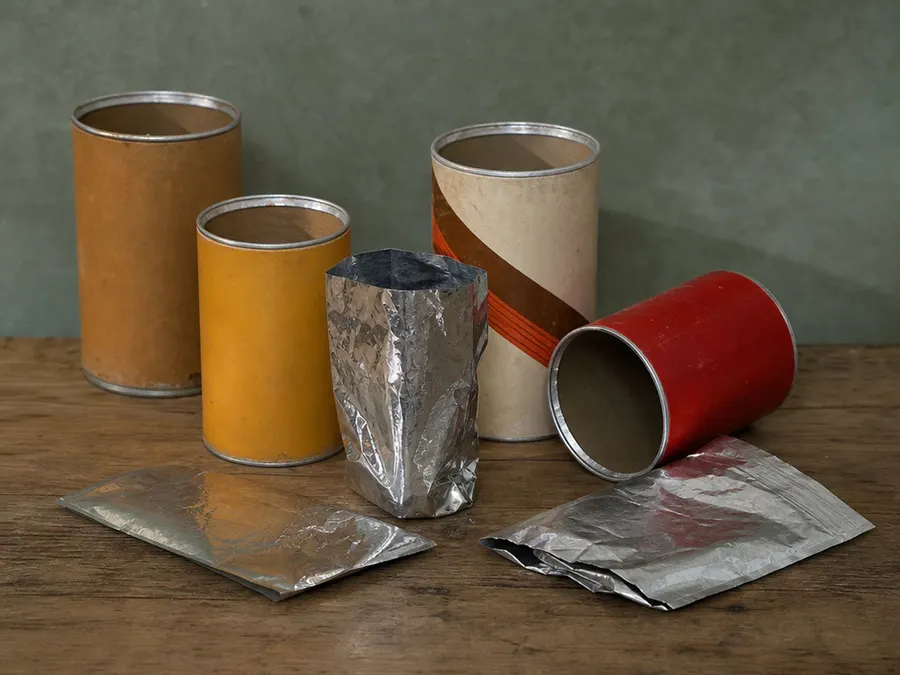
Analyzing Packaging Evolution
Historical pamphlets, booklets, and newsletters can provide visual and textual clues about how agricultural products were packaged and promoted in the past. The USDA History Collection preserves these types of secondary and primary materials across its various series, such as the Class File and Newsletters series. Examining these historical publications allows researchers to observe changes in product presentation and materials over time. What details in historical newsletters or booklets might reveal how a product's presentation evolved?

Decoding Period Advertising
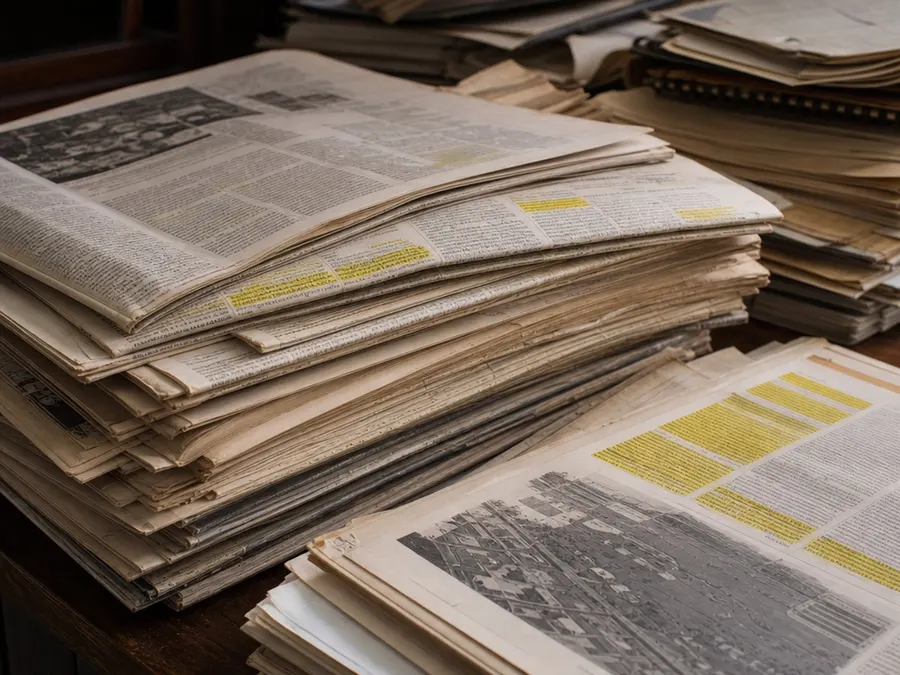
Press releases, news clippings, and audiovisual materials are valuable resources for understanding how agricultural products and food policies were communicated to the public. The USDA History Collection includes dedicated series for press releases, news clippings, and media such as audiotapes and videotapes. These materials document public announcements and historical news events related to agriculture and food. How can historical press releases and media files help researchers reconstruct past public communication campaigns?

Examining Recipes and Home Economics
Historical pamphlets, booklets, and agency records offer valuable insights into domestic food use and agricultural education. The USDA History Collection preserves a wide range of these materials, documenting how agricultural subjects were researched and shared with the public. Researchers can explore these historical publications to understand the role of various USDA agencies in promoting agricultural knowledge. What historical booklets or agency reports might help you understand past educational efforts regarding agricultural products?
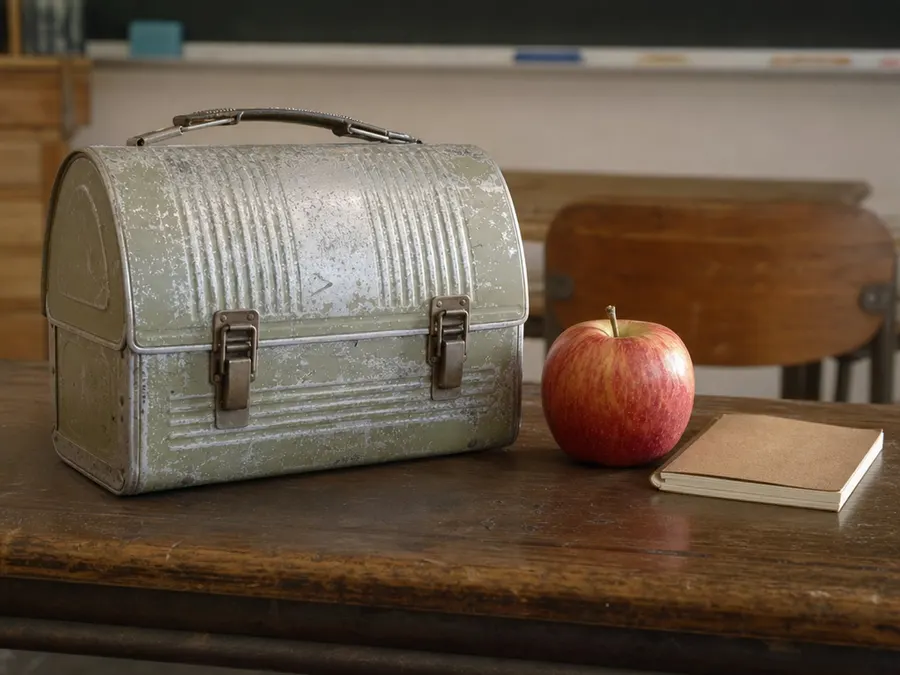
Contextualizing School and Home Environments
Federal food programs and agricultural policies play a major role in shaping public food distribution and consumption patterns. The USDA History Collection contains records from USDA agencies like the Food and Nutrition Service, as well as research materials on food aid programs. Studying these administrative memos and program records helps researchers understand how food distribution policies were implemented historically. How might federal program records clarify the types of food products distributed in institutional settings?
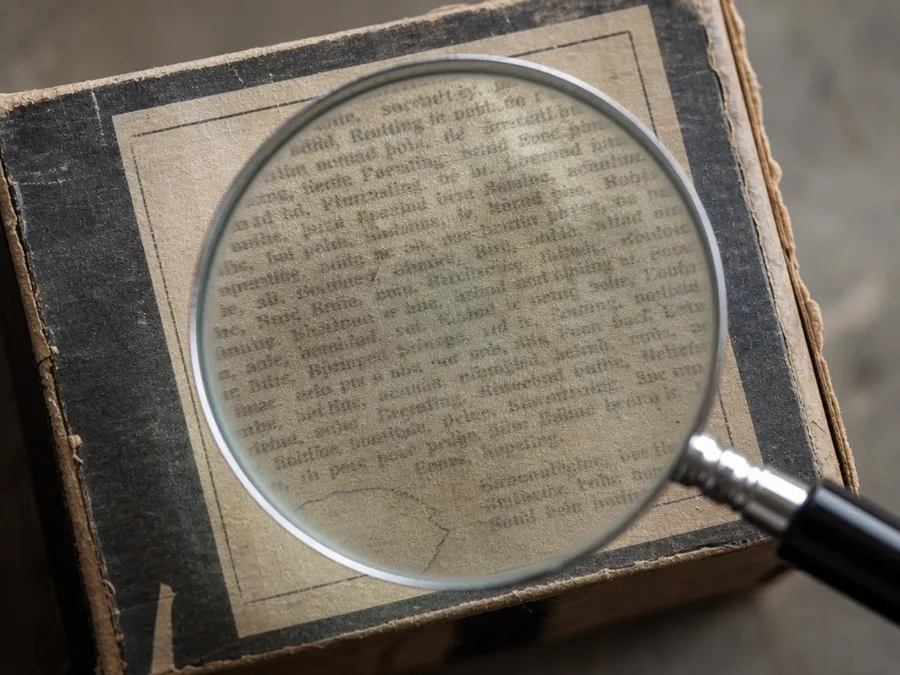
Tracking Ingredient-Label Changes
The history of food products is closely tied to developments in agricultural research, technology, and marketing. The USDA History Collection documents these technological and scientific shifts through reports, agency memoranda, and research files. Researchers can examine these records to trace how agricultural commodities and food technologies evolved over the twentieth century. What historical research or agency directives might help you trace technological changes in food production?
Discontinued vs. Renamed Claims
Investigating the history of food products often involves exploring how brands change ownership or names over time. Historical collections and museums frequently preserve artifacts that document the commercial history of popular consumer goods. Examining these physical and archival collections can help researchers trace a product's corporate lineage and rebranding history. What museum collections or business archives can you consult to research the commercial history of a food brand?

Leveraging Oral Histories
Oral histories and personal interviews are valuable tools for capturing personal recollections that official records might omit. The USDA History Collection contains an audio, video, and oral history series featuring personal interviews, transcripts, and reports of interviews. These resources demonstrate how recorded conversations can preserve personal and historical narratives in agricultural history. What methods can you use to locate and analyze oral history interviews within a historical collection?
Navigating Archive Catalogs
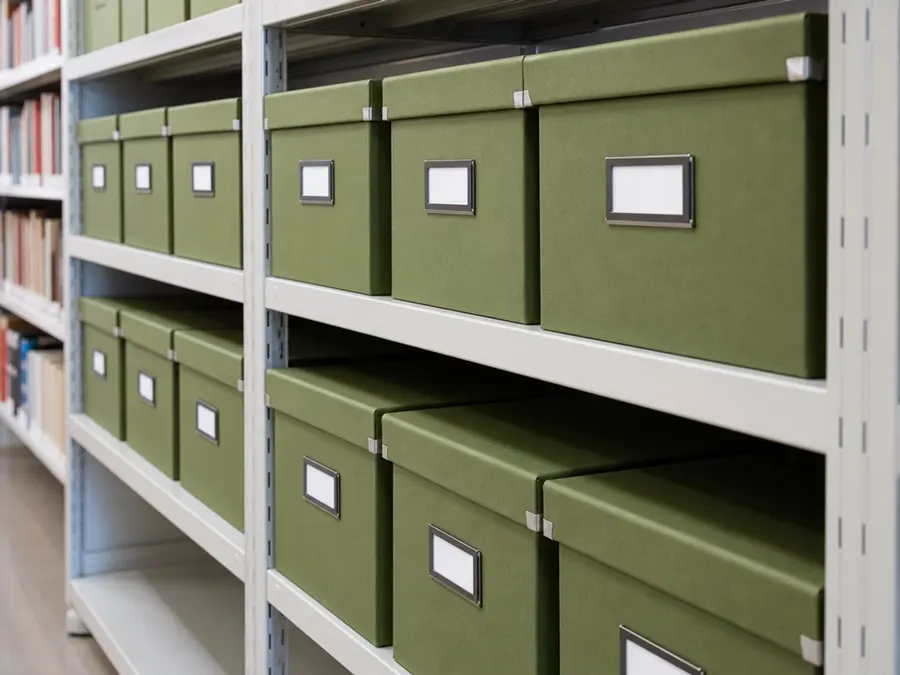
Navigating large historical archives requires understanding how their collections are structured and organized. The USDA History Collection, for example, is organized into twelve distinct series, which include documentary files, press releases, and photographs. Some of these series are further arranged chronologically, topically, or alphabetically by subject. How can understanding an archive's series structure help you locate specific primary source materials more efficiently?

Writing Trademark-Safe Descriptions
When utilizing historical materials for research, it is important to understand their copyright status and usage restrictions. For instance, materials created by agencies or employees of the United States government are generally in the public domain. However, copyright for materials acquired from outside sources may not be transferred to the government or the National Agricultural Library. How can verifying the origin of an archival document help you determine its copyright status and usage permissions?

Structuring Dated Citations
Citing archival sources correctly is essential for maintaining academic rigor in historical research. Reputable repositories, such as the USDA National Agricultural Library, often provide specific preferred citation formats for their collections. For the USDA History Collection, researchers are advised to include the description of the item, the series, and the box or folder number. Why is it important to follow an archive's preferred citation format when referencing historical documents?
Verifying Product Names and Dates
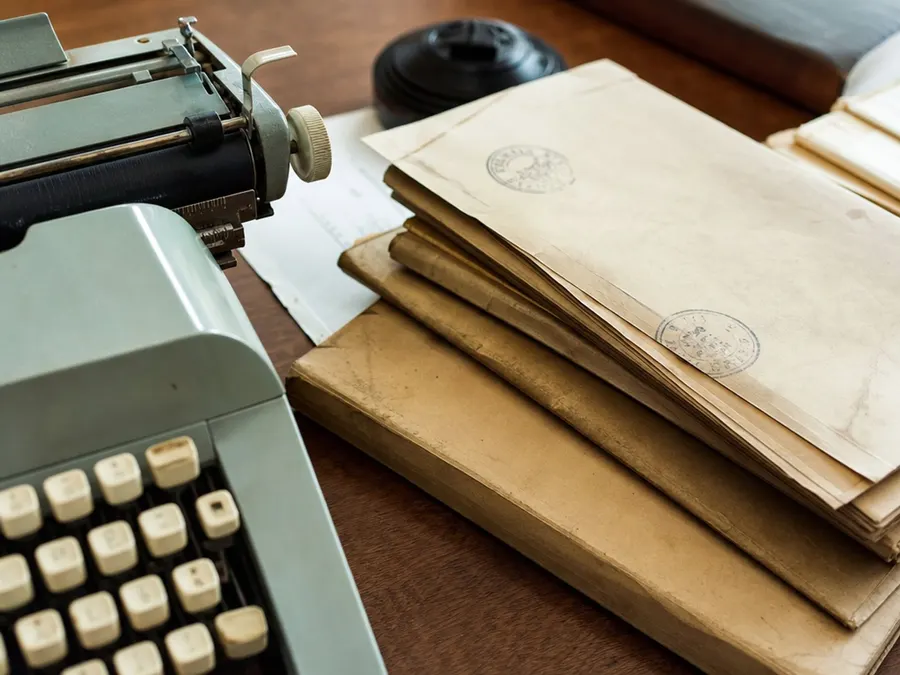
When researching the history of agricultural commodities or food products, historical collections can help clarify timelines. The USDA History Collection, housed at the National Agricultural Library, contains materials documenting the production and marketing of agricultural items. Researchers can explore these archives to verify historical details and trace the development of agricultural products over the decades. What specific historical records might help you map out a product's timeline?
Featured galleries