12 Ways to Document Family Traditions With Respect
Prioritize Consent and Boundaries
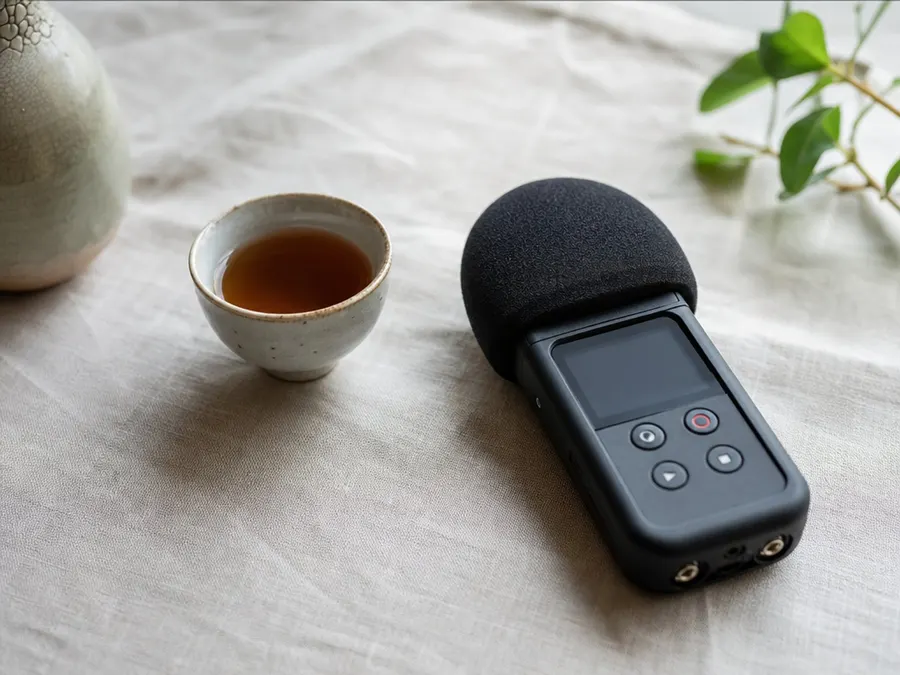
Prioritizing the comfort of the narrator is a key aspect of a respectful interview process. Asking for permission before recording starts and letting the speaker know they can pause at any time helps establish clear boundaries. Discussing which topics are welcome and which are off-limits can support a more comfortable environment. Giving the narrator control over their own comfort levels is generally considered a best practice.

Ask Open-Ended Questions
Using open-ended questions is a common method to encourage detailed storytelling during family interviews. Instead of asking questions that only require a simple yes or no response, consider asking how certain traditions began or what they mean to the family. This style of questioning can invite the narrator to share personal reflections and descriptive memories. It also allows the speaker to guide the flow of their own narrative.
Clarify Names and Relationships
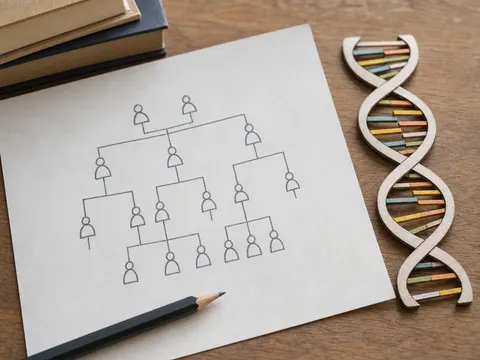
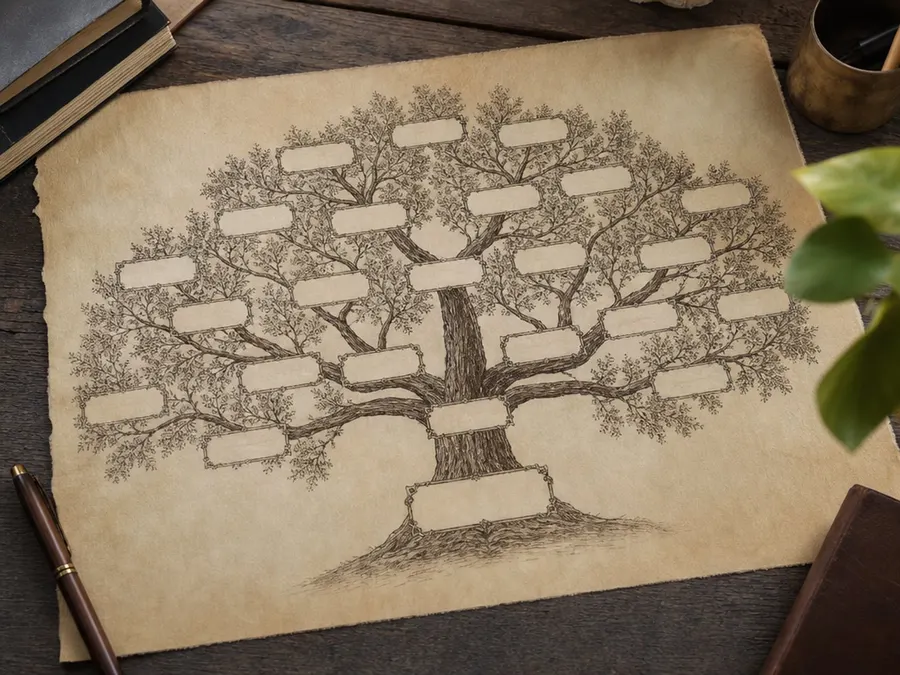
Family relationships and kinship terms can be complex and vary across different cultures. Asking the narrator to clarify the spelling of full names and specific family connections during the session is a practical way to maintain accuracy. Taking detailed notes during or after the interview can also help prevent confusion when organizing the information later. This careful approach helps preserve the family history in a clear and respectful manner.

Ground the Narrative in Place and Time
Family traditions are often deeply tied to the specific times and places where they developed. Asking about geographic locations, local surroundings, or historical periods can provide helpful context for these memories. Discussing how the local neighborhood, community, or environment influenced family customs can add depth to the stories. This contextual information can make the documented history more meaningful for future generations.
Honor the Narrator's Own Words
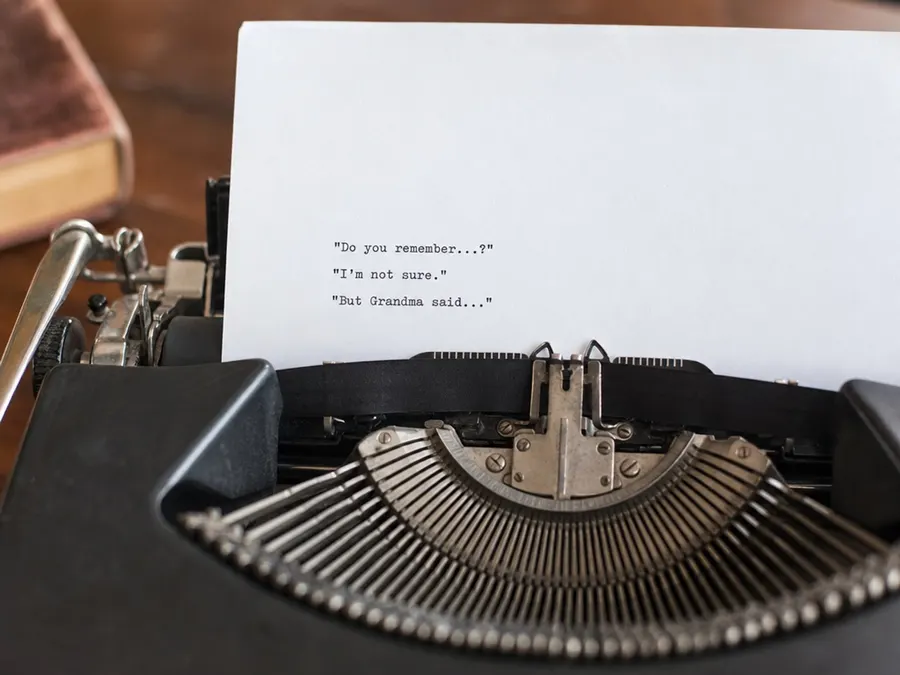
Preserving the narrator's unique vocabulary, phrasing, and speaking style is a standard way to respect their voice. Documenting family stories, recipes, or customs using the speaker's actual words can help maintain the authenticity of the record. Avoiding unnecessary edits or translations keeps the personal character of the narrative intact. If needed, brief notes can be added later to explain specific family terms or regional expressions.
Avoid Leading Questions
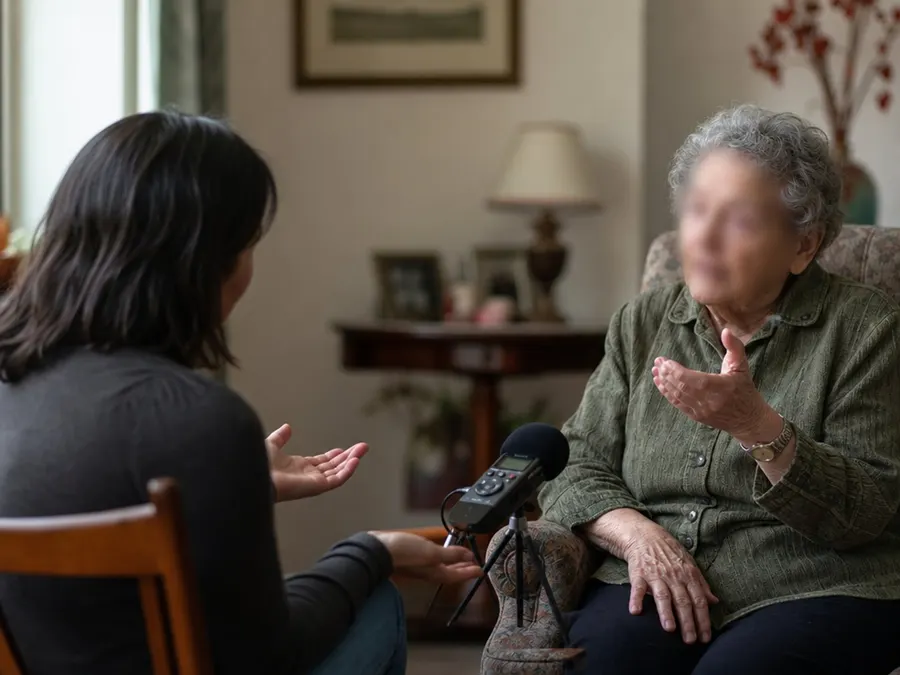
Using neutral questions is a helpful practice to avoid directing the narrator toward a specific response. For example, asking what a particular time period was like allows the speaker to describe their own feelings, rather than suggesting the experience was difficult or positive. This approach gives the narrator the space to define their own memories and emotional experiences. It also helps keep the interview objective and respectful.
Distinguish Memory from Fact
Oral history is a valuable way to capture personal memories, which may naturally differ from formal historical records. Subjective recollections offer unique insights into personal experiences, even if specific dates or locations do not perfectly match other accounts. Respecting the narrator's perspective involves valuing their personal voice and memory as a unique record of their life. If necessary, any differences with other historical records can be noted gently and without dismissing the speaker's account.
Record Formal Consent
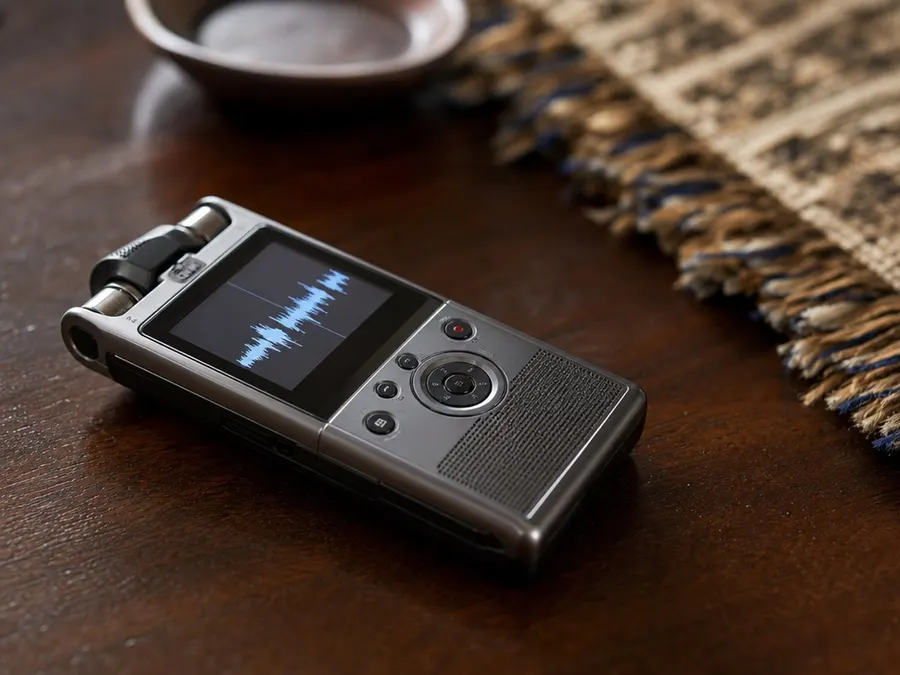
Establishing clear agreement about how the interview will be used is an important part of the documenting process. Some interviewers choose to state the date, the names of those involved, and the general purpose of the discussion on the recording itself. It is also helpful to discuss how the recorded material will be stored and who will have access to it. This open communication helps ensure that everyone involved is comfortable and in agreement.

Secure Your Files and Backups
Taking steps to safeguard recorded files is a practical way to prevent the loss of unique family stories. Using clear, consistent file names that include dates or names can make the collection easier to organize. Storing copies of the audio files in more than one location, such as on an external drive and a secure digital storage service, is a common backup method. These simple storage practices help protect the files from accidental loss or damage over time.
Create Accessible Transcripts
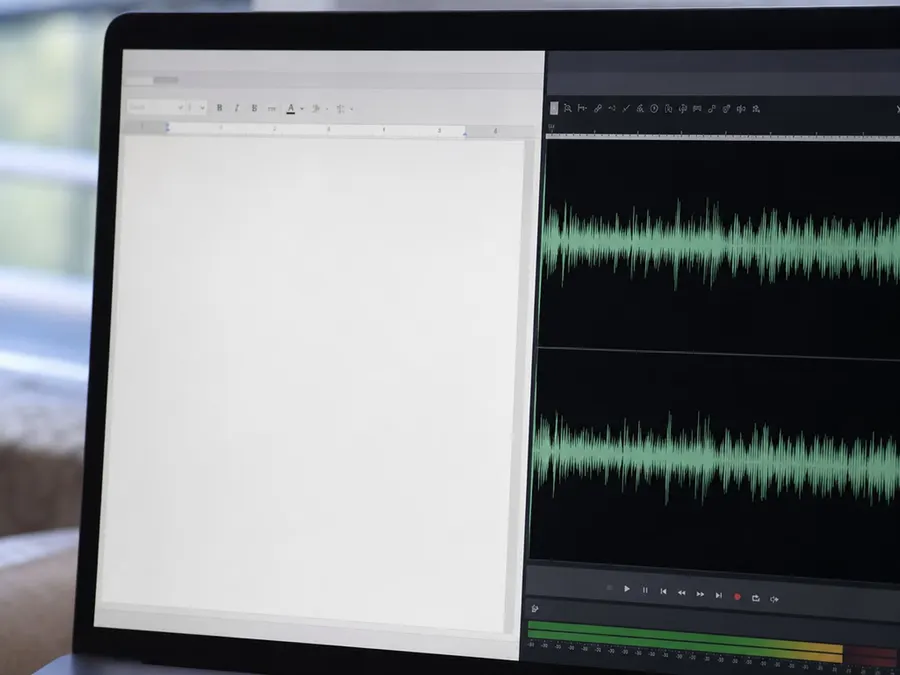
Creating written transcripts or detailed summaries can make family interviews more accessible and easier to navigate. When writing down the spoken words, you can choose to capture every utterance exactly as spoken or to create a slightly edited, highly readable version. Both methods are common, depending on whether you want to preserve exact speech patterns or focus on readability. Having a written version of the recording also provides an additional way to preserve the family history.
Return the Work to the Community
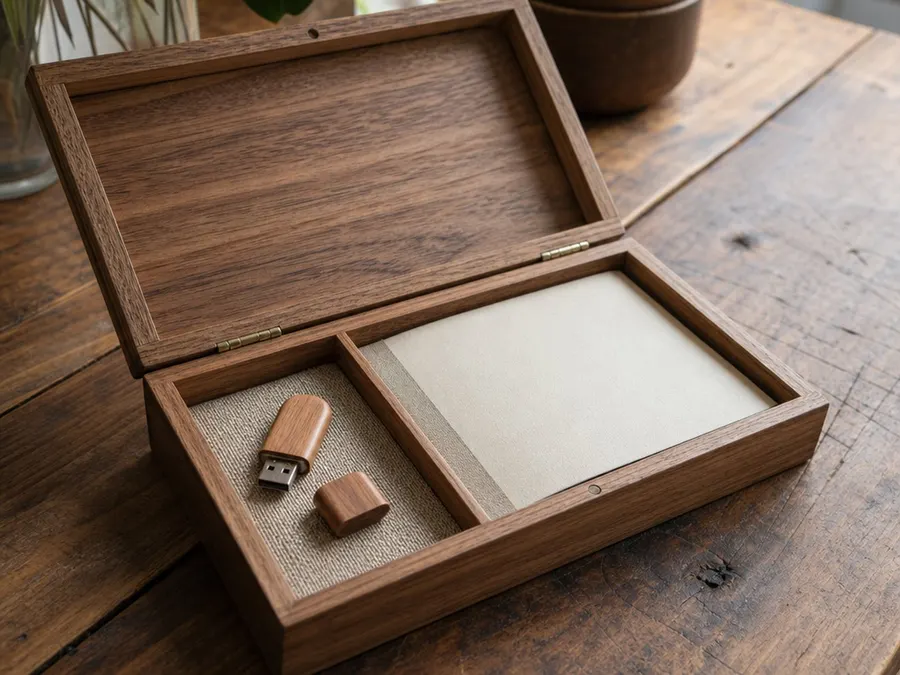
Sharing the final results with the participants is a respectful way to conclude an oral history project. Providing the narrator and their family with copies of the recordings or transcripts allows them to keep their own copies of the shared history. It is also helpful to discuss how the family wishes to preserve, share, or limit access to these materials in the future. This collaborative approach ensures that the project remains a positive experience for everyone involved.
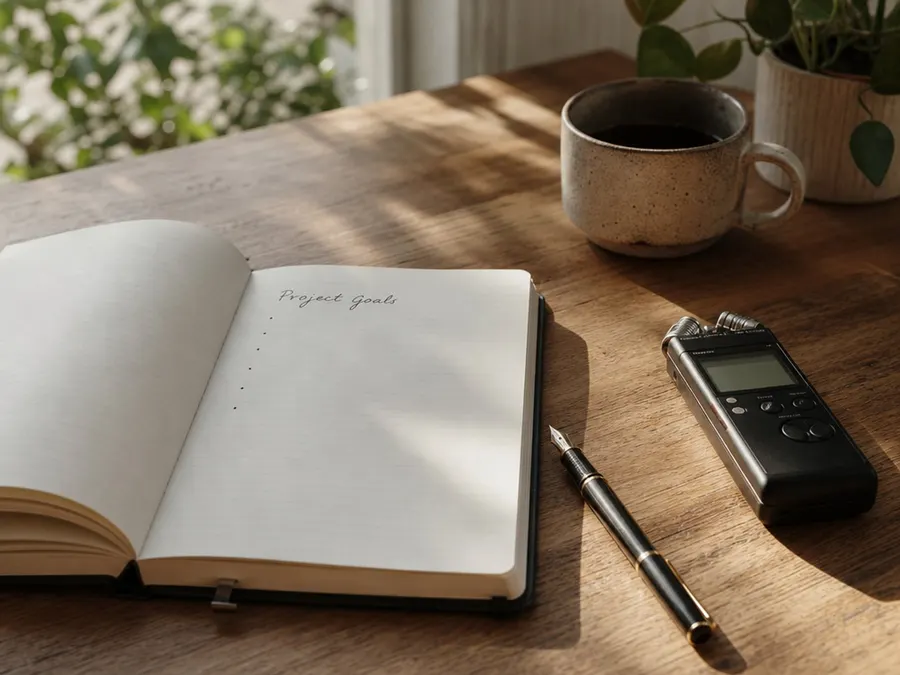
Define Your Project's Purpose
When documenting family history, clarifying the project's purpose is a helpful starting step. Consider whether the goal is to create a private family record, write a memoir, or prepare a broader presentation. Sharing these intentions early can help build trust and ensure everyone understands how the stories will be shared. Establishing clear goals before beginning helps set a respectful tone for the interview.
Featured galleries