12 Unusual-Looking Animals and Their Remarkable Adaptations
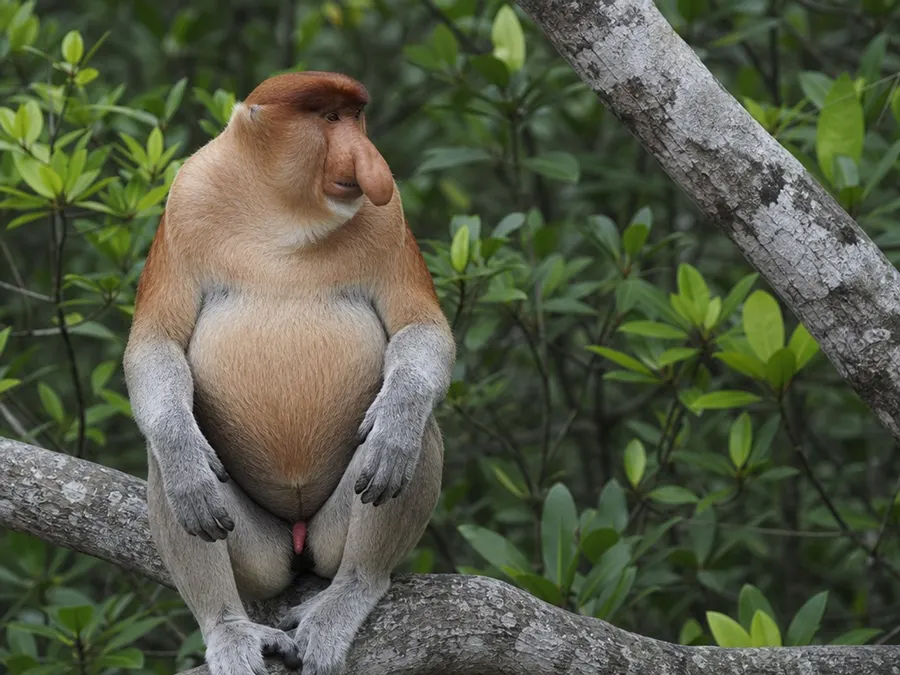
Prominent Coastal Communicators
Male proboscis monkeys are famous for their oversized, bulbous noses. Far from being a mere cosmetic oddity, this large nasal structure serves as an acoustic chamber that amplifies vocalizations. These loud calls help males assert dominance, warn the group of potential predators, and attract mates within their dense, noisy mangrove forest habitats.
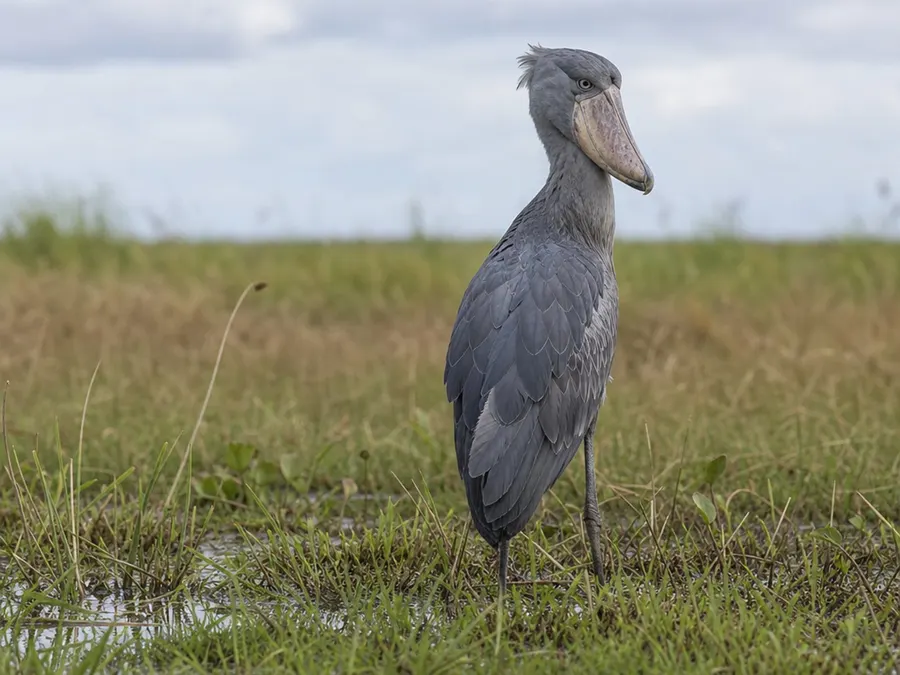
The Patient Wetland Predator
The shoebill sports a massive, shoe-shaped bill that dominates its facial profile. This formidable beak is tipped with a sharp hook, perfectly designed for capturing large, slippery prey such as lungfish in thick vegetation. By remaining completely motionless in swamps, the bird uses its heavy bill to strike with sudden, powerful force, securing its survival in wetland ecosystems.
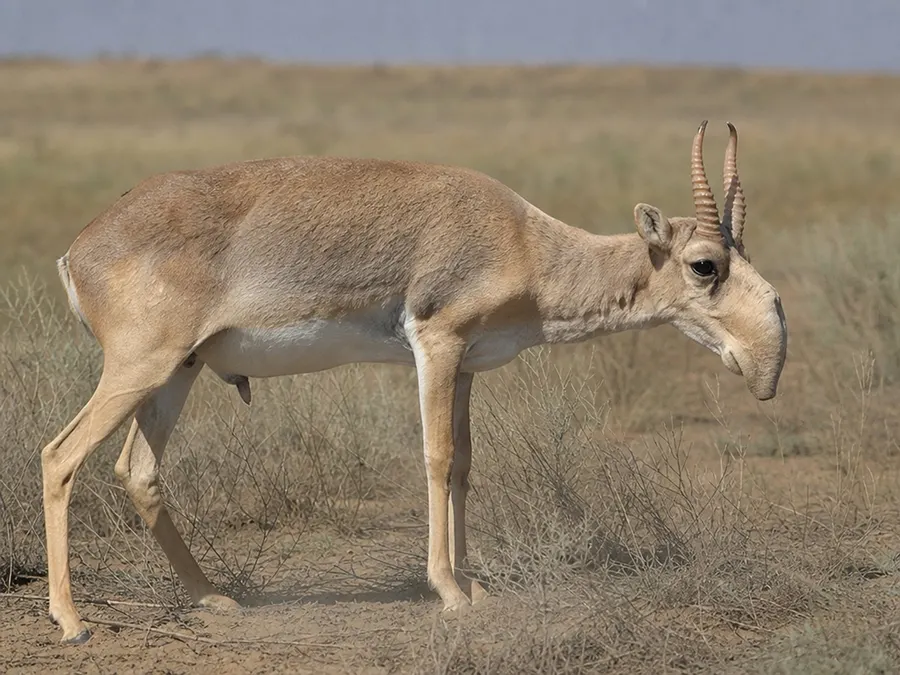
Natural Dust Filters
The saiga antelope is instantly recognizable by its bloated, downward-pointing nose. This flexible, trunk-like snout acts as an internal climate control system. During dry summer migrations, it filters out kicked-up dust, while in freezing winter months, it warms the cold air before it reaches the lungs, protecting the animal's respiratory system across harsh, open plains.
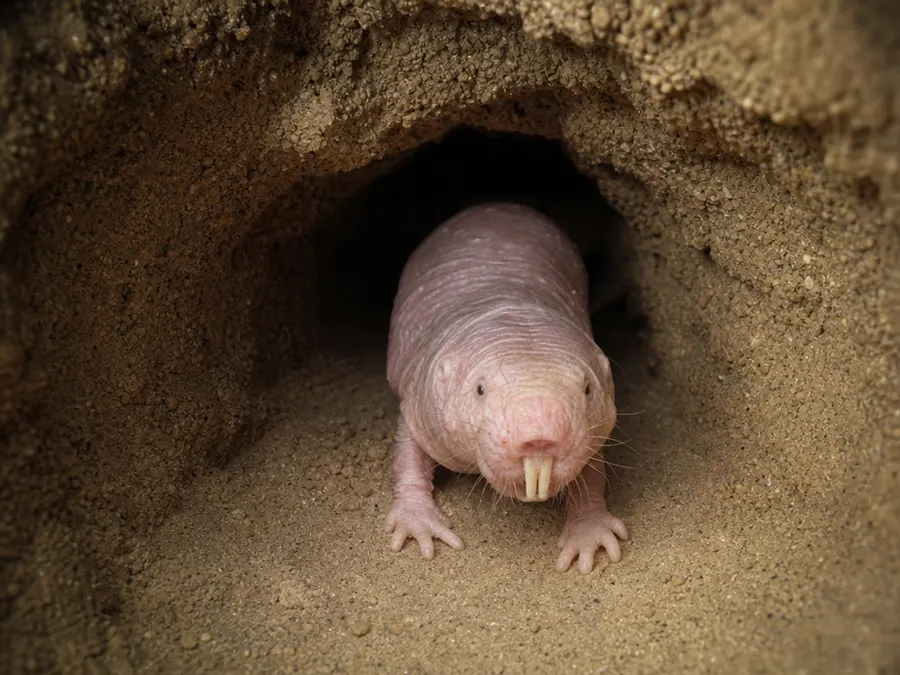
Built for the Underground
Lacking fur and possessing large, protruding teeth, the naked mole-rat is perfectly suited for subterranean life. Its wrinkled skin helps regulate temperature and navigate tight tunnels without snagging. Meanwhile, its powerful incisors, which sit outside its lips, allow the animal to dig through hard-packed soil without getting dirt in its mouth.
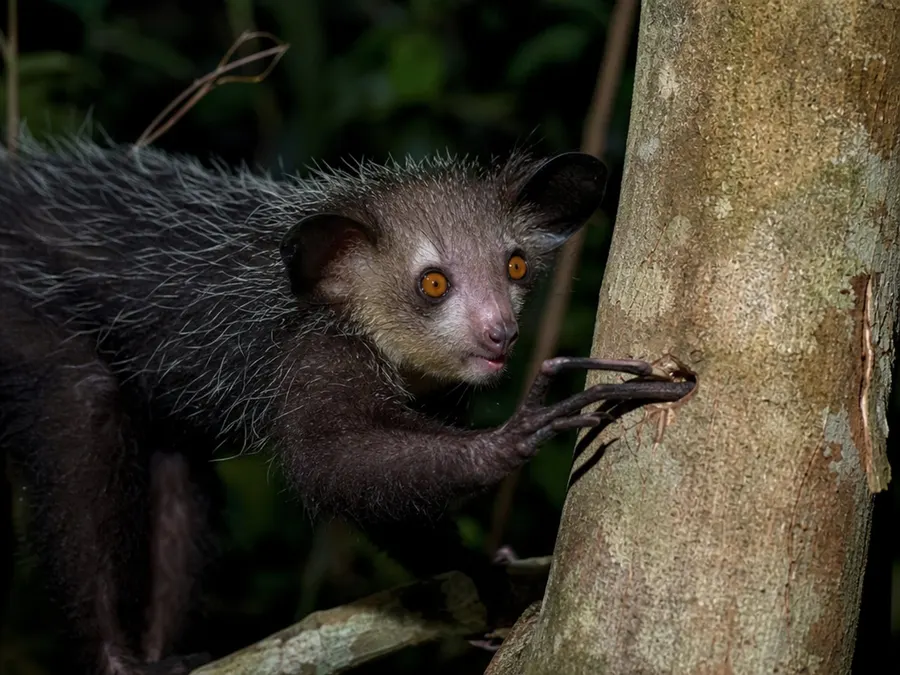
Specialized Night Foragers
The aye-aye, a nocturnal lemur, features exceptionally large ears and one elongated, skeletal middle finger. It uses a specialized foraging technique called percussive tapping. By tapping tree bark, listening for hollow chambers, and using its long finger to extract grubs, this remarkable mammal fills a unique ecological niche as a highly efficient nocturnal insect hunter.
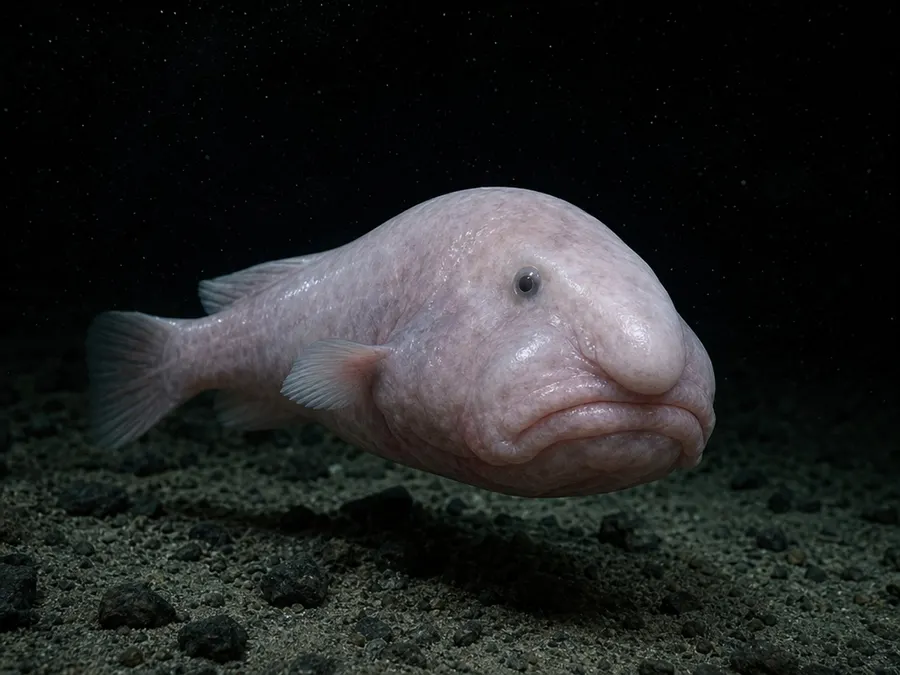
Master of Deep-Sea Pressure
In its natural deep-water habitat, the blobfish looks quite different than it does on land. Lacking a swim bladder and possessing gelatinous flesh slightly less dense than water, it floats effortlessly just above the sea floor. This structural adaptation allows it to conserve vital energy under immense ocean pressure, waiting to consume whatever edible matter drifts nearby.
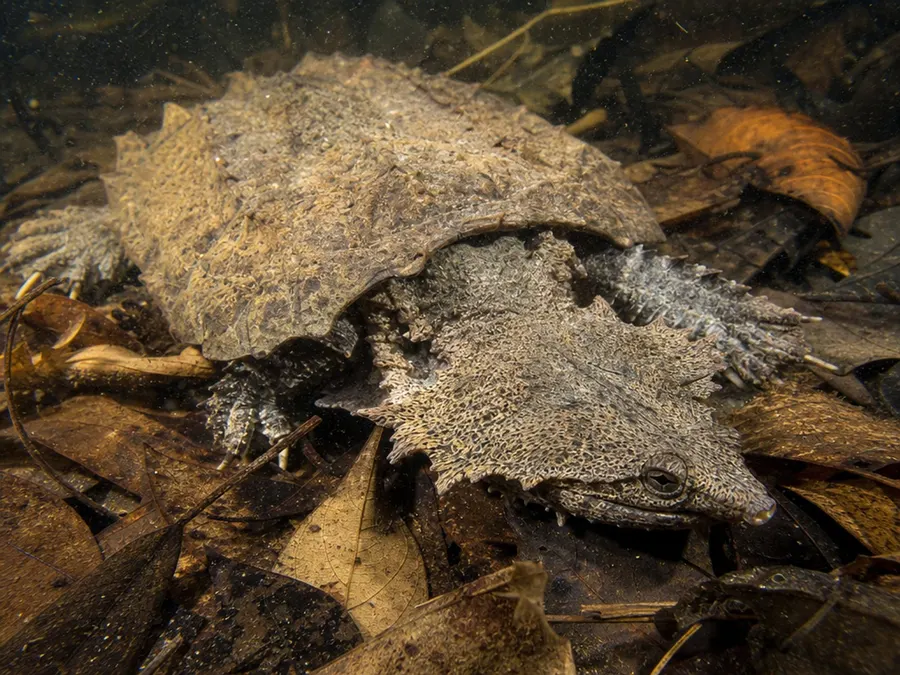
The Ultimate Camouflage
The matamata turtle resembles a pile of decaying leaves and bark. Its flattened, triangular head and skin flaps break up its silhouette in slow-moving water. When unsuspecting prey swims close, the turtle opens its large mouth extremely wide, creating a vacuum that sucks the prey inside, demonstrating a perfect blend of camouflage and ambush hunting.
Floating Marine Forests
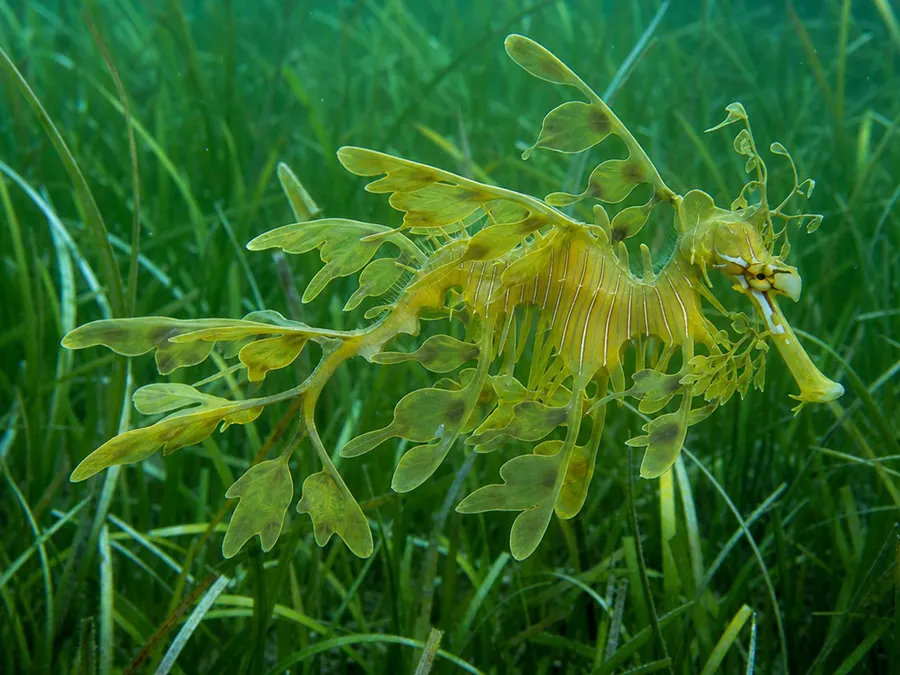
The leafy seadragon is adorned with elaborate, leaf-like appendages across its entire body. These structures serve no purpose for swimming; instead, they provide flawless camouflage within kelp forests and seagrass beds. By drifting slowly and mimicking floating vegetation, this gentle creature hides from larger marine predators while quietly feeding on tiny, unsuspecting shrimp.
Desert Moisture Collectors
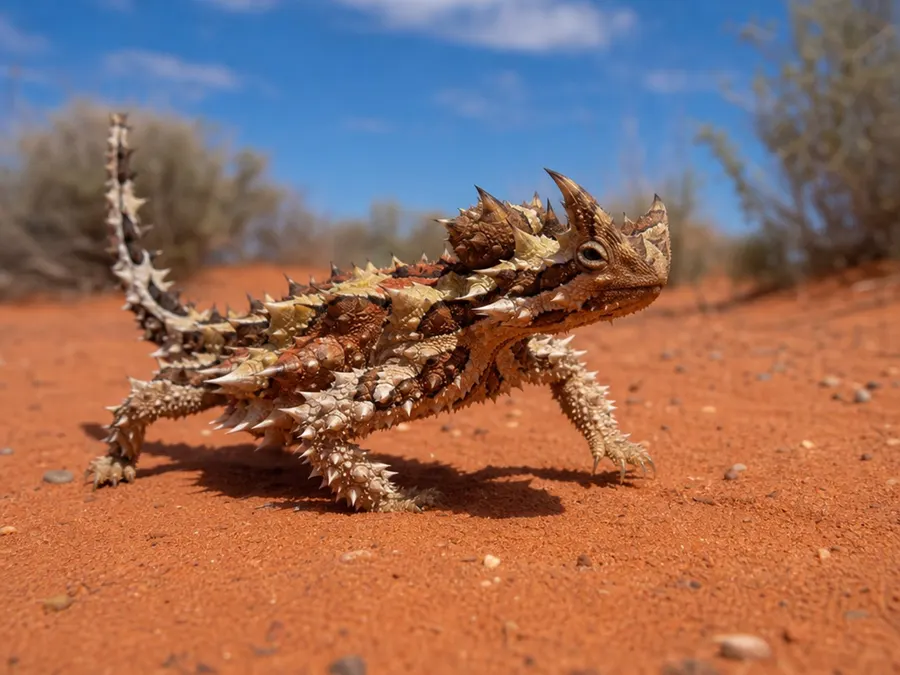
Covered in sharp, conical spines, the thorny devil is built for survival in arid environments. Beyond deterring predators, these spines form a network of microscopic grooves that collect morning dew and moisture from damp sand. Through capillary action, this water is channeled directly to the corners of the lizard's mouth, allowing it to drink without moving.
The Extending Deep-Sea Jaw
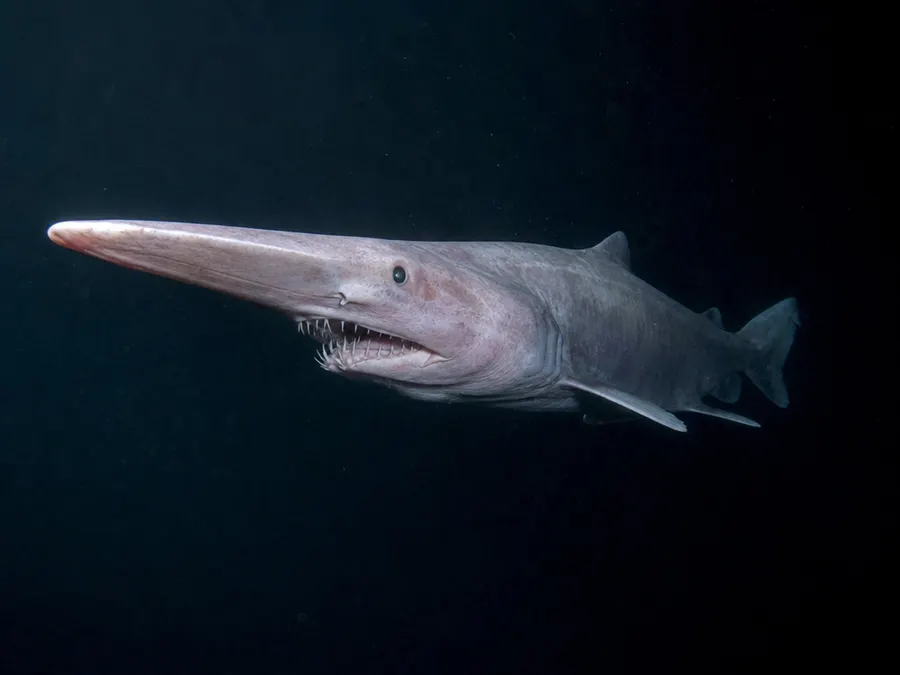
The goblin shark is a deep-sea predator with a long, flattened snout and highly protruding jaws. This snout houses sensitive organs that detect the weak electrical fields of prey in the pitch-black depths. When a target is near, the shark rapidly projects its jaw forward to snatch fish and crustaceans, securing food in an environment where meals are scarce.
Subterranean Sand Swimmers
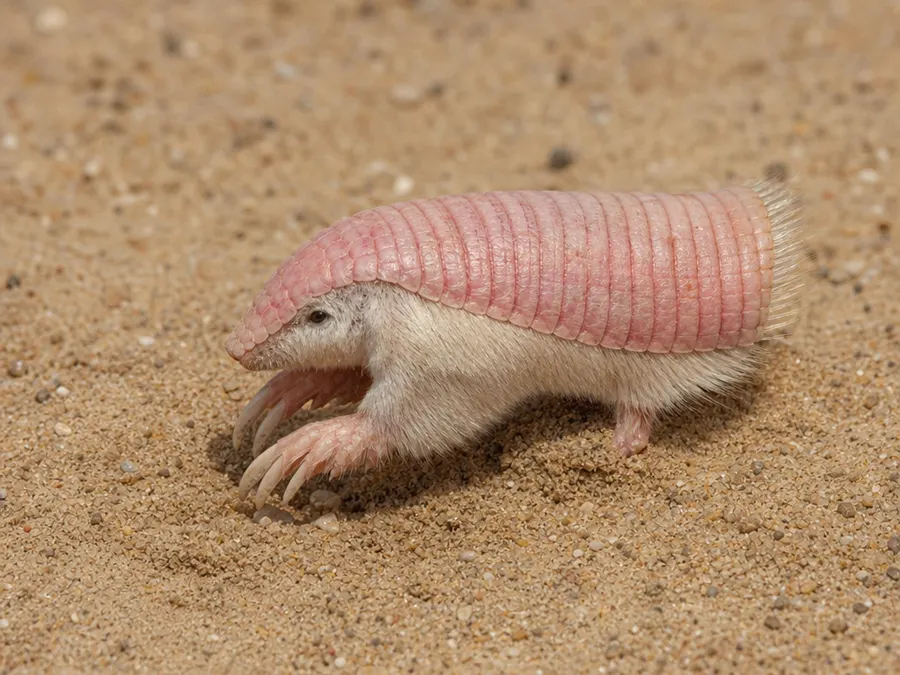
The pink fairy armadillo is a small, desert-dwelling mammal with a soft pink shell. This flexible armor is anchored to its spine, helping the animal regulate its body temperature. Equipped with oversized front claws, it can 'swim' through loose sand with incredible speed, escaping predators and foraging for insects beneath the desert surface.
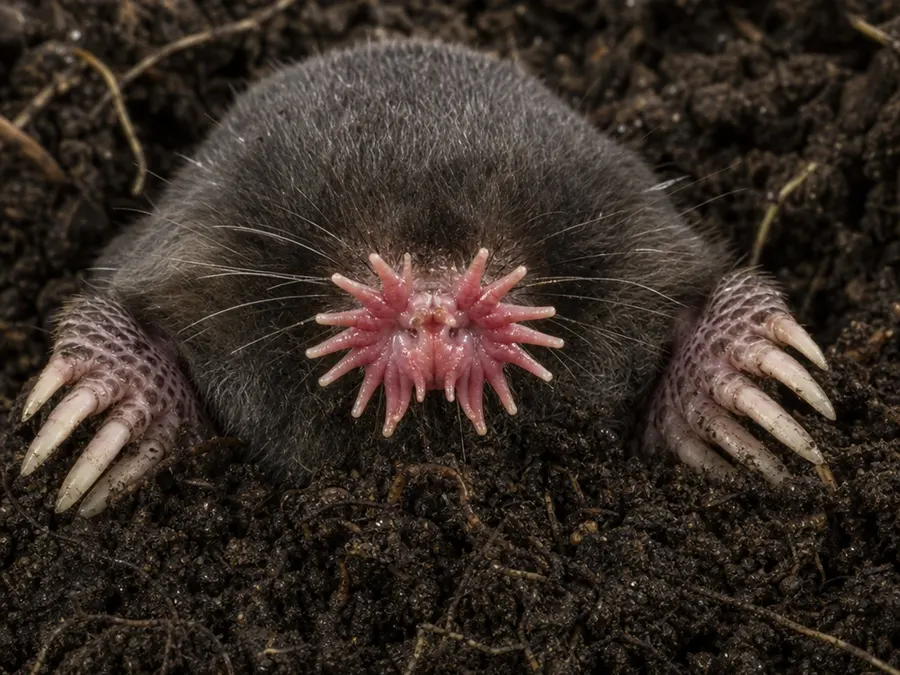
Sensational Sensory Stars
The star-nosed mole possesses twenty-two fleshy, pink tentacles ringing its snout. Operating in complete underground darkness, this unique structure functions as an incredibly sensitive sensory organ. It detects minute vibrations and identifies prey with astonishing speed, compensating entirely for the animal's poor eyesight. This adaptation allows the mole to navigate and forage efficiently in damp, subterranean environments.
Featured galleries