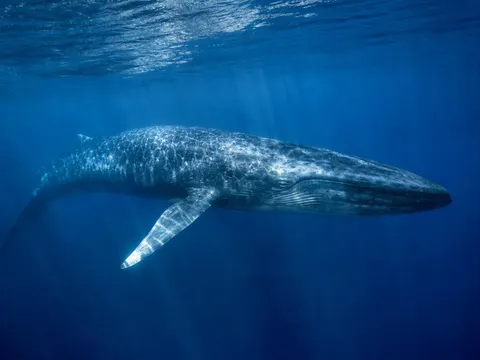
12 Surprisingly Dangerous Animals with Disarming Looks
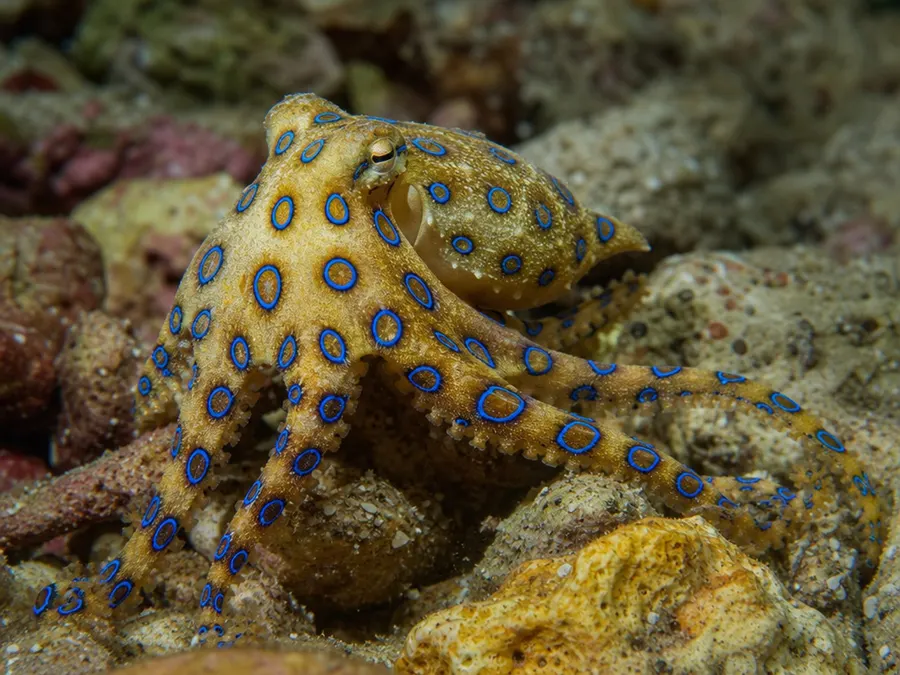
Tiny but Potent
Measuring just a few inches, the blue-ringed octopus displays vibrant, glowing rings when threatened. Despite its docile appearance and beautiful patterns, its saliva contains tetrodotoxin, a potent neurotoxin with no known antidote. Beachgoers should exercise extreme caution, avoid handling marine life, and admire these colorful cephalopods strictly from a distance.
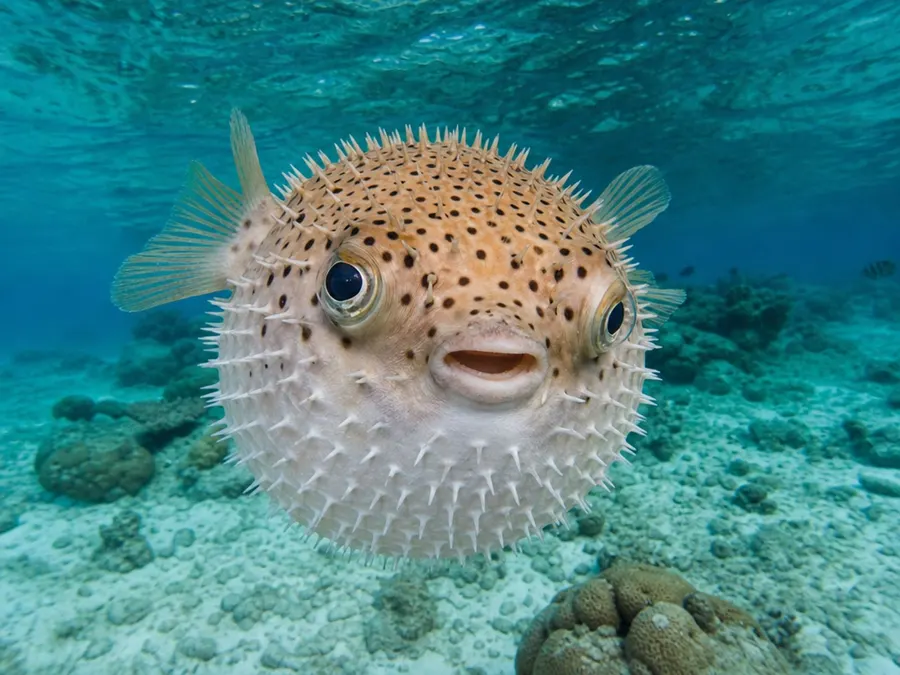
A Toxic Inflation
The slow-moving pufferfish looks comical as it inflates its body with water or air to deter predators. However, many species carry tetrodotoxin, which is highly lethal to humans and other animals. Because their defensive toxins are incredibly dangerous, it is vital to follow local wildlife guidelines and avoid touching or consuming them.

Giants of the Forest
While many associate moose with peaceful forest scenes, these massive herbivores can become highly defensive. They are easily agitated, particularly during the autumn mating season or when protective mothers are with their calves. To prevent dangerous encounters, hikers should always maintain a wide, respectful distance and yield the trail to these towering animals.
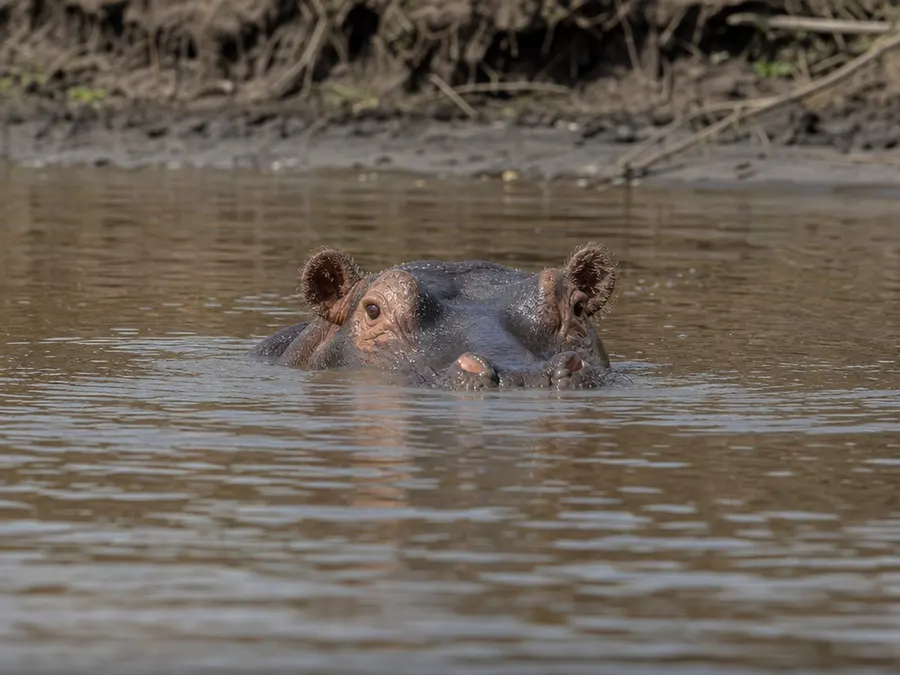
Riverfront Defenders
Despite their bulky appearance and reputation for lazy sunbathing, hippopotamuses are among the most territorial mammals on Earth. They can move surprisingly fast in water and on land, defending their river territories fiercely. Travelers should always follow local guide instructions and keep a safe, distant perimeter when near African waterways.

Arctic Apex Predators
Polar bears look majestic and plush, but they are highly efficient, powerful predators adapted to one of the harshest environments on Earth. Lacking a natural fear of humans, they can react unpredictably to any intrusion. Visitors to Arctic regions must strictly adhere to safety protocols and view these carnivores from secure distances.
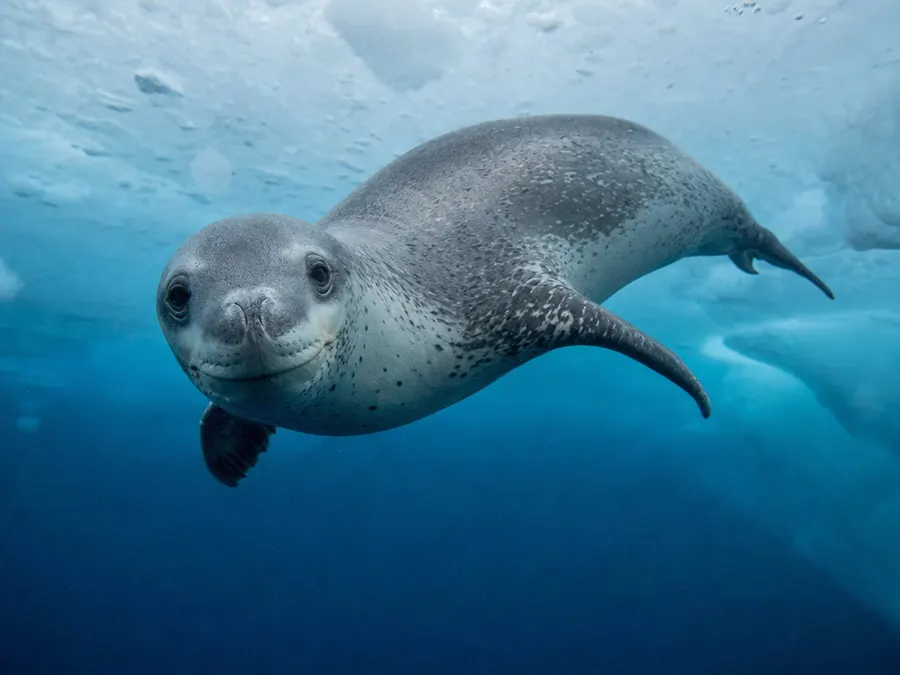
Sleek Southern Hunters
With their spotted coats and reptilian smiles, leopard seals appear intriguing and graceful. However, they are formidable apex predators in the Antarctic, equipped with powerful jaws and sharp teeth designed for hunting penguins. Researchers and tourists should always keep their distance, respecting the boundaries of these highly capable marine mammals.
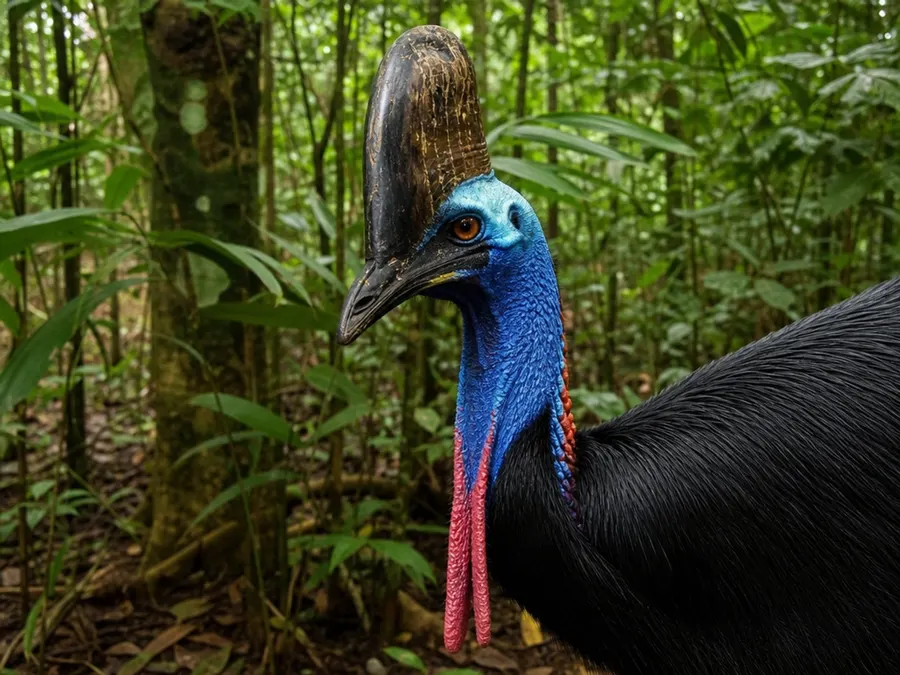
Modern-Day Dinosaurs
Sporting striking blue feathers and a prominent helmet-like casque, the cassowary resembles a prehistoric marvel. However, this large, flightless bird possesses powerful legs tipped with sharp, dagger-like claws. If cornered or provoked, they can deliver dangerous kicks. Always admire these unique birds from afar and avoid offering them food.
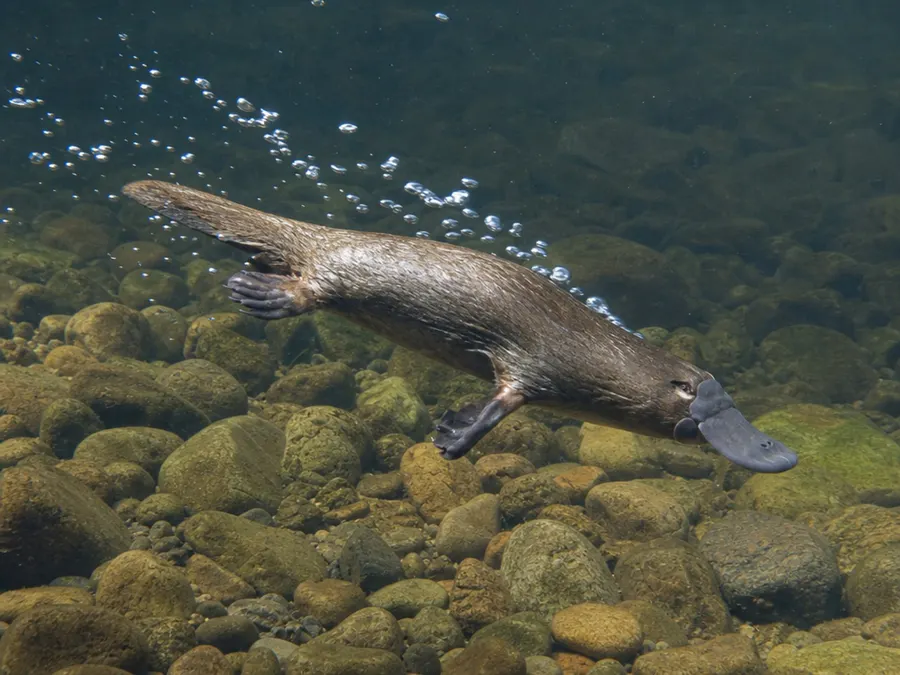
An Unexpected Defense
The duck-billed platypus is famous for its unusual, charming appearance. However, male platypuses possess sharp, venomous spurs on their hind limbs. This venom can cause severe, long-lasting pain in humans. To stay safe, let these fascinating semi-aquatic creatures swim undisturbed, and never attempt to handle them in the wild.
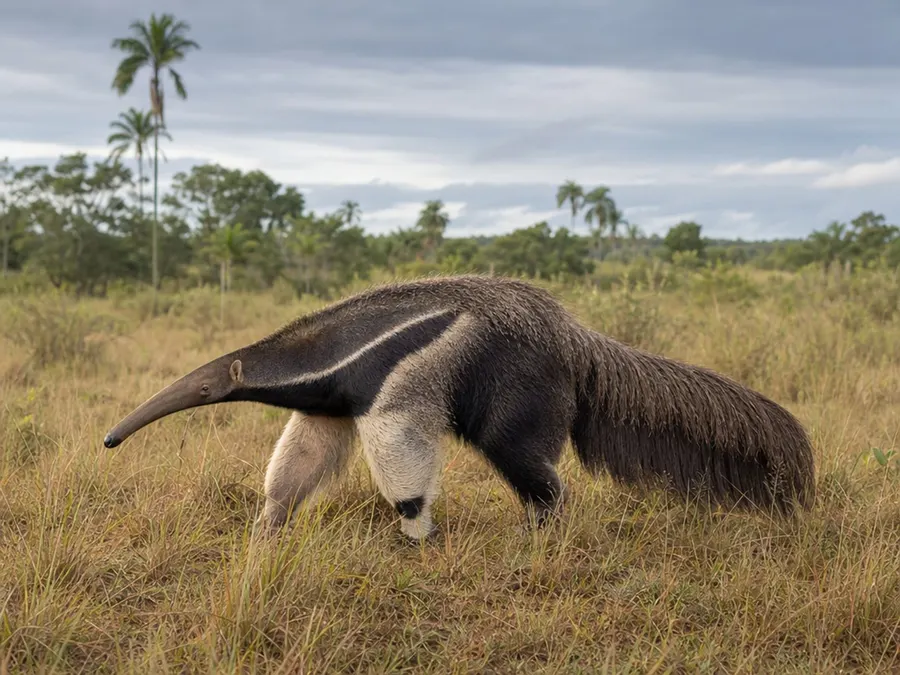
Formidable Claws
The giant anteater seems peaceful as it snuffles through the dirt for insects. Yet, to defend against predators like jaguars, it relies on four-inch, razor-sharp claws. When threatened, it stands on its hind legs to slash powerfully. Always give these unique mammals plenty of space to forage safely and undisturbed.

Elegant but Territorial
Renowned for their grace and beauty, swans are highly protective during the nesting season. If they perceive a threat to their cygnets, these large waterfowl will hiss, flap their powerful wings, and charge. To prevent stressful encounters, maintain a respectful distance from nesting sites and enjoy these elegant birds from afar.
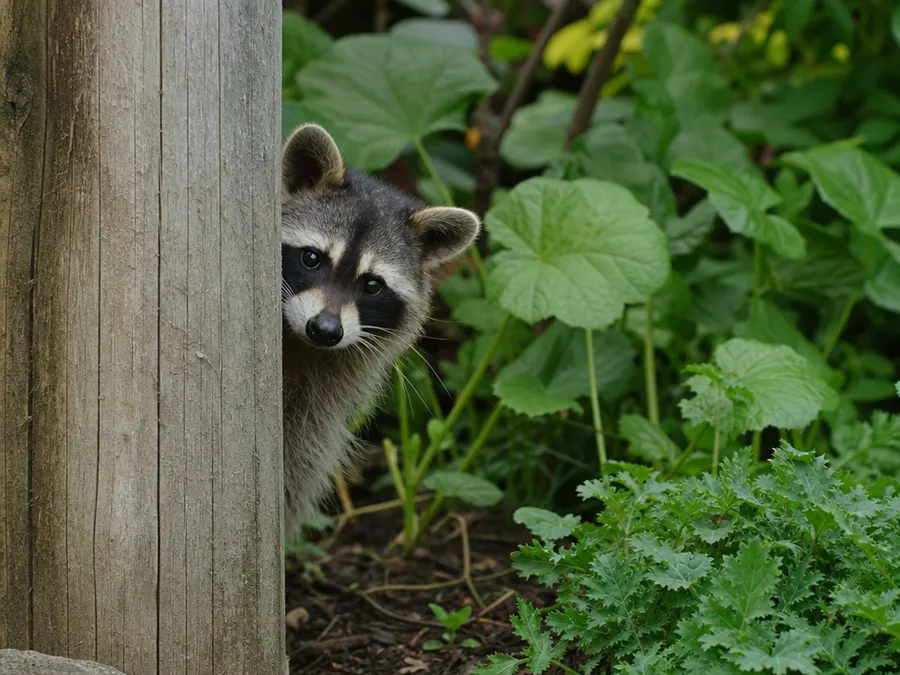
Clever Urban Foragers
With their masked faces and dexterous paws, raccoons are often viewed as cute neighborhood visitors. However, cornered or threatened raccoons can defend themselves fiercely with sharp teeth and claws. They can also carry transmissible diseases. Enjoy watching their clever antics from a safe distance, and secure your trash bins to avoid conflicts.
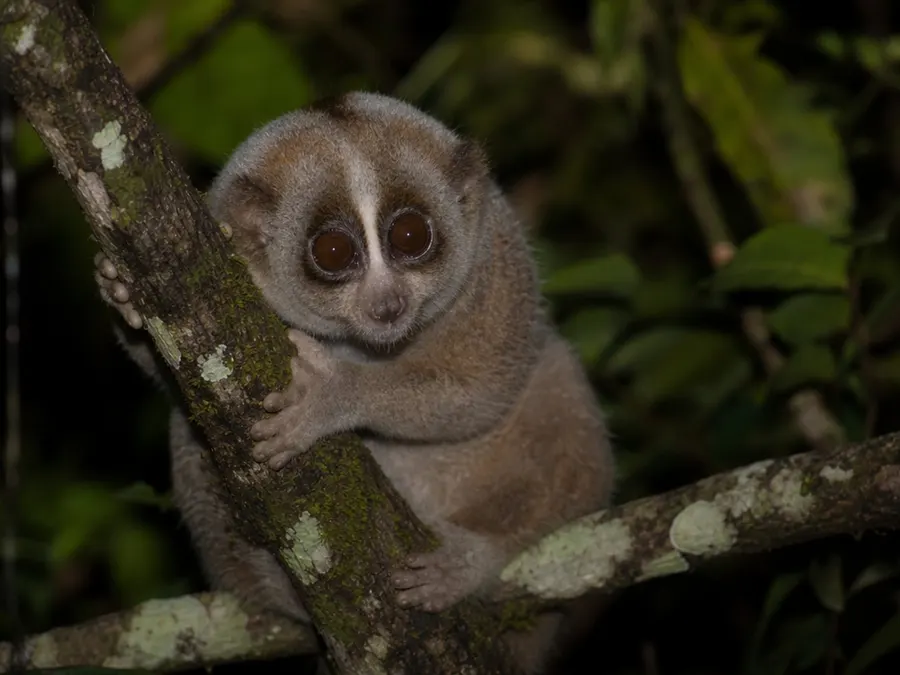
The Venomous Primate
With its enormous, expressive eyes and deliberate movements, the slow loris appears completely harmless. However, this nocturnal primate possesses a rare defense mechanism among mammals. It secretes a toxin from glands on its elbows, which it licks to deliver a highly toxic bite. To ensure safety, always observe these unique creatures from a safe distance.
Featured galleries