12 Roadside Safety Checks During an Unclear Encounter
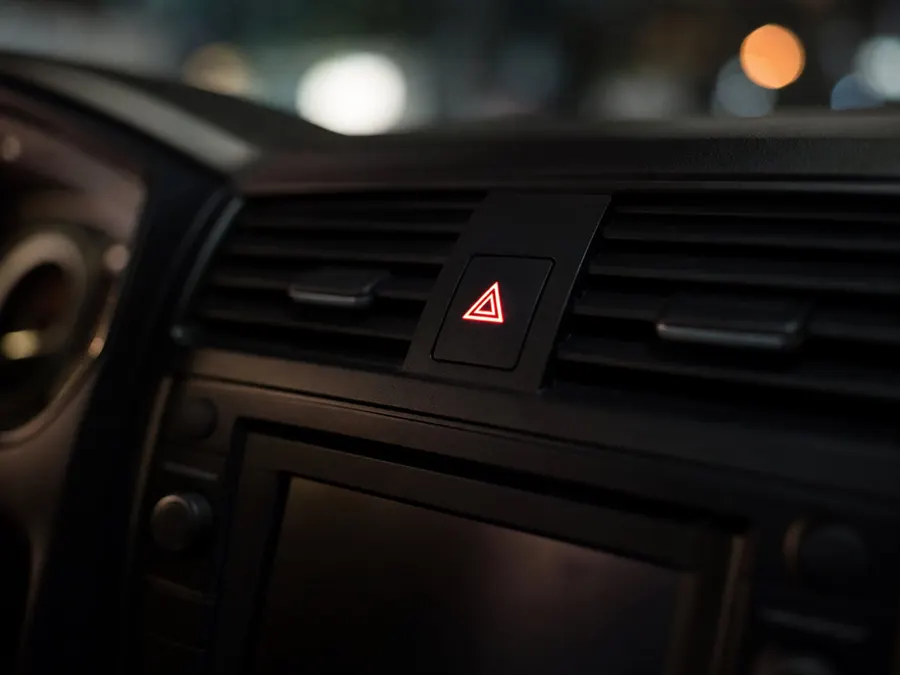
Maintain Vehicle Signaling Lights
Before an emergency occurs, have a mechanic check your car's lights and flashing hazard lights to ensure they are fully functional. These hazard lights are essential for signaling your presence to other drivers when you are stopped or experiencing vehicle issues. Keeping your signaling equipment in working order is a key part of preparing your vehicle for unexpected roadside emergencies.
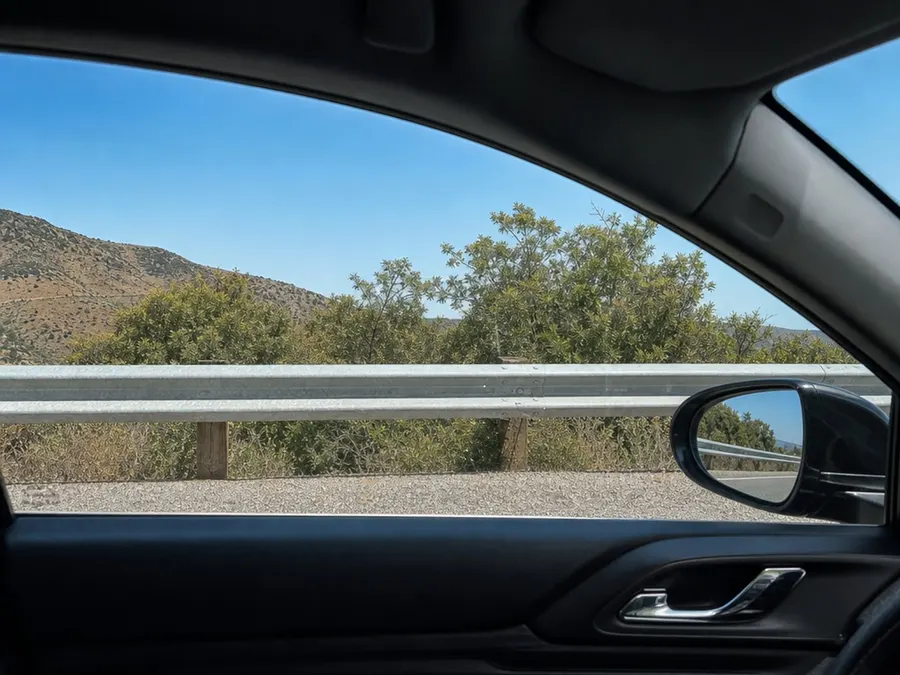
Assess Your Shelter Options
If a power line falls on your car, you are at risk of electrical shock and must stay inside the vehicle. Remaining in the car is critical until a trained person arrives to safely remove the wire. For other roadside emergencies, staying inside your vehicle can protect you from external hazards until assistance arrives.
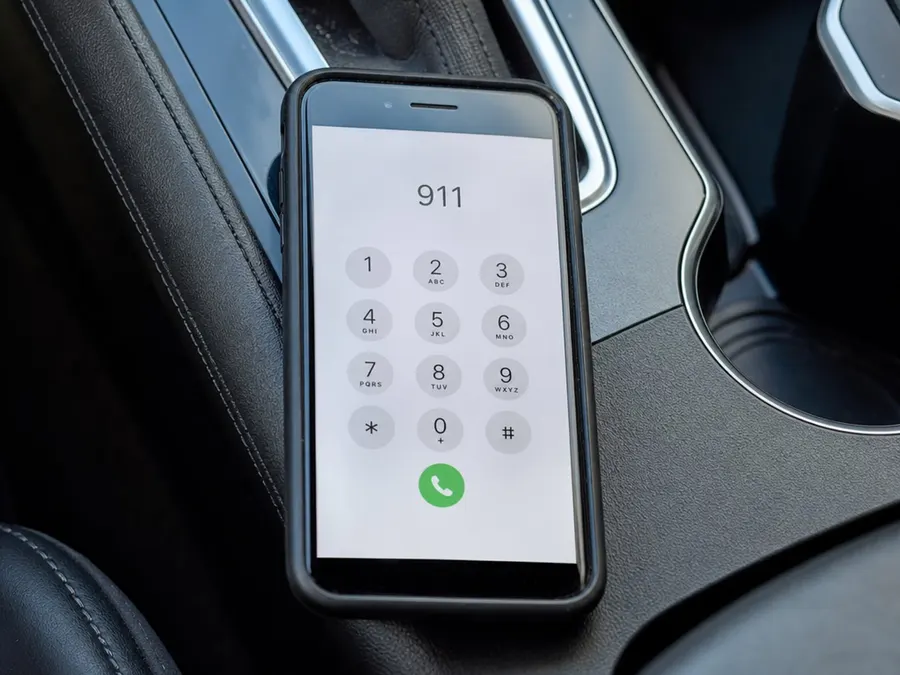
Contact Emergency Services
During a roadside emergency, contacting emergency services is a critical step to obtain official assistance. The National Highway Traffic Safety Administration lists resources such as 911.gov, which supports the nation's emergency communication systems. Reaching out to dispatchers during an urgent situation helps coordinate a prompt response from local emergency personnel.
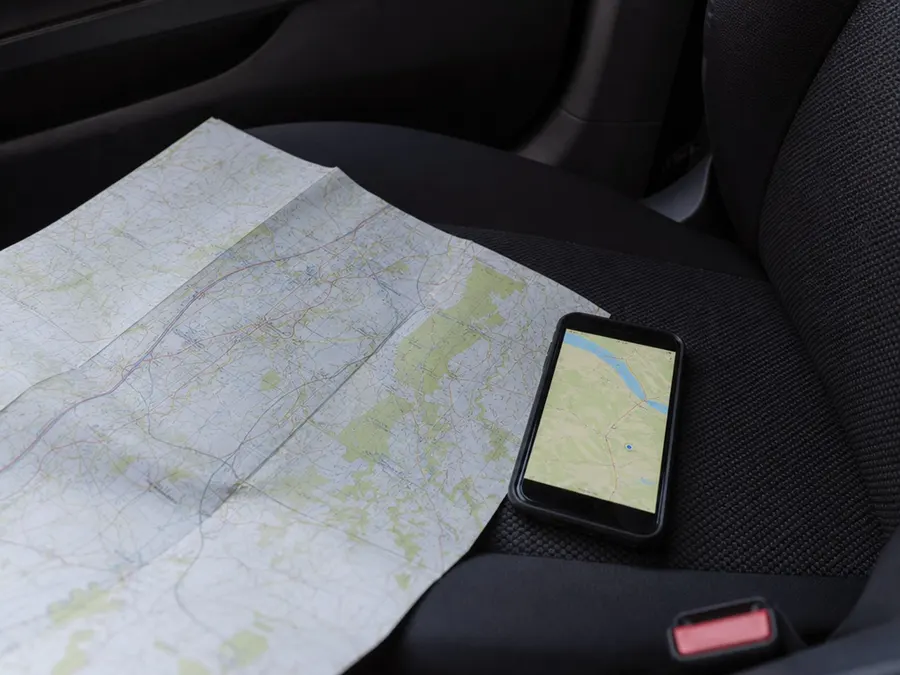
Keep Navigation Tools Handy
When preparing your vehicle's emergency kit, it is highly recommended to include a physical map. This tool serves as a reliable backup for navigating or identifying your location if your phone loses power or signal. Additionally, keeping a car cell phone charger in your vehicle helps ensure you can maintain communication with emergency services.
Promote Safe Road Behavior
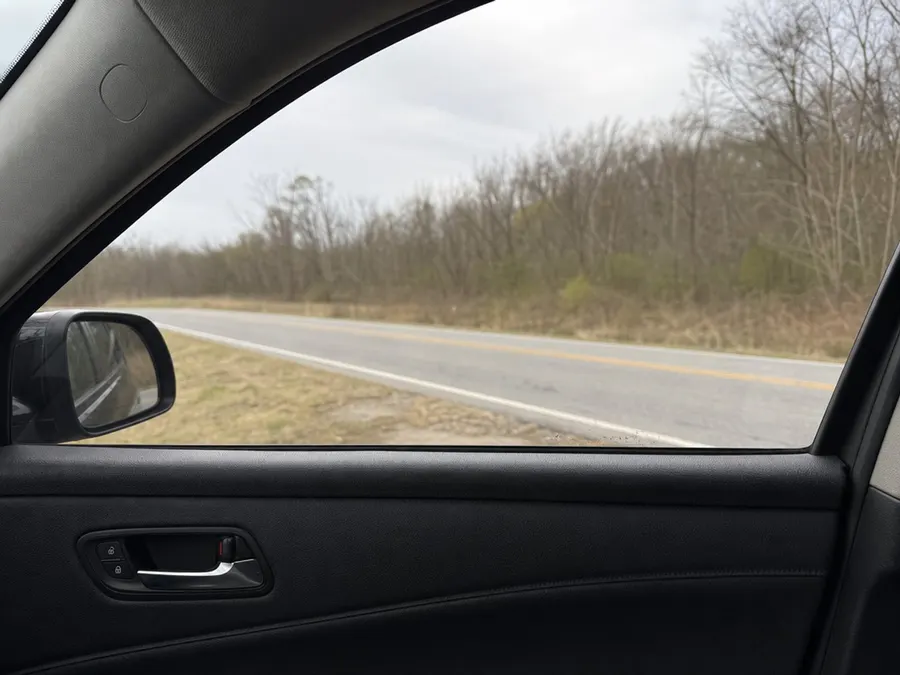
Promoting safe behaviors on the road is essential for preventing accidents and conflict. While driving, remaining focused and avoiding risky behaviors helps keep you and other motorists safe. If you encounter stressful situations, maintaining a calm demeanor and staying inside your vehicle can prevent further escalation.
Inspect Your Vehicle Regularly
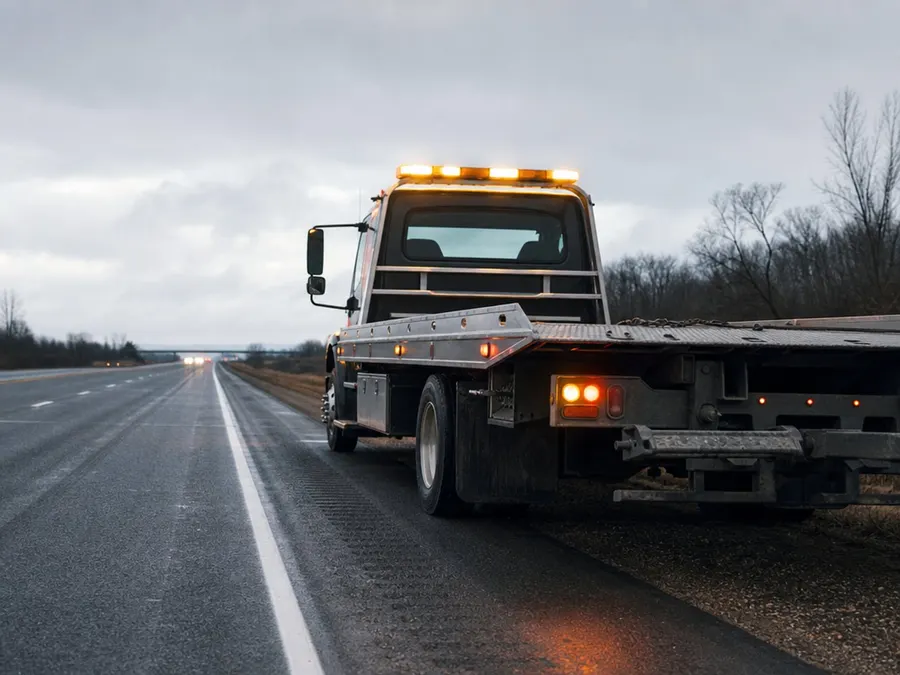
To minimize the risk of a roadside breakdown, have a professional mechanic inspect your vehicle before an emergency. A mechanic should check critical components such as the brakes, battery, ignition system, and fluids. Performing these preventative checks helps ensure your vehicle remains reliable and reduces the need for unexpected roadside assistance.
Report Road Safety Concerns
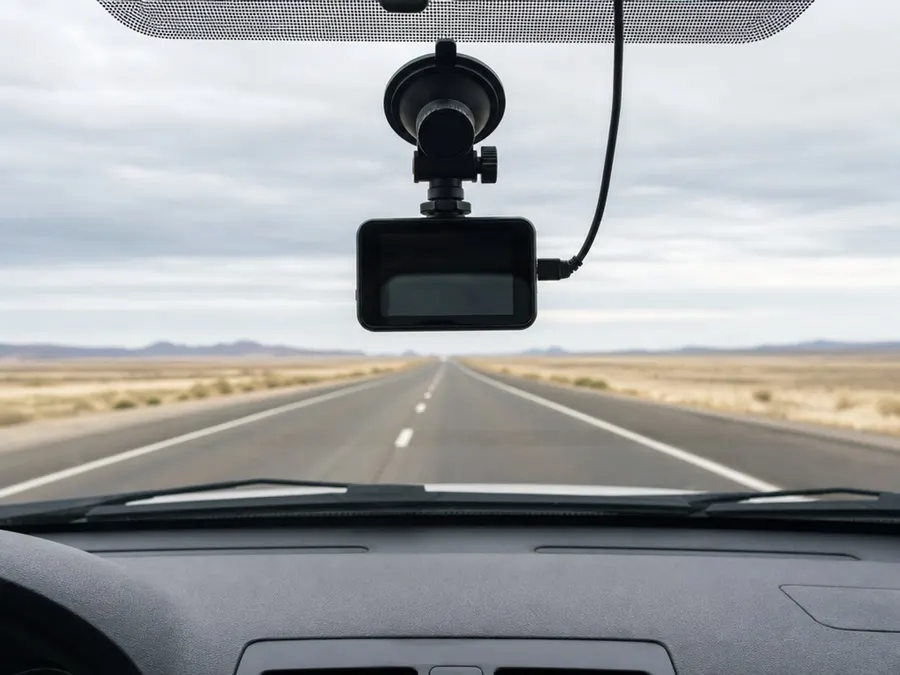
If you experience or witness a vehicle safety issue on the road, you can report it to official safety agencies. The National Highway Traffic Safety Administration provides a dedicated platform to report a safety problem online. Documenting and reporting these issues helps authorities identify safety defects and improve overall road safety for all drivers.
Deploy Warning Devices
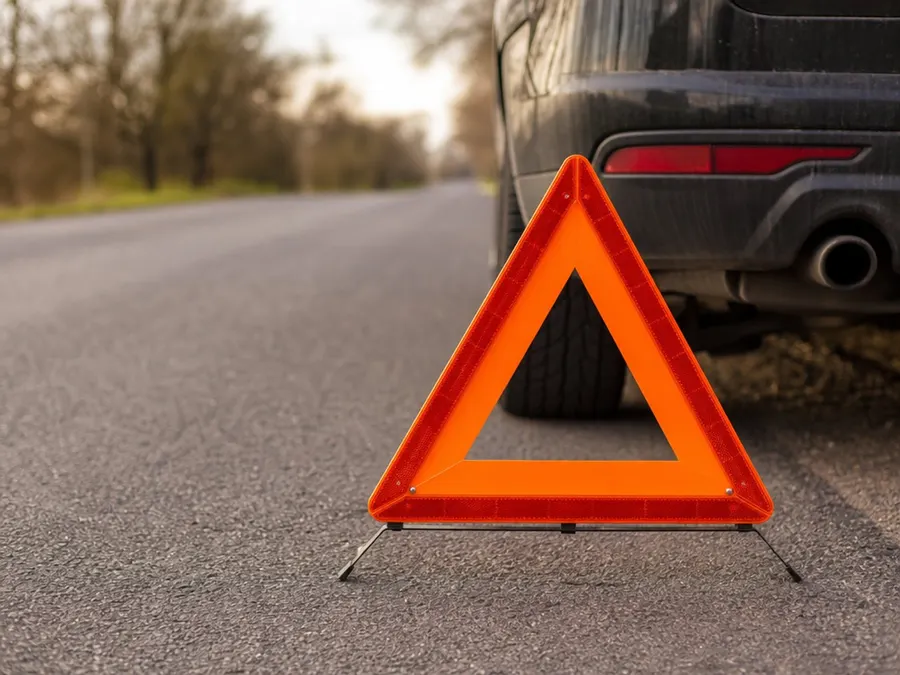
When preparing your vehicle's emergency supply kit, make sure to include flares or a reflective triangle. These warning devices are crucial for alerting oncoming traffic if your vehicle becomes stranded on the roadside. Having these items readily accessible helps improve your vehicle's visibility and enhances safety while you wait for assistance.
Disable Cruise Control on Slippery Roads
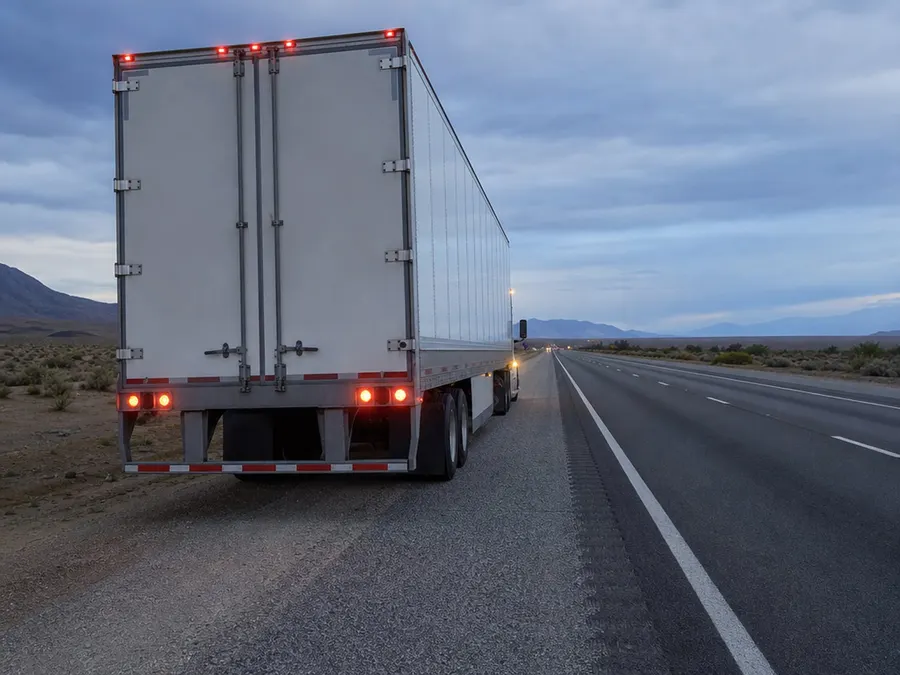
When driving on slippery, icy, or snowy roads, it is important to disable your vehicle's cruise control. If your car loses traction or begins to skid, the cruise control system will accelerate to maintain speed, which causes the wheels to spin even faster. Additionally, using cruise control at high speeds on wet roads can cause your vehicle to hydroplane over standing water.
Avoid Flooded Roadways
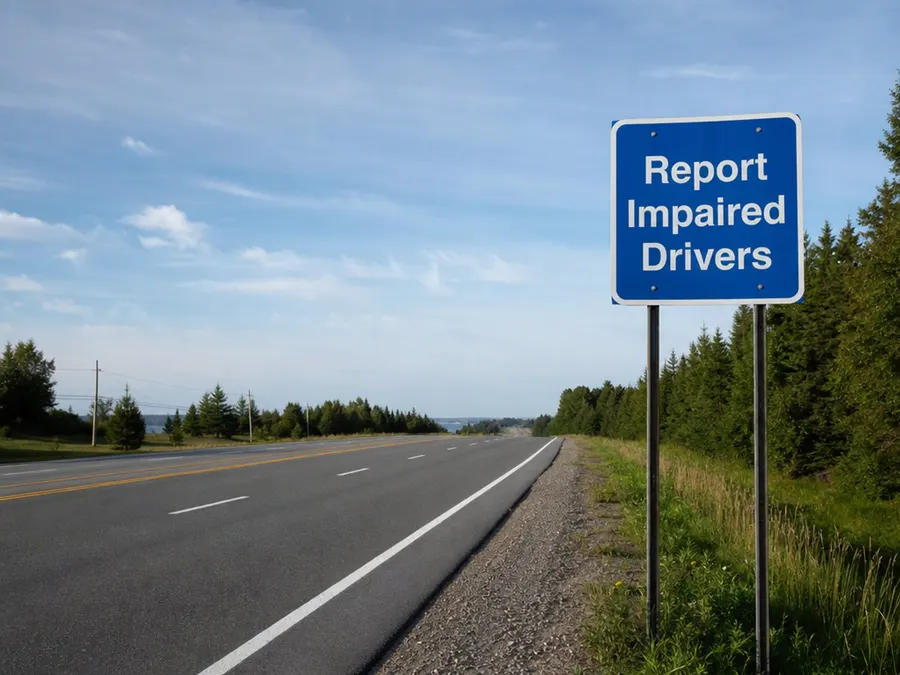
Avoid driving through flooded areas, as even six inches of water can cause a vehicle to lose control or stall. A single foot of water is enough to float many cars, creating an extremely dangerous situation. Even after floodwaters have receded, you should remain cautious because the roads may have weakened and could collapse under your vehicle's weight.
Prepare a Car Emergency Kit
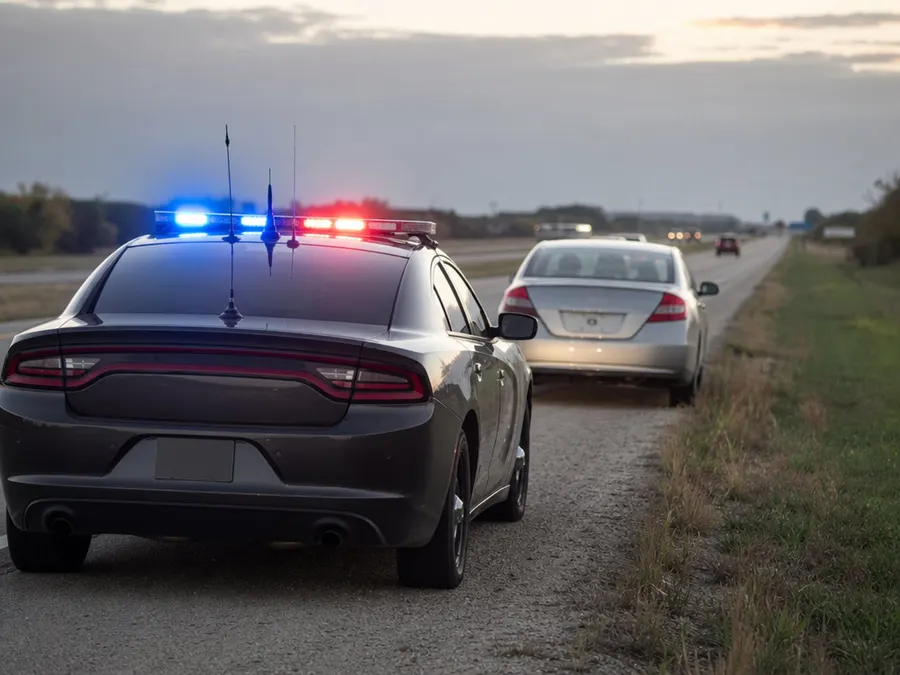
Keeping a fully stocked emergency supply kit in your vehicle is highly recommended in case you become stranded. This kit should contain essential items such as jumper cables, an ice scraper, a blanket, and a cell phone charger. You can also include cat litter or sand, which can be placed under your tires to provide better traction on slippery surfaces.
Pull Out of Active Traffic
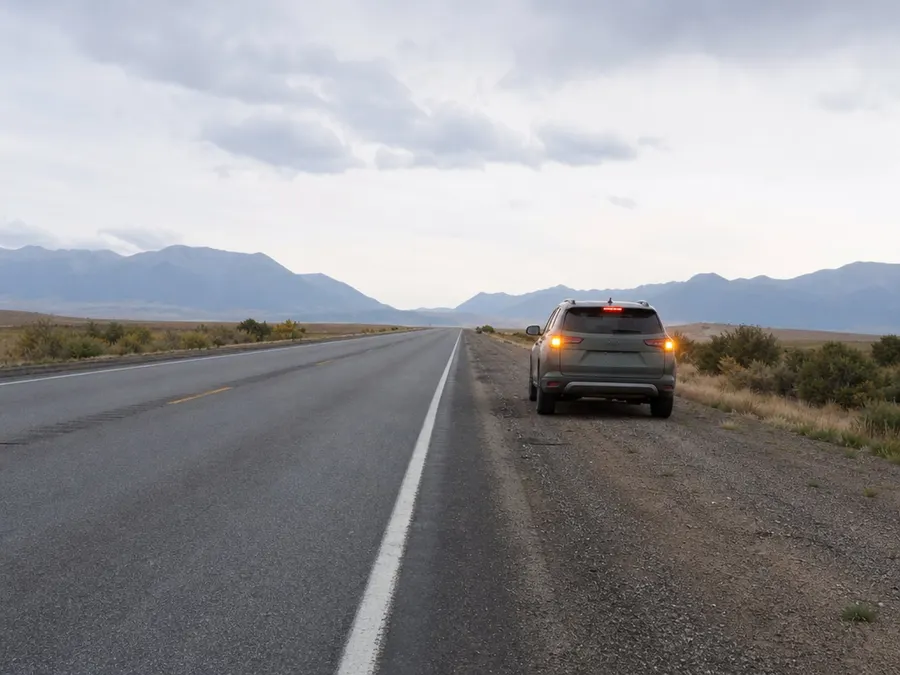
If it becomes hard to control your vehicle, pull over, stop the car, and set the parking brake immediately. When stopping during an emergency that could affect the stability of the roadway, make sure to avoid overpasses, bridges, power lines, signs, and other hazards. This helps keep you safe from potential structural collapses or falling infrastructure during an active hazard.
Featured galleries