12 Research Checks for Stories About Wealthy Women in U.S. History

2. Nominal vs. Inflation-Adjusted Values
Analyzing historical fortunes requires careful economic translation rather than relying on simple modern comparisons. Researchers studying women's financial histories often look at how assets and economic power shifted across different eras. The National Park Service provides educational resources and site histories that contextualize these shifting economic landscapes. Presenting both historical figures and modern estimates with clear qualifications helps preserve the accuracy of these narratives.
3. Ownership vs. Active Control
A central question in women's history is whether a historical figure actively managed her assets or acted as a passive beneficiary. Legal and social limitations on civic participation historically affected how women could exercise direct control over their property. Through dedicated historical sites, the National Park Service documents the lives of women who navigated these systemic barriers. Distinguishing between active financial agency and legal ownership is essential for understanding their true economic legacies.

4. The Self-Made vs. Inherited Label
Categorizing historical wealth as strictly 'self-made' or 'inherited' often oversimplifies the complex financial realities women faced. Many women in American history leveraged family resources or marital estates to build independent enterprises and shape their communities. The National Park Service preserves places associated with these diverse paths to economic and social influence. Examining how these factors overlapped provides a more nuanced view of women's roles in developing the economy.

5. Mining Business and Historical Records
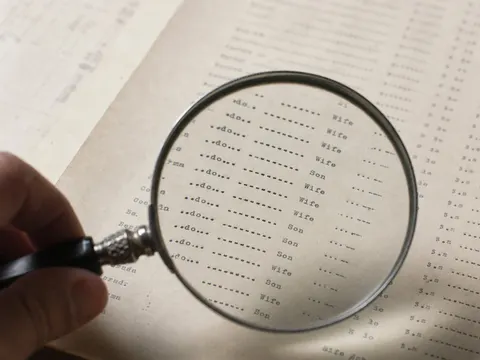
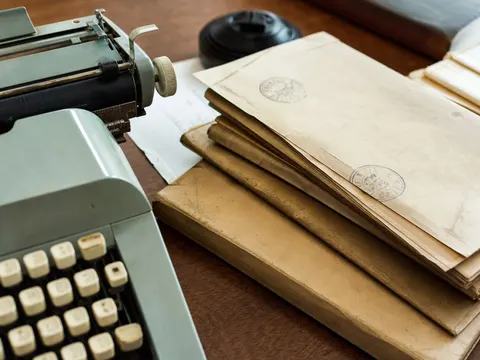
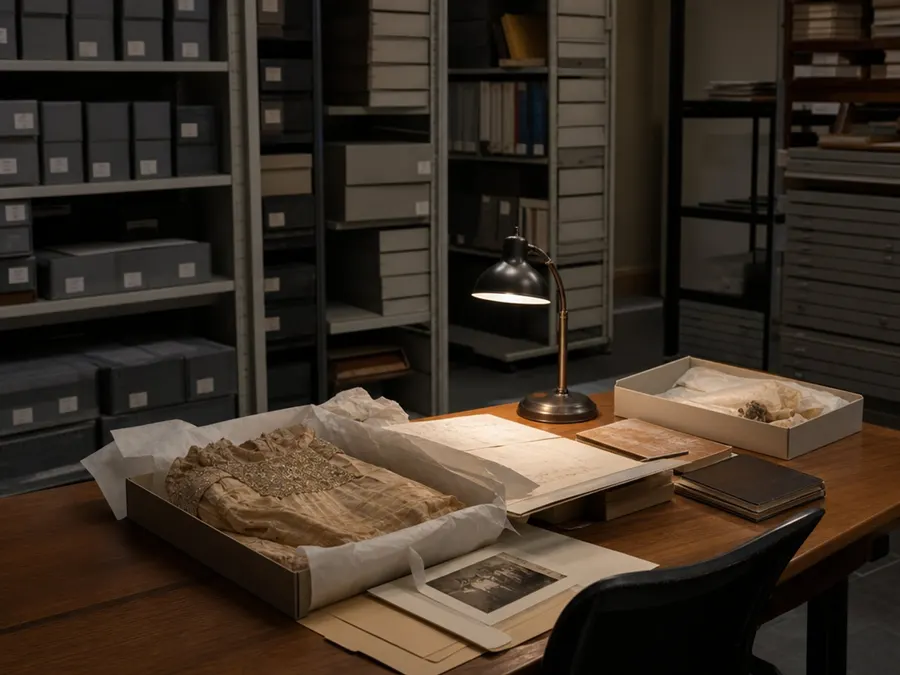
To uncover the day-to-day financial activities of historical women, researchers must locate surviving business papers and personal accounts. These records help illustrate how women participated in the marketplace despite legal and social restrictions on civic life. National parks and historical sites often preserve or highlight these primary materials to tell women's stories. Exploring these localized archives is a key step in documenting women's historical economic impact.
6. Probate and Tax Evidence
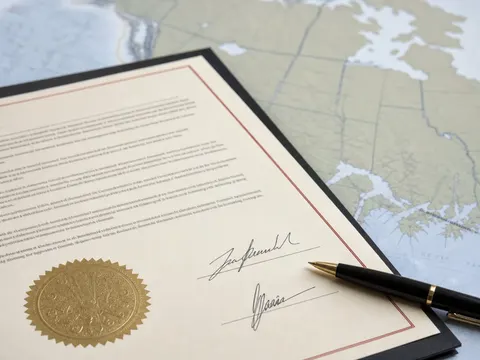
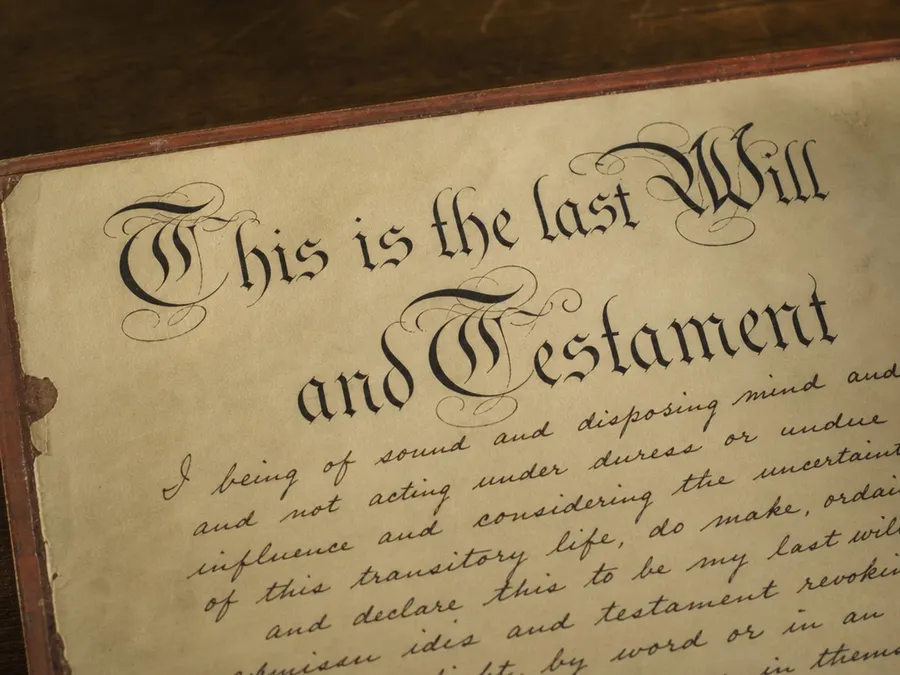
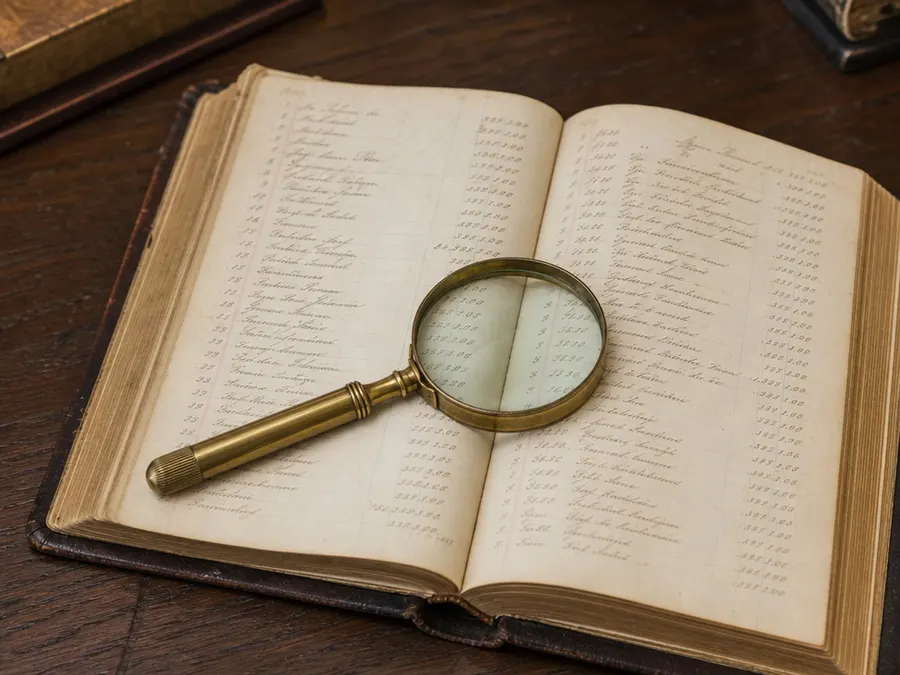
Wills, estate inventories, and tax records provide concrete evidence of a historical figure's material possessions and debts. These legal documents are crucial for understanding how wealth was transferred or preserved by women across generations. The National Park Service features numerous historic homes and sites where such legal histories are analyzed. Utilizing these official records helps researchers ground their financial narratives in verifiable historical facts.
7. Date-Specific Valuations
A woman's financial standing could fluctuate dramatically over her lifetime due to economic shifts and legal changes. Pinning wealth valuations to specific dates or events prevents misleading generalizations about a historical figure's lifelong status. The National Park Service's historical resources help researchers track how women's fortunes reacted to broader national developments. This chronological approach ensures a more accurate representation of their economic experiences.
8. Navigating Private-Company Uncertainty
Unlike modern public corporations, historical family enterprises and private partnerships rarely left behind audited financial statements. When researching these closely held businesses, historians must rely on secondary clues and contextual evidence. The National Park Service supports this research by preserving sites and stories connected to early American commerce and industry. Acknowledging these gaps in the historical record is vital for maintaining research integrity.
9. Household Attribution Dilemmas
Attributing wealth in historical households is challenging because assets were frequently registered under a husband's or father's name. Despite these legal limitations, many women played a fundamental role in co-managing and expanding family estates. The National Park Service highlights these shared and individual contributions through its diverse historical park listings. Separating a woman's active economic labor from her household's collective wealth requires meticulous historical analysis.

10. Understanding Historical Legal Constraints
For much of American history, legal structures severely restricted a married woman's right to own property, enter contracts, or control her wages. Understanding these evolving legal frameworks is essential for evaluating any historical woman's financial agency. The National Park Service dedicatedly preserves monuments and parks, such as the Women's Rights National Historical Park, that focus on the struggle for civil rights and legal equality. These sites provide critical context on the legal barriers women worked to overcome.
11. Diverse Primary Sources
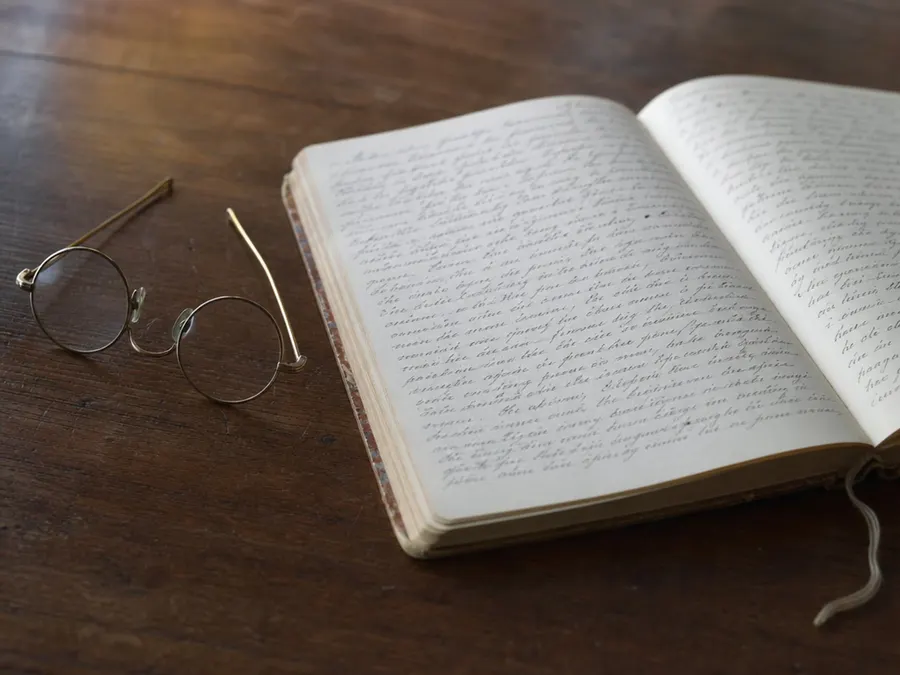
Because official financial records are often incomplete, historians must look to letters, diaries, and local newspaper notices to reconstruct women's lives. These personal and public writings complement official ledgers by offering insights into daily economic decisions. The National Park Service encourages the exploration of these diverse narratives through its specialized women's history categories. Combining these varied sources ensures a rich, multi-dimensional portrayal of women's historical contributions.
12. Embracing Transparent Uncertainty
No historical wealth estimate is entirely precise, meaning researchers must communicate the limitations of their data. Rather than asserting a single definitive ranking, presenting a qualified range of possibilities honors the complexity of the past. The National Park Service offers a vast network of historic sites and educational resources to help contextualize these narratives. Embracing this transparency allows researchers to tell more honest and comprehensive stories about women in history.
1. Defining Historical Wealth
When researching women's economic contributions to U.S. history, scholars explore how wealth and financial agency were defined in different eras. The National Park Service highlights these contributions through themes like 'Developing the American Economy' to show women's fundamental roles. Because women were often restricted from civic participation, their wealth may have been held in unconventional forms or managed indirectly. Investigating these diverse economic roles helps historians build a more complete picture of women's historical impact.
Featured galleries