12 Remarkable Animals with Irresistible Features
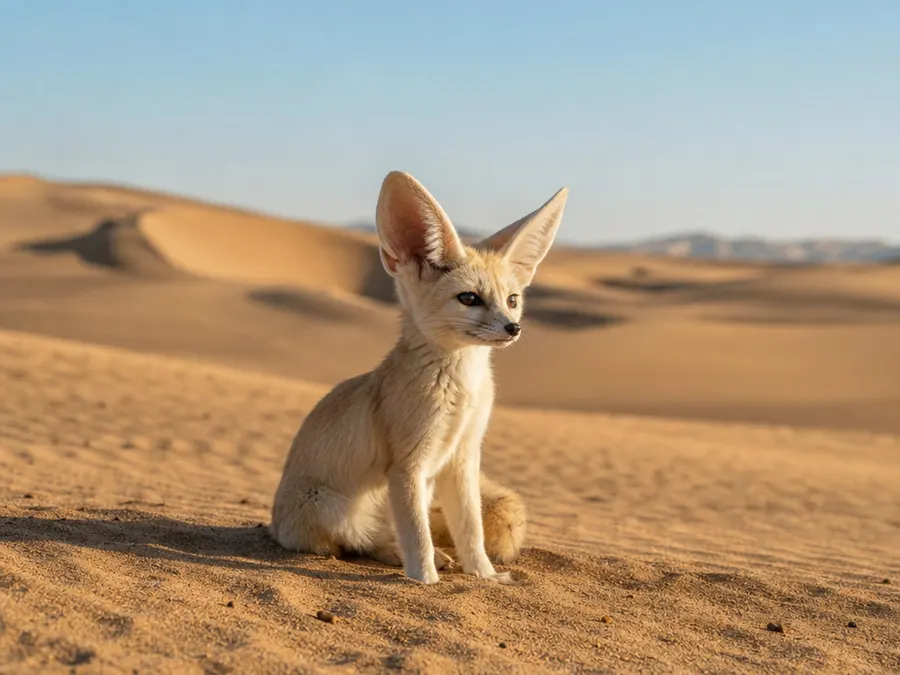
Desert Ear Adaptations
The fennec fox is easily recognized by its disproportionately large ears, which serve a dual evolutionary purpose in the harsh Sahara Desert. These massive structures help dissipate body heat to keep the mammal cool in scorching temperatures, while also allowing it to detect the movements of underground prey. Thick fur on their paws protects them from hot desert sand.
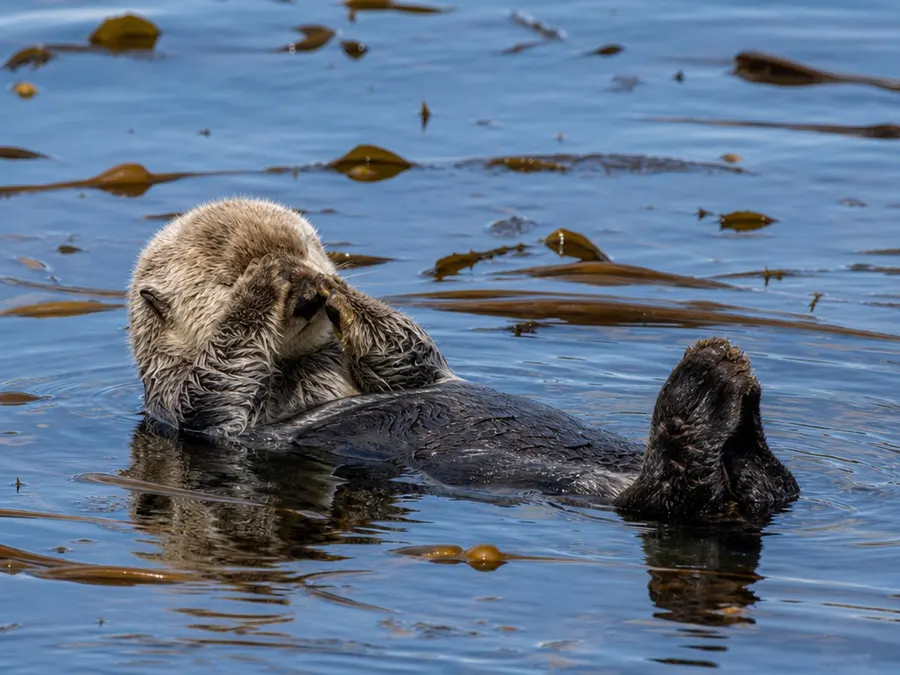
Marine Canopy Drifters
Sea otters rely on incredibly dense fur rather than blubber to stay warm in chilly Pacific waters. This specialized coat traps air bubbles next to their skin, providing essential insulation. Often seen floating on their backs in kelp forests, they use their paws to groom themselves constantly, maintaining the waterproof quality of their fur while resting securely in the ocean currents.
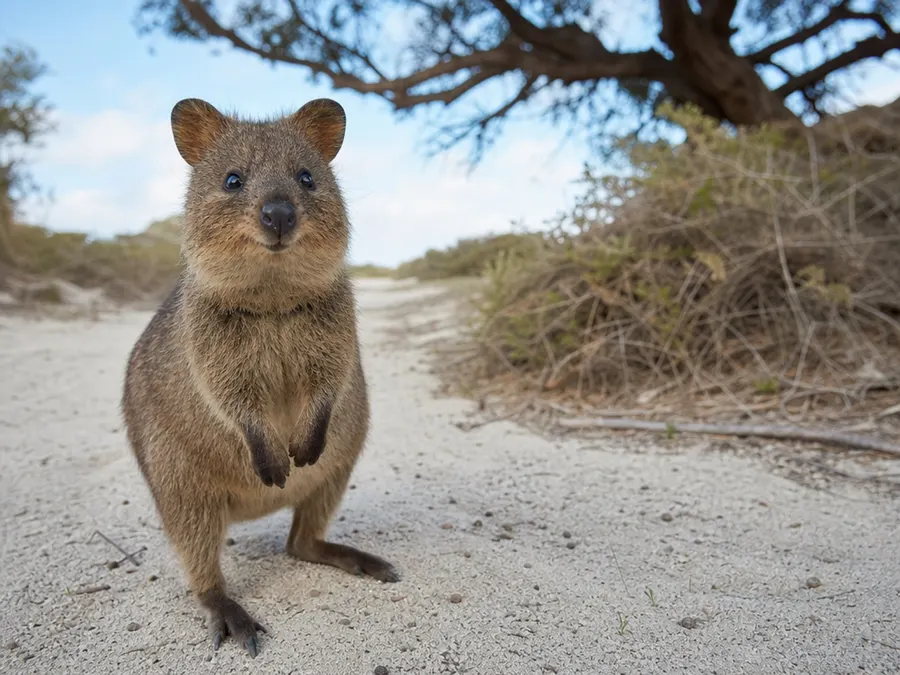
Island Marshmallow Marsupials
Native to islands off Western Australia, the quokka has a distinctive facial structure that often resembles a cheerful expression. This small marsupial is adapted to arid environments, capable of surviving for long periods without drinking water by extracting moisture from the vegetation it consumes. Its compact body and strong hind legs allow it to navigate dense scrubland with ease.
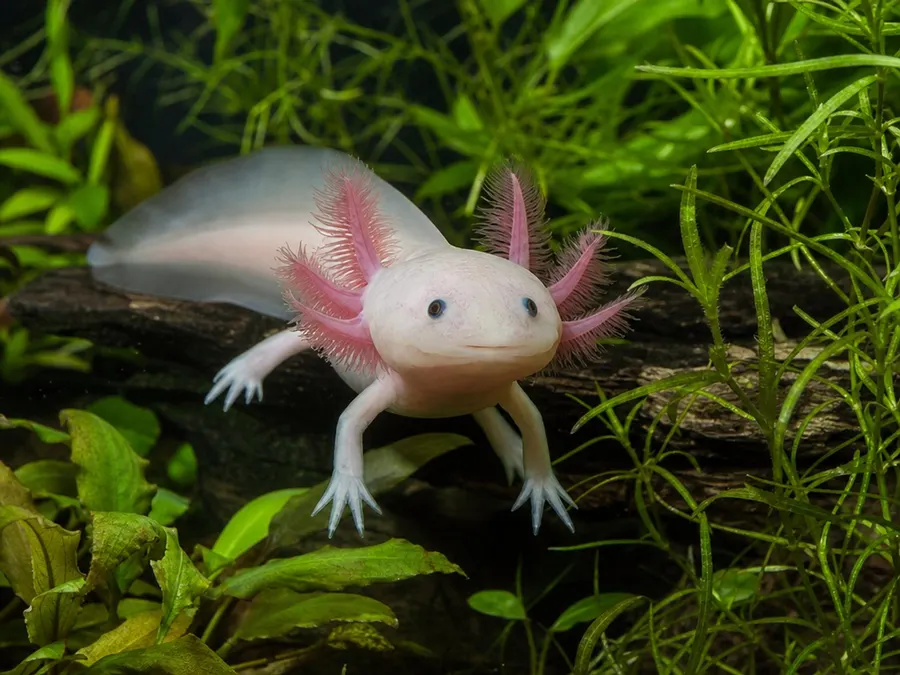
Aquatic Regeneration Wonders
The axolotl is a unique amphibian that exhibits neoteny, meaning it retains its juvenile characteristics, such as external gills, throughout its entire life. These feathery, pinkish gills protrude from the sides of its head, extracting oxygen directly from the water of its native Mexican lake habitats. Its wide mouth and dark, round eyes give this aquatic creature an unforgettable appearance.
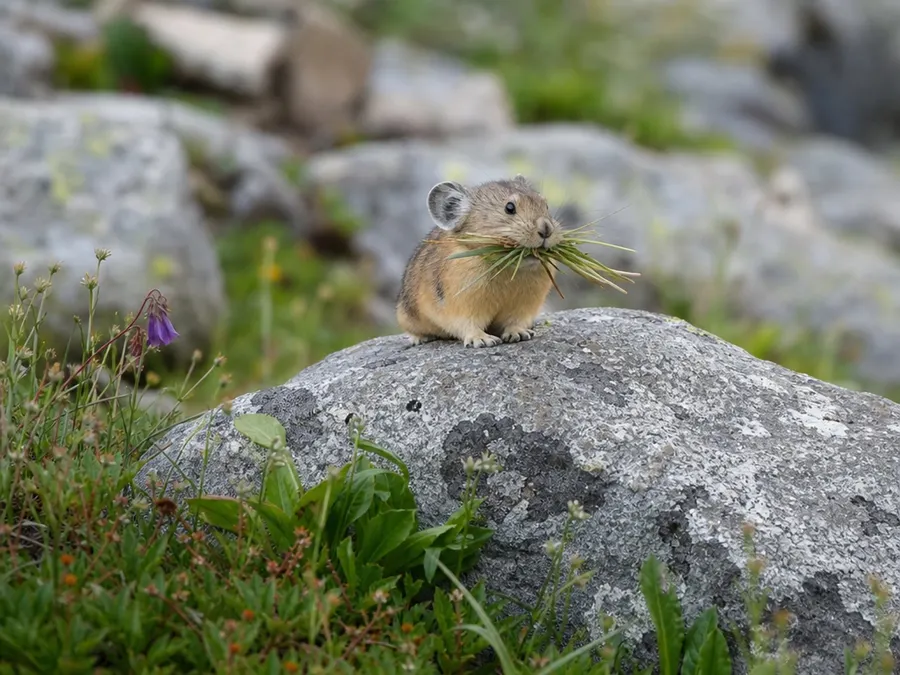
High-Altitude Haymakers
Inhabiting rocky alpine slopes, the pika is a small, round mammal closely related to rabbits. Lacking a visible tail, its compact shape helps conserve heat in freezing mountain climates. Pikas are famous for gathering wild grasses and wildflowers during the brief summer months, drying them in the sun on rocks to create winter food stores known as haypiles.
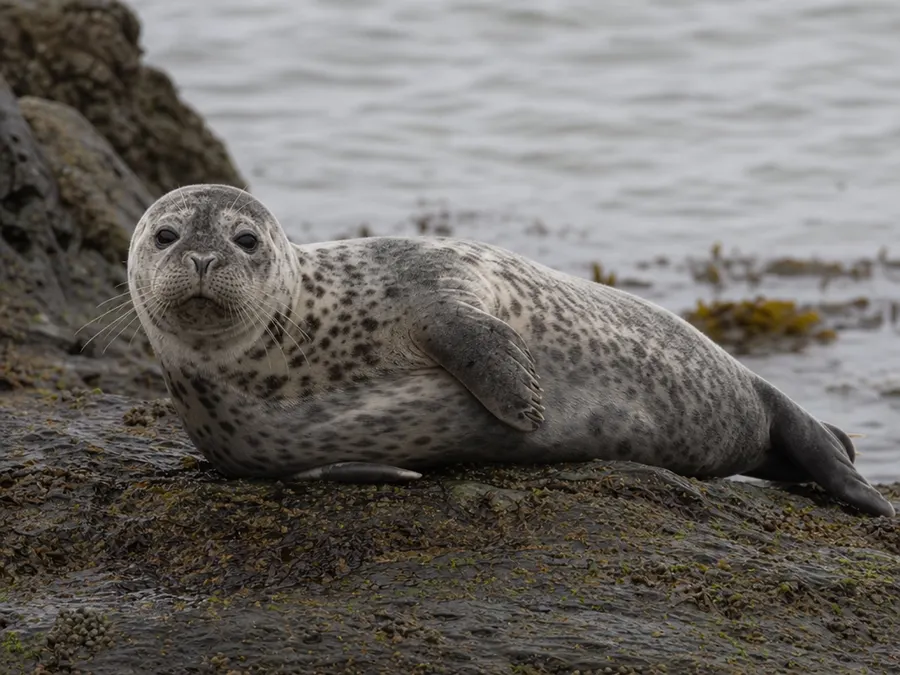
Coastal Water Gliders
Harbor seals are perfectly streamlined for life in coastal waters, featuring a plump, torpedo-shaped body covered in unique spotted patterns. Their large, dark eyes are highly sensitive to light, helping them navigate and hunt in murky depths. On land, they move with a characteristic bouncing motion, but in the water, they transform into agile, graceful swimmers.
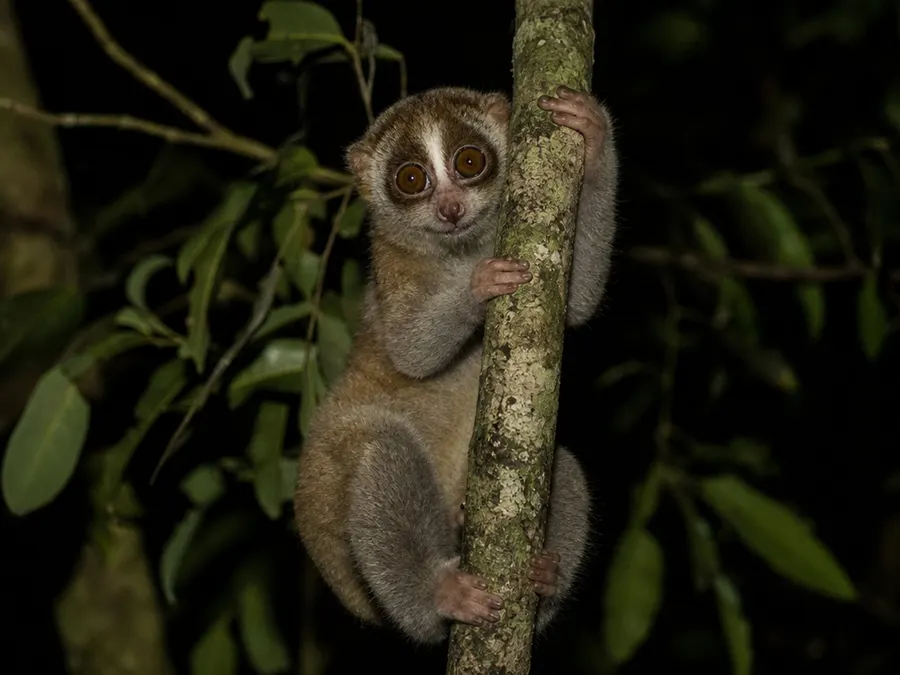
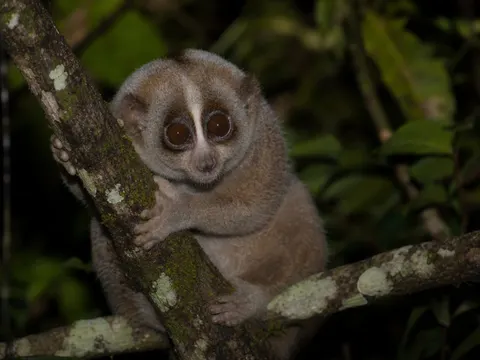
Nocturnal Forest Climbers
Finding its home in the tropical rainforests of Southeast Asia, the slow loris is a nocturnal primate with exceptionally large, forward-facing eyes that grant superb night vision. It possesses strong, specialized hands and feet with a powerful grip, allowing it to move slowly and silently through the forest canopy without alerting potential predators or the insects it hunts.
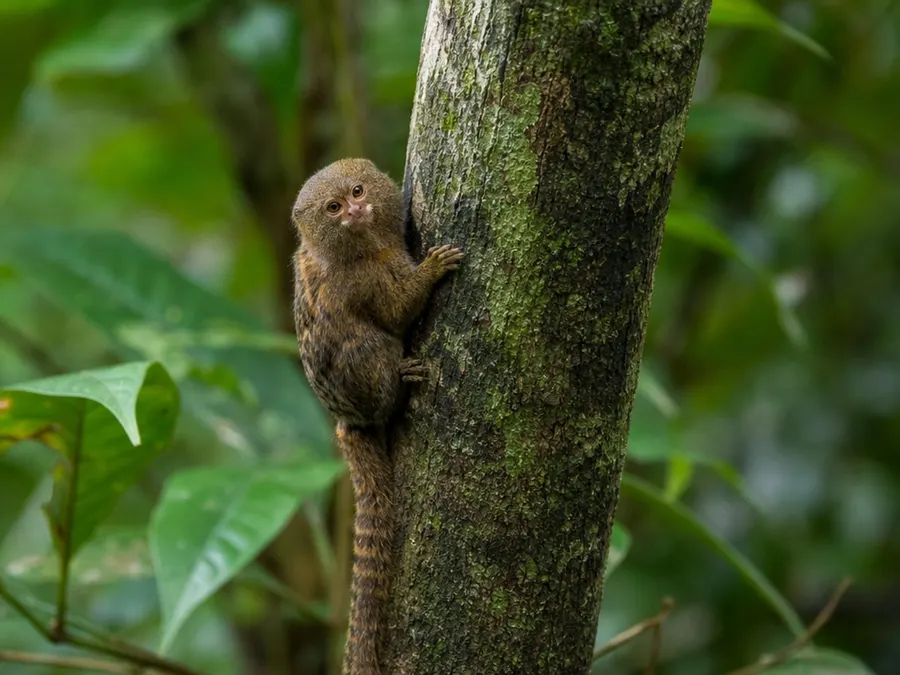
Canopy-Dwelling Dwarfs
As one of the smallest primates in the world, the pygmy marmoset is native to the Amazon Basin. Its lightweight body and sharp, claw-like nails allow it to cling vertically to tree trunks and feed on tree sap, which it extracts by gouging holes in the bark. A dense mane of fur frames its face, helping it blend into the foliage.
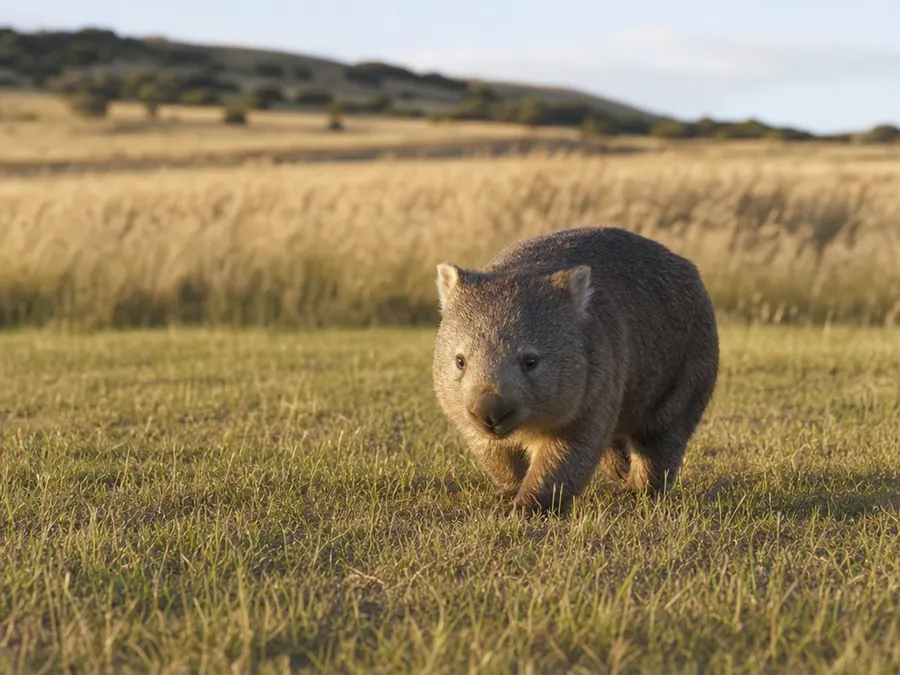
Subterranean Earth Movers
The wombat is a heavily built Australian marsupial adapted for a burrowing lifestyle. It features powerful claws and a backward-facing pouch, which prevents dirt from entering and covering its young while digging. Its most distinctive defense mechanism is a heavily reinforced, cartilaginous backside, which it uses to block the entrance of its burrow from intruders.
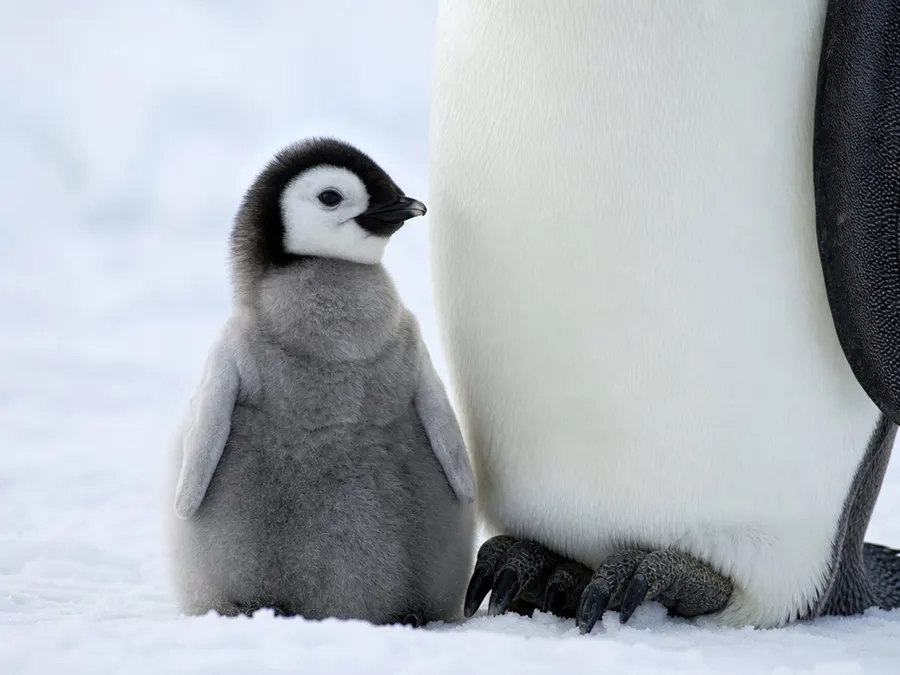
Antarctic Downy Survivors
Penguin chicks are born covered in thick, insulating down feathers that protect them from the biting polar cold. Because this down is not waterproof, the chicks must remain on land or ice, relying on their parents for food and warmth until they grow their sleek adult plumage. Their round, fluffy bodies help minimize heat loss in freezing conditions.
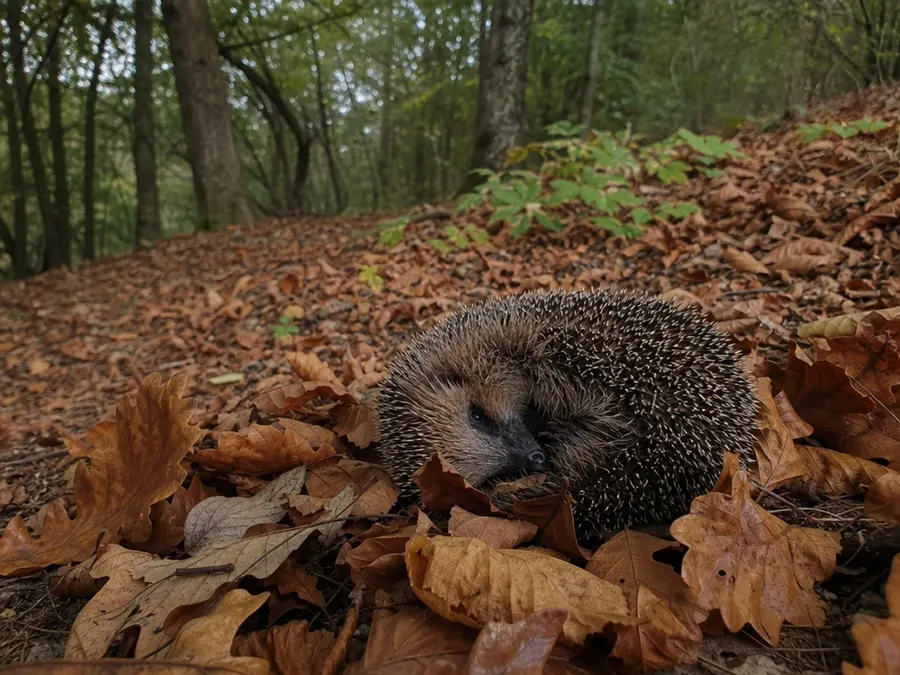
Spiny Forest Foragers
The hedgehog is easily identified by its coat of stiff, hollow spines made of keratin. When threatened, a specialized muscle allows the animal to roll into a tight, protective ball, shielding its soft underbelly and face from predators. These nocturnal foragers rely on an acute sense of smell and hearing to locate insects in the undergrowth.

Mountain Forest Acrobats
Nestled high in the Eastern Himalayas, the red panda possesses a striking rust-colored coat that provides excellent camouflage among moss-covered trees. Its long, bushy tail assists with balance while navigating slippery branches, and also serves as a warm blanket during freezing alpine nights. False thumbs, which are actually extended wrist bones, help this mammal grasp bamboo stems with remarkable precision.
Featured galleries