12 Records to Check in a Cross-Border Bridge Dispute
Construction versus Operational Status
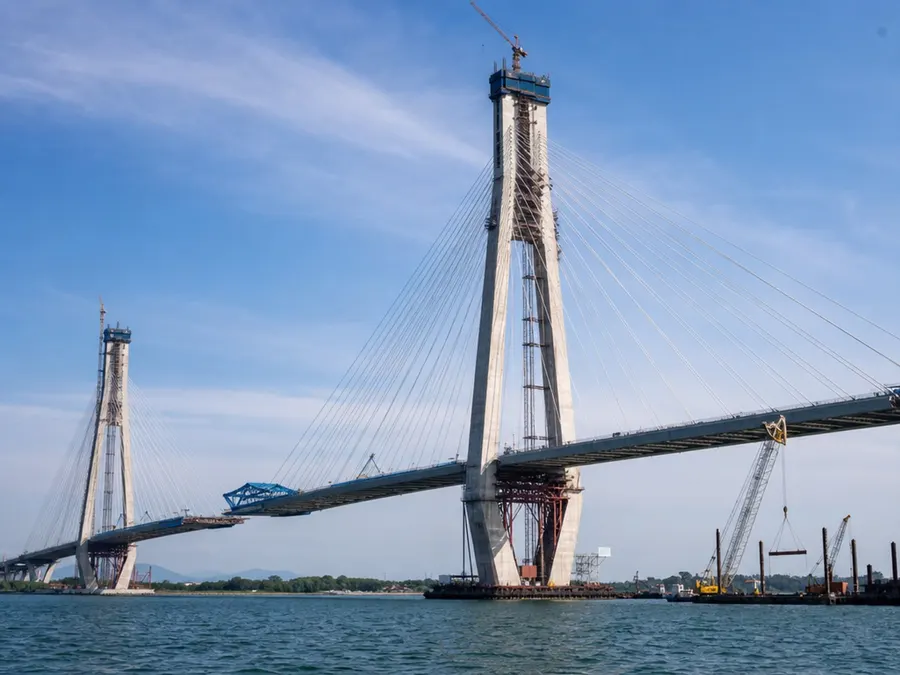
The Gordie Howe International Bridge project has logged over 2,000 days of construction. Progress is tracked through official construction notices and milestone reports made available to the public. These updates cover key activities across both Canada and the United States, including work on the Michigan Interchange. Monitoring these public notices helps interested parties follow the project's transition toward completion.
Toll and Revenue Agreements
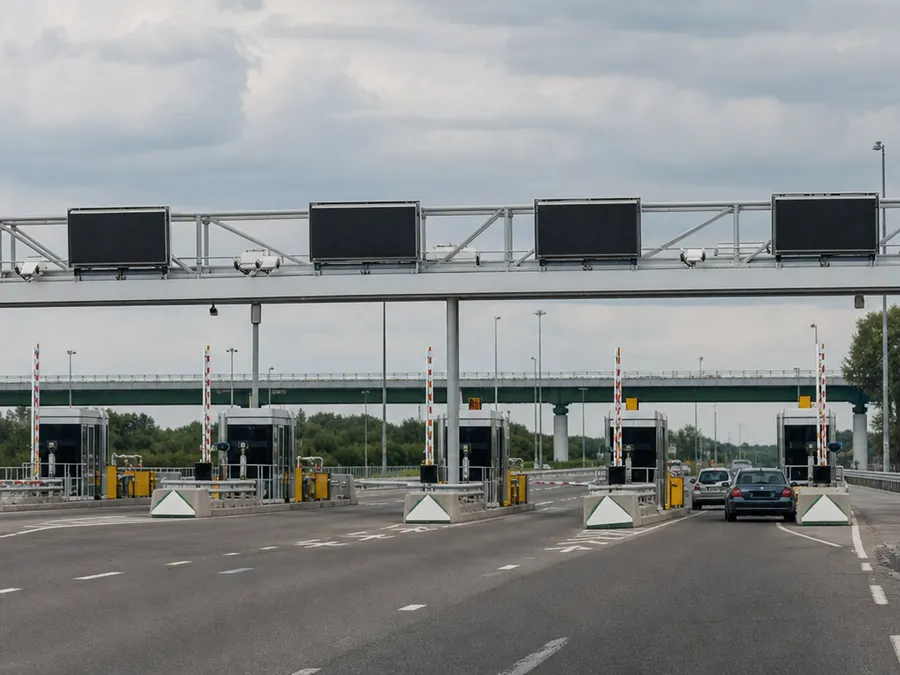
In an August 22, 2026, address, Prime Minister Carney noted that the sharing of tolls for a bridge built and paid for by Canada has been a point of trade discussion with the United States. To prepare for eventual operations, the bridge authority provides resources such as toll rate calculators and information on toll lanes. These tools help travelers estimate crossing costs and understand the planned tolling experience. Reviewing these official details clarifies how the tolling framework is structured for future users.

Political Statements vs. Executed Actions
During trade negotiations, public addresses outline national positions and proposed responses to international actions. For instance, Prime Minister Carney announced that Canada would match new U.S. tariffs dollar for dollar starting the Tuesday after Labour Day in 2026. This planned response targets strategic sectors like steel, dairy, appliances, and electronics to protect Canadian industries. Analyzing these official declarations provides a clear view of the actions a government intends to execute during a trade dispute.
Bi-National Jurisdiction
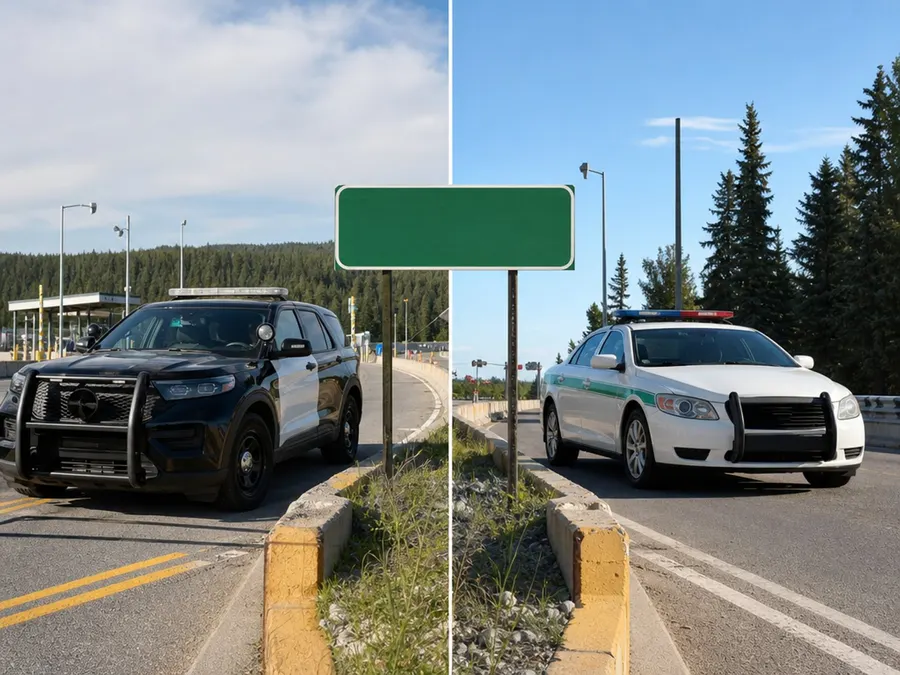
The Gordie Howe International Bridge project involves coordination across both Canadian and United States territories. WDBA materials outline construction notices and environmental studies that apply to activities in both countries. The project also features a multi-use path designed for cyclists and walkers crossing between the two nations. Understanding these dual-nation components helps clarify how the bridge serves both jurisdictions.
Permitting and Environmental Studies
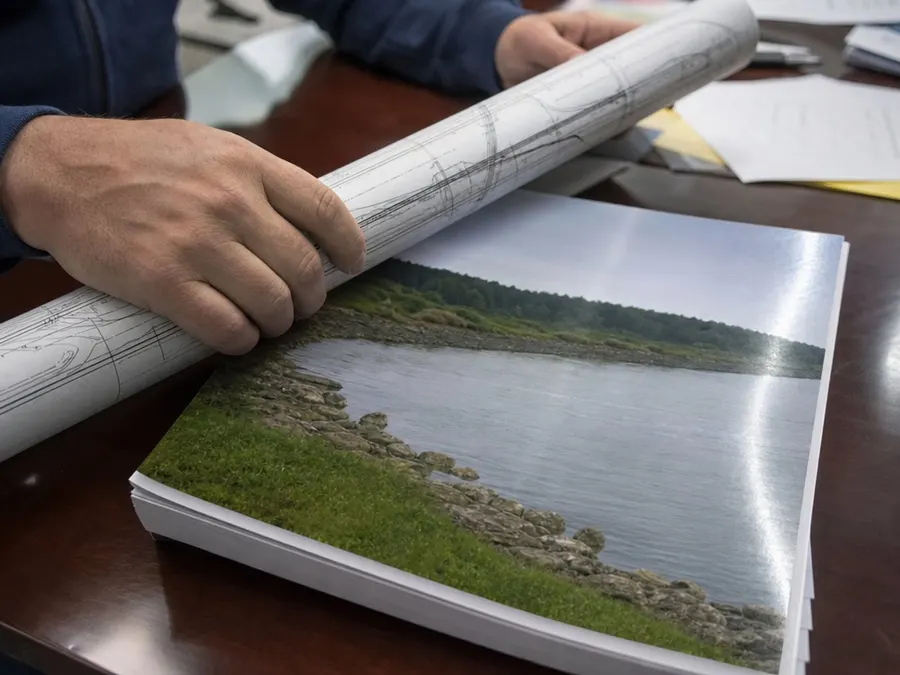
The WDBA conducts environmental studies and outlines sustainability commitments to mitigate the project's ecological impact. These efforts include establishing protection measures to preserve local ecosystems during construction. Additionally, specific rules govern the Detroit River exclusion zone shoreline safety area and the surrounding control zone airspace. Reviewing these official guidelines helps outline the environmental and operational constraints placed on the project.
Border Operations and Ports of Entry
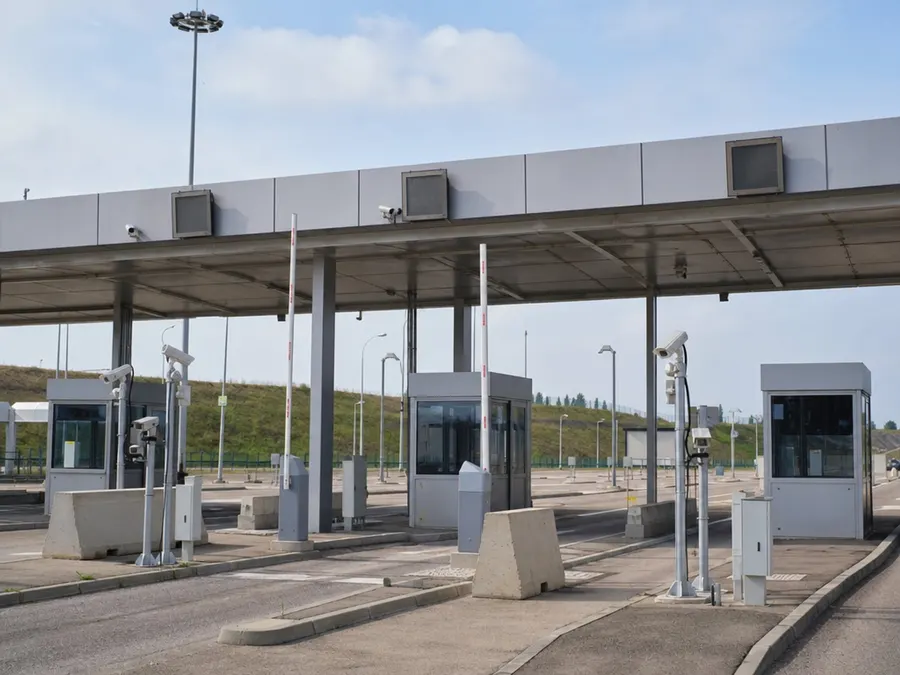
The Gordie Howe International Bridge project incorporates infrastructure designed to manage cross-border travel. Travelers will encounter specific toll lanes and commercial amenities designed to facilitate movement across the border. The bridge authority provides guides to help drivers understand the tolling experience and the requirements for specialized loads. These operational details are crucial for planning efficient commercial and passenger transits.
Public Financing and Procurement
The Gordie Howe International Bridge project is developed through a Public-Private Partnership (P3) procurement model. The Windsor-Detroit Bridge Authority works alongside its partner, Bridging North America, to deliver the infrastructure. Publicly available resources include procurement tenders, surplus goods listings, and corporate reports detailing the project's progress. Examining these documents provides transparency regarding the commercial and economic opportunities associated with the development.

Official Response Dates
Timeline accuracy is essential when analyzing international trade and infrastructure disputes. Key milestones include the published statement by WDBA Interim Chief Executive Officer Chuck Andary on June 11, 2026. Additionally, Prime Minister Carney delivered a major address on Canada-U.S. trade negotiations on August 22, 2026. Tracking these official communications helps researchers establish a clear sequence of diplomatic and operational events.

Direct Quotations vs. Paraphrases
When analyzing trade disputes, researchers should rely on direct statements from primary sources rather than third-party summaries. In his August 2026 address, Prime Minister Carney explicitly mentioned a dispute over sharing tolls for a bridge that Canada 'built and paid for' as a U.S. talking point. This direct phrasing highlights Canada's official stance on its infrastructure investments. Referencing official transcripts ensures that national policies and arguments are represented accurately.

Unresolved Negotiating Issues
Bilateral trade negotiations have faced several unresolved issues that directly impact cross-border infrastructure and policy. In his August 2026 remarks, Prime Minister Carney identified the sharing of bridge tolls as one of multiple points raised by the United States. Other disputed topics included taxes on U.S. tech giants, dairy policy, and provincial decisions regarding alcohol sales. Monitoring these ongoing policy debates is crucial for understanding the wider context of international trade relations.

Archive Preservation and Review Dates
To support transparency, the Windsor-Detroit Bridge Authority maintains public archives and an Access to Information and Privacy (ATIP) request portal. These resources allow individuals to access corporate reports, annual public meeting records, and historical project data. Utilizing these official transparency portals helps researchers verify key administrative decisions and project milestones. This structured access ensures that public information remains verifiable and up to date.
Governing Legislation and Mandate
The Windsor-Detroit Bridge Authority (WDBA) lists its mandate, mission, and governing legislation as part of its corporate structure. These resources help define the legal and operational framework of the public entity overseeing the bridge project. Reviewing official corporate reports and governance guidelines is a useful step in analyzing this cross-border infrastructure authority. This documentation provides insight into the organizational structure and legal boundaries of the authority.
Featured galleries