12 Quick Game Formats for Different Kinds of Breaks

Micro-Sized JavaScript Games
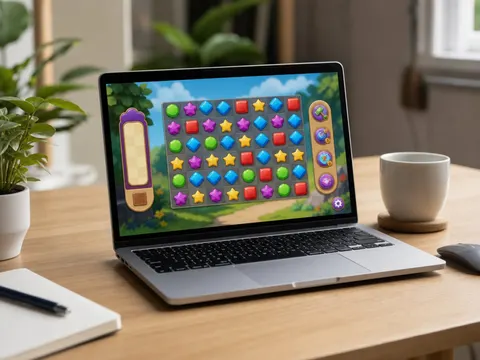
For extremely short breaks, micro-sized games offer rapid entertainment with minimal loading times. An example of this is the js13kGames coding competition, which challenges developers to create HTML games under a strict file size limit of 13 kilobytes. These highly optimized games are written in JavaScript and showcase what can be done with limited code.

Multiplatform Web Games
Web-based games are highly accessible because they can run across many different platforms. Unlike native games, which are often locked into a single store controlled by one company, HTML games offer freedom of distribution. This multiplatform nature allows players to quickly launch a game on almost any device during a break.
Main Loop Video Games
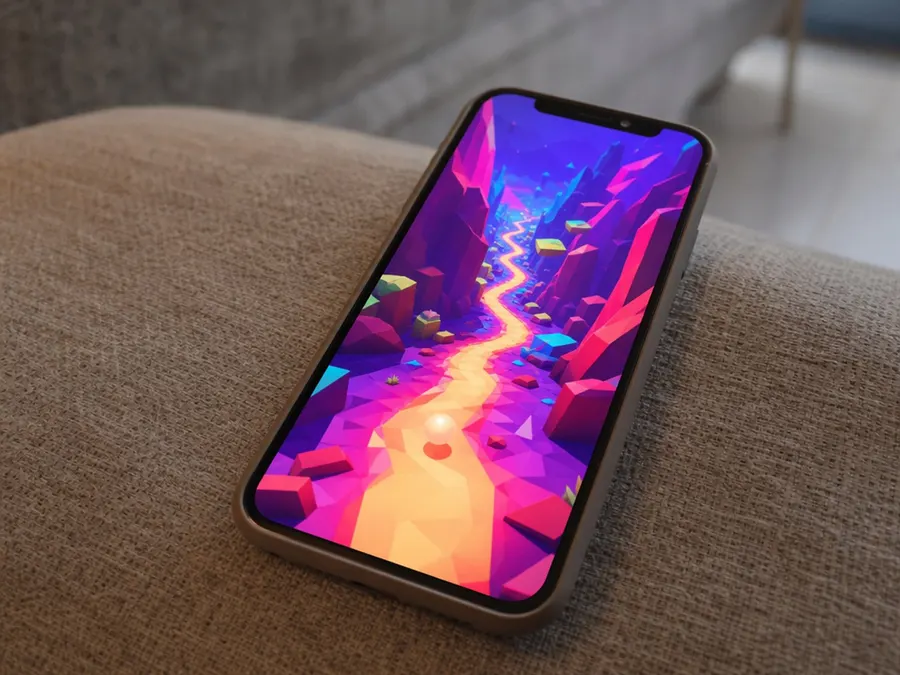
Behind many quick games is a standard technical workflow that keeps the action running smoothly. The average video game relies on a main loop to update game states and render graphics continuously. Understanding how this loop runs helps developers build responsive experiences that fit into brief play sessions.

Open Web Technology Puzzles
Puzzle games and quick challenges can be easily built using open web standards. Developers use these open technologies to ensure games are highly compatible and easy to distribute. This open approach allows players to enjoy seamless gaming experiences directly in their browsers.
Community-Curated Web Games
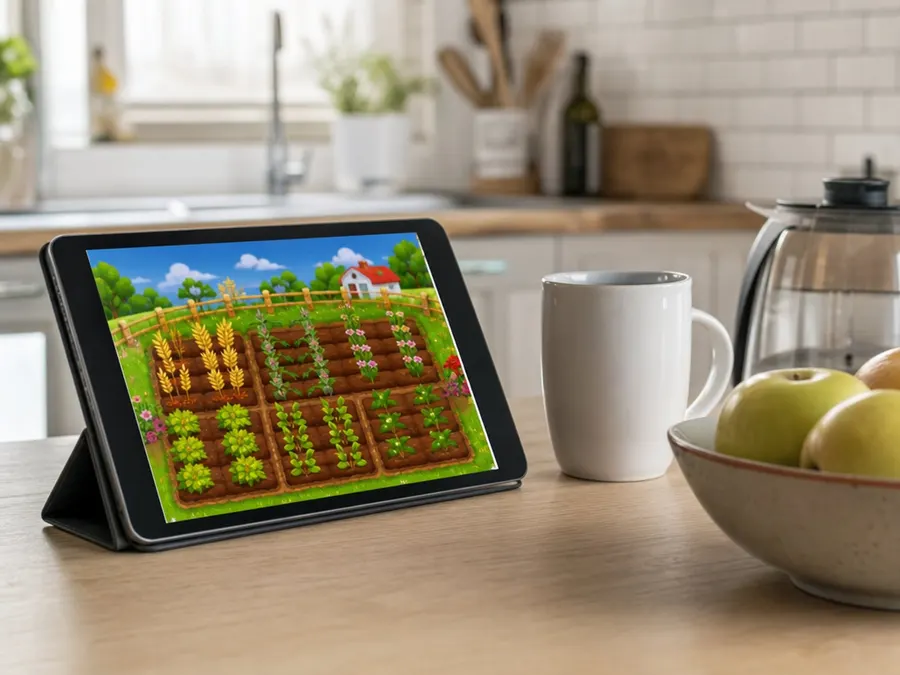
Finding quick games is made easier by curated lists and starter resources available online. For instance, the HTML5 Gamedev Starter provides a curated list of links to various resources around the web for new game developers. These resources help creators build and share bite-sized games that are easy to play on any device.

Weekly Newsletter Game Discoveries
Staying updated on the latest quick browser games and tools can be done through dedicated community channels. The Gamedev.js Weekly newsletter is sent out every Friday to share the latest HTML game development resources. It highlights new tools, articles, and games that are perfect for quick breaks.
Secure Online Gaming Sessions
When playing games online, it is important to ensure your connection is safe and encrypted. You can verify that a gaming website is secure by checking for 'https://' at the beginning of its web address. This protocol helps protect any information you provide during your session.

Official Government Gaming Resources
For parents and players looking for official consumer safety information, government websites offer reliable guidance. These official sites can be identified by their web addresses, which typically end in '.gov' or '.mil'. Checking these sources helps players find verified security tips and alerts.

Optimized Game Programming Patterns
Quick games require highly efficient code to load fast and run smoothly on different devices. Developers often use specific programming patterns to optimize their game architecture. Resources like the online book written by Bob Nystrom help programmers produce more effective code for these fast-paced formats.

GitHub Hosted Micro-Games
Many highly optimized micro-games are open source and available for public review. For example, all submissions for the js13kGames competition are hosted in a readable form on GitHub. This allows developers to study the code and learn how to build their own quick web games.
Multi-Device Browser Formats
The modern web has become a highly viable platform for distributing and playing high-quality games. Because these games run in standard web browsers, players do not need to worry about device compatibility. This makes browser-based formats an ideal choice for quick gaming sessions during a busy day.

HTML5 Browser Games
Many quick games are designed to run directly in a web browser, making them perfect for short breaks. Developing these games relies on core web technologies like HTML, CSS, and JavaScript. Players can access these games instantly without needing to download large native applications.
Featured galleries