12 of the Largest Animals Known from Earth's History
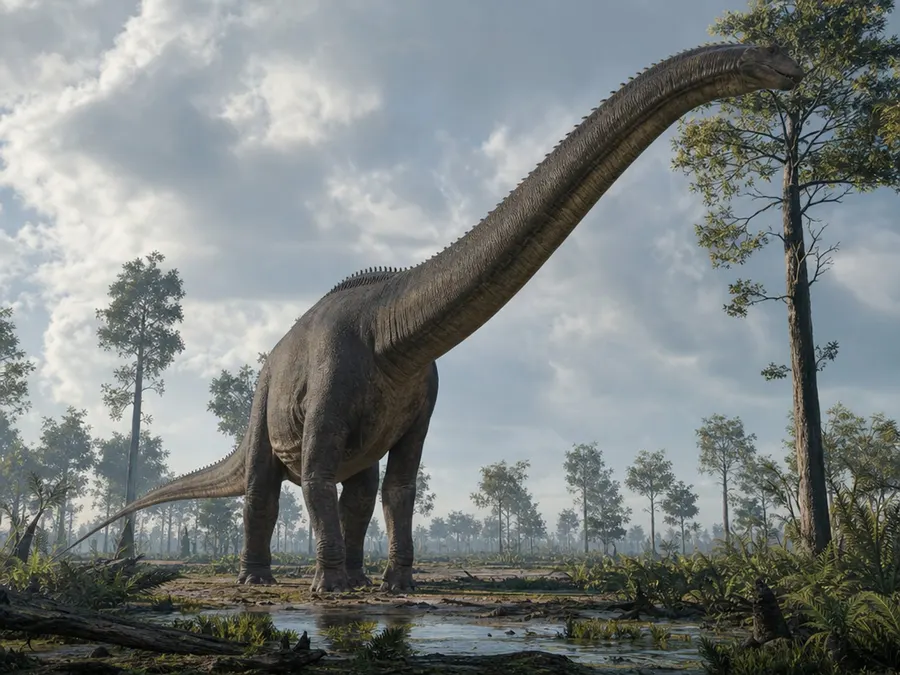
Patagotitan mayorum
Discovered in Patagonia, this sauropod dinosaur represents one of the most complete giant titanosaurs ever unearthed. Multiple partial skeletons have allowed researchers to estimate its length at over one hundred feet. While exact weight calculations vary depending on the modeling methods used, the sheer size of its preserved femur highlights the incredible scale of these long-necked herbivores.
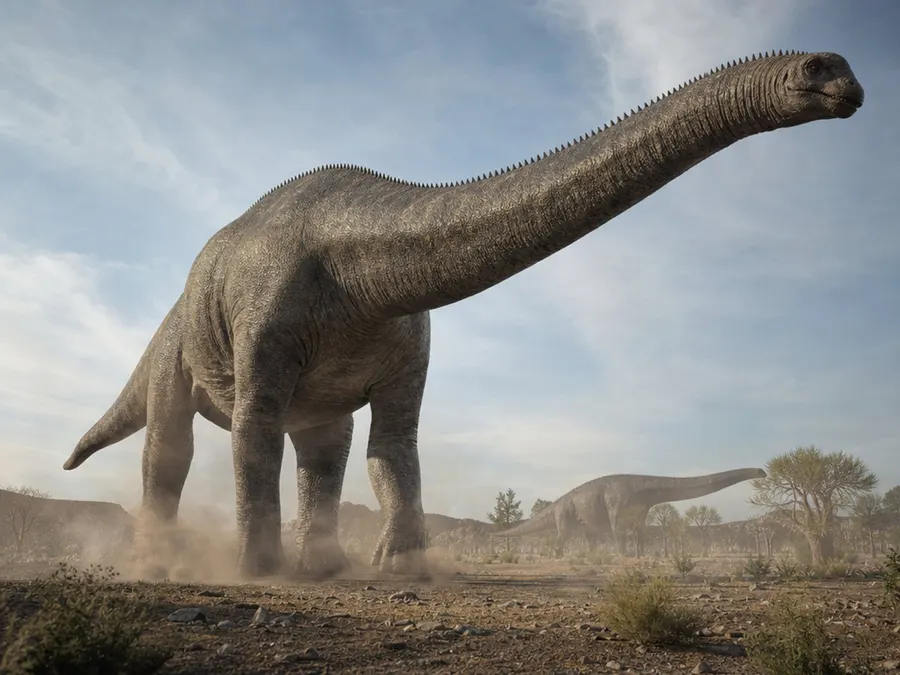
Argentinosaurus
Known from highly fragmentary remains, including massive vertebrae and a partial tibia, Argentinosaurus is frequently cited among the heaviest land animals ever. Because paleontologists must reconstruct the complete animal from limited bones, overall mass and length estimates remain subject to ongoing scientific debate. Nonetheless, its enormous fossilized elements indicate a truly gargantuan herbivore.
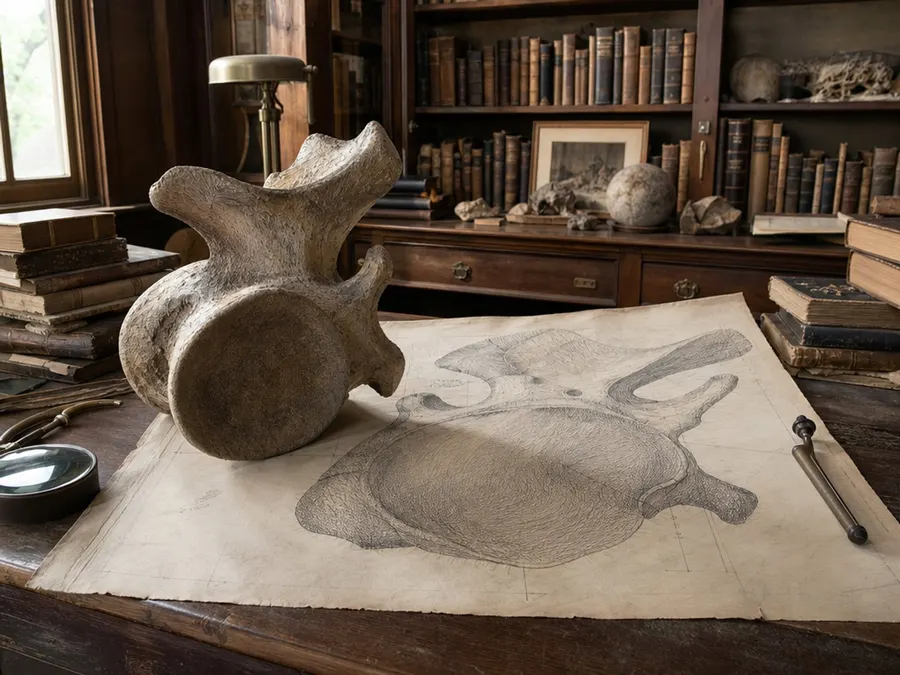
Maraapunisaurus Context
The scale of Maraapunisaurus remains highly controversial due to lost evidence. Originally described in the nineteenth century from a single, giant vertebral fragment that subsequently vanished, its true dimensions are impossible to verify directly. Modern paleontologists rely on historical field notes and sketches to estimate its size, leaving its exact place among giant sauropods highly uncertain.
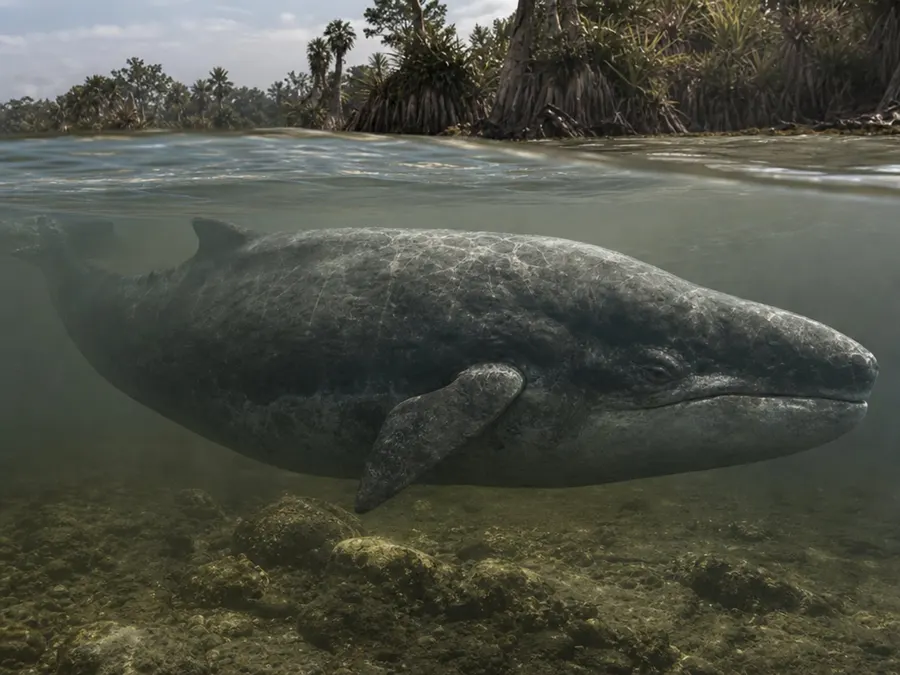
Perucetus colossus
Discovered in Peru, this ancient whale possesses exceptionally dense, heavy bones. While some initial studies suggested its skeletal mass could have exceeded that of modern blue whales, researchers emphasize that without a complete skull or baleen apparatus, its total body shape and soft tissue weight remain speculative. It represents a unique evolutionary experiment in extreme coastal adaptation.
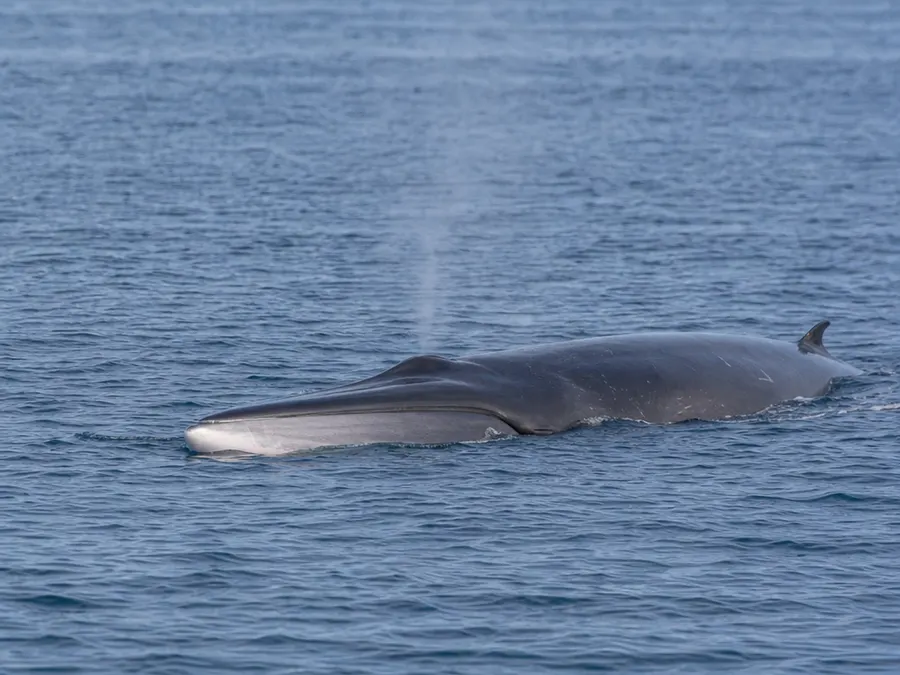
The Fin Whale
Second only to the blue whale in length, the fin whale is a sleek, fast-swimming rorqual found throughout the world's oceans. Reaching lengths of up to eighty-five feet, these predators utilize speed and asymmetrical jaw coloration to capture schooling fish and krill. Their streamlined bodies allow them to sustain impressive cruising speeds despite their immense physical scale.
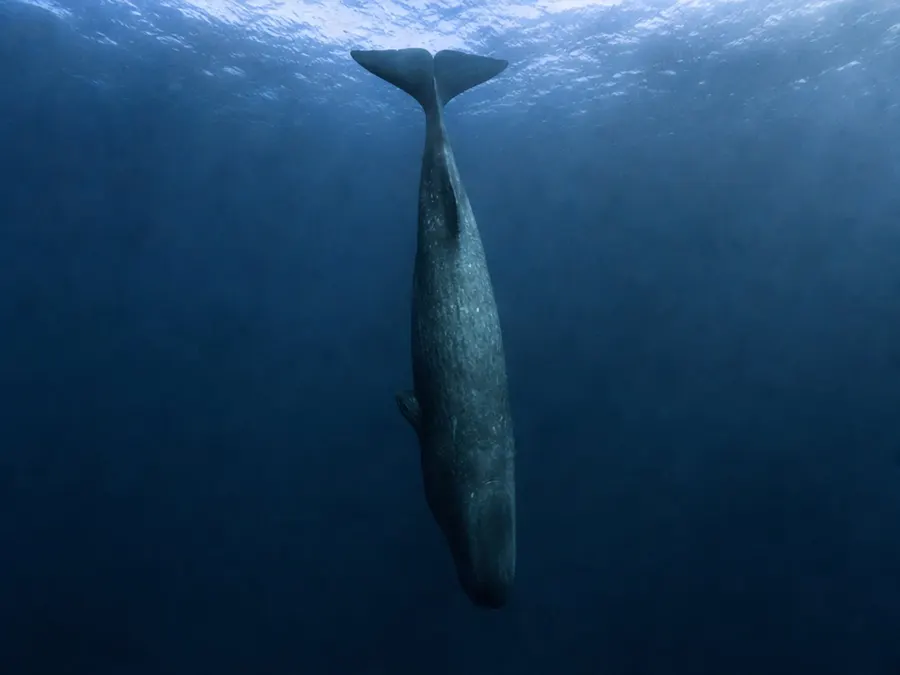
The Sperm Whale
As the largest living toothed predator, the sperm whale is built for extreme deep-sea diving. Boasting a massive, block-like head filled with spermaceti oil, males can reach lengths of nearly sixty feet. They plunge thousands of feet into the ocean depths to hunt giant squid, relying on sophisticated echolocation to navigate the pitch-black abyss.
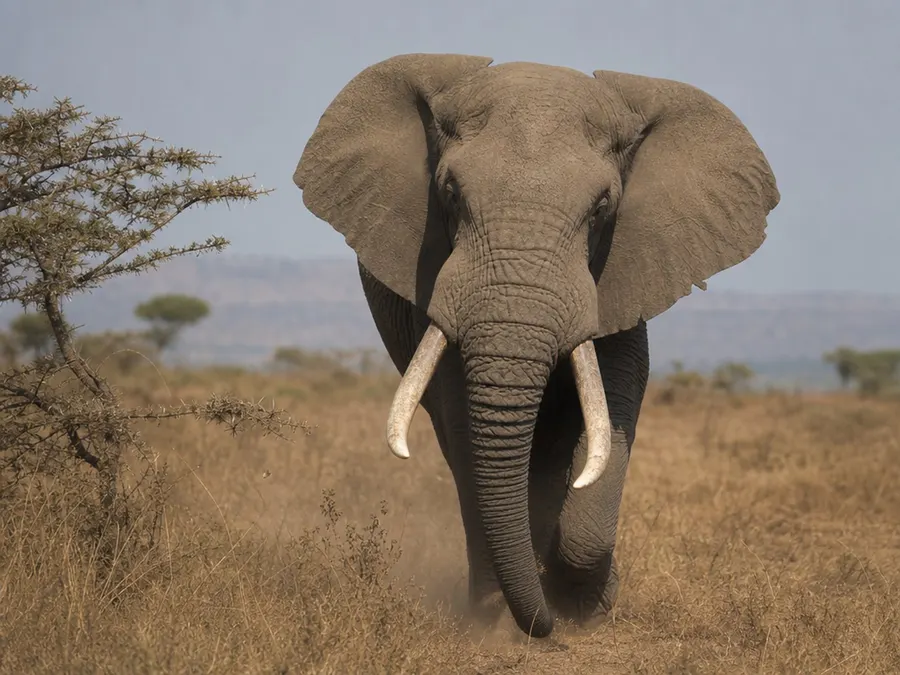
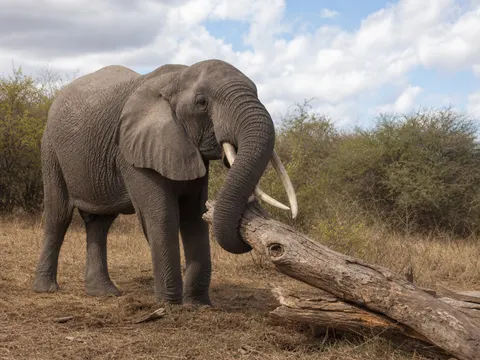
African Bush Elephant
Holding the title of the largest living land animal, the African bush elephant stands as a testament to terrestrial scale. Reaching heights of up to thirteen feet at the shoulder and weighing several tons, these intelligent herbivores shape entire ecosystems. Their massive pillar-like limbs and specialized feet are uniquely adapted to distribute their immense weight.
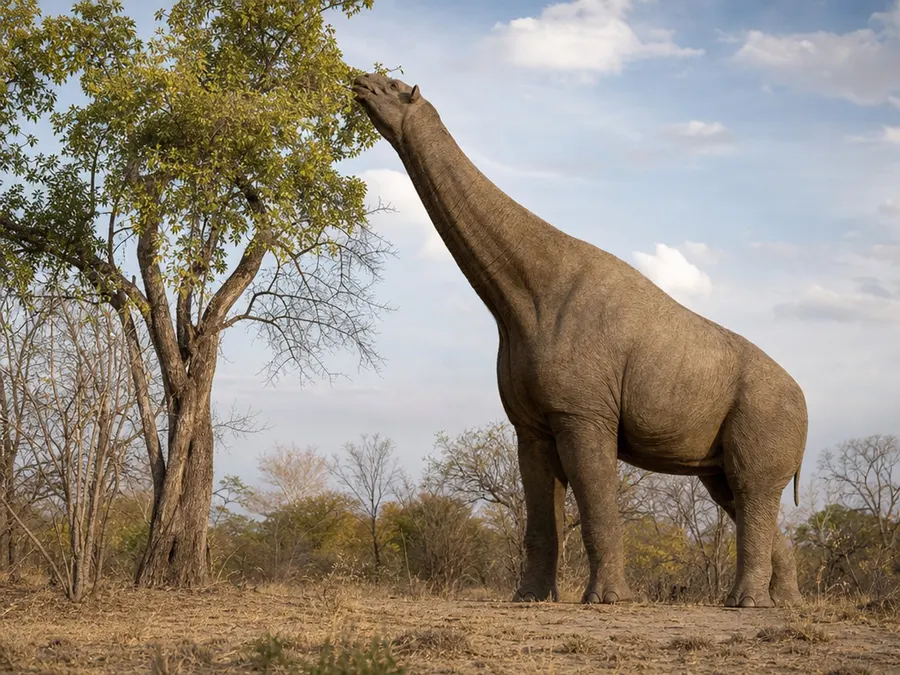
Paraceratherium
This extinct, hornless rhinoceros relative is widely considered one of the largest terrestrial mammals to have ever lived. Thriving in Oligocene Asia, it stood roughly sixteen feet tall at the shoulder, allowing it to browse high tree canopies. Its long neck and robust limbs supported a body mass far exceeding that of any modern land mammal.
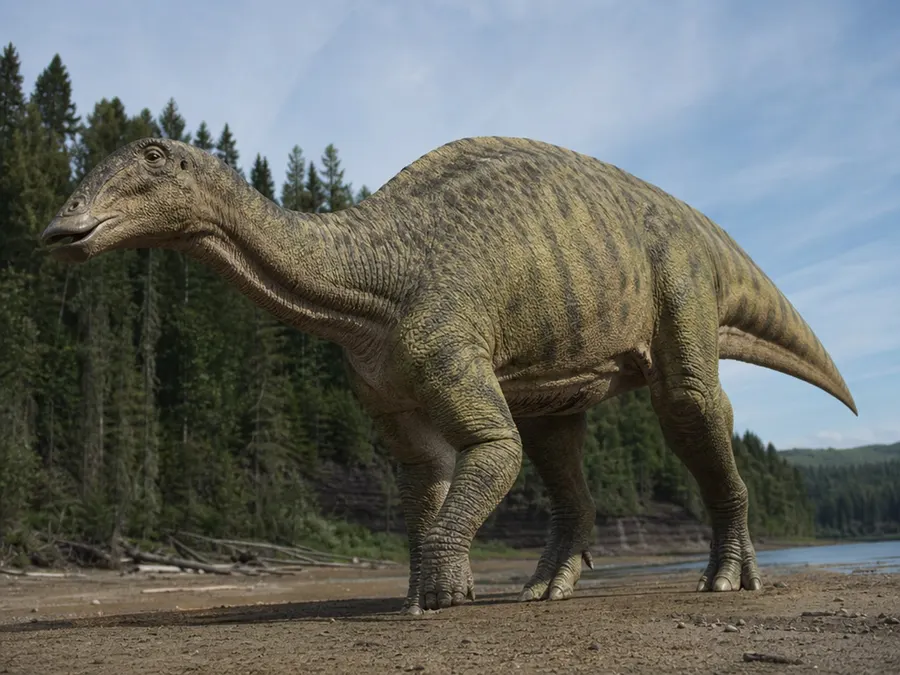
Shantungosaurus
Representing the pinnacle of duck-billed dinosaur evolution, Shantungosaurus was a massive herbivore discovered in China. Reaching lengths of over fifty feet, this flat-headed hadrosaur dwarfed many predatory theropods of its era. Its massive jaw housed thousands of closely packed teeth, perfectly adapted for grinding tough, fibrous plant material in late Cretaceous forests.
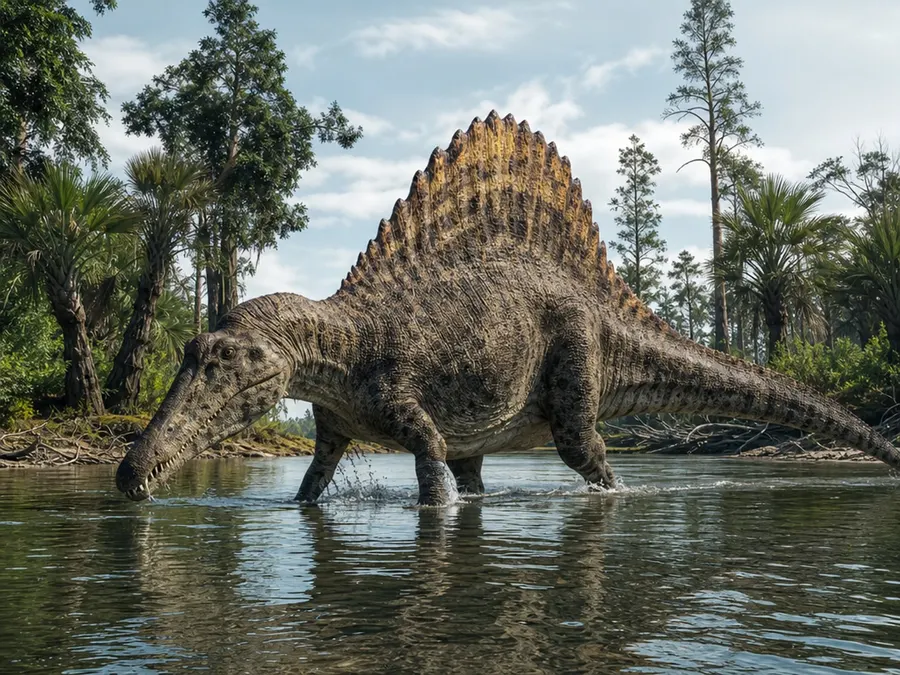
Spinosaurus
Spinosaurus stands out as an exceptionally long theropod dinosaur, recognized by the towering sail on its back. Fossil discoveries suggest a highly aquatic lifestyle, featuring dense bones and paddle-like tail structures. Because complete skeletons are rare, scientific debate continues regarding its exact posture, weight, and how effectively it hunted in both water and land environments.
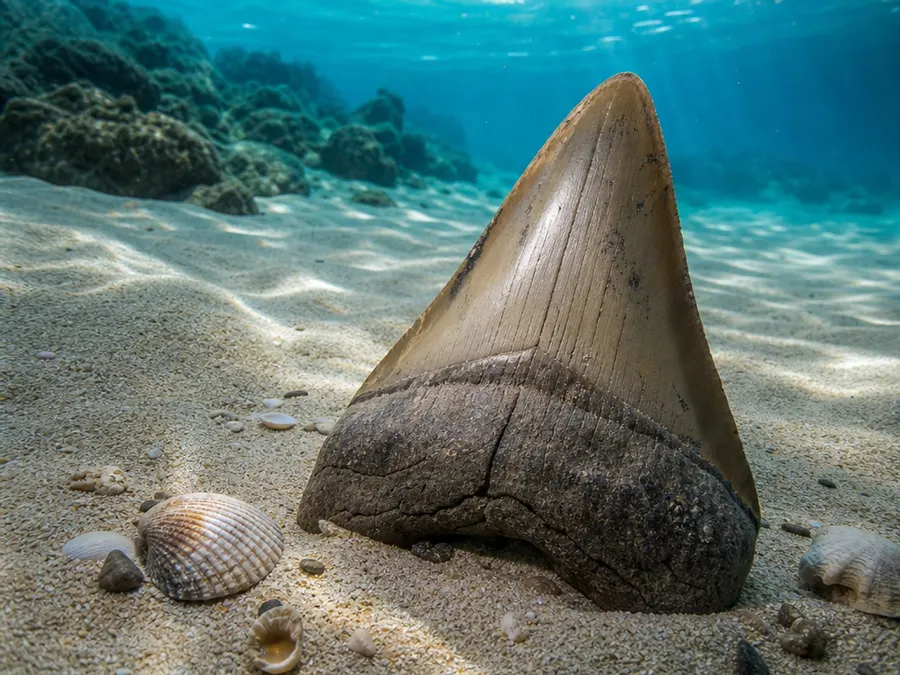
Megalodon Context
As an ancient apex predator, Megalodon is known almost entirely from robust fossilized teeth and occasional vertebral centers. Because cartilaginous shark skeletons rarely fossilize, researchers must estimate its total length—often projected up to fifty feet or more—by comparing its tooth proportions to modern predatory sharks. Consequently, its precise body shape and mass remain open to scientific interpretation.
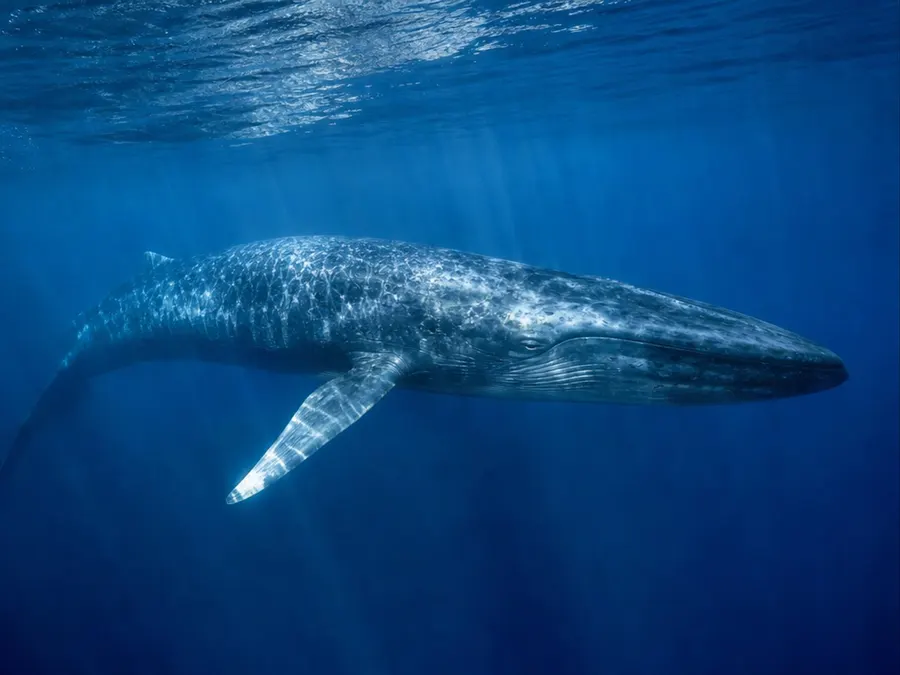
The Blue Whale
Modern ocean basins harbor the blue whale, widely recognized as the most massive animal known to science. Reaching lengths over ninety feet, these marine mammals rely on dense baleen plates to filter tiny krill from cold polar waters. Their immense weight is supported entirely by water buoyancy, allowing them to surpass the structural limits faced by land-dwelling creatures.
Featured galleries