12 Memorable Animal Group Names and the Creatures Behind Them
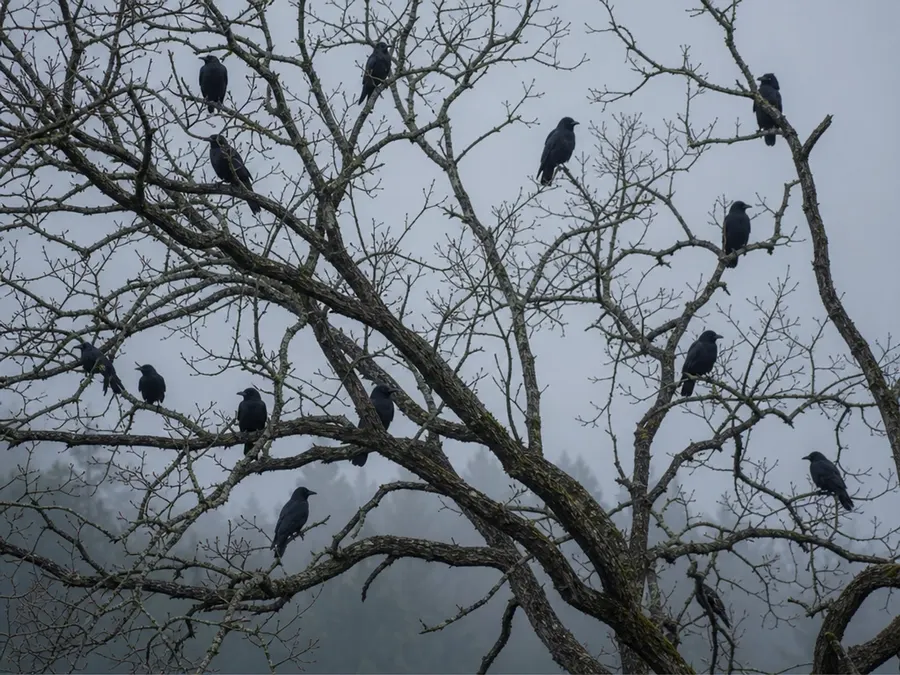
A Murder of Crows
Few collective nouns capture the imagination quite like a murder of crows. Originating from medieval folk beliefs and poetic lists, this dramatic title reflects the bird's historical association with mystery and superstition. In modern ornithology, researchers usually refer to them simply as a flock or a family group, highlighting their highly intelligent, social, and cooperative behaviors rather than any dark folklore.
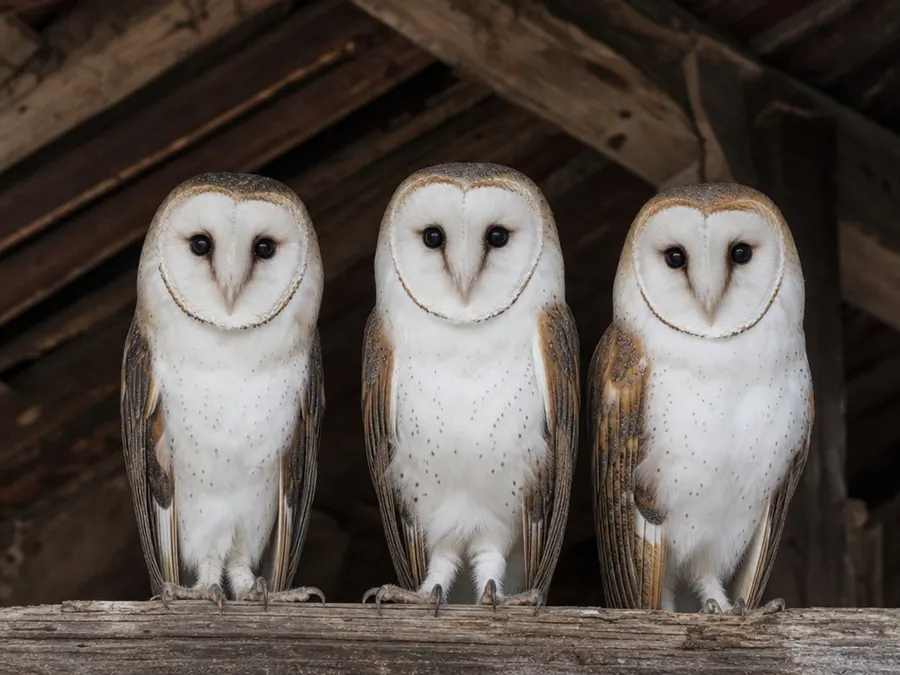
A Parliament of Owls
The term parliament of owls conjures images of wise, feathered judges debating in the treetops. Inspired by classic literature and the birds' solemn, wide-eyed expressions, this poetic collective noun is purely a linguistic delight. Because most owl species are solitary hunters, you will rarely see them gathered. When they do congregate, scientists generally prefer the straightforward term "flock."
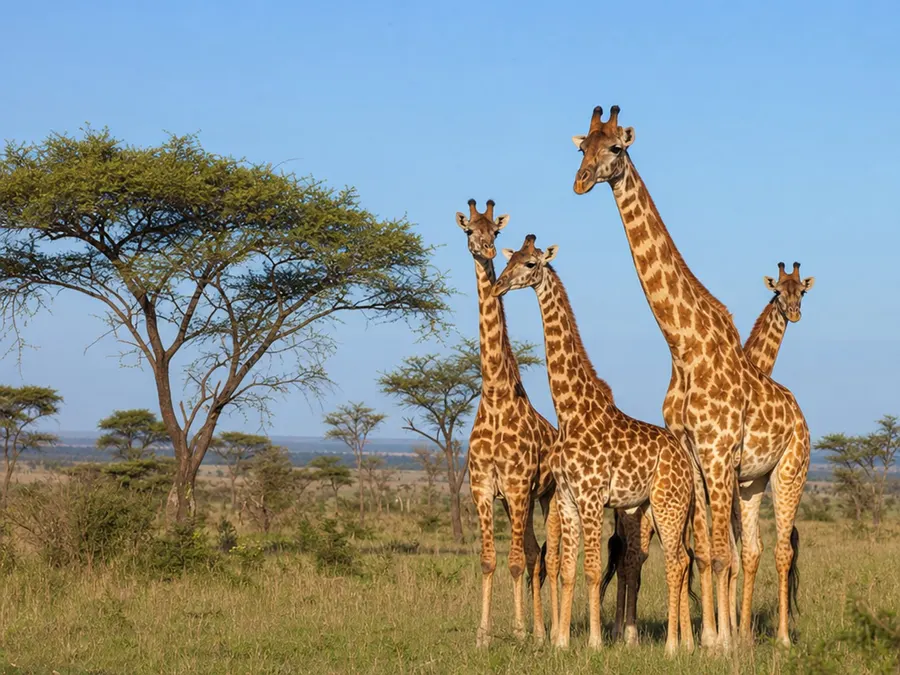
A Tower of Giraffes
Looking up at the world's tallest land mammals, it is easy to see why a group of them is called a tower. This playful collective noun perfectly describes their physical stature as they graze on high acacia branches. While observers enjoy this descriptive term, biologists studying their loose, fluid social structures usually refer to these gatherings as a herd or a social group.
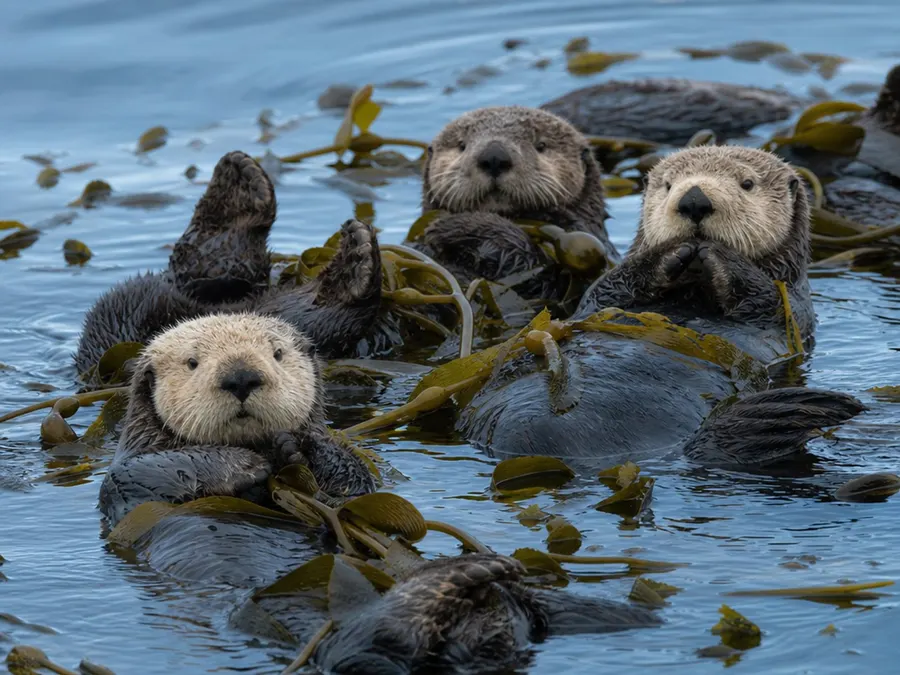
A Raft of Otters
When sea otters float together on their backs, often wrapping themselves in giant kelp to avoid drifting apart, they form what is called a raft. This charming name describes a very real survival strategy. While "raft" is widely used for these floating assemblies, researchers also use standard terms like "group" or "colony" to analyze their social habits.
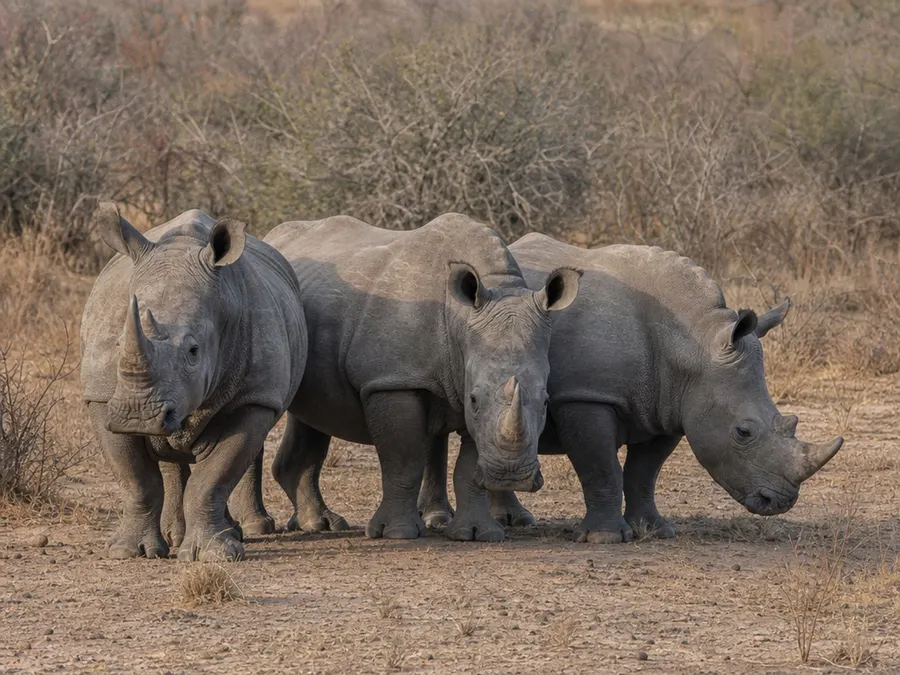
A Crash of Rhinoceroses
The term crash of rhinoceroses perfectly conveys the sheer power and weight of these magnificent herbivores. It brings to mind the thundering sound of these heavy animals moving through the brush. Although they can run at surprising speeds, rhinos are often solitary or live in quiet maternal groups, which wildlife biologists typically describe simply as herds.
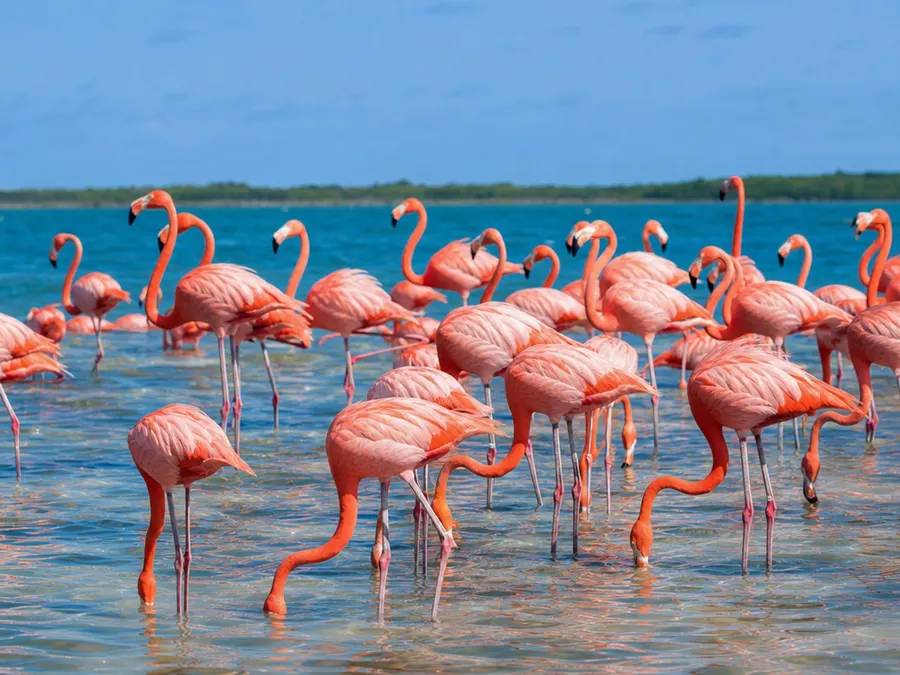
A Flamboyance of Flamingos
No term suits the bright, pink spectacle of wading flamingos better than a flamboyance. This colorful collective noun highlights their vibrant plumage and synchronized group displays. While this descriptive word is a favorite among nature enthusiasts, ornithologists studying these highly social birds in their salt flat habitats generally use the more conventional term "colony" or "flock."
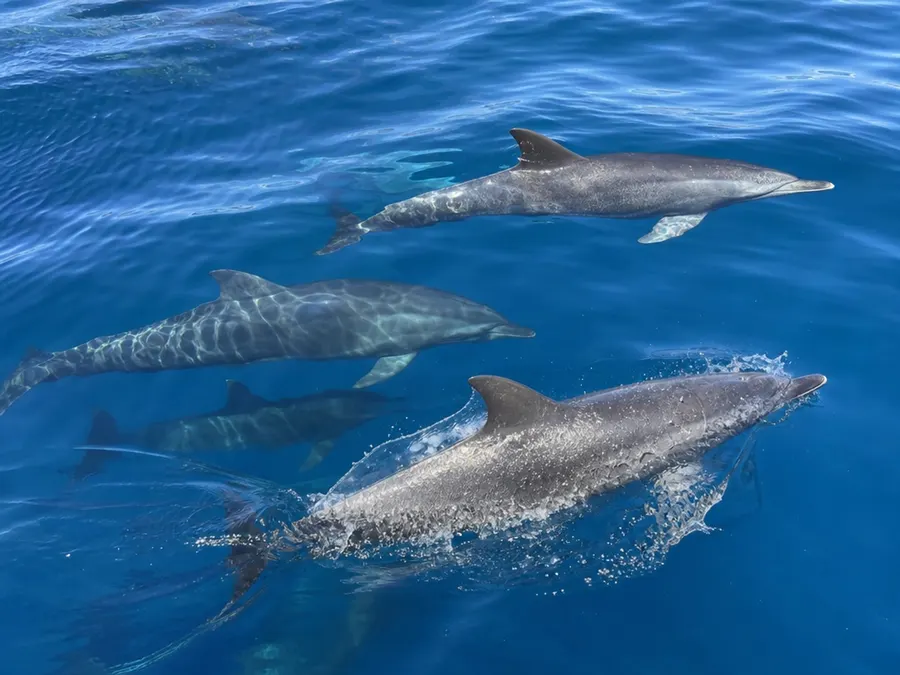
A Pod of Dolphins
Dolphins travel in highly social, cooperative groups known as pods. Unlike some of the more whimsical historical terms, "pod" is widely accepted by marine biologists to describe these close-knit family units. These groups work together to hunt, protect one another, and care for their young, showing a level of social complexity that rivals many land-dwelling mammals.
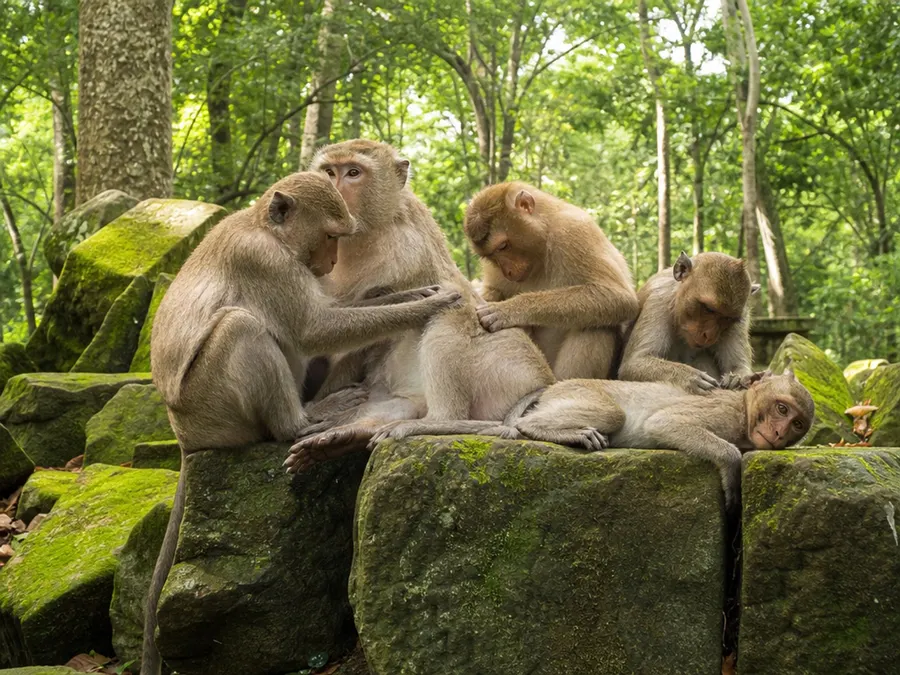
A Troop of Monkeys
When monkeys travel, forage, and socialize together, their structured community is called a troop. This term reflects their organized, active, and sometimes noisy behavior as they navigate their forest homes. While "troop" is a common and accepted term in primatology, scientists also refer to these assemblies as social groups to study their complex hierarchies and bonds.
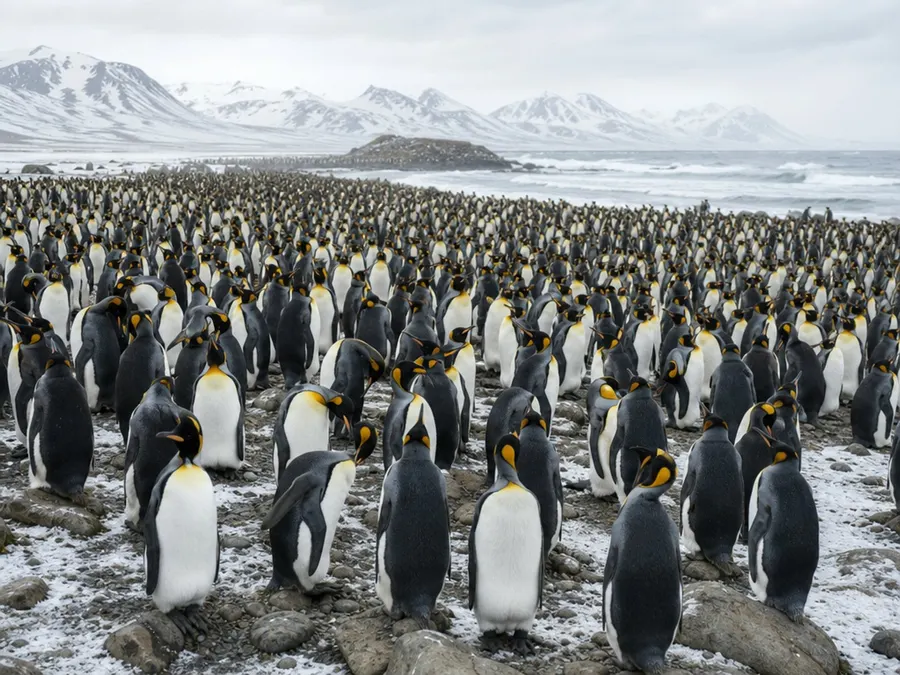
A Colony of Penguins
On land, a large gathering of penguins is most often called a colony. This term is both a popular tradition and a recognized scientific description for their massive nesting grounds. Depending on whether these flightless birds are huddling on the icy shores or swimming out at sea, you might also hear them called a waddle or a raft.
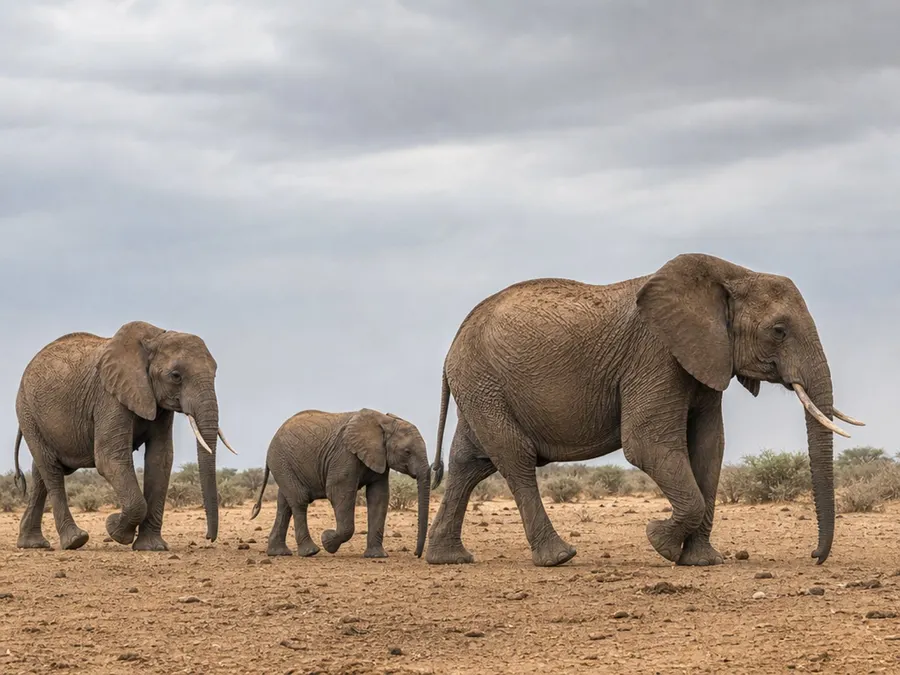
A Herd of Elephants
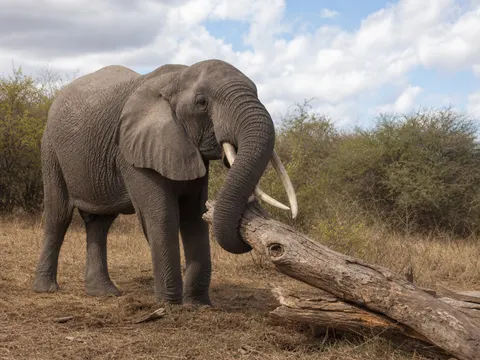
Elephants live in deeply bonded, matriarchal societies traditionally referred to as a herd. Led by the oldest and wisest female, this group consists of related females and their offspring. This term is universally used by both the public and scientists, representing a stable, supportive social structure where members cooperate to raise calves and find water.
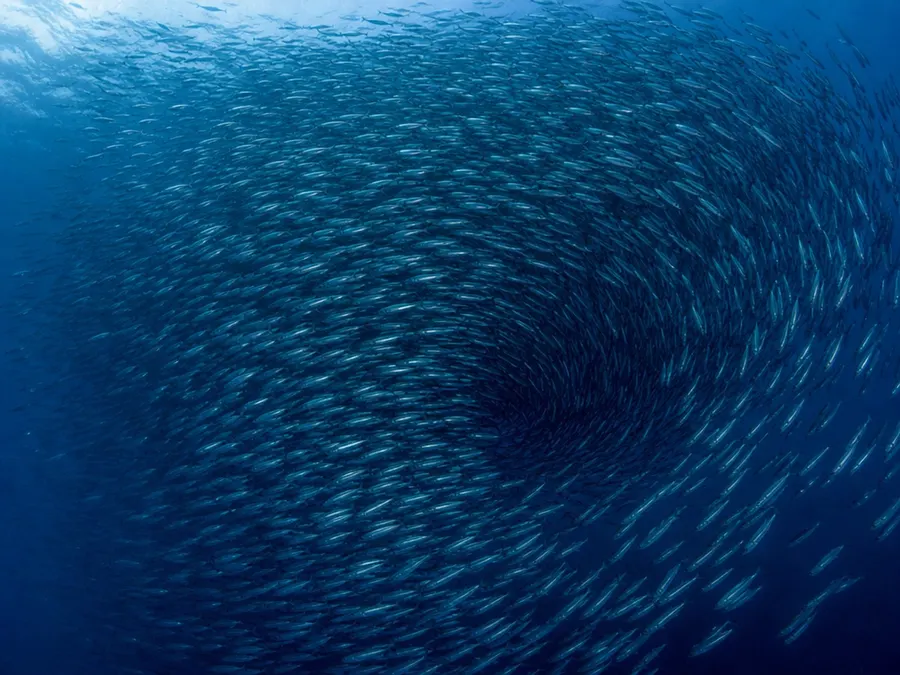
School of Fish
When fish swim together in synchronized, tightly packed formations, they are known as a school. This term describes a specific behavior where individuals coordinate their movements to deter predators and swim more efficiently. While "school" is scientifically accurate for synchronized groups, marine biologists use "shoal" to describe looser, more casual gatherings of fish.
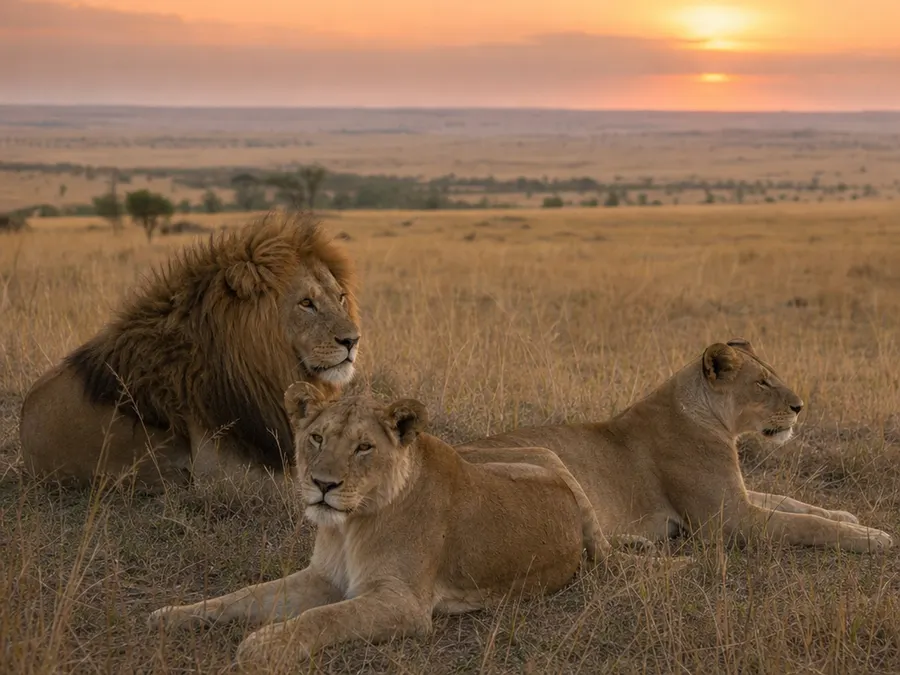
A Pride of Lions
When majestic lions gather, they are famously known as a pride. This evocative term mirrors their regal stature and dominant presence on the African savanna. While scientists often use the more neutral term "group" to study their social structures, "pride" remains a beloved cultural tradition. These family units typically consist of related females, their offspring, and a few resident males.
Featured galleries