12 Fascinating Ways Animals Solve Problems
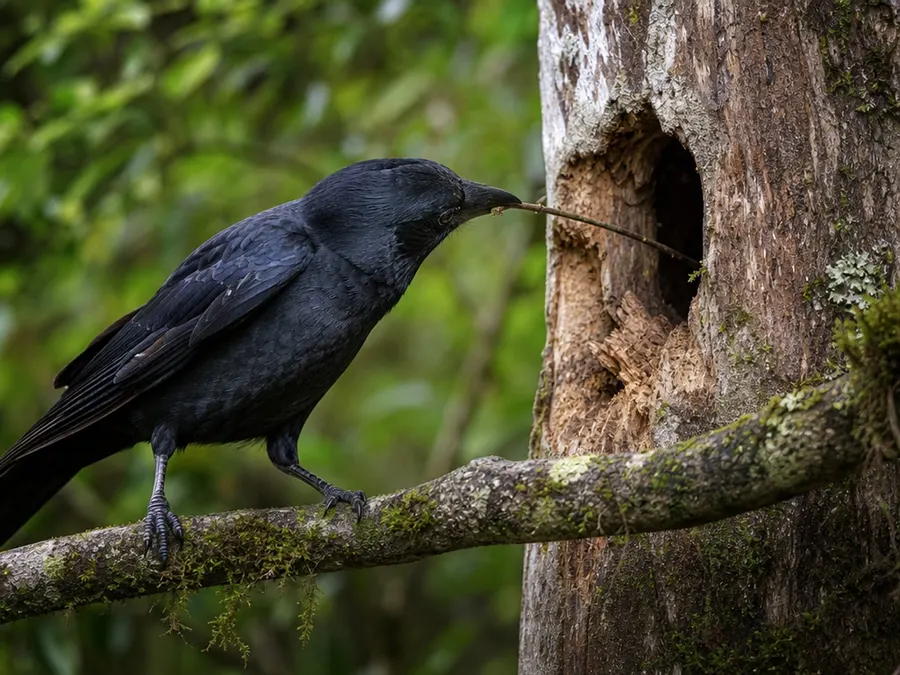
Crow Tool Manufacture
New Caledonian crows demonstrate advanced physical problem-solving by fashioning their own tools. In the wild, these birds select twigs, strip them of leaves, and bend the ends into hooks to extract insects from deep crevices. This behavior shows a capacity to conceptualize, create, and modify objects to overcome immediate physical barriers, rather than relying on trial and error.
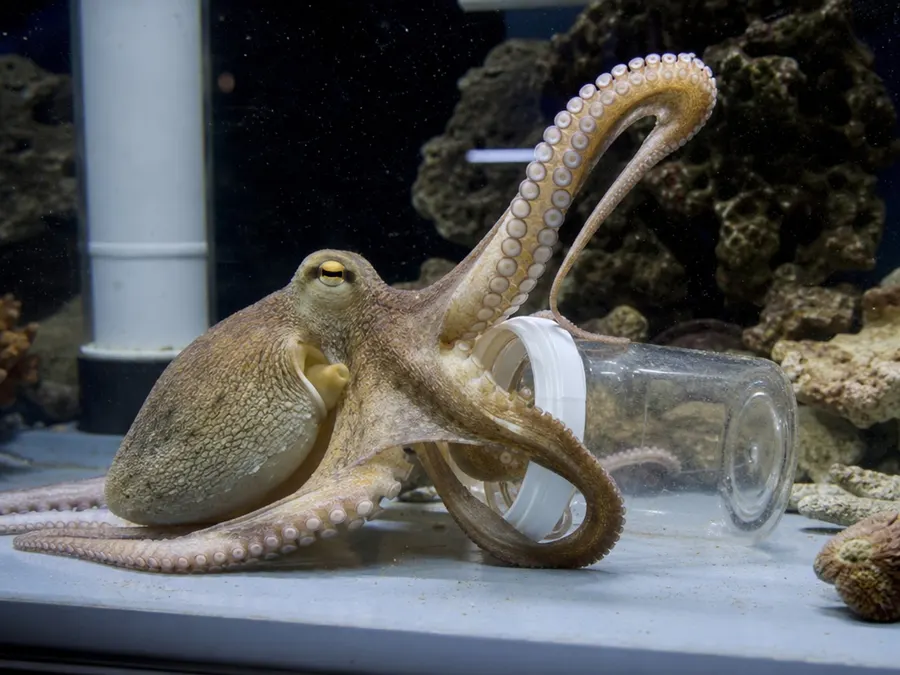
Octopus Tactile Exploration
Lacking a rigid skeleton, octopuses interact with their surroundings through highly flexible tactile exploration. They use their sensitive, sucker-lined arms to manipulate objects, unscrew tight lids, and navigate complex mazes. This physical problem-solving relies on a decentralized nervous system, allowing individual arms to process sensory information and react independently to environmental challenges.
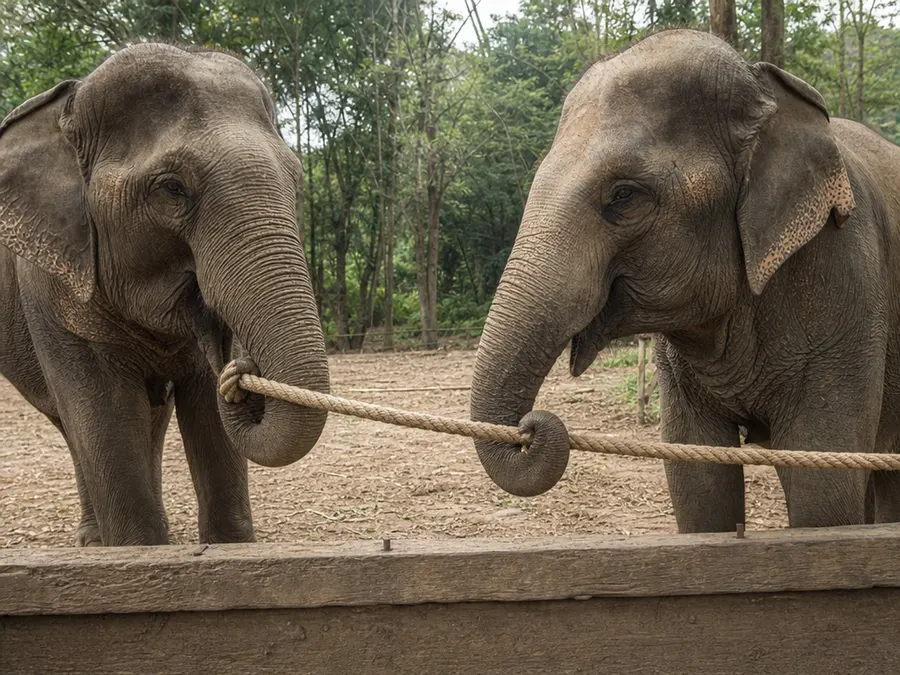
Elephant Cooperative Pulling
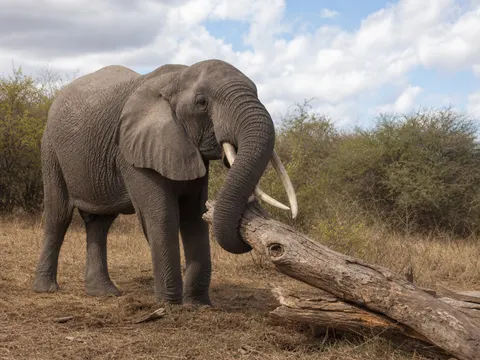
Elephants show a clear understanding of cooperative work when faced with tasks requiring joint effort. In behavioral experiments, two elephants must pull opposite ends of a rope simultaneously to bring a food tray within reach. If one elephant arrives early, it waits for its partner before pulling, demonstrating an understanding of cooperation rather than acting on solitary impulse.
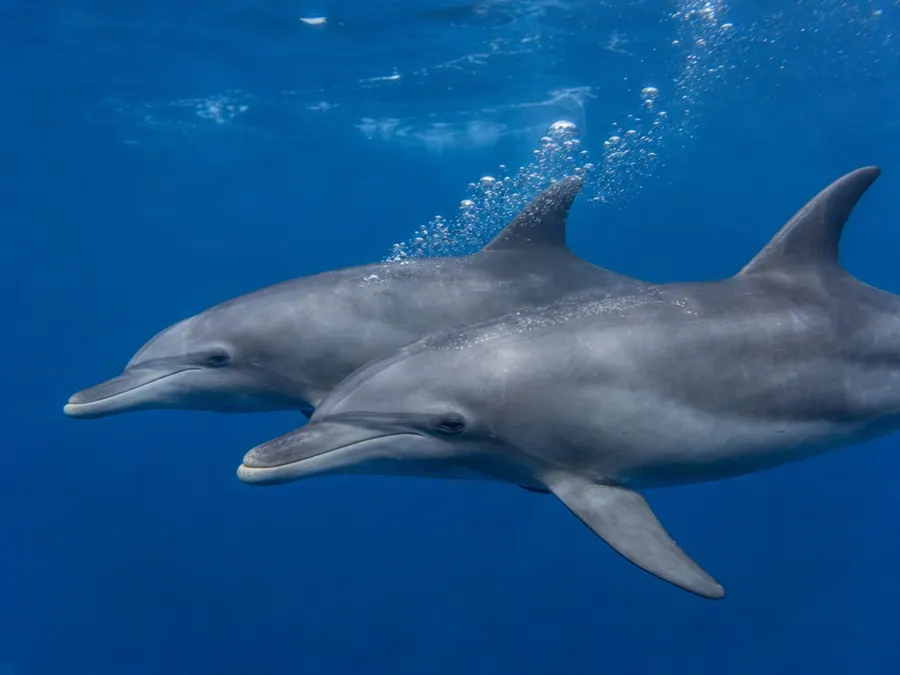
Dolphin Signature Whistles
Bottlenose dolphins use unique acoustic signals, known as signature whistles, to identify themselves and maintain group cohesion. Each dolphin develops a distinct whistle early in life, which functions similarly to an individual name. This vocal learning allows individuals to broadcast their identity and coordinate movements with others across vast, low-visibility aquatic environments.
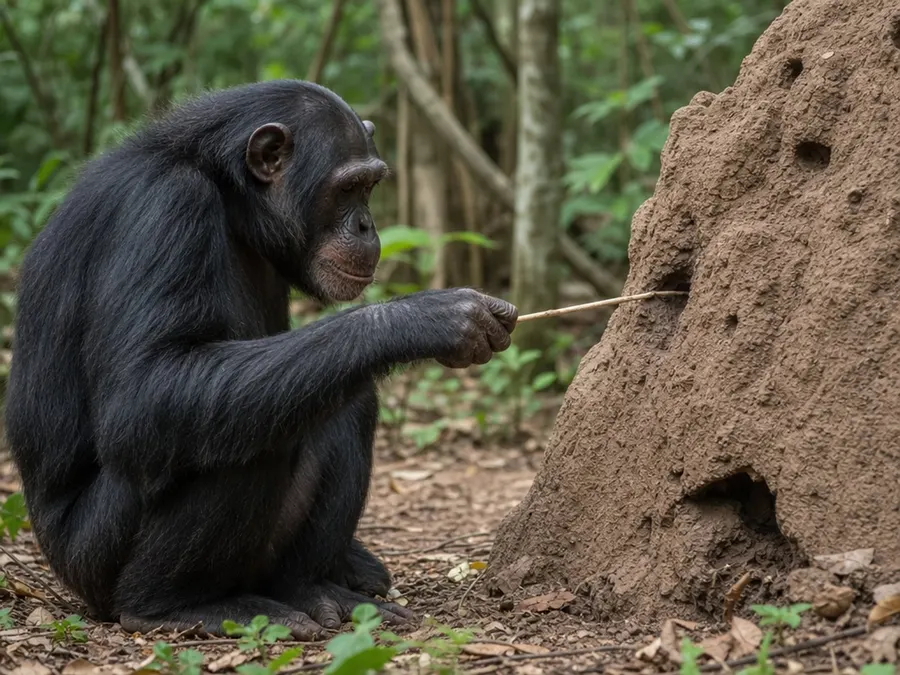
Chimpanzee Termite Fishing
Chimpanzees show highly specialized tool use through a technique known as termite fishing. They select flexible stems, strip away excess leaves, and carefully insert them into termite mounds to extract insects. This learned behavior is passed down through generations, illustrating how social groups maintain distinct technological traditions to exploit resource niches.
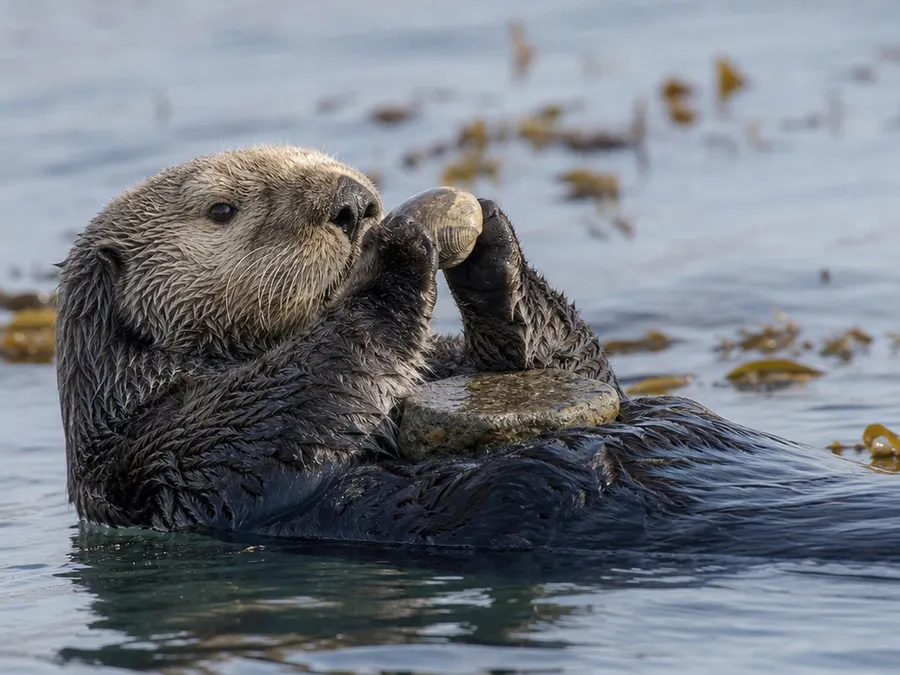
Sea Otter Anvil Stones
Sea otters employ external objects to access hard-to-reach food sources. While floating on their backs, they place flat stones on their chests to serve as anvils, repeatedly striking hard-shelled prey like clams and sea urchins against the rock. This behavior highlights an ability to utilize environmental objects to bypass physical evolutionary limitations.
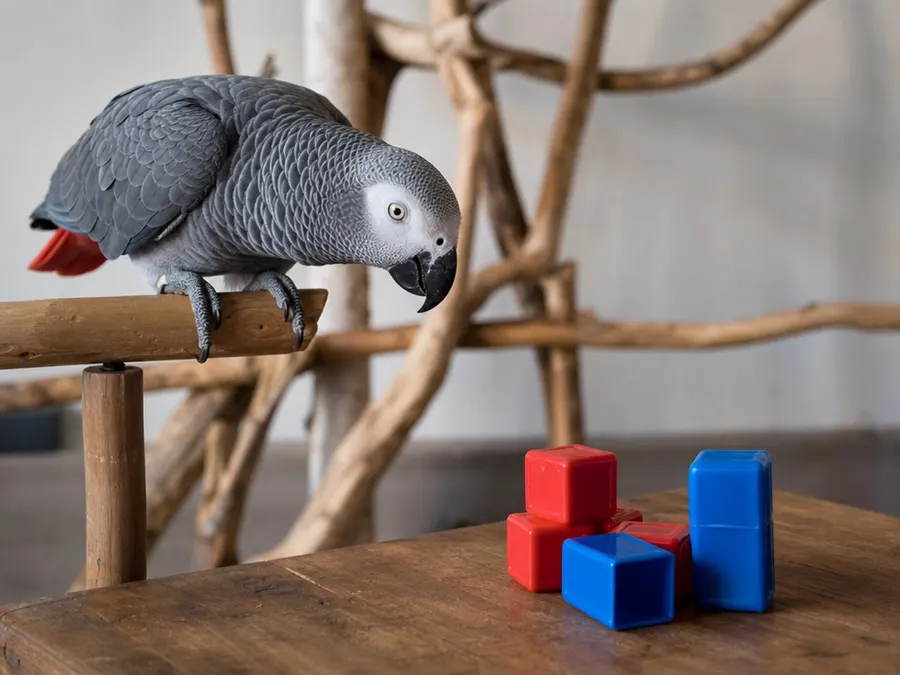
Parrot Categorization Skills
African grey parrots demonstrate remarkable cognitive flexibility through vocal and conceptual categorization. Research shows they can distinguish between different colors, shapes, materials, and quantities. Rather than merely mimicking sounds, these birds can associate vocalizations with abstract concepts, showing a capacity to categorize the physical world based on abstract attributes.
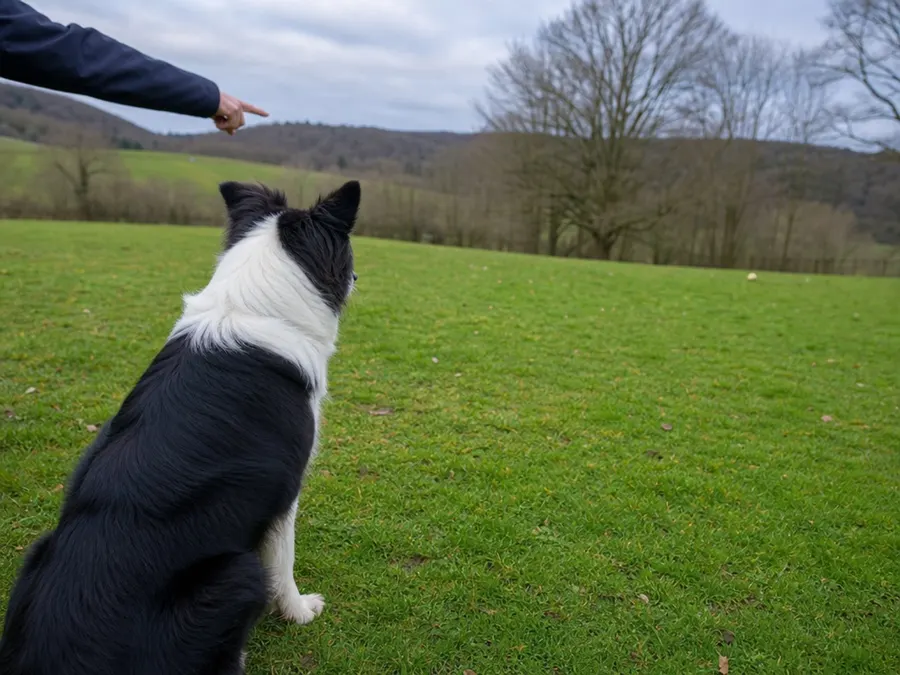
Dog Social Cue Comprehension
Domestic dogs excel at interpreting human communicative gestures, such as pointing or gazing toward a hidden object. Unlike many wild animals, dogs can follow these subtle social cues to locate food or navigate their surroundings. This specialized socio-cognitive ability has developed through centuries of close cohabitation and selective breeding alongside humans.
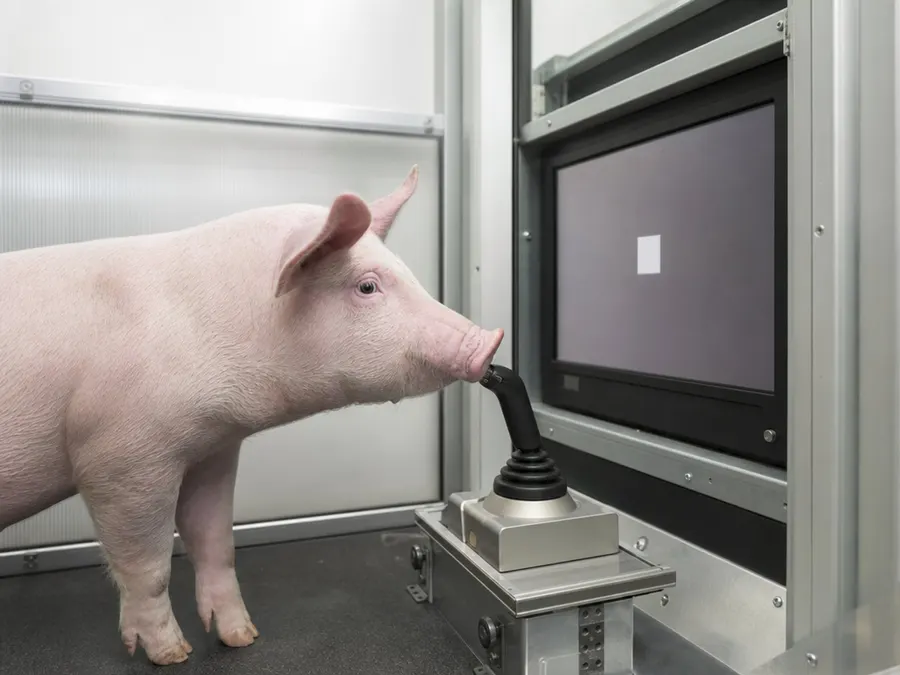
Pig Spatial Discrimination
Pigs display advanced spatial learning and discrimination capabilities when navigating complex environments. In laboratory settings, they can learn to manipulate simple joysticks with their snouts to move cursors on screens, or navigate intricate mazes to find food. This demonstrates a high capacity for spatial mapping and adjusting actions based on visual feedback.
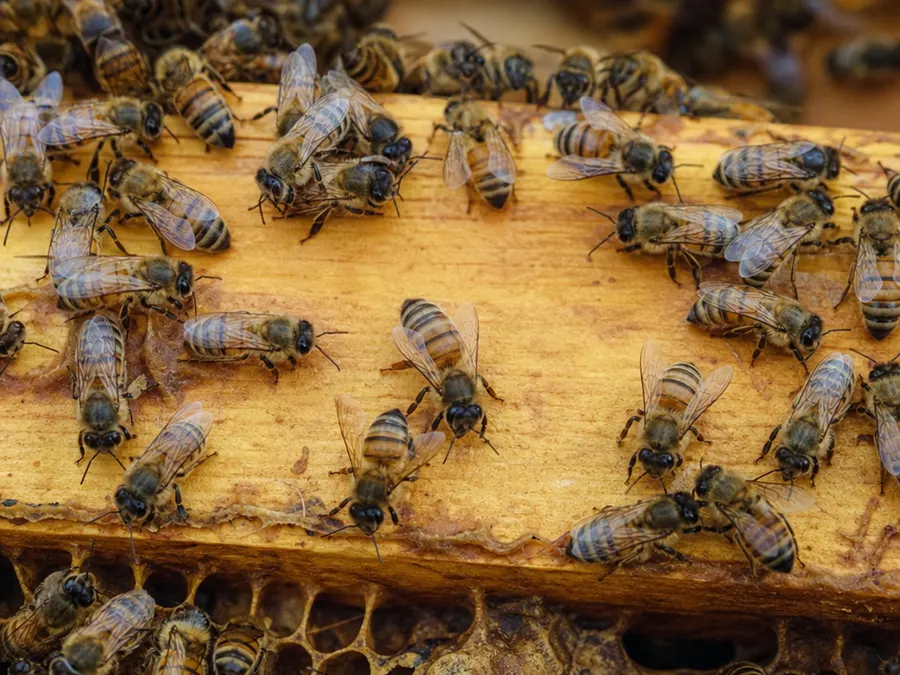
Honey Bee Waggle Dances
Honey bees use a highly structured communication system known as the waggle dance to share spatial information. By performing specific movements on the honeycomb, a returning forage bee translates the angle of the sun and distance of a food source into symbolic instructions for the hive, demonstrating a complex spatial mapping ability.
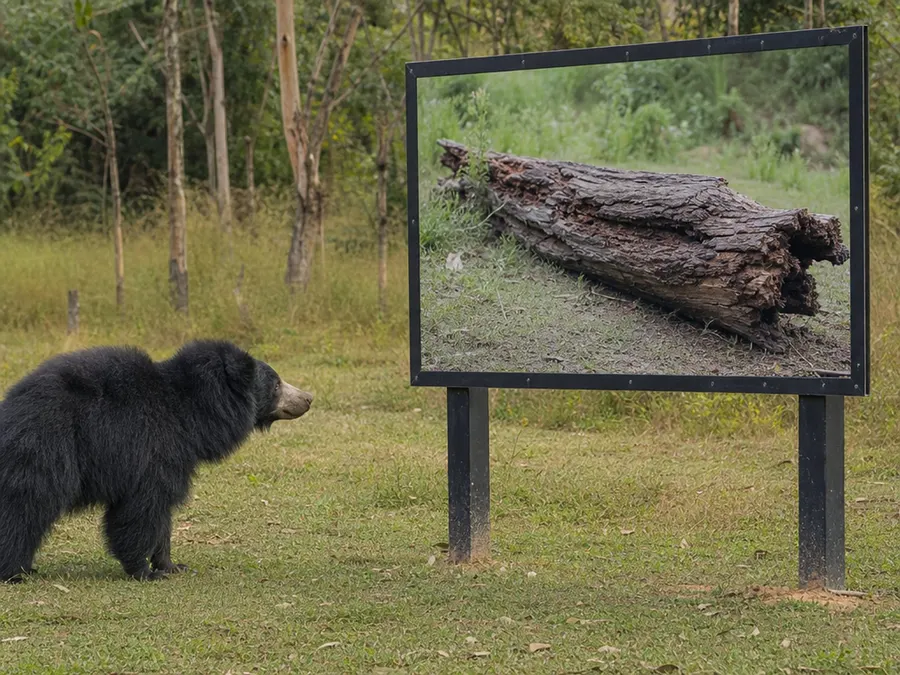
Sloth Bear Image Recognition
Sloth bears possess the ability to recognize two-dimensional images as representations of three-dimensional objects. Scientific studies show these bears can distinguish familiar items and environments when presented with photographs. This visual processing ability highlights their capacity to interpret abstract, flat representations of their physical world, expanding our understanding of ursine visual cognition.
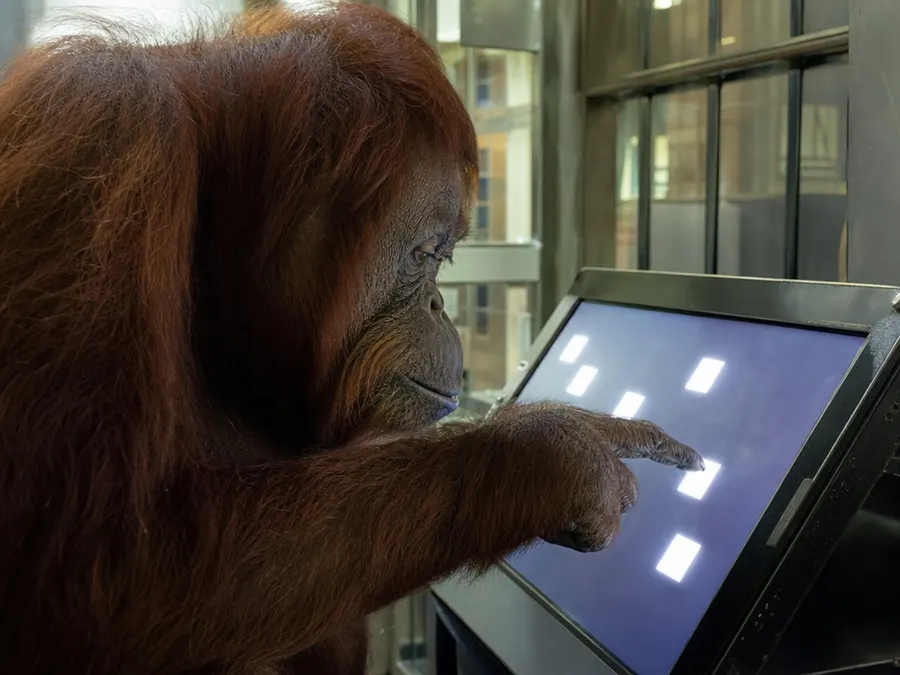
Orangutan Spatial Memory
Orangutans display exceptional long-term spatial memory, which helps them locate fruit across vast seasonal rainforests. In controlled environments, researchers use interactive touchscreens to study how these primates recall complex sequences and symbols. This specific cognitive testing reveals their ability to retain detailed mental maps and retrieve information after long intervals, aiding their survival in ever-changing environments.
Featured galleries