12 Different Ways Animals Demonstrate Extraordinary Strength
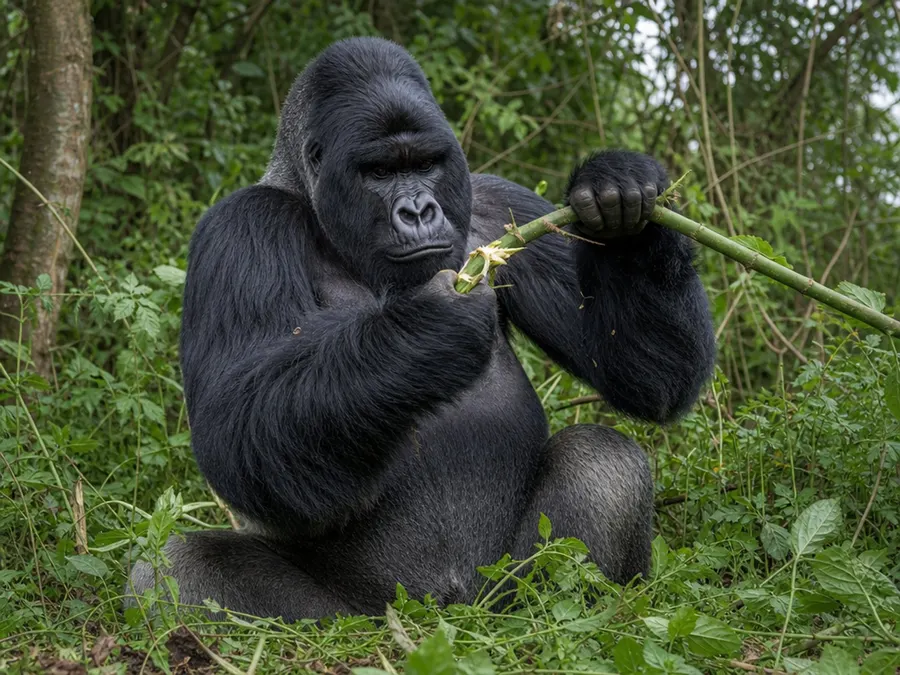
Upper-Body Leverage
Gorillas exhibit extraordinary upper-body strength, driven by their robust skeletal structure and massive chest muscles. They use this power to climb, swing, and break thick branches with ease. Because their daily survival depends on navigating dense forest canopies and foraging, their arms have evolved to exert immense force when pulling or lifting heavy vegetation.
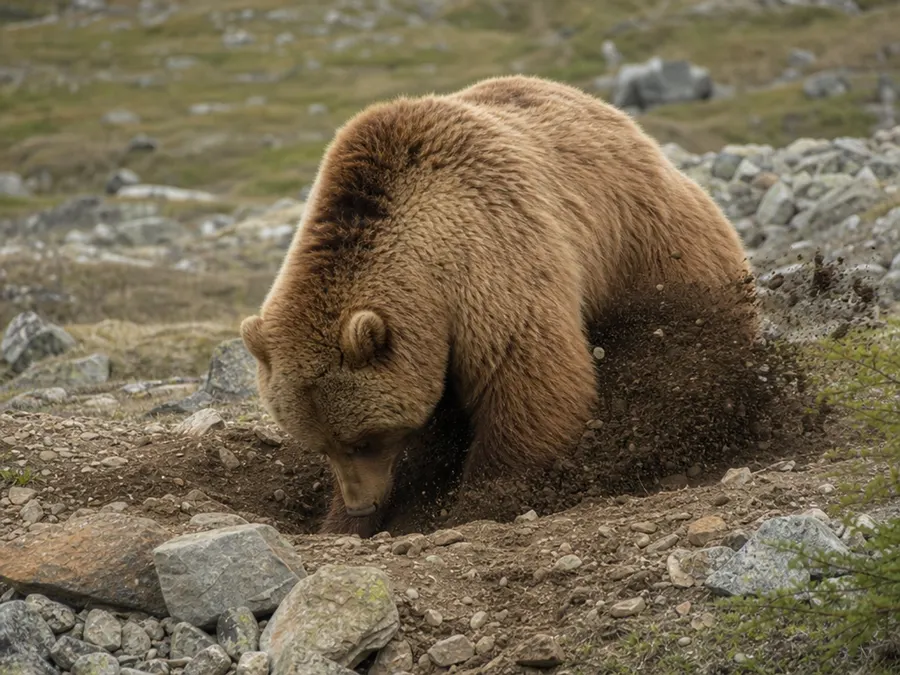
Excavation and Claw Force
Grizzly bears possess a distinctive shoulder hump, which is actually a massive muscle group dedicated to digging. This specialized anatomy allows them to tear through hard, rocky soil and root systems to find food or excavate winter dens. Their digging ability showcases how muscle placement and skeletal structure can maximize mechanical force.
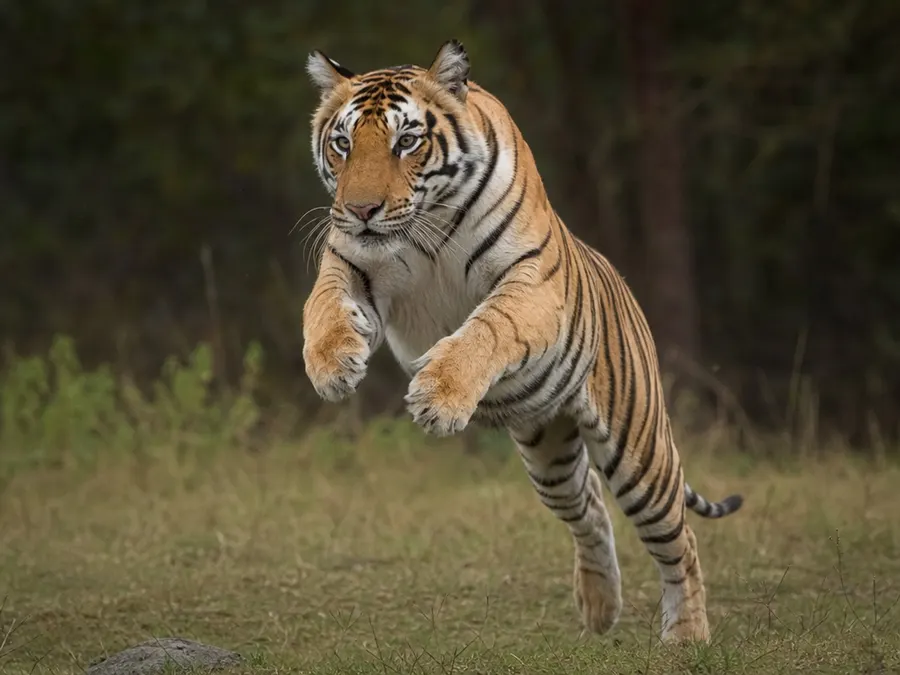
Dynamic Grappling Strength
Tigers rely on explosive physical power to capture and secure prey that often outweighs them. Their forelimbs are exceptionally muscular, allowing them to wrestle large animals to the ground. This grappling ability combines flexibility, balance, and raw muscle power, demonstrating how predators use leverage to overcome heavy resistance during a hunt.
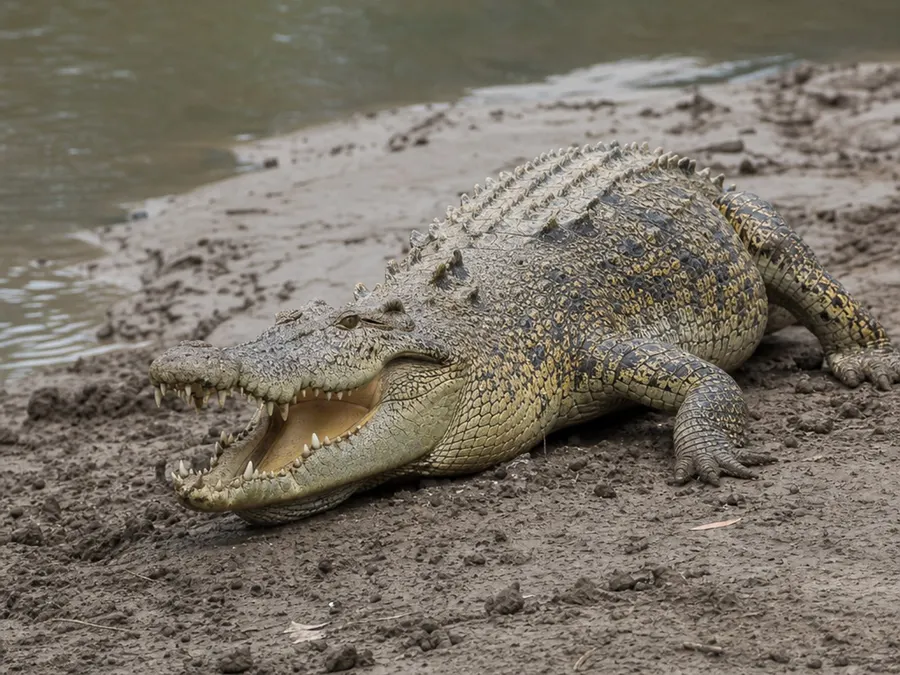
Concentrated Bite Force
The saltwater crocodile exerts some of the highest crushing forces measured in the animal kingdom. Its jaw muscles are specialized for closing with extreme speed and power, allowing it to hold onto struggling prey. While their opening muscles are relatively weak, their closing grip is designed to prevent any chance of escape.
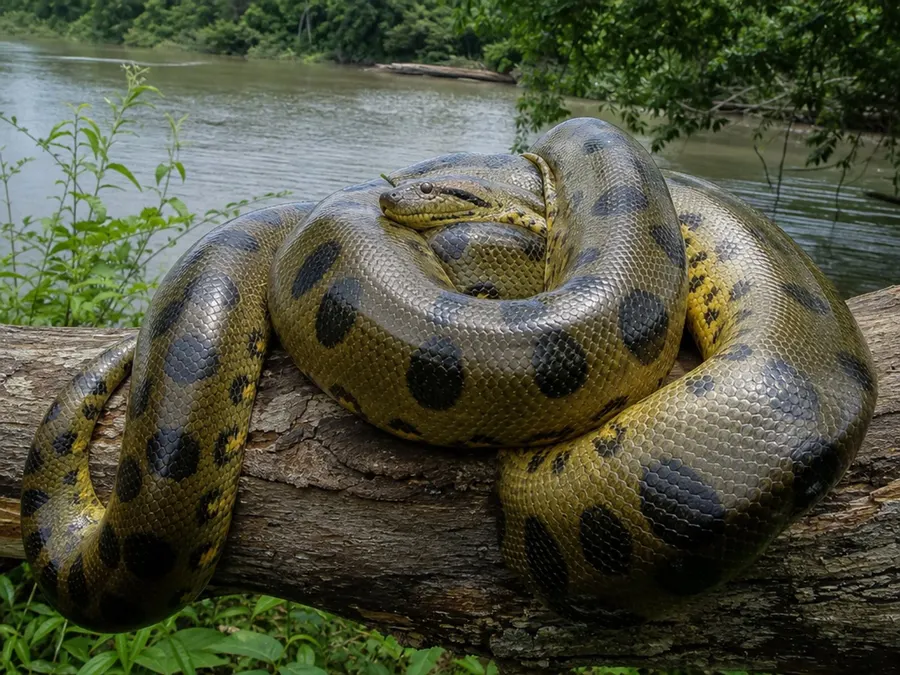
Whole-Body Constriction
Anacondas use a different kind of strength, applying continuous pressure using their entire body length. By wrapping their muscular coils around prey, they restrict circulation and breathing. This force is applied incrementally; each time the prey exhales, the snake tightens its grip, demonstrating a highly efficient use of sustained muscular contraction.
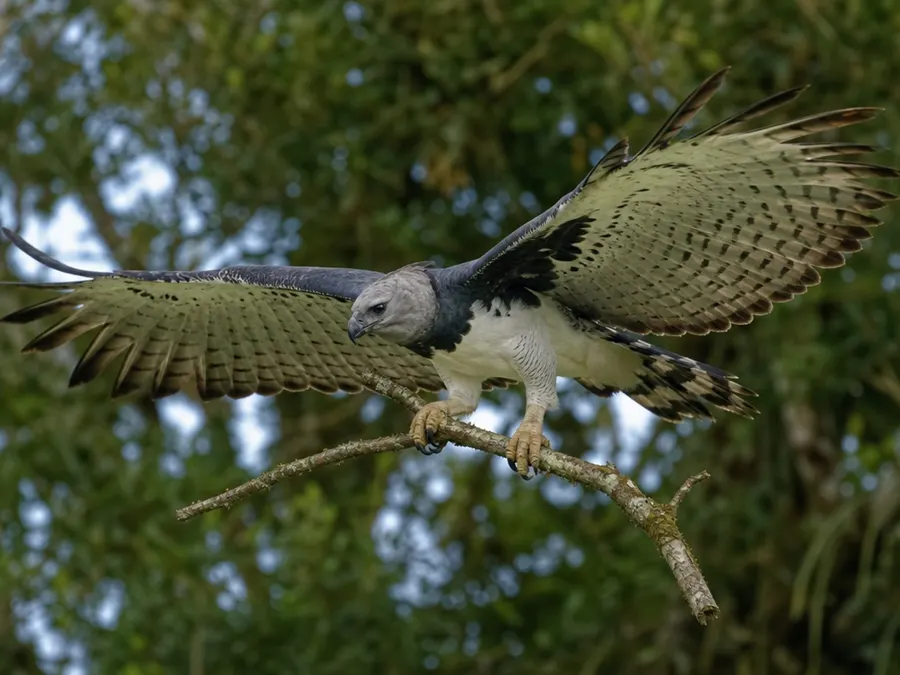
Aerial Carrying Capacity
The harpy eagle showcases remarkable lifting power in flight. With claws comparable in size to a grizzly bear's, this raptor can snatch and carry heavy prey through the dense rainforest canopy. Its strength is a combination of a powerful grip and the immense wing muscles required to lift off with extra weight.

Proportional Carrying Power
Leafcutter ants demonstrate the wonders of proportional strength. While their absolute lifting capacity is small, they routinely carry leaf fragments many times their own body weight over long distances. Their specialized neck joints and relative muscle-to-mass ratio allow them to lift loads that would crush larger animals if scaled up.
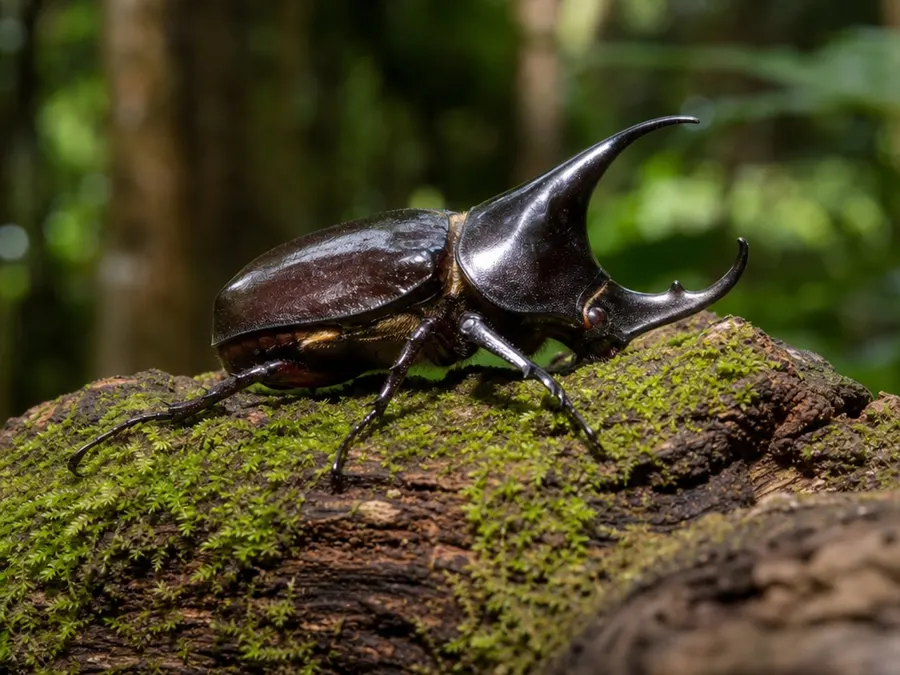
Structural Load Bearing
The rhinoceros beetle is famous for its ability to carry immense loads relative to its tiny body size. This is made possible by its rigid exoskeleton, which distributes weight evenly, and its highly efficient muscle fibers. This type of strength highlights how smaller organisms benefit from physics, as lighter bodies require less energy to support themselves.
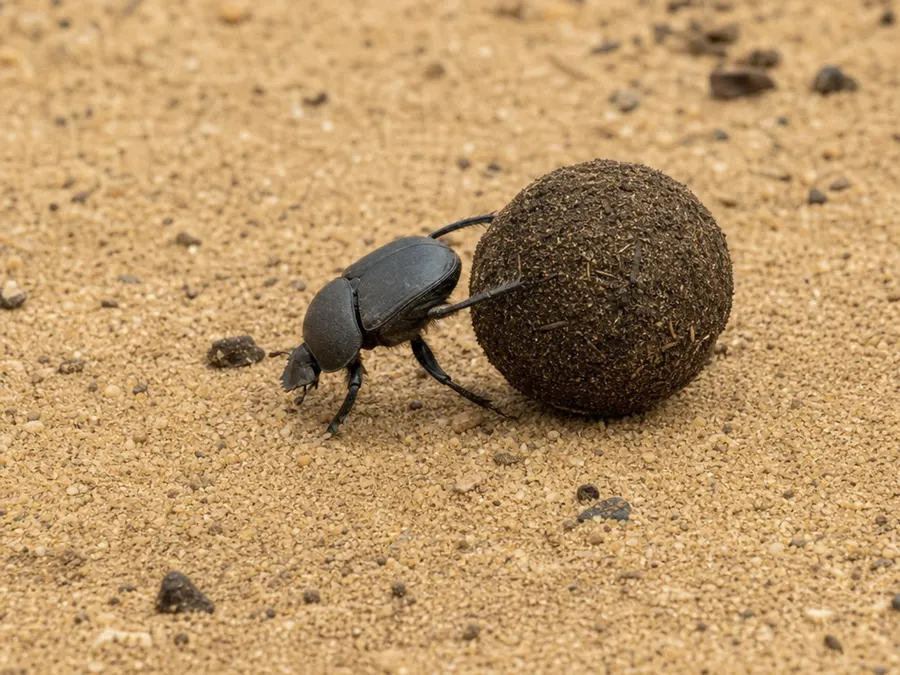
Proportional Pulling Force
Dung beetles are among the strongest creatures when measuring pulling force relative to body weight. They use their powerful legs to push and pull heavy spheres of organic matter over rough terrain. This incredible output is essential for their nesting habits, requiring constant exertion and endurance to secure their resources.
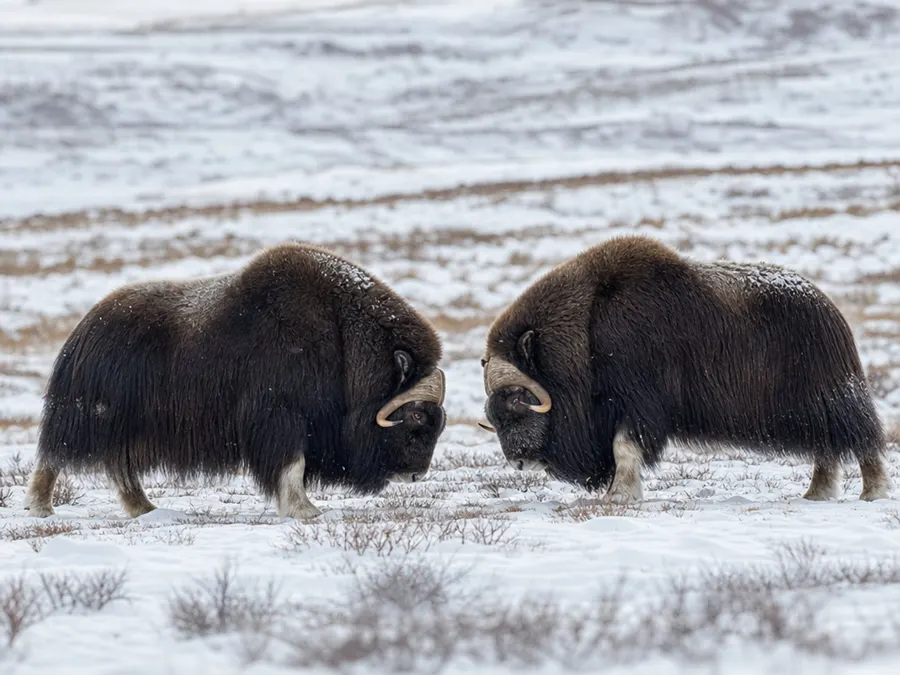
Impact and Shoving Power
The musk ox relies on massive skeletal density and thick neck muscles to deliver and withstand high-impact forces. During the mating season, males charge at each other, colliding head-on to establish dominance. Their skulls are specially reinforced to absorb these massive shocks, translating raw forward momentum into pure shoving power.
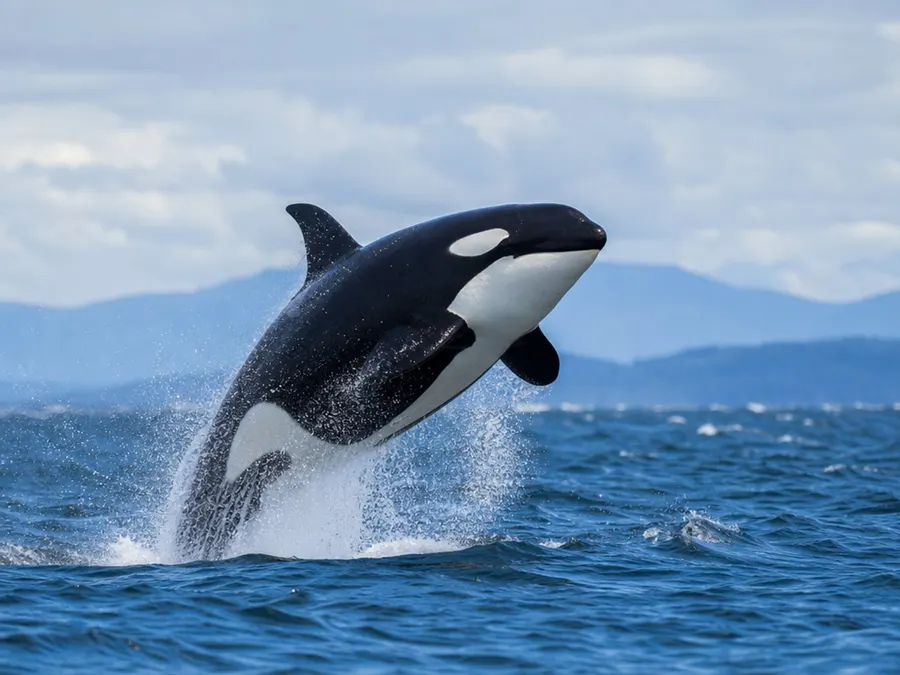
Aquatic Propulsion
Orcas demonstrate immense muscular power adapted for the water. Their massive tails, or flukes, are driven by dense muscle groups along their spine, allowing them to swim against powerful ocean currents and launch their multi-ton bodies completely out of the water. This aquatic strength combines hydrodynamics with sheer muscle mass for high-speed travel.
Absolute Lifting Power
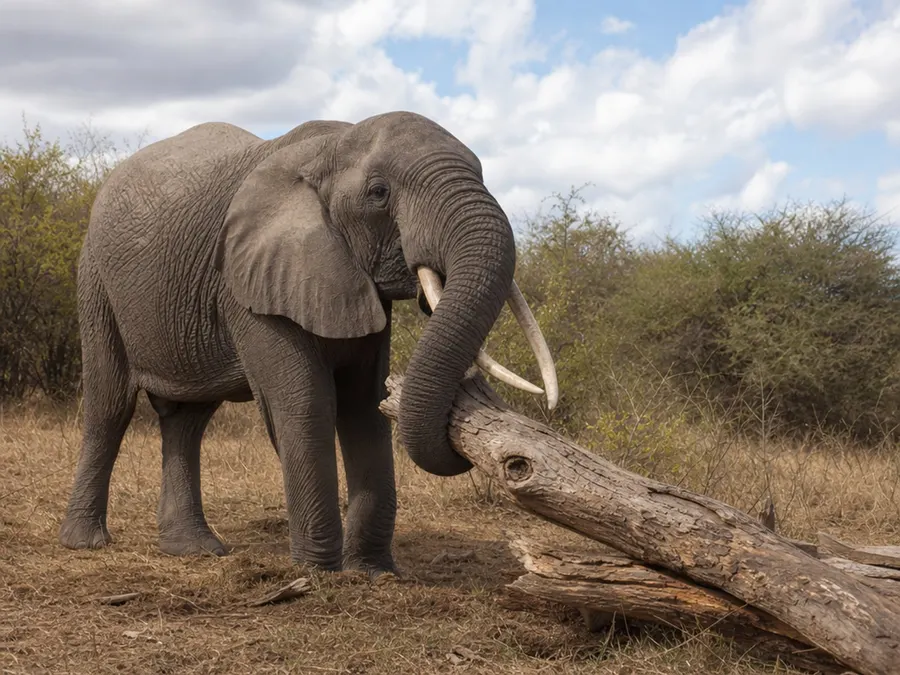
The African elephant represents the pinnacle of absolute terrestrial strength. Using its highly muscular trunk, which contains tens of thousands of muscle units, along with its immense body weight, this mammal can lift and move massive fallen trees. Rather than relying on proportional strength, the elephant leverages sheer physical mass to clear obstacles in its habitat.
Featured galleries