12 Checks for Researching a Public Multiple-Birth Family Update

Confirming Birth Date and Location
Pinpointing the precise date and geographic location of historical events is a key step in genealogical research. The National Archives and Records Administration suggests using census and immigration records, such as ship passenger lists, to track family movements and timelines. Researchers can also consult local guides, such as NARA at Riverside's resources, to learn how to begin tracing these geographic details. Utilizing these official references helps differentiate similar families in historical databases without relying on unverified claims.
Evaluating Contemporary Announcement Provenance
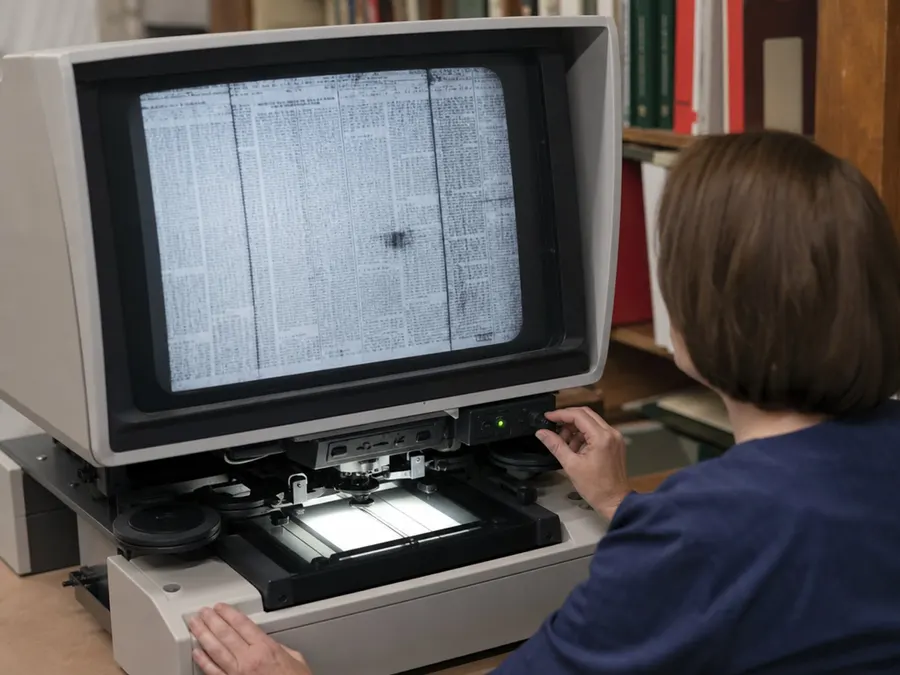
When evaluating historical documentation, researchers should consult books and articles to identify where reliable records are housed. The National Archives and Records Administration lists several recommended reference books and quarterly journals that can be found in libraries with large genealogical collections. These resources provide guidance on citation, analysis, and avoiding common pitfalls in historical research. Verifying the context and provenance of your sources ensures that your family history update is built on credible scholarship.

Standardizing Multiple-Birth Terminology
Using accurate terminology is essential when documenting multiple births, which public health agencies classify into distinct categories. For example, the National Center for Health Statistics tracks twin births, triplet births, and quadruplet or other higher-order births. Aligning your research with these standardized classifications ensures consistent search queries across health and historical databases. This systematic approach helps researchers accurately categorize and track multiple-birth events over time.
Contextualizing with Aggregate CDC Data
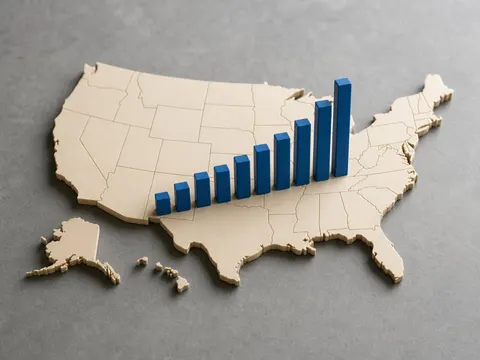
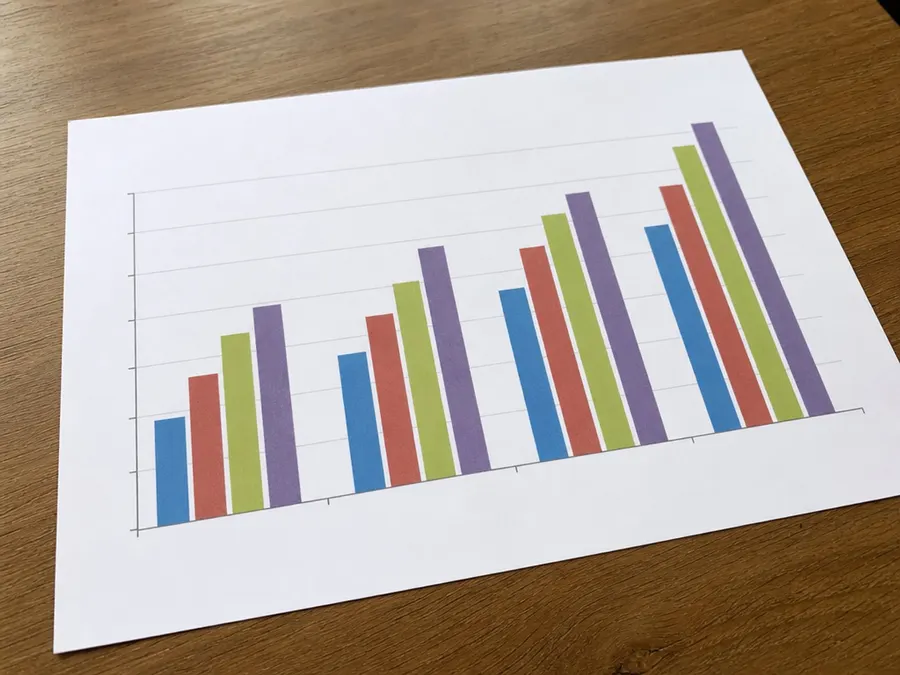
To understand the rarity of multiple-birth events, researchers can look to aggregate national statistics. In the United States, final data for 2024 recorded 109,195 twin births, 2,444 triplet births, and 144 quadruplet and other higher-order births. These figures represent a twin birth rate of 30.1 per 1,000 live births and a triplet or higher-order rate of 71.3 per 100,000 live births. Placing a specific family's history within these official national trends provides a clear statistical context for the research.
Establishing Core Genealogical Anchors
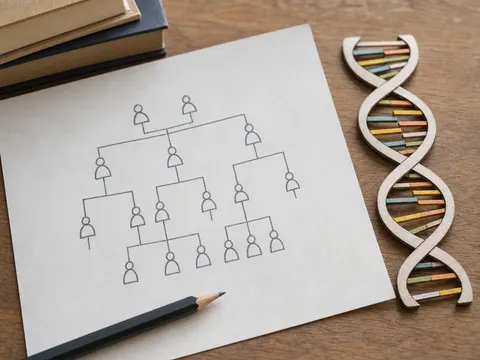
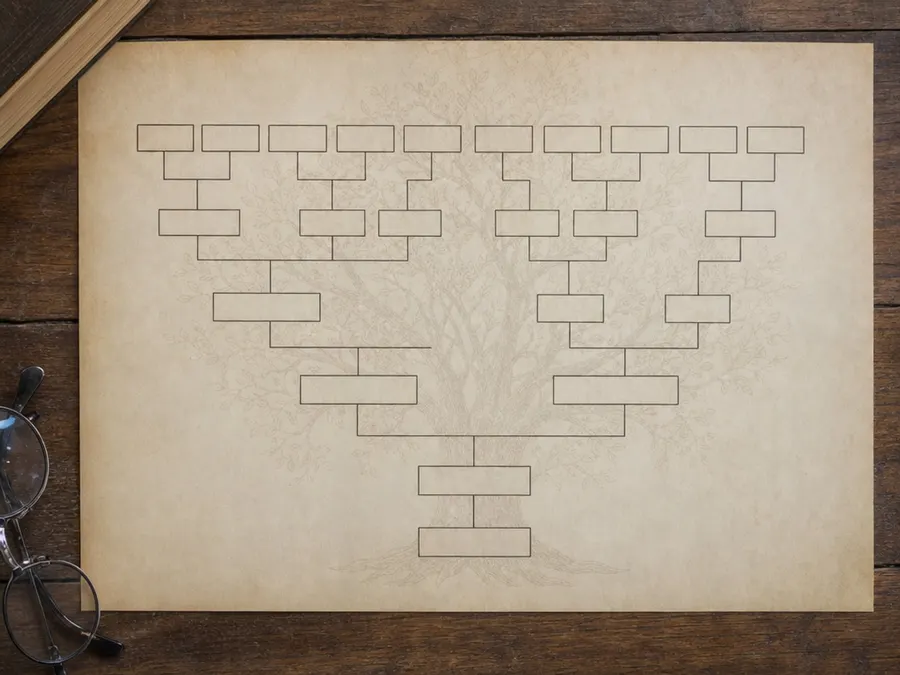
Establishing core research anchors is essential for tracking large families across generations without confusing different branches. The National Archives and Records Administration offers webinars, workshops, and online tutorials to help researchers structure their genealogical frameworks. Resources such as the Genealogy Tool Kit and webinars from Legacy Family Tree provide practical methodologies for organizing family data. Documenting these connections systematically prevents errors when researching multiple-birth families over several decades.
Recognizing Census and Vital-Record Limits
Public census and land records are invaluable resources, but researchers must understand how to properly access and interpret them. The National Archives and Records Administration provides introductory videos on census records and the Homestead Act to guide researchers through these holdings. Additionally, NARA's 'Know Your Records' series and annual Genealogy Series offer insight into the limitations and availability of historical documents. Familiarizing yourself with these official access guidelines prevents frustration when searching for family data.

Verifying Later Education and Career Claims
When tracking the later life milestones of family members, researchers must carefully analyze evidence to avoid unverified claims. The National Archives and Records Administration highlights helpful reference books on evidence citation and analysis, such as Elizabeth Shown Mills's guide for family historians. Additionally, works like Milton Rubincam's guide on genealogical pitfalls discuss how to navigate conflicting biographical information. Relying on structured analytical methods helps researchers verify milestones and prevent the spread of incorrect details.

Prioritizing Direct Statements over Profiles
When reconstructing a family history, relying on unverified online profiles or blogs can lead to compounding errors. To resolve tough research problems, the National Archives and Records Administration suggests studying how experienced researchers have solved similar brick walls. Researchers can access free online classes on genealogy and search wikis from platforms like FamilySearch and Genealogy.com. Learning these professional methodologies helps you verify primary sources and avoid perpetuating secondary myths.

Respecting Privacy and Professional Standards
When researching modern or living family members, adhering to professional and ethical standards is a key responsibility. Joining local and national genealogical societies, as recommended by the National Archives and Records Administration, provides access to newsletters and guidelines on research ethics. These professional groups help researchers navigate sensitive data and understand best practices for handling personal details. Respecting privacy boundaries ensures that your historical research is conducted responsibly and professionally.

Navigating Official Digitized Records
When gathering visual or documentary evidence, researchers should utilize official digitized collections rather than unverified online images. The National Archives and Records Administration provides direct access to digitized records and finding aids through its online Catalog. Researchers can learn how to navigate these digital assets by exploring NARA's online tutorials and the 'Genealogy Tool Kit.' Utilizing these official digital repositories ensures you obtain high-quality, verified historical documents with clear provenance.
Reconciling Conflicting Timelines
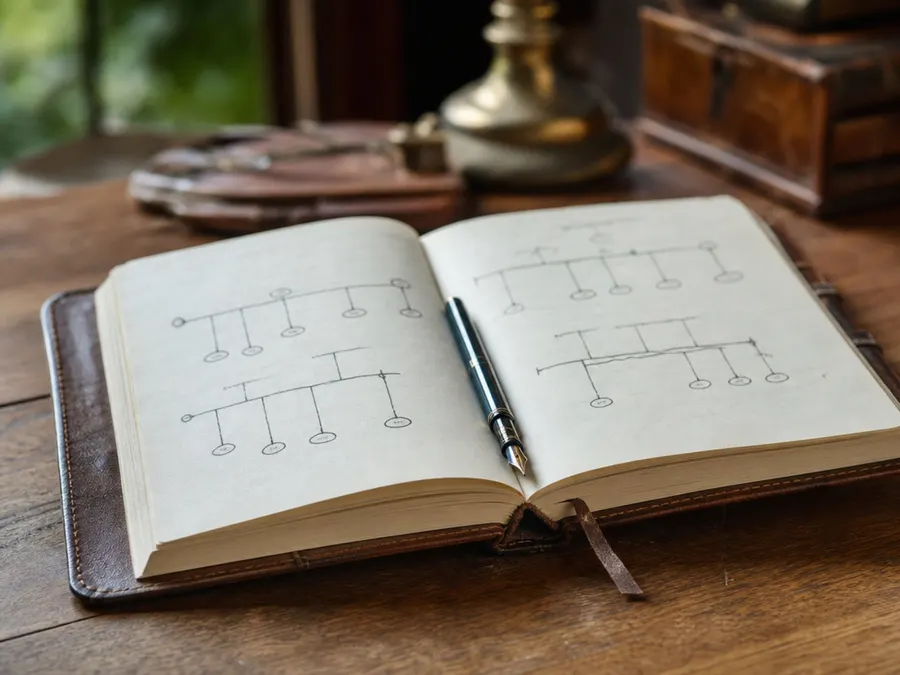
Reconciling conflicting historical timelines requires a systematic process to weigh different sources of information. The National Archives and Records Administration lists several foundational guidebooks, such as Val D. Greenwood's guide to American genealogy, to assist with these steps. Other recommended texts, like those by Harriet Stryker-Rodda and Loretto D. Szucs, offer methods for climbing your family tree and evaluating evidence. Consulting these structured research guides allows you to build a rigorous, supported timeline for multiple-birth families.
Verifying Names via Official Public Records
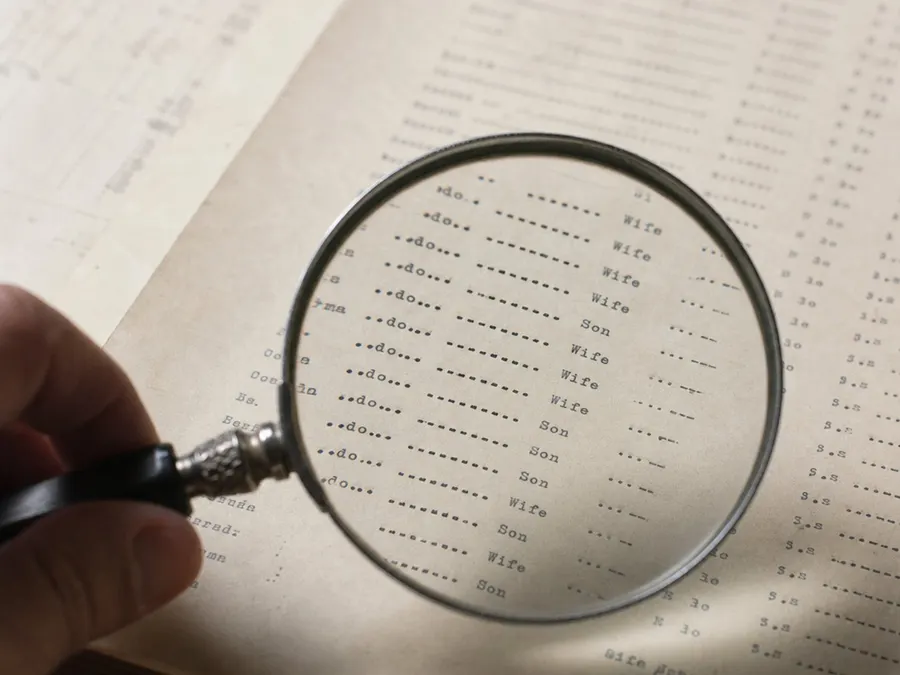
When beginning genealogical research, the National Archives and Records Administration (NARA) suggests starting with core holdings like census, military, immigration, and naturalization records. To build a reliable foundation, researchers can utilize NARA's introductory guides, PowerPoint presentations, and instructional YouTube videos. Consulting external tools like the Genealogy Tool Kit and the National Genealogical Society also helps establish verified facts. These structured resources help researchers navigate complex family histories and avoid common research dead-ends.
Featured galleries