12 Checks for Evaluating Polar-Bear Rescue Stories
True Species Identification
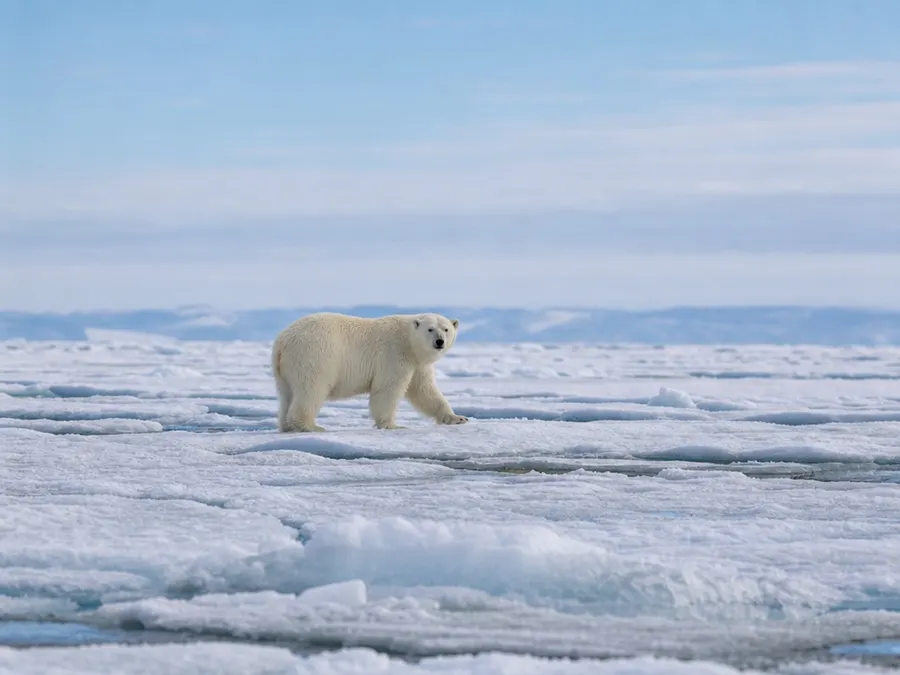
To evaluate a story, one must confirm the animal is indeed a polar bear (Ursus maritimus), which is the largest extant bear species and is classified as a marine mammal. Genetic research shows they evolved from brown bears (U. arctos) roughly 500,000 years ago. Their ranges still overlap in regions of northern Canada, Alaska, and eastern Russia. Distinguishing them from other bear species is essential for verifying any northern wildlife encounter.

Finding the Original Source
Investigating the source of a polar bear story helps determine if the narrative is scientifically plausible. Polar bears are a K-selected or 'slow' species characterized by low reproductive rates, late sexual maturity, and small litter sizes. Adult females typically mature at 4 to 5 years, give birth to one to three cubs at 5 to 6 years, and have a minimum reproductive interval of 3 years. Authentic stories from researchers will align with these documented biological timelines rather than sensationalized claims.
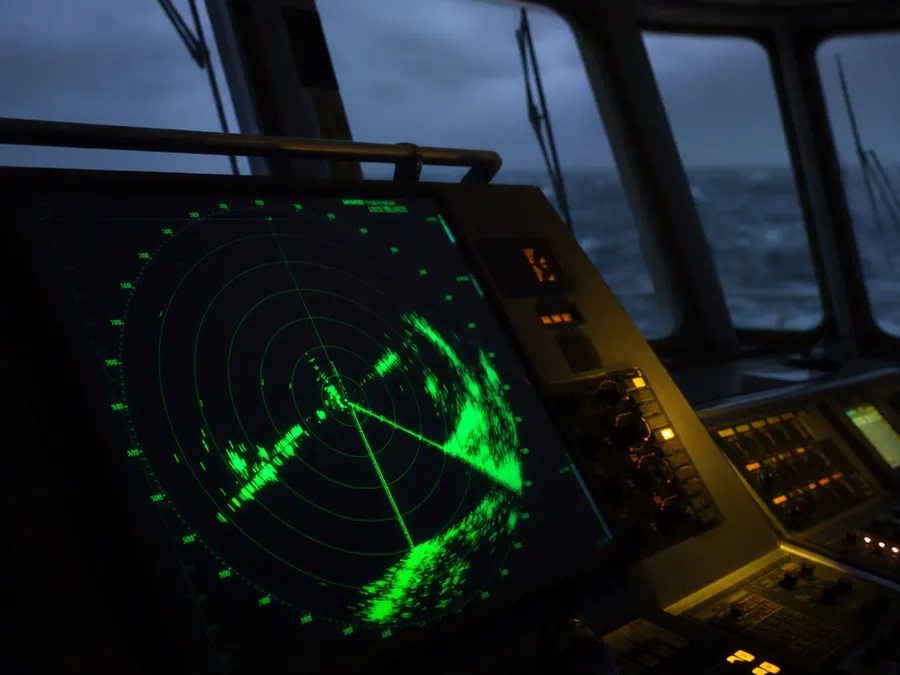
Inspecting Vessel Logs and Habitat
Evaluating marine encounters requires understanding where polar bears live and feed. These top predators are heavily dependent on sea ice habitats and prey primarily on ringed seals and, to a lesser extent, bearded seals. They may also occasionally hunt larger animals like walruses or belugas, or feed on bowhead whale remains. Stories claiming to show polar bears hunting or feeding in unusual ways or locations should be verified against these established dietary patterns.
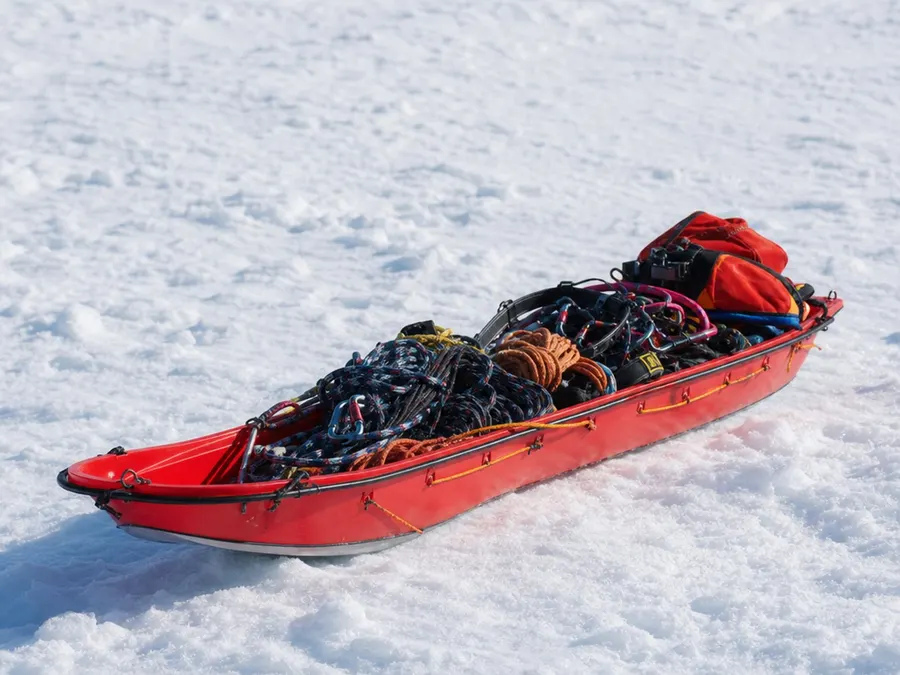
Identifying Trained Responders
Legitimate interventions are highly restricted because polar bears are protected under federal laws like the Endangered Species Act. In the United States, the Marine Mammal Protection Act prohibits the 'take' of marine mammals, which is defined as harassing, hunting, capturing, or killing. The only statutory exception to this take prohibition is for subsistence harvest by Alaska Native peoples. Consequently, any authorized rescue or conservation effort must comply with strict federal guidelines.
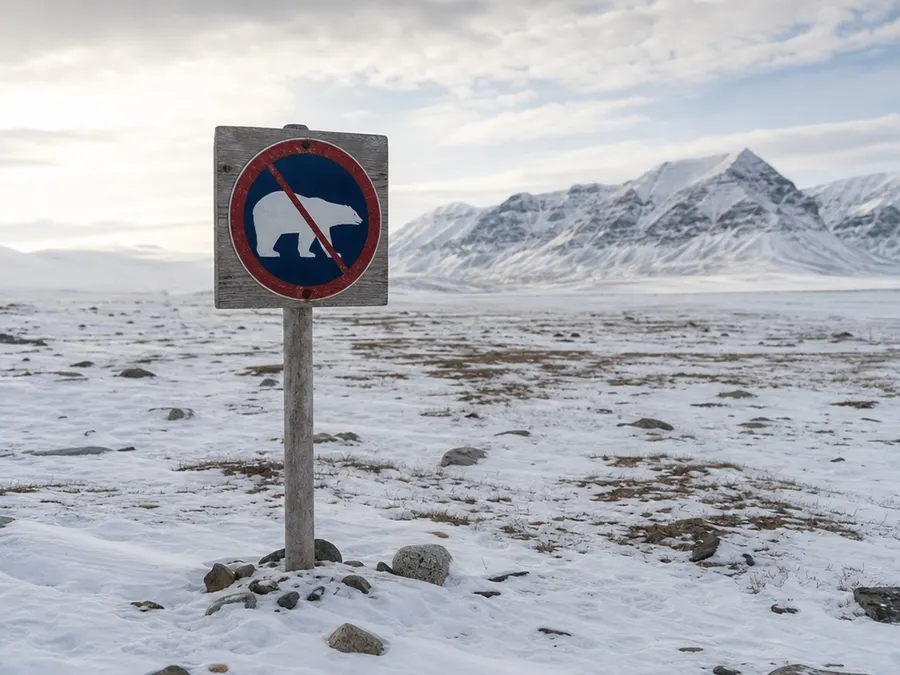
Navigating Legal Authority
Any story depicting humans interacting with polar bears must be scrutinized for legal compliance. Under the Marine Mammal Protection Act, unauthorized harassment or capture of these marine mammals is strictly illegal. The global polar bear population was estimated at approximately 26,000 individuals as of 2023, and their conservation is tightly managed. Reliable reports of wildlife management actions will reference coordination with official bodies such as the U.S. Fish & Wildlife Service.
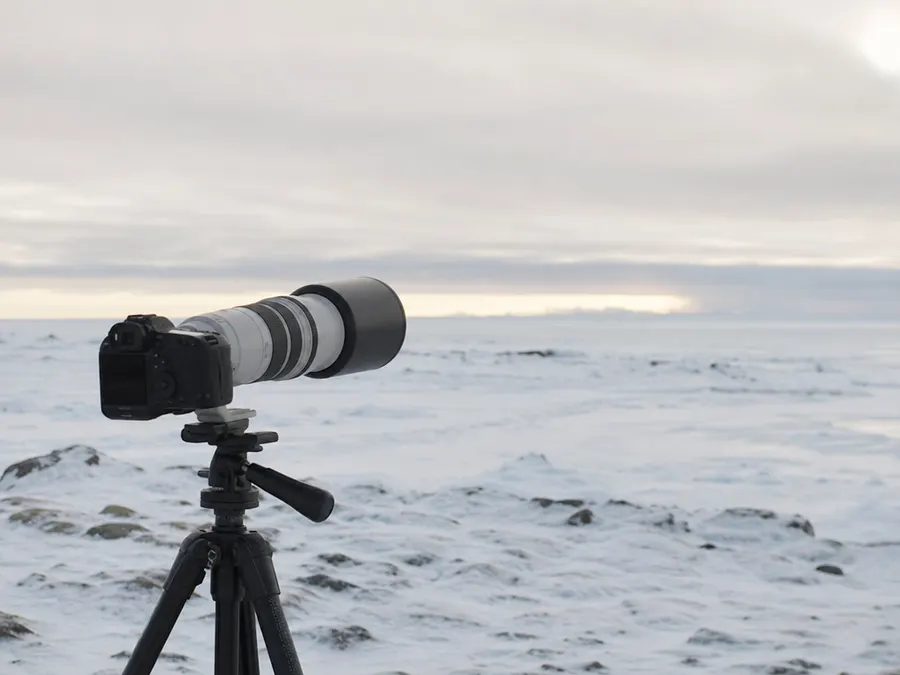
Keeping a Safe Distance
Close-up videos of polar bears should raise immediate concerns because these animals are powerful top predators in the Arctic ecosystem. They are capable of taking large prey such as walruses and belugas, making close human contact extremely hazardous. Because they are protected from harassment under the Marine Mammal Protection Act, approaching them closely is generally restricted by law. Legitimate researchers and wildlife managers prioritize safety by maintaining a safe distance.
Avoiding Feeding or Pursuit
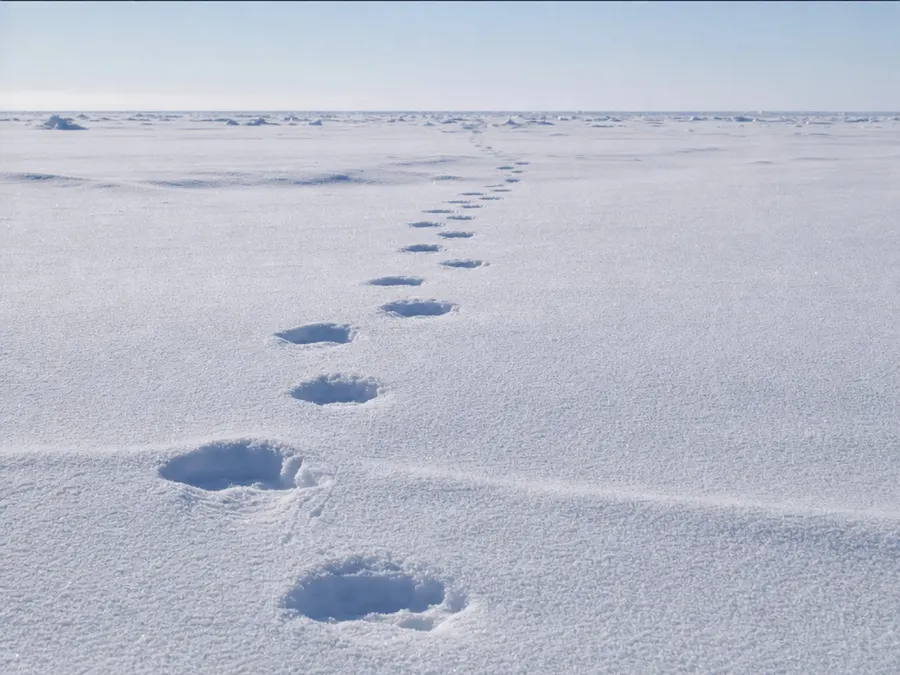
Feeding or pursuing wild polar bears constitutes illegal harassment under the Marine Mammal Protection Act's prohibition on 'take.' Some narratives falsely frame feeding as a helpful rescue act, but it disrupts their natural feeding behaviors. In the wild, polar bears rely on seasonally reliable food sources, such as ringed seals or bowhead whale remains. Artificially feeding these animals is dangerous and violates federal conservation laws.
Reporting to Local Channels
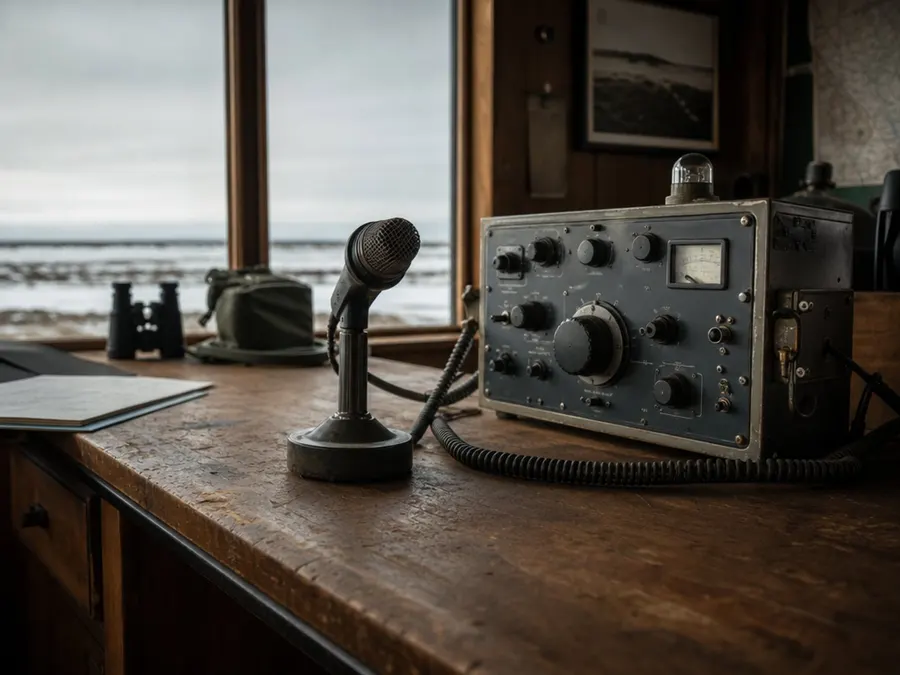
If you encounter a polar bear that appears to be in distress, you should contact official authorities instead of taking action yourself. The U.S. Fish & Wildlife Service manages polar bear populations and provides reporting channels for wildlife concerns. Unauthorized individuals attempting to assist these large marine mammals risk violating federal laws. Professional agencies have the proper credentials and training to handle sensitive Arctic species safely.
Analyzing Sea-Ice Context
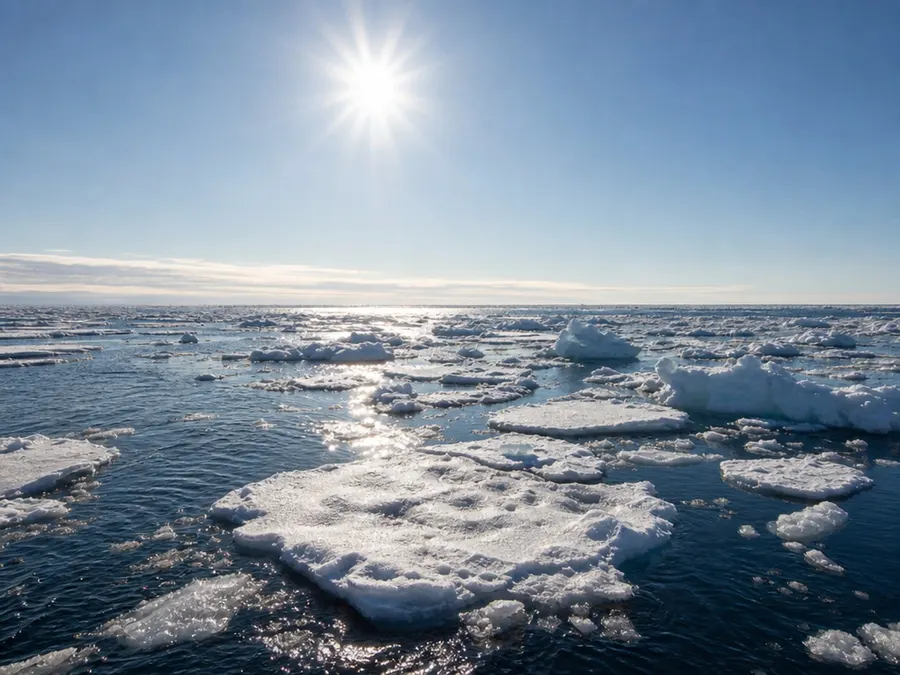
A polar bear story must be evaluated against its environmental context, as the species is largely dependent on sea ice. Their native range spans seasonally and permanently ice-covered marine waters across the circumpolar Arctic. Stories showing bears far from their icy habitats during critical times may indicate an animal in distress or a misleadingly edited video. Understanding their reliance on sea ice is key to assessing the plausibility of any sighting.
Spotting Deceptive Editing
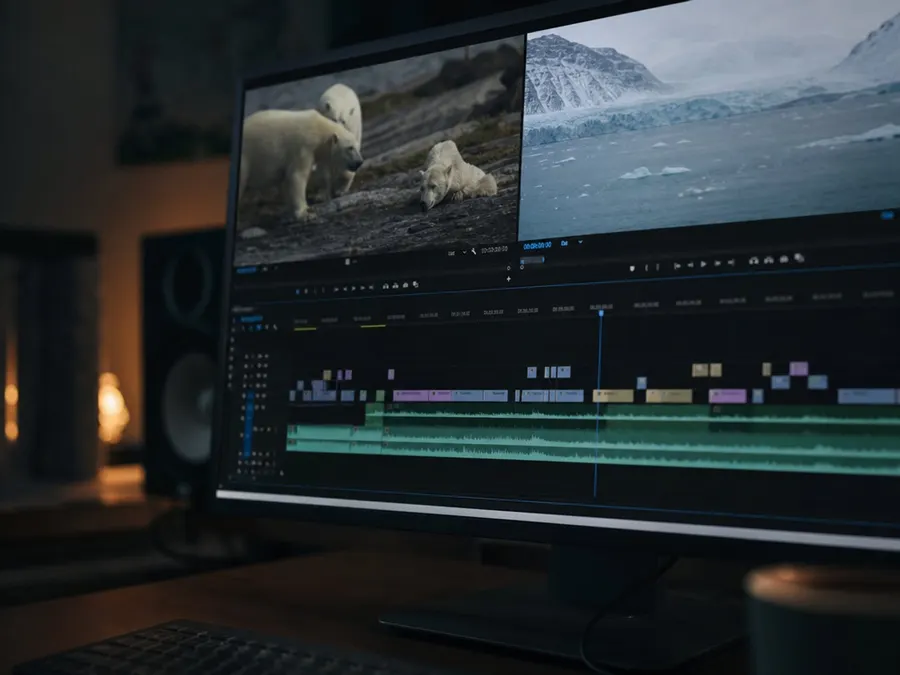
Some edited videos may combine separate clips to fabricate a dramatic wildlife encounter. For instance, a video might falsely depict a male polar bear alongside cubs, even though maternal investment is highly exclusive. Female polar bears raise their cubs for about two years, and the denning period requires complete security from predation. Knowing these biological facts about polar bear maternal care can help you spot deceptive editing in viral videos.

Demanding Reputable Corroboration
Sensational stories should always be verified using reputable scientific data and official resources. The U.S. Fish & Wildlife Service provides reliable species profiles and updates on polar bear conservation. Before sharing a viral rescue claim, check if the details align with the documented biology and population status of the 19 global subpopulations. Relying on verified conservation agencies prevents the spread of misleading wildlife information.
Confirming Location and Date
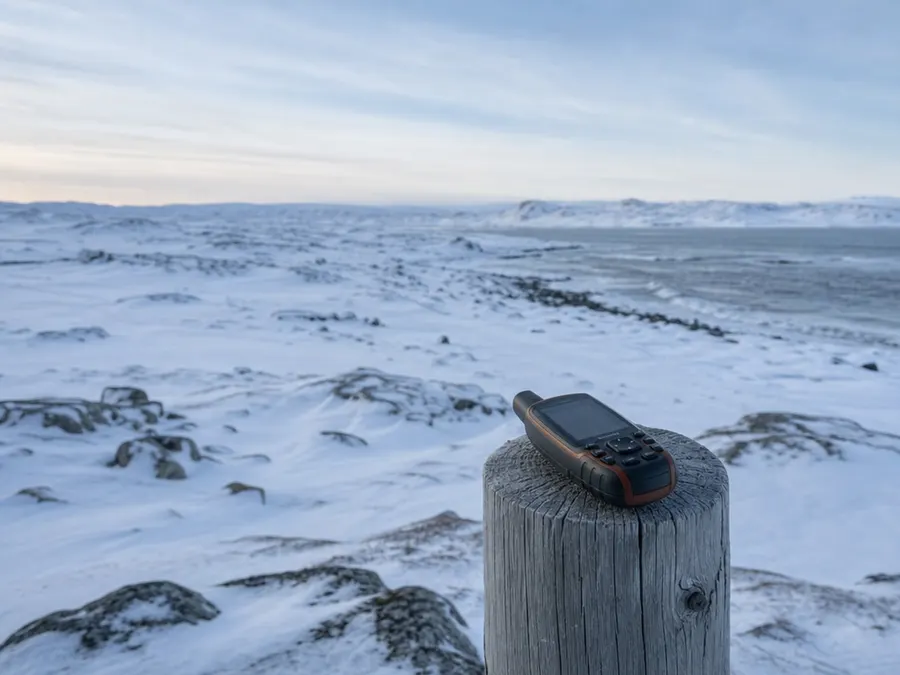
When evaluating a polar-bear story, verifying the location is crucial because their actual range is restricted to the circumpolar Arctic, primarily above the Arctic Circle. According to the U.S. Fish & Wildlife Service, they occur in 19 subpopulations across seasonally and permanently ice-covered marine waters. In the United States, they are only found in portions of two subpopulations: the Chukchi Sea and the Southern Beaufort Sea. Any claims of rescues outside these specific Arctic and Subarctic regions are highly suspect.
Featured galleries