12 Checks for Evaluating a Dramatic Aviation-Incident Story

Determine Investigative Authority
The location of an aviation incident determines which agency has the authority to lead the safety investigation. The NTSB has investigative authority over accidents that occur on U.S. territory or in international waters involving U.S.-registered aircraft. For foreign aviation accidents, the agency plays a specific role outlined in separate organizational guidance. Verifying where an incident occurred helps clarify which official body is responsible for gathering facts on the scene.

Look for On-Scene and Off-Scene Evidence
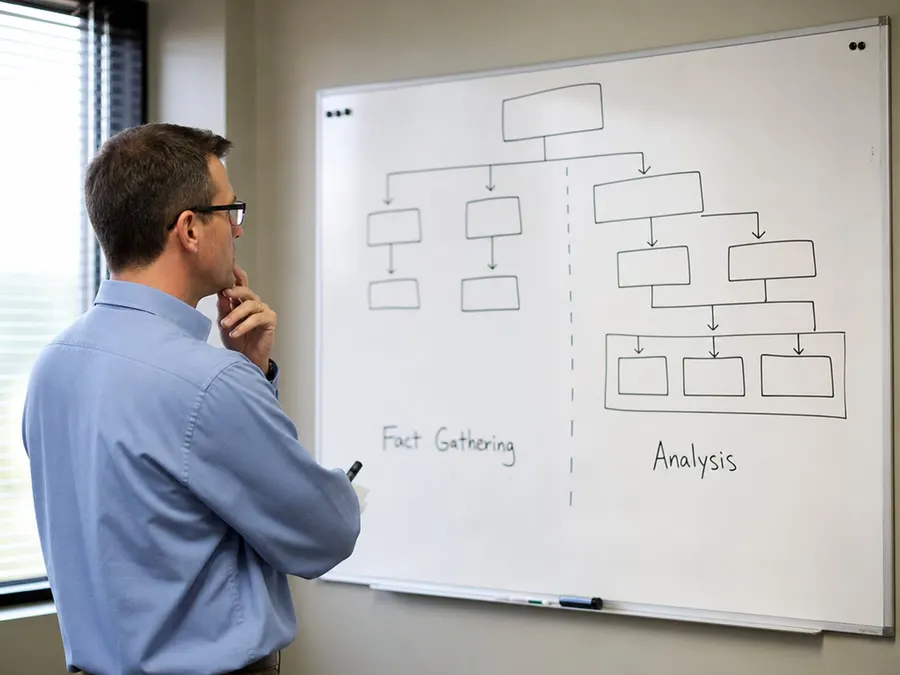
Official investigations rely on a detailed fact-gathering process to reconstruct an aviation incident. NTSB investigators collect evidence both directly at the accident site and from external sources. This off-scene information includes flight logs, maintenance records, and personal interviews. Evaluating a dramatic story requires looking for this comprehensive data rather than relying solely on a single video clip.
Analyze Weather and Technical Data
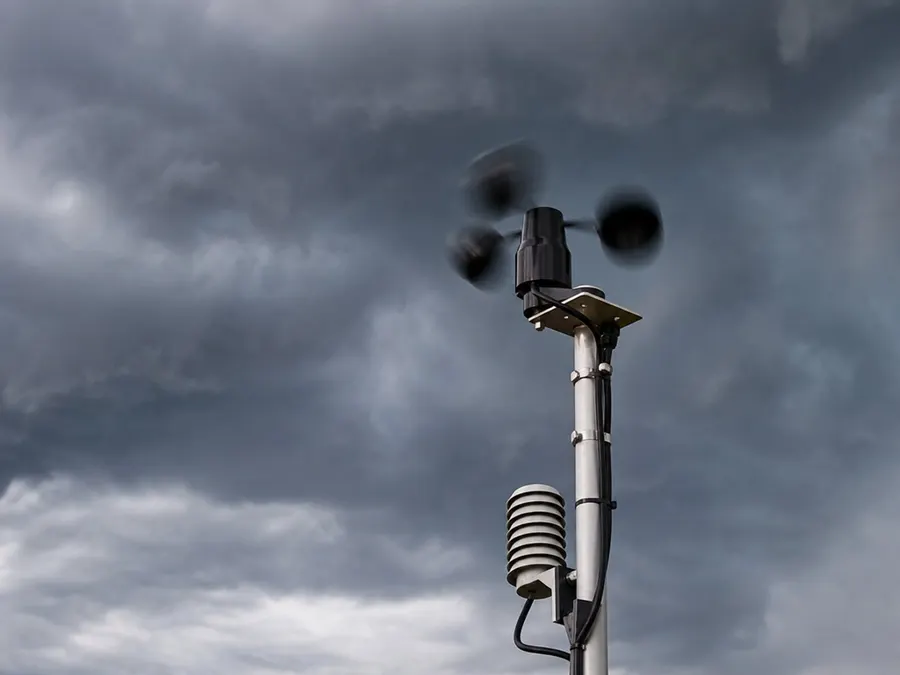
Understanding an aviation incident requires analyzing environmental factors alongside technical data. NTSB specialists routinely analyze weather information in conjunction with aircraft logbooks during an investigation. They also evaluate engine performance data, which can prompt them to request additional technical information from the manufacturer. This combined analysis helps piece together the exact sequence of events leading to an incident.

Search Official Incident Records
When a transportation accident occurs, the NTSB initiates a standardized investigative process to determine the probable cause. The agency gathers a wide array of information, including flight logs, maintenance records, and personal interviews. Once the analysis is complete, a draft report is prepared, which is then approved by a modal office director or adopted at a public Board meeting. These official reports provide the public with a verified, technical description of the accident.

Understand the Role of Designated Parties
To ensure a thorough investigation, the NTSB utilizes a specialized 'Party System' to leverage external expertise. This system allows the agency to designate other organizations or companies as official parties to the investigation. The NTSB uses these collaborative resources to investigate about 1,200 aviation accidents and incidents each year. In some cases, the Board may also hold a public investigative hearing to assist in determining the facts of an accident.

Distinguish Safety Investigations from Criminal Inquiries
An important distinction in any dramatic aviation incident is whether the event involves safety failures or criminal activity. The NTSB does not investigate criminal activity, as its focus is solely on transportation safety and determining probable cause. If an aviation tragedy is determined to be a criminal act, local law enforcement or the FBI will become the lead investigative body. Other agencies may participate alongside the NTSB if criminal activity is initially suspected.

Examine Technical Analysis and Draft Reports
Reconstructing an aviation incident requires highly specialized technical analysis of all gathered data. NTSB specialists work together to analyze the evidence and piece together the exact sequence of events. The investigative team includes a writer-editor experienced in the specific technical terminology of that mode of transportation. This team then compiles a draft report containing the accident description, analysis, and a determination of probable cause.
Understand Investigation Timelines
The timing between the start of an investigation and a final report varies based on several key factors. The complexity of the accident and the workload of the agency's investigators both heavily influence how long the process takes. While the NTSB generally tries to complete an investigation within 12 to 24 months, these factors can greatly affect that target. Consequently, official safety determinations require patience and systematic work rather than immediate speculation.

Understand Water and Marine Jurisdictions
The NTSB's investigative authority extends to accidents occurring on U.S. territory or in international waters when U.S. Flag vessels or U.S.-registered aircraft are involved. For marine-specific investigations, the U.S. Coast Guard typically acts as the lead investigative body. In these maritime cases, the NTSB provides safety support to help determine the cause of the accident. This division of labor ensures that specialized marine and aviation safety experts collaborate effectively.
Focus on Systemic Safety and Probable Cause
Official accident investigations do not seek to assign personal blame or speculate on individual intent. The NTSB's focus is solely on transportation safety and determining the probable cause of an incident. By concentrating on physical and systemic facts, investigators can identify the underlying issues that led to the event. This objective approach ensures that the resulting safety findings are based on evidence rather than public speculation.

Wait for the Final Official Report
Once a final accident investigation report has been formally adopted, the document is prepared for public release. The NTSB's safety efforts continue beyond the determination of a probable cause by addressing safety issues with specific recommendations. These Safety Recommendations may be directed to regulatory agencies, manufacturers, and other involved organizations. NTSB staff then stay in communication with the recipients to track their progress and advocate for safety adoption.
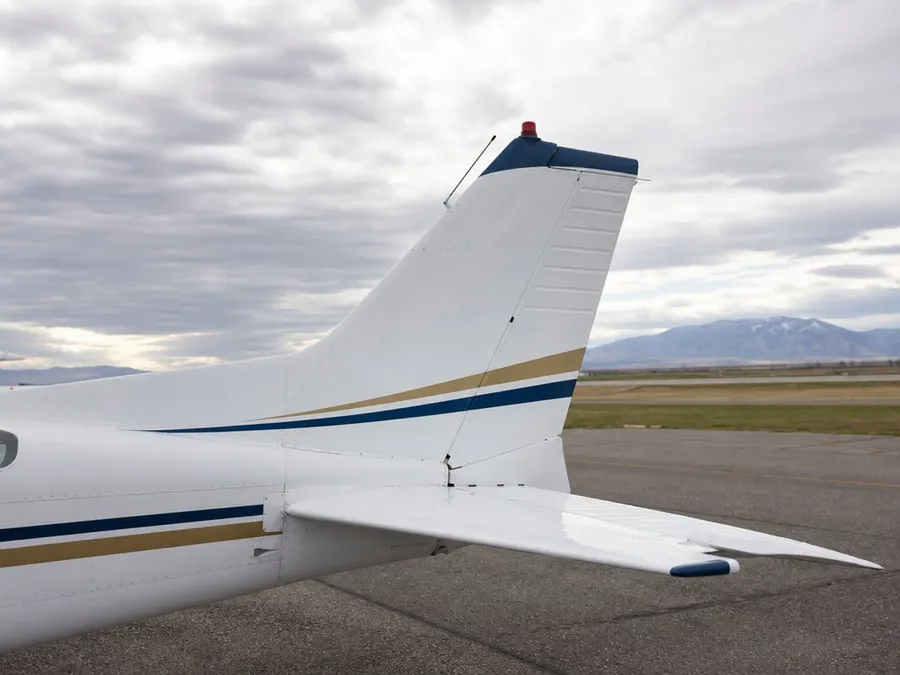
Identify the Scope of Safety Investigations
The National Transportation Safety Board (NTSB) investigates transportation accidents to determine their probable cause and improve safety. Its authority covers aviation accidents occurring on U.S. territory as well as those in international waters involving U.S.-registered aircraft. When an incident occurs, investigators gather crucial records such as flight logs and maintenance files to understand the operator's history. This systematic process helps distinguish the factual background of an event from initial rumors.
Featured galleries