12 Checks for Evaluating a Claim About Maya Customs
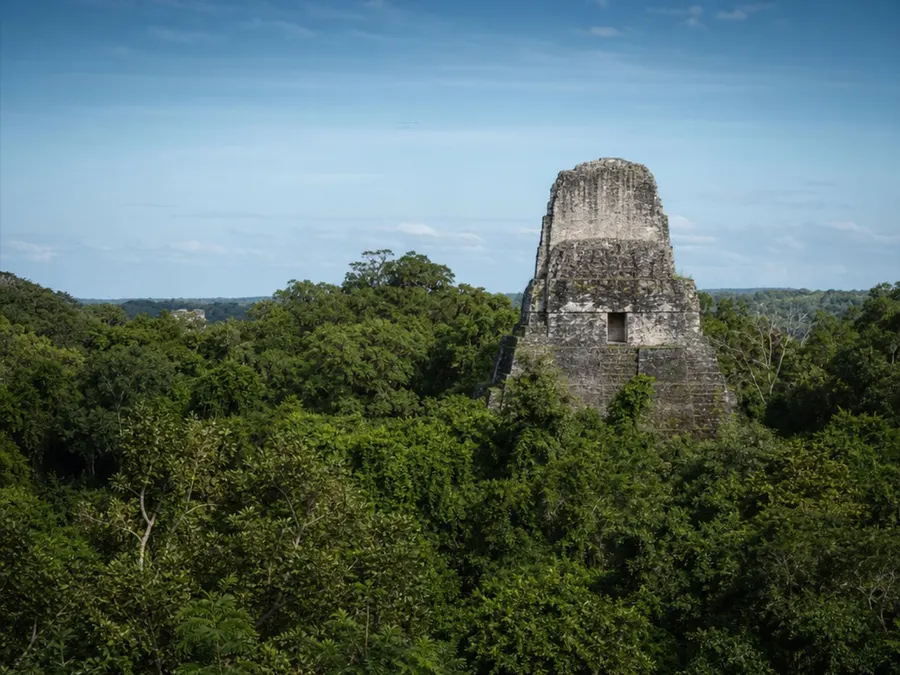
Pinpoint the Historical Era
Historical claims about Maya customs should specify a clear time period to be accurate. The ancient Maya developed an advanced civilization in the Americas around two thousand years ago. Evaluating a custom requires distinguishing between these ancient eras and contemporary practices. Understanding when a practice originated prevents the confusion of historical eras.
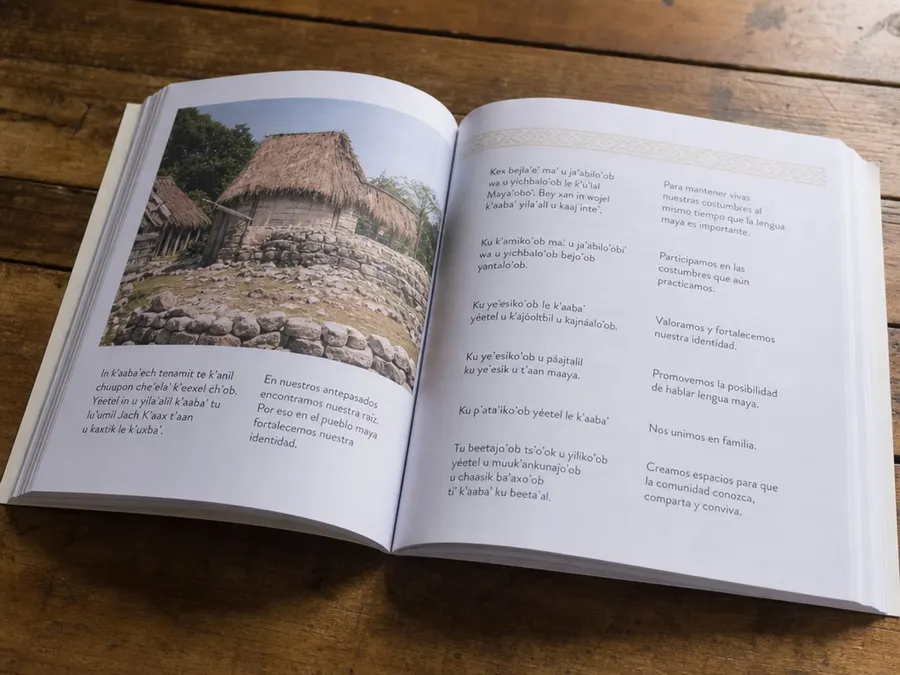
Account for Language and Tradition
Language and tradition are key components when analyzing claims about Maya culture. Today's Maya continue to maintain their languages, traditions, and a worldview shaped by a deep sensibility toward the land and sky. Any claim regarding specific cultural terms should acknowledge this ongoing linguistic and traditional continuity. Evaluating these elements helps verify the authenticity of a reported custom.
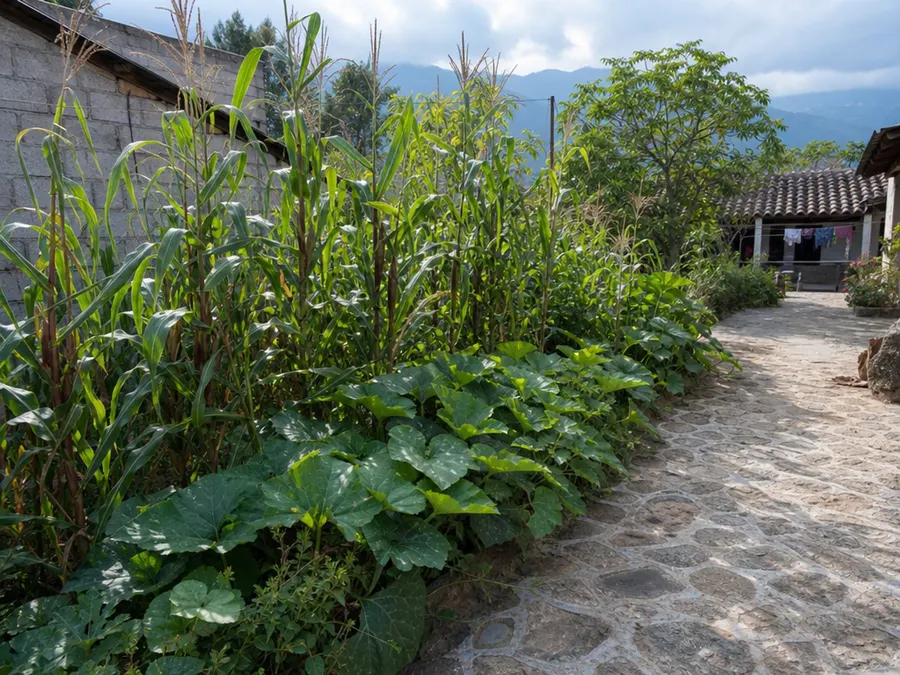
Connect Ancient and Modern Lives
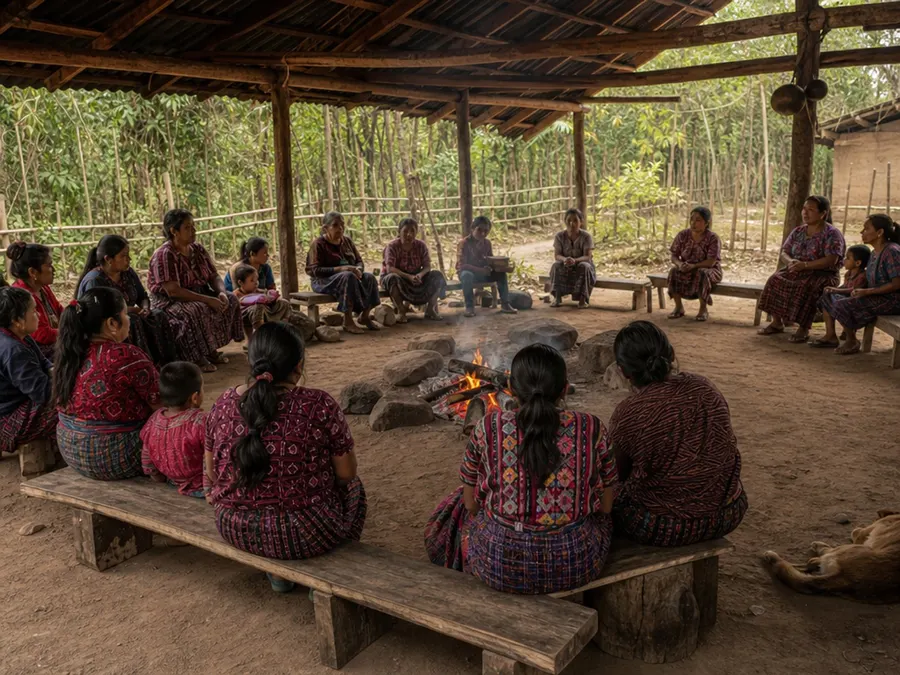
A common error in evaluating claims is treating the Maya as a culture belonging only to the past. In reality, contemporary Maya people live and work near many of the hundreds of restored ancient cities. They act as active guardians of their culture, connecting historical heritages with modern life. Recognizing this living connection is essential for any accurate cultural analysis.
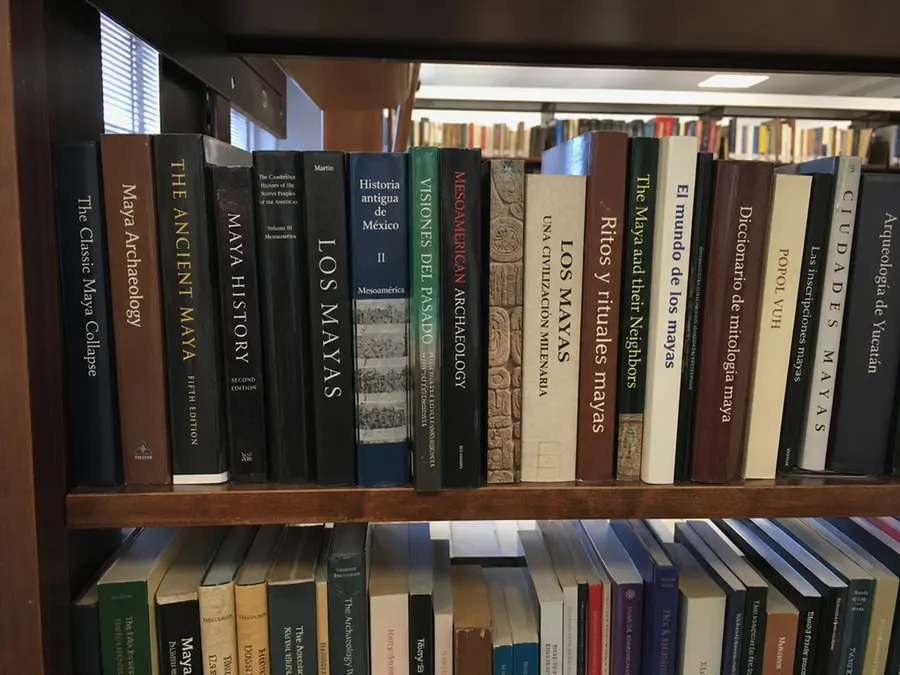
Look for Expert Maya Perspectives
When verifying claims, prioritizing perspectives from Maya professionals provides invaluable internal insight. For instance, Yucatec Maya archaeologist and architect José Huchim Herrera highlights how modern Maya are direct descendants of ancient builders, astronomers, and artists. Seeking out contemporary Maya scholars helps ground cultural claims in authentic community knowledge. This approach ensures that evaluations respect the community's self-determination and expertise.
Evaluate Mathematical and Scientific Claims
Claims regarding Maya science should align with their documented historical achievements. The ancient Maya developed highly advanced systems, including the mathematical concept of zero. They also utilized their expertise in astronomy and mathematics to create a complex, accurate calendar system. Verifying claims against these established scientific achievements helps separate fact from speculation.
Examine Written and Hieroglyphic Records
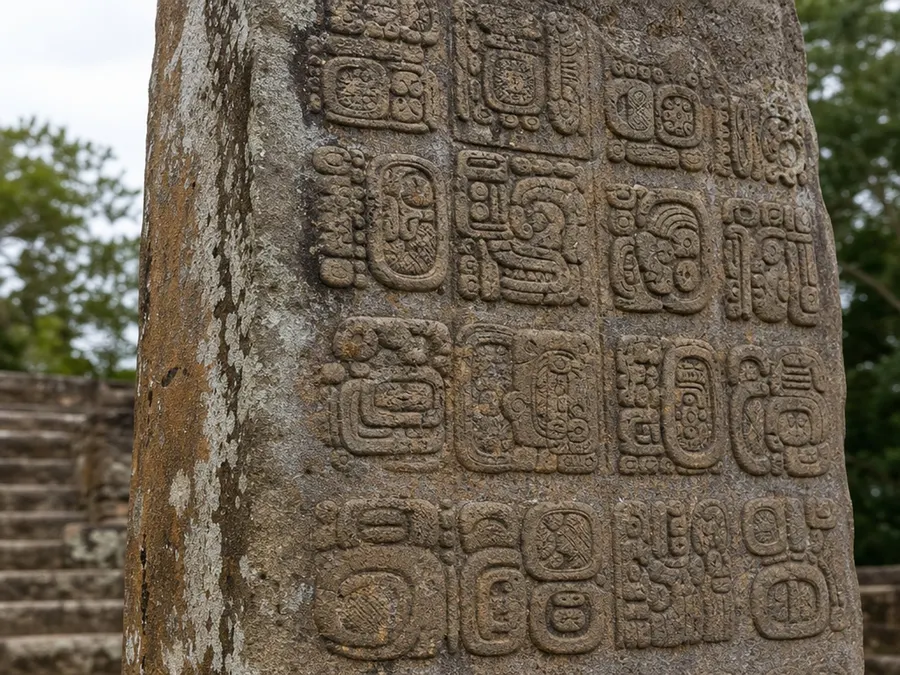
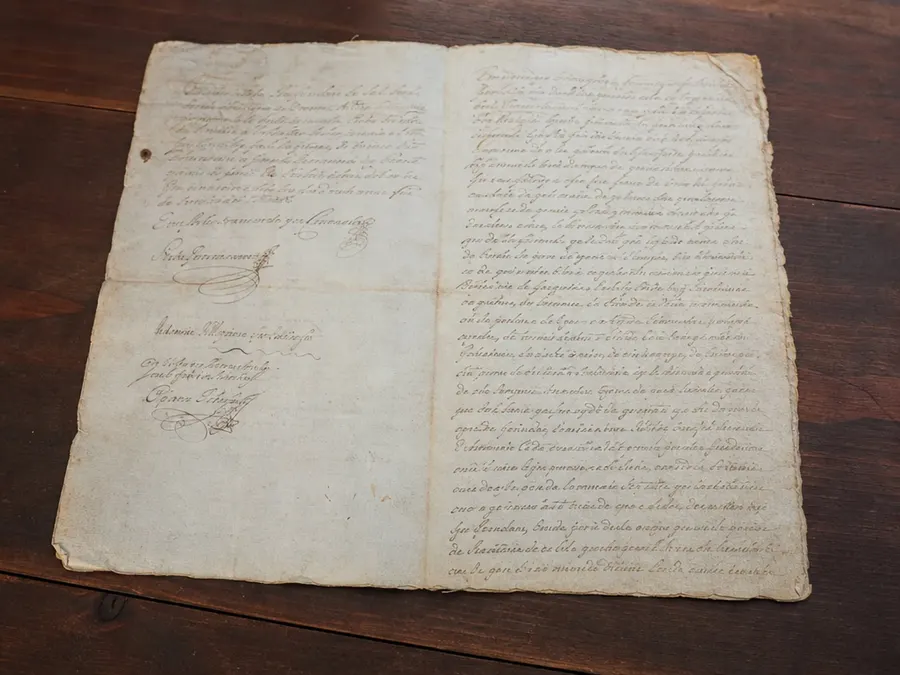
When assessing claims about ancient Maya communication or records, it is important to look at their writing systems. The ancient Maya developed a written language of hieroglyphs to record their history and ideas. Any claim about ancient written customs should be cross-referenced with these known hieroglyphic records. Understanding this written heritage helps researchers evaluate the validity of historical claims.
Assess Architectural and Urban Claims
Claims regarding Maya public life or ceremonies can often be evaluated against physical archaeological sites. Archaeologists study hundreds of restored ancient cities that feature temple-pyramids, palaces, ball courts, and grand plazas. These physical structures provide material evidence of how ancient public and ceremonial spaces were used. Comparing cultural claims with this architectural evidence helps verify their historical accuracy.
Recognize Cultural Continuity
Evaluating Maya customs requires understanding that contemporary Maya are the direct descendants of their ancient culture. They continue to give continuity to their traditions, ways of thinking, and languages. This cultural endurance means that modern practices often carry deep historical roots. Recognizing this continuity helps researchers appreciate the evolution of Maya customs over time.
Evaluate Tourism and Public Representation
Millions of tourists from all over the world visit restored Maya archaeological sites each year. When evaluating public claims or representations of Maya customs, one must consider how tourism might influence how these customs are presented. Contemporary Maya live and work near these heavily visited sites, balancing modern economic realities with cultural preservation. Analyzing these dynamics helps distinguish commercialized displays from authentic community traditions.
Understand the Maya Worldview
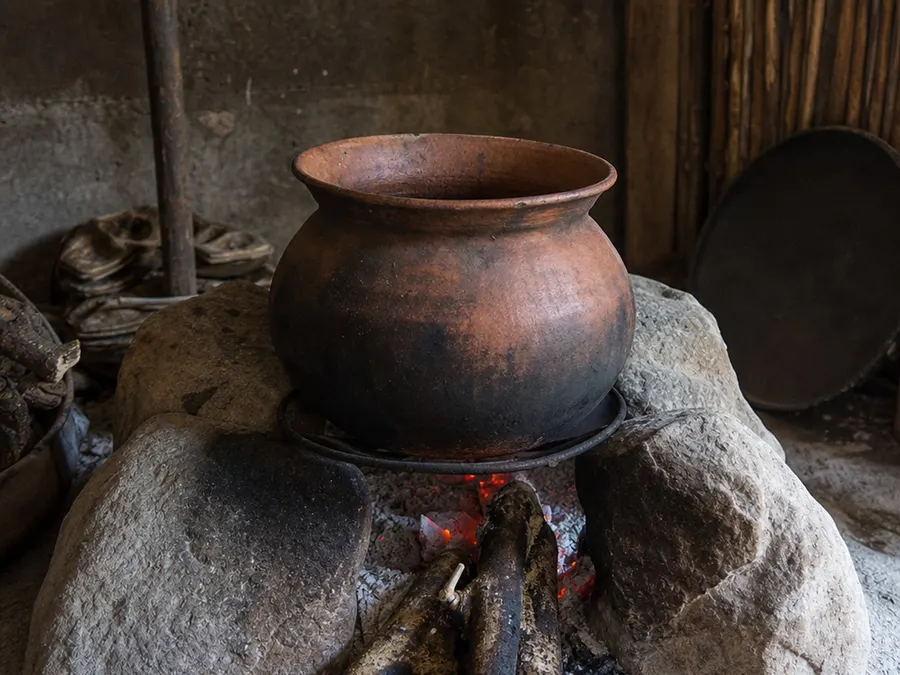
A deep sensibility toward the land and the sky continues to shape the worldview of the Maya today. When evaluating claims about Maya spiritual or agricultural customs, it is crucial to consider this relationship with nature. Customs that seem unusual to outsiders often make perfect sense within this specific environmental worldview. Grounding evaluations in this perspective prevents the misinterpretation of traditional practices.
Support Maya Self-Discovery
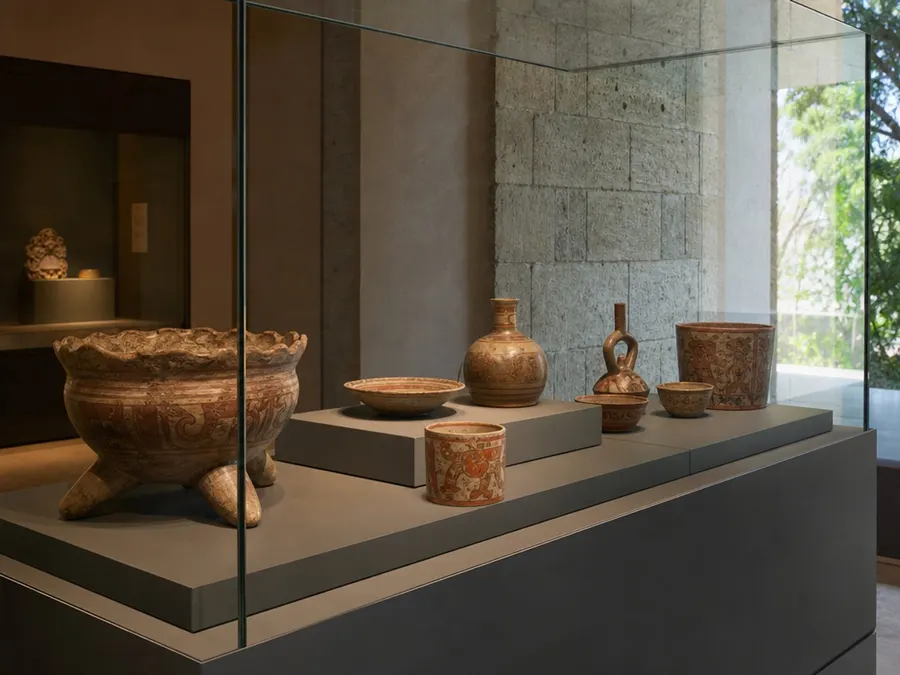
The Maya are active guardians of their culture who work to rediscover their own past while looking toward the future. When evaluating external claims about their customs, it is important to support this self-guided research and cultural preservation. Respecting the role of Maya communities in interpreting their own history is vital. Accurate evaluations should align with and respect this ongoing process of self-discovery.
Identify the Modern Population
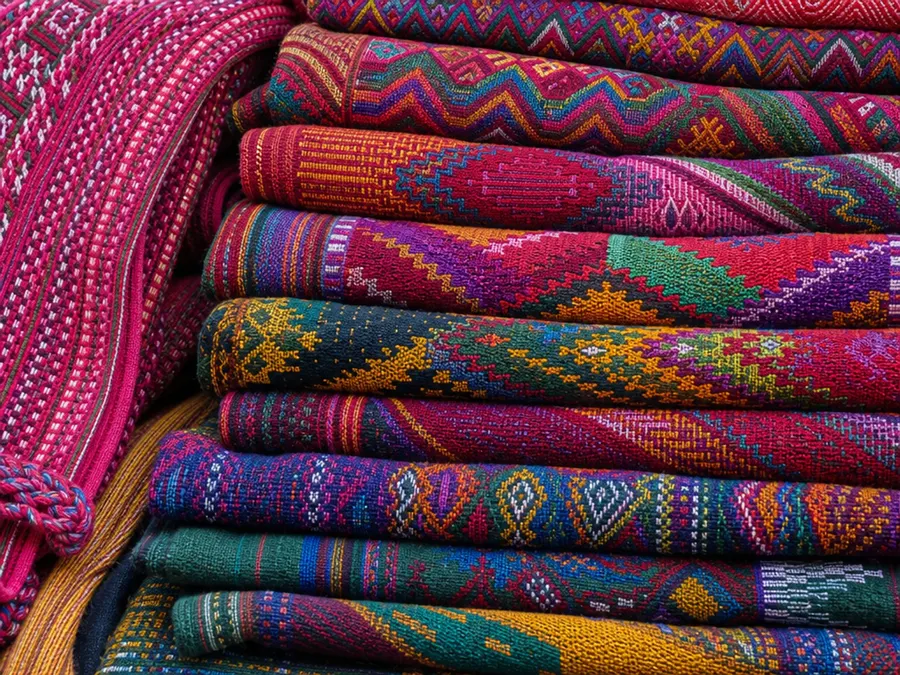
When evaluating claims about Maya customs, it is helpful to recognize the scale of the modern population. Today, more than seven million Maya live in their original homelands of Mesoamerica and in various countries worldwide. This large, widespread population means that customs can vary significantly across different regions. Recognizing this diversity helps researchers avoid treating Maya culture as a single, uniform entity.
Featured galleries