12 Checks for a Public-Record Visual Story
Establishing the As-Of Date
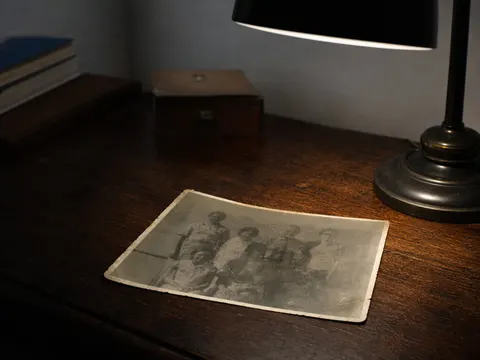
Pinpointing the date a photograph was captured is critical to placing it in the correct historical context. Viral content often misrepresents old images as brand-new events or vice versa. Researchers can look for a year of completion or specific publication dates within official registration records to help verify the timeline. This systematic approach helps establish a reliable chronology for visual media.
Sourcing First-Party Records
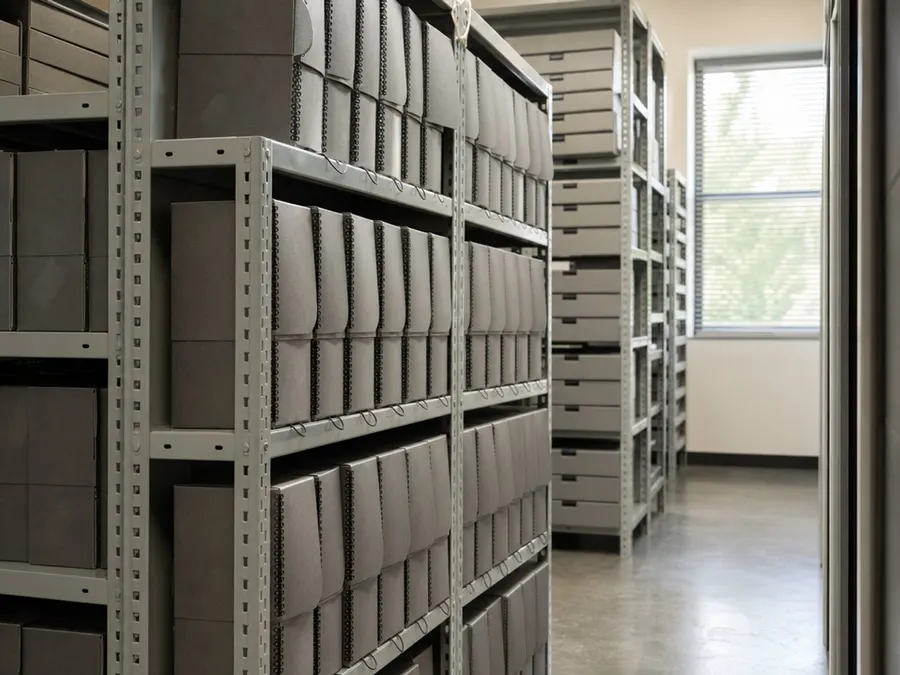
Relying on primary sources, such as government agencies or official archives, provides a solid foundation for any visual story. The National Archives Still Picture Branch, for example, houses millions of analog and digital photographs across historic record groups. Sourcing directly from these official repositories helps ensure you are working with historical evidence. Researchers can search these records online to find descriptions and digitized copies of images.
Independent Corroboration
Cross-referencing an image with independent historical series helps verify geographic and contextual claims. For example, researchers can check specialized records like the historical photograph files of the Bureau of Public Roads. Corroborating details across independent record groups validates the visual narrative. This practice ensures that a single unverified source does not dictate the story.
Original Captions and Context
A photo's original caption, written at the time of capture, is a vital piece of evidence that modern memes often strip away. Archival collections preserve these original historical descriptions to maintain context. Before republishing an image, researchers should search official database catalogs for the original, unaltered caption. This helps maintain accuracy and prevents the introduction of modern bias.

Photographer and Creative Choices
Copyright law protects a photographer's creative choices, which include camera placement, lens selection, lighting, and timing. Circular 42 notes that the person who physically takes the photo is generally the initial owner, unless it is a work made for hire. When reusing historical images, researchers must verify who holds these creative rights. This step is essential for ensuring proper compliance with copyright registration guidelines.

Crop and Edit History
Digital manipulation can easily alter the text on a sign or change the context of a scene. Examining file formats such as JPEG, TIFF, or GIF can reveal inconsistent compression or pixelation. Official repositories adhere to strict digitization guidelines to preserve the integrity of the original image. Understanding these standards helps researchers evaluate whether a visual asset has been modified.

Tracking Content Credentials
Modern digital assets should ideally carry secure metadata to track their origin and edit history. Metadata standards, such as those recommended for transferring permanent electronic records, help verify the file chain of custody. When analyzing an image, checking the available metadata can help researchers confirm its source. Relying on established guidelines ensures that digital records remain reliable and searchable.
Privacy and Publication Status
Understanding whether an image is legally published or unpublished affects both copyright registration options and legal remedies. Circular 42 clarifies that merely displaying a photograph publicly does not, in itself, constitute legal publication. Researchers must respect copyright boundaries and check the publication status of the depicted work. This distinction is critical for completing the correct registration process.
Avoiding Unsupported Inferences
Editorial integrity requires avoiding assumptions about the motives, financial status, or personal relationships of people connected to an image. A humorous sign or photograph is not proof of local eccentricities, mental health symptoms, or legal guilt. Keeping the focus strictly on verifiable physical facts prevents the spread of unsubstantiated claims. This practice ensures that visual storytelling remains objective and accurate.
Reconciling Conflicting Evidence
When different archives or registries provide conflicting metadata, a thorough investigation is required. For instance, a registration list might show one date, while an archival record group indicates another. Resolving these discrepancies requires comparing original catalog entries, templates, or registration files. Using official help resources and search tips can clarify common points of confusion.
Documenting Unresolved Elements
Responsible journalism acknowledges that some details of a visual story must remain explicitly unresolved. If the photographer, exact location, or original context cannot be verified, state this clearly to your audience. When new information emerges, records should be updated transparently to maintain accuracy. This conservative approach helps preserve the integrity of public archival records.
Verifying Exact Identity
When evaluating viral images of unusual signs or historical landmarks, verifying the exact identity of the subject is an important step. Rather than accepting a humorous caption at face value, researchers can consult structured archives to confirm the true subject matter. Consulting official catalogs, such as those provided by the National Archives, helps prevent the spread of fabricated narratives. This verification process ensures that historical context is accurately preserved.
Featured galleries