12 Checks for a Public-Record Visual Story
The Current As-Of Date
Archival reference pages and databases are periodically reviewed and updated. For example, the National Archives still pictures page highlights its last review date, such as February 18, 2025. Checking these official review dates helps investigators verify the currency of the administrative information provided. This practice ensures that researchers rely on the most up-to-date guidance available.
First-Party Official Records
To build an evidence-first narrative, researchers can obtain visual media directly from official repositories like the National Archives. The Still Picture Branch in College Park, Maryland, holds millions of analog and digital photographs, alongside tens of thousands of posters and panoramas. Accessing these direct collections helps verify the source and context of the images. Researchers can contact the branch or search the official catalog to locate specific records.
Independent Corroboration
A single photograph is often best understood when cross-referenced with other historical records. For instance, the National Archives catalog contains specific series like the War Department's World War I photographs and Signal Corps files. Researchers can also search for related materials across other research facilities and Presidential Libraries. Utilizing these multiple official collections helps confirm the broader historical context of an image.
Publication Dates and Captions
Determining the exact date a photograph was first distributed to the public is important for establishing its timeline and copyright status. Under U.S. copyright guidelines, a photograph is considered published when copies are distributed to the public or offered for further distribution or public display. Crucially, the public display of a photograph, on its own, does not constitute publication. Verifying these distribution details helps researchers accurately identify the publication status of an image.
Photographer and Licensing
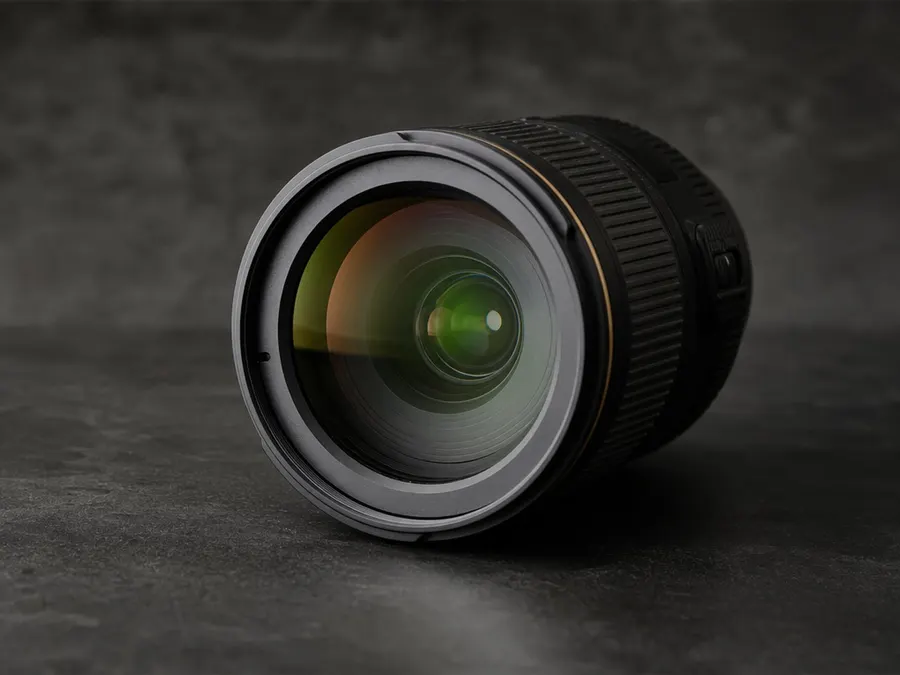
The person who takes a photograph is generally considered its author and initial copyright owner. This copyright protects the photographer's artistic choices, which can include the camera angle, lens selection, lighting, and timing. A notable exception to this initial ownership rule occurs when a photograph is created as a work made for hire. Verifying these ownership details and creative choices is a key step when researching visual records.
Crop and Edit History
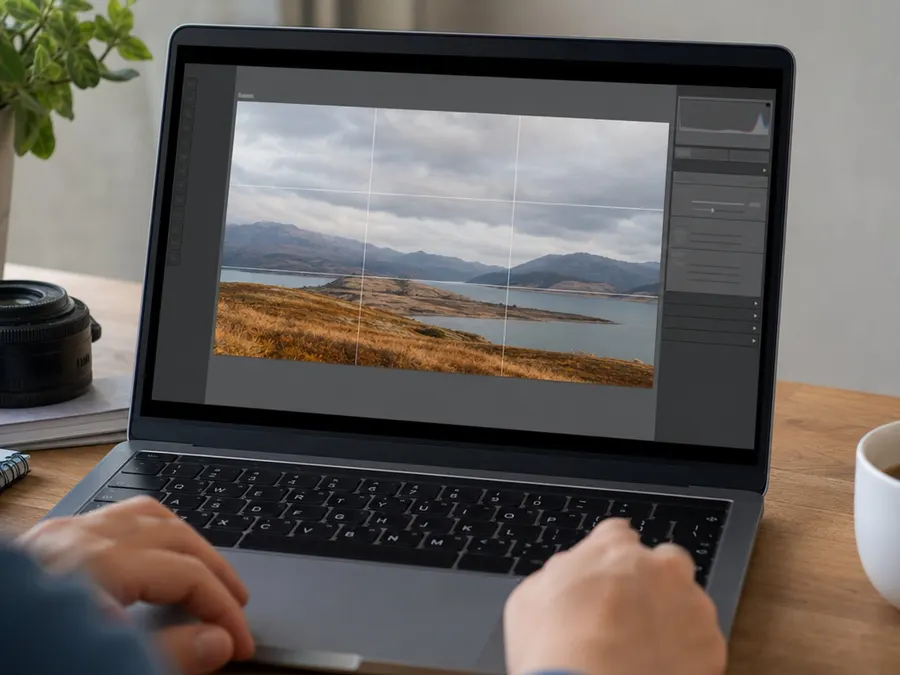
Alterations can change the context of a visual record, making it important to understand the original format of the work. The National Archives provides guidance on different photographic processes, formats, and holdings maintenance for film-based negatives. Additionally, U.S. copyright principles emphasize that a photographer's original artistic choices, such as camera placement and angle, define the work. Comparing these original elements helps researchers evaluate the integrity of a distributed image.
Content Credentials and Metadata
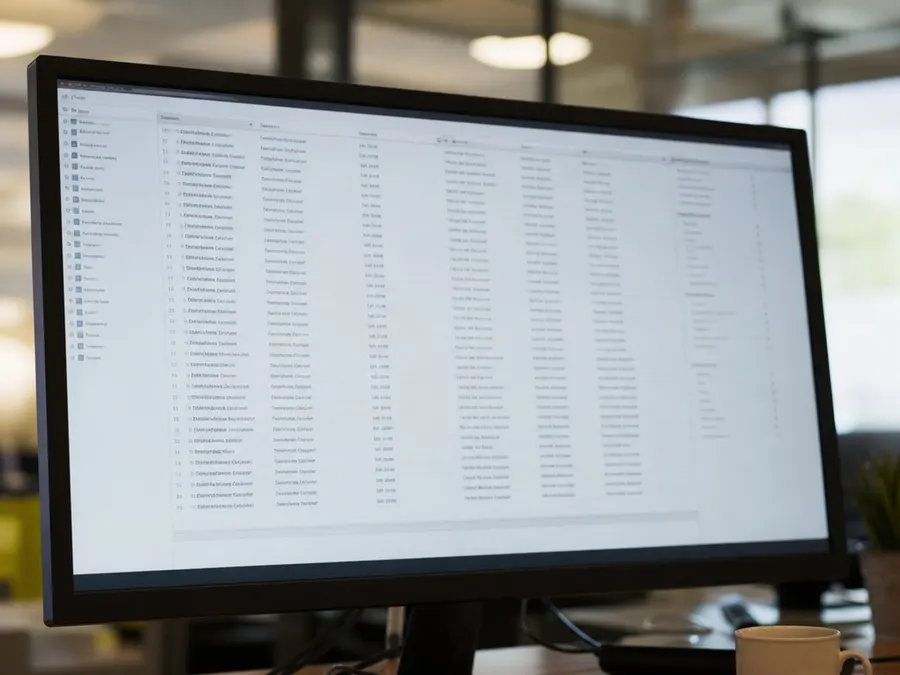
Digital preservation relies on standardized guidelines to maintain the integrity of permanent electronic records. The National Archives provides specific metadata guidance for transferring permanent electronic records. It also publishes tables of preferred and acceptable file formats, alongside guidelines for digitizing archival materials. Consulting these official standards helps researchers understand how authentic digital copies are maintained and transferred.
Privacy and Group Registration
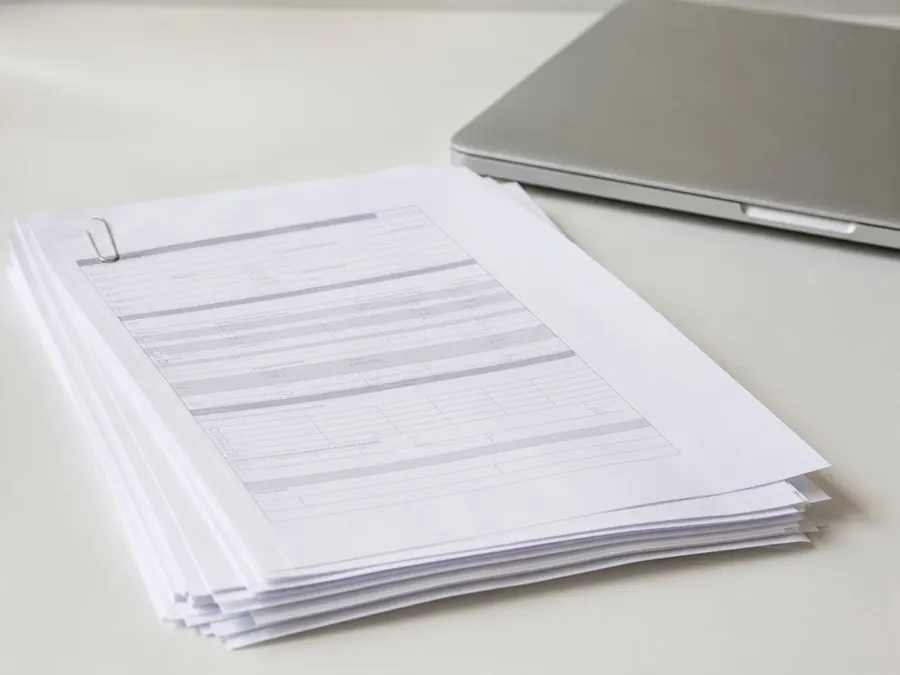
When managing collections of images, understanding the distinction between published and unpublished works is critical for copyright registration. The U.S. Copyright Office offers group registration options that allow photographers to register multiple photographs with a single submission. To qualify, a group must consist entirely of either published or unpublished photographs, and cannot contain a mix of both. These groups are limited to a maximum of 750 photographs and require a completed application and fee.
Avoiding Unsupported Inferences
Visual records can easily be misinterpreted if researchers rely on speculation rather than verified facts. To maintain editorial integrity, investigators should ground their analysis in documented historical context. The National Archives offers specific research guides, catalog descriptions, and structured record groups to help verify the details of an image. Relying on these official research tools helps prevent unsupported inferences about historical subjects.
Handling Conflicting Evidence
Discrepancies like mismatched file names or incorrect titles can create challenges during research and registration. The U.S. Copyright Office notes that mistakes in applications lead to processing delays, making accuracy essential. When preparing a group registration, the file name for each photograph should match its corresponding entry in the submitted title list. Documenting and correcting these inconsistencies helps ensure the accuracy of the official public record.

Embracing the Unresolved
Some details of a visual record or its administrative context may remain unresolved due to changing regulations. For example, U.S. Copyright Office filing fees are subject to change over time, requiring researchers to consult current fee circulars for up-to-date costs. When certain administrative or historical details cannot be definitively proven, responsible researchers should clearly outline these limitations. Acknowledging what remains unresolved is a key component of evidence-first editorial work.
Exact Identity and Scope
Identifying the precise subject of an archival photograph is the foundation of any visual investigation. Researchers can search the National Archives Catalog to find descriptions and digitized copies of images. Verifying specific record groups and classifications can help confirm the scope of an image. This process helps prevent misleading claims about the contents of public records.
Featured galleries