12 Checks for a Public-Record Visual Story

Establish the Current As-Of Date
Official information portals, such as the National Archives Still Picture page, often display a specific date indicating when the page was last reviewed. For example, the National Archives Still Picture research page was last reviewed on February 18, 2025. Checking these review dates helps researchers understand the administrative timeline of the published information. This practice assists in determining if the presented guidelines or contact details are current.
Source First-Party Official Records
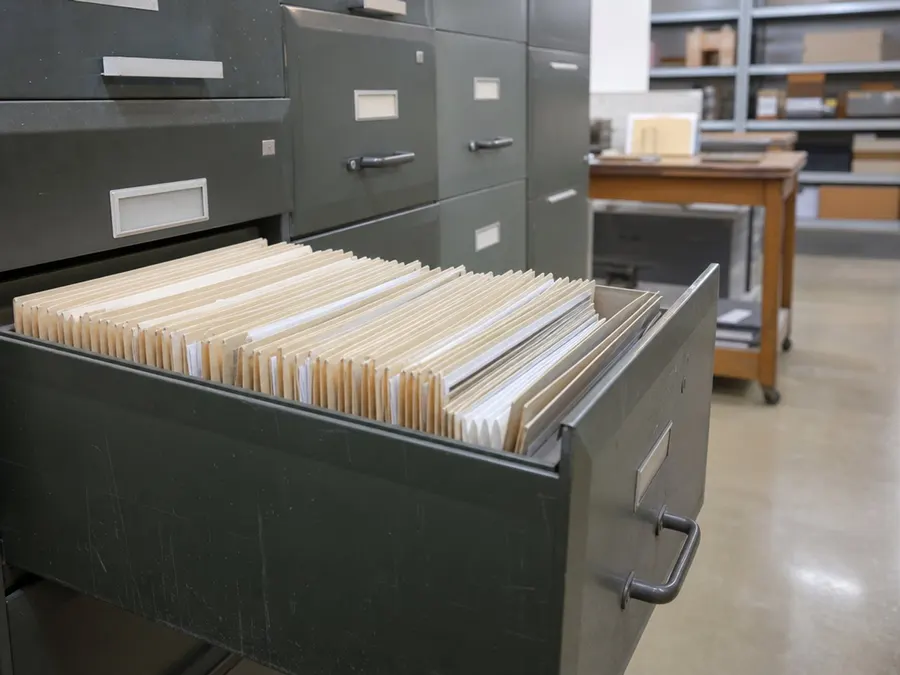
Official repositories like the National Archives Still Picture Branch hold over 14 million analog photographs and 3 million digital photographs. Researchers can access these official records directly by searching the National Archives Catalog or visiting the research room in College Park, Maryland. Retrieving images directly from first-party archival holdings helps ensure you are viewing authentic visual records. This direct approach reduces reliance on secondary sources that may lack complete metadata or context.
Seek Independent Corroboration
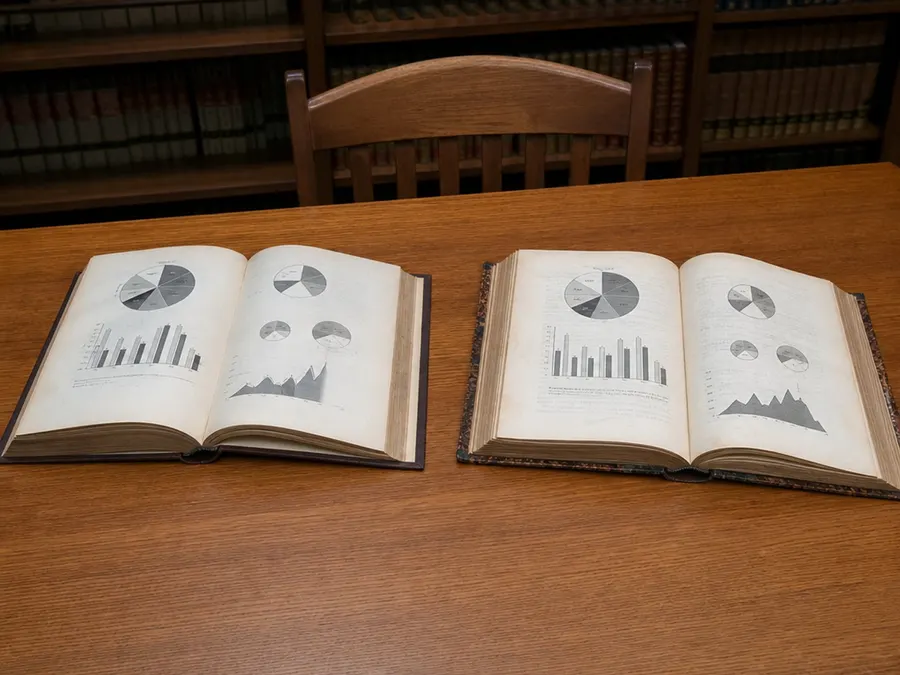
To construct a complete historical narrative, researchers can seek corroborating evidence across different archives and record groups. The National Archives permits researchers to search for additional photographic records across various research facilities and Presidential Libraries. Cross-referencing multiple record series, such as those from the Bureau of Public Roads or the War Department, helps verify the details in a specific image. This comparative method ensures a single perspective does not distort the broader historical context.
Check Image Publication Dates
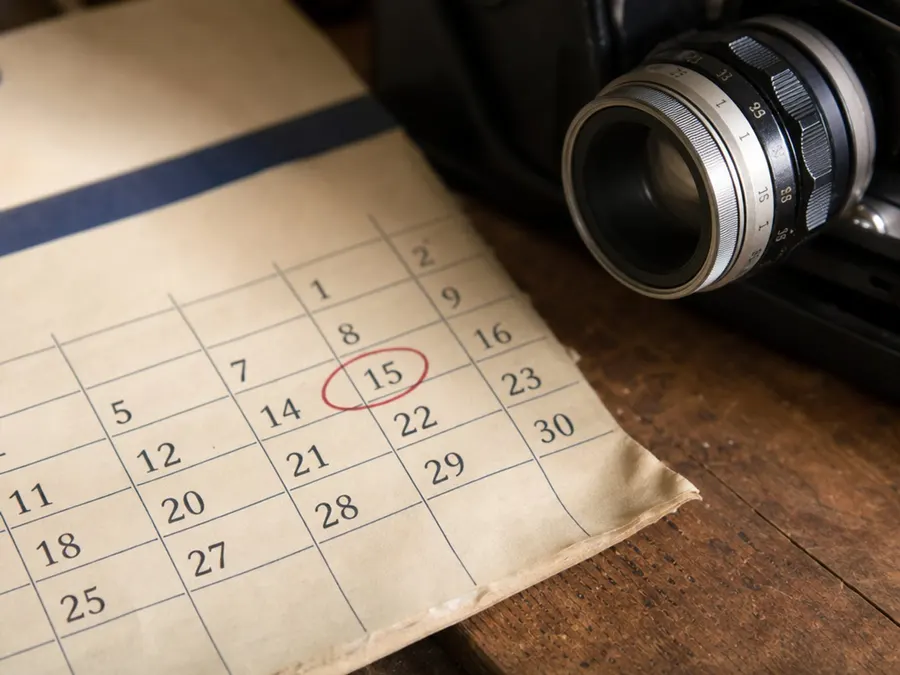
Determining whether a photograph is published is important for copyright registration and legal relief options. Under U.S. copyright guidelines, a photograph is published when copies are distributed to the public, or offered to a group for further distribution or public display. However, the public display of a photograph, in and of itself, does not constitute publication. Identifying the specific publication dates is required when registering a group of published photographs with the U.S. Copyright Office.
Examine the Original Caption
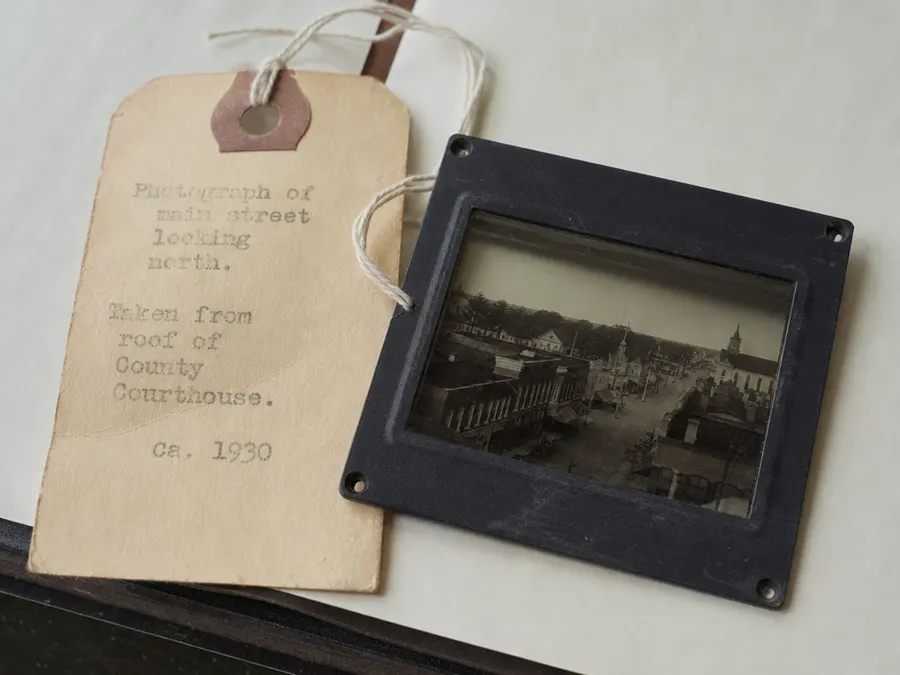
Official descriptions in the National Archives Catalog provide valuable historical clues about digitized images. These catalog descriptions help researchers identify the subjects, dates, and administrative origins of the photographs. When analyzing these descriptions, researchers should cross-reference them with specific record groups or finding aids. This verification process helps clarify historical details and ensures accurate interpretation of the visual media.
Identify the Photographer and License
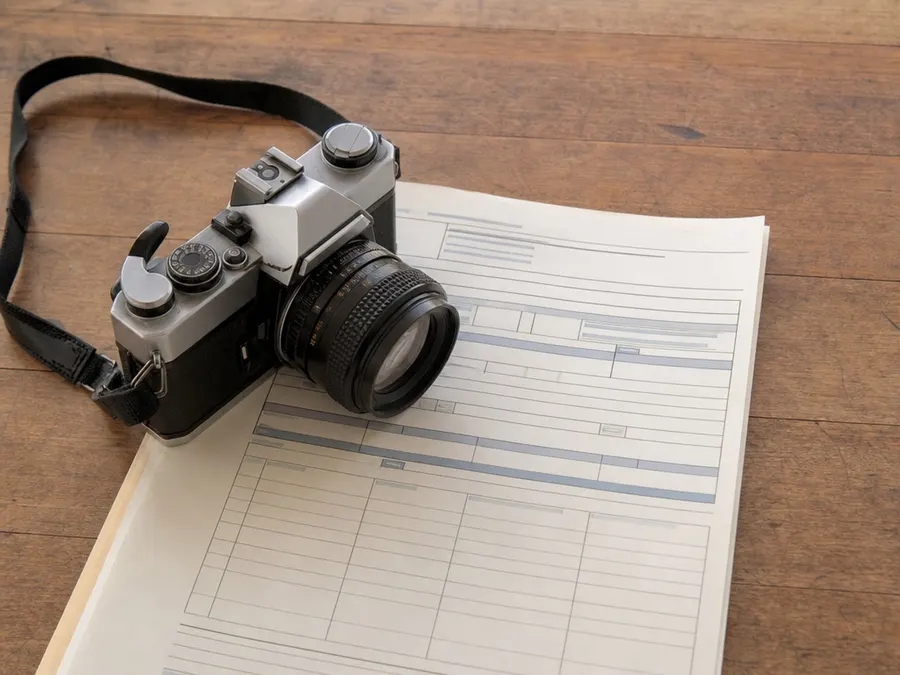
Identifying the photographer helps clarify the creative choices behind an image, which are protected under copyright law. These protected artistic choices include the selection of subject matter, camera placement, lens selection, lighting, and timing. Generally, the person who takes the photograph is the author and initial copyright owner, unless it is a work made for hire. Verifying the copyright claimant and the registration status helps ensure lawful use and proper attribution of the work.
Analyze Crop and Edit History
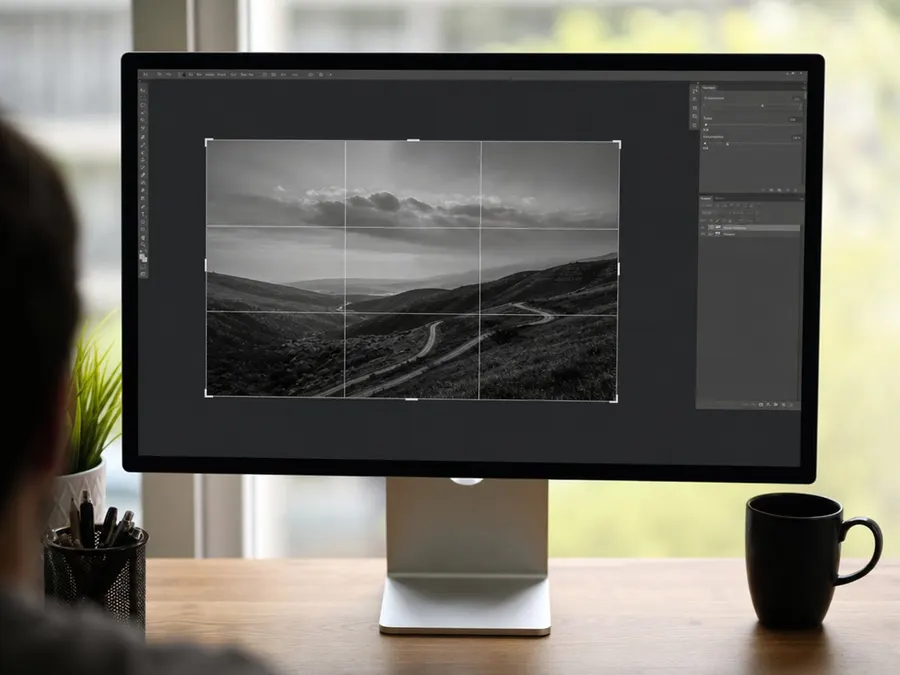
Visual records can be analyzed by examining whether they comply with official preservation and digitization standards. The National Archives provides guidelines for digitizing archival materials and references the Federal Agencies Digital Guidelines Initiative. These resources outline preferred practices for preserving photographic materials, including film-based negatives and positives. Understanding these technical standards helps researchers evaluate how digital images are processed and preserved.
Evaluate Content Credentials
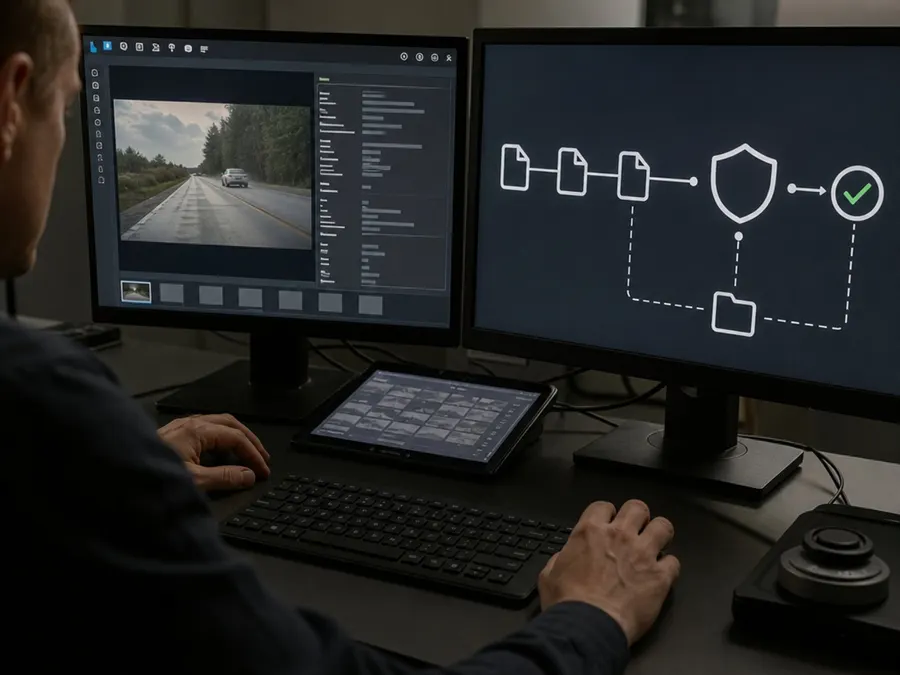
When working with digital images, researchers can verify the file formats and metadata to assess record integrity. For copyright registration, the U.S. Copyright Office accepts digital copies of photographs in JPEG, GIF, or TIFF formats. Additionally, federal guidelines provide metadata guidance for transferring permanent electronic records to the National Archives. Reviewing these file formats and official metadata standards helps confirm the technical specifications of a digitized image.
Respect Privacy and Rights
When sharing archival images, researchers must respect copyright ownership and institutional permissions. Under U.S. copyright guidelines, the public display of a photograph does not, by itself, constitute legal publication. Furthermore, institutions like the National Archives maintain specific policies regarding copyright, permissions, and military personnel photographs. Verifying these rights-holder restrictions and permissions policies helps ensure the lawful use of public and private records.

Avoid Unsupported Inferences
To avoid drawing unsupported conclusions, researchers must recognize that a photograph reflects specific creative decisions rather than an objective reality. U.S. copyright guidelines highlight that a photographer makes active choices regarding camera placement, angle, lighting, and timing. These artistic selections shape how subjects are positioned and presented in the final image. Sticking to verified facts about these creative choices prevents speculative interpretations of the scene.
Resolve Conflicting Evidence
When encountering conflicting information or errors in visual records, researchers can contact the holding institutions for clarification. For instance, the National Archives Still Picture Branch can be reached via email to address research questions or comments. Similarly, the U.S. Copyright Office provides public information services and inquiry forms to resolve registration questions. Documenting these steps and consulting official contacts helps researchers resolve discrepancies in historical and legal metadata.
Verify Exact Identity and Scope
When researching a historical or public-record image, you can establish its identity by finding its record group or collection. The National Archives Catalog provides official descriptions and digitized copies of images held in its collections. Checking these first-party catalog entries helps researchers verify the context of the visual record. This process helps confirm whether there are associated files or related documents in the archival holdings.
Featured galleries